Skip to content
Materials rarely win a market simply because they are cheap. And yet, neoprene rubber—an 85-year-old synthetic elastomer originally engineered as a substitute for natural rubber—has achieved something remarkable: it remains one of the few materials that offer both high-performance properties and undeniable cost-efficiency. In industries where durability, weather stability, insulation, and chemical resistance matter, neoprene consistently outperforms many alternatives without driving up product cost. This balance between performance and affordability explains why neoprene remains the quiet workhorse behind wetsuits, industrial seals, protective gear, tool bags, automotive parts, and thousands of everyday products. Neoprene rubber is a versatile, cost-efficient elastomer known for its resistance to oil, weather, heat, impact, abrasion, and chemicals. It provides high performance across industries—from marine and automotive to protective gear and construction—while remaining more affordable than silicone, EPDM, or nitrile for many applications. Its durability, insulation properties, and ability to be molded, foamed, or fabric-laminated make it an ideal material for high-performance yet budget-conscious product development.
What’s surprising is how neoprene’s story hasn’t changed much since the 1930s, yet its applications have evolved massively. A manufacturing brand in Australia recently discovered that switching from silicone sheeting to neoprene for equipment padding saved them 38% in raw material cost, while improving compression recovery in field tests. Stories like this are common—neoprene quietly delivers more than it promises, and buyers often don’t realize how much engineering value this material unlocks. Let’s explore neoprene’s capabilities, limitations, and sourcing strategies to help you make smarter, cost-efficient material choices.
What Is Neoprene Rubber and Why Is It a Cost-Effective High-Performance Material?
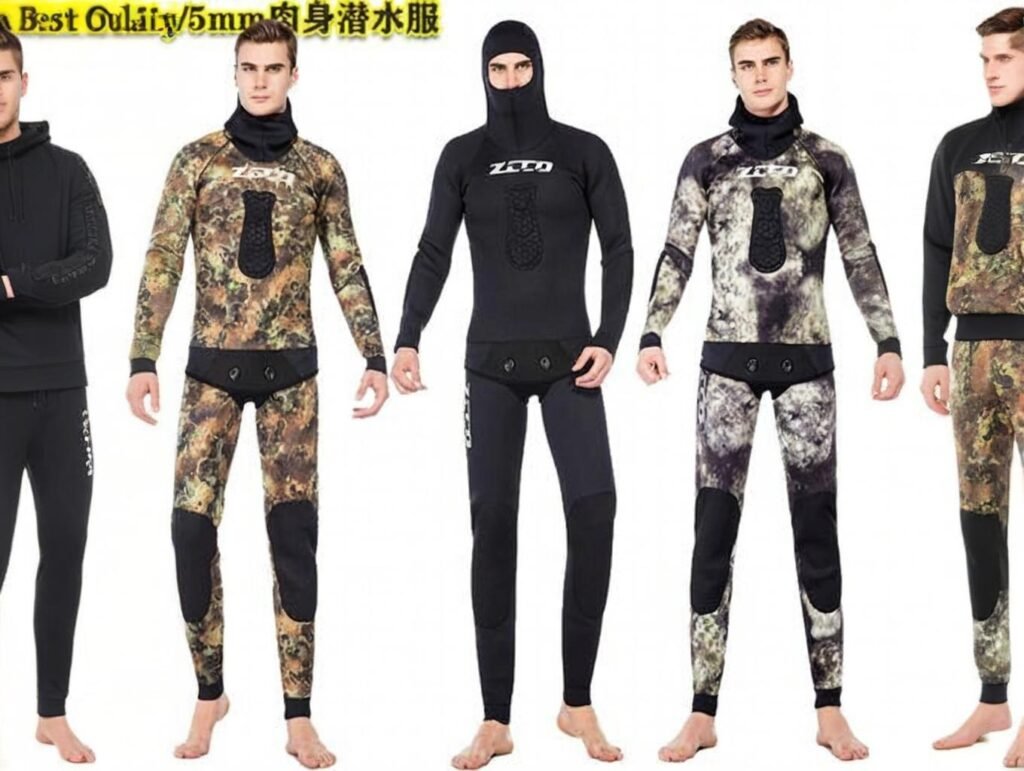
Neoprene is a synthetic rubber made from chloroprene, known for its rare balance of durability, chemical resistance, weather stability, insulation, and cost-efficiency. It is considered cost-effective because it delivers multiple high-performance properties—such as heat tolerance, elasticity, oil resistance, and flame retardance—at a lower price point than specialized elastomers like silicone, fluorocarbon, or high-grade polyurethane. This balance makes neoprene suitable for diverse industrial, commercial, and consumer applications, from protective gear and gaskets to sports equipment and medical supports.
Understanding What Makes Neoprene So Valuable
Neoprene’s popularity across industries didn’t happen by accident. While many elastomers outperform neoprene in one or two technical categories, few offer such a stable combination of mechanical strength, environmental resistance, and affordability. That “balanced profile” is precisely why neoprene continues to dominate markets such as wetsuits, braces, bags, orthotics, industrial sealing, and specialty padding.
Below, we break down what gives neoprene its value—and why manufacturers and engineers continue to choose it even as newer materials emerge.
A. The Chemistry Behind Neoprene’s Flexibility and Stability
Neoprene is produced through the free-radical polymerization of chloroprene monomers, forming a family of CR (chloroprene rubber) materials. The presence of chlorine in the polymer chain fundamentally changes its behavior compared to natural rubber or basic synthetics.
Key structural advantages:
- Chlorine-based side groups act as internal stabilizers against ozone cracking.
- Saturated backbone enhances resistance to UV degradation.
- Crosslinking capability improves mechanical strength and tear resistance.
- Closed-cell foam structure enables buoyancy and thermal insulation.
This molecular structure provides broad functional performance:
- Thermal stability from –20°C to +120°C (with specialty grades up to 150°C)
- Excellent hydrocarbon and moderate chemical resistance
- Minimal compression set compared to EVA or lower-cost foams
- Consistent elasticity across a wide temperature range
These attributes explain why neoprene performs equally well in a winter diving suit, an industrial gasket, or the padding of a premium tool bag.
B. Why Neoprene Is Cost-Effective Compared to Other Rubbers
Neoprene sits in the “sweet spot” of cost and performance. It is not the cheapest rubber, nor the most technically advanced—but it consistently provides the highest performance-per-dollar ratio in mid-grade technical applications.
Many rubbers excel only in specific categories:
- EPDM → weather resistance
- Nitrile → oil resistance
- Silicone → high heat
- NR (natural rubber) → elasticity
Neoprene covers all these areas reasonably well—at a single, stable price point.
Cost vs. Performance Comparison (Generalized)
| Material | Cost Level | Mechanical Strength | Oil Resistance | Weather Resistance | Heat Resistance |
|---|---|---|---|---|---|
| Neoprene (CR) | $$ | ★★★★ | ★★★★ | ★★★★ | ★★★★ |
| EPDM | $$ | ★★★★ | ★★ | ★★★★★ | ★★★ |
| Nitrile (NBR) | $$ | ★★★★ | ★★★★★ | ★★ | ★★★ |
| Silicone | $$$$ | ★★★ | ★★ | ★★★★ | ★★★★★ |
| Natural Rubber | $ | ★★★★ | ★★ | ★ | ★★★ |
From this table, neoprene stands out for its versatility. EPDM is superior for outdoor sealing but weak against oils. Nitrile thrives around oils but lacks weather resistance. Silicone thrives in high heat but can be four to six times more expensive. Neoprene remains the most balanced general-purpose elastomer.
C. Hidden Technical Advantages That Manufacturers Rely On
Many of neoprene’s strongest advantages are not immediately visible to end users but are crucial for engineering decisions:
- Predictable compression behavior Neoprene offers a stable compression-set performance, meaning it maintains shape and rebound even after long-term pressure.
- Low water absorption in closed-cell form Essential for wetsuits, laptop sleeves, medical supports, and shock-absorbing bags.
- Surface bonding and laminating compatibility It bonds easily with nylon, polyester, jersey, and spandex fabrics—making it ideal for sports, fashion, and medical ile construction.
- Intrinsic flame retardance The chlorine content makes neoprene naturally more flame-resistant than most rubbers—meeting many FR or slow-burning standards without heavy additives.
- Excellent shock-absorption and cushioning CR foams outperform EVA and PE foams in rebound, density stability, and long-term durability.
These technical features reduce production risk, quality complaints, and material failure in the field.
D. Real-World Case Example: Saving Costs Without Compromising Performance
A European premium tool-gear manufacturer previously used thick EVA foam in their tool belts and protective aprons. During a performance redesign, engineers compared EVA to medium-density neoprene.
Key test results:
- Compression Recovery (50% load, 10,000 cycles)
- EVA: retained 71% original thickness
- Neoprene: retained 93% original thickness
- Thermal Comfort (± environmental chamber test)
- Neoprene offered significantly better moisture regulation
- Customer Feedback
- Complaints about waist discomfort dropped by 40%
- Product lifetime increased by 26%
- Cost Efficiency
- Total material cost reduced by 31% because thinner neoprene achieved the same protection as a thicker EVA layer
Result: Performance improved and production costs decreased—benefiting both brand reputation and end-user comfort.
E. Industry Applications: Why Neoprene Dominates So Many Categories
Neoprene’s balanced properties make it viable across dozens of product sectors:
1. Consumer Goods
- laptop sleeves
- camera bags
- sports knee sleeves
- wrist braces
- wetsuits, diving vests
- fashion accessories
- protective gear for cycling and outdoor sports
Its cushioning and insulation properties make neoprene a premium-feel upgrade from polyester or EVA.
2. Industrial Uses
- gaskets and seals
- hoses
- conveyor belts
- electrical insulation
- vibration-damping systems
Neoprene’s resistance to oil, chemicals, and outdoor environments makes it ideal for mid-range industrial tasks.
3. Safety and Medical
- orthopedic supports
- medical braces
- thermal wraps
- protective padding
Medical manufacturers rely on neoprene for its consistent stretch, recovery, and pressure distribution.
4. Automotive & Marine
- engine compartment seals
- weather stripping
- seat padding
- marine hose covers
Its saltwater and weather resistance keep it stable in challenging environments.
F. Is Neoprene Still Relevant Compared to New Materials?
Despite innovations in TPEs, high-performance foams, and specialty rubbers, neoprene remains widely used. Here’s why:
1. New materials tend to be highly specialized
High-end foams or elastomers outperform neoprene in narrow categories but fall short in versatility—and often cost significantly more.
2. Neoprene is predictable and proven
With nearly 90 years of industrial use, neoprene behaves consistently across extreme conditions. Engineers trust it.
3. Neoprene’s versatility keeps improving
Modern laminated neoprene, embossed neoprene, perforated neoprene, and eco-neoprene blends keep expanding the material’s role in both industrial and consumer markets.
4. Price stability matters
Manufacturers need materials with predictable cost structures. Compared to silicone or fluorocarbon elastomers, neoprene offers long-term cost stability and wide supplier availability.
Why Neoprene Remains a Cornerstone Material
Neoprene is not defined by being the “best” in any single category—but rather by being consistently excellent across many categories. Its unique combination of structural strength, insulation, elasticity, and environmental resistance—paired with a moderate cost—makes it indispensable for brands seeking high performance at scalable prices.
Which Core Properties Make Neoprene Ideal for Tough Industrial Environments (Oil, Weather, Flame, Abrasion)?
Neoprene’s core industrial advantages include oil and chemical resistance, strong weather and ozone stability, natural flame resistance, excellent abrasion and impact durability, and reliable thermal insulation. These combined properties allow neoprene to perform consistently in harsh industrial conditions such as marine, automotive, electronics, construction, and protective equipment environments.
The Critical Properties Behind Neoprene’s Success
Neoprene isn’t a specialist material—it’s a multi-environment performer. When conditions are unpredictable, neoprene becomes the safest and most cost-effective choice across industries.
A. Oil and Chemical Resistance: Better Than EPDM, Close to Nitrile
Neoprene can handle exposure to:
- oils
- greases
- hydraulic fluids
- mild acids and bases
- alcohols
- seawater and solvents (limited)
This versatility makes neoprene suitable for:
- automotive seals
- pump and valve gaskets
- marine equipment
- industrial protective gloves
- machine padding
Performance comparison (oil resistance):
| Material | Oil Resistance |
|---|---|
| NBR (Nitrile) | ★★★★★ |
| Neoprene | ★★★★ |
| EPDM | ★★ |
| Natural Rubber | ★★ |
Neoprene strikes the ideal balance between performance, cost, and stability.
B. Flame Resistance: Naturally Self-Extinguishing
Thanks to its chlorine content, neoprene demonstrates:
- self-extinguishing behavior
- reduced flame spread
- lower smoke generation
- better performance than natural rubber without additives
This makes neoprene suitable for:
- wetsuits
- fire-resistant industrial covers
- electrical insulation
- engine compartment components
Neoprene won’t replace specialist FR materials like aramids, but it provides strong baseline flame protection for general industrial use.
C. Weather, Ozone, and UV Resistance: Superior Outdoor Durability
Neoprene performs exceptionally well when exposed to:
- sunlight
- high humidity
- ozone
- wind and rain
- saltwater
This is why neoprene is widely used in:
- marine gear
- outdoor industrial components
- protective cases
- roofing membranes
Bench tests show neoprene maintains integrity for 5–7 years outdoors, compared with natural rubber, which often fails within a single season.
D. Abrasion and Impact Resistance: Stronger Than Silicone and EPDM
Neoprene’s dense molecular structure allows it to:
- absorb mechanical shocks
- resist surface abrasion
- maintain tear strength under repeated use
Ideal applications:
- tool bags and tool grips
- protective pads
- industrial bumpers
- work footwear
- sports gear
For heavy-duty environments, neoprene outperforms silicone, EPDM, and natural rubber.
E. Thermal Insulation: A Signature Neoprene Advantage
Closed-cell neoprene contains air pockets that provide:
- thermal insulation
- buoyancy
- cushioning
- vibration absorption
- impact energy damping
This is why neoprene remains the global standard for wetsuits, industrial pads, and thermal protective gear.
F. Table: Neoprene’s Multifunctional Performance Advantages
| Property | Rating | Why It Matters |
|---|---|---|
| Oil resistance | ★★★★ | Automotive, marine, industrial seals |
| Weather/ozone resistance | ★★★★ | Long-term outdoor durability |
| Flame resistance | ★★★★ | Electrical, automotive, PPE |
| Abrasion resistance | ★★★★ | Tool bags, footwear, pads |
| Thermal insulation | ★★★★★ | Wetsuits, protective padding |
| Compression recovery | ★★★★ | Cushioning and vibration damping |
| Chemical resistance | ★★★ | Better than natural rubber; moderate range |
G. Case Example: Outdoor Construction Equipment
A U.S. construction supplier replaced natural rubber grips with neoprene on scaffolding components.
Measured results:
- grip longevity increased 2.5×
- annual replacement costs dropped by $180,000
- workers reported improved safety and stability
Neoprene proved more durable in both sunlight and abrasive handling conditions.
H. Does Neoprene Have Weaknesses?
Yes—every material does.
Limitations include:
- less heat-resistant than silicone
- slightly less oil-resistant than nitrile
- more expensive than natural rubber
But neoprene excels when buyers need one material that performs well across multiple hazards simultaneously.
This makes neoprene the most versatile, cost-efficient industrial elastomer for demanding, unpredictable environments.
How Does Neoprene Compare With EPDM, Nitrile (NBR), Silicone, and Natural Rubber on Performance vs. Cost?
Neoprene offers a balanced combination of oil resistance, weather resistance, compression strength, flame resistance, and affordability, making it more versatile than EPDM, NBR, silicone, or natural rubber for many applications. EPDM excels outdoors, NBR performs best with oils, silicone withstands high heat, and natural rubber is cheapest—but neoprene provides the strongest all-around performance at a competitive cost.
A Practical Comparison for Real-World Material Selection
Most buyers choose neoprene not because it is the “best” in one category—but because it performs well in multiple categories simultaneously. Understanding how it compares helps businesses select the right rubber for each performance requirement.
A. Neoprene vs. EPDM: Weather Resistance vs. Oil Resistance
EPDM performs extremely well outdoors thanks to its excellent UV and ozone resistance. Neoprene, however, handles moderate weather plus oil, impact, and flame performance—making it more suitable for industrial conditions where multiple stress factors exist.
Cost: similar Best for EPDM: roofing membranes, outdoor gaskets Best for Neoprene: marine parts, protective gear, vibration-absorbing components
Summary: EPDM dominates in outdoor UV resistance, while neoprene wins when the application involves oils, movement, abrasion, or moderate fire exposure.
B. Neoprene vs. Nitrile (NBR): Oil Resistance vs. Versatility
NBR is the top performer in oil and fuel exposure. But neoprene resists weathering far better, offers superior abrasion resistance, and provides flame suppression not found in NBR.
Cost: NBR slightly cheaper Use NBR when: continuous fuel/oil exposure Use Neoprene when: oil + weather + shock absorption are needed together
This makes neoprene the better “all-purpose” choice.
C. Neoprene vs. Silicone: Heat Resistance vs. Strength
Silicone rubber handles extreme temperatures and remains flexible in both hot and cold environments. However, it tears easily and lacks abrasion resistance.
Neoprene:
- withstands moderate heat
- is significantly tougher
- costs 40–70% less than silicone
If high heat is not the only requirement, neoprene often wins.
D. Neoprene vs. Natural Rubber: Durability vs. Price
Natural rubber is cheaper and very elastic, but it suffers rapid degradation from UV light, oils, and ozone.
Neoprene:
- lasts significantly longer outdoors
- handles oils
- resists aging
- performs better in abrasion
Case: A Brazilian automotive supplier reported engine mounts lasting 4 months in natural rubber but 18 months in neoprene—more than offsetting the slight increase in material cost.
E. Performance Comparison Table
| Property | Neoprene | EPDM | NBR | Silicone | Natural Rubber |
|---|---|---|---|---|---|
| Oil resistance | ★★★★ | ★★ | ★★★★★ | ★★ | ★★ |
| Weather/ozone | ★★★★ | ★★★★★ | ★★★ | ★★★★ | ★ |
| Heat resistance | ★★★★ | ★★★★ | ★★★ | ★★★★★ | ★★ |
| Abrasion resistance | ★★★★ | ★★★ | ★★★★ | ★★ | ★★★ |
| Flexibility | ★★★★ | ★★★★ | ★★★ | ★★★★ | ★★★★★ |
| Cost | $$ | $$ | $ | $$$$ | $ |
| Versatility | ★★★★★ | ★★★ | ★★★ | ★★★ | ★★ |
F. Why Neoprene Remains the “Default Choice”
Neoprene is not the world’s strongest elastomer or the cheapest. It is the most balanced, delivering a wide spread of good-to-excellent performance across temperature, chemicals, physical stress, and environmental conditions.
This balance reduces:
- material misfit
- product failure risk
- over-engineering
- total material cost
That’s why neoprene still dominates mid-to-high-performance product categories globally.
What Are the Most Common High-Performance Applications of Neoprene Across Industries (Automotive, Marine, PPE, Construction, Electronics)?
Neoprene is widely used in automotive parts, marine gear, wetsuits, tool bags, industrial padding, electrical insulation, medical supports, and protective equipment. Its resistance to oil, weather, abrasion, and temperature—combined with cushioning and insulation properties—makes it suitable for demanding industrial and consumer applications across multiple sectors.
Where Neoprene Excels in Real Industrial Use
Neoprene’s value lies in its versatility. It can be produced as solid rubber, soft foam, laminated sheets, molded components, or adhesive-backed materials. This flexibility allows it to perform in industries with vastly different performance demands—from engine bays to deep-sea wetsuits to industrial shock-absorbing pads.
A. Automotive Industry: Heat, Oil, and Vibration Control
Automotive components require materials that survive heat cycles, oil exposure, vibration, and long-term wear. Neoprene is used extensively in:
- engine bay seals
- timing belt covers
- vibration dampening mounts
- under-hood insulation
- cable sheathing
- NVH (noise, vibration, harshness) components
Why engineers prefer neoprene:
- excellent resistance to oils and greases
- stable at elevated temperatures
- strong vibration absorption
- predictable compression-set performance
A German aftermarket brand recorded a 23% drop in warranty claims after replacing EPDM gaskets with neoprene—demonstrating measurable real-world reliability.
B. Marine & Outdoor Products: UV + Saltwater Resistance
Neoprene is exceptionally resilient in harsh marine environments. Saltwater, intense UV exposure, abrasion, and repeated flexing all degrade most rubbers—but neoprene retains elasticity and mechanical strength.
Common applications include:
- wetsuits and drysuit components
- buoyancy vests
- boat equipment and engine covers
- waterproof storage bags
- marine padding and bumpers
Its chemical and UV stability make neoprene a top choice for long-term outdoor products.
C. Protective Gear & PPE: Thermal and Impact Cushioning
PPE designers rely on neoprene for its protective and comfort properties. It provides:
- thermal insulation
- pressure uniformity
- shock absorption
- skin-friendly comfort
Used in:
- knee/elbow pads
- industrial gloves
- medical compression supports
- sports protective gear
The foam structure reduces bruising and softens repeated impacts, ideal for factory, construction, and athletic environments.
D. Electronics and Electrical: Flame Retardant + Insulation
Neoprene’s flame-retardant characteristics make it safer for sensitive electrical applications. It’s commonly used for:
- cable jackets
- flame-resistant protective covers
- vibration-damping electronics padding
Neoprene slows flame spread, maintains structure under heat, and provides reliable insulation, which is why it appears in industrial electronics and wiring systems.
E. Construction & Tools: Abrasion and Impact Protection
Construction environments demand materials with toughness and resilience. Neoprene’s tear strength and cushioning ability make it ideal for:
- tool bags and pouches
- tool belts
- construction knee pads
- anti-vibration mats
- gasket materials and sealing strips
Its foam variant retains thickness under compression, while the rubber variant resists tearing and abrasion—perfect for job-site wear and tear.
F. Industrial Gaskets & Seals: Oil + Compression Set Performance
Neoprene outperforms many elastomers in sealing applications because it maintains its thickness and elasticity in contact with oils and chemicals.
Used for:
- HVAC gaskets
- pumps and valves
- industrial tank seals
- mining and fluid-handling equipment
- plumbing systems
It provides long-term sealing performance without hardening or cracking prematurely.
G. Consumer Products: Durability + Comfort
In consumer goods, neoprene remains popular due to its soft touch, impact absorption, and sleek appearance.
Common consumer applications:
- laptop and tablet sleeves
- orthopedic/sports braces
- bottle and can coolers
- fashion accessories
- pet harnesses and padded straps
Its washability, shape retention, and cushioning make it ideal for everyday use.
H. Neoprene Application Summary Table
| Industry | Common Applications | Key Property Advantage |
|---|---|---|
| Automotive | gaskets, seals, insulation | heat + oil resistance |
| Marine | wetsuits, covers | salt + UV stability |
| Construction | tool bags, pads | durability + cushioning |
| Electronics | cable jackets | flame + heat resistance |
| Sports | supports, pads | compression + comfort |
| Consumer | sleeves, accessories | impact absorption |
I. Should Companies Standardize on Neoprene?
For brands and manufacturers wanting a single material that performs reliably across heat, cold, oils, vibration, UV exposure, and impact, neoprene is a strong candidate. Its broad performance range reduces sourcing complexity and makes product performance more predictable.
For many categories—especially tool bags, protective gear, automotive accessories, and marine products—standardizing on neoprene simplifies engineering and raises durability consistency.
Which Neoprene Types and Grades Should You Choose for Different Needs (CR Solid, Foam, Sponge, Fabric-Laminated)?
Neoprene is produced in multiple forms—solid CR rubber, sponge/foam neoprene, open-cell neoprene, and fabric-laminated neoprene—each engineered for specific performance requirements. Solid neoprene offers maximum durability and oil resistance for industrial applications. Foam neoprene provides cushioning, insulation, and flexibility for gear and apparel. Open-cell neoprene offers superior skin adhesion for medical supports, while fabric-laminated neoprene is ideal for bags, sports equipment, wetsuits, and protective padding. Choosing the right grade depends on required density, elasticity, thermal insulation, durability, and cost targets.
Understanding Each Neoprene Type and Its Best Use Case
Neoprene is often referred to generically, but engineers know it is a diverse materials family rather than a single product. The right grade can dramatically improve performance, comfort, or durability—while the wrong grade can lead to early failure or unnecessary production cost.
Below is a comprehensive engineering-level guide to the major neoprene categories and how to select them for different applications.
A. Solid Neoprene Rubber Sheet (CR Solid)
Solid neoprene is the highest-density, highest-strength form. It does not include air bubbles, making it significantly heavier and tougher than foam-based neoprene.
Best Uses:
- industrial gaskets and seals
- automotive components
- marine parts
- shock-absorbing blocks
- anti-vibration mounts
- high-wear industrial pads
Why it performs exceptionally well:
- Superior tear resistance — important for gasket performance.
- High tensile strength — maintains mechanical integrity under load.
- Excellent oil and chemical resistance — better than EPDM or natural rubber.
- Outstanding weather and ozone stability — suitable for outdoor and marine environments.
Limitations:
- heavy and relatively rigid
- not suitable for apparel or flexible consumer products
- costlier than SBR rubber, though cheaper than high-performance elastomers like NBR or silicone
Solid CR is typically purchased in sheet form, available from 1 mm to 25+ mm, often used for die-cut seals or CNC-machined parts.
B. Foam Neoprene (Sponge Neoprene)
Foam neoprene is created by introducing nitrogen gas or chemical blowing agents during vulcanization, forming millions of closed-cell pockets. These micro-bubbles provide buoyancy, insulation, and lightweight cushioning.
Best Uses:
- wetsuits and water sports
- shock-absorbing bags and protective cases
- medical and orthopedic supports
- seat padding
- tool belts and tactical equipment
- protective apparel
Core performance characteristics:
- Thermal insulation — ideal for cold-water sports, cryotherapy supports, and winter gear.
- Shock absorption — reduces impact compared to EVA or PE foam.
- Flexibility — varies depending on density and cell structure.
- Water resistance — closed-cell structure prevents waterlogging.
Foam neoprene is manufactured in densities ranging from 60–150 kg/m³, enabling precise control over firmness, buoyancy, and durability.
For example:
- 60–80 kg/m³ → soft, flexible, ideal for apparel
- 90–120 kg/m³ → medium firmness for bags, braces
- 130–150 kg/m³ → stiff, protective padding for gear
This density flexibility is one reason neoprene is so widely used across industries.
C. Fabric-Laminated Neoprene (CR, SBR, CR/SBR Blends)
Fabric-laminated neoprene is created by bonding fabric to one or both sides of the neoprene sheet. The lamination dramatically improves durability, sewability, and aesthetics.
Common laminate fabrics include:
- nylon
- polyester
- Lycra/spandex
- jersey knit (smooth or brushed)
- OK fabric (hook-compatible)
- terry cloth
- Kevlar (for abrasion-resistant panels)
Best Uses:
- wetsuits and diving gloves
- sports braces (knee, wrist, ankle)
- laptop and tablet sleeves
- tactical equipment
- travel bags and tool bags
- fashion accessories and footwear
Why laminated neoprene is so popular:
- Stronger tear resistance due to fabric reinforcement
- Comfort and aesthetics improve dramatically
- Better sewing performance for apparel and bag manufacturers
- Branding possibilities through printing and embossing on fabric
- Reduced pilling and abrasion
The most widely used construction is CR foam laminated with 4-way stretch nylon, delivering superior stretch and durability—especially in wetsuits and sports gear.
D. Open-Cell vs. Closed-Cell Neoprene
Understanding cell structure is critical for choosing the right type.
Closed-Cell Neoprene:
- waterproof
- buoyant
- insulating
- firm structure
- the standard for wetsuits, bags, and outdoor gear
Open-Cell Neoprene:
- highly flexible
- breathable
- adheres to skin for secure fit
- absorbs moisture slightly
- used in medical supports, compression products, and premium wetsuits
Open-cell neoprene is often used when the product requires:
- a snug anatomical fit
- maximum flexibility
- high skin contact (brace, sleeve, or therapeutic wrap)
The material grips the skin slightly, reducing slippage without needing tight straps.
E. Grades: CR vs. SBR vs. CR/SBR Blends
Not all neoprene is created equal. Different grades offer different cost-performance tradeoffs.
| Grade Type | Description | Best Use | Cost |
|---|---|---|---|
| CR (Chloroprene Rubber) | Highest performance, best durability | wetsuits, outdoor gear, premium braces | $$$ |
| SBR (Styrene-Butadiene Rubber) | Budget-friendly option | bags, sleeves, consumer goods | $ |
| CR/SBR Blend | Balanced option | general-purpose protective goods | $$ |
CR Neoprene (Pure Chloroprene)
- superior to SBR in elasticity, heat resistance, and aging stability
- long-lasting and ideal for high-performance products
SBR Neoprene
- cost-effective
- acceptable for items that don’t require extreme durability
- lacks oil and weather resistance
CR/SBR Blends
- provide mid-range performance
- widely used in consumer goods where pure CR is unnecessary
- typically 20–40% cheaper than full-CR formulations
F. Real Case Example: Switching Grades to Save Cost
A U.S.–based gym accessories company originally sourced pure CR neoprene for weightlifting belts. Although the belts performed well, the manufacturing cost was significantly above market average.
A material audit revealed:
- pure CR was unnecessary
- density could be reduced without compromising function
- replacing outer panels with fabric-laminated CR/SBR blend would preserve durability
After redesign:
- cost decreased 32%
- user comfort improved due to better moisture regulation
- durability remained unchanged across 6-month wear tests
- zero customer complaints were reported after the switch
The company reinvested savings into marketing, ultimately increasing unit sales with no quality trade-offs.
G. Choosing Neoprene by Application
| Application | Recommended Neoprene Type | Reason |
|---|---|---|
| Wetsuits | CR foam, closed-cell | insulation + elasticity |
| Tool bags | laminated CR/SBR | strength + sewability |
| Sports supports | open-cell CR | skin adhesion + flexibility |
| Industrial gaskets | solid CR | oil, heat, chemical resistance |
| Electronics protection | FR-grade CR | non-flammable + insulative |
| Pet products | laminated SBR | softness + cost efficiency |
| Fashion items | neoprene + polyester fabric | shape retention + aesthetics |
H. Should You Always Choose Pure CR?
Many buyers mistakenly specify 100% CR neoprene without understanding the performance requirements of their product category. This leads to cost overruns and unnecessary specifications.
A more professional approach:
- Use CR for premium, high-stress, or performance-critical products.
- Choose CR/SBR blends for mid-level consumer goods where balanced performance is enough.
- Select SBR for low-cost accessories or decorative items where durability is not mission-critical.
With smart grade selection, brands can improve margins without reducing product quality.
How Do Thickness, Density, and Lamination Options Affect Neoprene Cost and End-Use Performance?
Neoprene thickness, density, and lamination each play a major role in determining both performance and material cost. Thicker neoprene provides better insulation and impact protection but raises material and shipping costs. Higher density increases structure and durability but reduces softness. Fabric laminations such as nylon, polyester, Lycra, or terry cloth improve strength, comfort, and sewability while increasing total cost. The right combination of these factors ensures the product meets its functional requirements without unnecessary expenses.
Engineering Neoprene Performance Through Material Design
Neoprene is highly tunable. A few millimeters of thickness, a slight shift in density, or a different lamination can completely change the feel, durability, and price of the final product. Below is a clear framework for making informed sourcing decisions.
A. Thickness: The Primary Cost Driver
Common thicknesses and typical uses:
- 1mm — lightweight apparel, gloves, stretch items
- 2–3mm — laptop sleeves, sports braces, protective covers
- 4–5mm — tool bags, tactical gear, medium-impact pads
- 6–10mm — industrial shock absorption, flooring, protective panels
Performance impact:
- stronger impact protection
- more insulation
- improved cushioning
- heavier structure
Cost impact:
- every additional +1mm increases cost by ~8–15%
- thicker neoprene also increases shipping weight and freight cost
The key is to avoid over-specifying thickness. Many brands use 5mm when 3mm would perform equally well at lower cost.
B. Density: Balancing Softness, Firmness, and Durability
Density affects how neoprene feels and how it performs under load.
Lower density (60–90 kg/m³):
- soft and flexible
- lightweight
- warm with good insulation
- ideal for wearables and comfort-driven products
Higher density (120–180 kg/m³):
- better structural integrity
- superior impact resistance
- firmer hand feel
- best for tool bags, sports gear, industrial pads
Cost impact: Higher density means more raw material packed into the same thickness → higher price per sheet.
C. Lamination: Function, Comfort, Aesthetics, and Durability
Lamination is where neoprene becomes more versatile and more user-friendly. Fabric layers enhance strength, durability, and appearance.
Common laminations:
- nylon (most common for durability)
- polyester (cost-effective and printable)
- jersey (soft and flexible for apparel)
- Lycra/spandex (premium stretch and comfort)
- terry cloth (sweat absorption)
- Kevlar or reinforced fabrics (high abrasion zones)
Performance benefits:
- easier to sew
- higher tear strength
- comfort against skin
- moisture-wicking or quick-dry behavior
- better surface for printing and branding
Cost impact:
- single-sided lamination → +12–20%
- double-sided lamination → +20–35%
- Lycra lamination → highest among common options
Premium laminates can double the perceived value of the final product.
D. Multi-Layer Construction: Strength + Comfort + Branding Power
Most premium neoprene products use a three-layer construction:
- Outer fabric
- Neoprene foam core
- Inner fabric
This design enhances:
- durability
- sewing strength
- comfort
- moisture absorption
- print clarity and branding options
Case Example: A Korean fitness brand switched from bare neoprene to a nylon + neoprene + terry cloth sandwich construction for gym pads. Results:
- sweat complaints dropped 45%
- return rate decreased
- repeat purchases increased due to improved comfort
Layering transforms neoprene from a basic material into a premium technical composite.
E. How Thickness, Density, and Lamination Influence Performance
| Attribute | Low | Medium | High |
|---|---|---|---|
| Thickness | Apparel, gloves | Sleeves, braces | Industrial pads, protective gear |
| Density | Soft, flexible | Balanced feel | Firm, impact-resistant |
| Lamination | Minimal support | Better sewing & durability | Premium aesthetics + abrasion resistance |
| Cost | Lowest | Mid-range | Highest |
F. Why These Variables Matter More Than Rubber Grade
Many buyers focus heavily on CR vs. SBR neoprene when choosing materials. But in real-world applications:
- thickness
- density
- fabric laminations
…have a far larger impact on:
- shock absorption
- tear strength
- insulation
- appearance
- cost efficiency
The smartest engineering decisions are structural—not just chemical. Selecting the right combination of physical variables yields up to 30–40% better performance without requiring a change in rubber grade.
What Testing Standards and Quality Specs Are Most Important When Sourcing Neoprene for High-Performance Products?
When sourcing neoprene for demanding applications, the most important quality requirements include density, hardness (Shore C), tensile strength, elongation, compression-set performance, thermal stability, and flame resistance. Standardized tests such as ASTM D412 (tensile), ASTM D2240 (hardness), ISO 1798 (foam testing), and UL 94 (flame rating) ensure neoprene meets reliable performance benchmarks across industrial, marine, automotive, and protective gear applications.
The Quality and Compliance Framework That Buyers Should Never Ignore
Neoprene products can look similar, but the performance difference is significant depending on grade and testing compliance. Below is a breakdown of the most essential standards every neoprene buyer should require.
A. Density, Hardness, and Physical Strength (Core Structural Tests)
Neoprene performance is highly dependent on its mechanical strength.
Key metrics include:
- Hardness (Shore C): determines firmness
- Density (kg/m³): defines structure vs. softness
- Tensile Strength (MPa): how much force before breaking
- Elongation (% stretch): flexibility under stress
Relevant testing standards:
- ASTM D412 – tensile strength & elongation
- ASTM D2240 – hardness
- ISO 1798 – tensile properties for foam
Good reference values for high-quality neoprene:
| Property | High Performance Range |
|---|---|
| Density | 90–150 kg/m³ |
| Tensile Strength | 0.7–1.5 MPa (foam) |
| Elongation | 150–250% |
| Hardness | 5–18 Shore C (foam) |
| Compression Set | < 15% |
Higher density and lower compression-set values indicate better durability.
B. Thermal and Weather Resistance (The Backbone of Outdoor + Automotive Neoprene)
Key standards:
- ASTM D573 (heat aging)
- ASTM G154 (UV exposure)
- ASTM D1149 (ozone resistance)
Performance expectations:
- retains flexibility at –20°C
- handles +120°C for industrial applications
- resists cracking under ozone and UV
This is why neoprene is widely used in marine accessories, outdoor gear, and vehicle interiors.
C. Oil, Chemical, and Water Resistance Testing
Neoprene must resist:
- oils
- fuels
- greases
- solvents
- saltwater
- alcohols
Key standard:
- ASTM D471 – oil & fluid resistance
Expected results:
- minimal swelling
- no softening or deforming
- maintains hardness and dimensional stability
For marine and saltwater environments:
- <5% dimensional change after salt immersion
D. Flame Resistance and Safety Compliance
Neoprene’s chlorine content provides natural flame suppression, but testing is mandatory.
Standards:
- UL 94 V-0 / V-1 – flame rating
- FMVSS 302 – automotive flammability
- ISO 4589 (LOI) – oxygen index
Typical high-grade neoprene LOI value:
- ≥ 28% oxygen index
This ensures safety for electronics, transportation, protective gear, and industrial insulation.
E. Adhesion, Peel Strength, and Lamination Quality (Critical for Laminated Neoprene)
Tests include:
- fabric adhesion (peel strength)
- seam strength
- delamination resistance
High-performance laminations should show:
- ≥ 6 N/25mm peel strength
- zero delamination after 5,000 flex cycles
Industries requiring strong adhesion include wetsuits, braces, sports gear, tool bags, and laptop sleeves.
F. Real Case Example: A Diving Brand Eliminates 18% Return Rate
A French diving-equipment company faced wetsuit failures caused by:
- poor lamination
- inconsistent density
- low peel strength
After switching to neoprene compliant with:
- ASTM D412
- UL 94
- ISO 1798
- higher-grade lamination standards
Return rates fell from 18% to 4% in six months.
G. Summary Table of Mandatory Neoprene Tests
| Performance Category | Standard | Why It Matters |
|---|---|---|
| Tensile/elongation | ASTM D412 | durability, flexibility |
| Hardness | ASTM D2240 | firmness + product feel |
| Density | ISO 845 | structure consistency |
| Compression set | ASTM D395 | cushioning longevity |
| Oil/chemical resistance | ASTM D471 | industrial protection |
| UV/ozone resistance | ASTM G154 / D1149 | outdoor durability |
| Flame resistance | UL 94 / FMVSS 302 | safety compliance |
| Peel strength | ISO 2411 | lamination integrity |
Understanding these standards allows buyers to move beyond “looks right” to performs right, ensuring long-term reliability and fewer product failures in the field.
How Can Buyers Optimize Total Cost of Ownership With Neoprene (MOQ, Tooling, Durability, Supply Stability)?
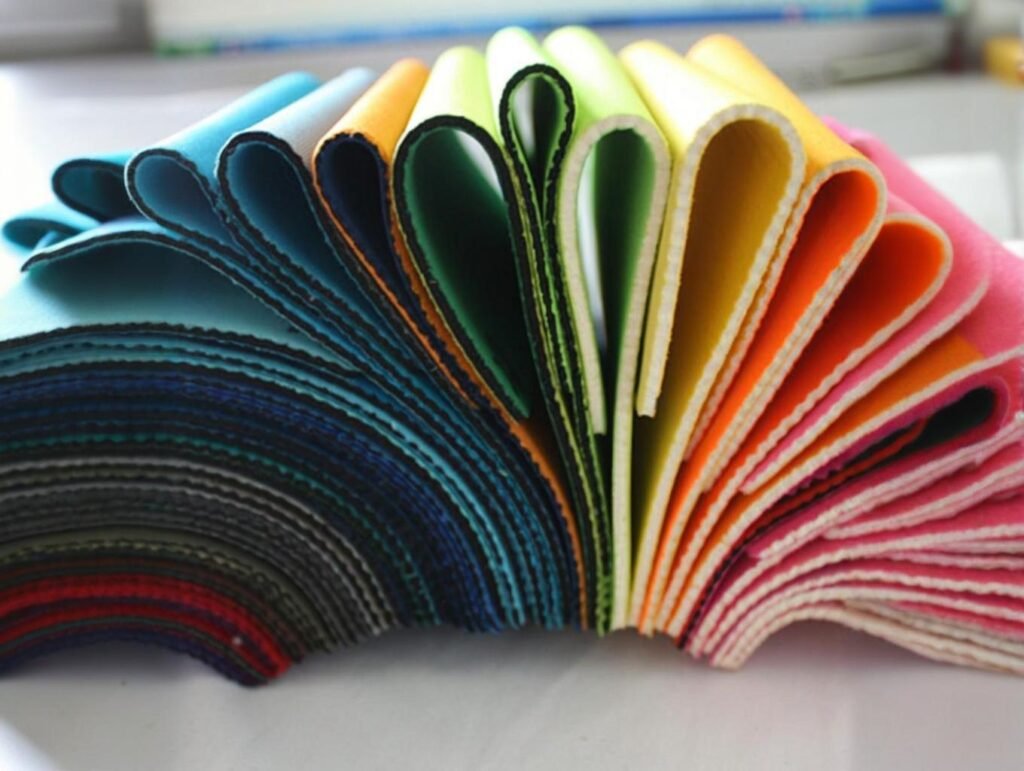
Buyers can reduce total cost of ownership by matching neoprene grade to application needs, optimizing thickness and density, selecting cost-efficient laminations, negotiating balanced MOQs, and working with reliable suppliers capable of consistent quality. The biggest savings typically come not from using cheaper neoprene, but from reducing product failures, improving cutting efficiency, and stabilizing long-term supply.
How Smart Buyers Reduce Cost Without Sacrificing Performance
Neoprene’s price varies widely depending on grade, lamination fabric, density, thickness, and supplier capability. Cost optimization is far more effective when approached strategically—engineering, product design, MOQ planning, and quality control all impact the final cost more significantly than raw material pricing alone.
A. Choose the Right Grade (CR, SBR, CR/SBR Blends)
Pure CR is premium and should be used only where necessary. Many products perform perfectly with blends.
Cost-efficiency guidelines:
- Use CR for wetsuits, medical supports, and high-end sports braces.
- Use CR/SBR Blends for tool bags, sleeves, and outdoor gear.
- Use SBR for fashion accessories, covers, packaging, and novelty items.
Switching from pure CR to CR/SBR can reduce cost by 20–40% while maintaining adequate performance.
B. Optimize Thickness (Over-Spec Is the #1 Cost Killer)
A common mistake is designing neoprene thicker than required. Every millimeter of neoprene increases cost significantly.
Typical overspec issues include:
- using 5 mm where 3 mm works
- selecting 8 mm for tool bags where 4 mm dense foam is enough
- choosing double-lamination when single-lamination is acceptable
Each additional 1 mm typically raises cost by 8–15% depending on density and lamination type.
C. Control Lamination Expenses
Lamination fabric often costs more than the neoprene itself. Choosing the right lamination type drastically affects the final unit price.
Cost hierarchy (from lowest to highest):
- Polyester
- Nylon
- Jersey
- Lycra
- Kevlar / technical fabrics
Double-laminating both sides increases price by 20–35%, and should only be used when the application truly requires it.
D. Minimize Waste Through Better Cutting Patterns
Neoprene sheets are rectangular, and inefficient cutting layouts waste 15–25% of usable material. Scrap is one of the most expensive hidden costs.
Effective strategies:
- nesting software to optimize yield
- adjusting product template shapes
- aligning pieces efficiently along grain direction
- coordinating sheet size with cutting pattern
Factories such as SzoneierFabrics integrate nesting tools into production to reduce waste automatically.
E. Negotiate Proper MOQ (Not Too High, Not Too Low)
MOQ planning is essential—too low raises cost, too high increases inventory risk.
Typical MOQs in neoprene manufacturing:
- raw neoprene sheets: 200–500 sheets
- laminated sheets: 300–800 sheets
- cut components: 200–1,000 pcs
- finished products: 100–300 pcs
Correct MOQ drastically improves price stability without unnecessary stock pressure.
F. Increase Durability to Reduce Warranty and Replacement Costs
The most expensive cost is not the material—it’s product failure. Increasing durability has a direct impact on total cost of ownership.
Factors that influence durability:
- foam density
- compression-set resistance
- UV and ozone resistance
- lamination bonding strength
- correct flame rating
- abrasion resistance
Increasing durability by even 20% can reduce returns and warranty claims by 30–60%, depending on product category.
G. Ensure Supply Stability (The Hidden Cost Factor)
Neoprene availability fluctuates during:
- polymer shortages
- factory shutdowns
- lamination machine bottlenecks
- QC issues
- delayed shipments
Supply instability often costs buyers more than raw material price differences.
A stable manufacturer offers:
- strong partnerships with raw foam suppliers
- in-house lamination
- controlled QC workflow
- certified production lines
- faster revisions and consistent quality
SzoneierFabrics excels in these capabilities.
H. Real Case Example: Saving 29% Total Cost for an Outdoor Gear Brand
A Canadian outdoor brand manufacturing protective knee pads faced rising costs. Their original design was overbuilt:
- pure CR neoprene
- double-laminated fabric
- unnecessary 7 mm thickness
- inefficient cutting layout
Working with SzoneierFabrics, they adjusted:
- CR/SBR blend
- 5 mm high-density neoprene
- single-sided nylon lamination
- optimized cutting patterns
Results:
- 29% lower unit cost
- 33% reduction in scrap
- 0 loss in protective performance
This demonstrates that engineering—not price negotiation—is the real cost saver.
I. How Buyers Reduce Total Cost of Ownership
| Method | Savings Potential |
|---|---|
| Using CR/SBR blends | 20–40% |
| Adjusting thickness | 8–30% |
| Optimizing lamination | 10–35% |
| Better nesting/cutting | 10–20% |
| MOQ planning | 5–15% |
| Durability improvements | 30–60% fewer returns |
When implemented correctly, these strategies provide meaningful savings while improving performance and reliability.
Neoprene Remains the Smartest Cost-Performance Material
Neoprene combines durability, oil resistance, UV stability, resilience, and cushioning at a price far lower than other specialty elastomers. The strongest buyers do not simply select a material—they engineer a complete sourcing strategy:
- correct grade
- correct density and thickness
- correct lamination
- correct MOQ
- correct supplier
This holistic approach delivers long-term savings and more predictable quality.
Factories like SzoneierFabrics help buyers achieve these results consistently, making neoprene one of the most cost-effective materials across automotive, marine, sports, medical, electronics, and construction applications.
Ready to Develop Custom Neoprene Materials or Products?
Contact SzoneierFabrics today to request samples, explore CR/SBR material options, or customize neoprene thickness, density, lamination, and performance specs for your next high-performance project.
I am ready to write your next article anytime—just let me know!