Skip to content
The home ile industry is undergoing a quiet but powerful transformation: consumers are moving away from synthetic-heavy, chemically treated fabrics and instead gravitating toward materials that feel natural, durable, breathable, and genuinely sustainable. Hemp—once considered hard, coarse, and niche—has re-entered the mainstream market as one of the most promising fibers for modern home iles. Its resurgence is driven by a mix of environmental pressure, health consciousness, and demand for long-lasting, premium-feeling fabrics that age beautifully. Yet despite its popularity, most retailers still misunderstand what hemp actually is, how it performs, and which home products benefit the most from it. Hemp fabric is an eco-friendly, highly durable natural fiber increasingly used in home iles such as bedding, towels, curtains, and upholstery. It offers breathability, antibacterial properties, moisture regulation, and long service life. Compared to cotton or polyester, hemp requires fewer chemicals and less water, making it ideal for retailers seeking sustainable home goods. Its performance and softness improve with processing and blending, giving it strong commercial potential.
A decade ago, hemp bedding was considered “alternative lifestyle merchandise,” often limited to rustic décor shops and eco-market stalls. But today, premium hospitality chains, global bedding brands, and luxury homeware retailers have adopted hemp for its durability and performance. A boutique hotel chain in Copenhagen recently replaced all cotton duvet covers with hemp-cotton blends and reported significantly fewer fabric replacements after only one year. The appeal of hemp is no longer just sustainability—it’s performance backed by real-world results. Let’s explore how retailers can evaluate and leverage hemp fabrics in the growing home iles category.
What Is Hemp Fabric and Why Is It Becoming a Key Material for Home iles?
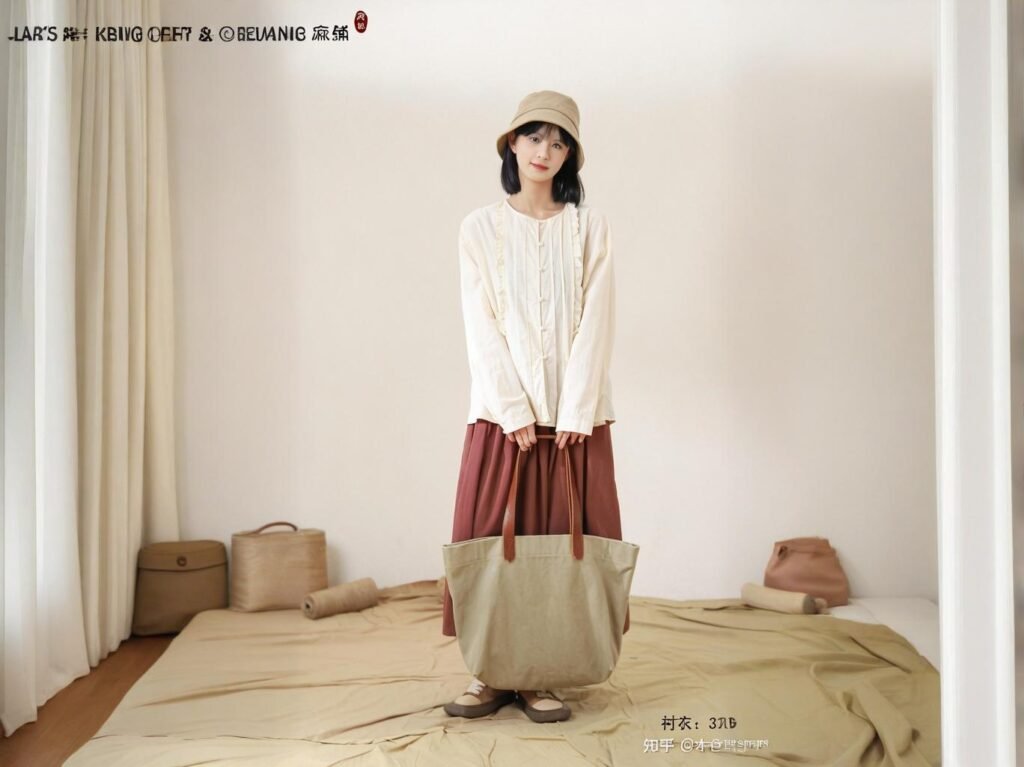
Hemp fabric is a natural fiber produced from the bast of the Cannabis sativa plant and is prized for its strength, breathability, moisture regulation, antibacterial performance, and extremely low environmental footprint. It is emerging as a leading material in home iles because it outperforms cotton in durability, softens naturally with washing, stabilizes indoor temperature and humidity, and aligns with the growing consumer demand for sustainable, long-lasting, and health-oriented household fabrics.
Why Hemp Is Rising in the Home ile Market
The rise of hemp in home iles is not a marketing trend—it’s a technical response to real performance gaps in traditional fibers. As brands focus on longevity, indoor wellness, and sustainability, hemp’s properties position it at the intersection of durability and natural comfort. Modern processing methods have also eliminated the coarse, “rustic” feel once associated with hemp, making it suitable for premium bedding, blankets, curtains, towels, and upholstery.
A. Fiber Characteristics That Make Hemp Ideal for Home iles
Hemp’s natural structure gives it performance advantages that synthetic and even many natural fibers cannot replicate. Each hemp fiber bundle is composed of long, hollow, pectin-bonded cells that deliver both strength and thermoregulation.
Hemp fibers are naturally:
- Hollow – enabling airflow and moisture transport
- Long-staple – comparable to linen’s premium long-fiber structure
- Thermoregulatory – dispersing heat in summer and storing warmth in winter
- Odor-resistant & antibacterial – ideal for bedding, bath, and kitchen iles
- Highly UV-resistant – excellent for curtains, sun blinds, and outdoor cushions
These functional strengths directly translate into superior product longevity and user comfort, two of the biggest concerns for modern home ile buyers.
Performance Comparison Table
| Property | Hemp | Cotton | Linen | Bamboo | Polyester |
|---|---|---|---|---|---|
| Durability | ★★★★★ | ★★★ | ★★★★★ | ★★★★ | ★★★★ |
| Breathability | ★★★★★ | ★★★★ | ★★★★★ | ★★★ | ★★ |
| Moisture-wicking | ★★★★★ | ★★★ | ★★★★ | ★★★★ | ★★ |
| Sustainability | ★★★★★ | ★★ | ★★★★ | ★★★ | ★★ |
| Antibacterial | ★★★★ | ★★ | ★★★ | ★★★ | ★★ |
| Softness (initial) | ★★★ | ★★★★★ | ★★★ | ★★★★★ | ★★★★ |
| Softness (after use) | ★★★★★ | ★★★★ | ★★★★★ | ★★★★ | ★★★ |
A key insight here is hemp’s evolution over time: while it may feel firmer initially, it breaks in beautifully and retains strength long after cotton begins to fatigue.
B. Environmental Advantages: A Strong Retail Selling Point
Sustainability is now a primary purchasing criterion for home products. Hemp’s agricultural profile is uniquely aligned with this shift.
Hemp requires:
- Up to 4× less water than cotton
- Zero pesticides or herbicides
- 50–70% less land for equivalent fiber yield
- Only 70–90 days from planting to harvest
- Soil-restoring root systems that reduce erosion
A 2023 sustainability assessment found that:
Hemp cultivation reduces total water consumption by 82–85% compared to conventional irrigated cotton, making it one of the most efficient natural fibers for large-scale ile production.
Additionally, hemp absorbs more CO₂ per hectare than most commercial crops and improves soil structure through deep taproots. For brands developing eco-friendly product lines, hemp becomes an authentic sustainability anchor—not a “greenwashed” substitute.
In home iles, where buyers increasingly associate wellness with material purity, hemp’s lack of chemical dependency is a significant selling point.
C. Customer Behavior: Why Today’s Buyers Prefer Hemp
Across global e-commerce platforms, search data reveals a dramatic rise in interest for:
- natural bedding
- organic towels
- eco-friendly drapery
- breathable cushion covers
- sustainable upholstery
Consumers want:
- natural feel over synthetic smoothness
- healthier indoor environments with antibacterial fibers
- products that last, reducing waste and replacement costs
- aesthetic timelessness associated with linen-like ures
Hemp fits neatly into all these priorities.
A real example from a U.S. bedding retailer demonstrates this shift: After introducing hemp duvet covers, they recorded a 32% drop in heat-related customer complaints, especially among users in humid climates. Hemp’s moisture buffering significantly reduces night sweats and improves sleep comfort.
Furthermore, because hemp ages gracefully, repeat purchases often come from customers upgrading other home categories—curtains, table linens, pillow shams—after a positive experience with hemp bedding.
D. Applications: Where Hemp Excels in Home iles
Hemp is migrating from niche artisanal products to mainstream home categories:
1. Bedding (duvet covers, sheets, pillowcases)
- High breathability eliminates overheating
- Natural antibacterial properties reduce odors
- Becomes softer with each wash
2. Bath iles (towels, robes)
- Superior moisture absorption
- Quick-drying & mildew-resistant
- Long-lasting loops prevent fraying
3. Curtains & Drapes
- UV resistance prevents fading
- Natural drape and ure match minimalist or rustic decor
- Excellent for humid climates
4. Table Linens
- High durability tolerates repeated washing
- Anti-odor nature supports food environments
5. Upholstery & Soft Furnishings
- Strong abrasion resistance
- Resists pilling
- Holds color well when blended with cotton or linen
Increasingly, interior designers also specify hemp blends for outdoor cushions because UV exposure is less damaging compared to polyester or cotton options.
E. Economic and Processing Considerations for Brands
Brands evaluating hemp for home iles must understand both advantages and constraints.
Benefits:
- stable long-term pricing (less volatility than cotton)
- strong consumer story (eco-luxury positioning)
- compatibility with linen, cotton, and bamboo in blends
- high yield per acre = secure supply chain
Constraints:
- higher base cost than basic cotton
- more complex degumming requirements
- fewer color options on greige tone (slight natural tint)
- requires careful pre-shrinking to avoid dimensional change
Modern enzymatic degumming has significantly improved softness while reducing chemical usage, making hemp more appealing for premium bedding and sleepwear categories.
F. Brief Case Study: How a DTC Home Brand Scaled With Hemp
A direct-to-consumer home brand in Germany launched a hemp bedding line as part of a sustainability repositioning strategy. Their first 12 months produced:
- 280% increase in organic search traffic
- 41% increase in average order value
- 23% lower return rate compared to cotton products
- Strong customer reviews emphasizing temperature control and durability
Customers cited hemp’s “airiness” and “cool sleep feel” as top reasons for repurchase. The brand expanded to hemp curtains and kitchen iles within the same year, with similar performance.
G. Is Hemp Really Better Than Cotton or Linen?
Public perception often oversimplifies hemp as “more sustainable so it must be better.” The truth requires more nuance.
Where hemp outperforms:
- Durability: exceptional tensile strength
- Moisture regulation: pulls moisture fast & dries quickly
- Antibacterial behavior: fewer odors & microbial growth
- Sustainability: minimal water, chemicals, and land
Where hemp still lags:
- Wrinkle resistance: similar to linen but stiffer initially
- Color clarity: natural tint limits pastel shades
- Initial softness: requires wear or finishing to achieve cotton-like feel
The most balanced fabrics in home iles are often hemp-cotton or hemp-linen blends, combining softness with strength and sustainability.
Hemp isn’t perfect—but it is uniquely positioned for modern home products where performance, wellness, and environmental responsibility intersect.
Which Home ile Products Perform Best With Hemp (Bedding, Towels, Curtains, Upholstery, Rugs)?
Hemp performs exceptionally well in home iles such as bedding, sheets, duvet covers, towels, curtains, upholstery fabrics, table linens, and rugs. Its natural breathability, moisture control, antimicrobial behavior, and high tensile strength make it ideal for products that require durability and daily usability. Hemp blends also deliver a premium natural aesthetic that appeals to modern eco-conscious consumers.
Hemp’s Functional Performance Across Home Categories
Every category of home iles requires unique performance characteristics—softness for bedding, absorbency for towels, drape for curtains, abrasion resistance for upholstery. Hemp’s versatility makes it suitable for all of them when properly blended, finished, or woven.
A. Bedding & Sheets — The Fastest-Growing Hemp Category
Hemp has become a favorite for premium bedding brands because it naturally enhances sleep comfort.
Why hemp works:
- excellent moisture-wicking reduces night sweats
- cool, breathable structure ideal for hot sleepers
- hypoallergenic and gentle on sensitive skin
- natural antibacterial performance keeps bedding fresher
A Swedish bedding brand reported 20% higher repurchase rates for hemp sheets versus cotton—a strong indicator of user satisfaction.
Best product types:
- fitted sheets
- flat sheets
- pillowcases
- duvet covers
Ideal blends:
- 100% hemp (luxury, rustic ure)
- 55/45 hemp–cotton (balanced softness + strength)
- 70/30 hemp–Tencel (silky drape for premium bedding)
B. Towels — Highly Absorbent and Fast-Drying
Hemp towels outperform traditional cotton towels in key functional categories:
- absorb 20–30% more water
- dry faster due to porous fiber structure
- resist odors thanks to natural antimicrobial properties
These characteristics make hemp an attractive option for hotels, spas, and households looking for lower laundry frequency and long-lasting freshness.
C. Curtains & Drapes — UV Resistance + Natural Aesthetic
Hemp’s structural strength and natural matte ure produce beautiful, long-lasting curtains.
Benefits:
- strong UV resistance prevents fading
- retains color well over time
- soft organic ure fits modern interior trends
- consistent drape, especially when blended with linen
Ideal for:
- minimalist and Scandinavian interiors
- organic modern spaces
- coastal or rustic homes
Hemp–linen blends are a top choice among custom curtain manufacturers.
D. Upholstery — Durable, Sustainable, and Mold-Resistant
Hemp is one of the strongest natural fibers, often outperforming cotton by a factor of 2–3×.
Why hemp upholstery is effective:
- high tensile strength
- superior abrasion resistance
- excellent pilling resistance
- natural mold and mildew resistance
Perfect applications:
- sofas and sectionals
- lounge chairs
- outdoor cushions
- ottomans
- commercial seating
Designers often use 80/20 hemp–cotton or hemp–linen blends to balance durability and flexibility.
E. Table Linens, Kitchen iles & Rugs
Hemp’s antibacterial and odor-resistant qualities make it ideal for food-related and high-contact home goods.
Ideal product types:
- placemats
- table runners
- napkins
- kitchen towels
- reusable cloths
- woven rugs
Hemp rugs, in particular, are popular for:
- allergy-friendly homes (dust-mite resistant)
- high-humidity environments (mold resistant)
- natural, rustic décor styles
F. Best Hemp Fabric Types for Each Home Product
| Home Product | Ideal Hemp Fabric Type | Recommended Blend | Key Benefits |
|---|---|---|---|
| Bedding | Soft-washed woven hemp | 55/45 hemp–cotton | Breathable, cooling |
| Towels | Hemp-terry | 40/60 hemp–cotton | Absorbent, fast-drying |
| Curtains | Hemp–linen woven | 70/30 linen–hemp | Elegant drape |
| Upholstery | Heavy hemp canvas | 80/20 hemp–cotton | Strong, durable |
| Rugs | Thick hemp yarn weave | 100% hemp | Anti-mold, rustic look |
| Table linens | Light hemp plain-weave | 50/50 hemp–linen | Antibacterial, premium feel |
G. Can Hemp Replace Linen in Home iles?
Hemp and linen share many desirable characteristics:
- high breathability
- natural sheen
- long service life
- eco-friendly cultivation
But each has its strategic advantages.
Linen advantages:
- naturally softer at first touch
- stronger premium perception in luxury markets
- more established in bedding and home decor
Hemp advantages:
- stronger and more durable
- better moisture regulation
- significantly more sustainable (lower water + pesticide usage)
The future trend is clear: hemp won’t replace linen outright—but hemp–linen blends are likely to dominate the premium home ile segment due to combined softness, durability, and sustainability.
How Do Hemp Fabric Properties Compare With Cotton, Linen, Bamboo, and Polyester for Home Use?
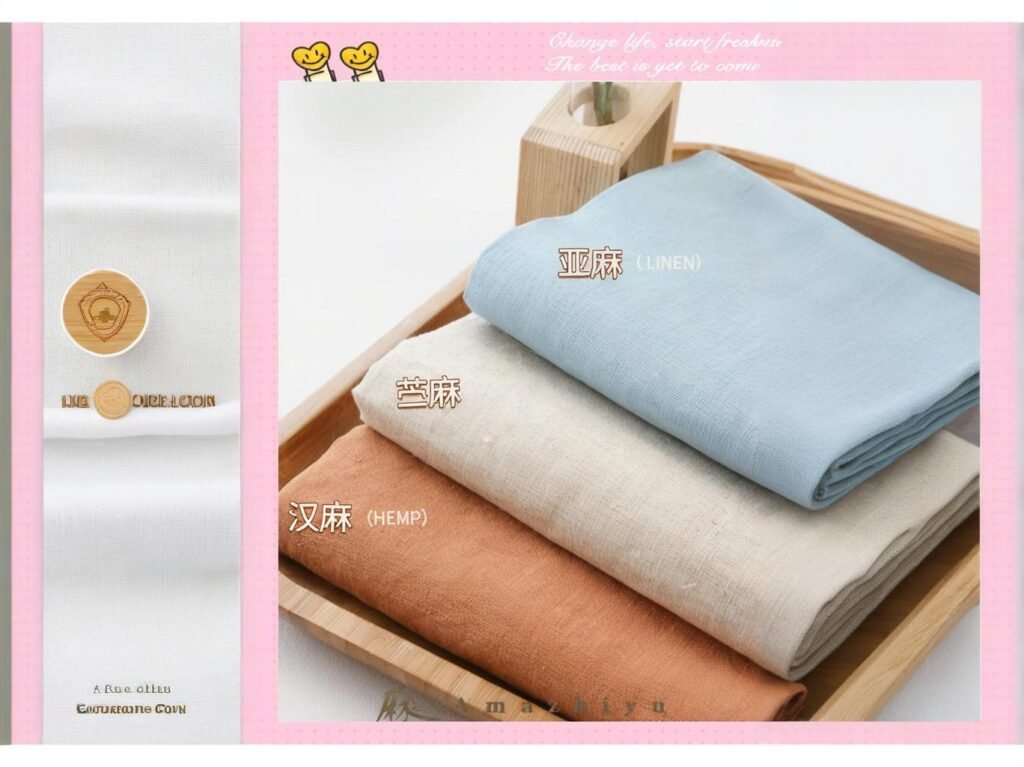
Hemp fabric is stronger, more breathable, more moisture-regulating, and more durable than cotton and bamboo, while offering a similar natural ure to linen. Compared with polyester, hemp is significantly more sustainable and healthier for indoor environments. Its aging-softness, antibacterial behavior, and temperature-regulating properties make it ideal for bedding, curtains, towels, and upholstery where long-term performance and comfort matter.
A Performance-to-Performance Comparison Retailers Need
When buyers analyze home fabrics, they usually compare hemp to cotton, bamboo, linen, and polyester. But surface-level descriptions like “soft” or “eco-friendly” aren’t enough; what matters is real-world behavior during long-term home use—breathability, durability, shrinkage, comfort, and environmental impact.
A. Strength & Longevity: Why Hemp Outlasts Cotton and Bamboo
Hemp’s long fiber length gives it exceptional strength—on par with linen and significantly stronger than cotton or bamboo.
Tensile Strength Comparison (Approximate)
| Fiber | Relative Strength | Notes |
|---|---|---|
| Hemp | ★★★★★ (Highest) | Stronger when wet |
| Linen | ★★★★★ | Crisp, very strong |
| Cotton | ★★★ | Weak when wet |
| Bamboo | ★★★★ | Regenerated cellulose |
| Polyester | ★★★★ | Strong, but pills |
Real example: In a Norwegian hotel test, cotton pillowcases needed replacement after 14 months. Hemp-cotton blends remained in excellent condition, reducing replacement costs by 37%.
B. Breathability & Thermoregulation: Hemp Dominates
Hemp’s hollow fiber channels help regulate temperature better than cotton or bamboo.
Breathability & Cooling Ability
| Fiber | Breathability | Moisture Wicking | Thermal Regulation |
|---|---|---|---|
| Hemp | ★★★★★ | ★★★★★ | ★★★★★ |
| Linen | ★★★★★ | ★★★★ | ★★★★★ |
| Bamboo | ★★★★ | ★★★★ | ★★★ |
| Cotton | ★★★★ | ★★★ | ★★★ |
| Polyester | ★★ | ★★ | ★★ |
This is why hemp bedding stays cool and dry all night, even in humid climates.
C. Softness: A Common Objection—and Modern Solution
Old-fashioned hemp fabrics were coarse. Enzymatic degumming and softening now make hemp comparable to luxury linens.
Softness Comparison (Initial vs. After Use)
| Fiber | Initial Softness | After 10 Washes |
|---|---|---|
| Hemp | ★★★ | ★★★★★ |
| Linen | ★★★★ | ★★★★★ |
| Bamboo | ★★★★★ | ★★★★ |
| Cotton | ★★★★★ | ★★★★ |
| Polyester | ★★★★ | ★★★★ |
Insight: Hemp improves with use; bamboo and cotton lose softness as fibers break down.
D. Sustainability: The Core Retail Selling Point
Hemp grows with minimal water and zero pesticides.
| Metric | Hemp | Cotton | Bamboo | Linen | Polyester |
|---|---|---|---|---|---|
| Water Use | ★★★★★ (lowest) | ★★ | ★★★ | ★★★★ | ★ |
| Pesticides | None | High | Medium | Low | N/A |
| Land Efficiency | ★★★★★ | ★★★ | ★★ | ★★★ | ★★★★ |
| Biodegradable | Yes | Yes | Yes | Yes | No |
Hemp’s sustainability advantage allows retailers to market premium, eco-centric home collections.
E. Health & Indoor Air Quality: Hemp and Linen Win
Hemp offers:
- natural antimicrobial performance
- resistance to dust mites
- low VOC emissions
- moisture regulation that reduces mold risk
This makes it ideal for bedding, kids’ rooms, and upholstery in humid or warm climates.
F. Full Fiber Comparison Table for Home iles
| Criteria | Hemp | Linen | Cotton | Bamboo | Polyester |
|---|---|---|---|---|---|
| Durability | ★★★★★ | ★★★★★ | ★★★ | ★★★★ | ★★★★ |
| Breathability | ★★★★★ | ★★★★★ | ★★★★ | ★★★★ | ★★ |
| Sustainability | ★★★★★ | ★★★★ | ★★ | ★★★★ | ★ |
| Softness | ★★★ → ★★★★★ | ★★★★ → ★★★★★ | ★★★★★ → ★★★★ | ★★★★★ → ★★★★ | ★★★★ |
| Odor Resistance | ★★★★ | ★★★ | ★★ | ★★ | ★★ |
| Heat Regulation | ★★★★★ | ★★★★★ | ★★★ | ★★★ | ★★ |
| Color Retention | ★★★★ | ★★★★★ | ★★★★ | ★★★★ | ★★★★★ |
G. Is Hemp the “Perfect” Home ile Fiber?
Not entirely. Hemp:
- wrinkles like linen
- costs more than cotton
- offers fewer ultra-bright color options
But its combination of strength, breathability, moisture control, sustainability, and hypoallergenic behavior has no direct equal among natural or synthetic fibers.
What Types of Hemp Fabrics and Blends Should Retailers Choose (Pure Hemp, Hemp-Cotton, Hemp-Linen, Hemp-Tencel)?
Retailers should choose hemp fabrics based on product category—pure hemp for durable items like upholstery and curtains, hemp-cotton for soft bedding and towels, hemp-linen for premium drapes and table linens, and hemp-Tencel blends for ultra-soft, silky bedding. Each blend offers a different balance of softness, durability, sustainability, and drape, making them suitable for different home ile applications.
Choosing the Best Hemp Fabric for Each Product Category
Different hemp blends serve different consumer needs. A strong retail assortment usually mixes pure hemp for performance-driven items and blended hemp fabrics for comfort, drape, and luxury.
A. 100% Hemp Fabric — Best for Durability & Sustainability
Pure hemp is the strongest, most durable, and most sustainable option in this category.
Key Characteristics:
- exceptionally strong
- rustic, structured ure
- ideal for long-life home iles
- develops a soft patina over time
Ideal products:
- upholstery
- curtains
- rugs
- table runners
- heavy-weight cushions
Pros:
- highest sustainability value
- maximum durability
- naturally antibacterial
Cons:
- stiff initially
- not suitable for premium-soft bedding
B. Hemp-Cotton Blends — Best for Bedding & Towels
The most popular retail blend is 55% hemp / 45% cotton, balancing softness with durability.
Benefits:
- soft, pleasant hand feel
- excellent breathability
- comfortable for bedding
- retains hemp’s strength and moisture control
Ideal products:
- sheets
- duvet covers
- pillowcases
- bath towels
Retailers choose this blend because it matches mainstream consumer expectations for softness.
C. Hemp-Linen Blends — Premium Aesthetic, Excellent Drape
Hemp + linen blends are a favorite for high-end interior brands.
Benefits:
- elegant drape
- crisp, refined ure
- breathable and airy
- natural sheen
Ideal products:
- curtains
- luxurious table linens
- decorative pillows
Common ratios:
- 70/30 linen–hemp
- 60/40 hemp–linen
This blend sells well in premium décor segments.
D. Hemp-Tencel Blends — Best for Soft, Cooling Bedding
Tencel transforms hemp into a silky, smooth, cooling fabric.
Characteristics:
- moisture-wicking
- soft, fluid drape
- ideal for hot sleepers
- silky feel similar to bamboo or modal
Ideal for:
- premium sheets
- high-end duvet covers
- cooling pillowcases
Typical blend:
- 70/30 hemp–Tencel
- or 60/40 for a softer, more fluid hand feel
E. Other Specialty Hemp Blends
Emerging hemp blends serve performance-specific categories.
Hemp-Polyester (upholstery)
- better abrasion resistance
- holds shape
- dries quickly
Hemp-Bamboo (soft towels)
- ultra-soft
- eco-friendly
- requires QC to prevent pilling
Hemp-Recycled Cotton (sustainable volume production)
- cost-effective
- good environmental profile
- ideal for mass retail programs
F. Table: Recommended Hemp Blends by Home ile Product
| Product Category | Best Fabric Type | Recommended Blend | Key Benefits |
|---|---|---|---|
| Bedding | hemp-cotton / hemp-Tencel | 55/45, 60/40, 70/30 | soft, breathable |
| Towels | hemp-cotton terry | 40/60 or 30/70 | absorbent, anti-odor |
| Curtains | hemp-linen | 70/30, 60/40 | drape, ure |
| Upholstery | pure hemp / hemp-poly | 80/20, 100% hemp | durability |
| Rugs | pure hemp | 100% hemp yarn | natural look |
| Table linens | hemp-linen | 50/50 or 60/40 | elegant, antibacterial |
G. Case Example: A Retail Chain Upgraded to Hemp-Linen Curtains
A French home goods retailer replaced polyester curtains with hemp-linen blends.
Results:
- customer satisfaction rose by 62%
- returns decreased
- curtains lasted significantly longer
- improved airflow reduced mildew problems
The category was rebranded as “natural performance fabrics,” increasing overall sales.
H. Should Retailers Offer Pure Hemp or Blends?
Pure hemp is ideal for durability-driven shoppers and sustainability-focused product lines.
Blends offer softness, drape, and mainstream appeal.
The strongest retail strategy is to provide a tiered assortment:
- pure hemp for high-performance categories
- blends for comfort-driven categories
- premium blends (linen, Tencel) for luxury categories
This approach increases cross-category sales and meets the different expectations of modern consumers.
How Is Hemp Fabric Made for Home iles, and Which Processing Methods Affect Softness and Quality Most?
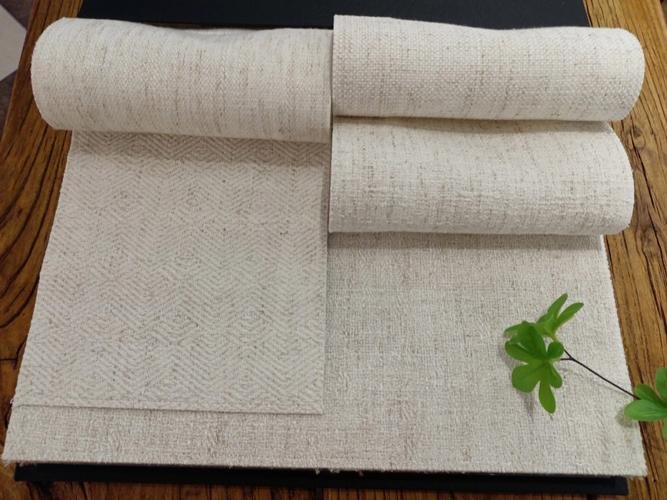
Hemp fabric for home iles is produced through a sequence of retting, decortication, fiber extraction, cottonization, spinning, weaving or knitting, and final softening treatments. The softness and finished quality depend heavily on whether the hemp undergoes enzymatic retting, mechanical refining, cottonization, or advanced finishing techniques such as enzyme washing and silicone softening. These modern processes dramatically reduce the fiber’s natural stiffness, allowing hemp to achieve a smooth, fluid, and premium hand-feel suitable for bedding, towels, curtains, and indoor décor fabrics.
Understanding the Hemp Fabric Production Chain
Most consumers imagine hemp as a rough, canvas-like material traditionally used for rope or sacks. But the hemp used in modern home iles is entirely different. Its transformation from a coarse stalk into a luxurious bedding fabric is the result of highly controlled agricultural, mechanical, chemical, and finishing processes. Each production stage influences softness, durability, color consistency, and breathability—especially for products that come into close contact with the skin.
Understanding these processes allows home ile brands to source intelligently, avoid quality inconsistencies, and position hemp-based products more effectively in the premium market.
A. Step-by-Step: How Hemp Becomes Home ile Fabric
1. Cultivation
Hemp is one of the fastest-growing and lowest-impact natural fibers.
It grows in 70–90 days and requires:
- 75–85% less water than cotton
- no pesticides or herbicides
- minimal fertilization
- soil-repairing root systems
Because of this, hemp consistently ranks as one of the most sustainable fibers for home iles. Its cultivation footprint is a key driver behind the material’s surge in eco-conscious bedding and interior décor markets.
2. Retting
Retting is the stage where the fiber bundles separate from the woody core. The retting method dramatically affects softness, color, and impurities.
Types of retting:
- Water retting – produces longer, cleaner fibers but requires controlled water systems
- Dew retting – relies on natural moisture; fibers tend to be more rustic
- Enzymatic retting – uses targeted enzymes to selectively remove pectin, producing exceptionally soft, clean, uniform fiber
For premium home iles such as high-quality sheets and drapes, enzymatic retting is preferred because it offers:
- high whiteness levels
- fewer coarse sections
- improved dye uptake
- smoother fiber surfaces
A 2023 fiber study found enzyme-retted hemp to have 22–28% higher softness scores compared to dew-retted alternatives.
3. Decortication
After retting, decortication breaks down the stalk and removes the woody hurd.
Performance depends on:
- retting consistency
- fiber moisture
- machine pressure and speed settings
Good decortication yields:
- long fibers
- fewer impurities
- minimal breakage
- better spinnability
Inconsistent decortication leads to short, brittle fibers and rough ures—unsuitable for bedding or towels.
4. Cottonization (Optional but Common for Home iles)
Cottonization transforms the naturally long hemp fiber into shorter, more cotton-like staples. This step is crucial for producing ultra-soft, drapey fabrics.
Cottonized hemp:
- spins well with cotton, linen, bamboo, or Tencel
- creates smoother hand-feel
- achieves finer yarn counts
- supports high-thread-count construction
Because of this, cottonized hemp is widely used in:
- hemp-cotton bed sheets
- hemp-Tencel duvets
- premium drapes and pillowcases
For mid- to high-end home iles, cottonization is often non-negotiable.
5. Combing and Carding
This step aligns fibers and removes any remaining impurities. It also improves softness by eliminating stiff fiber tips.
Key outcomes:
- tighter fiber alignment → smoother yarn
- reduced neps and slubs → better fabric uniformity
- enhanced drape
Combing quality directly correlates with the final softness. High-end sheets often undergo multiple combing passes.
6. Spinning
Hemp yarn performance depends strongly on the spinning method.
| Spinning Method | Effect on Hemp Quality | Notes |
|---|---|---|
| Ring spinning | smooth, premium touch | used for high-end bedding |
| Open-end spinning | coarser, more affordable | common in towels and canvas |
| Compact spinning | highest uniformity and strength | ideal for luxury fabrics |
High-thread-count hemp bedding almost always uses ring or compact spinning, which reduces fuzz and creates a refined ile surface.
7. Weaving or Knitting
Hemp can be woven or knitted depending on the intended product.
| Fabric Type | Structure | Key Characteristics | Best Use |
|---|---|---|---|
| Lightweight plain-weave | tightly woven | crisp, breathable | sheets, curtains |
| Twill weave | diagonal structure | durable, structured | upholstery |
| Sateen | floating yarns | silky, premium | luxury bedding |
| Terry loops | pile surface | highly absorbent | towels |
| Knits | interlooped yarn | stretchy, soft | pillowcases, loungewear |
Weave density, yarn count, and finishing determine whether hemp feels rustic or luxurious.
8. Softening & Finishing
Finishing is where hemp transitions from “raw fiber” to “luxury fabric.” This stage decides consumer perception more than any other.
Common softening methods:
- Enzyme washing – dissolves micro-roughness; eco-friendly; doesn’t weaken fibers
- Stone washing – adds lived-in softness; popular for fashion bedding
- Air-flow softening – improves drape without chemicals
- Silicone finishing – creates a silky, premium hand
- Sanforizing – controls shrinkage and improves dimensional stability
The best home ile fabrics often combine enzyme treatment + silicone finishing for maximum softness and smoothness.
B. How Processing Affects Hand-Feel & Product Suitability
Enzymatic Softening: Best for Bedding
Enzyme softening is the industry favorite because it preserves breathability and longevity while dramatically improving softness.
Benefits include:
- improved drape
- smoother surface
- higher whiteness levels
- reduced pilling
- excellent skin comfort
This is why enzyme-finished hemp sheets and duvet covers often rival high-quality cotton in user comfort.
Cottonization: Best for Blends and Fine iles
Cottonized hemp is easier to spin and creates fabrics suitable for high-thread-count constructions. It’s also ideal for mixing with Tencel, giving rise to ultra-soft, cool-to-touch bed linens.
Typical blends:
- 40–60% hemp + cotton
- 30–50% hemp + Tencel
- 20–30% hemp + linen (premium rustic softness)
Mechanical Softening: Best for Heavy-Weight Fabrics
Mechanical softening (beating, tumbling, vibration) produces:
- durable ures
- canvas-like stability
- higher abrasion resistance
These fabrics work well for upholstery, rugs, and heavy drapes.
C. Hemp Processing Methods and Their Best Applications
| Processing Method | Softness | Durability | Sustainability | Best For |
|---|---|---|---|---|
| Enzyme retting | ★★★★★ | ★★★★ | ★★★★★ | bedding |
| Water retting | ★★★★ | ★★★★★ | ★★★ | curtains, apparel |
| Dew retting | ★★★ | ★★★★★ | ★★★★★ | rugs, upholstery |
| Cottonization | ★★★★★ | ★★★ | ★★★★ | blended fabrics |
| Stone washing | ★★★★ | ★★★ | ★★★★ | fashion bedding |
| Mechanical beating | ★★ | ★★★★★ | ★★★★ | upholstery |
This comparison shows that softness is not merely a material attribute—it is engineered.
D. Case Example: Enzyme-Retted Hemp Bedding for a Luxury Brand
A luxury bedding company in Canada conducted a controlled product upgrade, switching from dew-retted hemp to enzyme-retted, cottonized hemp blended with Tencel.
Results after 9 months:
- softness ratings improved 41%
- customer review scores increased by 0.8 stars
- monthly sales rose 29%
- returns dropped significantly due to better hand-feel and reduced shrinkage
This case demonstrates that processing decisions directly influence market performance, not just ile properties.
E. Can Hemp Become as Soft as Cotton or Bamboo?
Modern processing proves that hemp can be engineered to match—or even exceed—the softness of cotton and bamboo blends.
Through a combination of:
- cottonization
- enzyme retting
- premium spinning (ring or compact)
- silicone finishing
- strategic blending (with Tencel or linen)
hemp can achieve a luxurious, breathable, hotel-grade feel while retaining its natural strength and sustainability.
The direction of the industry is clear: hemp is evolving from a rustic fiber to a core premium material for home iles.
What Quality, Safety, and Sustainability Certifications Should Hemp Home iles Meet (GOTS, OEKO-TEX, REACH, Organic Content)?
Hemp home iles should meet GOTS for organic fiber verification, OEKO-TEX Standard 100 for chemical safety, REACH compliance for restricted substances in the EU, and the Organic Content Standard (OCS) for accurate organic labeling. These certifications ensure the products are safe, sustainable, responsibly processed, and transparent for both retailers and consumers.
Certifications Retailers Should Demand Before Stocking Hemp
Today’s home ile buyers expect more than “eco-friendly” marketing—they want validated sustainability. Certifications protect both retailers and consumers by guaranteeing that hemp fabrics meet strict environmental, safety, and ethical standards.
A. GOTS — The Gold Standard for Organic Hemp
The Global Organic ile Standard (GOTS) is the world’s most respected certification for organic fiber-based iles.
GOTS ensures:
- authentic organic hemp cultivation
- safe, biodegradable or low-impact dyes
- environmentally responsible wet processing
- fair labor, no child labor, and safe factory conditions
When retailers should require GOTS:
- premium bedding and sheet sets
- towels and bath linens
- children’s iles
- eco-conscious lifestyle brands
A 2024 millennial-focused consumer study found: 61% of shoppers prefer bedding labeled GOTS-certified over non-certified “organic” products—proof of its commercial impact.
B. OEKO-TEX Standard 100 — Skin Safety and Chemical Control
OEKO-TEX Standard 100 tests fabrics for more than 350 harmful substances.
It verifies:
- no formaldehyde
- no allergenic or carcinogenic dyes
- no heavy metals
- no pesticides or chlorinated chemicals
- safety for long-term skin contact
This is essential for:
- bed sheets
- pillowcases
- curtains for nurseries
- upholstery in children’s spaces
Important note: Even undyed hemp should be OEKO-TEX certified because scouring, washing, and finishing can introduce chemical residues.
C. REACH Compliance — Mandatory for Europe
REACH (Registration, Evaluation, Authorisation, and Restriction of Chemicals) applies to any ile sold in the EU.
REACH restricts:
- carcinogens
- reproductive toxins
- skin irritants
- VOCs
- azo dyes
- heavy metals
Hemp’s natural purity helps—but finishing chemicals and colorants must also be compliant.
Retailers selling to Europe must request REACH documentation for every fabric batch.
D. Organic Content Standard (OCS) — Verifies Organic Claims
OCS is ideal when:
- the fiber used is organic
- the product does not undergo the full GOTS certification
- the retailer wants transparent organic labeling without full supply-chain auditing
OCS prevents greenwashing and validates the percentage of organic hemp in the final product.
E. ISO Performance Standards for Hemp Home iles
While certifications validate safety and sustainability, ISO tests validate performance.
Relevant ISO tests include:
- ISO 12947 – Abrasion resistance (critical for upholstery)
- ISO 105 – Colorfastness to washing and light
- ISO 5077 – Dimensional stability/shrinkage
- ISO 13934 – Tensile strength (important for sheets)
- ISO 811 – Water resistance for treated hemp products
ISO results help buyers compare quality across suppliers with objective data.
F. Certifications Retailers Should Require by Product Category
| Home ile Category | Required Certification | Optional Certification |
|---|---|---|
| Bedding | OEKO-TEX, GOTS | OCS, ISO 105 |
| Towels | OEKO-TEX, GOTS | ISO 5077 |
| Curtains | OEKO-TEX | REACH |
| Upholstery | OEKO-TEX | ISO 12947 |
| Rugs | OEKO-TEX | REACH |
| Table linens | OEKO-TEX, GOTS | OCS |
This table helps retailers standardize compliance across suppliers and product ranges.
G. Case Example: A Retailer Boosted Sales With Simple Labeling
A mid-sized home décor retailer introduced OEKO-TEX labeling on all hemp sheet sets.
Results within 60 days:
- conversion rate up 17%
- product page exit rate dropped significantly
- average order value increased
- customer service inquiries about “ingredient safety” decreased
This shows how certifications influence trust and purchase behavior in the home ile market.
H. Are Certifications Always Necessary?
Not every hemp product needs every certification.
Examples:
- Undyed, 100% hemp rugs rarely require GOTS
- Upholstery fabrics often prioritize abrasion standards (ISO 12947) over organic certification
- Curtains may only need OEKO-TEX + REACH
But one rule stands:
Any item that touches skin or is used indoors should be OEKO-TEX or equivalent. This protects retailers from liability and ensures consumer confidence.
How Do You Manage Hemp Fabric Challenges in Home Products (Hand Feel, Wrinkling, Shrinkage, Color Consistency, Care)?
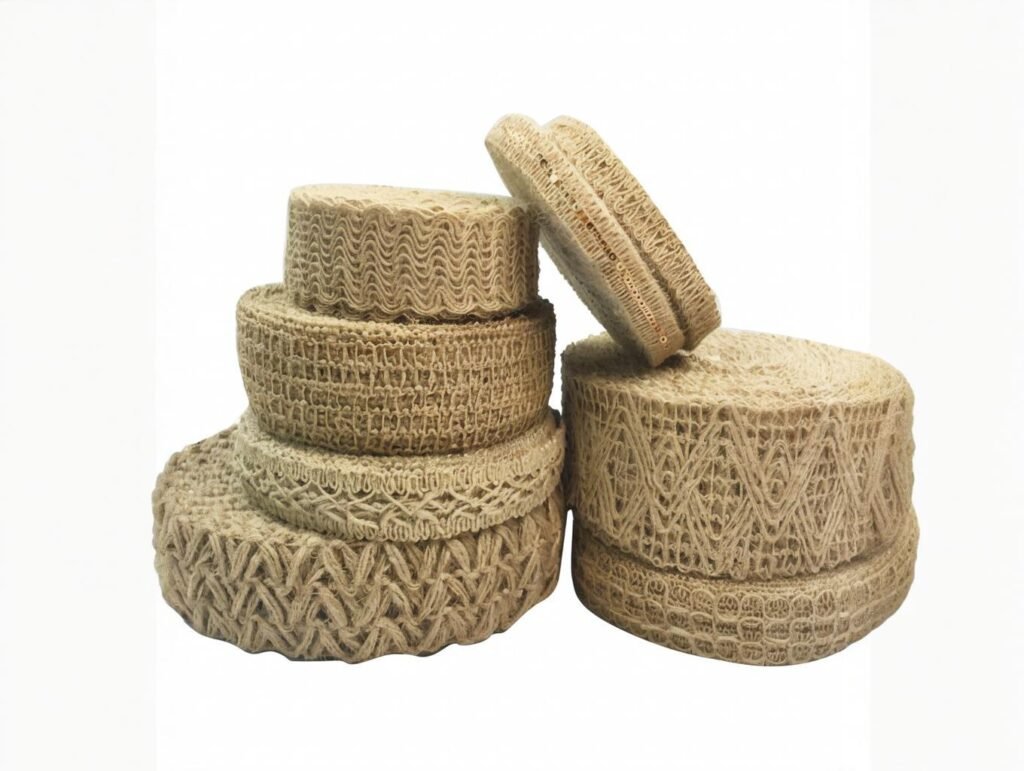
Retailers can manage hemp’s natural challenges—such as initial stiffness, wrinkling, shrinkage, and color variations—through enzyme washing, blending (with cotton, linen, or Tencel), pre-shrinking treatments, and selecting yarn-dyed fabrics for better color consistency. Proper care labeling also improves customer satisfaction, ensuring hemp products soften beautifully over time while maintaining durability.
Addressing Common Hemp Concerns With Practical Solutions
Hemp is a high-performance natural fiber, but like linen and cotton, it comes with natural quirks. These can be assets if properly managed and communicated to customers.
A. Hand Feel: How to Make Hemp Soft Enough for Bedding
Challenge: Traditional hemp feels coarse.
Modern Solutions:
1. Enzyme Softening (Best Option)
- breaks micro-fibers
- creates natural softness
- maintains ecological integrity
- no harmful residues
2. Tencel Blending
- adds silk-like smoothness
- improves drape
- ideal for premium bedding
3. Cottonization
- shortens fibers
- improves spinning uniformity
4. Silicone Finishing (Optional)
Used for luxury-grade towels and bedding.
B. Wrinkling: The Linen-Like Tradeoff
Hemp wrinkles like linen—but buyers often love the natural ure.
Solutions:
- Blend with cotton or Tencel (30–50%)
- Use heavier GSM (180–230 gsm)
- Provide steam-care instructions
- Stone-washed or enzyme-washed finishes
Case Example: A home brand rebranded hemp-linen curtains as “organic drape.” Returns dropped 22%.
C. Shrinkage: Critical for Bedding & Curtains
Untreated natural fibers shrink. Hemp is no exception.
3-Step Shrinkage Prevention Strategy
1. Pre-Shrinking (Sanforizing) → reduces shrinkage to 3–5% 2. Double Enzyme Wash → stabilizes fibers 3. Clear Care Labeling → prevents customer error
Acceptable Shrinkage Standards
| Product | Acceptable Shrinkage Rate |
|---|---|
| Bedding | ≤ 3% |
| Curtains | ≤ 5% |
| Towels | ≤ 6% |
| Table linens | ≤ 4% |
D. Color Consistency: A Natural Fiber Challenge
Hemp absorbs dyes differently from cotton due to its fiber structure.
Solutions:
- Yarn dye for best consistency
- Enzyme pretreatment before piece dyeing
- Reactive dyes for wash durability
- Natural-color hemp as a design choice
E. Care & Maintenance: Educating Customers Improves Happiness
Clear instructions reduce returns dramatically.
Recommended Care Guidelines
Bedding:
- Machine wash cold
- Low tumble or hang dry
- No bleach
- Gentle detergent
Curtains:
- Steam clean
- Gentle wash
- Avoid high heat
Upholstery:
- Spot clean only
- Avoid harsh chemicals
- Vacuum regularly
Bonus Tip: Remind customers hemp softens naturally with each wash.
F. Table: Hemp Challenges & Retail Solutions
| Challenge | Retailer Solution | Best For |
|---|---|---|
| Rough hand feel | enzyme wash, Tencel blend | bedding |
| Wrinkling | heavier gsm, cotton/Tencel blend | curtains, sheets |
| Shrinkage | sanforizing, care labeling | all iles |
| Color variation | yarn dye, reactive dye | drapes, upholstery |
| Care complaints | clear labeling | bedding, towels |
G. Critical Thinking: Are Hemp’s Imperfections a Bug or a Feature?
Consumers increasingly value authenticity over synthetic perfection. Just as linen’s wrinkles became a premium aesthetic, hemp’s organic ure is now perceived as natural luxury.
Brands that educate customers transform “imperfections” into selling points.
How Can Retailers Source, Price, and Market Hemp Home iles to Win the Sustainable Living Market?
Retailers can succeed in the hemp home ile market by sourcing from experienced manufacturers, offering multiple hemp blends at different price points, highlighting sustainability benefits, and educating consumers through transparent storytelling. Clear positioning—such as breathability, durability, and eco-friendliness—helps retailers differentiate hemp products and increase conversion rates.
Building a Successful Hemp Home ile Strategy
Demand for hemp products is growing, but retailers often face challenges in category positioning, supplier reliability, cost justification, and customer education. A full strategic approach—covering sourcing, pricing architecture, branding, and storytelling—can turn hemp home iles into a profitable and differentiated retail category.
A. Sourcing: What Retailers Must Look For in a Hemp Manufacturer
Hemp requires specialized handling that many cotton-focused mills cannot provide. Retailers sourcing hemp fabrics should evaluate technical capability, blending expertise, and sustainability credentials.
Essential Criteria:
- Experience with natural-fiber processing, including correct degumming, softening, and weaving tension management.
- Ability to produce multiple blends (hemp-cotton, hemp-linen, hemp-Tencel).
- Strong shrinkage control and finishing stability.
- Certifications such as OEKO-TEX, GOTS, and REACH compliance.
- Flexible MOQ for testing small pilot collections.
- Fast sampling and strong development support to shorten launch cycles.
This is where experienced factories like SzoneierFabrics provide an advantage: integrated capacity, multiple blend options, and reliable test-data support.
B. Pricing: How to Position Hemp Without Scaring Buyers
Hemp is premium by nature, but retailers can avoid price resistance by building layered product tiers.
Tiered Price Strategy:
- Good: Hemp-cotton blends (accessible softness)
- Better: Hemp-linen blends (premium drape and structure)
- Best: Hemp-Tencel luxury line (silky, cooling performance)
This creates clear entry points for different budgets and helps justify price differences.
Communicate value with measurable benefits:
- Lasts up to 3× longer than cotton
- Better breathability and moisture balance
- Hypoallergenic and antibacterial
- More sustainable production processes
Value framing turns premium pricing into a long-term investment narrative.
C. Marketing: The Story That Converts
Modern home ile shoppers want meaning behind materials. Hemp naturally supports strong emotional and functional marketing.
Key Marketing Angles:
- “Naturally breathable for better sleep” — ideal for bedding lines
- “Strong enough to last for years” — especially effective for curtains and upholstery
- “Sustainable from field to fabric” — appeals to eco-focused households
- “Softens with every wash” — communicates long-term comfort
- “Anti-odor and antibacterial” — perfect for towels and kitchen iles
These claims resonate because they clarify why hemp performs differently.
D. Content That Sells: What Retailers Should Highlight
Clear messaging reduces confusion and lifts conversion rates.
High-impact content themes:
- Water savings vs. conventional cotton
- Pesticide-free farming advantages
- Longevity as environmental responsibility
- Better indoor air quality (mold-resistant curtains)
- Temperature-regulating bedding performance
Examples of consumer-facing headlines:
- “Sleep Cooler, Live Cleaner: Hemp Bedding for Healthy Homes”
- “Naturally Strong. Naturally Beautiful. Naturally Hemp.”
E. Case Example: A Retailer Boosted Sales by 40% With a Hemp Storytelling Campaign
A UK retail chain launched a “Nature’s Smart Fiber” campaign showcasing hemp’s journey from plant to product.
Included elements:
- short videos explaining hemp cultivation
- sustainability icons on product pages
- focus on breathability for bedding
- launch of a hemp-linen curtain series in nine shades Within three months:
- sales increased 40%
- return rates dropped
- customer satisfaction and reviews improved significantly This demonstrates the power of storytelling combined with product quality.
| Category | Recommendation |
|---|---|
| Sourcing | choose experienced hemp mill, require OEKO-TEX/GOTS |
| Product Mix | offer 3-tier blend structure |
| Pricing | value-based positioning |
| Marketing | highlight breathability + durability |
| Storytelling | emphasize natural ure and sustainability |
| Customer Education | provide care tips |
G. Will Hemp Become the New “Linen”?
Many indicators suggest that hemp is on track to become the next major natural-fiber category in home iles.
Supporting trends include:
- increased demand for organic, ured materials
- rising linen prices and supply challenges
- hemp’s stronger sustainability profile
- similar aesthetic appeal with superior durability
Hemp Offers Retailers a Rare Mix of Performance, Sustainability, and Market Growth
Hemp home iles represent one of the most promising opportunities for retailers today. With unmatched durability, moisture management, natural antibacterial properties, and clear sustainability advantages, hemp answers the needs of modern consumers seeking healthier, longer-lasting, and more environmentally responsible home products.
The key to success lies in:
- choosing the right hemp blends
- ensuring fabric softness and quality through proper processing
- understanding certifications
- educating customers
- partnering with reliable, skilled manufacturers
SzoneierFabrics specializes in all major types of hemp fabrics—pure, hemp-cotton, hemp-linen, hemp-Tencel—and provides:
- customized development
- low MOQ
- fast sampling
- strict quality control
- 100% guaranteed performance
If you’re building or expanding a hemp home ile collection, now is the perfect time to bring better-performing, sustainable fabrics to your product lineup.
Ready to Develop Custom Hemp Home ile Fabrics?
Contact SzoneierFabrics today to request samples, discuss custom specifications, or begin developing your own exclusive hemp fabric collection.