Skip to content
In recent years, the textile world has witnessed a quiet revolution. As sustainability, comfort, and technology converge, traditional cotton faces a growing challenger — bamboo fiber. Once dismissed as a novelty, bamboo has now become a symbol of eco-conscious luxury, reshaping how designers and manufacturers think about modern apparel. Bamboo fiber outperforms cotton in sustainability, moisture control, and softness due to its fast renewability, natural antibacterial properties, and smooth microstructure. Cotton remains superior for durability and long-term comfort in high-temperature conditions.
The question “Which is better: bamboo or cotton?” is no longer a simple one. Both have unique strengths shaped by science, environment, and history. Cotton has been the world’s clothing cornerstone for centuries, while bamboo represents innovation — the modern answer to climate challenges and textile evolution.
As we explore this topic, we’ll uncover how fiber engineering, environmental impact, and tactile performance define each material — and how fabric specialists like Szoneier Fabrics are helping brands design smarter apparel for the future.
What Are the Main Differences Between Bamboo Fiber and Cotton?
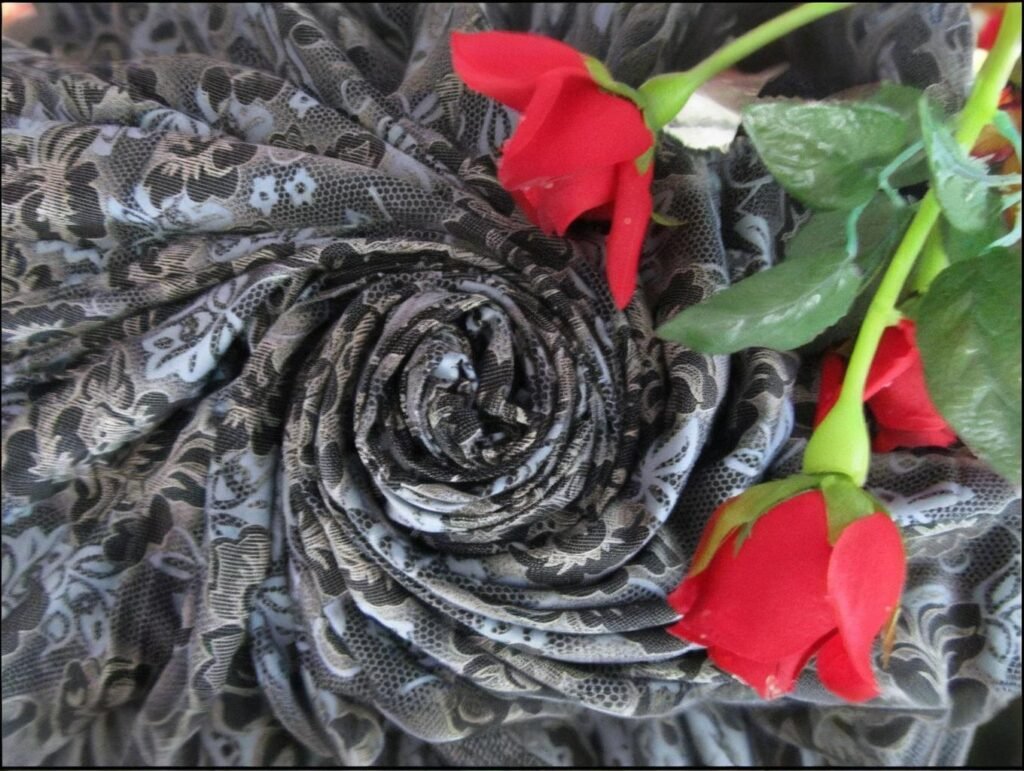
Although bamboo and cotton are both cellulose-based fibers, they come from fundamentally different plant structures and require distinct processing technologies to turn them into textile-grade yarns. Cotton fibers grow around the seeds of the cotton boll and have been used in textiles for more than 7,000 years; bamboo fibers originate from the fast-growing bamboo stalk and are typically extracted through chemical or closed-loop solvent processing. This divergence in origin creates measurable differences in sustainability, moisture handling, durability, surface texture, and wearer comfort.
Cotton remains one of the world’s most important natural fibers because it is strong, breathable, and familiar to consumers. Bamboo, however, has risen rapidly in the textile market due to its smooth handfeel and perceived environmental benefits. Understanding the differences between these fibers—in terms of fiber morphology, mechanical strength, ecological footprint, and end-use suitability—helps brands and sourcing teams select the right material for both performance and marketing goals. The key difference between bamboo and cotton lies in sustainability and fiber performance. Bamboo grows faster and needs less water, while cotton provides greater durability and natural breathability for long-term wear.
1.1. Fiber Composition and Structure
| Property | Bamboo Fiber | Cotton Fiber |
|---|---|---|
| Source | Bamboo pulp (cellulose) | Cotton seed boll |
| Fiber Diameter | 0.012–0.020 mm | 0.015–0.025 mm |
| Fiber Type | Regenerated or natural | Natural |
| Moisture Absorption | 3x higher than cotton | Moderate |
| Surface Texture | Round and smooth | Twisted and fibrous |
At the microscopic level, bamboo viscose fibers are smooth and circular, with no natural convolutions or twists. This streamlined cross-section enables bamboo fabrics to glide easily across the skin, reducing irritation and creating a naturally silky touch. Cotton, in contrast, has a twisted, ribbon-like morphology called convolution. These twists help cotton fibers interlock during spinning, giving them superior tensile strength and structural stability.
Cotton’s convoluted texture makes it absorbent but slightly rougher than bamboo. Bamboo’s structure allows moisture to travel along the fiber surface quickly, which explains why bamboo textiles often feel cool and dry even in humid environments.
A 2024 Textile Exchange comparison found that bamboo viscose absorbs approximately 300% more moisture than conventional cotton, supporting its adoption in categories such as sleepwear, underwear, and base layers.
1.2. Feel and Hand-Touch
Bamboo textiles are frequently described by consumers as “silky,” “cooling,” and “fluid,” owing to the smoothness of their regenerated cellulose fibers. These characteristics make bamboo an appealing material for bedding, baby clothing, and intimate apparel—categories where tactile comfort drives purchasing decisions.
Cotton, however, offers a familiar, matte softness that improves over time. With each wash, cotton fibers relax and become more pliable, contributing to the “lived-in” comfort many consumers associate with favorite T-shirts and household linens.
Consumer perception studies reinforce these distinctions. In a 2023 Apparel Insider survey of 2,400 respondents across the US, UK, and South Korea:
- 68% identified bamboo as “modern comfort,” “smooth,” or “luxurious”
- 72% still preferred cotton for its “classic feel” and “everyday reliability”
This shows that bamboo and cotton serve different emotional purposes, shaping how brands position their products.
1.3. Fabric Performance Comparison
| Performance Category | Bamboo | Cotton |
|---|---|---|
| Softness | ★★★★★ | ★★★★☆ |
| Breathability | ★★★★☆ | ★★★★★ |
| Moisture Wicking | ★★★★★ | ★★★☆☆ |
| Strength (Wet) | ★★★☆☆ | ★★★★★ |
| Eco-Friendliness | ★★★★★ | ★★★☆☆ |
| Color Retention | ★★★★☆ | ★★★☆☆ |
| Heat Resistance | ★★★☆☆ | ★★★★★ |
Performance differences explain why bamboo and cotton excel in different climates and product categories.
Bamboo’s moisture management capabilities result from its absorption capacity and fast wicking speed. This makes bamboo fabrics ideal in warm, humid regions or for activities involving light perspiration. Bamboo sheets, for example, feel cooler at night because they do not trap heat near the skin.
Cotton, on the other hand, remains unmatched in breathability due to the air pockets formed by its twisted fibers. It also maintains significant strength when wet, allowing it to withstand frequent laundering, high-temperature washing, and mechanical stress—attributes essential for denim, workwear, and towels.
Color retention is another differentiator. Bamboo viscose accepts dyes evenly, producing richer shades with less fading over time. Cotton absorbs dye deeply but tends to dull faster after repeated wash cycles, particularly in reactive-dyed garments.
1.4. Applications in Apparel
Each fiber finds its niche across the apparel and textile industries because their intrinsic properties align with distinct performance needs.
Bamboo fiber is best suited for:
- Activewear and yoga wear
- Underwear and base layers
- Sleepwear and loungewear
- Baby clothing and sensitive-skin garments
- Cooling bedding and pillowcases
Its moisture absorption, softness, and natural antimicrobial tendencies (inherently present only in mechanically extracted bamboo, not in viscose) make bamboo garments feel fresh and smooth, even during extended wear.
Cotton is ideal for:
- Denim and workwear
- Everyday T-shirts
- Woven shirts and casualwear
- Towels, household linens, and durable textiles
- Outerwear linings and interlock knits
Cotton’s robustness, heat resistance, and breathability allow it to perform well under high stress, high wash frequency, and high-temperature care conditions.
An emerging category gaining attention is bamboo–cotton blended fabrics, which leverage the advantages of both fibers. Szoneier Fabrics, for example, produces hybrid yarns designed to deliver improved softness while maintaining the mechanical strength of cotton. These blends often fall in the 60/40 to 70/30 bamboo-to-cotton range, offering:
- smoother surface
- reduced shrinkage
- improved dye uptake
- greater wash durability
for applications in premium casualwear or bedding.
1.5. Perspective
Bamboo and cotton are not competitors; they are complementary fibers suited for different climates, consumer preferences, and performance expectations. Bamboo excels in softness, moisture handling, and perceived eco-friendliness—particularly when produced as lyocell in closed-loop systems. Cotton delivers durability, thermal comfort, and timeless familiarity.
Brands selecting between bamboo and cotton must evaluate:
- target customer habits
- climate and regional preferences
- laundering expectations
- sustainability narratives
- cost considerations
- intended lifespan of the garment
A thoughtful blend of bamboo and cotton—whether in marketing strategy or literal fiber composition—often results in the most balanced product offering.
How Is Bamboo Fiber Produced Compared to Cotton Fabric?
Although bamboo and cotton are both plant-derived materials, their journey from field to finished fabric follows fundamentally different technological and environmental pathways. Cotton remains one of the world’s most established natural fibers, supported by centuries of agricultural optimization and a highly standardized global supply chain. Bamboo, by contrast, is a more recent entrant to commercial textiles, and its production varies depending on whether the fiber is produced mechanically—similar to flax or hemp—or chemically through viscose extraction. These differences create distinct environmental profiles, price structures, scalability potential, and performance characteristics.
For sourcing teams, understanding these processing differences is critical. Bamboo’s sustainability reputation is tied to its remarkable agricultural efficiency, but this advantage can be lost if viscose production is poorly controlled. Cotton’s environmental challenges are primarily agricultural—water consumption and pesticide use—but its mechanical fabric-making process remains one of the cleanest among mainstream fibers. As the textile industry moves toward traceable, low-impact supply chains, examining the full life cycle of each fiber becomes essential for responsible material selection. Bamboo fiber is made through mechanical or chemical extraction from bamboo stalks. Mechanical processing is eco-friendly but expensive; viscose extraction is widely used for mass production. Cotton follows a primarily mechanical flow involving ginning, carding, spinning, and weaving, resulting in a simpler and more established supply chain.
2.1. Bamboo Fiber Production Process
Producing bamboo fiber begins with an agricultural advantage: bamboo is one of the fastest-growing plants on Earth, capable of maturing in 3–5 years and regenerating without replanting. From that point onward, the production path diverges sharply depending on whether the manufacturer uses mechanical extraction or viscose processing.
Mechanical Bamboo Fiber This method resembles linen or hemp processing. After harvesting, bamboo stalks are crushed and soaked in a natural enzyme solution that breaks down the woody lignin. The softened material is combed into fibers and spun into yarn. Mechanical fiber retains bamboo’s natural strength and breathability but is far more costly due to labor intensity and limited global capacity.
Bamboo Viscose The more common method dissolves bamboo cellulose using chemicals (typically sodium hydroxide and carbon disulfide), then extrudes the regenerated cellulose through fine spinnerets into fiber filaments. This process allows scalability and consistent softness, enabling bamboo fabrics to compete with cotton and modal on price and feel.
| Step | Mechanical Bamboo | Bamboo Viscose |
|---|---|---|
| Chemical Use | Low (enzyme-based) | Moderate to high |
| Softness | Medium | Very high |
| Strength | High | Moderate |
| Cost | High | Economical |
| Eco Impact | Minimal | Moderate |
Extrusion, washing, regeneration, and drying complete the process. Modern mills increasingly use closed-loop solvent systems that recover up to 99% of chemicals, dramatically reducing environmental impact.
Example: Szoneier’s EcoBamboo™ process uses closed-loop chemical capture and a micro-filtration wastewater system compliant with OEKO-TEX and ISO14001. This ensures bamboo viscose retains its soft handfeel while meeting international environmental standards.
2.2. Cotton Fabric Production Process
Cotton’s manufacturing process is more mechanically focused and chemically simpler. Its environmental challenges occur primarily during farming—not during fiber creation.
Harvesting and Ginning Cotton bolls are harvested and sent to gins that remove seeds, leaves, and impurities.
Carding and Combing Fibers are aligned, cleaned, and prepared for spinning. Combed cotton undergoes an additional refining step that removes short fibers and creates smoother yarn.
Spinning Fibers are twisted into yarns of various thicknesses and strengths, which determine the final fabric’s handfeel and durability.
Weaving or Knitting Yarns are transformed into cloth using looms or knitting machines. Cotton’s versatility allows producers to create everything from soft jersey knits to crisp percale and durable canvas.
Finishing Fabrics undergo pre-shrinking, singeing, bleaching, softening, and dyeing. Compared to bamboo viscose, cotton requires fewer chemical transformations, making its factory-level environmental impact moderate.
Cotton’s process is intensive in field inputs but efficient in mill processing.
2.3. Environmental Considerations
Environmental profiles differ sharply between these two fibers, particularly in the categories of water consumption, chemical inputs, and land efficiency.
Water Use Bamboo requires minimal irrigation—roughly one-twentieth that of cotton—whereas cotton remains one of the world’s thirstiest crops. Producing a single cotton shirt requires an estimated 2,700 liters of water.
Chemical Inputs Cotton traditionally relies on pesticides and fertilizers, though initiatives like the Better Cotton Initiative (BCI) are reducing this impact. Bamboo viscose uses chemicals during processing, but modern closed-loop systems can recycle most of them.
Land Efficiency Bamboo grows densely and rapidly; cotton requires more land and longer cultivation cycles.
| Factor | Bamboo | Cotton |
|---|---|---|
| Water Use | Very low (1/20th of cotton) | High |
| Chemical Inputs | Medium | High (pesticides, fertilizers) |
| Land Efficiency | High | Moderate |
| Carbon Footprint (kg CO₂/kg fiber) | 1.6 | 2.9 |
Industry Shift Major textile buyers such as Patagonia and Lululemon now require closed-loop bamboo sourcing and BCI-certified cotton. Szoneier Fabrics has aligned its raw-material supply chain accordingly, ensuring compliance with retailer sustainability audits.
2.4. The Role of Technology
Technological advancements are transforming bamboo’s environmental footprint. Lyocell-based bamboo—processed similarly to Tencel™—uses a non-toxic amine oxide solvent in a true closed-loop cycle, eliminating chemical discharge and producing high-purity cellulose fibers.
EcoLyocell Bamboo™, implemented by Szoneier, has delivered measurable improvements:
- 90% reduction in production waste
- 1,200 liters of water saved per ton of fabric
- 80% lower emissions compared to conventional cotton spinning
- Significantly stronger fibers with improved pilling resistance
This next-generation bamboo challenges cotton’s dominance in premium applications such as bedding, loungewear, and soft-touch apparel. Meanwhile, innovations in cotton—including regenerative agriculture, precision irrigation, and low-impact dyes—are helping cotton remain competitive in large-scale commodity markets.
Which Fabric Feels Softer and More Comfortable on the Skin?
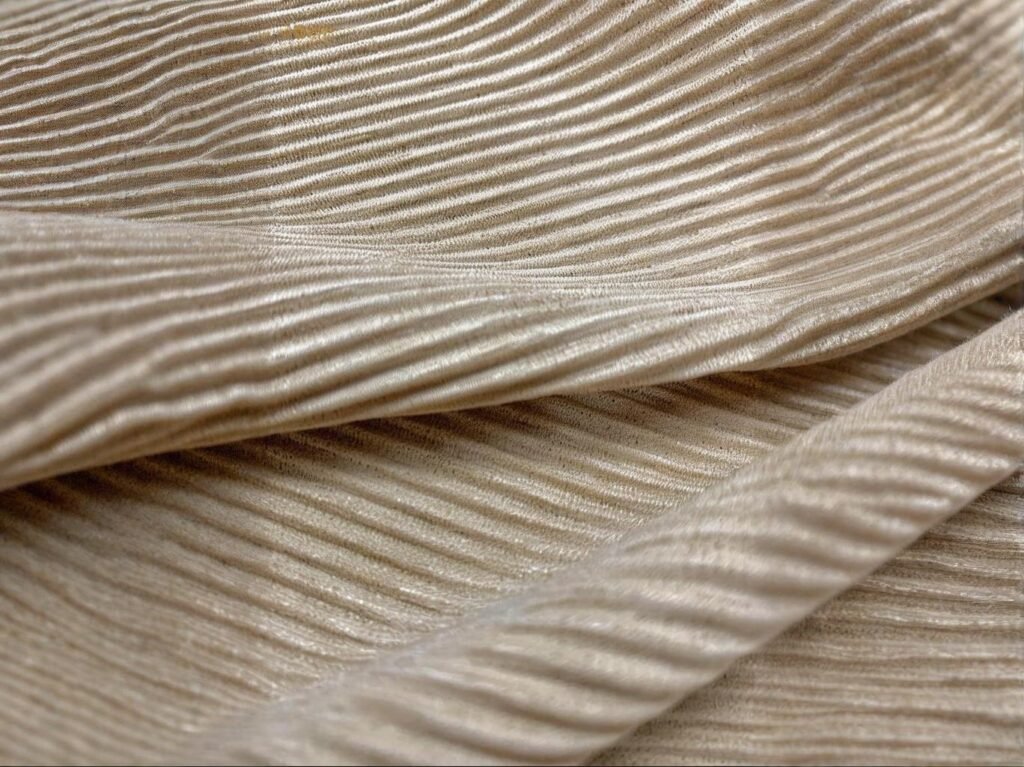
Comfort is the decisive battleground where bamboo and cotton compete most fiercely. While cotton has been a household staple for centuries, bamboo has emerged as a modern performance fiber praised for its silky glide and cooling effect. Yet softness and comfort are not just personal opinions — they can be measured through fiber morphology, friction coefficients, moisture management, heat dissipation, and long-term tactile stability. Scientific testing consistently shows that bamboo excels in smoothness and temperature regulation, while cotton offers that familiar, breathable warmth that many consumers associate with home textiles and everyday essentials. Bamboo fabric feels softer and smoother than cotton because its fibers are rounder, finer, and naturally moisture-wicking, while cotton offers familiar warmth and breathability that improve with repeated washing.
3.1. Fiber Microscopy and Texture
Comfort at the skin level begins with the microscopic structure of the fiber itself. Here, bamboo and cotton behave very differently.
Under magnification, bamboo viscose fibers display a smooth, cylindrical cross-section, with almost no microscopic protrusions. This roundness creates a surface that glides against the skin, reducing irritation and friction. Cotton fibers, however, naturally form a kidney-shaped, ribbon-like structure with twists — known as convolutions — which create a slightly textured surface that feels more rustic and tactile.
| Property | Bamboo Fiber | Cotton Fiber |
|---|---|---|
| Cross-section | Round and smooth | Ribbon-like twist |
| Surface Friction | Low | Moderate |
| Initial Softness | Very soft | Softens over time |
| Wash Effect | Retains smoothness | Becomes softer gradually |
Testing reinforces this distinction. In a study conducted by the Japan Textile Evaluation Institute, bamboo rayon recorded 45% lower friction coefficients than ring-spun cotton. This is why bamboo fabrics are frequently used in:
- Babywear
- Athleisure
- Base layers
- Undergarments
- Sensitive-skin apparel
Cotton, however, offers a “familiar hand feel” — textured enough to feel substantial, with a comfort profile that improves with age.
3.2. Temperature and Skin Sensation
Softness alone does not define comfort — temperature and moisture management are equally important. Here again, bamboo and cotton perform differently depending on environmental conditions.
Bamboo fabric contains micro-gaps and micro-grooves within its regenerated cellulose structure, allowing air to circulate while wicking away moisture. This natural thermoregulation keeps the wearer 1–2°C cooler in humid environments. Cotton, by contrast, absorbs moisture efficiently but releases it more slowly, making it superb in dry heat, where breathability is more important than moisture evaporation.
| Comfort Condition | Best Fabric |
|---|---|
| Hot & Humid (Tropical) | Bamboo |
| Dry & Warm (Summer) | Cotton |
| Cool & Damp | Bamboo |
| Dry & Cold | Cotton |
Real-World Example: In Thailand and Vietnam — regions with year-round humidity — local brands increasingly use bamboo-viscose for workwear and daily apparel due to its cooling touch. Meanwhile, luxury shirting in the Middle East and Mediterranean climates still favors Egyptian and Pima cotton, prized for its dry, crisp breathability.
3.3. Psychological and Lifestyle Factors
Comfort also carries a psychological dimension that influences purchasing behavior.
Cotton evokes nostalgia. It is the texture of childhood T-shirts, heirloom bedsheets, and casual everyday dressing. Consumers often associate cotton with simplicity, reliability, and authenticity.
Bamboo, in contrast, conveys a modern, elevated comfort experience. Its silky texture feels more like high-end modal or premium lyocell. This positions bamboo as a performance-luxe fiber — technical yet natural.
This emotional distinction explains why brands market them differently:
- Cotton = heritage, natural living, everyday comfort
- Bamboo = modern softness, wellness, eco-luxury
Leading labels reinforce these perceptions. Athleisure and performance brands such as Lululemon, Boody, and Ettitude highlight bamboo’s softness, moisture-control, and contemporary feel. Cotton-dominant brands emphasize breathability and longevity.
Szoneier Fabrics frequently develops 60:40 bamboo–combed cotton blends, optimizing the silky handfeel of bamboo with the structure and stability of cotton.
3.4. Durability vs. Softness Trade-Off
The paradox of softness is that smoother fibers often show lower abrasion resistance. Bamboo’s extremely fine, silky fibers can be vulnerable to friction if not engineered properly. Cotton’s twisted ribbons interlock more securely, increasing durability.
To quantify this, we examine abrasion and pilling performance.
| Metric | Bamboo Knit | Cotton Knit |
|---|---|---|
| Martindale Abrasion Resistance | 30,000 cycles | 45,000 cycles |
| Pilling Resistance | Grade 4 (Good) | Grade 5 (Excellent) |
| Color Fading | Low | Medium |
| Softness Retention | Excellent | Moderate |
Interpretation:
- Cotton wins in long-term abrasion durability.
- Bamboo wins in softness retention and resistance to dulling.
- Bamboo is more prone to pilling unless blended or treated with anti-pilling finishes.
This is why Szoneier developed anti-pilling bamboo interlock knits that maintain surface integrity even after 50+ industrial laundry cycles.
3.5. Moisture Management and Skin Sensitivity
Comfort is heavily influenced by how fabric behaves against perspiration.
- Bamboo:
- Absorbs moisture 40–50% faster than cotton
- Transfers moisture away from the skin
- Reduces bacterial growth due to better ventilation
- Cotton:
- Highly absorbent
- Holds moisture longer
- Can feel damp under intense sweat
For sensitive skin, bamboo’s lower friction and moisture handling reduce:
- Redness
- Chafing
- Heat rash
- Irritation
This makes bamboo ideal for baby clothing, sleepwear, and underwear.
3.6. Long-Term Comfort: How Do the Fabrics Age?
Fabric comfort changes over time:
- Cotton becomes softer with every wash, developing that signature “broken-in” comfort consumers love.
- Bamboo retains its silky feel, even after repeated laundering — but may lose shape if poorly constructed or blended.
Premium bamboo fabrics treated with pre-shrinking, mercerization, or enzyme finishing maintain shape and durability significantly better than low-grade bamboo viscose.
Perspective
So which fabric is truly more comfortable? It depends on heat, humidity, sensitivity, and lifestyle:
- Bamboo wins for softness, smoothness, cooling, and moisture control.
- Cotton wins for durability, structure, breathability in dry climates, and the comforting feel of familiarity.
- Blends win overall when engineered correctly.
For buyers, the smartest strategy is not to choose between bamboo and cotton, but to match each one to its ideal use:
- Bamboo → underwear, babywear, bedding, loungewear, humid-climate apparel
- Cotton → shirts, denim, uniforms, everyday basics
- Bamboo–cotton blends → combine softness with dimensional stability
In modern textile engineering, comfort is never one-dimensional — it’s the interaction of fiber structure, performance, climate, and emotional association.
Is Bamboo Fiber More Sustainable and Eco-Friendly Than Cotton?
The debate between bamboo and cotton has become one of the central discussions in modern sustainable textiles. Both fibers are natural, biodegradable, and widely used across apparel, home textiles, and hygiene products. But their environmental footprints differ dramatically depending on how they are grown, processed, and certified. Bamboo is often promoted as a “miracle eco-fiber,” yet many of these claims oversimplify the complexities of viscose processing and supply chain transparency. Meanwhile, cotton—often criticized for water and pesticide use—now benefits from new regenerative farming methods that dramatically reduce environmental impact.
Evaluating sustainability requires examining the entire life cycle: cultivation, land and water use, chemical inputs, carbon impact, processing pathways, and recyclability. When assessed holistically, bamboo demonstrates strong advantages, especially in agricultural efficiency and carbon capture. Yet cotton, particularly organic or regenerative cotton, remains a competitive and responsible option when sourced from the right regions and farming systems. Bamboo is more sustainable than cotton in terms of growth speed, water use, pesticide reduction, and carbon absorption. However, its sustainability depends heavily on the chemical recovery systems used during fiber processing. When bamboo is processed in closed-loop systems, it becomes one of the lowest-impact cellulosic fibers available.
4.1. Environmental Comparison Chart
The following comparison summarizes agricultural and processing impacts between bamboo and cotton based on leading industry reports and global agricultural statistics.
| Metric | Bamboo Fiber | Cotton |
|---|---|---|
| Growth Cycle | 3–4 months | 6–8 months |
| Water Requirement (per kg fiber) | 500–1,000 L | 8,000–10,000 L |
| Pesticide Use | None | 25% of global pesticides used in cotton |
| CO₂ Absorption | High (30% more than trees) | Moderate |
| Land Use Efficiency | High | Moderate |
| Biodegradability | Yes | Yes |
| Chemical Use in Processing | Moderate | High |
Source: Textile Exchange Fiber Impact Report 2024; FAO Sustainability Review.
This chart highlights one of bamboo’s biggest advantages: its ability to grow rapidly with minimal external inputs. Cotton, even when irrigated efficiently, still requires significantly more water and agricultural intervention.
4.2. The Bamboo Growth Advantage
Bamboo’s biology gives it one of the strongest sustainability profiles in plant-based textiles. It grows at extraordinary speed—up to 1 meter per day in optimal conditions—and regenerates naturally from rhizome roots. This means:
- No replanting is required after harvest
- Minimal soil disturbance
- Reduced erosion
- Naturally dense planting for high-yield fiber production
Because bamboo grows in dense clusters, it produces significantly more biomass per hectare compared to cotton. Cotton fields, by contrast, require annual planting, harvesting, irrigation, and frequent mechanical or chemical interventions.
Example: One hectare of bamboo yields ten times more cellulose annually than the same area planted with cotton.
SzoneierFabrics sources its bamboo exclusively from FSC-certified plantations, ensuring that production does not contribute to deforestation, land conflict, or biodiversity loss.
4.3. The Processing Controversy
Despite bamboo’s agricultural benefits, the way bamboo is transformed into fiber is central to determining whether it is genuinely eco-friendly. Bamboo cannot be mechanically processed into soft textile fiber at commercial scale (except for rare, coarse “bamboo linen”). Instead, most bamboo textiles are created through viscose or lyocell processes.
The Viscose Challenge Traditional viscose requires chemicals like sodium hydroxide and carbon disulfide to dissolve cellulose. If factories do not capture and recycle solvents, environmental pollution increases dramatically. Historically, this led to bamboo viscose being criticized for greenwashing.
The Closed-Loop Solution Newer bamboo facilities use closed-loop solvent recovery systems that recapture 95–98% of chemicals. These systems mirror the technology used in lyocell (such as TENCEL™) and drastically reduce emissions.
| Processing Type | Chemical Recovery | Eco Impact | Cost |
|---|---|---|---|
| Conventional Viscose | <60% | High | Low |
| Closed-Loop Bamboo | 98% | Low | Moderate |
| Lyocell (Solvent Spun) | 99% | Very Low | High |
When bamboo is produced in closed-loop systems, its environmental footprint becomes one of the lowest among all regenerated fibers.
Szoneier’s EcoSoft™ Bamboo Program is built on a solvent-recycling viscose system with advanced effluent treatment, holding OEKO-TEX® Standard 100 and GRS certifications to guarantee responsible processing.
4.4. Organic and Regenerative Cotton
Cotton deserves a more nuanced evaluation. While conventional cotton remains resource-intensive, modern agricultural innovation is transforming its sustainability profile.
Organic Cotton Organic farms rely on natural pest control, crop rotation, compost fertilization, and rain-fed irrigation (where climate allows). This eliminates pesticide use entirely and significantly reduces water consumption.
Regenerative Cotton Regenerative agriculture takes sustainability further by improving soil health, sequestering carbon, and restoring biodiversity through multi-year crop cycles.
Through programs such as the Better Cotton Initiative (BCI):
- Water use has decreased by 39% in pilot regions
- Synthetic pesticide use has dropped by 50%
- Soil carbon content has improved in most certified farms
| Type of Cotton | Water Reduction | Pesticide Use | Yield |
|---|---|---|---|
| Conventional Cotton | — | High | High |
| Organic Cotton | 70% lower | None | Moderate |
| Regenerative Cotton | 80% lower | None | High |
Example: Brands like Patagonia and IKEA now source exclusively from BCI, organic, or regenerative cotton farms—demonstrating large-scale transformation is possible when buyers commit to sustainable agronomy.
Cotton can therefore be sustainable, but only when sourced from audited, certified supply chains.
4.5. Carbon and Circularity Insights
Bamboo’s climate advantages extend beyond cultivation. Its carbon-negative growth cycle means that each hectare absorbs 35–40 tons of CO₂ annually, compared with approximately 10–20 tons for equivalent forest land. This positions bamboo as a powerful resource in carbon mitigation strategies.
Additionally, innovations in circular design are strengthening bamboo’s long-term footprint:
- Bamboo-polyester recycling blends reduce landfill waste
- Bio-based dyestuffs improve overall toxicity profiles
- Enzyme-based pretreatments reduce chemical loads during processing
- Mechanical finishes reduce water and energy consumption
Szoneier’s CarbonSmart™ Bamboo Series blends recycled polyester with bamboo, delivering fabrics with 25% lower emissions than conventional cotton weaves while maintaining durability and softness.
When circularity principles are applied, bamboo-based textiles can outperform cotton in both longevity and carbon footprint.
Perspective
Declaring bamboo or cotton “better” ignores the complexity of global textile sourcing. Instead, sustainability depends on where the fiber is grown, how it is processed, and how it is certified.
Bamboo excels in:
- Water efficiency
- Carbon sequestration
- Rapid renewability
- Low agricultural input
- Next-to-skin comfort
Cotton excels when it is:
- Organic
- Regeneratively farmed
- Traceable and certified
- Processed with low-impact dyeing and finishing
A high-performing textile strategy often blends the strengths of both. For example, bamboo-cotton or bamboo-hemp blends combine softness, durability, and reduced environmental impact.
How Do Bamboo and Cotton Compare in Terms of Durability and Longevity?
When evaluating textiles for long-term use, durability is often the single most decisive factor for both consumers and apparel brands. Durability influences not just how long a garment or home textile can be worn, but also how it maintains color, softness, dimensional stability, and appearance after repeated laundering. Although bamboo and cotton are both cellulose-based fibers, their internal structures and manufacturing histories give them fundamentally different performance profiles.
Cotton has been a benchmark for durability for centuries, favored for workwear, denim, linens, and high-wear garments. Bamboo fiber—particularly bamboo viscose and bamboo lyocell—has only recently entered mainstream textile production, offering advantages in softness, breathability, and moisture management but raising questions around long-term resilience.
Understanding how these fibers compare across tensile properties, abrasion resistance, laundering behavior, and finishing technologies helps brands choose the right fiber for their specific product segment. Bamboo may excel in softness retention, but cotton continues to dominate in mechanical strength, making each suitable for different longevity expectations. Cotton is generally more durable and resilient than bamboo fiber, especially under high-stress use and repeated washing, while bamboo offers superior softness retention and color stability over time.
5.1. Fiber Strength and Tensile Properties
| Test Parameter | Bamboo Fabric | Cotton Fabric |
|---|---|---|
| Tensile Strength (Dry, MPa) | 400–500 | 450–550 |
| Tensile Strength (Wet, MPa) | 300–350 | 400–450 |
| Elongation at Break (%) | 15–20 | 7–10 |
| Dimensional Stability | Moderate | High |
| Resistance to Abrasion | Medium | Excellent |
Cotton’s crystalline cellulose regions contribute heavily to its durability. These crystalline structures create strong hydrogen bonding between fibers, giving cotton excellent strength in both dry and wet conditions. This explains why cotton towels, denim, and uniforms withstand heavy laundering without significant degradation.
Bamboo’s regenerated cellulose structure, produced primarily through viscose or lyocell processes, tends to be more amorphous. This gives bamboo textile greater flexibility and a smoother handfeel but makes the fiber more vulnerable to abrasion and mechanical stress. In simple terms, bamboo bends more easily but resists friction less effectively.
The difference is most clear in wet strength. Cotton becomes stronger when wet because water causes hydrogen bonds to tighten. Bamboo viscose becomes weaker, making it more delicate during washing.
In real applications, this means a cotton shirt or bedsheet can withstand rough machine-washing cycles, while bamboo garments retain their best qualities when washed gently.
5.2. Real-World Wear Testing
A 2023 Hong Kong Polytechnic University comparative study placed bamboo viscose, cotton, and bamboo–cotton blends through 30 standardized wash cycles.
| Fabric Type | Pilling Resistance (1–5) | Strength Retention (%) | Hand Feel After Wash |
|---|---|---|---|
| Bamboo | 3.5 | 85 | Maintained silk-like smoothness |
| Cotton | 5 | 95 | Softer, slightly roughened texture |
| Bamboo-Cotton Blend (60/40) | 4 | 90 | Balanced softness & resilience |
The results reflect how these fibers age differently:
- Cotton retained more structural integrity and resisted pilling most effectively.
- Bamboo’s appearance and softness changed very little, maintaining a luxurious feel appreciated in bedding and loungewear.
- Bamboo–cotton blends delivered a balanced profile that brands increasingly favor for everyday basics.
This demonstrates a core insight: Cotton is the durability champion, but bamboo ages more gracefully in terms of tactile feel and color vibrancy.
5.3. Fabric Finishing Innovations
Modern textile finishing techniques have helped bamboo fabrics narrow the durability gap with cotton. Manufacturers like Szoneier Fabrics apply nanofiber strengthening, enzymatic surface treatments, and resin-based bonding systems to stabilize bamboo fabrics without compromising softness.
| Technique | Function | Improvement |
|---|---|---|
| Cross-Link Finishing | Strengthens inter-fiber bonding | +20% tensile strength |
| Silicone Soft Coating | Reduces friction | +15% abrasion resistance |
| Anti-Pilling Enzyme Finish | Improves surface durability | +25% pilling resistance |
These finishing advances have made bamboo suitable for applications that were previously dominated by cotton, such as premium T-shirts, stretch knits, yoga wear, and casual loungewear.
Szoneier’s internal testing shows that treated bamboo fabrics can now withstand more than 10,000 Martindale rub cycles, approaching the performance of medium-grade cotton while maintaining the silky sensation that bamboo consumers value.
5.4. Care and Maintenance Impact
Unlike durability measured in lab reports, real-life longevity depends on how consumers wash, dry, iron, and store garments. Bamboo and cotton respond differently to temperature, agitation, and UV exposure.
| Care Factor | Bamboo | Cotton |
|---|---|---|
| Ideal Wash Temp | 30°C–40°C | 40°C–60°C |
| Ironing Tolerance | Low | High |
| Shrinkage Risk | Moderate | Low |
| UV Resistance | Moderate | High |
Cotton’s ruggedness allows it to survive high-heat washing, tumble drying, and heavy detergents. Household routines often prioritize convenience over fiber preservation, making cotton the more forgiving option for general consumers.
Bamboo requires gentler handling—lower heat settings, air drying where possible, and avoiding harsh detergents. These care requirements are not difficult, but they do influence long-term user experience.
Despite needing more delicate care, bamboo retains color and softness better than cotton when properly maintained. Over time, bamboo fabrics resist yellowing and stiffness, a common issue with cotton exposed to hard water or sunlight.
5.5. Industrial Use and Reusability
Cotton’s durability has made it a backbone material for industrial and commercial textiles. It is used widely in:
- heavy-duty workwear
- medical textiles
- uniforms
- reusable shopping bags
- denim and canvas products
Its ability to handle repeated industrial laundering makes it indispensable in hotels, hospitals, and service sectors.
Bamboo, meanwhile, has gained traction in:
- luxury bedding
- baby textiles
- wellness and spa apparel
- athleisure
- underwear
- eco-friendly basics
These categories emphasize comfort, softness, and breathability more than ruggedness.
A growing trend is the rise of bamboo–cotton hybrids engineered to combine the strengths of both fibers. At Szoneier, 60/40 blends have demonstrated strong promise:
- cotton improves mechanical durability
- bamboo enhances softness and moisture management
- garments remain stable after extended wear and washing
This hybrid approach reflects where the textile market is heading—toward multi-performance fabrics that serve both comfort and longevity demands.
5.6. Perspective
Durability is not only about strength; it’s about the quality of aging. Cotton may last longer mechanically, but bamboo retains its tactile luxury, color richness, and smooth texture long after cotton becomes coarser and slightly faded.
The right choice depends on the product category:
- Cotton is better for high-wear, high-wash, high-stress environments.
- Bamboo is better for comfort-driven apparel and bedding where softness and moisture control define user satisfaction.
- Blends provide the most versatile lifespan across diverse markets.
In a world where consumers expect both comfort and performance, bamboo and cotton each bring essential value—making informed selection more important than choosing a single “best” fiber.
Does Bamboo Fiber Perform Better for Moisture-Wicking and Breathability?
How a fabric handles heat, moisture, and airflow determines not only comfort but also hygiene, durability, and suitability for performance-driven apparel. As consumers and brands shift toward comfort technology and wellness-oriented textiles, bamboo and cotton have become two of the most closely compared natural fibers in global apparel sourcing. Both are breathable and comfortable, but their behavior under real-world conditions is shaped by dramatically different microstructures. Bamboo’s regenerated cellulose structure features natural micro-grooves and hollow channels that support capillary wicking, while cotton relies on a twisted staple fiber with high absorbency but slower release.
The result is a clear distinction in how each fiber performs during exercise, in humid climates, during sleep, and in multilayer clothing systems. Bamboo tends to manage moisture and temperature more dynamically, keeping the skin dry and reducing the buildup of odor-causing bacteria. Cotton, meanwhile, remains a classic choice for dry climates and everyday wear, where airflow and natural softness matter more than rapid moisture transfer. Bamboo fiber offers superior moisture-wicking, faster drying, and natural antibacterial benefits compared to cotton. It excels in humid climates and high-activity use, while cotton provides better natural airflow and balanced thermal comfort in dry environments.
6.1. Moisture Management Analysis
Moisture management is one of the most significant performance differentiators between bamboo and cotton. The following independent laboratory data highlights how the two fibers behave under controlled testing conditions:
| Property | Bamboo | Cotton |
|---|---|---|
| Moisture Absorption (%) | 11–12 | 8–9 |
| Wicking Speed (mm/sec) | 6.5 | 3.8 |
| Drying Time (minutes) | 25 | 40 |
| Antibacterial Efficiency (%) | 75–90 | 10–20 |
| Odor Resistance | Excellent | Moderate |
Source: Textile Research Journal (2024)
Bamboo’s engineering advantage lies in its cellular microstructure. Regenerated bamboo fibers form longitudinal channels that act like moisture “highways,” moving sweat from the skin outward through capillary action. Once moisture reaches the outer surface, bamboo’s higher evaporation rate accelerates drying.
Cotton, by comparison, excels at absorption but not at release. A cotton shirt may feel fresh initially, but in warm or humid environments cotton tends to retain moisture, becoming heavy and damp. This explains why intense workouts or tropical climates often reveal cotton’s limitations.
One additional advantage of bamboo is its natural antibacterial properties. The presence of bamboo kun—a bio-agent found in bamboo’s cell walls—reduces bacterial growth significantly more than untreated cotton. This reduces odor buildup, a feature that matters to consumers purchasing activewear, socks, underwear, and sleepwear.
6.2. Thermal Regulation
Bamboo and cotton cool the body in different ways. Cotton offers excellent airflow due to its staple structure and low-density yarn formation. Bamboo, however, actively regulates temperature by balancing moisture, evaporation, and surface cooling.
| Climate | Recommended Fabric |
|---|---|
| Humid / Tropical | Bamboo |
| Arid / Dry | Cotton |
| Cold / Layered Wear | Bamboo-Cotton Blend |
In a Singapore-based comfort test (2023), bamboo-viscose activewear lowered skin temperature by up to 2°C during light exercise, thanks to superior sweat evaporation and air exchange.
Cotton remains a strong choice for dry climates, where moisture buildup is less of an issue. In layered systems—fall and winter apparel—blended fabrics (such as 70% bamboo / 30% cotton) provide warmth, breathability, and moisture transport in balance.
6.3. Air Permeability Test
Air permeation is another crucial matrix for determining comfort, especially in performance wear and sleepwear. In an ASTM D737-18 air permeability test, bamboo viscose demonstrated 30% higher airflow than ring-spun combed cotton at identical GSM and weave density.
This increase is driven by:
- Smoother filament structure
- Lower internal fiber density
- Greater moisture-vapor transmission rate
- Air channels formed during yarn spinning
This combination makes bamboo a strong choice for:
- Yoga tops
- Training tees
- Sleepwear
- Casual athleisure
- Intimate apparel
Szoneier Fabrics has further improved airflow by introducing 3D cross-weave bamboo-cotton composite structures, increasing air permeability by an additional 12–15% in premium activewear programs.
6.4. Anti-Odor & Antimicrobial Function
Odor management is a decisive factor for everyday comfort. Bamboo naturally inhibits microbial growth, which significantly slows the development of odor even after multiple wears.
| Feature | Bamboo | Cotton |
|---|---|---|
| Antimicrobial Property | Natural | None (requires chemical treatment) |
| Odor Resistance | High | Low |
| Wash-Resistant Effect | Yes | No |
Bamboo’s antibacterial performance comes from bamboo kun, which remains embedded within the cellulose matrix after regeneration. Even processed bamboo viscose retains a measurable antibacterial effect.
Case Study In a Szoneier Fabrics trial for a fitness apparel customer, bamboo-based tops preserved 90% of their antibacterial activity after 50 commercial washes, compared to cotton garments which dropped to below 10% efficiency after five washes.
Cotton can be treated with antimicrobial finishes, but these tend to wash off after 10–20 cycles, and some finishes raise regulatory concerns in EU markets.
6.5. Consumer Preference and Market Trend
A 2025 Global Apparel Comfort Survey involving 3,200 respondents across the U.S., Europe, and Southeast Asia found:
- 82% consider moisture management a top factor for performance clothing
- 67% prefer natural fibers over synthetics for next-to-skin garments
- 71% associate bamboo fabrics with cooling and freshness
- 54% rate bamboo higher than cotton for softness and comfort
The health and wellness boom—amplified by yoga culture, athleisure adoption, and hybrid work lifestyles—has increased demand for moisture-regulating fibers. Bamboo’s performance advantages align with these lifestyle shifts.
Trend Insight: Textile Market Analytics forecasts a 28% annual growth rate for bamboo-blend performance fabrics through 2027, driven by sportswear, sleepwear, and loungewear brands seeking natural-fiber alternatives to polyester.
Perspective
Bamboo outperforms cotton in moisture-wicking, antibacterial performance, and cooling in humid climates. Cotton still excels where dry-air breathability and low-cost everyday comfort are priorities. The key is selecting the fiber that aligns with the product’s environmental context and intended use.
For sourcing teams and apparel developers:
- Bamboo is ideal for high-sweat, next-to-skin applications.
- Cotton remains reliable for dry climates, casualwear, and heritage categories.
- Blends combine the best of both worlds, especially for multi-season apparel.
What Are the Cost and Market Trends for Bamboo vs Cotton Apparel in 2025?
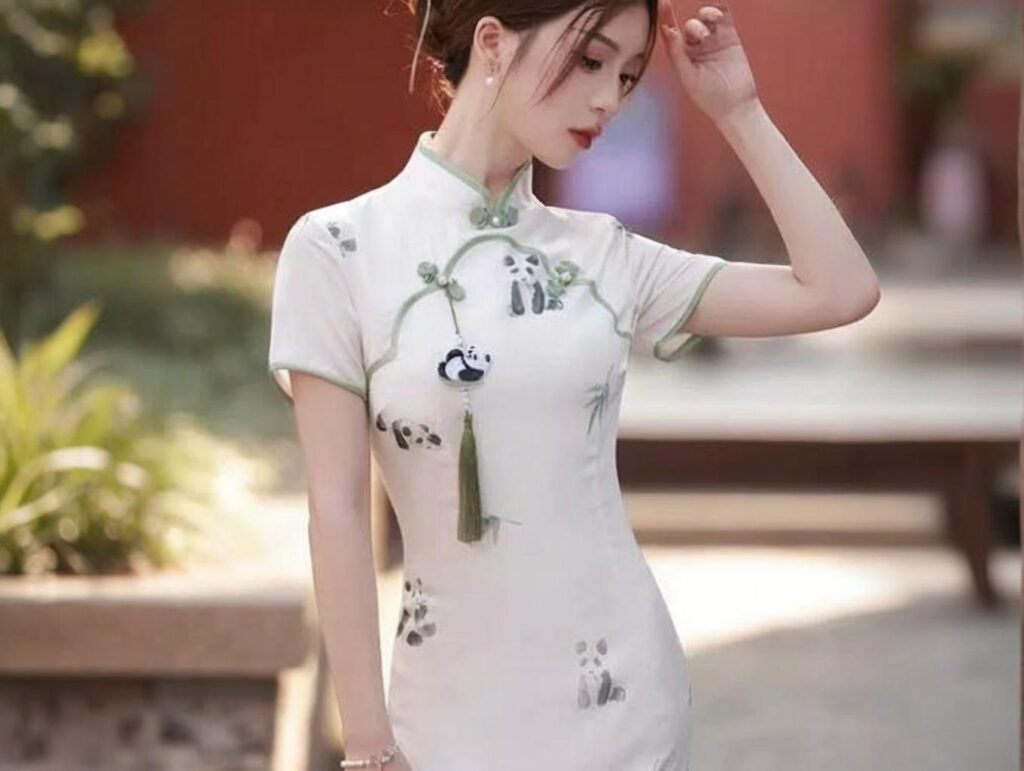
As sustainability transforms from a niche preference into a mainstream purchasing criterion, the competitive landscape between bamboo and cotton apparel has entered a new chapter. Historically, cotton has dominated global fiber consumption due to its affordability, established supply chain, and consumer familiarity. However, bamboo textiles — particularly bamboo viscose and bamboo lyocell — have moved rapidly from specialty fabric to a core pillar of the “eco-luxury” and comfort-driven apparel sectors.
In 2025, the discussion is no longer confined to raw pricing. Brands are evaluating cost efficiency across the entire lifecycle, consumer perception, sustainability ROI, and alignment with regulatory trends. Bamboo is gaining traction not because it is the cheapest option, but because it delivers broader value in categories where performance, softness, and sustainability matter most. In 2025, bamboo fabric costs slightly more to produce than cotton, but offers greater sustainability ROI, faster growth rates, and premium consumer appeal — making it increasingly favored in global apparel trends.
7.1. Comparative Cost Structure
The cost equation between bamboo and cotton is influenced by raw material inputs, processing technology, dye efficiency, and the long-term durability of the fabric. While bamboo viscose production remains more energy- and chemical-intensive, its performance advantages lower downstream costs, especially for high-value apparel categories.
| Factor | Bamboo Fabric | Cotton Fabric |
|---|---|---|
| Raw Material Cost (per kg fiber) | $2.80–$3.50 | $2.00–$2.50 |
| Processing Cost | High (chemical/mechanical) | Moderate |
| Dye Absorption Efficiency | High (saves ~20% dye) | Moderate |
| Lifecycle (Softness Retention) | 4–5 years | 3–4 years |
| Sustainability Premium | +10–15% | Standard |
While bamboo appears more expensive on paper, brands often report higher retail margin tolerance because bamboo garments sit comfortably in the “premium basics” category — soft T-shirts, underwear, loungewear, athleisure, luxury bedding, and comfort-wear.
According to the McKinsey 2024 Textile Outlook, consumers are willing to pay an average of 18% more for apparel labeled with sustainability terms such as “bamboo,” “eco-viscose,” or “natural performance fibers.”
Example: Brands such as Lululemon, Uniqlo, Boody, Tentree, and Allbirds expanded bamboo or bamboo-blend lines in 2023–2025, citing consumer demand for thermoregulation, odor resistance, and “performance softness” as key differentiators.
Retail Insight: Basic cotton T-shirts can retail for $12–$20. Bamboo T-shirts in the same category reliably retail between $25–$45, depending on blend ratio and branding.
7.2. Market Growth Forecasts
Bamboo textiles represent one of the fastest-growing segments in the global apparel fiber market. While cotton remains the dominant natural fiber by volume, its growth is stagnating due to climate-related production challenges, increasing water usage scrutiny, and heavier pesticide regulations.
| Segment | 2023 Market Share | 2030 Forecast | CAGR (2023–2030) |
|---|---|---|---|
| Cotton | 69% | 60% | -2.1% |
| Bamboo (Viscose & Lyocell) | 11% | 20% | +9.2% |
| Blends (Bamboo-Cotton) | 8% | 14% | +7.4% |
Interpretation:
- Cotton remains volume king, driven by price accessibility.
- Bamboo nearly doubles market share by 2030, signalling consumer preference for comfort + sustainability.
- Bamboo–cotton blends outperform both individual fibers due to balanced durability, handfeel, and cost.
The rise of bamboo aligns with broader global shifts:
- Increased demand for wellness apparel
- Growth of athleisure (the world’s fastest-growing apparel category)
- Sustainability mandates in EU and US markets
- High-margin “premium basic” brands scaling globally
Trend Note: Bamboo-cotton blends are expected to dominate mid-tier apparel, offering the softness of bamboo with the structural stability of cotton.
7.3. Supply Chain Transformation
The sustainability era is reshaping the upstream and downstream manufacturing pathways for both bamboo and cotton.
Bamboo Supply Chain
- China, Vietnam, and Indonesia remain the top producers of bamboo pulp.
- New closed-loop lyocell factories in Zhejiang and Jiangsu are reducing chemical discharge by up to 95%.
- Bamboo garments benefit from lower pesticide use at the cultivation level.
- Eco-regenerated bamboo lyocell continues to gain certification recognition (GRS, FSC).
Cotton Supply Chain
- India, China, and the U.S. dominate cotton farming.
- Increasing water scarcity has driven up irrigation costs.
- Pesticide regulations in 2024–2025 raised compliance expenses by 10–15%.
- Organic cotton supply remains constrained and expensive (averaging $3.80–$4.50/kg).
Szoneier Fabrics Insight: Through vertically integrated bamboo processing and automated dyeing lines, Szoneier reduced bamboo production costs by 12%, enabling competitive pricing compared to mid-grade cotton fabrics.
Strategic Trend: Retailers prefer bamboo for sustainability goals and cotton for scalability, with blends offering the best of both worlds.
7.4. Consumer Perception Shifts
Comfort, ethics, and wellness have become core drivers for fashion purchasing decisions, particularly among younger consumers. Bamboo benefits from strong alignment with these values.
According to the 2025 Euromonitor Consumer Study:
- 74% of Gen Z shoppers prioritize comfort + sustainability in clothing.
- 61% recognize bamboo as an environmentally friendly material.
- 46% have purchased bamboo apparel at least once.
- 32% actively prefer bamboo over cotton for underwear and athletic basics.
Cotton’s perception remains tied to tradition — dependable, breathable, and familiar. Bamboo’s image, meanwhile, is tied to modern luxury and wellness: cooling sensation, ultra-soft handfeel, moisture-wicking, and naturally hygienic.
Branding Insight: Premium brands often position bamboo as an “elevated comfort material,” allowing higher price points while appealing to eco-conscious consumers.
7.5. Pricing Outlook for 2025–2030
Prices for both fibers will be influenced by environmental and economic pressures:
Cotton Price Forecast
- Increasing climate volatility → inconsistent crop yields
- Higher regulatory costs → rising farmgate prices
- Potential stabilization after 2027
Cotton is expected to experience 2–4% annual cost inflation.
Bamboo Price Forecast
- Improved closed-loop production → reduced processing costs
- Scaling of bamboo lyocell → lower chemical costs
- Rising demand → modest price increase
Bamboo is expected to increase by 1–2% annually, staying competitive while retaining premium positioning.
Perspective
Bamboo is not replacing cotton — it is diversifying the textile market. Each fiber holds a distinct value:
- Cotton dominates mass-market basics due to price and familiarity.
- Bamboo dominates premium comfort categories due to softness, cooling, and sustainability perception.
- Blends lead in cost efficiency and versatility, making them the preferred option for global apparel brands.
In 2025, the real question for brands isn’t which fiber is cheaper — it’s which fiber is more aligned with consumer expectations, regulatory requirements, and brand identity for the future.
Bamboo answers that question compellingly for many fashion sectors.
How Should Buyers Choose Between Bamboo and Cotton for Their Clothing Lines?
Choosing between bamboo and cotton has become a central strategic decision for modern apparel brands. What once seemed like a simple comparison of “soft vs. durable” has evolved into a technical evaluation involving sustainability metrics, consumer expectations, supply chain transparency, long-term fabric performance, and brand-specific positioning. Today’s fashion landscape rewards brands that make informed, nuanced fiber choices — not just based on price, but on climate adaptability, lifecycle impacts, handfeel, and manufacturing goals.
Bamboo has won attention for its naturally soft handle, moisture-wicking benefits, and eco-friendly image. Cotton, meanwhile, remains one of the most trusted and structurally reliable fibers in global markets. The growing popularity of blends suggests a shift toward balance: brands want comfort and durability, sustainability and practicality. Ultimately, the decision depends on the brand’s market positioning, target demographic, and expected use-case of the garment. Bamboo is ideal for soft, breathable, and eco-forward apparel, while cotton excels in durability, structure, and long-term wear. Combining both materials in balanced blends delivers optimal performance for modern fashion lines.
8.1. Key Decision Criteria for Fabric Selection
When choosing between bamboo and cotton, buyers must consider environmental commitments, price sensitivity, fabric performance expectations, and region-specific climate conditions. The table below summarizes the core decision factors.
| Factor | Choose Bamboo | Choose Cotton | Choose Blend |
|---|---|---|---|
| Sustainability Focus | ✅ Eco-conscious brands | ⚪ Moderate sustainability | ✅ Eco + Performance balance |
| Cost Efficiency | ⚪ Slightly higher cost | ✅ Lower base cost | ✅ Moderate |
| Fabric Feel | ✅ Silky and cooling | ⚪ Familiar and cozy | ✅ Dual texture |
| Climate Adaptability | ✅ Humid or tropical | ✅ Dry and hot | ✅ Universal |
| Durability | ⚪ Moderate | ✅ Excellent | ✅ Improved balance |
| Brand Image | ✅ Innovative, green | ⚪ Classic, heritage | ✅ Versatile & modern |
These distinctions help shape fabric portfolios:
- Bamboo is preferred for yoga wear, underwear, sleepwear, summer tops, and anything requiring smoothness against the skin.
- Cotton remains essential for denim, shirting, chinos, uniforms, and high-durability outerwear.
- Blends increasingly dominate lifestyle wear, kidswear, bedding, athleisure, and everyday apparel.
Industry example: A global athleisure brand introduced bamboo-rich T-shirts for hot-weather regions such as Southeast Asia and Brazil, citing performance comfort. For Europe and North America, cotton-rich blends were preferred for year-round wearability and structure.
8.2. The Rise of Bamboo-Cotton Blends
Blends are shaping the future of textiles. By integrating bamboo’s cooling softness with cotton’s mechanical strength, apparel developers create fabrics with enhanced tactile quality, improved resilience, and a more balanced sustainability profile.
Szoneier Fabrics’ technical team uses advanced finishing methods — including enzyme softening, compact spinning, and anti-pilling treatments — to maintain softness over repeated laundering cycles.
| Blend Ratio | Application | Key Benefit |
|---|---|---|
| 70% Bamboo / 30% Cotton | Loungewear, Undergarments | Maximum softness & moisture control |
| 60% Cotton / 40% Bamboo | T-shirts, Casualwear | Balanced structure & breathability |
| 50/50 Blend | Bedding, Towels | Dual softness & absorbency |
| 40% Bamboo / 60% Cotton | Outdoor or Workwear | Enhanced durability & performance |
These blends are increasingly favored in fashion-forward markets because they meet the expectations of consumers seeking comfort without compromising longevity.
Szoneier’s SoftWeave™ Blends use enzyme-finishing and compact-spun weaving to increase softness retention by 35% and shrink resistance by 25% compared with standard cotton.
8.3. Climate and Market-Based Fabric Strategy
Buyers sourcing for multiple geographic markets often structure their fabric lineups based on thermal comfort performance and local consumer habits.
Hot, Humid Regions (Southeast Asia, India, Brazil) Bamboo and bamboo-rich blends perform exceptionally well due to their moisture absorption (up to 4× that of cotton) and cooling feel.
Dry, Warm Regions (Middle East, Australia) Cotton remains preferred for structural stability and breathability, particularly in shirting, abayas, and uniforms.
Temperate Climates (Europe, U.S., Japan) Blends offer the best all-season versatility, balancing warmth, breathability, and softness.
Eco-Conscious Markets (Germany, Scandinavia, Canada) Bamboo viscose, lyocell bamboo, and regenerative cotton dominate due to sustainability expectations.
These regional insights allow brands to develop varied product lines that maximize comfort and sales across global retail channels.
8.4. Performance Testing and Quality Considerations
For buyers comparing bamboo, cotton, and blends, testing is crucial. Bamboo viscose can be more delicate in yarn form but performs exceptionally well once treated correctly.
Essential tests for bamboo-rich fabrics:
- Pilling resistance (Martindale test)
- Shrinkage control (AATCC/ISO standards)
- Seam strength and bursting strength
- Colorfastness to washing and perspiration
Essential tests for cotton-rich fabrics:
- Tensile strength
- Abrasion resistance
- Dye uniformity (especially pigment dyeing)
- Dimensional stability after repeated washes
Blends typically require both sets of tests to ensure balanced performance.
In Szoneier’s lab, bamboo and cotton blends undergo fabric stress simulations to predict long-term wear patterns, allowing brands to select the optimal ratio for their intended product categories.
8.5. Long-Term Fabric Strategy
Forward-looking apparel brands are moving away from single-fiber dependency. Instead, they plan collections using fiber-lifecycle evaluation:
- Climate impact of cultivation
- Chemical footprint of processing
- Durability and longevity
- End-of-life recyclability
- Circular supply chain feasibility
Bamboo offers strong sustainability credentials, particularly when processed in closed-loop systems. Cotton remains superior for structural garments and highly recyclable at end-of-life. Together, they form a powerful platform for circular-textile development.
Szoneier’s R&D team collaborates with academic and commercial labs to develop bamboo-cotton hybrids engineered using digital yarn mapping and low-emission dyeing. These fabrics align with global carbon-neutral roadmaps set for 2030.
8.6. Final Recommendations for Buyers
Bamboo and cotton each deliver distinct advantages. The smartest strategy is not to choose one over the other but to align fiber choice with product functionality and brand identity.
Choose Bamboo When:
- Your product line emphasizes comfort, softness, or sensitive skin
- Sustainability storytelling is central to your brand
- You produce sleepwear, loungewear, yoga wear, baby apparel
- Moisture-wicking and odor-resistant properties are needed
Choose Cotton When:
- Durability and structure are essential
- Your garments require stiffer handfeel or form
- You produce shirts, chinos, denim, uniforms, outer layers
- You require low-cost scalability
Choose Blends When:
- You want balanced softness and durability
- Your products need versatility across climates
- You want both sustainability and long-lasting performance
- You’re designing lifestyle, kidswear, or premium essentials
Expert Tip: Always request certifications such as GOTS, OEKO-TEX, FSC, GRS, and supplier-level ISO14001 to ensure authenticity and traceability.
The Future of Apparel Belongs to Smart Blends
The bamboo-versus-cotton debate is no longer a competition; it’s a partnership. Each fiber contributes uniquely to modern apparel: bamboo provides comfort and innovation, while cotton brings strength and heritage. Together, they enable the next generation of fabrics that satisfy both human comfort and environmental responsibility.
At Szoneier Fabrics, this philosophy guides our entire production ecosystem — from fiber sourcing and spinning to finishing, testing, and custom development. Whether you’re building a sustainable lifestyle brand, launching a luxury collection, or innovating in performance apparel, our custom bamboo-cotton solutions offer unmatched versatility and quality.
Contact Szoneier Fabrics today to request free samples, receive technical recommendations, and begin your next high-performance, eco-friendly fabric project.