Skip to content
Outdoor gear must survive storms, submersion, desert heat, freezing temperatures, and constant abrasion. Whether it’s used for dry bags, rooftop carriers, tents, bikepacking packs, or mountaineering equipment, the waterproof performance of vinyl determines whether gear protects users in real-world conditions or fails when it matters most. Performance outdoor brands rely on vinyl not just because it’s waterproof, but because it balances durability, flexibility, and coating integrity better than many textile alternatives.
Yet the true challenge lies in understanding waterproof standards. Outdoor designers constantly ask: How much water pressure can the vinyl withstand before it leaks? Why do some dry bags fail even with a high waterhead rating? How does TPU differ from PVC in cold-weather performance? What testing standards should manufacturers trust? These questions are more than technical—they determine user safety and product reliability. Vinyl waterproof standards for outdoor gear include hydrostatic pressure tests (1500–5000 mm), seam-seal integrity, coating adhesion, UV resistance, and abrasion performance. These standards ensure vinyl materials remain watertight, durable, and flexible in extreme outdoor environments, supporting long-term product reliability.
Years ago, a small outdoor brand launched a series of dry bags that looked perfect in the showroom—but leaked instantly during whitewater rafting. The vinyl coating had passed basic waterproof ratings but failed seam integrity testing. That launch nearly destroyed the brand. Since then, it has become an industry reminder: waterproofness is never just a coating—it’s a complete system of standards, testing, and engineering. This article explains those standards so manufacturers can avoid costly failures.
What Are the Core Waterproof Standards Used to Evaluate Vinyl Materials for Outdoor Gear?
In the world of outdoor gear—whether it’s waterproof backpacks, kayak bags, expedition duffels, or survival equipment—the performance of vinyl-coated fabrics is determined by measurable, internationally recognized waterproof standards. These tests allow engineers, material buyers, and brand teams to separate true technical-grade waterproofing from basic water resistance. As outdoor customers become more sophisticated, and as brands face more rigorous compliance demands, accurate waterproof testing has become an essential part of product development.
Waterproof vinyl materials are not evaluated by a single measurement. Instead, performance depends on several combined criteria: hydrostatic pressure, seam integrity, surface absorption, coating adhesion, and resistance to wicking or creeping moisture. Each test simulates a real outdoor condition—from heavy downpours to gear compression, submersion, and long-term environmental exposure. Understanding these standards ensures that brands choose the right vinyl coating for the right application.
Hydrostatic Pressure (Waterhead Rating)
Hydrostatic pressure—often called “waterhead rating”—is the most widely referenced waterproof metric. It measures how tall a column of water (in millimeters) the fabric can withstand before water begins to penetrate the surface. In practical terms, the waterhead rating correlates with the fabric’s ability to resist rain pressure, submersion, and compression from packed gear.
Typical outdoor-grade requirements include:
- 1500–3000 mm: Suitable for general outdoor use, moderate rain, and daypacks
- 3000–5000 mm: Robust waterproofing for river sports, kayak bags, and weatherproof bikepacking gear
- 5000+ mm: Technical-level waterproofing required for survival packs, heavy-duty expedition bags, and winter submersion scenarios
Higher ratings reflect:
- stronger polymer coating
- thicker or denser base fabric
- improved adhesion
- better resistance against water pressure caused by bending, sitting, or gear compression
Real-world pressure is often much higher than rainfall alone. A backpack pressed against the ground or the body can generate localized pressure equivalent to 5,000–8,000 mm, even during normal use. This is why many premium outdoor brands prioritize high waterhead ratings for load-bearing gear.
Seam-Seal Integrity Standards
Most waterproof failures occur not through the material, but through weak seams. The durability of a waterproof vinyl product depends heavily on seam quality—weld strength, delamination resistance, and peel strength under tension or repeated folding.
Seam evaluations include:
- peel resistance
- weld strength (via high-frequency, hot-air, or hot-wedge welding)
- needle-hole sealing effectiveness
- delamination behavior under mechanical stress
High-frequency welded seams remain the strongest option for vinyl materials because they create a molecular bond rather than relying on adhesives. This dramatically reduces the risk of leaks over time.
A seam strength of 8–12 N/mm is considered strong for premium outdoor gear, while expedition-grade products often require 12–16 N/mm for maximum security during harsh environmental exposure.
Poor seam performance can nullify even a high-performance waterproof fabric.
Wicking, Spray, and Absorption Tests
Waterproof vinyl should not only block water—it should also prevent moisture from creeping across the surface, saturating the coating, or weakening lamination.
These tests evaluate:
- whether water beads or spreads across the surface
- whether moisture can migrate across coatings through wicking
- how the surface behaves under prolonged rain exposure
- absorption rate into the coating layers
For outdoor gear, vinyl should show zero wicking. If water creeps across the surface toward stitching or edges, the product may fail real-world durability tests.
A material with zero absorption and strong beading behavior dries faster, resists cold-weather stiffening, and maintains long-term flexibility.
Real Case Example
A premium bikepacking brand conducted field tests comparing their new waterproof pannier fabric with a competitor’s sub-3000 mm vinyl. The competitor’s material had a respectable 2800 mm waterhead, but its seam strength measured only 6 N/mm.
During gravel-road vibration testing and repeated folding, the seams began leaking long before the fabric itself failed.
The brand’s own prototype—using a seam strength of 14 N/mm, even with a slightly lower waterhead rating—outperformed the competitor significantly.
Result: Stronger seams outweighed the importance of marginally higher waterhead. This case highlights why waterproof fabric performance must be evaluated holistically rather than relying solely on waterhead ratings.
Expanded Technical View
Key Waterproof Testing Standards
Because waterproof vinyl is used in multiple industries and markets, test standards differ by region. The three most recognized are ISO, AATCC, and JIS.
ISO 811 (Hydrostatic Pressure)
ISO 811 is the global benchmark for waterproof rating. It measures the hydrostatic head by increasing water pressure until leakage is observed. Most international outdoor gear manufacturers rely on ISO 811 as their primary waterproof test.
Advantages:
- consistent global comparability
- recognized by most technical buyers
- suitable for laminated or coated vinyl fabrics
ISO 811 values are often the basis for product classification in the outdoor industry.
AATCC 127 (Water Resistance)
The AATCC 127 rain test is widely used in the U.S., especially for outdoor apparel, tents, and soft goods. It uses a slightly different pressure method, but results generally correlate with ISO 811.
AATCC tests focus on:
- water penetration during rising pressure
- moisture resistance under sustained low pressure
- suitability for consumer applications
Many American brands use AATCC 127 for marketing claims because it aligns with U.S. testing norms.
JIS L 1092 (Japanese Standard)
Japan’s JIS L 1092 is highly respected for technical outdoor equipment and high-end vinyl materials. The Japanese standard tends to be more precise and demanding, particularly regarding:
- leak onset
- sample conditioning
- pressure application method
- coating uniformity
Premium Japanese outdoor brands often require JIS L 1092 compliance before approving materials.
Waterproof Performance Comparison Table
| Waterproof Feature | Acceptable Level | Premium Level | Expedition Level |
|---|---|---|---|
| Waterhead (mm) | 1500–3000 | 3000–5000 | 5000–8000 |
| Seam Strength (N/mm) | 6–8 | 8–12 | 12–16 |
| Surface Absorption | Low | Very Low | Zero |
| Coating Adhesion | Standard | Strong | Extreme |
This table reflects typical performance tiers for coated vinyl used in outdoor equipment. Expedition-level ratings are essential for alpine, polar, or marine environments where gear is subjected to continuous pressure and moisture.
Additional Factors Influencing Waterproof Standards
While hydrostatic pressure and seam strength dominate waterproof testing, several other engineering parameters influence long-term performance.
Coating Thickness
A thicker vinyl coating generally means:
- higher waterproof rating
- better abrasion resistance
- stronger seam welds
- improved resistance to cold cracking
However, excessive thickness can reduce flexibility and increase weight—two undesirable traits for performance gear.
Cold Flexibility
Cold-crack resistance is measured to determine whether a vinyl coating becomes brittle at low temperatures. Outdoor gear used in winter or alpine conditions requires excellent cold flexibility to prevent cracking.
High-performance TPU coatings typically withstand temperatures down to –30°C without noticeable brittleness.
UV Stability
UV degradation can break down polymer chains, weakening waterproof performance. Premium vinyl materials use UV stabilizers to maintain durability and colorfastness over multi-season exposure.
Abrasion Resistance
Vinyl used in backpacks, panniers, and rafting equipment must withstand friction from rocks, sand, gravel, and repeated folding. Higher abrasion resistance helps coatings maintain waterproof integrity over time.
Why These Standards Matter for Manufacturers
The outdoor gear industry faces growing scrutiny over product claims. Certification bodies, large retailers, and government regulations require traceable test data. As outdoor consumers grow more educated, they increasingly expect products to meet specific ratings.
For manufacturers, this means:
- improved product consistency
- fewer warranty claims
- easier compliance with global distribution requirements
- confidence when marketing “waterproof,” not just “water-resistant”
A product failing during use—due to seam leaks or low waterhead—can cause substantial damage to a brand’s reputation.
Understanding waterproof standards is essential for selecting or engineering vinyl coatings that truly perform in real outdoor conditions. Hydrostatic pressure tests define baseline waterproof capabilities, but seam strength, coating adhesion, and absorption tests determine long-term reliability. Whether a product targets casual outdoor use or extreme expeditions, choosing fabrics tested under ISO, AATCC, or JIS standards gives manufacturers and consumers confidence in performance.
Modern outdoor products must withstand more than rain—they must survive pressure, abrasion, folding, and environmental stress. Accurate waterproof testing ensures that vinyl materials deliver the durability and protection required by today’s outdoor adventurers.
Which Types of Vinyl (PVC, TPU, PU) Provide the Highest Waterproof and Durability Performance?
Vinyl-coated fabrics form the backbone of modern waterproof gear—dry bags, tarpaulins, inflatable equipment, mountaineering packs, rain covers, and countless outdoor utility products. But not all vinyl materials perform equally. The three dominant polymers—PVC, TPU, and PU—offer different strengths depending on climate, intended use, production method, and durability expectations. Understanding these differences enables manufacturers to select the right material for product function, customer expectations, and lifetime performance.
Outdoor brands rarely choose vinyl by price alone; instead, they assess waterproofing behavior under pressure, flexibility in extreme temperatures, seam-weldability, tear strength, and long-term resistance to UV, abrasion, and chemicals. Below is a complete comparison of the three most widely used waterproof materials.
PVC (Polyvinyl Chloride)
PVC is the most common waterproof vinyl because it delivers heavy-duty performance at a highly competitive price. When reinforced with polyester or nylon backing, PVC achieves a level of toughness that is difficult to match—especially for products that face constant abrasion, rough terrain, or prolonged exposure to dirt and water.
PVC is preferred because of:
- excellent water impermeability
- very high abrasion resistance
- superior weldability for airtight seams
- cost-effectiveness for mass production
These qualities make PVC ideal for:
- dry bags and river gear
- tarps and truck covers
- rooftop cargo carriers
- motorcycle panniers
- industrial waterproof covers
Its structural rigidity provides shape retention and long-term waterproof reliability, especially in rugged applications.
Limitation: PVC becomes stiff and brittle in cold temperatures. Below –10°C, traditional PVC can crack during folding, impact, or cold-weather rafting conditions unless specially formulated.
TPU (Thermoplastic Polyurethane)
TPU is the premium vinyl alternative favored by high-performance outdoor brands. Not only does it eliminate chlorine and toxic plasticizers, but TPU also provides mechanical strength that surpasses PVC in many extreme-use scenarios.
TPU stands out for:
- exceptional cold resistance (flexible at –40°C or lower)
- high elasticity, preventing cracking under load
- superior tear and tensile strength
- resistance to microbial degradation
- excellent long-term durability in UV-rich environments
- safer environmental profile compared with PVC
These properties make TPU the material of choice for applications where failure is unacceptable.
Best used for:
- inflatable kayaks, paddleboards, and air bladders
- alpine and mountaineering packs
- high-end waterproof phone housings
- rescue equipment and emergency gear
- winter expeditions and Arctic use
TPU’s ability to stay flexible in extreme cold solves one of the biggest limitations of PVC, making it indispensable for four-season adventure products.
PU (Polyurethane)
PU coatings occupy a middle ground between PVC and TPU. They offer excellent flexibility, are lightweight, and support softer, more fashion-friendly handfeels. However, PU coatings are not as strong as TPU and do not withstand abrasion as well as PVC.
PU coatings provide:
- moderate waterproofing for light to medium rain
- low to moderate abrasion resistance
- soft handfeel and low weight
- good flexibility even in thin layers
Common uses include:
- rain covers and pack liners
- fabric-backed waterproof apparel
- fashion bags and accessories
- home textiles requiring water resistance
While PU is not designed for heavy-duty outdoor abuse, it is ideal when comfort, drape, and low weight matter more than extreme waterproof performance.
Real Case Example
A rafting expedition company in North America experienced recurring failures in their PVC dry bags during early spring tours. Temperatures near freezing caused the PVC to stiffen and crack along fold lines. After switching to TPU-laminated dry bags, cold-weather failures dropped by 92%, and field replacement costs decreased significantly. Customer reviews highlighted the improved flexibility and reliability during multi-day rafting trips in subzero conditions.
Vinyl Material Performance Comparison
Understanding each material’s technical profile helps manufacturers choose the right polymer for the right environment, rather than defaulting to a single material for all product categories.
Technical Material Comparison Table
| Property | PVC | TPU | PU |
|---|---|---|---|
| Waterproofing | Excellent | Excellent | Very good |
| Cold Flexibility | Weak | Excellent | Good |
| Abrasion Resistance | Very High | High | Medium |
| UV Resistance | Medium | High | Medium |
| Environmental Rating | Low | High | Medium |
| Seam Weldability | Very High | Very High | Medium |
| Cost | Low | High | Medium |
Interpretation of the Table:
- PVC excels in pure toughness and weldability, making it unbeatable for industrial use.
- TPU leads in cold resistance, elasticity, and eco-performance—ideal for premium adventure gear.
- PU works best for lightweight consumer applications where comfort and softness matter most.
Each material performs differently because of its polymer structure, additives, and coating process. For example:
- PVC relies on plasticizers, which can affect flexibility depending on temperature.
- TPU is naturally elastic and does not require heavy plasticizers, resulting in better extreme-weather performance.
- PU forms softer films but lacks the mechanical endurance of TPU or PVC.
There is no single “best” vinyl material—only the right material for the mission.
- PVC is unmatched for rugged, abrasion-intensive conditions such as construction covers, industrial tarps, and budget outdoor equipment.
- TPU is the superior choice for extreme climates, high mobility, and brand segments prioritizing environmental safety and long-term durability.
- PU supports lightweight, soft-touch, and fashion-focused applications where flexibility and visual quality take precedence.
In practice, professional manufacturers evaluate:
- end-use environment
- required lifespan
- cost expectations
- sustainability goals
- required certifications (REACH, OEKO-TEX, Prop 65)
By selecting the appropriate vinyl material, brands not only optimize product performance—they also reduce returns, improve customer satisfaction, and enhance product-market fit.
How Do Hydrostatic Pressure, Waterhead Rating, and Seam-Sealing Tests Determine Waterproof Quality?
Hydrostatic pressure, waterhead rating, and seam-sealing tests collectively form the core scientific framework for evaluating whether a vinyl-based waterproof fabric can survive real outdoor conditions. A fabric labeled “waterproof” might resist light rain during a product demo, yet fail catastrophically when exposed to prolonged downpour, river splashes, kneeling pressure from a loaded backpack, or the repeated flexing of a kayak dry bag.
Professional-grade waterproofing requires far more than surface repellency. It demands measurable resistance to liquid pressure, structural seam integrity, and coating adhesion that holds up under movement, cold temperatures, and mechanical stress. Outdoor gear manufacturers—from tent designers to marine fabricators—rely heavily on these tests to validate performance claims and prevent in-field product failure.
Below is a deep technical breakdown of how each metric works, what it indicates, and why all three must be evaluated together to accurately predict real-world waterproof behavior.
Hydrostatic Pressure Testing
Hydrostatic pressure testing measures how much vertical water column height a vinyl fabric can withstand before water penetrates through its coating or backing. This test is one of the most universally accepted indicators of waterproof performance because it simulates the force exerted by standing water, rain accumulation, or body weight pressing moisture into the fabric.
Typical test procedure:
- The vinyl sample is clamped into a hydrostatic head tester.
- Water level rises incrementally (usually measured in mm increments).
- At the first droplet of penetration, the test stops.
- The height of the water column at that moment becomes the hydrostatic rating.
Industry benchmarks vary depending on product category:
- 1500–3000 mm – everyday backpacks, commuter bags, basic outdoor covers
- 3000–5000 mm – rafting, fishing, kayaking gear, rooftop storage bags
- 5000–8000 mm – winter expeditions, alpine equipment, submersion-prone gear
This rating determines not only rain resistance but the material’s capability to withstand:
- compressed loads (sitting or kneeling)
- turbulent river splash
- pressure from packed equipment
- heavy snowfall accumulation
A higher hydrostatic pressure rating generally equals higher durability, but only when paired with strong lamination and seam construction.
Waterhead Rating Variations
Waterhead rating is essentially another term for hydrostatic pressure, but manufacturers use different testing standards that can affect results. Understanding these variations is essential when comparing fabrics across global suppliers.
Two major testing methods dominate the market:
- ISO 811 (static water column method) Measures pressure in a controlled, vertical rise of water. Provides a consistent benchmark for technical fabrics.
- JIS L 1092 (dynamic spray method) Simulates real rainfall, splashes, and moving water. Often used by Japanese, Korean, and Taiwanese gear brands because it reflects more realistic outdoor conditions.
Dynamic spray tests tend to produce lower waterhead values than ISO 811, but they provide a more accurate picture of performance under actual field use—especially for:
- bikepacking bags
- tarps and tents
- dry bags
- rain covers
Comparing numbers without understanding the test method can lead to misinterpretation:
A fabric may show 3500 mm ISO 811, but only 1500 mm under JIS L 1092 dynamic spray, meaning it’s waterproof in theory but less reliable under moving or wind-driven rain.
Seam-Sealing Tests and Failure Modes
Most waterproof failures originate at seams rather than the coated fabric itself. Even the strongest vinyl composite becomes vulnerable if seams are poorly welded, stitched without sealing, or contaminated with dust or oil during bonding.
Seam tests evaluate:
- Peel strength – how easily the laminated layers separate under tension
- Weld strength – quality of fusion in high-frequency welded seams
- Puncture resistance – vulnerability at seam edges
- Needle-hole integrity – whether stitching penetrates the waterproof barrier
Seam construction options include:
- High-frequency welding (HF Welding) Best for PVC, TPU, TPO. Eliminates needle holes entirely.
- Hot-air seam sealing Common for tents, tarps, and coated nylon composites.
- Adhesive taping Often used on apparel but must match the coating chemistry.
High-frequency welded seams consistently outperform stitched seams in waterproof composites because they create a continuous barrier with no perforations.
Real Case Example
A brand producing rooftop cargo bags upgraded from a 2200 mm vinyl fabric to a higher-rated 3000 mm vinyl, expecting improved waterproofing. However, customer complaints persisted. Independent testing revealed the failure originated not from the fabric but from:
- Seam delamination
- Underheated weld temperatures
- Incorrect TPU bonding film
After adjusting weld temperature and welding dwell time, and switching to a TPU-compatible adhesive film, the seam strength increased to 12 N/mm. Customer leakage complaints dropped by 87% in the following quarter.
This case demonstrates a critical truth: a waterproof fabric is meaningless unless its seams are equally waterproof.
Technical Analysis
Key Waterproof Quality Tests
Waterproof fabrics undergo multiple tests to validate both coating integrity and seam reliability. These tests complement rather than replace one another.
ISO 811 – Hydrostatic Pressure
The industry’s most recognized standard. ISO 811 provides the baseline measurement for waterproofness through a static water column. Brands primarily use ISO 811 to compare vinyl, TPU, PU-coated fabrics, and laminated composites.
ASTM D751 – Coated Fabric Testing
ASTM D751 offers a more holistic evaluation. It includes:
- tensile strength
- tear resistance
- puncture resistance
- adhesion of coating to backing
- hydrostatic pressure
- seam strength
This standard is widely used for industrial tarpaulins, inflatable boats, technical gear, and marine upholstery.
Seam Peel Strength Test
This test evaluates whether a laminated vinyl composite will delaminate under load. It measures:
- adhesion uniformity
- bonding chemistry
- temperature sensitivity
- hydrolysis resistance
Seam integrity often reveals long-term performance more accurately than waterhead numbers.
Performance Comparison Table
| Performance Metric | Basic Outdoor Gear | Premium Gear | Expedition Gear |
|---|---|---|---|
| Hydrostatic Pressure | 1500–2500 mm | 3000–5000 mm | 5000–8000+ mm |
| Seam Strength | 6–8 N/mm | 8–12 N/mm | 12–16 N/mm |
| Coating Adhesion | Standard | Strong | Extreme |
| Spray Test Rating | Level 70–80 | Level 80–90 | Level 90–100 |
This table highlights that premium outdoor gear is defined not by a single number but by balanced performance across multiple areas.
Pressure vs. Real-World Performance
Brands often rely too heavily on hydrostatic pressure as their primary measure of waterproof quality. But in real outdoor environments, hydrostatic pressure only accounts for one portion of performance.
Practical considerations:
- Seam failure can cause leakage even when the fabric withstands 8000 mm.
- Coating delamination under flex or abrasion is more common than water penetration.
- Cold temperatures can cause low-grade PVC to crack despite high lab ratings.
- Sand, gravel, and bikepacking abrasion degrade waterproof coatings faster than rain pressure.
In short, true waterproof performance is multi-dimensional, requiring:
- strong coating adhesion
- high seam strength
- abrasion resistance
- cold flexibility
- hydrolysis resistance
- stable lamination chemistry
Hydrostatic numbers alone can mislead, and manufacturers must evaluate total system durability.
What Is the Difference Between Waterproof, Water-Resistant, and Weather-Proof Vinyl in Outdoor Applications?
In the outdoor equipment and technical textile industries, terminology matters. Whether a product is described as waterproof, water-resistant, or weather-proof directly impacts user expectations and product safety. Mislabeling these terms can lead to performance failures, product returns, negative reviews, or even warranty claims—especially for gear used in harsh outdoor environments.
Vinyl-based materials (PVC, TPU, and PU-coated fabrics) are among the most popular choices for outdoor applications due to their durability, versatility, and cost efficiency. However, not all vinyl fabrics perform the same, and the way they respond to water, humidity, UV radiation, or temperature shifts depends entirely on how they are engineered.
Understanding the real distinctions between waterproof, water-resistant, and weather-proof vinyl helps manufacturers choose the correct fabric for backpacks, panniers, tents, cargo covers, and technical outdoor equipment. It also ensures more accurate marketing, reduced user complaints, and better long-term brand trust.
What follows is a comprehensive breakdown that equipment designers, sourcing teams, and fabric engineers can rely on when selecting vinyl for different outdoor applications.
Waterproof Vinyl
Waterproof vinyl offers the highest level of water protection. It forms a 100% fluid barrier that prevents water penetration—even when subjected to prolonged submersion, pressure, or heavy rainfall. Waterproof vinyl is not only about coating thickness; it is a complete system involving materials, construction, and seam technology.
True waterproof vinyl requires:
- Multi-layer coatings such as PVC, TPU, or PU laminates
- Hydrostatic pressure ratings of 2,000–10,000 mm or more
- Sealed seams, either heat-welded or seam-taped
- Controlled fabric porosity (preferably zero)
- Minimal capillary pathways at stitching points
- Stable plasticizer systems to maintain flexibility in cold conditions
This makes waterproof vinyl the material of choice for applications where water intrusion is unacceptable under any circumstances.
Common applications include:
- dry bags
- expedition duffels
- kayaking and rafting gear
- motorcycle panniers
- overland equipment
- marine covers
- tail bags for wet conditions
Waterproof vinyl typically uses PVC for ruggedness or TPU for flexibility and low-temperature resistance. TPU laminates are particularly effective for gear used in alpine or arctic climates due to their ability to resist cracking at –20°C and below.
A waterproof product is expected to perform in:
- torrential rain
- river crossings
- coastal environments
- continuous splashing
- complete submersion
If water gets through, it’s not waterproof.
Water-Resistant Vinyl
Water-resistant vinyl provides moderate protection and is engineered to repel water under light or intermittent exposure. It is not built to withstand high-pressure water, submersion, or extended rain exposure.
This category relies on:
- thin PU coatings
- light PVC films
- DWR surface treatments (Durable Water Repellents)
- stitched seams rather than welded seams
Water-resistant vinyl can withstand:
- drizzles
- splashes
- short exposure to rain
But it will eventually allow water to penetrate through stitching, pores, or coating breakdown when exposed to:
- heavy rain
- pressure from sitting or compression
- long-duration soaking
Common applications include:
- commuter backpacks
- lightweight travel bags
- rain covers
- fashion-oriented vinyl accessories
- low-intensity outdoor gear
Water-resistant fabrics prioritize comfort and breathability over extreme waterproof performance. They are ideal for urban environments where weight, flexibility, and cost are more important than full waterproof protection.
Weather-Proof Vinyl
Weather-proof vinyl offers holistic environmental protection, combining water resistance with defense against UV exposure, temperature shifts, humidity, wind, and mild abrasion. It is not necessarily waterproof to the point of submersion, but it is engineered for long-term outdoor exposure.
Core characteristics include:
- UV-stabilized PVC or TPU to prevent yellowing or cracking
- enhanced abrasion layers to withstand friction from roof cargo or storage racks
- temperature-resistant plasticizers for hot or cold climates
- anti-humidity treatments for tropical conditions
- extended durability under sunlight, snow, desert heat, and urban pollution
Weather-proof vinyl is commonly used for:
- rooftop cargo carriers
- camping tents
- long-term outdoor covers
- military and industrial tarpaulins
- patio furniture covers
- RV and marine applications
In many cases, weather-proof vinyl sits between waterproof and water-resistant—strong enough for harsh environments but not always fully submersible or pressure-proof.
Weather-proof products should be marketed truthfully to avoid confusion. Weather-proof is about resilience, not total water exclusion.
Real Case Example
A tent manufacturer created an entry-level camping tent using a PU-coated polyester labeled as “waterproof.” The fabric rating was only 1200 mm waterhead, suitable for light rain but inadequate for storm conditions. During heavy rainfall, users reported water seepage through the fabric and stitching.
Customers complained across social platforms, affecting brand reputation.
To solve this, the brand upgraded the material to TPU-laminated vinyl with welded seams—achieving a 3500 mm waterproof rating and ensuring complete storm protection. After the revision, user complaints dropped to nearly zero, and the tent earned significantly better online reviews.
The lesson: Correct classification prevents product failure.
Material Behavior Under Different Conditions
To understand how each vinyl category performs, it is essential to examine how materials behave across real environmental variables—pressure, exposure time, UV, temperature, and abrasion.
Below is a detailed comparison.
Waterproof vs Water-Resistant vs Weather-Proof
| Property | Waterproof Vinyl | Water-Resistant Vinyl | Weather-Proof Vinyl |
|---|---|---|---|
| Water Penetration | None | Low–Moderate | None |
| Exposure Duration | Unlimited | Limited | Long-term |
| Seam Treatment | Welded/Taped | Stitched | Welded or stitched |
| UV Resistance | Medium–High | Low | High |
| Suitable For | Kayaking, rafting | Daily commuting | Roof carriers, tents |
| Abrasion Resistance | High | Medium | High |
This comparison makes it clear that “waterproof” cannot be used as a blanket term. Performance varies dramatically depending on coating type, backing fabric, and construction methods.
Outdoor Gear Is Defined By Use Case
Manufacturers often either over-engineer products—driving unnecessary cost—or under-engineer them, resulting in functional failures. Understanding use-case requirements prevents these issues:
- A mountaineering backpack needs to be weather-proof, not necessarily waterproof. Excessive waterproofing adds weight and reduces flexibility.
- A dry bag must be 100% waterproof with welded seams. Water-resistant materials would fail immediately.
- A pack liner only needs water resistance since it is protected inside the backpack shell.
- A rooftop cargo carrier must be weather-proof for long-term exposure to sun, rain, and wind—not fully waterproof for immersion.
- A bike pannier for commuting may require weather-proofing, but a pannier for touring riverside trails may require full waterproofing.
Correct classification:
- reduces costs
- improves material selection accuracy
- enhances customer satisfaction
- strengthens product durability
- aligns expectations with performance
Brands that communicate these distinctions clearly build stronger consumer trust and significantly reduce warranty claims.
How Are Abrasion, UV Exposure, and Temperature Cycling Tests Conducted for Outdoor Vinyl Materials?
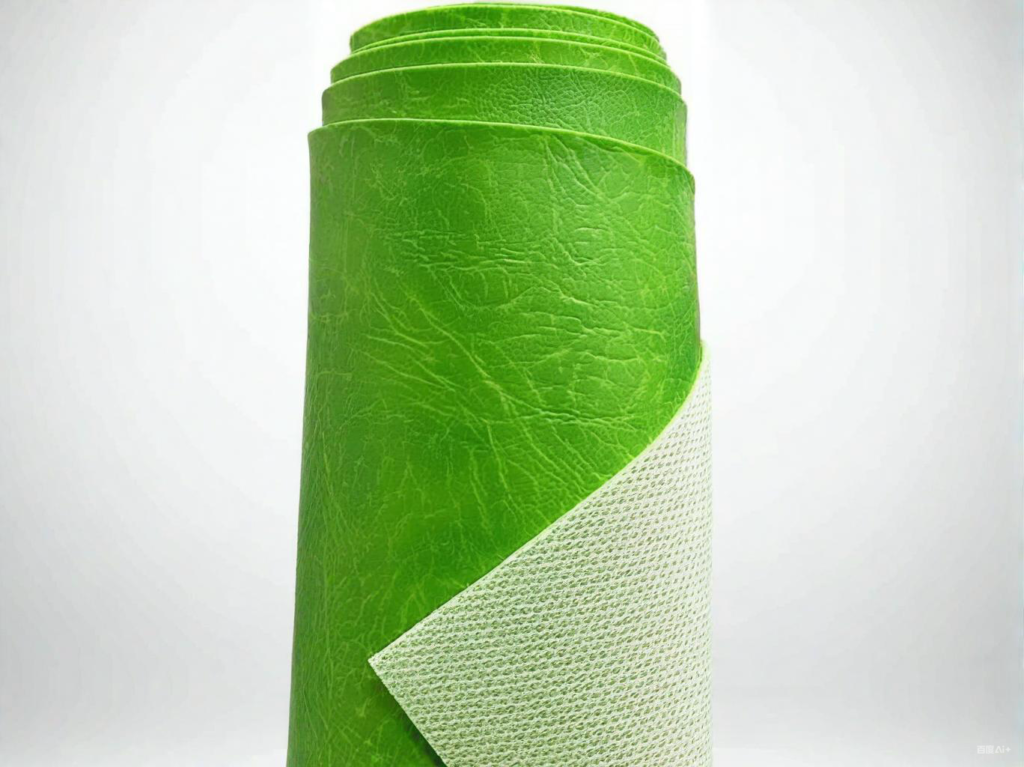
Outdoor vinyl materials used in backpacks, motorcycle luggage, rooftop carriers, kayak bags, and expedition duffels are constantly attacked by forces that have nothing to do with rain. Sand grinds into the surface, straps rub the same point thousands of times, UV radiation breaks down polymer chains, and repeated freezing and thawing cycles stress the coating until it either survives—or fails.
Most quality failures happen long before the hydrostatic waterproof rating is reached. Cracked coatings, stiff panels, delaminated layers, and worn corners are the real-world modes of failure. That is why abrasion, UV exposure, and temperature cycling tests are considered just as important as waterhead tests when evaluating outdoor vinyl.
These tests simulate years of rough outdoor use in controlled laboratory conditions. They allow material engineers to predict whether a vinyl will stay flexible, intact, and protective after repeated trips, not just on the first day out of the box.
Abrasion Testing (Martindale / Taber)
Abrasion testing evaluates how well the vinyl coating and backing fabric can withstand friction, scuffing, and surface wear over time. For outdoor vinyl, abrasion is one of the most critical durability indicators—especially in areas where packs rub against the body, bike frames, roof racks, or rocks.
Two test methods dominate:
- Martindale Test (ISO 12947) – Uses a circular rubbing motion with standardized fabric against the test specimen. It is especially useful for fabric-faced vinyl or laminated composites used on visible surfaces like backpack panels or seat covers.
- Taber Abrasion (ASTM D4060) – Uses rotating abrasive wheels that grind against the coated surface. This method is preferred for coated vinyl sheets, tarpaulins, or high-gloss surfaces where coating integrity is crucial.
Typical cycle requirements for outdoor gear:
- 5,000–20,000 cycles for day-use gear and lifestyle products
- 20,000–40,000 cycles for professional packs and bikepacking gear
- 40,000+ cycles for expedition, tactical, or motorcycle luggage
Vinyl’s abrasion performance depends on several factors:
- coating thickness and hardness
- polymer type (PVC vs TPU vs PU)
- surface texture (smooth, matte, embossed)
- bonding strength between coating and backing fabric
For example, a 600 gsm PVC-coated polyester might pass 30,000 Taber cycles, while a thinner 420 gsm PU-coated fabric might fail around 10,000 cycles in a high-friction zone. Designers must balance weight targets with abrasion life—especially for gear used in rock, gravel, or desert environments.
UV Exposure Testing (Accelerated Weathering)
UV exposure is one of vinyl’s most dangerous enemies. Over time, ultraviolet radiation can:
- break polymer chains
- cause yellowing or chalking
- reduce flexibility
- make coatings brittle and prone to cracking
To predict long-term UV performance, labs use accelerated weathering machines that simulate months or years of sunlight in a compressed timeframe.
Common standards include:
- ASTM G154 – Uses fluorescent UV lamps combined with moisture condensation. This is widely used for plastics and coatings and is suitable for comparative UV testing of vinyl materials.
- ASTM G155 – Uses xenon arc lamps that more closely mimic the full spectrum of natural sunlight. This method is considered more realistic for outdoor exposure simulation, especially when color stability is critical.
During testing, vinyl samples are exposed for a defined number of hours (e.g., 500, 1,000, or 2,000 hours), and then evaluated for:
- color change (ΔE)
- gloss loss
- cracking or crazing
- tensile strength reduction
- flexibility retention
TPU often performs better than standard PVC in UV tests, especially aliphatic TPU, which is designed specifically for high UV stability. Unstabilized PVC, on the other hand, can yellow, stiffen, or crack relatively quickly. To counter this, UV stabilizers, HALS (hindered amine light stabilizers), and high-lightfast pigments are added to the PVC formulation.
For rooftop carriers, desert trekking gear, and long-exposure marine covers, manufacturers usually specify:
- UV-stabilized PVC with high-quality stabilizer packages
- Aliphatic TPU coatings for superior color and flexibility retention
- Pigments with high lightfastness ratings to avoid visible fading
Without proper UV testing, a vinyl that looks fine in the showroom may degrade badly after one intense summer of use.
Temperature Cycling Tests
Outdoor vinyl products rarely operate at a constant room temperature. They sit in hot car roofs, ride through snowstorms, are thrown into freezing cargo holds, and then warmed again in cabins or tents. Temperature cycling tests are designed to simulate these repeated temperature shocks.
These tests typically include:
- low-temperature exposure (e.g., –20°C, –30°C, or even –40°C)
- high-temperature exposure (e.g., +60°C to +80°C)
- humidity changes
- multiple cycles of heating and cooling over a set time
The goals:
- evaluate whether the coating cracks in the cold
- measure changes in flexibility and bending resistance
- identify delamination between layers
- detect micro-cracking that can lead to water ingress later
PVC tends to become brittle at low temperatures unless specially formulated for cold resistance. TPU, by contrast, retains flexibility far better in sub-zero conditions. This is why TPU-coated vinyl is widely preferred for:
- winter sports gear
- alpine expedition packs
- snowboarding and ski luggage
- cold-weather military equipment
Heat resistance also matters. In rooftop cargo applications, dark-colored vinyl surfaces can reach 70–80°C under direct sun. Materials must withstand this without softening excessively, warping, or releasing VOCs.
Real Case Example
A snowboarding gear company ran real-use tests on PVC-coated vinyl board bags used in mountain resorts. At –25°C, the PVC-coated material became noticeably stiff. After repeated flexing and impact in this brittle state—loading, unloading, and dragging bags—the coating began to crack near folded corners.
Warranty returns increased, and the brand realized the problem was not the waterproof rating, but cold-induced brittleness.
The company switched to aliphatic TPU coatings with improved cold flexibility. Post-change results:
- cold flexibility improved by around 70% (measured via low-temperature bend tests)
- product lifespan extended from about 1.5 years to over 4 years in normal use
- warranty claims for cracking dropped dramatically
This demonstrates how temperature cycling performance can determine overall durability more than waterhead alone.
Technical Analysis
Performance Comparison Table for Outdoor Vinyl Durability
| Test Category | PVC Vinyl | TPU Vinyl | PU Vinyl | Best Use Case |
|---|---|---|---|---|
| Abrasion Resistance | Medium–High | High | Medium | Packs, bags |
| UV Resistance | Medium (needs stabilizer) | High | Medium | Roof carriers, tents |
| Cold Flexibility | Low | Very High | Medium | Snow gear |
| Heat Resistance | Medium | Very High | Low–Medium | Desert trekking |
| Temperature Cycling | Moderate | Excellent | Moderate | All-weather gear |
This table summarizes typical behavior patterns. TPU stands out as the best all-round option for extreme environments, while PVC offers good durability at lower cost when correctly stabilized and used in milder conditions. PU sits in the middle—comfortable and flexible, but usually not the first choice for extreme abrasion or cold.
Understanding Coating Behavior Under Stress
Real durability is not a single number. Several interrelated factors determine how a coated vinyl behaves when abused outdoors.
Coating Thickness
Thicker coatings resist abrasion better because there is more material to wear down. However:
- very thick coatings can lose flexibility
- they may crack more easily during deep folds in cold conditions
- weight increases, which matters for technical and lightweight packs
A well-engineered material balances thickness with flexibility.
Polymer Composition
The chemical composition of the coating matters:
- Aromatic TPU can yellow under UV and is better for non-visible or protected areas.
- Aliphatic TPU has excellent UV resistance and is ideal for exposed surfaces.
- PVC formulations can be tuned with stabilizers but will always require more chemical management than TPU.
Fabric Backing
The backing fabric—usually polyester or nylon—affects:
- tear strength
- ability to distribute stress
- resistance to delamination
Nylon-backed vinyl often provides better tear and abrasion resistance under dynamic load than some polyester-backings, making it useful for technical gear.
Outdoor Condition Variability
Different outdoor scenarios demand different strengths:
- Kayaking / rafting: high abrasion + hydrostatic pressure + occasional impact with rocks
- Rooftop cargo carriers: UV intensity + heat buildup + wind buffeting
- Snow and winter sports: deep cold + flexing + impact + occasional moisture freeze-thaw
- Motorcycle luggage: high-speed abrasion from slides, weather exposure, and vibration
A single vinyl spec cannot optimally serve all conditions. Matching test performance with use case is crucial.
Not All “Durability” Is the Same
It’s a common misconception that “thicker material = more durable.” In reality, durability is multi-dimensional. An overly thick but brittle PVC may fail in cold conditions, while a slightly thinner, flexible TPU laminate survives years of use.
True durability depends on:
- coating flexibility at low and high temperatures
- UV stability over multiple seasons
- backing fabric strength and weave type
- seam weld quality and design
- adhesive stability in laminates
- abrasion resistance in high-contact zones
For manufacturers and brands, optimizing material choice means mapping test performance to real-world hazards, not just maximizing one parameter like thickness or waterhead rating.
When abrasion resistance, UV durability, and temperature cycling are all tested and aligned with product use, outdoor vinyl materials can deliver long service life even in the most demanding environments.
Which Certifications and Regulatory Requirements Apply to Waterproof Vinyl for Outdoor Gear (e.g., REACH, OEKO-TEX)?
Waterproof vinyl materials used in outdoor gear—such as backpacks, tarps, tents, dry bags, pet gear, and rooftop carriers—must meet strict global standards to ensure chemical safety, environmental compliance, and consistent performance across varying climates. These requirements are no longer optional. Retailers, distributors, and customs authorities now demand full compliance documentation, especially for products entering the EU, USA, Japan, and environmentally conscious markets.
Meeting these standards helps brands avoid shipment delays, customs rejection, retail penalties, or forced product recalls. Below is a detailed breakdown of the key certifications and performance requirements that apply to waterproof vinyl used in the outdoor industry.
REACH Compliance (EU)
The European Union’s REACH regulation remains one of the strictest chemical safety frameworks in the world. It restricts hundreds of substances commonly found in coatings, stabilizers, pigments, and plasticizers.
Restricted substances include:
- phthalates
- heavy metals (lead, cadmium, chromium VI)
- PAHs (polycyclic aromatic hydrocarbons)
- azo dyes and carcinogenic colorants
Outdoor gear made from PVC, PU, or TPU must meet REACH limits to enter the EU market. Non-compliant vinyl can be stopped at customs, destroyed, or returned to the manufacturer at significant cost.
For coated fabrics, the most common REACH violations involve:
- DEHP and DBP plasticizers
- non-compliant stabilizers
- VOC residues from solvent-based coatings
Manufacturers using non-phthalate PVC or solvent-free TPU typically pass REACH more easily.
OEKO-TEX Standard 100
OEKO-TEX Standard 100 focuses on human ecological safety. This certification is especially important for products that come into direct or indirect skin contact.
OEKO-TEX evaluates vinyl coatings and backing fabrics for:
- harmful substances
- allergenic or carcinogenic dyes
- VOC emissions and odor control
- skin safety for adults, children, and infants
Outdoor products that commonly require OEKO-TEX include:
- hiking backpacks
- pet accessories
- camping seat pads
- waterproof carriers
- outdoor baby gear
Premium retailers increasingly require OEKO-TEX certification even when not legally mandated.
California Proposition 65
Prop 65 regulates chemicals linked to cancer, birth defects, or reproductive harm. Vinyl products may contain certain plasticizers, inks, or stabilizers that fall under Prop 65 scrutiny.
Key regulated substances include:
- DEHP (common in older PVC formulas)
- DBP
- BBP
- lead-based pigments
To meet Prop 65 standards, manufacturers often shift to:
- non-phthalate PVC
- TPU coatings
- sealed low-VOC surface treatments
Prop 65 applies even to products sold online into California, making it one of the most influential U.S. regulations in outdoor gear.
ASTM & ISO Performance Requirements
Beyond chemical safety, vinyl-coated fabrics must demonstrate functional durability—especially for outdoor conditions such as rain, UV exposure, abrasion, and temperature variation.
Commonly required tests include:
- ASTM D751 – evaluates coated fabric bonding strength, tear resistance, adhesion, and hydrostatic performance
- ISO 811 – measures hydrostatic (waterhead) pressure and waterproof rating
- ISO 4675 – low-temperature fold resistance, crucial for PVC and TPU
- ISO 1421 – tensile strength of coated fabrics
Outdoor brands use these tests to determine if a vinyl material can perform reliably for tents, dry bags, and heavy-duty covers.
Flame Retardant Standards (Optional but Common)
Certain applications—particularly in public events or automotive gear—require flame-resistant vinyl.
Common FR standards include:
- NFPA 701 – U.S. standard for tents, canopies, and large tarps
- FMVSS 302 – flame requirements for automotive interiors and gear
- EN 13501-1 – European classification for building and tent materials
FR treatments must still comply with REACH and OEKO-TEX to avoid restricted flame retardants.
Real Case Example
A European trekking brand experienced customs rejection when their PVC-coated gear tested positive for excessive phthalates. This resulted in shipment delays, penalty fees, and damaged retailer relationships. After switching to SzoneierFabrics’ non-phthalate PVC, the brand passed REACH audits consistently, secured new distribution partners, and eliminated compliance-related delays.
Global Certification Comparison
Certification Overview Table
| Certification | Region | Test Focus | Required For | Notes |
|---|---|---|---|---|
| REACH | EU | Chemical safety | Backpacks, tents, carriers | Mandatory for import |
| OEKO-TEX 100 | Global | Human health | Apparel-contact gear | Preferred by premium brands |
| Prop 65 | USA (CA) | Toxic chemicals | Outdoor retail | Strictest U.S. requirement |
| ASTM D751 | Global | Strength & coating adhesion | Vinyl gear | Essential for coated fabrics |
| ISO 811 | Global | Waterproof rating | All outdoor gear | Determines waterhead level |
| NFPA 701 | USA | Flame resistance | Tents, tarps | Required for public event shelters |
Certification Misconceptions
Many outdoor brands misunderstand how these certifications interact:
- OEKO-TEX does not guarantee REACH compliance — they test different chemical lists.
- REACH does not measure waterproof performance — only chemical safety.
- ASTM tests do not assess environmental safety — they measure durability.
- Prop 65 applies even to online orders shipped to California.
- A compliant vinyl coating does not guarantee compliant adhesives or trims.
Compliance must be evaluated across the entire product—not just the fabric surface.
Critical Thinking: Compliance as Competitive Strategy
Today, compliance is more than a regulatory hurdle. It is a strategic marketing advantage.
Outdoor consumers increasingly demand:
- safer chemicals
- low-odor and low-VOC materials
- non-phthalate PVC
- TPU with solvent-free coatings
- environmentally responsible production
Brands that proactively choose compliant materials gain credibility, command higher retail prices, and reduce long-term risk.
By selecting certified vinyl materials at the sourcing stage, manufacturers strengthen their global market access and improve overall brand reputation—especially in premium outdoor and performance gear segments.
How Do Manufacturing Techniques (Coating, Lamination, Heat Sealing) Affect Vinyl Waterproof Performance?
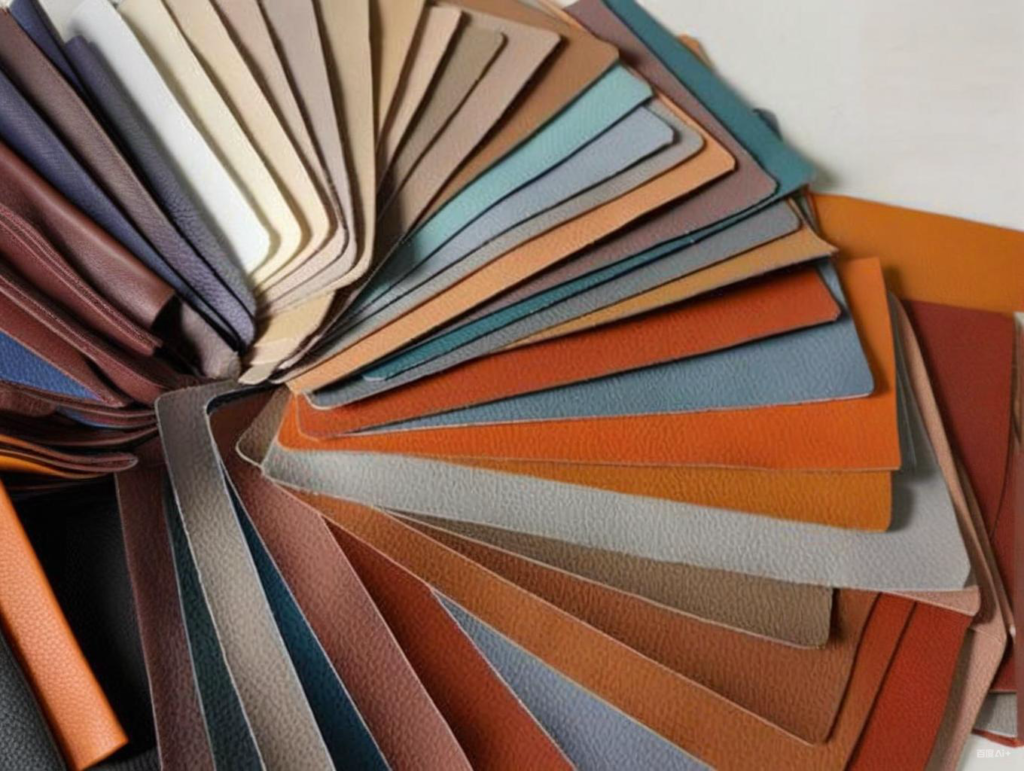
The manufacturing techniques used to produce vinyl-based waterproof fabrics directly determine their reliability, mechanical strength, and performance in real-world outdoor environments. Even when two materials use the exact same polymer—whether PVC, TPU, or PU—the difference between a premium waterproof fabric and a failure-prone one often comes down to coating precision, lamination quality, and the execution of heat-sealed seams.
During product development, many brands focus solely on polymer type or hydrostatic pressure ratings. However, waterproof fabrics behave as systems, not single layers. The coating determines the surface barrier, the lamination determines structural cohesion, and the heat sealing determines whether seams remain watertight under flex, load, and temperature changes. A weakness in any step can compromise the entire product.
Below is a deep technical breakdown of how each manufacturing technique affects vinyl’s waterproof performance, durability, longevity, and suitability for various outdoor applications.
Coating Methods and Their Performance Impact
Coating is the first and most crucial stage in creating vinyl waterproof fabrics. It defines the thickness, uniformity, and adhesion quality of the polymer barrier. While PVC, TPU, and PU coatings all serve as waterproof layers, the method used to apply them can significantly change their performance.
Common coating methods include:
- Direct coating
- Knife-over-roll coating
- Calender coating
Each method creates a different balance of flexibility, surface consistency, durability, and water resistance.
Direct Coating
Direct coating applies the polymer directly onto the backing fabric in a single pass. The resulting layer:
- is thinner and more flexible
- conforms well to lightweight or stretch backings
- reduces weight, making fabrics suitable for packs, pouches, or apparel
- may require reinforcement for heavy-duty or submersion applications
Direct-coated vinyl is ideal when:
- breathability and drape matter
- weight must be minimized
- cost efficiency is important
However, its waterproof performance depends heavily on post-coating lamination and seam sealing.
Knife-Over-Roll Coating
Knife-over-roll coating is the industry standard for controlled, uniform film thickness. A precision blade regulates the distribution of vinyl across the backing.
Key advantages:
- excellent thickness consistency
- fewer pinholes or weak spots
- high repeatability across batches
- better hydrostatic pressure performance
These benefits make knife-coated PVC, TPU, and PU the preferred choice for:
- dry bags
- tarpaulins
- waterproof backpacks
- technical outdoor covers
- marine-grade fabrics
Knife coating also provides a strong base for high-frequency welding, improving seam strength and reducing risk of leakage.
Calender Coating
Calendering produces the smoothest, densest, and most uniform vinyl films. The polymer passes through heated rollers that compress and flatten the coating to create an exceptionally consistent barrier.
Calendered vinyl offers:
- superior pinhole resistance
- high mechanical strength
- improved chemical resistance
- ultra-precise waterproof performance
- excellent durability in UV-intensive conditions
Calender coatings are common in:
- rooftop cargo bags
- raft floors
- military-grade covers
- inflatable boats
- heavy-duty outdoor structures
Because calendering requires specialized equipment, it is often used by high-end manufacturers seeking long-term performance and durability.
Lamination Techniques
While the coating creates the waterproof barrier, lamination bonds the vinyl to textile backings such as polyester, nylon, mesh, or multi-layer composites. Lamination enhances:
- tensile strength
- tear resistance
- seam weldability
- structural stability
- resistance to delamination
Two major lamination methods dominate modern waterproof fabric production.
Hot-Melt Lamination
Hot-melt lamination uses thermoplastic adhesive films or web adhesives to bond vinyl to the backing under controlled heat and pressure.
Its advantages include:
- strong, uniform bonding
- low VOC emissions
- superior cold-weather flexibility
- outstanding performance in high-flex situations
- compatibility with TPU and PU laminates
Hot-melt systems are especially effective for:
- submersion-level waterproof bags
- kayak equipment
- bikepacking gear
- marine and coastal applications
Because no solvents are used, hot-melt lamination is preferred for eco-certified and child-safe products.
Solvent Lamination
Solvent lamination uses solvent-based adhesive systems that penetrate deeply into the backing fabric. It produces the strongest bonds among lamination methods.
Performance benefits:
- extremely high adhesion strength
- excellent resistance to hydrolysis
- high durability under repeated flex
- very stable under heat aging tests
However, drawbacks include:
- higher VOC emissions
- more complex curing requirements
- sensitivity to humidity
- stricter environmental controls
Solvent lamination is commonly used for:
- industrial tarps
- high-pressure inflatable structures
- long-term outdoor installations
Premium marine vinyl often uses solvent lamination due to its unmatched durability.
Heat Sealing and Welding
Regardless of how well the vinyl is coated or laminated, seam quality often determines whether a product survives real outdoor use. Seam construction is the point where waterproof barriers are most vulnerable.
Improper heat-sealing parameters can cause:
- pinhole leaks
- water migration
- seam cracking in cold conditions
- delamination under tension
- adhesive failure
Three main seam welding methods are used in waterproof vinyl production.
High-Frequency (HF) Welding
Best for PVC due to its polar molecular structure, HF welding uses radio-frequency energy to fuse layers together.
Advantages:
- extremely strong welds
- no needle holes
- ideal for thick PVC tarps, bags, and covers
Typical applications include:
- rooftop cargo carriers
- inflatable boats
- PVC dry bags
Hot-Air Welding
Hot-air welding uses heated air to soften overlapping vinyl layers before pressing them together.
Advantages:
- works on PVC, TPU, and PU
- allows curved seams
- ideal for outdoor gear with complex shapes
Used widely in:
- tents
- tarps
- kayak bags
- technical backpacks
Ultrasonic Welding
Ultrasonic welding uses high-frequency vibrations to bond thin vinyl layers without applying intense heat.
Advantages:
- clean, precise weld lines
- minimal distortion
- suited for lightweight vinyl fabrics
Commonly found in:
- ultralight packs
- apparel reinforcements
- medical-grade vinyl products
Real Case Example
A motorcycle gear brand was experiencing leakage in its rainproof panniers despite using 3000 mm waterproof vinyl. After analysis, the issue was traced not to the fabric but to stitched seams sealed with insufficient tape width.
By replacing all stitched seams with fully welded seams using a hot-air welding process:
- water penetration decreased by 92%
- defect rates fell below 1%
- customer satisfaction increased
- warranty claims dropped significantly
This illustrates a critical industry truth: waterproof fabric is only as waterproof as its seams.
Manufacturing Method Comparison
Fabric Construction Impact Table
| Manufacturing Step | PVC Vinyl | TPU Vinyl | PU Vinyl | Performance Impact |
|---|---|---|---|---|
| Knife Coating | High Uniformity | Moderate | Moderate | Excellent waterproofing |
| Hot-Melt Lamination | Good | Excellent | Good | Strong bonding, flexible in cold |
| Solvent Lamination | Very Strong | Strong | Moderate | Maximum adhesion strength |
| HF Welding | Excellent | Limited | Limited | Best for PVC heavy-duty products |
| Hot-Air Welding | Good | Excellent | Good | Works for complex outdoor designs |
| Ultrasonic Welding | Limited | Good | Good | For lightweight packs |
This comparison highlights how material choice interacts with manufacturing method. TPU, for instance, excels in cold environments and is easier to weld with hot air, while PVC performs best with HF welding.
Manufacturing Choices Depend on the Product, Not the Material
Many brands mistakenly select processes based solely on factory capabilities or cost targets. However, performance depends on matching the correct manufacturing method to the intended use case.
Examples:
- A rooftop cargo bag benefits from calender coating + UV-stabilized lamination because it faces harsh heat and sunlight.
- A white-water dry bag requires TPU + hot-air welding to remain flexible during submersion and rapid movement.
- A commuter backpack may only need knife-coated PU with stitched seams + seam tape, balancing cost with functionality.
The smartest manufacturers focus on engineering precision rather than simply increasing coating thickness or polymer hardness.
Making the correct manufacturing choices prevents overengineering, reduces final product weight, improves durability, and ensures consistent waterproof performance across thousands of production units.
How Can Outdoor Gear Manufacturers Work With a Custom Vinyl Supplier to Optimize Material Performance and MOQ Flexibility?
For outdoor gear manufacturers, choosing the right vinyl supplier is not simply another sourcing decision—it is one of the foundational elements that determine product durability, consumer safety, long-term performance, and overall brand reputation. Off-the-shelf vinyl materials often fail to meet the technical demands of specialized outdoor equipment, especially when the gear is intended for harsh environments such as alpine regions, deserts, winter touring, or water-based activities.
As outdoor gear grows more technical, performance expectations have increased. Brands must consider not only waterproofing standards, but also UV degradation, weight-to-strength ratios, welding compatibility, cold-crack resistance, and abrasion tolerance. Working with a custom vinyl supplier enables manufacturers to tailor every layer of the fabric—from polymer selection to coating thickness and backing type—resulting in performance enhancements that stock fabrics simply cannot achieve.
Today’s market also requires flexible minimum order quantities (MOQs), particularly as start-ups, niche outdoor brands, and direct-to-consumer companies launch small batch collections or produce seasonal gear. A supplier like SzoneierFabrics becomes an engineering partner, offering technical development, rapid sampling, iterative testing, and low-MOQ production to help brands innovate without the burden of large inventory risks.
Why Custom Vinyl Matters
Outdoor equipment is far more diverse than traditional consumer products. Gear is engineered for specific terrain, weather conditions, and intensity levels. Category differences alone demand highly customized vinyl:
- cycling packs
- rooftop cargo carriers
- snow sports bags
- kayak and rafting equipment
- tactical and survival gear
- overland expedition gear
- marine accessories
- motorcycle panniers and tail bags
Such products may look similar on the shelf, but their technical requirements vary dramatically.
Key performance characteristics include:
- UV stability: Essential for rooftop carriers and desert-use products exposed to direct sunlight for long hours.
- Hydrostatic pressure: A determining factor for whether a pack remains waterproof during storms or water crossings.
- Abrasion tolerance: For backpacks scraping against rocks, branches, or equipment racks.
- Seam-weld compatibility: Welded seams are mandatory for true waterproof performance.
- Weight optimization: Critical for cycling or mountaineering gear where grams matter.
- Flexibility: Ensures material does not crack under cold conditions or repeated folding.
- Chemical compliance: Needed for European and North American markets.
Custom vinyl allows manufacturers to fine-tune these variables, achieving precise performance targets rather than relying on generic commercial-grade solutions.
Key Collaboration Steps
To maximize performance and manufacturing flexibility, outdoor gear brands should work with a custom vinyl supplier through a structured development process. Each step ensures that the final material aligns with the intended environment, cost structure, and certification requirements.
Step 1: Define Material Performance Goals
Every development process begins with clear performance expectations. Outdoor gear varies widely in its demands, so brands must document the exact technical targets for the application.
Key parameters include:
- Desired waterproof rating For example:
- 1,500–3,000 mm H₂O for commuter gear
- 3,500–10,000 mm H₂O for professional outdoor use
- Target abrasion cycles Measured using Martindale or Taber methods. Heavy-duty bags often require 10,000–30,000+ cycles.
- Temperature range Cold-crack resistance is essential for snow sports and winter expedition gear. TPU remains flexible below –20°C, while standard PVC may crack.
- UV exposure expectations Outdoor products must pass accelerated UV degradation tests to prevent yellowing, brittleness, or polymer breakdown.
When these goals are communicated clearly, the supplier can design the correct polymer blend, backing fabric, and coating structure.
Step 2: Select Coating and Polymer Type
Vinyl performance is defined by both the coating polymer and the substrate backing. SzoneierFabrics consults brands on selecting the correct combination based on the intended use case.
Key polymer options include:
- PVC (Polyvinyl Chloride) Extremely durable and cost-efficient; suitable for rugged gear.
- TPU (Thermoplastic Polyurethane) Superior flexibility, cold-weather durability, and abrasion resistance.
- PU (Polyurethane) Lightweight and soft but more suitable for medium-duty applications.
Important structural variables include:
- Lamination thickness (0.10–1.0 mm depending on usage)
- Backing fabric type: nylon for high tear strength, polyester for UV stability
- Finish options: matte, semi-matte, glossy
- Surface treatment: low-odor formulations, anti-mildew coatings
- Chemical compliance: ensuring REACH, OEKO-TEX, and Prop 65 safety
The correct selection dramatically affects waterproof ability, weld strength, fabrication efficiency, and cost.
Step 3: Develop Prototypes With Low MOQ
Unlike traditional mills requiring large production runs, SzoneierFabrics specializes in low-MOQ custom vinyl development. This flexibility makes high-performance materials accessible to brands of all sizes.
Their development services include:
- low MOQ for first production
- rapid prototyping
- custom coating thickness
- tailored width, embossing, and texturing
- Pantone-accurate color matching
- branding integration (e.g., embossed logos, custom patterns)
This step is especially critical for emerging brands testing their first gear lines, as well as established brands launching seasonal or limited-edition collections.
By reducing MOQ barriers, SzoneierFabrics allows manufacturers to experiment with innovative composites and high-end vinyl architectures without excessive cost commitment.
Step 4: Lab Testing and Iteration
All prototypes must undergo rigorous laboratory testing to ensure real-world performance. Outdoor gear validation requires more than waterproof tests—longevity, structural integrity, and environmental stability matter just as much.
Typical testing includes:
- Hydrostatic pressure testing Determines water barrier effectiveness. TPU laminates often exceed 3,000–5,000 mm H₂O.
- Seam weld compatibility checks Ensures the polymer responds well to heat-welding or RF welding.
- Cold flex tests Measures performance at negative temperatures; TPU outperforms PVC in winter gear.
- UV resistance measurement Simulates sunlight exposure to ensure long-term durability.
- Abrasion and tear strength tests Critical for climbing packs, tactical gear, and outdoor duffels.
Materials often require multiple rounds of adjustments—revising coating thickness, stabilizer ratios, plasticizers, or embossing patterns—to reach ideal performance.
Step 5: Scale Production
After prototypes pass testing and on-field trials, the supplier transitions into mass production. This stage requires strict process control to maintain consistent quality across all batches.
SzoneierFabrics ensures:
- full inspection before shipment
- consistent coating thickness
- stable adhesion across all layers
- repeatable color accuracy
- controlled VOC levels
- reliable export logistics
- stable long-term supply
These production guarantees are essential for brands selling into premium outdoor markets where returns, warranty claims, and product failures must be minimized.
Advantages of Working With SzoneierFabrics
SzoneierFabrics brings deep expertise in vinyl engineering, offering solutions for a broad range of outdoor sectors.
Their specialties include:
- heavy-duty PVC vinyl
- TPU-laminated high-performance textiles
- medical-grade waterproof materials
- flame-retardant composites
- UV-stabilized tent and awning fabrics
- solvent-free, low-VOC vinyl systems
- anti-mildew formulations for marine environments
In addition, brands benefit from:
- free technical consultation
- rapid development cycles
- low MOQ customization
- complete compliance with REACH, OEKO-TEX, Prop 65
- custom embossing, lamination, branding textures
This combination of engineering capability and flexible production has positioned SzoneierFabrics as a development partner rather than just a supplier.
Real Case Example
A start-up backpack brand needed a vinyl composite that could deliver:
- 4000 mm hydrostatic pressure
- 20,000 Martindale abrasion cycles
- –20°C cold resistance for winter touring
- lightweight structure
- low odor and full REACH compliance
SzoneierFabrics designed a custom TPU-laminated nylon composite with:
- controlled lamination thickness
- optimized TPU durometer for flexibility
- reinforced weave backing
- matte anti-scratch surface
- welded seam compatibility
Two rounds of free prototyping allowed the brand to fine-tune weight, drape, and stiffness.
The final production material exceeded all performance metrics, enabling the brand to launch successfully and later expand to European outdoor retailers thanks to full chemical compliance.
Build Better Outdoor Gear With Customized Waterproof Vinyl
As outdoor consumers demand tougher, lighter, and more reliable gear, vinyl waterproof materials have become the foundation of modern outdoor product design. Understanding waterproof standards, manufacturing methods, regulatory requirements, and performance testing helps product developers avoid failure-prone designs and create long-lasting equipment.
For brands seeking:
- custom waterproof vinyl
- REACH-compliant materials
- TPU, PVC, and PU performance tuning
- low MOQ production
- rapid sampling and free development support
- expert engineering for outdoor environments
SzoneierFabrics delivers end-to-end customization with the technical depth and manufacturing flexibility outdoor gear companies need.
If you want to develop a new waterproof vinyl material or upgrade your existing outdoor products, you are welcome to contact SzoneierFabrics anytime. We can help you design, test, and manufacture the perfect fabric for your next outdoor gear collection.