Skip to content
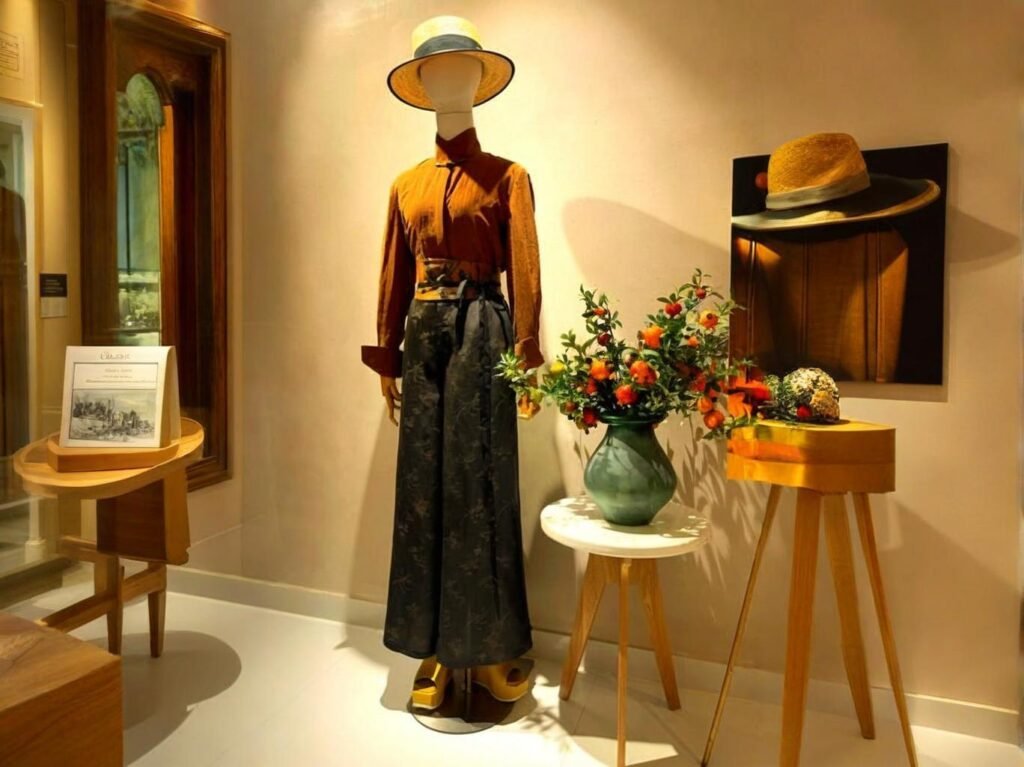
Fabrics are often treated as neutral materials—mere backdrops for design. Yet throughout history, textiles have carried power, identity, rebellion, and belief. What people wore signaled who they were, where they belonged, and what they aspired to become. Long before fashion became seasonal or trend-driven, fabrics were cultural storytellers. Iconic fashion fabrics such as silk, denim, cotton, wool, and linen gained their cultural meaning through trade, labor, technology, and social change. Their histories reveal how materials shaped status, identity, and everyday life across civilizations, and why these fabrics still influence modern fashion today.
At SzoneierFabrics, working with materials across cultures often reveals an overlooked truth: people don’t just choose fabrics for function—they choose them for meaning. A fabric’s past quietly informs how it is perceived today. To understand why certain textiles remain iconic, we must look beyond technique and into history.
Let’s begin with one of the most symbolically powerful fabrics ever created.
What cultural forces shaped the earliest use of silk as a luxury fabric?
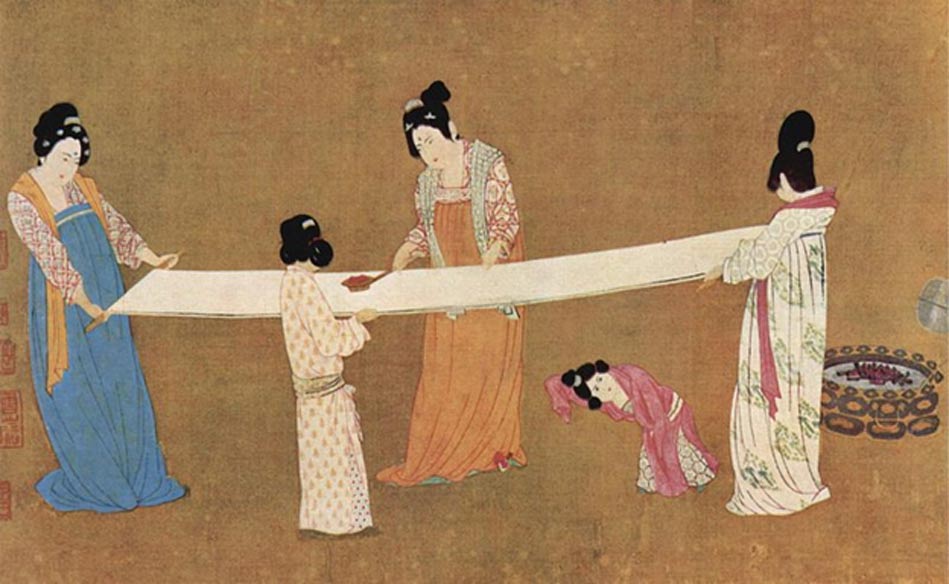

Silk did not become a luxury fabric simply because it was beautiful. It became luxury because it was rare, controlled, symbolic, and politically charged from the very beginning of its existence. Long before fashion, branding, or consumer markets existed, silk was already embedded in systems of power, hierarchy, ritual, and diplomacy. Its value was cultural before it was commercial, and strategic before it was aesthetic.
In early societies—especially in ancient China—silk was not treated as a neutral material. It was treated as knowledge, and knowledge was power. The techniques required to raise silkworms, harvest cocoons, reel filament, and weave fine cloth were complex, fragile, and easy to disrupt. This fragility made silk production inherently controllable, and control turned silk into a symbol of authority.
Silk was never just cloth—it was strategy.
Why Silk Symbolized Power Long Before Fashion
To understand silk’s early luxury status, it is essential to abandon modern assumptions about textiles as consumer goods. In early civilizations, textiles were among the most valuable manufactured objects, often exceeding metals in daily importance. Clothing signaled social rank, political legitimacy, moral order, and even cosmic harmony.
Silk’s rise as a luxury material was driven by three overlapping forces:
- Technological exclusivity
- Cultural symbolism
- Institutional control
These forces reinforced each other over centuries, shaping silk into something far more significant than a desirable fabric.
Silk’s Origins and Controlled Knowledge
Silk production began in ancient China more than 4,000 years ago, likely during the late Neolithic period. From the start, sericulture was not widely shared knowledge. It required precise environmental conditions, specialized tools, and continuous labor. Most importantly, it required understanding biological processes that were not easily observable or transferable.
For centuries, Chinese societies treated silk knowledge as state-protected intellectual property.
| Factor | Cultural Impact |
|---|---|
| Controlled production | Imperial exclusivity |
| Complex labor | High perceived value |
| Limited supply | Status symbolism |
| Myth & ritual | Sacred associations |
The labor intensity of silk production was extreme by ancient standards. Raising silkworms required maintaining mulberry orchards, monitoring temperature and humidity, preventing disease, and harvesting cocoons at the exact right moment. Reeling silk filament demanded skill and patience, while weaving required advanced looms and trained artisans.
This complexity ensured that silk could never be mass-produced in early societies. Scarcity was built into the process, and scarcity naturally translated into value.
As a result, silk garments were often legally restricted. In many Chinese dynasties, sumptuary laws defined who could wear silk, what colors were permitted, and which patterns signified rank. Emperors, court officials, and ritual elites used silk not to express individuality, but to visibly reinforce social order.
Silk was not fashion—it was governance made visible.
Myth, Ritual, and Sacred Meaning
Beyond economics and control, silk acquired symbolic weight through myth and ritual. Early Chinese legends attributed the discovery of silk to a semi-divine figure, reinforcing the idea that silk was not merely invented but revealed.
Silk’s association with ritual practices further elevated its status. It was used in:
- Ancestral ceremonies
- Religious offerings
- Diplomatic gifts
- Burial garments
These uses framed silk as a material suitable for communication between the human and spiritual realms. Once a material enters ritual life, it rarely loses prestige, even as practical use expands.
The Silk Road: Fabric as Diplomacy
When silk began to move beyond China through long-distance trade routes later known as the Silk Road, its cultural meaning did not diminish—it expanded. Silk became a medium of international influence, not simply a traded good.
| Region | How Silk Was Perceived |
|---|---|
| China | Symbol of order & hierarchy |
| Persia | Sign of refinement |
| Rome | Exotic luxury |
| Europe | Church & elite dress |
In diplomatic contexts, silk functioned as a non-verbal statement of power. Gifting silk implied access to advanced knowledge, control over rare resources, and participation in a sophisticated civilization.
In Persia, silk was integrated into court culture and elite identity, aligning with values of refinement and craftsmanship. In Rome, silk arrived as an exotic import so fine and unfamiliar that it provoked fascination and anxiety at the same time.
Roman elites admired silk’s beauty but criticized its transparency and expense. Some moralists argued that silk undermined traditional values of modesty and discipline. These debates themselves reveal silk’s power: few materials provoke moral concern unless they challenge social norms.
Silk as a Marker of Distance and Power
One reason silk retained its luxury status in foreign cultures was distance. For most societies along the Silk Road, silk’s origin was mysterious. The inability to reproduce silk locally reinforced the idea that it belonged to a distant, superior system of knowledge.
Even when raw silk reached other regions, the absence of sericulture expertise meant dependence remained. This dependency preserved silk’s prestige and ensured that it was consumed primarily by elites, religious institutions, and ruling classes.
Silk thus became a material that symbolized not just wealth, but connection to global networks.
Cultural Meaning Beyond Appearance
Silk’s physical properties aligned closely with philosophical and aesthetic ideals in many cultures. Its appeal was not loud or heavy; it was subtle, controlled, and refined.
| Attribute | Cultural Interpretation |
|---|---|
| Smooth texture | Harmony |
| Luster | Divine favor |
| Lightweight drape | Intellectual refinement |
In Chinese philosophy, smoothness and balance were associated with moral order. In religious contexts, silk’s luminosity suggested purity and transcendence. In elite education systems, restraint and refinement were virtues—and silk embodied both.
Unlike materials that signaled power through weight or rigidity, silk communicated authority through effortless elegance. This distinction mattered. Power that appears natural is often more persuasive than power that appears forced.
Gender, Labor, and Social Structure
Silk production also shaped social roles, particularly in early Chinese societies where sericulture was closely associated with women’s labor. This association elevated domestic production into a matter of state importance.
The act of silk production became a moral ideal:
- Diligence
- Precision
- Patience
- Harmony with nature
Rulers promoted silk-making not only for economic reasons, but as a model of social virtue. In this way, silk connected household labor, moral education, and imperial ideology.
Persistence of Meaning Across Centuries
As silk production spread beyond China and technological secrecy eroded, silk did not lose its cultural status. Instead, its meaning adapted. By the medieval period, silk was firmly embedded in:
- Royal wardrobes
- Religious vestments
- Ceremonial textiles
- Diplomatic exchanges
Even when silk became more widely available, it retained its association with formality and ceremony. Materials rarely escape their historical symbolism entirely. Once a fabric is linked to power and ritual, that association tends to persist.
A Lasting Legacy
Even today, silk remains culturally coded as a luxury material. This perception is not solely the result of modern fashion marketing. It is the outcome of thousands of years of accumulated meaning.
Silk is still associated with:
- Formal occasions
- Ritual and ceremony
- Prestige and refinement
Its cultural position was forged long before modern fashion systems existed. The earliest forces that shaped silk—control, symbolism, and strategic use—continue to influence how it is perceived, valued, and deployed today.
Silk’s story demonstrates that luxury is not created by beauty alone. It is created when material, meaning, and power align—and endure.
How did denim evolve from workwear to a global fashion symbol?
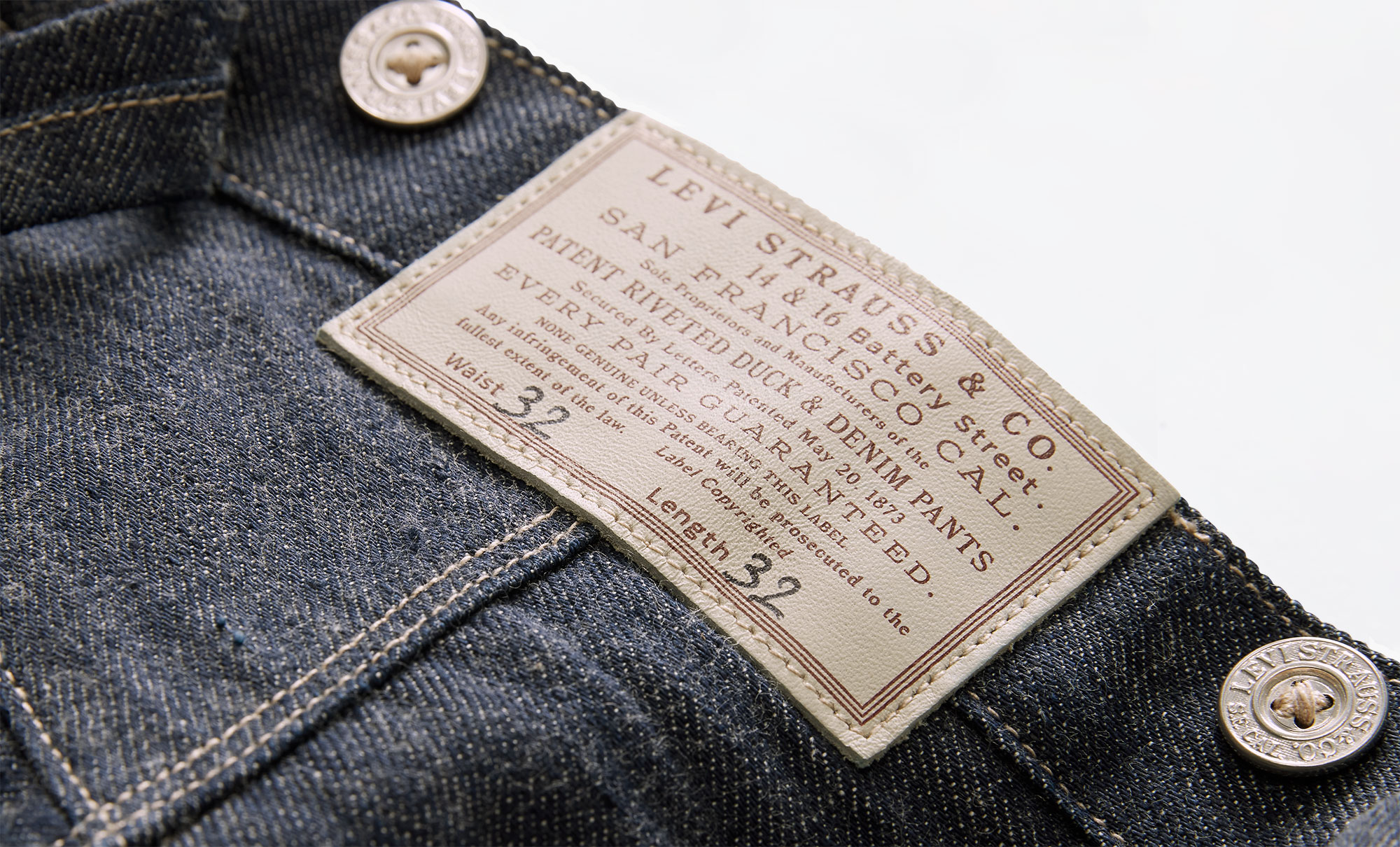

Denim did not rise to global cultural dominance because it was luxurious, rare, or refined. It rose because it was useful, accessible, and deeply connected to ordinary lives. What began as a practical cotton twill designed to endure physical labor gradually accumulated meaning through work, rebellion, media, and personal experience. Over time, denim transformed from a fabric of necessity into a fabric of identity.
Unlike elite textiles that signal status through exclusion, denim gained power through visibility and repetition. It was worn daily, stressed, repaired, and personalized. As millions of people lived in denim, the fabric absorbed stories—of labor, migration, youth, protest, and self-expression. By the late 20th century, denim had become one of the few materials capable of moving fluidly across class, geography, and culture.
Denim tells the story of ordinary people becoming visible.
The Cultural Journey of Denim
To understand denim’s transformation, it is important to view it not as a fashion trend, but as a cultural process. Denim’s meaning did not change overnight. It evolved through overlapping stages shaped by economic systems, social change, and mass communication.
Denim’s journey can be broadly understood in four phases:
- Functional workwear
- Symbol of rebellion
- Cultural uniform
- Global canvas for identity
Each phase layered new meaning onto the same basic material.
Origins in Labor and Necessity
Denim originated in the 19th century as a hard-wearing cotton twill designed to survive harsh working conditions. Its earliest adopters were not style leaders, but laborers who needed clothing that could endure abrasion, dirt, and repeated wear.
| Early Use | Purpose |
|---|---|
| Miners | Abrasion resistance |
| Railroad workers | Durability |
| Factory labor | Protection |
The fabric’s twill structure provided strength, while indigo dye served a practical purpose: it masked stains, oil, and dust. Unlike lighter fabrics that quickly showed wear, denim aged quietly, allowing workers to focus on function rather than appearance.
In this early phase, denim carried no aspirational value. It was associated with physical labor, low wages, and industrial environments. Its cultural role was purely utilitarian—yet this grounding in real work would later become the foundation of its symbolic power.
Workwear as Social Marker
Because clothing historically signaled social class, denim initially reinforced social boundaries rather than blurred them. Denim identified the wearer as someone who worked with their hands. In societies structured around visible hierarchy, this distinction mattered.
However, this clear association between denim and labor also created something unusual: honesty. Denim did not pretend to be anything other than what it was. This transparency later made it appealing to groups seeking authenticity in contrast to formal or restrictive dress codes.
From Labor to Rebellion
Denim’s cultural meaning shifted dramatically in the mid-20th century. As industrial economies changed and youth culture emerged as a distinct social force, denim moved out of the workplace and into public life.
| Era | Cultural Shift |
|---|---|
| 1930s–40s | Symbol of labor |
| 1950s | Youth rebellion |
| 1960s–70s | Counterculture |
| 1980s+ | Mainstream fashion |
In the 1950s, denim became associated with youth rebellion, particularly through film and popular media. When young people adopted denim outside of work contexts, the fabric’s meaning inverted. What was once a marker of labor became a marker of nonconformity.
Schools, restaurants, and institutions sometimes banned denim, viewing it as inappropriate or disrespectful. These restrictions only strengthened its symbolic role. Denim became a quiet challenge to authority—a way to reject imposed norms without overt confrontation.
Media and Myth-Making
Film and music played a crucial role in amplifying denim’s symbolic power. On screen, denim-clad characters embodied independence, defiance, and emotional intensity. The fabric became visually linked to freedom of movement and freedom of choice.
Unlike uniforms or formal attire, denim appeared natural and unforced. This visual language resonated strongly with postwar generations questioning rigid social structures. Denim did not require explanation; its message was implicit.
As denim entered popular culture, it stopped belonging exclusively to workers and began belonging to anyone who identified with autonomy.
Counterculture and Political Meaning
By the 1960s and 1970s, denim was fully embedded in countercultural movements. It appeared in protests, music festivals, and alternative communities. Its worn appearance—fading, tearing, patching—became a feature rather than a flaw.
During this period, denim represented:
- Resistance to consumer excess
- Rejection of formal authority
- Solidarity with working-class roots
- Alignment with social change
Importantly, denim was not redesigned to fit these movements. Its existing qualities were reinterpreted. This ability to absorb new meaning without changing structure made denim uniquely adaptable.
Why Denim Resonated Culturally
Denim succeeded globally because it carried emotional meaning rooted in shared experience. It was not distant or symbolic in the abstract; it was worn, broken in, and shaped by the body.
| Characteristic | Cultural Meaning |
|---|---|
| Toughness | Resilience |
| Casualness | Anti-elitism |
| Universality | Equality |
| Custom wear | Personal identity |
Denim’s toughness mirrored the idea of endurance—both physical and emotional. Its casualness rejected rigid dress codes. Its universality made it accessible across class lines. Most importantly, the way denim aged allowed each garment to become personal.
Unlike silk, denim gained value through use, not rarity.
The Role of Wear and Time
Few fabrics change as visibly over time as denim. Creases, fades, and repairs create a record of movement and habit. This quality allowed denim to function as a material diary, reflecting how and where it was worn.
In cultural terms, this reinforced ideas of authenticity and individuality. Two pairs of jeans made from the same fabric would never age the same way. Denim thus aligned perfectly with modern ideas of personal identity.
Mass Production and Democratization
Denim’s rise coincided with mass production and global distribution. Unlike elite textiles that resist scaling, denim was structurally suited to industrial manufacturing. This allowed it to spread quickly and widely.
As denim entered mainstream fashion, it did not lose its symbolic roots. Instead, it became a democratic uniform—worn by students, artists, workers, and professionals alike. Its flexibility allowed it to cross boundaries that most garments could not.
Global Reinterpretation
As denim spread internationally, different cultures reinterpreted it through their own values and aesthetics. Rather than erasing meaning, globalization multiplied it.
- Japan emphasized craftsmanship, aging, and heritage, treating denim as a technical and artisanal pursuit.
- Europe integrated denim into tailored and minimalist styles, blending casual fabric with refined silhouettes.
- America continued to frame denim around freedom, individuality, and self-made identity.
These interpretations did not conflict; they coexisted. Denim’s openness allowed it to function as a cultural mirror, reflecting local values while remaining globally recognizable.
Denim became a canvas for cultural expression.
Fashion Without Losing Memory
One of denim’s most unusual achievements is that it became fashionable without fully abandoning its past. Even high-end or experimental denim designs still reference workwear through stitching, rivets, and structure.
This continuity gives denim credibility. It never fully detaches from its origins, which prevents it from feeling purely decorative. Fashion trends come and go, but denim’s narrative depth sustains its relevance.
A Fabric That Adapts Without Erasing
Denim’s evolution illustrates a broader cultural pattern: materials gain power not by remaining static, but by adapting while retaining memory. Denim absorbed labor, rebellion, and self-expression into a single fabric language.
Its meaning shifted clearly:
- From utility to symbolism
- From function to identity
- From necessity to choice
Yet each new meaning built on what came before.
Lasting Significance
Today, denim is worn across generations, professions, and cultures. It appears in luxury collections and everyday wardrobes alike. Its endurance is not accidental. Denim reflects a rare balance between structure and freedom, between shared history and personal expression.
Denim’s global status was not designed—it emerged. It emerged because millions of people found themselves reflected in a fabric that asked nothing more than to be worn, lived in, and made their own.
That is why denim remains not just a fashion item, but a cultural symbol—one rooted in work, transformed by rebellion, and sustained by identity.
Which social and economic factors turned wool into a foundation fabric across civilizations?
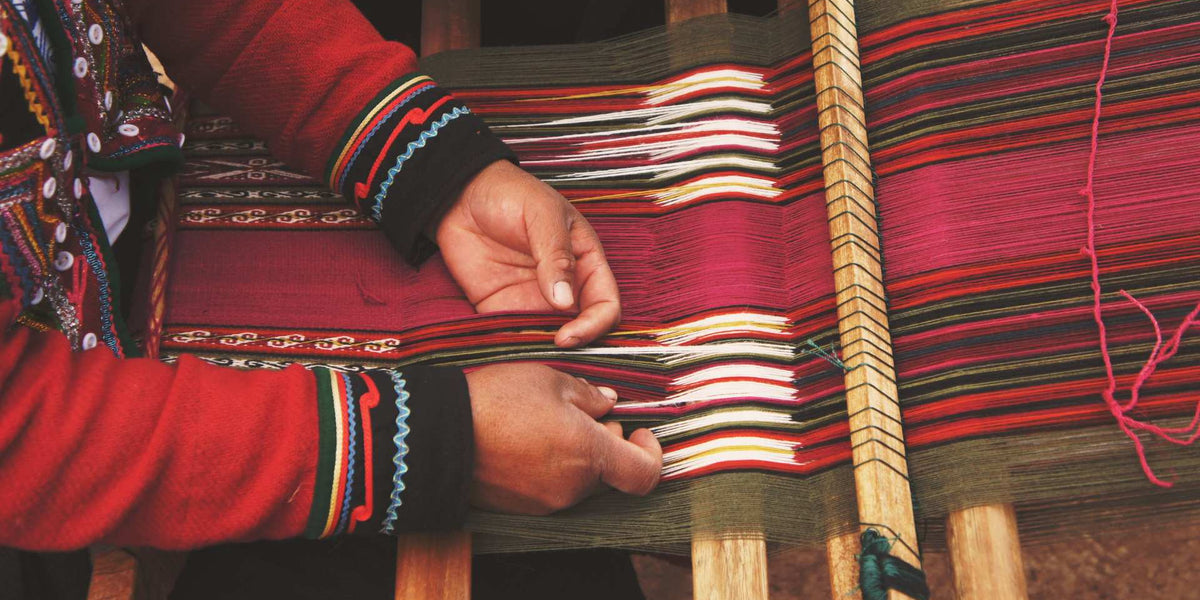
Wool became one of the most foundational fabrics in human history not because it was rare, luxurious, or visually striking, but because it was reliable, adaptable, and economically transformative. Across continents and centuries, wool supported daily survival, enabled trade, structured labor systems, and quietly shaped social hierarchies. While other fibers signaled power or refinement, wool did something more fundamental: it made settled life possible in challenging environments.
From nomadic pastoral societies to medieval urban economies, wool proved uniquely suited to the realities of pre-industrial life. It offered warmth without fragility, durability without complexity, and scalability without centralized control. These qualities allowed wool to embed itself into everyday existence so thoroughly that it often went unnoticed—until it was absent.
Wool wasn’t glamorous—but it was indispensable.
Why Wool Quietly Built Societies
To understand wool’s historical significance, it helps to shift perspective away from fashion and toward infrastructure. Wool functioned less like a luxury good and more like a system—one that connected land use, animal husbandry, household labor, and regional trade.
Wool’s dominance across civilizations can be traced to three interlocking forces:
- Climate adaptability
- Economic scalability
- Social flexibility
Together, these forces allowed wool to become a material foundation rather than a cultural exception.
Climate Adaptation and Survival
One of wool’s greatest strengths is its ability to regulate temperature across a wide range of conditions. Unlike plant fibers that insulate poorly when wet or lose structure in cold climates, wool retains warmth even in damp environments.
| Wool Property | Cultural Impact |
|---|---|
| Thermal regulation | Year-round wear |
| Moisture resilience | Outdoor survival |
| Elastic recovery | Long garment life |
In regions such as Northern Europe, the British Isles, Central Asia, and mountainous parts of the Mediterranean, climate conditions were harsh, unpredictable, and often wet. Wool’s natural crimp created air pockets that trapped heat, while its moisture-absorbing structure allowed garments to remain insulating even when exposed to rain or snow.
In these environments, wool was not a preference—it was survival infrastructure. Clothing failure could mean exposure, illness, or death. Wool’s reliability under stress made it indispensable for herders, farmers, soldiers, and travelers alike.
Year-Round Functionality
Unlike materials that were seasonal or situational, wool could be worn year-round. In colder months, it provided insulation. In warmer conditions, its breathability and moisture-wicking properties prevented overheating.
This versatility reduced the need for multiple specialized garments, which mattered greatly in societies where clothing production was labor-intensive and resources were limited. A single wool garment could serve across seasons, occupations, and stages of life.
Wool and Mobility
For nomadic and semi-nomadic societies, wool offered additional advantages. Sheep could move with people, converting grasslands into wearable protection. Wool garments and felted textiles could be produced close to where people lived, reducing dependence on distant supply chains.
This portability made wool central to cultures across the Eurasian steppe, where mobility and adaptability were essential. Wool enabled these societies to thrive in environments where agriculture alone was insufficient.
Wool as an Economic Engine
Beyond survival, wool became a powerful economic driver. Its production aligned naturally with pastoral systems that required relatively low capital investment and could scale with land and labor availability.
| Economic Role | Outcome |
|---|---|
| Sheep herding | Rural livelihoods |
| Spinning & weaving | Domestic industry |
| Trade routes | Regional power |
Sheep provided not only wool, but also meat, milk, and hides. This multi-output efficiency made wool production economically resilient. Even small households could participate, spinning and weaving wool during non-agricultural seasons.
As techniques improved, surplus wool entered regional and international trade networks. Wool became one of the first fibers to support large-scale commercial exchange.
Wool and the Rise of Trade Networks
By the medieval period, wool was central to European trade. English raw wool, Flemish textiles, and Italian finishing industries formed an interconnected system that generated immense wealth.
Medieval England’s economy, for example, relied heavily on wool exports. Wool taxes funded monarchies, wars, and infrastructure. Cities grew around wool processing, and entire regions specialized in specific stages of production.
Unlike silk, which depended on tightly controlled knowledge, wool thrived through distributed participation. This openness allowed it to underpin broader economic development.
Labor, Gender, and Household Production
Wool production shaped social organization at the household level. Spinning and weaving were often domestic activities, integrated into daily routines. This allowed families to convert time into value, reinforcing wool’s role as a stabilizing economic force.
In many societies:
- Men tended flocks and handled trade
- Women spun and wove fibers
- Children assisted with preparation and finishing
This division of labor embedded wool deeply into family life and social identity. Wool was not just worn—it was made by the community.
Social Class and Wool Quality
Unlike silk, which drew sharp boundaries between those who could access it and those who could not, wool allowed for internal differentiation. Status was expressed not by whether one wore wool, but by what kind of wool one wore.
| Wool Type | Social Meaning |
|---|---|
| Coarse wool | Labor & utility |
| Fine worsted | Urban merchants |
| Merino wool | Elite refinement |
Coarse wool garments served farmers and laborers, prioritizing durability over comfort. Finer worsted fabrics emerged in urban centers, signaling economic success and professional identity. Exceptionally fine wools, such as merino, became associated with elite tailoring and court dress.
This spectrum allowed wool to function across social classes without losing coherence as a material category.
Early Material Differentiation
This internal hierarchy of quality represents one of the earliest examples of material differentiation within a single fiber. Wool’s adaptability supported nuanced social signaling without excluding large segments of society.
In this way, wool reinforced social structure while remaining inclusive. It provided a common material language through which differences could be expressed gradually rather than absolutely.
Reusability and Circularity
Wool’s durability and reusability further strengthened its economic role. Garments could be:
- Repaired
- Altered
- Handed down
- Recycled into new textiles
Worn wool could be felted, reshaped, or combined into new products. This circularity reduced waste and extended material life, which mattered in economies where resources were finite and production slow.
Wool’s long lifecycle made it a practical choice for societies focused on sustainability long before the term existed.
Cultural Perception Shift Over Time
For much of history, wool was associated with humility and labor rather than luxury. Religious traditions often embraced wool for its modesty and symbolism of simplicity.
However, as textile technology advanced—improving spinning, weaving, and finishing—wool’s image evolved. Fine wool suiting, tailored coats, and ceremonial garments elevated wool’s cultural standing.
This shift illustrates an important principle: materials do not have fixed meanings. As technology and taste change, cultural perception follows.
Wool in Formal and Institutional Contexts
By the early modern period, wool had entered formal contexts:
- Judicial robes
- Military uniforms
- Academic dress
These uses emphasized wool’s authority, durability, and seriousness. The same fiber that once clothed shepherds now represented institutional power.
Wool’s acceptance in both humble and formal roles underscores its flexibility as a cultural material.
Why Wool Endured While Others Faded
Many historical textiles rose and fell with specific empires or technologies. Wool endured because it aligned with fundamental human needs: warmth, protection, and reliability.
It required no rare inputs, no guarded secrets, and no fragile ecosystems. As long as people raised animals in temperate climates, wool remained viable.
This structural resilience explains why wool continues to be used today, even alongside advanced synthetics.
A Quiet Foundation
Wool rarely inspires myth or fascination in the way silk does. It does not glitter or flow dramatically. Its contribution is quieter—and deeper.
Wool supported settlement in harsh climates, powered early economies, enabled trade, and allowed social systems to function with flexibility and resilience. It did not symbolize power so much as enable it.
Wool wasn’t glamorous—but it was indispensable.
And in the long arc of civilization, indispensability often matters more than spectacle.
How did cotton become a dominant fabric through trade, industry, and colonization?


Cotton did not become the world’s dominant fabric because it was the most luxurious, symbolic, or technologically complex material. It became dominant because it was adaptable, scalable, and compatible with the economic systems that shaped the modern world. As trade expanded, industries mechanized, and empires reorganized global production, cotton fit seamlessly into each transformation. Over time, it moved from a regional craft fiber to the backbone of everyday clothing across continents.
Unlike silk, which remained culturally elevated, or wool, which stayed closely tied to climate and pastoral life, cotton embedded itself into daily routines. It clothed workers and elites, children and adults, colonizers and colonized. Its rise was not about cultural conquest, but about integration—into labor systems, household practices, and industrial logic.
Cotton didn’t conquer culture—it integrated into it.
Cotton’s Complex Rise to Dominance
Cotton’s global dominance was not inevitable. It emerged through a convergence of agricultural suitability, technological innovation, trade expansion, and colonial power. Each stage reinforced the next, gradually reshaping how societies produced, consumed, and understood textiles.
To understand cotton’s rise, it is necessary to examine not just its properties as a fiber, but the systems that allowed it to scale beyond any single region or culture.
Early Cotton Cultures: Local Fiber, Global Potential
Long before industrialization, cotton was cultivated independently in multiple parts of the world. These early cotton cultures developed sophisticated techniques tailored to climate, social structure, and aesthetic preference.
| Region | Early Cotton Use |
|---|---|
| India | Fine handwoven textiles |
| Egypt | Lightweight garments |
| Americas | Indigenous weaving |
In India, cotton was spun and woven into remarkably fine fabrics, some so light they were described as “woven air.” Indian cotton textiles were prized for their softness, breathability, and intricate craftsmanship. Production was decentralized, embedded in village economies, and closely tied to artisan skill.
In Egypt, cotton’s suitability for hot, dry climates made it ideal for lightweight garments. Its breathability offered comfort where wool was impractical and linen alone was insufficient.
In the Americas, indigenous societies cultivated cotton for clothing, ceremonial textiles, and trade. These traditions developed independently, demonstrating cotton’s versatility across cultures and environments.
At this stage, cotton was a regional material, valued for comfort and craft rather than mass availability.
Cotton’s Material Advantage
Cotton possessed a combination of properties that would later prove decisive:
- Comfortable against skin
- Highly breathable
- Easily washable
- Compatible with dyes
- Flexible across garment types
These qualities made cotton uniquely suited to everyday wear. Unlike silk, it did not require elite handling. Unlike wool, it did not depend on cold climates or animal herding. Cotton could be grown, spun, woven, worn, and washed by ordinary households.
This ordinariness would eventually become cotton’s greatest strength.
The Industrial Turning Point
The true transformation of cotton began with the Industrial Revolution. What had once been a labor-intensive craft fiber became the first textile fully reshaped by mechanized production.
| Innovation | Impact |
|---|---|
| Spinning jenny | Mass yarn production |
| Power loom | Fabric scalability |
| Cotton gin | Fiber processing speed |
The spinning jenny and related inventions dramatically increased yarn output, breaking the bottleneck that had limited textile production for centuries. The power loom mechanized weaving, allowing fabric to be produced faster and more consistently than hand looms ever could.
The cotton gin revolutionized fiber processing by rapidly separating cotton fibers from seeds, making large-scale cotton agriculture economically viable.
Together, these technologies transformed cotton into the first truly industrial fabric—one that could be produced at scale, standardized, and distributed widely.
Why Cotton, Not Other Fibers?
Many fibers existed before industrialization, but cotton aligned particularly well with machine logic. Its fibers could be spun into uniform yarn suitable for mechanized systems. Its behavior under tension and twist was predictable. Its dye absorption worked well with emerging chemical processes.
Silk was too delicate and expensive. Wool varied too widely in fiber length and behavior. Linen required laborious preparation. Cotton fit the machines—and machines reshaped the world.
Cotton and Colonial Expansion
Cotton’s industrial success cannot be separated from colonial expansion. Industrial demand required massive, reliable supplies of raw cotton, and colonial systems provided the land, labor, and logistics to meet that demand.
| Factor | Consequence |
|---|---|
| Plantation systems | Massive supply |
| Forced labor | Ethical legacy |
| Global shipping | Market dominance |
Large-scale cotton plantations emerged in colonized regions, particularly in the Americas. These systems produced vast quantities of raw cotton for industrial centers, often under conditions of extreme exploitation.
The economic efficiency of cotton was built on human cost. Forced labor, displacement, and systemic inequality were integral—not incidental—to cotton’s rise as a global commodity.
Understanding cotton’s history requires acknowledging both innovation and exploitation.
Cotton as a Global Commodity
Colonial trade networks connected cotton fields to spinning mills, weaving factories, and global markets. Raw cotton moved across oceans; finished textiles returned as affordable goods.
This system reshaped local economies:
- Traditional textile industries declined under industrial competition
- Local clothing practices adapted to imported cotton goods
- Cotton garments became markers of modernity and participation in global trade
Cotton was no longer just a fiber—it was a circulatory system linking agriculture, industry, and consumption worldwide.
Cotton and the Democratization of Clothing
One of cotton’s most profound cultural impacts was its role in democratizing clothing. Mechanized production dramatically reduced costs, making clean, washable garments accessible to populations that previously owned few clothes.
Cotton enabled:
- Frequent laundering
- Multiple garment ownership
- Standardized sizing
- Mass fashion cycles
Clothing shifted from a durable, long-term investment to a replaceable, everyday good. This change altered how people related to their bodies, labor, and identity.
Cultural Normalization of Cotton
As cotton flooded markets, it gradually lost symbolic visibility. Unlike silk or wool, cotton did not announce status. It became the background fabric of daily life.
| Attribute | Cultural Result |
|---|---|
| Breathability | Daily comfort |
| Washability | Household practicality |
| Affordability | Mass adoption |
Cotton shirts, undergarments, bedding, and household textiles became so common that they faded from cultural attention. This invisibility was not a weakness—it was a sign of complete integration.
Cotton became the default fabric, rarely questioned or remarked upon.
Cotton and Domestic Life
Cotton reshaped domestic routines. Washable textiles supported new standards of cleanliness and hygiene. Bedding, towels, and underclothing became more common, influencing ideas of health, privacy, and respectability.
In many societies, cotton became associated with:
- Cleanliness
- Comfort
- Modern household management
Its cultural power lay not in spectacle, but in shaping daily habits.
The Tension Between Uniformity and Identity
As cotton became ubiquitous, it also enabled new forms of expression. While the fiber itself was standardized, garments could be styled, dyed, cut, and combined in countless ways.
Cotton provided a neutral canvas:
- For work uniforms
- For casual wear
- For national dress adaptations
- For emerging fashion trends
This flexibility allowed cotton to function across cultures without erasing local identity.
Ethical Reckoning and Modern Awareness
In recent decades, cotton’s history has been re-examined. Awareness of colonial exploitation, environmental impact, and labor conditions has complicated its legacy.
Yet this reckoning does not diminish cotton’s significance. Instead, it highlights how deeply cotton is woven into modern systems—and how challenging it is to disentangle everyday comfort from historical injustice.
Why Cotton Endured
Cotton’s dominance rests on a simple truth: it fits human life at scale. It balances comfort, cost, durability, and adaptability better than almost any other fiber.
It does not demand reverence like silk or resilience like wool. It asks only to be used.
Cotton didn’t conquer culture—it integrated into it.
And in doing so, it became one of the most influential materials in human history—not by standing apart, but by becoming ordinary.
What role did linen play in ancient societies, and why did its cultural meaning change over time?

Linen occupies a distinctive place in the history of textiles. Long before cotton became ordinary and wool became infrastructural, linen emerged as a fabric associated with purity, order, and civilized life, particularly in regions shaped by heat, ritual, and early state systems. In many ancient societies, linen was not simply worn—it was interpreted. Its texture, color, and method of production carried moral and symbolic weight that extended far beyond comfort or appearance.
Over time, however, the very qualities that once elevated linen—labor intensity, material discipline, and environmental specificity—worked against it in an industrializing world. As production systems shifted and lifestyles accelerated, linen’s role moved gradually from everyday necessity to selective, lifestyle-oriented choice.
Linen’s story is one of quiet elevation—and gradual disappearance from everyday life.
Linen as a Fabric of Civilization
Linen’s importance lies not only in its physical properties, but in how closely it aligned with the values of early civilizations. In societies that prioritized order, cleanliness, and continuity between the human and spiritual realms, linen functioned as a material expression of control—over nature, over the body, and over social boundaries.
Unlike wool, which emphasized warmth and resilience, or silk, which emphasized power and exclusivity, linen emphasized clarity. It was pale, breathable, and visibly structured. These traits resonated strongly with cultures that equated cleanliness with morality and simplicity with refinement.
Linen in Ancient Egypt and the Mediterranean
Linen was among the earliest fully processed textiles, requiring deliberate cultivation, extraction, and transformation. Nowhere was its cultural role more pronounced than in ancient Egypt, where linen was deeply embedded in religious, political, and funerary practices.
| Culture | Linen Meaning |
|---|---|
| Ancient Egypt | Purity, ritual, afterlife |
| Greece | Civic order, simplicity |
| Rome | Status through fineness |
In ancient Egypt, linen symbolized purity in both physical and metaphysical senses. The fabric’s pale color and smooth surface aligned with ideals of cleanliness and cosmic order. Priests wore linen garments during rituals because linen was believed to be free from impurity and decay. Wool, by contrast, was often excluded from sacred spaces.
Linen also played a critical role in burial practices. Mummification relied heavily on linen wrappings, reinforcing the belief that linen facilitated preservation and transition into the afterlife. In this context, linen was not merely clothing—it was a medium of immortality.
In ancient Greece, linen aligned with ideals of moderation and civic discipline. While wool remained common, linen garments were associated with clarity, athleticism, and rational order. Linen’s lighter weight suited Mediterranean climates and public life, where visibility and physical movement mattered.
In Rome, linen became increasingly refined. While wool remained dominant, finer linens signaled status through craftsmanship rather than material category. Roman elites differentiated themselves not by wearing linen instead of wool, but by wearing exceptionally fine linen.
Why Linen Thrived in Hot Climates
Linen’s dominance in ancient societies was not symbolic alone—it was practical. Its material properties aligned closely with the environmental demands of hot and arid regions.
| Linen Property | Cultural Advantage |
|---|---|
| High breathability | Heat management |
| Fast moisture release | Hygiene |
| Crisp texture | Visual cleanliness |
Linen fibers release moisture quickly, reducing the feeling of dampness against the skin. In pre-industrial contexts without frequent washing or climate control, this property mattered greatly. Linen garments dried faster, smelled less, and maintained a sense of freshness longer than many alternatives.
The fabric’s crisp hand and visible structure also reinforced perceptions of order. Wrinkles were not always viewed negatively; instead, the fabric’s ability to hold shape and remain distinct from the body aligned with cultural preferences for restraint and separation between self and environment.
In many ancient contexts, linen was more practical than cotton, particularly before cotton became widely available and industrially processed.
Linen, Cleanliness, and Moral Order
Cleanliness in ancient societies was rarely just hygienic—it was moral. Linen’s resistance to heavy oils and its compatibility with washing made it an ideal fabric for cultures that emphasized ritual purity.
This association created a powerful feedback loop:
- Linen signaled cleanliness
- Cleanliness signaled virtue
- Virtue reinforced social legitimacy
As a result, linen became embedded in institutions that defined moral authority: temples, courts, and administrative systems.
Labor Intensity and Social Stratification
Despite its advantages, linen was never an easy fabric to produce. Transforming flax into wearable cloth required a long sequence of skilled, time-sensitive processes.
| Production Stage | Cultural Impact |
|---|---|
| Flax cultivation | Seasonal labor |
| Retting & spinning | Skilled work |
| Weaving | Time-intensive |
Flax cultivation depended on precise timing and favorable conditions. Retting—the process of breaking down plant fibers—was laborious and sensitive to environmental variables. Spinning flax required significant skill due to the fiber’s stiffness and length.
Because of this complexity, linen production remained relatively limited in scale. Finer linens demanded exceptional labor input, which naturally translated into higher cost and social distinction.
This created a graded system of linen quality, where fabric fineness signaled social rank. Linen thus functioned as a quiet marker of hierarchy, especially in societies that valued subtlety over display.
Linen and the Discipline of Time
Producing linen required patience. Unlike fibers that could be processed more quickly, flax imposed temporal discipline. This shaped how societies perceived linen: as a fabric of order, planning, and restraint.
In cultural terms, linen rewarded stability. It thrived in settled agricultural societies with predictable cycles. This link between fabric and lifestyle reinforced linen’s association with civilization itself.
Why Linen Faded From Dominance
Linen’s decline was not sudden, nor was it caused by loss of cultural value. Instead, it resulted from a mismatch between linen’s production logic and the demands of industrial modernity.
| Factor | Outcome |
|---|---|
| Mechanization difficulty | Lower scalability |
| Wrinkle tendency | Perceived inconvenience |
| Cotton affordability | Market shift |
Industrial spinning and weaving technologies favored fibers that could be processed quickly and uniformly. Cotton, with its shorter, more flexible fibers, adapted far more easily to mechanized systems. Flax resisted this transition, remaining difficult to process at scale without compromising quality.
At the same time, changing lifestyles reduced tolerance for maintenance. Linen’s tendency to wrinkle—once seen as a sign of authenticity—became framed as inconvenience in cultures that prioritized smoothness, speed, and minimal care.
Cotton’s affordability and washability accelerated the shift. Linen did not disappear, but it moved out of the default category.
From Sacred Fabric to Seasonal Choice
As industrial textiles reshaped daily life, linen’s role narrowed. It became associated with specific contexts rather than universal use.
Linen shifted toward:
- Warm-weather garments
- Domestic textiles
- Occasional or ceremonial wear
Its meaning evolved from necessity to intentional selection. Wearing linen became a choice rather than a condition.
Cultural Reframing in the Modern Era
In modern societies, linen underwent a quiet cultural reframing. Stripped of its sacred and infrastructural roles, it re-emerged as a symbol of values rather than survival.
Today, linen is culturally associated with:
- Natural living
- Summer elegance
- Minimalist aesthetics
Its wrinkles are reinterpreted as authenticity rather than flaw. Its texture signals distance from synthetic uniformity. Linen’s appeal lies not in efficiency, but in deliberateness.
Linen and the Aesthetics of Slowness
In contemporary contexts, linen aligns with broader cultural movements that value slowness, tactility, and material honesty. Its production and care resist acceleration, making it appealing in a world defined by speed.
This modern appreciation echoes linen’s ancient role—not as spectacle, but as discipline made visible.
Why Linen Never Fully Disappeared
Despite losing dominance, linen never vanished. Its continued presence reflects the durability of its cultural logic. Linen survives where people seek:
- Connection to natural processes
- Sensory clarity
- Historical continuity
Unlike cotton, which blends into daily life, linen stands apart. Unlike silk, which signals excess, linen signals restraint.
A Fabric of Continuity
Linen’s long arc reveals how materials carry meaning beyond utility. In ancient societies, linen symbolized purity, order, and civilization itself. In modern ones, it symbolizes intention, simplicity, and awareness.
Its value is no longer necessity—but choice.
And in that shift—from essential fabric to conscious material—linen tells a story not of decline, but of transformation.
How did synthetic fabrics like nylon and polyester reshape modern fashion culture?

Synthetic fabrics did more than introduce new materials into wardrobes—they redefined what clothing was expected to do, how it was made, and how people related to it. With the arrival of nylon and later polyester, fashion culture shifted away from tradition-bound fibers toward textiles that were engineered, standardized, and optimized for modern life. Clothing was no longer just something grown, raised, or harvested; it became something designed in laboratories, scaled in factories, and distributed globally.
This transformation altered fashion’s values. Durability replaced delicacy, consistency replaced variation, and performance replaced symbolism. Synthetic fabrics aligned perfectly with 20th-century realities: urbanization, mass consumption, rapid trend cycles, and increasingly mobile lifestyles. They democratized access to clothing while simultaneously accelerating fashion’s pace.
Synthetic fabrics changed not just what we wear, but how we think about clothing.
The Cultural Impact of Engineered Textiles
Before synthetics, textiles were limited by nature. Fibers varied by climate, harvest, animal health, and regional knowledge. Nylon and polyester broke that dependency. For the first time, fabric properties could be predicted, replicated, and improved intentionally.
This shift introduced a new cultural idea: clothing as technology.
Synthetic fabrics reshaped fashion culture through three core changes:
- From tradition to innovation
- From scarcity to scalability
- From symbolism to performance
These changes unfolded gradually but permanently altered fashion’s relationship with society.
Nylon: The First Shock to Tradition
Introduced in the late 1930s, nylon represented a radical departure from natural fibers. It was not seasonal, agricultural, or regional. It was a product of chemistry, signaling confidence in scientific progress and human ingenuity.
| Early Use | Cultural Meaning |
|---|---|
| Stockings | Modern femininity |
| Parachutes | Wartime utility |
| Industrial goods | Technological power |
Nylon stockings were among the first consumer-facing synthetic successes. They offered strength, smoothness, and uniformity that natural silk could not reliably provide at scale. Culturally, they symbolized a new kind of modern femininity—sleek, forward-looking, and aligned with technological optimism.
During wartime, nylon’s role expanded dramatically. Its use in parachutes, ropes, and equipment reinforced the idea that fabric could be strategic, not merely decorative. Clothing materials were now linked to national capability and industrial power.
Nylon proved that fabric could be designed, not just harvested.
Redefining Material Authority
Nylon disrupted long-held assumptions about authenticity. Previously, value was often tied to origin—natural fibers carried legitimacy through history and tradition. Nylon challenged this by delivering superior performance without historical pedigree.
This caused both excitement and unease. For some, nylon represented liberation from fragile, expensive materials. For others, it symbolized artificiality and loss of tactile depth. This tension would persist as synthetics became more widespread.
Polyester and the Rise of Mass Fashion
If nylon introduced synthetics, polyester normalized them. Developed and scaled after World War II, polyester fundamentally reshaped clothing economics and everyday fashion behavior.
| Polyester Trait | Cultural Shift |
|---|---|
| Low cost | Wider access |
| Wrinkle resistance | Convenience |
| Color stability | Trend flexibility |
Polyester garments were affordable, easy to care for, and visually consistent. They resisted wrinkles, dried quickly, and retained color through repeated washing. These traits aligned perfectly with postwar lifestyles defined by work, commuting, and limited time for garment care.
As polyester spread, clothing ownership increased. People owned more garments, washed them more frequently, and replaced them more often. Fashion shifted from durability to turnover, from longevity to novelty.
Fashion became faster, cheaper, and more disposable.
The Birth of Speed in Fashion Culture
Synthetic fabrics enabled faster design-to-market cycles. Because polyester accepted dyes easily and behaved predictably in manufacturing, brands could respond quickly to trends. Seasonal collections accelerated, and style variation increased.
This speed changed how people related to clothing:
- Clothes became less permanent
- Trends became more visible and short-lived
- Personal style became more fluid
Clothing was no longer expected to age gracefully; it was expected to keep up.
Uniformity, Accessibility, and Cultural Flattening
One consequence of synthetic dominance was visual uniformity. Polyester’s consistency made garments look similar across regions and brands. This supported mass adoption but also reduced regional textile identity.
At the same time, accessibility expanded dramatically. Synthetics allowed people across income levels to participate in fashion trends. What was once elite or aspirational became widely attainable.
This created a cultural paradox:
- Fashion became more democratic
- Fashion became less distinctive
Synthetic fabrics flattened differences while expanding participation.
Cultural Backlash and Reassessment
By the late 20th century, enthusiasm for synthetics was tempered by criticism. As polyester filled wardrobes, its limitations became culturally visible.
| Critique | Cultural Response |
|---|---|
| Artificial feel | Return to naturals |
| Environmental impact | Sustainability movement |
| Over-uniformity | Individual expression |
Consumers began to notice differences in breathability, texture, and sensory experience. Natural fibers regained appeal for comfort and perceived authenticity. At the same time, concerns about pollution, waste, and petrochemical dependence triggered environmental scrutiny.
Synthetics became associated with excess and disposability, prompting designers and consumers to rethink material choices.
The Search for Meaning in Materials
This backlash did not eliminate synthetics; it recontextualized them. Fashion culture began to value storytelling, provenance, and material intention. Fabrics were judged not only by performance, but by their ethical and cultural implications.
Natural fibers reclaimed symbolic value, while synthetics were challenged to justify their presence beyond cost.
Blended Identities: The Modern Synthesis
Contemporary fashion no longer treats synthetic fabrics as inferior by default. Instead, they are understood as tools, valuable when used intentionally and transparently.
| Modern Use | Cultural Meaning |
|---|---|
| Performance wear | Functionality |
| Technical blends | Smart design |
| Recycled fibers | Responsibility |
In sportswear and outdoor apparel, synthetics are indispensable. Their moisture management, strength, and weight advantages align with functional demands. In everyday fashion, blends combine natural comfort with synthetic durability.
Recycled polyester and regenerated nylon have introduced a new narrative—one focused on responsibility and circularity rather than pure efficiency.
Synthetic fabrics are now part of a broader material conversation—not a replacement for tradition, but a complement.
Changing Expectations of Clothing
Perhaps the most profound cultural shift introduced by synthetics is expectation. Modern consumers expect clothing to:
- Perform under varied conditions
- Require minimal maintenance
- Be affordable and replaceable
- Adapt to changing lifestyles
These expectations were shaped by nylon and polyester. Even when wearing natural fibers, people judge them against standards set by synthetics.
In this sense, synthetic fabrics permanently recalibrated what “good clothing” means.
From Material Hierarchy to Material Choice
Historically, textiles were ranked hierarchically: silk above wool, wool above cotton, cotton above substitutes. Synthetics disrupted this hierarchy. Material value became contextual rather than absolute.
Today, fabric choice signals intention:
- Wool for warmth and heritage
- Cotton for comfort and familiarity
- Linen for lifestyle and aesthetics
- Synthetics for performance and efficiency
Fashion culture has moved from hierarchy to pluralism.
A Cultural Turning Point, Not an Ending
Synthetic fabrics did not erase tradition; they forced tradition to evolve. By introducing engineered textiles, fashion culture learned to balance innovation with memory, speed with meaning.
Nylon and polyester reshaped modern fashion by:
- Democratizing access
- Accelerating trends
- Redefining performance
- Challenging material values
Their legacy is complex, marked by both empowerment and excess.
Synthetic fabrics changed not just what we wear, but how we evaluate clothing itself.
And in that shift—from inherited materials to engineered choice—modern fashion culture truly began.
Are traditional fabrics still influencing contemporary fashion design today?
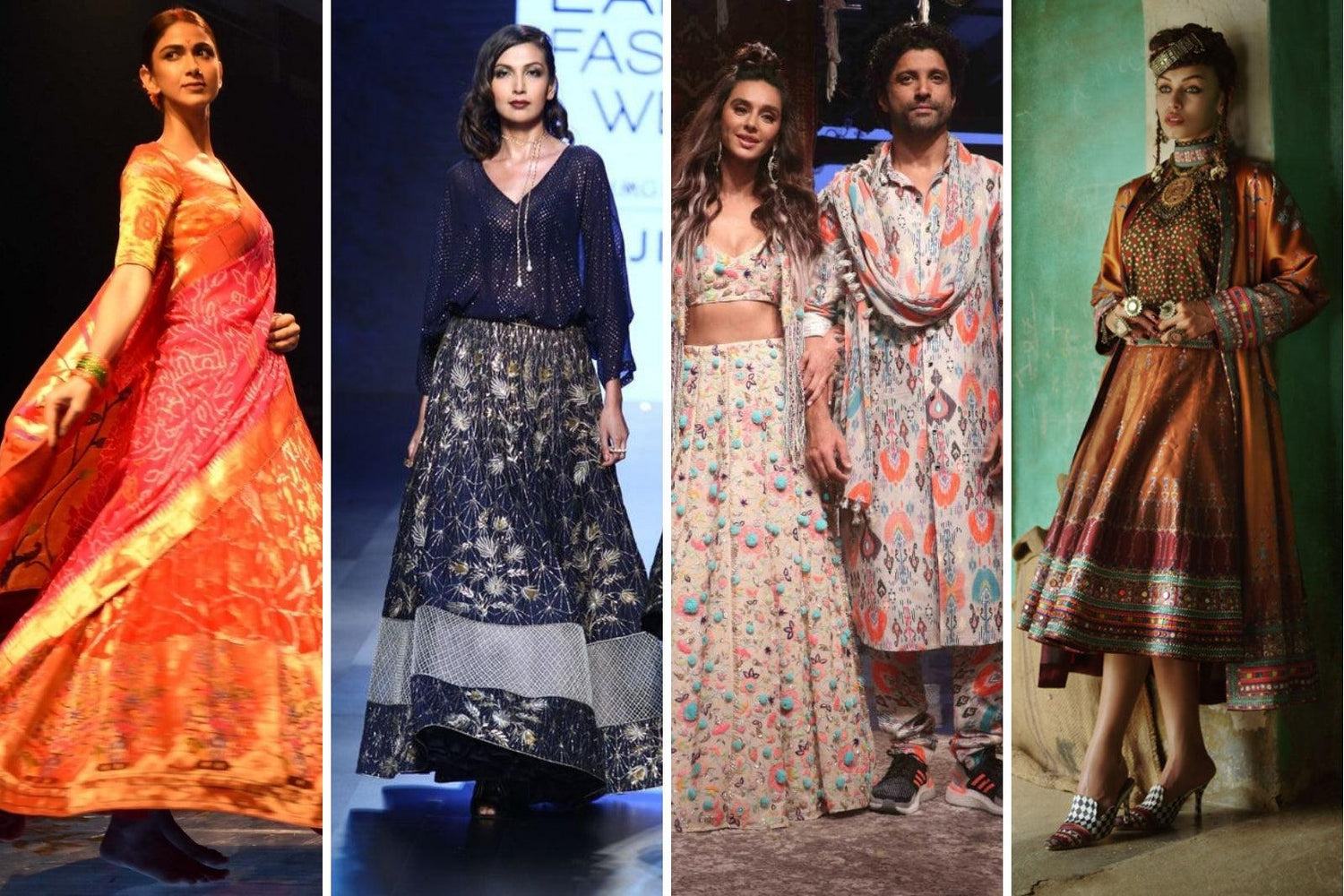
Yes—traditional fabrics continue to play a central role in contemporary fashion design, not as nostalgic leftovers, but as active cultural tools. In a fashion landscape defined by rapid change, digital influence, and synthetic innovation, heritage materials such as silk, denim, wool, cotton, and linen provide something increasingly rare: recognizable meaning. Designers return to these fabrics not because they lack new options, but because tradition offers emotional depth, material credibility, and cultural continuity that purely engineered materials often struggle to convey.
Rather than disappearing, traditional fabrics have been reframed. They no longer dictate form or function in rigid ways; instead, they serve as reference points—anchors that allow modern aesthetics to feel grounded rather than arbitrary. Contemporary fashion does not reject tradition; it edits it.
Tradition hasn’t disappeared—it’s been re-edited.
How Heritage Fabrics Reappear in Modern Form
The influence of traditional fabrics today is less about preservation and more about reinterpretation. Designers rarely replicate historical garments exactly. Instead, they extract what those fabrics represent—status, labor, ritual, comfort, durability—and translate those ideas into modern silhouettes and contexts.
This approach allows fashion to feel new without feeling disconnected. The fabric remains familiar, but the message evolves.
Reinterpretation Rather Than Repetition
Contemporary fashion design treats traditional fabrics as conceptual starting points, not fixed templates. What matters is not how silk or wool was once used, but what it has come to symbolize over time.
| Traditional Fabric | Modern Reinterpretation |
|---|---|
| Silk | Minimalist luxury, fluid silhouettes |
| Denim | Deconstruction, sustainability |
| Wool | Technical tailoring, layering |
| Linen | Relaxed sophistication |
| Cotton | Elevated basics |
Silk, once tied to ceremony and hierarchy, now appears in restrained, minimalist forms—often stripped of ornamentation and used to suggest quiet confidence rather than display. Denim, historically associated with labor and rebellion, is frequently deconstructed, repurposed, or recycled, aligning with contemporary concerns around sustainability and identity.
Wool is no longer limited to formal tailoring. Designers experiment with layering, unexpected textures, and hybrid constructions that blend wool’s heritage with technical performance. Linen, once a fabric of necessity in hot climates, now signals ease and intentional simplicity. Cotton, long considered ordinary, is elevated through cut, finish, and context.
The fabric remains recognizable—but its role shifts.
Cultural Memory and Emotional Connection
One reason traditional fabrics retain influence is their ability to evoke emotional memory. Unlike newer materials, heritage fabrics are deeply embedded in personal and collective experience. People have worn them, lived in them, and associated them with specific moments and meanings.
| Fabric | Emotional Association |
|---|---|
| Denim | Authenticity, freedom |
| Linen | Simplicity, nature |
| Wool | Warmth, reliability |
| Silk | Elegance, ceremony |
Denim recalls independence and self-expression. Linen suggests light, air, and natural rhythms. Wool communicates protection and continuity. Silk evokes formality and significance. These associations operate almost subconsciously, allowing designers to communicate values without explicit explanation.
In an era of visual saturation, this emotional shorthand is powerful. A garment made of familiar fabric feels trustworthy even when the design is experimental. Tradition, in this sense, lowers the psychological barrier to innovation.
Heritage as a Design Language
Traditional fabrics function as a shared language between designers and audiences. They allow complex ideas—sustainability, restraint, rebellion, refinement—to be expressed materially rather than verbally.
For example:
- A raw-edged denim jacket can signal resistance to over-polish.
- A loosely tailored linen suit can suggest confidence without rigidity.
- A wool coat with technical detailing can imply respect for history paired with modern efficiency.
These messages rely on the audience’s cultural literacy. Designers assume viewers know what these fabrics mean—and they are usually right.
Craft Revival and Material Storytelling
Another reason traditional fabrics remain relevant is the renewed interest in craft and material honesty. As fashion became faster and more uniform in the late 20th and early 21st centuries, many designers and consumers began to seek tactile richness and visible process.
This revival emphasizes:
- Hand-feel and texture
- Visible weave structures
- Natural irregularities
Traditional fabrics are particularly suited to this shift because they naturally display variation. Slubs in linen, fading in denim, and the grain of wool all reveal how a fabric was made and used. These characteristics counterbalance the smooth, anonymous surfaces of mass-produced synthetics.
Material storytelling has become a design strategy. The fabric itself tells part of the story—about time, labor, and origin.
Resistance to Uniformity
In a globalized market where garments can look similar across continents, traditional fabrics offer a way to reintroduce difference. Even when sourced globally, natural fibers respond to local processing, climate, and technique.
Designers often highlight these differences intentionally:
- Emphasizing local weaving traditions
- Preserving natural color variation
- Allowing imperfections to remain visible
This approach resists the idea that fashion must be perfectly standardized. Instead, it frames variation as value.
Technology-Enhanced Tradition
Traditional fabrics have not remained static. Advances in textile technology allow them to perform in ways that were previously impossible, expanding their relevance without erasing their identity.
| Enhancement | Result |
|---|---|
| Blending | Improved comfort & durability |
| Finishing | Easier care |
| Weaving innovation | New aesthetics |
Blending wool with technical fibers can improve strength and moisture management while retaining warmth and structure. Linen can be softened or stabilized to reduce wrinkling without losing its character. Cotton can be engineered for stretch, recovery, or performance while remaining familiar against the skin.
These innovations allow traditional fabrics to meet modern expectations around comfort, care, and versatility. Rather than being replaced by synthetics, they are augmented.
Tradition as Credibility in a Fast Fashion World
In a fashion system often criticized for speed and disposability, traditional fabrics provide a sense of credibility. They suggest longevity, care, and intention—qualities increasingly valued by both designers and consumers.
Using heritage materials allows brands to position themselves against:
- Disposable trends
- Anonymous production
- Short-term novelty
Even when garments are produced at scale, the use of traditional fabrics can signal a connection to enduring values. This does not automatically make fashion ethical or sustainable, but it shapes perception and expectation.
Sustainability and the Return to Material Awareness
Contemporary concerns about sustainability have further strengthened the influence of traditional fabrics. Natural fibers are often seen—rightly or wrongly—as more responsible alternatives to petrochemical-based synthetics.
Beyond environmental impact, sustainability has encouraged greater material awareness. Consumers ask where fabrics come from, how they age, and how long they last. Traditional fabrics are well suited to these conversations because their lifecycles are familiar and traceable.
This does not mean traditional fabrics are inherently superior. Rather, their histories make them easier to contextualize within discussions of responsibility.
Design Education and Heritage Continuity
Traditional fabrics also remain central in fashion education. Designers learn pattern-making, tailoring, and draping using materials like cotton, wool, and silk because these fabrics clearly reveal structure and technique.
This pedagogical role ensures continuity. Even designers who later specialize in technical or experimental materials often begin with heritage textiles. As a result, traditional fabrics continue to shape how designers think—not just what they produce.
From Authority to Reference
Historically, traditional fabrics carried authority: silk meant luxury, wool meant seriousness, linen meant purity. Today, that authority has softened. These materials no longer dictate meaning—they offer reference.
Designers are free to:
- Subvert expectations
- Mix high and low associations
- Reassign symbolic roles
A silk garment can be casual. Denim can be formal. Wool can be playful. Tradition provides the baseline against which these shifts become legible.
Why Tradition Still Matters
Traditional fabrics endure in contemporary fashion because they solve a fundamental design problem: how to be new without being empty. They bring accumulated meaning into modern contexts, allowing innovation to feel grounded rather than arbitrary.
Their influence persists not because fashion resists change, but because change is more effective when it has something to push against.
Tradition hasn’t disappeared—it’s been re-edited.
And in that ongoing dialogue between past and present, traditional fabrics continue to shape how fashion looks, feels, and communicates today.
What can the cultural history of iconic fabrics teach modern brands about material choices?
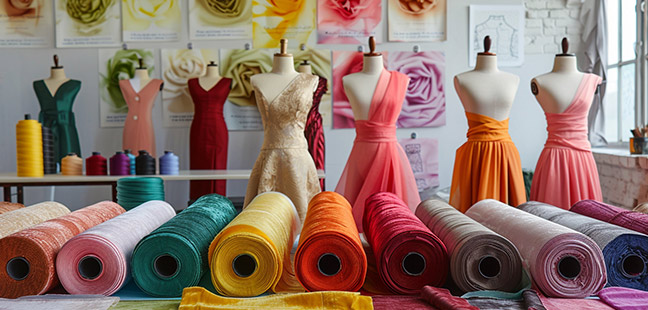
The history of iconic fabrics reveals a simple but often overlooked truth: materials are never neutral. Long before branding, marketing, or trend forecasting existed, fabrics already communicated meaning. They signaled power, humility, rebellion, restraint, innovation, or belonging. Over centuries, silk, denim, wool, cotton, linen, and later synthetics accumulated cultural memory through how they were made, who wore them, and under what conditions they mattered.
For modern brands, material choice is not just a technical or aesthetic decision—it is a cultural statement. Consumers may not articulate it consciously, but they sense it immediately. The weight of a fabric, the way it ages, the story it suggests, all shape how a product is perceived, remembered, and trusted.
Choosing a fabric is choosing a message.
Lessons From Textile History
Looking across textile history, patterns emerge that are highly relevant to contemporary product design. Fabrics that endured did not do so because they were perfect, but because they were meaningful, adaptable, and aligned with human behavior. Brands that understand this history gain a strategic advantage: they learn to design with culture, not just for markets.
Fabric Choice Signals Values
Every fabric carries implicit signals shaped by centuries of use. Even in modern contexts, these associations persist.
| Fabric Direction | Implied Message |
|---|---|
| Natural fibers | Authenticity |
| Heritage materials | Craft & continuity |
| Technical fabrics | Innovation |
| Recycled textiles | Responsibility |
A garment made from natural fibers often signals honesty and connection to the physical world. Heritage materials suggest care, lineage, and respect for tradition. Technical fabrics communicate efficiency and forward-thinking design. Recycled textiles imply awareness, accountability, and responsiveness to environmental concerns.
These signals often matter more than cut or color. Two garments with similar silhouettes can be interpreted very differently depending on material choice alone. Fabric sets the emotional baseline before design details are even processed.
Materials Shape Trust Before Performance
Historically, people trusted materials that proved themselves over time. Wool earned trust by keeping people alive in cold climates. Cotton earned trust through daily comfort. Denim earned trust by surviving work and wear. That trust persists culturally.
Modern consumers still rely on this inherited logic. A technically advanced product may fail to connect if the fabric contradicts the product’s implied purpose. Conversely, a simple design can feel credible if the material choice feels aligned and familiar.
Trust begins at the material level.
Longevity vs. Trend Response
Textile history also shows that fabrics which last culturally are those that adapt rather than resist change. They absorb new meanings without losing their core identity.
| Fabric | Why It Lasted |
|---|---|
| Silk | Symbolic flexibility |
| Denim | Cultural reinvention |
| Cotton | Practical universality |
| Wool | Climate relevance |
Silk survived because its symbolism evolved—from sacred to aristocratic to minimalist luxury. Denim endured by continuously reinterpreting itself across labor, rebellion, fashion, and sustainability. Cotton persisted because it integrated seamlessly into everyday life. Wool remained relevant because it solved a permanent human problem: warmth.
Materials that survive cultural shifts are rarely replaced outright. They are reframed, layered with new narratives that respond to changing values.
For brands, this suggests a key lesson: chasing novelty at the material level is less effective than recontextualizing proven fabrics in meaningful ways.
Avoiding Superficial Storytelling
One of the most common mistakes modern brands make is using heritage fabrics purely as aesthetic signals—without understanding or respecting their historical context. When storytelling is disconnected from material reality, it feels hollow.
Successful material choices tend to follow three principles:
- Respect origin stories Understanding where a fabric comes from and what it historically represented.
- Adapt to modern needs Allowing materials to evolve through finishing, blending, or application.
- Align with product purpose Ensuring the fabric’s cultural meaning supports the product’s function.
For example, using denim purely as a luxury signifier without acknowledging its working-class roots can feel forced. Using linen as a “premium” material without embracing its informality and seasonal nature can appear contradictory.
Authenticity is sensed—even if not consciously analyzed.
Material Memory and Emotional Resonance
One of the strongest lessons from textile history is that fabrics carry emotional memory. People remember how materials feel on the body, how they age, and what moments they are associated with.
This memory influences perception:
- Denim recalls lived experience and individuality
- Wool evokes protection and continuity
- Linen suggests calm and intentional living
- Silk signals moments of importance
Brands that align material choice with desired emotional response communicate more effectively without relying on explanation. The fabric does part of the work.
Material as a Brand Foundation
Historically, many of the strongest textile cultures were material-led rather than design-led. The fabric came first; form followed. The same logic applies to modern branding.
| Approach | Outcome |
|---|---|
| Material-first design | Consistency |
| Fabric-led storytelling | Trust |
| Purpose-driven selection | Long-term relevance |
Brands that build identity around materials—rather than treating fabric as a last-stage decision—often achieve stronger recognition and coherence. Their products feel related even when designs change, because the material language remains consistent.
This approach also simplifies decision-making. When material choice is clear, design becomes refinement rather than reinvention.
Materials Outlast Trends
Fashion trends move quickly, but materials change slowly. This imbalance is important. Trends are visual; materials are experiential. Consumers may forget silhouettes, but they remember how something felt, wore, and aged.
History shows that:
- Trends expire
- Materials accumulate meaning
Brands that anchor themselves in thoughtful material choices gain resilience. Even as aesthetics evolve, the underlying material identity provides continuity.
Function, Culture, and Story Must Align
One of the clearest lessons from fabric history is that misalignment eventually fails. Fabrics that succeeded did so because function, culture, and story reinforced one another.
- Wool worked because it met climate needs and cultural expectations.
- Cotton spread because it fit industrial systems and daily life.
- Denim endured because its physical behavior matched its cultural narrative.
- Synthetics reshaped fashion because performance aligned with modern lifestyles.
When any of these elements conflict, the material struggles to sustain relevance.
Why Fabric History Still Matters in Modern Fashion
Silk, denim, wool, cotton, linen, and synthetics are not just textiles—they are cultural artifacts. Each carries centuries of human experience: labor, trade, rebellion, ceremony, survival, and innovation.
For modern brands, understanding this history is not an academic exercise. It is a practical design tool. It helps brands choose materials that communicate intention clearly, resonate emotionally, and age with credibility.
Fashion moves fast—but materials remember.
When fabric choices align function, culture, and story, products feel grounded rather than arbitrary. They earn trust rather than demand attention. And they last—not just physically, but culturally.
Choosing a fabric is choosing a message.
Develop Culturally Inspired, Modern Fabrics with SzoneierFabrics
SzoneierFabrics is a China-based fabric R&D and manufacturing factory with years of experience developing custom fabrics inspired by global textile heritage and modern performance needs.
We offer:
- Custom fabric development across silk, cotton, denim, linen, wool, and blends
- Free design support and material consultation
- Low-MOQ sampling and fast prototyping
- Quality assurance and short lead times
- Fabric solutions tailored to modern applications
If you’re building collections that draw on cultural depth and material authenticity, contact SzoneierFabrics to explore custom fabric development that connects history with the present.
cultural history of fabrics, iconic fashion fabrics, silk fabric history, denim cultural history, wool textile history, cotton fabric history, linen fabric history, traditional fabrics in fashion, fashion fabric evolution, heritage textiles fashion, silk road textile history, denim from workwear to fashion, wool fabric cultural significance, cotton trade history textiles, linen ancient civilizations, synthetic fabrics fashion history, nylon polyester fashion culture, modern fashion fabric influences, traditional textiles modern design, fabric storytelling fashion, material culture in fashion, textile history and identity, global textile trade history, fashion material heritage, sustainable fabric cultural roots, fabric choice brand identity, custom fabric development inspiration, textile design cultural context, fabric innovation and tradition, fashion textiles cultural meaning,