Skip to content

At first glance, nylon and polyester often look interchangeable. Both are synthetic, strong, widely available, and used across bags, apparel, outdoor gear, and industrial products. Yet when pricing quotes land on the table, nylon almost always comes in higher—and that’s where the real question begins: is the extra cost actually buying you anything meaningful, or just inflating your material bill?
The answer is rarely simple. Nylon’s higher price can be justified in some products and completely unnecessary in others. In many cases, the wrong fiber choice doesn’t just affect material cost—it quietly increases waste, shortens product life, or creates downstream quality issues that cost far more than the fabric itself. Nylon typically costs more than polyester due to raw material pricing, energy use, and supply volatility. Polyester is usually cheaper and more stable in price, while nylon can justify its premium in high-abrasion, lightweight, or performance-critical products. The real decision isn’t price per meter, but total cost over the product’s lifespan.
If you’ve ever switched from nylon to polyester (or vice versa) and seen unexpected results—good or bad—this article explains why. We’ll break down where the cost difference comes from, when it matters, and when it absolutely doesn’t.
1. What drives the cost of nylon vs polyester fabrics in 2026?
Fabric pricing is often discussed as if it were decided at the weaving or knitting stage. In reality, by the time yarn reaches a mill, most of the cost structure is already locked in. Nylon and polyester follow fundamentally different cost paths because they originate from different chemistries, rely on different upstream industries, and respond very differently to global shocks.
In 2026, the cost gap between nylon and polyester is not narrowing. If anything, it has become more predictable: nylon remains the higher-cost, higher-volatility option, while polyester continues to benefit from scale, stability, and incremental efficiency gains. Nylon costs more than polyester mainly because of higher and more volatile raw material inputs, greater energy consumption during polymerization, and a smaller, less diversified global supply base. Polyester benefits from massive production scale, stable PTA/MEG feedstocks, and more efficient, standardized processing, which keeps pricing relatively stable.
Breaking down the real cost drivers
A) Raw material inputs: oil is only the starting point
Both nylon and polyester are petrochemical-derived fibers, but their cost behavior diverges long before oil prices enter the picture.
| Fiber | Main Raw Materials | Cost Stability |
|---|---|---|
| Polyester | PTA + MEG | High |
| Nylon | Caprolactam or adipic acid | Volatile |
Polyester relies primarily on purified terephthalic acid (PTA) and monoethylene glycol (MEG). These chemicals are produced at enormous scale for multiple industries, including packaging and industrial plastics. Their pricing tends to move gradually, buffered by long-term contracts and diversified downstream demand.
Nylon, by contrast, depends on caprolactam (for nylon 6) or adipic acid and hexamethylenediamine (for nylon 6,6). These inputs are produced in smaller volumes and are more sensitive to:
- Energy price spikes
- Refinery outages
- Environmental compliance costs
As a result, nylon raw material pricing is inherently less predictable. Even when oil prices are stable, nylon intermediates can fluctuate sharply.
B) Energy and processing intensity
The energy required to turn raw chemicals into usable polymer is a major cost differentiator.
| Factor | Polyester | Nylon |
|---|---|---|
| Polymerization temperature | Lower | Higher |
| Energy consumption | Moderate | High |
| Yield efficiency | High | Lower |
Nylon polymerization requires higher temperatures and more tightly controlled reaction conditions. This translates directly into higher electricity and fuel costs per kilogram of polymer. In regions where energy prices are volatile or carbon pricing is tightening, nylon production becomes even more expensive.
Polyester production, while not low-energy, is comparatively efficient. High yields and continuous processing lines reduce waste and lower per-unit energy cost. Over decades, incremental improvements have compounded into a clear cost advantage.
In 2026, energy cost differentials remain one of the structural reasons nylon pricing sits above polyester, regardless of short-term market conditions.
C) Production scale and capacity utilization
Scale matters more in textiles than in many other industries, and polyester’s scale is unmatched.
| Metric | Polyester | Nylon |
|---|---|---|
| Global fiber capacity | Massive | Limited |
| Number of major producers | Very high | Concentrated |
| Capacity utilization | Stable | Cyclical |
Polyester accounts for the majority of global synthetic fiber production. This scale creates:
- Intense supplier competition
- High capacity utilization
- Continuous pressure to optimize cost
Even modest efficiency gains are quickly adopted across the industry.
Nylon production is more concentrated, with fewer global producers and less redundant capacity. When demand shifts or plants shut down for maintenance, supply tightens quickly, pushing prices up. Polyester’s distributed capacity absorbs similar shocks with far less price movement.
D) Yield loss and waste economics
Another hidden cost driver is yield loss during production.
Polyester processes typically achieve:
- High conversion efficiency
- Low off-spec rates
- Easy reprocessing of waste
Nylon processes are more sensitive. Off-spec polymer, contamination, or process instability often leads to higher scrap rates. While some waste can be recycled internally, the cost penalty remains.
Over millions of tons, even small differences in yield efficiency translate into meaningful price gaps.
E) Supply chain risk premium
In 2026, pricing is not just about cost—it is also about risk. Buyers increasingly pay a premium to avoid uncertainty.
| Event | Nylon Impact | Polyester Impact |
|---|---|---|
| Energy price spikes | Immediate | Buffered |
| Chemical plant shutdowns | Sharp | Distributed |
| Environmental regulation changes | Significant | Gradual |
Nylon markets react quickly to disruptions. A single upstream outage can ripple through the supply chain, affecting yarn prices within weeks. Polyester’s broader base and deeper inventories smooth out these shocks.
This difference is often reflected in long-term contracts. Nylon suppliers tend to price in a risk buffer, while polyester contracts emphasize volume stability and incremental adjustments.
F) Regional production economics
Geography plays a major role in cost structure.
Polyester production is heavily concentrated in regions with:
- Integrated petrochemical complexes
- Competitive energy pricing
- Mature logistics infrastructure
This allows polyester producers to optimize across the entire value chain.
Nylon production, while global, is less integrated. Some regions depend on imported intermediates, adding logistics cost and exposure to currency fluctuations. In 2026, these regional imbalances continue to favor polyester on a cost basis.
G) The role of recycled inputs
Recycled polyester (rPET) has become a mainstream option, influencing overall polyester pricing dynamics.
Key points:
- rPET benefits from established bottle collection systems
- Supply is increasingly predictable
- Processing costs are declining with scale
While rPET can sometimes carry a premium, its growing availability helps stabilize the broader polyester market.
Recycled nylon exists, but supply is limited and processing costs remain high. As a result, recycled content does not yet provide the same price-stabilizing effect for nylon.
H) Demand-side pressure and application mix
Polyester serves an extremely wide range of applications:
- Apparel
- Home textiles
- Industrial fabrics
- Packaging
This diversity smooths demand cycles. When one sector slows, others often compensate.
Nylon demand is more concentrated in performance-driven applications. When those markets fluctuate, pricing reacts more sharply. This demand concentration amplifies volatility and reinforces nylon’s higher average cost.
I) Why nylon still commands a premium
Despite higher cost, nylon continues to be chosen for specific reasons:
- Superior abrasion resistance
- Higher toughness at lower weights
- Better performance in certain mechanical applications
In these cases, buyers accept higher cost because performance gains justify it. However, the premium reflects both performance and systemic cost structure, not just fiber quality.
J) Cost vs value: a sourcing reality check
A common mistake is assuming nylon’s higher price always translates into better value. In many applications—especially where chemical resistance, color stability, or long-term exposure matter—polyester delivers more usable life per dollar.
In 2026, experienced sourcing teams increasingly evaluate:
- Cost per use cycle
- Performance decay over time
- Supply reliability
By these measures, polyester often outperforms nylon even when nylon’s initial performance metrics look superior.
K) Contracting and negotiation implications
Because polyester pricing is more stable, buyers can:
- Lock longer-term contracts
- Forecast costs more accurately
- Reduce hedging complexity
Nylon contracts often require:
- Shorter commitment windows
- Price adjustment clauses
- Closer market monitoring
These transactional costs are rarely visible on a price sheet, but they add to nylon’s real cost of ownership.
L) What 2026 signals for future pricing
Looking ahead, the structural forces shaping nylon and polyester costs remain intact:
- Polyester continues to gain efficiency through scale
- Nylon faces ongoing pressure from energy and chemical regulation
- Volatility remains asymmetric
Unless there is a major breakthrough in nylon chemistry or capacity expansion, the cost gap is likely to persist.
M) Practical takeaway
The cost difference between nylon and polyester in 2026 is not accidental or temporary. It is the result of chemistry, energy intensity, production scale, and supply chain risk. Nylon’s higher price reflects both its performance advantages and its exposure to volatility.
Polyester’s relative affordability is not a sign of lower quality—it is the outcome of industrial maturity and massive scale. For buyers who value predictable pricing and stable supply, that “boring” consistency is often its greatest advantage.
Choosing between nylon and polyester is therefore not just a technical decision. It is a financial and risk-management decision that should be made with full visibility into how costs are created long before fabric ever reaches the loom.
2. Which is usually cheaper per meter: nylon or polyester—and when does that flip?

At a glance, price comparisons between nylon and polyester seem straightforward: polyester is cheaper, nylon is more expensive. In day-to-day sourcing, that rule holds true most of the time. But experienced buyers know that price per meter is not the same as cost per product, and this is where the picture becomes more nuanced.
The real question is not which fabric is cheaper on the invoice, but which fabric delivers the required performance at the lowest total material and risk cost. Polyester is usually 10–30% cheaper per meter than nylon for comparable constructions. That advantage can flip when nylon’s higher strength, abrasion resistance, or fatigue life allows lighter fabrics, longer service life, or lower failure rates—reducing total material cost even if the unit price is higher.
Understanding price beyond the invoice
A) Typical base price comparison in common constructions
For comparable weaves, yarn counts, and finishes, polyester almost always enters the conversation at a lower price point.
| Fabric Type | Polyester | Nylon |
|---|---|---|
| Plain woven | Lower | Higher |
| Ripstop | Lower | Higher |
| Oxford | Lower | Higher |
The reason is structural rather than opportunistic. Polyester yarn itself is cheaper, more widely available, and produced at higher volume. That difference carries through weaving, dyeing, and finishing.
As specifications become tighter—higher denier accuracy, specialty coatings, stricter tolerances—the absolute price gap often widens, because nylon’s higher raw material and energy costs scale upward with complexity.
B) Why polyester wins most “price-per-meter” comparisons
Several reinforcing factors keep polyester cheaper on a per-meter basis.
First, raw yarn pricing. Polyester filament yarn is produced in enormous volumes with intense competition among suppliers. Nylon yarn production is more concentrated and more sensitive to upstream chemical pricing.
Second, process efficiency. Polyester weaving and finishing lines are optimized for speed and yield. Nylon requires more careful handling in dyeing and heat-setting, which raises processing cost.
Third, risk pricing. Nylon markets are more volatile. Mills often price that volatility into quotes, especially for longer lead times or fixed-price contracts.
As a result, when buyers compare two fabrics that “look the same on paper,” polyester almost always wins on unit price.
C) When nylon’s higher price starts to make economic sense
The cost equation changes when the product actually uses what nylon does better.
Nylon can reduce other cost drivers when:
- Mechanical stress is the dominant failure mode
- Abrasion, tearing, or puncture risk is high
- Fabric fatigue, not chemical aging, limits lifespan
In these cases, nylon’s higher toughness allows designers to use less material or avoid over-engineering.
This is not about premium branding. It is about engineering efficiency.
D) Weight efficiency: where nylon quietly flips the math
One of nylon’s strongest economic advantages is strength per unit weight.
| Requirement | Polyester Solution | Nylon Solution |
|---|---|---|
| Target strength | 300D | 210D |
| Fabric weight | Heavier | Lighter |
| Cost per meter | Lower | Higher |
| Cost per product | Baseline | Similar or lower |
If a product must meet a specific tear or tensile requirement, polyester often needs higher denier yarns or tighter constructions to match nylon’s performance. That increases fabric weight and sometimes fabric cost per finished item.
In such cases:
- Nylon may cost more per meter
- But fewer grams are used per product
- Finished weight is lower
- Performance margin is higher
This is where nylon becomes cost-effective without looking cheap on paper.
E) Lifespan economics: cost per use, not cost per roll
Another scenario where nylon flips the equation is service life.
If a nylon fabric lasts 1.5–2× longer than polyester in a high-wear application, the effective cost per use can be lower even if the initial price is higher.
This matters most in:
- Reusable gear
- Equipment bags
- Industrial or professional products
- Outdoor products with abrasion-heavy use
In contrast, for products with short or cosmetic lifespans, durability gains rarely justify the premium.
F) Where nylon’s higher price rarely pays off
There are many categories where nylon’s strengths go unused.
| Product Type | Better Choice |
|---|---|
| Promotional bags | Polyester |
| Casual apparel | Polyester |
| Lining fabrics | Polyester |
| Fashion-driven items | Polyester |
| Price-sensitive goods | Polyester |
In these products:
- Abrasion is limited
- Loads are low
- Service life is short
- Visual appearance matters more than mechanical margin
Choosing nylon here increases cost without delivering meaningful user benefit. This is one of the most common sources of hidden over-specification in sourcing.
G) The illusion of “premium by default”
A recurring pattern in buying teams is selecting nylon because it sounds premium or technical. This mindset often ignores how products actually fail in real use.
If failure is driven by:
- UV exposure
- Chemical aging
- Color loss
- Cost pressure
Then nylon’s mechanical advantages do not translate into better outcomes. Polyester often performs as well or better at a lower and more stable cost.
H) Cost stability as a hidden advantage
Another factor often overlooked is price predictability.
Polyester’s cost advantage is not just lower—it is more stable. This allows:
- Longer price locks
- More accurate costing
- Lower contingency buffers
Nylon’s volatility can introduce downstream costs:
- Frequent repricing
- Contract renegotiation
- Margin uncertainty
For high-volume programs, these indirect costs can outweigh small performance gains.
I) Regional sourcing effects
Local supply conditions can influence when the price gap narrows or widens.
- In regions with strong nylon yarn capacity, the gap may shrink
- In regions dependent on imported nylon intermediates, the gap often widens
- Polyester benefits more from regional redundancy and logistics scale
This means the nylon-versus-polyester decision should always be evaluated in the context of the specific supply chain, not just global averages.
J) Decision framework: when the flip is justified
A practical way to evaluate whether nylon’s higher price is justified is to ask three questions:
- Does nylon allow a meaningful reduction in fabric weight or thickness?
- Does nylon extend service life enough to matter economically?
- Is mechanical failure the dominant risk in real use?
If the answer to all three is yes, nylon often earns its premium. If not, polyester is usually the smarter choice.
K) Buyer insight that saves money
Many teams assume they are saving money by negotiating nylon prices harder. In reality, the bigger savings often come from choosing polyester earlier, then optimizing construction, weave, or finish to meet performance needs.
Cost efficiency is not about forcing nylon to be cheaper. It is about not paying for performance you do not use.
L) Practical takeaway
Polyester is usually cheaper per meter, and in most everyday applications, it remains cheaper per product. Nylon becomes cost-effective only when its superior strength, abrasion resistance, or fatigue life is actively exploited to reduce weight, extend lifespan, or prevent failure.
The price “flip” does not happen often—but when it does, it happens quietly, through engineering decisions rather than invoice comparisons. Smart sourcing teams look past the meter price and evaluate what each fiber actually saves or costs over the life of the product.
3. How do fabric specs (denier, GSM, weave, yarn type) change the cost gap?
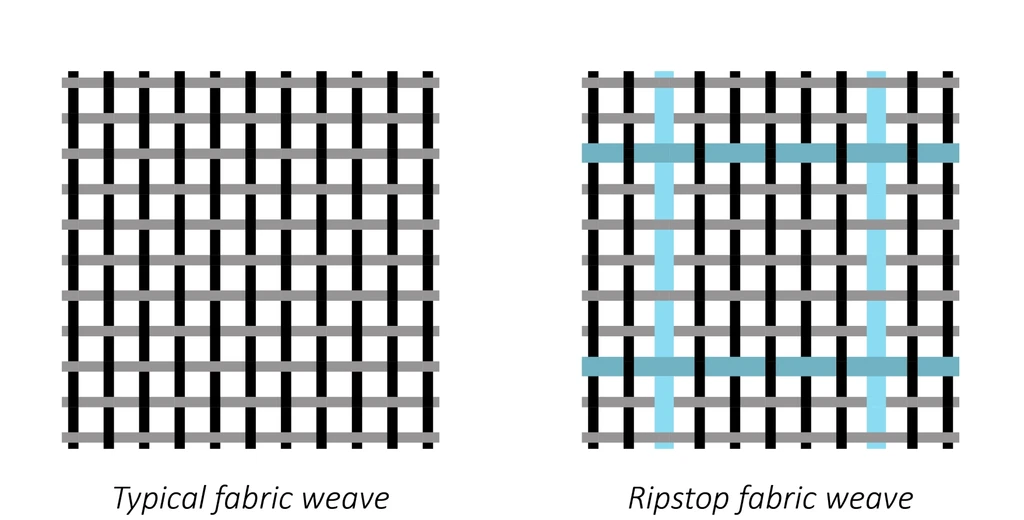
Choosing between nylon and polyester is only the first step. In real sourcing, specifications decide the final price far more than fiber names. Denier, GSM, weave density, and yarn processing quietly stack costs layer by layer. This is why two fabrics made from the same polymer can differ by 30–40% in price—and why nylon’s premium often widens faster as specs rise.
Understanding how each spec affects cost helps teams avoid accidental over-engineering and identify where nylon’s higher unit price actually delivers value. Higher denier, tighter weaves, higher GSM, and specialty yarns raise costs for both fibers, but nylon’s price increases faster as specifications climb. Polyester scales more efficiently in heavier, denser, or more complex constructions, while nylon is most cost-effective when lightweight strength is the priority.
How each spec quietly adds (or saves) money
A) Denier: strength per weight vs price per meter
Denier measures yarn thickness, but its cost impact depends heavily on what the yarn is expected to do.
| Denier Level | Cost Impact | Nylon vs Polyester |
|---|---|---|
| Low (20D–70D) | High per kg | Nylon advantage (lighter) |
| Medium (150D–300D) | Moderate | Polyester more economical |
| High (600D+) | High | Polyester strongly favored |
At very low deniers, nylon’s superior strength-to-weight ratio becomes economically meaningful. A 40D nylon fabric may deliver the same tear performance as a 70D polyester fabric, allowing material weight—and sometimes cost per product—to drop.
As denier increases, that advantage fades. At 300D and above, polyester’s lower yarn cost dominates, and nylon’s mechanical advantage no longer offsets its higher price. At 600D or 900D constructions, nylon becomes disproportionately expensive without delivering proportional performance gains.
This is why nylon is common in ultralight shells but rare in heavy-duty bags or covers.
B) GSM (fabric weight): where cost compounds quietly
GSM reflects how much material ends up in each square meter, and as GSM rises, raw material cost becomes the main driver.
| GSM Range | Cost Behavior |
|---|---|
| <150 GSM | Processing-heavy |
| 180–300 GSM | Balanced |
| 400+ GSM | Material-heavy |
In low-GSM fabrics, processing steps—yarn handling, weaving precision, finishing control—represent a large share of total cost. Nylon’s higher yarn price is partly diluted by these fixed costs.
As GSM increases, raw material dominates. At 400 GSM and above, polyester’s cheaper polymer base creates a large and unavoidable cost advantage. Nylon fabrics in this range can cost dramatically more per meter without delivering additional functional benefit unless extreme toughness is required.
For many applications, increasing GSM to “feel more premium” unintentionally pushes nylon into a cost zone where it no longer makes sense.
C) Weave density: when tightness multiplies cost
Weave density determines how many yarns are packed into the fabric. Higher density improves strength, wind resistance, and surface quality—but it also multiplies yarn usage.
| Weave Density | Cost Effect |
|---|---|
| Low | Minimal |
| Medium | Noticeable |
| High | Significant |
Dense constructions amplify any difference in yarn price. Because nylon yarn costs more per kilogram, increasing ends per inch (EPI) or picks per inch (PPI) pushes nylon prices up faster than polyester.
This effect is especially strong in:
- High-count plain weaves
- Tight ripstop bases
- Dense twills for durability
Polyester tolerates density increases more economically, which is why it dominates applications where “tight and tough” matter more than “light and strong.”
D) Weave type: complexity has a fiber-dependent price
Different weaves carry different cost sensitivities, largely due to loom speed, yarn consumption, and defect risk.
| Construction | Cost Sensitivity |
|---|---|
| Plain weave | Low |
| Twill | Medium |
| Ripstop | Medium–High |
| Jacquard | High |
Plain weaves are forgiving. The cost gap between nylon and polyester stays relatively consistent.
As construction becomes more complex, nylon’s premium widens. Ripstop grids require additional yarns; jacquards require slower weaving and higher rejection rates. Every added yarn or slowed loom hour magnifies nylon’s higher base cost.
This is why nylon jacquards are rare outside of very specific performance or luxury niches.
E) Yarn type: where “small upgrades” get expensive fast
Yarn processing choices often look minor on spec sheets but carry meaningful cost implications.
| Yarn Type | Cost Effect |
|---|---|
| FDY | Lowest |
| DTY | +10–20% |
| Air-textured | +20–30% |
| High-tenacity | +25%+ |
FDY is the baseline. As soon as texturing, air-jet processing, or high-tenacity specifications are introduced, costs rise.
With nylon, these upgrades stack quickly:
- High-tenacity nylon already carries a premium
- Texturing adds processing cost
- Yield losses are higher
Polyester absorbs these upgrades more gently because its base yarn is cheaper and processing infrastructure is more mature. A DTY or air-textured polyester often remains price-competitive, while the nylon equivalent can move into a different cost tier altogether.
F) High-tenacity yarns: where the gap widens fastest
High-tenacity yarns deserve special attention because they are often specified by default rather than by necessity.
High-tenacity nylon:
- Offers excellent abrasion and tear resistance
- Commands a significant premium
- Is most valuable in weight-critical designs
High-tenacity polyester:
- Delivers solid strength improvements
- Costs less than HT nylon
- Performs well in heavier constructions
If a product does not need the absolute highest strength at the lowest possible weight, high-tenacity nylon often represents over-specification rather than smart engineering.
G) Coatings and finishes interact with specs
While coatings are often discussed separately, their cost impact is linked to base specs.
Heavier GSM and denser weaves:
- Consume more coating material
- Increase drying and curing energy
- Raise rejection risk
Because nylon fabrics already start at a higher base cost, coating-heavy specifications widen the price gap further. Polyester’s lower raw cost cushions the impact of thick PU, PVC, or TPU layers.
This is why coated fabrics for bags, covers, and industrial uses overwhelmingly favor polyester—even when uncoated nylon might seem attractive.
H) Yield loss and quality risk at higher specs
As specs tighten, yield loss becomes a silent cost driver.
High denier, dense weaves, and specialty yarns:
- Increase loom downtime
- Raise defect rates
- Require stricter inspection
Nylon’s sensitivity to heat and tension makes it less forgiving in high-spec builds. More off-spec material means higher effective cost per usable meter. Polyester’s process tolerance reduces this risk, especially in large production runs.
I) Volume scaling: where polyester pulls ahead
At low volumes, nylon and polyester price differences may look manageable. At scale, the gap becomes more pronounced.
Polyester benefits from:
- Massive yarn availability
- Multiple competing mills
- Stable lead times
Nylon’s limited supplier base and higher volatility make scaling more expensive—not just in price, but in planning and risk buffers.
For high-volume programs, this scalability often outweighs marginal performance advantages.
J) When nylon specs actually make sense
Despite these trends, nylon remains the right choice in specific spec combinations:
- Low denier
- Moderate GSM
- High mechanical stress
- Abrasion-dominated failure modes
In these cases, nylon’s strength-to-weight efficiency offsets its higher unit price. The key is alignment: the specs must actively use nylon’s advantages.
K) When polyester specs quietly win
Polyester excels when the design emphasizes:
- Structure and body
- Thickness or padding
- Coated or laminated performance
- Cost predictability
Here, increasing denier or GSM improves performance without triggering runaway cost increases. Polyester’s economics favor “build up” strategies; nylon favors “strip down” strategies.
L) Design insight that controls cost
Many cost overruns happen because teams start with nylon, then add:
- Higher GSM
- Tighter weaves
- Specialty yarns
This compounds nylon’s premium unnecessarily. Reversing the logic—starting with polyester and upgrading structure—often delivers the same functional result at a lower and more stable cost.
M) Practical takeaway
Fabric specs decide cost far more than fiber labels. Denier, GSM, weave density, and yarn processing all magnify underlying price differences. Nylon’s premium grows quickly as fabrics become heavier, denser, or more complex. Polyester scales more efficiently in those same scenarios.
Nylon delivers value when lightweight strength is essential. Polyester delivers value when structure, bulk, or surface performance matter. Smart sourcing is not about choosing the “better” fiber—it is about matching specifications to the fiber whose cost curve works in your favor.
4. What finishing and treatment costs matter most, and which fiber handles them better?
In many sourcing decisions, fabric cost is treated as the main variable and finishing is seen as an add-on. In reality, finishing often accounts for 30–60% of the final fabric cost, and in some coated or laminated constructions, it can exceed the cost of the greige fabric itself. This is where early assumptions about “cheaper fiber” can break down quickly.
The key issue is not just how much a finish costs to apply on day one, but how well the base fiber accepts, retains, and stabilizes that finish over time. Polyester and nylon behave very differently once dyeing, coatings, laminations, and surface treatments enter the equation. Coatings, laminations, and specialty finishes carry similar nominal processing costs on polyester and nylon, but polyester generally retains finishes more consistently and with lower rework risk. Nylon often requires heavier coatings, tighter process control, or re-treatment to reach comparable durability, which increases total finishing cost over the product lifecycle.
Where finishing budgets really go
A) Dyeing costs: consistency versus sensitivity
Dyeing is the first major finishing cost, and it sets the tone for everything that follows.
| Fiber | Dye System | Cost Stability |
|---|---|---|
| Polyester | Disperse dyes | High |
| Nylon | Acid dyes | Moderate |
Polyester dyeing relies on high-temperature disperse dyeing, which is energy-intensive but highly repeatable. Once a recipe is locked, shade consistency across batches is relatively easy to maintain. Re-dye rates are low, and yield loss is predictable.
Nylon dyeing uses acid dyes, which are more sensitive to:
- pH variation
- Water quality
- Temperature gradients
- Residual auxiliaries
This sensitivity increases the risk of:
- Shade variation
- Lot-to-lot inconsistency
- Partial re-dyeing or correction runs
Every re-dye adds not only direct cost, but also lead time, energy consumption, and yield loss. Over multiple production runs, this instability becomes a real cost driver.
From a purely financial perspective, polyester’s dyeing workflow is boring but reliable, which is exactly what large-scale programs need.
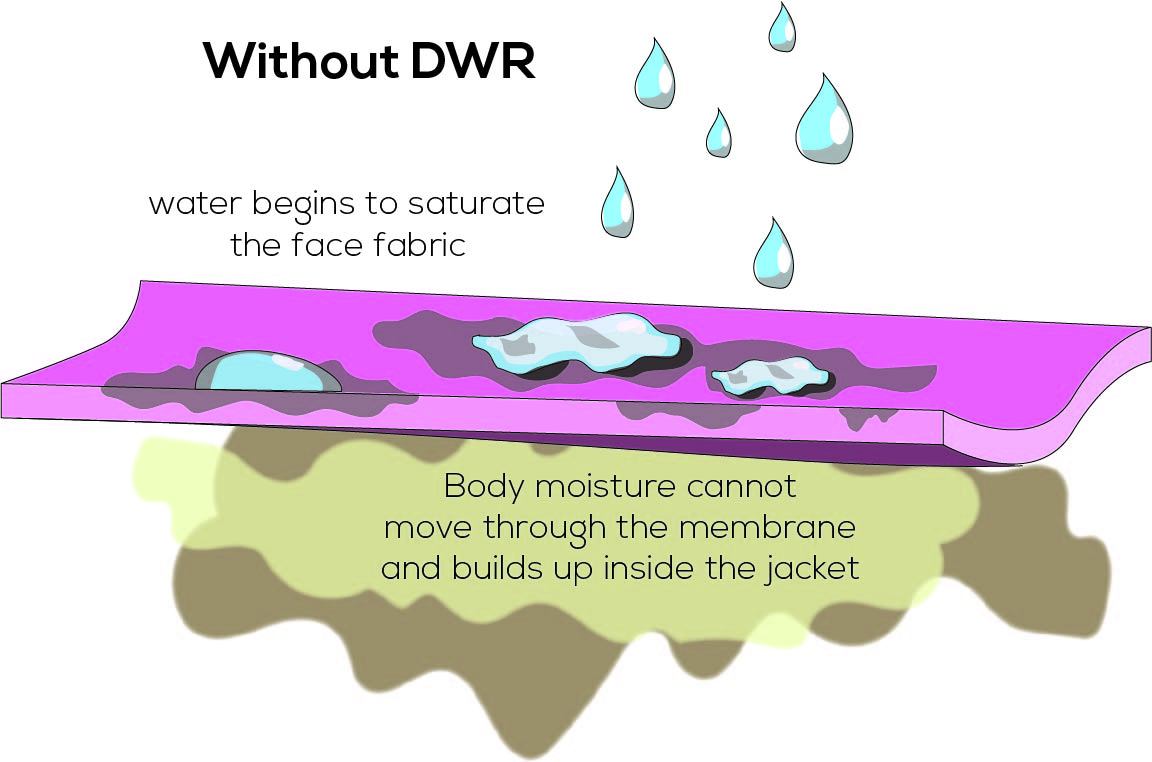
B) DWR (durable water repellent): cost is not just application
At the application stage, DWR costs look similar for polyester and nylon. The difference emerges after use.
| Aspect | Polyester | Nylon |
|---|---|---|
| Initial DWR cost | Similar | Similar |
| Retention after abrasion | Better | Faster loss |
| Retention after washing | Better | Weaker |
| Re-treatment frequency | Lower | Higher |
Nylon absorbs more moisture and swells slightly when wet. This movement stresses the DWR layer, causing it to break down faster. As repellency declines, water begins to wet out the surface, triggering complaints even if the fabric is technically intact.
To compensate, nylon fabrics often require:
- Higher DWR add-on levels
- More expensive fluorine-free systems
- More frequent re-treatment in use
Those downstream costs rarely appear on the initial fabric quote, but they show up in warranty claims, returns, or customer dissatisfaction.
Polyester’s lower absorption and higher dimensional stability allow lighter DWR systems to last longer, reducing total lifecycle cost.
C) PU coatings: similar entry cost, different durability curve
PU coating is one of the most common functional finishes, used for waterproofing, reinforcement, and barrier performance.
| Attribute | Polyester Base | Nylon Base |
|---|---|---|
| Initial adhesion | Strong | Strong |
| Wet flex resistance | High | Moderate |
| Thickness needed for durability | Lower | Higher |
On paper, PU coating costs per square meter are similar. In practice, nylon often needs:
- Slightly thicker coatings
- Higher solids content
- Tighter curing control
This is because nylon’s moisture uptake and movement under load place more stress on the coating layer. Over time, this can lead to:
- Micro-cracking
- Pinholing
- Reduced hydrostatic performance
To reach the same durability threshold, nylon-coated fabrics often carry more coating weight, which increases material usage, drying energy, and scrap risk.
Polyester’s stability allows thinner coatings to perform adequately, keeping both cost and weight under control.
D) TPU laminations: where process tolerance matters
TPU laminations sit at the premium end of finishing. They offer excellent waterproofing, elasticity, and durability—but only if the base fabric cooperates.
| Treatment | Polyester Base | Nylon Base |
|---|---|---|
| Initial lamination quality | Excellent | Excellent |
| Long-term adhesion | Very stable | Stable with care |
| Process tolerance | Wider | Narrower |
TPU bonds well to both fibers, but nylon’s sensitivity to moisture and heat narrows the acceptable process window. Small deviations in:
- Base fabric moisture content
- Heat-setting history
- Lamination temperature
can lead to adhesion variability. That variability increases inspection cost, rejection rates, and the need for tighter process controls.
Polyester’s broader tolerance reduces these risks, which matters in high-volume or multi-factory programs.
E) Printing and surface decoration: hidden risk costs
Surface treatments often look inexpensive on a per-meter basis, but they introduce risk that varies by fiber.
| Process | Cost Risk Profile |
|---|---|
| Digital printing | Higher on nylon |
| Heat transfer printing | Nylon distortion risk |
| Embossing | Similar |
Nylon’s lower thermal stability makes it more prone to:
- Distortion during heat transfer
- Registration issues
- Surface gloss variation
These problems increase setup time, rejection rates, and operator intervention. Polyester’s higher heat tolerance simplifies processing and reduces waste, especially in complex graphics or multi-color designs.
For brands running frequent design changes, these small efficiencies add up quickly.
F) Softening and hand-feel finishes: short-term gain, long-term cost
Softening finishes are often added to improve initial hand feel, especially on nylon fabrics that can feel crisp or technical.
The trade-off is durability.
On nylon:
- Heavy softeners increase moisture retention
- Chlorine and detergent attack accelerate
- Surface degradation appears earlier
This leads to faster performance decline and earlier replacement. Polyester typically needs less aggressive softening to achieve acceptable hand feel, preserving functional finishes longer.
What looks like a small finishing upgrade can become a lifecycle cost problem if it undermines durability.
G) Anti-pilling and abrasion finishes
Anti-pilling finishes are another cost area where fiber behavior matters.
Polyester:
- Responds well to mechanical and chemical anti-pilling
- Maintains surface integrity longer
Nylon:
- Pills less initially
- But once surface damage starts, degradation accelerates
As a result, anti-pilling investments on polyester often deliver longer visible benefits. On nylon, the return on investment can be shorter, especially in abrasive applications.
H) Yield loss and rework: the silent finishing cost
Finishing is where most yield loss occurs.
Common causes:
- Shade correction
- Coating defects
- Lamination delamination
- Heat distortion
Because nylon is more sensitive to processing variables, rework rates tend to be higher. Even a few percentage points of additional scrap significantly raise effective cost per usable meter.
Polyester’s forgiving nature reduces:
- Reprocessing cycles
- Inspection stringency
- Batch rejection risk
Over large volumes, this difference can outweigh small differences in raw fabric price.
I) Compliance and regulation costs
Environmental and safety compliance increasingly affects finishing costs.
Polyester finishing:
- Uses more standardized chemistry
- Benefits from mature compliance pathways
Nylon finishing:
- Often requires tighter control of effluent pH
- Faces stricter limits on certain auxiliaries
Compliance does not make nylon unworkable, but it does add administrative and operational cost that eventually feeds into pricing.
J) Lifecycle cost versus initial quote
One of the most common sourcing mistakes is comparing finishing quotes only at the initial stage.
Initial finishing cost:
- Often similar for both fibers
Total finishing cost over time:
- Lower for polyester in most applications
This includes:
- Fewer re-dyes
- Lower rejection rates
- Better finish retention
- Reduced warranty exposure
For products expected to last multiple seasons or endure repeated use, these factors dominate the cost equation.
K) Where nylon finishing costs can be justified
Despite these challenges, nylon finishing costs make sense when:
- Extremely high abrasion resistance is required
- Weight reduction is critical
- The product has a short but intense use phase
In these cases, higher finishing cost is justified by performance gains that polyester cannot easily match.
L) Cost-control insight for sourcing teams
A common pattern in cost overruns looks like this:
- Nylon is chosen for performance perception
- Finishes are added to correct durability gaps
- Coating weight and process control increase
- Final cost exceeds budget without proportional benefit
Reversing the logic—starting with polyester and upgrading finishes only where needed—often delivers equivalent performance at lower and more predictable cost.
M) Practical takeaway
Finishing and treatment costs are where many fiber decisions are won or lost. While nominal finishing costs may appear similar on polyester and nylon, polyester’s dimensional stability, lower absorption, and broader process tolerance translate into lower lifetime finishing cost.
Nylon can handle advanced finishes, but it often needs heavier treatments and tighter control to maintain performance, which raises total cost. When heavy dyeing, coating, laminating, or printing is involved, polyester usually provides better cost control—not because it is cheaper to finish once, but because it is cheaper to finish consistently and durably.
In 2026 sourcing decisions, understanding this distinction is often the difference between a fabric that looks competitive on a quote sheet and one that remains profitable throughout its entire product lifecycle.
5. How do durability and lifecycle cost compare between nylon and polyester?
The real cost of a fabric is not what appears on the purchase order. It shows up months or years later—through wear patterns, customer complaints, replacement cycles, and brand reputation. Durability is not a single property, and lifecycle cost is rarely proportional to initial price. Nylon and polyester age differently, fail in different ways, and create very different downstream costs depending on how and where they are used. Nylon typically delivers higher abrasion resistance and tensile strength, which can lower lifecycle cost in high-friction, mechanically demanding applications. Polyester offers better UV resistance, dimensional stability, and moisture behavior, making it more cost-effective over time in outdoor, water-exposed, and price-sensitive products. The lower-risk lifecycle choice depends on the dominant failure mode of the product.
Durability metrics that change total cost
A) Abrasion resistance: where nylon clearly excels
Abrasion is one of the most quantifiable durability metrics, and it is where nylon earns much of its premium reputation.
| Fiber | Abrasion Performance |
|---|---|
| Nylon | Excellent |
| Polyester | Good |
In standardized abrasion tests (such as Martindale or Taber), nylon fabrics consistently survive more cycles before visible wear or yarn breakage. This matters most in products where fabric is in constant contact with hard surfaces or repeated friction points, such as:
- Backpack bottoms and corners
- Luggage panels
- Webbing interfaces
- Industrial covers and protective gear
In these cases, polyester may show surface fuzzing or yarn damage earlier, even if the fabric remains structurally intact. Nylon’s toughness delays that visual and functional decline.
From a lifecycle cost perspective, this can reduce:
- Early product returns
- Warranty claims for premature wear
- Customer perception of “cheap” aging
When abrasion is the primary failure driver, nylon’s higher upfront cost often pays for itself.
B) Tensile and tear strength: peak strength versus usable strength
Nylon also typically outperforms polyester in tensile and tear strength at comparable weights.
| Property | Nylon | Polyester |
|---|---|---|
| Tensile strength | Higher | Slightly lower |
| Tear resistance | Higher | Moderate–high |
This advantage allows nylon fabrics to be specified at lower deniers or lighter GSM for the same mechanical performance. In weight-sensitive products, this can reduce total material usage and shipping cost.
However, peak strength does not always translate to longer service life. If a product rarely experiences near-limit loads, excess strength may go unused, while other degradation mechanisms dominate.
This is a common source of hidden overengineering cost.
C) UV exposure and outdoor aging: polyester’s quiet advantage
Ultraviolet radiation is a slow but relentless durability killer. Over time, it weakens fibers, dulls color, and increases brittleness.
| Exposure | Nylon | Polyester |
|---|---|---|
| UV resistance | Moderate | High |
| Color retention | Moderate | High |
| Fiber embrittlement | Higher risk | Lower risk |
Polyester’s chemical structure is inherently more resistant to UV degradation. In outdoor applications—awnings, outdoor bags, covers, tents, and gear—polyester fabrics often retain strength and appearance longer than nylon, even if nylon started stronger.
Nylon exposed to prolonged sunlight can:
- Lose tensile strength faster
- Become brittle
- Show earlier color fading
This leads to a lifecycle pattern where nylon looks premium early but ages poorly if UV exposure is constant.
From a cost standpoint, polyester’s slower UV aging often reduces:
- Premature product replacement
- Color-related complaints
- Brand perception issues in outdoor categories
D) Moisture behavior: durability beyond dry lab tests
Water exposure changes how fabrics behave in the real world.
| Property | Nylon | Polyester |
|---|---|---|
| Water absorption | 3–7% | ~0.4% |
| Drying speed | Slower | Faster |
| Dimensional stability when wet | Lower | High |
Nylon’s higher water absorption causes it to swell slightly when wet. This can increase:
- Sagging or distortion
- Stress on seams and coatings
- Odor retention
Repeated wet/dry cycles accelerate fatigue, especially in coated or laminated fabrics. Polyester’s low absorption keeps dimensions more stable, which protects both the fabric and any applied finishes.
In lifecycle terms, moisture-related issues often show up as:
- Misshapen products
- Reduced waterproof performance
- Customer complaints about “cheap feel” when wet
Polyester’s moisture behavior is one reason it often outlasts nylon in rain gear, bags, and covers, despite lower abrasion resistance.
E) Color durability and visual aging
Durability is not only about structural failure. Visual degradation often triggers replacement long before a product is unusable.
| Aspect | Nylon | Polyester |
|---|---|---|
| Dye stability | Moderate | High |
| Fading risk | Higher | Lower |
| Yellowing risk | Moderate | Low |
Polyester’s disperse dye system embeds color deeply into the fiber, resulting in better long-term color retention. Nylon’s acid dyes are more sensitive to UV, chlorine, and washing conditions.
This matters because:
- Customers judge durability visually first
- Faded products are perceived as worn, even if intact
- Color inconsistency damages brand trust
For fashion-driven products, this may be acceptable. For functional or branded goods expected to last, polyester’s visual stability often lowers lifecycle cost.
F) Dimensional stability and shape retention
Dimensional stability affects fit, function, and perceived quality.
Polyester’s higher stability means it:
- Shrinks less
- Warps less under load
- Maintains shape after washing and drying
Nylon’s greater elasticity can be beneficial in certain designs, but it also increases the risk of permanent deformation under sustained load or moisture exposure.
In products like backpacks, totes, or structured garments, shape loss can be a functional failure even if the fabric is not torn.
Lifecycle cost increases when:
- Products lose intended form
- Closures misalign
- Users perceive loss of quality
G) Repairability and service life extension
An often-overlooked aspect of lifecycle cost is repair.
Nylon fabrics, due to their toughness, can sometimes tolerate patching or reinforcement better in high-stress zones. Polyester fabrics, especially heavier constructions, can also be repaired effectively, but lighter polyester may show repaired areas more visibly.
However, in many consumer markets, repair is rare. Products are replaced, not fixed. In these cases, predictable aging matters more than repair potential.
H) Returns, replacements, and hidden business costs
Returns and replacements are among the most expensive lifecycle costs.
| Issue | Nylon Risk | Polyester Risk |
|---|---|---|
| Early abrasion wear | Low | Moderate |
| Shape distortion | Moderate | Low |
| Fading complaints | Moderate | Low |
| Wet-performance complaints | Moderate | Low |
If returns are driven by visible wear in high-friction zones, nylon reduces cost. If returns are driven by fading, sagging, or moisture-related discomfort, polyester often performs better.
Many brands underestimate how much these “soft failures” cost compared to outright breakage.
I) Product lifespan versus user expectation
Lifecycle cost must be matched to expected lifespan.
- Short-term, high-performance products can justify nylon’s premium
- Long-term, everyday products often benefit from polyester’s stability
If a product is expected to look acceptable for two years, not five, nylon’s advantages may never fully pay back. Conversely, in professional or industrial contexts, nylon’s durability can significantly reduce replacement frequency.
J) Environmental and sustainability implications
Lifecycle durability also intersects with sustainability cost.
Longer-lasting products:
- Reduce material consumption
- Lower replacement frequency
- Improve environmental metrics
Polyester’s durability in UV and moisture-heavy environments often leads to longer real-world lifespans, even if nylon outperforms it in controlled abrasion tests.
This has increasing relevance as brands factor environmental impact into total cost assessment.
K) Decision framework: matching fiber to failure mode
The most reliable way to control lifecycle cost is to identify how the product is most likely to fail.
- If failure is abrasion-driven → nylon often wins
- If failure is UV, moisture, or color-driven → polyester usually wins
- If failure is aesthetic rather than structural → polyester has an edge
- If weight-to-strength is critical → nylon may justify its cost
Choosing based on fiber reputation alone often leads to overpayment or underperformance.
L) Lifecycle cost takeaway
Nylon and polyester are not “better” or “worse” in absolute terms. They trade durability in different dimensions.
Nylon offers superior abrasion and strength, which can reduce lifecycle cost in mechanically demanding applications. Polyester offers superior stability, UV resistance, moisture behavior, and color durability, which often reduces lifecycle cost in outdoor, water-exposed, and mass-market products.
The lowest lifecycle cost comes not from chasing peak performance metrics, but from aligning fiber behavior with real-world failure modes. In that alignment, polyester frequently delivers surprising value, while nylon earns its premium only when its specific strengths are truly needed.
6. Which products justify paying more for nylon—and which don’t?

Choosing nylon over polyester is not a matter of taste or marketing language. It is an engineering and economics decision. Nylon brings real, measurable advantages—but those advantages only translate into value when a product’s use conditions actually stress the material in the ways nylon excels at. In all other cases, nylon’s higher cost quietly erodes margins without improving real-world performance. Nylon justifies its higher cost only in products where abrasion resistance, strength-to-weight efficiency, and repeated mechanical stress are the dominant failure risks. Polyester is the more rational choice for products driven by structure, appearance, UV exposure, moisture stability, and large-scale cost control.
Below is a product-by-product framework that explains where nylon truly earns its premium—and where it does not.
Product-by-product cost logic
A) Products where nylon clearly earns its premium
These products actively exploit nylon’s mechanical strengths. Without those strengths, failure rates rise noticeably.
| Product Type | Why Nylon Works |
|---|---|
| Backpacks & tactical gear | Extreme abrasion resistance |
| Lightweight outdoor gear | High strength at low weight |
| Ropes & load-bearing webbing | Superior tensile strength |
| High-stress components | Fatigue resistance under load |
Backpacks and tactical gear Backpacks, especially those used for hiking, military, or work applications, experience constant abrasion at corners, bottoms, and contact points. Dragging, scraping, and repeated friction destroy weaker fibers long before tensile limits are reached.
In these cases:
- Nylon delays visible wear
- Stitch lines stay intact longer
- Failure happens gradually, not catastrophically
A polyester backpack may be structurally sound but look worn early, triggering customer dissatisfaction. Nylon often extends the acceptable appearance life—which is what customers judge first.
Lightweight outdoor gear Ultralight tents, shells, and packs rely on nylon because it delivers more strength per gram. At very low deniers (20D–40D), polyester struggles to match nylon’s tear and tensile performance.
Here, nylon’s premium is justified because:
- Less fabric is needed
- Weight savings are tangible
- Performance margins are critical
Polyester becomes competitive again only when weight sensitivity drops.
Ropes and load-bearing webbing Any application where tensile strength and fatigue resistance dominate—ropes, straps, safety gear—naturally favors nylon.
In these products:
- Nylon’s elasticity absorbs shock loads
- Repeated stress cycles cause less sudden failure
- Safety margins justify higher cost
Using polyester here may pass basic specs but reduces long-term safety confidence.
High-stress components Certain components—reinforcement panels, anchor points, edge bindings—benefit from nylon even if the rest of the product does not. Strategic use of nylon in stress zones can be more cost-effective than making the entire product from nylon.
B) Products where polyester usually delivers better value
In many everyday and high-volume products, nylon’s advantages are never fully utilized. Polyester wins by being more stable, predictable, and economical.
| Product Type | Why Polyester Is Better |
|---|---|
| Totes & promotional bags | Lower cost, sufficient strength |
| Apparel & linings | Color and shape stability |
| Outdoor covers | UV and moisture resistance |
| Structured bags | Dimensional stability |
Totes and promotional bags Promotional and retail totes are rarely exposed to extreme abrasion. They fail visually due to fading, distortion, or seam puckering—not tearing.
Polyester:
- Holds shape better
- Resists UV fading
- Costs significantly less at scale
Using nylon here often adds cost without improving customer satisfaction.
Apparel and linings In garments, comfort, color consistency, and dimensional stability matter more than abrasion resistance.
Polyester outperforms nylon in:
- Color retention after washing
- Resistance to sagging when wet
- Predictable sizing and fit
Nylon’s strength is rarely pushed in apparel, making its premium unnecessary.
Outdoor covers and canopies Sun exposure, not abrasion, is the dominant aging factor.
Polyester’s superior UV resistance means:
- Slower embrittlement
- Longer color life
- More predictable aging
Nylon covers may start strong but degrade faster outdoors, increasing replacement frequency.
Structured bags and luggage shells Products that rely on stiffness and form—structured bags, boxes, cases—benefit from polyester’s dimensional stability.
Polyester:
- Deforms less under load
- Holds panel shape better
- Supports coatings and laminations more reliably
Nylon’s elasticity can work against structure in these designs.
C) Borderline cases: where design details decide the fiber
Some products sit on the edge where either fiber can work. Here, design decisions—not fiber names—determine value.
| Product | Fiber Depends On |
|---|---|
| Travel bags | Weight vs structure |
| Outdoor apparel | UV exposure vs abrasion |
| Upholstery | Wear pattern and cleaning |
Travel bags If the design prioritizes lightweight portability, nylon may justify its cost. If it prioritizes shape retention, appearance, and cost control, polyester often performs better.
A small increase in polyester GSM can often match nylon durability at lower cost.
Outdoor apparel Hiking apparel with frequent pack contact may benefit from nylon reinforcements. Sun-exposed garments often age better in polyester.
Hybrid designs—polyester body with nylon panels—often deliver the best cost-performance balance.
Upholstery and interiors Wear pattern matters more than raw strength. Flat, evenly worn surfaces favor polyester’s stability. High-friction edges may justify nylon selectively.
D) The “premium perception” trap
One of the most common sourcing mistakes is choosing nylon because it sounds premium.
Customers rarely articulate material science, but they notice:
- Fading
- Bagging
- Loss of shape
- Uneven aging
These are areas where polyester often outperforms nylon in real use.
A product that looks worn after one season feels low-quality—even if the fabric has not torn. Polyester’s visual durability frequently delivers better perceived quality over time.
E) Cost structure reality: where money is actually spent
Fabric cost is only one part of total product cost. Nylon’s premium often compounds elsewhere.
- Higher yarn cost increases fabric price disproportionately at high GSM
- Finishing costs rise if thicker coatings are needed
- Color variation risk increases rework and rejection rates
Polyester’s processing stability reduces:
- Sampling iterations
- Shade mismatch risk
- Production variability
Over large volumes, these “invisible” savings often outweigh nylon’s performance advantages.
F) Warranty, returns, and reputation impact
Products fail for different reasons:
| Failure Trigger | Better Fiber |
|---|---|
| Abrasion holes | Nylon |
| Fading complaints | Polyester |
| Shape distortion | Polyester |
| Edge wear | Nylon |
If your return data shows complaints about appearance rather than breakage, nylon is unlikely to reduce warranty cost.
G) Strategic use: blending fibers intelligently
The smartest products often use both fibers intentionally.
- Nylon in stress zones
- Polyester in panels, shells, or visible surfaces
This approach:
- Controls cost
- Maximizes durability
- Aligns material choice with actual stress patterns
Blindly choosing one fiber for the entire product is rarely optimal.
H) Practical rule of thumb (engineering-first)
Ask these questions before paying for nylon:
- Will abrasion be the primary failure mode?
- Does weight reduction meaningfully improve the product?
- Will customers experience high mechanical stress repeatedly?
- Is visual aging less important than structural survival?
If the answer is “no” to most of these, polyester is usually the smarter investment.
I) Final perspective
Nylon is not overpriced—it is misapplied far too often. When its strengths are used intentionally, nylon reduces risk and extends product life. When they are not, nylon simply inflates cost.
Polyester, by contrast, wins quietly: through stability, predictability, and scale efficiency. In many modern products, those traits matter more than peak strength.
Pay more for nylon only when the product will actually demand it. Otherwise, polyester delivers better value—not on paper, but over the full life of the product.
7. What hidden costs do importers overlook when choosing nylon vs polyester?

When teams compare nylon and polyester, they usually start—and stop—at price per meter. On paper, that comparison looks simple. In real sourcing projects, it almost never is. Many budgets are blown not because the fabric itself was expensive, but because secondary and downstream costs were underestimated or ignored.
These hidden costs don’t show up in the first quotation. They appear later, during sampling, cutting, production, inspection, shipping, or even after products reach the market. Importantly, these risks do not affect nylon and polyester equally. The most commonly overlooked costs include higher MOQs, excess inventory exposure, cutting waste, quality instability, shade-matching failures, lead-time volatility, and rework or rejection risk. Nylon typically carries higher hidden cost risk because of processing sensitivity and market volatility, while polyester is generally more predictable and forgiving across the supply chain.
Below is a breakdown of where budgets quietly leak—and why fiber choice matters more than many importers expect.
Where budgets quietly leak
A) MOQ pressure and inventory exposure
Minimum order quantities are one of the earliest hidden costs—and one of the most damaging if demand forecasts shift.
| Factor | Nylon | Polyester |
|---|---|---|
| Typical MOQ | Higher | Lower |
| Color MOQ flexibility | Limited | Flexible |
| Inventory risk | Higher | Lower |
Nylon production runs are often shorter and more specialized. That means:
- Higher color MOQs
- Fewer opportunities to combine orders
- Less flexibility for small or test launches
Polyester, by contrast, benefits from massive global capacity. Mills are more willing to:
- Accept smaller color lots
- Split production across shades
- Re-run the same construction later without penalty
For importers, this translates directly into inventory exposure. Ordering extra nylon “just in case” ties up cash and increases the risk of dead stock if designs change or sales slow.
Polyester’s flexibility reduces that risk, especially for seasonal products or brands still validating demand.
B) Cutting waste and yield loss
Fabric efficiency doesn’t end at the loom. What matters is how much of that fabric becomes sellable product.
| Issue | Impact |
|---|---|
| Slippery nylon surfaces | Higher cutting waste |
| Fabric distortion | Re-cuts |
| Pattern complexity | Yield loss |
Nylon fabrics—especially lightweight or high-tenacity types—tend to be:
- More slippery
- More elastic under tension
- More sensitive to handling during cutting
This often leads to:
- Higher edge distortion
- Misalignment in stacked cutting
- Increased rejection of cut panels
Even a 3–5% increase in waste can erase any theoretical advantage nylon offers in strength or lifespan—particularly in high-volume programs.
Polyester’s dimensional stability usually delivers:
- Better cutting yield
- Cleaner edges
- Lower re-cut rates
These savings rarely appear in quotes, but they show up clearly in production efficiency reports.
C) Quality instability and rework risk
One of the most expensive hidden costs is rework—because it consumes time, labor, and capacity without producing new value.
| Risk Area | Nylon | Polyester |
|---|---|---|
| Shade variation | Higher | Lower |
| Finishing sensitivity | Higher | Lower |
| Rework likelihood | Higher | Lower |
Nylon is more sensitive to:
- Dye bath pH
- Temperature variation
- Moisture content
- Yarn batch differences
That sensitivity increases the likelihood of:
- Shade mismatches
- Uneven finishes
- Failed lab-to-bulk transitions
When a nylon fabric misses color or performance targets, fixes are rarely cheap. Re-dyeing, re-finishing, or partial rejection can delay schedules and increase unit cost dramatically.
Polyester’s process stability reduces these risks. Disperse dye systems, standardized heat-setting, and lower moisture absorption all contribute to more repeatable outcomes.
Fewer surprises mean fewer emergency decisions—and fewer budget shocks.
D) Sampling loops and development time
Time is money, especially when launch windows matter.
Nylon developments often require:
- More sampling rounds
- Tighter process tuning
- More lab validation
Each extra sampling loop adds:
- Fabric cost
- Lab cost
- Calendar time
- Opportunity cost if launches slip
Polyester developments typically converge faster because:
- Constructions are more standardized
- Mills have more reference data
- Adjustments behave predictably
For brands operating on tight calendars, time lost in development is a real financial cost, even if it never appears on an invoice.
E) Lead-time volatility and delivery risk
Late fabric is often more expensive than premium fabric.
| Variable | Nylon | Polyester |
|---|---|---|
| Raw material swings | Frequent | Rare |
| Capacity buffering | Limited | Strong |
| Schedule predictability | Moderate | High |
Nylon supply chains react quickly to:
- Energy price changes
- Chemical feedstock shortages
- Plant maintenance or shutdowns
That volatility often translates into:
- Sudden lead-time extensions
- Last-minute rescheduling
- Partial shipments
Polyester’s massive, distributed capacity acts as a buffer. When one supplier is delayed, alternatives are often available without changing specs.
For importers, predictable delivery reduces:
- Air freight emergencies
- Penalty costs from missed retail windows
- Internal fire-fighting costs
Those savings are real—even though they don’t appear in fabric quotes.
F) Color continuity and replenishment risk
Many products are not one-off runs. They require replenishment.
Nylon fabrics are more prone to:
- Batch-to-batch shade drift
- Slight hand feel variation
- Finish inconsistency over time
That creates challenges when:
- Reordering months later
- Mixing inventory from different lots
- Matching existing stock
Polyester’s consistency makes replenishment simpler. The same construction can often be re-run with minimal visual difference—even across seasons.
For importers, this reduces:
- Markdowns due to mismatch
- Customer complaints
- Internal QA disputes
G) Logistics and handling costs
Water absorption affects more than performance—it affects shipping and storage.
Nylon absorbs significantly more moisture than polyester. That can lead to:
- Higher fabric weight during humid transport
- Increased risk of mildew if packaging is compromised
- Greater need for moisture control
Polyester’s low absorption simplifies logistics, especially for long ocean shipments or tropical routes.
These are small costs individually—but across containers and seasons, they add up.
H) Warranty, returns, and brand cost
The most damaging hidden costs often appear after products reach customers.
| Issue | Nylon Risk | Polyester Risk |
|---|---|---|
| Fading complaints | Moderate | Low |
| Shape distortion | Moderate | Low |
| Early wear | Low | Moderate |
Nylon products may survive abrasion but fail visually:
- Yellowing
- Color fade
- Loss of shape after moisture exposure
Customers don’t file returns for molecular degradation. They return products because they look or feel wrong.
Polyester’s predictable aging often produces fewer customer complaints—even if mechanical strength is lower.
Lower return rates protect:
- Brand reputation
- Review scores
- Long-term customer trust
Those benefits rarely show up in sourcing spreadsheets—but they matter more than cents per meter.
I) The compounding effect of small risks
Hidden costs rarely appear alone. They compound.
One small issue—like a shade mismatch—can cascade into:
- Missed production slots
- Emergency air freight
- Overstock of unusable inventory
- Delayed launches
- Discounted sell-through
When this happens, the difference between nylon and polyester pricing becomes irrelevant. The project cost is now driven by damage control, not materials.
Polyester’s greatest advantage is not that it is cheaper—it is that it fails less often in unpredictable ways.
J) Practical importer takeaway
When evaluating nylon vs polyester, ask:
- How flexible are MOQs and colors?
- How sensitive is the fabric to process variation?
- What happens if a batch is late or slightly off?
- How expensive is failure—not success?
If your organization values:
- Predictability
- Speed
- Inventory control
- Stable margins
Polyester usually carries fewer hidden costs.
Nylon remains the right choice when performance demands it—but only when teams are prepared to manage the additional risk that comes with it.
The real cost of fabric is not what you pay today. It’s what you’re forced to pay later when things don’t go exactly as planned.
8. How do you estimate and negotiate a fair nylon vs polyester quote in 2026?
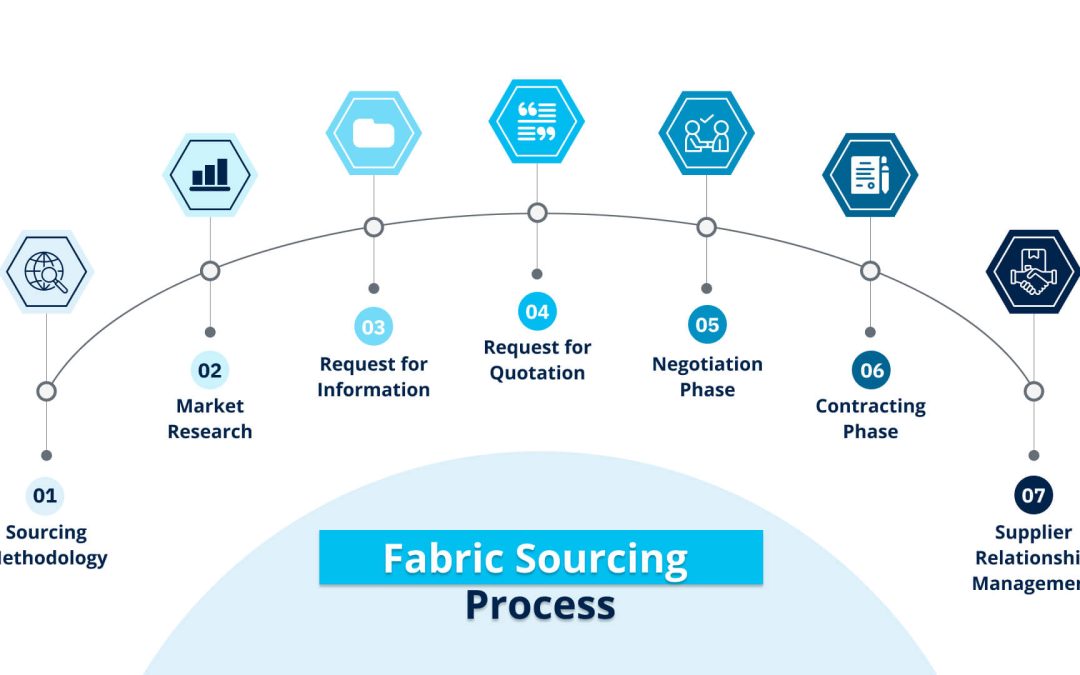
In 2026, a “fair” fabric quote is no longer about chasing the lowest price per meter. It is about aligning cost with real performance, production risk, and long-term stability. Nylon and polyester sit on very different cost and risk curves, and smart buyers know that negotiation starts long before numbers are exchanged.
A good quote reflects not just material cost, but how predictable the fabric will be in sampling, bulk production, delivery, and long-term use. The goal is not to win a short-term price argument, but to avoid expensive surprises after the PO is placed. To estimate and negotiate a fair nylon vs polyester quote in 2026, normalize performance requirements first, then negotiate on specifications, yield assumptions, sampling strategy, volume stability, and risk sharing. The best quotes balance unit price with consistency, lead-time reliability, and lifecycle value.
A practical quoting framework
A) Normalize performance before you compare prices
The most common quoting mistake is comparing fiber names instead of performance outcomes. Nylon almost always looks expensive when compared to a generic polyester—but that comparison is usually invalid.
Before reviewing any quote, make sure both options are aligned on:
- Target abrasion resistance or tensile strength
- Comparable GSM (fabric weight)
- Similar construction (plain, twill, ripstop, oxford, knit type)
- Equivalent finishing package (DWR, PU, TPU, printing, etc.)
For example, a 210D high-tenacity nylon ripstop should not be compared to a standard 300D polyester plain weave. If nylon’s strength allows a lighter construction, the correct comparison is against a lighter or tighter polyester alternative with similar performance.
When performance is normalized, the true cost gap becomes clearer—and often smaller than expected.
B) Anchor discussions around use-case, not fiber prestige
In 2026, suppliers are far more responsive when buyers frame discussions around application requirements rather than material preferences.
Instead of asking:
- “Why is nylon more expensive?”
Ask:
- “What construction meets this abrasion target at the lowest stable cost?”
- “How does lifecycle durability differ at this GSM?”
- “What risks increase if we downgrade this spec?”
This shifts the conversation from price defense to engineering optimization. Suppliers are more likely to propose cost-saving alternatives—such as adjusted denier, weave density, or hybrid constructions—when they understand the real performance target.
C) Request a transparent cost structure, not just a number
A single lump-sum price hides where money is actually being spent. A transparent breakdown makes negotiation rational rather than emotional.
| Cost Element | Why It Matters |
|---|---|
| Yarn type and grade | Largest driver of base cost |
| Yarn processing (FDY, DTY, HT) | Strength and price escalation |
| Construction complexity | Loom/knit efficiency |
| Finishing & coating | Durability and failure risk |
| Waste allowance | Real yield vs theoretical yield |
Nylon quotes often include a higher risk buffer because suppliers anticipate:
- Higher shade variation risk
- More finishing sensitivity
- Greater rework probability
Once those risks are discussed openly, buyers can negotiate ways to reduce them—and lower the price.
D) Use yield and waste assumptions as a negotiation lever
One of the most overlooked areas in quoting is yield. Suppliers price fabric assuming a certain level of cutting loss, rework, and rejection.
Nylon typically carries:
- Higher assumed waste
- More conservative yield estimates
Polyester often benefits from:
- Better dimensional stability
- Cleaner cutting performance
Ask suppliers:
- What waste rate is assumed in this quote?
- How does it change with pattern complexity?
- Can waste assumptions be adjusted after pilot cutting?
If you can demonstrate efficient cutting or simpler layouts, suppliers may reduce the risk margin built into the nylon price.
E) Treat sampling as a cost-reduction tool, not an expense
Many buyers see sampling as a necessary cost. In reality, sampling is a negotiation asset.
Low-MOQ or pilot sampling allows you to:
- Validate real yield, not estimated yield
- Test coating durability and adhesion
- Identify over-engineered specs
- Remove unnecessary safety margins
Suppliers price uncertainty. Every unknown increases cost. When sampling reduces uncertainty, pricing often improves.
Well-documented samples—especially those that show stable performance—can justify:
- Lower risk premiums
- Tighter tolerances
- More aggressive bulk pricing
F) Negotiate stability, not just discounts
In 2026, the most valuable concession is often price stability, not the lowest initial number.
| Negotiation Lever | Impact on Cost |
|---|---|
| Forecast commitment | Reduces volatility premium |
| Color consolidation | Lowers MOQ penalties |
| Spec locking | Minimizes rework risk |
| Flexible delivery windows | Improves capacity planning |
Suppliers do not price only materials—they price risk. When buyers reduce demand uncertainty, suppliers can lower margins safely.
For nylon in particular, long-term forecasts and spec locking can significantly reduce the volatility premium that is often baked into short-term quotes.
G) Understand when nylon quotes include “insurance”
Nylon quotes often look expensive because they quietly include protection against:
- Raw material price swings
- Dyeing failures
- Capacity shortages
- Replenishment uncertainty
Polyester quotes tend to include less “insurance” because the supply chain is deeper and more forgiving.
When negotiating nylon:
- Ask which risks are being priced in
- Clarify which risks you are willing to share
- Decide whether stability or flexibility matters more
A fair quote does not eliminate risk—it allocates it transparently.
H) Evaluate total landed cost, not ex-mill price
A fair comparison must include downstream costs.
| Cost Area | Nylon | Polyester |
|---|---|---|
| Unit fabric price | Higher | Lower |
| Yield loss | Higher risk | Lower risk |
| Rework probability | Higher | Lower |
| Lead-time volatility | Higher | Lower |
| Air freight exposure | Higher | Lower |
In many cases, a slightly higher polyester price produces a lower landed cost once waste, delays, and rework are considered.
Conversely, nylon can still win when its performance:
- Prevents early failure
- Reduces warranty claims
- Extends product lifespan significantly
I) Use lifecycle value as the final decision filter
Price negotiations should end with a simple question: What problem is this fabric solving, and what does failure cost us?
| Decision Factor | Nylon | Polyester |
|---|---|---|
| Abrasion-driven failures | Strong advantage | Moderate |
| UV / color aging | Moderate | Strong advantage |
| Moisture stability | Moderate | Strong advantage |
| Cost predictability | Lower | Higher |
| Broad applicability | Narrow | Wide |
If nylon’s strengths actively prevent your product’s main failure mode, its higher quote is justified. If not, polyester’s predictability usually delivers better value.
J) Avoid emotional or brand-driven decisions
One of the most expensive mistakes in negotiation is choosing materials based on perceived premium rather than measured need.
End customers rarely ask:
- “Is this nylon or polyester?”
They complain about:
- Fading
- Sagging
- Misshapen products
- Inconsistent quality
A fair quote is one that minimizes those risks at the lowest total cost—not one that sounds impressive in a meeting.
K) A simple decision checklist for 2026
Before approving any nylon or polyester quote, confirm:
- Performance specs are normalized
- Construction and finishing are truly equivalent
- Yield assumptions are realistic
- Sampling data supports bulk assumptions
- Lead-time and replenishment risks are understood
- Total landed cost is modeled, not guessed
If all six are clear, the quote—nylon or polyester—is likely fair.
L) Final perspective
In 2026, smart fabric negotiation is no longer adversarial. It is analytical and collaborative. The goal is not to force prices down, but to remove uncertainty so prices fall naturally.
Nylon deserves its premium when its unique strengths are fully used. Polyester deserves its dominance when stability, scale, and predictability matter more.
The fairest quote is not the cheapest one. It is the one that delivers the required performance with the fewest surprises—today, during production, and long after the product reaches the customer.
Ready to get a nylon or polyester quote that actually makes sense?
SzoneierFabrics is a China-based fabric R&D and manufacturing partner with years of experience developing custom nylon and polyester fabrics across a wide range of constructions and finishes. We support projects with:
- Free material and spec guidance
- Low-MOQ customization
- Fast development & free samples
- Short, reliable lead times
- 100% quality assurance
If you’re deciding between nylon and polyester—or want to reduce cost without sacrificing performance—share your product use case, target specs, and budget goals. Request a custom quotation from SzoneierFabrics and turn price differences into informed decisions, not surprises.