Skip to content
Ramie is one of those fashion fibers that quietly separates thoughtful design from ordinary collections. It doesn’t shout for attention like silk, and it doesn’t promise comfort like cotton. Instead, ramie offers something subtler—and more deliberate: structure, breathability, and a refined natural texture that feels purposeful rather than casual.
In recent years, as designers rethink materials for warm-weather collections, tailoring, and elevated everyday wear, ramie has re-entered the conversation. Not as a trend fiber, but as a design tool. It creates garments that hold their shape in heat, resist collapse after wear, and communicate a certain calm confidence through texture alone. In fashion, ramie is defined as a premium bast fiber valued for its strength, breathability, crisp drape, and natural luster. Designers choose ramie to create structured, summer-ready garments with a refined natural look that differs from cotton, linen, or silk.
This article explains what ramie means in modern fashion, why designers value it, where it performs best, and how construction and finishing turn ramie from a stiff fiber into a wearable, high-value fabric.
If you’ve ever wondered why some summer garments feel effortlessly sharp while others collapse by noon, ramie is often part of the answer.
What is ramie fiber and how is it defined in the context of fashion textiles?
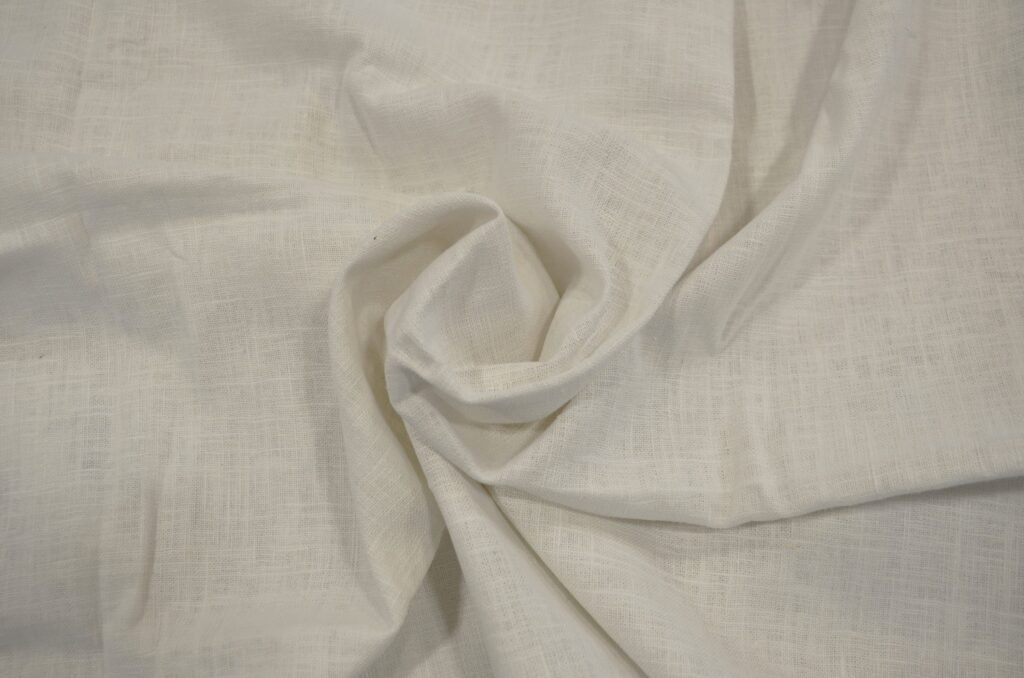
In fashion textiles, ramie is not defined simply by its botanical classification. While it is technically a bast fiber extracted from the stalks of the ramie plant (Boehmeria nivea), its real identity in fashion is shaped by how it performs in a finished garment, how it holds form, and how it interacts with heat, movement, and repeated wear. Designers and product developers do not choose ramie to imitate cotton or linen. They choose it because it behaves differently. In fashion textiles, ramie is defined as a natural bast fiber used to create crisp, breathable fabrics with strong shape retention, a clean surface, and subtle natural luster. It is valued for structure, summer performance, and visual clarity rather than immediate softness.
what “ramie” really means to designers
To understand ramie’s role in fashion, it helps to move away from fiber labels and focus instead on design function. Ramie is a structural fiber first and a comfort fiber second. This positioning explains both its strengths and the misunderstandings around it.
A) Ramie as a structure-driven fiber
Ramie’s most defining technical trait is its extremely low elasticity. Unlike cotton, modal, or viscose, ramie fibers do not stretch and recover easily. This characteristic fundamentally shapes how garments behave.
| Property | Fashion impact |
|---|---|
| Low elasticity | Garments resist sagging |
| High wet strength | Stability during washing |
| Firm fiber body | Sharp, architectural silhouettes |
In fashion design, this makes ramie particularly valuable for garments that need to hold lines and proportions. Shirt fronts remain crisp, dresses maintain volume without collapsing, and tailored summer pieces keep their intended shape without heavy interlinings. Designers often use ramie to replace internal structure that would otherwise require synthetic support.
B) Surface character and visual identity
Ramie’s surface appearance is one of the reasons it is increasingly favored in modern, minimal fashion aesthetics. When processed correctly, ramie produces a surface that is cleaner and more uniform than linen, while remaining distinctly natural.
| Fiber | Typical visual effect |
|---|---|
| Cotton | Soft, matte, casual |
| Linen | Dry, textured, rustic |
| Ramie | Clean, crisp, subtly luminous |
This visual clarity allows ramie fabrics to work well in monochrome palettes, sharp tailoring, and architectural silhouettes. The slight natural sheen reflects light gently, giving garments definition without appearing glossy or artificial. For designers focused on modernity and restraint, ramie offers a refined alternative to linen’s irregular texture.
C) Ramie’s role in warm-weather fashion
Ramie’s performance under heat and humidity is one of its strongest functional advantages in fashion textiles. It is frequently specified for spring and summer collections where thermal comfort must coexist with structure.
| Condition | Ramie behavior |
|---|---|
| High temperature | Feels cool to the touch |
| High humidity | Releases moisture quickly |
| Extended wear | Maintains shape |
Because ramie fibers do not collapse when damp, garments retain their form even after hours of wear in warm climates. This makes ramie especially attractive for resort wear, summer tailoring, and urban warm-weather collections where garments must look composed throughout the day.
D) How ramie differs from comfort-first fibers in fashion
A common mistake in fashion development is evaluating ramie using the same criteria as cotton or viscose. Ramie is not designed to deliver instant softness. Its value lies elsewhere.
Ramie’s fashion strengths include:
- structural clarity
- visual sharpness
- heat performance
- durability under washing
Its limitations include:
- low stretch
- sharper wrinkle formation
- initial stiffness if under-finished
Designers who expect ramie to behave like a drapey comfort fiber often reject it prematurely. Those who design with ramie’s characteristics in mind—using appropriate silhouettes, blends, and finishes—often achieve distinctive results that other fibers cannot replicate.
E) Common misconceptions in fashion use
Ramie’s reputation has suffered in some markets due to misunderstanding rather than material failure.
| Misconception | Practical reality |
|---|---|
| “Ramie is uncomfortable” | Usually indicates poor finishing or wrong GSM |
| “Ramie wrinkles too much” | Wrinkles are sharper, but predictable and designable |
| “Ramie is old-fashioned” | Styling and construction issue, not fiber issue |
When ramie is correctly degummed, finished, and matched to the right garment type, it wears in rather than wearing out. Many designers note that ramie garments become more comfortable over time without losing structure, a balance that is difficult to achieve with softer fibers.
F) Ramie in contemporary fashion positioning
In current fashion markets, ramie is rarely positioned as a mass material. Instead, it occupies a deliberate, design-led niche.
It is most often used in:
- premium summer shirts and blouses
- structured dresses and skirts
- minimalist tailoring
- texture-driven collections
Ramie signals intention. It tells the wearer that the garment prioritizes form, climate performance, and visual clarity over plushness.
Fashion takeaway
In the context of fashion textiles, ramie is not about softness or casual comfort. It is about intentional structure, breathable performance, and visual discipline. Designers who understand ramie as a structural partner rather than a cotton substitute unlock its full potential. Those who expect it to behave like softer fibers often misjudge it.
When used with purpose, ramie delivers a distinctive fashion language that is difficult to replicate with any other natural fiber.
Which intrinsic properties of ramie make it appealing to fashion designers?
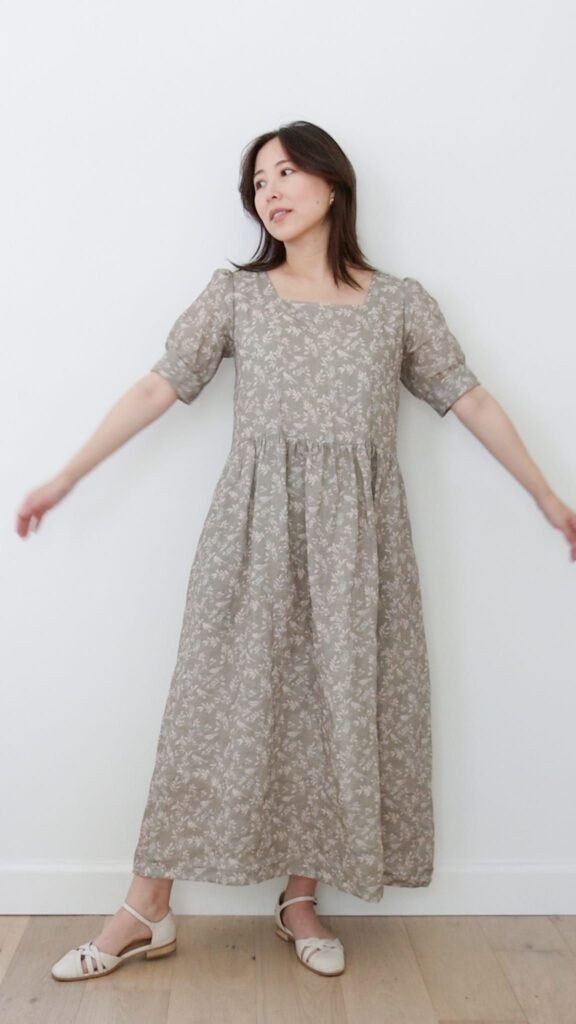
Designers don’t choose ramie casually or for trend-driven reasons. Ramie is selected because its intrinsic fiber properties solve specific design and performance challenges that cotton, viscose, or even linen struggle with—especially in warm-weather collections, structured garments, and silhouette-driven design.
At its core, ramie offers a rare combination of breathability, strength, visual clarity, and shape retention, which directly translates into better garment behavior under heat, movement, and repeated wear.
Designers value ramie for its breathability, high tensile strength, crisp hand feel, natural luster, and ability to maintain garment shape in warm and humid conditions. These qualities make it particularly attractive for summer tailoring, dresses, and refined casual fashion.
The properties that matter in real design work
A) Breathability without structural collapse
Ramie fibers allow air to move freely through the fabric, which is essential for summer garments. What sets ramie apart is that this airflow does not come at the expense of structure.
| Fiber | Breathability behavior |
|---|---|
| Cotton | Good, but softens under heat |
| Linen | Very good, but relaxes quickly |
| Ramie | Excellent, stays firm |
In practice, this means ramie garments stay cool without losing their intended shape. Shirt plackets remain crisp, dresses don’t sag, and tailored pieces don’t “melt” after hours of wear in heat. For designers working in tropical or summer-heavy markets, this is a decisive advantage.
B) High fiber strength that supports silhouette
Ramie is one of the strongest natural fibers used in fashion textiles, and that strength is not theoretical—it shows up directly in garment construction and longevity.
| Fiber trait | Design benefit |
|---|---|
| High tensile strength | Seams hold cleanly |
| Strong when wet | Wash stability |
| Low elongation | Minimal distortion |
This strength allows designers to use lighter weights without sacrificing integrity, enabling airy summer fabrics that still support sharp silhouettes. It is one reason ramie is often seen in structured summer jackets, dresses with volume, and tailored casualwear.
C) Crisp hand feel as a design signal
Ramie has a distinctive dry, crisp hand feel that immediately communicates structure. Rather than being a drawback, many designers treat this as an aesthetic feature.
| Sensory characteristic | Design meaning |
|---|---|
| Firm touch | Intentional, premium feel |
| Subtle fabric sound | Structural presence |
| Defined folds | Visual precision |
This tactile clarity helps garments feel “designed” rather than relaxed. In collections focused on architecture, minimalism, or form-driven silhouettes, ramie’s hand feel reinforces the design language.
D) Natural luster without overt shine
Ramie reflects light in a controlled, understated way. It sits between matte fibers and high-shine luxury fibers.
| Fiber | Surface appearance |
|---|---|
| Silk | Pronounced shine |
| Linen | Matte, irregular |
| Ramie | Clean, soft glow |
This gentle luster enhances garment definition, especially in solid colors, without appearing flashy. Designers often use ramie to elevate neutral palettes—whites, blacks, earth tones—where surface quality matters more than color complexity.
E) Shape retention in heat and wear
One of ramie’s most valued properties is its resistance to collapse over time. In real-world use, garments must survive hours of wear, humidity, and body movement.
Ramie excels because:
- it does not stretch out easily
- it resists sagging at stress points
- it maintains folds and volume
This makes it especially effective for summer dresses, structured tops, and garments where silhouette integrity is critical to the design.
F) How designers actually apply these properties
Designers rarely use ramie as a one-to-one replacement for cotton or linen. Instead, they apply it strategically:
- as the primary fabric for shape-driven pieces
- blended with cotton or viscose to moderate stiffness
- used selectively in panels or key silhouettes
In this way, ramie becomes a functional design tool, not just a material choice.
Ramie appeals to fashion designers because it behaves with discipline. It breathes without collapsing, supports form without heaviness, and communicates structure through both touch and appearance. When designers understand and embrace these intrinsic properties, ramie becomes a powerful material for warm-weather fashion that demands clarity, control, and longevity.
How does ramie compare to other natural fibers like cotton, linen, and silk in fashion applications?
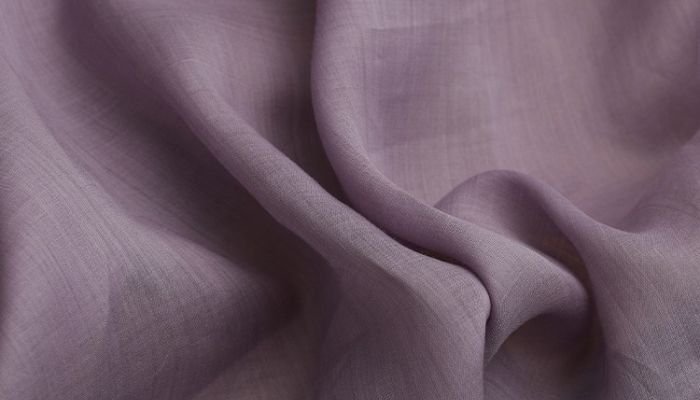
Designers almost never evaluate ramie on its own. In real fashion development, it is compared directly with cotton, linen, and silk—because each fiber solves a different set of problems related to comfort, structure, aesthetics, and wear behavior.
Ramie’s value lies in what it does differently, not in trying to outperform every other fiber on softness or luxury.
In fashion applications, ramie offers stronger shape retention, higher breathability, and greater tensile strength than cotton and silk, with a cleaner and more refined surface than linen. In exchange, it provides less softness and elasticity. Designers favor ramie when structure, summer performance, and visual clarity matter more than fluid drape or immediate softness.
A fiber-by-fiber fashion comparison
A) Ramie vs cotton
Cotton is the default fiber for comfort, but it has clear limitations in structured design—especially in heat.
| Aspect | Cotton | Ramie |
|---|---|---|
| Softness | High | Low–medium |
| Breathability | Good | Excellent |
| Shape retention | Moderate | High |
| Reaction to heat | Softens, collapses | Stays firm |
| Summer tailoring | Limited | Very strong |
In practice, cotton works well for relaxed silhouettes, casual garments, and close-to-skin comfort. Ramie is chosen when cotton feels too informal or loses its intended shape after hours of wear, particularly in summer tailoring, dresses, and architectural tops.
B) Ramie vs linen
Linen is ramie’s closest natural comparison and often the alternative designers consider first.
| Aspect | Linen (flax) | Ramie |
|---|---|---|
| Surface texture | Dry, rustic | Clean, crisp |
| Wrinkle character | Soft, lived-in | Sharp, graphic |
| Natural luster | Matte | Subtle sheen |
| Structural stability | Medium | High |
| Processing control | Difficult | Very difficult |
Linen communicates a relaxed, organic aesthetic. Ramie delivers a more controlled and refined look. Designers often choose ramie when they want the breathability of linen but with sharper silhouettes, clearer lines, and less visual roughness.
C) Ramie vs silk
Silk is associated with luxury and drape, but it behaves very differently in wear.
| Aspect | Silk | Ramie |
|---|---|---|
| Drape | Fluid, flowing | Structured, firm |
| Breathability | Moderate | High |
| Surface shine | Glossy | Soft glow |
| Durability | Moderate | High |
| Practicality | Delicate | Robust |
Silk excels in movement and sensuality. Ramie is preferred where silk would be too fragile, too shiny, or too impractical—such as summer garments that must hold shape, resist wear, or perform in humid conditions.
D) Blending strategies designers rely on
Because pure ramie can feel stiff, designers often blend it to fine-tune performance while keeping its strengths.
| Blend | Practical effect |
|---|---|
| Ramie–cotton | Softer hand with retained structure |
| Ramie–viscose | Improved drape and fluidity |
| Ramie–linen | Layered texture and breathability |
Blending allows ramie to move beyond niche use, making it suitable for a wider range of silhouettes without losing its identity.
E) Fashion decision insight
Ramie is not chosen because it is softer than cotton, more relaxed than linen, or more luxurious than silk. It is chosen because it holds its ground—visually and structurally—when other natural fibers give way.
For designers who value summer performance, defined silhouettes, and controlled aesthetics, ramie fills a space that no other natural fiber occupies as effectively.
What garment categories benefit most from ramie, and why?
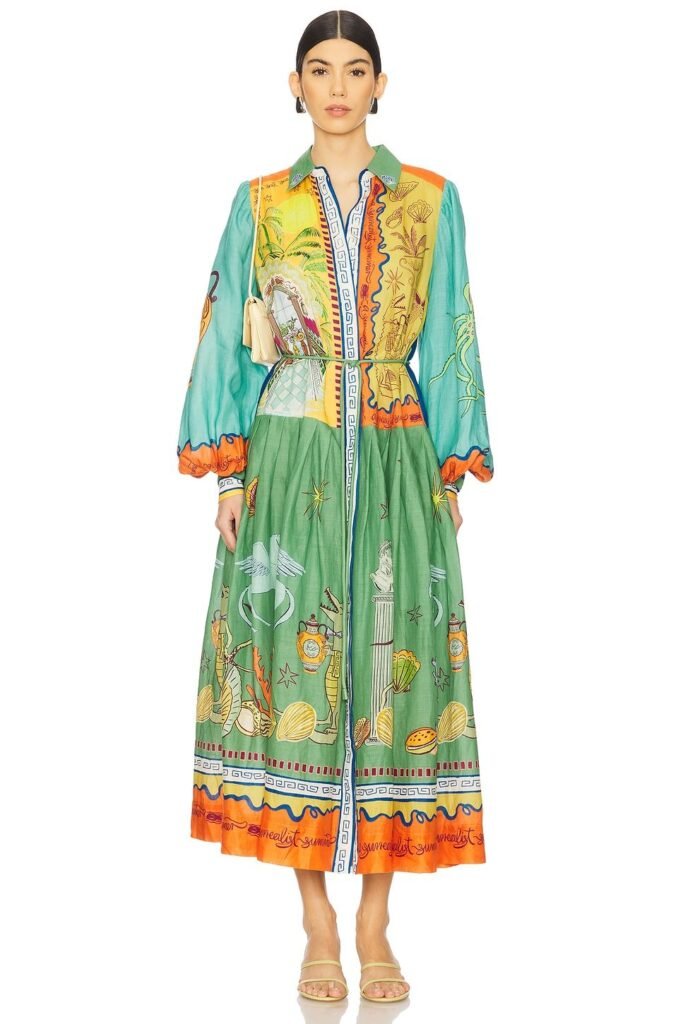
Ramie delivers its best value when it is matched with garment categories that reward structure, breathability, and visual discipline. When used without regard for its physical behavior, ramie can feel stiff or unforgiving. When placed correctly, it creates garments that look composed for hours, even in heat and humidity.
Garment categories that benefit most from ramie include summer shirts, structured dresses, warm-weather tailoring, and refined casual wear. These categories align naturally with ramie’s strengths: airflow, low collapse, high tensile strength, and a clean, slightly luminous surface.
Where ramie performs best—and why
A) Summer shirts and blouses
Summer shirts are one of ramie’s strongest categories because they demand cooling performance without sacrificing appearance.
| Benefit | Result |
|---|---|
| Excellent breathability | Comfortable wear in heat |
| Low moisture cling | Fabric stays off the skin |
| High shape retention | Collar and placket stay sharp |
| Clean surface | Reduced need for ironing |
Compared with cotton, ramie shirts are less likely to sag, wrinkle into soft folds, or lose definition after several hours. This makes them especially effective for button-down shirts, camp collars, and minimalist blouses where fabric clarity does most of the visual work.
B) Dresses that require structure
Ramie excels in dresses where silhouette matters more than fluid movement.
| Dress Type | Why Ramie Works |
|---|---|
| Shirt dresses | Maintains crisp vertical lines |
| A-line dresses | Supports shape without lining |
| Wrap or panel dresses | Prevents edge collapse |
| Minimalist cuts | Fabric defines form |
Unlike softer fibers, ramie allows designers to reduce interlining and internal structure, keeping garments lightweight while preserving clean geometry. This is particularly valuable in summer collections, where excess layers compromise comfort.
C) Warm-weather tailoring
Tailoring in hot climates is one of the most difficult design challenges ramie helps solve.
| Tailored Garment | Ramie Advantage |
|---|---|
| Summer blazers | Breathable structure without wool |
| Tailored trousers | Crisp crease retention |
| Vests and waistcoats | Stable shape, low bulk |
Ramie enables tailored pieces that would otherwise feel too heavy in wool or too collapsible in cotton or linen. Its low elasticity allows garments to hold their intended proportions throughout the day, even in seated or high-movement wear.
D) Refined casual and resort wear
Ramie adds quiet polish to casual categories without pushing them into formal territory.
| Category | Effect of Ramie |
|---|---|
| Casual tops | Looks intentional, not relaxed |
| Resort wear | Cool, dry, elegant surface |
| Travel garments | Less sagging, better recovery |
In these categories, ramie functions as a visual upgrade fiber. Garments look cleaner and more composed with minimal styling, which is why ramie is increasingly used in premium casual and resort collections.
E) Categories where ramie is less suitable
Despite its strengths, ramie is not universal.
Ramie performs poorly in:
- Stretch-dependent garments
- Tight or body-con knits
- Ultra-soft loungewear
- Garments requiring high elasticity or recovery
In these applications, ramie’s low stretch and firm hand work against comfort expectations. Designers typically avoid forcing ramie into roles better suited to knits, elastomer blends, or viscose-based fabrics.
F) Practical fashion takeaway
Ramie delivers its best results when designers let the fabric lead the design logic. When silhouettes embrace structure, airflow, and clarity, ramie becomes a powerful asset. When softness, stretch, or fluid drape are the priority, other fibers perform better.
In fashion, ramie is not a compromise fiber—it is a precision fiber, and it rewards intentional placement more than almost any other natural textile.
How do fabric construction choices influence ramie’s use in fashion?
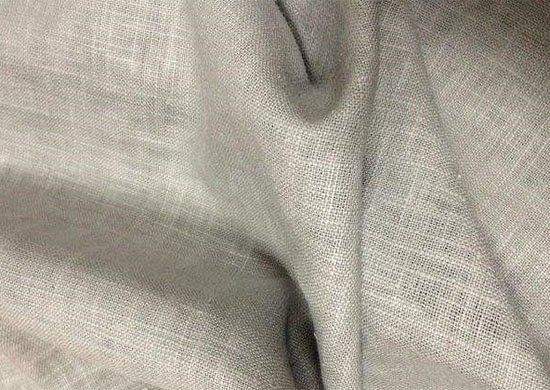
With ramie, fabric construction is not a secondary technical decision—it is a core design lever. The same ramie fiber can feel refined and architectural or rigid and uncomfortable depending entirely on how it is constructed. Designers who succeed with ramie usually address weave, density, and blending at the concept stage, not after sampling problems appear.
Fabric construction, especially weave type, yarn density, and blending strategy, directly controls ramie’s drape, stiffness, wrinkle behavior, tactile comfort, and long-term wearability. In fashion applications, well-balanced woven constructions consistently outperform knits and over-dense fabrics.
Construction choices that make or break ramie fabrics
A) Woven vs knit: a clear structural preference
Ramie strongly favors woven construction due to its low elasticity and high fiber rigidity.
| Construction Type | Fashion Outcome |
|---|---|
| Woven | Stable, breathable, controlled structure |
| Knit | Limited stretch, yarn stress, higher breakage |
In knit structures, ramie’s lack of natural stretch creates loop stress, poor recovery, and uncomfortable rigidity. As a result, pure ramie knits are rare in fashion, and when knits are used, ramie is typically blended at low ratios to reinforce rather than dominate the structure.
B) Weave type and visual personality
Weave choice determines how ramie expresses itself visually and physically.
| Weave Type | Design Effect |
|---|---|
| Plain weave | Crisp, minimal, architectural |
| Twill weave | Softer drape, reduced wrinkle severity |
| Satin / sateen | High luster, niche and fragile |
Plain weave emphasizes ramie’s clean surface and sharp folds, making it popular for shirts and minimalist garments. Twill weaves soften stiffness slightly and distribute stress more evenly, improving comfort and wearability. Satin constructions exaggerate sheen but increase abrasion risk, limiting them to niche or decorative uses.
C) Yarn density and fabric balance
Density is one of the most critical yet frequently misunderstood variables in ramie fabrics.
| Density Level | Result in Wear |
|---|---|
| Too loose | Sharp, uncontrolled wrinkling |
| Balanced | Clean drape, stable surface |
| Too tight | Board-like feel, reduced comfort |
Because ramie fibers do not relax like cotton, over-dense fabrics quickly feel rigid and noisy, while under-dense fabrics crease aggressively and lose visual discipline. Successful ramie fabrics sit in a narrow density window where airflow, structure, and flexibility coexist.
D) Blended constructions as a design tool
Blending is one of the most effective ways to expand ramie’s fashion usability without erasing its identity.
| Blend Type | Fashion Benefit |
|---|---|
| Ramie–cotton | Softer hand, improved skin comfort |
| Ramie–viscose | Better drape and flow |
| Ramie–linen | Layered texture, natural depth |
Blends allow designers to fine-tune stiffness, reduce noise and harshness, and improve comfort while preserving ramie’s strength and breathability. In modern fashion collections, many of the most successful “ramie” garments are actually thoughtfully engineered blends.
E) Construction insight
When ramie fails in fashion, it is rarely because the fiber is unsuitable. In most cases, the issue is a construction–design mismatch. Ramie rewards precision: when weave, density, and blending are aligned with the intended silhouette and use case, it delivers a level of clarity and structure few natural fibers can match.
What finishing techniques help overcome ramie’s limitations in fashion?
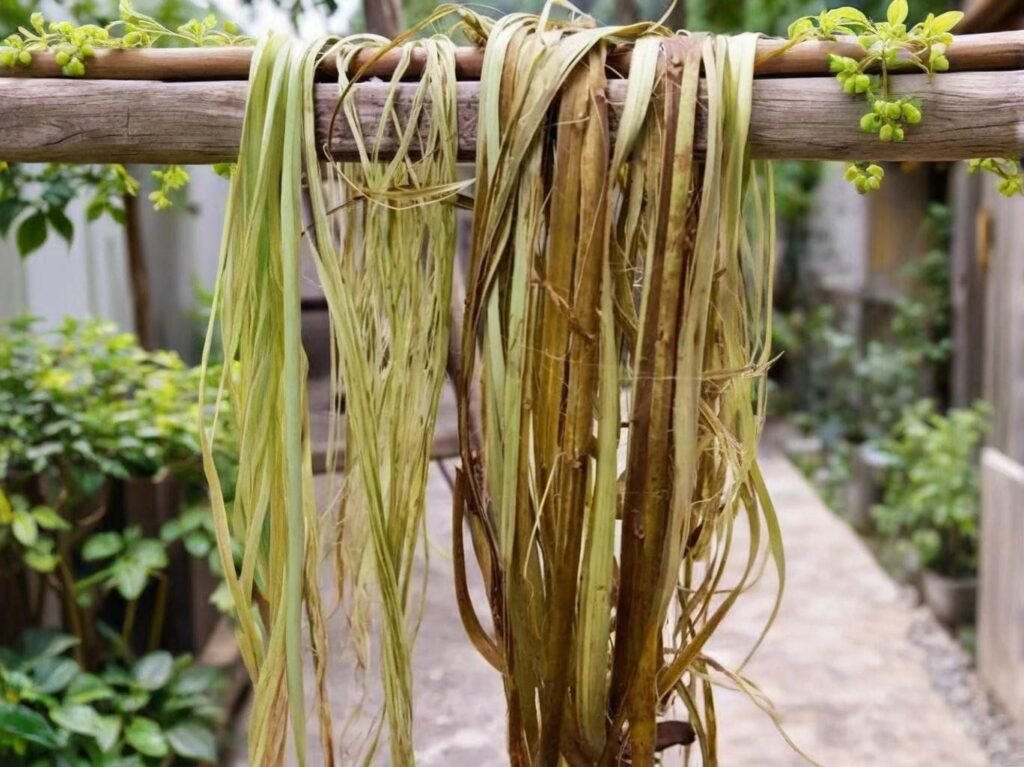
Raw ramie is rarely a fabric that wins people over at first touch. In its untreated state, ramie often feels stiff, slightly noisy when handled, and noticeably dry compared with cotton, viscose, or even linen. These traits are not flaws in processing alone; they are rooted in the fiber’s intrinsic structure. Ramie has a high degree of cellulose crystallinity, very low natural elasticity, and residual non-cellulosic gums that resist bending and recovery.
For fashion use, this reality leads to a clear conclusion: finishing is not optional for ramie. It is the stage where the fiber either becomes wearable or remains an industrial textile unsuitable for garments worn close to the skin. Finishing is also where quality gaps between mills quietly emerge. Two ramie fabrics may look nearly identical in early sampling, yet behave very differently after washing, wearing, and seasonal use if finishing is inconsistent or incomplete.
When done correctly, finishing does not attempt to disguise ramie as another fiber. Instead, it refines the hand feel, moderates stiffness, and improves comfort while preserving ramie’s defining strengths: breathability, crisp structure, and durability. When done poorly, finishing can weaken fibers, mute visual character, or introduce compliance and performance risks that only surface after garments reach consumers.
The most effective finishing systems for fashion ramie typically combine enzyme washing, mechanical softening, bio-polishing, and carefully controlled wrinkle-management finishes. Each addresses a specific limitation, and their combined effect determines whether ramie performs as a premium apparel material or a problematic one.
Finishing strategies designers rely on
Experienced designers and sourcing teams rarely rely on a single finishing step. Instead, they treat finishing as a layered process, with each treatment targeting a known weakness of ramie. The sequence, intensity, and balance between chemical and mechanical methods matter more than any individual technique.
A) Enzyme washing
Enzyme washing is widely regarded as the most impactful first step in improving ramie’s wearability. It focuses on breaking down residual surface gums and micro-fiber protrusions that remain after degumming and yarn preparation.
| Effect | Result |
|---|---|
| Reduced stiffness | Softer touch |
| Cleaner surface | Better dye look |
| Improved comfort | Wear-in feel |
Technically, enzymes work selectively. They attack non-cellulosic components without aggressively degrading the cellulose backbone. This selectivity is particularly important for ramie, which already has limited elongation and can become brittle if over-processed with strong alkalis.
In measurable terms, enzyme washing can reduce bending rigidity by approximately 15–30%, depending on fabric weight, yarn count, and weave structure. This reduction translates directly into a less board-like feel while preserving the fiber’s tensile strength. Enzyme washing also improves dye uptake consistency, reducing patchiness and improving color clarity, especially in reactive-dyed fashion fabrics.
For many apparel brands, enzyme washing defines the minimum acceptable standard for ramie. Without it, even well-designed garments tend to feel unfinished in wear tests.
B) Mechanical softening
Mechanical softening improves hand feel by physically relaxing fibers rather than chemically altering them. This approach is valued for its ability to improve drape while preserving fiber integrity.
| Method | Impact |
|---|---|
| Tumble softening | Improved drape |
| Calendering | Smoother surface |
Tumble softening repeatedly flexes the fabric in a controlled environment, helping yarns release internal stress accumulated during weaving. This process improves suppleness without significantly reducing strength, making it suitable for lightweight and midweight ramie fabrics used in shirts, blouses, and summer trousers.
Calendering smooths the fabric surface and enhances skin comfort, but it requires restraint. Excessive pressure can flatten yarns too aggressively, reducing air permeability and compromising ramie’s natural breathability. For warm-weather garments, this trade-off must be carefully evaluated.
Compared with chemical softeners, mechanical methods typically retain 90–95% of original tensile strength, which is one reason premium mills favor them for higher-end ramie collections.
C) Bio-polishing
Bio-polishing addresses a more visual limitation of ramie: surface fuzz created by loose fiber ends during spinning and weaving.
| Benefit | Fashion Impact |
|---|---|
| Reduced hairiness | Cleaner look |
| Better color clarity | Visual refinement |
Through controlled enzymatic action, bio-polishing removes protruding fibers from the fabric surface. The improvement in appearance can be substantial, especially for solid colors and light shades where surface hairiness dulls color and reduces perceived quality.
While bio-polishing has a modest effect on softness, its impact on visual refinement is significant. Designers often specify it for garments where surface cleanliness matters, such as dresses, blouses, and premium casualwear intended for close inspection.
Light-colored ramie fabrics benefit the most, as even minor fuzz is highly visible against pale backgrounds.
D) Wrinkle-control finishes
Wrinkling is ramie’s most widely recognized limitation. Its high modulus and low elastic recovery mean creases form easily and relax slowly once set.
| Finish | Trade-off |
|---|---|
| Light resin | Less wrinkling |
| Strong resin | Reduced breathability |
Wrinkle-control finishes typically use low-formaldehyde resins to crosslink cellulose chains, improving crease recovery. Light resin finishes can reduce visible wrinkling by 20–40% while maintaining acceptable breathability and hand feel. Stronger finishes deliver greater wrinkle resistance but often stiffen the fabric and reduce moisture vapor transmission.
Most fashion brands opt for moderation. Some wrinkling is accepted as part of ramie’s natural identity, especially in garments positioned as breathable, summer-appropriate, or naturally textured. Over-finishing risks turning a crisp natural fabric into something that feels synthetic and uncomfortable.
Compliance considerations are also critical. Resin systems must meet OEKO-TEX®, REACH, and local regulatory standards, particularly for garments worn next to skin.
E) Garment washing and wear-in
Ramie is unusual in that its comfort improves noticeably with use. Designers increasingly incorporate this behavior into product planning rather than attempting to eliminate it entirely.
| Process | Effect |
|---|---|
| Garment wash | Softer hand |
| Repeated wear | Natural relaxation |
Garment washing techniques, such as enzyme garment washes or softener-assisted rinses, simulate early wear and deliver a more approachable hand feel from the first use. Over time, repeated wearing further relaxes the fiber structure, reducing stiffness and surface noise.
Because of this evolution, experienced sourcing teams evaluate ramie fabrics after washing, not just in loom-state condition. Fabrics that feel marginally firm initially may perform well after controlled wear-in, while poorly finished fabrics often degrade rather than improve.
F) Finishing mindset
The most important factor in finishing ramie is not a single technique but the underlying mindset. Finishing should support the design intent, not attempt to mask the fiber’s identity. Ramie is chosen for its crispness, strength, and breathability, not for imitating cotton or viscose.
Excessive finishing can erase these strengths, while insufficient finishing leaves garments uncomfortable and unrefined. Successful ramie fabrics sit between these extremes, offering controlled softness and improved usability while remaining honest about their natural behavior.
For designers and buyers, this means judging finishing quality over time. Hand feel at first touch matters, but long-term performance, wash response, breathability, and structural stability matter more. When finishing is applied with technical discipline and restraint, ramie becomes a distinctive and reliable fashion fiber, particularly suited to warm-weather garments where airflow, structure, and longevity outweigh instant softness.
What sustainability narratives make ramie attractive in modern fashion markets?
In today’s fashion industry, sustainability is no longer a branding slogan added at the end of a collection. It has become a material-level decision that affects fiber selection, supply chain design, product lifespan, and how brands justify value to increasingly informed consumers. Within this context, ramie has re-emerged as a material of interest—not because it is a plant fiber, but because its full lifecycle aligns with how sustainability is now evaluated in serious fashion markets.
Unlike simplified narratives that equate “natural” with “eco-friendly,” ramie’s appeal lies in a combination of agricultural efficiency, mechanical durability, and long service life. Designers, material developers, and sourcing teams increasingly recognize that sustainability is not only about how a fiber is grown, but how long it performs, how transparently it is processed, and how responsibly it exits the system at end of life.
Ramie fits these criteria in ways that many mainstream fibers struggle to match. It is a perennial crop with high fiber yield, limited need for replanting, and strong bast fibers that translate directly into durable fabrics. When combined with responsible degumming, finishing, and traceable production practices, ramie supports sustainability narratives focused on longevity, reduced resource turnover, and honest material behavior rather than short-lived trend cycles.
Why ramie fits modern sustainability thinking
Modern sustainability frameworks in fashion emphasize system efficiency over symbolic gestures. This shift has moved attention away from novelty fibers and toward materials that perform reliably across seasons, washing cycles, and years of wear. Ramie fits this mindset in several interconnected ways.
A) Perennial cultivation and high yield
One of ramie’s most fundamental sustainability advantages lies in how it is grown. Unlike annual crops that require replanting every season, ramie is a perennial plant that regenerates from the same root system year after year.
| Aspect | Sustainability Impact |
|---|---|
| Perennial growth | Less soil disturbance |
| Multiple harvests | High fiber yield |
| Strong stalks | Efficient land use |
From an agricultural perspective, perennial cultivation reduces soil disruption, lowers erosion risk, and stabilizes land use over time. Ramie can be harvested multiple times per year in suitable climates, producing a high volume of fiber from the same cultivated area. This improves yield efficiency compared with many annual bast or seed fibers.
Strong stalks and dense fiber bundles also mean that a higher proportion of harvested biomass becomes usable fiber. In sustainability assessments, this translates into better land-use efficiency per kilogram of spinnable fiber, a metric increasingly used in life-cycle evaluations.
While ramie cultivation still requires careful water and nutrient management, its ability to regenerate without repeated replanting positions it favorably when compared with fibers that rely on intensive annual farming cycles.
B) Durability as sustainability
In modern fashion, durability has become one of the most credible sustainability metrics. A garment that lasts twice as long effectively halves its replacement footprint, regardless of how sustainably it was marketed at launch.
| Fiber | Wear Life |
|---|---|
| Cotton | Moderate |
| Linen | High |
| Ramie | Very high |
Ramie fibers are among the strongest natural cellulose fibers, particularly in wet conditions where many fibers lose strength. This mechanical durability translates into fabrics that resist tearing, abrasion, and fiber breakdown over time. Shirts, dresses, and summer tailoring made from ramie often retain structural integrity long after lighter cotton or blended fabrics begin to thin or distort.
For brands, this durability supports narratives centered on cost-per-wear, seasonless design, and reduced consumption cycles. Rather than encouraging frequent replacement, ramie garments are often positioned as pieces that improve with age, reinforcing sustainability through extended use rather than novelty.
C) Natural biodegradability and end-of-life pathways
Sustainability conversations increasingly extend beyond production into end-of-life outcomes. Ramie performs well in this area when used in appropriate constructions.
| End-of-Life | Outcome |
|---|---|
| Landfill | Biodegradable |
| Recycling blends | Easier separation |
| Composting (pure) | Natural breakdown |
As a cellulose-based fiber, ramie is naturally biodegradable under suitable conditions. In pure or minimally blended fabrics, it can decompose without leaving persistent microplastic residues. This characteristic aligns with circular fashion models that aim to reduce long-term waste accumulation.
In blended fabrics, ramie’s compatibility with other cellulose fibers can also simplify recycling or separation compared with synthetic-heavy blends. While industrial composting or fiber-to-fiber recycling infrastructure varies by region, ramie’s chemical similarity to other natural fibers makes it easier to integrate into emerging circular systems.
For sustainability-driven brands, this biodegradability strengthens end-of-life narratives, particularly when paired with transparent labeling and consumer guidance.
D) Transparency over greenwashing
One of the most important shifts in sustainability marketing is the move away from fiber-name-driven claims toward process transparency. Buyers, regulators, and consumers increasingly understand that how a fiber is processed can matter as much as what the fiber is.
| Question Buyers Ask | Why |
|---|---|
| How was it degummed? | Chemical impact |
| What finishes used? | Skin & environment |
| Is processing traceable? | Credibility |
Ramie’s sustainability story is strongest when its processing is clearly documented. Degumming methods, enzyme use, wastewater treatment, and finishing chemistry all influence the final environmental footprint. Brands that can explain these steps build credibility, while those that rely solely on “natural fiber” claims risk skepticism.
This emphasis on transparency favors suppliers and brands willing to disclose processing choices and compliance standards. In this sense, ramie aligns well with sustainability frameworks that prioritize verifiable practices over marketing language.
E) Fashion-market reality
Ramie performs best in sustainability narratives grounded in durability, seasonless design, and natural texture. It is not a fiber for ultra-fast trend cycles or disposable garments. Its stiffness, wrinkling behavior, and evolving hand feel reward thoughtful design rather than impulse consumption.
In modern fashion markets, this positions ramie as a material for collections that emphasize longevity, tactile honesty, and understated refinement. Brands that use ramie successfully tend to frame sustainability not as perfection, but as responsible balance—accepting natural behavior in exchange for long-term value.
As sustainability standards mature, ramie’s appeal lies less in novelty and more in consistency. It offers a credible, material-driven sustainability narrative that aligns with how responsible fashion is increasingly defined: fewer replacements, clearer processes, and fibers that earn their place through performance rather than promises.
How do fashion brands source and evaluate quality ramie fabrics?
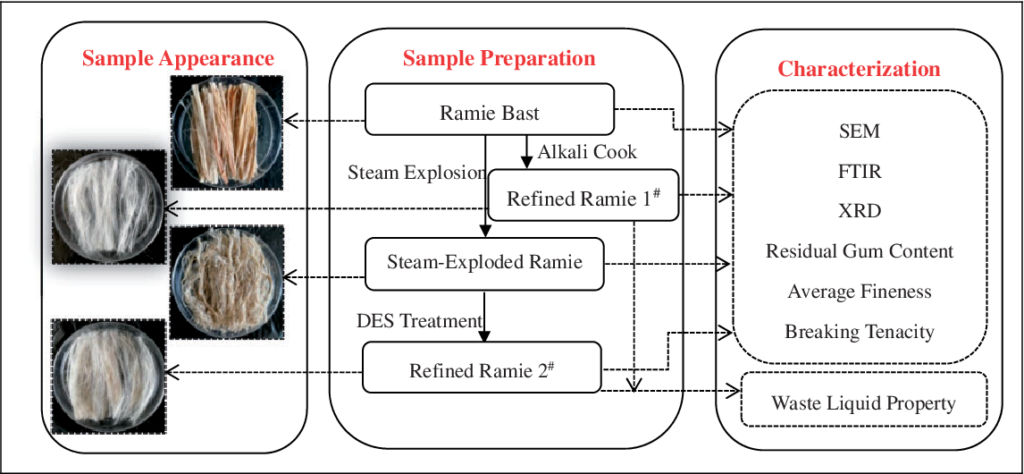
For fashion brands, sourcing ramie is rarely about availability. Ramie has been cultivated and traded for centuries, and access to basic ramie fabric is not difficult. What separates a successful ramie program from a problematic one is consistency—consistency of fiber quality, construction, finishing, and supplier execution over time.
Ramie is unforgiving as a material. Small deviations in yarn quality, degumming level, finishing intensity, or fabric weight can lead to noticeable differences in stiffness, noise, wrinkling behavior, and wear comfort. In fashion applications, these differences are not abstract technical issues; they directly affect fit, drape, and consumer perception.
As a result, experienced fashion brands approach ramie sourcing with a mindset closer to material engineering than commodity buying. Price matters, but it is secondary to process discipline, communication clarity, and the ability to reproduce results season after season. Brands that treat ramie as “just another natural fiber” often encounter issues during bulk production or reorders, while those that invest in structured evaluation tend to build long-term, reliable programs.
At a practical level, fashion brands evaluate ramie fabrics based on construction stability, finishing quality, clearly defined specifications, repeatable sampling systems, and transparent supplier communication. Reliable sourcing prioritizes process control and documentation over short-term cost savings.
A fashion-focused sourcing framework
Rather than relying on ad-hoc sampling or subjective hand feel alone, many brands use a structured framework when evaluating ramie suppliers. This framework focuses on reducing uncertainty and ensuring that what is approved at sampling can be delivered consistently at scale.
A) Specification clarity
Ramie is particularly sensitive to vague or incomplete specifications. Unlike more elastic fibers, it does not “forgive” variation well. Clear, written specifications are therefore the foundation of any successful sourcing program.
| Spec to Lock | Why It Matters |
|---|---|
| GSM range | Controls structure |
| Yarn count tolerance | Visual consistency |
| Blend ratio | Comfort & cost |
| Shrinkage limit | Fit stability |
Locking a GSM range, rather than a single target number, helps manage natural variation while protecting garment structure. For example, a ±5% tolerance may be acceptable for midweight ramie shirting, while lighter fabrics may require tighter control.
Yarn count tolerance directly affects surface texture and visual uniformity. Small deviations can lead to streaking or uneven stiffness across a roll. Blend ratios, when applicable, must be defined precisely, as even modest changes can alter hand feel and breathability. Shrinkage limits, particularly after washing, are critical for maintaining fit consistency across sizes and production runs.
Brands that fail to document these parameters often discover problems only after bulk cutting begins, when correction is no longer feasible.
B) Sampling as a system, not a step
In ramie sourcing, sampling should be treated as a learning process, not a single approval moment. Each sample type answers a different question about fabric performance.
| Sample Type | What to Learn |
|---|---|
| Hand sample | Stiffness & noise |
| Color lab dip | Dye response |
| Wash test | Shrink & wrinkle |
| Wear trial | Real comfort |
Hand samples allow designers to assess stiffness, surface dryness, and handling noise. Color lab dips reveal how evenly ramie accepts dye and whether finishing affects shade clarity. Wash tests expose shrinkage behavior and wrinkle recovery, both of which are critical for consumer satisfaction.
Wear trials are often skipped due to time pressure, but they are especially important for ramie. Fabrics that feel acceptable on the table may behave very differently after several hours of wear, particularly in warm or humid conditions. Brands that invest time in wear testing frequently avoid costly post-launch complaints.
C) Supplier process capability
Beyond the fabric itself, brands evaluate the process capabilities of the supplier. This goes deeper than machinery lists and focuses on how consistently key steps are controlled.
| Capability | Why It’s Critical |
|---|---|
| Degumming control | Softness |
| Finishing options | Wearability |
| Blending experience | Design flexibility |
Degumming control is central to ramie quality. Over-degumming weakens fibers, while under-degumming leaves fabrics stiff and abrasive. Brands often ask suppliers how degumming parameters are monitored and adjusted, rather than simply whether degumming is performed.
Finishing capability determines how adaptable a supplier is to different design intents, from crisp tailoring to relaxed summerwear. Experience with blends expands creative options while reducing risk, as blending ramie with cotton, viscose, or silk requires careful tension and finishing balance.
A useful sourcing question is not “What problems can you fix?” but “How do you prevent variation from happening in the first place?”
D) Reorder stability
For fashion brands, initial success means little if reorders cannot match approved quality. Ramie sourcing therefore places strong emphasis on repeatability.
| Risk | Prevention |
|---|---|
| Spec drift | Written standards |
| Batch variation | Lot tracking |
| Seasonal mismatch | Early planning |
Spec drift occurs when small, undocumented changes accumulate over time. Written standards help anchor expectations. Lot tracking allows brands to trace issues back to specific fiber or production batches. Early planning helps manage seasonal variability in raw material quality, which can otherwise lead to subtle but noticeable differences between deliveries.
Brands that invest in these controls often find that ramie becomes more reliable over time, rather than less.
E) Relationship mindset
Successful ramie sourcing is rarely transactional. The most effective brand–supplier relationships tend to follow a gradual, structured path:
- Start with small volumes
- Refine finishing and specs
- Scale only after consistency is proven
- Improve quality incrementally each season
This approach allows both sides to learn the material together. Ramie responds well to long-term thinking, where feedback from each season informs adjustments in processing and design. Brands that rush directly into large-volume orders without this learning phase often encounter avoidable issues.
Why designers keep coming back to ramie
Ramie is not a “safe” fiber in the conventional sense. It demands attention, discipline, and technical understanding. Yet this is precisely why designers and material developers continue to return to it. Ramie offers structure in heat, clarity in silhouette, and a tactile honesty that feels deliberate rather than generic.
When sourced carefully and evaluated systematically, ramie becomes a dependable partner rather than a risky experiment. Its challenges force better communication, tighter specifications, and more thoughtful design choices. In return, it delivers garments that stand apart from trend-driven fashion—pieces defined by durability, intention, and material integrity rather than fleeting softness.
For brands willing to approach sourcing with patience and rigor, ramie rewards the effort with long-term value, both aesthetic and operational.
Ready to develop fashion-grade ramie fabrics?
SzoneierFabrics brings years of experience in ramie fabric R&D and manufacturing, supporting fashion brands with:
- Free fabric structure & finishing consultation
- Low-MOQ customization and fast sampling
- Consistent quality with clear specifications
- Short lead times and stable production
- 100% quality assurance
If you’re planning a ramie or ramie-blend fabric for your next collection, share your design vision, target hand feel, and application. Contact SzoneierFabrics today to request samples or a quotation—and turn ramie into a defining element of your fashion story.