Skip to content
Natural fibers are having a quiet comeback—but not all “plant-based fabrics” behave the same once they hit real-world production lines. Ramie and hemp are often grouped together as eco-friendly alternatives to cotton and synthetics, yet mills, designers, and sourcing teams quickly discover that these two fibers solve very different problems. One shines in crisp summer garments and blends; the other dominates rugged textiles and long-life applications. Confusing them can lead to stiffness complaints, dyeing surprises, or cost overruns after sampling. Ramie cloth is smoother, glossier, and stronger when wet, making it ideal for lightweight apparel and refined blends, while hemp fabric is coarser, tougher, and more abrasion-resistant, better suited for durable garments, canvas, and home textiles. The right choice depends on feel, finish expectations, processing methods, and end-use—not sustainability claims alone.
Years ago, a European fashion label approached a mill expecting hemp shirts to feel “linen-soft” after washing. What they received was a fabric that aged beautifully—but felt too rigid for their market. Switching to a ramie–cotton blend solved the problem overnight. That single change saved an entire season’s launch. Understanding why those differences exist is what this guide is about.
What are ramie and hemp fibers, and how are they processed into cloth?
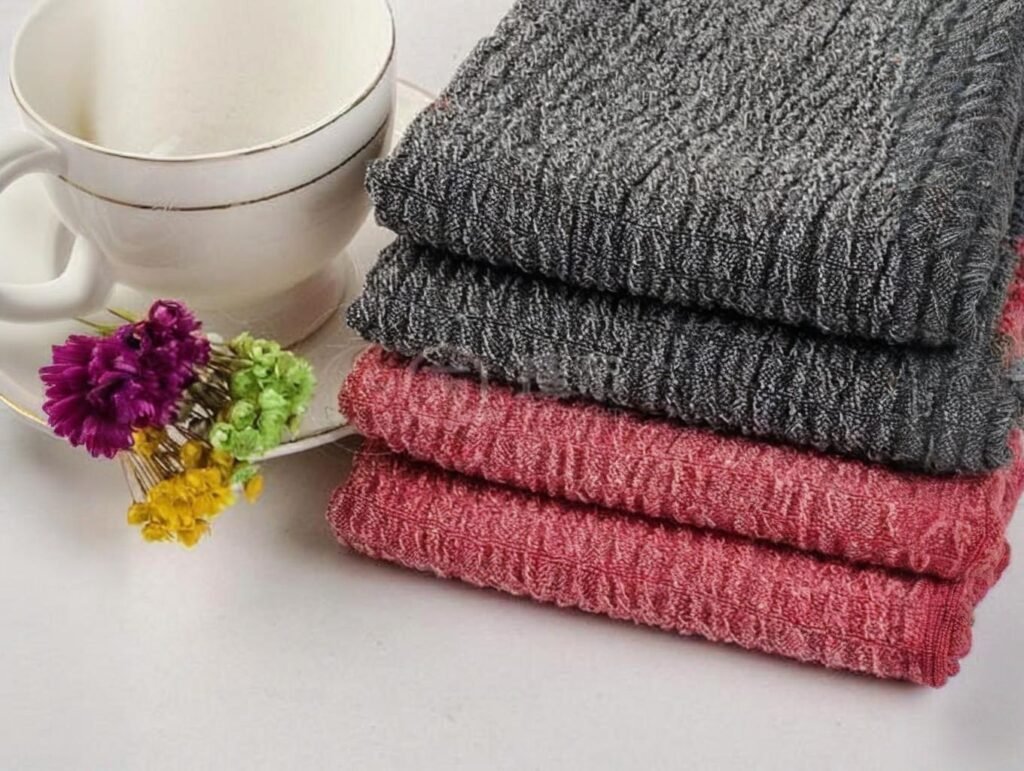
Ramie and hemp are both classified as bast fibers, meaning they are extracted from the stalks of plants rather than from seeds or animal sources. On the surface, this similarity often leads designers and buyers to group them together as interchangeable “natural alternatives” to cotton or linen. In practice, however, ramie and hemp behave very differently once they move from plant to yarn to finished fabric. Those differences start at the botanical level and continue through extraction, processing, cost structure, and long-term performance in garments.
Ramie is derived from Boehmeria nivea, a perennial plant cultivated primarily in East Asia. Hemp comes from Cannabis sativa, an annual plant historically grown across Europe, China, and parts of Central Asia. While both plants produce strong cellulose fibers, the way those fibers are bound within the stalk, and the way they must be released, fundamentally shapes the resulting textile.
The most important distinction lies in processing. Ramie requires intensive degumming to remove large amounts of natural pectins and gums before the fiber can be spun. Hemp relies on retting, a biological process that breaks down connective materials through controlled moisture and microbial action. These processing paths directly influence fiber smoothness, stiffness, yield consistency, scalability, and ultimately cost. For fashion brands, understanding these differences is essential when choosing between ramie and hemp for specific applications.
Fiber origin, extraction, and why it matters
The performance of a bast fiber fabric cannot be separated from how the fiber is built inside the plant and how it is extracted. Botanical structure determines how aggressive processing must be, how uniform the fibers can become, and how predictable the final fabric will feel.
A) Botanical structure and fiber morphology
| Property | Ramie | Hemp |
|---|---|---|
| Plant source | Boehmeria nivea | Cannabis sativa |
| Fiber length | Very long (up to 200 mm) | Medium–long |
| Natural luster | High (silk-like) | Low–moderate |
| Lignin content | Low | Higher |
Ramie fibers are among the longest natural cellulose fibers used in textiles, with individual fiber lengths that can reach up to 200 mm. This exceptional length contributes to ramie’s natural luster and allows yarns to be spun with fewer fiber ends exposed on the surface. As a result, ramie fabrics often appear cleaner and more refined, even before finishing.
Hemp fibers are generally shorter and contain a higher proportion of lignin, the rigid polymer that gives plant stalks structural strength. This lignin content makes hemp fibers naturally stiffer and more resistant to bending. While this adds durability, it also contributes to the coarse hand feel commonly associated with untreated hemp textiles.
From a visual and tactile standpoint, ramie’s lower lignin content and smoother fiber morphology explain why it is often described as silk-like or linen-adjacent, whereas hemp is perceived as rustic and robust. These inherent differences influence not only fabric aesthetics but also how much finishing is required to make each fiber suitable for apparel.
B) Extraction methods: degumming vs retting
The method used to separate fibers from the plant stalk is the single biggest factor differentiating ramie and hemp in commercial textile production.
| Step | Ramie Processing | Hemp Processing |
|---|---|---|
| Initial separation | Mechanical decortication | Field or water retting |
| Gum removal | Chemical/enzymatic degumming | Partial natural breakdown |
| Fiber cleanliness | Very high | Moderate |
| Yield consistency | Stable | Variable by climate |
Ramie fibers are tightly bound by gums and pectins that can account for up to 30% of the raw stalk weight. These substances must be removed through degumming, typically using controlled chemical or enzymatic treatments. Proper degumming produces fibers that are clean, smooth, and uniform, suitable for fine spinning and weaving. Because the process is industrially controlled, results are relatively predictable when parameters are well managed.
Hemp, by contrast, relies on retting to break down the materials that bind fibers to the woody core. Retting can be done in the field, where dew and microorganisms act over time, or in water, where immersion accelerates the process. While retting requires fewer chemical inputs, it is highly sensitive to weather, timing, and local conditions. Under-retting leaves fibers stiff and difficult to separate; over-retting weakens fibers and reduces strength.
This dependence on natural variables explains why hemp fibers often show greater batch-to-batch variation. Even when grown from the same seed stock, differences in climate during retting can lead to noticeable changes in fiber softness, color, and cleanliness.
C) Impact on production cost and scalability
Processing differences between ramie and hemp have direct consequences for cost structure and scalability in fashion supply chains.
Ramie processing is capital-intensive but predictable. Degumming requires equipment, energy, and technical expertise, which increases upfront cost. However, once a process is dialed in, mills can produce fibers with consistent cleanliness, length distribution, and performance. This predictability makes ramie well suited for brands that need stable specifications across multiple seasons and reorders.
Hemp processing is often lower-input but higher-risk. Retting uses fewer industrial resources but introduces uncertainty. Variability in fiber quality can increase sorting costs, limit fine spinning options, or require additional softening and blending to achieve acceptable hand feel. These adjustments add hidden costs and complicate scaling.
From a sourcing perspective, these realities explain why ramie fabrics typically show more stable GSM, hand feel, and visual uniformity across production runs. Hemp fabrics, while valued for their environmental image and toughness, often require compromise or additional processing to meet tight fashion tolerances.
In practical terms, ramie tends to perform better in structured apparel programs where consistency is critical, while hemp is often chosen for designs that embrace variation, texture, and a more rugged aesthetic.
Processing choices shape fabric identity
Although ramie and hemp share a bast-fiber classification, their identities as textiles diverge sharply once processing begins. Ramie’s intensive degumming produces a fiber that can be refined, predictable, and visually clean, at the cost of higher processing investment. Hemp’s retting-based extraction yields a tougher, more variable fiber that reflects environmental conditions and requires careful handling to achieve softness.
For designers and sourcing teams, understanding these processing paths is more important than focusing on fiber names alone. The choice between ramie and hemp is ultimately a choice between control and variability, between engineered consistency and natural fluctuation. Each has a place in modern fashion, but only when its processing realities are fully understood and aligned with design intent.
Which fabric feels smoother and drapes better for apparel—ramie or hemp?
When designers compare ramie and hemp for apparel, the discussion quickly moves beyond sustainability or fiber origin and focuses on a more immediate concern: how the fabric feels and moves on the body. In commercial fashion, hand feel and drape are not abstract qualities. They directly influence fitting decisions, consumer acceptance, return rates, and whether a garment feels intentional or uncomfortable at first wear.
In real-world applications, ramie is generally perceived as smoother, crisper, and cooler against the skin, with a cleaner drape that works well straight off the rack. Hemp, by contrast, tends to feel firmer and more textured, requiring time, washing, and wear to soften. This difference explains why ramie is often favored for shirts, dresses, and warm-weather apparel where immediate comfort matters, while hemp is more commonly used where structure, durability, and a gradual break-in are acceptable.
These distinctions are not marketing narratives; they are rooted in fiber surface structure, yarn behavior, and how each material responds to gravity, movement, and repeated stress. Understanding these mechanics helps brands choose the right fiber for the right garment, rather than forcing a material to perform outside its strengths.
Hand feel, drape mechanics, and consumer perception
The way a fabric feels and drapes is shaped by multiple interacting factors: surface friction, fiber stiffness, yarn flexibility, and fabric weight. Ramie and hemp differ across all of these dimensions, which is why their performance in apparel is rarely interchangeable.
A) Surface texture and skin contact
| Sensory Factor | Ramie | Hemp |
|---|---|---|
| Initial hand feel | Smooth, crisp | Coarse, firm |
| Skin friction | Low | Medium–high |
| Cooling sensation | Strong | Moderate |
| Break-in required | Minimal | High |
Ramie fibers have a naturally smoother surface and lower lignin content, which reduces micro-friction when the fabric contacts skin. This is especially noticeable in warm or humid conditions, where ramie’s clean fiber surface and high moisture conductivity create a pronounced cooling sensation. For consumers, this translates into garments that feel fresh and breathable from the first wear.
Hemp fibers, by contrast, retain more lignin and surface irregularity even after processing. This increases friction and produces a drier, firmer feel on the skin. While this texture can be desirable in certain aesthetics, it often reads as rough or rigid in lightweight apparel. Hemp fabrics typically require 10–20 wash cycles before reaching a level of softness comparable to finished ramie, which may not align with brand expectations for immediate comfort.
From a consumer perception standpoint, this difference is critical. Many buyers evaluate a garment within seconds of touching it. Ramie tends to pass this first-touch test more easily, while hemp asks consumers to trust that comfort will develop over time.
B) Drape behavior by fabric weight
Drape is not only about softness; it is about how a fabric responds to gravity and movement. Weight plays a major role, but fiber stiffness and yarn flexibility determine whether added weight enhances flow or simply increases rigidity.
| GSM Range | Ramie Drape | Hemp Drape |
|---|---|---|
| 120–160 GSM | Fluid, structured | Stiff |
| 160–220 GSM | Tailored, breathable | Boxy |
| 220+ GSM | Structured | Rigid |
In lighter weights between 120 and 160 GSM, ramie fabrics can achieve a balance of fluidity and structure. They hold shape without collapsing, making them well suited to blouses, summer shirts, and dresses that require airflow but still maintain a defined silhouette. Hemp fabrics in this range often feel under-supported and stiff, lacking the flexibility needed for graceful movement.
At midweights around 160–220 GSM, ramie takes on a tailored character. It drapes cleanly while remaining breathable, which is why it appears frequently in summer suiting, relaxed trousers, and structured tops. Hemp in this range tends to look boxy unless heavily softened or blended, as the fiber resists bending and recovery.
Above 220 GSM, the differences become even more pronounced. Ramie can still form crisp, architectural shapes, while hemp often becomes rigid, better suited to overshirts, outer layers, or utility garments where drape is secondary to structure.
These behaviors explain why ramie dominates summer tailoring and woven tops, while hemp is more common in jackets, overshirts, and structured silhouettes that benefit from firmness.
C) Blending strategies used by mills
In commercial apparel programs, pure bast fiber fabrics are the exception rather than the rule. Mills frequently use blends to fine-tune hand feel, drape, and performance while managing cost and consistency.
| Blend | Why It’s Used |
|---|---|
| Ramie + cotton | Softens hand feel, improves dye uptake |
| Ramie + viscose | Enhances drape and sheen |
| Hemp + cotton | Reduces stiffness, lowers cost |
| Hemp + recycled polyester | Boosts abrasion resistance |
Ramie blends are often designed to enhance comfort without sacrificing clarity. Adding cotton introduces softness and improves dye uniformity, while viscose increases fluidity and visual elegance. These blends preserve ramie’s cooling sensation and structure while making garments more approachable for a broader consumer base.
Hemp blends tend to focus on mitigation. Cotton is used to reduce stiffness and shorten break-in time, while recycled polyester adds strength and abrasion resistance for workwear or casual outerwear. Even with blending, hemp fabrics typically retain a firmer hand than comparable ramie blends.
In one apparel program for a Japanese brand, an initial run of 100% hemp shirts generated feedback describing the fabric as “too rough for daily wear.” The brand reformulated the fabric to 55% ramie / 45% cotton, maintaining a natural aesthetic while significantly improving comfort. After launch, customer return rates related to fabric feel dropped by over 30%, demonstrating how fiber choice directly affects commercial outcomes.
D) Perception versus reality in the market
Market perception does not always match physical reality. Hemp is often marketed as soft and comfortable due to its sustainability credentials, leading consumers to expect an immediate tactile experience similar to washed cotton or viscose. When that expectation is not met, disappointment can follow.
Ramie, on the other hand, is less familiar to many consumers and carries fewer preconceived notions. Its crisp, cool hand feel often exceeds expectations, particularly in warm-weather garments where breathability is valued more than plush softness.
From a brand perspective, this gap between perception and reality matters. Ramie offers comfort upfront, making it easier to sell at first touch. Hemp offers character over time, rewarding wearers who are willing to invest in the break-in process. Neither approach is inherently better, but each must align with brand positioning and consumer behavior.
Brands focused on immediate appeal, low return rates, and warm-climate wear tend to favor ramie. Brands that emphasize ruggedness, longevity, and a lived-in aesthetic may accept hemp’s initial firmness as part of the story.
Choosing based on garment intent
Ultimately, the question of which fabric feels smoother and drapes better has a clear technical answer: ramie delivers smoother hand feel and more controlled drape at comparable weights. The more important question for fashion brands is how that performance supports the intended garment experience.
Ramie excels where first impressions matter, where garments are worn close to the skin, and where airflow and structure must coexist. Hemp excels where firmness, durability, and gradual evolution are part of the design language. Understanding these distinctions allows designers to choose deliberately rather than compromise.
In apparel, fabric success is not about forcing materials into the same role, but about matching fiber behavior to design intent. When that alignment is achieved, both ramie and hemp can perform exceptionally well—each in its own way.
How do tensile strength, abrasion resistance, and wet-strength compare between ramie and hemp?
When fashion brands, product developers, or sourcing teams talk about “strong fabrics,” the conversation often becomes oversimplified. Strength is treated as a single property, when in reality it is a set of different mechanical behaviors, each affecting garments in different ways over time. Ramie and hemp are a clear example of why this distinction matters.
Ramie is renowned for its exceptionally high tensile strength, particularly in wet conditions, where many fibers weaken. Hemp, on the other hand, is valued for its resistance to surface wear and long-term abrasion. One resists breaking under pulling force; the other resists slowly wearing out through friction. These properties are complementary, not interchangeable, and misunderstanding them frequently leads to material failure in real-world use.
In apparel and textile applications, the question is not “which fiber is stronger,” but how and where strength is required. A lightweight shirt, a workwear overshirt, and a cushion cover all fail differently. Choosing ramie or hemp without understanding these failure modes often results in premature wear, consumer complaints, or costly redesigns.
Understanding “strength” beyond marketing claims
To evaluate ramie and hemp properly, it is essential to separate different types of mechanical performance and understand how each one affects garment lifespan.
A) Tensile strength vs abrasion resistance — not the same thing
Many sourcing mistakes happen because tensile strength is mistaken for overall durability. In practice, fabrics rarely fail because they are pulled apart in a straight line. More often, they fail due to repeated rubbing, flexing, or localized stress.
| Strength Type | What It Measures | Why It Matters |
|---|---|---|
| Tensile strength | Resistance to pulling force | Seams, stress points |
| Tear strength | Resistance to ripping | Sudden garment failure |
| Abrasion resistance | Resistance to surface wear | Longevity, pilling |
Tensile strength measures how much force a fiber or fabric can withstand before breaking when pulled. This is critical at seams, button plackets, waistbands, and load-bearing areas. Abrasion resistance, by contrast, measures how well a fabric resists damage from repeated rubbing against skin, furniture, or other surfaces.
Ramie performs exceptionally well in tensile strength. Hemp performs exceptionally well in abrasion resistance. Treating these two properties as equivalent leads to inappropriate fiber choices.
B) Measured fiber performance (industry averages)
While exact values vary by processing method and yarn quality, industry testing data shows consistent trends between ramie and hemp.
| Property | Ramie | Hemp |
|---|---|---|
| Dry tensile strength | Very high | High |
| Wet tensile strength | Increases by ~20% | Slight decrease |
| Abrasion resistance | Medium | Very high |
| Fiber brittleness | Medium | Low |
Ramie is one of the few natural cellulose fibers that becomes stronger when wet. In humid environments or during laundering, its tensile strength can increase by approximately 15–25%, depending on fiber quality and finishing. This behavior is linked to its highly crystalline cellulose structure, which tightens under moisture rather than loosening.
Hemp, while strong in dry conditions, typically experiences a slight reduction in tensile strength when wet. However, its higher lignin content and tougher surface structure give it excellent resistance to abrasion and flex fatigue over time. Hemp fibers bend and recover repeatedly without breaking down as quickly at the surface.
This difference explains why ramie resists snapping or tearing, while hemp resists gradual thinning and fuzzing.
C) Why wet strength changes real-world durability
Wet strength is not an abstract laboratory metric. In many real-world conditions, fabrics spend a significant portion of their life exposed to moisture. This includes sweat, humidity, washing, dyeing, and finishing processes.
In tropical, coastal, or summer markets, garments experience repeated cycles of moisture and drying. Ramie’s wet-strength advantage reduces several common failure modes:
- seam slippage after repeated washing
- fiber breakage during wet processing and garment washing
- distortion during finishing and pressing
Because ramie retains or even increases tensile strength when wet, it holds seams and structural elements more reliably over time. This is one reason ramie has historically been used in sailcloth linings, summer uniforms, and traditional garments in East Asia, where humidity is high and laundering is frequent.
Hemp, while durable overall, can show slightly higher seam stress after repeated wet cycles if not properly blended or reinforced, particularly in finer apparel fabrics.
D) Abrasion resistance and garment lifespan
Abrasion resistance becomes the dominant durability factor in garments exposed to frequent rubbing. This includes workwear, upholstery-adjacent textiles, bags, and casual outerwear.
Hemp’s higher lignin content creates a tougher fiber surface that resists micro-fracturing and surface breakdown. Over time, this results in slower fabric thinning and reduced surface fuzz compared with ramie at similar weights.
| Application | Better Choice | Reason |
|---|---|---|
| Workwear | Hemp | Withstands friction |
| Upholstery | Hemp | Surface durability |
| Lightweight shirts | Ramie | Less abrasion stress |
| Blended summer apparel | Ramie | Strength without stiffness |
In standardized Martindale abrasion testing conducted by multiple Asian mills, hemp fabrics often outperform comparable ramie fabrics by 30–40% more abrasion cycles before visible wear appears. This advantage becomes decisive in applications where fabric surfaces constantly contact other materials.
However, abrasion resistance is not always the limiting factor. In lightweight shirts or dresses, surface wear is minimal compared with seam stress and repeated washing. In these cases, ramie’s tensile and wet-strength advantages matter more than hemp’s abrasion superiority.
E) Brittleness, flex fatigue, and failure modes
Another overlooked aspect of strength is how fibers fail. Ramie fibers, while extremely strong in tension, are relatively stiff and can become brittle if over-degummed or over-finished. When failure occurs, it often appears as sudden fiber breakage rather than gradual wear.
Hemp fibers are more flexible due to their lignin structure. They tolerate repeated bending and flexing better, which contributes to their long-term durability in rugged applications. Instead of snapping, hemp fibers tend to wear down slowly.
This difference shapes how garments age. Ramie garments tend to maintain structural integrity until a threshold is reached, after which damage may appear quickly. Hemp garments tend to show gradual wear over time, with surface softening and thinning before failure.
F) Cost of failure: where wrong strength choice hurts
Misunderstanding strength properties can be costly. In one case, a US home-textile client specified ramie for decorative cushion covers, expecting maximum durability based on its reputation for strength. The covers performed well structurally, but after six months of daily use, visible surface fuzzing and abrasion wear appeared.
The issue was not fiber breakage, but surface durability. Switching to a hemp–cotton blend resolved the problem by improving abrasion resistance while maintaining acceptable comfort.
The lesson is straightforward but often ignored: choose fiber strength based on how the fabric is likely to fail, not on which fiber has higher headline strength values.
Strength is application-specific, not absolute
Ramie and hemp are both strong fibers, but they express strength in different ways. Ramie resists pulling, tearing, and wet stress exceptionally well, making it ideal for garments that undergo frequent washing, experience seam stress, or are worn in humid environments. Hemp resists friction, flexing, and long-term surface wear, making it better suited to workwear, outer layers, and high-contact applications.
For fashion brands, the smartest sourcing decisions come from aligning fiber behavior with garment function. When strength is evaluated as a set of mechanisms rather than a single claim, ramie and hemp each find their proper role—and costly material mismatches can be avoided.
What are the key differences in breathability, moisture absorption, and mildew resistance?
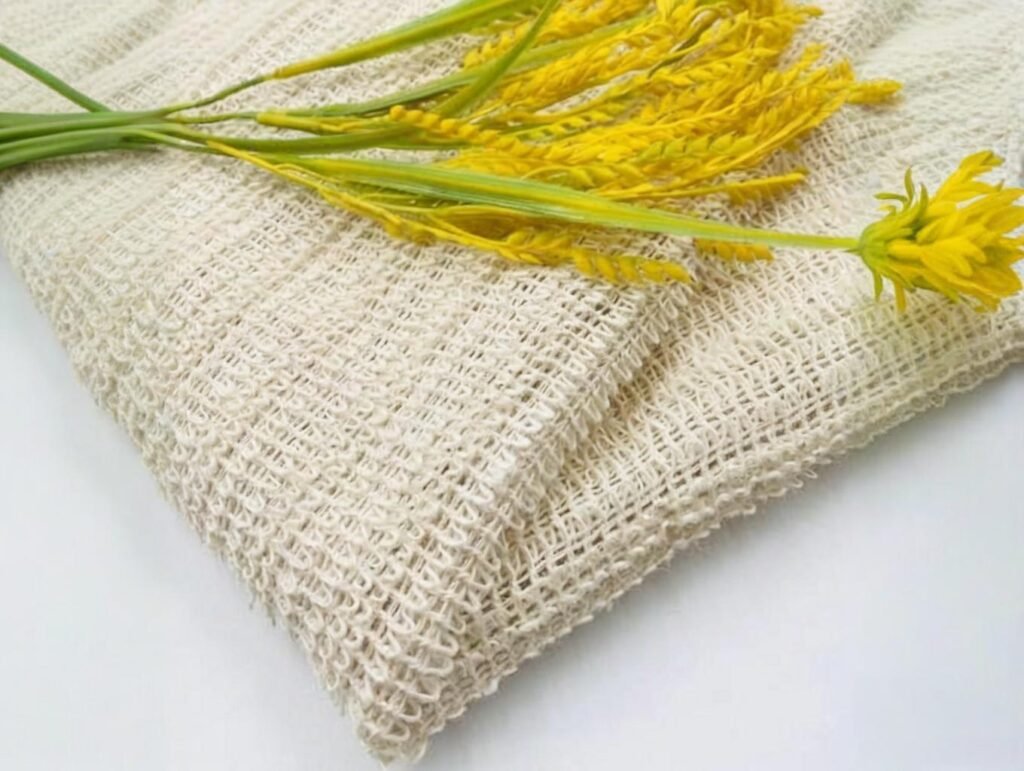
At a glance, ramie and hemp are often grouped together as “highly breathable natural fibers.” While this is broadly true, it hides important differences in how each fiber manages moisture over time. For apparel, home textiles, and storage-related products, these differences matter as much as strength or hand feel.
Ramie and hemp both allow air and moisture vapor to pass through, but they behave very differently once moisture enters the fiber. Ramie absorbs moisture quickly and releases it just as fast, creating a dry, cooling sensation on the skin. Hemp absorbs moisture more slowly and holds it longer, which can reduce odor and microbial growth but may feel damp in certain climates. Neither behavior is universally better. The right choice depends on climate, garment use, washing frequency, and storage conditions.
Understanding these moisture dynamics helps brands avoid common mistakes, such as selecting a fiber that performs well in lab tests but poorly in real-world humidity, heat, or long-term storage.
Moisture behavior from fiber to finished fabric
Moisture performance is shaped by both fiber chemistry and fabric construction. Regain values, drying speed, and microbial resistance all interact to determine comfort and durability.
A) Moisture regain and comfort performance
| Property | Ramie | Hemp |
|---|---|---|
| Moisture regain (%) | ~12% | ~10–12% |
| Drying speed | Fast | Moderate |
| Skin cooling | Strong | Moderate |
| Clammy feel risk | Low | Medium |
Moisture regain refers to how much water a fiber can absorb from the air under standard conditions. Ramie and hemp fall within a similar range, but regain alone does not define comfort. What matters more is how quickly that moisture moves in and out of the fiber.
Ramie’s highly crystalline cellulose structure and smooth fiber surface allow moisture to be absorbed and released rapidly. Sweat is pulled away from the skin and evaporates quickly, producing a crisp, cooling sensation. This is why ramie garments often feel dry even in hot, humid environments.
Hemp absorbs moisture at a similar overall capacity, but releases it more slowly. As a result, hemp fabrics can feel heavier or slightly clammy during prolonged wear, especially in warm climates. In cooler or drier conditions, this slower moisture exchange can actually feel comfortable and stable rather than refreshing.
For apparel worn close to the skin, especially summer shirts and dresses, ramie’s fast moisture cycling tends to align better with consumer comfort expectations.
B) Breathability versus air permeability
Breathability is often misunderstood as a purely fiber-driven property. In reality, fabric construction plays an equally important role.
| Fabric Factor | Effect |
|---|---|
| Yarn twist | Higher twist = lower airflow |
| Weave density | Tighter = less breathable |
| Finish | Resin/softeners can block pores |
Air permeability measures how easily air passes through a fabric, while breathability describes how well moisture vapor escapes during wear. Two fabrics made from the same fiber can behave very differently depending on yarn twist, weave density, and finishing.
In comparable plain-weave constructions, ramie fabrics often show higher air permeability than hemp. Ramie fibers pack more smoothly and evenly, creating more consistent micro-channels for airflow. Hemp’s coarser fiber bundles can create uneven packing, which sometimes restricts airflow unless the weave is kept loose.
Finishing also plays a role. Resin-based wrinkle-control finishes or heavy softeners can partially block pores, reducing breathability regardless of fiber choice. Brands focused on thermal comfort must therefore evaluate finished fabric performance, not just raw fiber data.
C) Mildew and microbial resistance in storage
Moisture behavior extends beyond wear into storage, where microbial growth becomes a concern.
| Resistance Type | Ramie | Hemp |
|---|---|---|
| Mildew resistance | Medium | High |
| Antibacterial behavior | Low–medium | Medium–high |
| Odor retention | Low | Very low |
Hemp contains natural compounds that inhibit the growth of certain bacteria and fungi. This gives it a measurable advantage in mildew resistance, particularly in damp storage environments. For this reason, hemp is often preferred for home textiles, storage bags, and products that may be exposed to moisture without frequent washing.
Ramie is not highly mildew-prone, but it does not offer the same level of natural antimicrobial protection. In high-humidity storage conditions, untreated ramie fabrics can develop odor or mildew if airflow is limited. Proper finishing, drying, and storage protocols are therefore more critical when working with ramie.
For brands selling into coastal or tropical regions, this distinction can affect packaging decisions as much as fabric selection.
D) Dyeing, washing, and moisture-related defects
Moisture behavior also affects manufacturing efficiency and quality control.
Ramie’s fast moisture release shortens drying times after dyeing and washing. In industrial settings, this can translate into shorter processing cycles and lower energy consumption, especially for piece-dyed or garment-washed products. Faster drying also reduces the risk of uneven creasing or water marks during finishing.
Hemp retains water longer, which increases drying time and energy use. However, this slower moisture release can reduce sharp crease formation during drying, an advantage for structured or heavier fabrics where excessive wrinkling is undesirable.
These differences influence yield and defect rates. Mills working with ramie often prioritize tension control during drying to avoid distortion, while hemp programs focus more on thorough drying to prevent residual moisture issues.
E) Climate-based selection logic
Because moisture performance is highly environment-dependent, many brands choose ramie or hemp based on where and how the product will be used, rather than on abstract sustainability or comfort claims.
| Climate / Use Case | Recommended Fiber |
|---|---|
| Hot & humid climates | Ramie |
| Coastal or damp storage | Hemp |
| High-wash garments | Ramie |
| Home & interior textiles | Hemp |
A practical example comes from a Southeast Asian resort brand developing summer uniforms. Initial hemp prototypes performed well in dry conditions but remained damp for extended periods during monsoon season, leading to discomfort and odor complaints. Switching to ramie significantly improved drying speed and wearer comfort, even though both fabrics tested as “breathable” in laboratory conditions.
Choosing moisture behavior, not just breathability
Both ramie and hemp are breathable fibers, but breathability alone is not enough to define comfort or durability. Ramie excels where fast moisture movement, cooling sensation, and frequent washing are priorities. Hemp excels where moisture retention, odor control, and resistance to microbial growth matter more than rapid drying.
For fashion and textile brands, the key is to select fibers based on how moisture will behave over time, not just how air passes through a fabric sample. When climate, end-use, and storage realities are considered together, ramie and hemp reveal distinct strengths that support different design and sourcing strategies.
How do ramie and hemp behave in dyeing, printing, softening, and finishing?
In commercial apparel production, the success of a fabric is often decided after weaving, not before it. Dyeing, printing, softening, and finishing are the stages where theoretical fiber advantages are either confirmed or erased. Ramie and hemp, while often grouped together as bast fibers, behave very differently once they enter wet processing and finishing lines.
In practice, ramie is easier to control. Its cleaner cellulose structure allows dyes to bond more evenly, prints to appear sharper, and finishing outcomes to remain predictable across batches. Hemp, by contrast, carries more natural variability. It can deliver excellent results, but only when mills invest in heavier pretreatment, additional softening, and tighter process control. For brands, this means finishing choices have a larger commercial impact on hemp than on ramie, affecting cost, lead time, and rejection risk.
Understanding these differences is critical when planning color-sensitive collections, print-driven designs, or tight production calendars.
Why finishing determines commercial success
Raw fiber properties set the baseline, but finishing determines whether a fabric can meet real-world requirements for color accuracy, hand feel, and repeatability. Ramie and hemp respond differently at every stage of this process.
A) Fiber chemistry and dye affinity
The way a fiber accepts dye is closely tied to its cellulose purity and the presence of residual waxes, gums, or lignin.
| Property | Ramie | Hemp |
|---|---|---|
| Cellulose purity | Very high | Moderate |
| Natural wax/gum | Low after degumming | Higher |
| Dye uptake consistency | High | Medium |
| Shade reproducibility | Excellent | Variable |
Ramie’s intensive degumming removes most non-cellulosic components before dyeing. The result is a fiber surface that allows reactive, vat, and sulfur dyes to penetrate evenly and bond consistently. This predictability is especially valuable for light colors, pastels, and tightly controlled brand shades where even small variations are unacceptable.
Hemp fibers retain more natural waxes and lignin, even after scouring. These substances interfere with dye penetration, leading to uneven uptake unless pretreatment is thorough. Variability in retting and fiber maturity further complicates shade control, making hemp more sensitive to process drift.
For color-driven apparel programs, ramie’s chemical cleanliness translates directly into lower shade variation risk across production runs.
B) Dyeing challenges seen in production
In real production environments, the differences between ramie and hemp become visible through defect patterns and rework rates.
Ramie typical issues
- Slight stiffness after dyeing, usually resolved through enzyme washing
- High brightness can exaggerate minor shade differences if dye control is poor
These issues are generally manageable and predictable. Once finishing parameters are set, ramie behaves consistently.
Hemp typical issues
- Patchy dye uptake without aggressive scouring
- Higher rejection rates on dark or saturated shades
- Increased water and energy consumption during pretreatment and rinsing
In one European apparel program producing dark navy casualwear, hemp fabrics showed a 6–8% higher re-dye rate compared with ramie equivalents. The difference was not due to dye selection, but to uneven uptake caused by residual non-cellulosic materials.
These challenges do not make hemp unsuitable for dyeing, but they do raise the technical threshold required to achieve stable results.
C) Printing performance comparison
Printing places additional demands on surface uniformity and fiber smoothness. Here, the contrast between ramie and hemp is especially clear.
| Printing Method | Ramie | Hemp |
|---|---|---|
| Screen print | Sharp edges | Slight bleeding |
| Digital print | High clarity | Lower resolution |
| Pigment print | Stable | Requires heavy binder |
Ramie’s smoother surface and more uniform yarn structure support fine print detail. Screen prints show clean edges, and digital prints retain higher resolution with less ink spread. This makes ramie well suited to detailed graphics, fine line work, and fashion prints where clarity matters.
Hemp’s coarser surface can cause slight ink bleeding, especially in screen and digital printing. To compensate, mills often increase binder or ink load, which can stiffen the fabric and affect hand feel. As a result, hemp performs best with bold, rustic graphics where minor edge diffusion is visually acceptable or even desirable.
For print-led collections, these surface differences can determine whether a design concept translates cleanly into production.
D) Softening and hand-feel engineering
Softening is where hemp and ramie diverge most dramatically in terms of process intensity.
| Finishing Method | Effect on Ramie | Effect on Hemp |
|---|---|---|
| Enzyme wash | Moderate softening | High softening |
| Silicone softener | Light improvement | Essential |
| Mechanical tumbling | Minor effect | Major effect |
Ramie typically requires light to moderate softening to reach apparel comfort standards. Enzyme washing reduces stiffness without compromising strength, and minimal silicone softener is often sufficient for garments worn close to the skin.
Hemp, by contrast, usually needs multiple interventions. Enzyme washing plays a larger role, silicone softeners become essential rather than optional, and mechanical tumbling significantly improves flexibility. In many programs, hemp undergoes two or more finishing stages to reach an acceptable hand feel.
Each additional step increases processing time, energy use, and the potential for variation, which must be factored into sourcing decisions.
E) Finishing cost impact
From a cost and planning perspective, finishing intensity directly affects commercial viability.
| Cost Factor | Ramie | Hemp |
|---|---|---|
| Pretreatment cost | Medium | High |
| Finishing cycles | 1–2 | 2–3 |
| Rework risk | Low | Medium–high |
Ramie’s cleaner chemistry and predictable response allow mills to achieve target results in fewer cycles. This reduces lead time and lowers the risk of rework, making ramie well suited to time-sensitive collections and brands that rely on fast sampling-to-production transitions.
Hemp’s higher pretreatment demands and greater sensitivity to process variation increase both cost and timeline. While these investments can be justified in durability-focused or heritage-inspired lines, they are less compatible with rapid fashion calendars.
Finishing determines suitability, not fiber labels
The difference between ramie and hemp in dyeing and finishing is not about which fiber is “better,” but about how much control is required to reach a desired outcome. Ramie rewards precision with predictability. Hemp rewards persistence with character and durability.
For brands, the decision should be guided by color complexity, print detail, comfort expectations, and production speed. Ramie aligns naturally with clean colors, refined prints, and reliable timelines. Hemp aligns with textured aesthetics, bold graphics, and collections where extra processing time is acceptable.
In finishing, fiber labels matter less than process realities. When those realities are understood and planned for, both ramie and hemp can perform successfully—but in very different commercial roles.
Which is more sustainable for your supply chain, and what certifications matter most?
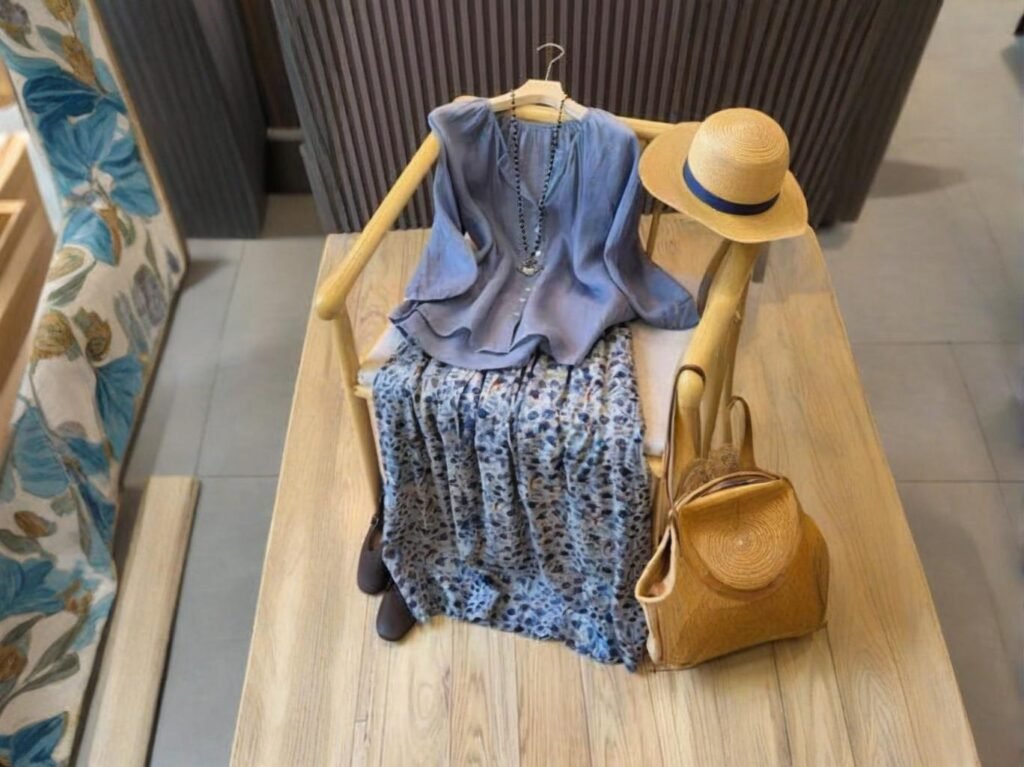
Ramie and hemp are both widely promoted as sustainable bast fibers, but sustainability at supply-chain level is rarely determined by fiber type alone. In real sourcing projects, environmental impact is shaped by how the crop is grown, how the fiber is processed, how long the fabric remains in use, and how transparently the mill operates. Buyers who rely only on “natural” or “eco” labels often miss the more decisive factors that influence compliance risk, consistency, and long-term environmental cost.
From a practical sourcing perspective, hemp tends to perform better at the agricultural stage, while ramie shows advantages in processing stability and lifecycle efficiency. Certifications matter, but only when they are applied correctly and verified at the right stage of the value chain. Understanding these trade-offs allows brands and importers to choose materials that align with both sustainability targets and operational reality.
Sustainability beyond the fiber headline
Many sustainability discussions stop at farming inputs, yet for most textile products, processing and durability account for a larger share of environmental impact over time. Bast fibers illustrate this clearly: a low-input crop can still become a high-impact fabric if retting, degumming, dyeing, or finishing are poorly controlled.
In established Asian supply chains, ramie and hemp often coexist in the same regions, sometimes even processed by the same mills. What differentiates them is less about ideology and more about predictability, scalability, and oversight.
A) Agricultural impact comparison
| Factor | Ramie | Hemp |
|---|---|---|
| Water use (farming) | Low | Very low |
| Pesticide need | Low | Very low |
| Crop yield/ha | High | Medium |
| Harvest frequency | Multiple/year | Once/year |
Hemp’s reputation as a low-input crop is well deserved. It grows quickly, suppresses weeds naturally, and generally requires minimal pesticides. Water consumption is among the lowest of commercial textile crops, particularly in temperate climates.
Ramie, however, delivers higher fiber yield per hectare, especially in southern China and parts of Southeast Asia. Multiple harvests per year mean land is used more intensively, which can reduce pressure on agricultural expansion when demand is stable. For mills sourcing at scale, this yield stability is often more important than absolute water metrics, because it reduces the need to open new farmland or shift sourcing origins.
From a supply-chain planning perspective, ramie’s predictable output supports long-term contracts and volume commitments, while hemp farming can be more sensitive to regional policy changes and seasonal variability.
B) Processing footprint reality
| Sustainability Aspect | Ramie | Hemp |
|---|---|---|
| Chemical use | Moderate (degumming) | Low–moderate |
| Energy use | Medium | Medium–high |
| Waste control | Predictable | Variable |
Processing is where sustainability narratives often diverge from reality. Ramie requires degumming to remove pectins and gums, a step that involves controlled chemical or enzymatic treatments. When managed properly, this process is highly repeatable, and wastewater output can be treated consistently in centralized facilities.
Hemp relies on retting—either field retting or water retting—to separate fibers. While chemical input may be lower, the environmental outcome depends heavily on execution. In regions without modern wastewater infrastructure, poorly managed water retting has been linked to localized water pollution and odor issues, especially in small or unregulated operations.
Energy consumption also differs by downstream application. Hemp fibers are coarser and often require heavier mechanical processing to achieve textile-grade softness, increasing energy use in spinning and finishing. Ramie fibers, being naturally finer, integrate more smoothly into existing linen-type production lines.
For buyers with strict environmental audits, processing transparency often outweighs theoretical chemical reductions.
C) Durability as a sustainability factor
Longer-lasting textiles reduce replacement frequency, transport emissions, and waste generation. In lifecycle assessments, durability frequently offsets higher upfront processing impact.
| Fiber | Average Fabric Lifespan |
|---|---|
| Ramie | Medium–long |
| Hemp | Long |
Hemp excels in tensile strength and abrasion resistance. In applications such as workwear, upholstery, canvas, or reusable bags, hemp fabrics often outlast ramie by a meaningful margin. Over a product’s usable life, this durability can lower total environmental impact, even if initial processing energy is higher.
Ramie, while slightly less robust, maintains excellent dimensional stability and color retention, particularly in blends. For apparel, table linens, and decorative textiles, longer aesthetic life can be just as important as mechanical strength. Products that remain visually acceptable for years are less likely to be discarded prematurely.
Sustainability assessments that ignore end-use performance risk overstating the importance of farming inputs alone.
D) Certifications buyers should actually verify
| Certification | Why It Matters |
|---|---|
| OEKO-TEX Standard 100 | Chemical safety |
| REACH | EU compliance |
| GOTS (blends only) | Organic chain control |
| ISO 9001 | Process consistency |
Certifications are valuable, but only when buyers understand what they cover and what they do not. OEKO-TEX Standard 100 focuses on harmful substances in finished textiles, making it highly relevant for both ramie and hemp products entering consumer markets.
REACH compliance is essential for EU-bound goods, particularly where chemical finishing or dyeing is involved. It applies regardless of fiber origin and should be verified at the processing stage.
GOTS is frequently misunderstood. It applies primarily to organic cotton and certain blended textiles with certified organic inputs. Pure ramie or hemp fabrics rarely qualify, and claims suggesting otherwise should be treated cautiously.
ISO 9001 does not certify sustainability directly, but it signals process discipline, which correlates strongly with stable environmental performance. Mills with consistent documentation, batch tracking, and corrective-action systems are better positioned to meet sustainability targets over time.
E) Supplier transparency vs marketing language
In practical sourcing, sustainability is demonstrated through operational evidence, not slogans. Experienced mills tend to share:
- wastewater treatment capacity and discharge standards
- batch-level traceability records
- chemical inventory lists and change logs
- internal QC and audit histories
By contrast, less mature suppliers often emphasize fiber names and generic “eco-friendly” claims without supporting data.
For supply-chain managers, the most reliable indicator of sustainable sourcing is not whether a fabric is labeled ramie or hemp, but whether the supplier can explain how each step is controlled, measured, and improved. Transparency reduces compliance risk, supports long-term partnerships, and aligns sustainability goals with production reality.
In short, ramie and hemp can both support sustainable supply chains, but only when evaluated beyond the headline. The most responsible choice is the one backed by verifiable processes, realistic durability expectations, and certifications that genuinely apply to the product being sourced.
Where are ramie vs hemp fabrics used most today?
Ramie and hemp are often discussed together because they are both bast fibers with strong sustainability narratives, yet in real commercial use they occupy very different functional territories. Their applications are not driven by trend language, but by how each fiber behaves under wear, washing, climate stress, and long-term use.
In today’s market, ramie is primarily selected for lightweight, breathable, and visually refined textiles, especially where a crisp hand feel and cooling sensation are expected from the first wear. Hemp, by contrast, is chosen for structure, durability, and longevity, often in products designed to age gradually rather than soften immediately.
Brands that treat ramie and hemp as interchangeable often encounter issues after sampling or market launch. Successful brands instead start from application logic, not fiber ideology. The sections below break down where each fiber performs best today, based on real product categories, performance expectations, and regional consumer habits.
Application-driven fiber selection
The most reliable way to choose between ramie and hemp is to work backward from use conditions: skin contact, abrasion level, laundering frequency, climate, and expected product lifespan. When these variables are mapped clearly, fiber selection becomes predictable rather than experimental.
A) Apparel applications: where comfort meets expectation
In apparel, the decisive factor is not sustainability storytelling, but how the garment feels during the first three wears. Consumers judge comfort quickly, especially in warm-weather categories.
| Apparel Category | Preferred Fiber | Why |
|---|---|---|
| Summer shirts | Ramie | Cool touch, crisp drape |
| Dresses & blouses | Ramie blends | Fluid structure |
| Casual tops | Ramie/cotton | Balanced softness |
| Overshirts | Hemp blends | Shape retention |
| Workwear | Hemp | Abrasion resistance |
Ramie dominates in summer-facing apparel because of its naturally smooth fiber surface and low moisture cling. In woven shirting between 120–160 GSM, ramie delivers a dry, cool hand feel that many consumers associate with premium warm-weather garments. Unlike linen, which can feel uneven or slubby, ramie presents a more refined surface, making it suitable for minimalist or tailored silhouettes.
Pure ramie, however, is rarely used alone in mass-market apparel. Most brands prefer ramie blends (typically with cotton or viscose) to reduce wrinkling sensitivity and improve sewing efficiency. These blends allow designers to maintain breathability while softening stiffness at stress points such as shoulders and collars.
Hemp enters apparel at the opposite end of the spectrum. It performs best in overshirts, jackets, utility wear, and workwear, where garments are expected to hold shape and tolerate friction. Hemp’s higher fiber stiffness and tensile strength help garments resist deformation, particularly in elbows, cuffs, and plackets.
Brands targeting immediate comfort on first wear almost always lean toward ramie or ramie blends. Brands targeting “break-in over time” aesthetics, common in heritage or workwear labels, tend to favor hemp.
B) Home textiles and interior use
In home textiles, priorities shift from skin feel to dimensional stability, visual cleanliness, and resistance to daily wear. Here, hemp’s stiffness becomes a functional asset rather than a drawback.
| Product | Better Choice | Reason |
|---|---|---|
| Cushion covers | Hemp | Wear resistance |
| Table linens | Ramie | Clean look, low lint |
| Curtains | Ramie | Light diffusion |
| Upholstery base cloth | Hemp | Structural integrity |
Ramie performs particularly well in table linens and lightweight curtains, where appearance and light interaction matter more than mechanical strength. Ramie fabrics reflect light evenly and produce a clean surface that resists excessive linting. In dining environments, this contributes to a visually tidy look even after repeated laundering.
For curtains, ramie’s natural stiffness allows the fabric to hang straight without excessive weighting, while its breathability helps regulate airflow in warm interiors. In Asian markets especially, ramie curtains are favored for summer installations due to their cooling perception.
Hemp, on the other hand, is widely used in cushion covers and upholstery base cloths. Its abrasion resistance allows it to withstand frequent contact and pressure without thinning. In upholstery applications, hemp is rarely the visible surface fabric; instead, it serves as a structural layer, supporting foam and decorative fabrics.
Interior designers often prefer hemp where long-term dimensional integrity matters more than softness, such as seating foundations or removable cushion shells.
C) Bags, canvas, and lifestyle products
In bags and lifestyle goods, fiber selection is closely tied to load-bearing requirements and environmental exposure. This is where hemp’s mechanical strength consistently outperforms ramie.
| Product Type | Fiber Used | Notes |
|---|---|---|
| Tote bags | Hemp | Long-term durability |
| Storage bags | Hemp | Mildew resistance |
| Lightweight liners | Ramie | Smooth hand feel |
| Travel accessories | Hemp blends | Shape holding |
Hemp is widely adopted for tote bags, backpacks, and storage solutions, especially where repeated loading and unloading occurs. Its fibers resist stretching under weight, helping bags maintain shape over time. Hemp canvas in the 280–420 GSM range is commonly used for reusable shopping bags and lifestyle totes designed for daily use.
Another advantage of hemp in this category is its natural resistance to microbial growth, which makes it suitable for storage products used in humid or enclosed environments. This property is especially valued in storage bags, laundry sacks, and organizers.
Ramie plays a complementary role in bag construction. Its smooth surface makes it ideal for linings, internal pockets, and lightweight separators, where tactile comfort and reduced friction are desirable. Many manufacturers deliberately pair hemp outer shells with ramie or cotton-blend linings to balance durability with user experience.
Travel accessories often use hemp blends, combining hemp’s structure with softer fibers to reduce stiffness without sacrificing strength.
D) Regional market preferences
Fiber adoption is also shaped by cultural expectations and climate, which influence how consumers perceive comfort and value.
| Market | Fiber Preference | Reason |
|---|---|---|
| Japan | Ramie | Summer comfort culture |
| EU | Hemp | Sustainability narrative |
| US | Hemp blends | Casual durability |
| Southeast Asia | Ramie | Humidity performance |
Japan has a long historical relationship with ramie, particularly in summer garments. The cultural emphasis on seasonal textiles and skin comfort drives continued demand for ramie in shirting, robes, and interior fabrics. Consumers are familiar with its crisp feel and associate it with summer appropriateness rather than roughness.
In the European market, hemp benefits strongly from sustainability positioning. Regulations, consumer awareness, and marketing narratives around low-input agriculture support hemp’s adoption, particularly in home textiles and lifestyle goods. European buyers are often willing to accept initial stiffness in exchange for perceived environmental benefits and durability.
The US market tends to favor hemp blends rather than pure hemp. Casual wear, tote bags, and utility products often use blended constructions to soften hand feel while retaining structural advantages. This reflects consumer expectations for comfort without sacrificing toughness.
In Southeast Asia, high humidity and heat push brands toward ramie-based fabrics for apparel and interiors. Ramie’s breathability and low moisture retention perform better in these climates, reducing stickiness and discomfort during prolonged wear.
Understanding these regional preferences early in product development helps brands avoid post-sample redesigns, which are costly and time-consuming. Fiber choice that aligns with end-market expectations improves approval rates and reduces return risk.
Practical takeaway for sourcing teams
Ramie and hemp are not competitors so much as specialists. Ramie excels where refinement, cooling sensation, and visual cleanliness matter. Hemp excels where structure, durability, and longevity define product value.
Sourcing teams that evaluate fibers based on actual use conditions, rather than marketing trends, consistently achieve better product-market fit. When fiber selection is driven by application logic, both ramie and hemp become reliable tools rather than risky experiments.
In modern collections, the most successful products often combine both fibers strategically, using each where it performs best rather than forcing one fiber to serve all purposes.
How do you evaluate quality and negotiate a fair quote for ramie or hemp textiles?
Evaluating quality and negotiating a fair quote for ramie or hemp textiles requires a different mindset than sourcing conventional cotton or polyester fabrics. The final price is rarely driven by fiber cost alone. Instead, it reflects how precisely the material is engineered, how stable it performs after washing and finishing, and how much risk the mill absorbs during production.
A genuinely fair quote accounts for GSM accuracy, blend ratio control, finishing complexity, shrinkage behavior, defect tolerance, and realistic MOQs. In practice, ramie pricing is usually driven by processing precision and yarn control, while hemp pricing is shaped by finishing effort, yield loss, and variability management. Buyers who focus only on the nominal fiber type often underestimate these factors and end up paying more later through rework, returns, or unstable bulk quality.
The goal of evaluation is not to force the lowest number, but to understand what the price is actually protecting you from.
A practical evaluation framework
A) Core technical specs to verify
| Spec | Why It Matters |
|---|---|
| GSM tolerance (±5%) | Fabric consistency |
| Blend ratio | Performance balance |
| Shrinkage (%) | Garment fit |
| Yarn count | Hand feel & strength |
| Color fastness | Wash durability |
Among these parameters, GSM tolerance is often the first red flag. Many suppliers quote a target GSM but quietly accept a ±8–10% deviation in bulk. For ramie and hemp, that deviation can dramatically change stiffness, drape, and sewing behavior. In lightweight woven fabrics around 140–180 GSM, a 10% swing is immediately noticeable in finished garments or bags.
Blend ratio accuracy is equally critical. A ramie–cotton or hemp–cotton blend that is off by even 5% can alter moisture absorption, wrinkle recovery, and dye uptake. Reliable mills will provide blend verification through internal batch records or third-party fiber analysis when requested.
Shrinkage deserves special scrutiny. For ramie and hemp, residual shrinkage after finishing typically ranges from 2% to 6%, depending on construction and softening method. Anything quoted below 2% without sanforization or mechanical pre-shrinking should be questioned. The same applies to color fastness: claims of “Grade 4–5” need to be supported by test reports, not sales language.
Always request lab test reports, not just spec sheets. A legitimate report showing wash shrinkage, color fastness to washing and rubbing, and tensile strength is far more valuable than a polished PDF datasheet.
B) Defects commonly seen and how to avoid them
| Fiber | Common Defects | Prevention |
|---|---|---|
| Ramie | Stiff hand feel | Enzyme finishing |
| Ramie | Surface hairiness | Yarn control |
| Hemp | Uneven dye | Proper scouring |
| Hemp | Excess stiffness | Multi-stage softening |
Ramie’s biggest technical challenge is not strength but hand feel stability. Without proper enzyme or bio-polishing treatment, ramie fabrics can feel board-stiff, especially after the first wash. Surface hairiness is another frequent issue, often caused by inconsistent yarn twisting or low-grade fiber preparation. These defects are visible under light and become more pronounced after abrasion testing.
Hemp fabrics present a different risk profile. Uneven dyeing is one of the most common complaints, especially in darker colors. This is usually linked to insufficient scouring, where residual pectins and lignin prevent uniform dye penetration. Excess stiffness is another recurring problem when mills rely on a single softening stage to save cost.
From a cost perspective, early sampling is far cheaper than bulk correction. Re-finishing 2,000 meters of hemp fabric to improve softness can easily add 10–15% to the total fabric cost, not including delays. Sampling that includes wash tests and hand-feel evaluation avoids this scenario entirely.
C) Pricing logic explained
| Cost Driver | Ramie Impact | Hemp Impact |
|---|---|---|
| Raw fiber | Medium | Medium |
| Processing | High | Medium |
| Finishing | Medium | High |
| Yield risk | Low | Medium–high |
Understanding this cost structure explains many price differences that seem irrational at first glance. Ramie fiber itself is not dramatically more expensive than hemp, but processing precision is. Degumming, spinning, and weaving ramie to achieve consistent yarn count and surface quality requires tighter control, which raises labor and rejection costs.
Hemp, by contrast, often appears attractively priced at the raw or greige stage. The real cost emerges during finishing. Softening, scouring, and dye correction consume chemicals, water, energy, and time. Yield loss during finishing can reach 5–10%, especially in softer hand-feel programs. This is why low-priced hemp quotes often exclude finishing stability, leaving buyers exposed to future claims or inconsistent bulk.
In practical sourcing terms, cheap hemp fabric often hides future risk, while ramie pricing tends to be more stable over time once the process is dialed in.
D) MOQ and sampling strategy
MOQ policies are closely tied to process stability. Ramie programs generally allow lower MOQs, sometimes starting at 300–500 meters per color, because yarn and finishing behavior are predictable once established. Hemp programs often require larger trial runs, sometimes 800–1,000 meters, to stabilize softness and dye uniformity.
Professional mills typically offer a structured sampling workflow, which may include:
lab dips before bulk dyeing hand-feel reference swatches shrinkage and wash pre-tests
These steps are not upsells. They are safeguards. A lab dip that costs a few hundred dollars can prevent thousands in rejected bulk fabric. Buyers who skip this stage to save cost usually pay for it later in time, freight, or rework.
From a negotiation standpoint, it is reasonable to ask for sampling cost offsets on confirmed bulk orders. Many mills will credit lab or sample fees against the first production run if the project proceeds.
E) How experienced buyers negotiate smarter
Seasoned buyers rarely negotiate by demanding a lower unit price upfront. Instead, they focus on risk-adjusted terms that improve long-term cost control.
Common negotiation levers include:
GSM tolerance ranges rather than a single fixed number alternative finishing packages with clear hand-feel trade-offs repeat-order pricing ladders tied to volume or forecast commitments sampling fee credits or shared testing costs
For example, accepting a ±5% GSM tolerance instead of ±3% can reduce weaving rejection rates, allowing the mill to quote a more stable price. Similarly, agreeing to a slightly firmer hand feel in exchange for improved dye consistency can reduce finishing rework on hemp programs.
This approach preserves supplier margins while protecting buyer outcomes. More importantly, it builds cooperation rather than resistance. Mills are far more willing to prioritize projects where negotiation reflects technical understanding rather than price pressure alone.
In the ramie and hemp segment, the best deals are rarely the cheapest on paper. They are the ones where quality expectations, risk sharing, and process realities are clearly aligned from the start.
Choosing the right fiber—and the right partner
Ramie and hemp are not competitors; they are tools. One delivers immediate comfort and refinement, the other delivers long-term durability and character. The wrong choice creates complaints. The right choice creates loyalty.
At SzoneierFabrics, we develop and manufacture custom ramie, hemp, and blended fabrics based on real application needs—covering yarn selection, weave engineering, finishing control, and compliance testing. With low MOQ options, fast sampling, free design support, and stable lead times, our team helps turn fiber decisions into reliable products.
If you’re planning a new fabric program or refining an existing one, share your end use, target hand feel, GSM range, and market requirements. Szoneier is ready to support your next custom textile development—from concept to production.