Skip to content
Cotton is often described as “simple” or “basic,” yet it remains one of the most misunderstood fabrics in modern product development. Two cotton fabrics can look nearly identical on a roll but behave completely differently once cut, washed, or worn. One shrinks, one holds shape. One pills, one stays clean. One feels soft in the showroom but fails after five washes. Cotton fabrics differ mainly by weave or knit structure, yarn type, weight, and finishing. These differences directly determine comfort, durability, appearance, and suitability for specific uses such as shirts, T-shirts, dresses, bedding, or upholstery.
A designer once joked, “Cotton is easy—until it isn’t.” The truth is, choosing the right cotton fabric is rarely about cotton itself. It’s about structure, weight, and intention. Understanding these fundamentals is what separates successful products from costly mistakes.
What are the main categories of cotton fabrics based on weave and knit structures?

When buyers, designers, or product developers talk about “cotton fabric,” they are often referring to fiber content, not fabric behavior. In practice, the way cotton yarns are structured into fabric matters more than the cotton itself. Two fabrics made from identical cotton fibers can perform entirely differently in garments, simply because one is woven and the other is knitted.
Cotton fabrics are therefore best categorized not by softness, weight, or finish first, but by fabric structure. Structure determines stretch, stability, drape, wrinkle behavior, durability, and even how a fabric responds to dyeing and finishing. This is why many sourcing mistakes happen early—before finishing, before washing, and before sewing—when structure is misunderstood.
At the highest level, cotton fabrics fall into two core categories: woven cotton fabrics and knitted cotton fabrics. This structural choice defines how the fabric behaves in real use and sets the limits of what finishing can realistically achieve later.
Structure determines behavior before finishing ever begins
Finishing can modify surface feel and appearance, but it cannot override structural physics. A woven fabric will never behave like a knit, and a knit will never hold shape like a woven, regardless of finishing intensity.
A) Woven cotton fabrics: stability and shape control
Woven cotton fabrics are produced by interlacing warp and weft yarns at right angles. This locked structure creates dimensional stability and limits stretch, especially along the warp and weft directions.
| Woven Type | Key Features | Typical Uses |
|---|---|---|
| Plain weave | Balanced, breathable | Shirts, poplin |
| Twill weave | Diagonal ribs, stronger | Chino, denim |
| Satin weave | Smooth surface, sheen | Bedding, lining |
Because yarns are mechanically locked, woven cotton fabrics resist deformation. This makes them ideal for garments that must hold shape, maintain clean lines, and remain consistent after repeated wear.
In manufacturing, woven cotton is easier to control dimensionally. Pattern grading is more predictable, seam alignment is stable, and shrinkage can be managed more reliably through pre-shrinking.
However, this stability comes at the cost of stretch. Without elastane or mechanical manipulation, woven cotton fabrics have limited give, which affects comfort and fit in close-fitting garments.
B) Plain weave cotton fabrics
Plain weave is the simplest and most widely used woven structure. Each weft yarn passes alternately over and under each warp yarn, creating a balanced and uniform surface.
| Fabric | Characteristics |
|---|---|
| Poplin | Smooth, crisp |
| Broadcloth | Dense, fine |
| Voile | Lightweight, sheer |
Plain weave cotton fabrics are valued for:
- high breathability
- even appearance
- ease of dyeing and printing
Poplin and broadcloth are staples in shirting because they hold shape well and present clean surfaces for color and pattern. Voile, with finer yarns and lower density, is used for lightweight summer garments and layering pieces.
The main limitation of plain weave cotton is wrinkle formation. Because yarns are tightly locked, creases form sharply and tend to stay unless treated. This is why plain weave cotton often receives wrinkle-resistant finishes or is blended with other fibers.
From a sourcing perspective, plain weaves are efficient to produce and consistent across batches, making them reliable for large-volume programs.
C) Twill cotton fabrics
Twill weaves are defined by their diagonal rib pattern, created when the weft yarn passes over multiple warp yarns before going under one.
| Fabric | Characteristics |
|---|---|
| Denim | Durable, diagonal texture |
| Chino | Smooth twill, soft |
| Drill | Heavy-duty twill |
The diagonal structure gives twill cotton fabrics several advantages:
- higher tensile strength
- improved drape compared to plain weave
- better wrinkle camouflage
Because yarns float slightly longer, twills are more flexible and comfortable than plain weaves while retaining structural integrity. This balance makes twill ideal for trousers, jackets, and workwear.
Denim represents the heavy-duty end of the twill spectrum, where durability and abrasion resistance are prioritized. Chino fabrics use finer yarns and tighter control to achieve a smoother, more refined surface suitable for casual tailoring.
In production, twill fabrics are forgiving. They hide minor yarn irregularities and surface defects better than plain weaves, which can reduce rejection rates.
D) Satin and sateen cotton fabrics
Satin (and sateen, its cotton-specific variant) uses long float yarns to create a smooth, lustrous surface.
| Benefit | Trade-off |
|---|---|
| Soft, smooth surface | Lower abrasion resistance |
| Elegant drape | Snag risk |
Cotton sateen is commonly used in:
- luxury bedding
- linings
- premium shirts and dresses
The long floats allow light to reflect evenly, producing a subtle sheen that plain and twill weaves cannot achieve. The hand feel is noticeably smoother, which elevates perceived quality.
However, the same floats that create softness also increase vulnerability. Satin cotton fabrics snag more easily and show abrasion faster. For garments subject to friction, this structure requires careful end-use consideration.
From a manufacturing standpoint, satin weaves demand higher yarn quality and tighter process control, as defects are highly visible on smooth surfaces.
E) Knitted cotton fabrics: comfort and stretch
Knitted cotton fabrics are formed by looping yarns, not interlacing them. This loop structure allows the fabric to stretch and recover naturally, even without elastane.
| Knit Type | Feel | Common Uses |
|---|---|---|
| Jersey | Soft, flexible | T-shirts |
| Rib | Elastic, structured | Cuffs, trims |
| Interlock | Dense, smooth | Premium tees |
Knitted cotton prioritizes comfort and mobility. The looped structure accommodates body movement and makes garments easier to fit across size ranges.
In contrast to woven fabrics, knits:
- stretch easily
- drape naturally
- recover shape through elasticity rather than structure
This makes knitted cotton ideal for casual wear, active lifestyles, and garments worn close to the skin.
However, knits sacrifice dimensional stability. They can distort during cutting, sewing, and washing if not controlled carefully. Shrinkage, twisting, and seam torque are common risks.
F) Jersey knit cotton fabrics
Jersey is the most common knitted cotton structure. It has a smooth face and a looped back, offering softness and flexibility.
Jersey cotton is widely used for:
- T-shirts
- casual dresses
- loungewear
Its advantages include:
- low cost
- high comfort
- ease of garment construction
Its limitations include:
- curling edges during cutting
- lower shape retention
- visible wear over time
Finishing and garment washing are often used to stabilize jersey fabrics, but structure remains the limiting factor.
G) Rib and interlock cotton knits
Rib knits alternate knit and purl stitches, creating vertical ribs that enhance elasticity and recovery. They are commonly used in cuffs, waistbands, and fitted garments.
Interlock knits use two layers of loops interlocked together, producing a denser, smoother fabric with improved stability.
Compared to jersey, interlock cotton offers:
- better shape retention
- smoother surface
- higher perceived quality
This is why interlock is often used for premium T-shirts and children’s wear, where durability and appearance matter more.
H) Manufacturing implications of woven vs knitted cotton
From a factory perspective, structure affects every downstream step.
Woven cotton fabrics:
- cut cleanly
- sew with predictable seam behavior
- show stable shrinkage patterns
Knitted cotton fabrics:
- require careful tension control
- distort easily during cutting
- need specialized handling in sewing
These differences influence production cost, rejection rates, and QA workload. A fabric that feels comfortable at sampling stage may create hidden complexity during bulk production if its structure is not suited to the garment design.
I) Performance differences in real use
In wear and care, structure again dominates behavior.
Woven cotton:
- holds silhouette
- wrinkles visibly
- resists stretching
Knitted cotton:
- conforms to body movement
- wrinkles less sharply
- loses shape more easily over time
This is why woven cotton dominates shirts, trousers, and tailored garments, while knitted cotton dominates T-shirts and casual apparel.
J) Structural insight for fabric selection
A simple rule solves many cotton sourcing mistakes:
If a cotton fabric stretches noticeably without elastane, it is knitted. If it holds shape and resists stretch, it is woven.
This distinction should be made before evaluating softness, weight, or finish. Many performance complaints—such as loss of shape, excessive wrinkling, or fit inconsistency—trace back to choosing the wrong structure, not the wrong cotton.
K) Practical takeaway for buyers and developers
Cotton fabric performance is defined first by structure, then by finishing. Weave and knit choices set the physical limits of what a fabric can do.
Woven cotton offers:
- shape control
- durability
- predictable production
Knitted cotton offers:
- comfort
- stretch
- relaxed fit
Neither is inherently better. The right choice depends on garment function, target customer, and expected wear conditions.
Understanding cotton fabric categories at the structural level allows buyers and designers to align material choice with product intent—before finishing, before sampling, and before costly corrections appear later in the process.
Which cotton fabrics are best suited for apparel (shirts, T-shirts, dresses)?
Cotton remains the most widely used natural fiber in apparel, but its versatility is also its biggest source of confusion. “Cotton” is not a single fabric category—it is a broad family of woven and knitted structures, yarn qualities, and finishing methods, each suited to different garment functions. Choosing the wrong cotton fabric for a specific garment type often leads to issues such as poor drape, rapid deformation, discomfort, or reduced garment lifespan.
Shirts, T-shirts, and dresses place very different mechanical and comfort demands on fabric. Shirts prioritize shape retention and surface neatness, T-shirts prioritize stretch and skin comfort, and dresses must balance drape, structure, and movement. The most successful apparel programs select cotton fabrics based on how the garment will be worn, washed, and handled over time—not simply on how the fabric looks on a roll.
Matching cotton fabric to garment purpose
Fabric selection should begin with end-use behavior rather than trend or price. Factors such as weave or knit structure, yarn quality, fabric weight (GSM), and finishing sequence determine how cotton behaves during cutting, sewing, laundering, and wear. Understanding these relationships helps brands reduce returns, improve consistency, and align material choice with garment intent.
A) Cotton fabrics for shirts
| Fabric | Why It Works |
|---|---|
| Poplin | Crisp, breathable |
| Oxford | Textured, durable |
| Twill | Softer, wrinkle-resistant |
Cotton shirts typically rely on woven fabrics because they provide dimensional stability, clean lines, and predictable sizing. Stretch is secondary to structure in most shirt designs, especially for formal or semi-formal wear.
Poplin is one of the most common shirt fabrics. Its plain weave and fine yarns create a smooth surface with excellent breathability. Poplin holds shape well, presses cleanly, and works across a wide range of shirt styles, from business to casual. It is particularly effective in warm climates where airflow matters.
Oxford fabric uses a basket weave, often with thicker yarns. This structure gives it a subtle texture and increased durability. Oxford shirts feel slightly heavier and more casual than poplin, making them popular for everyday or workwear-inspired designs. The weave also masks minor wrinkles better than plain weave fabrics.
Twill fabrics, recognizable by their diagonal ribs, offer a softer hand feel and better wrinkle resistance. Twill cotton shirts drape more fluidly and feel more forgiving during wear. However, they are usually heavier and less breathable than poplin, making them better suited for cooler seasons or structured shirt designs.
Across all shirt fabrics, dimensional stability matters more than stretch. Excessive elasticity in shirt fabrics often leads to collar distortion, seam twisting, and inconsistent sizing after washing.
B) Cotton fabrics for T-shirts
| Fabric | Characteristics |
|---|---|
| Single jersey | Lightweight, casual |
| Combed cotton jersey | Smoother, softer |
| Interlock | Heavier, premium feel |
T-shirts depend on knitted cotton fabrics, which provide inherent stretch and recovery. Comfort, softness, and freedom of movement are the primary performance drivers, while rigid structure is less important.
Single jersey is the most common T-shirt fabric. It is lightweight, breathable, and economical, making it suitable for mass-market and promotional apparel. However, single jersey can curl at edges and may lose shape over time if yarn quality or finishing is poor.
Combed cotton jersey improves on standard jersey by removing short fibers and impurities during yarn preparation. This results in a smoother surface, softer hand feel, and reduced pilling. For brands focused on comfort and perceived quality, combed cotton jersey is often the baseline choice.
Interlock knit is denser and more stable than single jersey. Its double-knit construction gives it a smoother appearance on both sides, better opacity, and improved shape retention. Interlock T-shirts feel more substantial and are often positioned as premium basics, though they are warmer and slightly less breathable.
For T-shirts, fabric elasticity and recovery are critical. A fabric that stretches easily but does not recover will lead to sagging necklines, elongated hems, and customer dissatisfaction after repeated washing.
C) Cotton fabrics for dresses
| Dress Type | Recommended Cotton |
|---|---|
| Casual | Poplin, voile |
| Summer | Lawn, cambric |
| Structured | Cotton twill |
Dresses present the most complex requirements because they must balance drape, structure, and movement. Cotton dresses range from airy summer styles to tailored silhouettes, and fabric choice must align closely with design intent.
For casual dresses, poplin offers a clean look with enough body to hold shape, while voile provides a lighter, more fluid drape. Voile’s fine yarns and open structure make it highly breathable, ideal for relaxed silhouettes and warm-weather wear.
Summer dresses often use lawn or cambric. Lawn is lightweight, smooth, and slightly crisp, offering excellent comfort without appearing flimsy. Cambric is similar but slightly heavier, providing a bit more opacity and durability while maintaining softness.
Structured dresses benefit from cotton twill, which offers greater body and wrinkle resistance. Twill allows designers to create defined shapes, pleats, or panels without relying heavily on interfacing. However, it sacrifices some breathability and fluidity, making it better suited for transitional seasons.
In dress applications, the balance between drape and shape retention is more important than absolute softness. A fabric that drapes beautifully but collapses after washing can undermine the entire garment design.
D) Yarn quality matters as much as fabric type
| Yarn Type | Effect |
|---|---|
| Carded cotton | Affordable, rougher |
| Combed cotton | Softer, cleaner |
| Compact yarn | Strong, low pilling |
Many fabric performance issues are incorrectly attributed to weave or knit structure when the real cause lies in yarn selection. Yarn quality directly influences softness, strength, pilling resistance, and visual consistency.
Carded cotton yarns are the most economical option. They retain more short fibers, resulting in a rougher hand feel and higher pilling tendency. Carded yarns are acceptable for budget garments but often show wear quickly.
Combed cotton yarns undergo additional processing to remove short fibers. The result is a cleaner, smoother yarn that produces softer fabrics with improved durability. Most mid- to high-quality apparel relies on combed yarns as a baseline.
Compact yarns represent a further refinement. By reducing yarn hairiness and increasing fiber alignment, compact spinning produces stronger yarns with lower pilling and better dimensional stability. Fabrics made with compact yarns maintain appearance longer, especially in knit applications.
In many cases, upgrading yarn quality delivers greater performance improvement than changing fabric type entirely.
E) Comfort vs durability trade-off
| Priority | Better Choice |
|---|---|
| Softness | Jersey, voile |
| Longevity | Twill, oxford |
| Breathability | Plain weave |
Cotton fabric selection always involves trade-offs. Softer fabrics often sacrifice durability, while heavier, more durable fabrics may feel warmer or stiffer. Understanding these trade-offs helps brands align expectations with end use.
Jersey knits and voile fabrics excel in softness and comfort but require careful finishing and consumer care instructions to maintain appearance. Twill and oxford fabrics last longer and resist deformation but may feel heavier or less airy.
Plain weave fabrics generally offer the best breathability due to their open structure, but they wrinkle more easily. Twills wrinkle less but trap slightly more heat. There is no universal “best cotton fabric”—only fabrics that perform best within a defined use context.
F) Fabric finishing and its influence on performance
Beyond weave and yarn, finishing processes significantly influence cotton fabric behavior. Processes such as singeing, mercerization, enzyme washing, and pre-shrinking can transform how a fabric performs in garments.
Mercerization improves luster, dye uptake, and strength, particularly for woven cottons used in shirts and dresses. Enzyme treatments reduce surface fuzz and improve softness in knits. Pre-shrinking stabilizes dimensions and reduces post-sale shrinkage complaints.
Ignoring finishing considerations often leads to inconsistent results, even when the base fabric specification is sound. Buyers should evaluate fabric samples after finishing, not in greige or partially finished states.
G) Apparel insight
Successful apparel programs choose cotton fabric backward from how the garment will be worn, not forward from how it looks on a hanger. Shirts demand stability and clean structure, T-shirts demand stretch and comfort, and dresses demand balance between movement and shape.
When fabric structure, yarn quality, and finishing are aligned with garment purpose, cotton delivers predictable performance and strong consumer satisfaction. When they are mismatched, even high-quality cotton can fail in use. For buyers and designers, understanding these relationships is the key to building reliable, long-lasting apparel collections rather than chasing trends or generic fabric labels.
How do performance cotton fabrics (e.g., Pima, Supima, Sea Island) differ from standard cotton?

Performance cotton fabrics are not defined by marketing terms or finishing tricks. Their difference from standard cotton starts at the fiber level and compounds through spinning, knitting or weaving, and long-term use. Extra-long staple (ELS) cottons such as Pima, Supima, and Sea Island consistently outperform standard upland cotton in softness, strength, appearance retention, and durability because their fibers are longer, more uniform, and stronger.
For brands, mills, and buyers, the real value of performance cotton lies in how it behaves after repeated washing and wear. Standard cotton can look and feel good at first, but ELS cottons maintain smoothness, resist pilling, and retain structure far longer. This difference becomes most visible in direct-to-skin products such as T-shirts, underwear, knitwear, and bedding, where comfort and appearance degradation are immediately noticeable.
Why fiber length changes everything
Cotton performance is driven less by country of origin and more by staple length. Staple length refers to the average length of individual cotton fibers. Longer fibers allow yarns to be spun more tightly and evenly, reducing loose ends that cause fuzz, pilling, and early wear.
Staple length and its real-world impact
| Cotton Type | Staple Length | Key Result |
|---|---|---|
| Standard upland cotton | Short–medium | More fuzz, pilling |
| Pima cotton | Long | Softer, stronger |
| Supima cotton | Extra-long | Very smooth, durable |
| Sea Island cotton | Extra-long | Ultra-luxury feel |
Standard upland cotton, which represents the majority of global cotton production, has short to medium staple length. When spun into yarn, these shorter fibers create more protruding fiber ends. Over time, friction during wear and washing pulls these ends to the surface, forming fuzz and eventually pills.
Pima cotton uses longer fibers, allowing yarns to be spun with fewer joins and less twist stress. This produces a smoother surface and improves tensile strength. Supima cotton, a branded subset of American-grown Pima, offers even longer and more uniform fibers, which further reduce pilling and improve durability.
Sea Island cotton sits at the extreme end of this spectrum. Its fibers are exceptionally long and fine, producing yarns with minimal surface irregularity. The result is a fabric with a distinctive smoothness and luster that cannot be replicated through finishing alone.
Strength and durability comparison
Fiber length also directly affects fabric strength. Longer fibers overlap more within the yarn, increasing cohesion and resistance to breakage.
| Property | Standard Cotton | ELS Cotton |
|---|---|---|
| Tensile strength | Medium | High |
| Wash resistance | Medium | High |
| Pilling tendency | Higher | Lower |
ELS cotton fabrics exhibit higher tensile strength, which translates into better seam integrity, reduced yarn breakage, and improved resistance to tearing. This is especially important in knitted fabrics, where yarn strength directly affects dimensional stability and recovery.
Wash resistance is another practical differentiator. Standard cotton garments often show surface degradation after repeated laundering, even when care instructions are followed. ELS cotton fabrics maintain smoother surfaces and cleaner appearance through many more wash cycles.
Pilling tendency is one of the most visible durability indicators for consumers. Because ELS cotton produces fewer loose fiber ends, pills form more slowly and are less severe when they do occur. This helps garments maintain a premium look over time.
Yarn quality amplifies fiber advantages
Fiber length alone does not guarantee performance. The advantages of ELS cotton are only realized when spinning quality matches fiber potential. High-quality ring spinning, controlled twist levels, and proper combing are essential.
Combing removes short fibers and impurities, further improving yarn uniformity. In standard cotton programs, combing may be skipped to reduce cost, limiting performance. In ELS cotton programs, combing is typically standard practice, enhancing smoothness and strength.
Twist level also matters. Too little twist reduces strength, while too much twist increases stiffness. ELS cotton allows mills to achieve optimal strength with lower twist, preserving softness without sacrificing durability.
Hand feel and comfort perception
Comfort is where performance cotton becomes immediately noticeable to consumers. ELS cotton fabrics are often described as:
- silkier
- cooler to the touch
- less “hairy”
The silky sensation comes from smoother yarn surfaces and reduced fiber ends. The cooler touch is related to better airflow and moisture dispersion at the fabric surface. Reduced “hairiness” means less irritation, especially for sensitive skin.
These characteristics explain why ELS cotton is favored for premium T-shirts, underwear, sleepwear, and high-end bedding. In these categories, even small differences in tactile comfort influence repeat purchase behavior.
Standard cotton can be softened through mechanical or chemical finishing, but this softness often diminishes after washing. ELS cotton softness is structural, built into the fiber and yarn, and therefore more durable.
Appearance retention over time
Appearance retention is a key performance metric for premium cotton products. Consumers may not measure tensile strength, but they notice when garments look worn prematurely.
ELS cotton fabrics maintain color clarity better because smoother surfaces reflect light more evenly. Reduced surface fuzz also means dyes appear cleaner and less muted over time. In standard cotton, surface abrasion scatters light and traps lint, dulling appearance.
Necklines, cuffs, and hems benefit particularly from ELS cotton strength. These areas experience high friction and stress. Garments made with standard cotton often lose definition here first, while ELS cotton maintains shape longer.
Price vs performance reality
ELS cotton fabrics cost more at the fiber and yarn level, but the price-performance equation changes when product lifespan is considered.
| Factor | Insight |
|---|---|
| Fabric price | Higher |
| Garment lifespan | Longer |
| Replacement frequency | Lower |
From a sourcing perspective, ELS cotton may increase fabric cost by a noticeable margin. However, garments made from ELS cotton tend to last longer and maintain appearance better, reducing replacement frequency.
For brands, this can translate into fewer customer complaints, lower return rates, and stronger brand perception. For consumers, the higher upfront cost is often offset by extended wear life.
This dynamic is especially relevant in categories such as premium basics and bedding, where repeat washing is unavoidable and early degradation is unacceptable.
Supima and branding considerations
Supima cotton is often misunderstood as a guarantee of fabric quality. In reality, Supima certification verifies fiber origin and staple length, not spinning or fabric construction.
A poorly spun Supima yarn can underperform a well-made Pima or even a high-quality upland cotton fabric. Yarn count, twist, knitting density, and finishing all influence final performance.
Brands that rely solely on fiber branding without controlling downstream processing risk inconsistent results. Experienced sourcing teams treat Supima as a strong raw material foundation, not a finished solution.
Sea Island cotton and ultra-premium positioning
Sea Island cotton occupies a niche segment. Its availability is limited, yields are low, and pricing is significantly higher than other ELS cottons. Its value lies in its combination of extreme fiber length, fineness, and natural luster.
Because of its cost, Sea Island cotton is typically used in low-volume, high-margin products such as luxury knitwear, fine shirting, and premium bedding. Its performance advantages are real, but its commercial relevance depends on brand positioning and target customer.
Misconceptions about “luxury cotton”
Marketing language often obscures technical realities. Several common myths persist around performance cotton.
| Myth | Reality |
|---|---|
| All soft cotton is ELS | Finishing can mimic softness |
| Supima = fabric quality | Yarn & process still matter |
| Premium cotton never pills | Poor knitting can still fail |
Softness alone does not indicate fiber quality. Aggressive finishing can make standard cotton feel soft initially, but this effect fades with washing. ELS cotton softness is more durable because it originates from fiber structure.
Supima certification ensures fiber authenticity, not fabric excellence. Construction quality remains decisive. Even premium fibers can underperform if knitted loosely or finished poorly.
No cotton fabric is immune to pilling. ELS cotton reduces pilling risk, but improper knitting density or low-quality finishing can still produce surface defects.
Performance cotton in different fabric constructions
ELS cotton performs well in both knits and wovens, but its benefits are most pronounced in knits. Knit structures amplify differences in yarn quality because loops expose more fiber surface.
In woven fabrics, ELS cotton improves smoothness and durability, but construction density and weave type also play significant roles. High-thread-count percale and sateen benefit greatly from ELS fibers, particularly in bedding applications.
Sustainability and longevity considerations
While ELS cotton does not automatically equate to sustainability, its longer lifespan contributes to reduced consumption over time. A garment that lasts twice as long effectively halves replacement demand, which can offset higher resource input per unit.
Brands increasingly consider durability as part of sustainability strategy. In this context, performance cotton offers a practical advantage over standard cotton, especially for products designed for frequent use.
When standard cotton still makes sense
Standard cotton remains suitable for many applications, particularly where cost sensitivity is high and product lifespan expectations are modest. Promotional apparel, fashion-forward seasonal items, and low-wash products may not justify ELS cotton investment.
The key is alignment. Performance cotton should be reserved for products where its advantages will be felt and valued.
Performance insight
Performance cotton fabrics distinguish themselves from standard cotton through longer fiber length, higher strength, smoother hand feel, and superior appearance retention. ELS cottons such as Pima, Supima, and Sea Island deliver their greatest value in direct-to-skin products and frequently washed items, where comfort and durability are immediately apparent.
When paired with high-quality spinning and fabric construction, ELS cotton offers not just a premium feel, but measurable long-term performance benefits. Fiber quality sets the ceiling, but thoughtful processing determines whether that potential is fully realized.
What cotton fabric types are preferred for home textiles (bedding, towels, upholstery)?
Cotton remains the dominant fiber for home textiles because it offers a rare balance of comfort, durability, breathability, and care convenience. However, not all cotton fabrics are suitable for all home textile applications. Bedding, towels, and upholstery operate under very different physical stresses, wash frequencies, and user expectations. Choosing the wrong cotton fabric type may look acceptable at purchase but often leads to early wear, loss of comfort, or customer complaints within months.
Unlike fashion apparel, where seasonality and style cycles limit usage time, home textiles are judged over long service periods. Sheets may be washed weekly for years, towels are exposed to moisture and friction daily, and upholstery fabrics must withstand constant abrasion, body weight, and light exposure. As a result, cotton selection for home textiles prioritizes structural performance and longevity just as much as surface feel.
Understanding how weave, yarn structure, fabric weight, and finishing affect end-use performance allows buyers and product developers to choose cotton fabrics that meet real household demands rather than marketing assumptions.
Home textiles demand different cotton priorities
In home applications, cotton is not chosen for trend appeal but for how it performs repeatedly under stress. Each category—bedding, towels, upholstery—requires a different balance of softness, density, absorbency, and mechanical strength.
A) Cotton fabrics for bedding
Bedding cottons are evaluated primarily on thermal comfort, hand feel, and durability under frequent washing. The weave structure plays a larger role than thread count alone, despite how bedding is often marketed.
| Fabric | Feel | Best For |
|---|---|---|
| Percale | Crisp, cool | Hot sleepers |
| Sateen | Smooth, soft | Luxury sheets |
| Jersey | Stretchy | Casual bedding |
Percale is a plain weave fabric characterized by a matte finish and crisp hand feel. Its balanced over-under structure promotes airflow and minimizes heat retention, making it ideal for warm climates and hot sleepers. Percale also resists pilling better than sateen when woven with long-staple cotton, which supports longer product life.
Sateen uses a satin weave that places more yarn on the surface, creating a smoother and silkier feel. This structure enhances perceived luxury but reduces airflow and can increase snagging and abrasion over time. High-quality sateen requires careful yarn selection and finishing to prevent premature wear.
Jersey cotton, knit rather than woven, offers stretch and softness similar to T-shirts. It is often used for casual or youth bedding. While comfortable, jersey sheets generally have lower dimensional stability and shorter lifespan compared to woven alternatives.
Thread count matters—but weave matters more. A well-made 300-thread-count percale often outperforms a poorly constructed 600-thread-count sateen in both comfort and durability.
B) Cotton fabrics for towels
Towels place unique demands on cotton fabrics: high absorbency, fast moisture release, and resistance to repeated laundering. The defining factor here is not weave but loop construction and yarn quality.
| Cotton Type | Advantage |
|---|---|
| Terry loop | High absorbency |
| Zero-twist cotton | Soft, fluffy |
| Combed cotton | Durable, smooth |
Terry cotton is defined by uncut loops that dramatically increase surface area, enabling water absorption. The height, density, and stability of these loops determine how well a towel performs over time. Short or loosely bound loops may feel soft initially but collapse or shed after repeated washing.
Zero-twist cotton towels use loosely spun yarns that create exceptional softness and loft. While luxurious, they often sacrifice durability. These towels are best suited for premium guest or decorative use rather than heavy daily use.
Combed cotton removes short fibers during yarn preparation, resulting in smoother, stronger yarns. Towels made with combed cotton may feel slightly firmer at first but retain absorbency and structural integrity much longer than carded alternatives.
Absorbency depends on loop structure, not softness alone. Over-softening treatments can coat fibers and temporarily reduce water uptake, leading to towels that feel plush but perform poorly.
C) Cotton fabrics for upholstery and covers
Upholstery cottons operate under the most severe mechanical stress of all home textiles. They must resist abrasion, tearing, seam stress, and deformation while maintaining appearance.
| Fabric | Why It Works |
|---|---|
| Cotton twill | Strength, abrasion resistance |
| Canvas | Heavy-duty performance |
| Duck cloth | Structural stability |
Cotton twill uses a diagonal weave that distributes stress more evenly across the fabric surface. This structure improves abrasion resistance and reduces visible wear, making twill suitable for sofa covers, cushions, and slipcovers.
Canvas is a tightly woven plain weave fabric with high yarn density. Its stiffness and weight make it ideal for heavy-duty applications where structure is more important than softness. Canvas performs well in family homes and high-traffic areas.
Duck cloth, similar to canvas but typically heavier and more tightly woven, offers superior dimensional stability and tear resistance. It is commonly used for furniture covers and utility home textiles where longevity is prioritized.
Upholstery cotton must withstand friction, not just look good. Fabrics that feel soft in hand but lack structural density often fail abrasion testing and show wear prematurely.
D) Weight (GSM) considerations for home textiles
Fabric weight, measured in grams per square meter (GSM), is one of the most reliable predictors of durability in home textiles. Each category has established weight ranges that balance comfort and performance.
| Product | Typical GSM |
|---|---|
| Sheets | 110–160 |
| Towels | 400–700 |
| Upholstery | 250–350 |
Sheets below 110 GSM often feel lightweight but lack durability, especially under frequent washing. Weights above 160 GSM may reduce breathability and comfort in warm environments.
Towels below 400 GSM dry quickly but absorb less, while towels above 700 GSM become heavy, slow-drying, and prone to odor retention if not properly cared for.
Upholstery fabrics below 250 GSM typically fail abrasion standards, while excessively heavy fabrics may become stiff and difficult to upholster.
Using apparel-weight cotton for home use leads to early wear. Home textiles require denser constructions designed for repeated stress.
E) Durability vs comfort trade-off
A central challenge in home textile development is balancing immediate comfort with long-term durability. Consumers often prioritize softness at first touch, but performance over time determines satisfaction and brand loyalty.
Home textiles balance:
- softness for comfort
- density for longevity
Over-softening—whether through enzyme treatments, silicone finishes, or mechanical brushing—can weaken yarn structure and reduce abrasion resistance. This is especially problematic in towels and upholstery, where structural integrity is essential.
High-performing home textiles typically feel slightly firmer when new but soften naturally with use while maintaining strength. This controlled evolution is preferable to rapid degradation caused by aggressive finishing.
F) Maintenance behavior and real-world use
Cotton fabrics for home textiles must also be evaluated based on how consumers actually use them. High wash frequency, varying water quality, detergent types, and drying methods all affect fabric lifespan.
Bedding fabrics benefit from stable weaves that resist distortion during tumble drying. Towels require loop stability to prevent matting and shedding. Upholstery fabrics must tolerate spot cleaning, sunlight exposure, and continuous pressure.
Buyers who test fabrics only under ideal conditions often underestimate real-world wear. Simulated home laundering and abrasion testing provide more accurate insight into long-term performance.
G) Sourcing insight for buyers and brands
From a sourcing perspective, selecting cotton fabrics for home textiles is less about chasing the softest hand feel and more about matching fabric engineering to use conditions. Buyers should evaluate weave structure, yarn quality, GSM, and finishing methods together rather than in isolation.
Reliable suppliers can explain why a specific cotton fabric is suitable for a particular application and provide performance data such as abrasion cycles, shrinkage results, and wash durability. This transparency is a strong indicator of long-term product success.
F) Home textile insight
In home use, cotton’s performance is judged over years, not seasons—fabric choice should reflect that timeline.
Brands that prioritize structural integrity, appropriate fabric weight, and realistic comfort expectations consistently outperform those that focus on surface softness alone. When cotton fabrics are selected with end use in mind, home textiles deliver lasting comfort, reduced replacement rates, and stronger consumer trust over time.
Which cotton blends enhance performance, and how do they compare to 100% cotton?
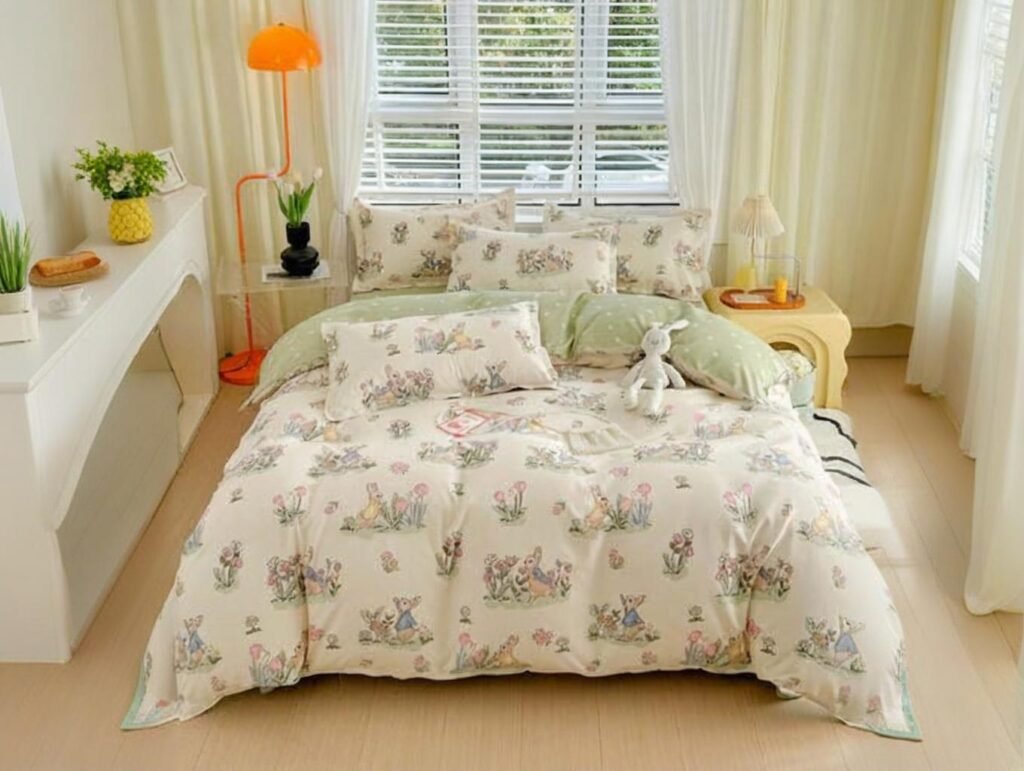
Cotton has earned its reputation as a comfortable, breathable, and versatile natural fiber. Yet in real-world use—after repeated washing, daily wear, and long-term ownership—100% cotton also shows clear limitations. It wrinkles easily, can lose shape, shrinks if not carefully controlled, and often ages faster than consumers expect.
This is why most modern cotton fabrics are not pure cotton at all. They are purpose-built blends, engineered to correct cotton’s weaknesses while preserving its strengths. Blending cotton is not about replacing it; it is about upgrading its performance so garments function better in everyday life.
Compared with 100% cotton, blended cotton fabrics often deliver better shape retention, lower maintenance, longer lifespan, and more predictable manufacturing results—even if they sacrifice a small degree of fiber purity. For brands and buyers, the question is no longer whether to blend cotton, but which blend best matches the intended use.
Why blending cotton is often a smart upgrade
Blending is a performance decision, not a compromise. Each partner fiber contributes a specific function that cotton alone cannot deliver efficiently.
A) Cotton vs blended cotton: performance reality
From a performance standpoint, the difference between pure cotton and cotton blends becomes clear after the first few wash-and-wear cycles.
| Property | 100% Cotton | Cotton Blend |
|---|---|---|
| Breathability | High | High–medium |
| Wrinkle resistance | Low | Medium–high |
| Shape retention | Medium | High |
| Cost stability | Medium | Higher |
Pure cotton excels in breathability and natural comfort, but it creases easily and relies heavily on finishing to maintain shape. Blended cotton fabrics, by contrast, are structurally more stable, which reduces consumer complaints related to wrinkling, sagging, and shrinkage.
From a sourcing perspective, blended cotton also offers greater cost predictability. Cotton prices fluctuate with weather and harvest conditions, while synthetic or regenerated fibers often stabilize yarn pricing across seasons.
Blending does not replace cotton—it fixes its weaknesses, especially for garments expected to perform consistently over time.
B) Common cotton blend types and benefits
Different cotton blends exist to solve different problems. Understanding what each partner fiber contributes is the key to selecting the right combination.
| Blend Type | Typical Ratio | Key Benefit |
|---|---|---|
| Cotton / Polyester | 60/40, 65/35 | Wrinkle resistance, durability |
| Cotton / Spandex | 95/5, 97/3 | Stretch, comfort |
| Cotton / Modal | 50/50 | Softness, drape |
| Cotton / Linen | 70/30 | Texture, breathability |
Each of these blends addresses a specific performance gap in pure cotton. Using the wrong blend for the wrong application often creates more problems than it solves.
C) Cotton–polyester blends: misunderstood workhorses
Cotton/polyester blends are sometimes dismissed as less premium due to their synthetic component. In reality, they are among the most reliable and widely used fabrics in the world, especially for garments that must endure frequent laundering and daily wear.
Despite a less “natural” image, cotton/poly blends:
- shrink less
- dry faster
- wrinkle less
- maintain color longer
- resist abrasion better
Polyester adds dimensional stability and strength, while cotton maintains breathability and skin comfort. A 65/35 cotton/poly blend is often considered the sweet spot, balancing comfort with durability.
This is why cotton/poly blends dominate:
- uniforms
- workwear
- school apparel
- hospitality textiles
- daily basics
In these categories, ease of care and longevity matter more than fiber ideology. A garment that looks good after 50 washes is more valuable than one that feels slightly softer on day one but degrades quickly.
From a manufacturing standpoint, cotton/poly blends also improve production efficiency. They show more consistent shrinkage, better seam performance, and lower rejection rates than 100% cotton in comparable constructions.
D) Stretch blends for modern comfort
Modern consumers expect freedom of movement, even in structured garments. Cotton alone has no inherent stretch, which limits fit tolerance and comfort in fitted designs.
Cotton/spandex blends address this limitation directly.
Cotton/spandex fabrics:
- improve fit across body types
- reduce seam stress
- increase wear comfort
- enhance recovery after movement
| Spandex % | Stretch Level |
|---|---|
| 2–3% | Light comfort |
| 4–5% | Active movement |
At 2–3% spandex, stretch is subtle. The garment feels more forgiving without looking or behaving like activewear. This level is common in shirts, chinos, and casual dresses.
At 4–5% spandex, fabrics accommodate more dynamic movement. This range is typical for skinny jeans, fitted trousers, and body-conscious garments.
However, too much stretch introduces new risks. Excessive spandex can:
- distort garment shape
- reduce fabric lifespan
- cause bagging at knees or elbows
Balance matters. The goal is functional stretch, not elastic dominance.
E) Cotton–modal blends: softness and drape upgrade
Modal is a regenerated cellulose fiber derived from wood pulp. When blended with cotton, it dramatically changes hand feel and drape.
Cotton/modal blends offer:
- enhanced softness
- smoother surface
- improved drape
- reduced stiffness
A 50/50 cotton/modal blend is common in premium T-shirts, loungewear, and intimate apparel. The fabric feels noticeably softer than pure cotton and flows more naturally on the body.
Modal also improves moisture management, making garments feel cooler and drier during wear. However, it does not significantly improve wrinkle resistance or durability. These blends prioritize comfort and aesthetics over ruggedness.
For brands targeting premium casual wear, cotton/modal is often a more effective upgrade than higher-grade cotton alone.
F) Cotton–linen blends: texture with control
Cotton/linen blends combine cotton’s softness with linen’s crisp texture and breathability. They are often used to achieve a “linen look” with better wearability.
Typical benefits include:
- improved breathability
- visible texture
- reduced stiffness compared to pure linen
- better dye consistency than 100% linen
A 70% cotton / 30% linen blend is common. Cotton moderates linen’s rigidity and reduces excessive wrinkling, while linen contributes surface interest and summer appeal.
These blends are popular in:
- summer shirts
- casual dresses
- lightweight trousers
- lifestyle home textiles
However, cotton/linen blends still wrinkle more than cotton/poly or cotton/modal blends. They are chosen for aesthetic reasons, not low maintenance.
G) Shape retention and long-term appearance
One of the most noticeable differences between pure cotton and cotton blends appears over time.
100% cotton garments tend to:
- lose shape gradually
- stretch at stress points
- show seam distortion
- wrinkle permanently
Blended cotton fabrics resist these changes. Polyester improves recovery, spandex absorbs movement stress, and modal reduces fiber breakage. The result is a garment that looks newer for longer, even if initial softness is similar.
For consumers, this translates into fewer replacements. For brands, it reduces negative reviews tied to shrinkage, sagging, or deformation.
H) Manufacturing efficiency and quality control
From a factory perspective, cotton blends often outperform pure cotton in consistency.
Blended fabrics typically show:
- more predictable shrinkage
- better seam stability
- reduced puckering
- fewer wash-related defects
This predictability simplifies grading, sewing, and finishing. It also lowers QA costs and rework rates.
Pure cotton can be excellent, but it demands stricter control over fiber quality, yarn twist, fabric density, and finishing. Blends introduce structural forgiveness, which stabilizes production.
I) Blends vs sustainability perception
Sustainability discussions often favor 100% cotton because it is easier to recycle mechanically. Blends complicate recycling streams, which is a legitimate concern.
However, sustainability is not only about recyclability—it is also about use phase impact.
Blended cotton garments often:
- last longer
- require fewer replacements
- reduce return rates
- maintain appearance over time
A shirt worn for five years instead of two has a lower overall environmental footprint, even if recycling at end of life is more complex.
In practice, durability is sustainability. Blends that extend garment life can offset recycling challenges, especially when products are reused, resold, or downcycled.
J) Choosing blends by use case, not ideology
The most common sourcing mistake is choosing fabric based on ideology rather than function.
Pure cotton works best when:
- breathability is the top priority
- wrinkle tolerance is acceptable
- fit is relaxed
- maintenance expectations are low
Cotton blends work best when:
- shape retention matters
- garments are worn frequently
- ease of care is expected
- consistency across seasons is required
There is no universal “best” fabric. Performance depends on alignment between use case, consumer expectation, and fabric engineering.
K) Blend selection insight
Cotton blends are not a downgrade from 100% cotton. In many applications, they are a performance upgrade.
The smartest fabric choices start with a simple question: How will this garment actually be worn, washed, and lived in? When that question is answered honestly, blends often outperform pure cotton—not because cotton is weak, but because blending allows it to be optimized for real life.
The best blend is chosen by use case, not ideology.
How do cotton fabric weights (GSM) influence end-use and comfort?
Cotton fabric weight, commonly expressed as grams per square meter (GSM), is one of the most influential yet frequently misunderstood variables in apparel development. Buyers often treat GSM as a technical detail listed on a spec sheet, but in reality, GSM is a core design decision that shapes how a garment feels, wears, performs, and ages over time. Selecting the wrong GSM can undermine an otherwise well-designed product, leading to discomfort, transparency issues, premature wear, or poor customer feedback.
GSM affects far more than thickness. It influences air permeability, moisture management, drape behavior, abrasion resistance, and even how a garment interacts with climate and body movement. A 150 GSM cotton fabric and a 220 GSM cotton fabric may share the same fiber content and weave, yet deliver entirely different user experiences. For this reason, experienced apparel teams decide GSM in parallel with garment purpose, not as an afterthought once the fabric is chosen.
GSM is a design decision, not a spec detail
The most common sourcing mistake is assuming that higher GSM automatically signals higher quality. While heavier fabrics can feel more substantial, weight alone does not define comfort or performance. In many cases, garments fail not because the fabric is “too light” or “too heavy,” but because its GSM is mismatched to how the garment is worn, washed, and stored.
GSM should always be evaluated alongside:
- garment category and silhouette
- expected wear frequency
- climate and seasonality
- yarn type and fabric structure
Ignoring this context often results in fabrics that technically meet specifications but disappoint in real-world use.
A) Common cotton GSM ranges and uses
| GSM Range | Fabric Feel | Typical Use |
|---|---|---|
| 90–120 | Very light | Voile, summer tops |
| 130–160 | Light–medium | Shirts, dresses |
| 170–220 | Medium | T-shirts, chinos |
| 240–320 | Heavy | Hoodies, canvas |
| 350+ | Very heavy | Upholstery |
These ranges provide a practical reference, but they should not be treated as rigid rules. A 150 GSM plain-weave cotton behaves very differently from a 150 GSM jersey knit. Weave or knit structure, yarn count, and finishing can shift how weight is perceived on the body.
Lighter GSM fabrics in the 90–120 range excel in airflow and softness, making them ideal for hot climates and layered garments. However, if used without sufficient opacity or structure, they can appear flimsy or overly transparent. At the other end of the spectrum, heavy fabrics above 240 GSM provide durability and shape but can trap heat and restrict movement if used inappropriately.
The goal is not to avoid extremes, but to use them intentionally.
B) GSM vs perceived quality
Higher GSM does not always translate to higher perceived quality. Consumer perception depends on how the fabric behaves during wear rather than how heavy it feels in hand.
| GSM | Perception |
|---|---|
| Too low | Cheap, fragile |
| Balanced | Premium, wearable |
| Too high | Heavy, uncomfortable |
When GSM is too low for the garment type, fabrics may wrinkle excessively, lose shape, or reveal underlayers. This often leads consumers to associate the product with low quality, even if the cotton itself is high grade.
Conversely, excessively high GSM can make garments feel rigid or burdensome, particularly in warm climates or active-use scenarios. T-shirts above 220 GSM, for example, may feel premium on the hanger but uncomfortable after extended wear, leading to negative reviews despite excellent durability.
Perceived quality emerges when GSM aligns with expected comfort and behavior, not when it simply maximizes weight.
C) Seasonal and climate considerations
Climate plays a decisive role in GSM selection, yet it is often underestimated during product development. A fabric that performs well in a temperate showroom may fail completely in a humid or tropical environment.
| Climate | Recommended GSM |
|---|---|
| Hot / humid | 110–150 |
| Mild | 150–190 |
| Cool | 200–260 |
In hot and humid climates, lighter GSM fabrics improve air circulation and sweat evaporation. Even a 20–30 GSM increase can noticeably reduce comfort in these conditions. This is why many summer garments feel oppressive despite being labeled “breathable cotton.”
In mild climates, mid-range GSM offers flexibility across seasons. Fabrics in the 150–190 GSM range balance breathability with enough body to maintain shape. They are widely used for transitional shirts, dresses, and everyday tops.
Cooler climates allow for heavier GSM without sacrificing comfort. Fabrics above 200 GSM provide insulation and structure, especially when layered. However, designers must still account for garment fit and mobility to avoid stiffness.
Ignoring climate considerations often results in garments that perform well only in controlled environments, not in daily life.
D) GSM and durability trade-off
GSM is closely tied to durability, but the relationship is not linear. Heavier fabrics generally resist abrasion better, yet durability also depends on yarn strength, weave density, and finishing quality.
| Factor | Low GSM | High GSM |
|---|---|---|
| Breathability | Excellent | Moderate |
| Abrasion resistance | Low | High |
| Drape | Fluid | Structured |
Low GSM fabrics drape beautifully and feel light on the skin, but they are more vulnerable to tearing, seam stress, and surface wear. They are best suited for garments with relaxed fits and lower mechanical stress.
High GSM fabrics offer greater resistance to abrasion and repeated washing, making them ideal for frequent-use items such as T-shirts, workwear, or outer layers. However, increased weight often reduces fluidity, affecting drape and movement.
Durability decisions should be tied to use frequency and stress points, not generalized assumptions about weight. A lightly worn summer blouse does not require the same durability as a daily-use T-shirt, even if both are made from cotton.
E) GSM interaction with yarn and structure
Two fabrics with identical GSM can behave very differently depending on yarn type and construction. A 180 GSM jersey knit made with compact yarn will feel smoother and last longer than a 180 GSM jersey made with carded yarn. Similarly, a tightly woven 150 GSM poplin may feel crisper than a loosely woven fabric at the same weight.
Key interactions include:
- fine yarns at higher density versus coarse yarns at lower density
- plain weave versus twill or satin
- knitted versus woven structures
Because of these variables, GSM should never be evaluated in isolation. Fabric hand feel, recovery, and surface appearance often matter more to consumers than numerical weight.
F) GSM testing and tolerance
Consistency in GSM is as important as choosing the right target weight. Variations between lab dips, pre-production samples, and bulk fabric can cause unexpected changes in garment behavior.
| Control Point | Target |
|---|---|
| GSM tolerance | ±5% |
| Width stability | ±1–2 cm |
| Shrinkage impact | GSM-adjusted |
A ±5% GSM tolerance is generally acceptable for most apparel programs. Beyond this range, differences become noticeable in drape, opacity, and fit. Width stability must also be monitored, as heavier fabrics tend to shrink more in width if tension control is poor.
Shrinkage directly affects effective GSM. A fabric that shrinks significantly after washing may end up heavier and stiffer than intended, altering the wear experience. This is why GSM should be evaluated after finishing and washing, not only in greige or unfinished form.
Inconsistent GSM is a hidden quality risk because it often escapes visual inspection but manifests in consumer complaints.
G) GSM and garment category alignment
Different garment categories demand different GSM priorities. Shirts typically benefit from lower GSM to maintain crispness without bulk. T-shirts require a balance between softness and durability, often landing in the 170–200 GSM range. Dresses require careful tuning to achieve drape without transparency or collapse.
Designers who select GSM based on visual appeal alone often compensate later with added linings, interlinings, or finishes—each adding cost and complexity. Selecting the correct GSM upfront reduces the need for such corrective measures.
H) Weight insight
GSM should be decided after defining product purpose, not before. The most successful apparel programs begin by answering how the garment will be worn, in what climate, and how often it will be washed. Only then do they select a GSM range that supports those realities.
There is no universally “best” cotton weight. Light fabrics excel in comfort and airflow, heavy fabrics excel in structure and longevity, and mid-range fabrics balance the two. Problems arise only when GSM is chosen without regard to end use.
For buyers and designers, treating GSM as a strategic variable rather than a passive specification leads to garments that feel right, perform consistently, and satisfy customers over time. In cotton apparel, weight is not just a number—it is a defining factor in comfort, durability, and perceived quality.
How do cotton fabric weights (GSM) influence end-use and comfort?

Cotton fabric weight, commonly expressed as grams per square meter (GSM), is one of the most influential yet frequently misunderstood variables in apparel development. Buyers often treat GSM as a technical detail listed on a spec sheet, but in reality, GSM is a core design decision that shapes how a garment feels, wears, performs, and ages over time. Selecting the wrong GSM can undermine an otherwise well-designed product, leading to discomfort, transparency issues, premature wear, or poor customer feedback.
GSM affects far more than thickness. It influences air permeability, moisture management, drape behavior, abrasion resistance, and even how a garment interacts with climate and body movement. A 150 GSM cotton fabric and a 220 GSM cotton fabric may share the same fiber content and weave, yet deliver entirely different user experiences. For this reason, experienced apparel teams decide GSM in parallel with garment purpose, not as an afterthought once the fabric is chosen.
GSM is a design decision, not a spec detail
The most common sourcing mistake is assuming that higher GSM automatically signals higher quality. While heavier fabrics can feel more substantial, weight alone does not define comfort or performance. In many cases, garments fail not because the fabric is “too light” or “too heavy,” but because its GSM is mismatched to how the garment is worn, washed, and stored.
GSM should always be evaluated alongside:
- garment category and silhouette
- expected wear frequency
- climate and seasonality
- yarn type and fabric structure
Ignoring this context often results in fabrics that technically meet specifications but disappoint in real-world use.
A) Common cotton GSM ranges and uses
| GSM Range | Fabric Feel | Typical Use |
|---|---|---|
| 90–120 | Very light | Voile, summer tops |
| 130–160 | Light–medium | Shirts, dresses |
| 170–220 | Medium | T-shirts, chinos |
| 240–320 | Heavy | Hoodies, canvas |
| 350+ | Very heavy | Upholstery |
These ranges provide a practical reference, but they should not be treated as rigid rules. A 150 GSM plain-weave cotton behaves very differently from a 150 GSM jersey knit. Weave or knit structure, yarn count, and finishing can shift how weight is perceived on the body.
Lighter GSM fabrics in the 90–120 range excel in airflow and softness, making them ideal for hot climates and layered garments. However, if used without sufficient opacity or structure, they can appear flimsy or overly transparent. At the other end of the spectrum, heavy fabrics above 240 GSM provide durability and shape but can trap heat and restrict movement if used inappropriately.
The goal is not to avoid extremes, but to use them intentionally.
B) GSM vs perceived quality
Higher GSM does not always translate to higher perceived quality. Consumer perception depends on how the fabric behaves during wear rather than how heavy it feels in hand.
| GSM | Perception |
|---|---|
| Too low | Cheap, fragile |
| Balanced | Premium, wearable |
| Too high | Heavy, uncomfortable |
When GSM is too low for the garment type, fabrics may wrinkle excessively, lose shape, or reveal underlayers. This often leads consumers to associate the product with low quality, even if the cotton itself is high grade.
Conversely, excessively high GSM can make garments feel rigid or burdensome, particularly in warm climates or active-use scenarios. T-shirts above 220 GSM, for example, may feel premium on the hanger but uncomfortable after extended wear, leading to negative reviews despite excellent durability.
Perceived quality emerges when GSM aligns with expected comfort and behavior, not when it simply maximizes weight.
C) Seasonal and climate considerations
Climate plays a decisive role in GSM selection, yet it is often underestimated during product development. A fabric that performs well in a temperate showroom may fail completely in a humid or tropical environment.
| Climate | Recommended GSM |
|---|---|
| Hot / humid | 110–150 |
| Mild | 150–190 |
| Cool | 200–260 |
In hot and humid climates, lighter GSM fabrics improve air circulation and sweat evaporation. Even a 20–30 GSM increase can noticeably reduce comfort in these conditions. This is why many summer garments feel oppressive despite being labeled “breathable cotton.”
In mild climates, mid-range GSM offers flexibility across seasons. Fabrics in the 150–190 GSM range balance breathability with enough body to maintain shape. They are widely used for transitional shirts, dresses, and everyday tops.
Cooler climates allow for heavier GSM without sacrificing comfort. Fabrics above 200 GSM provide insulation and structure, especially when layered. However, designers must still account for garment fit and mobility to avoid stiffness.
Ignoring climate considerations often results in garments that perform well only in controlled environments, not in daily life.
D) GSM and durability trade-off
GSM is closely tied to durability, but the relationship is not linear. Heavier fabrics generally resist abrasion better, yet durability also depends on yarn strength, weave density, and finishing quality.
| Factor | Low GSM | High GSM |
|---|---|---|
| Breathability | Excellent | Moderate |
| Abrasion resistance | Low | High |
| Drape | Fluid | Structured |
Low GSM fabrics drape beautifully and feel light on the skin, but they are more vulnerable to tearing, seam stress, and surface wear. They are best suited for garments with relaxed fits and lower mechanical stress.
High GSM fabrics offer greater resistance to abrasion and repeated washing, making them ideal for frequent-use items such as T-shirts, workwear, or outer layers. However, increased weight often reduces fluidity, affecting drape and movement.
Durability decisions should be tied to use frequency and stress points, not generalized assumptions about weight. A lightly worn summer blouse does not require the same durability as a daily-use T-shirt, even if both are made from cotton.
E) GSM interaction with yarn and structure
Two fabrics with identical GSM can behave very differently depending on yarn type and construction. A 180 GSM jersey knit made with compact yarn will feel smoother and last longer than a 180 GSM jersey made with carded yarn. Similarly, a tightly woven 150 GSM poplin may feel crisper than a loosely woven fabric at the same weight.
Key interactions include:
- fine yarns at higher density versus coarse yarns at lower density
- plain weave versus twill or satin
- knitted versus woven structures
Because of these variables, GSM should never be evaluated in isolation. Fabric hand feel, recovery, and surface appearance often matter more to consumers than numerical weight.
F) GSM testing and tolerance
Consistency in GSM is as important as choosing the right target weight. Variations between lab dips, pre-production samples, and bulk fabric can cause unexpected changes in garment behavior.
| Control Point | Target |
|---|---|
| GSM tolerance | ±5% |
| Width stability | ±1–2 cm |
| Shrinkage impact | GSM-adjusted |
A ±5% GSM tolerance is generally acceptable for most apparel programs. Beyond this range, differences become noticeable in drape, opacity, and fit. Width stability must also be monitored, as heavier fabrics tend to shrink more in width if tension control is poor.
Shrinkage directly affects effective GSM. A fabric that shrinks significantly after washing may end up heavier and stiffer than intended, altering the wear experience. This is why GSM should be evaluated after finishing and washing, not only in greige or unfinished form.
Inconsistent GSM is a hidden quality risk because it often escapes visual inspection but manifests in consumer complaints.
G) GSM and garment category alignment
Different garment categories demand different GSM priorities. Shirts typically benefit from lower GSM to maintain crispness without bulk. T-shirts require a balance between softness and durability, often landing in the 170–200 GSM range. Dresses require careful tuning to achieve drape without transparency or collapse.
Designers who select GSM based on visual appeal alone often compensate later with added linings, interlinings, or finishes—each adding cost and complexity. Selecting the correct GSM upfront reduces the need for such corrective measures.
H) Weight insight
GSM should be decided after defining product purpose, not before. The most successful apparel programs begin by answering how the garment will be worn, in what climate, and how often it will be washed. Only then do they select a GSM range that supports those realities.
There is no universally “best” cotton weight. Light fabrics excel in comfort and airflow, heavy fabrics excel in structure and longevity, and mid-range fabrics balance the two. Problems arise only when GSM is chosen without regard to end use.
For buyers and designers, treating GSM as a strategic variable rather than a passive specification leads to garments that feel right, perform consistently, and satisfy customers over time. In cotton apparel, weight is not just a number—it is a defining factor in comfort, durability, and perceived quality.
How should professional buyers evaluate cotton fabric quality and select the right type for specific products?
For professional buyers, cotton sourcing decisions sit at the intersection of performance, cost control, and brand reputation. Cotton is often perceived as a “safe” or familiar fiber, but in practice it is one of the most variable materials in the textile supply chain. Differences in yarn quality, weave structure, fabric weight, and finishing can turn two visually similar cotton fabrics into products with dramatically different lifespans and customer satisfaction outcomes.
The core mistake many buyers make is evaluating cotton fabric as a static material rather than a system that behaves differently depending on how it is used, washed, and stressed over time. High-quality cotton is not defined by softness alone or by a single specification such as thread count or GSM. It is defined by how well the fabric performs in the real conditions the end product will face.
Professional selection succeeds when cotton fabric choice is driven by use conditions first, then validated through structure, yarn quality, measurable performance, and only finally reconciled with cost.
A practical evaluation framework
A structured evaluation framework allows buyers to filter options efficiently, reduce risk, and make decisions that hold up across bulk production and consumer use. This framework prioritizes function and repeatability over surface appeal.
A) Start with product requirements
Every cotton fabric decision should begin with the end product, not the fabric swatch. Clear answers to a few practical questions immediately narrow the range of suitable options.
Ask:
- How often will it be washed?
- Is stretch needed?
- Does it touch skin directly?
Wash frequency is one of the most important variables. A cotton fabric intended for weekly laundering, such as bedding or everyday apparel, must tolerate repeated mechanical action, detergents, and heat. Fabrics designed for occasional use may prioritize softness or appearance over long-term durability.
Stretch requirements determine whether woven, knit, or blended constructions are appropriate. For products requiring movement or recovery, such as casual wear or fitted covers, knit cottons or fabrics with elastane may be necessary. Pure woven cottons may be unsuitable regardless of how good they look initially.
Skin contact influences finishing and yarn choice. Fabrics that sit directly against the skin require smoother yarns, controlled surface hairiness, and finishes that do not cause irritation after washing. Products with limited skin contact can tolerate firmer constructions and heavier weights.
Clarifying these requirements early prevents buyers from evaluating unsuitable fabrics simply because they feel pleasant at first touch.
B) Evaluate yarn quality, not just fabric look
Many cotton quality issues originate at the yarn level, yet buyers often focus on fabric appearance rather than yarn construction. Yarn quality determines strength, pilling resistance, and long-term consistency.
| Yarn Factor | Why It Matters |
|---|---|
| Fiber length | Strength, pilling |
| Spinning method | Smoothness |
| Consistency | Repeatability |
Fiber length directly affects yarn integrity. Long-staple cotton produces stronger, smoother yarns with fewer loose ends, reducing pilling and breakage over time. Short-staple cotton may look acceptable initially but often pills and weakens after repeated washing.
Spinning method influences surface quality. Combed yarns remove short fibers and impurities, resulting in a cleaner, more uniform yarn. Carded yarns retain more variability and are typically suitable only for lower-stress applications or cost-driven products.
Consistency across yarn lots is critical for bulk production. Even a well-designed fabric can fail if yarn quality fluctuates between batches. Professional buyers assess whether suppliers can maintain yarn specifications reliably, not just deliver a good first sample.
Good yarn prevents long-term issues that are difficult or impossible to fix at the fabric or garment stage.
C) Confirm fabric structure and weight suitability
Fabric structure and weight define how cotton behaves under stress. GSM, weave type, and density must align with product demands rather than aesthetic preference.
Plain weaves offer breathability and stability but may lack abrasion resistance for high-wear applications. Twills distribute stress more evenly and perform better in upholstery or workwear. Knits provide comfort and stretch but sacrifice dimensional stability if not engineered carefully.
GSM should be treated as a performance range, not a fixed number. Buyers should confirm acceptable tolerance levels and understand how weight variation affects drape, durability, and cost. Lightweight cotton may feel comfortable initially but often lacks the structural reserve needed for repeated use.
Evaluating structure and weight together prevents mismatches such as using apparel-weight cotton for home textiles or decorative fabrics for functional products.
D) Confirm performance with testing
Laboratory and simulation testing translate fabric theory into measurable reality. Testing should be designed to reflect actual use conditions rather than minimum compliance standards.
| Test | Purpose |
|---|---|
| Shrinkage | Size accuracy |
| Color fastness | Appearance |
| Pilling | Longevity |
Shrinkage testing protects dimensional accuracy. Cotton fabrics that shrink excessively after washing lead to sizing complaints, fit issues, and increased return rates. Testing should specify wash method, temperature, and number of cycles to reflect real consumer behavior.
Color fastness testing ensures that dyes remain stable through laundering and wear. Poor color retention undermines perceived quality even when fabric structure remains intact. This is especially important for darker shades and home textiles.
Pilling tests reveal surface durability. Fabrics that pill early often feel “cheap” to consumers regardless of original softness. Pilling resistance is closely tied to yarn quality and finishing discipline.
Testing reveals issues early, when adjustments are still possible and inexpensive.
E) Balance cost and value
Price pressure is unavoidable, but experienced buyers distinguish between low cost and low value. Cotton fabrics with the lowest initial price often generate hidden costs downstream.
Lowest price often leads to:
- higher returns
- rework
- shorter product life
Returns and complaints increase when fabrics lose shape, pill excessively, or fade quickly. Rework costs arise from shrinkage surprises, sewing inefficiencies, or inconsistent bulk quality. Shorter product life damages brand trust and increases replacement rates.
Value is measured over time. A slightly higher-cost cotton fabric that performs reliably across multiple seasons often delivers better margins than a cheaper alternative that fails early.
Professional buyers frame cost discussions around total ownership rather than unit price, aligning sourcing decisions with long-term profitability.
F) Assess finishing impact on performance
Finishing can enhance or undermine cotton fabric quality. Over-finishing to achieve instant softness often sacrifices durability, while under-finishing may leave fabrics harsh or unstable.
Enzyme treatments, mechanical softening, and resin finishes should be evaluated not only for hand feel but for their effect after repeated washing. Buyers should request wash-tested samples to confirm that finishes remain effective and do not degrade fabric integrity.
Softness that disappears after three washes is not quality; it is a short-term illusion.
G) Avoid common selection mistakes
Even experienced buyers fall into predictable traps when selecting cotton fabrics. Recognizing these mistakes helps prevent avoidable failures.
| Mistake | Consequence |
|---|---|
| Choosing by hand feel only | Poor durability |
| Ignoring GSM tolerance | Inconsistent bulk |
| Skipping wash tests | Customer complaints |
Hand feel alone is an unreliable indicator of performance. GSM tolerance affects yield, fit, and consistency across production runs. Skipping wash tests leaves buyers blind to the most common cotton-related issues.
Avoiding these mistakes requires discipline, not additional budget.
H) Match cotton type to real use conditions
The final step in evaluation is matching the selected cotton fabric to how the product will actually be used. Bedding, towels, apparel, and upholstery impose different stresses, and no single cotton fabric excels in all categories.
Professional buyers succeed by accepting trade-offs rather than chasing universal solutions. Comfort, durability, cost, and aesthetics must be balanced based on the product’s role in the consumer’s life.
This matching process often determines whether a product feels thoughtfully engineered or merely adequate.
I) Build reliability into supplier relationships
Cotton quality is not only a material issue but also a supplier capability issue. Reliable suppliers can explain why a fabric behaves the way it does, provide consistent yarn and finishing data, and support testing and verification without resistance.
Suppliers who resist transparency, downplay testing, or rely on vague assurances often create long-term risk. Buyers who prioritize reliability over short-term savings tend to experience fewer disputes and more predictable outcomes.
F) Selection insight
The right cotton fabric feels “boringly reliable” after repeated use—that’s the true sign of quality.
For professional buyers, success in cotton sourcing is defined not by how impressive a fabric feels on the first day, but by how little attention it demands after months or years of use. Fabrics that quietly maintain shape, color, and comfort build customer trust, reduce returns, and strengthen brand credibility.
When cotton fabric evaluation is grounded in structure, yarn quality, performance testing, and real use conditions, selection decisions become clearer, risks diminish, and value becomes sustainable rather than speculative.
Cotton succeeds when intention meets structure
Cotton is versatile, forgiving, and familiar—but only when its type, structure, weight, and finish are chosen with purpose. From airy voiles to durable twills, the best cotton fabrics are those engineered for how they will actually be used.
SzoneierFabrics supports clients with custom cotton fabric development, from weave selection and yarn engineering to finishing optimization and quality testing. With low MOQs, fast sampling, free design support, strict quality control, and reliable lead times, our team helps transform cotton from a commodity into a dependable, high-performing material.
If you’re planning a cotton fabric program, share your product type, target GSM, performance expectations, and market requirements. SzoneierFabrics is ready to support your next custom cotton fabric project with clarity and confidence.