Skip to content

When people talk about linen fabric, they often describe how it feels: breathable, natural, slightly crisp, effortlessly relaxed. But in real garment development, those feelings don’t come from the fiber alone. They come from weight—specifically GSM, or grams per square meter.
Two linen shirts can look identical on a hanger and behave completely differently once worn. One drapes softly and cools the body in summer heat. The other feels stiff, wrinkles aggressively, or loses shape after washing. The difference is rarely the yarn count or weave alone—it is almost always fabric weight matched (or mismatched) to garment purpose. Linen fabric weight, measured in GSM, determines how a garment breathes, drapes, wrinkles, and holds structure. Choosing the right GSM depends on garment type: lighter linen suits shirts and summer dresses, medium weights work for trousers and skirts, while heavier GSM linen supports jackets and structured outerwear. Correct GSM selection improves comfort, durability, and long-term wear performance.
A designer once told us that her best-selling linen dress wasn’t popular because of color or cut—it was because “it moves right when people walk.” That movement started with GSM, long before the first sample was sewn.
What Is Linen Fabric and Why Does GSM Matter for Clothing?
Linen fabric is made from the fibers of the flax plant, a material valued for centuries for its breathability, moisture regulation, and natural texture. Unlike many modern fibers engineered for uniformity, linen retains much of its raw, structural character. That character is precisely why GSM (grams per square meter) matters so much when linen is used for clothing.
In finished garments, GSM is not just a technical specification on a fabric sheet. It directly influences how linen drapes, how opaque it feels against the skin, how it wrinkles, how it ages after washing, and whether it feels appropriate for summer heat or transitional seasons. Two linen fabrics can look similar on a hanger yet behave completely differently once worn, and GSM is usually the reason.
Linen is often marketed as a single category, but in real development and production, it behaves more like a family of fabrics. Fiber length, yarn count, weave structure, finishing, and washing all matter—but GSM is the fastest, most practical indicator of how a linen fabric will perform once it becomes clothing.
GSM Is the Behavior Code of Linen
For designers and developers, GSM acts like a shorthand for fabric behavior. It compresses multiple performance factors—density, yarn thickness, air permeability, and structural resistance—into a single, comparable number. This is especially important for linen because flax fibers are inherently stiff and have lower elasticity than cotton or regenerated fibers.
In linen garments, GSM influences how the fabric responds to gravity, how it moves with the body, and how quickly it shows wear patterns such as creasing or edge abrasion. A difference of just 20–30 gsm can shift a garment from feeling breezy and relaxed to feeling structured and architectural.
From a production standpoint, GSM also affects cutting efficiency, seam stability, and finishing consistency. Lighter linen tends to distort more during cutting and sewing, while heavier linen demands stronger seam construction and thoughtful pattern engineering to avoid stiffness.
What GSM Really Controls in Wear
| GSM Range | Wear Experience | Typical Outcome |
|---|---|---|
| 120–160 gsm | Very light, airy | Maximum breathability, sheer risk |
| 160–200 gsm | Balanced, soft | Everyday comfort |
| 200–250 gsm | Structured but flexible | Shape retention |
| 250–300+ gsm | Dense, heavy | Durability, warmth |
At 120–160 gsm, linen becomes almost translucent under light. This range is often chosen for resort wear, scarves, or loose summer shirts where airflow is the priority. However, opacity becomes a real concern, especially in lighter colors. Designers often need to compensate with layered construction, darker dyes, or relaxed silhouettes.
The 160–200 gsm range is widely considered the sweet spot for everyday linen clothing. It balances breathability with sufficient body to avoid excessive transparency. Shirts, casual dresses, relaxed trousers, and summer blazers often fall into this category because the fabric moves naturally while still feeling substantial.
Between 200–250 gsm, linen begins to assert structure. It resists collapse, holds pleats better, and maintains silhouette through repeated wear. This range works well for tailored garments, overshirts, structured dresses, and garments intended to look polished rather than purely casual.
Above 250 gsm, linen shifts from airy apparel fabric to a more utilitarian or outerwear-adjacent material. It becomes warmer, less fluid, and far more durable. While still breathable compared to many fabrics of similar weight, it is better suited for jackets, heavy trousers, or workwear-inspired pieces.
Importantly, GSM does not only affect thickness. It governs how linen reacts to movement and laundering. Lighter fabrics wrinkle sharply but relax quickly; heavier fabrics crease less dramatically but may hold fold memory if not finished correctly.
Why Linen Is More Sensitive to GSM Than Cotton
Linen and cotton are often compared because both are natural, plant-based fibers, yet their mechanical behavior is very different. Cotton fibers are softer, more elastic, and more forgiving in construction. Linen fibers are longer, stiffer, and more brittle at the microscopic level.
| Property | Linen | Cotton |
|---|---|---|
| Fiber elasticity | Low | Moderate |
| GSM sensitivity | High | Medium |
| Wrinkle behavior | Pronounced | Softer |
Because linen lacks elasticity, changes in fabric weight translate directly into changes in performance. A lighter GSM linen will not “recover” from wrinkles the way cotton does. A heavier GSM linen will not soften and drape as easily unless it is enzyme-washed or garment-washed.
This sensitivity means GSM mistakes show up faster in linen garments than in cotton ones. A cotton shirt that is slightly too light may still feel acceptable; a linen shirt that is too light may feel unfinished or overly delicate. Conversely, cotton can tolerate heavier weights without feeling rigid, while linen can quickly feel stiff if GSM and garment design are mismatched.
From a sourcing perspective, this is why linen buyers often request physical swatches even when GSM is specified. Two 180 gsm linens from different mills can behave differently depending on yarn twist, weave density, and finishing, but GSM still sets the boundaries of what is possible.
GSM, Drape, and Silhouette Design
In linen clothing, GSM and silhouette must be designed together. Loose, flowing garments rely on lower GSM to enhance movement and airflow, while structured designs require enough weight to maintain lines and proportions.
For example, a wide-leg linen trouser made from 140 gsm fabric may feel light and breathable, but it risks transparency, excessive wrinkling at stress points, and distortion at the knee. The same pattern executed in 210 gsm linen will drape differently, offering cleaner lines and better durability, but it will feel warmer and more substantial.
This interaction between weight and design is why experienced developers rarely talk about GSM in isolation. They consider pattern complexity, seam count, reinforcement zones, and intended wear cycle at the same time. Linen rewards this integrated approach and exposes shortcuts quickly.
Washing, Shrinkage, and GSM Stability
Another reason GSM matters in linen clothing is how the fabric responds to washing. Linen fibers swell when wet and relax when dried, which can change hand feel and apparent weight over time. Lighter GSM linens are more prone to visible shrinkage and edge distortion if not pre-treated correctly.
Heavier GSM linens tend to stabilize better through repeated laundering, but they may feel rigid if not softened through washing or mechanical finishing. In production, mills often target a slightly higher loom-state GSM, knowing that washing and finishing will reduce final weight by 5–10%.
For garment programs, this means GSM should always be evaluated after finishing, not just at greige stage. A 190 gsm greige linen may finish at 175 gsm, which can materially affect opacity and drape in the final garment.
Real Development Insight
At SzoneierFabrics, many overseas clients request “lightweight linen” without specifying GSM. Once sampling begins, a significant portion of revisions come from adjusting fabric weight rather than changing color or weave. In many cases, the original linen simply did not match how the garment was intended to live on the body.
A common example is summer shirts ordered in sub-150 gsm linen to maximize breathability. On paper, the choice seems logical. In wear tests, however, the shirts wrinkle aggressively, reveal seam allowances under light, and lose shape after washing. Moving the fabric up by 20–30 gsm often solves these issues without sacrificing comfort.
These adjustments highlight a core reality of linen clothing development: GSM is not a cosmetic decision. It is a functional choice that determines whether a garment feels effortless or problematic over its lifecycle.
Choosing GSM as a Strategic Decision
For brands and product developers, GSM should be treated as a strategic parameter rather than a default number. The right GSM depends on climate, garment category, customer expectations, and even retail positioning. Premium linen garments often use slightly higher GSM fabrics, not because they are heavier, but because they age better and communicate substance.
Understanding GSM allows teams to predict behavior before cutting the first pattern. It reduces sampling cycles, minimizes post-production complaints, and aligns material choice with real-world wear conditions. In linen, more than in many other fabrics, GSM quietly determines success long after the garment leaves the factory.
Which Linen Fabric Weights (GSM) Are Best for Tops and Shirts?

Linen shirts and tops consistently perform best in the 140–190 gsm range, where breathability, opacity, and drape reach a workable balance without tipping into fragility or stiffness. Within this window, small shifts in GSM create noticeable differences in how a shirt looks, feels, and survives repeated wear.
Shirts are the most unforgiving category in linen clothing. Unlike trousers or jackets, they sit directly against the skin, flex constantly with upper-body movement, and are examined at close range. Collar roll, placket alignment, seam shadowing, and wrinkle behavior are all visible within seconds of wear. A GSM choice that might be acceptable for a loose dress or relaxed pant can quickly become problematic in a shirt.
In development, linen shirts expose material decisions faster than almost any other garment type. If the fabric is too light, it looks tired by mid-day. If it is too heavy, it feels restrictive and visually rigid. GSM becomes the quiet determinant of whether a linen shirt feels effortless or compromised.
Matching Shirt Type to Linen GSM
Different shirt styles impose different structural demands on linen fabric. A camp-collar summer shirt and a workwear overshirt may share the same fiber composition, but they require very different weight behaviors to function well.
Recommended GSM by Shirt Style
| Shirt Type | Ideal GSM | Reason |
|---|---|---|
| Summer casual shirt | 140–160 gsm | Maximum airflow |
| Everyday button-up | 160–180 gsm | Balanced comfort |
| Workwear-style shirt | 180–200 gsm | Better structure |
| Overshirt / shacket | 200–220 gsm | Shape retention |
Summer casual shirts (140–160 gsm) prioritize airflow and lightness. At this weight, linen feels cool on the skin and moves freely, especially in relaxed silhouettes. However, designers must account for increased transparency and sharper wrinkling. Pocket placement, seam allowance width, and color choice all become more critical.
Everyday button-ups (160–180 gsm) represent the most versatile category. This range provides enough body to avoid a flimsy appearance while retaining the natural breathability linen is known for. It is also the range where most consumers feel comfortable wearing linen in urban or semi-formal settings.
Workwear-style shirts (180–200 gsm) require added structure to support heavier stitching, patch pockets, and reinforced seams. In this range, linen begins to behave more predictably during wear and washing, reducing collar collapse and placket distortion.
Overshirts and shackets (200–220 gsm) sit at the upper edge of what most would consider shirt linen. At this weight, the fabric functions almost like a lightweight outer layer. Breathability remains better than comparable cotton twills, but design must compensate for reduced fluidity.
Below 140 gsm, linen shirts commonly suffer from transparency, seam distortion, and accelerated wear at stress points. Above 200 gsm, they begin to feel rigid unless pattern design, finishing, and construction are carefully adjusted.
Drape vs. Wrinkle Trade-Off
One of the most misunderstood aspects of linen shirt development is the relationship between drape and wrinkling. Many brands assume lighter linen will always look better because it flows more easily. In reality, excessive fluidity often magnifies wrinkles rather than hiding them.
| GSM | Drape Quality | Wrinkle Visibility |
|---|---|---|
| 140 gsm | Fluid | High |
| 170 gsm | Natural | Medium |
| 190 gsm | Controlled | Lower |
At 140 gsm, linen drapes beautifully on the hanger but creases sharply with movement. Wrinkles form quickly at elbows, plackets, and across the back. These creases are part of linen’s character, but when they become too pronounced, garments can appear unkempt.
Around 170 gsm, the fabric gains just enough resistance to soften wrinkle definition. Creases still form, but they read as natural texture rather than structural failure. This is one reason many premium linen shirts cluster in this range.
By 190 gsm, linen begins to hold its shape more assertively. Wrinkles are still present, but they are broader and less visually aggressive. The trade-off is reduced fluidity, which must be offset through silhouette and finishing.
The key insight is that wrinkle management in linen shirts is not about eliminating wrinkles but about controlling how they present themselves. GSM is central to that control.
Breathability Is Not Linear
A common assumption is that lighter linen is always cooler. In practice, breathability is influenced by weave openness, yarn diameter, and finishing, not GSM alone.
| GSM | Air Permeability | Perceived Coolness |
|---|---|---|
| 150 gsm | Very high | Cool |
| 180 gsm | High | Cool |
| 210 gsm | Moderate | Neutral |
A tightly woven 150 gsm linen can feel warmer than a loosely woven 180 gsm fabric. Conversely, a heavier linen with open plain weave construction can outperform a lighter but compact fabric in airflow tests.
Perceived coolness also depends on moisture management. Linen fibers wick moisture efficiently, and slightly heavier fabrics can sometimes feel cooler over time because they absorb and release moisture more evenly, reducing the clammy sensation that ultra-light fabrics can produce in humid conditions.
For shirts intended for long wear rather than short bursts, many developers favor mid-range GSM with thoughtful weave selection rather than chasing the lowest possible weight.
Collar, Placket, and Cuff Performance
In linen shirts, GSM choice becomes especially visible in structural areas. Collars, plackets, and cuffs act as stress concentrators. If the fabric lacks sufficient body, these areas deform quickly.
Lightweight linen below 150 gsm often struggles to support collar roll without additional interfacing. Even then, differential shrinkage between fabric and interfacing can lead to puckering after washing. Plackets may twist, and buttonholes can elongate under tension.
In the 160–180 gsm range, linen supports light to medium interfacing more reliably. Collars retain shape longer, and plackets lie flatter through repeated wear. This range offers the most forgiving platform for standard shirt construction.
Above 180 gsm, structural stability improves further, but stiffness can creep in if interfacing and stitch density are not adjusted. Successful heavy linen shirts often use softer interlinings and slightly lower stitch counts to preserve comfort.
Washing Behavior and Long-Term Wear
Shirts are washed more frequently than most linen garments, making wash behavior a critical consideration. GSM plays a direct role in how linen shirts age.
Lighter linens tend to soften quickly but lose definition faster. Seams may ripple, and edges can show wear earlier. Heavier linens resist distortion but may require enzyme or garment washing to avoid a boardy hand feel.
Shrinkage control is also tied to GSM. Lighter fabrics show more visible dimensional change if not pre-shrunk properly. A 2% shrinkage in a lightweight shirt can alter fit noticeably, while the same percentage in a heavier fabric is less visually disruptive.
For brands aiming at repeat customers, the goal is not just initial appearance but predictable aging. Mid-weight linens often strike the best balance between softness development and structural retention.
Case Insight from Sampling
One European menswear brand initially specified a 150 gsm linen for its core summer shirt, prioritizing lightness and marketing appeal. Early customer feedback praised breathability but flagged issues with collar collapse, seam shadowing, and loss of shape after washing.
During resampling, the fabric was adjusted to 170 gsm using the same fiber source and weave type. Visually, the difference on the rack was minimal. In wear testing, however, the shirt maintained collar shape, resisted placket distortion, and showed significantly less post-wash deformation.
Return rates dropped, and customer satisfaction improved, despite no change in styling or fit. The adjustment demonstrated how small GSM changes can deliver outsized performance gains in linen shirts.
GSM as a Design Constraint, Not a Marketing Term
For tops and shirts, GSM should be treated as a design constraint rather than a marketing descriptor. Terms like “lightweight” or “airy” mean different things to consumers, but GSM defines what the fabric can realistically support.
Successful linen shirt programs start by defining how the garment will be worn, not just how it should feel on first touch. Climate, movement, laundering frequency, and visual expectations all inform the correct weight choice.
In practice, most well-engineered linen shirts settle into the 160–180 gsm range because it accommodates a wide range of body types, construction methods, and usage scenarios. Lighter and heavier fabrics have their place, but they demand clearer design intent and tighter execution.
Understanding GSM at this level allows developers to reduce trial-and-error, shorten sampling cycles, and deliver linen shirts that look intentional rather than experimental. In a category as exposed as shirts, that precision makes the difference between linen that feels authentic and linen that feels compromised.
How Do You Choose Linen GSM for Pants, Shorts, and Trousers?
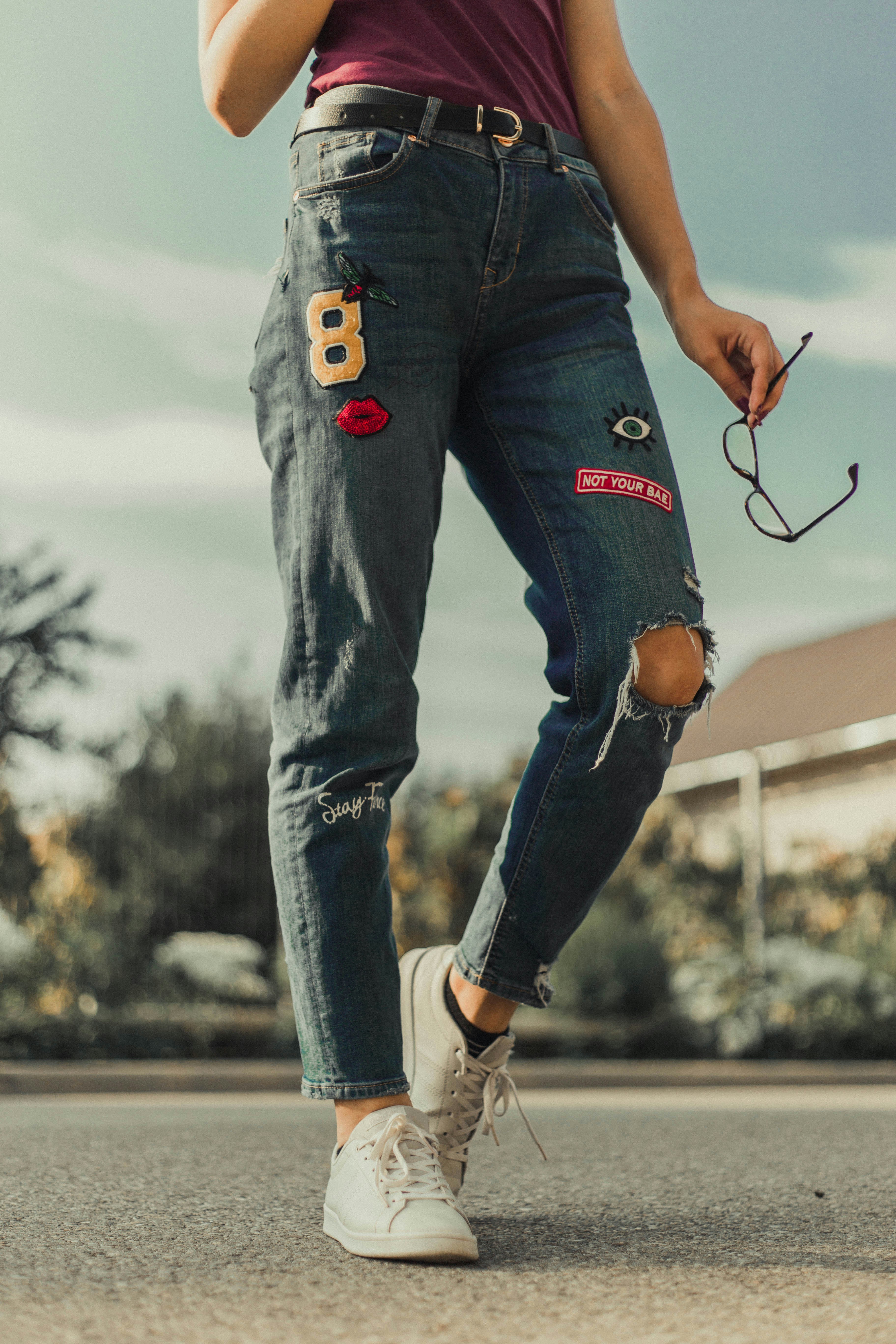
Linen pants, shorts, and trousers place very different mechanical and visual demands on fabric than shirts do. While upper-body garments are judged primarily on drape and hand feel, lower-body garments must manage opacity, abrasion, seam stress, and long-term shape retention. For this reason, linen used below the waist generally needs more weight to perform reliably.
In most real-world applications, linen pants and trousers work best in the 180–260 gsm range. Shorts can sometimes move slightly lighter, but even there, design and fit determine how far weight can be reduced without compromising performance. Choosing GSM for lower-body garments is less about achieving maximum lightness and more about ensuring the fabric behaves predictably under movement, pressure, and repeated wear.
Lower-body garments also face harsher conditions. Sitting, walking, climbing stairs, and prolonged friction at the inner thigh all test linen’s structural limits. A fabric that feels acceptable in hand can quickly reveal weaknesses once worn. GSM becomes the first line of defense against these issues.
Why Pants Demand a Higher GSM Than Shirts
The simplest reason pants require higher GSM than shirts is load distribution. The fabric in trousers must support body weight at the seat, resist abrasion at the thighs, and hold shape across long horizontal spans. Shirts rarely experience this kind of sustained stress.
Linen’s low elasticity amplifies this difference. When linen fibers are repeatedly bent or compressed, they do not recover as easily as cotton or synthetic fibers. In pants, this means lighter GSM fabrics crease sharply, stretch out at the knees, and lose dimensional stability faster.
Another factor is visual exposure. Pants are often viewed in full daylight, sometimes against the sun. Even minor transparency that might be acceptable in a shirt becomes problematic in trousers. GSM directly influences whether a garment passes this “light test” in real environments.
From a construction standpoint, pants also involve more complex seam structures: fly fronts, pocket bags, waistbands, and reinforced stress points. These features demand a fabric weight that can support stitching density and seam tension without tearing or puckering.
Recommended GSM by Garment Type
| Garment Type | Ideal GSM Range | Key Performance Reason |
|---|---|---|
| Linen shorts | 160–200 gsm | Comfort + airflow |
| Casual pants | 180–220 gsm | Balanced structure |
| Tailored trousers | 220–260 gsm | Crease control |
| Drawstring pants | 180–210 gsm | Relaxed drape |
Linen shorts (160–200 gsm) can tolerate lighter weights because they experience less sustained pressure at the seat and knees. Relaxed fits allow airflow and reduce stress concentration. However, once shorts become slimmer or tailored, weights closer to 180–200 gsm are far more reliable, especially in light colors.
Casual linen pants (180–220 gsm) represent the most common use case. This range provides enough body to avoid transparency while maintaining breathability. It also supports elastic waists, patch pockets, and casual tailoring without excessive distortion.
Tailored linen trousers (220–260 gsm) require additional weight to maintain crease definition and leg line. At this weight, linen behaves more like a structured fabric, allowing designers to introduce sharper silhouettes while still retaining the material’s natural texture.
Drawstring and relaxed pants (180–210 gsm) sit between casual and tailored categories. The fabric must drape comfortably while resisting knee bagging and seat collapse. Weights below this range often look appealing on the hanger but lose composure during wear.
Below 180 gsm, pants frequently become semi-transparent under sunlight and show accelerated shape loss after sitting. Above 260 gsm, linen begins to feel heavy and warm, shifting closer to workwear or outerwear territory.
Opacity and the “Light Test” Reality
One of the most common sourcing mistakes with linen pants is evaluating fabric only under indoor lighting. Indoor environments rarely reveal transparency issues that become obvious outdoors.
| GSM | Indoor Appearance | Outdoor Sunlight |
|---|---|---|
| 160 gsm | Acceptable | Clearly sheer |
| 190 gsm | Solid | Slight shadow |
| 220 gsm | Fully opaque | Stable |
Under direct sunlight, even well-finished linen can reveal pocket outlines, seam allowances, or skin tone if GSM is too low. This effect is magnified in light shades such as white, ivory, sand, and pastel colors.
Designers sometimes attempt to compensate with darker linings or pocket bags, but these solutions add complexity and cost. In many cases, simply increasing GSM by 20–30 points solves the issue more cleanly.
Opacity should always be tested in real conditions. A fabric that looks fine under showroom lights may fail immediately when worn outdoors, leading to customer dissatisfaction that is difficult to correct after production.
Wrinkle Behavior Under Movement
Wrinkling is an inherent characteristic of linen, but GSM controls how wrinkles read visually. In lower-body garments, this distinction matters because pants accumulate wrinkles at high-visibility zones such as the thighs, knees, and seat.
| GSM | Wrinkle Pattern | Visual Impression |
|---|---|---|
| 160–170 gsm | Sharp creases | Messy |
| 190–210 gsm | Rounded folds | Relaxed |
| 230–260 gsm | Structured bends | Tailored |
At 160–170 gsm, wrinkles form quickly and sharply. These creases can appear chaotic, especially after sitting. In pants, this often reads as untidy rather than relaxed.
In the 190–210 gsm range, wrinkles soften into broader folds. The fabric still shows texture, but it feels intentional and casual rather than neglected.
Above 230 gsm, wrinkles become more controlled. They follow the garment’s construction lines, reinforcing a tailored appearance. While creasing still occurs, it complements the silhouette instead of undermining it.
The goal with linen pants is not to eliminate wrinkles, which would contradict the fabric’s nature, but to ensure wrinkles enhance rather than detract from the design. GSM is the primary lever for achieving that balance.
Durability and Seam Stress
Lower-body garments place concentrated stress on specific areas:
- Seat seams
- Inner thighs
- Pocket openings
These zones experience repeated friction and tension, especially in fitted styles. Linen’s limited elasticity means that insufficient fabric weight quickly leads to seam fatigue.
| GSM | Seam Longevity |
|---|---|
| <180 gsm | High failure risk |
| 200 gsm | Acceptable |
| 240 gsm | Long-lasting |
Below 180 gsm, seam failure risk increases sharply. Stitch holes can enlarge, and seams may show early signs of tearing, particularly at the seat and crotch. Even with reinforced stitching, the base fabric may not be able to support prolonged stress.
Around 200 gsm, seam performance becomes more reliable. The fabric can tolerate standard stitch densities and moderate reinforcement without distortion.
At 240 gsm and above, linen supports long-term wear with minimal seam degradation. This range is often chosen for trousers intended for frequent use or extended wear cycles.
For coordinated sets, where shirts and pants share the same fabric family, a practical rule is to increase pant fabric weight by approximately 20 gsm relative to the shirt. This ensures visual harmony while accounting for functional differences.
Fit, Silhouette, and GSM Interaction
GSM choice cannot be separated from fit. Slim silhouettes concentrate stress at the thighs and knees, demanding higher weight for stability. Relaxed fits distribute load more evenly and can tolerate slightly lighter fabrics.
Wide-leg linen trousers, for example, may perform well at 200 gsm because the fabric is not constantly pulled tight across stress zones. Slim tapered pants in the same weight may show knee bagging and seam stress sooner.
Design details also matter. Pleats benefit from higher GSM to hold shape, while elastic waistbands require enough fabric body to prevent rolling and twisting. Pocket design influences opacity and seam strength, particularly in lighter fabrics.
Successful linen pants are the result of aligning GSM, fit, and construction rather than optimizing any single factor in isolation.
Washing, Aging, and Shape Retention
Pants are washed less frequently than shirts, but when they are washed, dimensional stability becomes critical. Linen tends to relax with washing, and lighter GSM fabrics can lose crispness quickly.
Heavier linens maintain leg shape better over time, especially if pre-washed or enzyme-treated. They also show less distortion at the knee and seat after repeated wear.
Shrinkage control is especially important in trousers. Even small length changes are noticeable. Heavier fabrics are generally more forgiving, while lighter fabrics require stricter pre-shrink processes to maintain consistent fit.
For consumers, the long-term impression of linen pants often matters more than first wear. A slightly heavier fabric that ages gracefully will outperform an ultra-light option that looks worn after a few uses.
Practical Guidance from Production
At SzoneierFabrics, coordinated linen programs frequently highlight the importance of differential GSM selection. When clients plan matching shirts and pants, using identical fabric weights often leads to imbalance: shirts perform well, while pants underperform.
A common recommendation is to increase pant fabric weight by 20–30 gsm compared to the shirt fabric. This adjustment preserves visual consistency while significantly improving durability, opacity, and shape retention in the lower garment.
Sampling confirms this approach repeatedly. The garments look cohesive as a set, but each piece performs according to its functional demands. This small change often reduces revision cycles and post-production complaints.
Choosing GSM as a Functional Decision
For pants, shorts, and trousers, GSM should be selected with function as the priority. Breathability remains important, but it must be balanced against opacity, durability, and long-term appearance.
In practice, most successful linen bottoms fall between 190 and 240 gsm, with adjustments based on fit, color, and intended use. Lighter fabrics can work in specific cases, but they require deliberate design and clear expectations.
Understanding how GSM interacts with movement, light, and wear allows developers to make informed choices early in the process. In linen, especially for lower-body garments, the right GSM is not about chasing lightness—it is about ensuring the fabric supports the life the garment is meant to live.
What GSM Range Works Best for Dresses and Skirts in Different Seasons?
Linen dresses and skirts typically perform best between 150–230 gsm, a range wide enough to support both effortless summer pieces and more structured, season-spanning garments. Within this spectrum, GSM influences far more than warmth or thickness. It determines how a dress moves when walking, how a skirt reacts to wind, and whether the wearer feels relaxed or self-conscious in real environments.
Among all linen garments, dresses and skirts are where the fabric’s character is most visible. Movement is constant, surfaces are uninterrupted, and any imbalance in weight or drape becomes immediately apparent. A well-chosen GSM allows linen to feel expressive and confident. A poorly chosen one can undermine even the best design.
Unlike shirts or trousers, dresses and skirts often rely on fabric behavior rather than construction to define their silhouette. This makes GSM selection especially critical. Small changes in weight can completely alter how a garment feels and performs across seasons.
Matching Dress Style to Linen GSM
Different dress styles demand different relationships between weight, flow, and structure. A floaty sundress and a tailored sheath may both be made from linen, but they operate at opposite ends of the GSM spectrum.
Recommended GSM by Dress Category
| Dress Type | Ideal GSM | Reason |
|---|---|---|
| Summer sundress | 140–160 gsm | Airy movement |
| Everyday dress | 160–190 gsm | Balanced drape |
| Midi/maxi dress | 180–210 gsm | Weight control |
| Structured dress | 210–230 gsm | Shape holding |
Summer sundresses (140–160 gsm) emphasize airflow and fluidity. At this weight, linen responds quickly to movement, creating a light, breezy effect. However, designers must carefully manage transparency and cling, particularly in lighter colors and fitted silhouettes.
Everyday dresses (160–190 gsm) represent the most versatile category. This range offers enough body to avoid excessive sheerness while retaining linen’s relaxed drape. It supports a wide range of silhouettes, from shirt dresses to softly tailored styles, and performs well across varied climates.
Midi and maxi dresses (180–210 gsm) require additional weight to control movement over longer lengths. Without sufficient GSM, long skirts can cling to the legs, twist during walking, or lift in light wind. This range provides stability while maintaining natural motion.
Structured dresses (210–230 gsm) rely on linen’s ability to hold form. At this weight, the fabric supports darts, seams, and architectural shapes without collapsing. Breathability remains acceptable, but the visual impression shifts toward polish and intent rather than casual ease.
Skirt Length vs. Fabric Weight
Skirts follow similar principles to dresses, but length becomes the dominant factor. The longer the skirt, the more weight is needed to manage gravity, airflow, and fabric rebound.
| Skirt Length | Recommended GSM |
|---|---|
| Mini | 150–170 gsm |
| Midi | 170–210 gsm |
| Maxi | 190–230 gsm |
Mini skirts benefit from lighter weights because the fabric is less likely to cling or twist over a short span. Airflow remains high, and movement feels playful rather than heavy.
Midi skirts sit in a transitional zone. At this length, fabric behavior becomes more complex. Weights below 170 gsm often feel too reactive, while heavier options provide smoother swing and better opacity.
Maxi skirts demand higher GSM to avoid wind lift and leg cling. Without sufficient weight, long linen skirts can feel unpredictable, especially outdoors. Increasing GSM stabilizes movement and enhances confidence during wear.
Seasonal Behavior Differences
Seasonal suitability in linen dresses and skirts is less about insulation and more about how the fabric behaves under different environmental conditions.
| Season | GSM Focus | Why |
|---|---|---|
| Summer | 140–170 gsm | Cooling effect |
| Spring/Fall | 170–210 gsm | Versatility |
| Mild winter | 210–230 gsm | Layer support |
In summer, lighter linens allow heat to dissipate quickly and respond fluidly to movement. However, humidity can amplify cling and transparency issues, making mid-range weights preferable for fitted styles.
During spring and fall, the 170–210 gsm range offers adaptability. These fabrics handle temperature fluctuations well and pair easily with light outer layers. They also show less sensitivity to humidity changes.
For mild winter climates, heavier linen between 210–230 gsm performs surprisingly well when layered. The added weight supports linings and underlayers, allowing linen to transition beyond its traditional warm-weather role.
The “Cling Problem” Many Brands Overlook
One of the most frequent complaints in lightweight linen dresses and skirts is not about fit but about cling. Ultra-light linen can adhere to the body due to static electricity or humidity, especially in warm or coastal environments.
| GSM | Cling Risk |
|---|---|
| <150 gsm | High |
| 160–180 gsm | Medium |
| 200+ gsm | Low |
Cling undermines the relaxed appeal of linen and can make garments feel uncomfortable or unflattering. It is particularly noticeable in straight or bias-cut designs, where fabric sits close to the body.
Designers sometimes attempt to solve this with antistatic finishes or linings, but increasing GSM often provides a more durable solution. A modest increase in weight can dramatically reduce cling without sacrificing breathability.
Many customer returns attributed to “fit issues” are, in reality, fabric behavior issues. Addressing GSM early in development can prevent these misunderstandings.
Movement, Confidence, and Visual Balance
Dresses and skirts succeed when the wearer feels comfortable moving through space. GSM influences how confidently a garment behaves in everyday situations: walking, sitting, standing in wind, or transitioning between indoor and outdoor environments.
Lightweight linen can look beautiful in controlled settings but feel unpredictable in real life. Heavier linen offers visual stability, making the wearer less conscious of how the garment behaves. This confidence factor often matters more to consumers than raw lightness.
For brands, this translates into higher satisfaction and fewer post-purchase complaints. Customers may not articulate GSM differences, but they respond instinctively to how a garment makes them feel.
Washing, Aging, and Seasonal Longevity
Dresses and skirts are often washed less frequently than shirts but are expected to maintain appearance over multiple seasons. GSM influences how linen ages, especially in areas with frequent movement such as hips and hems.
Lighter fabrics soften quickly but may lose definition over time. Heavier linens retain structure longer and respond better to repeated washing, especially when pre-washed or enzyme-treated.
Shrinkage control is also tied to weight. Longer garments magnify small dimensional changes. A slightly heavier GSM provides a buffer against visible length variation after laundering.
For seasonless collections, mid-range weights offer the best compromise between comfort and longevity.
Case Insight from Production Feedback
A women’s brand specializing in summer linen dresses initially worked with a 145 gsm fabric to emphasize lightness. Early customer feedback highlighted issues with transparency and cling, particularly in humid conditions.
Without altering pattern or design, the brand adjusted fabric weight to 165 gsm in the next production run. The dresses maintained the same visual identity but felt more stable and confident in wear. Customer complaints dropped, and sell-through improved.
The change demonstrated how subtle GSM adjustments can resolve multiple issues simultaneously. Rather than redesigning silhouettes or adding linings, aligning fabric weight with garment behavior delivered a cleaner solution.
Choosing GSM as a Seasonal Strategy
For dresses and skirts, GSM should be selected as part of a seasonal strategy rather than a fixed rule. Climate, silhouette, and intended use all inform the ideal weight.
In practice, most successful linen dresses and skirts cluster between 160 and 210 gsm, with lighter or heavier fabrics reserved for clearly defined design purposes. This range offers the flexibility to express linen’s natural movement while maintaining control and confidence.
Understanding GSM in this context allows designers and developers to treat linen as a responsive material rather than a static one. When weight, season, and silhouette are aligned, linen dresses and skirts reveal the elegance and ease that have kept the fabric relevant for centuries.
Are Heavier GSM Linen Fabrics Better for Outerwear and Jackets?
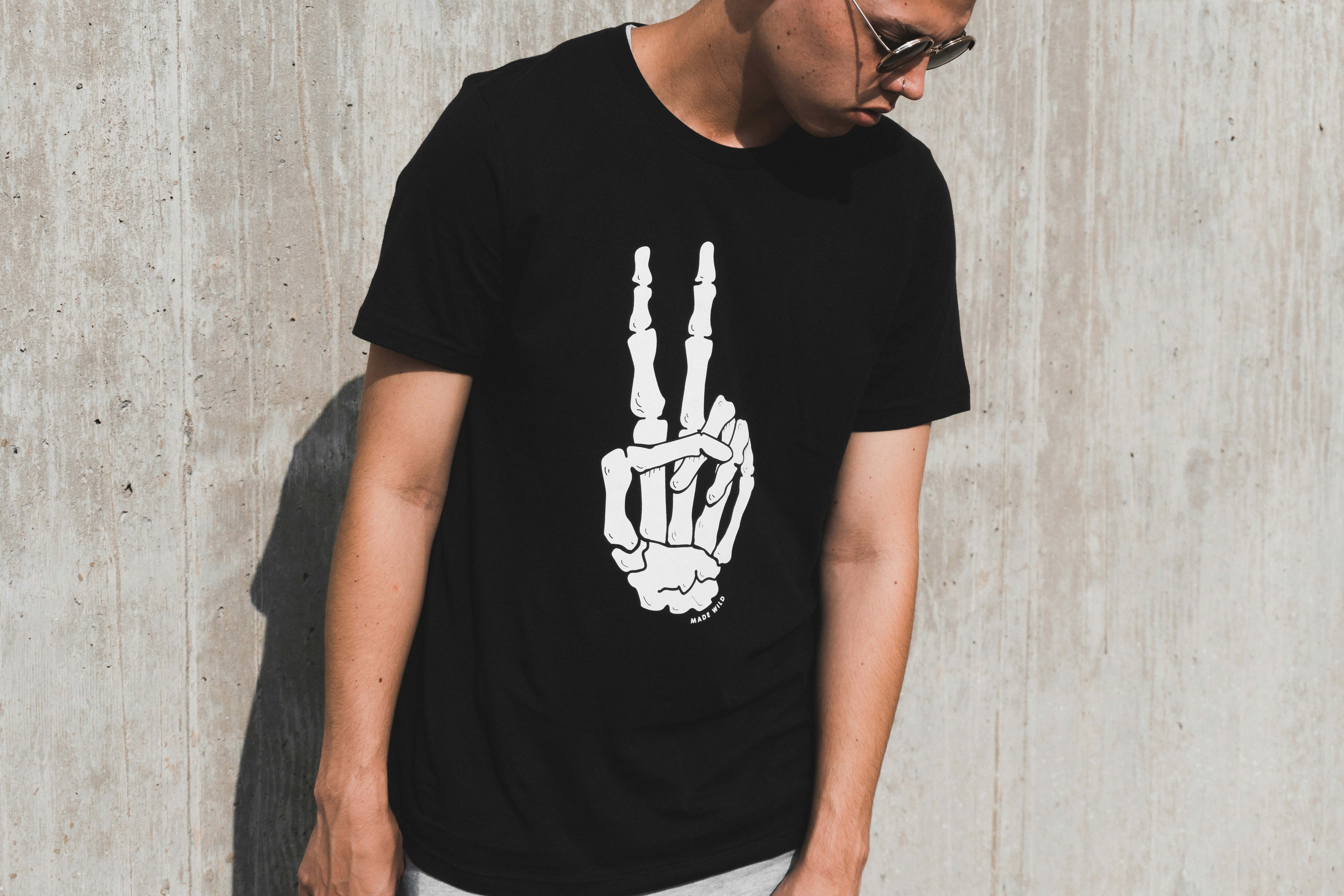
Heavier GSM linen fabrics—typically in the 230–320 gsm range—are generally better suited for jackets and outerwear because they provide the structural integrity needed to support lapels, pockets, and shoulder lines. However, heavier is not automatically better. In linen outerwear, GSM must work in concert with weave structure, finishing, and garment engineering. When weight is mismatched to design, linen quickly loses its appeal, either collapsing under its own softness or becoming stiff and unyielding.
Outerwear exposes linen’s weaknesses faster than almost any other category. Jackets are expected to hold shape when standing, moving, and sitting. They carry visual authority through shoulder definition and clean lines. If GSM is too low, linen collapses at stress points. If GSM is too high, the fabric behaves more like canvas than apparel, undermining comfort and elegance.
Understanding how linen functions as an outerwear material is essential for choosing the right weight and avoiding costly development errors.
Understanding Linen as an Outerwear Material
Linen is not naturally an outerwear fiber. Its strengths—breathability, texture, moisture management—evolved for warm-weather garments. When pushed into jackets and coats, linen must be carefully engineered to compensate for its low elasticity and limited recovery.
In outerwear, linen’s role shifts from flowing fabric to load-bearing surface. It must support interfacing, resist sagging at pockets, and maintain shape across broad panels. GSM becomes the foundation for this performance, setting the upper and lower limits of what construction can achieve.
Heavier linen offers greater resistance to deformation, but it also reduces linen’s characteristic suppleness. The goal is not maximum weight, but controlled structure—enough mass to hold form without overwhelming the garment.
Recommended GSM Ranges for Linen Outerwear
| Outerwear Type | Ideal GSM Range | Performance Focus |
|---|---|---|
| Lightweight summer jacket | 220–250 gsm | Breathable structure |
| Casual blazer | 240–280 gsm | Shape retention |
| Utility jacket | 260–320 gsm | Durability |
| Linen overshirt | 210–240 gsm | Balance of ease |
Lightweight summer jackets (220–250 gsm) rely on linen’s breathability while introducing just enough body to define shoulders and hems. This range supports light interlining and minimal padding without feeling heavy.
Casual blazers (240–280 gsm) require additional stability to maintain lapels, chest shape, and front balance. Linen in this range can handle moderate interfacing and structured seams while still feeling appropriate for warm climates.
Utility jackets (260–320 gsm) push linen toward its upper functional limit. These garments emphasize durability and abrasion resistance, often incorporating reinforced panels and heavier stitching. At this weight, linen begins to behave more like workwear fabric.
Linen overshirts (210–240 gsm) sit at the boundary between shirt and jacket. The fabric must drape comfortably while supporting pockets and plackets. Staying below 240 gsm helps preserve ease of movement.
Anything below 220 gsm typically struggles to support jacket architecture without excessive interlining. The result is often a garment that looks structured on the hanger but collapses during wear.
The Myth: “Heavier Linen Always Means Better Quality”
One of the most persistent misconceptions in sourcing is equating higher GSM with higher quality. While weight contributes to durability, it does not guarantee better performance or aesthetics.
| GSM | Potential Issue |
|---|---|
| 230–260 gsm | Generally safe |
| 280–300 gsm | Risk of stiffness |
| 320+ gsm | Feels canvas-like |
Beyond a certain point, linen’s fiber rigidity becomes dominant. Fabrics above 300 gsm often feel stiff, resist drape, and require aggressive finishing to soften. At 320 gsm and above, linen begins to resemble upholstery or canvas rather than apparel fabric.
These heavier fabrics may perform well in abrasion tests but fail in comfort and movement. Jackets made from overly heavy linen often feel restrictive and warm, contradicting the reason many consumers choose linen in the first place.
Quality in linen outerwear is defined by balance, not maximum weight.
Interaction with Interlinings
Outerwear quality depends on the relationship between outer fabric and internal structure. GSM determines how much support the linen itself provides and how much must be supplied by interlining.
| Linen GSM | Interlining Need |
|---|---|
| 220–240 gsm | Light fusible |
| 250–280 gsm | Medium support |
| 300+ gsm | Minimal but rigid |
Lighter outerwear linens rely on fusible or sewn interlinings to maintain shape. When GSM increases, interlining can be reduced, but rigidity increases. The challenge is avoiding overbuilding—using both heavy fabric and heavy interlining.
Many sourcing failures occur when brands specify high GSM linen and then apply standard jacket interlinings out of habit. The result is a garment that feels unnecessarily heavy and lacks natural movement.
Successful linen jackets often use slightly lighter fabric combined with strategic reinforcement in key areas such as lapels, pocket mouths, and shoulder seams.
Climate Reality Check
Linen outerwear is most commonly worn in transitional seasons, where temperature and humidity fluctuate. GSM must align with these conditions.
| Climate | Optimal GSM |
|---|---|
| Warm spring | 220–240 gsm |
| Mild autumn | 240–280 gsm |
| Humid regions | Avoid 300+ gsm |
In warm or humid environments, overly heavy linen can trap moisture instead of releasing it. While linen fibers are naturally absorbent, dense constructions limit evaporation, reducing comfort.
For regions with high humidity, fabrics in the 220–260 gsm range often outperform heavier options, maintaining breathability while still offering sufficient structure.
Shoulder Structure and Shape Retention
Shoulders are the most revealing test of linen outerwear. Insufficient GSM leads to drooping shoulder lines and collapsed lapels. Excessive GSM creates stiffness that resists natural body movement.
At 240–280 gsm, linen can support light shoulder shaping without padding. The fabric holds its line while allowing subtle movement. Below this range, additional construction is required. Above it, flexibility diminishes rapidly.
Lapels also benefit from moderate weight. Linen that is too light struggles to maintain roll, while overly heavy linen produces flat, unresponsive lapels. GSM influences not just whether lapels hold shape, but how they move.
Durability vs. Comfort Trade-Off
Outerwear often sees less frequent washing but more environmental exposure. Heavier linen resists abrasion and surface wear, but it can feel warm and stiff.
Designers must decide whether durability or comfort is the primary goal. Utility jackets can justify higher GSM, while casual blazers and summer jackets benefit from restraint.
In many cases, reinforcing high-wear zones with patches or double layers is more effective than increasing GSM across the entire garment. This approach preserves comfort while extending lifespan.
Development Insight
A brand producing linen safari jackets initially specified a 300 gsm linen to ensure durability and structure. Wear testing revealed consistent complaints about heat retention and restricted movement, especially in warm climates.
During revision, the fabric was adjusted to 260 gsm, and reinforcement panels were added at pockets and shoulder seams. The jackets maintained their visual authority and durability while feeling noticeably lighter and more comfortable in wear.
This experience highlighted a recurring lesson in linen outerwear development: targeted reinforcement often outperforms blanket heaviness.
Choosing Heavier GSM Linen with Intent
Heavier GSM linen can be an excellent choice for outerwear when applied intentionally. The key is recognizing the point at which added weight stops improving performance and begins to erode linen’s natural strengths.
For most linen jackets and blazers, the optimal zone lies between 240 and 280 gsm, supported by thoughtful construction and appropriate interlining. Pushing beyond this range should be reserved for specific functional designs, not as a default quality signal.
When weight, weave, and garment design are aligned, linen outerwear offers a distinctive combination of structure and breathability. Achieving that balance requires viewing GSM as one element in a broader engineering system, not a standalone measure of quality.
How Do Breathability, Drape, and Hand Feel Change with Linen GSM?
As linen GSM increases, breathability gradually decreases, drape shifts from fluid to controlled, and hand feel evolves from airy to substantial. These changes do not occur independently. GSM acts as the common variable that links all three sensations into a single, lived experience.
Breathability, drape, and hand feel are often discussed as separate fabric qualities, but in linen, they are inseparable in practice. A garment that feels cool but clings to the body will be perceived as uncomfortable. One that holds shape beautifully but feels rigid will lose linen’s relaxed appeal. GSM is the parameter that quietly orchestrates how these attributes balance each other.
Understanding how GSM influences sensory performance helps designers and developers move beyond preference-based decisions and toward function-driven material selection.
GSM as a Sensory Controller
GSM determines how much fiber mass exists per square meter, which directly affects how air moves through the fabric, how the fabric responds to gravity, and how it feels against the skin. In linen, where fibers are stiff and low in elasticity, these effects are amplified.
Unlike synthetic fabrics that can decouple weight from airflow through engineered structures, linen remains highly sensitive to physical mass. As GSM increases, yarns become thicker or more densely packed, narrowing air channels and increasing resistance to movement.
At the same time, added mass gives the fabric inertia. This inertia smooths motion, reduces flutter, and creates visual control. The wearer experiences this as stability rather than looseness. Hand feel follows a similar trajectory, shifting from crisp and paper-like toward firm and grounded.
Breathability vs. Weight Relationship
| GSM | Airflow | Cooling Effect |
|---|---|---|
| 130–150 gsm | Very high | Strong |
| 160–190 gsm | High | Balanced |
| 200–230 gsm | Moderate | Mild |
| 260+ gsm | Lower | Limited |
Breathability in linen declines gradually, not abruptly. There is no single cutoff point where linen suddenly stops feeling cool. However, wearers are sensitive to subtle changes, especially in warm or humid conditions.
At 130–150 gsm, airflow is maximized. Air passes freely through the fabric, producing a strong cooling sensation. This works well in dry heat, but in humidity, the same openness can lead to cling as moisture accumulates on the skin.
Between 160–190 gsm, airflow remains high, but fabric stability improves. Many wearers describe this range as feeling cooler over time because the fabric stays slightly away from the skin, allowing air to circulate.
From 200–230 gsm, breathability becomes secondary to control. Cooling is still present, but less pronounced. This range suits garments where structure matters as much as temperature regulation.
Above 260 gsm, airflow becomes noticeably restricted. Linen still outperforms many fabrics at the same weight, but its cooling advantage diminishes. At this point, linen is chosen for texture and durability rather than thermal comfort.
Drape Behavior Across GSM Levels
| GSM | Drape Style |
|---|---|
| <150 gsm | Fluid, loose |
| 160–180 gsm | Natural |
| 190–220 gsm | Controlled |
| 240+ gsm | Structured |
Drape describes how fabric hangs and moves under its own weight. In linen, GSM strongly influences this behavior because the fibers resist bending.
Below 150 gsm, linen drapes freely but lacks resistance. Movement is expressive, but the fabric can appear nervous or unstable, especially in longer garments.
In the 160–180 gsm range, linen achieves what many consider its ideal drape. The fabric follows the body without clinging, responding smoothly to movement while retaining definition.
Between 190–220 gsm, drape becomes more controlled. The fabric resists sudden motion and forms broader folds. This is often mistaken for stiffness, but in practice, it reads as intention and polish.
Above 240 gsm, linen behaves structurally. Drape gives way to shape. The fabric holds lines rather than flowing around them, which is desirable in jackets and tailored garments but limiting in pieces designed for movement.
Designers frequently attribute poor drape to pattern issues when the underlying cause is GSM mismatch. No amount of pattern adjustment can make an ultra-light fabric behave like a mid-weight one, or vice versa.
Hand Feel Evolution
Hand feel describes the tactile impression of fabric when touched or worn. While subjective, consistent patterns emerge as GSM changes.
| GSM | Typical Hand Feel |
|---|---|
| 140 gsm | Crisp, light |
| 170 gsm | Softened |
| 200 gsm | Substantial |
| 260 gsm | Firm |
At 140 gsm, linen often feels crisp and dry. This can be refreshing, but it may also read as fragile. The sensation is light and immediate.
Around 170 gsm, linen begins to soften, especially after washing. The fabric retains clarity but feels more accommodating against the skin.
By 200 gsm, hand feel becomes substantial. The fabric communicates durability and presence. This weight is often associated with quality because it feels reassuring without being rigid.
At 260 gsm, linen feels firm and grounded. The tactile impression shifts from garment fabric toward utility material. Finishing can soften the surface, but the underlying firmness remains.
Finishing processes such as enzyme washing or mechanical softening can modify hand feel, but GSM establishes the baseline. A heavily finished 260 gsm linen will never feel like a 160 gsm fabric.
The Comfort Paradox
A recurring surprise in wear testing is that some people feel cooler in mid-weight linen than in ultra-light linen, particularly in humid climates.
This paradox arises from fabric-skin interaction. Ultra-light linen tends to collapse onto the skin when moisture is present, reducing airflow. Mid-weight linen, with slightly more body, creates micro-air pockets between fabric and skin.
Several factors contribute:
- Ultra-light linen sticks to the body in humidity
- Mid-weight linen maintains separation from skin
- Controlled drape reduces constant skin contact
As a result, 170–190 gsm linen often outperforms 140 gsm linen in real summer wear, even though it is technically heavier. Comfort, in this case, is not dictated by weight alone but by how weight shapes behavior.
Visual and Psychological Perception
Hand feel and drape influence not only physical comfort but also psychological comfort. Garments that feel too light can appear insubstantial, leading wearers to adjust or fidget. Heavier fabrics convey stability, which translates into confidence.
This effect is subtle but measurable in consumer feedback. Many wearers describe mid-weight linen as feeling “secure” or “easy,” even if they cannot articulate why. GSM contributes directly to this perception by moderating movement and touch.
Designers who focus solely on breathability risk overlooking this emotional dimension of comfort.
Washing and Aging Effects
| GSM | Post-Wash Behavior |
|---|---|
| <160 gsm | Softens quickly, thins |
| 180–210 gsm | Improves texture |
| 240+ gsm | Breaks in slowly |
Washing accelerates the evolution of linen’s sensory properties. Lighter fabrics soften rapidly but may lose body and definition over time. Heavier fabrics change more slowly, often improving with repeated wear and washing.
In the 180–210 gsm range, linen tends to age gracefully. Fibers relax without collapsing, and hand feel becomes richer rather than weaker. This range often delivers the best long-term experience.
Above 240 gsm, linen requires patience. The fabric may feel stiff initially but softens gradually. When chosen for the right garment, this slow break-in adds character rather than discomfort.
For garments intended for frequent wear, GSM should be selected with aging behavior in mind. Initial hand feel is only part of the story.
Choosing Balance Over Extremes
Breathability, drape, and hand feel are not qualities to maximize independently. In linen, pushing one to the extreme often undermines the others. GSM is the variable that keeps them in dialogue.
Ultra-light fabrics excel in airflow but sacrifice control. Heavy fabrics provide structure but reduce cooling. Mid-weight linens occupy the productive middle ground where comfort, appearance, and longevity intersect.
For most apparel applications, this balance sits between 170 and 200 gsm, adjusted upward or downward based on garment function. Recognizing GSM as a sensory controller allows designers and developers to predict how linen will feel, move, and age—long before the first sample is worn.
What Are Common Misconceptions About Linen GSM in Apparel Sourcing?
The most common misconceptions about linen GSM in apparel sourcing are that lighter always means cooler, heavier always signals premium quality, and GSM alone determines fabric performance. In reality, garment success depends on how GSM is matched with weave structure, finishing method, and the specific way a garment is worn.
Many linen sourcing problems do not come from a lack of data. They come from oversimplified assumptions—ideas that sound reasonable in theory but fail under real-world conditions such as humidity, movement, laundering, and customer expectations. These misconceptions often lead to higher return rates, extended sampling cycles, and uneven product performance across a collection.
Understanding where these assumptions break down allows sourcing teams to use GSM as a practical tool rather than a blunt instrument.
The GSM Myths That Cause Costly Mistakes
Linen GSM myths tend to persist because they are easy to communicate and difficult to disprove without wear testing. However, when examined closely, each myth reveals a gap between expectation and actual performance.
Misconception 1: “Lower GSM Linen Is Always Better for Summer”
This belief is widespread, especially among teams prioritizing breathability. While lighter linen does allow more airflow, cooling comfort is not determined by weight alone.
| GSM | Summer Performance |
|---|---|
| 130–140 gsm | Cool but clingy |
| 160–180 gsm | Cool and stable |
| 200 gsm | Still breathable |
At 130–140 gsm, linen can feel very cool initially, particularly in dry heat. However, in humid conditions, the fabric often collapses onto the skin. This reduces airflow and creates a sticky sensation that many wearers find uncomfortable.
In contrast, 160–180 gsm linen maintains enough body to stay slightly away from the skin. This creates micro-air spaces that support continuous ventilation. As a result, many wearers perceive mid-weight linen as cooler over extended wear, even though it is technically heavier.
Even 200 gsm linen can perform well in summer when woven openly and finished correctly. It may not feel as breezy on first touch, but it often delivers more consistent comfort throughout the day.
The misconception persists because cooling is often judged in static environments. True comfort emerges over time, movement, and changing humidity.
Misconception 2: “Heavier GSM Means Premium Quality”
Weight is often used as a shortcut for quality, especially in markets where consumers equate substance with value. In linen sourcing, this assumption can be misleading.
| Fabric | GSM | Real Quality |
|---|---|---|
| Poor flax, loose weave | 260 gsm | Low |
| High-grade flax, tight weave | 190 gsm | High |
A heavy fabric made from short, brittle flax fibers may feel substantial but perform poorly. It can pill, crease awkwardly, and degrade quickly. Conversely, a lighter fabric woven from long-staple flax with controlled yarn twist can outperform heavier alternatives in durability and appearance.
Quality in linen is driven by fiber length, yarn consistency, weave balance, and finishing, not GSM alone. Weight amplifies both strengths and weaknesses. A well-made lighter linen can feel refined and resilient, while a poorly made heavier linen can feel coarse and unstable.
Brands that rely solely on GSM to signal quality often miss these nuances and end up overpaying for weight rather than performance.
Misconception 3: “One GSM Works for All Garments”
From a sourcing perspective, using one linen weight across an entire collection simplifies logistics. However, it almost always compromises garment performance.
| Garment | GSM Needs |
|---|---|
| Shirt | Light–mid |
| Pants | Mid |
| Jacket | Mid–heavy |
Shirts benefit from lighter weights that enhance breathability and movement. Pants require additional mass to manage opacity, abrasion, and seam stress. Jackets demand even more structure to support shoulders, lapels, and pockets.
When a single GSM is forced across all categories, at least one garment type underperforms. Shirts may feel heavy, pants may appear sheer, or jackets may collapse. This often leads to uneven sell-through, where one category performs well while others lag.
Effective linen collections treat GSM as a category-specific parameter, not a universal constant.
Misconception 4: “Wrinkling Means the GSM Is Wrong”
Wrinkling is inherent to linen. Expecting a wrinkle-free linen garment misunderstands the fiber’s nature. The real issue is not whether wrinkles appear, but how they appear.
| Issue | Real Cause |
|---|---|
| Sharp creases | Too light GSM |
| Bulky folds | Too heavy GSM |
| Natural rumples | Correct GSM |
At very low GSM, wrinkles form sharply and aggressively. These creases can look chaotic and unintentional. At very high GSM, wrinkles become bulky and resist relaxation, making garments appear stiff.
When GSM is well matched to garment type, wrinkles appear as soft rumples that align with movement and silhouette. This texture is often perceived as authentic and desirable.
Attempts to eliminate wrinkles through chemical finishing often compromise linen’s hand feel and longevity. Adjusting GSM usually produces a cleaner, more sustainable solution.
Misconception 5: “GSM Alone Determines Fabric Performance”
GSM is influential, but it does not operate in isolation. Two linens with identical GSM can behave very differently depending on weave density, yarn size, and finishing.
A tightly woven 180 gsm linen may feel firm and controlled, while an openly woven 180 gsm fabric feels airy and relaxed. Finishing processes such as enzyme washing, garment washing, or calendering further alter hand feel and drape.
Relying on GSM alone ignores these interactions. Effective sourcing evaluates GSM in context, alongside physical inspection and wear testing.
How These Misconceptions Show Up in Production
In practice, these myths often surface during sampling. Teams approve fabrics based on specification sheets, only to discover issues once garments are worn.
Common symptoms include:
- Shirts that look elegant on the hanger but feel uncomfortable in humidity
- Pants that pass indoor fit checks but fail outdoor opacity tests
- Jackets that appear structured initially but lose shape after a few wears
Each of these issues can often be traced back to an assumption about GSM rather than a lack of technical capability.
Correcting them late in development is costly. Adjusting GSM early reduces revisions and shortens time to market.
Real-World Sourcing Lesson
A brand once requested “less wrinkly linen” for its core summer shirts, assuming chemical finishing was the solution. Initial trials focused on softeners and surface treatments, but results were inconsistent.
Eventually, the fabric weight was adjusted from 155 gsm to 175 gsm, with no change to weave or finish. The shirts retained their breathable feel but showed noticeably softer wrinkle patterns. Customer complaints dropped, and return rates improved.
The solution was not eliminating wrinkles, but bringing GSM into alignment with garment behavior.
Why These Myths Persist
These misconceptions persist because GSM is easy to quantify and communicate. It offers a sense of control in a material that can feel unpredictable. However, linen’s behavior resists reduction to a single number.
Marketing language also reinforces simplifications. Terms like “lightweight,” “premium,” and “summer-ready” are often disconnected from technical realities. Over time, these narratives shape expectations that sourcing teams must then correct through experience.
Education, wear testing, and cross-functional communication help break this cycle. When designers, developers, and sourcing teams share a common understanding of GSM, decisions become more precise.
Using GSM as a Tool, Not a Shortcut
GSM is most effective when treated as a starting point, not a conclusion. It defines a range of possible behaviors but does not guarantee outcomes.
Successful linen sourcing aligns GSM with:
- Garment category and silhouette
- Climate and humidity conditions
- Expected wear frequency and laundering
- Desired visual and tactile impression
When these factors are considered together, GSM becomes a powerful predictive tool rather than a source of confusion.
Moving Beyond Assumptions
The goal in linen sourcing is not to find the “perfect” GSM, but to choose the right weight for the right job. This requires moving beyond myths and embracing nuance.
Brands that challenge oversimplified assumptions tend to experience smoother development cycles, more consistent product performance, and stronger customer satisfaction. Linen rewards this level of attention by delivering garments that feel intentional, comfortable, and authentic.
By understanding what GSM can—and cannot—tell you, sourcing teams can make decisions that hold up not just in the showroom, but in daily wear.
How Do You Specify Linen GSM Requirements When Ordering Custom Fabric?
When ordering custom linen fabric, GSM should never be treated as a single standalone number. To achieve consistent, wearable results, GSM requirements must be specified together with tolerance range, garment application, weave structure, finishing method, and wash expectations. This combination is what turns a theoretical fabric target into a production-ready specification.
Clear specifications protect both the buyer and the supplier. Vague ones almost guarantee rework, delays, and costly misunderstandings—especially with linen, where small deviations in weight translate into visible differences in drape, opacity, and comfort.
In professional apparel development, GSM is not just measured. It is managed.
Turning GSM into a Production-Ready Specification
Linen behaves differently depending on how it is woven, finished, and ultimately worn. Simply requesting “180 gsm linen” leaves too much open to interpretation. Mills may meet the number on paper while missing the performance expectation entirely.
A usable GSM specification defines not only the target weight, but the context in which that weight must perform.
GSM Should Never Stand Alone
A professional linen fabric request typically looks like this:
| Parameter | Example |
|---|---|
| Target GSM | 180 gsm |
| Tolerance | ±5% |
| End use | Shirts |
| Weave | Plain |
| Finish | Enzyme wash |
| Color range | Light neutrals |
Each line adds clarity. The target GSM defines the center point. Tolerance sets acceptable deviation. End use explains how the fabric will be stressed. Weave and finish shape airflow, hand feel, and shrinkage behavior. Color range signals opacity sensitivity.
Together, these parameters remove guesswork at the sampling stage. The mill understands not just what number to hit, but why that number matters.
Without this context, suppliers may optimize for loom efficiency or cost rather than garment performance, resulting in fabrics that technically comply but fail in wear.
GSM Tolerance Matters More Than the Number
Many sourcing teams focus heavily on the target GSM and overlook tolerance. In linen, tolerance often matters more than the nominal value.
| Tolerance | Result |
|---|---|
| ±10% | Inconsistent hand feel |
| ±7% | Acceptable |
| ±5% | Stable production |
A 180 gsm linen with ±10% tolerance can arrive anywhere between 162 and 198 gsm. That range is wide enough to change how a garment behaves, especially in categories like shirts or dresses.
At ±7%, variation becomes manageable, but noticeable differences may still appear between dye lots or production runs. For apparel programs that require consistency across sizes and colors, tighter control is preferable.
At ±5%, linen weight stays within a narrow band where hand feel, drape, and opacity remain predictable. This level of control reduces surprises during cutting and sewing and supports reliable repeat orders.
At SzoneierFabrics, apparel-grade linen programs are typically controlled within ±5% GSM, because anything looser increases the risk of uneven garment performance across a collection.
Accounting for Finishing and Washing Effects
GSM should always be specified with the finished fabric in mind, not just the greige state. Linen often loses weight during finishing processes such as enzyme washing, garment washing, or mechanical softening.
A fabric woven at 190 gsm may finish at 175–180 gsm after washing and drying. If GSM is only checked before finishing, the delivered fabric may fall below functional requirements.
Professional specifications clarify whether the target GSM applies:
- Before finishing
- After finishing
- After garment washing
For apparel applications, post-finish GSM is the most meaningful reference point, because it reflects what the garment will actually become.
Sampling Strategy That Saves Time
Effective GSM specification is reinforced through structured sampling. Relying on a single swatch or lab report rarely reveals how linen will behave in wear.
A staged sampling approach reduces risk:
| Step | Purpose |
|---|---|
| GSM swatch set | Compare hand feel |
| Garment mock-up | Test drape |
| Wash test | Predict aging |
| Wear trial | Confirm comfort |
A GSM swatch set allows direct comparison between adjacent weights, often revealing that the ideal fabric sits slightly above or below the initial target.
A garment mock-up shows how weight interacts with pattern and silhouette. Drape issues become immediately visible at this stage.
A wash test exposes shrinkage, texture change, and weight loss. Linen often improves after washing, but only if chosen appropriately.
A wear trial confirms real comfort, especially in humidity and movement. Skipping this step is one of the most common mistakes made by new or fast-scaling brands.
Each step refines the GSM decision before bulk production, where changes become expensive.
Communicating Seasonal Intent
Seasonal context plays a critical role in GSM specification. The same garment category may require different weights depending on climate and wear period.
| Season | GSM Direction |
|---|---|
| High summer | Lower–mid |
| Year-round | Mid |
| Transitional | Mid–heavy |
A linen shirt intended for Mediterranean summers should not be specified the same way as one meant for spring layering in Northern Europe. Without seasonal guidance, suppliers may default to a compromise weight that satisfies neither use case.
Clear seasonal intent allows mills to adjust yarn selection, weave density, and finishing to optimize performance within the requested GSM range.
Weave Structure and GSM Interaction
Two linens with identical GSM can behave very differently depending on weave openness. A tight plain weave concentrates mass and reduces airflow. A looser weave distributes the same mass with greater breathability.
When specifying GSM, weave type should be included explicitly. For example:
- 180 gsm plain weave for shirts
- 200 gsm basket weave for trousers
- 240 gsm twill weave for jackets
This clarity prevents misalignment between expected and actual performance.
Ignoring weave structure often leads to confusion when fabrics meet GSM requirements but feel heavier or lighter than anticipated.
Color Sensitivity and GSM
Color range affects how GSM performs visually. Light colors reveal transparency and seam shadowing more readily than dark tones.
When specifying linen for whites, ivories, or pastels, GSM tolerance becomes more critical. A slight drop in weight that might be acceptable in navy or olive can cause opacity issues in light neutrals.
Including color range in the specification alerts suppliers to this sensitivity and encourages appropriate construction choices.
Case Insight from Development
One client developing a linen capsule collection avoided specifying a single GSM across all styles. Instead, they defined three GSM tiers aligned with garment categories: shirts, bottoms, and outer layers.
Sampling costs increased modestly due to additional swatches and tests. However, the resulting garments performed consistently within their categories. Shirts felt light and breathable, pants maintained opacity and durability, and jackets held shape without stiffness.
Sell-through improved across all styles, and post-launch feedback showed fewer fit and comfort complaints. The upfront clarity in GSM specification paid for itself quickly.
GSM Is Not a Number — It’s a Design Decision
Linen GSM is not a technical footnote buried in a fabric sheet. It defines how a garment breathes, moves, wrinkles, and ages. The right GSM allows linen to feel effortless and intentional. The wrong one turns even a beautiful design into a return problem.
Specifying GSM correctly means thinking beyond the number. It means defining tolerance, use case, structure, finish, and season as a connected system.
Great linen garments rarely begin with trends or marketing language. They begin with correct weight decisions, made early and communicated clearly. When GSM is treated as a design decision rather than a checkbox, linen rewards that care with performance that holds up long after the first wear.
Start Your Custom Linen Fabric Project with SzoneierFabrics
If you’re developing linen fabric for clothing and want weight, hand feel, and performance to align from the first sample to bulk production, SzoneierFabrics can support you with:
- Custom linen GSM development
- Low MOQ customization
- Free fabric consultation and design support
- Rapid sampling and wash testing
- Stable bulk production with strict GSM control
Share your garment type, target season, and performance expectations. Our team will help you translate them into linen fabric that wears the way it should.
When you’re ready, contact SzoneierFabrics to request samples or a tailored quotation.
linen fabric by weight, linen fabric gsm, linen gsm for clothing, choosing linen gsm, linen fabric weight guide, linen gsm for shirts, linen gsm for pants, linen gsm for dresses, linen gsm for jackets, lightweight linen fabric, medium weight linen fabric, heavy weight linen fabric, linen fabric for apparel, linen fabric for garments, linen cloth gsm chart, best gsm for linen clothing, linen fabric breathability gsm, linen fabric drape by weight, linen fabric opacity gsm, linen fabric sourcing guide, custom linen fabric manufacturer, linen fabric for summer clothing, linen fabric for outerwear, linen gsm tolerance, linen fabric hand feel, linen fabric wash performance, linen fabric for fashion brands, linen fabric supplier china, linen fabric customization, linen fabric sampling