Skip to content
Reusable cloth bags have become a permanent fixture in grocery stores—not because of trends, but because daily retail use is brutal. Bags are overloaded, dragged across parking lots, soaked with condensation, and folded hundreds of times. In this environment, fabric choice is not a branding decision; it’s an operational one.
Among all options, 16oz duck canvas has quietly become the workhorse fabric behind the most reliable grocery cloth bags. It is heavy enough to carry weight, structured enough to hold shape, and flexible enough to survive repeated use without cracking or tearing. 16oz duck canvas is a heavy-duty cotton fabric widely used for grocery cloth bags because it balances strength, durability, cost efficiency, and user comfort. Compared with lighter canvas or synthetics, it supports higher load capacity, longer reuse cycles, and better shape retention in daily retail environments.
A grocery buyer once summed it up simply: “If a bag fails, customers don’t blame the bag—they blame the store.” That’s why fabric matters more than most people realize.
What makes 16oz duck canvas ideal for heavy-duty cloth bags in grocery and retail markets?
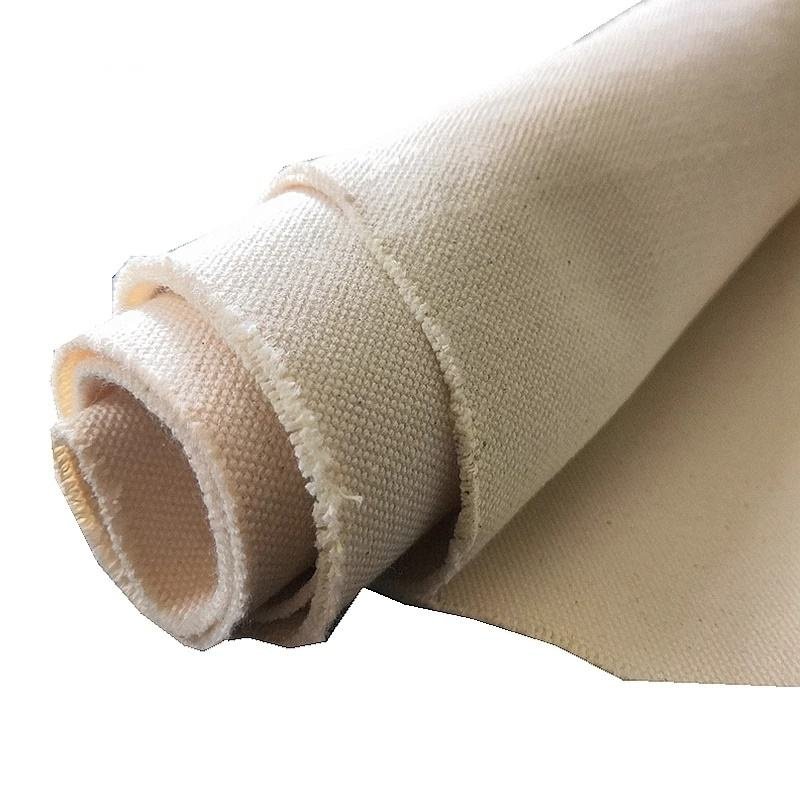
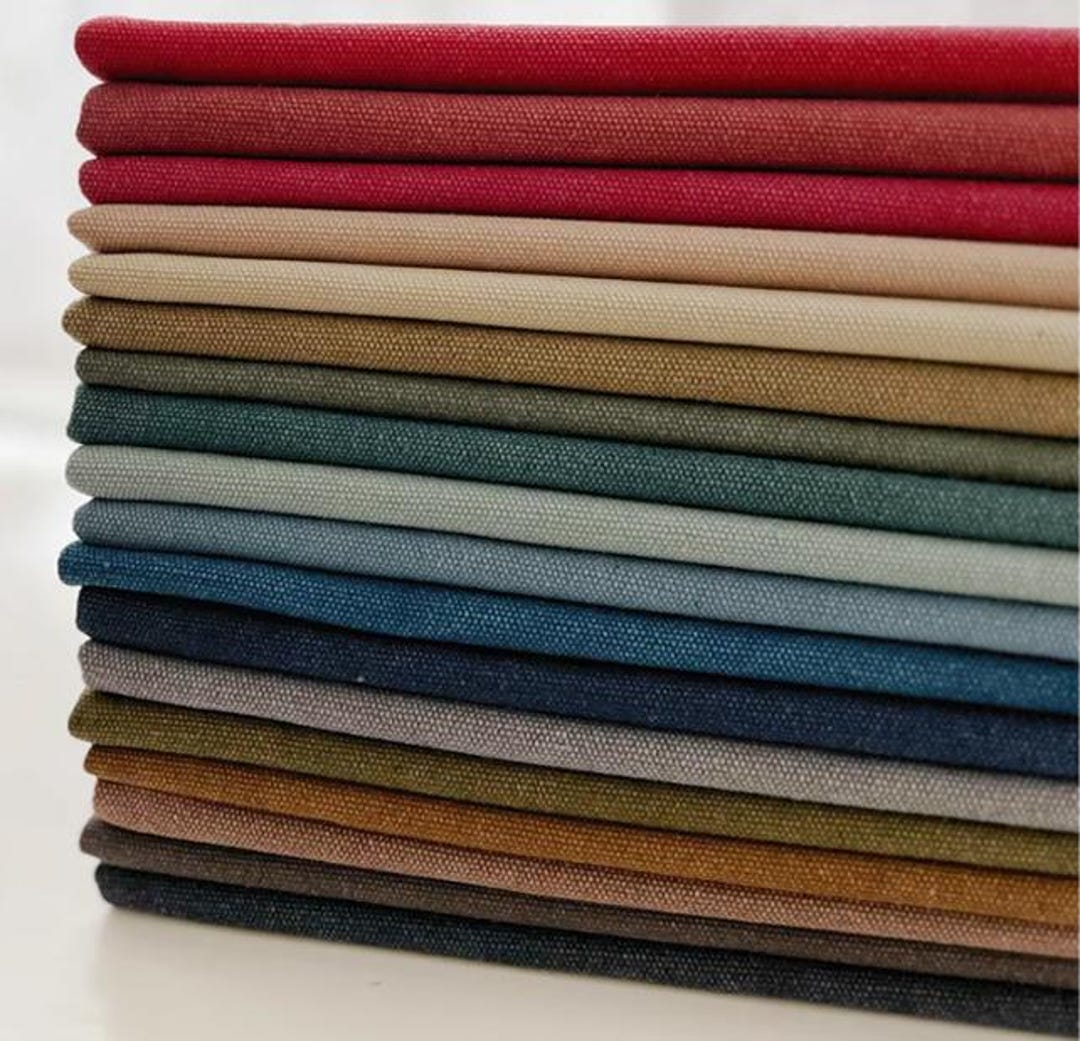
16oz duck canvas has become one of the most widely adopted fabrics for reusable grocery and retail bags because it strikes a rare combination of strength, durability, structure, comfort, and cost efficiency. Grocery bags must be engineered to perform in real-world use – carried full of heavy produce and groceries, frequently reused, and visually presentable in retail environments. 16oz duck canvas delivers just the balance of properties that both buyers and end-customers expect.
Why grocery bags demand a specific fabric balance
In the grocery and retail markets, reusable bags are not just functional items – they are part of the customer experience, store branding, and sustainability positioning. The fabric choice directly impacts these factors.
Load-bearing strength without overengineering
Grocery bags routinely carry mixed loads of up to 12–20 kg (25–45+ lb) of produce, canned goods, baked items, and bottled liquids. A fabric that’s too light will deform or stretch, causing discomfort and reducing bag life. A fabric that’s too heavy can be unnecessarily stiff and cumbersome for routine use.
| Fabric Weight | Typical Load Performance |
|---|---|
| 10–12oz canvas | Light duty, deforms under heavy load |
| 14oz canvas | Medium duty, limited structural integrity |
| 16oz duck canvas | Heavy grocery loads, resilient shape |
| 18oz+ canvas | Overbuilt, may feel stiff and bulky |
16oz duck canvas hits a sweet spot where tensile strength and tear resistance are high enough for daily use, but the fabric does not feel overly heavy. The density of the weave contributes to its ability to withstand repeated heavy loading without breaking seams or tearing along stress points.
Structure that improves checkout and shelf presentation
Bags with good structural memory – meaning they hold their shape – make life easier for both customers and retail staff:
| Fabric Behavior | Retail Impact |
|---|---|
| Collapses easily | Slower packing at the register |
| Holds shape | Faster checkout and more efficient handling |
| Warps after use | Poor appearance and reduced reusability |
A 16oz duck canvas bag resists collapsing when placed on a counter or shelf, making it easier to load quickly at checkout and more presentable when displayed for sale. This structural stability also helps bags stand upright when filled, improving the in-store experience for customers and reducing wasted handling time.
Comfort matters more than spec sheets
While strength is critical, comfort of carry determines whether customers will actually reuse a bag. Bags that feel too heavy even when empty are less likely to be reused long term.
| Factor | Customer Experience |
|---|---|
| Too light | Feels disposable and flimsy |
| Too heavy | Uncomfortable for extended carries |
| 16oz duck | Balanced feel with reassuring weight and comfort |
Many customers equate a slightly heavier fabric with quality, but only up to a point. 16oz duck canvas presents a tactile “premium feel” without making the bag so heavy that carrying it becomes strenuous. This perceived quality often translates into higher reuse rates and stronger brand impressions with retailers.
Cost efficiency at scale
From a procurement perspective, 16oz canvas offers an excellent cost-to-lifespan ratio. Lighter fabrics may be cheaper per yard, but they tend to wear out quickly – meaning higher replacement costs and more waste. On the other hand, fabrics above 18oz can inflate costs and introduce unnecessary stiffness without proportionate gains in performance for grocery bag applications.
In large production runs, the incremental cost of upgrading from 14oz to 16oz canvas is typically modest, whereas the extended lifespan – often 2–3x that of lighter canvas bags – can dramatically lower the total cost of ownership.
Versatility in retail formats
Unlike technical industrial fabrics (such as coated tarpaulins or nylon composites), 16oz duck canvas maintains a neutral visual style that fits well with grocery and retail branding. It accepts printing and embellishment without excessive processing, allowing retailers to add logos, store slogans, or designer patterns without compromising fabric performance. This adaptability makes it suitable for:
- Standard reusable grocery totes
- Promotional and branded retail bags
- Custom printed bags with store logos
- Specialty bags for markets, stores, and boutiques
This combination of visual softness and rugged performance makes 16oz duck canvas a favorite in retail environments where bags serve both a functional and brand expression role.
Technical performance attributes
Beyond everyday use, 16oz duck canvas also performs well on measurable textile performance metrics:
- Abrasion resistance: High durability under repeated rub tests, making bags resistant to wear from regular use.
- Tear strength: Strong resistance to propagation of small cuts or snags, extending product life.
- Washability: Cotton fibers are resilient and can be washed or surface-cleaned, improving hygiene for grocery reuse.
These characteristics make 16oz canvas not just a “heavy cotton” fabric, but a durable, practical choice for products that must meet both customer expectations and retailer requirements.
Balancing weight and performance in design
When engineering a bag from 16oz duck canvas, designers often incorporate elements that optimize both performance and user comfort:
- Reinforced seams: Critical at stress points (like handles and bottom corners) to prevent failure under load.
- Interfacing or laminated cores: For bags needing even greater shape retention, lightly interfaced panels can help without adding significant weight.
- Handle design: Wider webbing or reinforced canvas handles distribute load across the hand or shoulder more comfortably.
Even with these enhancements, the underlying fabric remains the backbone of bag performance.
16oz duck canvas stands out in grocery and retail cloth bag applications because it delivers:
- Load capacity and strength adequate for heavy everyday use
- Structural integrity that improves handling and presentation
- Balanced comfort that promotes reuse
- Cost efficiencies across production runs
- Adaptable aesthetics that support branding and customization
For these reasons, many reusable grocery bags made from 16oz duck canvas continue to outperform alternatives in both retail satisfaction and long-term durability.
Which performance characteristics should grocery retailers look for when selecting canvas fabric for bulk cloth bags?
Grocery retailers selecting canvas fabric for bulk cloth bags are not simply buying yardage; they are making a long-term performance decision that directly affects customer satisfaction, replacement cycles, sustainability positioning, and brand perception. The real test of a grocery bag is not how it looks in the sample room or how low the price per meter appears on a quotation sheet, but how it performs after months or years of repeated loading, carrying, washing, folding, and abrasion.
Retail environments create a uniquely demanding stress profile. Grocery bags are filled with uneven loads, dragged across checkout counters, pushed into metal carts, stacked in storage bins, and left in car trunks under changing temperatures. These conditions expose weaknesses that are invisible during initial inspection. For this reason, experienced grocery retailers prioritize functional performance indicators over headline specifications such as fabric weight alone.
Performance shows up after thousands of uses, not in the sample room.
Evaluating canvas the way grocery stores actually use it
Retailers that approach canvas selection from a practical, use-based perspective consistently achieve longer bag lifespans and lower replacement rates. The following characteristics define whether a canvas fabric is truly suitable for grocery-grade cloth bags.
Tensile and tear strength under mixed loads
Unlike promotional totes, grocery bags rarely carry evenly distributed weight. A single bag may hold glass bottles on one side, canned goods at the bottom, and lightweight produce on top. This creates uneven and shifting stress that repeatedly pulls on fabric panels and seams.
| Test Type | Why It Matters |
|---|---|
| Tensile strength | Supports total carried weight |
| Tear strength | Prevents small snags from spreading |
| Balanced warp/weft | Avoids directional fabric failure |
Tensile strength measures how much force the fabric can withstand before breaking, while tear strength reflects resistance to sudden pulling or snagging. Both are essential. A canvas with high tensile strength but weak tear resistance may still fail quickly when caught on a cart edge or shelf corner.
Balanced warp and weft construction is equally critical. Fabrics with significantly weaker weft yarns often fail along side panels, even when their overall weight rating appears sufficient. Well-constructed duck canvas maintains consistent strength in both directions, reducing asymmetric deformation and extending usable life.
Abrasion resistance from daily handling
Abrasion is one of the primary causes of early bag failure. Grocery bags are constantly rubbed against checkout counters, metal cart frames, store floors, and storage surfaces. Abrasion damage accumulates gradually, thinning fibers until holes or weak spots appear.
| Abrasion Cycles | Expected Outcome |
|---|---|
| <10,000 | Short service life |
| 10,000–20,000 | Moderate reuse |
| 20,000+ | Retail-grade durability |
Canvas intended for grocery use should comfortably exceed 20,000 abrasion cycles in standard testing. Below this level, surface wear often becomes visible within a few months, especially in high-traffic stores. High abrasion resistance also preserves printed branding, preventing logos and graphics from fading prematurely.
From an operational standpoint, abrasion durability translates directly into fewer customer complaints and lower replacement frequency.
Seam behavior during repeated use
Even a strong fabric can fail prematurely if seam behavior is overlooked. Grocery bags experience concentrated stress at handles, bottom corners, and side seams. Poor seam performance is often the first visible failure point.
| Risk | Result |
|---|---|
| Loose weave | Stitch widening |
| Low yarn friction | Handle pull-out |
| Balanced duck canvas | Stable seams |
Canvas with a tight, uniform weave provides better friction between yarns, allowing stitches to lock securely in place. Loosely woven fabrics may look similar at first glance, but under load, stitches migrate, widening needle holes and weakening seams.
Duck canvas is valued for its seam stability. Its dense construction resists stitch slippage, allowing seams to retain strength even after repeated stress and washing. This is particularly important for bags designed to carry heavy groceries multiple times per week.
Dimensional consistency and shape retention
Dimensional stability plays a larger role in usability than many retailers expect. Bags that stretch, skew, or shrink unpredictably become harder to pack, less comfortable to carry, and visually unattractive on store displays.
High-quality canvas maintains its dimensions through repeated use and cleaning. This stability supports upright loading, consistent handle length, and predictable capacity. From a retail operations perspective, dimensional consistency also simplifies stacking, packaging, and merchandising.
Dimensional performance is influenced by yarn quality, loom tension, and finishing processes. Canvas produced with controlled weaving and pre-shrinking treatments outperforms low-cost alternatives that rely on untreated greige fabric.
Wash performance and moisture tolerance
Reusable grocery bags inevitably get washed, often without regard for care instructions. They may be air-dried, machine-dried, or left damp in vehicles. Canvas selected for grocery use must tolerate these conditions without rapid degradation.
| Condition | Fabric Response |
|---|---|
| Cold wash | Maintains strength and size |
| Air dry | Retains shape |
| Occasional damp use | Resists mildew with proper finishing |
Cotton canvas generally handles washing well, but finishing quality makes a significant difference. Properly finished duck canvas maintains fiber integrity after repeated wash cycles and resists excessive wrinkling, distortion, or shrinkage.
In humid regions, optional anti-mildew or moisture-resistant treatments further protect bags from odor and hygiene issues, even when consumer care is inconsistent.
Load comfort and user experience
Mechanical strength alone does not determine success. Customers are far more likely to reuse bags that feel comfortable under load. Fabric weight, flexibility, and surface texture all influence perceived comfort.
A fabric that is too stiff concentrates pressure at the handles, while fabric that is too soft collapses and shifts awkwardly against the body. Balanced canvas offers a firm yet forgiving structure that distributes weight evenly and reduces strain on hands and shoulders.
Comfort directly affects reuse frequency, which in turn impacts sustainability outcomes and brand loyalty.
Print durability and surface integrity
Reusable grocery bags often function as mobile branding. Canvas must support repeated printing without excessive cracking, fading, or surface pilling.
Dense duck canvas provides a stable printing surface, allowing inks to bond evenly and maintain clarity. High abrasion resistance further preserves printed designs over time. Bags that retain clean, legible branding after extended use reinforce perceptions of quality and reliability.
Cost efficiency over the full lifespan
Experienced grocery retailers evaluate canvas based on cost per use rather than cost per meter. A bag that costs slightly more but lasts significantly longer delivers superior value.
Durable canvas reduces replacement cycles, inventory turnover, and waste. Across large distribution programs, incremental improvements in fabric performance can result in meaningful cost savings and more credible sustainability claims.
Practical takeaway for grocery retailers
When selecting canvas fabric for bulk cloth bags, grocery retailers should focus on:
- Tensile and tear strength under uneven loads
- Abrasion resistance suited for daily retail handling
- Seam stability and resistance to stitch slippage
- Dimensional consistency and shape retention
- Wash durability and moisture tolerance
- Comfort during real-world carrying
- Print longevity and surface integrity
- Cost efficiency across the product lifespan
Weight and price alone offer an incomplete picture. True performance emerges only when canvas is evaluated under the same conditions grocery bags face every day. Canvas that performs reliably in these conditions becomes a long-term asset rather than a recurring operational cost.
How Do Weight, Weave, and Fabric Structure Influence the Durability and Customer Experience of Cloth Grocery Bags?
When buyers evaluate cloth grocery bags, fabric weight is usually the first number discussed. Sixteen-ounce, fourteen-ounce, twelve-ounce—these figures are easy to quote and easy to compare. Yet in real retail environments, weight alone rarely predicts whether a bag will survive months of use or quietly fail after a few weeks.
Durability is not only about how much material is present, but how that material behaves under repetitive, uneven, and sometimes careless use. Grocery bags are dragged across checkout counters, overloaded beyond their nominal capacity, folded into car trunks, washed, dried, and reused again and again. The fabric is not tested once; it is tested daily.
This is why experienced manufacturers look beyond weight and focus on weave density, yarn balance, and structural stability. A properly constructed 16oz duck canvas bag does not just feel heavy—it behaves predictably. It distributes load evenly, resists seam distortion, holds its shape while packing, and maintains a comfortable hand feel even after extended use.
Weight tells you how much fabric is present. Structure tells you how that fabric will perform.
Understanding Fabric Behavior in Daily Grocery Use
In everyday grocery shopping, cloth bags face a unique combination of stresses. Unlike fashion totes or promotional giveaways, grocery bags are expected to carry dense, shifting loads—cans, bottles, produce, frozen goods—often concentrated at the bottom and transferred directly to the handles.
The fabric must respond to three simultaneous demands:
- Tensile strength under load
- Dimensional stability during movement
- Comfort during handling
If any of these fail, the customer notices immediately. The bag may not tear outright, but it begins to twist, sag, or feel awkward to carry. These subtle failures are often what determine whether a bag becomes a long-term reusable item or ends up discarded.
A) Weight Alone Does Not Guarantee Durability
Two fabrics can both be labeled “16oz” and perform very differently in real use.
| Fabric Attribute | Loose Canvas | Duck Canvas |
|---|---|---|
| Yarn packing | Low | High |
| Weave density | Open | Tight |
| Edge stability | Weak | Strong |
| Real lifespan | Shorter | Longer |
Loose canvas often achieves its weight by using thicker yarns with wider spacing. On paper, the ounces match. In practice, the open structure allows yarns to shift under load, especially near seams and stress points. Over time, this movement leads to distortion, seam creep, and premature failure.
Duck canvas, by contrast, relies on tighter yarn packing and higher weave density. The yarns support each other, reducing localized stress and preventing excessive movement. This structural integrity is what allows duck canvas bags to maintain consistent performance across repeated use cycles.
From a buyer’s perspective, this difference shows up not as a specification, but as reliability. Bags made from dense duck canvas continue to feel “solid” after weeks of use, while loosely woven alternatives often feel tired long before they actually break.
B) Weave Density and Its Effect on Handles and Seams
Handles are the most stressed zone in grocery bags. Not the panels. Not the bottom gusset.
In retail observation and post-use analysis, the majority of failures originate where the handle meets the body of the bag. This area experiences concentrated tensile load combined with constant movement.
| Structural Factor | Impact |
|---|---|
| High EPI/PPI | Strong seam anchoring |
| Balanced warp/weft | Even load distribution |
| Loose weave | Stitch migration |
High ends-per-inch (EPI) and picks-per-inch (PPI) create a stable anchor for stitching. When the weave is dense, stitches lock into place rather than pulling yarns apart. This prevents stitch migration, where seams slowly elongate and weaken even if the thread itself remains intact.
Balanced warp and weft density is equally important. If one direction dominates, the fabric stretches unevenly, transferring stress to specific stitch lines. Duck canvas is engineered for balance, allowing load to spread across the seam rather than concentrating at a single point.
In real stores, bags rarely fail because the fabric “wasn’t strong enough.” They fail because the structure allowed stress to accumulate where it should not.
C) Shape Retention Affects Customer Perception
Customers reuse bags that “feel right.” This feeling is closely tied to shape retention.
| Fabric Behavior | Customer Reaction |
|---|---|
| Bag collapses | Feels cheap |
| Bag twists | Hard to pack |
| Bag stands | Feels reliable |
A grocery bag that collapses when placed on the floor slows down packing. One that twists under load becomes uncomfortable to carry and awkward to stack. These small inconveniences add friction to the shopping experience.
Sixteen-ounce duck canvas maintains an upright structure without requiring internal stiffeners or laminated backings. The fabric itself provides enough body to stand when partially loaded while remaining flexible enough to fold flat when stored.
This balance matters more than many buyers expect. Consumers may not consciously analyze fabric construction, but they instinctively recognize when a bag behaves well. Over time, they reach for the bag that makes packing easier and carrying more comfortable.
D) Flexibility vs. Stiffness: The Comfort Trade-Off
Fabric selection always involves compromise. Grocery bags must be strong, but not rigid; flexible, but not flimsy.
| Too Soft | Too Stiff | Balanced (16oz Duck) |
|---|---|---|
| Easy to fold | Hard to carry | Comfortable |
| Poor load control | Unforgiving | Stable |
| Short lifespan | Overbuilt | Long reuse cycle |
Overly soft fabrics collapse under load, allowing contents to shift and concentrate stress on handles. Overly stiff fabrics resist folding, dig into the hand, and often feel excessive for everyday use.
Balanced 16oz duck canvas sits between these extremes. It provides enough stiffness to control load distribution while retaining flexibility for comfortable carrying and storage. This balance extends the usable life of the bag by reducing both mechanical stress and user frustration.
Good grocery bags disappear into the background. They do not demand attention—they simply work.
What Sustainable and Regulatory Considerations Are Important for Bulk Canvas Bag Suppliers in Retail Environments?
Bulk canvas bag programs for grocery retail operate at the intersection of sustainability goals, regulatory compliance, and real-world usage. Unlike short-term promotional items, grocery bags are part of a retailer’s daily customer interaction. They are handled frequently, reused repeatedly, and increasingly scrutinized for both environmental and safety performance.
For bulk suppliers, sustainability is no longer defined by a single material claim or certification logo. Retail buyers now evaluate whether a bag genuinely reduces waste over time, integrates smoothly into compliance frameworks across multiple regions, and aligns with consumer expectations around transparency and safety.
Durable cotton duck canvas has emerged as a practical solution in this environment. Its strength supports long reuse cycles, its fiber composition is widely understood, and its regulatory profile fits most major retail markets without complex exemptions or special handling.
Sustainability, in this context, is measured in uses, not slogans.
Practical Sustainability for Grocery Retail Bags
In grocery retail, sustainability decisions are constrained by scale. A bag program may involve tens or hundreds of thousands of units. Small differences in durability, failure rate, or compliance documentation quickly multiply into real operational costs or reputational risk.
As a result, sustainability is increasingly evaluated through practical questions:
- How long does the bag stay in circulation?
- How often is it reused before disposal?
- Does it pass regulatory checks without special treatment?
- Can it be clearly explained to consumers without overclaiming?
Canvas bags designed for longevity tend to perform well across all of these dimensions.
A) Reuse Lifecycle Matters More Than Raw Material Claims
The environmental impact of a reusable bag is closely tied to how many times it is actually used. A bag with a lower upfront footprint but a short lifespan often performs worse overall than a heavier, longer-lasting alternative.
| Bag Type | Typical Reuse Cycles |
|---|---|
| Non-woven PP | 20–40 |
| Light canvas | 50–80 |
| 16oz duck canvas | 150+ |
Non-woven polypropylene bags are lightweight and inexpensive, but their limited structural durability often leads to early disposal. Handles stretch, seams weaken, and fabric deforms under load, especially with repeated grocery use.
Lightweight canvas improves reuse potential, but thinner constructions still struggle with long-term shape retention and seam stability. Over time, bags lose their functional appeal even if they remain technically intact.
Sixteen-ounce duck canvas consistently supports extended reuse cycles. Its dense weave resists distortion, and its seams remain stable across repeated washing and loading. When amortized over 150 or more uses, the environmental impact per use drops significantly.
For retailers, this translates into fewer replacement cycles, less waste generation, and a sustainability story grounded in measurable performance rather than abstract claims.
B) Cotton Sourcing and Material Transparency
Material transparency has become a baseline expectation for many retail buyers. Questions around fiber origin, processing methods, and finishing chemicals are now standard in supplier onboarding processes.
Retailers increasingly ask about:
- Fiber origin
- Processing methods
- Chemical safety
Cotton offers a familiar and easily communicated material base. Consumers understand it, regulators recognize it, and testing protocols are well established. This clarity reduces friction in both compliance review and consumer communication.
While organic cotton carries marketing appeal, its real-world benefit depends heavily on durability. A bag that uses organic fiber but fails prematurely does not deliver meaningful environmental gains. In contrast, a conventional cotton duck canvas bag that remains in use for years often achieves better lifecycle performance.
For bulk programs, many retailers prioritize:
- Consistent fiber traceability
- Stable quality across batches
- Clear documentation over niche certifications
Durability and transparency together form a more credible sustainability foundation than material claims alone.
C) Chemical and Safety Compliance
Grocery bags are considered food-adjacent products. Even without direct food contact, they are routinely placed near fresh produce, handled by consumers, and carried against clothing and skin.
As a result, chemical safety requirements are non-negotiable.
| Requirement | Why It Matters |
|---|---|
| Low heavy metals | Consumer safety |
| Azo-free dyes | Regulatory acceptance |
| Formaldehyde limits | Skin contact safety |
Heavy metal limits protect against toxic residues from dyes and pigments. Azo-free dye requirements ensure that harmful aromatic amines are not released during use or washing. Formaldehyde limits are particularly important for products that may be carried over the shoulder or held for extended periods.
For suppliers, compliance is not just about passing a single test. It involves:
- Consistent finishing processes
- Controlled dye selection
- Stable washing and curing procedures
SzoneierFabrics aligns finishing processes with common retail safety expectations by standardizing dye systems, monitoring residual chemical levels, and maintaining documentation suitable for retailer audits. This consistency reduces the risk of batch-to-batch variation that can trigger compliance issues after a program has already launched.
D) Regional Regulations and Labeling Trends
Bulk canvas bag programs often span multiple markets. Even when the product itself remains unchanged, regulatory and labeling expectations can vary by region.
| Market | Common Expectation |
|---|---|
| EU | REACH compliance |
| US | CPSIA-related safety |
| Global retail | Clear fiber labeling |
In the European Union, REACH compliance focuses on restricted substances and chemical safety across the entire supply chain. Documentation and test reports are frequently required during retailer onboarding.
In the United States, CPSIA-related safety expectations emphasize consumer product safety, particularly for items that may be used by families or come into frequent skin contact.
Across all major markets, clear fiber labeling has become standard. Consumers expect to know what a product is made of, and regulators require accurate representation. Cotton canvas simplifies this requirement by avoiding blended or ambiguous fiber compositions.
From a supplier perspective, clear documentation reduces onboarding time and minimizes back-and-forth with compliance teams. It also allows retailers to deploy the same product across multiple regions with minimal adaptation.
E) Sustainability Without Greenwashing
Retailers are becoming more cautious about sustainability messaging. Overstated claims create reputational risk, especially when consumers and regulators increasingly challenge vague or unverifiable language.
Instead of broad slogans, retailers now value tangible attributes:
- Reuse durability
- Washability
- Repair-friendly construction
Heavy-duty canvas supports all three.
Durable construction encourages long-term reuse rather than replacement. Washable cotton allows bags to be cleaned without degrading performance, extending usable life. Repair-friendly seams and straightforward construction make minor fixes feasible rather than forcing disposal.
These characteristics support a sustainability narrative rooted in behavior rather than branding. The bag remains in circulation longer, reduces overall consumption, and aligns with evolving consumer expectations around practicality and honesty.
In bulk retail environments, the most sustainable bag is often the one that quietly performs its function year after year, without drawing attention to itself. When durability, compliance, and transparency align, sustainability becomes a natural outcome rather than a marketing exercise.
How do customization options (color, printing, coatings) affect branding and usability for canvas cloth bags?
Customization is often where canvas grocery bag projects feel most creative—and where many long-term problems quietly begin. Color, printing method, and surface finishes all play a role not only in how a bag looks on launch day, but in how it performs after months or years of real use. In grocery environments, bags are overloaded, washed inconsistently, stored damp, and dragged across rough surfaces. Under those conditions, visual decisions quickly become functional ones.
Retailers sometimes approach customization from a marketing-first mindset, prioritizing brightness, novelty, or short-term visual impact. Yet in mature reusable bag programs, branding success is measured differently. A bag that still looks acceptable after hundreds of uses reinforces brand reliability far more effectively than a bold design that degrades after ten washes. The most successful grocery programs therefore treat customization as a durability decision, not just a design exercise.
Customization through the lens of daily retail use
When evaluated through real-world handling, customization choices must answer three questions: How does the bag age? How does the logo hold up? And how does the surface behave when exposed to moisture, abrasion, and washing? Each element—color, dye method, printing, and coating—contributes to these outcomes.
A) Color selection: visibility vs longevity
Grocery bags live hard lives. They are exposed to food residue, pavement dust, shopping cart grease, and repeated hand contact. Color choice directly influences how visible this wear becomes over time.
| Color Type | Long-Term Behavior |
|---|---|
| Natural / ecru | Hides wear, stains |
| Dark solid colors | Strong branding, may fade |
| Light dyed colors | Show dirt faster |
Natural or ecru canvas remains popular for good reason. Its unbleached tone masks minor stains and surface abrasion, allowing bags to look “clean enough” even after extended use. Dark solid colors such as navy, forest green, or black provide strong shelf presence and brand contrast, but they are more susceptible to visible fading if dye quality or washing behavior is inconsistent. Light dyed colors often photograph well but tend to show dirt quickly, shortening their perceived usable life in grocery settings.
From a long-term perspective, natural or mid-tone colors often outperform bright shades, especially in programs designed to last multiple years rather than a single promotional cycle.
B) Dyeing methods and color stability
Color performance depends as much on dyeing method as on shade selection. Different dye systems interact with cotton fibers in fundamentally different ways, affecting how color holds up under washing and abrasion.
| Method | Color Depth | Wash Durability |
|---|---|---|
| Reactive dye | High | Excellent |
| Pigment dye | Surface-level | Moderate |
| Over-dye | Fashion-driven | Variable |
Reactive dyeing forms a chemical bond with the cotton fiber, resulting in deep, even color that resists washing and rubbing. For grocery programs where bags are expected to be laundered repeatedly, this method offers the most reliable long-term performance. Pigment dyeing sits on the fiber surface, making it more economical but less durable, with gradual color loss over time. Over-dyeing is often used for fashion effects, but its results vary widely depending on base fabric and process control.
For most grocery retailers, reactive dyeing strikes the best balance between appearance and longevity, supporting consistent brand color even after extended consumer use.
C) Printing methods: where logos usually fail
In reusable bag programs, logos rarely fail because of design—they fail because of wear. Printing methods must be evaluated not just for clarity on day one, but for how they age under folding, washing, and abrasion.
| Printing Type | Best Use | Limitation |
|---|---|---|
| Screen printing | Simple logos | Cracking over time |
| Water-based ink | Soft feel | Lower opacity |
| Digital printing | Graphics | Higher cost |
Screen printing remains common for grocery bags due to its cost efficiency and strong color opacity. However, thick ink layers are prone to cracking as fabric flexes. Water-based inks integrate more naturally with the canvas surface, offering a softer hand feel and better flexibility, though they may require darker fabrics or larger logo areas to maintain visibility. Digital printing supports complex graphics but often increases unit cost and may not be necessary for functional grocery branding.
Experienced retailers design logos with wear-in mind—favoring simpler marks, moderate ink coverage, and placement away from high-friction zones such as bottom corners or handle attachment points.
D) Coatings and finishes: subtle but impactful
Surface finishes rarely attract attention during product launches, yet they strongly influence how usable a bag remains over time. For grocery applications, coatings should support function without compromising fabric feel or recyclability.
| Finish | Usability Impact |
|---|---|
| Light water resistance | Protects contents |
| Anti-mildew | Extends storage life |
| No coating | Softer hand feel |
A light water-resistant finish helps protect groceries from moisture while reducing staining from spills. Anti-mildew treatments are particularly valuable in humid regions or for consumers who store bags in cars or damp environments. Fully uncoated canvas offers the softest hand feel and maximum breathability, but may absorb moisture more readily.
In grocery programs, coatings work best when they are minimal and practical, enhancing usability without turning the bag into a synthetic-feeling product that conflicts with sustainability messaging.
E) A real retail branding lesson
One grocery retailer provides a useful illustration of how customization choices affect long-term perception. The brand initially launched bright white canvas bags with high-contrast printed logos. While visually striking at rollout, the bags quickly showed dirt and wear, leading to customer complaints and higher-than-expected replacement requests.
The retailer later transitioned to natural canvas paired with darker, simpler ink. The results were measurable:
- Fewer “dirty-looking” returns
- Longer customer reuse
- Improved brand perception over time
The bags no longer stood out as aggressively on first glance, but they aged gracefully, reinforcing reliability rather than novelty. Sometimes, less branding performs better—especially when durability becomes part of the brand story.
Customization as a long-term brand decision
In grocery retail, branding only works if it lasts. Customization choices that prioritize durability over novelty tend to deliver stronger long-term returns, even if they feel conservative at launch. Color, printing, and coatings should be evaluated as components of a use lifecycle, not just a marketing moment.
For canvas cloth bags expected to survive years of heavy use, the most effective customization strategies are those that fade slowly, wear evenly, and remain acceptable long after the first impression. In that context, restraint is not a limitation—it is a competitive advantage.
How do pricing, MOQ, and lead times impact cloth bag sourcing decisions for large retail orders?
For large retail programs, cloth bag sourcing is never just about choosing a fabric or negotiating the lowest unit price. Pricing structure, minimum order quantities, and lead times form a commercial triangle that determines whether a reusable bag initiative can scale smoothly, remain profitable, and maintain brand consistency across hundreds or thousands of stores. Retailers who underestimate these factors often discover that early “savings” quickly turn into operational friction, missed deadlines, or inconsistent product quality.
In mature grocery and retail markets, procurement teams increasingly judge suppliers not by their first quote, but by their ability to support repeatability. Flexible MOQs allow controlled testing, stable pricing protects long-term margins, and predictable lead times ensure bags arrive in sync with promotional calendars and regulatory deadlines. In this context, consistency almost always beats short-term savings, especially for programs tied to sustainability commitments and brand image.
Understanding the commercial framework behind bulk canvas bags
Large-scale cloth bag sourcing sits at the intersection of materials engineering, production planning, and retail forecasting. Each decision—fabric weight, weave type, dye method, order volume—feeds directly into cost behavior over time. When these variables are controlled, retailers gain predictability. When they fluctuate, hidden costs appear in the form of delays, rework, and customer dissatisfaction.
A) Pricing: cost per bag vs cost per use
| Fabric Choice | Upfront Cost | Lifespan | Cost per Use |
|---|---|---|---|
| Non-woven | Low | Short | Higher |
| Light canvas | Medium | Medium | Moderate |
| 16oz duck canvas | Slightly higher | Long | Lower |
At first glance, non-woven bags appear attractive because of their low unit price. However, their shorter lifespan often leads to faster wear, seam failure, or handle tearing after limited reuse cycles. In many markets, consumers replace these bags within weeks, driving up replacement rates and undermining sustainability claims.
Canvas bags, especially heavier constructions such as 12oz–16oz duck canvas, behave differently. Although the initial cost per unit is higher, their durability allows hundreds of reuse cycles under normal grocery loads. When retailers calculate cost per use rather than cost per bag, heavier canvas frequently delivers better long-term value. This shift in evaluation has become common among chains operating under plastic-bag bans or reuse mandates, where bags are expected to last months or years rather than a single shopping trip.
B) MOQ strategy for retail programs
| Stage | Typical MOQ |
|---|---|
| Sampling | Low |
| Pilot stores | Medium |
| Chain rollout | High volume |
Minimum order quantities directly influence how safely a retailer can test a new cloth bag program. Low MOQs during the sampling stage allow teams to evaluate stitching quality, print durability, handle comfort, and fabric handfeel without committing significant capital. For pilot store rollouts, medium MOQs support regional trials, customer feedback collection, and in-store performance observation.
Once a program proves successful, high-volume MOQs become economically efficient for chain-wide deployment. Suppliers that offer rigid MOQs at early stages often discourage innovation, forcing retailers to choose between overbuying or abandoning promising concepts. In contrast, flexible MOQ strategies reduce financial risk and enable data-driven scaling, which is especially important when introducing new bag designs or transitioning from non-woven to canvas materials.
C) Lead times and retail calendars
| Process | Typical Time |
|---|---|
| Sample development | 5–10 days |
| Bulk production | 20–30 days |
| Shipping | Market-dependent |
Retail calendars are unforgiving. Seasonal promotions, regulatory deadlines, and sustainability campaigns are often fixed months in advance. Delays in bag delivery can derail store openings, marketing launches, or compliance initiatives. For this reason, predictable lead times matter more than aggressive promises.
Sample development typically takes one to two weeks when fabric specifications and artwork are clear. Bulk production for canvas bags usually spans three to four weeks, depending on order size, printing complexity, and finishing requirements. Shipping time varies by destination and logistics mode, but uncertainty at earlier stages compounds downstream risk. Retailers favor suppliers with proven planning discipline who can align production schedules with retail timelines rather than reactively chasing deadlines.
D) Price stability across repeat orders
Fluctuating fabric specs cause price drift.
| Stable Inputs | Result |
|---|---|
| Fixed weight & weave | Predictable pricing |
| Controlled dyeing | Consistent costs |
| Repeat processes | Faster turnaround |
For long-term retail programs, price stability often outweighs marginal savings on a single order. Even small changes in fabric weight, yarn quality, or dye method can introduce cost variation that complicates budgeting and forecasting. Over time, this instability erodes trust between buyer and supplier.
Maintaining fixed specifications—such as consistent canvas weight, standardized weave density, and repeatable dye recipes—helps lock in predictable pricing across multiple purchase cycles. Suppliers that document and control these variables can offer faster reorders, reduced sampling needs, and more accurate cost projections. SzoneierFabrics supports repeat retail orders by maintaining stable production recipes, allowing grocery and retail partners to plan multi-season programs with confidence.
E) Risk of “too cheap” sourcing
Low-price fabric often leads to:
- Higher defect rates
- Shorter bag lifespan
- Brand reputation damage
In competitive sourcing environments, extremely low quotes can be tempting. However, these prices often signal compromises in yarn quality, weaving consistency, or finishing standards. The result is higher defect rates during inspection, increased returns from stores, and negative consumer perception when bags fail prematurely.
Retail programs tied to sustainability or brand responsibility rarely get second chances. A poorly performing cloth bag undermines trust not only in the product, but in the retailer’s environmental messaging. Experienced buyers recognize that a reliable mid-range price paired with consistent quality almost always outperforms the cheapest option when evaluated across the full lifecycle of a reusable bag program.
What quality assurance tests and inspection standards ensure 16oz duck canvas performs as expected in real use?

Ensuring that 16oz duck canvas performs reliably in grocery cloth bags requires more than a single round of laboratory testing. In retail reality, bags are loaded unevenly, dragged across checkout counters, washed repeatedly, and stored in less-than-ideal conditions. Quality assurance must therefore be designed around repeat use, cumulative stress, and visual durability, not just initial strength values.
For large grocery programs, quality failures rarely show up during sampling. They appear months later—after hundreds of loading cycles—when seams loosen, fabric pills, or handles distort. This is why professional QA systems evaluate not only fabric properties, but also how consistently those properties are maintained across production batches. A well-executed QA framework turns 16oz duck canvas from a “heavy fabric” into a predictable retail material.
QA benchmarks that matter for grocery bags
Effective quality assurance focuses on performance characteristics that directly affect customer experience, store operations, and brand perception. The following benchmarks reflect the most critical stress points observed in real grocery bag use.
A) Tensile and tear strength testing
Grocery bags are rarely loaded evenly. Glass bottles concentrate weight at the bottom, canned goods create point pressure, and produce shifts during carrying. Tensile and tear tests simulate these forces under controlled conditions.
| Test Type | Why It Matters |
|---|---|
| Tensile strength | Supports total load |
| Tear strength | Prevents sudden ripping |
| Warp/weft balance | Avoids directional failure |
In practice, balanced warp and weft performance is often more important than achieving the highest possible peak strength. A fabric that tests extremely strong in one direction but weak in the other is more likely to fail at stress points such as handle attachments or bottom corners. For 16oz duck canvas, consistent results across both directions indicate stable yarn selection and controlled weaving tension.
B) Abrasion resistance and surface durability
Abrasion resistance determines how long a grocery bag continues to look acceptable in a retail environment. Bags are dragged across carts, checkout counters, car trunks, and sidewalks. Over time, surface wear becomes a visible indicator of quality.
| Abrasion Cycles | Expected Retail Outcome |
|---|---|
| <10,000 | Short-term use |
| 10,000–20,000 | Standard reuse |
| 20,000+ | Heavy-duty grocery use |
For chain retailers, abrasion performance directly affects replacement frequency and customer satisfaction. Bags that pill, fuzz, or thin out quickly undermine sustainability messaging, even if they remain structurally intact. Heavier duck canvas with tight weave density typically exceeds 20,000 abrasion cycles, supporting long-term reuse programs and premium positioning.
C) Seam slippage and stitch holding
Strong fabric alone does not guarantee a durable bag. Many failures occur at seams, especially where handles meet the bag body. Seam slippage testing evaluates how the fabric behaves when stitches are placed under tension.
| Risk | Result |
|---|---|
| Loose weave | Stitch spreading |
| Poor yarn friction | Handle failure |
| Duck canvas structure | Stable seams |
Duck canvas performs well in seam testing because its plain weave structure provides high yarn friction and dimensional stability. Seam slippage tests simulate repeated lifting and swinging motions, revealing whether stitches hold firmly or migrate under load. For grocery bags, this test is critical, as handle failure is one of the most common consumer complaints.
D) Shrinkage and wash stability
Reusable grocery bags are washed—often incorrectly. Consumers may use warm water, aggressive detergents, or improper drying methods. QA testing must account for these real behaviors.
| Condition | Acceptable Behavior |
|---|---|
| Cold wash | Minimal shrinkage |
| Air dry | Shape retention |
| Occasional damp storage | No mildew (with treatment) |
Controlled finishing processes, such as pre-shrinking and optional mildew-resistant treatments, help ensure dimensional stability after washing. Excessive shrinkage leads to size inconsistency, distorted logos, and customer dissatisfaction. Retailers favor fabrics that maintain shape and appearance even after repeated laundering, as this reduces complaints and returns.
E) Fabric inspection before cutting
Even high-performing fabric can fail if defects slip through inspection. A structured inspection system before cutting is one of the most effective ways to protect production schedules and brand image.
| Defect Type | Retail Impact |
|---|---|
| Shade variation | Inconsistent branding |
| Oil stains | Rejects |
| Weave defects | Weak zones |
Shade variation is particularly critical for branded grocery programs, where color consistency across stores reinforces brand recognition. Oil stains and weave defects not only affect appearance, but can also create weak points that fail under load. Early detection prevents costly rework, delays, and inconsistent store deliveries.
In real-world retail environments, quality issues are rarely forgiven. A single weak batch can damage consumer trust across an entire program. By applying rigorous, repeatable QA testing and inspection standards, 16oz duck canvas consistently delivers the durability, stability, and visual uniformity that large grocery retailers depend on for long-term reusable bag initiatives.
Grocery Bags That Earn Repeat Use
In grocery retail, reusable bags are not marketing giveaways—they are daily tools that carry weight, represent the store, and shape customer perception over time. 16oz duck canvas has proven itself as a reliable foundation for cloth bags that last longer, perform better, and age more gracefully than lighter alternatives.
When fabric is chosen carefully, fewer bags fail, fewer complaints arise, and customers keep reusing what works.
If you are planning or upgrading a grocery cloth bag program and need custom 16oz duck canvas fabric with stable quality, flexible MOQs, and reliable delivery, SzoneierFabrics is ready to support your project.
Contact SzoneierFabrics to request samples, discuss customization, or receive a tailored quotation for your bulk canvas bag program.