Skip to content
Denim is one of the most familiar fabrics in apparel—and one of the most misunderstood once production begins. On paper, denim looks straightforward: a weight in ounces, a width in inches, a price per yard. But once patterns are laid out, shrinkage is introduced, and real cutting starts, those simple numbers begin to behave very differently. This is why two factories can use the same denim and end up with very different costs, waste levels, and garment results.
For apparel manufacturing, denim material by the yard is not just a purchasing unit—it’s a planning variable. Weight determines structure and wear life, width determines cutting efficiency, and yield determines whether margins survive production. When these factors are understood together, denim becomes predictable. When they’re treated in isolation, surprises follow. For apparel manufacturing, denim material by the yard must be evaluated by weight, width, and yield together. Fabric weight (oz) affects garment structure and durability, width determines cutting efficiency, and yield defines how many finished pieces can be produced from each yard. Optimizing denim sourcing means balancing these three factors early, before sampling and bulk cutting, to control cost, consistency, and production efficiency.
A jeans startup once chose a lighter denim to save fabric cost per yard—only to discover that narrower usable width and higher shrinkage wiped out the savings. Denim rewards planning, not assumptions. Understanding weight, width, and yield upfront is what separates smooth production from constant recalculation.
What Does “Denim Material by the Yard” Mean for Apparel Manufacturers?
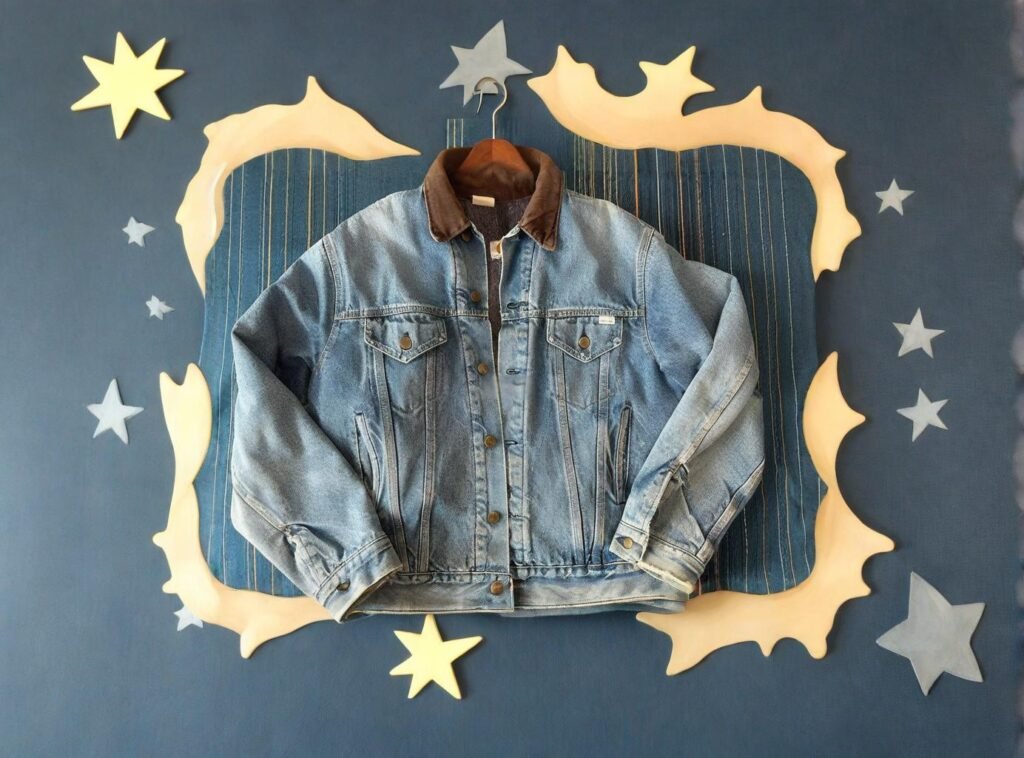
“Denim material by the yard” refers to purchasing denim fabric in continuous measured lengths. But in real apparel manufacturing, it does not simply mean how much fabric is bought—it means how much usable fabric value each yard delivers after shrinkage, edge loss, defects, and cutting layout are accounted for.
A yard is a measurement. Yield is the reality.
For manufacturers, misunderstanding this difference is one of the most common reasons denim costs quietly spiral out of control during production.
In denim production, value is never defined by nominal yardage alone. It is defined by how many finished garments each yard realistically produces.
Why Yardage Alone Doesn’t Define Production Value
In quoting and sourcing discussions, denim is almost always priced per yard. This creates a false sense of precision. The quoted yard exists before denim is washed, relaxed, cut, and assembled—long before it becomes a garment.
Nominal Yard vs Usable Yard
Understanding the difference between measurement and yield is critical.
| Term | What It Represents | Why It Matters |
|---|---|---|
| Nominal yard | Purchased length | Pricing reference |
| Usable yard | After edge & defects | Cutting efficiency |
| Effective yield | Finished pieces | True cost driver |
Nominal yardage is what appears on the invoice. Usable yardage reflects what remains after edge instability, width variation, and defects are removed. Effective yield is the final number that matters: how many garment panels—or finished garments—can be cut.
At SzoneierFabrics, denim programs are often reviewed based on effective yield per yard, not cost per yard. Two fabrics with identical pricing can produce very different outcomes once cutting begins.
Why Denim Behaves Differently from Lighter Fabrics
Denim is not just another woven fabric. Its behavior during processing is fundamentally different.
Denim is:
- Dense
- Woven under high tension
- Dyed repeatedly (indigo, sulfur, or both)
- Often finished after garment construction
Once tension is released—through washing, sanforization, or garment dyeing—denim moves.
Common denim-specific losses include:
- Edge instability after washing, reducing usable width
- Width reduction as warp tension relaxes
- Directional shrinkage, often uneven between warp and weft
Lightweight fabrics such as poplin or twill typically shrink more uniformly and less dramatically. Denim does not. Treating denim yield assumptions like those of lighter fabrics almost always results in underestimating fabric consumption.
Yield Loss Happens Quietly
One of the most dangerous aspects of denim yield loss is that it rarely triggers alarms early.
A small width loss here, a slightly higher defect rate there—each seems manageable. But at scale, these small losses compound into:
- Reduced marker efficiency
- Increased fabric consumption
- Unplanned reorders
- Margin erosion
Manufacturers who track only fabric price per yard often miss these effects until late-stage costing reviews.
A Practical Production Insight
Two denims may be quoted at the same cost per yard. On paper, they look identical. In production, one may deliver 5–8% more finished garments simply because it holds width better and shrinks more predictably.
That fabric wins—even if its nominal price appears higher.
The Key Mindset Shift
Experienced manufacturers rarely ask: “How much does this denim cost per yard?”
They ask: “How many garments does each yard really produce?”
That question reframes sourcing decisions from price-based to performance-based, which is where real profitability lives.
Which Denim Fabric Weights Are Most Suitable for Different Types of Garments?
Denim fabric weight directly determines garment structure, comfort, durability, sewing behavior, and production efficiency. Choosing the wrong weight compromises performance—even if the fabric looks excellent during sampling.
Weight should follow function, not trend.
In manufacturing, denim weight is not a styling choice—it is a structural decision with downstream consequences.
Matching Denim Weight to Real Garment Needs
Denim weight is typically measured in ounces per square yard (oz/yd²). Each range carries different trade-offs.
Common Denim Weight Ranges and Applications
| Denim Weight (oz/yd²) | Fabric Feel | Typical Garments |
|---|---|---|
| 6–8 oz | Light, flexible | Shirts, dresses |
| 9–11 oz | Balanced | Casual jeans, skirts |
| 12–14 oz | Structured | Classic jeans, jackets |
| 15–18 oz | Heavy, rigid | Workwear, outerwear |
| 19 oz+ | Very stiff | Specialty or raw denim |
At SzoneierFabrics, most commercial apparel programs fall between 10–13 oz, where structure, comfort, and production efficiency remain balanced.
This range supports:
- Predictable shrinkage
- Stable cutting yield
- Reasonable sewing speed
- Acceptable wear durability
Why Heavier Isn’t Always Better
Heavier denim is often equated with quality, but weight alone does not guarantee better performance.
Heavier denim frequently:
- Reduces drape and mobility
- Increases needle wear and seam stress
- Raises shrinkage tension during washing
- Lowers cutting efficiency due to stiffness
A 15 oz denim may feel premium on the rack but require:
- Wider seam allowances
- Slower sewing speeds
- Reinforced construction
- Higher wash rejection risk
These factors increase total production cost—even if the fabric price per yard appears reasonable.
The Production Cost Side of Weight
As denim weight increases, production friction increases:
- Sewing defects rise
- Operator fatigue increases
- Machine maintenance costs grow
- Wash process variability widens
For many brands, these costs outweigh any perceived premium benefit of heavier fabric.
Lighter Denim and Hidden Trade-Offs
Lightweight denim brings its own risks.
While lighter weights improve comfort and yield, they may:
- Abrade faster at stress points
- Show seam distortion
- Lose shape at knees and seat
- Require tighter weave engineering
This is why lightweight denim must be evaluated alongside yarn quality, weave density, and stretch strategy. Weight alone does not define durability.
Real-World Example from Production
A brand transitioned summer jeans from 13 oz to 11 oz denim to improve comfort and yield. Initial samples looked successful. However, early wear tests showed knee bagging.
The solution was not to revert weight—but to increase weave density and adjust weft yarn structure. Once engineered correctly, yield improved by 6% and wear complaints decreased.
The lesson: weight change works only when supported by structural adjustments.
Weight Affects Yield and Cost
Denim weight also influences:
- Fabric shrinkage rate
- Marker efficiency
- Panel stability during cutting
Heavier denim often shrinks more aggressively, reducing usable yardage. Lighter denim typically cuts more efficiently but may require stricter tolerances to maintain shape.
Choosing the right weight means balancing:
- Physical performance
- Wear expectations
- Production efficiency
Choosing Denim Weight with Intent
The right denim weight answers three manufacturing questions:
- How should the garment feel on the body? (Soft, structured, rigid, flexible)
- How long should it last under real use? (Casual wear vs heavy-duty use)
- How efficiently can it be cut and sewn? (Yield, speed, defect risk)
When those answers align, weight becomes a strategic advantage—not a compromise.
The Bigger Picture
Denim weight is not an isolated variable. It interacts with:
- Yarn twist and fiber blend
- Weave density
- Finishing intensity
- Garment construction
Manufacturers who select weight early—and then engineer around it—build more stable programs. Those who chase trends or aesthetics often pay later through yield loss and quality issues.
Final Takeaway
“Denim material by the yard” only becomes meaningful when translated into effective yield and garment output. Fabric weight plays a decisive role in that translation.
Successful denim programs do not chase the heaviest fabric or the cheapest yard. They choose the weight that behaves predictably, cuts efficiently, and supports the garment’s real-world purpose.
In denim manufacturing, precision beats perception—and intent beats assumption.
How does denim fabric width affect cutting yield and production planning?

Denim fabric width directly controls cutting efficiency. Wider, more stable denim allows better marker utilization, fewer fabric layers, and lower waste—often delivering more finished garments per yard even when the price per yard is higher.
Width is not a specification to glance at; it’s a lever that controls cost.
Why width is often more important than price
Nominal width vs usable width
Denim is typically quoted with a nominal width, but usable width is what actually matters on the cutting table.
| Width Term | Typical Value | What Gets Lost |
|---|---|---|
| Nominal width | 58–60 in | Quoted size |
| Usable width | 54–58 in | Selvedge, edge distortion |
| Effective width | 52–56 in | After shrinkage |
Heavy denim, in particular, tends to lose more width after washing because of higher loom tension.
At SzoneierFabrics, usable width is confirmed after finishing, not at greige stage, to avoid planning errors.
Width stability and marker efficiency
Marker efficiency improves when width is consistent across rolls.
| Width Stability | Marker Efficiency |
|---|---|
| ±0.5 in | High |
| ±1.0 in | Medium |
| ±2.0 in | Low |
Even small width fluctuations can force conservative marker layouts, increasing waste by 3–7%.
How width affects production planning
Narrow or unstable width leads to:
- More fabric layers
- Longer cutting time
- Higher risk of mismatch
Wider denim allows fewer layers and faster cutting, improving throughput—not just yield.
A production insight
One manufacturer compared a 58-inch denim to a 62-inch denim priced 5% higher. The wider fabric improved yield by 8%, more than offsetting the price difference. Width quietly paid for itself.
What Is the Relationship Between Denim Weight (oz) and Garment Performance?
Denim weight directly influences how a garment ages, stretches, recovers, and feels in daily use. Heavier denim generally delivers better durability and structural integrity, while lighter denim improves comfort and flexibility. However, weight alone never guarantees performance. Construction, yarn quality, and weave density determine whether a given weight succeeds or fails.
Weight sets the baseline. Engineering defines the outcome.
In production reality, denim weight affects far more than hand feel—it shapes long-term performance, customer satisfaction, and manufacturing efficiency.
Understanding Performance Beyond the Scale
A higher ounce number does not automatically mean better denim. Performance emerges from how weight interacts with fiber strength, yarn twist, and fabric tightness. A poorly engineered heavy denim can perform worse than a lighter fabric designed intelligently.
Durability vs Comfort Trade-Offs
Denim weight establishes a natural tension between durability and comfort.
| Weight Range | Durability | Comfort | Common Issues |
|---|---|---|---|
| 6–8 oz | Low–Medium | High | Shape loss |
| 9–11 oz | Medium | High | Knee bagging |
| 12–14 oz | High | Medium | Stiff feel |
| 15+ oz | Very high | Low | Long break-in time |
Lightweight denim (6–8 oz) excels in comfort and drape but often lacks structural memory. Without reinforcement, garments lose shape quickly at stress points.
Midweight denim (9–11 oz) offers the best balance for casual wear, but poor recovery engineering can lead to knee and seat growth.
Classic weights (12–14 oz) provide strong structure and visual authority. The trade-off is initial stiffness, which must be managed through finishing or pattern adjustments.
Very heavy denim (15 oz and above) prioritizes longevity and abrasion resistance but demands patience from the wearer. Comfort improves only after extended break-in.
How Weight Influences Aging Behavior
Denim aging—how it fades, creases, and softens—is weight-dependent.
- Lighter denim fades faster but often unevenly
- Heavier denim fades slower, with sharper contrast
- Midweight denim offers the most predictable wear patterns
Garment performance over time depends not just on how denim feels on day one, but on how it changes after 30, 60, and 120 wears.
Weight and Shrinkage Behavior
Shrinkage is one of the most direct performance consequences of denim weight. Heavier denim stores more tension during weaving and dyeing, which is released during washing.
| Weight | Typical Shrinkage (Fabric-Washed) |
|---|---|
| 9–10 oz | 2–4% |
| 11–13 oz | 3–5% |
| 14–16 oz | 4–7% |
This has real implications:
- Finished garment measurements
- Pattern allowances
- Fabric yield calculations
- Size consistency across production
Ignoring weight-related shrinkage often leads to garments that fit perfectly in sampling but miss size specifications in bulk.
Weight and Stretch Interaction
Weight also affects how stretch behaves.
- Lighter denim stretches easily but may not recover
- Heavier denim resists stretch but holds shape better
- Midweight denim depends heavily on yarn and weave design
This is why stretch denim at 10.5 oz can outperform poorly engineered stretch denim at 13 oz. Weight sets resistance; construction controls recovery.
Weight and Sewing Performance
From a manufacturing standpoint, weight has a direct cost impact.
Heavier denim requires:
- Larger needle sizes
- Stronger (often thicker) thread
- Reduced sewing speed
- Higher machine stress
These factors increase:
- Labor time per garment
- Equipment wear
- Risk of skipped stitches or seam damage
Lighter denim sews faster and cleaner but may require reinforcement to prevent seam failure.
A Real-World Lesson from Production
A brand selected 15 oz denim to signal durability and premium positioning. Customer feedback consistently cited stiffness, discomfort, and limited mobility.
After one season, the brand transitioned to 12.5 oz denim with reinforced seams and tighter weave density. Durability remained comparable, while comfort improved significantly. Return rates dropped, and repeat purchases increased.
The issue was never durability—it was over-weighting the solution.
The Performance Takeaway
Garment performance is not about choosing the heaviest denim available. It is about selecting a weight appropriate to the garment’s purpose, then engineering construction to support that choice.
Weight is a starting point, not a guarantee.
How Do Manufacturers Calculate Fabric Yield from Weight and Width Specifications?
Manufacturers calculate denim fabric yield by combining usable width, fabric weight, shrinkage behavior, and marker efficiency to estimate how many finished garments each yard can realistically produce. Yield—not price per yard—is the true cost driver in apparel production.
If yield is not calculated, margins are guessed.

Understanding yield is where technical sourcing separates from price shopping.
Turning Specifications into Real Numbers
Fabric specifications only become meaningful when translated into garment output.
The Basic Yield Logic
At its core, yield depends on four variables:
- Usable fabric width (after washing and edge loss)
- Marker efficiency (% of width used)
- Garment pattern area
- Shrinkage allowance
A simplified logic looks like this:
Effective fabric usage per yard = Usable width × Marker efficiency
This number determines how many pattern pieces fit into each yard of fabric.
Example: Comparing Two Denims
Assume the same garment pattern and size range.
| Parameter | Denim A | Denim B |
|---|---|---|
| Nominal width | 58 in | 62 in |
| Usable width | 54 in | 58 in |
| Marker efficiency | 80% | 85% |
| Effective width | 43.2 in | 49.3 in |
Despite potentially higher cost per yard, Denim B produces more usable area per yard. Over thousands of garments, this difference significantly lowers fabric cost per finished piece.
Where Weight Enters the Yield Equation
Weight influences yield indirectly but powerfully.
Weight affects:
- Shrinkage magnitude
- Width loss after washing
- Planner confidence in marker tightness
| Weight | Typical Width Loss | Marker Impact |
|---|---|---|
| 9–10 oz | Low | Flexible |
| 11–13 oz | Medium | Moderate |
| 14–16 oz | Higher | Conservative |
Heavier denim tends to shrink more aggressively and unevenly. As a result, planners often:
- Add safety margins
- Reduce marker efficiency
- Increase fabric consumption
Even if heavier denim appears stable in samples, teams often plan defensively at scale, lowering yield.
Yield Loss Compounds Quietly
A 2% yield loss may seem minor. At 10,000 garments, it can mean hundreds of extra yards consumed—often unnoticed until margins are reviewed.
Yield loss compounds through:
- Shrinkage miscalculation
- Width instability
- Conservative cutting layouts
- Defect allowances
This is why yield must be modeled, not assumed.
Why Experienced Teams Simulate Before Ordering
Before committing to bulk denim orders, experienced manufacturers often conduct:
- Mini marker simulations
- Shrinkage-adjusted layout tests
- Pilot cutting trials
These exercises convert abstract specifications into real numbers.
At SzoneierFabrics, denim development frequently includes pre-production yield estimates, allowing teams to compare fabrics based on output per yard, not invoice price.
Weight, Width, and Yield Must Be Evaluated Together
Evaluating weight without width—or width without weight—produces incomplete conclusions. A lighter denim with poor width stability may yield worse results than a slightly heavier fabric with excellent dimensional control.
Yield lives at the intersection of:
- Weight behavior
- Width stability
- Cutting discipline
- Pattern design
The Key Insight for Manufacturers
The cheapest denim per yard is rarely the cheapest denim per garment.
Smart teams shift their focus from:
- “What does this fabric cost?” to
- “How many sellable garments does this fabric reliably produce?”
That shift transforms sourcing from negotiation into engineering.
Denim weight influences garment performance. Fabric yield determines profitability. The two are inseparable.
Manufacturers who understand how weight affects shrinkage, width, and cutting behavior make better decisions earlier—before costs are locked and margins disappear.
In denim production, numbers beat assumptions, and yield beats price every time.
Which Denim Weaving and Finishing Processes Influence Usable Width and Yield?
Weaving tension, loom configuration, finishing sequence, sanforization, and drying methods all directly influence how much usable width denim retains after processing. These factors can change final usable width by several inches—enough to materially alter cutting yield, marker efficiency, and cost per garment.
Yield is not decided in the cutting room. It is engineered upstream, long before cutting starts.
Understanding where width is gained—or lost—allows manufacturers to predict yield instead of discovering problems after fabric arrives on the cutting table.
Where Width Is Gained or Lost
Usable width is affected at multiple stages. Losses often compound quietly across steps, which is why finished-width measurement matters far more than loom-width claims.
Weaving Stage: Loom Tension and Selvedge Control
The weaving stage sets the foundation for dimensional stability.
High loom tension produces crisp fabric appearance and clean selvages, but it also stores mechanical stress in the fabric. That stress is released later—usually during washing or sanforization—causing shrinkage and width loss.
| Weaving Factor | Effect on Width |
|---|---|
| High tension | Greater shrinkage later |
| Balanced tension | Better width retention |
| Poor selvedge control | Edge loss |
Denim woven under excessive tension may look excellent in greige form but narrow dramatically once finished. Conversely, denim woven with balanced tension may appear slightly less crisp initially but holds width more reliably through processing.
Selvedge control is equally important. Inconsistent selvedges often require edge trimming during cutting, immediately reducing usable width—even if nominal width looks acceptable on paper.
Loom Type and Its Influence
Different loom types introduce different width risks:
- Projectile and air-jet looms offer higher efficiency but can produce higher internal stress if not tuned carefully.
- Shuttle looms generally run slower with lower tension, often yielding better dimensional stability but narrower nominal widths.
Neither is inherently better. What matters is whether loom settings are aligned with downstream finishing plans.
Finishing Stage: Washing and Sanforization
Finishing is where stored tension is released—and where width outcomes become visible.
| Finishing Method | Width Stability | Yield Impact |
|---|---|---|
| Garment wash only | Low | Unpredictable |
| Fabric wash | Medium–High | Stable |
| Sanforization | High | Best |
Garment-only washing leaves most fabric tension intact until after cutting. This makes yield unpredictable, as shrinkage occurs after panels are already sewn.
Fabric washing relaxes tension earlier, improving predictability. Sanforization goes further by mechanically pre-shrinking and stabilizing fabric dimensions before cutting.
Sanforized denim typically retains 1–3 inches more usable width than untreated denim of the same nominal specification. At scale, that difference often translates into 5–8% yield improvement.
Drying Method Matters More Than Expected
Drying is one of the most underestimated sources of width loss.
- Tumble drying allows fabric to relax freely, increasing width loss.
- Flat drying improves stability but is slower.
- Tension drying actively preserves width by holding fabric under controlled stretch.
Even with identical weaving and washing, different drying methods can produce meaningfully different usable widths. Manufacturers evaluating denim by the yard should always confirm how width was measured and after which drying process.
A Real Production Comparison
Two denims with identical fiber, yarn, and weave specifications were finished differently:
- Untreated finish: usable width 53 in
- Sanforized finish: usable width 56 in
That 3-inch difference increased cutting yield by approximately 6%, without changing fiber content or fabric weight. Over a 10,000-piece run, that margin difference was substantial.
A Critical Takeaway for Sourcing Teams
When evaluating denim by the yard, the most important questions are not about loom brand or yarn origin. They are:
- Was width measured before or after finishing?
- What process stabilized the fabric?
- How repeatable is that process at scale?
Those answers influence yield more than most visible fabric attributes.
What Common Shrinkage Allowances Should Be Considered When Ordering Denim by the Yard?
When ordering denim by the yard, manufacturers must plan for shrinkage in both length and width, typically ranging from 2% to 7% depending on denim weight, weave tension, and finishing method. Shrinkage allowances must be integrated into yield calculations, pattern dimensions, and grading logic from the very beginning.
Shrinkage is not an exception. It is a baseline assumption.

Ignoring shrinkage early almost always results in rushed pattern changes, yield loss, or inconsistent sizing later.
Planning Shrinkage into Denim Production
Shrinkage must be treated as a predictable variable, not a quality defect. Well-managed denim programs assume shrinkage will occur and design around it.
Typical Shrinkage Ranges by Denim Type
| Denim Type | Length Shrinkage | Width Shrinkage |
|---|---|---|
| Lightweight (6–9 oz) | 2–4% | 2–3% |
| Midweight (10–13 oz) | 3–5% | 3–4% |
| Heavyweight (14–16 oz) | 4–7% | 4–6% |
| Sanforized denim | ≤2–3% | ≤2–3% |
These ranges assume fabric-stage washing or sanforization. When washing is performed only at garment stage, variability increases significantly, even if average shrinkage appears similar.
Why Width Shrinkage Hurts Yield More Than Length Shrinkage
Length shrinkage primarily affects garment measurements and grading. It can usually be corrected through pattern adjustment.
Width shrinkage is more dangerous because it directly reduces cutting efficiency.
A seemingly small unexpected width loss—just 2 inches—can:
- Reduce marker efficiency by 3–6%
- Force marker redesign
- Increase fabric consumption per garment
Unlike length, width cannot be “added back” once fabric is delivered.
Shrinkage Direction Matters
Denim rarely shrinks evenly. Directional behavior must be understood.
| Direction | Typical Impact |
|---|---|
| Warp (length) | Size adjustment |
| Weft (width) | Yield reduction |
Warp shrinkage affects inseam, rise, and overall length measurements. Weft shrinkage affects how many panels fit across the fabric.
Failing to plan for both directions leads to compromises—either in fit or in yield.
Interaction Between Weight and Shrinkage
Heavier denim generally shrinks more because it stores more tension during weaving and dyeing. This is why heavy denim programs often require:
- Larger shrinkage allowances
- More conservative markers
- Higher fabric consumption
Lightweight denim shrinks less but may show higher variability if weave density is insufficient.
Best Practices Used in Production
Experienced manufacturing teams typically:
- Test shrinkage on finished fabric, not greige
- Measure both length and width changes
- Lock acceptable shrinkage ranges into specifications
- Reject fabric outside tolerance before cutting
At SzoneierFabrics, shrinkage data is usually provided after finishing, ensuring yield estimates reflect real cutting conditions rather than theoretical loom specs.
Why Early Shrinkage Data Protects Margins
Late discovery of shrinkage issues forces reactive decisions:
- Emergency pattern changes
- Re-cutting markers
- Additional fabric orders
- Delayed shipments
Early shrinkage testing prevents these disruptions and allows yield, cost, and fit to be aligned before bulk commitments are made.
The Key Insight for Manufacturers
Shrinkage is not a flaw—it is a characteristic. The problem is not that denim shrinks; it is that teams fail to plan for it.
Successful denim programs treat shrinkage as a known input, not a surprise outcome.
Weaving tension, finishing, sanforization, and drying determine how much width denim actually retains. Shrinkage determines how much of that width remains usable.
Manufacturers who evaluate denim by the yard without understanding these processes are buying measurements, not yield.
Those who account for them early are buying predictable output, stable margins, and fewer downstream problems.
How Should Apparel Manufacturers Specify Weight, Width, and Yield Requirements to Optimize Cost and Quality?
To optimize both cost and quality, apparel manufacturers should specify denim by defining controlled weight ranges, guaranteed usable width after finishing, and realistic yield assumptions, rather than relying on nominal loom specs or single-point numbers. Clear, production-oriented specifications transform denim from a variable material into a predictable manufacturing input.
Good specs don’t restrict suppliers. They prevent surprises.
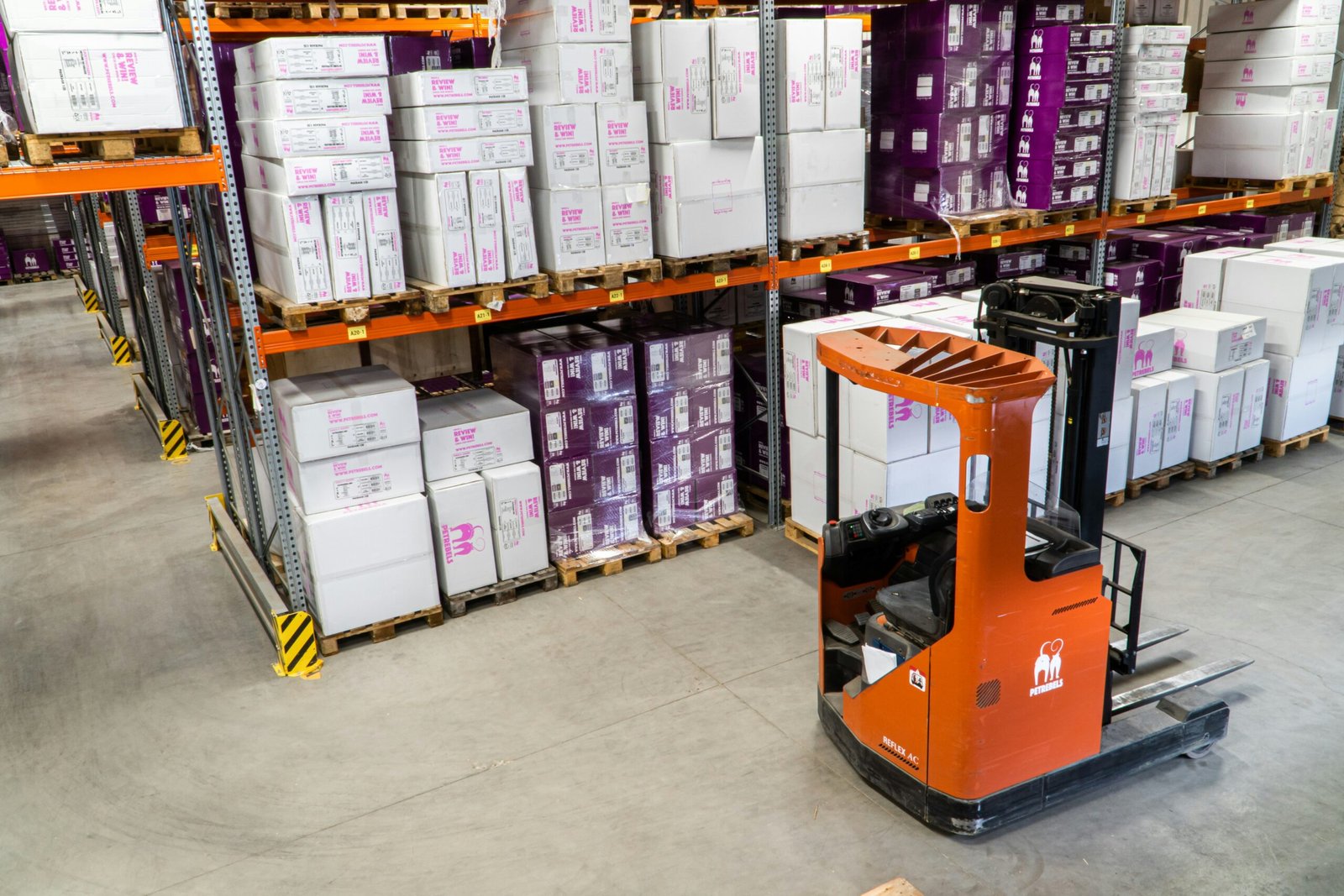
In denim programs, most cost overruns and quality disputes can be traced back to one issue: specifications that describe what denim is, not how it must behave in production.
Writing Denim Specs That Actually Work
Effective denim specifications are written from the perspective of cutting rooms and costing teams, not just fabric mills. They anticipate variation, define acceptable limits, and connect material behavior to real production processes.
Move from Single Numbers to Controlled Ranges
Single-point specifications look precise but fail under real-world variability. Denim is a natural-fiber-based, tension-sensitive fabric; some variation is inevitable.
Instead of fixed numbers, use controlled ranges.
| Parameter | Better Specification |
|---|---|
| Weight | 12–13 oz (±5%) |
| Usable width | ≥56 in after finishing |
| Shrinkage | ≤3% warp / ≤3% weft |
Weight ranges absorb normal mill variation without forcing unnecessary rejections. Usable width requirements focus attention on what matters at cutting. Shrinkage limits ensure pattern stability and predictable sizing.
These ranges create operational flexibility without sacrificing control.
Why Nominal Specs Fail in Production
Many denim specs still rely on:
- Loom width
- Greige weight
- Pre-finishing measurements
These numbers are convenient—but misleading. They describe fabric before it behaves like denim.
Once washing, sanforization, and drying occur, those values shift. Specs that ignore finishing stages invite disputes and downstream corrections.
Tie Specifications to Defined Processes
A specification without process context is incomplete.
A usable width guarantee, for example, only has meaning if the finishing pathway is known.
| Spec Element | Why It Matters |
|---|---|
| Finish method | Controls shrinkage and relaxation |
| Wash standard | Defines test repeatability |
| Drying method | Affects width retention |
“Usable width ≥56 inches” means very different things if the fabric is:
- Garment-washed only
- Fabric-washed and air-dried
- Sanforized and tension-dried
Without process alignment, mills and manufacturers may both be “right”—and still incompatible.
Specify Finished-State Requirements, Not Loom Claims
The most reliable denim specs reference finished-state measurements, such as:
- Finished weight after washing
- Finished usable width after drying
- Shrinkage measured on finished fabric
This shifts accountability from theoretical capability to actual delivered behavior.
Manufacturers who adopt finished-state specs see fewer arguments, fewer surprises, and faster approvals.
Align Yield Assumptions with Reality
Yield planning is where optimistic assumptions quietly destroy margins.
Different planning approaches carry very different risk profiles.
| Planning Method | Risk Level |
|---|---|
| Nominal width-based | High |
| Usable width-based | Medium |
| Finished-width-based | Low |
Nominal width-based planning assumes fabric behaves perfectly. It rarely does.
Usable width-based planning improves accuracy by accounting for edge loss and defects, but still ignores finishing effects.
Finished-width-based planning—using measured width after washing and drying—produces the most reliable cost forecasts. It aligns purchasing, cutting, and costing around the same reality.
Build Yield Expectations into Specs
Advanced denim specs often include:
- Minimum finished usable width
- Expected marker efficiency range
- Reference garment type for yield modeling
This does not lock suppliers into a single outcome, but it anchors expectations. When yield is discussed upfront, cost conversations become factual instead of reactive.
Communicate Garment Intent, Not Just Fabric Numbers
Fabric does not exist in isolation. Denim that performs well for one garment can fail in another.
Sharing key intent details dramatically improves outcomes:
- Garment category (jeans, jacket, shirt)
- Fit profile (slim, relaxed, structured)
- Wash intensity (light rinse vs heavy vintage)
- Target lifespan (fashion vs core program)
This context allows fabric developers to engineer:
- Appropriate weave density
- Yarn strength and twist
- Finishing balance
Without intent, mills optimize for generic specs—which may conflict with actual use.
Why Over-Specifying Can Be as Dangerous as Under-Specifying
Some manufacturers respond to uncertainty by over-tightening specs. This creates its own problems:
- Higher rejection rates
- Longer lead times
- Increased fabric cost
- Reduced supplier flexibility
The goal is not zero variation. The goal is controlled variation within production-safe boundaries.
Well-written specs distinguish between:
- Critical parameters (width, shrinkage, yield)
- Adjustable parameters (hand feel, minor shade variation)
This prioritization keeps programs stable without becoming rigid.
A Practical Specification Mindset Shift
Instead of asking suppliers:
- “Can you make this denim exactly?”
Effective manufacturers ask:
- “Can you deliver this behavior consistently after finishing?”
That shift reframes discussions from capability to reliability.
How Specs Protect Both Cost and Quality
Clear, production-oriented specs:
- Reduce late-stage pattern changes
- Prevent emergency fabric reorders
- Improve yield predictability
- Stabilize garment sizing
- Shorten approval cycles
They also protect quality by ensuring denim behaves as intended after washing, wearing, and repeated use—not just on arrival.
A Real-World Outcome
Manufacturers who move from nominal to finished-state denim specs typically see:
- 3–6% improvement in yield accuracy
- Fewer cutting-room adjustments
- Reduced rework and wash rejection
- More predictable reorders
These gains often outweigh small increases in fabric price or development time.
The Final Takeaway
Optimizing denim cost and quality does not start with negotiation. It starts with specification clarity.
Manufacturers who specify:
- Controlled weight ranges
- Guaranteed usable width after finishing
- Realistic shrinkage limits
- Finished-state yield assumptions
turn denim into a predictable production material rather than a recurring problem.
Good specs do not make denim cheaper. They make it reliable.
And in apparel manufacturing, reliability is where both margin and quality are protected.
Denim cost is decided before cutting begins
Denim material by the yard is not just a purchasing decision—it’s a production strategy. Weight determines how a garment feels and lasts. Width determines how efficiently it can be cut. Yield determines whether margins hold or erode.
Manufacturers who focus only on price per yard often pay more later—in waste, rework, or compromised quality. Those who plan weight, width, shrinkage, and yield together turn denim into a controlled input rather than a variable risk.
SzoneierFabrics supports denim development from fiber selection and weaving through finishing, shrinkage testing, and yield optimization. With flexible quantities, rapid sampling, and detailed specification support, the focus is on helping apparel teams achieve consistent results at scale.
If you’re sourcing denim material by the yard and want weight, width, and yield engineered to your product needs, reach out to SzoneierFabrics to start a custom sampling and quotation discussion.