Skip to content

Bulk fabric sourcing looks simple on the surface: find a supplier, confirm a price, place an order. In reality, anyone who has sourced acrylic textiles at scale knows the real challenges appear after the first shipment—when color consistency shifts, hand feel changes slightly, lead times stretch, or performance no longer matches the sample that was approved months earlier. Acrylic is a technically stable fiber, but bulk sourcing introduces variables that can quietly erode that stability if buyers are not prepared.
What makes acrylic especially interesting—and tricky—is that it is often chosen for long-term performance: UV resistance, color stability, insulation, and predictable aging. These benefits only materialize when fiber quality, yarn processing, construction, and finishing are tightly controlled across large volumes.
The most reliable way to source acrylic textile in bulk is to start with clear performance specifications, verify quality through structured sampling and testing, and work with suppliers who control or transparently manage each step of production—from fiber selection to finishing and inspection. Buyers who treat acrylic sourcing as a system rather than a transaction consistently achieve better results.
Many experienced sourcing teams can trace their biggest problems back to early-stage assumptions: unclear specs, over-reliance on price, or limited insight into how a supplier actually produces acrylic fabrics. This guide is designed to prevent those issues by breaking down bulk acrylic sourcing into practical, decision-ready steps—starting with understanding what acrylic textile really is and why it is so commonly purchased in volume.
What is acrylic textile, and why is it commonly sourced in bulk for industrial and commercial use?

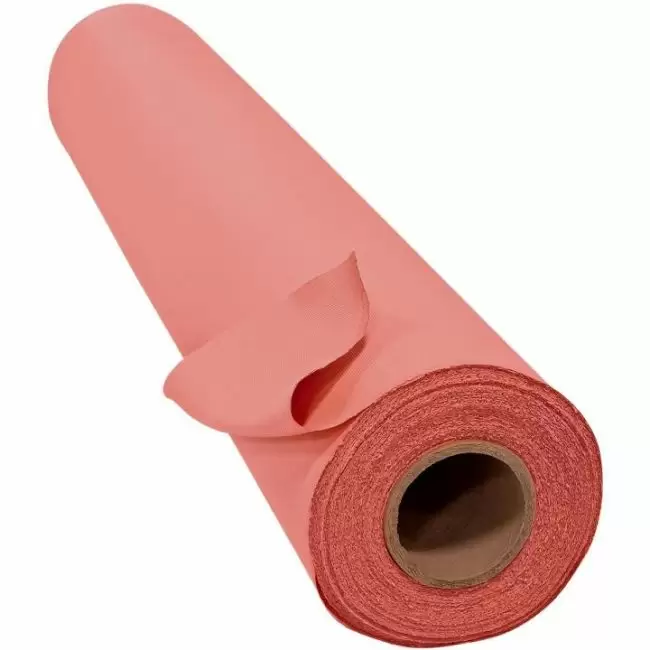
Acrylic textile is a synthetic fabric engineered primarily from polyacrylonitrile-based fibers and designed to deliver reliable performance in environments where sunlight exposure, temperature fluctuation, and long service life are critical. The material is widely recognized for its UV resistance, color stability, thermal insulation, low moisture absorption, and resistance to weather-related degradation, making it suitable for demanding outdoor, semi-outdoor, and technical industrial applications.
In commercial supply chains, acrylic is rarely purchased in small quantities. Instead, it is typically sourced in large, repeatable production runs because manufacturers depend on uniform fiber behavior across thousands of meters of fabric. This consistency allows production planning, quality assurance, and long-term product programs to remain stable across multiple seasons or infrastructure cycles. For many industrial buyers, acrylic’s most valuable feature is not only performance but predictability under scale.
When properly polymerized, spun, dyed, and heat-set, acrylic fibers maintain consistent tensile behavior, shade matching, and dimensional stability. This reliability explains why acrylic remains a preferred material for bulk procurement in sectors where replacement cost, downtime, or visual inconsistency would create financial risk.
Why acrylic scales well in bulk sourcing
Bulk textile procurement is fundamentally about risk control. Large-volume buyers are less concerned with short-term price variation and more focused on long-term stability—how a fabric behaves after storage, transport, installation, and prolonged exposure to environmental stress. Acrylic performs well in these conditions because its polymer structure resists ultraviolet breakdown better than many commodity fibers, and its dye affinity supports long-lasting coloration without rapid fading.
Another scaling advantage is processing uniformity. Acrylic fibers can be produced with controlled denier, crimp, and cross-section, which allows mills to maintain consistent yarn formation and fabric construction across long manufacturing cycles. This reduces batch-to-batch variability—an issue that often complicates procurement with natural fibers or lower-grade synthetics.
In warehouse environments, acrylic’s low moisture regain (typically around 1–2%) minimizes risks associated with humidity fluctuations, mildew growth, or dimensional distortion during long-distance shipping. For distributors managing container-level inventory, this stability directly reduces spoilage and inspection loss.
Core reasons acrylic is bought in volume
| Reason | Why it matters in bulk |
|---|---|
| UV resistance | Reduces replacement cycles in outdoor exposure |
| Color stability | Maintains visual consistency across production batches |
| Low moisture absorption | Enables safe long-term storage and shipping |
| Thermal insulation | Works effectively in layered or padded systems |
| Predictable aging | Supports warranty planning and lifecycle forecasting |
These characteristics become significantly more valuable at scale. A minor fading issue across a few meters of fabric is manageable; the same issue across tens of thousands of meters can create large financial losses. Acrylic’s controlled aging behavior helps prevent such large-scale defects.
Typical bulk-use scenarios
Acrylic textiles appear in numerous industrial and commercial systems where durability and environmental resistance outweigh softness or luxury feel. Common high-volume applications include:
- Outdoor furnishings such as awnings, marine covers, and shade systems
- Thermal or acoustic insulation layers inside construction or transportation components
- Filtration media used in dust collection, air handling, or liquid separation
- Protective infrastructure textiles covering equipment, scaffolding, or storage zones
In each of these sectors, procurement decisions prioritize long service intervals and stable mechanical behavior. Buyers often calculate cost not per meter, but per year of functional lifespan, which tends to favor acrylic despite slightly higher upfront pricing compared with some alternatives.
Another growing use area is composite reinforcement or backing layers, where acrylic provides dimensional stability and moderate heat resistance while remaining lightweight. This role further expands total consumption volume in technical manufacturing.
Why buyers choose acrylic over alternatives at scale
Material substitution is common in bulk sourcing, especially when cost pressure rises. Polyester and polypropylene frequently compete with acrylic because of their lower price or higher tensile strength. However, performance over time often shifts the calculation.
| Fiber | Bulk advantage | Bulk risk |
|---|---|---|
| Acrylic | Long-term UV and color stability | Requires high-quality fiber control |
| Polyester | Strong, economical, widely available | Gradual fading under sunlight |
| Polypropylene | Very low cost and lightweight | Rapid UV degradation without additives |
In outdoor exposure exceeding one to three years, untreated polypropylene may embrittle, while lower-grade polyester can lose color depth. Acrylic’s resistance to photodegradation makes lifecycle cost more predictable, which is especially important for municipal projects, transportation assets, or branded outdoor installations where replacement logistics are expensive.
From a brand perspective, visual consistency also carries measurable value. Large retail or infrastructure programs cannot tolerate noticeable shade variation between production batches. Solution-dyed acrylic fibers—where pigment is integrated during polymer formation—provide superior color uniformity compared with surface-dyed alternatives, further strengthening acrylic’s position in bulk procurement.
Mechanical and thermal behavior in industrial environments
Beyond UV stability, acrylic offers balanced mechanical performance suitable for semi-structural textile roles. Typical tensile strength ranges from 1.5 to 3.5 cN/dtex, depending on fiber grade and processing. While not as strong as high-tenacity polyester, this strength is adequate for covers, liners, and filtration systems when combined with proper fabric construction.
Thermally, acrylic softens at temperatures above 190–200 °C but maintains functional stability in most real-world environments below 120 °C. This range supports use near engines, HVAC systems, or sun-heated exterior structures without rapid deformation. Additionally, acrylic’s inherently low thermal conductivity contributes to its effectiveness as an insulation component.
These performance parameters explain why acrylic frequently appears in multi-layer industrial assemblies, where each layer contributes a specific function such as strength, insulation, or weather protection.
Supply chain behavior and repeat-order economics
Bulk acrylic sourcing is closely linked to repeat manufacturing cycles. Once a buyer validates fiber grade, weave structure, coating compatibility, and aging behavior, switching materials becomes costly. Re-qualification requires laboratory testing, field trials, and regulatory review—processes that may take months.
Because of this inertia, acrylic suppliers capable of delivering consistent polymer quality and shade reproducibility often secure long-term contracts. Stability in these relationships benefits both sides:
- Buyers gain predictable lead times and performance
- Suppliers achieve steady production planning and scale efficiency
This dynamic explains why acrylic markets tend to grow gradually but sustain demand over long periods, rather than experiencing sharp short-term spikes.
Environmental exposure and lifecycle considerations
In outdoor or infrastructure contexts, lifecycle durability often outweighs recyclability concerns. Acrylic’s resistance to sunlight, oxidation, and moisture reduces replacement frequency, indirectly lowering material consumption over time. Some modern production methods also incorporate improved emission control and cleaner polymerization, gradually reducing environmental impact compared with older manufacturing technologies.
Additionally, longer-lasting textiles reduce maintenance labor, transportation emissions for replacements, and disposal volume—factors increasingly evaluated in large procurement tenders.
Quality variation within “acrylic” textiles
A critical reality in bulk sourcing is that the term acrylic fabric does not guarantee uniform performance. Differences may arise from:
- Polymer purity and molecular weight distribution
- Spinning technology and fiber orientation
- Dyeing method (solution-dyed vs. piece-dyed)
- Heat-setting precision and dimensional control
- Coating or finishing chemistry
Lower-grade acrylic may exhibit faster fading, pilling, or tensile loss, which only becomes visible after months of exposure. For bulk buyers, these hidden variables can create large warranty or replacement costs. Therefore, professional sourcing emphasizes specification verification, laboratory testing, and supplier process transparency before price negotiation.
Economic logic behind bulk procurement
At industrial scale, procurement decisions rely on total cost of ownership, not purchase price alone. Acrylic’s relatively stable aging curve simplifies financial forecasting. Infrastructure planners, for example, can estimate replacement intervals more accurately when material degradation follows predictable patterns.
This predictability supports:
- Long-term budgeting
- Warranty structuring
- Inventory planning
- Multi-year product programs
Such financial clarity explains why acrylic remains competitive even when cheaper fibers are available.
Conclusion: consistency defines acrylic’s bulk value
Acrylic textile continues to hold a strong position in industrial and commercial bulk sourcing because it combines environmental durability, visual stability, thermal performance, and predictable lifecycle behavior within a single synthetic fiber system. More importantly, it performs these functions consistently across large production volumes, enabling manufacturers and infrastructure operators to plan with confidence.
In high-volume applications, the true value of acrylic lies not simply in resistance to sunlight or moisture, but in its ability to deliver repeatable performance over time and scale. This reliability reduces operational risk, stabilizes long-term costs, and supports sustained demand across outdoor, industrial, and protective textile sectors.
Which specifications (fiber type, yarn count, construction) matter most when sourcing acrylic textile in bulk?

Bulk sourcing of acrylic textiles is rarely limited by price alone. The true success or failure of a large order is determined by how clearly the technical specifications are defined before production begins. Fiber composition controls resistance to sunlight and chemicals, yarn count shapes the balance between softness and durability, and fabric construction governs stretch, insulation, airflow, and dimensional stability. When these parameters are loosely described or replaced with visual references, bulk consistency becomes unpredictable and product performance may decline after only limited use.
Experienced sourcing teams therefore focus on performance-based specifications tied to measurable data, not just appearance or sample approval. Locking down fiber quality, yarn tolerance, construction method, and finishing treatments ensures that laboratory performance, factory production, and real-world usage remain aligned across thousands of meters of fabric. This specification discipline is especially important for acrylic textiles used in outdoor furnishings, blankets, apparel linings, filtration layers, and technical industrial applications where durability and environmental resistance directly affect product lifespan and warranty risk.
Clear technical documentation also improves communication between brand owners, textile mills, and quality inspectors. When every parameter—from denier variation to GSM tolerance—is quantified, disputes decrease and delivery timelines become more predictable. In global supply chains where production may occur far from the end market, this level of clarity is not optional; it is essential for maintaining brand reputation and controlling long-term cost.
Breaking Down Critical Acrylic Specs
Fiber-Level Specifications
Acrylic performance begins at the polymer and fiber formation stage. Two fabrics that look identical in a showroom may behave very differently after months of UV exposure or repeated washing because of differences in polymer purity, additive formulation, or crimp structure. Bulk buyers who overlook fiber-level data often discover degradation only after products reach the market.
Key fiber parameters influencing long-term performance include polymer stability, denier uniformity, and the presence of functional additives. High-purity acrylic polymers resist ultraviolet breakdown more effectively, maintaining tensile strength and color integrity during outdoor exposure. Controlled denier distribution improves surface smoothness and reduces pilling, while engineered crimp enhances loft and thermal insulation in blankets or knitwear. Additives such as flame-retardant compounds or antistatic agents further expand acrylic’s suitability for safety-sensitive or dust-prone environments.
| Fiber parameter | Impact |
|---|---|
| Polymer purity | UV & weather resistance |
| Fiber denier | Softness vs durability |
| Crimp level | Loft and insulation |
| Additives | Flame resistance, antistatic |
In bulk production, low-grade fiber may pass visual inspection but gradually lose tensile strength, fade under sunlight, or generate excessive pilling. Because these failures appear months later, they often lead to warranty claims rather than immediate factory rejection. This is why professional buyers request fiber origin disclosure, UV aging data, and pilling test results before approving mass production.
Yarn Count and Yarn Structure
Once fiber quality is secured, yarn engineering becomes the next decisive factor. Yarn count determines surface feel, thickness, and mechanical strength, while twist level influences elasticity, loft retention, and abrasion resistance. Even small variations in yarn structure can shift a fabric from soft and insulating to rigid and wear-resistant.
Fine yarns typically create smoother surfaces suitable for apparel or decorative textiles, whereas coarser yarns enhance durability in upholstery or outdoor fabrics. High-twist yarns increase tensile strength and reduce fuzz formation but may lower softness and thermal trapping. Low-twist yarns produce a fuller, warmer hand feel yet can reduce abrasion resistance if not properly balanced.
| Yarn choice | Result |
|---|---|
| Fine yarns | Smoother surface |
| Coarse yarns | Higher durability |
| High twist | Strength, lower loft |
| Low twist | Softer hand, more air trapping |
For bulk sourcing, specifying only a nominal yarn count is insufficient. Mills require tolerance ranges, such as allowable ±5% variation in tex or denier, to maintain consistent weaving or knitting efficiency. Without defined tolerances, two production batches may both meet the nominal count yet differ noticeably in texture or strength. Including measurable yarn twist per meter and tensile benchmarks in purchase specifications significantly improves repeatability.
Fabric Construction: Woven, Knit, or Nonwoven
Fabric construction determines how acrylic behaves during use, laundering, and environmental exposure. Even with identical fibers and yarns, woven, knitted, and nonwoven structures deliver completely different mechanical and thermal properties. Selecting the wrong construction can undermine the inherent benefits of acrylic, leading to premature stretching, insufficient insulation, or poor dimensional stability.
Woven acrylic fabrics offer the greatest structural stability and resistance to deformation, making them suitable for upholstery, awnings, and outdoor cushions. Knitted acrylic provides elasticity and thermal retention, ideal for blankets, sweaters, and winter accessories where comfort and flexibility are priorities. Nonwoven acrylic structures serve technical purposes such as filtration media, insulation liners, or disposable protective layers.
| Construction | Best suited for |
|---|---|
| Woven acrylic | Dimensional stability |
| Knitted acrylic | Insulation, flexibility |
| Nonwoven acrylic | Filtration, liners |
Beyond construction type, density parameters such as ends per inch, picks per inch, or stitch count must also be defined. These metrics directly influence GSM, breathability, and tear strength. Professional sourcing documents therefore include both structural category and quantitative density requirements to avoid ambiguity during manufacturing.
Finish and Post-Treatment Requirements
Finishing processes frequently determine whether acrylic textiles succeed or fail in real-world environments. Treatments applied after weaving or knitting can enhance water resistance, flame safety, static control, or barrier performance. Because finishing chemistry interacts with fiber structure, these decisions must be specified early rather than added late in production.
Common functional finishes include durable water repellents for outdoor exposure, flame-retardant systems for safety compliance, antistatic treatments for dust-sensitive facilities, and coatings or laminations that create vapor or liquid barriers. Each finish influences cost, lead time, testing protocol, and minimum order quantity, making early planning essential for accurate sourcing budgets.
| Finish | Purpose |
|---|---|
| Water repellency | Outdoor protection |
| Flame retardancy | Safety requirements |
| Anti-static | Dust control |
| Coating/lamination | Barrier properties |
Bulk buyers should also confirm durability metrics such as wash-cycle resistance, abrasion retention, or hydrostatic pressure after aging. Without these data points, a finish that appears effective in sampling may deteriorate quickly in consumer use.
Why Specification Clarity Matters in Real-World Bulk Purchasing
In global textile sourcing, many quality disputes arise not from manufacturing defects but from unclear or incomplete specifications. When expectations rely on subjective descriptions like “soft hand feel” or “outdoor quality,” factories interpret requirements differently, leading to variation across shipments. Precise technical language—UV resistance hours, color fastness grade, GSM tolerance, tensile strength range—transforms sourcing from guesswork into a controlled engineering process.
Clear specifications deliver several measurable advantages:
They reduce sampling cycles because mills understand requirements earlier. They stabilize pricing by preventing mid-production changes. They simplify quality inspection through objective pass-fail criteria. They protect brand reputation by ensuring consistent field performance.
For acrylic textiles in particular, where sunlight exposure, weather resistance, and long-term durability often define product success, specification discipline becomes a direct contributor to profitability. Products that maintain color, strength, and comfort over extended use generate fewer returns and stronger customer trust.
Ultimately, effective bulk sourcing is not about choosing the lowest quotation but about defining the right technical foundation before production begins. When fiber properties, yarn structure, construction density, and finishing performance are all quantified, acrylic textiles can deliver reliable quality across large volumes and diverse applications.
How do bulk buyers evaluate acrylic textile quality and performance before placing large orders?

Bulk purchasing decisions for acrylic textiles cannot rely on appearance alone. Professional buyers reduce risk by verifying measurable fiber performance, dye stability, structural consistency, and finishing durability under conditions that closely reflect real-world use. In reliable sourcing practice, acrylic textile approval is based on three layers of validation working together: laboratory testing for objective data, production-method sampling for manufacturing realism, and repeatability checks across multiple batches. This combined approach prevents the most common large-order failures—color drift, uneven shrinkage, premature fading, or inconsistent hand feel—before commercial production begins.
A practical quality gate that prevents surprises
Experienced sourcing teams rarely treat fabric approval as a single step. Instead, they build a staged evaluation process that gradually increases confidence while exposing hidden variability. A well-structured quality gate typically moves through four checkpoints:
- Material verification – confirming fiber composition, yarn count, and baseline GSM
- Performance testing – measuring UV stability, abrasion resistance, and dimensional behavior
- Process simulation – evaluating pilot yardage produced under real factory conditions
- Repeatability confirmation – comparing results across separate dye lots or production dates
Skipping any one of these stages increases the probability of downstream defects during garment cutting, upholstery assembly, or outdoor installation. The financial impact of late discovery can be significant, especially when bulk orders exceed several thousand meters.
Start with representative sampling rather than showroom swatches
One of the most frequent sourcing mistakes is approving acrylic fabric from visually perfect showroom swatches. These samples are often produced under controlled laboratory conditions with slower machine speeds, tighter supervision, and optimized finishing. Bulk production rarely mirrors those exact conditions.
To obtain realistic expectations, buyers should request samples produced using the same machinery, temperature settings, and finishing chemistry planned for full-scale runs.
| Sample type | What it tells you |
|---|---|
| Lab swatch | Color and surface feel reference only |
| Pilot yardage | Dyeing and knitting stability under small-scale production |
| Bulk-method sample | True baseline for commercial performance |
Pilot yardage of 20–50 meters is often enough to expose knitting tension variation, coating irregularities, or finishing inconsistencies that do not appear in hand-sized swatches. Bulk-method samples become especially important for acrylic fabrics intended for outdoor furniture, awnings, or performance apparel, where environmental exposure magnifies small production differences.
Core performance tests that predict real service life
Laboratory testing remains the most objective way to evaluate acrylic textile durability, but only certain tests strongly correlate with long-term field performance. Buyers typically prioritize measurements tied directly to fading, deformation, or surface wear.
| Test | Why it matters |
|---|---|
| UV resistance (ISO or AATCC) | Indicates resistance to sunlight degradation and color fading |
| Color fastness to light and washing | Ensures appearance stability during use and cleaning |
| GSM and thickness tolerance | Confirms batch-to-batch uniformity for cutting and sewing |
| Dimensional stability after washing or heat | Predicts shrinkage or distortion in finished products |
| Abrasion resistance (Martindale or similar) | Measures surface durability under friction |
For outdoor acrylic textiles, UV resistance is often the most critical parameter. High-quality solution-dyed acrylic fabrics may retain acceptable color after 1,000–1,500 hours of accelerated UV exposure, while lower-grade materials may show visible fading in less than 300 hours. Similarly, dimensional stability within ±2% after washing is typically required for apparel or upholstery applications to avoid seam distortion or poor fit.
A valuable practice is testing two independent sample lots rather than one. Consistent results across separate dye batches demonstrate stable manufacturing control rather than isolated success.
Visual and tactile inspection still provides essential insight
Although laboratory data is indispensable, experienced buyers never rely on numbers alone. Human inspection can reveal subtle production defects that standardized tests may overlook.
Important visual and tactile checkpoints include:
- Even dye penetration without pale cores or surface shading
- Uniform yarn distribution free from streaks or barré patterns
- Stable surface sheen across the full fabric width
- Consistent loft, softness, and elasticity when compressed by hand
These characteristics influence perceived product quality as much as technical durability. In upholstery or apparel, minor shade variation across rolls can create visible mismatching after cutting, leading to costly rework.
Simulating real-world use before approval
Laboratory simulations cannot perfectly reproduce long-term environmental exposure, so practical field trials provide an additional layer of assurance. Simple early-stage simulations often reveal hidden weaknesses:
- Sunlight exposure tests placing fabric outdoors for several weeks to confirm UV stability
- Compression recovery checks measuring loft rebound after repeated folding or loading
- Moisture and drying cycles evaluating dimensional change after wetting and air drying
For example, acrylic insulation fabrics used in outdoor cushions should recover at least 90% of original thickness after compression to maintain comfort and thermal performance. Conducting these trials before placing a bulk order is far less costly than discovering failures after finished products reach customers.
Consistency across production batches is the true quality indicator
Single-batch perfection does not guarantee long-term reliability. Professional buyers therefore focus heavily on repeatability, requesting:
- Multiple dye-lot samples
- Fabric produced on different dates or machines
- Re-testing after storage or transport simulation
Variation in GSM greater than ±5%, or noticeable shade drift between dye lots, signals unstable process control that may cause serious issues in continuous production. Suppliers capable of maintaining tight tolerances across repeated runs demonstrate mature manufacturing systems rather than temporary optimization.
Finishing processes must be locked before approval
Acrylic textile finishing—such as brushing, coating, heat setting, or water-repellent treatment—has a major impact on final performance. Many quality disputes arise when approved samples were finished differently from bulk goods.
Key finishing variables that must remain consistent include:
- Heat-setting temperature and dwell time
- Chemical coating concentration and curing conditions
- Mechanical brushing or shearing intensity
- Softener or water-repellent formulation
Even small changes can alter hand feel, shrinkage behavior, or color perception. Buyers should confirm that sample finishing recipes are frozen and documented before issuing bulk purchase orders.
Supplier testing capability as part of quality evaluation
Beyond fabric performance itself, the supplier’s internal testing infrastructure strongly influences reliability. Factories equipped with calibrated UV chambers, tensile testers, and colorfastness equipment can detect deviations early and correct them before shipment.
Buyers often request:
- Recent internal test reports
- Calibration records for laboratory equipment
- Historical consistency data across previous orders
Suppliers lacking structured testing may still deliver acceptable samples but struggle to maintain quality over time.
Cost implications of insufficient evaluation
Failing to conduct thorough pre-order evaluation frequently leads to hidden costs that exceed any initial price savings. Common financial consequences include:
- Product recalls due to fading or shrinkage
- Production delays from rejected fabric rolls
- Increased labor cost for sorting inconsistent materials
- Brand reputation damage from visible defects
Even a 3–4% defect rate in bulk fabric can significantly impact profitability when scaled across thousands of finished units. Comprehensive testing and sampling therefore function not as extra expense, but as risk insurance for large-volume purchasing.
Strategic mindset of experienced bulk buyers
Professional sourcing teams treat acrylic textile approval as a technical verification process rather than a visual selection. Their evaluation philosophy usually follows three principles:
- Validate performance under realistic conditions, not ideal ones
- Confirm repeatability across time and batches
- Align finishing, testing, and documentation before production begins
This disciplined approach explains why experienced buyers encounter fewer quality disputes and maintain more stable supplier relationships.
reliable evaluation prevents large-scale failure
Bulk buyers who thoroughly evaluate acrylic textile quality move beyond appearance to examine measurable durability, production realism, and long-term consistency. By combining laboratory testing, representative sampling, real-use simulation, and strict finishing control, they transform fabric approval from a subjective judgment into a predictable engineering decision. This structured evaluation process ultimately protects product performance, financial stability, and brand reputation—making it an essential step before any large acrylic textile order is placed.
What are the most reliable sourcing channels for bulk acrylic textiles (mills, converters, manufacturers)?
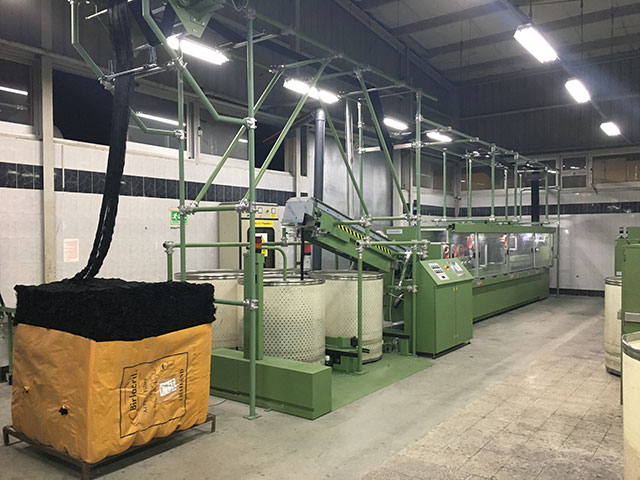

Selecting the right sourcing channel is one of the most consequential decisions in bulk acrylic textile procurement. While pricing, lead time, and minimum order quantity often dominate early conversations, long-term reliability is determined more by process control, traceability, and production transparency than by any single commercial term. Buyers who understand how acrylic fiber becomes yarn, how yarn becomes fabric, and where finishing treatments are applied can dramatically reduce variability, delays, and quality disputes.
In bulk programs—especially those supplying apparel brands, home textiles, outdoor products, or technical fabrics—the sourcing structure must support repeatable quality across multiple production cycles. Direct mills provide deep material control, converters offer agility and construction diversity, and vertically integrated manufacturers combine accountability with scalable stability. Reliability increases as buyers gain clear visibility into each transformation stage of the textile.
Understanding who actually makes your fabric
Before evaluating strengths and limitations, it is essential to distinguish commercial sellers from true producers. Many suppliers in the acrylic textile market operate as intermediaries, coordinating yarn purchasing, knitting or weaving, dyeing, and finishing across several subcontractors. While this structure can function effectively, each additional handoff introduces potential variation in:
- Fiber batch consistency
- Yarn twist and tensile behavior
- Fabric density and dimensional stability
- Dye uptake and colorfastness
- Finishing chemistry durability
For high-volume acrylic sourcing, the most reliable partners are those who control multiple upstream and downstream stages or provide transparent documentation for each outsourced step. This clarity allows buyers to trace performance issues back to their origin rather than relying on assumptions.
Acrylic mills (fiber & yarn producers)
Best for: Buyers with internal technical expertise, long product lifecycles, or strict performance requirements.
Acrylic mills sit at the earliest stage of the value chain, producing polymer, staple fiber, or filament yarn. Because they manage polymerization, spinning, and initial quality grading, mills provide the highest level of raw-material consistency available in the market. This control becomes critical when finished products depend on predictable softness, thermal retention, or durability over repeated washing cycles.
| Strength | Limitation |
|---|---|
| Direct fiber quality control | Limited finished fabric variety |
| Stable polymer chemistry | Longer sampling and development cycles |
| Large-scale production capacity | Reduced flexibility in small custom runs |
Working directly with mills is most appropriate when fiber performance drives product value, such as flame-retardant blends, high-loft fleece alternatives, or outdoor insulation layers. However, mills rarely specialize in complex knitting structures or decorative finishes, meaning additional downstream partners are usually required.
From a risk perspective, mill sourcing offers excellent long-term stability but slower responsiveness to fashion or seasonal changes. Buyers must balance technical control with commercial agility.
Textile converters (buy yarn, make fabric)
Best for: Fast product development, diverse constructions, and competitive pricing environments.
Converters occupy the middle of the supply chain. They typically purchase acrylic yarn from mills, then perform knitting or weaving, dyeing, finishing, and sometimes coating or lamination. Because converters focus on fabric engineering rather than polymer production, they can respond quickly to changing market demands.
| Strength | Limitation |
|---|---|
| Rapid turnaround and sampling | Dependence on upstream yarn consistency |
| Wide range of fabric constructions | Limited visibility into fiber origin |
| Competitive cost structures | Higher variability between batches |
Converters are especially valuable in fashion apparel, seasonal home textiles, and promotional products, where speed and style variation outweigh deep fiber traceability. Their ability to switch yarn suppliers or finishing recipes allows rapid adaptation, but it also introduces quality fluctuation risk unless strict testing protocols are enforced.
For bulk buyers, successful converter partnerships usually require:
- Pre-approved yarn source lists
- Standardized fabric density and GSM tolerances
- Batch-level colorfastness and shrinkage testing
- Clear reprocessing or claim procedures
Without these controls, converters may deliver acceptable initial samples but inconsistent long-term bulk results.
Integrated manufacturers (fiber, yarn, fabric, finish)
Best for: High-volume programs demanding consistency, accountability, and simplified communication.
Vertically integrated acrylic manufacturers combine multiple production stages under one operational system. They may control polymerization, spinning, knitting or weaving, dyeing, finishing, and quality inspection within a single corporate structure. This integration reduces inter-factory coordination errors and creates clear responsibility for final fabric performance.
| Strength | Limitation |
|---|---|
| Full process visibility and control | Slightly higher initial unit pricing |
| Minimal production handoffs | Longer qualification or setup phase |
| Consistent bulk quality across orders | Requires precise technical specifications from buyers |
Although integrated suppliers may not always offer the lowest quoted price, they frequently deliver lower total cost of ownership. Fewer defects, reduced rework, stable lead times, and simplified logistics can offset marginal unit-price differences—especially in long-running programs.
Integrated sourcing is particularly advantageous for:
- Uniform programs across multiple seasons
- Private-label textile collections
- Institutional or contract supply
- Technical fabrics requiring certification continuity
Because responsibility is centralized, dispute resolution and corrective action are also faster and more transparent.
Trading companies vs. direct sourcing
Trading companies play a visible role in global acrylic textile distribution. They often provide multilingual communication, smaller MOQs, consolidated shipping, and financial flexibility. For new buyers or fragmented orders, this support can be valuable.
However, reliance on trading intermediaries can obscure:
- Actual production location
- Real manufacturing capacity
- Quality-control procedures
- Compliance documentation authenticity
In bulk sourcing scenarios, limited visibility increases the likelihood of unexpected substitutions, delayed corrective action, or inconsistent repeat orders. Direct engagement with the producing factory—whether mill, converter, or integrated manufacturer—generally improves:
- Technical communication accuracy
- Sampling precision
- Production scheduling reliability
- Traceability during quality disputes
Trading partners remain useful for logistics coordination or market entry, but long-term bulk programs benefit from direct production transparency.
Evaluating reliability beyond channel type
While sourcing channel structure provides a useful framework, real-world reliability depends on operational discipline rather than category alone. Buyers should evaluate suppliers across measurable dimensions such as:
- Thickness or GSM tolerance consistency
- Colorfastness after washing and abrasion
- Shrinkage stability across dye lots
- Lead-time deviation across seasons
- Documentation accuracy for compliance testing
Factories that track and share these metrics demonstrate process maturity, which often predicts future reliability more accurately than price or scale.
Additionally, communication responsiveness—how quickly technical questions are answered or corrective plans are issued—serves as a strong indicator of partnership quality.
Matching sourcing channels to product strategy
Different acrylic textile applications naturally align with different sourcing structures. Understanding this alignment helps buyers avoid over-engineering simple programs or under-controlling technical ones.
- Long-lifecycle thermal garments benefit from mill or integrated sourcing
- Trend-driven knitwear often fits converter sourcing with strict QA
- Institutional blankets or upholstery favor integrated manufacturers for repeatability
- Promotional textiles may tolerate trading-company coordination with inspections
Strategic alignment ensures sourcing complexity matches true product risk, preventing unnecessary cost escalation.
Channel selection shortcut
When simplified into decision logic, sourcing choices become clearer:
- Need maximum fiber control and long-term stability → Work directly with a mill or integrated manufacturer
- Need speed, style variation, and flexible sampling → Use converters supported by strong quality auditing
- Need lowest operational risk at high volume → Prioritize vertically integrated manufacturers with documented consistency
This structured approach transforms sourcing from a reactive purchasing task into a predictable supply strategy.
Reliability as a competitive advantage
In global acrylic textile markets, many suppliers can provide acceptable samples. Far fewer can maintain identical performance across repeated bulk orders, seasonal demand shifts, and regulatory changes. Buyers who invest time in selecting the correct sourcing channel—and verifying real production control—gain advantages that extend beyond cost:
- Fewer shipment delays
- Reduced quality claims
- Stable retail performance
- Stronger brand reputation
Ultimately, the most reliable sourcing channel is not defined solely by mills, converters, or manufacturers, but by how transparently and consistently the chosen partner manages the entire textile transformation process.
How can buyers assess and compare acrylic textile suppliers for consistency, capacity, and reliability?

Selecting an acrylic textile supplier is rarely a simple price comparison. In large-volume procurement, the real risks appear after the first shipment, when batch variation, delivery delays, or weak quality control begin to affect production stability. Buyers who focus only on samples or quotations often discover that long-term reliability depends on deeper operational factors—especially production consistency, realistic capacity planning, disciplined process control, and clear communication structures.
Professional sourcing teams therefore evaluate suppliers as manufacturing partners rather than vendors. The goal is not just to secure fabric, but to ensure that thousands of meters delivered months later will behave exactly like the first approved roll. This requires structured assessment methods that transform subjective impressions into measurable indicators.
A supplier evaluation framework that works at scale
Effective evaluation begins with a simple principle: short-term appearance must match long-term repeatability.
To achieve this, buyers typically divide supplier assessment into four core dimensions:
- Consistency across batches
- True production capacity and scheduling realism
- Documented quality control systems
- Communication speed and problem-solving discipline
Each dimension influences operational risk differently. Consistency protects product quality, capacity protects delivery timing, quality systems protect defect prevention, and communication protects recovery when problems occur. When any one of these areas is weak, large-volume programs become unstable regardless of price advantage.
Consistency: the hidden differentiator
Consistency is often underestimated because early samples usually represent best-case production. Real performance appears only after continuous manufacturing over weeks or months. For acrylic textiles used in outdoor or industrial environments, even small variations in weight, color, or finish chemistry can create visible or functional defects across finished products.
| Indicator | What to check |
|---|---|
| GSM variance | ≤ ±3–5% across lots |
| Color ΔE | Defined tolerance, tracked over time |
| Hand feel | Stable across different production dates |
| Finish pickup | Quantified coating or treatment level |
Among these, color stability and GSM control are especially critical for bulk buyers producing branded or structural goods. A shade deviation that is invisible on one roll can become obvious when adjacent panels are installed side by side. Similarly, GSM fluctuation affects tensile strength, insulation value, and coating adhesion.
Experienced buyers therefore request:
- Historical batch test records
- Shade continuity data across months
- Retained sample comparisons
- Laboratory test reports rather than visual claims
Suppliers capable of providing this documentation usually operate with tighter internal control, which strongly correlates with long-term reliability.
Capacity: promised versus real production ability
Quoted production capacity frequently reflects ideal theoretical output, not real operating conditions. Machines require maintenance, changeovers reduce efficiency, and seasonal demand can overload planning. Without verification, buyers risk selecting suppliers who cannot sustain delivery during peak periods.
| Question | Why it matters |
|---|---|
| Monthly output per line | Confirms realistic throughput |
| Number of acrylic-dedicated lines | Limits cross-material interference |
| Peak-season utilization | Reveals scheduling pressure |
| Overtime dependence | Indicates hidden capacity strain |
A factory running continuously above 90–95% utilization often lacks flexibility to absorb urgent orders or recover from disruptions. In contrast, facilities operating around 70–85% planned utilization typically maintain buffer capacity that supports schedule stability.
Capacity realism also depends on supply chain inputs, including fiber availability, dyeing throughput, and finishing bottlenecks. Even if weaving capacity is high, shortages in upstream acrylic fiber or downstream coating can still delay delivery. Comprehensive evaluation therefore examines the entire production chain, not only the weaving department.
Reliability: systems matter more than assurances
Verbal guarantees of quality provide little protection in bulk procurement. True reliability is visible through documented systems that prevent, detect, and correct defects during production. These systems indicate whether a supplier can maintain stable performance as order volume increases.
| System | Signal of reliability |
|---|---|
| Incoming fiber inspection | Blocks upstream contamination or variance |
| In-line QC checkpoints | Detects defects before full production |
| Final roll inspection | Reduces shipment-level claims |
| Corrective action tracking | Demonstrates continuous improvement |
Among these, corrective action documentation is particularly revealing. Suppliers that record root causes, implement countermeasures, and verify effectiveness usually possess mature quality culture. Those relying only on final inspection often struggle with recurring defects.
Another reliability indicator is test method standardization. Laboratories using calibrated instruments, controlled humidity, and repeatable procedures generate trustworthy data. Without standardized testing, even well-intentioned quality checks may produce inconsistent results.
Communication and responsiveness
In bulk textile programs, delays rarely originate from a single mistake. More often, small issues escalate because communication is slow or unclear. Fast, structured communication therefore becomes a measurable reliability factor.
| Metric | Healthy benchmark |
|---|---|
| Sample feedback cycle | ≤ 48–72 hours |
| Production progress updates | Scheduled and proactive |
| Issue escalation response | Root-cause explanation within days |
Suppliers who communicate early—especially when problems arise—allow buyers to adjust schedules, approve substitutions, or prevent downstream disruption. Silence or delayed reporting, by contrast, can convert manageable issues into costly production stoppages.
Effective communication also includes:
- Clear technical documentation
- Consistent contact personnel
- Transparent shipment tracking
- Immediate notification of delays
These behaviors reflect organizational discipline rather than individual effort, making them strong predictors of long-term partnership success.
Evaluating pricing transparency
Although price is not the only decision factor, pricing structure transparency remains essential. Hidden surcharges, fluctuating raw-material adjustments, or unclear freight responsibilities can undermine budgeting accuracy.
Reliable suppliers typically provide:
- Defined quotation validity periods
- Clear raw-material adjustment mechanisms
- Breakdown of fabric, finishing, and packaging costs
- Stable terms for repeat orders
Transparency enables buyers to forecast costs across seasons rather than renegotiating each shipment. This stability is especially valuable in infrastructure or contract manufacturing where margins are predetermined.
Site audits and real-world verification
Paper documentation alone cannot confirm operational capability. Many professional buyers therefore conduct factory audits, either directly or through third-party inspectors. These visits validate whether reported systems function in practice.
Key audit observations include:
- Cleanliness and organization of production areas
- Calibration records for testing equipment
- Storage conditions for acrylic fiber and finished rolls
- Worker training and safety compliance
- Real production flow compared with stated capacity
Physical verification often reveals differences between marketing presentation and operational reality. Even a short audit can significantly reduce sourcing risk.
Long-term performance indicators
Beyond initial qualification, ongoing monitoring ensures that supplier performance remains stable. Buyers commonly track:
- On-time delivery rate
- Batch rejection frequency
- Claim resolution speed
- Shade continuity across seasons
Consistent performance across these metrics signals true operational maturity, which is more valuable than occasional perfect shipments.
A simple supplier scorecard (copy-ready)
| Category | Weight | Supplier A | Supplier B |
|---|---|---|---|
| Consistency control | 30% | ||
| Capacity realism | 20% | ||
| QC systems | 20% | ||
| Communication | 15% | ||
| Pricing transparency | 15% | ||
| Total | 100% |
Structured scoring transforms qualitative impressions into comparable decision data. Over time, maintaining such scorecards also helps buyers refine sourcing strategy and identify top-performing partners.
Strategic insight: partnership over transaction
The most successful acrylic textile sourcing programs shift from transactional purchasing toward long-term technical partnership. When suppliers understand application requirements, performance expectations, and production timelines, they can optimize fiber selection, dye formulation, and finishing parameters more effectively.
Partnership benefits include:
- Faster development of new specifications
- Priority scheduling during peak demand
- Shared quality improvement initiatives
- Reduced total lifecycle cost
This collaborative approach ultimately delivers more stability than repeatedly switching suppliers for minor price differences.
structured evaluation reduces bulk sourcing risk
Assessing acrylic textile suppliers requires a disciplined framework that examines consistency, real capacity, quality systems, communication reliability, and transparent pricing. Samples and quotations provide only a starting point; long-term success depends on operational repeatability and organizational maturity.
Buyers who apply measurable evaluation tools—such as batch data review, capacity verification, system audits, and weighted scorecards—gain clearer visibility into supplier reliability. This structured approach transforms sourcing from uncertain negotiation into predictable supply chain management, supporting stable production, controlled costs, and dependable product quality across large-scale acrylic textile programs.
What pricing factors and cost structures should buyers understand when sourcing acrylic textiles in bulk?
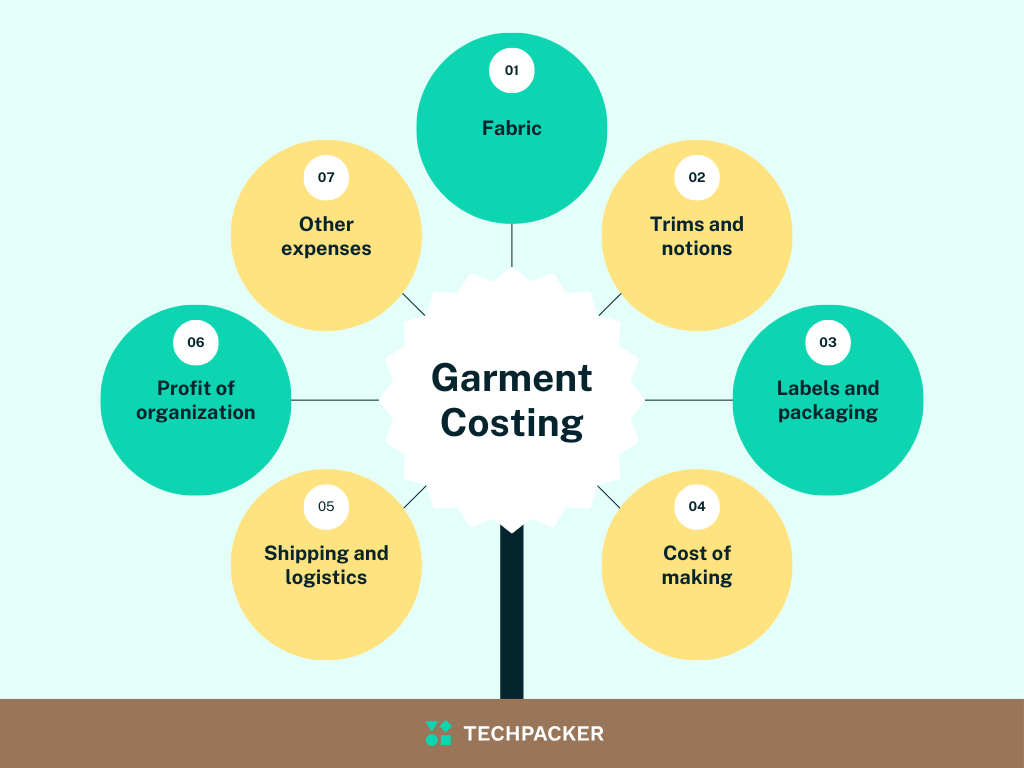
Bulk acrylic textile pricing is not determined by a single variable such as fiber cost or order size. Instead, it reflects a layered cost structure that includes raw material grade, spinning complexity, fabric construction efficiency, finishing chemistry, quality control intensity, and long-term order stability. Buyers who understand how these elements interact are better positioned to negotiate realistic prices while still protecting durability, appearance, and compliance performance.
In professional sourcing environments, the goal is not simply to obtain the lowest quotation. The real objective is to achieve the lowest total lifecycle cost, meaning the fabric performs reliably in production and end use without generating rework, claims, or delivery disruptions. Acrylic textiles used in blankets, upholstery, apparel, and outdoor applications must maintain color, strength, and dimensional stability over time. When pricing pressure forces shortcuts in fiber grade or processing control, the financial consequences often appear months later through returns or lost customer trust.
For this reason, experienced buyers evaluate acrylic textile pricing through cost transparency, specification alignment, and repeat-order predictability, rather than headline unit price alone.
Where the Money Really Goes
Key Cost Components Explained
Understanding the internal structure of acrylic textile pricing helps buyers distinguish between competitive efficiency and hidden quality risk. Each production stage contributes a measurable portion of total cost, and small adjustments in specification can shift these percentages significantly.
| Cost element | Typical share | Notes |
|---|---|---|
| Acrylic fiber | 40–55% | Varies by grade & origin |
| Yarn spinning | 10–20% | Influenced by twist & denier |
| Fabric formation | 10–15% | Weave/knit complexity |
| Finishing | 10–20% | Functional finishes add cost |
| QC & waste | 3–6% | Often underestimated |
| Logistics & overhead | 5–10% | Volume sensitive |
Acrylic fiber represents the largest single cost driver. Higher-purity polymers, UV-stabilized formulations, or flame-retardant blends increase raw material pricing but also extend service life. Fiber origin and petrochemical market fluctuations can shift this share by more than ten percentage points during volatile periods.
Yarn spinning costs depend on denier precision, twist level, and production speed. Fine yarns or specialty structures slow machine throughput and raise labor and energy consumption.
Fabric formation varies with loom or knitting efficiency. Dense woven upholstery fabrics require tighter control and slower speeds than basic knit linings, increasing cost per meter.
Finishing introduces the greatest variability. Water repellency, flame resistance, antimicrobial treatment, or lamination each add chemical expense, processing time, and testing requirements.
Quality control and waste are frequently underestimated by inexperienced buyers. Tight tolerances, laboratory testing, and defect sorting all add cost but significantly reduce downstream risk.
Logistics and overhead fluctuate with order volume, container utilization, and shipping distance. Consolidated shipments often reduce effective unit cost more than aggressive factory price negotiation.
Recognizing these relationships allows buyers to interpret quotations more accurately and avoid unrealistic expectations that could compromise quality.
Why the Cheapest Quote Often Isn’t Cheapest
Extremely low quotations in acrylic textile sourcing usually signal cost displacement rather than true efficiency. Savings achieved during production frequently reappear later as operational or market losses.
Common hidden trade-offs behind unusually low prices include:
- Substitution with lower-grade or recycled fiber lacking UV stability
- Wider GSM, color, or tensile tolerances that increase variation
- Reduced inspection frequency or simplified laboratory testing
- Overloaded production schedules that threaten delivery reliability
While these shortcuts may not be visible in sampling, they often lead to batch inconsistency, premature fading, pilling, or structural weakness during real-world use. The resulting expenses—returns, replacement shipments, reputational damage, and emergency reorders—typically exceed the initial savings.
From a financial perspective, the true comparison should consider:
- Expected product lifespan
- Warranty or claim probability
- Supply stability across seasons
- Consistency between production lots
When these lifecycle factors are included, a moderately higher unit price frequently delivers lower overall business cost.
Volume, MOQ, and Price Breaks
Acrylic textile manufacturing rewards predictable scale rather than sporadic purchasing. Production planning, fiber procurement, and machine scheduling all become more efficient when mills can anticipate demand.
| Factor | Pricing impact |
|---|---|
| Higher total meters | Lower unit cost |
| Stable repeat orders | Better fiber pricing |
| Narrow spec range | Lower setup cost |
| Longer lead time | Reduced rush fees |
Large cumulative volume allows mills to purchase raw fiber in bulk, improving upstream pricing. Stable repeat programs reduce production risk, enabling suppliers to offer more competitive long-term rates.
Limiting unnecessary color or specification variation shortens machine setup time and minimizes waste, directly lowering cost per meter. Extended lead times improve factory scheduling efficiency and eliminate overtime or expedited freight charges.
One of the most effective yet underused strategies is sharing forecasted annual demand instead of negotiating each order independently. Forecast visibility enables mills to optimize procurement and capacity, often unlocking pricing advantages larger than one-time discounts.
Negotiation Levers That Protect Quality
Effective negotiation in textile sourcing focuses on structural clarity and risk reduction, not only price reduction. Buyers who align technical expectations with commercial terms typically achieve both stable quality and competitive cost.
| Lever | Benefit |
|---|---|
| Fixed tolerances | Predictable output |
| Locked finishing recipes | Batch consistency |
| Volume bands | Transparent discounts |
| QC benchmarks | Fewer disputes |
Defining tolerance limits prevents suppliers from lowering cost through uncontrolled variation. Locking finishing chemistry ensures performance consistency across shipments. Volume-based pricing bands create transparency and reward growth. Clear quality benchmarks reduce disagreement during inspection and delivery acceptance.
These mechanisms transform negotiation from adversarial bargaining into long-term cost optimization, benefiting both buyer and manufacturer.
Pricing Insight From Real Production Environments
In practical textile supply chains, supplier pricing flexibility is strongly influenced by trust in repeat business. One-time bulk orders carry uncertainty regarding future collaboration, inventory risk, and production planning. To compensate, suppliers often include a hidden risk premium within the quotation.
Conversely, buyers who demonstrate consistent purchasing behavior, clear specifications, and realistic scheduling frequently receive:
- Priority production allocation
- More stable raw-material pricing
- Faster sampling and development support
- Greater willingness to absorb minor cost fluctuations
This relationship-driven pricing dynamic explains why long-term sourcing partnerships often outperform aggressive short-term bidding strategies.
Strategic Takeaway for Bulk Acrylic Textile Buyers
Understanding acrylic textile pricing requires looking beyond the visible unit cost to the engineering, operational, and relationship factors embedded within each quotation. Fiber grade, yarn precision, construction efficiency, finishing chemistry, inspection rigor, and order predictability all shape the final price—and ultimately determine real business profitability.
Buyers who approach sourcing with data-driven specifications, lifecycle cost awareness, and collaborative negotiation strategy consistently achieve better long-term outcomes than those focused solely on immediate price reduction. In the competitive global textile market, sustainable cost advantage comes not from paying less per meter, but from ensuring every meter performs reliably throughout its intended life.
Which certifications, compliance standards, and testing requirements are important for bulk acrylic textile sourcing?
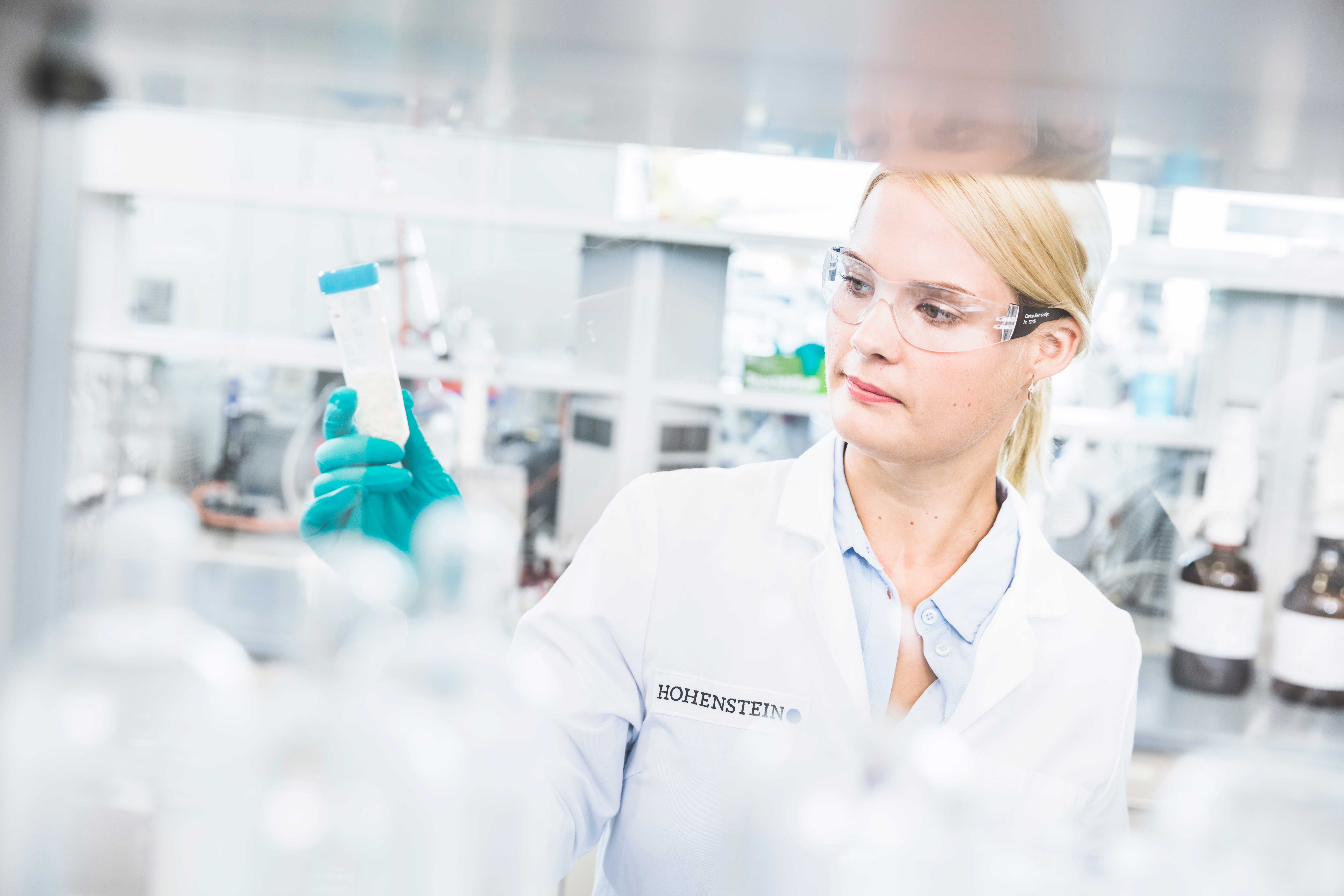
For bulk acrylic textile sourcing, certifications and laboratory testing function as practical safeguards rather than administrative formalities. They confirm that fibers, dyes, and finishing chemicals meet safety expectations, that fabric performance remains stable across production batches, and that materials can legally enter destination markets. Effective buyers do not simply request every available certificate. Instead, they match compliance requirements to real product risk, geographic regulations, and end-use exposure conditions. This targeted approach protects users while avoiding unnecessary testing cost, duplicated paperwork, and extended production lead times.
What really matters—and what does not
Not all certifications provide equal value. Some directly affect market access, user safety, or long-term durability, while others add limited practical protection. For example, chemical-safety compliance is essential for textiles that touch skin or enter the European Union. In contrast, requesting flame-retardant certification for decorative indoor cushions may increase cost without improving real safety.
Professional sourcing teams therefore classify requirements into three tiers:
- Mandatory compliance required by law or regulation
- Application-driven testing linked to real performance risk
- Optional assurance documents useful for branding but not critical to safety
Understanding this hierarchy helps prevent over-specification, which can raise fabric cost by 5–15% and extend delivery time by several weeks without improving product reliability.
Core compliance areas to consider
Bulk acrylic textiles typically require verification across four fundamental safety and performance domains.
| Compliance category | Why it matters |
|---|---|
| Chemical restrictions | Ensures legal sale and user safety |
| Color fastness and UV resistance | Protects long-term appearance |
| Physical performance | Confirms suitability for real use |
| Flame retardancy (when applicable) | Prevents fire risk in regulated settings |
Chemical compliance is often the first gate for international trade. Without acceptable chemical-safety documentation, shipments may be delayed, rejected, or destroyed at customs. Colorfastness and UV stability are equally important for outdoor fabrics such as awnings, marine covers, and patio furniture. Poor resistance can lead to visible fading within months, causing warranty claims and brand damage. Physical-performance testing verifies whether the textile can withstand stretching, abrasion, or washing. This prevents structural failure in garments or upholstery. Flame retardancy becomes critical only in transport seating, contract furniture, or protective environments, where fire safety regulations are strictly enforced.
Commonly requested standards for acrylic textiles
Several international standards appear frequently in bulk sourcing contracts because they address the most common regulatory and durability concerns.
| Standard | Typical purpose |
|---|---|
| REACH / SVHC | Chemical safety compliance for the European Union |
| OEKO-TEX® Standard 100 | Verification of human-ecological safety for skin contact |
| AATCC or ISO colorfastness tests | Resistance to washing, rubbing, and light exposure |
| ISO dimensional and physical tests | Measurement of shrinkage, weight, and strength |
| Regional flame-retardant standards | Fire safety in transport or public environments |
Acrylic textiles can satisfy these requirements when raw fiber purity, dye formulation, and finishing chemistry remain tightly controlled. Solution-dyed acrylic fibers, for instance, often achieve higher UV resistance because pigment is embedded during polymer formation rather than applied afterward. This structural coloration can extend fade resistance to 1,000 hours or more of accelerated UV exposure, significantly outperforming surface-dyed alternatives.
Chemical safety: the foundation of compliance
Chemical regulation is the most critical compliance dimension because it directly affects consumer health and legal import eligibility. European REACH legislation restricts hazardous substances such as certain azo dyes, heavy metals, and plasticizers. OEKO-TEX® testing evaluates additional skin-contact risks, including formaldehyde content and allergenic colorants.
For bulk buyers, practical chemical-safety verification should include:
- Up-to-date laboratory reports referencing exact batch numbers
- Confirmation that dyes and auxiliaries come from approved suppliers
- Evidence of restricted-substance screening within the past 12 months
Failure in chemical compliance can halt entire product lines, making this the highest-priority certification category in acrylic textile sourcing.
Colorfastness and UV durability in real environments
Appearance stability is a major commercial concern, particularly for outdoor or frequently washed products. Colorfastness testing typically measures resistance to:
- Sunlight exposure
- Repeated laundering
- Rubbing during use
High-quality acrylic outdoor fabrics usually achieve light fastness ratings of 7–8 on the blue wool scale, indicating strong resistance to fading. Lower-grade materials may drop below level 5, where visible discoloration occurs within a single season.
UV durability also affects fiber strength. Prolonged radiation can weaken polymer chains, reducing tensile strength by 10–30% over time. Accelerated weathering tests help predict this degradation before products reach customers.
Physical performance testing for structural reliability
Mechanical performance determines whether acrylic textiles maintain shape, comfort, and durability during use. Important laboratory measurements include:
- Tensile strength, confirming resistance to tearing or stretching
- Dimensional stability, indicating shrinkage after washing or heat exposure
- Abrasion resistance, predicting surface wear from friction
- Fabric weight tolerance, ensuring consistent cutting and sewing behavior
For upholstery or heavy outdoor fabrics, abrasion resistance above 20,000 Martindale cycles is commonly expected. Apparel applications may require less, but still demand stable dimensional change within ±3% after washing to maintain garment fit.
Flame retardancy: required only in specific scenarios
Flame-retardant certification is often misunderstood. It is essential for:
- Public-transport seating
- Contract furniture in hotels or theaters
- Protective or industrial clothing
However, it may be unnecessary for casual apparel or decorative home textiles. Because flame-retardant treatments can alter fabric softness, breathability, and cost, buyers should confirm regulatory necessity before requesting testing. When required, compliance must match the destination market’s exact standard rather than a generic fire test.
A testing strategy that scales with production
Testing every production batch at full laboratory depth is rarely practical. Experienced buyers instead apply a layered verification model that balances cost and risk.
| Stage | Test focus |
|---|---|
| Development phase | Complete chemical and performance validation |
| First bulk production | Expanded confirmation across multiple rolls |
| Repeat production | Monitoring of key indicators only |
| Periodic audits | Verification of long-term process stability |
This structure reduces testing expense while still detecting quality drift. For example, once UV resistance and chemical safety are validated during development, repeat orders may only require colorfastness spot checks and GSM verification, unless raw materials or finishing processes change.
Documentation discipline as a predictor of supplier reliability
Well-organized certification records often indicate disciplined manufacturing control. Buyers should request:
- Test reports linked to specific production lots
- Clear certificate validity periods
- Immediate notification if fibers, dyes, or finishes are modified
Suppliers capable of maintaining traceable documentation typically demonstrate lower defect rates and stronger delivery consistency. Poor recordkeeping, by contrast, often signals unstable sourcing of raw materials or inconsistent finishing control.
Cost and lead-time implications of certification choices
Each additional certification introduces laboratory expense and processing time. Comprehensive chemical and physical testing can extend sampling cycles by 7–20 days and increase material cost depending on treatment complexity. Flame-retardant finishing, for instance, may raise fabric price by 10–25%.
Strategic selection of only relevant certifications therefore protects both budget efficiency and production schedule stability.
Integrating compliance into long-term sourcing strategy
Rather than treating certification as a one-time approval, leading brands integrate compliance into continuous supplier management. Key practices include:
- Annual renewal of chemical-safety verification
- Random third-party testing of shipped goods
- Periodic factory audits reviewing process control
This ongoing oversight transforms compliance from paperwork into a preventive quality system, reducing the likelihood of recalls or regulatory violations.
Conclusion: compliance as a practical risk-management tool
Certifications, standards, and testing requirements in bulk acrylic textile sourcing exist to protect safety, durability, and legal market access. By aligning compliance requests with real application risks and geographic regulations, buyers can avoid unnecessary cost while still ensuring dependable product performance. A structured testing strategy, disciplined documentation, and selective certification together create a sourcing framework where quality remains predictable, risks stay controlled, and long-term supply relationships remain stable.
How can buyers reduce sourcing risks and optimize long-term partnerships when purchasing acrylic textiles in bulk?
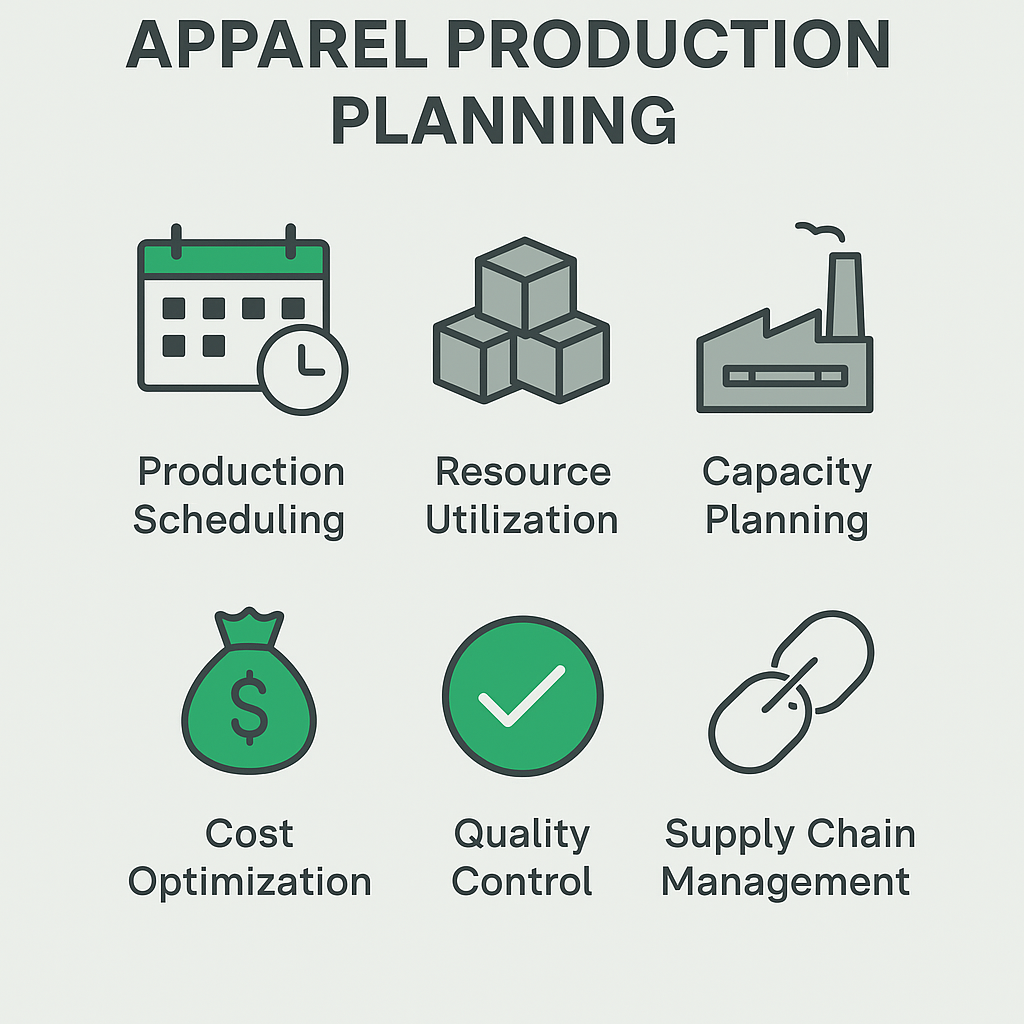
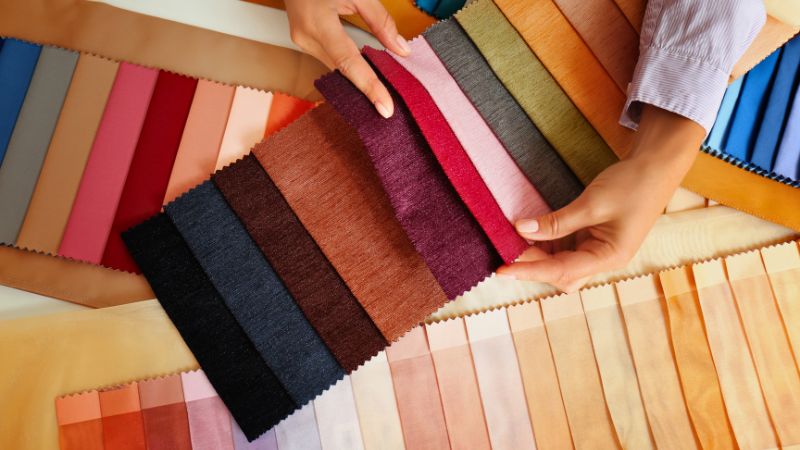
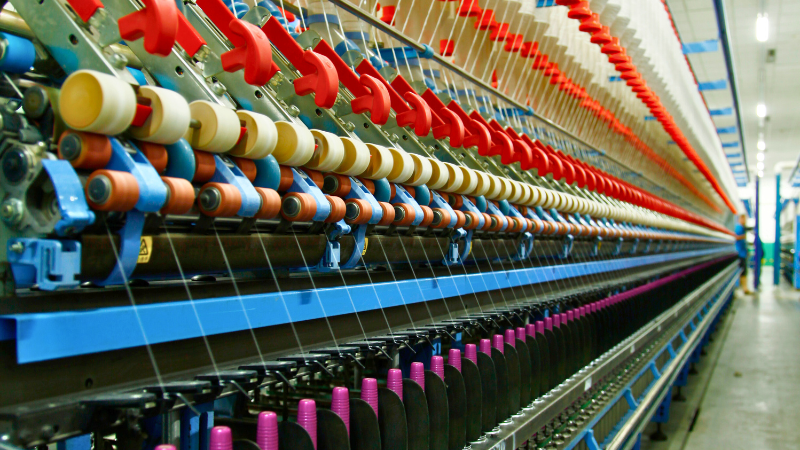
In bulk acrylic textile procurement, the greatest risks rarely come from a single defective shipment or a temporary logistics delay. More often, disruption is caused by weak partnership structure, unclear expectations, or inconsistent communication between buyers and suppliers. Companies that approach sourcing as a purely transactional activity—focused only on unit price and short-term delivery—tend to experience higher variability in quality, unstable lead times, and repeated renegotiation cycles.
By contrast, organizations that design sourcing relationships as long-term operational partnerships with measurable performance boundaries achieve more predictable production outcomes. Over time, these structured partnerships reduce hidden costs such as rework, emergency air freight, delayed product launches, and customer complaints. The objective is not dependence on a single supplier, but rather stable collaboration supported by transparency, accountability, and shared planning.
Turning suppliers into stable partners
Long-term reliability begins before the first bulk order is placed. Buyers who invest time in defining expectations, validating production capability, and establishing communication routines create a foundation that supports multi-year cooperation rather than order-by-order negotiation. This preparation phase is often overlooked, yet it has the strongest influence on future sourcing stability.
A stable partnership does not remove commercial discipline. Instead, it balances clear contractual structure with ongoing technical collaboration, allowing both sides to respond quickly when market conditions, raw-material costs, or product specifications change.
Start with clarity, not pressure
Many sourcing problems originate from ambiguous specifications or unrealistic timelines introduced during early negotiations. When buyers push aggressively for price reductions or compressed delivery without first aligning on measurable technical standards, suppliers may accept terms that are difficult to sustain—leading to inconsistency later in production.
Clear documentation prevents this cycle. Every bulk acrylic program should begin with written, testable, and mutually agreed parameters covering construction, performance, and operational expectations.
| Area | Best practice |
|---|---|
| Specifications | Fully documented GSM, composition, finishing method, and test standards |
| Tolerances | Numeric limits for shrinkage, color variation, and dimensional stability |
| Lead times | Production schedules that include realistic raw-material and dyeing buffers |
| Change control | Formal approval workflow for any yarn, process, or recipe modification |
When clarity exists at the beginning, negotiation pressure decreases because performance expectations are already defined. This reduces disputes, accelerates quality approval, and improves supplier confidence in long-term cooperation.
Reduce risk through structure
Even with strong specifications, bulk sourcing still involves uncertainty related to capacity shifts, raw-material variation, and scaling challenges. Structural risk-management tools help prevent isolated issues from becoming systemic failures.
Rather than relying on informal assurances, experienced buyers implement step-based validation and controlled scaling.
| Tool | Risk reduced |
|---|---|
| Trial bulk orders | Confirms real production performance before full commitment |
| Volume ramp plans | Prevents sudden overload of supplier capacity |
| Locked recipes | Ensures dyeing and finishing consistency across batches |
| Dual sourcing (when needed) | Protects against unexpected supply interruption |
Trial bulk production is particularly important in acrylic textiles because lab samples and pilot runs do not always reveal large-scale dye uniformity or finishing durability issues. Gradual scaling allows both parties to stabilize processes before exposure to full market demand.
Dual sourcing should be applied selectively. While it improves supply security, excessive fragmentation can weaken partnership depth and reduce leverage for technical improvement. The most effective strategy is often primary-supplier focus supported by qualified secondary backup.
Communication cadence matters
Bulk textile production is dynamic. Fiber pricing fluctuates, dye-lot behavior varies, and shipping schedules shift due to external factors. In this environment, lack of communication becomes an early warning sign of future disruption. Silence typically indicates either production uncertainty or unresolved technical problems.
Structured communication routines transform uncertainty into manageable information. Regular interaction enables faster corrective action and prevents minor deviations from escalating into shipment failures.
| Practice | Benefit |
|---|---|
| Scheduled production updates | Visibility into real manufacturing progress |
| Early issue disclosure | More time to adjust delivery or specifications |
| Joint performance reviews | Continuous technical and operational improvement |
High-quality suppliers do more than report status; they signal risks before they affect delivery. The strongest partnerships evolve further, with both sides collaborating on solutions such as process adjustment, alternative yarn sourcing, or revised shipment planning.
Over multiple production cycles, consistent communication builds mutual operational trust, which is one of the most valuable yet least visible assets in bulk sourcing.
Build value beyond price
Short-term price negotiation is easy to measure, but long-term sourcing success depends on total operational value. Acrylic textile programs often run for several seasons or years, meaning small improvements in efficiency, durability, or planning can generate savings that far exceed minor unit-price differences.
Strategic partnerships therefore expand the conversation beyond cost per meter toward shared technical and operational gains.
| Value area | Long-term gain |
|---|---|
| Technical input | Improved fabric durability, softness, or thermal retention |
| Process optimization | Reduced defect rates and lower material waste |
| Forecast sharing | More stable pricing through planned raw-material purchasing |
| Co-development | Differentiated products that competitors cannot easily replicate |
Forecast transparency is especially powerful. When suppliers understand realistic demand horizons, they can secure raw materials earlier, stabilize workforce planning, and reduce emergency production costs—benefits that often translate into more consistent pricing for buyers.
Co-development deepens this advantage further. Joint work on fiber blends, surface finishing, or construction structure can create exclusive performance characteristics, strengthening brand positioning in competitive markets.
Strengthening accountability without damaging trust
Effective partnerships maintain balanced accountability. Buyers need confidence that suppliers will meet agreed standards, while suppliers require assurance that forecasts, payment terms, and communication will remain stable. Excessive pressure on either side weakens cooperation and increases defensive behavior.
Healthy accountability mechanisms include:
- Transparent quality testing shared by both parties
- Clearly defined corrective-action timelines
- Data-based performance reviews instead of subjective criticism
- Long-term agreements tied to measurable service levels
These mechanisms protect operational reliability while preserving collaborative problem-solving, which is essential in textile manufacturing where variability can never be eliminated entirely.
Planning partnerships across product lifecycles
Acrylic textile sourcing should also reflect product lifecycle duration. Short seasonal programs may justify flexible converter relationships, while multi-year institutional or apparel lines benefit more from deep integration with stable manufacturers. Aligning partnership depth with lifecycle length prevents both over-commitment and under-investment.
As programs mature, partnerships often evolve from supply fulfillment toward joint optimization, including yield improvement, sustainability initiatives, and logistics efficiency. This progression turns sourcing into a strategic capability rather than an operational necessity.
Long-term stability as a competitive advantage
In global textile markets, many competitors can access similar raw materials and production regions. What differentiates successful brands is their ability to maintain consistent quality, predictable delivery, and controlled cost over time. These outcomes are rarely achieved through aggressive price negotiation alone. They result from carefully structured partnerships built on clarity, communication, and shared value creation.
Buyers who apply these principles typically experience:
- Fewer production disruptions
- Lower total defect and return rates
- More stable long-term pricing
- Faster development of improved fabric versions
Ultimately, reducing sourcing risk in bulk acrylic textiles is less about finding the perfect supplier and more about building the right partnership framework. When collaboration is structured thoughtfully, both buyer and manufacturer gain resilience, efficiency, and the capacity to grow together in increasingly competitive global markets.
Bulk Acrylic Sourcing Is a System, Not a Single Decision
Sourcing acrylic textile in bulk is not about finding the lowest quote—it’s about building a repeatable system that delivers stable quality, predictable performance, and dependable supply over time. Acrylic rewards disciplined sourcing because its strengths—UV resistance, color stability, insulation, and durability—only show fully when production is controlled end to end.
Buyers who succeed at scale focus on specifications first, validate quality methodically, choose the right sourcing channels, and invest in supplier relationships built on transparency and accountability.
At Szoneier, we support bulk acrylic textile sourcing with in-house development, controlled manufacturing, and flexible customization. With free design support, low MOQs, fast sampling, free samples, and short lead times, we help clients turn acrylic textile requirements into consistent, scalable fabric solutions.
If you’re planning to source acrylic textiles in bulk or want to customize fiber, construction, or finishing for your application, contact Szoneier to request samples or a tailored quotation.
acrylic textile bulk sourcing, how to source acrylic textile, bulk acrylic fabric supplier, acrylic fabric wholesale, acrylic textile manufacturer, acrylic fabric sourcing guide, bulk acrylic fabric buying tips, acrylic textile specifications, acrylic yarn sourcing, industrial acrylic fabric supplier, acrylic fabric quality control, acrylic textile supplier evaluation, acrylic fabric pricing factors, acrylic textile cost structure, acrylic fabric certifications, acrylic textile compliance standards, acrylic fabric bulk order, acrylic textile sampling process, acrylic fabric UV resistance sourcing, acrylic fabric color fastness testing, acrylic textile supply chain, acrylic fabric capacity assessment, reliable acrylic textile suppliers, custom acrylic fabric sourcing, acrylic fabric low MOQ supplier, acrylic textile long term partnership, acrylic fabric production consistency, acrylic textile China manufacturer, technical acrylic textile sourcing, bulk fabric sourcing China