Skip to content
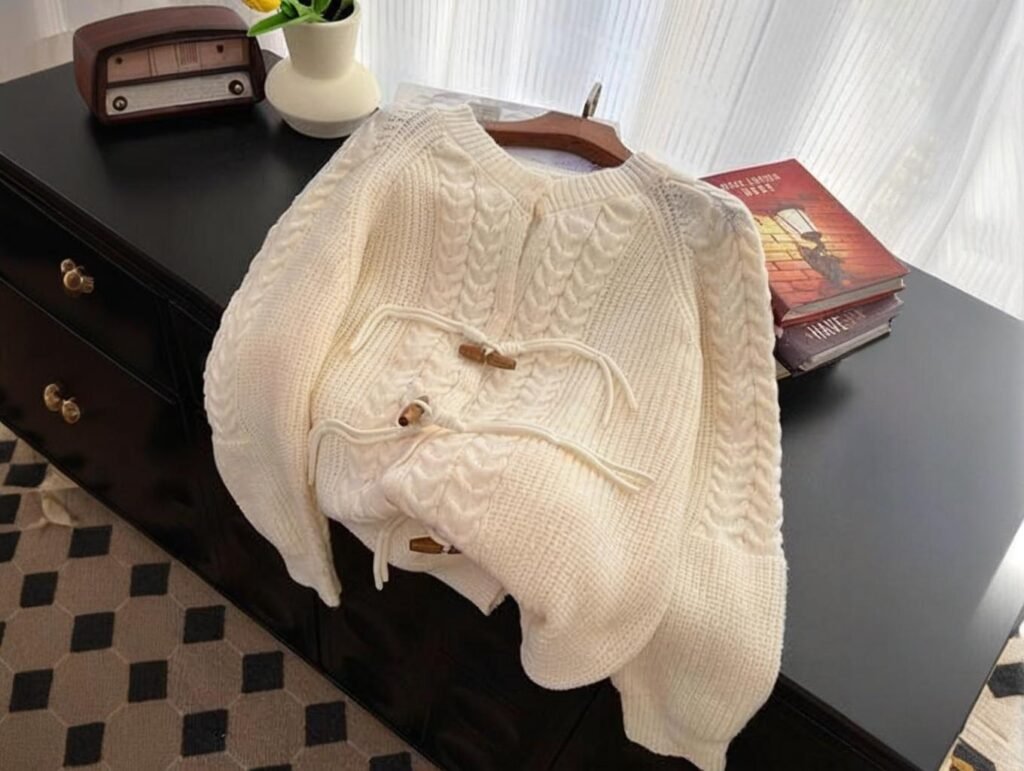
Acrylic paint stains rarely happen at a “good time.” They show up during sampling, printing tests, artwork handling, or simple human error—and suddenly a perfectly usable fabric panel is at risk. What makes acrylic paint especially unforgiving is that it doesn’t behave like ink or dye. Once it dries, it becomes a thin plastic film bonded to the fabric surface, and removing it incorrectly can do more damage than the paint itself.
The real challenge is that polyester, cotton, and blended yarns react very differently to acrylic paint. A method that works beautifully on cotton can permanently haze polyester. A solvent that lifts paint from polyester may drive it deeper into cotton. Blended yarns combine both problems at once.
The safest and most effective way to remove acrylic paint from fabric is to first understand how the paint bonds to each fiber type, then apply fiber-specific techniques that soften and lift the paint without breaking yarn structure, altering color, or damaging the surface. When handled with the right sequence and restraint, many acrylic paint stains can be reduced or removed without sacrificing fabric quality.
In real production settings, teams that master this knowledge don’t just save fabric—they save time, consistency, and confidence. Let’s start by looking at why acrylic paint behaves so differently on polyester, cotton, and blended yarns.
What makes acrylic paint stains behave differently on polyester, cotton, and blended yarn fabrics?

Acrylic paint stains behave differently on polyester, cotton, and blended yarn fabrics because the chemical composition and internal structure of each fiber determine how paint interacts with the surface and interior of the textile. Acrylic paint is a water-based polymer emulsion that forms a flexible plastic film as it dries. Depending on the fiber type, this film may remain mostly on the fabric surface, penetrate into fiber pores, or combine both behaviors.
Polyester fibers are smooth, non-porous, and hydrophobic, meaning water-based paint tends to stay near the surface and form a thin film that bonds mechanically to the fiber exterior. Cotton fibers, by contrast, are porous cellulose structures with strong absorbency, allowing paint particles to travel into the fiber bundle before the polymer film sets. Blended yarn fabrics combine both fiber types, creating uneven paint penetration patterns across the same textile.
Because of these differences, removing acrylic paint safely requires identifying where the paint sits within the fabric structure and how strongly it has bonded to the fibers.
Fiber Structure Explains Almost Everything
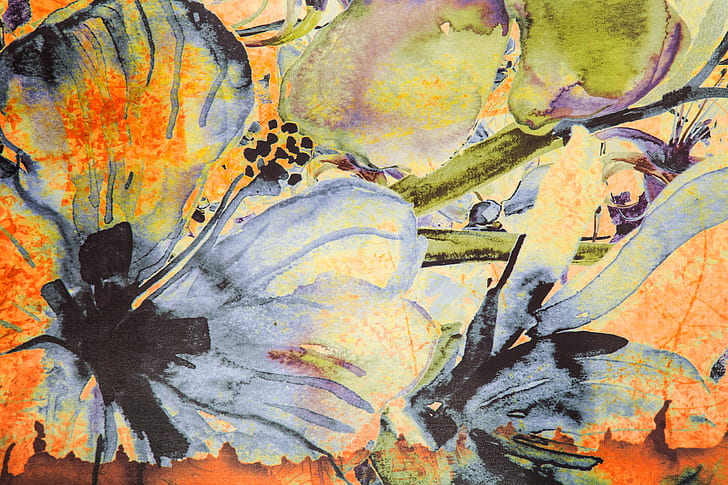
Understanding how fibers interact with acrylic paint begins with their microscopic structure. Each fiber type presents a different surface profile, which affects how liquids spread, absorb, or bond.
Polyester fibers are extruded synthetic filaments with smooth, glass-like surfaces. These fibers have very low moisture absorption—typically less than 0.5% moisture regain—which prevents water-based paint from penetrating deeply into the yarn structure.
Cotton fibers behave differently. They consist of natural cellulose with a twisted ribbon-like structure containing internal capillaries. Cotton’s moisture regain is typically 7–8% under standard atmospheric conditions, which means liquids such as acrylic paint can travel into the fiber structure before drying.
Blended yarns combine both fiber types, meaning some portions of the yarn absorb paint while others only hold paint on the surface. This creates a mixed stain structure that is more complex to remove.
Surface Adhesion vs Fiber Penetration
The most important factor in stain removal is determining whether the acrylic paint has formed a surface film or penetrated into the fiber interior.
| Fabric Type | Primary Paint Behavior | Removal Implication |
|---|---|---|
| Polyester | Surface film bonding | Lift and soften the film layer |
| Cotton | Deep fiber penetration | Rehydrate and extract paint residues |
| Blended yarns | Combined behaviors | Treat each fiber type differently |
When acrylic paint lands on polyester fabric, it tends to form a flexible polymer layer that grips the surface of the filament. The bond is mostly mechanical rather than absorptive, which means the stain may sometimes be loosened by softening the paint film.
On cotton fabrics, the situation is different. Before the acrylic binder dries, the liquid paint can wick into the cotton fiber bundle through capillary action. Once the polymer cures, the paint becomes embedded within the fiber network, making removal more difficult.
Why Blended Yarns Are the Hardest
Blended fabrics, especially cotton–polyester blends, create complex stain patterns because the paint interacts differently with each fiber type in the same yarn.
Typical behavior includes:
- Cotton fibers absorb the paint deeply
- Polyester filaments retain paint on the surface
- Paint distribution becomes uneven across the yarn
When cleaning such fabrics, a uniform cleaning method may remove paint from one fiber type but leave residue in another. This often results in patchy discoloration or partially removed stains.
Blended fabrics therefore require targeted cleaning strategies that address both penetration and surface adhesion.
The Role of Fabric Construction
Fiber composition is not the only factor affecting how acrylic paint behaves. The construction of the textile—how the yarns are arranged—also influences stain formation.
| Construction | Paint Risk |
|---|---|
| Open weaves | Paint can travel along yarn channels |
| Tight weaves | Paint tends to stay localized |
| Knitted fabrics | Stretching can distort the stain area |
| Textured fabrics | Paint accumulates in surface depressions |
Open-weave fabrics provide pathways that allow paint to spread along the yarn direction. Tight-woven fabrics restrict the movement of liquid paint, keeping the stain more concentrated in a single area.
Knitted fabrics present additional challenges because stretching can enlarge the stain area or distort the polymer film after it dries.
Textured surfaces—such as brushed fabrics or heavy twills—can trap dried paint particles in surface valleys where they are harder to remove.
How Acrylic Paint Chemistry Influences Fabric Interaction
Acrylic paint contains several components that influence how it behaves on textiles:
- Acrylic polymer binder
- Pigments
- Water as the solvent
- Surfactants and additives
As the water evaporates, the polymer particles fuse together to form a flexible film. This film adheres to the fiber surface while also locking pigments into place.
On porous fibers like cotton, the liquid stage allows pigment particles to migrate deeper into the fiber network before the polymer sets. On polyester, the liquid cannot penetrate as easily, so the polymer film forms mostly on the outer surface.
A Real-World Example
During garment development and sampling processes, fabrics with different compositions often react very differently to the same paint spill.
In one textile sampling test, acrylic paint droplets landed on two adjacent panels:
- a cotton twill panel
- a polyester knit panel
The cotton twill absorbed the paint quickly due to its porous cellulose structure. Removing the stain required controlled rehydration and extraction to pull pigment out of the fibers.
The polyester knit, however, held most of the paint on the filament surface. After softening the acrylic film with mild alcohol-based solvents, the paint layer could be lifted with minimal residue.
Treating both fabrics with the same cleaning method would likely have damaged one of them. The cotton could have experienced color spreading, while the polyester might have suffered unnecessary fiber abrasion.
Acrylic paint stains behave differently on polyester, cotton, and blended fabrics because each fiber type interacts with liquid paint in a unique way. Polyester tends to hold paint as a surface film, cotton absorbs paint into its porous fiber structure, and blended fabrics combine both behaviors.
Understanding fiber chemistry and fabric construction allows stains to be treated more effectively. The most important step is identifying whether the paint sits on the fabric surface or has penetrated into the yarn structure. Once this distinction is clear, the appropriate removal approach becomes much easier to determine.
How does acrylic paint chemically bond to polyester fibers compared with natural cotton fibers?
Acrylic paint bonds to polyester and cotton through different physical and chemical interaction mechanisms, which explains why stain behavior and removal techniques vary significantly between these fabrics. Acrylic paint itself is composed of pigment particles suspended in an acrylic polymer emulsion. When the water evaporates, the polymer particles coalesce into a flexible plastic film that anchors the pigment onto the surface or inside the textile structure.
The way this film anchors depends strongly on the fiber chemistry and microstructure of the fabric. Polyester fibers are hydrophobic synthetic polymers with smooth surfaces, while cotton fibers are hydrophilic cellulose structures that readily absorb liquids. Because of these differences, acrylic paint primarily adheres on the surface of polyester fibers, whereas it becomes mechanically embedded within cotton fiber networks.
Understanding these bonding mechanisms is essential because stain removal is not simply about dissolving paint—it involves reversing the attachment mechanism that fixed the paint to the fiber.
Bonding Mechanisms at the Fiber Level
At the microscopic level, polyester and cotton fibers interact with acrylic paint in very different ways.
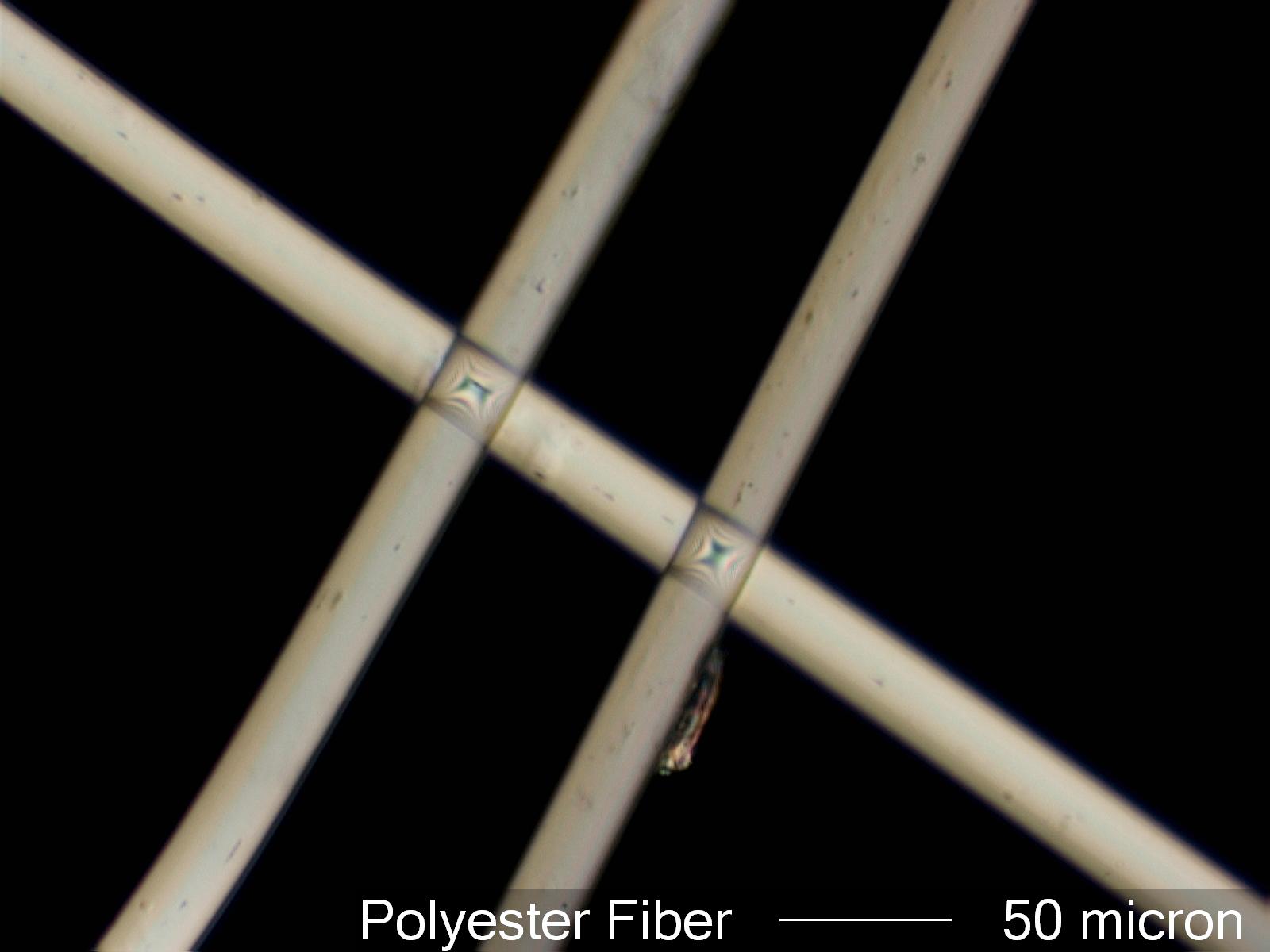
Polyester fibers are long, extruded filaments with extremely smooth surfaces and low moisture absorption. Their moisture regain is typically around 0.4–0.5%, meaning liquids do not easily penetrate the fiber structure.
Cotton fibers are natural cellulose tubes with twisted ribbon-like shapes. They contain internal capillaries and absorb water readily, with a moisture regain of approximately 7–8% under standard atmospheric conditions. This allows liquid paint to enter the fiber structure before the acrylic binder cures.
Because acrylic paint initially behaves as a water-based liquid, cotton fibers absorb the paint during the wet stage, while polyester fibers repel it and keep the paint on the surface.
Polyester: Smooth Surface and Surface-Level Adhesion
Polyester’s molecular structure consists of polyethylene terephthalate (PET), a hydrophobic polymer with tightly packed molecular chains. This structure prevents water-based substances from penetrating the fiber.
As acrylic paint dries on polyester fabric:
- Water evaporates from the paint layer
- Acrylic polymer particles fuse into a flexible film
- The film adheres mechanically to the fiber surface
The bond is therefore primarily physical rather than chemical.
| Polyester Characteristic | Effect on Acrylic Paint |
|---|---|
| Smooth filament surface | Paint remains mostly on the exterior |
| Hydrophobic chemistry | Limited liquid absorption |
| Low porosity | Polymer film forms externally |
| Heat sensitivity | Aggressive treatments can alter surface sheen |
Because the paint is mainly sitting on the fiber surface, removal strategies often focus on softening or lifting the acrylic film layer without damaging the fiber.
Cotton: Absorption and Mechanical Locking
Cotton fibers are composed of cellulose, a natural polymer rich in hydroxyl groups that attract water molecules. This hydrophilic nature causes wet acrylic paint to be absorbed into the fiber bundle before the polymer binder cures.
During the drying process:
- Liquid paint penetrates the fiber network
- Pigments settle between cellulose fibers
- Acrylic binder polymerizes and locks particles in place
Once cured, the paint becomes mechanically trapped inside the cotton fiber structure.
| Cotton Characteristic | Effect on Acrylic Paint |
|---|---|
| Porous cellulose structure | Paint penetrates fiber bundles |
| Hydrophilic chemistry | Strong liquid absorption |
| Fiber swelling when wet | Paint spreads through capillaries |
| Dye sensitivity | Aggressive treatments may remove color |
Because the paint resides inside the fiber network, stain removal typically requires rehydrating the stain and gradually extracting pigment particles, rather than peeling away a surface film.
Why Strong Solvents Behave Differently on Each Fiber
A solvent or cleaning method that works well on polyester may behave poorly on cotton due to these structural differences.
For example:
- Alcohol-based solvents may soften the acrylic film on polyester and allow it to lift from the fiber surface.
- The same solvent applied to cotton may drive pigment deeper into the fiber bundle, spreading the stain.
Similarly, water-based cleaning techniques that help rehydrate cotton stains may have little effect on polyester, where the paint film remains attached to the surface.
These contrasting reactions explain why universal stain-removal methods often fail across different fabrics.
Blended Yarn Fabrics: Chemical Conflict in One Textile
Blended fabrics—especially cotton–polyester blends—combine both fiber behaviors within the same yarn structure.
In these textiles:
- Polyester filaments hold acrylic paint mainly on the surface
- Cotton fibers absorb paint internally
- The resulting stain contains both surface and embedded components
This creates a mixed bonding system where different parts of the same stain respond differently to cleaning methods.
| Fiber Component | Paint Bonding Type |
|---|---|
| Polyester filaments | Surface film adhesion |
| Cotton fibers | Internal mechanical locking |
Because of this dual behavior, stain removal on blended fabrics often requires multi-step treatment approaches, addressing both surface film and internal pigment.
Why Understanding Bonding Mechanisms Matters
Many stain removal failures occur because cleaning attempts focus only on removing visible paint rather than understanding how the paint attached to the fiber.
In practice:
- Polyester stains respond best to techniques that soften and lift the acrylic film.
- Cotton stains require methods that rehydrate the fiber and gradually release embedded pigment.
- Blended fabrics require careful, staged treatment that addresses both behaviors.
By identifying the bonding mechanism first, the removal strategy becomes far more predictable and controlled.
Acrylic paint bonds to polyester primarily through surface-level mechanical adhesion, while on cotton it becomes mechanically embedded within the porous cellulose fiber structure. These differences explain why stain removal techniques must be adapted to the fabric type.
Recognizing the fiber chemistry behind the stain transforms paint removal from guesswork into a process guided by textile science.
Which factors most influence acrylic paint removal success?

Successful acrylic paint removal from textiles depends on four interacting variables: paint formulation, drying stage, fabric structure, and response time. While many people focus primarily on solvents or cleaning products, real-world textile handling shows that timing and fabric context often matter more than the chemical used for removal.
Acrylic paint is a water-based polymer emulsion. When wet, pigment particles are suspended in water and loosely associated with acrylic polymer droplets. As water evaporates, those droplets fuse together and form a flexible plastic film. Once that film fully cures, it locks pigment particles onto or inside the fabric structure.
Because this curing process happens quickly—often within minutes—the stage of drying and the speed of response strongly influence whether the stain can be removed completely or only reduced visually.
Why Timing and Context Often Matter More Than Chemistry

Acrylic paint removal success depends less on finding the “strongest cleaner” and more on understanding the relationship between the paint film and the textile structure. When paint is still wet, it remains mobile and can be blotted or rinsed before polymer bonding occurs. Once partially dried, the paint begins forming a film that must be softened or rehydrated before it can be lifted.
In textile sampling, garment production, and laboratory testing, the most successful stain interventions usually occur within minutes of contamination, before the polymer binder completes its film formation.
Paint Formulation and Viscosity
Different acrylic paints contain varying amounts of pigment, binder, fillers, and additives. These differences significantly affect stain behavior and removal difficulty.
| Paint Type | Typical Use | Removal Difficulty |
|---|---|---|
| Water-based craft acrylic | DIY painting, hobby work | Low–Medium |
| Soft-body acrylic | Textile design tests | Medium |
| Heavy-body acrylic | Artwork, signage | High |
| Acrylic mixed with fabric medium | Textile printing | Very High |
Higher binder content results in a stronger polymer film after drying. This film adheres more firmly to textile surfaces and may also penetrate deeper into absorbent fabrics.
Heavy-body acrylics also contain thicker pigment suspensions and rheology modifiers, which increase viscosity and make the paint less mobile during the early stages of drying. As a result, these paints tend to form thicker films that are more difficult to soften later.
Drying Stage: The Most Critical Variable
Among all factors influencing stain removal success, the drying stage of the paint is usually the most important.
Acrylic paint dries in phases as water evaporates and the polymer particles fuse together. The longer the paint sits on the fabric, the more complete the polymer film formation becomes.
| Drying Stage | Approximate Time Window | Practical Outcome |
|---|---|---|
| Wet | First few minutes | Blotting or rinsing often removes most paint |
| Tacky | Up to ~30 minutes | Surfactant-assisted lifting may work |
| Semi-dry | 30–120 minutes | Softening agents may help loosen film |
| Fully cured | 12–24 hours or more | Only partial removal typically possible |
A useful practical guideline often cited in textile care: if the paint film can still be dented with a fingernail, it has not fully cured. At this stage, the polymer network is still flexible enough to respond to rehydration or softening treatments.
Once the paint fully cures, the polymer becomes significantly more resistant to mechanical and chemical disruption.
Fabric Structure and Yarn Density
The physical construction of the textile also plays a major role in stain behavior. Even when the fiber type is the same, different fabric structures can influence how paint spreads and where residue remains.
| Fabric Structure | Paint Behavior |
|---|---|
| Open weave fabrics | Paint can travel along yarn channels |
| Tight woven fabrics | Paint remains localized on the surface |
| Knitted fabrics | Stretching may distort stain areas |
| Textured fabrics | Pigment collects in surface depressions |
Open-weave fabrics allow liquid paint to move along yarn pathways before drying. Tight-weave fabrics restrict this movement, resulting in more concentrated stains.
Textured surfaces—such as brushed fabrics or heavy twills—often trap pigment particles in small surface recesses. These residues may not be visible immediately but can appear after the fabric dries.
Time-to-Response: The Human Factor
While paint chemistry and fabric structure matter, the speed of response by the person handling the stain is often the deciding factor.
Facilities that intervene quickly typically report significantly higher stain recovery rates.
| Response Time | Typical Outcome |
|---|---|
| Within 5 minutes | High probability of near-complete removal |
| 5–30 minutes | Moderate removal success |
| More than 2 hours | Limited removal possible |
| Overnight or longer | Mostly cosmetic improvement only |
The reason for this difference lies in the curing process of acrylic paint. Rapid response interrupts the early stages of film formation before the polymer network becomes fully stable.
Delayed response allows the acrylic binder to complete its cross-linking and film fusion, making later removal much more difficult.
Why Fabric–Paint Interaction Must Be Considered Together
Another important point is that paint removal strategies must consider both paint formulation and textile characteristics simultaneously.
For example:
- Thick acrylic paint on smooth polyester may form a removable surface film.
- The same paint on cotton fabric may penetrate into the fiber bundle before drying.
- On blended fabrics, both behaviors can occur within the same stain.
This means removal strategies must often be adjusted to the specific fabric structure and paint condition, rather than applying a universal method.
Acrylic paint removal success is influenced primarily by four interacting factors: paint formulation, drying stage, fabric structure, and response time. Among these variables, the drying stage and speed of intervention usually have the greatest impact on whether the stain can be removed safely.
In practical textile handling, responding quickly and adapting the removal method to the fabric’s fiber structure often produces better results than relying solely on stronger cleaning chemicals.
How should fabric producers and garment teams identify polyester, cotton, and blended yarns before treatment?

Accurate fiber identification is the most important precaution before attempting any stain removal process on textiles. Acrylic paint removal techniques vary significantly depending on whether the fabric is polyester, cotton, or a blended yarn construction. Applying the wrong treatment method based on incorrect assumptions can permanently damage the fabric, distort dyes, or spread pigment deeper into the fibers.
For fabric producers, garment technicians, and quality control teams, identifying fiber composition early helps determine the safest treatment strategy. This identification process typically involves checking documentation, evaluating visual and tactile cues, performing simple absorbency tests, and verifying finishes or coatings.
When these steps are combined, teams can determine the fiber structure with reasonable accuracy before introducing any cleaning agents.
Fast, Safe Identification Methods
In textile manufacturing environments, identification methods must be fast, non-destructive, and easy to perform on production floors. While laboratory fiber analysis provides the most precise results, quick field methods often provide enough information to guide safe stain removal procedures.
Most garment teams rely on a combination of documentation checks and simple physical observations before proceeding further.
Start With Documentation When Available
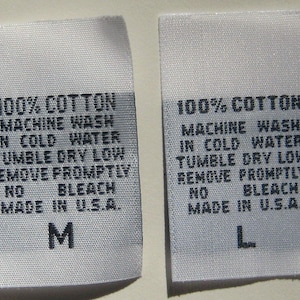
The safest and most reliable source of fiber identification is existing product documentation. Most fabrics entering garment manufacturing lines include specifications that clearly state fiber composition and finishing treatments.
Common documentation sources include:
- Fabric specification sheets
- Fabric roll labels
- Supplier packing lists
- Production order records
These documents often include detailed information such as fiber percentage, yarn construction, and finishing treatments.
If official documentation is available, it should always be considered the primary reference. Physical inspection methods should only supplement documentation rather than replace it.
Visual and Tactile Cues for Quick Field Checks
When documentation is unavailable or uncertain, fabric technicians often rely on basic sensory observations to distinguish between cotton and polyester.
| Cue | Cotton | Polyester |
|---|---|---|
| Touch | Soft and slightly matte | Smooth and cool |
| Wrinkle behavior | Wrinkles easily | Resists wrinkling |
| Surface appearance | Natural texture | Slight sheen |
Cotton fabrics tend to feel warmer and softer due to their natural cellulose structure. Polyester fabrics typically feel cooler and smoother because of their synthetic filament construction.
Blended yarn fabrics may display characteristics of both fibers. For example, a cotton–polyester blend may feel relatively soft like cotton but show improved wrinkle resistance similar to polyester.
When signals appear mixed, technicians should assume a blended composition and proceed cautiously.
Simple Water Absorbency Test
One of the fastest non-destructive identification methods involves placing a small drop of water on the fabric surface and observing how the liquid behaves.
| Result | Interpretation |
|---|---|
| Immediate absorption | Cotton-dominant fabric |
| Gradual spreading | Cotton–polyester blend |
| Water beading on surface | Polyester-dominant fabric |
Cotton’s hydrophilic cellulose structure allows water to penetrate quickly, while polyester’s hydrophobic surface causes water to remain as droplets.
This test is widely used in garment development and sampling environments because it does not damage the fabric and can be performed in seconds.
Burn Test for Fiber Confirmation
When absolute confirmation is required, technicians may perform a burn test on a small scrap yarn or fabric trimming. This test should only be conducted on loose fibers removed from the garment—not on finished panels.
| Fiber Type | Burn Behavior |
|---|---|
| Cotton | Burns quickly, leaves soft ash |
| Polyester | Melts and forms a hard bead |
Cotton burns with a smell similar to burning paper due to its cellulose composition. Polyester melts before burning and produces a hardened bead because it is a thermoplastic polymer.
Although burn tests are highly informative, they should be used sparingly in production environments because they involve open flame and destroy the sample.
Identifying Finishes and Surface Treatments
In many fabrics, surface finishes and coatings alter how stains behave and how removal methods should be applied. These treatments may affect liquid absorption, chemical resistance, and fabric elasticity.
| Finish Type | Removal Risk |
|---|---|
| Polyurethane or acrylic coatings | Sensitive to solvents |
| Printed graphics | Image distortion risk |
| Water-repellent treatments | Reduced liquid penetration |
| Stretch finishes | Risk of elasticity loss |
For example, fabrics treated with water-repellent finishes may prevent cleaning solutions from reaching the stain effectively. Similarly, printed surfaces may experience color distortion if strong solvents are used.
When finishes are present, stain removal strategies should generally involve shorter exposure times and milder treatments.
Why Accurate Identification Matters
Incorrect fiber identification is one of the most common causes of stain removal failures in garment production environments. Using a cleaning method designed for polyester on cotton fabric may cause pigment spreading, while applying water-based extraction methods to polyester may produce little improvement.
A practical example illustrates the importance of identification. During a garment sampling run involving blended fabrics, technicians assumed the fabric was primarily polyester and applied alcohol-based softening agents across the entire surface. However, cotton-rich zones within the fabric absorbed the softened paint deeper into the fiber bundle, producing visible halos around the original stain.
A quick absorbency test performed beforehand would have revealed the blended fiber composition and prevented the issue.
Before attempting any acrylic paint removal process, fabric producers and garment teams should confirm the textile’s fiber composition and surface characteristics. Reliable identification methods include reviewing documentation, observing tactile cues, performing water absorbency tests, and—when necessary—conducting burn tests on scrap fibers.
By verifying fiber type and fabric finish in advance, teams can choose stain removal techniques that minimize damage while maximizing the chances of successful cleaning.
What are the safest and most effective methods to remove acrylic paint from polyester fabrics without surface damage?

Removing acrylic paint from polyester fabrics requires a method that respects the surface-sensitive nature of polyester fibers. Unlike cotton, polyester does not absorb paint deeply. Instead, acrylic paint typically dries into a thin polymer film that bonds to the smooth filament surface. Because of this behavior, the safest strategy is not aggressive cleaning but controlled softening and lifting of the paint film.
Polyester fibers are hydrophobic and non-porous, meaning excessive liquid treatments can spread softened paint across the surface rather than removing it. The goal is therefore to plasticize the acrylic binder slightly and detach it from the fiber surface with minimal mechanical stress.
This approach preserves the fabric’s color, sheen, texture, and structural integrity, which can otherwise be damaged by harsh solvents or abrasive cleaning.
Polyester-First Principles That Prevent Haze and Scuffing
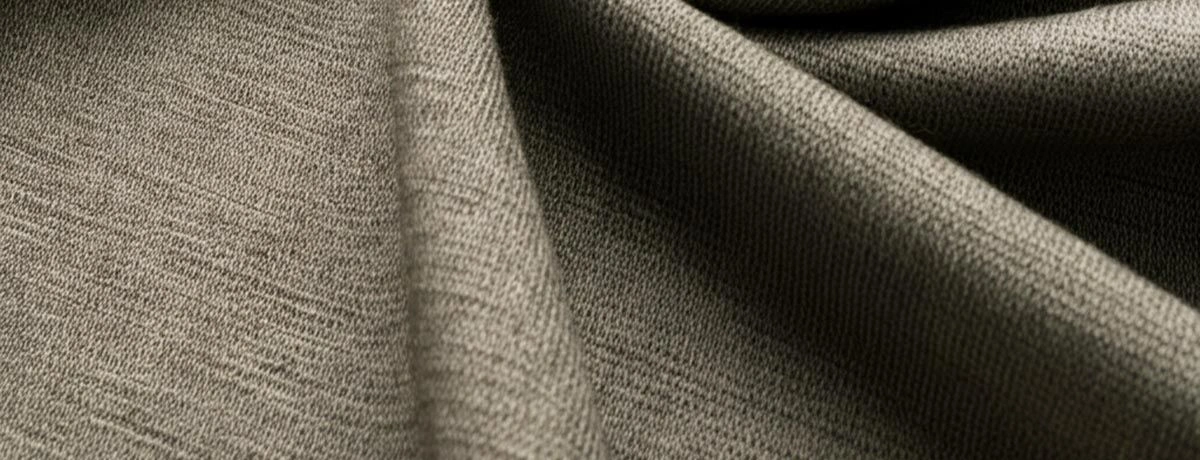
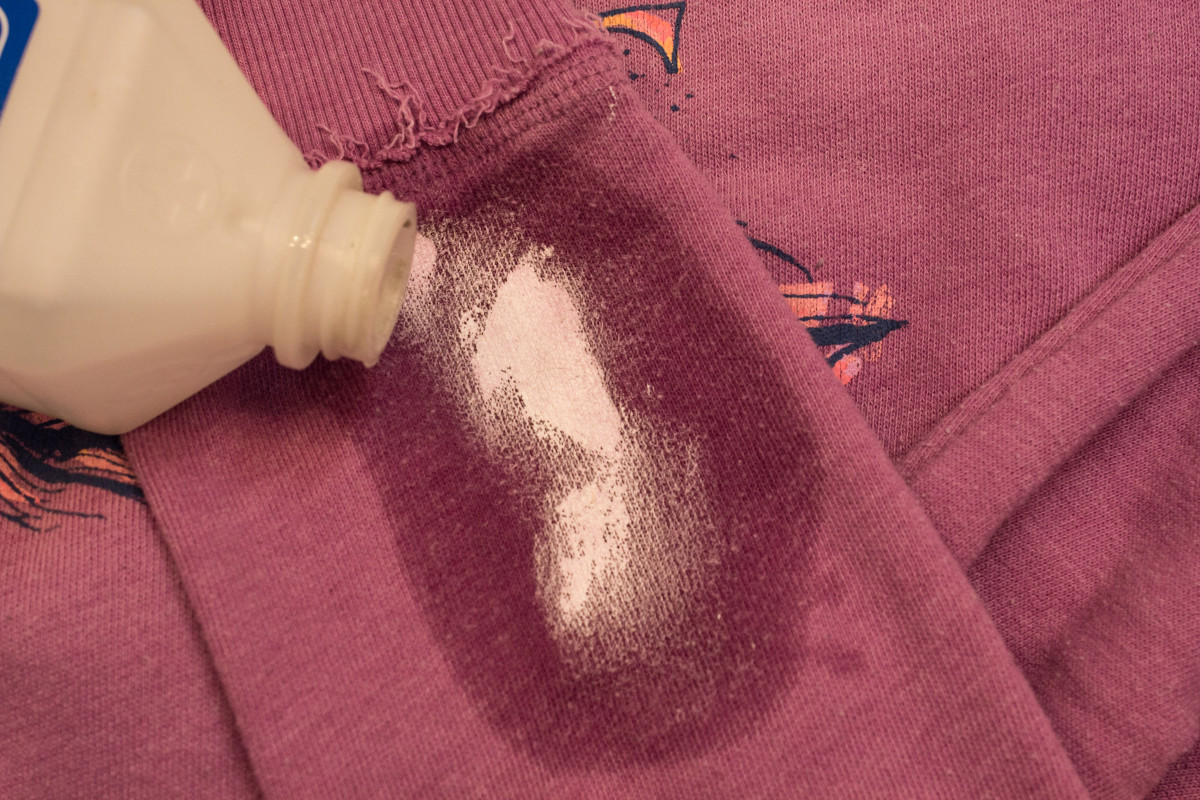
Polyester fabrics respond best to stain treatments that prioritize precision and minimal disturbance. Because polyester filaments are smooth and can develop visible sheen changes if scratched, aggressive rubbing or long solvent exposure may leave permanent marks.
Successful removal typically follows three guiding principles:
- Soften the acrylic film rather than dissolving it completely
- Lift the paint gently instead of scrubbing
- Limit solvent exposure to protect fabric finish
These principles help maintain the visual appearance of the textile while removing as much paint residue as possible.
Polyester-Safe Step-by-Step Workflow
A careful and controlled workflow significantly improves the chances of successful paint removal without damaging the fabric surface.
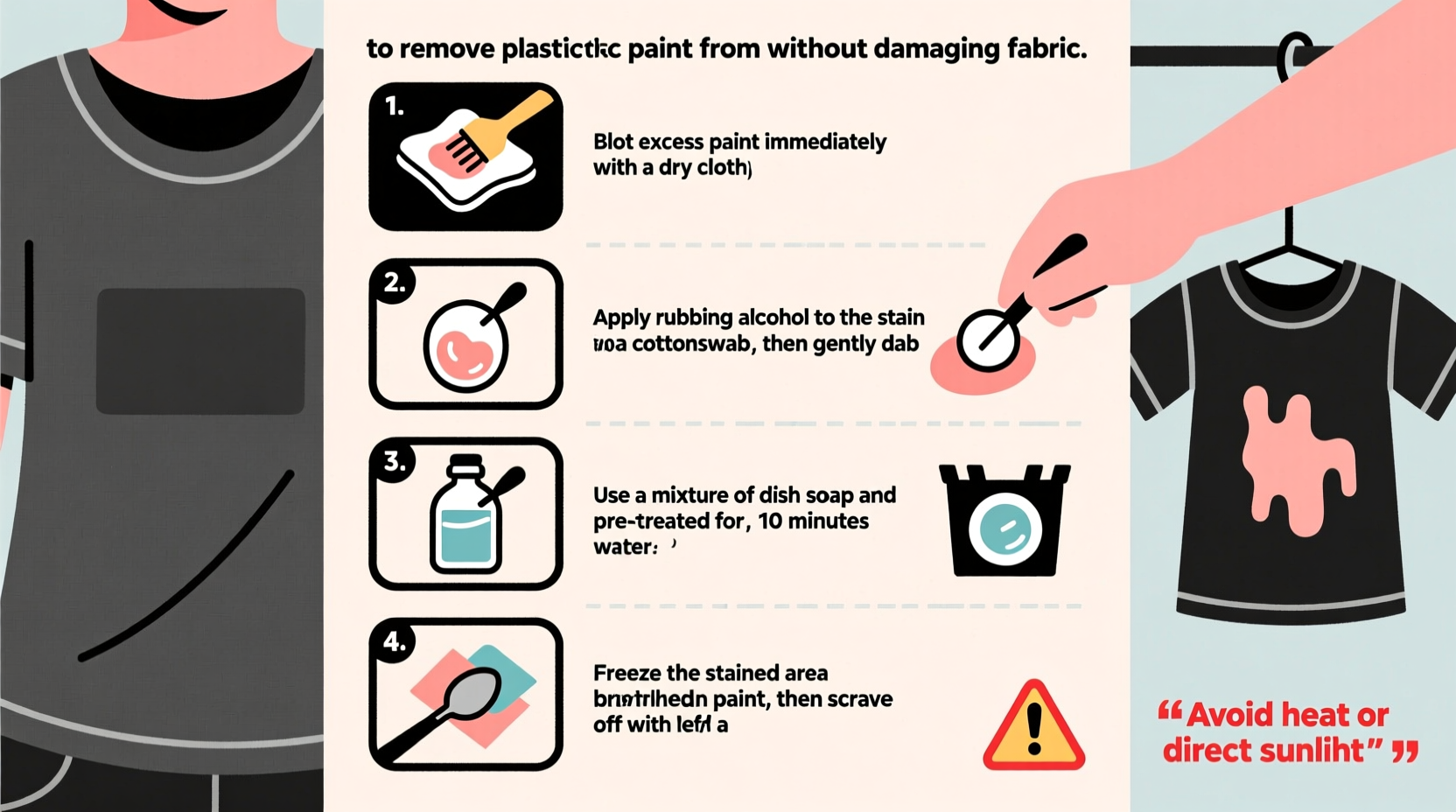
- Confirm polyester dominance Verify fiber composition using a garment label or a simple water-drop test. Polyester fabrics usually repel water droplets rather than absorbing them.
- Lightly pre-dampen the area Apply a minimal amount of cool water to prevent softened pigment from spreading across dry fibers.
- Apply low-strength alcohol Use 70% isopropyl alcohol or bio-ethanol on a cotton pad or microfiber cloth. Avoid pouring solvent directly onto the fabric.
- Allow brief softening time Wait approximately 30–60 seconds for the acrylic film to soften slightly. The paint may begin to feel flexible or rubbery.
- Lift the paint film carefully Gently lift the softened edge using a silicone spatula, plastic card, or a fingernail wrapped in cloth. Avoid sharp tools that may scratch the fibers.
- Blot away loosened material Use a clean microfiber cloth to blot the lifted paint fragments.
- Neutralize and rinse lightly Apply a mild detergent solution to remove solvent residue and pigment traces, then rinse lightly with cool water and allow the fabric to air dry.
This process emphasizes lifting rather than dissolving, which is safer for polyester surfaces.
Why This Method Works Well on Polyester
Polyester fibers consist of polyethylene terephthalate (PET), a synthetic polymer with a smooth and chemically resistant surface. Acrylic paint adheres mainly through mechanical bonding rather than deep absorption.
Alcohol-based solvents interact with the acrylic binder by temporarily softening the polymer film, making it easier to detach from the fiber surface.
| Mechanism | Effect |
|---|---|
| Alcohol plasticization | Softens acrylic binder film |
| Controlled lifting | Prevents fiber abrasion |
| Short solvent exposure | Protects fabric sheen |
Because polyester fibers themselves are relatively resistant to mild alcohols, this method allows the paint film to loosen without damaging the underlying fiber.
Common Risks and How to Prevent Them
While polyester is durable, improper treatment can still damage the fabric’s appearance. Several risks commonly occur during paint removal attempts.
| Risk | Cause | Prevention |
|---|---|---|
| Surface haze | Excess solvent dwell time | Keep exposure brief |
| Color shift | Solvent pooling | Apply solvent using pads only |
| Micro-scratches | Hard scraping tools | Use silicone or soft plastic tools |
| Residual odor | Strong chemical solvents | Use low-odor alcohol solutions |
Polyester fabrics can develop visible dull spots if their surface is abraded. These changes often appear as swirl marks or altered gloss levels.
Therefore, gentle handling is essential during the lifting stage.
When to Stop the Removal Process
During paint removal, it is important to monitor the fabric surface continuously. Polyester fabrics reveal surface damage quickly because their smooth filaments reflect light differently when scratched.
Signs that treatment should stop include:
- Visible dulling of the fabric surface
- Swirl marks or micro-scratches
- Loss of fabric sheen
If these signs appear, it is safer to accept partial stain reduction rather than risk permanent fabric damage.
In many textile repair and garment production settings, maintaining fabric appearance is often more important than achieving complete stain removal.
The safest and most effective method for removing acrylic paint from polyester fabrics is to soften the paint film and gently lift it from the fiber surface, rather than soaking or aggressively scrubbing the fabric. Using mild alcohol solutions with short exposure times allows the acrylic binder to loosen without harming the polyester fibers.
By combining controlled solvent use, gentle lifting techniques, and careful monitoring of the fabric surface, technicians can significantly improve stain removal outcomes while preserving the textile’s original appearance.
How can acrylic paint be removed from cotton fabrics while preserving fiber strength and color stability?
Removing acrylic paint from cotton fabrics requires a different approach than polyester because cotton fibers behave very differently at the microscopic level. Cotton is a hydrophilic cellulose fiber with a porous structure, meaning wet acrylic paint can penetrate into the fiber bundle before drying. Once the acrylic binder cures, pigment particles become mechanically trapped within the fiber network rather than sitting on the surface.
Because of this penetration, effective removal relies on rehydrating the stain, loosening the polymer film inside the fibers, and gradually extracting pigment particles outward. Aggressive solvents or scraping methods are rarely appropriate for cotton because they can spread pigment deeper into the fabric or damage the fibers.
The safest approach combines controlled moisture, mild surfactants, and gentle mechanical action to gradually release the paint from the fiber structure while protecting the fabric’s color and strength.
Cotton-Friendly Extraction Without Halos or Dye Loss


Cotton’s cellulose fibers swell when exposed to water. This swelling slightly expands the internal spaces within the fiber bundle, allowing trapped pigment particles to loosen and migrate toward the surface.
When combined with mild surfactants and careful blotting, this swelling effect makes it possible to gradually release acrylic paint from the cotton structure without damaging the textile.
However, the process must remain controlled. Excessive scrubbing or uneven moisture application can lead to pigment spreading, which often appears as halo rings around the original stain.
Cotton-Safe Step-by-Step Workflow
A careful and repeatable workflow helps remove acrylic paint while minimizing the risk of fiber damage or dye migration.
- Evenly pre-dampen the stained area Apply warm (not hot) water to the entire stained zone. This prevents concentrated wet spots that may cause pigment rings.
- Apply a mild plant-based surfactant solution Use a low-concentration detergent solution (approximately 1–2% surfactant) and allow it to dwell for 2–5 minutes.
- Agitate gently from the reverse side Using a soft nylon brush or cloth, gently work from the back of the fabric. This encourages pigment to move outward rather than deeper into the textile.
- Blot instead of rubbing Use a clean absorbent cloth to blot loosened pigment. Rubbing may push paint particles back into the fibers.
- Rinse lightly and repeat short cycles Small repeated treatments are more effective than one aggressive cleaning attempt. Maintain even moisture across the area during the process.
- Air dry flat and reassess Allow the fabric to dry naturally before repeating the treatment if necessary. This helps determine whether additional pigment remains.
This gradual extraction process preserves cotton’s fiber structure and reduces the risk of damaging dyed fabrics.
Why This Method Works on Cotton
The success of this method relies on the physical behavior of cotton fibers when exposed to water and surfactants.
| Mechanism | Effect |
|---|---|
| Fiber swelling when wet | Opens spaces inside the fiber bundle |
| Surfactant action | Reduces adhesion between pigment and fiber |
| Reverse-side agitation | Pushes pigment outward instead of deeper |
| Controlled rinsing | Carries loosened paint particles away |
By combining these mechanisms, the paint residue can slowly migrate out of the cotton fibers without the need for harsh solvents.
Managing Fully Cured Acrylic Paint on Cotton
If the paint has fully cured and remains embedded in the fibers, localized treatments may help soften the residue before extraction.
| Aid | How to Use | Caution |
|---|---|---|
| Bicarbonate paste (pH ≤ 8.5) | Apply briefly to soften residue | Avoid printed or dyed zones |
| Mild enzyme pre-wash | Helps remove organic residues | Only a supporting step |
These treatments should be applied carefully and for short durations to avoid damaging dyes or weakening the cotton fibers.
In many cases, partially cured paint may still be reduced significantly through repeated hydration and extraction cycles.
Common Risks and How to Avoid Them
Cotton fabrics are generally durable but can still be damaged by improper stain removal techniques.
| Risk | Cause | Prevention |
|---|---|---|
| Halo rings | Uneven moisture distribution | Keep entire area evenly damp |
| Dye bleeding | Excess heat or alkaline chemicals | Use warm water and mild detergents |
| Fiber fuzzing | Hard brushes or excessive friction | Use soft brushes and light pressure |
Cotton’s dye stability can vary depending on the fabric finish and dyeing method. Therefore, gentle treatments are always safer than aggressive cleaning.
When to Stop Treatment
During the cleaning process, it is important to observe the fabric carefully. Signs that treatment should pause include:
- Visible dye migration
- Surface fuzzing of cotton fibers
- Fabric texture changes
If any of these appear, the safest approach is to stop treatment and allow the fabric to dry before attempting further cleaning.
Cotton fabrics generally respond better to slow, repeated treatments than to strong chemical interventions.
Acrylic paint removal from cotton fabrics works best when the process focuses on rehydrating the stain, loosening the polymer film, and gradually extracting pigment from the fiber structure. Controlled moisture, mild surfactants, and gentle agitation help release paint particles while preserving cotton’s fiber strength and color stability.
In cotton stain treatment, patience and uniform moisture management are usually more effective than aggressive cleaning methods.
What step-by-step strategies work best for acrylic paint removal on blended yarn fabrics without causing uneven results?
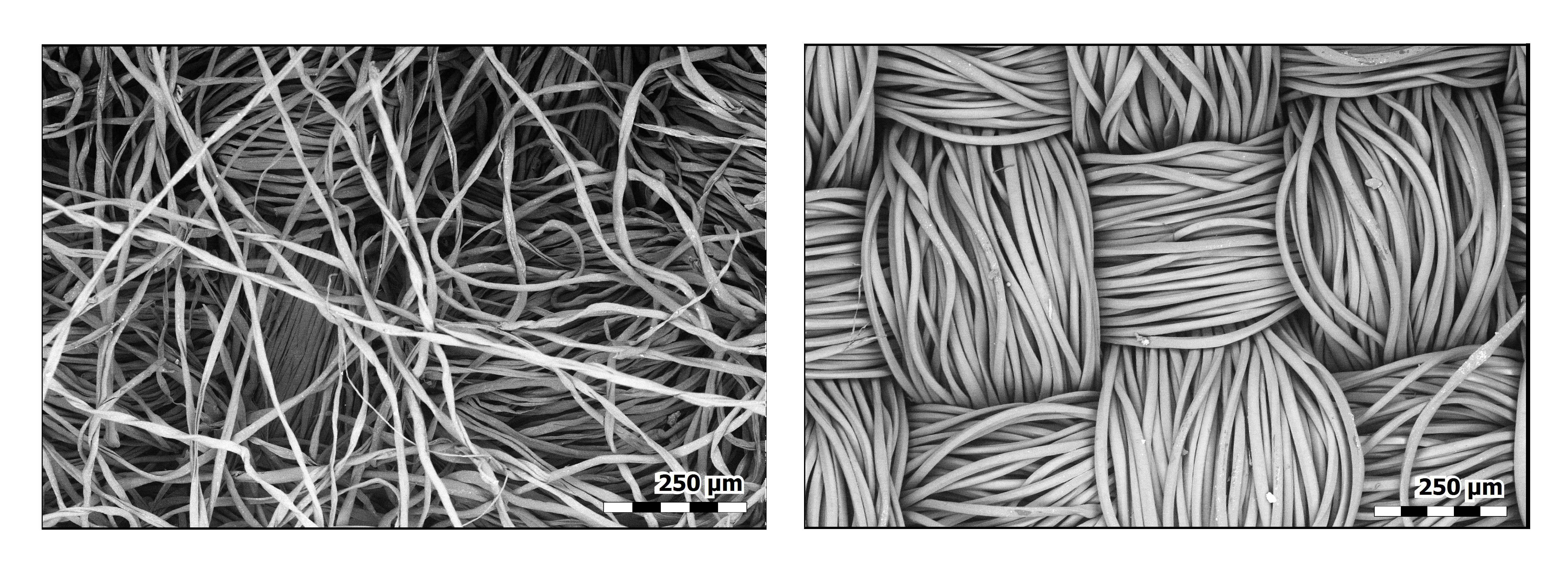

Blended yarn fabrics—such as cotton-polyester blends—present unique challenges when removing acrylic paint stains. Unlike single-fiber fabrics, blended yarns contain two fiber behaviors within the same textile structure. Polyester fibers tend to hold acrylic paint on the surface as a film, while cotton fibers absorb the paint into their porous cellulose structure.
Because of this dual behavior, applying one uniform cleaning method across the entire stain often produces uneven results. Alcohol treatments that work well on polyester can spread pigment deeper into cotton fibers, while water-based extraction methods designed for cotton may smear surface paint films across polyester filaments.
The safest and most reliable approach is therefore a zonal and staged treatment strategy. This method addresses the polyester-like surface film first and then gradually extracts pigment from the cotton component while keeping moisture and chemical exposure tightly controlled.
A Split-Strategy Workflow That Maintains Visual Consistency


Blended fabrics require careful observation before treatment begins. The key objective is to treat each fiber type according to how the paint bonded to it, while maintaining uniform moisture across the surrounding fabric.
Working gradually and reassessing between steps helps prevent halo marks, patchy cleaning, or texture changes.
The Blended-Yarn Step Sequence
A staged treatment approach typically produces the most consistent results on cotton-polyester blends.
1. Map the stain under angled light
Use angled or side lighting to examine the stain. This helps distinguish between:
- glossy paint films sitting on the surface
- darker areas where pigment has penetrated into the fabric
Understanding where the paint sits determines which treatment to apply first.
2. Lightly pre-dampen the entire area
Apply a small amount of cool water across the entire stain zone. The goal is not to soak the fabric but to create uniform moisture, which helps prevent pigment rings or halo marks during treatment.
3. Perform the surface-film lift (polyester behavior)
Target the glossy or raised paint film areas first.
- Apply 70% isopropyl alcohol or bio-ethanol to these zones using a cloth or cotton pad
- Allow a short dwell time of 20–40 seconds
- Gently lift softened film edges using a soft tool or cloth
- Blot immediately to remove loosened fragments
This step removes paint that sits primarily on polyester filaments before it can smear into cotton fibers.
4. Conduct the extraction phase (cotton behavior)
After the surface film is removed, focus on pigment embedded within the cotton fibers.
- Apply a 1–2% mild plant-based surfactant solution evenly across the stain
- Allow a 2–3 minute dwell time
- Agitate gently from the reverse side of the fabric using a soft brush or cloth
- Blot carefully to remove loosened pigment
Reverse-side agitation helps push pigment outward rather than deeper into the textile structure.
5. Perform a light rinse
Rinse the treated area lightly with cool water to carry loosened pigment away from the fibers. Avoid heavy rinsing that could spread pigment across surrounding fabric.
6. Repeat short treatment cycles if necessary
Blended fabrics respond best to multiple gentle cycles rather than a single aggressive cleaning attempt. After each cycle, reassess the stain while the fabric remains slightly damp.
Escalating chemical strength across the entire area should be avoided whenever possible.
Why This Method Works on Blended Fabrics
The split-strategy method works because it addresses the two fiber types separately.
| Mechanism | Result |
|---|---|
| Surface-film removal first | Prevents paint smearing into cotton fibers |
| Uniform moisture control | Reduces halo formation |
| Reverse-side agitation | Encourages pigment extraction |
| Short treatment cycles | Minimizes fiber stress |
By separating surface removal from fiber extraction, this method keeps the cleaning process controlled and visually consistent.
Common Blend Pitfalls—and How to Fix Them
Even experienced technicians may encounter challenges when cleaning blended fabrics. Many of these problems arise from applying treatments too broadly or unevenly.
| Problem | Likely Cause | Recommended Fix |
|---|---|---|
| Patchy light areas | Alcohol applied across entire stain | Restrict alcohol to surface film zones |
| Dark halo rings | Uneven moisture distribution | Pre-dampen entire area before treatment |
| Texture change | Excessive agitation | Reduce pressure and stop earlier |
Blended fabrics often show uneven cleaning if treatments are applied inconsistently across different fiber zones.
Important Stop Criteria
During stain removal, it is important to monitor the textile surface closely. Signs that treatment should stop include:
- changes in fabric sheen
- visible texture distortion
- dye migration or color fading
If these changes appear, it is safer to allow the fabric to dry and reassess before continuing.
In many garment repair and textile production environments, maintaining fabric appearance is more important than achieving complete stain removal. Controlled partial cleaning is often preferable to aggressive treatments that risk permanent damage.
Acrylic paint removal from blended yarn fabrics requires a zonal, staged treatment strategy. By first lifting the surface film associated with polyester fibers and then extracting pigment embedded in cotton fibers, technicians can remove stains more evenly while preserving the fabric’s color, texture, and structure.
Working slowly with controlled moisture and short treatment cycles helps prevent halos, patching, and surface damage—making this approach the most reliable method for handling acrylic paint stains on cotton-polyester blends.
How can manufacturers optimize fabric selection, finishing, and handling to reduce acrylic paint adhesion in future production?


For textile mills, garment factories, and sampling studios, the most effective way to deal with acrylic paint stains is to reduce adhesion before the stain ever occurs. Acrylic paint bonds strongly once its polymer binder cures, but early adhesion strength is influenced by fiber structure, yarn construction, surface energy, and workplace handling practices.
By making targeted adjustments during fabric selection, finishing, and production workflow, manufacturers can significantly reduce how strongly acrylic paint attaches to textiles. These adjustments do not eliminate staining entirely, but they delay paint penetration and weaken bonding, allowing stains to be removed quickly and safely during the early stages.
In practice, prevention strategies often provide the highest return because they reduce rework, protect fabric quality, and minimize downtime in sampling and production environments.
Practical Prevention Measures That Deliver Immediate Benefits
Prevention strategies work best when applied across three levels of production:
- Material design decisions
- Temporary surface finishes
- Operational handling practices
Together, these measures reduce the likelihood that acrylic paint will bond strongly to the fabric surface.
Yarn and Fabric Construction Choices
The structure of yarns and fabrics strongly influences how liquids—including acrylic paint—spread and penetrate.
Small design adjustments during the yarn or weaving stage can significantly reduce paint absorption and adhesion.
| Construction Choice | Effect on Paint Behavior |
|---|---|
| Higher yarn twist | Reduces capillary wicking of liquids |
| Smooth filament surfaces | Makes dried paint films easier to lift |
| Balanced fiber blends | Improves consistency of stain behavior |
For example, tighter yarn twist reduces the internal spaces between fibers where liquid paint can travel. Similarly, smoother filament surfaces decrease mechanical grip for dried acrylic films, making removal easier if contamination occurs.
Balanced fiber blends also help stabilize paint behavior by preventing extreme differences between absorbent and non-absorbent fibers within the same fabric.
Temporary, Washable Surface Finishes
During garment sampling, textile printing tests, or artwork handling, manufacturers can apply temporary surface finishes that reduce paint adhesion without permanently altering the fabric.
These finishes act as sacrificial barriers that delay paint penetration and weaken polymer bonding.
| Finish Type | Benefit | Suitable Fabrics |
|---|---|---|
| Light silicone emulsions | Reduces surface energy and paint grip | Polyester and blends |
| Bio-wax dispersions | Slows liquid absorption | Cotton and canvas |
| Starch-based coatings | Creates temporary sacrificial layer | Sampling and prototyping |
These coatings should remain breathable and fully washable, allowing them to be removed easily during later cleaning or finishing processes.
Permanent water-repellent coatings are usually avoided in these situations because they can interfere with dyeing, printing, or garment finishing operations.
Zonal Protection and Workflow Practices
Even the best materials benefit from disciplined handling practices in production environments. Simple procedural improvements can dramatically reduce the number of paint contamination incidents.
| Practice | Operational Impact |
|---|---|
| Covered worktables in paint zones | Prevents paint transfer to fabrics |
| Removable work mats | Captures spills and splatter |
| Rapid blot response protocols | Limits stain penetration |
| Regular tool cleaning schedules | Prevents secondary staining |
Paint contamination often spreads through indirect contact—for example, brushes placed on worktables or tools transferred between workstations.
Designating protected zones for painting or artwork testing helps isolate these activities from areas where fabric handling occurs.
Training Teams to Act During the First Minute
In many garment facilities and sampling rooms, the biggest improvement in stain control comes from training staff to respond immediately when paint spills occur.
The first minute after a spill is the most critical window because the acrylic binder has not yet formed a stable polymer film.
Factories that implement a simple “60-second blot rule” often see dramatic reductions in permanent staining.
Typical early-response protocol includes:
- immediate blotting with absorbent cloths
- avoiding rubbing or spreading the paint
- notifying supervisors for controlled cleaning
Early blotting often removes most of the liquid paint before it has time to penetrate the fabric.
Additional Operational Considerations
Beyond material design and workplace procedures, several other factors can influence paint adhesion risk in textile production environments.
These include:
- humidity levels that affect drying time
- temperature conditions that accelerate polymer curing
- lighting conditions that make stains easier to detect early
Maintaining good visibility in sampling rooms and inspection areas helps workers identify contamination before paint dries fully.
Reducing acrylic paint adhesion begins with preventive material and workflow decisions. By selecting yarn structures that limit liquid penetration, applying temporary washable finishes, and implementing disciplined handling practices, manufacturers can significantly reduce the likelihood of permanent paint staining.
Combined with rapid-response training and protective work zones, these strategies allow production teams to manage paint contamination effectively while preserving fabric quality and minimizing costly rework.
Fiber-Smart Methods Beat Force—Every Time
Acrylic paint isn’t the enemy—misapplied methods are. Polyester, cotton, and blended yarns each demand a different response. When teams slow down, identify fibers correctly, and work in short, reversible steps, paint can often be lifted without sacrificing color, texture, or strength.
The real win isn’t perfect removal every time; it’s fewer stains becoming permanent problems.
At Szoneier, we help brands and manufacturers choose and develop custom fabrics and finishes that perform better in real production—easier to maintain, safer to process, and consistent at scale. With free design support, low MOQs, fast sampling, free samples, and short lead times, our team can tailor yarn blends, constructions, and finishes to your exact needs.
If you’re sourcing or developing fabrics and want options that reduce staining risk and improve cleanability, contact Szoneier to request samples or a customized quotation.
how to get acrylic paint out of fabric, acrylic paint removal from fabric, remove acrylic paint from polyester, remove acrylic paint from cotton, acrylic paint on blended fabrics, acrylic paint stain removal methods, fabric specific paint removal, polyester fabric paint removal, cotton fabric paint removal, blended yarn paint removal, acrylic paint fabric cleaning guide, safe acrylic paint removal, remove dried acrylic paint from fabric, acrylic paint fabric damage prevention, textile stain removal techniques, garment fabric care guide, fabric surface paint adhesion, anti stain fabric finishing, textile cleaning best practices, acrylic paint removal step by step, industrial fabric stain removal, clothing production fabric cleaning, fabric maintenance for manufacturers, custom fabric development, performance fabric care, textile fiber identification, fabric cleaning without damage, yarn blend fabric cleaning, fabric manufacturer China