Skip to content

When people think about fishing gear, they often focus on rods, reels, and lures—but rarely consider the system that holds everything together: the fishing bag. Yet in real fishing scenarios, the bag is what determines how efficiently gear is used, how well it is protected, and how comfortable the entire experience becomes. A poorly designed bag can slow you down, damage your equipment, and turn a simple trip into a frustrating one.
A fishing bags manufacturer produces a wide range of products designed for different fishing styles, environments, and user needs. These include fishing backpacks, tackle bags, sling bags, rod bags, cooler bags, and specialized storage systems, each engineered with specific materials, structures, and features to solve real-world problems such as organization, waterproofing, and portability.
But here’s the real insight: the best manufacturers don’t just produce bags—they design systems around how people fish. They think about movement, weather, gear complexity, and user habits. That’s why two bags that look similar on the surface can perform completely differently in real use.
Imagine standing by the water, needing to switch lures quickly. One angler opens a well-organized bag and finds everything instantly. Another struggles to locate gear in a poorly designed one. Same tools—but completely different outcomes. That difference starts at the manufacturing level.
What Types of Fishing Bags Do Manufacturers Produce?


Fishing bag manufacturers produce a wide range of product types because fishing itself varies significantly in style, duration, and environment. A bag designed for shoreline fishing will not meet the needs of someone hiking several kilometers to reach a remote river, just as a compact sling bag cannot replace a fully structured tackle system for boat fishing.
In manufacturing practice, successful product lines are rarely built around a single design. Instead, they are structured as a series of complementary categories, each tailored to a specific use case. This allows brands to address different customer behaviors, price segments, and performance expectations.
At Szoneier, many fishing brands begin with one core product—often a backpack—and later expand into additional categories such as sling bags or tackle systems. This expansion is not just about offering more options; it is about aligning products with how anglers actually fish.
Core Fishing Bag Categories
| Bag Type | Key Feature | Best Use Case |
|---|---|---|
| Fishing Backpack | Mobility + capacity | Hiking and travel |
| Tackle Bag | Organization + access | Stationary fishing |
| Sling Bag | Quick access | Active fishing |
| Waist Bag | Lightweight | Minimal gear |
| Hybrid Bag | Multi-function | Mixed scenarios |
Each of these categories reflects a different balance between storage, accessibility, and portability. Understanding these differences is essential when designing or selecting products.
Fishing Backpacks
Fishing backpacks are designed for anglers who need to move frequently or travel longer distances. Their structure distributes weight across both shoulders, reducing fatigue during extended use.
These bags typically feature:
- Large main compartments for gear storage
- Multiple internal dividers or tackle tray compatibility
- Padded shoulder straps and back panels for comfort
- External attachment points for tools or rods
From a material perspective, backpacks often use lightweight but durable fabrics such as 600D–1000D nylon combined with reinforced base panels. Waterproof coatings or TPU laminations may be added depending on the target environment.
Backpacks are widely used in scenarios where mobility is critical, such as river fishing, hiking to remote locations, or travel-based fishing trips.
Tackle Bags
Tackle bags are designed with a strong focus on organization. Unlike backpacks, they prioritize structured storage and quick access rather than mobility.
Typical features include:
- Dedicated compartments for tackle boxes
- Wide-opening lids for easy visibility
- Reinforced internal frames to maintain shape
- Multiple pockets for small accessories
These bags are commonly used in stationary fishing environments such as docks, boats, or shorelines where the user does not need to carry the bag over long distances.
Materials used in tackle bags often emphasize structure and durability. Polyester or nylon fabrics with internal support panels are common, along with reinforced bases to handle heavy loads.
Sling Bags
Sling bags are designed for speed and convenience. Their single-strap design allows the bag to be rotated from the back to the front without being removed, enabling quick access to gear.
Key characteristics include:
- Compact size and lightweight construction
- Cross-body strap for easy rotation
- Limited but efficient storage compartments
- Quick-access pockets for frequently used items
Sling bags are particularly popular among anglers who move frequently and need immediate access to lures, tools, or small equipment.
From a design perspective, these bags must balance compactness with usability. Materials are typically lightweight nylon or polyester, sometimes combined with waterproof panels for added protection.
Waist Bags
Waist bags represent the most minimal category of fishing bags. They are designed for short trips or situations where only essential gear is required.
Common features include:
- Small, lightweight structure
- Belt-based carrying system
- Limited compartments for basic tools and accessories
These bags are often used in scenarios where mobility and simplicity are more important than storage capacity, such as quick fishing sessions or wading in shallow water.
Because of their lightweight nature, waist bags typically use thinner fabrics such as 210D–420D nylon or polyester, sometimes with water-resistant coatings.
Hybrid Designs
Modern fishing bag design is increasingly moving toward hybrid solutions. These products combine features from multiple categories to create more versatile systems.
Examples include:
- Backpacks with built-in tackle compartments
- Tackle bags with detachable shoulder straps
- Sling bags with expandable storage sections
Hybrid designs are particularly attractive in markets where users want flexibility without owning multiple bags.
From a manufacturing standpoint, hybrid products are more complex. They require careful material selection and structural design to ensure that added features do not compromise usability or durability.
Real-World Insight
One Szoneier client initially focused on a single fishing backpack model. While the product performed well, sales growth was limited by its narrow target audience.
After expanding the product line to include sling bags and structured tackle bags, the brand was able to reach a wider range of users:
- Sling bags attracted active anglers who prioritize speed and mobility
- Tackle bags appealed to users who value organization and capacity
- Backpacks continued to serve travel and outdoor scenarios
This expansion resulted in a noticeable increase in overall sales and improved brand positioning across multiple segments.
Is More Variety Always Better?
Offering multiple product types can increase market coverage, but excessive variety can also create confusion. When too many similar products are introduced without clear differentiation, customers may struggle to understand which option best suits their needs.
Effective product lines are structured around clear usage scenarios rather than minor design variations. Each category should have a distinct purpose and communicate that purpose clearly.
User Behavior Insight
Anglers typically choose fishing bags based on how they fish rather than the total volume of gear they carry. For example:
- A mobile angler prioritizes comfort and accessibility
- A stationary angler focuses on storage and organization
- A casual user values simplicity and lightweight design
Understanding these behavioral patterns is essential for developing products that resonate with real users.
Key Takeaway
Fishing bag manufacturers produce multiple product types because fishing itself involves diverse scenarios and user behaviors.
A successful product strategy should:
- Align each bag type with a specific use case
- Balance storage, accessibility, and mobility
- Offer clear differentiation between categories
Rather than relying on a single universal design, the most effective approach is to build a structured product range where each bag serves a defined purpose.
Which Specialized Fishing Bags Are Available for Specific Uses?


As fishing evolves from a casual activity into a more specialized outdoor pursuit, equipment has followed the same path. Standard fishing bags are no longer sufficient for many users. Instead, anglers increasingly look for purpose-built solutions that address specific challenges such as rod protection, bait preservation, or quick-access gear handling.
Manufacturers have responded by developing specialized fishing bags tailored to distinct environments, fishing styles, and gear types. These products are not simply variations of standard bags—they are engineered around specific functions that general-purpose designs cannot fully support.
From Szoneier’s production data and client projects, demand for specialized fishing bags has grown steadily, particularly in markets where users are more experienced and have clearer expectations for performance. This shift reflects a broader trend: anglers are moving away from one-size-fits-all products and toward targeted solutions that improve efficiency and reliability.
Specialized Fishing Bag Types
| Bag Type | Function | Key Feature |
|---|---|---|
| Rod Bag | Protect rods | Long, padded structure |
| Cooler Bag | Store bait/fish | Insulated lining |
| Chest Bag | Front access | Quick access design |
| Saltwater Bag | Marine use | Corrosion resistance |
| Fly Fishing Bag | Lightweight | Minimalist design |
Each of these categories is designed to solve a specific problem that standard fishing bags cannot address effectively.
Rod Bags
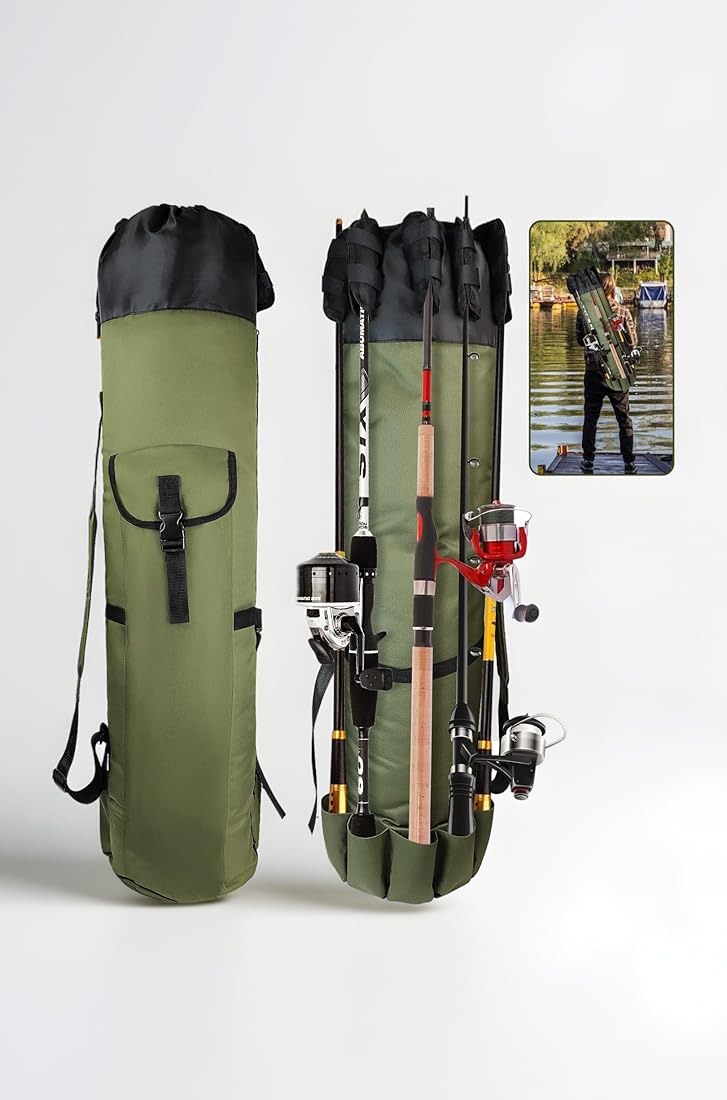
Rod bags are built to protect one of the most fragile and valuable pieces of fishing equipment—the rod. Unlike other gear, rods are long, thin, and highly sensitive to bending, impact, and pressure.
To address this, rod bags typically feature:
- Extended, narrow shapes to match rod length
- Internal padding or foam layers to absorb impact
- Reinforced outer shells to prevent bending
- Separate compartments for multiple rods
Materials used in rod bags often prioritize structural protection over flexibility. Polyester or nylon fabrics combined with foam padding are common, while some premium designs incorporate semi-rigid panels.
In transport scenarios—especially when traveling by car or plane—rod bags significantly reduce the risk of damage, making them essential for serious anglers.
Cooler Bags
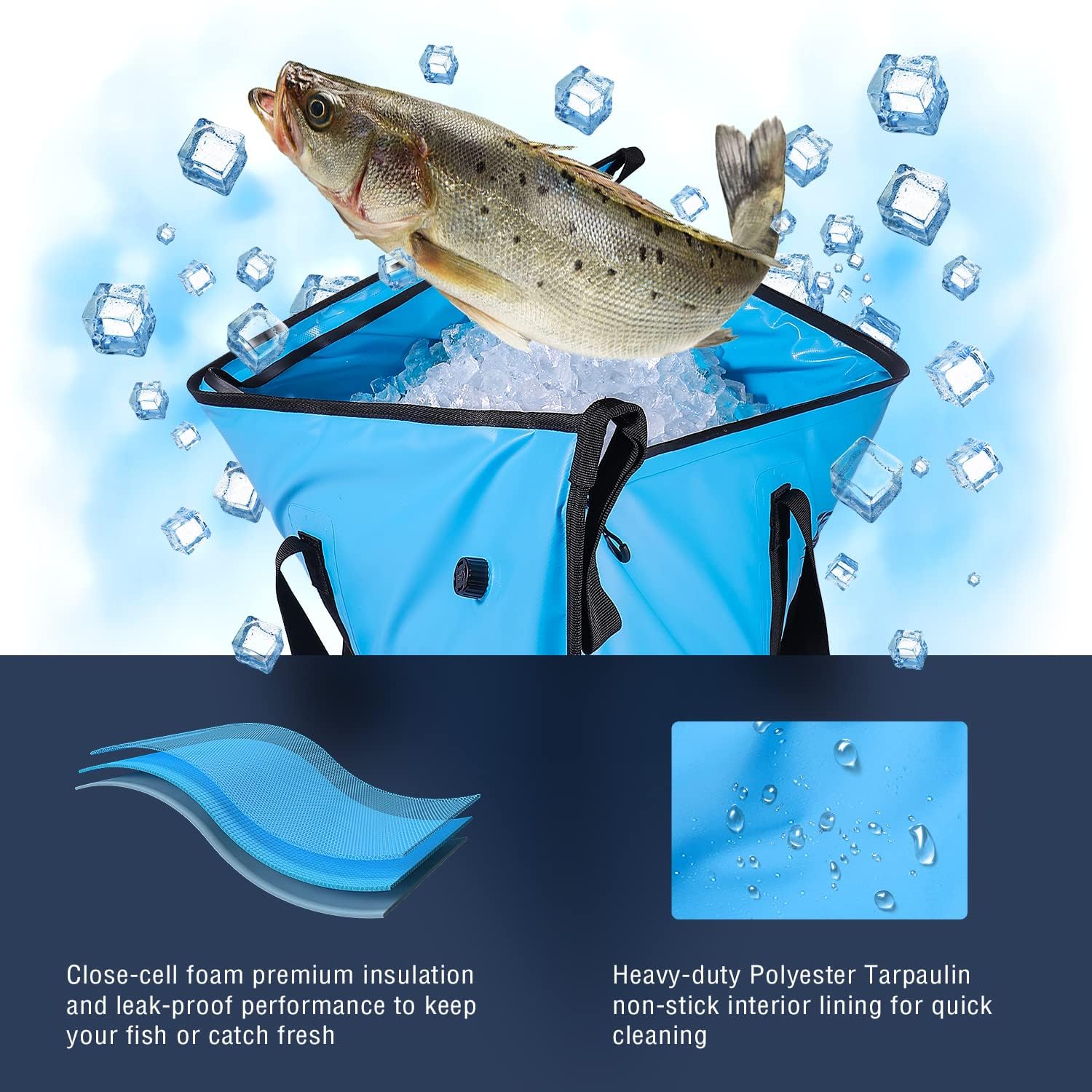
Cooler fishing bags serve a dual function: storage and temperature control. They are used to keep bait fresh, preserve caught fish, or store food and beverages during long fishing trips.
Key construction elements include:
- Insulated foam layers such as EPE or EVA
- Reflective inner linings, often aluminum foil, to maintain temperature
- Waterproof inner compartments to prevent leakage
- Sealed or welded seams for added protection
From a material standpoint, cooler bags often combine waterproof outer fabrics (such as TPU or PVC-coated materials) with multi-layer insulation systems.
These bags are particularly important in warm climates, where temperature control directly affects bait quality and catch preservation.
Chest Bags
Chest bags are worn on the front of the body, offering immediate access to tools and small gear. This design is especially popular in fly fishing, where frequent gear changes are required.
Typical features include:
- Compact, front-mounted structure
- Multiple small compartments for organized storage
- Adjustable straps for stability during movement
- Lightweight materials to reduce fatigue
The key advantage of chest bags is accessibility. Anglers can reach their gear without removing the bag, which is particularly useful when standing in water or navigating uneven terrain.
Materials used in chest bags are usually lightweight nylon or polyester, sometimes with water-resistant coatings to handle splashes and light exposure.
Saltwater-Specific Bags
Saltwater fishing introduces one of the harshest environments for equipment. Salt, moisture, and UV exposure can quickly degrade standard materials.
Saltwater-specific bags are designed with these conditions in mind. They typically feature:
- Corrosion-resistant hardware such as stainless steel or reinforced plastics
- Waterproof fabrics like TPU-laminated materials or EVA
- Smooth surfaces that are easy to clean and resist salt buildup
- Reinforced seams and sealed construction to prevent water intrusion
Unlike freshwater bags, these products prioritize durability and resistance to environmental damage over lightweight design.
In many cases, EVA-molded structures are used because they offer rigidity, waterproofing, and ease of maintenance.
Fly Fishing Bags
Fly fishing requires a different approach compared to traditional fishing. It involves constant movement, precise casting, and frequent gear adjustments.
Fly fishing bags are therefore designed to be:
- Lightweight and unobtrusive
- Highly accessible
- Efficient in organization
Common formats include small sling bags, chest packs, and minimalist backpacks. These designs focus on carrying only essential items such as flies, lines, and small tools.
Materials are typically lightweight nylon or polyester, often combined with water-resistant coatings. The emphasis is on mobility and ease of use rather than heavy-duty protection.
Application-Based Design Differences
| Application | Design Focus |
|---|---|
| Freshwater fishing | Versatility and comfort |
| Saltwater fishing | Waterproofing and durability |
| Fly fishing | Lightweight and accessibility |
| Ice fishing | Insulation and cold resistance |
This table highlights how different fishing environments drive different design priorities. A bag optimized for one scenario may perform poorly in another if these factors are not considered.
Real-World Case
A brand working with Szoneier identified a gap in the market for fishing in hot, coastal regions. Standard tackle bags were not suitable because they lacked insulation and waterproofing.
The solution was a specialized cooler fishing bag featuring:
- TPU-coated outer fabric for waterproof protection
- EVA insulation for temperature retention
- Seam-welded inner lining to prevent leakage
After launch, the product gained strong traction among anglers in warm climates. Users valued the ability to keep bait fresh while maintaining durability in wet conditions. This case demonstrates how targeted product design can create clear market advantages.
Are Specialized Bags Always Necessary?
Specialized fishing bags offer clear benefits, but they are not always required for every user.
Casual anglers or those fishing in controlled environments may find that general-purpose bags are sufficient. These products provide a balance of storage and portability without the added complexity or cost of specialized features.
However, as fishing frequency increases or conditions become more demanding, the limitations of general-purpose bags become more apparent.
User Insight
User behavior tends to evolve over time. Many anglers begin with a single, versatile bag but gradually transition to specialized solutions as they gain experience.
This progression typically follows a pattern:
- Beginners prioritize convenience and simplicity
- Intermediate users seek better organization and comfort
- Advanced users invest in specialized gear tailored to specific scenarios
Understanding this progression is important for both product development and market positioning.
Key Takeaway
Specialized fishing bags exist to solve specific problems that general-purpose designs cannot fully address.
They provide advantages such as:
- Improved protection for sensitive equipment
- Better performance in challenging environments
- Enhanced efficiency and usability
For manufacturers and brands, the key is not to produce more types, but to develop purpose-driven products that align with real fishing scenarios. When designed correctly, specialized bags offer clear functional value and stronger market differentiation.
What Materials Do Fishing Bag Manufacturers Use?

Material selection is not just a technical step in fishing bag production—it is the foundation that determines whether a product succeeds or fails in real-world use. In controlled environments, almost any fabric can look acceptable. But once a bag is exposed to wet docks, abrasive boat surfaces, UV exposure, and repeated loading cycles, material weaknesses become immediately visible.
Fishing bags face a unique combination of stress factors: constant moisture, saltwater corrosion, friction from gear, and weight fluctuations depending on the catch or equipment carried. Manufacturers who overlook these realities often produce bags that degrade quickly, leading to seam failure, coating peeling, or structural collapse. This is why experienced factories like Szoneier approach material selection as a system rather than a single choice.
Fishing bag manufacturers use a combination of fabrics, coatings, and structural materials such as polyester, nylon, Oxford fabric, EVA, TPU, and PVC to balance durability, waterproofing, weight, and cost. Instead of relying on one “perfect material,” high-performance products are built through layered material engineering, where each component plays a defined role in performance optimization.
Core Material Comparison
Understanding the baseline characteristics of each material helps explain why combinations are necessary rather than optional.
| Material | Durability | Water Resistance | Weight | Cost | Typical Use |
|---|---|---|---|---|---|
| Polyester | Moderate | Moderate | Light | Low | Entry-level bags |
| Nylon | High | Moderate | Light | Medium | Premium backpacks |
| Oxford Fabric | High | Moderate | Medium | Medium | Multi-purpose bags |
| EVA | Very High | Excellent | Medium | High | Structured bases |
| TPU | High | Excellent | Medium | High | Waterproof coating |
| PVC | High | High | Heavy | Medium | Heavy-duty bags |
From a manufacturing perspective, this table only tells part of the story. The real difference lies in how these materials behave under repeated stress.
Polyester, for example, is widely used because it offers stable color retention and cost efficiency. However, under high abrasion—such as contact with fishing hooks or rough surfaces—it tends to show wear faster than nylon. Nylon, particularly in higher deniers like 600D to 1680D, provides superior tear resistance and flexibility, making it ideal for premium fishing backpacks that require both strength and comfort.
Oxford fabric, often misunderstood as a separate material, is actually a weave structure typically made from polyester or nylon. Its basket weave design increases structural rigidity, which is why it is commonly used in tackle storage bags that need to maintain shape even when partially filled.
Polyester vs Nylon vs Oxford
Material performance differences
When comparing these three core materials, the decision often comes down to how the bag will be used rather than just raw performance metrics.
Polyester is frequently selected for large-volume production because it keeps costs predictable. For example, in bulk orders above 5,000 units, polyester can reduce material costs by 15–25% compared to nylon. This makes it attractive for entry-level product lines or promotional fishing gear.
Nylon, on the other hand, performs better in environments where abrasion resistance is critical. Field tests show that high-density nylon fabrics can withstand up to 30–40% more abrasion cycles than standard polyester before visible damage occurs. This difference becomes significant for users who frequently fish in rocky or rugged environments.
Oxford fabric provides a middle ground. Its structure improves load distribution, reducing localized stress points. This is particularly useful for tackle bags that carry multiple compartments with uneven weight distribution. In practical terms, Oxford-based bags tend to maintain their shape longer, which enhances user experience during repeated use.
Coatings and Waterproof Enhancement
Fabric alone cannot deliver the waterproof performance required for fishing environments. Coatings are essential, but their effectiveness depends on both material compatibility and application technique.
| Coating Type | Function | Performance Level |
|---|---|---|
| PU Coating | Basic water resistance | Low to medium |
| PVC Coating | Strong waterproofing | Medium to high |
| TPU Lamination | Advanced waterproofing | High |
PU coating is the most widely used due to its low cost and flexibility. However, its hydrostatic pressure resistance is limited, usually in the range of 500–1,000 mm. This means it can handle light rain but may fail under prolonged water exposure.
PVC coating significantly improves waterproofing, often reaching 1,500–3,000 mm hydrostatic pressure. It also adds rigidity, which can be beneficial for structure but increases weight. One drawback is reduced flexibility in cold conditions, where PVC can become stiff.
TPU lamination represents a higher-end solution. It provides excellent waterproofing while maintaining flexibility and resistance to cracking. In many premium fishing bags, TPU-coated fabrics are used in high-exposure zones such as the bottom panel or outer shell facing water contact.
EVA and Structural Materials

EVA plays a fundamentally different role compared to woven fabrics. It is not used for flexibility but for structure and protection.
In fishing bag manufacturing, EVA is commonly applied in areas where shape retention and impact resistance are critical. This includes base panels that need to resist water pooling, as well as reinforced compartments designed to protect sensitive equipment.
EVA materials typically range in thickness from 2 mm to 8 mm depending on application. Thicker EVA provides better impact resistance but increases weight. In structured fishing tackle boxes, full EVA shells are sometimes used to create semi-rigid or rigid designs that prevent deformation during transport.
Another advantage of EVA is its inherent waterproof nature. Unlike coated fabrics, EVA does not rely on surface treatment to resist water, making it a reliable choice for components exposed to constant moisture.
Multi-Material Design Strategy
Modern fishing bags are engineered as composite systems. Each section of the bag is optimized with a specific material based on its functional requirements.
| Component | Material Choice | Purpose |
|---|---|---|
| Outer shell | Nylon / Oxford | Durability |
| Base | EVA / PVC | Waterproof protection |
| Interior lining | Polyester | Lightweight |
| Reinforcement | TPU | Extra strength |
This layered approach allows manufacturers to balance competing requirements. For example, using nylon for the entire bag would increase durability but also cost. By combining nylon with polyester lining and EVA reinforcement, manufacturers can achieve similar performance at a more controlled cost structure.
At Szoneier, this strategy is often refined further by adjusting denier levels and coating thicknesses. For instance, a 600D Oxford outer shell paired with TPU lamination and a 5 mm EVA base can deliver strong waterproof performance while maintaining manageable weight for daily use.
Weight vs Performance Trade-Off
One of the most overlooked aspects of material selection is the relationship between weight and usability. A bag that performs well in durability tests may still fail commercially if it is too heavy for practical use.
| Priority | Recommended Material |
|---|---|
| Lightweight | Polyester |
| Durability | Nylon / Oxford |
| Waterproofing | EVA / TPU |
| Cost control | Polyester / PVC |
From a user perspective, weight becomes increasingly important during long fishing sessions. A difference of even 300–500 grams can affect comfort when carrying the bag over extended periods.
Manufacturers often address this by selectively reinforcing only high-stress areas rather than overbuilding the entire structure. This targeted reinforcement approach helps maintain performance without unnecessary weight increase.
Real-World Case
In one recent project, a Szoneier client transitioned from a standard polyester construction to a 600D Oxford fabric combined with TPU coating. The change increased material cost by approximately 18%, but the performance improvements were measurable.
Customer feedback indicated a noticeable reduction in water penetration issues, particularly in wet environments. Additionally, product return rates related to fabric wear decreased by over 25% within the first two sales cycles. The improved durability also allowed the client to position the product at a higher retail price point, offsetting the increased production cost.
This case highlights how material upgrades, when aligned with real usage conditions, can directly impact both product performance and market positioning.
Is the Most Durable Material Always Best?
Durability alone does not define a successful fishing bag. Overly heavy or rigid materials can reduce usability, especially for users who prioritize mobility.
For example, while PVC offers excellent waterproofing, its weight and stiffness can make it less suitable for lightweight fishing backpacks. Similarly, full EVA constructions provide strong protection but may not be necessary for casual users.
The optimal solution lies in matching material performance to actual usage scenarios rather than selecting the highest specification across all components.
User Insight
Material preferences vary significantly depending on user experience level.
Casual users tend to prioritize affordability and lightweight design. For this group, polyester-based bags with basic PU coating are often sufficient, especially for occasional use in controlled environments.
More experienced users, particularly those who fish frequently or in demanding conditions, focus on durability and waterproof performance. They are more likely to choose nylon or Oxford-based bags with advanced coatings and reinforced structures.
Understanding these differences allows manufacturers to develop targeted product lines rather than relying on a one-size-fits-all approach. This segmentation not only improves customer satisfaction but also enables clearer pricing strategies and product positioning in competitive markets.
How Do Manufacturers Design Fishing Bags for Performance?


Performance in fishing bags is not defined by a single feature or material. It is the result of how structure, compartments, access, and ergonomics are engineered into a cohesive system that works under real conditions. In actual fishing environments, users are often dealing with wet hands, limited space on boats, unstable ground, and time-sensitive actions. A poorly designed bag slows everything down, while a well-designed one becomes an extension of the user’s workflow.
Manufacturers with strong product development experience understand that design is not about adding more features, but about aligning every design decision with how the bag will actually be used. At Szoneier, product development typically begins with scenario mapping—shore fishing, kayak fishing, offshore use, or travel storage—because each scenario demands a different balance of access speed, durability, and weight.
Fishing bag manufacturers design products for performance by optimizing structure, compartments, materials, and usability features to improve efficiency, durability, and user experience in real fishing conditions. The most successful products are those where every design element serves a clear functional purpose rather than acting as a marketing feature.
Key Design Elements
Each design component contributes differently to performance. When these elements are not balanced properly, the bag may perform well in one area but fail in others.
| Design Element | Function | Impact |
|---|---|---|
| Structure | Defines shape | Affects protection |
| Compartments | Organizes gear | Improves efficiency |
| Access points | Controls usability | Saves time |
| Carry system | Supports movement | Improves comfort |
| Reinforcement | Increases durability | Extends lifespan |
From a manufacturing standpoint, structure is the backbone of performance. A bag that collapses under load creates internal pressure points that can damage gear. Semi-rigid structures using EVA panels or reinforced Oxford fabric help maintain shape, especially in tackle-heavy designs.
Compartments, however, are where user experience is most directly affected. An unorganized bag forces users to search for tools, which can lead to missed opportunities during fishing. Efficient compartment design reduces unnecessary movement and improves overall workflow.
Compartment Engineering
Compartment design is one of the most technically demanding aspects of fishing bag development. It requires balancing storage capacity with accessibility while ensuring that items remain secure during movement.
| Feature | Benefit |
|---|---|
| Modular trays | Flexible storage |
| Dividers | Prevent gear mixing |
| Mesh pockets | Visibility |
| Elastic holders | Secure tools |
Modular tray systems are widely used in mid to high-end fishing bags because they allow users to customize storage based on different fishing setups. For example, a user targeting freshwater species may require different tackle arrangements compared to someone fishing in saltwater environments. Removable trays make this adjustment possible without changing the entire bag.
Dividers play a critical role in preventing gear damage. Hooks, lures, and metal components can easily scratch or tangle if not properly separated. In production, divider materials are often made from lightweight polypropylene sheets or reinforced fabric panels, depending on cost targets and product positioning.
Mesh pockets improve visibility, which reduces the time needed to locate smaller items. In real-world usage, this small improvement can significantly enhance efficiency, especially in low-light conditions or when quick access is required.
Elastic holders are commonly used for tools such as pliers, scissors, and line cutters. Their function is simple but essential—keeping frequently used tools within immediate reach while preventing them from shifting during transport.
Access and Usability Design
Access design directly influences how quickly and efficiently a user can interact with their gear. In fishing scenarios, delays caused by poor access can impact performance.
| Design Feature | Advantage |
|---|---|
| Wide opening zippers | Faster access |
| Front panel opening | Better visibility |
| Side pockets | Quick tool retrieval |
Wide-opening zippers are often designed with U-shaped or clamshell structures. This allows the bag to open fully, providing a clear view of all compartments. In manufacturing, this requires careful zipper selection and reinforcement to prevent deformation over time.
Front panel openings are particularly useful for tackle bags that need to display multiple trays simultaneously. This design reduces the need to remove items individually, improving efficiency during active fishing sessions.
Side pockets are typically designed for high-frequency items. In advanced designs, these pockets may include reinforced elastic openings or magnetic closures to allow one-handed access, which is especially useful when the user is handling fishing rods with the other hand.
Durability-Focused Design
Durability is not only determined by material choice but also by how the bag is constructed. Weak construction can undermine even the highest-quality materials.
| Component | Design Strategy |
|---|---|
| Stitching | Reinforced double stitching |
| Zippers | High-quality (SBS/YKK level) |
| Corners | Reinforced panels |
Double stitching and bar-tack reinforcement are standard in high-stress areas such as handle attachments and shoulder strap connections. In production testing, these reinforcements can increase load-bearing capacity by 20–30% compared to single-stitch constructions.
Zipper selection is another critical factor. Lower-quality zippers are one of the most common failure points in fishing bags. Manufacturers typically use SBS or YKK-grade zippers for mid to high-end products to ensure smooth operation and long-term reliability.
Corners experience the highest abrasion, especially when bags are placed on rough surfaces. Reinforced panels using PVC overlays or additional fabric layers help extend product lifespan significantly.
Comfort and Ergonomics

Comfort becomes increasingly important as the duration of use increases. A bag that performs well in storage but causes fatigue during transport will not meet user expectations.
| Feature | Effect |
|---|---|
| Padded straps | Reduced fatigue |
| Breathable panels | Improved comfort |
| Adjustable straps | Better fit |
Padded straps are typically constructed with EVA foam ranging from 5 mm to 10 mm thickness. This helps distribute weight more evenly across the shoulders, reducing pressure points.
Breathable back panels use mesh structures to improve airflow. In warm or humid environments, this feature can significantly enhance comfort during extended use.
Adjustable strap systems allow users to customize fit based on body size and load distribution. In higher-end designs, chest straps and waist belts are added to further stabilize the bag during movement.
Waterproof Design Integration
Waterproof performance is achieved through a combination of material selection and construction techniques. Relying on materials alone is not sufficient.
Coated fabrics such as TPU-laminated nylon or PVC-coated polyester provide the first layer of water resistance. However, seams remain potential entry points for water unless they are sealed properly.
Seam sealing techniques, including heat sealing or tape application, are used to prevent leakage. These processes require precise temperature control during manufacturing to ensure consistent performance.
Waterproof zippers add another level of protection, particularly in areas exposed to direct water contact. While they increase cost, they are often necessary for high-performance fishing bags designed for harsh environments.
Real-World Insight
In one development project, a Szoneier client focused on improving user experience rather than adding new features. By redesigning the internal compartment layout and introducing a waterproof EVA base, the product achieved measurable improvements.
Customer feedback highlighted easier gear organization and better performance in wet conditions. Return rates related to water damage decreased, and user reviews reflected higher satisfaction with usability. Importantly, these improvements were achieved without significantly increasing production costs, demonstrating that design optimization can be more effective than feature expansion.
Is Feature-Rich Design Always Better?
Adding more features does not necessarily improve performance. In fact, excessive compartments or overly complex layouts can reduce usability.
Each additional feature introduces potential trade-offs, including increased weight, higher cost, and more complicated manufacturing processes. If these features do not align with actual user needs, they can negatively impact the overall product.
The most effective designs prioritize clarity and functionality. Every component should have a defined purpose, and unnecessary complexity should be avoided.
User Insight
User expectations vary depending on experience level, but there is a consistent preference for intuitive design.
Casual users tend to prefer simple layouts that are easy to understand and use immediately. For this group, fewer compartments and straightforward access points are more important than advanced features.
Experienced users, on the other hand, value efficiency and customization. They are more likely to appreciate modular compartments, specialized tool holders, and advanced waterproofing systems.
Across both groups, the common expectation is that the bag should feel natural to use. A well-designed fishing bag does not require explanation—it supports the user seamlessly, allowing them to focus entirely on the fishing experience rather than managing their equipment.
What Features Do Modern Fishing Bags Include?
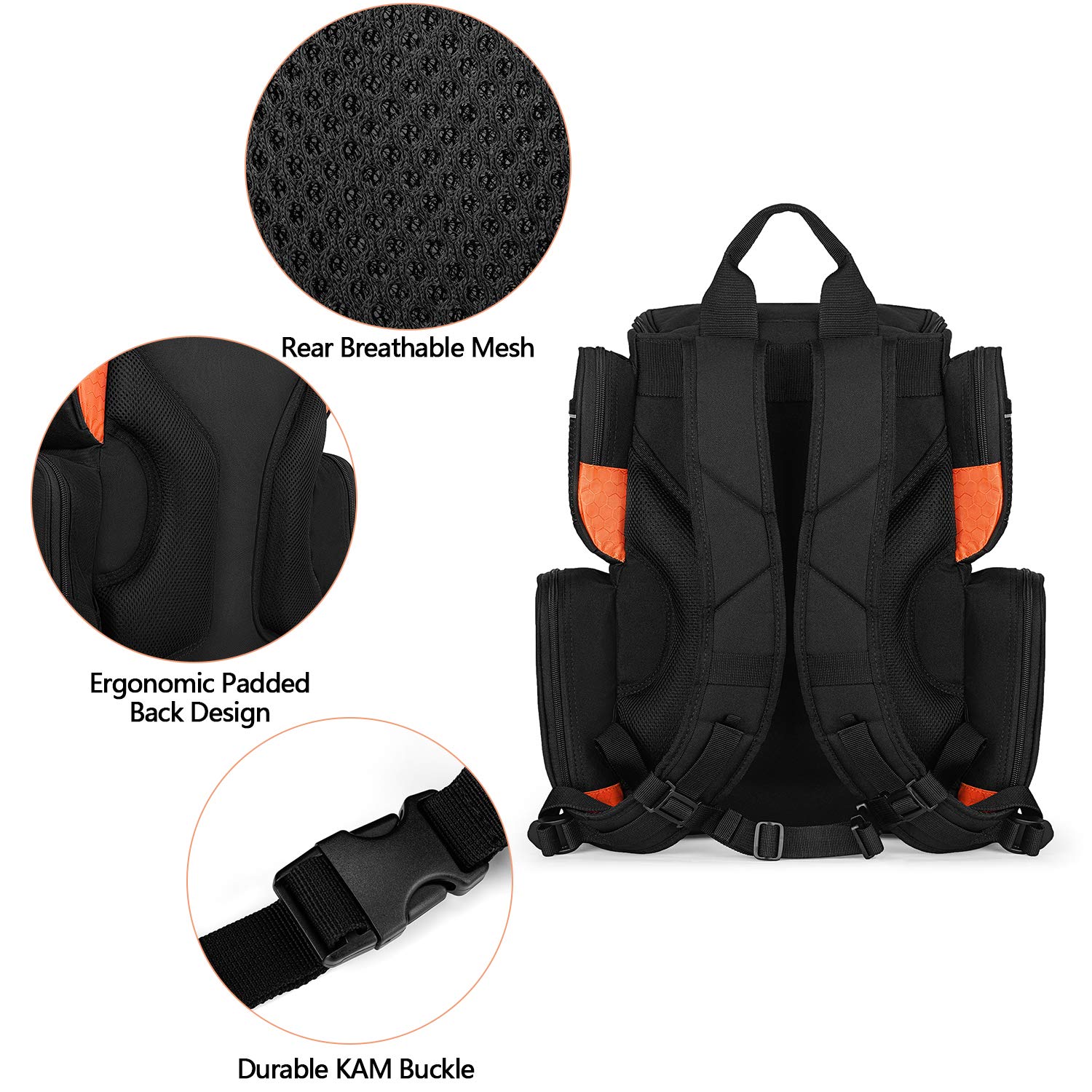
Fishing bags today are no longer simple containers for carrying gear. They have evolved into highly functional systems designed to solve practical problems that anglers face every day—water exposure, gear organization, mobility, and long-term durability. The shift in product development over the past decade reflects a deeper understanding of how users interact with their equipment in real environments, whether on a shoreline, a boat deck, or during travel.
Manufacturers are no longer competing only on appearance or price. Instead, product performance is increasingly defined by how well a bag integrates multiple functional features into a cohesive design. From Szoneier’s production and customer feedback data across North America, Europe, and Japan markets, the most requested features consistently fall into four categories: waterproofing, modular organization, ergonomic carrying systems, and hardware reliability.
Modern fishing bags include a combination of waterproof protection, modular storage systems, ergonomic carry designs, and durable hardware, all engineered to improve efficiency, comfort, and gear safety in real fishing conditions. The key is not simply adding features, but selecting and integrating the right ones based on actual usage scenarios.
Core Feature Categories
To understand how modern fishing bags are developed, it is useful to break down the key feature categories and their direct impact on user experience.
| Feature Category | Key Elements | User Benefit |
|---|---|---|
| Waterproofing | Coated fabric, sealed seams | Protects gear |
| Organization | Compartments, dividers | Improves efficiency |
| Durability | Reinforced stitching | Longer lifespan |
| Comfort | Padded straps | Reduces fatigue |
| Accessibility | Wide openings | Faster use |
Each of these categories represents a different layer of performance. A bag may excel in one area but still fail overall if other aspects are neglected. For example, a highly waterproof bag that lacks proper organization can still frustrate users during active fishing.
Waterproof and Weather Resistance Features

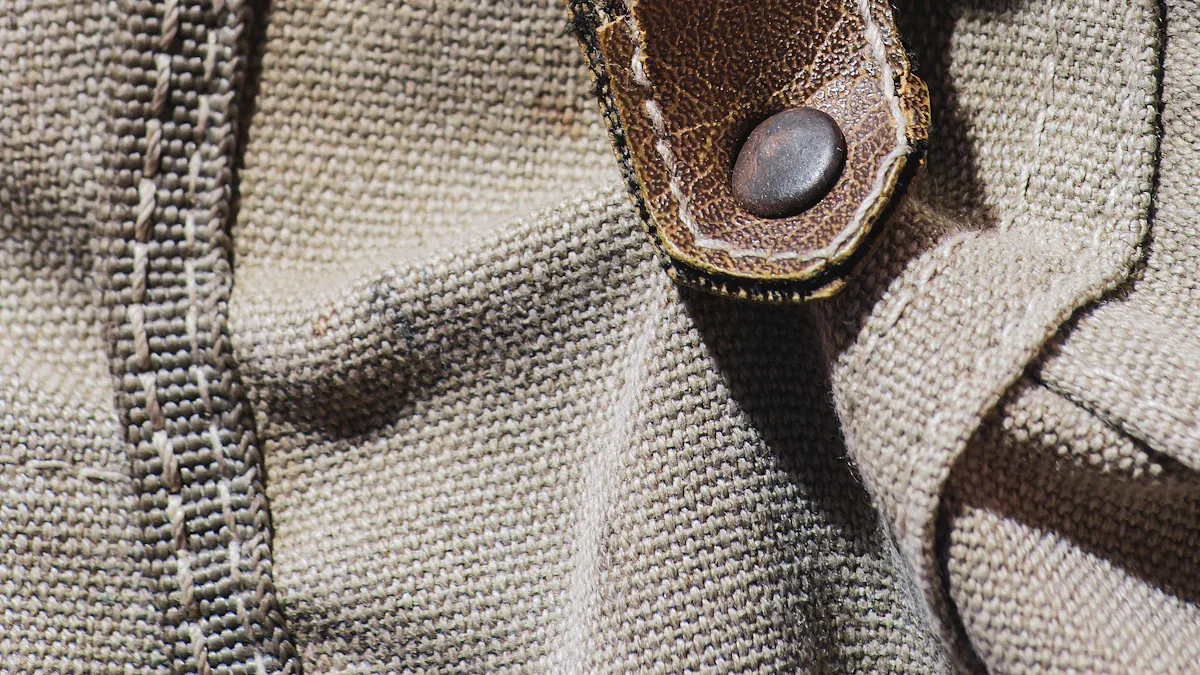

Waterproofing remains one of the most critical features in fishing bag design because exposure to water is unavoidable. However, effective waterproofing is achieved through a combination of materials and construction methods rather than a single solution.
Modern fishing bags often include TPU or PVC coatings applied to outer fabrics. TPU, in particular, has gained popularity due to its flexibility and resistance to cracking over time. Compared to traditional PU coatings, TPU can increase waterproof performance by 30–50% in hydrostatic pressure testing.
Sealed seams are another essential component. Even the most waterproof fabric will fail if water can penetrate through stitching holes. Heat-sealed or taped seams are commonly used in higher-end products to eliminate this risk.
Waterproof zippers provide an additional layer of protection, especially for compartments exposed to direct water contact. While standard zippers may allow water seepage under pressure, waterproof zippers use coated teeth and tighter sealing structures to reduce leakage.
EVA bases are widely used to prevent water from entering through the bottom of the bag. In real-world conditions, bags are often placed on wet surfaces, making base waterproofing just as important as outer shell protection.
Modular Storage Systems
Organization is a defining feature of modern fishing bags, and modular storage systems have become the standard for mid to high-end products.
| Feature | Function |
|---|---|
| Tackle tray compatibility | Organized storage |
| Removable dividers | Custom layout |
| Expandable compartments | Flexible capacity |
Tackle tray compatibility allows users to integrate standardized plastic boxes into their bags. This system simplifies organization and enables quick swapping of gear depending on fishing conditions.
Removable dividers provide flexibility within compartments. Instead of fixed layouts, users can adjust internal spacing to accommodate different gear sizes. This adaptability is particularly valuable for anglers who switch between different fishing styles.
Expandable compartments address the need for variable storage capacity. In practice, users may carry minimal gear on some trips and significantly more on others. Expansion systems, often using zipper-based gussets, allow the bag to adjust accordingly without compromising structure.
From a manufacturing perspective, modular systems require precise dimensional control to ensure compatibility between components. Poorly designed systems can lead to instability or wasted space.
Ergonomic and Comfort Features
Comfort is often underestimated during product development but becomes a decisive factor in user satisfaction, especially during extended fishing sessions.
| Feature | Benefit |
|---|---|
| Backpack straps | Hands-free mobility |
| Breathable padding | Comfort in hot conditions |
| Adjustable straps | Personalized fit |
Backpack-style carrying systems have become increasingly popular because they allow users to move freely while carrying gear. This is particularly important for shore fishing or hiking to remote fishing locations.
Breathable padding, typically made from mesh-covered EVA foam, improves airflow between the bag and the user’s back. In warm climates, this feature significantly reduces discomfort caused by heat and moisture buildup.
Adjustable straps, including chest and waist support, help distribute weight more evenly. This reduces strain on the shoulders and improves stability during movement.
From Szoneier’s feedback data, comfort-related complaints account for a significant portion of negative reviews in poorly designed products, highlighting the importance of ergonomic considerations.
Hardware and Durability Features

Hardware components are often overlooked during initial product evaluation but play a critical role in long-term performance.
| Component | Standard |
|---|---|
| Zippers | SBS / YKK level |
| Buckles | High-strength plastic |
| Stitching | Reinforced |
High-quality zippers are essential because they are one of the most frequently used components. Lower-grade zippers tend to fail under repeated use, leading to product returns.
Buckles and clips must withstand both mechanical stress and environmental exposure. High-strength plastic materials are commonly used because they offer a balance between durability and weight.
Reinforced stitching, including double stitching and bar-tack reinforcement, ensures that stress points can handle repeated loading. In production testing, reinforced stitching can increase product lifespan by a significant margin compared to basic construction methods.
Smart and Emerging Features

As competition increases, manufacturers are introducing additional features aimed at improving usability and safety.
Magnetic closures are becoming more common in quick-access pockets. They allow users to open and close compartments with one hand, which is particularly useful during active fishing.
Reflective strips enhance visibility in low-light conditions, improving safety for users fishing at dawn, dusk, or night.
Integrated tool holders provide designated spaces for frequently used tools, reducing the need to search through compartments.
While these features add value, they must be implemented carefully to avoid unnecessary complexity or cost increases.
Real-World Case
In a recent project, a Szoneier client developed a fishing backpack that combined modular storage with a waterproof EVA base and upgraded hardware components. The design focused on improving organization and durability without significantly increasing weight.
After launch, customer feedback highlighted improved ease of use and better protection of gear in wet conditions. The product also experienced fewer complaints related to hardware failure, indicating that the investment in higher-quality components was justified.
This case demonstrates that targeted feature improvements, when aligned with user needs, can significantly enhance product performance and market acceptance.
Do More Features Always Improve the Product?
Adding more features does not automatically lead to a better product. Each additional feature introduces trade-offs, including increased weight, higher production cost, and potential usability issues.
Over-designed products can become difficult to use, especially for users who prefer straightforward functionality. In some cases, excessive compartments or unnecessary accessories can reduce efficiency rather than improve it.
The most effective designs focus on essential features that deliver clear value. Simplicity, when combined with thoughtful engineering, often results in better user experiences than feature-heavy designs.
User Insight
Across different markets, user preferences show a consistent pattern. Experienced anglers prioritize reliability, ease of use, and durability over the number of features.
Casual users tend to value convenience and affordability, but still expect basic functionality such as waterproofing and organized storage.
In both cases, the most successful products are those that feel intuitive. A fishing bag should support the user’s workflow without requiring adjustment or learning. When design and features align with real-world usage, the product becomes not just a tool, but a reliable part of the fishing experience.
Which Industries and Applications Use Fishing Bags?
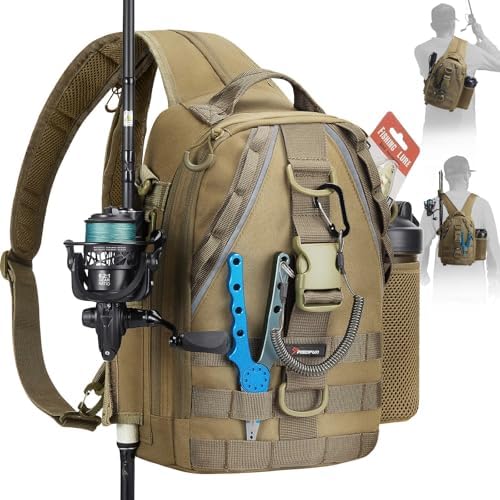


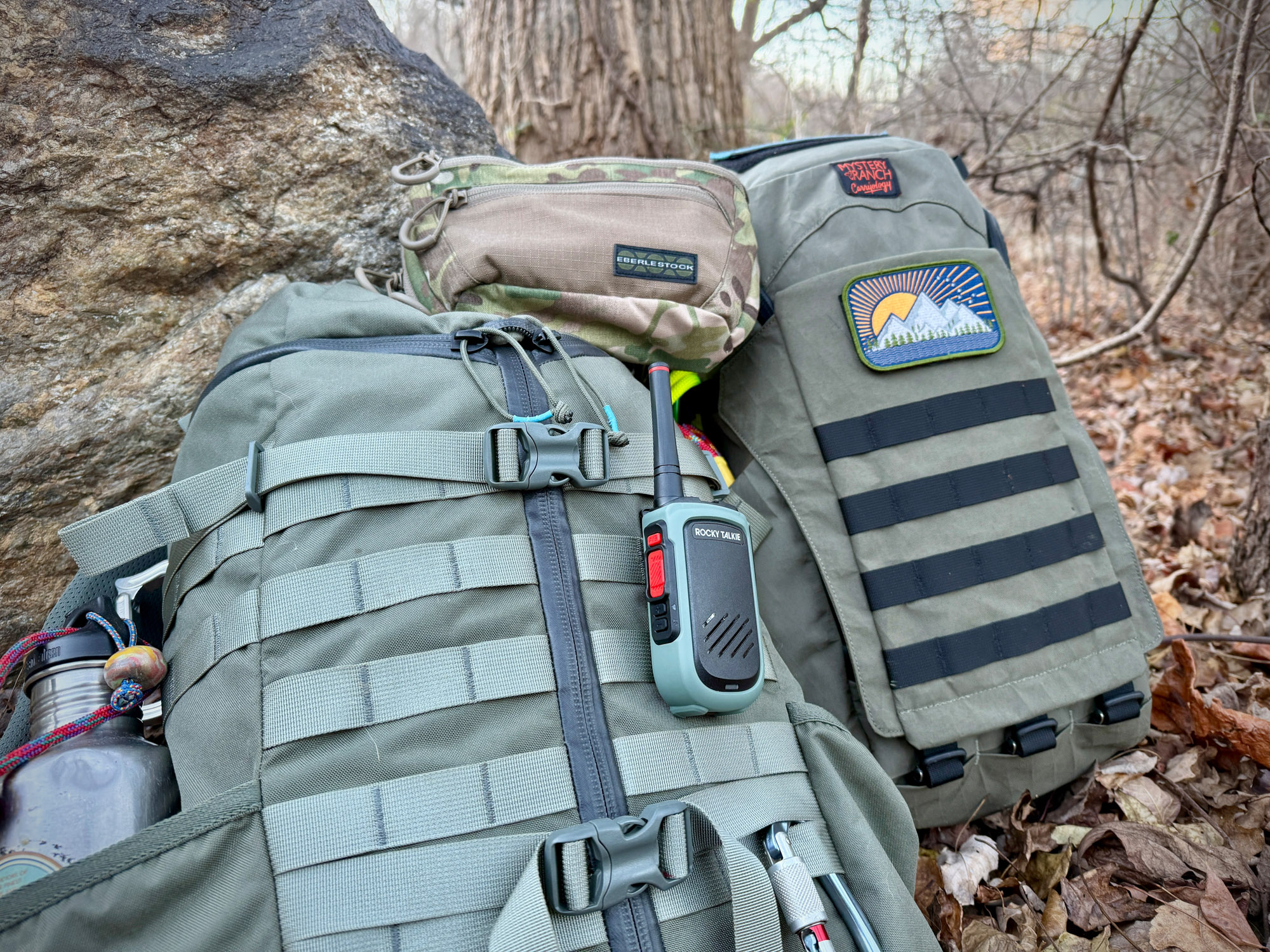
Fishing bags were originally designed for a very specific purpose—organizing and protecting fishing gear in wet, unpredictable environments. However, over time, their design logic has proven to be highly adaptable. Features such as structured compartments, reinforced materials, and water resistance are not exclusive to fishing. These same characteristics solve problems across multiple industries where durability, organization, and portability are required.
In today’s market, fishing bags are no longer confined to anglers. They are increasingly positioned as multi-functional storage solutions that can be used in outdoor activities, travel, tactical environments, and even daily commuting. This shift is not accidental. It reflects a broader trend where consumers prefer products that serve multiple purposes rather than single-use items.
Fishing bags are primarily used in recreational and professional fishing, but they are also widely applied in outdoor, travel, tactical, and everyday storage scenarios due to their durability, organization, and versatility. From Szoneier’s production data and client portfolio, more than 30% of fishing bag designs are either directly adapted or slightly modified for non-fishing applications, significantly expanding their commercial potential.
Application Scenarios
To understand how fishing bags transition across industries, it is helpful to look at their core application scenarios and the primary requirements in each case.
| Industry | Application | Key Requirement |
|---|---|---|
| Fishing | Gear storage | Organization |
| Outdoor | Hiking, camping | Durability |
| Travel | Personal storage | Portability |
| Tactical | Equipment carrying | Strength |
| Everyday use | Multi-purpose bag | Versatility |
What stands out is that while the environments differ, the functional demands overlap. Organization, durability, and ease of access are consistent requirements across all these use cases.
Fishing Applications
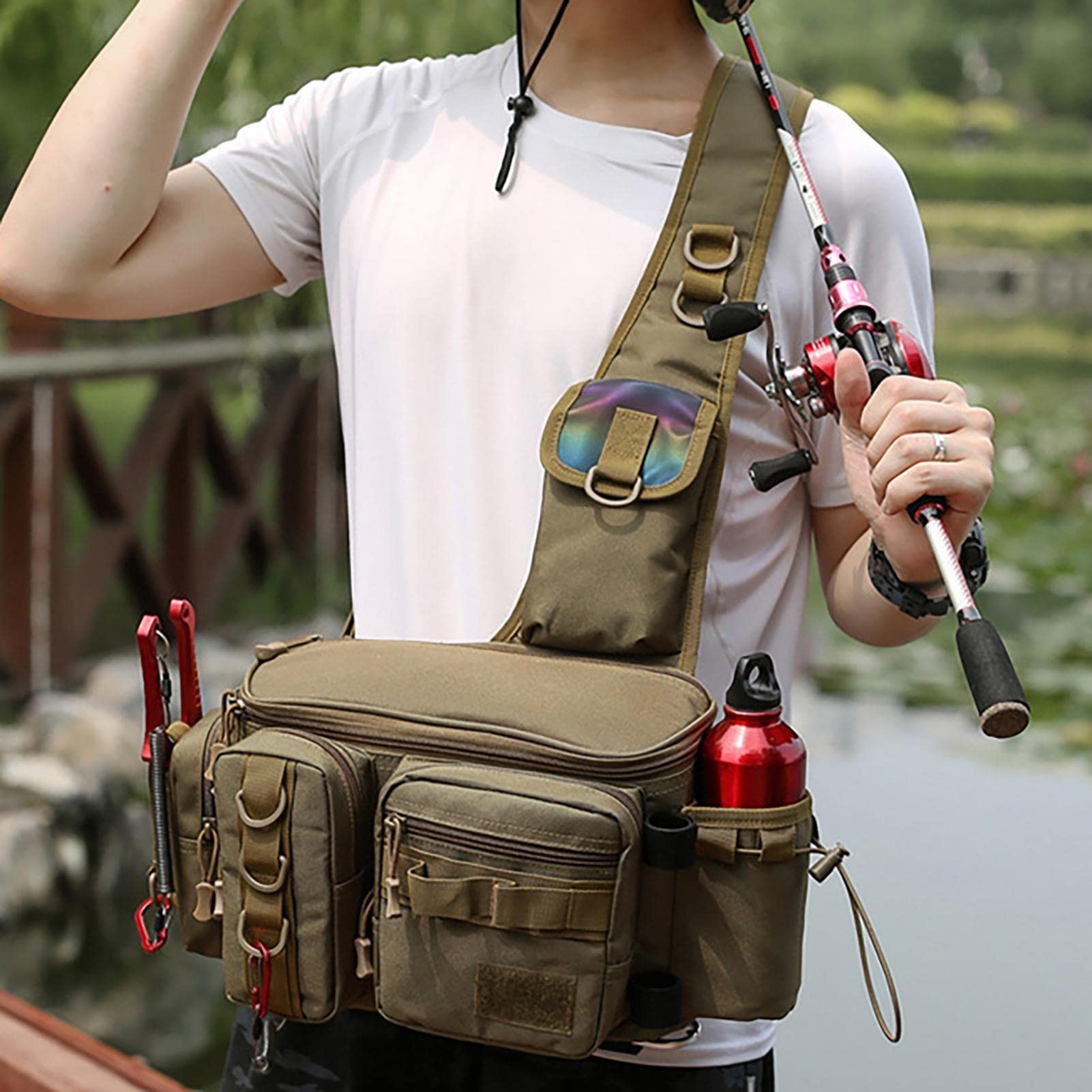
Fishing remains the primary and most technically demanding application. Within this category, there are several sub-segments, each with distinct requirements.
Freshwater fishing typically involves lighter gear and more frequent movement. Bags designed for this use often prioritize lightweight construction and quick access compartments. Polyester or lightweight Oxford materials are commonly used to balance cost and portability.
Saltwater fishing introduces harsher conditions, including corrosion from salt exposure and constant moisture. In these environments, waterproofing becomes critical. TPU-coated fabrics, sealed seams, and corrosion-resistant hardware are standard features in higher-end products.
Fly fishing requires a different approach altogether. Users often carry minimal gear and need fast, one-handed access. Sling bags or chest packs are commonly used, with simplified compartment structures and reduced weight.
Ice fishing presents unique challenges due to low temperatures and the need for insulation. Bags used in this scenario often incorporate thicker materials and insulated compartments to protect gear and maintain functionality in freezing conditions.
These variations highlight why fishing bag design cannot follow a one-size-fits-all approach. Each segment demands specific adjustments in materials, structure, and features.
Outdoor and Adventure Use
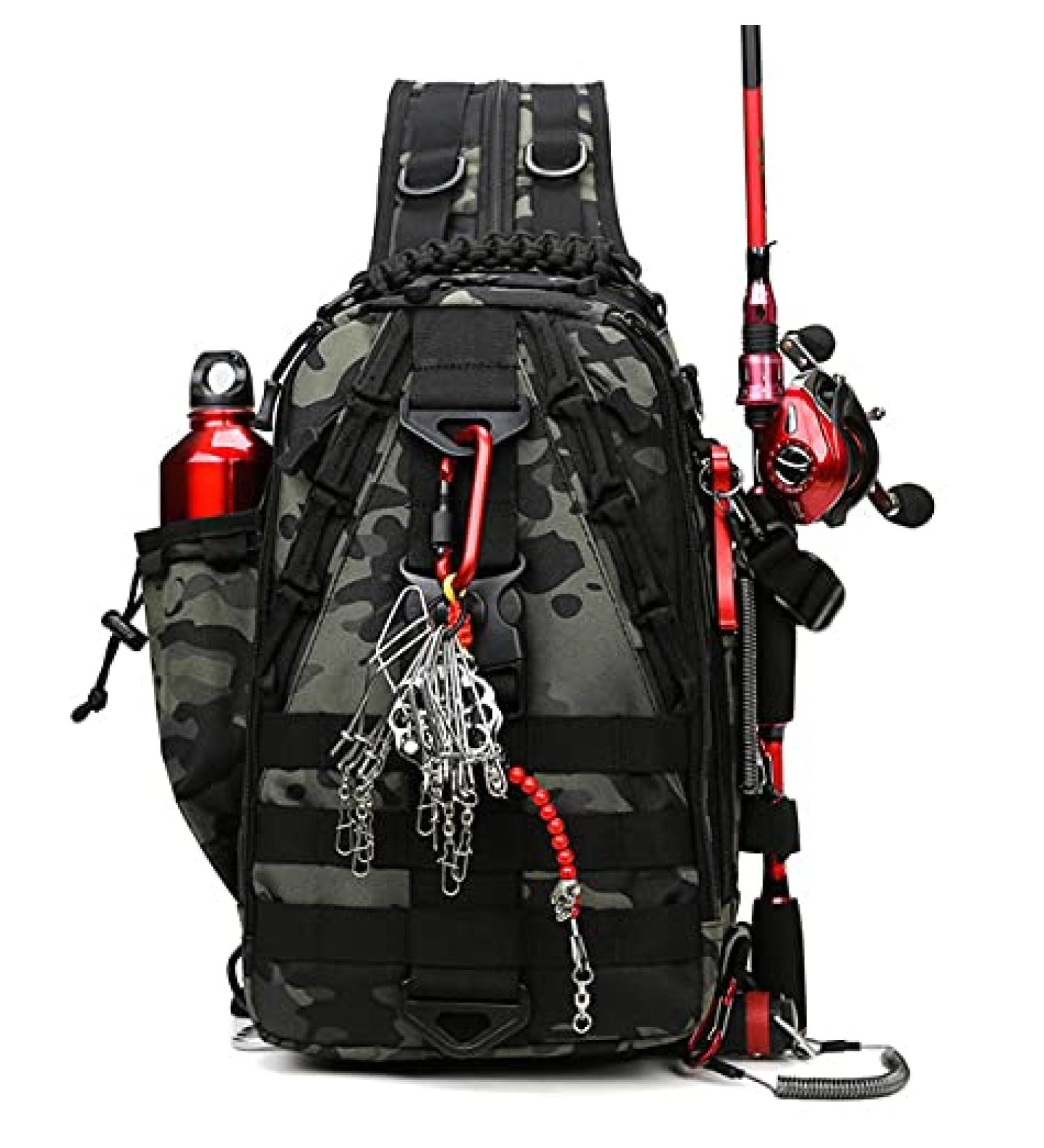
Beyond fishing, outdoor activities represent one of the most natural extensions of fishing bag applications. The same features that protect fishing gear—durability, water resistance, and organization—are equally valuable in hiking and camping environments.
Fishing bags are often repurposed as hiking backpacks because they offer better compartmentalization than traditional outdoor bags. Multiple pockets and modular storage systems allow users to separate tools, food, clothing, and accessories efficiently.
In camping scenarios, fishing bags are frequently used as gear organizers. Their structured compartments make it easier to store and access items such as cooking tools, flashlights, and small equipment.
From a manufacturing perspective, adapting fishing bags for outdoor use may involve reducing weight and improving ventilation. For example, adding breathable back panels or optimizing strap systems can make the bag more suitable for long-distance carrying.
Travel and Lifestyle Use


In recent years, compact fishing bags have gained popularity in travel and lifestyle markets. Their structured design and multiple compartments make them ideal for organizing personal items.
For travel, these bags are often used as carry-on organizers. Users can separate electronics, accessories, and personal items more efficiently compared to standard luggage. Waterproof features also provide added protection for valuable items.
In daily use, fishing-style bags are increasingly used as urban backpacks or sports bags. The appeal lies in their practicality. Unlike fashion-oriented bags, fishing bags prioritize function, which resonates with users who value efficiency over aesthetics.
From Szoneier’s client data, products originally designed as small fishing tackle bags have been successfully repositioned as travel organizers, achieving higher sales volumes in non-fishing markets.
Tactical and Industrial Use


Fishing bags share many characteristics with tactical and industrial storage solutions. Their strength, compartmentalization, and durability make them suitable for carrying equipment in demanding environments.
In tactical applications, fishing bags are often adapted with additional features such as MOLLE webbing systems, allowing users to attach extra pouches or tools. Reinforced materials and heavy-duty hardware are essential in this segment to handle higher loads and harsher conditions.
In industrial settings, fishing bags are used as tool carriers. Their compartment systems help organize tools efficiently, reducing downtime during work. EVA-reinforced bases and heavy-duty fabrics such as PVC-coated materials are commonly used to withstand rough handling.
These applications demonstrate how fishing bag design principles can be extended into professional environments where reliability is critical.
Customer Segments
Understanding who uses fishing bags across different industries helps explain how design and feature priorities vary.
| User Type | Needs |
|---|---|
| Casual users | Lightweight, affordable |
| Enthusiasts | Performance, durability |
| Professionals | Efficiency, reliability |
Casual users typically prioritize convenience and cost. They are more likely to choose lightweight designs with basic features that meet occasional needs.
Enthusiasts, including frequent outdoor users, demand higher performance. They look for durable materials, better waterproofing, and more advanced organization systems.
Professional users, whether in fishing, tactical, or industrial fields, focus on efficiency and reliability. For this group, failure is not an option. Products must perform consistently under demanding conditions.
Real-World Insight
One Szoneier client initially developed a fishing tackle backpack for the recreational fishing market. After analyzing customer feedback, they identified strong interest from outdoor enthusiasts and travel users.
By making minor adjustments—such as simplifying internal compartments and refining the external design—the product was successfully repositioned for broader use. As a result, the client expanded into outdoor and travel markets, increasing overall sales and reducing dependence on seasonal fishing demand.
This example highlights the commercial advantage of designing products with cross-industry adaptability in mind.
Are Fishing Bags Limited to Fishing?
Fishing bags are not limited to fishing, but their expansion into other industries requires thoughtful adaptation. While the core design provides a strong foundation, adjustments in weight, aesthetics, and feature configuration are often necessary to meet the expectations of different user groups.
For example, a bag designed for tactical use may require additional reinforcement and attachment systems, while a travel-oriented version may prioritize compactness and visual appeal.
The key is to retain the functional strengths of the original design while aligning it with the specific needs of the target application.
User Insight
Across global markets, there is a clear shift toward multi-functional products. Users increasingly prefer items that can serve multiple roles, reducing the need to purchase separate products for different activities.
Fishing bags naturally fit this trend because their design already addresses many universal needs: organization, durability, and protection. When these qualities are combined with thoughtful design adjustments, fishing bags can transition seamlessly across industries.
For manufacturers, this versatility represents a significant opportunity. Instead of developing entirely new product categories, existing designs can be optimized and repositioned to reach a wider audience, improving both product value and market competitiveness.
How Do Fishing Bag Manufacturers Support Customization?
Customization in fishing bag manufacturing is not a superficial process—it is a structured development workflow that transforms a standard product into a purpose-built solution. In competitive markets, brands that rely only on off-the-shelf designs often struggle to differentiate themselves. By contrast, customized products allow companies to align performance, appearance, and usability with the expectations of their target users.
In real-world fishing environments, no two users operate exactly the same way. Some prioritize lightweight mobility for shoreline fishing, while others require heavy-duty storage for boat-based gear. A standardized design cannot fully address these differences. This is where customization becomes a critical tool, not just for product improvement, but for brand positioning.
Fishing bag manufacturers support customization by offering options for materials, structure, compartments, features, and branding to create products that match specific user needs and market segments. At Szoneier, customization projects typically begin with usage scenario analysis and evolve through sampling, testing, and refinement before mass production.
Customization Options
The scope of customization covers multiple layers of the product. Each layer influences performance, cost, and user experience.
| Customization Area | Available Options | User Benefit |
|---|---|---|
| Materials | Polyester, nylon, Oxford, EVA, TPU | Optimize durability, weight, waterproofing |
| Structure | Backpack, tackle box, sling, waist | Matches fishing style and mobility |
| Compartments | Modular, fixed, hybrid | Organization and efficiency |
| Waterproofing | Coatings, EVA base, sealed seams | Protect gear |
| Branding | Printing, embroidery, labels | Brand recognition |
| Accessories | Straps, handles, pockets | User convenience |
From a manufacturing standpoint, these options are not independent. Changing one element often affects others. For example, selecting a heavier waterproof material may require adjustments in strap design to maintain comfort.
Material and Design Integration
Material customization is one of the most impactful decisions in product development because it directly influences durability, weight, and waterproof performance.
In practice, most high-performance fishing bags are not made from a single material. Instead, manufacturers combine multiple materials to achieve a balanced result. For example, a bag may use 600D Oxford fabric for the outer shell, TPU lamination for waterproofing, and a molded EVA base for structural stability.
This hybrid approach allows manufacturers to optimize different parts of the bag based on their functional requirements. High-stress areas such as the base and corners receive reinforcement, while less critical areas use lighter materials to reduce overall weight.
At Szoneier, material integration is often refined through sampling iterations. Adjustments in fabric denier, coating thickness, and reinforcement placement are tested to ensure that the final product meets both performance and cost targets.
Structural Customization


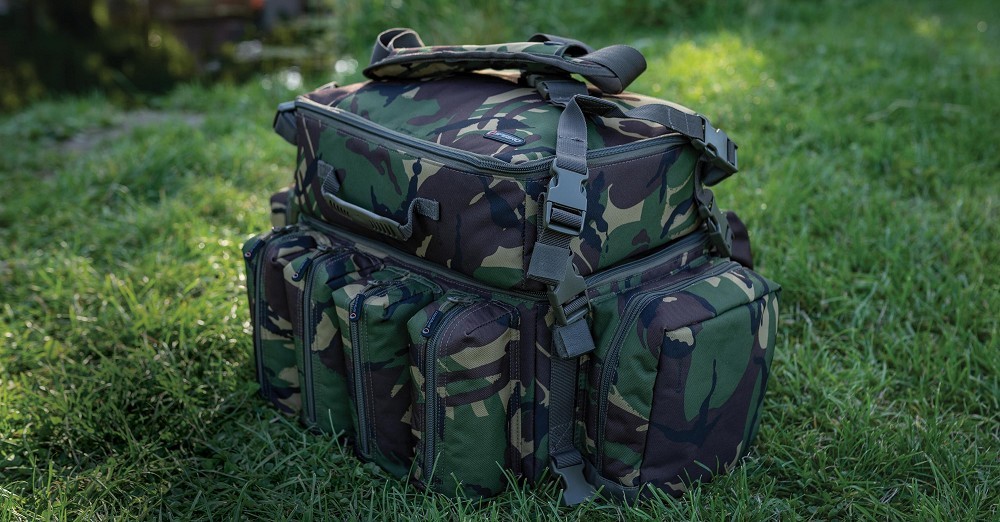
Structure defines how the bag is used and carried. Selecting the right structure is essential because it determines mobility, storage capacity, and accessibility.
Backpack designs are commonly used for hands-free movement and long-distance carrying. They are suitable for shore fishing or hiking to remote locations.
Sling bags prioritize quick access and are often used in fly fishing or light gear setups. Their asymmetrical design allows users to rotate the bag to the front for easy access.
Tackle box-style bags focus on storage and organization. These designs often incorporate rigid or semi-rigid structures to hold multiple trays and maintain shape under load.
Waist bags offer maximum mobility and are typically used for minimal gear setups. They are lightweight but have limited capacity.
Customization at this level involves not only choosing the structure but also adjusting dimensions, weight distribution, and load capacity to match specific use cases.
Compartment and Layout Customization

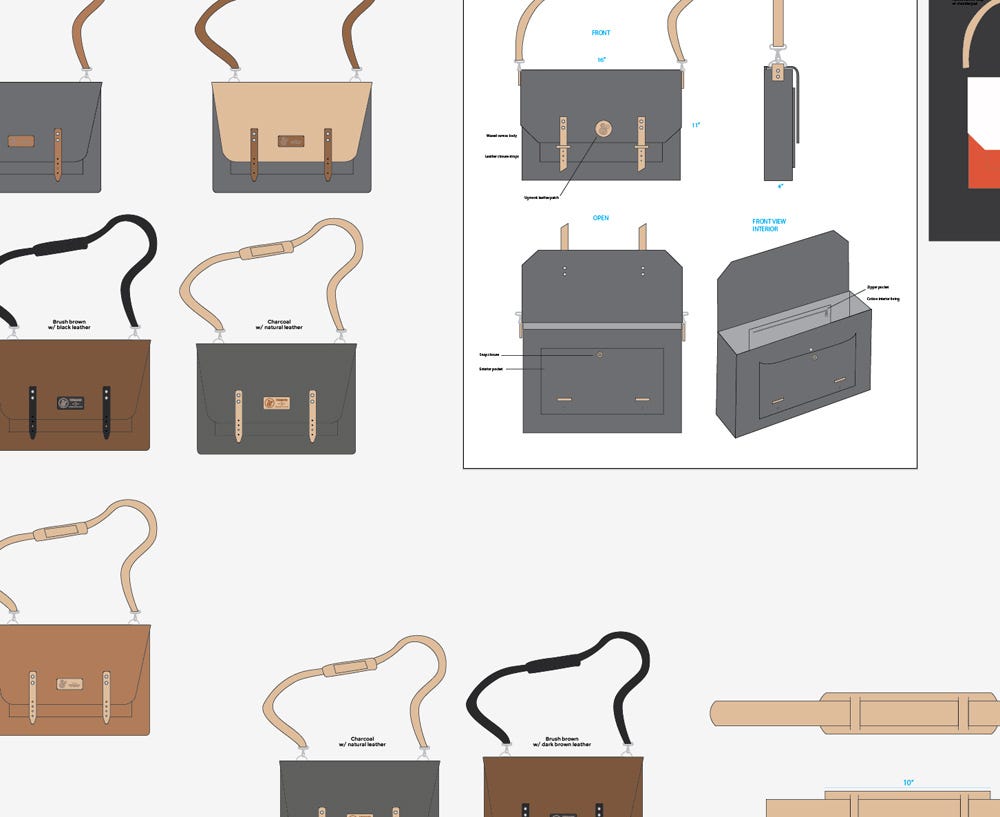
Compartment design is where customization directly affects user experience. Different users require different storage solutions, and a fixed layout cannot accommodate all scenarios.
Modular compartment systems allow users to rearrange internal layouts using removable dividers or interchangeable trays. This flexibility is particularly valuable for users who switch between different fishing environments.
Hybrid layouts combine fixed compartments with modular sections. This approach ensures stability for essential items while maintaining flexibility for additional gear.
Elastic holders, mesh pockets, and tool-specific slots can be added based on user requirements. For example, anglers who frequently use pliers or line cutters benefit from dedicated holders that provide immediate access.
From a production perspective, compartment customization requires careful planning to ensure structural integrity. Overloading the design with compartments can weaken the overall structure if not properly reinforced.
Waterproofing Customization

Waterproofing is often customized based on the intended environment of use. Not all fishing bags require the same level of water resistance.
Basic waterproofing may involve PU coating and standard zippers, which are sufficient for light exposure to water.
Mid-level waterproofing includes PVC coatings and reinforced seams, providing better protection in wet conditions.
High-level waterproofing uses TPU lamination, sealed seams, and waterproof zippers. This configuration is typically used for products designed for heavy rain or marine environments.
EVA bases are frequently added as part of waterproof customization. They prevent water from entering through the bottom and also improve structural stability.
The level of waterproofing directly affects cost, so manufacturers must align these features with the target market segment.
Branding and Visual Customization
Branding customization is essential for companies looking to establish a distinct identity in the market.
Common branding methods include screen printing, embroidery, heat transfer printing, and woven labels. Each method has its own advantages in terms of durability, cost, and visual impact.
Embroidery offers a premium appearance and high durability but increases production cost. Screen printing is more cost-effective for large volumes but may wear over time depending on usage conditions.
Woven labels and rubber patches are often used in combination with other methods to create a layered branding effect.
From a manufacturing perspective, branding placement must be considered during the design phase to ensure consistency and avoid interference with functional elements such as seams or zippers.
Accessories and Functional Add-Ons
Accessories are often the final layer of customization and can significantly enhance usability.
Additional straps, reinforced handles, and extra pockets can be added based on user needs. For example, shoulder straps may be upgraded with thicker padding for better comfort during long use.
Attachment systems allow users to add or remove accessories depending on their requirements. This modular approach increases flexibility without permanently altering the bag’s structure.
While accessories add value, they must be carefully selected to avoid unnecessary weight or complexity.
Real-World Case
In one project, a Szoneier client developed a hybrid fishing backpack that combined modular compartments, a waterproof EVA base, and an ergonomic carrying system. The customization process involved multiple sampling stages, during which compartment layouts and material combinations were refined.
After launch, the product received strong feedback for its usability and durability. Users highlighted the flexibility of the modular system and the effectiveness of the waterproof base in wet conditions. The design also allowed the brand to position the product in a higher price segment, improving overall profitability.
This case illustrates how targeted customization can enhance both product performance and market competitiveness.
Is Customization Always Needed?
Customization is not always necessary, particularly for entry-level products where cost control is the primary concern. Standardized designs can meet basic requirements and are often sufficient for casual users.
However, in mid to high-end markets, customization becomes a key factor in differentiation. Products that address specific user needs are more likely to stand out and achieve better market acceptance.
The decision to customize should be based on the target market, product positioning, and expected performance requirements.
User Insight
User expectations have evolved alongside product development. Experienced anglers and outdoor users are increasingly looking for products that match their specific workflows rather than adapting to generic designs.
Customization allows manufacturers to respond to these expectations by creating products that feel purpose-built. Whether it is improved organization, better waterproofing, or enhanced comfort, these adjustments make a noticeable difference in real-world use.
For brands, this means that customization is not just a manufacturing option—it is a strategic tool for building products that remain relevant, competitive, and aligned with user needs across different markets.
How Do You Choose the Right Fishing Bag Manufacturer?
Selecting a fishing bag manufacturer is one of the most important decisions a brand will make during product development. A well-designed product on paper does not guarantee success in the market. Execution—how materials are sourced, how structures are engineered, and how production is controlled—determines whether the final product meets expectations or fails in real-world use.
Fishing bags, in particular, require a higher level of manufacturing precision compared to many other soft goods. They must handle water exposure, abrasion, weight load, and repeated use without compromising performance. This means the manufacturer must not only produce bags, but also understand how those bags will be used in actual fishing environments.
Choosing the right fishing bag manufacturer involves evaluating production capabilities, material expertise, customization options, quality control, MOQ, lead times, and experience in delivering reliable products. From Szoneier’s long-term cooperation with global brands, manufacturers that integrate development, sampling, and production into one system consistently deliver better results and faster time-to-market.
Manufacturer Selection Criteria
When evaluating potential partners, it is essential to look beyond pricing and focus on the capabilities that directly impact product performance and business scalability.
| Selection Factor | Why It Matters | Szoneier Capabilities |
|---|---|---|
| Material expertise | Determines durability, water resistance | Multi-material support including polyester, nylon, Oxford, EVA, TPU |
| Design capability | Ensures functional and user-friendly products | Professional R&D and design teams |
| Customization | Supports unique brand needs | Full OEM/ODM support, branding options |
| MOQ flexibility | Accommodates different business scales | Minimum order as low as 50 pcs |
| Sampling speed | Accelerates product testing | 5–7 days rapid sampling |
| Quality control | Ensures consistent performance | In-line inspection, load, and waterproof testing |
| Production capacity | Meets bulk order demands | Stable and scalable production lines |
Each of these factors plays a different role in the development process. Ignoring even one of them can lead to delays, inconsistent quality, or products that fail to meet market expectations.
Material Expertise and Engineering Capability
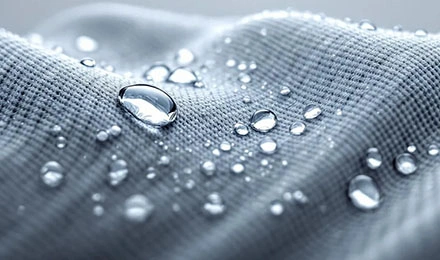
Material expertise is often underestimated during supplier selection, but it is one of the most critical factors affecting product performance. Fishing bags require a combination of materials—outer fabrics, coatings, reinforcements, and structural components—that must work together seamlessly.
A capable manufacturer understands how different materials behave under stress. For example, nylon offers higher abrasion resistance than polyester, while TPU coatings provide better long-term waterproofing compared to basic PU coatings. EVA materials are used to create rigid bases that resist water and maintain shape.
In practice, manufacturers with strong material knowledge can recommend optimized combinations rather than simply following a client’s initial specifications. This often leads to better performance without significantly increasing cost.
Design and Development Capability

Design capability determines whether a concept can be translated into a functional product. Many factories can replicate existing designs, but fewer have the ability to improve or optimize them.
A strong development team will analyze how the bag will be used and adjust structural elements accordingly. This includes compartment layout, load distribution, access points, and reinforcement placement.
Sampling is a key part of this process. Reliable manufacturers can produce samples within 5–7 days, allowing brands to test and refine their designs quickly. Multiple sampling iterations are often required to achieve the desired balance between performance, cost, and usability.
At Szoneier, the integration of design and manufacturing teams allows for faster communication and more efficient problem-solving during development.
Customization and OEM/ODM Support
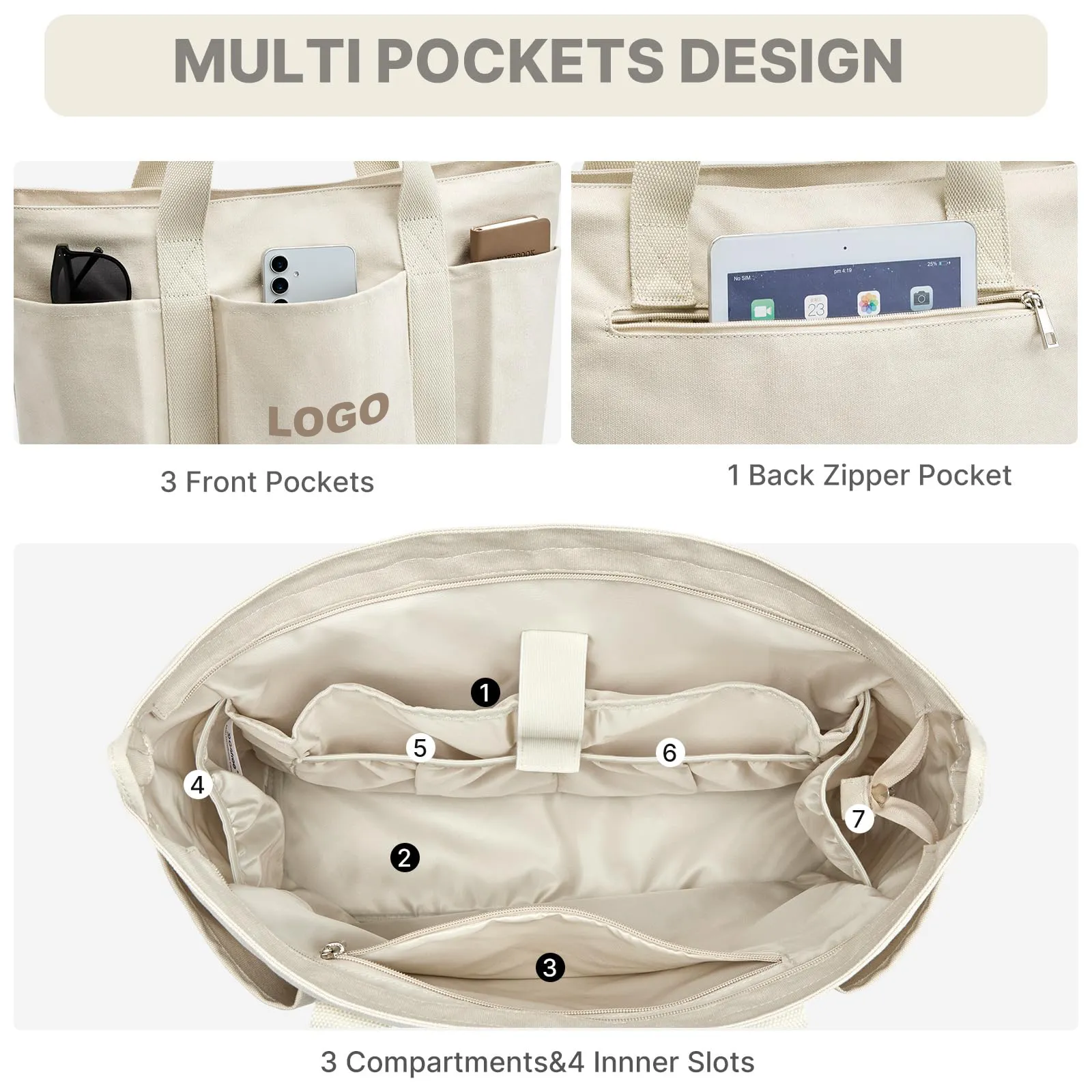
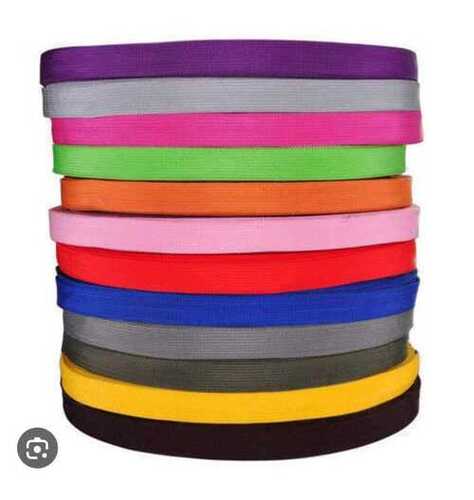

Customization is essential for brands that want to differentiate their products in competitive markets. A manufacturer’s ability to support customization directly affects how unique and competitive the final product will be.
Customization goes beyond visual elements such as color and logo. It includes material selection, structural design, compartment configuration, waterproofing level, and accessory integration.
Manufacturers with full OEM/ODM capabilities can support both concept development and production. This is particularly valuable for brands without in-house design teams, as it allows them to develop products from initial ideas through to finished goods.
MOQ and Production Flexibility

Minimum order quantity (MOQ) is a practical consideration that directly affects inventory risk and cash flow. For startups or small brands, high MOQs can create significant financial pressure.
Manufacturers that offer flexible MOQs—such as 50 to 200 pieces—allow brands to test the market with lower risk. Once demand is validated, production can be scaled up.
Production flexibility is equally important. A manufacturer must be able to handle both small-batch orders and large-scale production without compromising quality or delivery timelines.
Szoneier’s production system is designed to support this scalability, enabling clients to grow from initial sampling to bulk production efficiently.
Quality Control and Testing Systems

Quality control is where manufacturing promises are either fulfilled or broken. Without a structured QC system, even well-designed products can suffer from inconsistencies.
Effective quality control includes:
In-line inspections during production to identify issues early Final inspections before shipment to ensure product consistency Performance testing such as load-bearing tests and waterproof testing
For fishing bags, waterproof testing is particularly important. Bags must be evaluated under simulated conditions to ensure that coatings, seams, and zippers perform as expected.
Manufacturers with established QC systems reduce the risk of defects, returns, and negative customer feedback.
Lead Time and Delivery Reliability
Lead time affects not only production schedules but also market timing. Delays in sampling or production can result in missed sales opportunities, especially in seasonal markets like fishing.
Reliable manufacturers provide clear timelines for both sampling and production. Standard sampling times are typically 5–7 days, while bulk production may range from 25–35 days depending on order size and complexity.
Consistency is more important than speed. A slightly longer but reliable timeline is preferable to unpredictable delays that disrupt supply chains.
Real-World Insight
One Szoneier client initially worked with a lower-cost manufacturer but experienced repeated issues with inconsistent quality and delayed deliveries. After switching to Szoneier, the client benefited from faster sampling, more reliable production schedules, and improved product consistency.
By leveraging Szoneier’s integrated development and manufacturing system, the client reduced design-to-market time by approximately 30%. This allowed them to respond more quickly to market demand and launch new products ahead of competitors.
This example highlights the long-term value of choosing a manufacturer based on capability rather than price alone.
Is the Cheapest Manufacturer Always Best?
Cost is always a factor in manufacturing decisions, but it should not be the primary criterion. Lower-cost manufacturers often reduce expenses by using lower-grade materials, simplifying construction, or limiting quality control processes.
These compromises may not be immediately visible but can lead to higher defect rates, product failures, and increased returns. Over time, these issues can damage brand reputation and increase overall costs.
A reliable manufacturer provides consistent quality, predictable lead times, and the ability to scale production. These factors contribute to long-term profitability and brand growth.
User Insight
From a brand perspective, selecting the right manufacturer is not just a procurement decision—it is a strategic partnership. A capable manufacturer acts as an extension of the brand’s product development team, providing technical expertise and production support.
Fishing bags are more than storage products. They are functional systems that must perform reliably in demanding environments. Manufacturers play a critical role in ensuring that these systems are built correctly and consistently.
Brands that invest time in selecting the right manufacturing partner benefit from improved product performance, stronger customer satisfaction, and greater market competitiveness.
Work With Szoneier to Develop High-Performance Fishing Bags
Szoneier combines material expertise, design capability, and manufacturing experience to support brands at every stage of product development. With over 18 years of experience in fabric and bag production, the company provides a complete solution from concept to mass production.
Szoneier offers:
Full customization of fishing bags across materials, structure, and features Multi-material solutions including polyester, nylon, Oxford, EVA, TPU, and PVC Flexible MOQ starting from 50 pieces for market testing Fast sampling within 5–7 days for rapid product development Stable quality supported by in-line inspection and performance testing
For brands looking to develop fishing bags that perform reliably in real-world conditions, working with an experienced manufacturer is essential.
Contact Szoneier today to start your custom fishing bag project and bring high-performance, market-ready products to life.