Skip to content
Canvas bag manufacturers are more than just factories—they are the backbone of the bag industry, combining design, material science, and production expertise to produce a wide variety of high-quality products. A professional manufacturer manages everything from sourcing durable fabrics to creating prototypes, overseeing quality control, and delivering finished bags tailored to specific customer needs. They provide both functional and aesthetic solutions for retail, promotional, industrial, and lifestyle markets.
A canvas bag manufacturer produces tote bags, backpacks, travel bags, tool bags, cooler bags, messenger bags, and other specialty products crafted from cotton, polyester, nylon, and blended canvas. The manufacturer ensures each bag meets load-bearing requirements, durability standards, and branding specifications, often supporting customization for logos, colors, and compartments. These manufacturers are key to providing reliable, repeatable, and high-quality products that serve both everyday consumers and professional industries.
For example, Szoneier, with over 18 years of experience, has supplied heavy-duty canvas tote bags to European outdoor brands while simultaneously producing lightweight, stylish cotton totes for lifestyle retailers. The company’s ability to handle both ends of the spectrum—from rugged industrial bags to fashion-conscious designs—illustrates the breadth of what a canvas bag manufacturer can produce. This blend of versatility and expertise ensures that any product created is not just functional but market-ready, balancing durability, aesthetics, and cost-efficiency.
What Does a Canvas Bags Manufacturer Actually Do?

Behind every well-constructed canvas bag—whether it is a retail tote, a promotional giveaway, or an industrial tool carrier—there is a manufacturing system that determines how long the product lasts and how consistently it performs. Many products that look similar at first glance behave very differently after weeks or months of use. The difference usually comes down to how the manufacturer controls materials, construction methods, and quality standards throughout production.
A canvas bag manufacturer is not limited to stitching fabric together. It operates as a coordinated production system that transforms a concept into a scalable, repeatable product. This includes sourcing the right grade of canvas, engineering the structure for durability, developing accurate patterns, managing sampling, executing bulk production, and ensuring that each unit meets defined performance requirements. When this process is handled correctly, the result is a product that maintains its shape, withstands repeated use, and delivers consistent branding across thousands of units.
In practical terms, manufacturers are responsible for both functionality and visual consistency. Functional performance includes load-bearing capacity, resistance to wear, and environmental durability. At the same time, visual elements such as color consistency, logo placement, and print clarity must remain stable across production batches. This combination allows canvas bags to serve a wide range of applications, from retail and corporate promotions to heavy-duty industrial use.
What is the role of a canvas bag factory?
A canvas bag factory operates as a centralized production environment where each stage is controlled to ensure consistency and efficiency. Rather than treating production as a series of disconnected steps, a well-managed factory integrates material sourcing, engineering, and manufacturing into a single workflow.
One of the first responsibilities is material sourcing. Canvas fabric varies significantly in weight, density, and durability. For example, lighter canvas in the range of 8 to 10 ounces is often used for promotional tote bags that carry minimal weight. In contrast, 16 to 20 ounce canvas is more suitable for grocery bags or retail products that require higher strength. Heavy-duty applications such as tool bags may use canvas exceeding 20 ounces, often combined with reinforcement layers. Factories typically inspect incoming materials for weave consistency, thickness tolerance, and tensile strength to ensure that production begins with reliable inputs.
Cutting is another critical stage that directly affects product accuracy. In large-scale production, even a small deviation in cutting dimensions can result in misalignment during stitching, leading to structural imbalance or visual inconsistency. Advanced factories use automated cutting systems to maintain precision within tight tolerances, often within 1–2 millimeters. This level of accuracy becomes especially important in orders exceeding several thousand units.
Stitching and assembly determine how well the bag holds together under stress. Professional factories use standardized stitching densities, typically between 6 and 8 stitches per inch for structural seams. Reinforced stitching methods such as double stitching or bar-tacking are applied to high-stress areas like handles and corners. In load testing, properly reinforced seams can handle weights ranging from 15 to 25 kilograms depending on the design, while poorly constructed seams may fail at less than half that capacity.
Reinforcement techniques further extend product lifespan. Handles are often secured with cross-stitch patterns, sometimes referred to as box-X stitching, which distributes stress more evenly across the fabric. Base panels may include double-layer construction to prevent deformation when carrying heavy items. Edge binding is also used to reduce fraying and improve structural integrity over time.
Functional treatments are applied when additional performance is required. Canvas itself is not inherently waterproof, so coatings such as polyurethane (PU) or wax finishes are used to enhance water resistance. Waxed canvas, for example, can repel light rain for several hours, making it suitable for outdoor use. Anti-mold treatments are sometimes applied for products intended for humid environments, reducing the risk of material degradation during storage or transport.
Before mass production begins, factories create samples to validate the design. This sampling stage typically takes between five and ten days and allows adjustments to be made before committing to large volumes. Brands use these samples to evaluate size accuracy, material feel, stitching quality, and logo execution. Addressing issues at this stage significantly reduces the likelihood of costly errors during bulk production.
Once the sample is approved, the factory transitions into scaled manufacturing. Production capacity varies depending on automation and workforce size, but a medium-scale factory can produce between 5,000 and 20,000 units per day for standard canvas bags. Packaging is then standardized according to shipping requirements, including carton sizing, labeling, and protection methods to ensure that products arrive in good condition.
How do manufacturers manage production from design to delivery?
The production of canvas bags follows a structured sequence designed to minimize variability and ensure repeatable results. Each step builds on the previous one, creating a controlled process that can be scaled without compromising quality.
The process begins with a detailed design discussion. This stage defines the intended use of the bag, expected load capacity, dimensions, and branding requirements. Decisions made here influence material selection and structural design, making it one of the most important stages in the entire workflow.
Material selection follows, where fabrics and accessories are chosen based on performance requirements and cost targets. For example, a retail tote may prioritize aesthetics and moderate durability, while an industrial bag may require heavy canvas combined with reinforced webbing and high-strength stitching.
Pattern development translates the design into production-ready specifications. Engineers create templates that optimize material usage while maintaining structural integrity. Efficient pattern design can reduce material waste by 5 to 10 percent, which has a direct impact on production cost.
Assembly and stitching bring the product together. Panels are sewn according to standardized procedures to ensure consistency across all units. Reinforcement is then applied to areas that experience the highest stress, such as handles and base seams.
If required, coatings or treatments are applied to enhance performance. This may include waterproofing, abrasion-resistant finishes, or protective layers that extend product lifespan in demanding environments.
Quality inspection is conducted throughout production rather than only at the end. Factories typically implement in-line inspections combined with final random sampling. In well-managed systems, defect rates can be maintained below 2 to 3 percent, which is essential for large-scale orders.
The final stage involves packaging and shipment. Products are packed according to client specifications, with attention to carton optimization to reduce shipping costs and prevent damage during transit.
Are design, sourcing, and quality control included in services?
In professional manufacturing environments, these functions are integrated rather than treated as separate services. This integration allows for better coordination, faster turnaround times, and more consistent results.
Design support is often based on practical production experience rather than purely theoretical concepts. Manufacturers like Szoneier assist in refining product structures, recommending materials, and adjusting dimensions to improve durability and cost efficiency. For example, modifying handle attachment methods or increasing fabric weight by a small margin can significantly improve product lifespan without a major increase in cost.
Material sourcing is managed through established supply networks. Factories maintain long-term relationships with fabric mills and accessory suppliers to ensure stable quality and pricing. Consistency in sourcing reduces issues such as color variation between batches, which can otherwise lead to noticeable differences in finished products.
Quality control is implemented at multiple stages of production. Testing methods include tensile strength testing for seams and handles, abrasion resistance testing for fabrics, and load-bearing tests that simulate real-world use. For instance, high-quality canvas fabrics can withstand abrasion tests exceeding 5,000 cycles, while lower-grade materials may show visible wear much earlier. Colorfastness testing ensures that dyes and prints remain stable after washing or exposure to sunlight, which is particularly important for branded products.
These combined services create a manufacturing system that delivers not only consistent products but also predictable outcomes. For brands looking to build long-term supply relationships, this level of integration reduces risk, improves product reliability, and supports stable growth across multiple production cycles.
What Types of Canvas Bags Are Produced?
Canvas bags are not a single product category but a broad manufacturing field that spans multiple industries, usage scenarios, and performance requirements. From lightweight promotional totes used for short-term branding campaigns to heavy-duty tool bags designed to carry over 30 kilograms of equipment, the diversity in canvas bag production reflects the flexibility of the material itself and the engineering capabilities of the manufacturer.
In real production environments, the type of canvas bag being produced determines nearly every technical decision—fabric weight, stitching density, reinforcement structure, and even packaging methods. A bag designed for daily retail use may prioritize appearance, cost efficiency, and moderate durability, while an industrial bag must focus on load-bearing strength, abrasion resistance, and long-term structural stability.
Manufacturers typically organize their production lines around several core product categories. Each category is defined not only by its shape or style but also by how it is used, how much weight it carries, and how frequently it is exposed to stress or environmental conditions. This classification allows factories to standardize production processes while still offering a high degree of customization within each category.
Which main categories of canvas bags are manufactured?
The most common canvas bag categories can be understood by looking at their intended use, material specifications, and structural requirements. Each category represents a balance between durability, cost, and functionality.
Tote bags are among the most widely produced canvas products. They are commonly used in retail, promotional campaigns, and everyday lifestyle applications. These bags are typically made from lightweight to medium-weight canvas, usually between 8 and 14 ounces. The focus is on simplicity, cost efficiency, and visual presentation. Reinforced handles are standard, but structural complexity is minimal. In large-scale promotional orders, tote bags can account for over 40 percent of total production volume in some factories.
Backpacks require a more complex structure and higher durability. They are used for commuting, school, and travel, which means they must withstand repeated loading and movement. Medium to heavy canvas, often in the range of 14 to 20 ounces, is commonly used. Additional features such as padded straps, internal compartments, and reinforced back panels are integrated into the design. Stitching density and reinforcement are more critical here, as uneven load distribution can lead to seam failure over time.
Travel bags and duffel bags are designed for carrying heavier loads over longer distances. These products often use heavy canvas combined with polyester blends to improve flexibility and tear resistance. Fabric weights can exceed 20 ounces, and base panels are frequently reinforced with double layers or additional padding. In durability testing, high-quality duffel bags can handle repeated loads of 20 kilograms or more without structural deformation.
Tool bags represent one of the most demanding categories in terms of durability. These bags are used in construction, maintenance, and industrial environments, where exposure to sharp tools and rough surfaces is common. Heavy-duty canvas, sometimes combined with PVC backing or reinforced liners, is used to prevent tearing. Load capacity for these bags typically ranges from 20 to 50 kilograms, depending on design. Reinforcement at stress points is significantly higher than in lifestyle products, often including metal hardware and thick webbing handles.
Cooler and insulated bags combine canvas exteriors with functional inner linings such as PEVA or aluminum foil layers. These bags are designed to maintain temperature for food or beverages. The outer canvas provides structure and branding opportunities, while the inner layers provide insulation and leak resistance. Performance is often measured in terms of temperature retention, with well-constructed bags maintaining cold conditions for 2 to 6 hours depending on insulation thickness.
Messenger bags are commonly used for office and urban commuting. They require a balance between durability and appearance, often using medium-weight canvas combined with polyester for improved shape retention. Features such as adjustable straps, flap closures, and organized compartments are standard. These bags must maintain their structure even when partially loaded, which requires careful pattern design and reinforcement.
Drawstring bags are lightweight and cost-effective, making them ideal for events, giveaways, and short-term use. They are typically made from cotton or polyester canvas in the 6 to 10 ounce range. While they are not designed for heavy loads, reinforced eyelets and cord systems are used to improve usability. Production of drawstring bags is highly scalable, with factories able to produce tens of thousands of units per day due to their simple structure.
Specialty canvas bags cover a wide range of niche applications, including military gear, outdoor equipment, and industrial storage solutions. These products often require custom engineering, such as modular compartments, MOLLE systems, or waxed finishes for water resistance. Fabric treatments and reinforcements are tailored to specific environments, whether that involves exposure to moisture, abrasion, or extreme temperatures.
What are the most common styles for everyday use?
In everyday consumer markets, a few canvas bag styles dominate due to their practicality and cost efficiency. Lightweight cotton tote bags are widely used for shopping and daily errands. Their simple structure allows for low production costs while still providing sufficient durability for carrying items such as groceries or personal belongings. Reinforced handles are typically designed to support loads of 8 to 12 kilograms, which covers most daily use scenarios.
Medium-weight backpacks are another common choice, particularly for students and commuters. These bags are designed to carry books, laptops, and personal items, which requires a balance between comfort and durability. Canvas weights between 14 and 18 ounces are often used, along with padded straps and reinforced seams. In real-world use, these backpacks are expected to maintain structural integrity over at least one to two years of regular use.
Drawstring bags are frequently used in promotional settings, such as events, sports activities, and brand campaigns. Their lightweight construction makes them easy to distribute in large quantities, and their flat surface is ideal for printing logos. While their load capacity is limited, they are highly effective for short-term use and brand visibility.
Are industrial or specialty canvas bags also produced?
In addition to consumer-focused products, manufacturers produce a significant volume of industrial and specialized canvas bags. These products require a higher level of engineering and material control due to their demanding applications.
Tool bags used in construction and maintenance environments must withstand heavy loads and constant wear. High-quality versions are capable of carrying between 20 and 50 kilograms without seam failure. This is achieved through reinforced stitching, thick canvas materials, and the use of heavy-duty webbing handles. In some cases, metal frames or rigid inserts are added to maintain shape and improve accessibility.
Outdoor canvas bags are designed to handle environmental exposure, including moisture, dirt, and temperature changes. Water-resistant coatings such as wax or PU are applied to the fabric to improve performance. These treatments can significantly extend the usable life of the bag, particularly in outdoor conditions where untreated canvas would degrade more quickly.
Military-style canvas bags incorporate modular designs that allow users to organize and attach equipment efficiently. Features such as multiple compartments, reinforced attachment points, and heavy-duty closures are standard. These bags are often tested under conditions that simulate real-world use, including load stress and abrasion.
Customized industrial storage bags are produced for specific applications such as transporting equipment, storing materials, or organizing tools in warehouses. These products are typically designed based on exact client requirements, including size, load capacity, and environmental resistance. Manufacturers like Szoneier have the capability to scale production for these specialized products while maintaining strict quality standards.
Across all these categories, certain features consistently define high-performance canvas bags. Reinforced seams increase load capacity and prevent failure under stress. Multiple compartments improve organization and usability, particularly in professional environments. Waterproof or water-resistant coatings protect contents from environmental exposure. Custom branding options ensure that even industrial products can maintain a consistent visual identity.
The ability to produce such a wide range of canvas bag types within a single manufacturing system highlights the flexibility of both the material and the production process. For brands and businesses, this means that a single manufacturer can support multiple product lines, from entry-level promotional items to high-performance industrial solutions, without compromising on quality or consistency.
Which Industries Use Canvas Bags the Most?
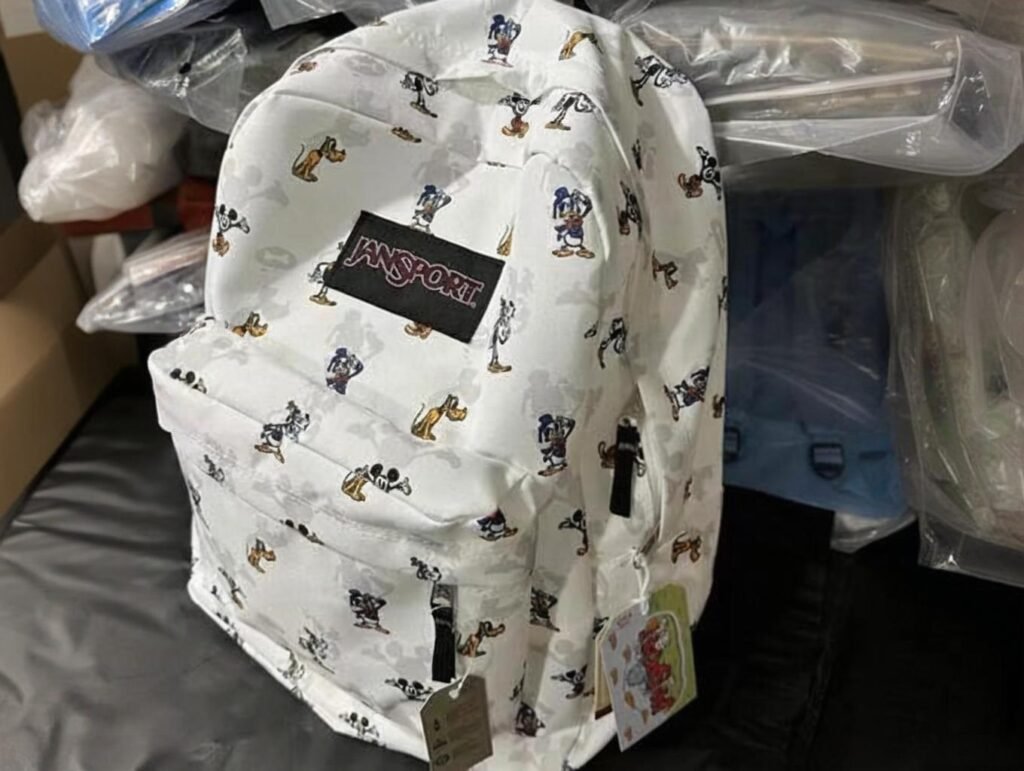
Canvas bags have evolved from simple utility carriers into highly engineered products tailored for specific industries. What makes canvas particularly valuable is not just its durability, but its ability to be modified—through fiber composition, fabric weight (GSM), coatings, and structural design—to meet very different operational demands. From retail branding to heavy-duty logistics, canvas bags are now part of daily workflows across multiple sectors.
At a material level, canvas sits in a unique position between natural appeal and industrial performance. Cotton canvas offers breathability, print clarity, and eco positioning, while polyester or blended canvas improves tensile strength, moisture resistance, and dimensional stability. In commercial production, fabric weights typically range from 8 oz (around 270 GSM) for lightweight promotional totes to over 18 oz (600+ GSM) for industrial or military-grade applications.
Industry adoption is driven by three core factors: required load capacity, environmental exposure, and lifecycle expectations. A retail brand may accept a 6–12 month usage cycle for a promotional tote, while a logistics company expects 12–24 months of repeated heavy use under abrasion and load stress. These differences directly influence how manufacturers design and produce canvas bags for each application.
Key industries that depend on canvas bags
Canvas bags are widely used across retail, logistics, outdoor, education, healthcare, and defense sectors. Each industry applies different standards for strength, weight, and functionality, which directly impacts material selection and production methods.
In retail and lifestyle markets, cotton canvas tote bags dominate due to their natural look and strong compatibility with printing techniques. Fabric weight typically ranges from 10 oz to 14 oz (340–475 GSM), balancing structure and cost. These bags are not only functional but also act as long-term brand exposure tools. A well-designed tote can remain in circulation for months or even years, significantly increasing brand impressions beyond the point of sale.
In logistics and transportation, performance outweighs aesthetics. Canvas bags in this sector are built for heavy loads and repeated use. Fabric weights often exceed 16 oz (540 GSM), and polyester or blended canvas is preferred for its higher tear resistance and lower moisture absorption. Reinforced handles, double-layer bottoms, and bar-tack stitching are standard. Load capacities commonly range between 25 kg and 50 kg depending on structure.
Outdoor and adventure applications require resistance to moisture, UV exposure, and abrasion. Waxed canvas and PU-coated fabrics are frequently used to improve water resistance while maintaining durability. These bags often feature reinforced seams, multiple compartments, and padded structures to support extended use in unpredictable environments.
In education, canvas bags are used for school backpacks and daily carriers. Durability and comfort are key considerations. Fabric weights generally fall between 10 oz and 16 oz, and designs often include padded straps and ergonomic support. Products are expected to last at least one academic year under consistent use.
Healthcare applications prioritize hygiene and organization. Canvas bags used in medical environments are typically made from tightly woven cotton or polyester blends with smooth surfaces that allow easy cleaning. Internal compartmentalization is essential for organizing medical tools and supplies, while some designs include waterproof or antimicrobial linings.
Military and defense applications demand the highest level of durability. Heavy-duty canvas exceeding 18 oz (600 GSM) is commonly used, often reinforced with synthetic fibers. Modular structures, high-strength webbing, and reinforced stitching ensure these bags can withstand extreme conditions over extended periods.
How canvas bags are used in commercial, retail, and industrial applications
The role of canvas bags varies significantly depending on the application environment. In retail settings, canvas bags function as reusable shopping bags, promotional items, and brand carriers. Their value lies in both usability and marketing impact. A single bag can generate hundreds of impressions over its lifecycle, especially in urban environments where reuse is common.
In industrial settings, canvas bags are used as tool carriers, storage sacks, and transport containers. Here, durability and load capacity are critical. Bags must withstand repeated handling, rough surfaces, and varying environmental conditions without failure. Reinforcement techniques such as double stitching and webbing integration are essential to maintain structural integrity.
Outdoor and recreational use introduces additional performance requirements. Canvas bags used for hiking, camping, or travel must balance durability with weight. Water resistance becomes important, as does the ability to organize gear efficiently. Insulated canvas bags are also used in picnic and food transport scenarios, maintaining temperature for 2–4 hours depending on insulation thickness.
Are canvas bags suitable for medical, military, or food service applications
Canvas bags can be adapted for specialized industries when appropriate materials and treatments are applied. In healthcare environments, smooth-surface fabrics and easy-clean designs are essential. Laminated linings or TPU coatings are often added to create a barrier against moisture and contamination.
For military use, durability is the primary requirement. Bags must handle heavy loads, resist abrasion, and maintain performance under harsh conditions. Reinforced stitching, metal hardware, and modular compartments are standard features. These bags are designed for long-term use, often exceeding several years of service life.
In food service applications, insulation and hygiene are key factors. Canvas bags used for food delivery or catering typically include PEVA or aluminum foil linings to maintain temperature and prevent leakage. Waterproof coatings enhance usability by protecting against spills and external moisture. Temperature retention performance generally ranges from 45 minutes to 4 hours depending on construction.
Industry-specific adaptation through material and design
The functionality of a canvas bag is determined by how it is engineered. Material selection defines baseline properties such as strength, flexibility, and breathability. Cotton canvas provides a natural feel and strong print compatibility, while polyester canvas enhances durability and resistance to environmental factors.
Surface treatments further extend performance. Waterproof coatings, wax finishes, and anti-mold treatments allow canvas bags to function in challenging environments. These treatments can increase product lifespan by 30–50% depending on usage conditions.
Structural design plays a critical role in real-world performance. Reinforced handles, double-layer panels, and optimized compartment layouts improve load distribution and usability. Even small design adjustments, such as adding bar-tack stitching at stress points, can significantly reduce failure rates.
A practical example comes from a logistics operation that upgraded from 350 GSM cotton canvas bags to 500 GSM reinforced polyester canvas. This change resulted in a noticeable increase in durability, effectively doubling the service life of the bags while maintaining usability. The reduced replacement frequency translated directly into lower operational costs.
Across all industries, the success of a canvas bag depends on how well its design aligns with its intended use. It is not simply about choosing a material, but about engineering a solution that balances performance, cost, and user requirements in real-world conditions.
How Are Canvas Bags Designed and Developed?
Canvas bag design is not a single-step creative task—it is a structured engineering process that combines material science, product usability, and scalable manufacturing logic. A well-developed canvas bag must meet three simultaneous objectives: it should perform reliably under real usage conditions, align with brand positioning, and remain cost-efficient in mass production.
In practice, most successful canvas bag projects follow a disciplined workflow that reduces risk before scaling. This includes early-stage requirement definition, material validation, prototype testing, and iterative refinement. Skipping or compressing any of these steps often leads to issues later—such as stitching failure, shape deformation, or inconsistent branding results across production batches.
Manufacturers with mature systems, such as Szoneier, typically integrate both manual craftsmanship and automated processes. This allows flexibility for small custom runs (as low as 200–300 units) while maintaining consistency in large-scale production exceeding 50,000 units per order. The development process is therefore not just about design—it is about ensuring that every design decision can be executed reliably at scale.
How product development starts from concept
Every canvas bag begins with a clear understanding of how it will be used. This stage has the greatest influence on final product performance and cost structure.
The process starts with a structured consultation where usage scenarios, target users, and brand positioning are defined. For example, a retail tote designed for daily shopping typically targets a load capacity of 5–8 kg, while a logistics transport bag may need to handle 30–50 kg continuously. These parameters directly affect fabric selection, handle construction, and reinforcement methods.
Designers then translate requirements into visual concepts using sketches or CAD drawings. These define dimensions, internal compartments, handle length (commonly 60–70 cm for shoulder carry), and closure types such as zippers, buttons, or open-top structures.
At this stage, experienced manufacturers also evaluate production feasibility. Designs that require excessive manual labor or complex stitching may increase unit cost by 15–30%, especially in large-volume orders. Early optimization helps avoid these inefficiencies.
Material selection is initiated simultaneously. Instead of choosing fabric based on appearance alone, manufacturers evaluate GSM, tensile strength, shrinkage rate, and compatibility with printing or coating processes. A well-structured concept phase can reduce total development time by up to 25%.
The role of fabric selection in design performance
Fabric selection defines the foundation of a canvas bag’s performance. Different materials serve different functional and commercial purposes, and choosing the wrong fabric often leads to either over-cost or underperformance.
| Fabric Type | Typical Use Case | Key Benefit |
|---|---|---|
| Cotton Canvas | Retail tote, promotional bags | Soft texture, eco-friendly, excellent printability |
| Polyester Canvas | Logistics, industrial, outdoor | High durability, water resistance, low shrinkage |
| Blended Canvas | Backpacks, multi-purpose bags | Balanced strength, flexibility, cost efficiency |
| Waxed Canvas | Outdoor, travel, premium bags | Water resistance, abrasion durability, premium look |
Cotton canvas is widely used in lifestyle applications due to its natural feel and strong compatibility with screen printing. However, it absorbs moisture more easily, which can reduce durability in humid conditions.
Polyester canvas improves tear strength by approximately 30–50% compared to cotton at the same GSM. It is more suitable for industrial and outdoor applications where resistance to wear and environmental exposure is critical.
Blended canvas offers a practical compromise. By combining cotton and polyester fibers, manufacturers can achieve moderate softness while maintaining structural strength. This makes it suitable for products that require both comfort and durability.
Waxed canvas adds a functional coating that improves water resistance and extends product lifespan. It is often used in premium markets where both performance and appearance matter.
Fabric weight also plays a decisive role. Lightweight canvas (8–10 oz / 270–340 GSM) is suitable for promotional use, mid-weight (12–16 oz / 400–540 GSM) supports daily-use bags, and heavy-duty canvas (18 oz+ / 600 GSM+) is required for industrial or tactical applications.
How prototypes and samples are created and approved
Prototype development transforms design concepts into physical products, allowing real-world validation before bulk production.
The process usually follows three structured stages, each with a specific purpose and measurable outcome:
| Prototype Stage | Purpose | Outcome |
|---|---|---|
| Initial Mockup | Validate dimensions and proportions | Early structural approval |
| Functional Sample | Test materials, load capacity | Confirm durability and usability |
| Branding Sample | Validate printing, color, logo | Final aesthetic and branding approval |
The initial mockup is typically produced using basic materials to confirm size, shape, and compartment layout. This stage helps identify design flaws early, such as incorrect proportions or impractical internal structures.
The functional sample uses the actual selected materials and construction methods. Load testing is conducted, often simulating repeated lifting cycles or applying weights between 10–50 kg depending on the intended use. Reinforcements such as cross-stitching or double-layer bottom panels are evaluated at this stage.
The branding sample focuses on visual accuracy. Printing methods such as screen printing, heat transfer, or embroidery are tested to ensure consistency in logo placement, color matching, and durability. For example, high-quality screen prints can withstand 30–50 washing cycles without significant fading.
A structured sampling process can reduce bulk production defect rates by approximately 20%, especially in complex designs.
Balancing creativity with real-world functionality
One of the most important aspects of canvas bag development is balancing design creativity with practical usability. A visually appealing product that fails in real-world use will quickly lead to negative feedback and increased return rates.
Aesthetic elements include color selection, fabric texture, and branding techniques. These factors are particularly important in retail markets, where visual differentiation directly impacts sales performance. However, excessive design complexity can increase production costs and lead to inconsistencies.
Functionality focuses on how the bag performs during daily use. This includes load distribution, handle comfort, accessibility of compartments, and overall weight. For example, poorly designed handle placement can create uneven load distribution, increasing stress on stitching points and reducing product lifespan.
Durability depends on both material and construction. Reinforced stitching at stress points, such as handles and bottom panels, can increase load-bearing capacity by 20–40%. High-quality stitching methods, including bar-tack and double-needle stitching, significantly reduce failure rates in long-term use.
Experienced manufacturers approach design as a system where every element serves a purpose. Adding features without considering their impact on cost, weight, and usability often leads to inefficient products.
In practical production scenarios, the most successful canvas bags are those that achieve required performance with minimal unnecessary complexity. This approach ensures consistent quality, controlled costs, and strong market acceptance across different industries.
What Materials and Fabrics Do Manufacturers Use?

Material selection is the foundation of canvas bag performance. It determines how the bag feels in hand, how long it lasts under load, how it reacts to moisture and temperature, and how well it supports branding techniques such as printing or embroidery. In commercial manufacturing, material decisions are never based on a single factor—they are a balance between durability, cost, application environment, and visual requirements.
Modern canvas bag production no longer relies on a single “canvas” definition. Instead, manufacturers work with a spectrum of fabrics that include natural fibers, synthetic materials, and engineered blends. Each option serves a specific purpose. A lightweight cotton tote designed for retail promotion may prioritize softness and print clarity, while a logistics transport bag must withstand abrasion, heavy loads, and repeated handling over long cycles.
Experienced manufacturers such as Szoneier typically maintain multiple fabric supply chains, allowing them to match material specifications precisely to project requirements. This includes controlling GSM (fabric weight), weave density, yarn thickness, and finishing treatments. For example, increasing fabric weight from 12 oz (400 GSM) to 16 oz (540 GSM) can improve load-bearing capacity by approximately 25–35%, but it also increases cost and reduces flexibility. These trade-offs must be carefully managed during development.
Another critical factor is environmental exposure. Bags used in outdoor or industrial settings require resistance to moisture, UV exposure, and abrasion. In contrast, bags used in retail or gifting environments focus more on aesthetics and tactile quality. The ability to tailor materials to these different conditions is what allows canvas bags to serve such a wide range of industries.
Common materials used in canvas bag manufacturing
Manufacturers use several core fabric types, each with distinct characteristics and application scenarios. The table below outlines the most commonly used materials and their practical advantages.
| Material | Typical Use Case | Key Feature |
|---|---|---|
| Cotton Canvas | Lifestyle totes, retail packaging | Soft texture, breathable, strong print compatibility |
| Polyester Canvas | Outdoor gear, logistics, travel bags | High durability, water resistance, low shrinkage |
| Nylon Canvas | Lightweight backpacks, sports bags | High strength-to-weight ratio, abrasion resistance |
| Blended Canvas | Multi-purpose bags, backpacks | Balanced flexibility, durability, and cost efficiency |
| Waxed Canvas | Outdoor, premium travel bags | Water repellency, rugged appearance, long-term durability |
| Coated Canvas | Food delivery, insulated bags | Moisture resistance, easy cleaning, structural stability |
Cotton canvas remains one of the most widely used materials due to its natural composition and compatibility with eco-friendly branding. It performs particularly well in screen printing, where ink absorption and color vibrancy are critical. However, its moisture absorption rate is relatively high, which can reduce durability in humid environments.
Polyester canvas addresses many of these limitations. It offers superior tensile strength and can reduce fabric shrinkage to less than 1%, compared to 5–8% in untreated cotton. This makes it more stable in large-scale production and long-term use. It is also easier to maintain, as it resists stains and dries faster.
Nylon canvas is typically used when weight reduction is a priority. It provides excellent strength relative to its weight, making it suitable for backpacks and sports applications. However, it is less commonly used in traditional “canvas-style” bags due to its smoother texture and higher material cost.
Blended canvas combines natural and synthetic fibers, allowing manufacturers to fine-tune performance characteristics. For example, a 65% polyester and 35% cotton blend can improve durability while retaining some of the softness and printability of cotton.
Waxed and coated canvases represent functional upgrades rather than base materials. These treatments extend the usability of the fabric in challenging environments without fundamentally changing its structure.
Key differences between cotton, polyester, and blended canvas
Understanding the differences between core material types is essential for selecting the right fabric for a specific application. Each option has strengths and limitations that directly impact performance and cost.
| Feature | Cotton Canvas | Polyester Canvas | Blended Canvas |
|---|---|---|---|
| Fiber Type | Natural | Synthetic | Mixed |
| Durability | Medium | High | High |
| Flexibility | High | Medium | Medium to High |
| Water Resistance | Low (untreated) | High | Moderate |
| Shrinkage Rate | 5–8% | <1% | 2–4% |
| Eco Impact | Low | Medium | Moderate |
Cotton canvas is preferred when tactile quality and environmental positioning are important. It is softer and more comfortable to handle, which makes it suitable for consumer-facing products. However, its lower resistance to moisture and wear means it may not be ideal for heavy-duty applications.
Polyester canvas is engineered for performance. It can withstand higher stress, resist water, and maintain its shape over time. In abrasion testing, polyester canvas can achieve 30–50% higher resistance compared to cotton of the same weight. This makes it a strong choice for industrial and outdoor use.
Blended canvas offers a compromise between these two extremes. It provides improved durability compared to pure cotton while maintaining better flexibility than polyester. This balance makes it suitable for multifunctional products where both comfort and strength are required.
How coatings and treatments enhance fabric performance
Base materials alone are often not sufficient to meet all performance requirements. Coatings and treatments are applied to enhance specific properties such as water resistance, durability, and hygiene.
| Coating Type | Benefit | Trade-Off |
|---|---|---|
| PU Coating | Water resistance, maintains flexibility | Slight increase in stiffness |
| PVC Coating | Full waterproofing, high abrasion resistance | Reduced breathability, heavier weight |
| Wax Finish | Water repellency, rugged aesthetic | Requires periodic maintenance |
| Anti-Mold Treatment | Prevents mildew in humid conditions | Slight increase in material cost |
PU (polyurethane) coating is one of the most commonly used treatments. It creates a thin protective layer that repels water while maintaining the flexibility of the fabric. This makes it suitable for outdoor and travel bags where moderate water resistance is required.
PVC coating provides a higher level of protection. It creates a fully waterproof barrier and significantly improves abrasion resistance. However, it adds weight and reduces breathability, which may not be suitable for all applications.
Wax finishing is often used in premium outdoor products. It enhances water resistance while giving the fabric a distinctive textured appearance. Over time, waxed canvas develops a patina, which is often associated with durability and craftsmanship.
Anti-mold treatments are particularly important in humid or tropical environments. They prevent the growth of mildew, which can degrade fabric quality and create unpleasant odors. This treatment is commonly used in logistics and outdoor storage applications.
How manufacturers optimize materials for performance and cost
Selecting the right material is not just about performance—it is about achieving the best balance between functionality and cost. Over-specifying materials can increase production costs unnecessarily, while under-specifying can lead to product failure and higher replacement rates.
Manufacturers typically evaluate four key parameters: fabric weight (GSM), weave density, coating type, and reinforcement requirements. For example, increasing GSM improves strength but also increases material cost by approximately 10–20% per weight category. Similarly, adding coatings can improve performance but may add 5–15% to the total cost.
A practical example can be seen in food delivery bags. By switching from untreated cotton canvas to PU-coated polyester canvas, a manufacturer can significantly improve water resistance and cleaning efficiency. This reduces maintenance requirements and extends product lifespan, offsetting the slightly higher initial material cost.
In large-scale production, consistency is just as important as material selection. Variations in fabric thickness, coating application, or dyeing can lead to inconsistent product quality. This is why experienced manufacturers implement strict quality control measures, including fabric inspection, tensile testing, and color matching verification before production.
Ultimately, the effectiveness of a canvas bag depends on how well its material system aligns with its intended use. A well-optimized material choice ensures that the product performs reliably, meets user expectations, and remains competitive in cost across its lifecycle.
How Do Canvas Bag Manufacturers Ensure Quality?
Quality control in canvas bag manufacturing is not a single checkpoint at the end of production—it is a layered system that runs from raw material sourcing to final packaging. For products expected to carry heavy loads, withstand outdoor conditions, or represent a brand in the market, consistency is as important as durability. A bag that performs well in a sample stage but fails in bulk production can quickly lead to returns, reputation damage, and increased operational costs.
Professional manufacturers approach quality as a measurable process. Every stage—fabric selection, cutting, stitching, finishing, and packing—is monitored against defined standards. For example, even a small variation in fabric GSM (±20–30 GSM) can affect load capacity and product feel. Similarly, inconsistent stitching density can reduce seam strength by more than 15%, especially in high-stress areas like handles.
Factories with mature systems, such as Szoneier, typically implement standardized inspection protocols combined with real-time production monitoring. This ensures that each batch maintains uniform quality, whether the order is 500 units or 50,000 units. The goal is not only to prevent defects but to ensure that every product performs as expected in real-world use.
Quality control methods implemented during production
A complete quality control system is divided into multiple stages, each focusing on a specific risk point in the production process. These stages are designed to detect issues early, when corrections are still cost-effective.
Incoming material inspection is the first step. Fabric rolls are tested for GSM accuracy, weave consistency, and tensile strength. Variations in weave density or yarn thickness can lead to uneven performance, especially under load. For example, a fabric that appears visually consistent may still have weak sections that fail under stress if not properly tested.
In-line inspection takes place during cutting and sewing. This stage focuses on stitching quality, seam alignment, and handle attachment. Operators and QC staff check stitch density (commonly 6–10 stitches per inch depending on design), thread tension, and reinforcement accuracy. Misaligned seams or uneven stitching can significantly reduce product lifespan.
Functional testing is conducted either during production or after initial batches are completed. This includes load testing, abrasion resistance checks, and flexibility evaluation. These tests simulate real usage conditions, helping to identify weaknesses before full-scale production continues.
Final inspection is the last checkpoint before packaging. This stage verifies dimensions, logo placement, color consistency, and overall appearance. It also ensures that packaging meets client specifications, which is particularly important for retail-ready products.
The following table summarizes the key quality control stages:
| QC Stage | Key Focus | Purpose |
|---|---|---|
| Raw Material | Fabric integrity, GSM, weave | Prevent defects before production begins |
| Production Line | Stitching, seams, assembly | Ensure consistent construction quality |
| Functional Test | Load capacity, durability | Validate real-world performance |
| Final Inspection | Appearance, branding, specs | Guarantee client satisfaction and compliance |
A structured QC workflow like this can reduce defect rates in bulk production by 15–30%, depending on product complexity.
How bags are tested for durability and performance
Durability testing is essential for verifying that a canvas bag can withstand its intended use over time. These tests are not theoretical—they replicate real-world stress conditions that the product will encounter.
Tensile testing measures the strength of fabric, seams, and handles. In practical terms, this determines how much weight a bag can carry before failure. For standard retail totes, tensile strength requirements may range from 10–20 kg, while industrial bags often require 40–60 kg capacity.
Abrasion testing evaluates how well the fabric resists wear from friction. This is particularly important for bags used in logistics or outdoor environments. High-quality heavy-duty canvas can withstand up to 50,000 rub cycles in standardized abrasion tests, while lower-grade materials may fail at 10,000–20,000 cycles.
Load testing simulates repeated use by applying weight over multiple cycles. For example, a bag may be loaded with 30 kg and lifted 500–1,000 times to assess seam durability and handle integrity. This type of testing helps identify long-term fatigue issues that may not appear in static tests.
Environmental testing exposes the bag to conditions such as moisture, humidity, and UV light. This is critical for coated or treated fabrics. A properly applied PU or PVC coating should prevent water penetration and maintain adhesion even after prolonged exposure.
The table below outlines common durability tests and their benchmarks:
| Test Type | What It Measures | Threshold Example |
|---|---|---|
| Tensile Test | Fabric, seam, handle strength | 20–50 kg depending on application |
| Abrasion Test | Resistance to wear and friction | Up to 50,000 cycles for heavy-duty bags |
| Load Test | Repeated weight-bearing | 40–60 kg for industrial-grade products |
| Environmental | Water, UV, humidity resistance | No coating failure or color degradation |
These tests provide quantifiable data that manufacturers can use to validate product performance before shipment.
Standards followed in professional manufacturing
To ensure consistency and compliance, canvas bag manufacturers often align their processes with internationally recognized standards. These standards provide a framework for testing methods, safety requirements, and performance benchmarks.
Material safety standards such as OEKO-TEX and REACH ensure that fabrics and dyes do not contain harmful substances. This is particularly important for products used in retail, food service, or children’s applications.
Mechanical testing standards, including ISO 13934 and ASTM D5034, define how tensile strength and seam performance are measured. Following these standards ensures that test results are reliable and comparable across different production batches.
In addition to international standards, many manufacturers implement internal quality benchmarks based on client requirements. For example, a brand may require stricter color matching tolerances or higher load capacity than standard specifications. These custom requirements are integrated into the QC process to ensure alignment with brand expectations.
Consistency across production runs is one of the most challenging aspects of manufacturing. Variations in fabric batches, dyeing processes, or stitching conditions can lead to noticeable differences if not properly controlled. Advanced factories address this by implementing batch tracking systems, standardized operating procedures, and regular equipment calibration.
Building long-term reliability through quality systems
High-quality canvas bag production is not achieved through a single test or inspection—it is the result of a fully integrated system that combines material control, skilled workmanship, and continuous monitoring.
Manufacturers that invest in structured QC systems can significantly reduce failure rates and improve product reliability. This has a direct impact on customer satisfaction, especially in B2B environments where consistency across large orders is critical.
For example, improving stitching reinforcement at key stress points can increase product lifespan by 20–40%, while stricter fabric inspection can prevent hidden defects that would otherwise appear after delivery. These improvements may seem incremental, but they accumulate to create a product that performs consistently over time.
In competitive markets, quality is often the deciding factor between repeat orders and lost clients. By implementing multi-stage quality control, validated testing methods, and standardized production processes, manufacturers ensure that every canvas bag delivered meets both functional expectations and brand standards.
Do Canvas Bag Manufacturers Offer Customization and OEM Services?

Customization and OEM production are central to how modern canvas bag manufacturers operate. Standard, off-the-shelf designs are rarely sufficient for brands that need differentiation, consistent quality, and alignment with specific use cases. Whether the goal is to create a retail-ready tote, a rugged industrial tool bag, or a specialized outdoor backpack, customization allows every element of the product to be engineered around real-world requirements.
From a manufacturing perspective, customization is not just about adding a logo or changing colors. It involves coordinated decisions across material selection, structural design, branding techniques, and finishing treatments. Each decision must remain compatible with production efficiency and cost control. For example, adding multiple compartments may improve usability but can increase labor cost by 10–20% depending on complexity.
Manufacturers with strong OEM capabilities, such as Szoneier, typically operate with flexible production systems that support both low-volume custom orders and large-scale manufacturing. This flexibility allows brands to test new designs in small batches before scaling to higher volumes, reducing financial risk and improving product-market fit.
Customization options available for canvas bags
Canvas bag customization covers both visual branding and functional engineering. The goal is to create a product that not only looks aligned with the brand but also performs reliably in its intended environment.
Logo application is one of the most common customization requests. Depending on the design and usage, manufacturers may use screen printing, embroidery, heat transfer, or debossing. Screen printing is cost-effective for large volumes and offers strong color consistency, while embroidery provides a more premium and durable finish, especially for heavy-use bags.
Bag dimensions and shapes can be fully customized. This is particularly important for applications such as packaging, tool storage, or e-commerce, where the bag must fit specific products. Even small adjustments in width, height, or gusset depth can significantly impact usability and cost efficiency during transportation.
Compartment design is another critical factor. Internal dividers, zippered pockets, and padded sections can be added to improve organization and protect contents. For example, a laptop backpack may require 5–10 mm foam padding, while a tool bag may need reinforced partitions to separate heavy items.
Fabric treatments enhance performance based on usage conditions. Waterproof coatings, anti-mold finishes, and wax treatments are commonly applied to extend product lifespan and improve user experience in challenging environments.
Closure systems also influence functionality and user convenience. Zippers provide security, drawstrings offer flexibility, and magnetic buttons or snaps are often used in lifestyle products for ease of access.
The table below summarizes key customization features and their practical benefits:
| Custom Feature | Benefit |
|---|---|
| Logo printing/branding | Strengthens brand recognition and visibility |
| Specialized compartments | Improves organization and product protection |
| Fabric coatings | Enhances durability and environmental resistance |
| Size customization | Ensures compatibility with specific use cases |
| Closure systems | Improves usability, security, and convenience |
Each customization element must be evaluated not only for its functional value but also for its impact on production cost and lead time.
How private label and OEM production work
Private label and OEM production are often used interchangeably, but they serve slightly different business models.
Private label production involves creating a product that is fully branded under the client’s name. The manufacturer may provide existing design templates, which are then customized with logos, colors, and minor adjustments. This approach is faster and more cost-efficient, making it suitable for brands entering the market or expanding product lines quickly.
OEM production, on the other hand, is more design-driven. The client either provides detailed specifications or collaborates closely with the manufacturer to develop a completely unique product. This includes custom dimensions, material combinations, structural features, and branding elements. OEM projects require more development time but offer greater differentiation and control.
A typical OEM workflow follows a structured sequence to ensure accuracy and consistency:
The process begins with concept development, where design requirements, target pricing, and usage scenarios are defined. This is followed by material selection, where fabric type, weight, and treatments are chosen based on performance needs.
Prototype development comes next, allowing physical validation of the design. Samples are tested for functionality, durability, and visual accuracy. Adjustments are made before final approval.
Once approved, production begins with in-line quality control to maintain consistency. Branding and packaging are completed according to client specifications, ensuring the final product is ready for distribution or retail.
This structured approach reduces the risk of errors and ensures that the final product aligns with both functional requirements and brand expectations.
MOQ, sampling, and production timelines
Understanding minimum order quantity (MOQ), sampling timelines, and production lead times is essential for planning any custom canvas bag project. These factors directly affect cost, flexibility, and time-to-market.
MOQ varies depending on design complexity and material requirements. For simple tote bags with standard materials, MOQ can be as low as 100–200 units. For more complex designs involving multiple compartments, coatings, or specialized hardware, MOQ typically ranges from 300–500 units or higher.
Sampling is a critical step in the development process. Manufacturers usually provide at least one functional sample and one branding sample before bulk production. This allows clients to evaluate both performance and visual details. Sampling costs may range from $50 to $200 depending on complexity, but this investment helps prevent costly mistakes in mass production.
Lead time depends on order volume, material availability, and customization level. Small to medium orders (500–5,000 units) generally require 2–5 weeks for production, while larger orders may extend beyond this range.
The table below outlines typical timelines:
| Stage | Typical Duration | Notes |
|---|---|---|
| Sample development | 3–7 days | Initial prototype for evaluation |
| Sample revision | 5–10 days | Adjustments based on feedback |
| Bulk production | 15–35 days | Depends on quantity and complexity |
| Delivery | 7–14 days | Varies by shipping method and destination |
Efficient manufacturers coordinate these stages to minimize delays. For example, material sourcing and production planning may begin during the sampling phase to shorten overall lead time.
Customization as a driver of product value
Customization is not only about visual differentiation—it directly affects how a canvas bag performs and how it is perceived in the market. A well-designed product that aligns with its intended use can reduce return rates, improve customer satisfaction, and strengthen brand positioning.
For instance, adding waterproof coatings to a delivery bag can extend its usable life by several months, while optimized compartment design can improve user efficiency in professional environments. These functional improvements often outweigh the additional cost of customization.
From a branding perspective, consistent logo application, color accuracy, and material quality contribute to a more professional and reliable image. In competitive markets, these details can influence purchasing decisions and long-term customer loyalty.
Manufacturers like Szoneier integrate customization into every stage of production, ensuring that material selection, structural design, and branding elements work together as a cohesive system. This approach allows brands to move beyond generic products and create canvas bags that are purpose-built, durable, and aligned with real user needs.
How to Choose the Right Canvas Bags Manufacturer?
Selecting a canvas bag manufacturer is not just a sourcing decision—it directly determines product performance, brand perception, and long-term profitability. A well-chosen manufacturer ensures consistent quality, predictable lead times, and the ability to scale production without compromising standards. On the other hand, choosing based on limited criteria—such as price alone—often leads to unstable quality, delayed deliveries, and higher total costs over time.
In the canvas bag industry, the gap between manufacturers can be significant. Some factories specialize in low-cost, high-volume production with limited customization, while others focus on engineered products with strict quality control and flexible development capabilities. The key is to identify a partner whose strengths align with your product requirements and business model.
Manufacturers like Szoneier, for example, combine material expertise, structured production systems, and customization flexibility. This allows them to support a wide range of applications—from lightweight promotional totes to heavy-duty industrial bags—while maintaining consistency across production batches.
Key factors to evaluate when selecting a manufacturer
Choosing the right manufacturer requires evaluating multiple dimensions rather than relying on a single indicator. Each factor contributes to the overall reliability and suitability of the supplier.
Material expertise is one of the most important considerations. A qualified manufacturer should offer a wide range of canvas types, including cotton, polyester, and blended fabrics, with multiple GSM options. They should also understand how coatings such as PU or PVC affect performance. Without this expertise, it is difficult to match the material to the intended application, which can lead to premature product failure.
Production capacity determines whether the manufacturer can support your growth. A reliable partner should be able to handle both small custom orders (100–500 units) and large-scale production (10,000+ units) without compromising quality. Factories with scalable systems can adjust output based on demand while maintaining consistent standards.
Quality control systems are essential for ensuring product consistency. Manufacturers should have clearly defined inspection processes, including raw material testing, in-line monitoring, and final product checks. The absence of structured QC often results in uneven quality across batches.
Customization capability is another critical factor. This includes not only logo application but also the ability to adjust dimensions, compartments, materials, and closures. A manufacturer with strong customization support can help refine product design and improve market competitiveness.
Lead time and MOQ flexibility affect both operational efficiency and cash flow. Shorter lead times and reasonable MOQs allow brands to test new products and respond quickly to market demand without overcommitting inventory.
Past client performance provides practical insight into reliability. Repeat customers, case studies, and long-term partnerships indicate consistent delivery and quality. A manufacturer that retains clients over multiple years is more likely to provide stable service.
Assessing production capacity, reliability, and experience
Evaluating a manufacturer’s capabilities requires more than reviewing their website or catalog. Practical verification is necessary to ensure that claims match actual performance.
One of the most effective methods is reviewing the manufacturer’s portfolio. This includes examining the range of products they have produced, the industries they serve, and the complexity of their designs. A diverse portfolio indicates adaptability and technical capability.
Requesting samples is another critical step. A physical sample reveals details that are not visible in photos, such as stitching quality, fabric consistency, and finishing accuracy. Testing samples under real conditions—such as loading weight or checking seam strength—provides valuable insight into durability.
In-house production capabilities should also be verified. Manufacturers with their own cutting, sewing, and finishing facilities have better control over quality and lead times compared to those relying heavily on outsourcing. This control reduces variability and improves consistency.
Compliance with international standards is an additional indicator of reliability. Certifications related to material safety and production processes demonstrate that the manufacturer follows recognized quality benchmarks. While certifications alone do not guarantee performance, they provide a baseline level of assurance.
Experience also plays a significant role. Manufacturers with 10–20 years of industry experience have typically refined their processes and developed solutions to common production challenges. This reduces the likelihood of errors and improves overall efficiency.
Common sourcing mistakes and how to avoid them
Many sourcing issues arise from incomplete evaluation or short-term decision-making. Avoiding common mistakes can significantly improve product outcomes and reduce long-term costs.
One of the most frequent mistakes is prioritizing price over quality. While lower unit costs may seem attractive initially, they often result in higher replacement rates, increased returns, and damage to brand reputation. A slightly higher upfront cost can lead to better durability and lower total cost of ownership.
Another mistake is selecting a manufacturer without sufficient customization capability. This limits product differentiation and may result in designs that do not fully meet functional requirements. A lack of design support can also slow down product development.
Ignoring material specifications is another risk. Differences in GSM, fiber composition, and coatings can significantly affect performance. Without proper understanding, a product may look acceptable but fail under actual usage conditions.
Skipping sample approval is a critical error. Even experienced manufacturers can misinterpret design details. Reviewing and testing samples ensures that the final product matches expectations before committing to large-scale production.
Failing to assess quality control systems can lead to inconsistent production results. Without structured QC processes, defect rates may increase, especially in large orders.
The table below highlights common mistakes and their impact:
| Mistake | Impact |
|---|---|
| Choosing based on price alone | Lower durability, higher long-term replacement costs |
| Ignoring material expertise | Mismatch between product and application |
| Skipping sample approval | Design errors and functional issues in bulk orders |
| Not evaluating QC systems | Inconsistent quality and higher defect rates |
Building a long-term manufacturing partnership
The most effective approach to sourcing is to view the manufacturer as a long-term partner rather than a one-time supplier. A strong partnership enables continuous improvement in product design, cost optimization, and production efficiency.
Reliable manufacturers contribute beyond production. They provide insights into material selection, suggest design improvements, and help identify cost-saving opportunities without compromising quality. For example, adjusting fabric weight or simplifying certain structural elements can reduce cost while maintaining performance.
Consistency is another key benefit of long-term collaboration. Once a manufacturer understands your product standards and expectations, they can replicate them across multiple production runs with minimal variation. This is particularly important for brands that require uniform quality across different markets or product lines.
Communication also improves over time. Clear understanding of specifications, timelines, and quality requirements reduces misunderstandings and accelerates development cycles.
Ultimately, the right canvas bag manufacturer is one that aligns with your technical requirements, supports your growth, and delivers consistent quality over time. By evaluating material expertise, production capacity, quality control systems, and customization capabilities, you can select a partner that not only meets current needs but also supports future expansion.
Ready to Produce Custom Canvas Bags?
If you are seeking high-quality canvas bags that are fully customizable to your brand or functional requirements, Szoneier offers complete solutions. With over 18 years of experience in fabric R&D and manufacturing, Szoneier provides:
- Wide variety of canvas fabrics (cotton, polyester, nylon, blends)
- Full customization including logos, compartments, coatings, and sizes
- Free design support and rapid prototyping
- Low MOQ, fast sampling, and reliable production schedules
- Comprehensive quality assurance with rigorous testing
Whether you need lifestyle tote bags, durable industrial carriers, or specialized outdoor backpacks, Szoneier can help you produce bags that perform, last, and enhance your brand.
Contact Szoneier today to get expert guidance, free samples, and a fast quotation for your custom canvas bag project.