 Skip to content
Best Bag Manufacturer for Outdoor Brands
Reliable Outdoor Bag Manufacturing from Concept to Production
Outdoor brands need more than a sewing supplier. A reliable manufacturer must understand materials, structural reinforcement, durability testing, and production consistency.
Szoneier 0specializes in developing and manufacturing outdoor bags for global equipment brands, e-commerce companies, and outdoor gear distributors.
Szoneier supports outdoor brands with:
- MOQ starting at 50 pcs
- 5–7 day sampling for standard bags
- 25–30 day production lead time
- collaborative product development with our R&D team
- strict 100% inspection before shipment
From waterproof dry bags to technical hiking backpacks, we help brands transform product ideas into stable, scalable products ready for retail and global distribution.
Outdoor Bag Structural Engineering
How Szoneier Engineers Durable Outdoor Bags
Outdoor bags experience far greater mechanical stress than typical fashion bags.
For example:
- hiking backpacks may carry 15–25 kg loads
- fishing bags carry heavy metal tackle boxes
- tactical backpacks are exposed to rough terrain
- dry bags must withstand water pressure and abrasion
Because of this, outdoor bag development focuses heavily on structural reinforcement.
Our engineering team analyzes several key factors before finalizing a bag structure.
Load Bearing Points
Certain parts of the bag experience the most stress:
- shoulder strap attachment points
- top handles
- zipper ends
- bottom panel seams
To strengthen these areas, Szoneier applies:
- bar-tack stitching
- reinforced webbing anchors
- multi-layer fabric reinforcement
A typical bar-tack reinforcement contains 28–42 stitches per reinforcement point.
Shoulder Strap Construction
Shoulder straps must distribute weight evenly.
Typical strap structure includes:
| Layer | Material |
|---|---|
| Outer layer | polyester / nylon |
| Padding | EVA foam |
| Inner lining | breathable mesh |
Padding thickness usually ranges between 8 mm – 15 mm depending on bag capacity.
Back Panel Ventilation
Back ventilation is important for outdoor comfort.
Szoneier commonly uses:
- breathable air mesh
- foam padding channels
- molded EVA back panels
These designs allow airflow between the bag and the user’s back.
Base Reinforcement
Outdoor bags frequently rest on rough ground.
To increase durability, base panels often use:
- 1680D nylon
- PVC coated fabric
- TPU laminated material
These materials improve abrasion resistance and water resistance.
Stitching Strength
Outdoor bags require stronger stitching than normal bags.
Typical stitch density used in Szoneier production:
| Stitch Type | Density |
|---|---|
| Standard seam | 8–10 stitches per inch |
| Reinforced seam | 10–12 stitches per inch |
This ensures the bag structure remains stable under heavy loads.
Simply put: Your material choice determines your product’s success.
Outdoor Bag Categories Developed by Szoneier
Outdoor brands rarely focus on a single product category. Most companies build product lines covering several outdoor activities such as hiking, fishing, camping, hunting, cycling, and water sports.
Below are some of the most common outdoor bag categories manufactured by Szoneier.
Hiking Backpacks
Hiking backpacks are among the most technically demanding outdoor bag products. They must provide comfort during long-distance hiking while carrying heavy loads.
Typical capacity ranges between 30L and 60L, depending on whether the bag is designed for day hikes or multi-day expeditions.
Common design features include:
- ergonomic shoulder straps
- adjustable sternum strap
- padded waist belt
- breathable mesh back panel
- hydration bladder compartment
- trekking pole attachment loops
Typical materials used by Szoneier for hiking backpacks include:
| Material | Use |
|---|---|
| 600D polyester | lightweight hiking packs |
| 420D ripstop nylon | technical hiking backpacks |
| 900D Oxford fabric | reinforced base panels |
Most hiking backpacks manufactured in our factory weigh between 1.0 kg and 1.6 kg, depending on size and reinforcement level.
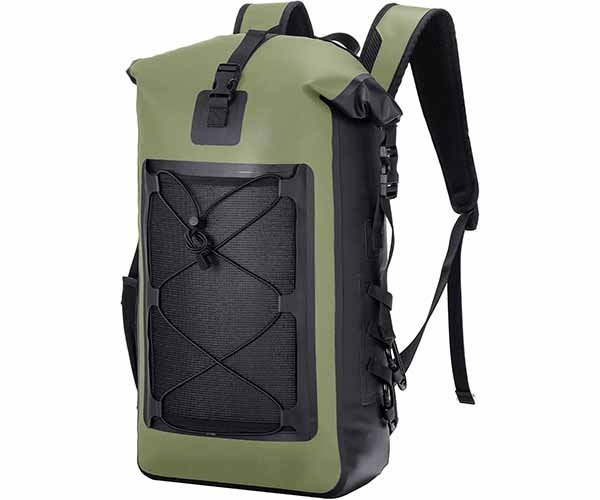
Waterproof Dry Bags
Dry bags are widely used in water-related outdoor activities such as kayaking, rafting, boating, and fishing.
The most important characteristics of dry bags are waterproof construction and durable materials.
Typical capacities produced by Szoneier include:
- 5L / 10L / 20L / 30L / 40L / 50L / 60L+
These bags often use roll-top closure systems, which create a waterproof seal when rolled and clipped.
Common materials used in production:
| Material | Feature |
|---|---|
| 500D PVC tarpaulin | strong waterproof protection |
| 420D TPU laminated nylon | flexible waterproof material |
| 840D waterproof Oxford | abrasion resistant |
Dry bags are one of the most common outdoor products exported from our factory to North America and Europe.
Fishing Tackle Bags
Fishing gear bags are designed to organize and protect fishing equipment such as tackle boxes, bait containers, pliers, and fishing reels.
These bags must support heavy loads and resist water exposure.
Common design features include:
- multiple gear compartments
- removable tackle trays
- reinforced carry handles
- waterproof base fabric
- tool attachment loops
Typical materials include:
- 900D polyester
- 1680D nylon
- water-resistant Oxford fabrics
Fishing tackle bags produced by Szoneier often include reinforced internal structures to prevent deformation when loaded with heavy gear.
Tactical Backpacks
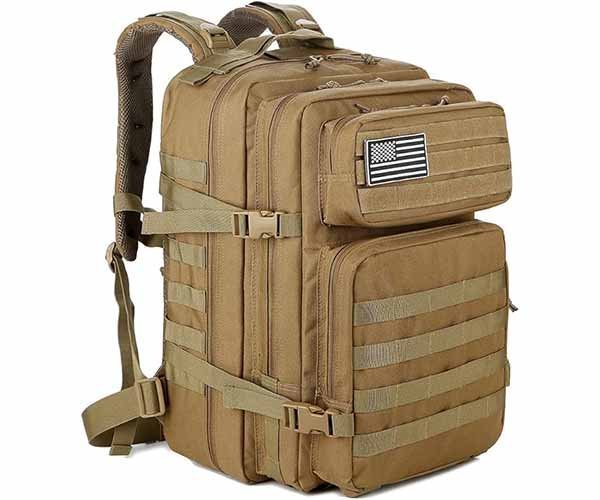
Tactical bags are used for outdoor adventure, survival gear, hunting equipment, and military-style products.
These bags emphasize durability and modular storage.
Typical features include:
- MOLLE webbing system
- multiple storage compartments
- reinforced shoulder straps
- compression straps
- hydration compatibility
Common materials used:
| Material | Application |
|---|---|
| 1000D nylon | tactical gear bags |
| 1680D ballistic nylon | heavy duty backpacks |
| PU coated Oxford | durable outdoor packs |
These fabrics offer excellent tear resistance and abrasion durability, which are critical for tactical gear.
Camping Gear Bags
Camping gear bags are designed to store and transport larger outdoor equipment such as tents, sleeping bags, cooking tools, and lanterns.
Common capacities include:
- 40L
- 60L
- 80L
Typical structural features include:
- large main compartment
- reinforced grab handles
- detachable shoulder straps
- heavy-duty zipper openings
To improve durability, the bottom panels are often reinforced using thicker fabrics such as 1680D nylon or PVC coated fabric.
Outdoor Duffel Bags
Outdoor duffel bags are commonly used for travel, expedition equipment storage, and sports gear transport.
Compared with fashion duffel bags, outdoor versions require stronger materials and reinforced stitching.
Typical features include:
- wide U-shaped zipper opening
- compression straps
- reinforced handles
- detachable shoulder strap
Common fabrics include:
| Fabric | Feature |
|---|---|
| 600D polyester | lightweight travel bags |
| TPU laminated nylon | waterproof duffel bags |
| PVC tarpaulin | heavy duty expedition bags |
Many outdoor brands use duffel bags as multi-purpose travel and gear transport solutions.
Hydration Backpacks
Hydration backpacks are designed for activities such as cycling, trail running, and lightweight hiking.
These bags are much smaller than traditional hiking backpacks and usually range between 5L and 15L capacity.
Key features include:
- hydration bladder compartment
- hose outlet port
- breathable back panel
- lightweight construction
Typical materials used include 420D nylon and lightweight polyester fabrics, which reduce overall bag weight.
Outdoor Camera Backpacks
Outdoor camera backpacks are used by wildlife photographers, travel vloggers, and outdoor filmmakers.
These bags combine protective padding with outdoor durability.
Typical features include:
- adjustable camera dividers
- shock-resistant padding
- waterproof fabric
- quick-access side pockets
Many designs also include laptop compartments and tripod attachment straps.
Bikepacking Bags
Bikepacking bags are designed for long-distance cycling adventures.
These bags attach directly to bicycle frames and allow riders to carry equipment without traditional backpacks.
Common types include:
- frame bags
- saddle bags
- handlebar bags
- top tube bags
Materials typically include water-resistant nylon or TPU laminated fabrics.
Outdoor Bag Manufacturing Capacity
Through coordinated production lines, Szoneier can manufacture several outdoor bag categories simultaneously.
Typical monthly production capacity includes:
| Bag Type | Monthly Output |
|---|---|
| hiking backpacks | 20,000 pcs |
| dry bags | 30,000 pcs |
| fishing bags | 15,000 pcs |
| tactical backpacks | 18,000 pcs |
| duffel bags | 12,000 pcs |
Production capacity varies depending on bag complexity and seasonal demand.
Custom Development for New Outdoor Bag Designs
In addition to the categories above, Szoneier regularly develops new outdoor bag structures based on customer concepts.
Clients often provide:
- sketches
- reference samples
- design drawings
- inspiration photos
Our development team then converts these ideas into production-ready bag designs, ensuring the structure, materials, and accessories are suitable for manufacturing.
Because we operate our own fabric supply network and sampling workshop, outdoor brands can test new product ideas quickly without long development delays.
About Szoneier: Outdoor Bag Manufacturing Expertise
A Manufacturer Built Around Materials and Product Engineering
Szoneier started as a material development company before expanding into bag manufacturing. This background gives the company a deeper understanding of how materials behave during cutting, lamination, sewing, and long-term use.
Many outdoor bags fail because the manufacturer focuses only on sewing, not on material compatibility and structural engineering.
For example:
- some nylon fabrics stretch under heavy loads
- TPU laminated fabrics require specialized sewing methods
- waterproof construction requires specific seam structures
- foam padding thickness affects backpack ergonomics
Our development team works closely with brands to address these technical details before mass production begins.
What Types of Companies Work With Szoneier
Our clients include:
- outdoor equipment brands
- camping gear companies
- fishing equipment brands
- hunting gear suppliers
- Amazon and Shopify outdoor product brands
- outdoor retail distributors
- private label outdoor product companies
Many of these companies start with small production quantities and gradually scale to larger orders once their products gain traction in the market.
Integrated Production Capabilities
Szoneier operates through multiple production facilities:
Fabric Manufacturing
- polyester fabrics (300D – 1680D)
- nylon fabrics
- canvas fabrics
- cotton fabrics
- functional outdoor fabrics
Leather Materials
- PU leather
- microfiber leather
- genuine leather
Neoprene Production
- wetsuit neoprene
- protective equipment neoprene
- laminated neoprene for bags
Technical Materials
- wetsuit neoprene
- protective equipment neoprene
- laminated neoprene for bags
outdoor brands benefit
- faster product development
- consistent material supply
- stable quality between production batches
- better cost control
This type of supplier is not just a small factory— it is a manufacturer engineered to support new brands.

Company Manufacturing Overview
| Category | Capability |
|---|---|
| Company founded | 2007 |
| Location | Shenzhen, Guangdong, China |
| Industry experience | 18+ years |
| MOQ | 50 pcs |
| Sampling time | 5–7 days |
| Complex sampling | 7–15 days |
| Production time | 25–30 days |
| Quality inspection | 100% inspection before shipment |
| Communication | Email, WhatsApp, WeChat, video calls |
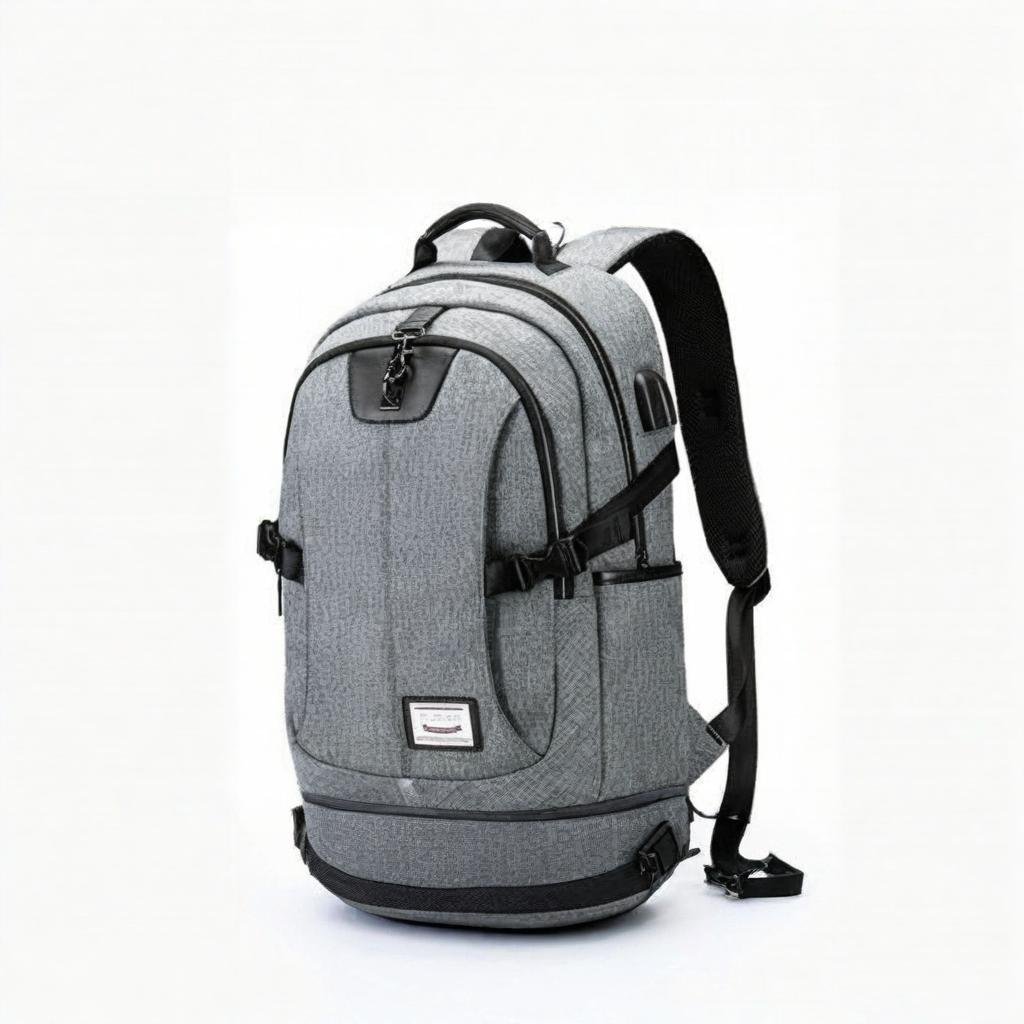
Risks When Outdoor Brands Choose the Wrong Manufacturer
Developing outdoor bags is more complex than producing simple fashion bags. The wrong manufacturing partner can create serious problems that affect product reputation and sales performance.
Below are some of the most common problems.
Risk 1 — Inconsistent Fabric Quality
Outdoor bags rely heavily on material performance.
Some factories purchase fabrics from random suppliers, which leads to issues such as:
- inconsistent color batches
- weak tear strength
- coating peeling
- waterproof failure
When these problems appear in production batches, brands may face product returns or customer complaints.
Szoneier works with a controlled fabric supply chain to maintain stable quality across production runs.

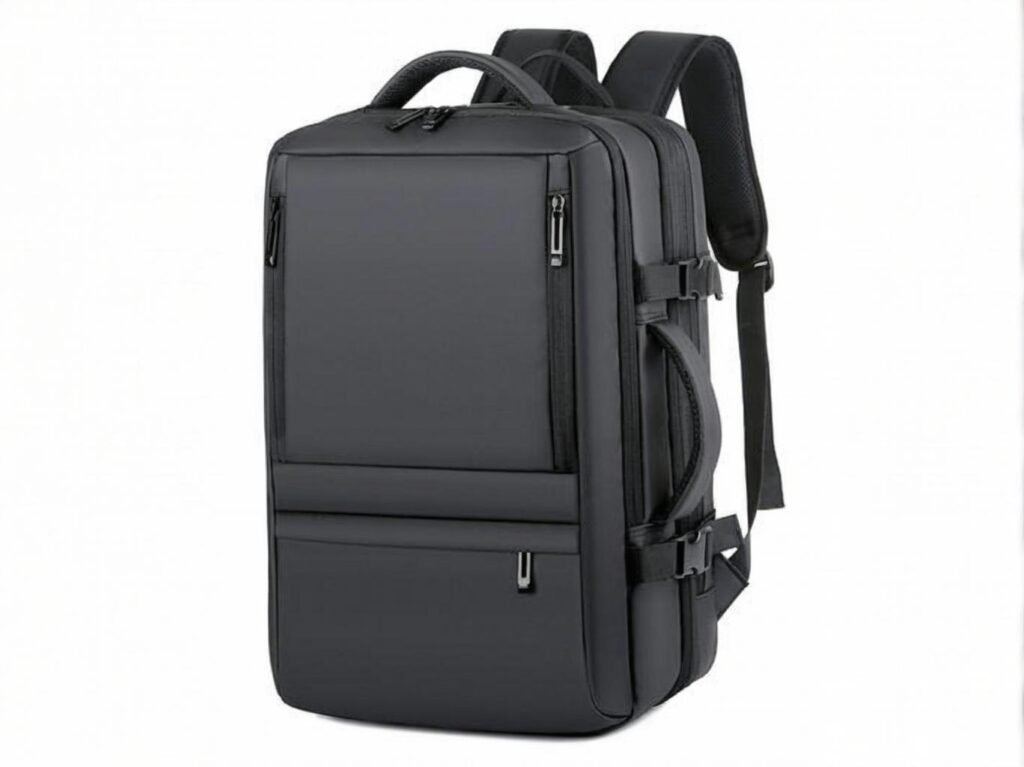
Risk 2 — Weak Structural Design
Outdoor bags must handle heavy loads and harsh conditions.
Common structural problems include:
- shoulder straps tearing under weight
- zipper failures
- weak reinforcement points
- poor load distribution
Our development team reinforces critical stress points through:
- bar-tack stitching
- reinforced webbing anchors
- multi-layer fabric structures
- load-bearing strap systems
Risk 3 — Slow Product Development
Many factories take 15–30 days just to produce samples, which significantly slows product launches.
Szoneier maintains an independent sample workshop capable of producing prototypes quickly.
Typical sampling timeline:
| Product Type | Sample Time |
|---|---|
| Standard outdoor bags | 5–7 days |
| Complex structure bags | 7–10 days |
| Bags requiring new molds | 10–15 days |
This speed allows brands to test products and refine designs much faster.


Risk 4 — Production Delays
Unstable factories often experience production delays caused by:
- insufficient materials
- overloaded production lines
- poor planning
Szoneier schedules production through coordinated factories and maintains material preparation before production begins.
Standard production lead time:
25–30 days for most outdoor bags.
Risk 5 — Lack of Quality Inspection
Many factories only perform random inspections.
However, outdoor gear products require stricter quality control to ensure reliability.
Szoneier performs:
- raw material inspection
- production line inspection
- structural testing
- final 100% inspection before shipment
This process significantly reduces defect rates.

Outdoor Bag Hardware & Accessories
Durable Hardware and Functional Accessories for Outdoor Bags
Outdoor bags often operate in rough environments such as mountains, forests, beaches, and rivers. Hardware components must withstand repeated use, pressure, and environmental exposure.
Many outdoor brands request stronger hardware because failure of small components such as buckles or zippers can render the entire bag unusable.
Our factory works with several established accessory suppliers in Guangdong to ensure stable hardware quality across production batches.
Common Hardware Used in Outdoor Bags
| Hardware Type | Application |
|---|---|
| Zippers | main compartment opening |
| Buckles | strap adjustment and closure |
| D-rings | gear attachment |
| Hooks | shoulder strap connection |
| Cord locks | drawstring systems |
| Webbing adjusters | strap length control |
These accessories are selected according to bag structure and load requirements.
Zipper Options
Zippers are one of the most frequently used components in outdoor bags. Poor zipper quality often leads to product failure.
Szoneier commonly works with:
| Zipper Type | Feature |
|---|---|
| SBS zipper | reliable and cost effective |
| YKK zipper | premium durability |
| waterproof zipper | used for dry bags |
| reverse coil zipper | smooth operation |
Typical zipper sizes used in outdoor bags include:
- #5 zippers for pockets
- #8 zippers for medium compartments
- #10 zippers for heavy-duty bags
Buckles and Fasteners
Outdoor bags rely heavily on buckles for strap adjustment and quick access.
Common buckle materials include:
- POM plastic buckles
- nylon reinforced buckles
- aluminum alloy buckles
Many tactical or heavy-duty backpacks use Duraflex-style buckles due to their higher strength and durability.
Webbing and Strap Systems
Webbing provides structural support for:
- shoulder straps
- compression straps
- gear attachment loops
- load-bearing reinforcement
Typical webbing specifications:
| Webbing Width | Application |
|---|---|
| 20 mm | small gear straps |
| 25 mm | compression straps |
| 38 mm | shoulder straps |
| 50 mm | heavy load straps |
Szoneier sources webbing materials from partner weaving factories to maintain consistent strength and color matching.
Custom Outdoor Bag Manufacturing Process
Step-by-Step Production Process for Custom Outdoor Bags
Developing a custom outdoor bag requires coordination between product design, materials, manufacturing techniques, and production planning.
Step 1
Project Requirement Discussion
The first step is understanding the product requirements.
Typical information discussed includes:
- bag type and application
- capacity and dimensions
- material preferences / logo placement
- hardware options / estimated order quantity
Clients may provide:
- design sketches / reference products
- product photos / basic technical descriptions
Step 2
Material and Structure Planning
Once the basic concept is confirmed, our development team evaluates suitable materials and construction methods.
Typical decisions include:
- fabric selection
- reinforcement structure
- zipper types
- strap system design
- hardware selection
Material choice is especially important for outdoor bags because it determines weight, durability, and weather resistance.
Step 3
Cost Evaluation and Quotation
After confirming the structure and materials, our team calculates production cost based on:
- material consumption
- labor complexity
- accessory costs
- packaging requirements
A detailed quotation is then provided for confirmation.
Step 4
Sample Production
Once the sample order is confirmed, the bag enters the sample development stage.
The sample is used to verify:
- structure accuracy
- material suitability
- production feasibility
Step 5
Sample Evaluation and Adjustment
After receiving the sample, clients often suggest adjustments.
Common revisions include:
- size adjustments
- pocket layout changes
- strap length modification
- logo placement refinement
Revised samples may be produced if necessary.
Step 6
Bulk Production Confirmation
Once the sample is approved, the bulk production order is confirmed.
Clients usually provide:
- order quantity
- packaging requirements
- shipping destination
A production deposit is typically required before production begins.
Step 7
Mass Production
Production begins with material preparation and cutting.
Main production stages include:
1 fabric cutting 2 sewing assembly 3 hardware installation 4 reinforcement stitching 5 quality inspection
Typical production lead time:
25–30 days
Step 8
Final Inspection and Shipment
Before shipment, finished bags go through the final inspection process described earlier.
After inspection, products are packed and prepared for shipment.
Shipping options include:
- express courier
- air freight
- sea freight
Szoneierfabrics Professional Recommendation
szoneierfabrics provides material sourcing and custom development based on 18+ years of real manufacturing data. Our strengths:
- In-house fabric R&D (polyester, nylon, TPU, PVC, Oxford)
- In-house webbing R&D (nylon/polyester webbing for straps)
- In-house sewing + printing + lamination factories
- Over 25+ fabric/webbing/material engineers
- Over 15+ product designers
- Certified materials (GRS, OEKO-TEX, REACH, ROHS, EN-71)
- We test every fabric for tensile strength, abrasion & waterproofing
- We help global brands select materials based on use-case, cost & durability
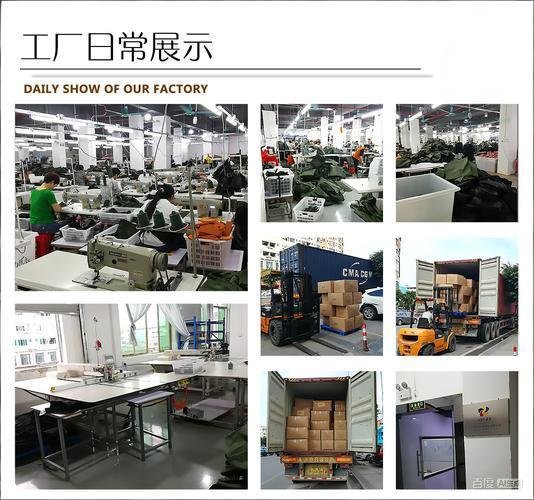
Materials Used for Outdoor Bags
Outdoor Bag Materials Selected for Strength, Weather Resistance, and Long-Term Use
The performance of an outdoor bag depends heavily on the materials used during manufacturing. Unlike fashion bags, outdoor gear must withstand rough environments such as rain, dirt, heavy loads, and long-term abrasion.
For example, hiking backpacks may carry 15–25 kg of equipment, while fishing tackle bags often hold heavy metal gear boxes. Waterproof dry bags must resist water pressure and constant exposure to moisture.
Because of these conditions, selecting the right fabric is one of the most important steps in outdoor bag development.
Below are some of the most common materials used in outdoor bag manufacturing.
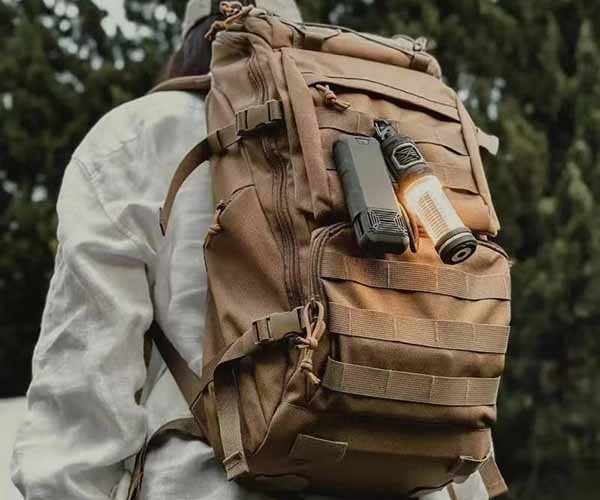
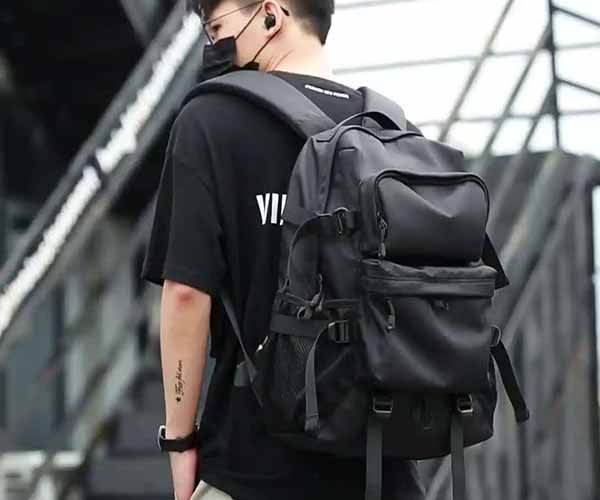
Polyester Fabrics
Polyester is one of the most widely used fabrics in outdoor bag production. It offers a good balance between durability, cost, and color stability.
Polyester fabrics are often coated with PU or PVC to improve water resistance and abrasion performance.
Common Polyester Fabric Specifications
| Fabric Type | Weight | Typical Use |
|---|---|---|
| 300D polyester | lightweight | hydration backpacks |
| 600D polyester | medium duty | hiking backpacks |
| 900D polyester | heavy duty | fishing gear bags |
| 1200D polyester | reinforced bags | camping equipment bags |
Advantages of Polyester Fabrics
strong abrasion resistance • stable color performance • relatively affordable cost • good resistance to UV exposure
Because of these advantages, 600D and 900D polyester fabrics are among the most common materials used in Szoneier’s outdoor bag production lines.
Nylon Fabrics
Nylon fabrics are widely used for higher-performance outdoor bags because they provide better tear strength and flexibility than polyester.
Many technical outdoor backpacks use nylon fabrics due to their ability to handle heavy loads without tearing.
Common Nylon Fabric Options
| Fabric Type | Feature | Application |
|---|---|---|
| 420D nylon | lightweight but strong | hiking backpacks |
| 500D Cordura nylon | high durability | tactical bags |
| 1000D nylon | extremely durable | military style backpacks |
| 1680D ballistic nylon | abrasion resistant | heavy duty gear bags |
Nylon fabrics are often selected when brands require premium durability and longer product lifespan.
TPU Laminated Fabrics
TPU laminated fabrics are widely used in waterproof outdoor products such as dry bags and waterproof travel bags.
These fabrics combine a woven base fabric with a thermoplastic polyurethane coating, which creates a waterproof barrier while maintaining flexibility.
TPU Fabric Characteristics
- excellent waterproof performance • flexible even in low temperatures • strong abrasion resistance • lightweight compared with PVC
Typical Applications
- dry bags
- waterproof duffel bags
- kayak gear bags
- marine equipment storage bags
Szoneier frequently works with 420D TPU laminated nylon and polyester fabrics for waterproof outdoor products.

PVC Tarpaulin Fabrics
PVC tarpaulin fabrics are widely used in heavy-duty waterproof bags. These materials consist of a polyester base fabric coated with thick PVC layers.
Typical Thickness Range
0.45 mm – 0.65 mm
Advantages
- excellent waterproof performance • high abrasion resistance • durable under rough outdoor conditions • easy to clean after use
PVC tarpaulin is commonly used for:
- rafting dry bags
- motorcycle travel bags
- fishing gear storage bags
- marine equipment bags
Many outdoor brands choose PVC tarpaulin when maximum waterproof protection is required.

Canvas Fabrics
Canvas fabrics are commonly used in outdoor bags that emphasize a natural or vintage appearance.
While canvas is not naturally waterproof, it can be treated with wax or coatings to improve water resistance.
Typical Canvas Weights
| Canvas Weight | Application |
|---|---|
| 12 oz canvas | lightweight outdoor bags |
| 16 oz canvas | durable travel bags |
| 20 oz canvas | heavy duty gear bags |
Canvas bags are often used for:
- camping equipment bags
- outdoor travel duffel bags
- heritage style outdoor products
Because Szoneier also manufactures cotton and canvas fabrics through partner mills, we can maintain consistent fabric supply and dye consistency for production orders.

Neoprene Materials
Neoprene fabrics are commonly used for protective outdoor equipment bags.
These materials are soft, flexible, and provide cushioning for sensitive gear.
Typical applications include:
- diving equipment bags
- wetsuit storage bags
- camera equipment protection bags
- electronic device bags
Typical Neoprene Thickness
| Thickness | Application |
|---|---|
| 2 mm | lightweight protection |
| 3 mm | general gear bags |
| 5 mm | heavy protection |
Because Szoneier also operates neoprene production resources, we can support custom neoprene outdoor bag projects.
EVA and Molded Protective Panels
Some outdoor bags include molded EVA panels for additional protection.
These panels help maintain bag shape and protect sensitive equipment.
Common uses include:
- camera backpacks
- drone carrying bags
- technical equipment storage bags
EVA panels can be molded to specific shapes depending on the product design.
Outdoor Fabric Coatings and Treatments
Many outdoor fabrics require coatings or treatments to improve their performance.
Common fabric treatments include:
| Treatment | Purpose |
|---|---|
| PU coating | water resistance |
| PVC coating | waterproof protection |
| TPU lamination | flexible waterproof layer |
| DWR treatment | water repellent surface |
Szoneier works with multiple coating technologies depending on the product’s intended use.
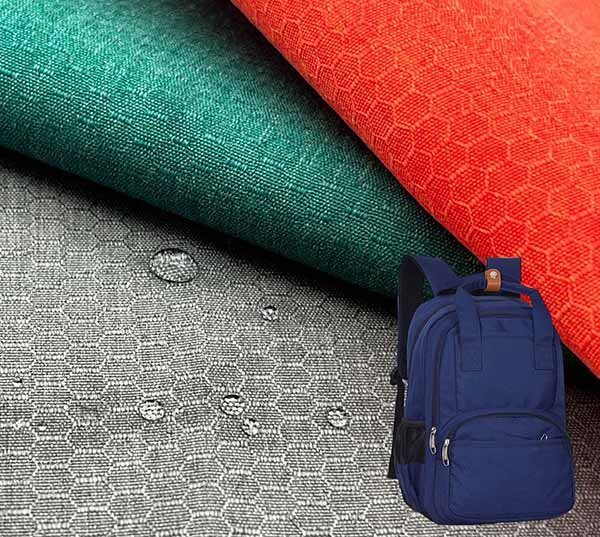
Material Cost Comparison
Different materials vary significantly in cost and performance.
Below is a simplified comparison based on common outdoor fabrics.
| Material | Relative Cost | Durability | Waterproof |
|---|---|---|---|
| 600D polyester | low | medium | optional coating |
| 900D polyester | medium | high | optional coating |
| 420D nylon | medium | high | optional coating |
| 1680D ballistic nylon | high | very high | optional coating |
| TPU laminated fabric | high | high | waterproof |
| PVC tarpaulin | medium-high | very high | waterproof |
Material choice depends on product positioning, expected durability, and target retail price.
Frequently Asked Questions
1. What is the minimum order quantity for outdoor bags?
Szoneier typically supports a minimum order quantity of 50 pieces for standard outdoor bags. For more complex products involving custom molds or specialized materials, the MOQ may be higher depending on production complexity.
2. How long does it take to produce samples?
Sampling usually takes 5–7 days for standard bag designs. Products with complex structures or custom hardware may require 7–15 days.
Our independent sample workshop allows faster development compared with many factories.
3. Can you develop bags based on sketches or reference photos?
Yes. Many clients provide:
- design sketches
- product photos
- existing reference samples
Our development team can convert these references into manufacturable bag designs.
4. What materials do you recommend for outdoor bags?
Material selection depends on product positioning and performance requirements.
Common options include:
- 600D polyester
- 420D nylon
- 1680D ballistic nylon
- TPU laminated fabrics
- PVC tarpaulin
Our team helps evaluate durability, weight, and cost when choosing materials.
5. How do you ensure product quality?
Quality control is implemented through several stages:
- raw material inspection
- production line inspection
- structural reinforcement checks
- final 100% product inspection
This process significantly reduces the risk of defective products.
6. Can we visit your factory?
Yes. Clients are welcome to visit our production facilities in Shenzhen, Guangdong. Factory visits can be arranged in advance with our team.
For overseas clients who cannot travel, we can also provide video factory tours.
7. What payment methods do you support?
Szoneier supports several payment methods including:
- PayPal
- credit card
- T/T bank transfer
- Alibaba Trade Assurance
- Alipay
- Western Union
Payment methods can be arranged depending on the order type.
8. What shipping options are available?
Shipping methods include:
- express courier
- air freight
- sea freight
Trade terms supported include EXW, FOB, DAP, and DDP.
9. Can you help improve an existing product design?
Yes. Many clients bring existing products that need improvements such as:
- stronger materials
- improved strap systems
- better zipper durability
- reduced production cost
Our engineering team evaluates the design and suggests improvements.
10. What types of companies work with Szoneier?
Our clients include:
- outdoor equipment brands
- fishing gear companies
- camping gear manufacturers
- outdoor product distributors
- e-commerce outdoor brands
Many of these companies develop private label outdoor gear products through our manufacturing system.
Start Your Outdoor Bag Project
Work with an Experienced Outdoor Bag Manufacturer
Developing a reliable outdoor bag requires expertise in materials, structural design, and manufacturing stability.
Our integrated material supply chain and experienced engineering team allow us to support projects ranging from small product launches to large-scale production orders.
Whether you are developing a hiking backpack, waterproof dry bag, fishing bag, tactical pack, or camping gear bag, our team can help turn your idea into a production-ready product.
Contact Our Development Team
If you are planning to develop a new outdoor bag product, our team will be happy to review your design ideas and provide manufacturing suggestions.
Please send us the following information if available:
- product sketches or photos
- estimated dimensions
- preferred materials
- logo artwork
- estimated order quantity
Our product development team will respond with suggestions and a quotation
- (+86) 13823134897
- Info@szoneierfabrics.com