 Skip to content
Drawstring Bags for School and Student Use
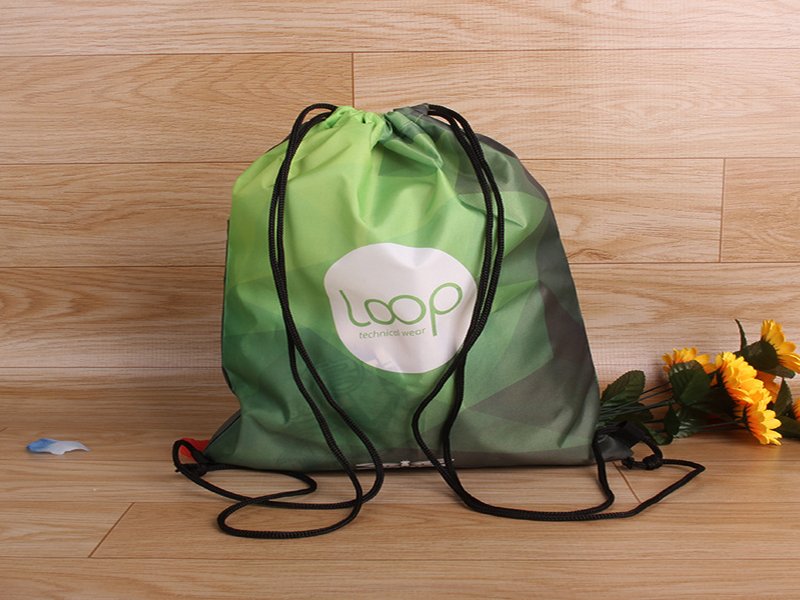
Walk through any school campus today and you’ll notice something interesting—students are carrying less structure and more flexibility. Instead of heavy backpacks filled with compartments, many are switching to lighter, simpler solutions that match their daily routines. Drawstring bags are no longer just gym accessories; they’ve quietly become a practical everyday option for students.
Drawstring bags for school and student use are lightweight, flexible carry solutions designed to hold daily essentials such as books, sports gear, lunch items, and personal belongings. Their simple closure system, low weight, and adaptable storage make them ideal for short-distance commuting, gym classes, and after-school activities, offering convenience without the bulk of traditional backpacks.
Picture a student rushing between classes, heading to sports practice, or walking home after school. They don’t want to deal with heavy bags or complicated storage—they want something fast, easy, and reliable. That’s where drawstring bags come in. But behind that simplicity lies a deeper design logic that makes them work so well.
What Are Drawstring Bags Used for in School?
Drawstring bags are widely used in school environments because they solve a very practical problem: students need a simple, lightweight, and flexible way to carry items that do not always require a full-size backpack. In many schools, a student’s day is no longer limited to sitting in a classroom with textbooks. A typical school schedule may include gym class, after-school clubs, sports practice, field trips, music lessons, library sessions, or short-distance movement between classrooms. In these situations, a drawstring bag becomes a convenient secondary carrier that helps students organize smaller loads without adding unnecessary weight.
Unlike traditional backpacks, drawstring bags are not designed to carry heavy books, laptops, and multiple binders every day. Their main value lies in quick access, low weight, easy storage, and flexible use. A standard school backpack may weigh 0.7–1.5 kg before anything is placed inside, while many drawstring bags weigh only 80–250 grams depending on the fabric, size, and reinforcement. For students who already carry heavy academic materials, reducing extra load can make a noticeable difference.
In school use, drawstring bags are especially common for gym clothes, sports shoes, water bottles, lunch items, notebooks, art supplies, uniforms, and small personal accessories. They are easy to fold, store in lockers, place inside a backpack, or hang on a classroom hook. This makes them useful not only for students but also for schools, clubs, sports teams, and educational programs that need affordable, customizable, and easy-to-distribute bags.
A well-made school drawstring bag should balance simplicity with durability. Students may drag it across floors, throw it into lockers, carry wet gym clothes, or use it repeatedly for months. For this reason, fabric strength, stitching quality, cord durability, bottom reinforcement, and logo printing method all matter. Szoneier designs school drawstring bags with reinforced structures, durable fabrics, and practical customization options so they can handle daily student use while remaining lightweight and easy to carry.
Common School Uses
Drawstring bags are used in schools for many different purposes, but their most common role is carrying items for short-term or activity-based needs. They are especially useful when students do not need the full capacity of a backpack but still need a separate space for specific belongings.
One of the most common uses is gym class. Students often need to bring sportswear, shoes, socks, towels, deodorant, or a water bottle. Carrying these items inside a regular school backpack can create odor, moisture, and organization problems. A separate drawstring bag helps keep gym items apart from textbooks, notebooks, electronics, and lunch containers.
Sports practice is another major use case. Students involved in basketball, football, soccer, volleyball, swimming, track, or dance often need a lightweight bag for uniforms, small equipment, snacks, and water bottles. A drawstring bag is easy to carry to the field, gym, or bus after school. It can also be customized with team names, school logos, player numbers, or event branding.
Drawstring bags are also useful for daily essentials. Some students use them for notebooks, pencil cases, lunch boxes, reading books, headphones, calculators, chargers, or light personal items. For younger students, they may serve as a simple carrier for take-home folders, school notices, craft projects, or library books. For older students, they often work as a secondary bag for elective classes, sports, or after-school activities.
| School Use Case | Common Items Carried | Main Benefit |
|---|---|---|
| Gym class | Clothes, shoes, towel, water bottle | Keeps sports items separate from academic materials |
| Sports practice | Uniform, equipment, snacks, bottle | Easy to carry after school |
| Field trips | Lunch, notebook, sunscreen, small jacket | Lightweight for walking and travel |
| Library day | Books, reading logs, stationery | Simple storage for temporary use |
| Clubs and activities | Art supplies, music sheets, craft tools | Flexible for different programs |
| School events | Giveaways, brochures, uniforms, gifts | Easy for bulk distribution |
This flexibility explains why drawstring bags are commonly used by schools, sports teams, student organizations, tutoring programs, summer camps, and education-related promotional campaigns.
Why Students Prefer Drawstring Bags
Students often prefer drawstring bags because they are simple and fast to use. A traditional backpack may have multiple compartments, zippers, padded panels, and structured storage areas. These features are useful for heavier loads, but they can also make a bag bulkier. A drawstring bag uses a more direct design: open the top, place items inside, pull the cords, and go.
The first advantage is weight reduction. School-related carrying weight has been a long-term concern for parents, schools, and health professionals. Many ergonomic recommendations suggest that students should avoid carrying loads that exceed roughly 10–15% of their body weight for long periods. While a drawstring bag does not solve the problem of heavy textbooks, it helps reduce unnecessary bag weight when students only need a few items. For example, carrying gym clothes in a 150-gram drawstring bag is far more efficient than using a heavy backpack for the same purpose.
The second advantage is quick access. Students often move between classes, lockers, buses, gyms, cafeterias, and sports fields within short time windows. A simple open-top structure allows them to pack and unpack quickly. This is especially useful for younger students who may struggle with multiple zipper compartments or for sports teams that need fast changing and storage before practice.
The third advantage is flexibility. A drawstring bag can carry soft goods, shoes, bottles, folders, light books, or mixed items. Unlike rigid cases or structured backpacks, the bag shape adapts to the contents. When empty, it can be folded flat and stored inside another bag, locker, desk, or equipment bin.
| Feature | Student Benefit | Practical School Value |
|---|---|---|
| Lightweight structure | Less carrying fatigue | Suitable for short-term daily use |
| Simple opening | Faster packing and unpacking | Helpful during busy class transitions |
| Flexible storage | Fits varied items | Works for sports, clubs, and events |
| Foldable body | Easy to store when not in use | Saves locker and classroom space |
| Customizable surface | School identity and team branding | Useful for programs and promotions |
For students, the appeal is not only about carrying items. It is about reducing friction during the school day. A good drawstring bag is easy to grab, easy to identify, easy to store, and easy to use without overthinking.
Drawstring Bags for Gym Class and Physical Education
Gym class is one of the strongest reasons schools use drawstring bags. Physical education requires students to carry items that are often separate from their academic supplies. Sports shoes, T-shirts, shorts, towels, socks, and water bottles may become damp, dirty, or odorous after use. Keeping these items inside the main backpack can cause hygiene and organization problems.
A drawstring bag gives students a dedicated space for these items. For schools, this also helps improve locker room organization because students can quickly identify and store their belongings. For younger students, a brightly colored or logo-printed bag reduces the chance of lost items. For older students, a more durable fabric such as polyester, nylon, or Oxford cloth can withstand repeated use throughout the semester.
From a manufacturing perspective, gym-use drawstring bags should be designed with stronger bottom seams and better cord attachment points. The bottom corners usually experience the most pulling force because the shoulder cords are connected there. If stitching is weak, the corners may tear after repeated carrying. Reinforced stitching, metal eyelets, bar-tack sewing, or triangular PU patches can extend service life.
Fabric choice also matters. Lightweight nonwoven fabric may be suitable for one-time school events, but daily gym use usually requires stronger material. 210D polyester, 300D polyester, 420D nylon, and Oxford fabric are more reliable for repeated school applications. For wet gym clothes or swimming programs, water-resistant coatings can improve practicality.
Drawstring Bags for School Sports Teams
School sports teams often use drawstring bags as team gear. They are affordable, easy to customize, and suitable for carrying practice items. Compared with full athletic backpacks, drawstring bags are lighter and more cost-effective, making them ideal for schools that need to supply bags to a full team or event group.
For example, a school basketball team may use drawstring bags to carry jerseys, towels, water bottles, compression sleeves, and small accessories. A soccer team may use them for cleats, socks, shin guards, and training shirts. A swim team may use water-resistant drawstring bags for goggles, caps, towels, and swimwear.
Customization is an important part of sports use. Schools often print team logos, mascots, player numbers, sponsor names, or event details on the bag. Common branding methods include screen printing, heat transfer printing, sublimation printing, embroidery patches, and woven labels. The right method depends on the fabric, color design, order quantity, and budget.
| Customization Method | Best For | Notes |
|---|---|---|
| Screen printing | School logos, simple text, team names | Cost-effective for larger quantities |
| Heat transfer | Multi-color graphics and small batches | Good for detailed designs |
| Sublimation | Full-surface designs on polyester | Suitable for colorful sports themes |
| Embroidery patch | Premium school or club branding | Adds texture and durability |
| Woven label | Simple identity marking | Clean and professional appearance |
For school sports programs, durability should not be ignored. A sports drawstring bag may be placed on grass, gym floors, buses, locker rooms, or benches. Stronger fabric, reinforced seams, and washable materials help extend product life and reduce replacement costs.
Drawstring Bags for Field Trips and School Events
Drawstring bags are also commonly used for field trips, orientation days, school fairs, summer programs, charity events, and educational campaigns. In these cases, the bag often serves two purposes: carrying essentials and creating a sense of group identity.
During a field trip, students may need to carry lunch, snacks, water, notebooks, sunscreen, a lightweight jacket, or small souvenirs. A drawstring bag is easier to carry than a backpack when students are walking through museums, parks, campuses, or outdoor learning locations. Teachers can also use different colors or printed names to organize groups more easily.
For school events, drawstring bags are popular because they can be produced in bulk at a relatively low cost. Schools may distribute them during orientation, open day, graduation activities, sports day, reading programs, or fundraising campaigns. Compared with paper folders or plastic bags, a reusable drawstring bag has a longer useful life and can continue displaying the school logo after the event.
For event-based use, schools may choose lighter materials such as nonwoven fabric or 190T polyester. For repeated student use, stronger polyester or nylon is more suitable. The ideal choice depends on expected usage time, budget, design requirements, and whether the bag is intended as a one-time giveaway or a longer-term student item.
Usage Efficiency Compared with Backpacks
Drawstring bags and backpacks serve different purposes. A backpack is better for carrying heavier academic loads, laptops, binders, and multiple textbooks. A drawstring bag is better for convenience, temporary storage, gym items, events, and short-distance carrying. The most practical school solution is often not choosing one over the other, but using both in the right situations.
| Factor | Drawstring Bag | Traditional Backpack |
|---|---|---|
| Empty weight | Usually low | Medium to high |
| Capacity | Medium | High |
| Organization | Simple single compartment | Multiple compartments |
| Accessibility | Very fast | Moderate |
| Comfort under heavy load | Limited | Better with padding |
| Storage when empty | Easy to fold | Takes more space |
| Cost for bulk orders | Lower | Higher |
| Best use | Gym, sports, events, light essentials | Books, laptops, daily academic load |
This comparison shows why drawstring bags are especially useful as secondary school bags. They are not meant to replace backpacks for heavy academic use, but they perform extremely well when convenience and mobility matter more than structure.
A student may carry a backpack to school for books and technology, then use a drawstring bag for gym class or practice. This reduces the need to unpack and repack the main backpack several times a day. It also keeps different item categories separate, which is important for hygiene, time management, and organization.
Important Design Features for School Drawstring Bags
A school drawstring bag may look simple, but the details determine whether it lasts. Students are not always gentle with their bags. They may overfill them, pull the cords forcefully, drop them on floors, or carry shoes and bottles that create pressure on the seams. For this reason, school-use drawstring bags should be designed with practical reinforcement.
The first key feature is fabric strength. Polyester is commonly used because it is lightweight, cost-effective, and suitable for printing. Nylon offers better abrasion resistance and a smoother hand feel. Oxford fabric provides a thicker structure for more durable school and sports applications. Cotton canvas gives a natural look but may be heavier and less water-resistant unless treated.
The second feature is reinforced stitching. The cord channels, side seams, and bottom corners are high-stress areas. Double stitching, bar-tack reinforcement, and stronger thread can improve durability. For heavier school applications, corner reinforcement patches are often worth adding.
The third feature is cord quality. Thin cords may feel uncomfortable on the shoulders and may wear out quickly. Wider cords or flat drawstrings can improve comfort, especially when students carry shoes or bottles. For younger students, cord length should also be carefully controlled for safety and comfort.
The fourth feature is print durability. School logos, names, and graphics should withstand daily handling. Screen printing is economical for simple logos, while heat transfer or sublimation may be better for colorful graphics. For long-term school merchandise, embroidery patches or woven labels can create a more durable branded finish.
Real-World School Scenario
Consider a middle school student who attends regular classes in the morning, has gym class after lunch, and joins basketball practice after school. The student may already carry a backpack with textbooks, notebooks, a tablet, and lunch. Without a separate bag, gym clothes and sports shoes would be placed into the same backpack, creating odor and space problems.
With a drawstring bag, the student can keep athletic items separate from academic materials. The bag can be stored in a locker during class, carried to the gym when needed, and taken to sports practice after school. This simple setup reduces packing time and keeps the student’s belongings better organized.
For schools, this type of usage is easy to support. A school can provide drawstring bags with grade-level colors, team logos, or activity names. Students benefit from convenience, while the school benefits from stronger identity and more organized activity management.
Why Schools and Suppliers Choose Drawstring Bags in Bulk
Drawstring bags are also attractive from a purchasing perspective. Schools, clubs, and education programs often need products that are affordable, customizable, easy to distribute, and useful across different age groups. Drawstring bags meet these requirements well.
Bulk production allows schools to control unit costs while still customizing colors, logos, sizes, and materials. For large school events or sports programs, the cost difference between drawstring bags and structured backpacks can be significant. A backpack may require more fabric, zippers, padding, lining, compartments, and labor. A drawstring bag uses a simpler structure, which makes it more efficient for high-volume production.
For manufacturers like Szoneier, school drawstring bag production can be adjusted based on project needs. A basic promotional version may use lightweight polyester with a one-color logo. A more durable sports version may use Oxford fabric, reinforced corners, thicker cords, and water-resistant coating. A premium school merchandise version may include custom labels, full-color printing, internal pockets, or special packaging.
This flexibility makes drawstring bags suitable for public schools, private schools, universities, sports clubs, tutoring centers, youth organizations, and educational brands.
Drawstring bags are used in schools because they are lightweight, flexible, affordable, and highly practical for daily student life. They are especially useful for gym class, sports practice, field trips, school events, clubs, and light personal items. While they are not designed to replace traditional backpacks for heavy academic loads, they perform extremely well as secondary bags for activity-based use.
Students prefer them because they reduce unnecessary weight, allow quick access, and adapt to different schedules. Schools value them because they are easy to customize, distribute, and use across many programs. From a product development perspective, the best school drawstring bags are not just simple fabric sacks. They require the right material, reinforced stitching, durable cords, reliable printing, and practical sizing.
Szoneier designs and manufactures school drawstring bags with this real-world usage in mind. By combining durable fabrics, reinforced construction, flexible customization, and production experience, Szoneier helps schools, brands, and educational programs create drawstring bags that are simple to use, strong enough for daily student life, and suitable for both functional and promotional purposes.
Why Are Drawstring Bags Popular Among Students?
Drawstring bags are popular among students because they match the way students actually move, study, exercise, and socialize throughout the day. Their value is not based on complicated features or premium structure. Instead, they offer something very direct: a lightweight bag that is easy to carry, quick to open, simple to store, affordable to buy, and flexible enough for different school activities.
For many students, a traditional backpack is still necessary for textbooks, laptops, tablets, binders, and heavier academic materials. However, not every school situation requires a large backpack. Students often need a smaller secondary bag for gym clothes, sports practice, club activities, lunch items, field trips, library books, shoes, water bottles, or daily essentials. This is where drawstring bags have become especially practical.
A standard backpack can weigh around 500–1000 grams before it is filled, depending on its structure, padding, zippers, and compartments. In comparison, many drawstring bags weigh only about 100–300 grams. That weight difference may seem small at first, but for students who already carry books, devices, lunch, and personal items, every extra gram matters. A lighter bag makes short-distance movement easier, especially during busy school days that involve walking between classrooms, lockers, gyms, buses, and sports fields.
The popularity of drawstring bags also comes from their simplicity. Students do not always want a bag with multiple compartments, heavy padding, complex closures, or rigid construction. They want something they can open quickly, throw items into, close with one pull, and carry without thinking too much. In that sense, the simplicity of a drawstring bag is not a weakness. It is exactly why students use it so often.
Szoneier enhances these advantages by offering customizable school drawstring bags made with durable fabrics, reinforced construction, practical sizing, and branding options. This allows schools, sports teams, educational programs, and student organizations to create bags that are not only affordable and lightweight, but also strong enough for repeated daily use.
Lightweight Design Fits Student Life
Weight is one of the strongest reasons students like drawstring bags. A student’s daily load can become heavy very quickly. Textbooks, notebooks, laptops, tablets, pencil cases, lunch boxes, water bottles, sportswear, and personal items all add up. When the main backpack is already full, students often need a separate lightweight bag rather than another structured carrier.
Drawstring bags are commonly made from lightweight materials such as polyester, nylon, nonwoven fabric, cotton canvas, or Oxford cloth. Depending on the material and construction, many school drawstring bags stay within the 100–300 gram range. This makes them easy to carry by hand, over one shoulder, or on both shoulders.
| Bag Type | Average Empty Weight | Best Use |
|---|---|---|
| Traditional backpack | 500–1000g | Books, laptops, heavy daily school load |
| Sports backpack | 700–1500g | Athletic gear, shoes, larger equipment |
| Drawstring bag | 100–300g | Gym clothes, light essentials, school events |
| Nonwoven giveaway bag | 50–150g | Short-term events, school campaigns |
The difference becomes more important when the bag is used repeatedly throughout the day. A lighter bag causes less shoulder fatigue, takes less space in a locker, and can be folded when not in use. Students can keep it inside their main backpack and take it out only when needed.
For example, a student may carry a regular backpack during class hours and use a drawstring bag only for gym class or after-school practice. This avoids the need to carry a second heavy bag all day. For younger students, the lightweight design is even more important because they may not have the strength or posture control to manage unnecessary weight comfortably.
Quick Access Saves Time Between Activities
Student schedules are often tight. A student may have only a few minutes to move from one classroom to another, change for gym class, collect materials from a locker, or get ready for sports practice. In these moments, speed matters.
Drawstring bags are popular because they are fast to use. The opening is wide and direct. Students can place items inside without sorting them into multiple compartments. The closure works with a simple pull of the cords. There are no zippers to align, buckles to fasten, or flaps to adjust.
| Feature | Practical Impact for Students |
|---|---|
| Simple drawcord closure | Faster opening and closing |
| Wide top opening | Easier packing of shoes, clothes, and soft items |
| Minimal hardware | Fewer parts that can break |
| Single main compartment | Less time spent searching through pockets |
| Flexible body shape | Adapts to different item sizes |
This quick-access design is especially useful for gym clothes, sports shoes, towels, notebooks, art supplies, and lunch items. Students can pack quickly and move on. The bag does not require careful organization every time it is used.
In real school environments, this matters more than it may appear. A highly structured backpack is useful for academic organization, but it can slow students down when they only need to carry a few items for one activity. Drawstring bags reduce that friction.
Simplicity Makes Them Easy for All Ages
Another reason drawstring bags are popular among students is that they are easy to understand and use. Younger students do not need to learn complicated closures. Older students do not need to spend time managing unnecessary compartments. The design works across age groups because it is straightforward.
For elementary school students, drawstring bags are often used for library books, art supplies, take-home folders, field trips, or PE clothes. Bright colors, printed names, and school logos help children identify their bags quickly. The simple structure also makes it easier for teachers to manage group activities.
For middle school and high school students, drawstring bags are often used for sports, clubs, uniforms, dance practice, music sheets, or casual daily essentials. Students at this age often prefer bags that feel less formal and less bulky than traditional backpacks. A drawstring bag fits into a more casual student lifestyle.
For college students, drawstring bags may be used for gym sessions, campus events, short classes, dorm-to-library movement, or student organization giveaways. Their low weight and easy storage make them practical for campus life, where students may move between classrooms, cafeterias, sports facilities, dorms, and part-time jobs.
The same basic product can serve many student groups because its function is flexible. This broad age compatibility is one reason schools, universities, clubs, and education programs often choose drawstring bags for bulk orders.
Affordability Makes Them Accessible
Cost is another major factor behind the popularity of drawstring bags. Compared with backpacks, drawstring bags require less material, fewer components, simpler sewing operations, and less complex structure. There are usually no zippers, foam panels, molded back systems, laptop sleeves, or multiple compartments. This makes production more efficient and often lowers the final unit cost.
For individual students, affordability means they can buy or replace a drawstring bag without a large expense. For schools and organizations, affordability makes it possible to order bags in larger quantities for events, sports teams, orientation programs, charity activities, or promotional campaigns.
| Cost Factor | Drawstring Bag Advantage |
|---|---|
| Material usage | Less fabric than structured backpacks |
| Hardware | Minimal or no zippers, buckles, and frames |
| Labor process | Simpler sewing and assembly |
| Bulk production | Easier to produce in high volume |
| Customization | Logo printing is usually cost-effective |
This does not mean all drawstring bags are low-end. Material and construction can vary widely. A basic nonwoven drawstring bag may be suitable for a one-day school event, while a reinforced Oxford fabric drawstring bag can support repeated sports and gym use. The price range is flexible because the design can be adjusted according to the intended application.
For schools with limited budgets, this flexibility is valuable. They can choose economical versions for large events and more durable versions for long-term student or team use.
Versatility Supports Different School Activities
Students like products that can be used in more than one situation. Drawstring bags are popular because they are not locked into a single purpose. The same bag can be used for gym class on Monday, sports practice on Tuesday, a field trip on Wednesday, and a club activity on Friday.
Common student uses include carrying gym clothes, shoes, water bottles, lunch, notebooks, headphones, chargers, art supplies, uniforms, towels, light jackets, or personal accessories. The flexible shape allows the bag to hold soft goods and irregularly shaped items more easily than a rigid case.
| Student Activity | How Drawstring Bags Help |
|---|---|
| Gym class | Separates clothes and shoes from academic items |
| Sports practice | Carries uniforms, bottles, and small gear |
| Field trips | Holds lunch, sunscreen, notebooks, and personal items |
| Clubs | Stores art tools, craft materials, or music sheets |
| Library sessions | Carries books and reading materials |
| School events | Works as a reusable giveaway or activity bag |
This versatility also supports different student personalities and routines. Some students use drawstring bags daily. Others keep one folded in their backpack for occasional use. Some use them mainly for sports, while others use them as casual bags for light school days.
Because the design is simple, it does not feel over-specialized. That broad usability makes drawstring bags easy to adopt.
Fashion, Identity, and Personal Expression
Practicality is important, but student popularity is not only about function. Bags are also part of personal style and group identity. Drawstring bags are easy to customize with colors, prints, graphics, slogans, team names, mascots, and logos. This makes them attractive for students who want something more personal than a plain utility bag.
Schools and student organizations often use drawstring bags to build identity. A school may print its logo and colors on bags for orientation. A sports team may add player numbers or team names. A club may use custom artwork for events. A graduating class may create special drawstring bags as keepsakes.
From a student perspective, this creates a sense of belonging. A simple bag can represent a team, class, club, activity, or memory. That emotional value increases usage. Students are more likely to carry a bag that feels connected to their group or personal style.
Drawstring bags also work well with current casual fashion. Their relaxed shape and lightweight structure fit sportswear, streetwear, school uniforms, and everyday outfits. They do not look overly formal, which is part of their appeal among younger users.
Easy Storage Is a Hidden Advantage
One of the most overlooked reasons students like drawstring bags is storage convenience. A structured backpack takes up space even when empty. A drawstring bag can be folded, rolled, flattened, or tucked away.
Students can store drawstring bags in lockers, desks, cubbies, backpacks, gym lockers, sports bins, or dorm rooms without taking up much space. Teachers and coaches can also store them in bulk more easily than backpacks. For schools that distribute bags for events, this matters because hundreds or thousands of drawstring bags can be packed and transported efficiently.
This compact storage advantage is especially useful for field trips and events. Students may start the day with the bag folded and use it later to carry lunch, souvenirs, materials, or activity supplies. After use, the bag can be stored again without becoming a burden.
For manufacturers and bulk buyers, compact storage also reduces packaging volume and shipping pressure. Compared with padded backpacks, drawstring bags are easier to carton-pack, which can support more efficient logistics for large school orders.
Suitable for Custom School Programs
Drawstring bags are popular not only among students but also among schools because they work well for organized programs. A school may use them for sports day, summer camp, reading week, health education, environmental campaigns, student orientation, scholarship programs, charity runs, or graduation events.
For these programs, schools usually need products that meet several conditions at once. The bag should be useful, affordable, easy to distribute, customizable, and suitable for different students. Drawstring bags fit these needs better than many other giveaway items because they have real daily function.
| School Program | Drawstring Bag Value |
|---|---|
| Orientation day | Helps new students carry materials |
| Sports day | Supports team identity and activity use |
| Reading program | Carries books and learning materials |
| Charity event | Works as both carrier and branded item |
| Summer camp | Holds clothing, towels, and daily essentials |
| Graduation activity | Can become a practical souvenir |
A well-designed school drawstring bag can continue to be used long after the event. This gives schools and sponsors longer brand exposure compared with disposable items such as paper flyers, plastic folders, or one-time packaging.
Durability Matters More Than Students Realize
Although drawstring bags are simple, durability still plays a major role in whether students continue using them. A poorly made bag may tear at the bottom corners, lose its cord function, fade after washing, or break when carrying shoes and bottles. Once students experience these problems, they stop using the bag quickly.
For daily school use, the most important durability areas include fabric strength, seam quality, bottom reinforcement, cord thickness, and printing resistance. Stress is usually concentrated around the drawcord channel and the lower corners where the cords connect. Stronger stitching and reinforcement patches can make a major difference.
| Durability Area | Why It Matters |
|---|---|
| Fabric strength | Prevents tearing from books, shoes, and bottles |
| Bottom corners | Handles pulling force from shoulder cords |
| Cord channel | Controls opening and closing performance |
| Stitching quality | Improves long-term use under repeated stress |
| Print durability | Keeps school logos and designs looking clean |
Szoneier focuses on these construction details when developing school drawstring bags. Depending on the project, options may include polyester, nylon, Oxford fabric, canvas, reinforced corners, thicker cords, double stitching, water-resistant coatings, and multiple branding methods. These details help turn a simple bag into a reliable school-use product.
Popularity Drivers in Student Use
The popularity of drawstring bags can be understood through four major factors: convenience, lightweight design, cost-effectiveness, and versatility. While the exact importance may vary by student age and use case, convenience and low weight usually remain the strongest drivers.
| Popularity Driver | Estimated Contribution | Why It Matters |
|---|---|---|
| Convenience | 35% | Students can pack, close, and carry quickly |
| Lightweight design | 30% | Reduces unnecessary carrying burden |
| Cost-effectiveness | 20% | Easy for students and schools to afford |
| Versatility | 15% | Works for sports, events, clubs, and daily use |
These factors show that drawstring bags are not popular because they are complicated or highly technical. They are popular because they remove small daily problems. They make carrying easier, faster, lighter, and more flexible.
For students, those benefits are immediately visible. A drawstring bag does not require explanation. It simply works.
Why Szoneier Drawstring Bags Fit Student Needs
Szoneier develops drawstring bags with practical school use in mind. For student products, the goal is not only to make a bag that looks good in a catalog. The bag must survive daily handling, repeated opening and closing, locker storage, gym use, sports practice, and bulk distribution.
Material selection can be adjusted based on the school’s budget and usage goal. Lightweight polyester may be suitable for events and daily essentials. Oxford fabric may be better for sports teams and heavier use. Water-resistant coatings can help with gym clothes, swim programs, and outdoor activities. Reinforced stitching and stronger cords can improve carrying performance.
Customization is also important. Schools and organizations can choose colors, logos, patterns, labels, printing methods, and packaging styles. This allows the bag to match school identity, sports team branding, event themes, or student group designs.
By combining affordability, durability, and customization, Szoneier helps schools and educational brands create drawstring bags that students actually want to use.
Drawstring bags are popular among students because they fit real student routines. They are lightweight, fast to use, easy to store, affordable, versatile, and simple enough for all age groups. They work well for gym class, sports practice, clubs, field trips, school events, and everyday light carrying.
Their popularity is driven by practical value rather than unnecessary features. Students choose them because they reduce weight, save time, and adapt to different activities. Schools choose them because they are cost-effective, customizable, and useful across many programs.
A well-made drawstring bag may look simple, but its success depends on the right fabric, strong stitching, comfortable cords, durable printing, and practical sizing. With reinforced construction and flexible customization, Szoneier supports school drawstring bag projects that balance student convenience with long-term reliability.
Which Materials Are Best for School Drawstring Bags?
The best materials for school drawstring bags are not always the thickest or the most expensive. A good school drawstring bag needs to match how students actually use it. In daily school life, bags are pulled open quickly, packed in a hurry, dropped on classroom floors, squeezed into lockers, carried to gym class, exposed to light rain, and sometimes overloaded with shoes, books, bottles, or sportswear. Because of this, fabric selection has a direct impact on comfort, durability, safety, print quality, and long-term value.
For most school drawstring bags, polyester, nylon, Oxford fabric, and canvas are the most common choices. Each material has a different strength. Polyester is widely used because it offers a strong balance between cost, durability, water resistance, and easy customization. Nylon is lighter and tougher, making it suitable for active students and sports programs. Oxford fabric is preferred when the bag needs better structure and stronger tear resistance. Canvas provides a natural, heavier, lifestyle feel, often used for premium school merchandise or eco-style projects.
Material choice also affects production cost. A lightweight promotional drawstring bag made for a one-day school event does not need the same fabric as a sports drawstring bag used three to five times per week. A bag for gym clothes may need water-resistant coating, while a bag for library books may need better shape stability and seam strength. A bag for younger students may prioritize softness and low weight, while a bag for high school athletes may need stronger bottom corners and thicker cords.
The right material should be selected according to usage frequency, carrying weight, school age group, customization needs, washing expectations, and budget. At Szoneier, materials are selected based on real student behavior rather than only fabric appearance. This helps schools, sports teams, and educational brands create drawstring bags that are practical, durable, comfortable, and cost-controlled.
Core Fabric Materials for School Drawstring Bags
The most commonly used materials for school drawstring bags are polyester, nylon, canvas, and Oxford fabric. These materials are popular because they can handle repeated school use while still allowing flexible design, color selection, and logo customization.
Polyester is often the first choice for school drawstring bags because it performs well in daily use and keeps production costs manageable. It is resistant to shrinking, relatively quick-drying, and suitable for screen printing, heat transfer printing, sublimation, and embroidery patches. For school projects that require hundreds or thousands of bags, polyester offers a strong balance between quality and budget.
Nylon is generally lighter and more abrasion-resistant than standard polyester. It is often used for sports, outdoor activities, and higher-performance student bags. Nylon has a smooth hand feel and good strength-to-weight performance, which makes it comfortable for students who carry bags frequently.
Canvas is thicker, more natural in appearance, and often used for lifestyle or premium drawstring bags. It gives a more substantial feel, but it is heavier than polyester or nylon and usually has lower natural water resistance unless treated or coated. Canvas is suitable for school gift bags, art programs, campus merchandise, and eco-style branding projects.
Oxford fabric is a woven material known for its basket-weave structure. It may be made from polyester or nylon yarn, but its weave gives it extra strength and texture. Oxford fabric is often used when schools want a stronger drawstring bag for sports, repeated gym use, or heavier student items.
| Material | Durability | Weight | Water Resistance | Cost Level | Best For |
|---|---|---|---|---|---|
| Polyester | High | Medium | Medium to high | Low to medium | Daily school use, events, bulk orders |
| Nylon | Very high | Light | High | Medium to high | Sports teams, active students, outdoor use |
| Canvas | Medium to high | Heavy | Low to medium | Medium | Lifestyle bags, premium school merchandise |
| Oxford fabric | High to very high | Medium | Medium to high | Medium | Gym bags, sports use, repeated student use |
For most school programs, polyester and Oxford fabric are the most practical choices. Nylon is excellent when lightweight strength matters, while canvas works best when appearance and texture are more important than water resistance.
Polyester: The Most Practical Option for Daily School Use
Polyester is one of the most widely used materials for school drawstring bags because it offers reliable performance at a practical cost. For schools, this matters because drawstring bags are often purchased in bulk for sports programs, field trips, student events, orientation days, summer camps, or promotional activities. A material that is too expensive may not fit the budget, while a material that is too weak may not last long enough to satisfy students.
Polyester has several advantages for school use. It is lightweight compared with canvas, stronger than basic nonwoven materials, and more resistant to moisture than untreated cotton. It also holds color well, which is important for school logos, team colors, and event branding. Many polyester drawstring bags are made from 210D, 300D, or 600D polyester depending on the desired strength and thickness.
The “D” stands for denier, which refers to yarn thickness. A higher denier generally means a heavier and stronger fabric, although weave, coating, and finishing also matter. For example, 210D polyester is often used for lightweight drawstring bags, while 600D polyester is more suitable for stronger bags that need to hold shoes, bottles, or sports gear.
| Polyester Type | General Characteristics | Suitable School Use |
|---|---|---|
| 190T polyester | Thin, lightweight, cost-efficient | Event giveaways, short-term use |
| 210D polyester | Light, flexible, common for drawstring bags | Daily essentials, school activities |
| 300D polyester | Better strength and texture | Gym class, clubs, repeated use |
| 600D polyester | Thicker and more durable | Sports bags, heavier student items |
Polyester is also highly compatible with customization. Screen printing works well for simple school logos. Heat transfer is suitable for multi-color designs. Sublimation can be used for full-pattern polyester bags, especially for sports teams or event themes. This makes polyester a flexible choice for schools that want both function and visual identity.
For most schools looking for a reliable, affordable, and customizable drawstring bag, polyester is usually the safest starting point.
Nylon: Lightweight Strength for Active Students
Nylon is an excellent material for school drawstring bags when strength and lightness are both important. Compared with many polyester fabrics, nylon often has better abrasion resistance and a smoother surface. This makes it suitable for students who use their bags frequently for sports, outdoor programs, travel, or after-school activities.
A nylon drawstring bag is especially useful for athletic students. It can hold sportswear, training shoes, towels, water bottles, and small accessories without feeling too bulky. Nylon’s lightweight nature makes it comfortable for students who carry bags between school, sports fields, buses, and home.
Nylon also performs well when the bag is exposed to friction. In real school environments, bags are often placed on gym floors, dragged across benches, pushed into lockers, and carried with irregularly shaped items inside. A more abrasion-resistant fabric helps reduce surface wear and extends the useful life of the bag.
However, nylon is usually more expensive than basic polyester. This means it may not be necessary for every school project. For a one-day event or low-budget giveaway, polyester or nonwoven fabric may be enough. For a sports team, outdoor club, or premium student bag, nylon can be worth the added cost.
| Nylon Advantage | Why It Matters in School Use |
|---|---|
| Lightweight strength | Comfortable for frequent carrying |
| Abrasion resistance | Handles gym floors, lockers, and outdoor use |
| Smooth texture | Gives a cleaner, higher-quality feel |
| Good flexibility | Easy to fold and store |
| Better performance image | Suitable for sports and active programs |
Nylon works best when the school wants a bag that feels more performance-oriented. It is especially suitable for athletics, field trips, outdoor education, campus recreation, and higher-grade student merchandise.
Oxford Fabric: Strong Structure for Repeated School Use
Oxford fabric is one of the best materials for school drawstring bags that need extra durability. Its basket-weave structure gives it better resistance to tearing and daily wear compared with many plain-weave fabrics. Oxford fabric is commonly used in school bags, backpacks, sports bags, tool bags, and travel accessories because it balances strength, flexibility, and cost.
Oxford fabric can be made from polyester or nylon yarn. Polyester Oxford is more common for school drawstring bags because it is cost-effective and durable. Nylon Oxford is stronger and lighter, but usually more expensive. Common specifications include 210D Oxford, 300D Oxford, 420D Oxford, and 600D Oxford.
For school drawstring bags, Oxford fabric is especially useful in three situations. First, when students carry heavier items such as shoes, bottles, books, or sports gear. Second, when the bag is expected to last for an entire school year. Third, when the school wants a more structured and higher-quality feel than basic thin polyester.
| Oxford Fabric Feature | Student Benefit |
|---|---|
| Basket-weave structure | Better resistance to tearing |
| Moderate thickness | Stronger than thin promotional fabrics |
| Smooth surface | Good for printing and daily handling |
| Flexible body | Easier to carry and store than rigid bags |
| Coating compatibility | Can be made water-resistant |
Oxford fabric also works well with reinforcement. Bottom corners, drawcord channels, and side seams can be strengthened with double stitching or bar-tack sewing. For bags used in sports or gym class, reinforced Oxford fabric can significantly improve product life.
If a school wants a drawstring bag that feels more reliable than a giveaway bag but still lighter and simpler than a backpack, Oxford fabric is often the best option.
Canvas: Natural Texture and Premium Appearance
Canvas is a strong woven fabric commonly made from cotton or cotton-blend yarn. It has a thicker, more natural hand feel than polyester or nylon. For school drawstring bags, canvas is usually chosen for appearance, texture, and brand image rather than lightweight performance.
Canvas drawstring bags are often used for school merchandise, art programs, university stores, eco-style campaigns, reading programs, and premium student gifts. The material has a clean and classic look. It works well with embroidery, woven labels, screen printing, and minimalist logo designs.
However, canvas has limitations. It is heavier than polyester and nylon. It also absorbs moisture more easily unless treated with a water-repellent finish. If students carry wet gym clothes or use the bag outdoors in rainy conditions, untreated canvas may not be the best choice.
| Canvas Strength | Canvas Limitation |
|---|---|
| Natural and premium appearance | Heavier than synthetic fabrics |
| Good durability for dry use | Lower water resistance if untreated |
| Suitable for embroidery and labels | May shrink if not properly finished |
| Comfortable texture | Slower drying than polyester or nylon |
Canvas is best for projects where the bag is expected to feel more like a lifestyle item. For example, a private school, university bookstore, art club, or eco-focused educational program may prefer canvas because it looks more refined and less promotional.
For daily gym or sports use, polyester Oxford or nylon is usually more practical. For brand image, school merchandise, or gift programs, canvas can be an excellent choice.
Coated Fabrics for Water Resistance
Students often face unpredictable conditions. A bag may be exposed to light rain during a walk to school, spilled drinks in a cafeteria, damp towels after gym class, or wet grass during sports practice. For this reason, coated fabrics are often used when water resistance is important.
Common coatings include PU, PVC, and TPU. PU coating is widely used because it provides water resistance while keeping the fabric flexible. PVC coating offers stronger waterproofing but can feel heavier and less flexible. TPU coating is often used for premium applications because it provides flexible protection and better performance, though at a higher cost.
| Coating Type | Function | Best Application |
|---|---|---|
| PU coating | Water resistance, flexible finish | Daily school use, gym bags |
| PVC coating | Stronger waterproof protection | Outdoor activities, wet environments |
| TPU coating | Flexible, premium protection | Higher-end school and sports bags |
It is important to understand the difference between water-resistant and waterproof. A PU-coated drawstring bag can protect against light rain and minor splashes, but it may not keep contents dry if submerged or exposed to heavy rain for a long period. A fully waterproof bag requires sealed seams or welded construction, which is usually more expensive and not necessary for most school use.
For ordinary school drawstring bags, water-resistant coating is often enough. It helps protect clothes, notebooks, and personal items from light moisture while keeping the bag affordable and comfortable.
Nonwoven Fabric for Short-Term School Events
Nonwoven fabric is sometimes used for low-cost school drawstring bags, especially for events, giveaways, campaigns, or one-time activities. It is lightweight, inexpensive, and easy to print. Schools may choose nonwoven bags for open days, charity events, student welcome kits, or promotional programs where long-term durability is not the main requirement.
However, nonwoven fabric is not ideal for daily student use. It has lower tear resistance than polyester, nylon, or Oxford fabric. It may not perform well when carrying shoes, bottles, or heavy books. The seams and cord areas may wear out faster under repeated stress.
| Nonwoven Fabric Advantage | Nonwoven Fabric Limitation |
|---|---|
| Low cost | Lower durability |
| Lightweight | Limited carrying strength |
| Easy for bulk giveaways | Not ideal for heavy items |
| Suitable for simple printing | Shorter product life |
Nonwoven drawstring bags can be a practical choice when the goal is large-volume distribution at a low budget. For school bags that students will use repeatedly, polyester or Oxford fabric is usually a better investment.
Choosing Material by Student Age Group
Different student age groups use drawstring bags differently. Younger students may carry lighter items but need softer, safer, and easy-to-identify bags. Middle school students may use bags for gym, clubs, and daily essentials. High school students often carry sports gear, shoes, and heavier items. College students may prefer bags that look clean, practical, and suitable for campus life.
| Student Group | Common Use | Recommended Material |
|---|---|---|
| Elementary school | Library books, folders, field trips, light items | 210D polyester, soft polyester, lightweight canvas |
| Middle school | Gym clothes, clubs, daily essentials | 210D or 300D polyester, Oxford fabric |
| High school | Sports gear, shoes, bottles, practice items | 300D polyester, 420D Oxford, nylon |
| College students | Campus events, gym, lifestyle use | Nylon, canvas, Oxford fabric |
Age group matters because comfort, safety, durability, and appearance expectations change over time. A brightly colored polyester bag may work well for younger students, while older students may prefer a cleaner design with stronger material and better branding.
Material Selection by Use Case
The best material depends heavily on how the drawstring bag will be used. A bag for gym class needs different performance than a bag for a graduation event. A sports team bag needs stronger seams and fabric than a lightweight reading program bag.
| Use Case | Recommended Material | Reason |
|---|---|---|
| Daily school essentials | Polyester | Balanced cost, durability, and printability |
| Gym class | Polyester Oxford or PU-coated polyester | Handles clothing, shoes, and moisture |
| Sports teams | Nylon or Oxford fabric | Better abrasion and tear resistance |
| Field trips | 210D or 300D polyester | Lightweight and easy to carry |
| School merchandise | Canvas or premium Oxford | Better appearance and perceived value |
| Event giveaways | Nonwoven or 190T polyester | Lower cost for large-volume distribution |
| Outdoor programs | Coated nylon or coated Oxford | Better protection from moisture and wear |
This strategy prevents over-designing or under-designing the bag. The best school drawstring bag is not simply the strongest one. It is the one that matches the actual usage environment.
How Fabric Weight Affects Comfort and Durability
Fabric weight influences both comfort and durability. A very thin fabric may be light and low-cost, but it may tear more easily. A very thick fabric may last longer, but it may feel bulky or uncomfortable for younger students. The right choice depends on how much the bag needs to carry.
For lightweight school events, thinner polyester may be enough. For daily gym use, a medium-weight polyester or Oxford fabric performs better. For sports teams, stronger Oxford or nylon is usually preferred. For premium lifestyle bags, canvas may be chosen even though it is heavier.
| Fabric Level | Typical Feel | Suitable Use |
|---|---|---|
| Lightweight | Soft, foldable, low-cost | Events, light essentials |
| Medium-weight | Balanced strength and comfort | Daily school use, gym class |
| Heavy-duty | Stronger, more structured | Sports teams, repeated heavy use |
| Premium texture | More substantial appearance | Merchandise, gifts, lifestyle bags |
A well-designed school drawstring bag should avoid unnecessary weight. Students are more likely to use a bag that feels comfortable and easy to carry. Adding strength is useful only when it supports real usage needs.
Print Compatibility and Branding Performance
School drawstring bags are often customized with logos, mascots, slogans, team names, event graphics, or sponsor information. Because of this, fabric choice should also consider printing performance.
Polyester is one of the most versatile materials for printing. It works well with screen printing, heat transfer, sublimation, and digital printing. Nylon can also be printed, but it may require more careful ink and temperature control. Canvas works well with screen printing and embroidery, giving a more textured and premium look. Oxford fabric provides a smooth and durable surface for many branding methods.
| Fabric | Suitable Branding Methods |
|---|---|
| Polyester | Screen printing, heat transfer, sublimation, digital printing |
| Nylon | Screen printing, heat transfer, woven labels |
| Oxford fabric | Screen printing, heat transfer, embroidery patches |
| Canvas | Screen printing, embroidery, woven labels, leather patches |
| Nonwoven | Simple screen printing, basic logo printing |
For schools ordering branded drawstring bags, print durability is important. A logo that cracks, fades, or peels too quickly can make the bag look low quality. The right combination of fabric, ink, temperature, and production process helps maintain a clean appearance after repeated use.
Szoneier’s Material Selection Approach
At Szoneier, material selection begins with understanding how the bag will be used. A drawstring bag for a school sports team should not be built the same way as a one-day event giveaway. A bag for elementary students should not have the same size, cord thickness, and fabric weight as a high school athletic bag.
For cost-efficient school projects, Szoneier may recommend polyester because it balances price, durability, and customization. For sports and active use, Oxford fabric or nylon may be better due to stronger abrasion resistance. For premium school merchandise, canvas or thicker Oxford fabric can create a better hand feel and higher perceived value. For outdoor programs or gym use, PU-coated fabrics can provide better protection from light rain and moisture.
Szoneier also considers reinforcement details, not just fabric type. Stronger stitching, reinforced bottom corners, quality cords, suitable eyelets, and durable printing can all improve the final product. A strong fabric will not perform well if the seams are weak. A beautiful print will not last if the wrong printing method is used. A lightweight bag will not feel comfortable if the cords are too thin.
This practical approach helps schools and educational brands avoid two common mistakes: choosing the cheapest material for a bag that needs to last, or choosing an overly heavy material for a bag that should remain lightweight and easy to carry.
The best materials for school drawstring bags are polyester, nylon, Oxford fabric, and canvas, with coated fabrics used when water resistance is needed. Polyester is usually the most balanced choice for daily school use because it is durable, affordable, lightweight, and easy to customize. Nylon is best for active students and sports programs where strength and low weight matter. Oxford fabric is ideal for repeated school use, gym bags, and heavier loads. Canvas works well for premium school merchandise and lifestyle designs.
The right material depends on the student age group, carrying weight, usage frequency, weather exposure, branding method, and budget. A school event giveaway may only need lightweight polyester or nonwoven fabric, while a sports team bag may require reinforced Oxford fabric or nylon. A gym bag may benefit from PU coating, while a campus merchandise bag may look better in canvas.
A well-made school drawstring bag should not add unnecessary weight or cost. It should match real student behavior. At Szoneier, materials are selected to balance durability, comfort, appearance, customization, and price, helping schools and brands create drawstring bags that students can use confidently throughout daily school life.
How Do Drawstring Bags Improve Student Convenience?
Drawstring bags improve student convenience by making daily carrying simpler, faster, and more flexible. In a school environment, students rarely move through the day in a perfectly organized way. They may start the morning with notebooks and lunch, change for gym class before noon, collect books from a locker, attend a club meeting after school, and then go to sports practice or tutoring. A bag that is too bulky, too structured, or too slow to access can easily become frustrating. Drawstring bags solve this problem by offering a lightweight and straightforward carrying option that adapts to changing student routines.
Unlike traditional backpacks, drawstring bags are designed around speed and simplicity. There are no complicated compartments, stiff frames, heavy padding, or multiple zipper sections. Students can open the bag quickly, place items inside, pull the cords, and leave. That may sound basic, but in real school use, this simplicity saves time and reduces small daily inconveniences. When students only have a few minutes between classes or need to move quickly from a classroom to the gym, easy access becomes more valuable than advanced organization.
A standard backpack may be more suitable for heavy textbooks, laptops, and structured academic storage. However, it is not always the most convenient option for short-distance movement, activity-based carrying, or temporary storage. Drawstring bags fill this gap. They are especially useful for gym clothes, sports shoes, water bottles, lunch items, notebooks, art supplies, club materials, uniforms, and small personal items.
Another major convenience factor is weight. Many school backpacks weigh around 500–1000 grams when empty, while a typical drawstring bag may weigh only 100–300 grams depending on fabric and construction. For students already carrying academic materials, reducing extra bag weight can make the school day easier. A lightweight drawstring bag can be folded into a backpack, placed in a locker, or carried separately without becoming a burden.
Szoneier often improves student convenience by adding practical features such as reinforced corners, durable cords, zipper pockets, water-resistant fabrics, and suitable bag sizing. These small details help drawstring bags remain simple while making them more reliable for daily student use.
Faster Daily Routines
One of the clearest ways drawstring bags improve student convenience is by speeding up daily routines. School days are full of short time gaps. Students may need to grab gym clothes before class, pack a lunch bag after break, collect sports gear after school, or move quickly between classrooms. In these moments, a bag that opens and closes quickly can make a real difference.
A drawstring bag has a wide opening and a simple pull-cord closure. Students do not need to search for zipper pulls, open several compartments, adjust buckles, or reorganize the bag before closing it. The process is direct: open, pack, pull, carry. This makes drawstring bags especially useful for situations where speed matters more than detailed organization.
| Task | Drawstring Bag | Traditional Backpack |
|---|---|---|
| Packing clothes or shoes | Fast and simple | May require compartment sorting |
| Accessing one item | Quick top opening | Slower if item is inside a pocket |
| Repacking after class | Easy | More structured and time-consuming |
| Moving between activities | Very convenient | Can feel bulky |
| Temporary storage | Easy to use | Takes more space |
For younger students, this simplicity reduces confusion. A child can quickly place a library book, folder, or gym uniform into the bag without thinking about where each item should go. For older students, it saves time during busy school transitions. For athletes, it allows fast packing before and after practice.
In many school settings, convenience is not only about comfort. It is also about reducing delays. When an entire class needs to prepare for PE, field trips, or club activities, bags that are easy to open and close help students stay organized as a group.
Flexible Storage for Changing Needs
Students do not carry the same items all day. Their carrying needs change depending on class schedule, activities, weather, and after-school plans. A drawstring bag improves convenience because its flexible shape adapts to different contents.
In the morning, a student may use it for a notebook, pencil case, and lunch. During gym class, it may carry sportswear, shoes, and a towel. After school, it may hold a water bottle, team jersey, snacks, and personal items. This ability to shift between uses is one of the strongest reasons drawstring bags work so well in schools.
| Student Need | How a Drawstring Bag Helps |
|---|---|
| Gym clothes | Keeps clothing separate from books and electronics |
| Sports shoes | Provides a simple space for bulky items |
| Lunch and snacks | Easy to carry for field trips or outdoor activities |
| Art supplies | Holds soft or irregular items without rigid compartments |
| Club materials | Works for music sheets, craft tools, or small equipment |
| Personal items | Carries headphones, chargers, keys, and bottles |
The flexible shape is especially useful for soft goods. Clothes, towels, uniforms, and lightweight jackets do not need rigid protection. A soft drawstring bag can expand slightly around these items and remain comfortable to carry.
This flexibility also supports students with unpredictable schedules. A student who suddenly needs to stay for practice or bring home extra materials can use a drawstring bag as backup storage. Because it can fold flat when empty, many students keep one inside their main backpack or locker for occasional use.
Lightweight Carrying Reduces Daily Fatigue
Convenience is closely connected to weight. A bag may be well designed, but if it feels heavy before anything is placed inside, students may avoid using it. Drawstring bags are popular because they add very little extra weight.
A typical drawstring bag made from polyester, nylon, or lightweight Oxford fabric usually weighs much less than a structured backpack. This matters during short but frequent movements, such as walking from classroom to classroom, moving from the locker area to the gym, or going from the school bus to the sports field.
| Bag Type | Average Empty Weight | Convenience Impact |
|---|---|---|
| Structured backpack | 500–1000g | Better for heavy academic loads but bulkier |
| Sports backpack | 700–1500g | Strong but may be too much for light use |
| Drawstring bag | 100–300g | Easy for short trips and activity-based use |
| Lightweight event bag | 50–150g | Suitable for occasional or promotional use |
For students who already carry textbooks, laptops, or lunch boxes, an additional heavy bag is not ideal. A drawstring bag gives them extra carrying space without adding much load. This is especially useful for gym class, where students may only need shoes, a T-shirt, shorts, and a towel.
The lightweight nature also benefits younger students. Elementary school students may struggle with large backpacks or multiple bags. A small drawstring bag with soft cords and proper sizing can make carrying easier and safer.
Easy Carry for Short Distances
Most student movement during the school day happens over short distances. Students walk from one classroom to another, from a locker to the gym, from the cafeteria to the playground, or from the bus stop to the school entrance. Drawstring bags are convenient for these short, repeated movements because they are compact and easy to carry.
A backpack is excellent for long carrying periods and heavier loads because it usually includes padded shoulder straps and back support. However, for short-distance carrying, students often care more about speed and ease. A drawstring bag can be thrown over one shoulder or worn on both shoulders within seconds.
| Feature | Impact on Short-Distance Movement |
|---|---|
| Lightweight body | Reduces carrying effort |
| Simple cord straps | Easy to put on and remove |
| Compact size | Easier in crowded hallways |
| Soft structure | Less bulky in lockers and classrooms |
| Quick closure | Prevents items from falling out during movement |
In crowded school spaces, compact size is a real advantage. Large backpacks can bump into desks, chairs, lockers, and other students. Drawstring bags have a slimmer profile and softer body, making them easier to manage in tight spaces.
This is also useful for field trips and school events. Students walking through museums, campuses, parks, or sports facilities need a bag that does not slow them down. A drawstring bag is light enough for walking but still useful for carrying lunch, water, notebooks, or small personal items.
Better Separation of School Items
Another convenience advantage is item separation. Students often need to keep certain belongings away from others. Gym shoes should not be placed next to textbooks. Wet towels should not touch notebooks. Sports uniforms should not be mixed with lunch containers. A drawstring bag provides a simple secondary storage space that keeps these items separate.
This is one reason many students use drawstring bags together with backpacks. The backpack carries academic materials, while the drawstring bag carries activity-based items. This two-bag approach can actually make the school day more organized, even though the drawstring bag itself has a simple structure.
| Item Category | Why Separation Matters |
|---|---|
| Gym clothes | May be damp or odorous after use |
| Sports shoes | Can dirty books or electronics |
| Water bottles | Risk of leaks inside main backpack |
| Lunch items | Easier to access during breaks |
| Art supplies | Prevents stains on notebooks |
| Uniforms | Keeps clothing ready for practice or events |
This separation also improves hygiene. After gym class or sports practice, students can place used clothing in a separate drawstring bag instead of mixing it with clean school supplies. For schools, this is a practical way to help students manage different activities more responsibly.
Convenient Storage in Lockers, Desks, and Backpacks
Drawstring bags are convenient not only when they are being carried, but also when they are not in use. Their soft, foldable body makes them easy to store. A structured backpack keeps its shape and takes up space even when empty. A drawstring bag can be folded, rolled, flattened, or hung on a hook.
This matters in schools where storage space is limited. Lockers may be narrow. Classroom cubbies may be small. Desks may not have much room. Gym lockers may already hold shoes, uniforms, and sports equipment. A drawstring bag fits into these spaces more easily than a bulky bag.
| Storage Location | Drawstring Bag Advantage |
|---|---|
| Locker | Can be folded or hung |
| Desk or cubby | Takes little space |
| Main backpack | Can be stored as a backup bag |
| Gym locker | Fits with shoes and clothes |
| Classroom hook | Lightweight and easy to hang |
| Storage bin | Suitable for group programs |
For teachers and school staff, drawstring bags are also easier to manage in bulk. If a school orders bags for a trip, sports day, camp, or event, they can be stored and distributed more efficiently than backpacks. This makes them practical for both individual students and school-wide programs.
Convenience During Gym and Sports Activities
Drawstring bags are especially convenient for gym and sports because they match the way students use athletic items. Gym clothes, towels, shoes, and uniforms are usually soft or irregularly shaped. They do not require a structured backpack compartment. They need quick storage and easy separation.
Before gym class, students can quickly grab the bag and change. After class, they can place used clothing back inside without carefully folding everything. For sports practice, the bag can hold a jersey, socks, water bottle, small towel, and accessories. The open structure makes packing easy even when students are in a hurry.
For sports teams, drawstring bags also support group organization. Matching team bags with logos, player numbers, or school colors make it easier to identify belongings. Coaches can distribute them for practice, tournaments, or travel.
To improve sports convenience, stronger materials and construction details are important. Reinforced bottom corners, durable cords, and water-resistant fabrics help the bag handle frequent use. A basic thin bag may be enough for a one-time event, but sports programs usually need stronger fabric such as polyester Oxford, nylon, or coated polyester.
Small Features That Improve Convenience
Although drawstring bags are valued for simplicity, small design features can make them even more useful. The key is to add practical details without turning the bag into a bulky backpack.
One helpful feature is a zipper pocket. A small front or inner zipper pocket allows students to store keys, student ID cards, coins, earphones, or small accessories. This solves one weakness of basic drawstring bags: small items can be difficult to find inside a single large compartment.
Another useful feature is reinforced corners. The bottom corners carry much of the pulling force from the shoulder cords. Reinforcement helps prevent tearing, especially when students carry shoes, books, or bottles.
Comfortable cords also matter. Thin cords may dig into the shoulders when the bag is loaded. Wider cords, softer cords, or flat drawstrings can improve comfort. For younger students, cord length should be controlled carefully so the bag sits properly on the back.
| Feature | Convenience Benefit |
|---|---|
| Front zipper pocket | Easier storage for small valuables |
| Inner pocket | Separates ID cards, keys, or small items |
| Reinforced corners | Improves durability under daily use |
| Water-resistant fabric | Protects contents from light rain and spills |
| Wider cords | Improves shoulder comfort |
| Name label area | Helps reduce lost bags in school settings |
The best school drawstring bags add only the features students actually need. Too many pockets or heavy accessories can reduce the simplicity that makes the bag convenient in the first place.
Convenience Compared with Backpacks
Drawstring bags and backpacks are not direct replacements for each other. They serve different purposes. Backpacks are better for heavy books, laptops, structured organization, and long carrying periods. Drawstring bags are better for quick access, lightweight carrying, temporary storage, and activity-based use.
| Factor | Drawstring Bag | Traditional Backpack |
|---|---|---|
| Convenience | High | Medium |
| Organization | Medium to low | High |
| Empty weight | Low | Medium to high |
| Flexibility | High | Medium |
| Heavy-load support | Low to medium | High |
| Storage when empty | Very easy | Less convenient |
| Best use | Gym, sports, events, light items | Academic load, laptops, books |
This comparison shows that drawstring bags prioritize convenience over complex organization. That is why students often use them as secondary bags rather than main academic bags. When used correctly, they reduce pressure on the backpack and make daily routines smoother.
For example, a student may keep textbooks and a laptop in a backpack, while using a drawstring bag for gym clothes and shoes. This keeps academic items clean and organized while making activity transitions faster.
How Szoneier Enhances Student Convenience
Szoneier develops school drawstring bags with convenience, durability, and customization in mind. The goal is to keep the bag simple while improving the details that affect real student use.
For daily school use, Szoneier may recommend lightweight polyester or Oxford fabric to balance strength and comfort. For sports programs, stronger nylon or coated Oxford fabric can improve resistance to wear. For gym bags, water-resistant materials help protect against damp clothing or light rain. For school events, lighter polyester or nonwoven options can help control cost while still offering useful carrying function.
Construction details are also adjusted based on use. Reinforced corners help prevent tearing. Stronger stitching improves long-term durability. Zipper pockets provide better small-item storage. Custom logos, school colors, printed names, and woven labels help schools create bags that students can recognize and feel comfortable using.
This practical approach makes the final product more useful. A drawstring bag does not need to be complicated to be better. It needs the right improvements in the right places.
Drawstring bags improve student convenience by reducing daily friction. They are fast to pack, easy to open, lightweight to carry, simple to store, and flexible enough for many school activities. Students use them for gym class, sports practice, field trips, clubs, lunch items, books, uniforms, and personal essentials because they make movement through the school day easier.
Compared with backpacks, drawstring bags offer less structure but more immediate convenience. They are not designed to replace backpacks for heavy academic loads. Instead, they work best as practical secondary bags for activity-based needs and short-distance movement.
The most convenient designs keep the core simplicity of a drawstring bag while adding useful details such as zipper pockets, reinforced corners, comfortable cords, water-resistant materials, and clear branding. Szoneier supports this balance by selecting materials and construction methods based on real student behavior, helping schools and educational brands create drawstring bags that are lightweight, durable, easy to use, and suitable for daily student life.
What Features Should a School Drawstring Bag Include?
A reliable school drawstring bag should include features that support durability, daily convenience, comfort, basic organization, and protection against common school conditions. Although a drawstring bag looks simple, its performance depends heavily on small construction details. The difference between a bag that tears after a few weeks and one that lasts through a full school year often comes from the quality of the corners, fabric, stitching, cords, pocket design, and coating.
Students do not usually treat school bags gently. A bag may be placed on classroom floors, pushed into lockers, carried during gym class, thrown onto sports benches, exposed to light rain, or filled with shoes, books, water bottles, lunch boxes, and uniforms. These real conditions create repeated stress on the fabric and seams. If the bag is designed only as a low-cost giveaway item, it may fail quickly. If it is designed around actual student behavior, it can remain lightweight while still being strong enough for everyday use.
The best school drawstring bags are not overloaded with unnecessary features. They are still simple, easy to open, and light to carry. However, they include the right upgrades in the right places. Reinforced bottom corners prevent tearing. Stronger fabric improves load resistance. Wider drawstrings reduce shoulder pressure. Zipper pockets help students store small valuables. Water-resistant surfaces protect contents from light rain and damp gym clothes. Easy-clean materials help maintain hygiene throughout repeated use.
For schools, sports teams, educational programs, and student organizations, these features matter because drawstring bags are often ordered in bulk and used by many different age groups. A bag for a one-day orientation event may need only basic durability and printing. A bag for gym class or sports practice needs stronger fabric, better stitching, and more reliable cords. A premium school merchandise bag may require better texture, logo finishing, and internal organization.
At Szoneier, school drawstring bag features are selected based on real use scenarios instead of decoration alone. Each element is considered according to how students carry, store, open, close, overload, and reuse the bag during daily school life.
Structural Features That Ensure Durability
Durability should be the first consideration for a school drawstring bag. In most cases, drawstring bags fail at predictable points: the bottom corners, cord channels, side seams, and fabric areas that rub against shoes or bottles. These are the areas that need reinforcement.
Reinforced corners are one of the most important features. The shoulder cords usually connect at the bottom corners, so these points carry a large amount of pulling force. When students pack shoes, books, or water bottles, the pressure increases. Without reinforcement, the fabric around the corners may stretch, tear, or rip away from the stitching. Reinforced corners can be made with triangular fabric patches, PU patches, metal eyelets, bartack stitching, or double-layer fabric.
Double stitching is another critical feature. Basic single stitching may be enough for a lightweight event bag, but daily school use requires stronger seam construction. Double stitching helps distribute stress and improves the lifespan of the bag. Bartack stitching can be added at high-stress points such as the bottom corners, cord openings, and pocket edges.
Fabric thickness also affects durability. Lightweight polyester may be suitable for school events, but repeated gym or sports use often requires stronger materials such as 300D polyester, 420D Oxford fabric, 600D polyester, or nylon. The fabric should be strong enough to resist tearing without making the bag unnecessarily heavy.
| Structural Feature | Function | Practical Impact |
|---|---|---|
| Reinforced corners | Protects bottom stress points | Prevents tearing under load |
| Double stitching | Strengthens seams | Extends service life |
| Bartack reinforcement | Secures high-stress areas | Reduces seam failure |
| Strong cord channel | Supports repeated opening and closing | Improves long-term usability |
| Double-layer bottom | Adds strength where items press down | Reduces wear from shoes and bottles |
| Quality thread | Maintains seam integrity | Prevents early breakage |
A strong drawstring bag does not need to be bulky. The goal is to reinforce the correct areas so the bag remains light, flexible, and easy for students to carry.
Material Quality and Fabric Selection
Material quality determines how well a school drawstring bag performs over time. Students may carry soft clothing one day and heavier items the next. The fabric needs to handle daily friction, folding, pulling, and occasional moisture.
Polyester is one of the most common materials because it balances durability, cost, weight, and print compatibility. It works well for school logos, sports team designs, and event branding. Polyester also dries faster than cotton and resists shrinking, making it practical for student use.
Nylon is suitable for higher-performance school bags. It is generally lighter and more abrasion-resistant than standard polyester, which makes it useful for sports teams, outdoor programs, and active students. Nylon is often chosen when the bag needs to handle frequent movement and surface wear.
Oxford fabric is excellent for durability. Its basket-weave structure gives it better tear resistance and a slightly more structured feel. Polyester Oxford is especially common for school and sports bags because it provides a good balance between strength and cost.
Canvas offers a more natural and premium look. It is often used for university merchandise, school gift bags, art programs, and lifestyle-style drawstring bags. However, canvas is heavier and less water-resistant unless treated, so it may not be ideal for wet gym clothes or outdoor sports.
| Material | Main Strength | Best School Application |
|---|---|---|
| 210D polyester | Lightweight and affordable | Events, light daily use |
| 300D polyester | Better strength and texture | Gym class, clubs, student essentials |
| 420D Oxford | Stronger and more structured | Sports, repeated school use |
| 600D polyester | Heavy-duty durability | Athletic gear and heavier loads |
| Nylon | Lightweight abrasion resistance | Active students, outdoor programs |
| Canvas | Natural premium appearance | School merchandise, gift bags |
The best material is not automatically the thickest. For elementary students, a heavy bag may reduce comfort. For sports teams, a thin fabric may fail too quickly. The correct choice depends on age group, carrying weight, budget, usage frequency, and branding needs.
Functional Storage Features
A basic drawstring bag usually has one main compartment. This is part of its appeal because students can quickly pack and access items. However, school use often benefits from a few practical storage features. The key is to improve organization without making the bag too complicated.
An external zipper pocket is one of the most useful additions. Students often carry small items such as keys, student ID cards, coins, earphones, transit cards, locker keys, or small personal accessories. If these items are placed in the main compartment, they can easily sink to the bottom and become difficult to find. A front zipper pocket solves this problem while keeping the overall design simple.
Internal pockets can also improve usability. A small inner pocket helps separate valuables from clothes, shoes, or books. For older students, an internal pocket may be useful for a phone, wallet, or charger. For younger students, it can hold name cards, small notes, or school supplies.
Some school drawstring bags may include separate sections for wet and dry items. This is useful for gym class, swimming lessons, or sports programs. A simple divider or waterproof pocket can help keep damp towels or clothes away from books and personal items.
| Storage Feature | Benefit |
|---|---|
| Front zipper pocket | Quick access to small valuables |
| Inner pocket | Better organization inside the bag |
| Side mesh pocket | Convenient water bottle storage |
| Wet/dry section | Separates damp clothes from clean items |
| Name label area | Helps students identify their bag |
| Small document sleeve | Protects papers, folders, or notices |
Storage design should match the intended use. For event giveaways, one main compartment may be enough. For sports and gym use, extra pockets can greatly improve convenience. For school merchandise, a cleaner and more refined pocket layout may increase perceived value.
Comfort and Ergonomic Features
Even a lightweight bag can become uncomfortable if the cords are too thin or poorly positioned. Comfort is especially important for students who carry drawstring bags every day or use them for sports gear.
The most common comfort issue is shoulder pressure. Traditional round drawstrings can dig into the shoulders when the bag is loaded with shoes, books, or bottles. Wider cords, soft braided cords, flat drawstrings, or webbing-style straps can reduce pressure and improve comfort. This is particularly important for middle school and high school students who may carry heavier activity items.
Adjustable straps can also improve fit. Students vary widely in height and body size. A drawstring bag that hangs too low may bounce against the back while walking. A bag that sits too high may feel tight. Adjustable cords or strap systems help the bag fit different age groups more comfortably.
Soft fabric and smooth finishing also matter. Rough seams, sharp cord ends, or stiff fabric can reduce comfort. For younger students, soft materials and properly finished edges help improve the carrying experience.
| Comfort Feature | Benefit |
|---|---|
| Wider cords or straps | Reduces shoulder pressure |
| Adjustable cord length | Improves fit for different ages |
| Soft fabric surface | Makes daily carrying more comfortable |
| Rounded cord ends | Reduces irritation and fraying |
| Lightweight construction | Prevents unnecessary fatigue |
| Balanced bag size | Keeps load close to the body |
Comfort features should not make the bag overly heavy. The best design improves carrying comfort while preserving the lightweight advantage that makes drawstring bags popular in schools.
Protection and Weather-Resistant Features
School drawstring bags are exposed to many conditions. Students may walk through light rain, place bags on damp ground, carry wet gym clothes, or spill drinks near their belongings. Protection features help the bag perform better in these real situations.
Water-resistant fabric is one of the most practical upgrades. PU-coated polyester or PU-coated Oxford fabric can protect contents from light rain and minor splashes. This is useful for students carrying notebooks, clothes, or personal items. For outdoor activities, stronger coatings such as PVC or TPU may be used, although they can increase cost and weight.
It is important to distinguish between water-resistant and fully waterproof. Most school drawstring bags only need water resistance. A fully waterproof bag would require sealed seams or welded construction, which is usually unnecessary for normal school use. For daily student life, a good water-resistant coating is often enough.
Easy-clean surfaces are also valuable. Bags used for gym, sports, and school events can become dirty quickly. Polyester, nylon, and coated Oxford fabric are easier to wipe clean than untreated cotton canvas. This helps maintain hygiene and appearance.
| Protection Feature | Purpose |
|---|---|
| PU coating | Protects against light rain and splashes |
| PVC coating | Adds stronger water protection |
| TPU coating | Provides flexible premium protection |
| Easy-clean surface | Helps maintain hygiene |
| Stain-resistant finish | Reduces visible dirt |
| Reinforced bottom | Protects against floor contact and abrasion |
Protection features are especially important for school gym bags, sports team bags, field trip bags, and outdoor activity bags. They help extend product life and protect student belongings from common daily risks.
Safety and Student-Friendly Details
School bags should be practical, but they should also be student-friendly. Safety details are especially important for younger users.
Reflective strips can improve visibility when students walk near roads, buses, parking lots, or outdoor areas in low-light conditions. This feature is useful for schools in regions where students commute early in the morning or return home later in the afternoon.
Cord length should also be considered carefully. Very long cords may hang too low or create inconvenience when students run, climb stairs, or move in crowded hallways. Proper cord adjustment helps keep the bag secure and comfortable.
For younger students, a name label area can reduce lost items. This can be a printed box, sewn label, or inner tag where the student’s name and class can be written. It is a simple feature, but it has high practical value in elementary schools.
| Safety-Friendly Feature | Practical Value |
|---|---|
| Reflective strip | Improves visibility in low light |
| Proper cord length | Reduces dragging and discomfort |
| Name label | Helps identify lost bags |
| Smooth cord ends | Prevents fraying and irritation |
| Non-toxic printing | Supports safe student use |
| Soft materials | Improves comfort for younger users |
For bulk school orders, material and printing safety should also be considered. Bags used by children should avoid harsh odors, unsafe dyes, or low-quality coatings. Reliable production control helps ensure the bag is suitable for student environments.
Branding and Customization Features
School drawstring bags are often customized with logos, colors, mascots, team names, event themes, or sponsor information. Customization is not only about decoration. It helps create identity, improves bag recognition, and increases the value of school programs.
Common branding methods include screen printing, heat transfer printing, sublimation printing, embroidery patches, woven labels, and rubber patches. Each method has its own strengths. Screen printing is cost-effective for simple logos. Heat transfer is suitable for multi-color designs. Sublimation works well for full-pattern polyester bags. Embroidery patches create a more premium look. Woven labels are clean and durable for school merchandise.
| Branding Method | Best For |
|---|---|
| Screen printing | Simple logos, school names, team text |
| Heat transfer | Multi-color graphics and smaller batches |
| Sublimation | Full-surface color designs |
| Embroidery patch | Premium school or club branding |
| Woven label | Clean and durable identity marking |
| Rubber patch | Sporty and modern appearance |
Customization should be planned together with material choice. For example, sublimation works best on polyester. Embroidery may be better on canvas or thicker Oxford fabric. Heat transfer requires correct temperature control to avoid damaging certain fabrics. A reliable manufacturer should guide schools toward the right combination.
Feature Priority Matrix
Not every school drawstring bag needs every feature. A bag for a one-day event does not require the same structure as a bag for daily sports practice. Feature priority should be based on how often the bag will be used, what it will carry, and who will use it.
| Feature | Importance Score | Reason |
|---|---|---|
| Reinforced corners | 10/10 | Prevents the most common structural failure |
| Material quality | 9/10 | Determines strength, comfort, and lifespan |
| Strong stitching | 9/10 | Keeps seams from opening under repeated use |
| Storage design | 8/10 | Improves daily usability |
| Water resistance | 8/10 | Protects contents from rain and damp items |
| Comfort features | 7/10 | Improves daily carrying experience |
| Branding quality | 7/10 | Supports school identity and long-term appearance |
| Reflective details | 6/10 | Useful for commuting and outdoor programs |
| Name label | 6/10 | Especially helpful for younger students |
This matrix shows that structural durability should come first. Extra pockets and branding are valuable, but they cannot compensate for weak fabric or poor stitching.
Matching Features to Different School Uses
The right feature set depends on the bag’s purpose. Schools should avoid both under-designing and over-designing. Under-designed bags fail too quickly. Over-designed bags become heavier and more expensive than necessary.
| School Use | Recommended Features |
|---|---|
| Orientation events | Lightweight fabric, school logo, basic reinforced seams |
| Gym class | Water-resistant fabric, reinforced corners, zipper pocket |
| Sports teams | Oxford or nylon fabric, thicker cords, team logo, strong bottom |
| Field trips | Lightweight polyester, name label, zipper pocket, water resistance |
| Elementary school | Soft fabric, bright colors, name label, safe cord length |
| High school athletics | Durable Oxford fabric, wider straps, reinforced stress points |
| School merchandise | Premium material, refined branding, inner pocket, clean finishing |
This approach helps schools select features based on real value rather than adding details that students may never use.
How Szoneier Builds Practical School Drawstring Bags
Szoneier designs school drawstring bags by starting with the use case. A bag for gym class, sports practice, field trips, and school merchandise should not be built the same way. Each application requires different material, structure, comfort, and customization choices.
For daily school bags, Szoneier may recommend polyester or Oxford fabric with reinforced corners and strong stitching. For sports teams, nylon or thicker Oxford fabric may be used with wider cords and durable logo printing. For younger students, softer materials, name labels, and safe cord proportions may be prioritized. For outdoor activities, PU-coated fabrics can improve water resistance.
Szoneier can also integrate functional features such as zipper pockets, internal compartments, mesh bottle pockets, custom labels, reflective strips, and branded packaging. The goal is not to add unnecessary complexity, but to make the bag more useful in real school environments.
With experience in fabric selection, bag construction, customization, and bulk production, Szoneier helps schools and education-related brands create drawstring bags that are practical, durable, and cost-efficient.
A good school drawstring bag should include the features that matter most in daily student use: reinforced corners, quality fabric, strong stitching, comfortable cords, practical pockets, water resistance, easy-clean surfaces, safe details, and durable branding. These features improve the bag’s performance without removing the simplicity that makes drawstring bags popular.
The best designs are not overloaded with unnecessary compartments or heavy accessories. They stay lightweight, easy to carry, and quick to use. At the same time, they reinforce the areas most likely to fail and add small storage and comfort details where they provide real value.
For schools, sports teams, and educational programs, choosing the right features helps improve student satisfaction, reduce replacement problems, and create a better long-term product. At Szoneier, feature selection is based on practical school scenarios, ensuring that every design element serves a clear purpose and supports reliable everyday use.
How Do Durable and Waterproof Designs Help Students?
Durable and waterproof designs help students by protecting their belongings, reducing daily stress, and extending the useful life of the bag. School bags are exposed to far more than simple classroom use. Students carry them through hallways, buses, playgrounds, sports fields, locker rooms, cafeterias, and outdoor areas. A drawstring bag may be used for gym clothes in the morning, books at noon, sports practice in the afternoon, and personal items on the way home. During this process, the bag may face rain, dirt, friction, overpacking, damp clothing, spilled drinks, and rough handling.
A well-designed drawstring bag does more than hold items. It protects them. This is especially important because students often carry belongings that are easily damaged by moisture or impact, such as notebooks, textbooks, homework papers, headphones, chargers, phones, tablets, calculators, library books, and school uniforms. Even when a drawstring bag is used mainly for gym or sports gear, durability still matters. Shoes, bottles, towels, and sports accessories create pressure on seams, corners, and fabric surfaces.
Waterproof and water-resistant features are particularly valuable because students cannot always control weather or storage conditions. A student may walk to school in light rain, wait outside for a bus, leave a bag on damp grass during sports practice, or place wet gym clothes inside after class. Without protective fabric or coating, moisture can pass through the bag and damage contents. With the right fabric and coating, the bag provides a practical layer of protection.
Durability is just as important. A low-quality drawstring bag may look acceptable when new, but weak corners, thin cords, poor stitching, and fragile fabric can fail quickly. Once a corner tears or a seam opens, the bag becomes unreliable. For schools, sports teams, and educational programs that order bags in bulk, this can lead to poor student experience and higher replacement costs.
Szoneier improves school drawstring bag performance by combining durable fabric choices, reinforced construction, and practical coating technologies such as PU, PVC, and TPU. These materials help the bag resist moisture, abrasion, and daily wear while still maintaining the lightweight convenience students expect from drawstring bags.
Protection Against Daily School Challenges
Students face daily conditions that can quickly damage a poorly made bag. Rain, dust, dirt, friction, crowding, and rough storage are common in school environments. A bag may be dragged across a gym floor, pressed under a desk, pushed into a locker, placed next to wet shoes, or carried outside during changing weather.
Durable and waterproof design helps reduce these risks. Water-resistant fabric can prevent light rain from reaching books and clothes. Abrasion-resistant material can reduce surface damage from repeated contact with floors, lockers, and sports equipment. Reinforced seams and corners can prevent tearing when the bag is overloaded or pulled forcefully.
| Condition | Common Risk | Protective Design Solution |
|---|---|---|
| Light rain | Wet books, papers, clothes, and electronics | Water-resistant coated fabric |
| Damp gym clothes | Moisture transfer to other items | Coated lining or separate compartment |
| Dirt and dust | Stains and poor appearance | Easy-clean outer material |
| Friction | Fabric thinning and surface wear | Abrasion-resistant polyester, nylon, or Oxford fabric |
| Overpacking | Corner tearing and seam failure | Reinforced stitching and bottom corners |
| School lockers | Compression and rubbing | Flexible but durable fabric |
| Sports fields | Damp grass and ground contact | Water-resistant coating and reinforced bottom |
These challenges are not rare accidents. They are part of normal school use. That is why waterproofing and durability should not be treated as luxury upgrades for student bags. They are practical features that help the bag perform consistently.
Water Resistance vs Waterproofing
When discussing school drawstring bags, it is important to understand the difference between water-resistant and waterproof. Many bags described as waterproof are actually water-resistant. This distinction matters because students and schools should choose the right level of protection for the intended use.
A water-resistant drawstring bag can protect contents from light rain, splashes, and short-term exposure to moisture. This is usually enough for daily school use, gym class, field trips, and walking between buildings. Water resistance is commonly achieved through PU coating, coated polyester, coated nylon, or coated Oxford fabric.
A waterproof bag provides stronger protection against water penetration. To be truly waterproof, the bag usually needs not only waterproof fabric but also sealed seams, welded construction, or special closures. This level of construction is more common in dry bags, outdoor gear, marine bags, and heavy rain applications. For most school drawstring bags, full waterproof construction may be unnecessary and more expensive.
| Protection Level | What It Means | Best School Application |
|---|---|---|
| Basic fabric | Little protection against moisture | Indoor events and short-term use |
| Water-resistant fabric | Protects against light rain and splashes | Daily school use, gym bags, field trips |
| Waterproof fabric | Blocks water from passing through fabric | Outdoor programs, wet sports, travel |
| Fully waterproof construction | Fabric and seams resist water entry | Specialized outdoor or swimming-related use |
For most students, water-resistant construction is the most practical choice. It protects against common school moisture risks without adding too much cost or weight. For outdoor camps, sports programs, or swim-related activities, stronger waterproof options may be worth considering.
How Waterproof Designs Protect Books, Clothing, and Electronics
Students often carry items that are easily affected by moisture. A small amount of water can wrinkle homework papers, damage book covers, stain notebooks, or affect electronic accessories. Even if the bag is used mainly for clothing, moisture control still matters because wet clothes can create odor, mildew risk, and discomfort.
A water-resistant drawstring bag creates a protective barrier between the outside environment and the contents inside. If a student walks through light rain, the coating helps prevent water from soaking through immediately. If the bag is placed on damp ground, the reinforced or coated bottom can reduce moisture contact. If a water bottle leaks slightly, a coated interior may help slow liquid spread.
| Item Carried | Moisture Risk | Benefit of Water-Resistant Design |
|---|---|---|
| Textbooks | Warping, cover damage, page stains | Helps prevent rain exposure |
| Notebooks and papers | Wrinkling and ink bleeding | Keeps schoolwork cleaner |
| Gym clothes | Odor and damp transfer | Separates moisture better |
| Sports shoes | Dirt and moisture spread | Keeps other items cleaner |
| Phones and chargers | Water damage risk | Adds a protective barrier |
| Lunch containers | Spills and residue | Easier cleanup |
Water-resistant design is not a guarantee against every accident, especially if the bag is submerged or exposed to heavy rain for a long time. However, it significantly improves everyday protection. For students, that can mean fewer damaged assignments, cleaner clothes, and less worry during unpredictable weather.
Long-Term Durability Benefits
Durability affects how long a drawstring bag remains useful. A bag that fails after a few weeks creates inconvenience for students and poor value for schools or parents. A durable bag, on the other hand, can support repeated use across semesters, sports seasons, field trips, and daily routines.
The main durability factors include fabric strength, abrasion resistance, seam reinforcement, cord quality, and coating performance. Strong fabrics resist tearing. Reinforced stitching prevents seams from opening. Durable coatings protect the surface from light moisture and wear. Quality cords help maintain closure and carrying function.
| Durability Factor | Effect on Bag Performance |
|---|---|
| High abrasion resistance | Reduces surface wear from floors, lockers, and sports use |
| Tear-resistant fabric | Prevents ripping when the bag is overloaded |
| Reinforced seams | Reduces the chance of stitching failure |
| Strong bottom corners | Protects the most common stress points |
| Durable coating | Improves moisture resistance and surface protection |
| Quality cords | Maintains carrying comfort and closure function |
In real school use, the bottom corners are especially important. The cords often connect at the lower corners, so these points carry both the load and the pulling force. When a student carries shoes, bottles, or books, weak corner stitching may fail. Reinforced corners using double fabric, PU patches, metal eyelets, or bartack stitching can extend bag life significantly.
Durability also affects appearance. A bag with weak fabric may look worn quickly, even if it has not fully failed. A stronger material maintains shape, color, and surface finish for longer, which is important for school logos, team branding, and student pride.
Why Reinforced Construction Matters
Durable fabric alone is not enough. A strong material can still fail if the stitching is weak or the design places too much stress on one area. Reinforced construction ensures that the bag’s strength is distributed properly.
Common reinforcement methods include double stitching, bartack stitching, reinforced bottom corners, stronger cord channels, double-layer fabric panels, and thicker thread. These methods are especially useful for school drawstring bags because students often overload them or pull them open and closed many times a day.
| Reinforcement Method | Purpose |
|---|---|
| Double stitching | Adds seam strength and reduces splitting |
| Bartack stitching | Strengthens high-stress areas |
| Reinforced corners | Prevents tearing where cords attach |
| Double-layer bottom | Reduces wear from heavy or sharp items |
| Strong cord channel | Supports repeated opening and closing |
| Thicker thread | Improves long-term seam durability |
A school drawstring bag should remain easy to carry, but it should not be fragile. Reinforced construction allows the bag to stay lightweight while resisting the damage caused by real student behavior.
For sports teams, reinforcement is even more important. Athletic students may carry shoes, uniforms, bottles, training gear, and towels. These items create more weight and friction than ordinary school papers. A reinforced drawstring bag can handle this use better than a thin promotional bag.
Coating Technologies: PU, PVC, and TPU
Waterproof and water-resistant performance usually depends on coatings. The three common coating types used in bag manufacturing are PU, PVC, and TPU. Each has different characteristics and cost levels.
PU coating is widely used for school drawstring bags because it provides practical water resistance while keeping the fabric flexible. It is suitable for daily school use, gym bags, field trips, and sports activities. PU-coated polyester or Oxford fabric can protect against light rain and splashes without making the bag too stiff.
PVC coating provides stronger water protection and surface durability. It is often used when the bag needs better waterproof performance or a more robust surface. However, PVC can increase weight and reduce flexibility compared with PU.
TPU coating is often considered a higher-end option. It is flexible, durable, and suitable for premium waterproof applications. TPU is commonly used when a softer, more flexible protective layer is required. It is more expensive than standard PU but can be valuable for premium school, outdoor, or sports programs.
| Coating Type | Main Function | Best Application |
|---|---|---|
| PU coating | Water resistance with flexibility | Daily school use, gym bags |
| PVC coating | Stronger waterproofing and surface protection | Outdoor activities, wet conditions |
| TPU coating | Flexible premium protection | Higher-end sports and outdoor bags |
The coating should match the use case. A basic school event bag may not need coating at all. A daily student bag may benefit from PU coating. A swim team or outdoor program may require stronger waterproof materials.
Easy Maintenance and Hygiene
Durable and waterproof designs also make bags easier to maintain. School bags are exposed to dirt, sweat, food residue, wet clothes, and outdoor surfaces. If the fabric absorbs stains easily, the bag can become unpleasant to use. If the surface is easy to wipe clean, students and parents can maintain it more easily.
Polyester, nylon, and coated Oxford fabric are easier to clean than untreated canvas or low-grade fabric. A quick wipe with a damp cloth can often remove dirt from coated surfaces. This is useful for gym bags, sports bags, and younger students’ bags.
Hygiene is especially important for bags used to carry gym clothes or shoes. Moisture and odor can build up if the bag is not easy to clean or dry. Water-resistant and quick-drying materials help reduce these problems.
| Maintenance Feature | Student Benefit |
|---|---|
| Easy-clean surface | Removes dirt and stains more easily |
| Quick-drying fabric | Reduces moisture retention |
| Coated interior | Helps manage damp clothes |
| Durable outer material | Maintains appearance longer |
| Stain-resistant finish | Supports cleaner daily use |
A bag that is easier to clean is more likely to be used regularly. This improves both student satisfaction and product lifespan.
Durable and Waterproof Bags in Real School Scenarios
The value of durable and waterproof design becomes clear in everyday student situations.
Imagine a student walking from the bus stop to school during unexpected rain. A non-water-resistant bag may allow moisture to soak through, damaging notebooks, homework sheets, and a sports uniform. A water-resistant drawstring bag helps protect the contents long enough for the student to reach the classroom.
Another student may use the same bag for gym class several times a week. The bag carries shoes, a towel, and sportswear. A thin fabric bag may tear at the corners after repeated use. A reinforced Oxford fabric bag with strong stitching can handle the load more reliably.
A student athlete may place the bag on a wet field before practice. A coated bottom helps prevent moisture from entering quickly. After practice, the student may place damp clothes inside. A coated interior or water-resistant fabric makes cleanup easier and helps separate moisture from other belongings.
These are not extreme cases. They reflect normal student routines. Durable and waterproof features help the bag perform better in each of these situations.
Durable vs Standard Bag Comparison
A standard low-cost drawstring bag may be acceptable for limited use, but it often lacks the construction needed for daily school life. A durable and water-resistant bag offers better protection, longer lifespan, and easier maintenance.
| Feature | Standard Drawstring Bag | Durable / Waterproof Drawstring Bag |
|---|---|---|
| Water resistance | Low | Medium to high |
| Lifespan | Shorter | Longer |
| Corner strength | Basic | Reinforced |
| Seam quality | Standard stitching | Double stitching or bartack reinforcement |
| Maintenance | May stain or wear quickly | Easier to clean |
| Reliability | Medium | High |
| Best use | One-time events, light items | Daily school use, gym, sports, outdoor activities |
This comparison shows why durability and waterproofing matter. They improve the student experience and reduce the risk of bag failure during real use.
Balancing Protection, Weight, and Cost
Although durable and waterproof features are important, the bag still needs to remain practical for students. A drawstring bag that becomes too heavy, stiff, or expensive may lose its everyday convenience. The best design balances protection with comfort and cost.
For general school use, lightweight polyester with PU coating may be enough. For sports teams, stronger Oxford fabric with reinforced corners may be better. For outdoor education or swim programs, waterproof fabric and stronger coating may be necessary. For a one-day school event, a lighter material may be more cost-effective.
| Project Priority | Recommended Design Direction |
|---|---|
| Low-cost event use | Lightweight polyester or nonwoven fabric |
| Daily student use | Polyester with reinforced seams |
| Gym class | PU-coated polyester or Oxford fabric |
| Sports teams | Nylon or Oxford fabric with reinforced corners |
| Outdoor programs | Coated nylon, coated Oxford, or waterproof fabric |
| Premium school merchandise | Durable fabric with refined branding and coating options |
The best bag is not always the most protective one. It is the one that matches real student needs without adding unnecessary weight or cost.
How Szoneier Builds Durable and Waterproof School Drawstring Bags
Szoneier develops durable and waterproof school drawstring bags by combining material selection, coating technology, and reinforced construction. The process begins with understanding how the bag will be used. A bag for daily student essentials requires a different structure from a bag for sports teams, outdoor activities, or swimming programs.
For daily school use, Szoneier may recommend polyester or Oxford fabric with PU coating for practical water resistance. For heavier use, stronger Oxford fabric, nylon, reinforced corners, and double stitching can improve durability. For projects needing stronger water protection, PVC or TPU coating can be considered.
Szoneier also pays attention to practical design details. Reinforced cord attachment points help prevent tearing. Durable drawstrings improve carrying reliability. Easy-clean surfaces support hygiene. Custom logo methods are selected according to fabric type, so school branding remains clear and long-lasting.
This approach helps schools, sports teams, and education-related brands avoid common problems such as early tearing, weak seams, poor water protection, uncomfortable cords, and fading prints.
Durable and waterproof designs help students by protecting their belongings, improving bag reliability, reducing maintenance problems, and extending product lifespan. In real school life, drawstring bags face rain, dirt, damp clothing, overpacking, friction, and repeated daily handling. Without proper materials and construction, a bag can fail quickly.
Water-resistant fabrics help protect books, clothes, papers, and electronic accessories from light rain and splashes. Durable fabrics and reinforced stitching help prevent tearing and seam failure. Easy-clean coatings help maintain hygiene and appearance. Together, these features make the drawstring bag more dependable for gym class, sports practice, field trips, outdoor activities, and daily school use.
Durability and waterproofing are not luxury features. They are practical requirements for consistent student use. Szoneier integrates coating options such as PU, PVC, and TPU with reinforced structures and suitable fabric choices, helping schools and brands create drawstring bags that remain lightweight, functional, and reliable in real-world conditions.
Which Types of Drawstring Bags Are Most Popular for Students?
The most popular drawstring bags for students are the ones that fit naturally into daily school life. Students need bags that are light enough to carry between classes, strong enough to handle repeated use, simple enough to pack quickly, and practical enough for gym clothes, sports gear, books, lunch items, and personal accessories. A bag that looks good but cannot survive daily handling will not stay popular for long. At the same time, a bag that is too heavy or overly complicated loses the convenience that makes drawstring bags attractive in the first place.
In student markets, popularity is usually driven by real-life usability rather than design trends alone. Students move through different environments during the day: classrooms, hallways, lockers, buses, gymnasiums, sports fields, cafeterias, and after-school programs. Their carrying needs change constantly. A student may need a simple lightweight bag for field trips, a stronger bag for gym class, or a more organized design for sports practice and daily essentials. This is why several types of drawstring bags remain popular instead of one single design dominating every situation.
Today, the most common student drawstring bag types include classic school drawstring bags, sports and gym drawstring bags, hybrid drawstring backpacks, waterproof drawstring bags, eco-friendly drawstring bags, and fashion-oriented drawstring bags. Each type serves a different purpose. Classic bags are affordable and easy to distribute. Sports bags provide better durability and function. Hybrid designs offer more organization. Waterproof bags protect belongings in wet conditions. Eco-friendly bags support sustainability-focused programs. Fashion-oriented bags appeal to students who care about personal style.
For schools, brands, and educational programs, understanding these types is important because choosing the wrong style can reduce actual use. A lightweight event bag may not survive sports practice. A heavy-duty gym bag may be too expensive for a one-day student giveaway. A fashion bag may look attractive but may not offer enough structure for books or shoes. The best choice depends on age group, usage scenario, budget, branding needs, and expected lifespan.
Szoneier often develops customized versions of these popular drawstring bag types by combining proven structures with upgraded materials, reinforced construction, suitable coatings, and school-specific branding. This allows different student markets to get bags that match how they are actually used.
Classic School Drawstring Bags
Classic school drawstring bags are the simplest and most widely used type among students. They usually feature one main compartment, a top drawcord closure, lightweight fabric, and two cord straps that allow the bag to be worn over the shoulders. Their popularity comes from three strengths: low weight, fast access, and affordable cost.
These bags are commonly used for school events, daily light carrying, library books, gym clothes, field trips, and student giveaways. Schools often choose classic drawstring bags because they can be produced in large quantities, customized with logos, and distributed easily to students of different ages.
| Feature | Student Benefit |
|---|---|
| Lightweight fabric | Easy to carry during school activities |
| One main compartment | Fast packing and simple access |
| Drawcord closure | Quick opening and closing |
| Flat structure | Easy to store in lockers or backpacks |
| Low production cost | Suitable for bulk school orders |
| Large print area | Good for school logos and event branding |
Classic drawstring bags are especially suitable when the main goal is convenience rather than advanced organization. A student can use one to carry a PE uniform, notebook, lunch, art supplies, or a light jacket. The bag can also be folded and placed inside a backpack when not needed.
However, classic bags have limitations. Most basic versions do not include zipper pockets, padded straps, reinforced bottoms, or separate compartments. If students carry heavy shoes, water bottles, or books too often, a low-grade classic bag may tear at the corners or wear out quickly. For this reason, material choice matters. A classic bag made from 210D or 300D polyester will usually perform better than a very thin promotional fabric.
Classic drawstring bags remain popular because they are easy to understand, easy to use, and cost-effective. They are the best option for schools that need a practical bag for large groups of students without adding unnecessary complexity.
Sports and Gym Drawstring Bags
Sports and gym drawstring bags are designed for more active student use. They are popular among students who attend physical education classes, sports practice, dance programs, swimming lessons, fitness clubs, or after-school athletic activities. Compared with classic drawstring bags, sports versions usually use stronger materials, reinforced corners, thicker cords, and sometimes breathable panels or separate storage sections.
A gym drawstring bag needs to handle items that are heavier, bulkier, or dirtier than ordinary classroom supplies. Students may carry sneakers, uniforms, towels, water bottles, shin guards, socks, or sports accessories. These items create pressure on the bottom corners and seams. If the bag is made from weak fabric, it may fail quickly.
| Feature | Benefit for Sports and Gym Use |
|---|---|
| Durable polyester, nylon, or Oxford fabric | Handles repeated use and heavier items |
| Reinforced bottom corners | Reduces tearing at stress points |
| Thick drawstrings or flat straps | Improves comfort when carrying gear |
| Breathable mesh panels | Helps reduce odor from damp clothing |
| Water-resistant coating | Protects contents from sweat, rain, or wet floors |
| External zipper pocket | Stores keys, ID cards, or small valuables |
Sports and gym drawstring bags are often used by school teams because they are lighter and more affordable than full sports backpacks. A basketball, soccer, volleyball, track, or swim team can use matching drawstring bags with printed logos, player numbers, or team names. This creates a more unified team identity while still keeping costs under control.
Breathability is especially useful in gym bags. Damp towels, sportswear, and shoes can create odor if sealed inside a fully closed bag for long periods. Mesh panels or ventilation eyelets can help airflow. For swimming programs or rainy outdoor sports, water-resistant materials may be more important than breathability.
Sports drawstring bags are usually a better choice than classic versions when students will use the bag several times a week. They cost slightly more, but the improved durability and comfort often make them more practical over time.
Hybrid Drawstring Backpacks
Hybrid drawstring backpacks are becoming increasingly popular because they solve one of the biggest weaknesses of traditional drawstring bags: limited organization. These bags keep the simple drawstring closure but add features commonly found in backpacks, such as zipper compartments, front pockets, side mesh pockets, reinforced panels, thicker straps, or internal dividers.
Students who want the convenience of a drawstring bag but need better storage often prefer hybrid designs. These bags are useful for older students, high school athletes, college students, campus organizations, and school clubs. They are also suitable for students who carry a mix of academic and activity-related items.
| Hybrid Feature | Practical Benefit |
|---|---|
| Front zipper compartment | Keeps phones, keys, cards, or earphones separate |
| Inner pocket | Helps organize small valuables |
| Side mesh pocket | Holds water bottles or umbrellas |
| Reinforced structure | Improves durability and shape |
| Wider straps | Reduces shoulder pressure |
| Separate shoe or wet pocket | Useful for sports and gym use |
Hybrid drawstring backpacks offer more convenience than classic bags when students carry multiple item types. For example, a student can place sportswear in the main compartment, a water bottle in the side pocket, keys in the zipper pocket, and a phone in the inner pocket. This makes the bag easier to use without turning it into a full backpack.
The main trade-off is weight and cost. Hybrid designs require more fabric, zippers, stitching, and production steps. They are usually more expensive than classic drawstring bags and may not fold as flat. However, for students who need better organization, the added functionality can be worth it.
Hybrid drawstring backpacks are a good choice for schools or brands that want a product with higher perceived value. They work well for premium student programs, university merchandise, sports clubs, and branded school campaigns.
Waterproof and Water-Resistant Drawstring Bags
Waterproof and water-resistant drawstring bags are popular in regions with frequent rain, outdoor school programs, swimming classes, and sports activities. Students often carry items that should not get wet, such as notebooks, homework papers, phones, chargers, clean clothes, or library books. Even a short walk in rain can damage these items if the bag offers no protection.
Most school drawstring bags do not need to be fully waterproof like outdoor dry bags. In many cases, water-resistant fabric is enough. PU-coated polyester, coated Oxford fabric, or coated nylon can protect against light rain, splashes, damp floors, and minor spills. For stronger water protection, PVC or TPU coatings may be used.
| Material or Coating | Protection Level | Best Use |
|---|---|---|
| PU-coated polyester | Good water resistance | Daily school use and gym bags |
| Coated Oxford fabric | Stronger surface protection | Sports and repeated use |
| PVC-coated fabric | Higher waterproof performance | Outdoor activities and wet environments |
| TPU-coated fabric | Flexible premium protection | Higher-end sports or outdoor bags |
Water-resistant drawstring bags are especially useful for students who walk or bike to school, wait outdoors for buses, attend field trips, or participate in outdoor sports. They also help when students carry damp gym clothes or swimwear.
However, waterproof features should be balanced with comfort. Heavy coated materials can make a bag stiff or less breathable. For daily school use, a flexible water-resistant coating is often better than a very heavy waterproof material. The best design protects student belongings while keeping the bag lightweight and easy to use.
Eco-Friendly Drawstring Bags
Eco-friendly drawstring bags are increasingly popular among schools, universities, youth organizations, and environmentally conscious students. Many education programs now prefer reusable bags over disposable packaging, especially for events, campaigns, and campus activities. A drawstring bag made from sustainable or reusable materials can support these values while still providing practical daily function.
Common eco-friendly material options include cotton canvas, recycled polyester, RPET fabric, organic cotton, jute blends, and nonwoven reusable fabric. Among these, RPET polyester is becoming especially popular because it can be made from recycled plastic bottles while still offering durability and print compatibility.
| Eco-Friendly Material | Key Feature | Suitable Application |
|---|---|---|
| Recycled polyester / RPET | Made from recycled plastic materials | School events, campus programs, brand campaigns |
| Cotton canvas | Natural texture and reusable design | Merchandise, art programs, premium gifts |
| Organic cotton | Lower chemical input during farming | Sustainability-focused schools |
| Jute blend | Natural and textured appearance | Eco campaigns and gift packaging |
| Reusable nonwoven fabric | Low-cost reusable option | Large school events |
Eco-friendly drawstring bags are not only about material. Durability also matters. A reusable bag only supports sustainability if students actually use it many times. A weak eco bag that tears quickly may create waste rather than reduce it. For this reason, schools should look at fabric strength, stitching quality, and practical usability, not just sustainability claims.
Eco-friendly drawstring bags are often used for environmental awareness campaigns, university welcome kits, school charity events, outdoor education programs, and branded merchandise. They can also be printed with sustainability messages, school logos, or campaign themes.
Fashion-Oriented Student Drawstring Bags
Fashion-oriented drawstring bags are popular among students who care about appearance and personal style. These bags often feature trendy colors, printed patterns, minimalist branding, contrast cords, unique textures, or lifestyle-inspired materials. For older students and college users, the bag is not only a carrier but also part of their casual outfit.
Fashion drawstring bags may use polyester, nylon, canvas, satin-finish fabric, reflective materials, or color-blocked designs. Some include decorative patches, embroidery, woven labels, or custom zipper pulls. The design is usually lighter and more relaxed than a traditional backpack.
| Fashion Feature | Student Appeal |
|---|---|
| Trend colors | Matches schoolwear or casual outfits |
| Minimalist logo | Clean and modern appearance |
| Pattern printing | Allows personal expression |
| Canvas texture | Natural and lifestyle-focused look |
| Contrast cords | Adds visual detail |
| Custom patches | Creates a premium branded feel |
Fashion-oriented drawstring bags are suitable for school stores, university merchandise, student clubs, brand collaborations, and promotional retail programs. They may not always be the strongest option for heavy sports use, but they work well for daily casual carrying.
The best fashion drawstring bags still need practical construction. A stylish bag with weak seams or poor cords will not satisfy students for long. Combining attractive design with durable fabric and comfortable carrying details creates a better product.
Mini and Kids’ Drawstring Bags
Mini drawstring bags are popular for younger students, preschool programs, elementary schools, summer camps, and children’s activity groups. These bags are smaller, lighter, and easier for children to manage. They may be used for snacks, toys, small books, craft supplies, water bottles, or field trip items.
For younger users, size and safety are important. The bag should not hang too low on the back. The cords should not be excessively long. The fabric should feel soft and lightweight. Bright colors, cartoon-style prints, school mascots, or name label areas are often useful.
| Kids’ Bag Feature | Practical Value |
|---|---|
| Smaller size | Easier for children to carry |
| Lightweight fabric | Reduces fatigue |
| Name label area | Helps prevent lost bags |
| Bright colors | Easier identification |
| Soft cords | Better comfort |
| Simple opening | Easy for young students to use |
Mini drawstring bags are not designed for heavy textbooks or sports gear. Their value is in convenience and child-friendly use. Schools often use them for early education programs, reading activities, art classes, and school trips.
Premium Student Drawstring Bags
Premium drawstring bags are popular in situations where schools or brands want a higher perceived value. These bags may be used for private school merchandise, university welcome kits, alumni gifts, sports club packages, or branded education programs. They often include better fabric, refined finishing, special labels, stronger straps, and more attractive packaging.
Premium designs may use 600D polyester, nylon Oxford, cotton canvas, recycled polyester, or coated fabrics. They may include zipper pockets, internal compartments, embroidered patches, woven labels, custom lining, or reinforced bottoms.
| Premium Feature | Value |
|---|---|
| Higher-density fabric | Better durability and appearance |
| Embroidery or woven labels | More refined branding |
| Zipper compartments | Improved organization |
| Reinforced panels | Longer lifespan |
| Custom packaging | Better presentation for school programs |
| Eco material options | Stronger brand responsibility message |
Premium student drawstring bags are usually not chosen for the lowest-cost projects. They are better for schools, clubs, or brands that want the bag to be kept and used for a long time.
Popular Types Comparison
Different types of drawstring bags serve different student needs. The best choice depends on whether the priority is cost, durability, organization, portability, weather protection, sustainability, or appearance.
| Type | Durability | Organization | Portability | Cost | Best For |
|---|---|---|---|---|---|
| Classic school drawstring bag | Medium | Low | High | Low | Events, light daily use, bulk orders |
| Sports/gym drawstring bag | High | Medium | High | Medium | Gym class, sports practice, team use |
| Hybrid drawstring backpack | High | High | Medium | Medium to high | Older students, clubs, premium programs |
| Waterproof drawstring bag | High | Medium | Medium | Medium to high | Rainy climates, outdoor activities, swimming |
| Eco-friendly drawstring bag | Medium to high | Low to medium | Medium | Medium | Sustainability programs, campus campaigns |
| Fashion-oriented drawstring bag | Medium | Low to medium | High | Medium | Daily casual use, school merchandise |
| Mini kids’ drawstring bag | Medium | Low | High | Low to medium | Elementary students, camps, field trips |
| Premium student drawstring bag | High | Medium to high | Medium | High | University kits, private school merchandise, gifts |
This comparison shows that popularity depends on context. A classic bag may be the most popular for large school events, while a sports drawstring bag may be the best choice for gym programs. A hybrid bag may be more attractive for older students who want better organization.
How to Choose the Right Type for Students
Choosing the right drawstring bag type starts with understanding how students will use it. Schools and brands should consider age group, carried items, weather conditions, usage frequency, budget, and branding expectations.
For elementary school students, a lightweight classic or mini drawstring bag is often enough. The design should be easy to identify, simple to use, and comfortable for smaller bodies. For middle school students, a classic bag with stronger fabric or a simple sports version may be better because students begin carrying gym clothes, club materials, and sports items more often.
For high school students, sports and hybrid drawstring bags are often more practical. Older students may carry heavier shoes, bottles, uniforms, and personal electronics. Better pockets, reinforced corners, and stronger fabric can improve usability. For college students, fashion-oriented, eco-friendly, or premium hybrid designs may be more appealing because appearance and lifestyle use become more important.
| Student Group | Recommended Type |
|---|---|
| Elementary students | Mini or classic drawstring bags |
| Middle school students | Classic reinforced bags or gym drawstring bags |
| High school students | Sports bags or hybrid drawstring backpacks |
| College students | Hybrid, fashion-oriented, eco-friendly, or premium bags |
| Sports teams | Durable gym drawstring bags |
| Outdoor programs | Water-resistant or waterproof drawstring bags |
| School events | Classic or eco-friendly drawstring bags |
The right choice should avoid overbuilding or underbuilding the bag. A one-day event does not need a heavy-duty hybrid design. A year-long sports program should not rely on a thin giveaway bag.
How Szoneier Develops Customized Student Drawstring Bags
Szoneier develops student drawstring bags by matching bag type with real use needs. For basic school events, Szoneier can produce lightweight classic drawstring bags with cost-effective materials and clear logo printing. For gym and sports programs, stronger Oxford fabric, nylon, reinforced corners, breathable panels, and water-resistant coatings can be used.
For hybrid designs, Szoneier can add zipper compartments, side mesh pockets, inner pockets, reinforced structure, and wider cords. For waterproof projects, PU, PVC, or TPU coated materials can be selected based on the level of protection required. For eco-friendly programs, recycled polyester, cotton canvas, or other sustainable material options can be considered.
Customization also includes size, color, fabric weight, printing method, logo placement, cord type, pocket layout, label design, and packaging. This flexibility allows schools, sports teams, student organizations, and educational brands to create bags that fit their market instead of using a generic design.
The goal is not simply to make a drawstring bag look different. The goal is to make it more useful, more durable, and more aligned with student behavior.
The most popular drawstring bags for students are classic school drawstring bags, sports and gym drawstring bags, hybrid drawstring backpacks, waterproof designs, eco-friendly bags, fashion-oriented bags, mini kids’ bags, and premium student bags. Each type has its own purpose and value.
Classic bags are popular because they are lightweight, simple, and affordable. Sports bags are preferred for gym class and athletic use because they offer stronger materials and better durability. Hybrid drawstring backpacks appeal to students who need more organization. Waterproof bags help protect belongings in wet conditions. Eco-friendly bags support sustainability goals. Fashion-oriented bags allow students to express personal style. Mini bags work well for younger students, while premium designs are suitable for schools and brands that want higher perceived value.
The best drawstring bag type depends on real student use. A successful design should match daily routines, carrying weight, age group, weather exposure, and budget. Szoneier supports this process by developing customized versions of popular student drawstring bag types, combining proven structures with upgraded materials, reinforced construction, and practical features that meet different school and market needs.
How Do You Choose the Right Drawstring Bag for School Use?
Choosing the right drawstring bag for school use starts with one simple question: how will the student actually use the bag? A drawstring bag for a primary school field trip does not need the same structure as a bag for a high school athlete. A lightweight giveaway bag for orientation day is different from a durable gym bag used three times a week. A bag for books and notebooks needs different features from one used for damp sportswear, shoes, towels, or outdoor activities.
There is no single “best” school drawstring bag. The right choice depends on the student’s age, daily routine, carrying load, school environment, weather exposure, comfort needs, and budget. A well-chosen bag should feel easy to carry, strong enough for repeated use, simple to open, and practical for the items students carry most often. It should not be overloaded with unnecessary features, but it also should not be so basic that it fails after a few weeks.
In real school environments, drawstring bags go through constant handling. Students place them on floors, stuff them into lockers, carry them between classrooms, take them to gym class, bring them to sports practice, and sometimes use them during field trips or outdoor programs. The bag may hold clothing, shoes, books, bottles, snacks, chargers, phones, uniforms, or personal accessories. Because of this, the correct balance between fabric, size, construction, and functional details is important.
A reliable school drawstring bag should be lightweight enough for students to carry comfortably but strong enough to handle daily pressure. It should have suitable fabric, reinforced stress points, comfortable cords, useful storage features, and protection against common school conditions such as rain, dirt, friction, and damp gym clothes. At Szoneier, school drawstring bag development is based on these real use conditions, helping schools, brands, and educational programs create bags that are practical, durable, and suitable for everyday student life.
Start with the Student’s Daily Routine
The first step in choosing the right drawstring bag is understanding the student’s routine. Students do not all use bags in the same way. Some only need a small bag for gym clothes. Others need a secondary bag for sports practice, club activities, music sheets, art supplies, field trips, or commuting.
A younger student may need a lightweight bag for folders, library books, snacks, and school notices. A middle school student may need a bag for PE clothes, sneakers, and a water bottle. A high school student may need a stronger bag for sports gear, uniforms, electronics, or after-school activities. A college student may want something more stylish, durable, and suitable for campus life.
| Student Routine | Common Items Carried | Recommended Bag Direction |
|---|---|---|
| Basic daily school use | Notebook, lunch, small supplies | Lightweight polyester drawstring bag |
| Gym class | Clothes, shoes, towel, bottle | Reinforced sports drawstring bag |
| Sports practice | Uniform, shoes, gear, snacks | Oxford or nylon drawstring bag |
| Field trips | Lunch, water, jacket, notebook | Lightweight water-resistant bag |
| Clubs and activities | Art tools, music sheets, materials | Bag with pocket or inner compartment |
| Outdoor commuting | Books, clothing, personal items | Coated water-resistant drawstring bag |
This routine-based approach prevents choosing a bag only because it looks good or has a low price. A school drawstring bag should be selected according to actual student behavior.
Choose the Right Size and Capacity
Capacity is one of the most important factors. A bag that is too small becomes frustrating because students cannot fit the items they need. A bag that is too large may feel awkward, especially for younger students. The goal is to choose a size that matches the expected load without making the bag bulky.
For younger students, smaller drawstring bags are usually better. They are easier to carry and less likely to drag too low on the back. For middle school and high school students, medium or large sizes are more practical because they may carry gym clothes, shoes, books, and sports items. For sports teams, a larger capacity may be needed, especially if students carry sneakers, towels, uniforms, and bottles.
| Bag Size | Approximate Use | Best For |
|---|---|---|
| Small | Light items, snacks, small books | Elementary students, field trips |
| Medium | Gym clothes, notebooks, lunch | General school use |
| Large | Shoes, sportswear, water bottle, gear | Sports practice and older students |
| Extra capacity | Multiple items or team equipment | Athletic programs and outdoor activities |
Capacity should also consider bag shape. A wide opening helps students pack clothing and shoes more easily. A slightly deeper body may be useful for sports gear, while a flatter shape may be better for notebooks or folders. If the bag is intended for school papers, the width should be large enough to hold standard folders without bending them.
Select the Best Material for the Use Case
Material determines durability, weight, water resistance, appearance, and cost. For school drawstring bags, the most common material options include polyester, nylon, Oxford fabric, canvas, and coated fabrics. Each has different strengths.
Polyester is the most practical choice for many school projects. It is affordable, lightweight, durable enough for regular use, and easy to customize with logos. It works well for events, gym bags, school programs, and general daily use.
Nylon is better for active students and sports use because it offers good abrasion resistance and a lightweight feel. It usually costs more than basic polyester but performs well under frequent movement.
Oxford fabric is suitable for stronger school drawstring bags. Its woven structure improves durability and gives the bag a more solid feel. It is a good choice for gym class, sports teams, and repeated use.
Canvas has a natural and premium appearance. It works well for school merchandise, art programs, university gift bags, and eco-style designs. However, it is heavier and less naturally water-resistant unless treated.
| Material | Strength | Best Use |
|---|---|---|
| Polyester | Balanced cost, durability, and printability | Daily school bags, events, bulk orders |
| Nylon | Lightweight and abrasion-resistant | Sports, active students, outdoor use |
| Oxford fabric | Stronger structure and better tear resistance | Gym bags, team bags, repeated use |
| Canvas | Natural texture and premium feel | Merchandise, gifts, lifestyle bags |
| Coated fabric | Better water protection | Rainy climates, outdoor school use |
The best material is not always the strongest. For a one-day event, a heavy-duty fabric may be unnecessary. For a sports bag used several times per week, thin material may fail too quickly. Matching material to usage is the key.
Check Reinforcement and Construction Quality
Many drawstring bags fail at the same points: bottom corners, side seams, cord channels, and pocket edges. These areas carry the most stress, especially when students overload the bag or pull the cords repeatedly. Reinforcement is one of the most important signs of a better school drawstring bag.
Reinforced corners help prevent tearing where the cords connect to the lower part of the bag. Double stitching strengthens seams. Bartack stitching adds extra support at stress points. A stronger cord channel improves opening and closing performance over time. For heavier use, a double-layer bottom can help resist abrasion from shoes, bottles, and books.
| Construction Detail | Why It Matters |
|---|---|
| Reinforced bottom corners | Prevents tearing under load |
| Double stitching | Improves seam strength |
| Bartack reinforcement | Protects high-stress areas |
| Strong cord channel | Supports repeated opening and closing |
| Durable thread | Reduces early seam failure |
| Double-layer fabric | Adds strength in wear-prone areas |
For school use, reinforcement is often more important than decorative details. A bag with a nice print but weak stitching will not perform well. A simple design with strong stress-point construction can last much longer.
Consider Comfort for Daily Carrying
Comfort should not be ignored just because drawstring bags are lightweight. If the cords are too thin, they may dig into the shoulders. If the bag is too large for the student, it may hang too low. If the material is too stiff, it may feel uncomfortable against the back.
For younger students, soft cords and proper sizing are especially important. For older students and athletes, wider cords or flat straps may be better because they reduce pressure when the bag carries shoes, bottles, or sports gear. Adjustable straps can also improve fit across different age groups.
| Comfort Feature | Benefit |
|---|---|
| Wider cords or flat straps | Reduces shoulder pressure |
| Soft drawstrings | Improves comfort for younger students |
| Adjustable length | Fits different body sizes |
| Lightweight fabric | Reduces carrying fatigue |
| Smooth finishing | Prevents irritation |
| Proper bag size | Keeps the bag stable while walking |
A comfortable drawstring bag is more likely to be used regularly. If a bag feels uncomfortable, students may stop using it even if it looks attractive.
Decide Which Storage Features Are Necessary
One main reason students like drawstring bags is simplicity. However, some storage features can make the bag more practical without making it overly complicated. The key is to add only the features that match the student’s needs.
A front zipper pocket is useful for small items such as keys, student ID cards, coins, earphones, chargers, or locker keys. An inner pocket helps keep valuables separate from clothing or shoes. A side mesh pocket can hold a water bottle or umbrella. For gym or swimming use, a wet/dry section may help separate damp items from clean belongings.
| Storage Feature | Best Use |
|---|---|
| Front zipper pocket | Small valuables and quick access items |
| Inner pocket | Phones, cards, keys, or small accessories |
| Side mesh pocket | Water bottles and umbrellas |
| Wet/dry compartment | Gym clothes, swimwear, towels |
| Name label area | Younger students and school programs |
| Simple main compartment | Fast packing and basic daily use |
For event giveaways, one main compartment may be enough. For sports or older students, added pockets can improve usability. For premium school merchandise, a clean pocket layout may increase perceived value.
Evaluate Weather and Protection Needs
School drawstring bags are often exposed to light rain, wet floors, spilled drinks, damp clothing, and outdoor surfaces. If students commute outdoors, attend sports practice, or participate in field trips, water resistance becomes more important.
PU-coated polyester or Oxford fabric is a practical choice for daily water resistance. It can protect against light rain and minor splashes without making the bag too heavy. PVC-coated materials provide stronger waterproofing but may feel stiffer. TPU coating is often used for higher-end flexible protection.
| Environment | Recommended Protection |
|---|---|
| Indoor school use | Standard polyester or canvas |
| Light rain exposure | PU-coated polyester |
| Gym and sports | Water-resistant Oxford fabric |
| Outdoor programs | Coated nylon or coated Oxford |
| Swimming-related use | Stronger waterproof coating or wet compartment |
For most school applications, water-resistant is more realistic than fully waterproof. A fully waterproof bag usually requires special seam sealing or welding, which increases cost. For everyday school use, flexible water-resistant fabric is often enough.
Match Bag Type to Student Needs
Different students need different bag types. Choosing by student type helps avoid poor fit and unnecessary costs.
| Student Type | Recommended Bag | Reason |
|---|---|---|
| Younger students | Lightweight classic drawstring bag | Easy to carry and simple to use |
| Active students | Sports drawstring bag | Handles gear, shoes, and frequent use |
| Older students | Hybrid drawstring bag | Offers better organization |
| Outdoor commuters | Water-resistant drawstring bag | Protects contents from rain |
| Student athletes | Reinforced Oxford or nylon bag | Supports heavier sports items |
| College students | Canvas, hybrid, or fashion-style bag | Better style and daily versatility |
| School event participants | Basic polyester bag | Cost-effective for bulk distribution |
This matching process makes the final decision more practical. A student who only needs a bag for a field trip does not need a premium hybrid design. A student using the bag for sports every day should not rely on a thin promotional bag.
Avoid Common Mistakes When Choosing
Many problems with school drawstring bags come from choosing the wrong specification for the intended use. The most common mistake is selecting thin fabric for heavy loads. A lightweight bag may look cost-effective at first, but if students carry shoes, books, and bottles, weak material may tear quickly.
Another mistake is ignoring stress-point reinforcement. Even strong fabric can fail if the corners and seams are poorly constructed. The bottom corners should be reinforced if the bag will carry anything heavier than light clothing.
Overcomplicating the design is another issue. Too many pockets, heavy hardware, thick panels, or unnecessary decorations can make the bag less convenient. A drawstring bag should remain simple and easy to use.
| Common Mistake | Result |
|---|---|
| Choosing thin fabric for heavy items | Early tearing and poor durability |
| Ignoring reinforced corners | Cord attachment failure |
| Using uncomfortable cords | Shoulder pressure and low satisfaction |
| Overloading a lightweight bag | Shortened product lifespan |
| Adding too many features | Higher cost and reduced simplicity |
| Choosing the wrong printing method | Fading, cracking, or poor logo appearance |
The right approach is to design around the actual use case, not just price or appearance.
Decision Optimization Matrix
A simple decision matrix can help schools, brands, and buyers choose the best drawstring bag based on priority.
| Priority | Best Choice | Why |
|---|---|---|
| Lightweight comfort | Nylon or lightweight polyester bag | Easy to carry for daily movement |
| Budget control | Polyester drawstring bag | Good balance of cost and performance |
| Durability | Reinforced Oxford or hybrid bag | Better for repeated use and heavier loads |
| Weather protection | PU-coated or waterproof-coated bag | Protects contents from rain and moisture |
| Organization | Hybrid drawstring bag | Provides pockets and compartments |
| Premium appearance | Canvas or high-density Oxford bag | Better texture and perceived value |
| Sustainability | RPET or cotton canvas bag | Supports eco-focused programs |
The right bag is not necessarily the most expensive option. It is the one that fits the student’s real use pattern with the least waste in cost, weight, and unnecessary features.
How Szoneier Helps You Build Better School Drawstring Bags
With over 18 years of experience in fabric R&D, bag manufacturing, and custom production, Szoneier provides tailored solutions for school and student drawstring bag projects. Instead of offering only generic models, Szoneier helps customers match material, structure, features, and branding to real student scenarios.
Szoneier works with a wide range of materials, including cotton, canvas, polyester, nylon, Oxford fabric, neoprene, PVC, TPU, EVA, jute, leather, and other functional fabrics. For school drawstring bags, the most common recommendations include polyester for cost-efficient daily use, Oxford fabric for stronger durability, nylon for active students, canvas for premium school merchandise, and coated fabrics for water-resistant performance.
Szoneier also supports advanced coating and finishing technologies. PU coating can improve water resistance for daily school and gym use. PVC coating can provide stronger protection for outdoor programs. TPU coating can offer flexible premium protection for higher-end projects. These options allow customers to choose the right level of protection based on actual student needs.
Construction is another key part of Szoneier’s approach. Reinforced corners, double stitching, durable cords, strong cord channels, zipper pockets, inner compartments, and custom labels can be integrated according to the project. For sports and gym bags, stronger bottom structures and abrasion-resistant fabrics can be used. For younger students, lightweight fabrics, name label areas, and comfortable cords can be prioritized.
Szoneier also offers flexible customization services, including free design support, low MOQ options, fast sampling, logo printing, packaging design, private label service, and OEM/ODM manufacturing. This is especially useful for schools, educational brands, sports teams, promotional companies, and retailers that need different product levels for different markets.
Choosing the right drawstring bag for school use requires balancing size, material, durability, comfort, storage, weather protection, budget, and student age group. A good school drawstring bag should be simple enough for quick daily use but strong enough to handle real school conditions. It should not be selected only by price or appearance. It should be selected by how students will actually carry, store, open, close, and reuse it.
For younger students, lightweight classic bags are often the best choice. For active students, sports drawstring bags with reinforced construction work better. For older students, hybrid bags with pockets provide better organization. For outdoor commuters or field trip use, water-resistant designs offer better protection.
The right bag is not the most complicated or expensive one. It is the one that fits the student’s actual needs. With deep fabric knowledge, manufacturing experience, flexible customization, and practical product development support, Szoneier helps customers create school drawstring bags that are durable, comfortable, functional, and ready for daily student use.
If you are planning to develop or upgrade school drawstring bag products, choosing the right material, structure, and feature combination from the beginning will make the final product more reliable, more useful, and more competitive in real-world school environments.
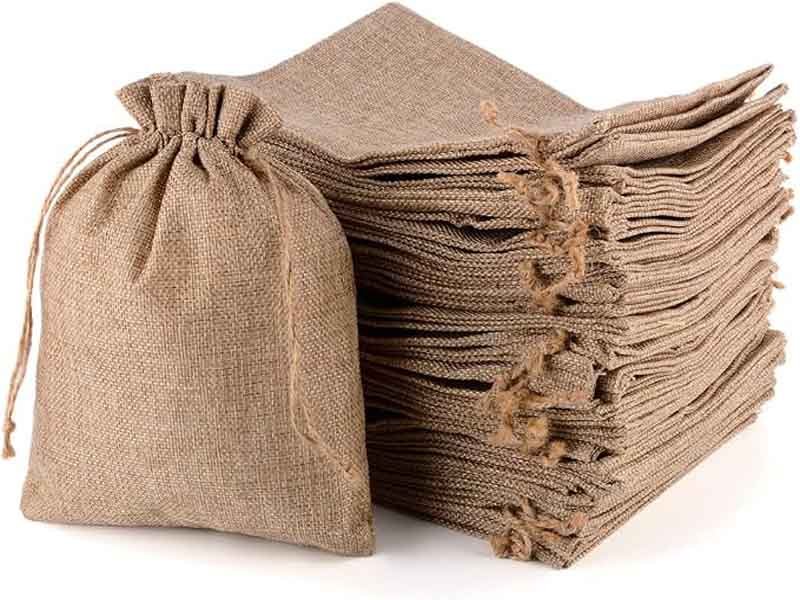
Can't find the answers?
No worries, please contact us and we will answer all the questions you have during the whole process of bag customization.
Make A Sample First?
If you have your own artwork, logo design files, or just an idea,please provide details about your project requirements, including preferred fabric, color, and customization options,we’re excited to assist you in bringing your bespoke bag designs to life through our sample production process.