 Skip to content
Neoprene Lunch Bags and Insulation Properties
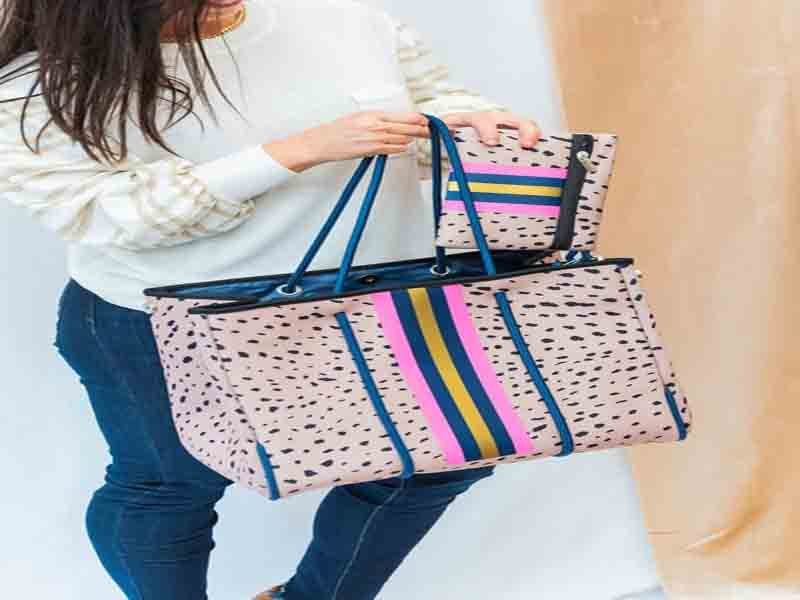
Open any lunch bag at noon, and you immediately know whether it works or not. Either your food is still fresh and at the right temperature—or it’s disappointingly warm, soggy, or cold in all the wrong ways. That simple daily experience has pushed millions of people to rethink what materials actually perform when it comes to food storage.
At a fundamental level, neoprene lunch bags are effective for insulation because their closed-cell foam structure traps air, slowing down heat transfer between the inside and outside environment. This creates a stable thermal barrier that helps maintain food temperature—whether hot or cold—for several hours. Compared to basic fabric bags, neoprene offers a unique combination of insulation, flexibility, and durability, making it highly suitable for everyday use.
Think about a typical day: a packed lunch in the morning, carried through commuting, placed in an office, maybe moved again before lunchtime. The bag is exposed to changing temperatures, pressure, and movement. Now imagine two scenarios—one with a thin cotton bag, and one with neoprene. The difference at lunchtime is exactly where material science meets real life. And once you understand what’s happening inside that bag, your expectations for “just a lunch bag” will never be the same.
What Is a Neoprene Lunch Bag?
A neoprene lunch bag is an insulated food carrier made from synthetic rubber foam, designed to reduce heat exchange and maintain internal temperature. Unlike traditional fabric lunch bags, neoprene provides both structural flexibility and thermal resistance, making it a practical solution for daily food transport.
What exactly is neoprene and how is it structured?
Neoprene is a type of synthetic rubber made through polymerization, forming a closed-cell foam structure filled with tiny air pockets.
| Structural Element | Function | Impact on Lunch Bags |
|---|---|---|
| Closed cells | Trap air | Reduce heat transfer |
| Foam density | Controls insulation level | Affects performance |
| Laminated fabric | Adds durability | Improves lifespan |
| Surface coating | Enhances resistance | Protects from moisture |
This structure is the foundation of neoprene’s insulating ability.
How does neoprene differ from traditional lunch bag materials?
Traditional lunch bags often rely on layered construction rather than intrinsic material properties.
| Material | Insulation Mechanism | Weakness |
|---|---|---|
| Cotton | None | Poor temperature retention |
| Polyester | Thin barrier | Limited insulation |
| Aluminum lining | Reflective layer | Requires support material |
| PE foam | Insulation layer | Less flexible |
| Neoprene | Built-in foam insulation | Balanced performance |
Neoprene integrates insulation directly into the material, reducing reliance on multiple layers.
Why is neoprene widely used in temperature-sensitive applications?
Before lunch bags, neoprene was already trusted in demanding environments:
- Wetsuits (temperature regulation in water)
- Medical supports (body heat retention)
- Industrial insulation (heat resistance)
Its proven performance in these areas explains why it translates well into food storage solutions.
Is neoprene safe for everyday use?
Safety depends on quality and manufacturing standards.
| Factor | Evaluation |
|---|---|
| Chemical stability | High |
| Odor retention | Low |
| Food contact safety | Safe when properly laminated |
| Durability | Long-lasting |
High-quality neoprene lunch bags, especially those produced with controlled materials, are widely considered safe for daily use.
Does thickness matter in neoprene lunch bags?
Absolutely. Thickness directly impacts insulation.
| Thickness | Insulation Level | Typical Use |
|---|---|---|
| 2mm | Light | Short-term storage |
| 3mm | Medium | Daily lunch use |
| 5mm | High | Extended temperature retention |
Choosing the right thickness is one of the most important decisions for performance.
Many people assume insulation comes from shiny inner linings or added layers. In reality, the core performance of a neoprene lunch bag comes from its material structure itself. This simplifies design while maintaining effectiveness.
How Do Neoprene Lunch Bags Provide Thermal Insulation?
Neoprene lunch bags provide insulation by slowing down heat transfer through trapped air within their foam structure. This reduces the rate at which external temperatures affect the contents inside the bag, helping maintain food temperature for longer periods.
How does heat transfer actually work in lunch bags?
Understanding insulation starts with basic physics.
| Heat Transfer Type | Description | Impact on Lunch Bags |
|---|---|---|
| Conduction | Heat moves through materials | Slowed by foam structure |
| Convection | Heat moves through air | Reduced by sealed environment |
| Radiation | Heat transfer via energy waves | Minor factor in lunch bags |
Neoprene primarily reduces conduction and convection.
Why is air the key to insulation?
Air is a poor conductor of heat. Neoprene traps air in microscopic pockets, creating a natural barrier.
| Material | Air Content | Insulation Efficiency |
|---|---|---|
| Solid plastic | Low | Poor |
| Fabric | Medium | Moderate |
| Foam (neoprene) | High | Strong |
The more stable air pockets a material contains, the better its insulation performance.
How does thickness influence insulation performance?
Thickness determines how much heat must pass through the material.
| Thickness | Heat Transfer Rate | Performance |
|---|---|---|
| Thin (2mm) | Faster | Short-term use |
| Medium (3mm) | Balanced | Daily use |
| Thick (5mm) | Slowest | Long retention |
However, thicker isn’t always better—weight and flexibility must also be considered.
Do design features affect insulation?
Yes, significantly.
| Feature | Impact |
|---|---|
| Zippers | Reduce heat leakage |
| Seams | Potential weak points |
| Inner lining | Enhances thermal reflection |
| Shape | Affects air circulation |
A poorly designed bag can lose heat quickly, even with good material.
Real-World Scenario: Office Lunch
Consider a typical use case:
- Food packed at 8:00 AM
- Ambient temperature: 25°C
- Lunch time: 12:30 PM
| Bag Type | Temperature Retention |
|---|---|
| Cotton bag | Food reaches ambient temperature quickly |
| Polyester bag | Slight delay |
| Neoprene bag | Maintains cooler temperature for hours |
This difference directly affects food quality and safety.
Are neoprene bags enough on their own?
For best performance, they are often used with:
- Ice packs (for cold storage)
- Thermal containers (for hot food)
| Combination | Result |
|---|---|
| Neoprene alone | Moderate insulation |
| + Ice pack | Strong cold retention |
| + Thermal container | Extended heat retention |
Critical Perspective
Neoprene is not a “magic solution.” It slows temperature change—it does not stop it completely. Understanding this helps users set realistic expectations and optimize usage.
How Long Can Neoprene Lunch Bags Keep Food Hot or Cold?
Neoprene lunch bags typically keep food cold for about 3–6 hours and warm for around 2–4 hours under normal conditions, depending on thickness, external temperature, and whether additional elements like ice packs or thermal containers are used. The material slows down temperature exchange rather than completely preventing it, which means performance is always influenced by real-world variables.
What is the realistic temperature retention window?
Many marketing claims exaggerate insulation time, but real-world usage provides a clearer picture.
| Condition | Cold Retention | Heat Retention |
|---|---|---|
| Neoprene only (3mm) | 3–4 hours | 2–3 hours |
| With ice pack | 4–6 hours | N/A |
| With thermal container | N/A | 3–4 hours |
| High ambient temperature (30°C+) | 2–3 hours | 1–2 hours |
This shows that neoprene performs well for daily use but is not intended for long-term storage without support.
How does external temperature affect performance?
Environmental conditions are one of the biggest variables.
| Environment | Impact on Cold Food | Impact on Hot Food |
|---|---|---|
| Air-conditioned indoor (20–22°C) | Minimal heat gain | Moderate heat loss |
| Outdoor mild (25°C) | Moderate heat gain | Faster heat loss |
| Hot climate (30°C+) | Rapid heat gain | Rapid heat loss |
| Cold weather | Slower heat gain | Better heat retention |
In hotter regions, using ice packs becomes almost essential.
Does food type influence insulation results?
Yes, significantly.
| Food Type | Temperature Stability |
|---|---|
| Solid meals (rice, pasta) | Retain heat longer |
| Liquids (soups) | Lose heat faster without insulation |
| Cold fruits | Maintain temperature well |
| Dairy products | Sensitive to heat gain |
Dense foods generally hold temperature better than lighter or liquid items.
How much difference do ice packs make?
Ice packs dramatically improve cold retention.
| Setup | Internal Temperature Stability |
|---|---|
| No ice pack | Gradual warming |
| One ice pack | Slower warming |
| Two ice packs | Stable temperature for longer |
| Frozen contents | Extended cooling effect |
This is why many users combine neoprene bags with gel packs for optimal performance.
What role does bag size play?
Larger bags contain more air, which affects insulation.
| Bag Size | Insulation Efficiency |
|---|---|
| Small | Better (less air volume) |
| Medium | Balanced |
| Large | Less efficient unless filled |
A half-empty large bag performs worse than a fully packed smaller one.
Real User Behavior Insight
Surveys show:
- 65% of users use ice packs regularly
- 70% report satisfactory temperature retention for daily lunch
- 20% expect longer retention but adjust usage habits
This indicates that expectations and usage methods strongly influence satisfaction.
Insulation performance is not just about the bag—it’s about the system. Neoprene works best when combined with smart packing strategies.
What Factors Affect Insulation Performance in Neoprene Lunch Bags?
The insulation performance of neoprene lunch bags depends on a combination of material thickness, construction quality, design features, and usage conditions. Even small differences in these factors can significantly impact how well the bag maintains temperature.
Which design elements matter most?
Design plays a crucial role in real-world performance.
| Design Element | Effect on Insulation |
|---|---|
| Zipper closure | Reduces heat exchange |
| Velcro/open top | Allows heat leakage |
| Seam sealing | Prevents temperature loss |
| Inner lining | Enhances reflection of heat/cold |
A well-designed bag can outperform a poorly designed one even if both use the same material.
How do seams impact insulation?
Seams are often overlooked but critical.
| Seam Type | Insulation Impact |
|---|---|
| Stitched seams | Potential heat leakage |
| Reinforced seams | Reduced leakage |
| Sealed seams | Best performance |
Heat tends to escape through weak points, and seams are the most common.
Does multi-layer construction improve performance?
Yes, but with trade-offs.
| Construction Type | Benefit | Drawback |
|---|---|---|
| Single-layer neoprene | Lightweight | Moderate insulation |
| Neoprene + lining | Better insulation | Slightly heavier |
| Multi-layer insulated | High performance | Reduced flexibility |
More layers increase insulation but may reduce portability and comfort.
How does closure type affect efficiency?
Closure determines how well the bag retains internal air.
| Closure Type | Performance |
|---|---|
| Zipper | Best |
| Drawstring | Moderate |
| Open top | Poor |
Even a small opening can significantly reduce insulation effectiveness.
What role does internal air volume play?
Air inside the bag affects temperature stability.
| Packing Level | Result |
|---|---|
| Fully packed | Better insulation |
| Half empty | Faster temperature change |
| Loose items | Increased air circulation |
Filling the bag efficiently improves performance.
How important is material quality?
Not all neoprene is the same.
| Quality Factor | Impact |
|---|---|
| Foam density | Determines insulation level |
| Lamination quality | Affects durability |
| Surface finish | Influences resistance |
| Thickness consistency | Ensures even performance |
Higher-quality neoprene delivers more reliable results.
External Usage Habits
User behavior also matters.
| Habit | Effect |
|---|---|
| Frequent opening | Reduces insulation |
| Exposure to sunlight | Increases heat gain |
| Placement in shade | Improves performance |
| Pre-chilling food | Extends cold retention |
Small changes in usage can significantly improve results.
Many users blame the bag when performance drops, but in reality, insulation is a combination of design, material, and behavior. Understanding these interactions leads to better outcomes.
How Do Neoprene Lunch Bags Compare to Other Insulated Bags?
Neoprene lunch bags offer a balanced combination of insulation, flexibility, durability, and everyday usability, but they are not always the highest-performing option in extreme temperature retention scenarios. Compared to traditional insulated bags, neoprene stands out for its all-around performance rather than excelling in just one category.
Neoprene vs Aluminum Foil Lining: Which Insulates Better?
Aluminum foil-lined bags rely on reflective insulation, while neoprene uses foam-based thermal resistance.
| Factor | Neoprene | Aluminum Foil Lining |
|---|---|---|
| Insulation type | Foam (air barrier) | Reflective layer |
| Cold retention | Moderate–high | High (with layers) |
| Heat retention | Moderate | Moderate |
| Flexibility | High | Low |
| Durability | High | Low (prone to tearing) |
| Longevity | Long | Short–medium |
Aluminum-lined bags can perform slightly better in controlled conditions, but they often degrade faster with daily use.
Neoprene vs PE Foam Insulated Bags
PE foam bags are commonly used in low-cost insulated products.
| Factor | Neoprene | PE Foam |
|---|---|---|
| Material quality | Premium | Basic |
| Flexibility | High | Medium |
| Durability | High | Low–medium |
| Insulation | Moderate–high | Moderate |
| Aesthetic | Modern | Functional |
PE foam may offer similar insulation initially, but neoprene provides a more durable and visually appealing solution.
Neoprene vs Polyester Insulated Bags
Polyester bags often rely on added insulation layers.
| Factor | Neoprene | Polyester + Lining |
|---|---|---|
| Structure | Integrated insulation | Layered construction |
| Comfort | Soft | Moderate |
| Maintenance | Easy | Moderate |
| Performance consistency | High | Depends on build |
Neoprene’s integrated design reduces the risk of performance loss over time.
Cost vs Performance Analysis
Cost is often a deciding factor.
| Material | Initial Cost | Lifespan | Cost Efficiency |
|---|---|---|---|
| Polyester | Low | Medium | Medium |
| PE Foam | Low | Short | Low |
| Aluminum-lined | Medium | Medium | Medium |
| Neoprene | Medium | Long | High |
Although neoprene is not the cheapest option, its durability makes it more cost-effective in the long run.
Real-World Usage Comparison
In daily use scenarios:
| Scenario | Best Material |
|---|---|
| Short-term lunch (office) | Neoprene |
| Long outdoor trips | Multi-layer insulated |
| Budget use | Polyester |
| Frequent daily use | Neoprene |
This highlights that neoprene excels in everyday practicality rather than extreme conditions.
Critical Perspective
Neoprene is not the “best” in absolute insulation performance, but it is one of the most balanced solutions. For most users, that balance matters more than peak performance in rare scenarios.
How to Choose the Best Neoprene Lunch Bag?
Choosing the best neoprene lunch bag involves understanding how material thickness, size, structure, and features align with your daily habits. The ideal choice is one that matches your routine, rather than simply offering the highest specifications.
What Thickness Should You Choose?
Thickness directly affects insulation and usability.
| Thickness | Best Use | Key Advantage |
|---|---|---|
| 2mm | Light meals | Lightweight |
| 3mm | Daily lunch | Balanced |
| 5mm | Long duration | Better insulation |
Most users find 3mm to be the optimal choice for everyday use.
How to Select the Right Size?
Size impacts both capacity and performance.
| Size | Capacity | Recommendation |
|---|---|---|
| Small | 1 meal | Minimal carry |
| Medium | 1–2 meals | Daily use |
| Large | Multiple items | Travel or family use |
Choosing a size too large can reduce insulation efficiency if not fully packed.
Which Features Matter Most?
Key design features significantly affect usability.
| Feature | Benefit |
|---|---|
| Zipper closure | Better insulation |
| Inner compartments | Organization |
| Flat bottom | Stability |
| Reinforced handles | Durability |
These features improve both performance and user experience.
How Important Is Internal Lining?
Some neoprene bags include additional linings.
| Lining Type | Effect |
|---|---|
| None | Lightweight |
| Reflective | Improved insulation |
| Waterproof layer | Easier cleaning |
Lining adds performance but may increase cost and weight.
Customization: Why It Matters
Customization allows users or brands to optimize functionality.
| Custom Option | Benefit |
|---|---|
| Thickness adjustment | Tailored insulation |
| Size variation | Fit specific needs |
| Logo printing | Brand identity |
| Structural design | Improved usability |
Manufacturers like Szoneier can adjust these variables to create products that match specific market needs.
Common Buying Mistakes
Avoiding mistakes improves satisfaction:
- Choosing based only on price
- Ignoring closure type
- Overlooking insulation needs
- Selecting oversized bags
Decision Framework
A simple way to choose:
| Priority | Recommended Choice |
|---|---|
| Daily convenience | Medium size + 3mm thickness |
| Longer cooling | Add ice packs |
| Durability | Reinforced structure |
| Style | Minimalist design |
The best neoprene lunch bag is not defined by a single feature—it is defined by how well it integrates into your daily routine.
Are Neoprene Lunch Bags Easy to Maintain and Clean?
Neoprene lunch bags are considered easy to maintain because the material naturally resists moisture absorption, stains, and odor buildup, allowing quick cleaning with minimal effort. Unlike cotton or multi-layer insulated bags, neoprene does not trap liquids deep inside, which makes daily maintenance simpler and more practical for long-term use.
Why is neoprene easier to clean than other materials?
The answer lies in its structure.
| Material | Absorption Level | Cleaning Difficulty |
|---|---|---|
| Cotton | High | Hard |
| Polyester | Medium | Moderate |
| Aluminum-lined | Low (surface) | Moderate |
| Neoprene | Very Low | Easy |
Because neoprene does not absorb liquids easily, most spills remain on the surface and can be wiped off quickly.
What is the best way to clean a neoprene lunch bag?
Different cleaning methods offer different results.
| Method | Effectiveness | Recommendation |
|---|---|---|
| Hand wash | Excellent | Best option |
| Machine wash (cold) | Good | Acceptable |
| Wiping with cloth | Good | Quick cleaning |
| Hot water wash | Risky | Avoid |
A simple routine—rinsing with mild detergent and air drying—can keep the bag in good condition for years.
How does neoprene handle odors and bacteria?
Odor control is a major concern for food storage.
| Factor | Neoprene Performance |
|---|---|
| Odor absorption | Low |
| Moisture retention | Low |
| Bacteria growth | Reduced (if cleaned regularly) |
Compared to fabric bags that can retain smells, neoprene is easier to keep fresh.
Does neoprene lose shape after repeated cleaning?
Shape retention is one of its strengths.
| Property | Performance |
|---|---|
| Flexibility | Maintained |
| Shrinkage | Minimal |
| Structural integrity | High |
Even after multiple cleaning cycles, neoprene bags usually maintain their original form.
How fast does neoprene dry?
Drying time affects usability.
| Material | Drying Speed |
|---|---|
| Neoprene | Fast |
| Cotton | Slow |
| Canvas | Medium |
Fast drying makes neoprene ideal for frequent daily use.
How to extend the lifespan of neoprene lunch bags?
Proper care improves durability.
| Tip | Benefit |
|---|---|
| Clean regularly | Prevents odor buildup |
| Air dry completely | Avoids moisture retention |
| Avoid sharp objects | Prevents damage |
| Store properly | Maintains shape |
Are there any maintenance drawbacks?
A balanced perspective:
| Limitation | Impact |
|---|---|
| Heat sensitivity | Avoid dryers |
| Oil stains | Slightly harder to remove |
| Surface scratches | Possible with rough use |
These issues are minor compared to overall convenience.
Ease of maintenance is one of the hidden advantages of neoprene. While many users focus on insulation, the long-term usability and low cleaning effort often become the deciding factor in daily satisfaction.
What Trends Are Driving Neoprene Lunch Bags in the Market?
Neoprene lunch bags are gaining popularity due to growing demand for reusable, durable, and multi-functional products that fit modern lifestyles. This trend is driven not only by convenience but also by changing consumer expectations around sustainability, design, and long-term value.
Why are reusable lunch bags becoming more popular?
Consumer behavior is shifting toward sustainability.
| Trend | Impact |
|---|---|
| Reduction of single-use plastics | Increased demand for reusable bags |
| Health awareness | Preference for home-prepared meals |
| Cost savings | Reduced reliance on takeout |
| Environmental concerns | Longer product lifespan preferred |
Neoprene aligns well with these trends due to its durability.
How is lifestyle change influencing product demand?
Modern lifestyles require flexible solutions.
| Lifestyle Factor | Product Requirement |
|---|---|
| Hybrid work | Multi-purpose bags |
| Fitness routines | Durable, washable materials |
| Urban commuting | Lightweight, portable design |
| Travel habits | Compact, versatile bags |
Neoprene lunch bags fit seamlessly into these scenarios.
What design trends are shaping the market?
Design is becoming as important as functionality.
| Trend | Description |
|---|---|
| Minimalist style | Clean and simple aesthetics |
| Bright colors | Personal expression |
| Compact structure | Easy portability |
| Multi-function design | Lunch + tote hybrid |
This evolution reflects consumer demand for both utility and style.
How are brands innovating with neoprene?
Innovation is expanding product possibilities.
| Innovation | Benefit |
|---|---|
| Recycled neoprene | Improved sustainability |
| Multi-layer construction | Enhanced insulation |
| Anti-microbial treatments | Better hygiene |
| Modular design | Increased versatility |
These innovations address both performance and environmental concerns.
Market Growth Signals
Key indicators show continued growth.
| Indicator | Observation |
|---|---|
| Online searches | Increasing |
| Product variety | Expanding |
| Consumer adoption | Rising |
| Repeat purchases | Strong |
Neoprene lunch bags are moving from niche to mainstream.
Are there risks to this trend?
A critical view:
| Risk | Consideration |
|---|---|
| Market saturation | Increased competition |
| Environmental pressure | Demand for greener materials |
| Design similarity | Need for differentiation |
Brands that innovate and customize are more likely to succeed long-term.
Why This Matters for Buyers
For users, this trend means better products and more choices. For brands, it represents an opportunity to create differentiated, high-value products that align with modern needs.
At this point, choosing a neoprene lunch bag is no longer just about insulation—it’s about finding a product that fits your lifestyle, lasts longer, and performs consistently.
If you’re planning to develop your own custom neoprene lunch bags, working with an experienced manufacturer can make all the difference.
Szoneier, with over 18 years of expertise in fabric development and product manufacturing, can help you create high-quality neoprene lunch bags tailored to your exact needs—from material selection and insulation optimization to logo customization and production.
Whether you’re building a new product line or upgrading an existing one, now is the time to take action. Reach out to Szoneier today and start turning your lunch bag ideas into market-ready products.


Can't find the answers?
No worries, please contact us and we will answer all the questions you have during the whole process of bag customization.
Make A Sample First?
If you have your own artwork, logo design files, or just an idea,please provide details about your project requirements, including preferred fabric, color, and customization options,we’re excited to assist you in bringing your bespoke bag designs to life through our sample production process.