Skip to content
A cotton bag looks simple until a brand actually tries to manufacture one. Then the questions arrive fast. Should the bag be made from cotton canvas, muslin, calico, cotton twill, duck canvas, organic cotton, recycled cotton, or blended cotton? Should it be a tote, pouch, dust bag, gift bag, zipper bag, shopping bag, laundry bag, or heavy canvas utility bag? Should the logo be printed, embroidered, woven into a label, added as a patch, or placed on custom packaging? A cotton bags manufacturer does not only produce one basic reusable tote. A professional manufacturer produces a full family of cotton-based fabric bags designed for retail, packaging, promotion, apparel, cosmetics, gifts, travel, storage, events, and private label product lines.
A cotton bags manufacturer produces reusable cotton tote bags, canvas bags, drawstring bags, muslin pouches, calico shopping bags, cotton dust bags, gift packaging bags, shoe bags, garment bags, laundry bags, zipper pouches, wine bags, cosmetic bags, promotional bags, and custom private label bags. The manufacturer also provides fabric selection, logo printing, embroidery, dyeing, washing, coating, handle customization, label sewing, packaging design, sampling, quality inspection, and bulk production. The best manufacturer helps buyers match each cotton bag type to its real use, target customer, price level, and brand image.
This topic matters because cotton bags have moved far beyond “eco bag” status. They are now retail products, packaging tools, event merchandise, lifestyle accessories, cosmetic packaging, shoe protection bags, luxury dust bags, and everyday shopping companions. In recent market discussions, cotton totes have even been described as fashion and lifestyle objects, not only alternatives to plastic bags. At the same time, serious buyers are becoming more critical: a cotton bag only creates real value when it is durable, practical, well-made, and reused often. That means the manufacturer’s job is no longer just cutting fabric and sewing handles. The real job is turning cotton fabric into a product people actually want to keep.
For Szoneier, this is where more than 18 years of fabric research, material customization, finished product manufacturing, and export service become useful. Cotton bags can be made from different cotton fabrics, combined with canvas, polyester, nylon, neoprene, jute, linen, Oxford fabric, coated materials, and custom trims. A good manufacturer must understand both fabric performance and finished bag construction. A beautiful cotton pouch that tears easily is not good manufacturing. A strong canvas bag with poor logo printing is not good branding. The right product sits in the middle: useful, attractive, durable, cost-appropriate, and aligned with the customer’s market.
What Does a Cotton Bags Manufacturer Make?
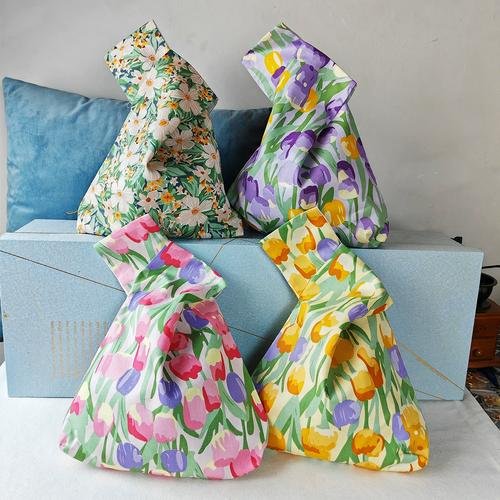
A cotton bags manufacturer makes a wide range of reusable, protective, packaging, retail, and promotional fabric bags using cotton and cotton-related materials such as canvas, muslin, calico, twill, drill, denim, duck canvas, organic cotton, recycled cotton, and cotton blends. Common products include tote bags, shopping bags, drawstring bags, dust bags, gift bags, zipper pouches, cosmetic bags, shoe bags, garment bags, laundry bags, wine bags, storage bags, backpacks, and custom private label bags. A professional manufacturer also supports logo customization, fabric weight selection, handle design, color matching, labels, packaging, sampling, quality control, and export-ready production.
The first mistake many buyers make is thinking a cotton bag factory only makes tote bags. Tote bags are important, yes, but they are only one part of the category. Cotton is flexible enough to become soft jewelry pouches, breathable shoe dust bags, heavy-duty canvas utility bags, natural gift packaging, fashion pouches, retail shopping bags, event merchandise, and branded reusable bags. The difference comes from fabric type, GSM, weave, finishing, structure, and decoration method.
Cotton bag manufacturers serve many customer types. A cosmetics brand may need small drawstring pouches. A shoe company may need breathable dust bags. A bookstore may need canvas totes. A fashion label may need washed cotton bags with woven labels. A hotel may need cotton laundry bags. A supermarket may need reusable shopping bags. A gift company may need cotton packaging bags. A wellness brand may need organic cotton pouches. A private label seller may need a full product line with custom logo, hangtag, barcode, and retail packaging.
Cotton Bag Product Range
Cotton bag production starts with one broad idea: fabric is shaped into storage, carrying, or packaging products. But the finished products can be very different. A muslin jewelry pouch may weigh only a few grams and focus on softness. A heavy canvas tool bag may require reinforced stitching, thick handles, and higher load capacity. A retail tote may focus on print clarity and daily reuse. A dust bag may focus on breathable protection and premium presentation.
| Product type | Common fabric | Main use | Key buyer concern | Custom option |
|---|---|---|---|---|
| Cotton tote bag | Cotton canvas, calico, twill | Shopping, books, events, retail | Strength, print clarity, handle comfort | Logo print, embroidery, labels |
| Canvas bag | Cotton canvas, duck canvas | Heavy reusable bags, utility bags | Durability and structure | Reinforced stitching, custom handles |
| Drawstring bag | Muslin, calico, cotton canvas | Gifts, cosmetics, shoes, packaging | Closure function and softness | Cotton rope, ribbon, logo print |
| Muslin pouch | Muslin cotton | Jewelry, skincare, candles, gifts | Soft touch and natural look | Small logo, drawcord, hangtag |
| Dust bag | Cotton, muslin, brushed cotton | Shoes, handbags, leather goods | Protection and breathability | Size, color, logo, drawstring |
| Cotton zipper pouch | Canvas, twill, denim | Cosmetics, stationery, travel | Zipper quality and lining | Print, embroidery, custom zipper pull |
| Cotton shopping bag | Canvas, calico, cotton blend | Reusable retail shopping | Load capacity and cost | Gusset, handles, custom print |
| Cotton gift bag | Muslin, calico, poplin | Gift packaging and promotions | Presentation and price | Ribbon, tag, printed logo |
| Cotton shoe bag | Muslin, calico, canvas | Footwear storage and travel | Breathability and size | Drawstring, divider, brand logo |
| Cotton laundry bag | Canvas, calico, cotton mesh | Home, hotel, travel laundry | Size and seam strength | Large print, rope closure |
| Cotton wine bag | Canvas, duck, cotton-linen blend | Bottle packaging and gifts | Bottom strength and shape | Divider, handle, print |
| Cotton garment bag | Canvas, calico, cotton blend | Apparel and suit protection | Breathability and size | Zipper, window, logo |
| Cotton backpack | Canvas, denim, twill | Casual bags and school use | Structure and straps | Pockets, lining, logo |
| Cotton storage bag | Canvas, calico, cotton blend | Home organization | Capacity and durability | Drawstring, handles, labels |
This range shows why the phrase “cotton bag” is too general for serious manufacturing. Buyers should define the exact product type before asking for a quote. A cotton dust bag, cotton tote bag, and cotton zipper pouch may all use cotton fabric, but the pattern, sewing, lining, closure, and cost logic are different.
Cotton Bags Are Not Only Tote Bags
Tote bags receive the most attention because they are visible, easy to brand, and widely used for retail and promotion. But many cotton bag manufacturers produce far more than tote bags. Supplier listings often include muslin drawstring pouches, calico shoppers, cotton twill totes, cotton drill bags, canvas bags, denim bags, cotton dust bags, garment covers, and gift packaging for luxury, jewelry, cosmetics, and online retail markets.
The reason is simple: cotton works well for both carrying and packaging. A tote carries items in public. A dust bag protects a product after purchase. A drawstring pouch improves the unboxing experience. A zipper pouch becomes a reusable accessory. A garment bag protects clothing. A wine bag turns a bottle into a gift. A laundry bag solves home and travel organization. These are all different customer moments, and cotton can fit many of them.
| Buyer goal | Better cotton bag type | Why |
|---|---|---|
| Carry books or groceries | Cotton canvas tote | Stronger structure and reusable value |
| Package jewelry | Muslin drawstring pouch | Soft, light, and elegant |
| Protect shoes | Cotton dust bag or shoe bag | Breathable and easy to brand |
| Create gift packaging | Cotton gift bag | Reusable and warm-looking |
| Sell travel accessories | Cotton zipper pouch | Functional and repeat-use friendly |
| Promote an event | Calico or canvas tote | Visible logo and practical use |
| Package cosmetics | Muslin pouch or cotton drawstring bag | Natural texture and better unboxing |
| Organize laundry | Large cotton laundry bag | Breathable and washable |
| Build a retail collection | Canvas tote, pouch, backpack | Product-line expansion potential |
For brands, this matters because one manufacturer can often support several product lines. A beauty brand may start with cotton drawstring pouches and later add cosmetic zipper bags. A bookstore may start with tote bags and later add pencil pouches. A footwear brand may start with dust bags and later add travel shoe bags. A wellness brand may start with muslin gift bags and later develop organic cotton shopping bags.
How Cotton Bags Serve Different Markets
Cotton bags are used across many markets because they combine practical storage with brand communication. A plastic bag often disappears after one use. A good cotton bag can stay in a customer’s daily life. That makes it useful for both function and memory.
| Market | Common cotton bag product | Main value |
|---|---|---|
| Retail stores | Tote bags, shopping bags | Reusable customer carry bag |
| Cosmetics | Muslin pouches, drawstring bags | Natural packaging and gift feeling |
| Jewelry | Small cotton pouches | Soft protection and premium unboxing |
| Footwear | Cotton dust bags, shoe bags | Breathable product protection |
| Apparel | Garment bags, tote bags | Packaging and brand extension |
| Hotels and spas | Laundry bags, amenity pouches | Guest convenience and reusable packaging |
| Events | Printed cotton totes | Practical brand exposure |
| Grocery and food retail | Reusable shopping bags | Durable alternative to disposable bags |
| E-commerce | Cotton packaging bags | Unboxing value and customer retention |
| Gift companies | Cotton gift bags, wine bags | Reusable gift presentation |
| Schools and museums | Book bags, tote bags | Merchandise and daily use |
| Fitness and wellness | Drawstring bags, totes | Natural lifestyle accessory |
This wide use explains why cotton bags remain attractive even as material choices expand. Cotton is not always the most technical fabric, but it feels familiar, natural, printable, and approachable. Buyers often choose cotton when they want a product to feel warm, simple, reusable, and brand-friendly without becoming too industrial.
What Products Can Be Customized?
Almost every part of a cotton bag can be customized: fabric, size, weight, color, shape, handle, drawstring, zipper, lining, pocket, logo, label, finish, packaging, and carton marking. A professional manufacturer should help buyers understand which custom options are necessary and which ones add cost without much value.
Customization usually begins with fabric choice. Cotton canvas gives strength. Muslin gives softness. Calico gives a natural raw look. Twill gives a smoother lifestyle feeling. Duck canvas gives heavy-duty structure. Denim gives fashion identity. Organic cotton or recycled cotton supports sustainability positioning. Blended cotton can improve stability, shrinkage control, or cost.
| Custom area | Common options | Why it matters |
|---|---|---|
| Fabric | Canvas, muslin, calico, twill, duck, denim | Determines strength, look, and cost |
| Weight | Light, medium, heavy GSM or oz | Controls durability and hand feel |
| Color | Natural, dyed, Pantone matched | Supports brand identity |
| Size | Small pouch to large tote | Must fit product or use scenario |
| Shape | Flat, gusseted, boxed, zipper, drawstring | Affects function and appearance |
| Handle | Cotton webbing, self-fabric, rope, short, long | Controls comfort and style |
| Closure | Open top, drawstring, zipper, snap, flap | Controls use and security |
| Logo | Print, embroidery, label, patch | Creates brand recognition |
| Finish | Washed, dyed, coated, softened, waxed | Changes performance and feeling |
| Packaging | Bulk, polybag, paper sleeve, box, hangtag | Supports retail or shipment needs |
| Labeling | Woven label, care label, barcode | Supports private label selling |
| Quality level | Standard, premium, heavy-duty | Matches price positioning |
Szoneier can support this type of custom development because the company is not limited to one fabric type. Cotton bag projects may combine cotton with canvas, polyester, nylon, neoprene, jute, linen, Oxford fabric, coated linings, webbing, hardware, and custom packaging depending on the product. That broader material background is useful when a buyer wants a cotton look but needs stronger function.
How Manufacturers Serve Brands
A cotton bags manufacturer serves brands by turning market ideas into manufacturable products. The process usually includes understanding the buyer’s use case, recommending fabric, confirming size, creating samples, testing logo methods, adjusting details, producing bulk goods, inspecting quality, and preparing packaging for shipment.
For small and medium buyers, the most important support may be low MOQ, fast sampling, and design guidance. For established brands, the main concerns may be repeat production consistency, quality control, packaging accuracy, and delivery reliability. For high-end projects, fabric hand feel, logo detail, sewing finish, and brand presentation become more important.
| Buyer stage | Manufacturer support | Result |
|---|---|---|
| Idea stage | Suggest bag type, fabric, structure | Converts vague idea into product direction |
| Design stage | Create pattern, mockup, or sample plan | Makes concept manufacturable |
| Sampling stage | Produce sample and revise details | Tests real appearance and function |
| Branding stage | Apply logo, labels, hangtags | Builds brand identity |
| Bulk stage | Cut, sew, inspect, package | Produces consistent order |
| Quality stage | Check fabric, stitching, logo, size | Reduces defects and complaints |
| Shipping stage | Pack cartons and export goods | Supports overseas delivery |
| Repeat order stage | Improve cost and consistency | Builds long-term supply stability |
A good manufacturer also asks questions. What will the bag carry? How many times should it be reused? Is the bag for packaging or daily carrying? Does it need to look natural, premium, rustic, colorful, or heavy-duty? Will the user wash it? How will the logo be applied? These questions are not delays; they are the beginning of better product development.
A Cotton Bags Manufacturer Produces Use Cases, Not Just Bags
The deeper way to understand cotton bag manufacturing is to think in use cases. A tote is not just a tote. It may be a bookstore tote, grocery tote, fashion tote, conference tote, museum tote, or premium lifestyle tote. Each version has different fabric, handle, size, and branding needs.
| Use case | Bag product | Fabric direction | Key manufacturing focus |
|---|---|---|---|
| Bookstore purchase | Canvas tote | Medium cotton canvas | Handle strength and print clarity |
| Jewelry packaging | Muslin pouch | Light muslin cotton | Soft hand feel and neat closure |
| Shoe protection | Dust bag | Muslin, calico, fine cotton | Breathability and size accuracy |
| Grocery shopping | Reusable shopping bag | Medium-heavy canvas | Load capacity and reinforced handles |
| Premium retail gift | Cotton gift bag | Dyed cotton, muslin, canvas | Presentation and logo detail |
| Hotel laundry | Cotton laundry bag | Calico, canvas, cotton mesh | Large capacity and seam strength |
| Wine gift | Bottle bag | Heavy canvas or cotton-linen | Bottom strength and bottle fit |
| Cosmetics unboxing | Drawstring pouch | Muslin, fine cotton, calico | Clean printing and soft texture |
| Fashion merchandise | Washed canvas tote | Washed canvas, denim, twill | Hand feel, color, label details |
| Utility use | Heavy canvas bag | Duck canvas | Reinforced stitching and abrasion resistance |
This is exactly why product development should not begin with “I need cotton bags.” It should begin with “I need cotton bags for this customer, this product, this price level, and this use scenario.” That gives the manufacturer enough context to choose the correct structure.
Cotton Bag Value Depends on Real Reuse
Cotton bags are often associated with sustainability, but the value depends on durability and reuse. A poorly made cotton bag that is discarded quickly does not create much environmental or brand value. A well-made bag that customers reuse for shopping, travel, storage, books, or daily carry has stronger long-term value. Recent public discussion around “forever totes” has pointed out both sides: durable cotton totes can become loved everyday items, but low-quality or overproduced cotton totes can become another form of waste.
| Cotton bag quality | Customer behavior | Brand result |
|---|---|---|
| Thin, weak, poorly sewn | Used once or twice, then forgotten | Low brand memory |
| Good fabric but poor logo | Bag works but brand looks cheap | Weak visual value |
| Strong fabric and comfortable handles | Reused often | Stronger brand exposure |
| Soft packaging pouch | Kept for storage | Better unboxing and repeat use |
| Premium canvas tote | Treated like a lifestyle item | Higher perceived value |
| Wrong fabric for use case | Product fails or feels awkward | Customer dissatisfaction |
| Durable and well-sized | Becomes part of daily routine | Long-term brand visibility |
For Szoneier clients, this means the goal should be “useful cotton bags,” not just “cotton bags.” Useful products are remembered. Useful products are kept. Useful products make the brand feel more reliable.
Which Cotton Tote Bags Are Produced?
Cotton tote bags are one of the most common products made by cotton bag manufacturers. They include flat cotton totes, gusseted tote bags, canvas shopping totes, book totes, grocery totes, fashion totes, promotional totes, premium heavy canvas totes, cotton shoulder bags, and private label retail totes. A cotton tote bag is usually made from calico, cotton canvas, cotton twill, duck canvas, denim, organic cotton, recycled cotton, or cotton blends. The best tote design depends on load capacity, fabric weight, handle length, printing method, target price, and how often the customer will reuse the bag.
Cotton tote bags are popular because they are simple, visible, practical, and easy to customize. A tote bag can carry groceries, books, clothing, cosmetics, event materials, samples, gifts, or daily items. It also gives brands a large printable surface. That combination makes tote bags one of the most versatile cotton bag products for retail stores, bookstores, museums, fashion brands, schools, corporate events, grocery brands, and online sellers.
But not all tote bags are the same. A cheap event tote may only need lightweight calico and a one-color print. A premium retail tote may need heavy canvas, inner pocket, strong webbing handles, custom label, and hangtag. A grocery tote may need gusseted bottom and reinforced stitching. A fashion tote may need washed cotton, denim, embroidery, or private label packaging. The product name is simple; the manufacturing details decide the quality.
Cotton Tote Bag Types
Cotton tote bags can be produced in many shapes and levels. The most common types are flat totes, gusseted totes, boxed-bottom totes, long-handle shoulder totes, short-handle hand-carry totes, heavy canvas totes, and lined premium totes. Each type serves a different purpose.
| Tote type | Best use | Fabric direction | Key feature |
|---|---|---|---|
| Flat tote | Events, documents, light shopping | Light calico, canvas | Simple and cost-effective |
| Gusseted tote | Retail, groceries, books | Medium canvas | More carrying volume |
| Boxed-bottom tote | Premium retail, lifestyle use | Medium-heavy canvas | Better standing shape |
| Long-handle tote | Daily shoulder carry | Canvas, twill, calico | Comfortable for commuting |
| Short-handle tote | Gift or small retail bag | Canvas, cotton blend | Neat hand-carry style |
| Heavy canvas tote | Premium, grocery, utility | Heavy canvas, duck | Stronger and more structured |
| Lined tote | Fashion, premium retail | Canvas, twill, denim | Cleaner interior and higher value |
| Foldable cotton tote | Shopping, travel | Light cotton, calico | Easy storage |
| Fashion tote | Retail merchandise | Washed canvas, denim, twill | Style and brand identity |
| Private label tote | Retail product line | Custom fabric and trims | Full brand customization |
Flat totes are economical and popular for events or promotional use. Gusseted totes are better for retail and shopping because they hold more volume. Heavy canvas totes feel more premium and can carry heavier items. Lined totes cost more but look more finished. Foldable totes are useful for daily shopping and travel.
Popular Tote Sizes
Tote size should match what the user will carry. A tote for jewelry packaging can be small. A bookstore tote must fit books. A grocery tote needs depth and stronger handles. A fashion tote may need a larger size for daily carry. A wine or gift tote may need special dimensions.
| Tote size direction | Approximate use | Best for | Design note |
|---|---|---|---|
| Small tote | 20–30 cm height | Gifts, cosmetics, lunch items | Short handles often work well |
| Standard tote | 35–42 cm height | Books, retail, daily carry | Most common reusable tote format |
| Large tote | 45 cm+ height | Shopping, beach, travel | Needs stronger handles |
| Wide tote | Larger width | Apparel and retail packaging | Good for folded clothing |
| Tall tote | More height than width | Bottles, posters, specialty products | Needs balanced handle placement |
| Gusseted tote | Added bottom/side depth | Groceries, boxed goods | Improves volume |
| Custom product-fit tote | Made to exact product size | Gift sets, packaging, brand kits | Requires accurate measurements |
For Szoneier projects, buyers can provide the product that the tote will carry. This makes size planning more accurate. A tote designed for two books should not use the same structure as a tote designed for groceries or clothing. Real object testing is always better than guessing from a photo.
Tote Bag Fabric Weight
Fabric weight is one of the most important tote bag decisions. Lightweight cotton is cheaper and easier to fold, but it may feel weak. Medium canvas is often the best balance for reusable bags. Heavy canvas or duck canvas gives better structure and premium feel but costs more and increases shipping weight.
| Fabric weight direction | Common use | Customer feeling | Manufacturing note |
|---|---|---|---|
| Lightweight cotton | Event totes, giveaways | Simple and economical | Limited load strength |
| Light canvas | Promotional totes, light shopping | Practical and foldable | Good for cost control |
| Medium canvas | Retail totes, book bags | Durable and reusable | Strong balance for many buyers |
| Medium-heavy canvas | Grocery totes, premium totes | Strong and substantial | Handles need reinforcement |
| Heavy canvas | Luxury totes, utility bags | Premium and structured | Higher cost and sewing demand |
| Duck canvas | Heavy-duty totes | Tough and reliable | Best for strong reusable bags |
| Washed canvas | Fashion totes | Soft and lifestyle-oriented | Shrinkage and color must be controlled |
| Cotton twill | Apparel-style totes | Smooth and refined | Less rigid than canvas |
The best tote bag is not always the heaviest one. A lightweight tote may be perfect for a conference. A medium canvas tote may be ideal for a bookstore. A heavy duck canvas tote may be better for a grocery brand. A washed twill tote may fit a fashion label. Fabric weight should follow the real use case.
Tote Bag Handle Options
Handles decide comfort and durability. A tote bag with weak handles becomes useless quickly. Handle length, width, material, stitching, and reinforcement should all match the expected load. Cotton webbing handles are common because they are strong and comfortable. Self-fabric handles look clean but need reinforcement. Rope handles can work for gift-style totes but may not suit heavy shopping.
| Handle type | Best use | Advantage | Risk |
|---|---|---|---|
| Cotton webbing handle | Daily totes, shopping bags | Strong and comfortable | Color matching needed |
| Self-fabric handle | Fashion and retail totes | Clean appearance | May need extra reinforcement |
| Long shoulder handle | Daily carry | Easy to wear on shoulder | Must be comfortable under load |
| Short hand handle | Gift and boutique bags | Neat and compact | Less convenient for daily carry |
| Rope handle | Gift and beach-style totes | Decorative and casual | Attachment must be strong |
| Reinforced handle | Grocery and book totes | Better load support | Adds sewing time |
| Padded handle | Heavy canvas totes | More comfortable | Higher cost |
A good manufacturer should not treat handles as an afterthought. Many tote failures happen at the handle attachment point. Cross stitching, bartacks, reinforced panels, and proper seam allowance can greatly improve tote durability.
Tote Bag Logo Customization
Cotton tote bags are popular because they provide a large branding area. Logos can be applied by screen printing, digital printing, embroidery, heat transfer, woven labels, leather patches, rubber patches, or hangtags. The best method depends on artwork, fabric surface, quantity, and brand style.
| Logo method | Best tote fabric | Best for | Watch point |
|---|---|---|---|
| Screen printing | Canvas, calico, muslin | Bold logos and simple graphics | Fine detail may blur on rough canvas |
| Digital printing | Smooth cotton, prepared canvas | Full-color artwork | Higher cost and fabric preparation |
| Embroidery | Canvas, twill, denim | Premium texture | Thin fabric may pucker |
| Heat transfer | Smooth canvas or twill | Sharp color graphics | Needs durability testing |
| Woven label | All tote fabrics | Subtle private label branding | Less visible than print |
| Leather patch | Canvas, duck, denim | Premium heritage look | Not ideal for all washing |
| Rubber patch | Sports or casual totes | Modern and durable | Mold cost may apply |
For brands, tote bag logo design should consider real use. A logo printed too low may disappear when the bag is carried. A print too close to seams may distort. A very small logo may look elegant but reduce visibility. A very large logo may feel too promotional. The best placement balances brand recognition and product style.
Cotton Tote Bags Are Products, Not Just Giveaways
Many brands still think of cotton tote bags as cheap giveaways. That view is outdated. A well-made tote can be a retail product, a loyalty gift, a reusable shopping bag, a fashion accessory, or a brand community symbol. The difference is quality and design.
| Tote purpose | Low-value version | High-value version |
|---|---|---|
| Event giveaway | Thin fabric, basic print | Better fabric, useful size, clean logo |
| Retail packaging | Weak bag used once | Reusable tote customers keep |
| Bookstore merchandise | Basic flat tote | Durable book tote with strong handles |
| Grocery replacement | Thin cotton shopper | Gusseted canvas bag with reinforced bottom |
| Fashion accessory | Plain unstructured bag | Washed canvas tote with label and inner pocket |
| Brand gift | Random logo bag | Thoughtfully designed reusable item |
| Online product add-on | Cheap packaging bag | Useful tote that supports repeat brand exposure |
This shift matters for Szoneier clients. If the tote is meant to be reused, it deserves better fabric, better handles, better stitching, and better logo placement. If it is meant to be sold, it needs retail-level finishing, packaging, and quality consistency. If it is meant for promotion, it should still be useful enough that people actually carry it.
A Tote Bag Must Match the Brand Promise
A cotton tote can strengthen or weaken a brand. A natural skincare brand using a low-quality rough tote may reduce the perceived value of its products. A premium bookstore using a thin tote that tears under books creates a bad customer experience. A grocery brand offering a reusable tote that cannot carry groceries damages trust.
| Brand promise | Tote requirement | Risk if mismatched |
|---|---|---|
| Sustainable lifestyle | Durable reusable fabric | Bag feels like disposable waste |
| Premium retail | Clean sewing and good hand feel | Bag looks cheap |
| Bookstore culture | Strong handles and book-friendly size | Handles break under load |
| Fashion identity | Color, finish, label details | Tote looks generic |
| Grocery practicality | Gusset, load strength, reinforcement | Bag cannot carry real groceries |
| Handmade or organic feel | Natural cotton texture | Overly glossy fabric feels wrong |
| Corporate professionalism | Clean logo and stable color | Poor print weakens image |
| Travel lifestyle | Larger size and inner pockets | Bag lacks usability |
The lesson is simple: the tote must behave like the brand it represents. If the brand promises quality, the tote should feel quality. If the brand promises practicality, the tote should be practical. If the brand promises natural living, the material and finish should support that story.
How Szoneier Produces Custom Cotton Tote Bags
Szoneier can develop custom cotton tote bags using cotton canvas, calico, twill, duck canvas, denim, organic cotton, recycled cotton, blended cotton, and other fabrics. Buyers can customize size, fabric weight, handle length, gusset, color, logo method, inner pocket, lining, labels, hangtags, packaging, and carton marks. The company can support free design, low MOQ customization, fast sampling, free samples where suitable, quality inspection, and short lead times depending on project details.
| Buyer need | Szoneier tote solution |
|---|---|
| Basic promotional tote | Light cotton or canvas with screen print |
| Retail shopping tote | Medium canvas with gusset and strong handles |
| Premium brand tote | Heavy canvas, lining, label, hangtag |
| Bookstore tote | Medium-heavy canvas with reinforced long handles |
| Grocery tote | Gusseted canvas with bottom and handle reinforcement |
| Fashion tote | Washed canvas, denim, twill, embroidery |
| Eco-style tote | Organic cotton, recycled cotton, natural calico |
| Private label tote | Custom logo, woven label, packaging, barcode |
For buyers unsure where to start, the simplest path is to send Szoneier the target use, size idea, logo file, quantity, and reference style. From there, the team can recommend fabric and construction options that fit the project.
What Cotton Drawstring Bags Are Made?

Cotton drawstring bags are produced as soft, reusable packaging bags, gift bags, shoe bags, jewelry pouches, cosmetic pouches, travel organizers, laundry bags, apparel packaging bags, product sample bags, and promotional bags. They are usually made from muslin, calico, plain cotton, cotton canvas, cotton twill, organic cotton, recycled cotton, or cotton blends. A cotton drawstring bag uses a simple pull-cord closure, but its final value depends on fabric softness, size accuracy, seam quality, drawstring strength, logo clarity, and how well the bag fits the product inside.
For many brands, drawstring bags are the easiest way to make packaging feel warmer and more reusable. A paper box can look clean, but a cotton pouch feels more personal. A plastic polybag may protect a product during shipping, but it rarely creates emotional value. A small cotton drawstring pouch can turn jewelry, skincare, candles, handmade soap, shoes, gifts, or accessories into a more thoughtful experience. That is why drawstring bags are widely used by beauty brands, jewelry sellers, footwear companies, apparel brands, hotels, spas, gift brands, wellness companies, and online shops.
A drawstring bag looks simple, but manufacturing quality still matters. If the fabric is too thin, the product may show through. If the drawcord is weak, it may fray or break. If the top channel is too narrow, the bag will not close smoothly. If the logo is too detailed for rough muslin, the print may lose clarity. If the size is wrong, the product may feel squeezed or loose. A professional cotton bags manufacturer should help buyers avoid these small problems before bulk production begins.
Cotton Drawstring Bag Types
Cotton drawstring bags can be divided by use, size, fabric, and closure style. Small bags are often used for jewelry, skincare, small gifts, and accessories. Medium bags can hold shoes, garments, cosmetics, candles, or product kits. Large bags are used for laundry, travel storage, hotel amenities, and event packaging. The same basic structure can be adjusted into many product formats.
| Drawstring bag type | Common fabric | Main use | Key design focus |
|---|---|---|---|
| Muslin pouch | Muslin cotton | Jewelry, gifts, cosmetics | Softness and neat logo printing |
| Calico drawstring bag | Calico cotton | Natural product packaging | Rustic texture and cost control |
| Canvas drawstring bag | Cotton canvas | Shoes, tools, heavier gifts | Strength and durability |
| Cosmetic drawstring bag | Muslin, fine cotton, canvas | Beauty sets and skincare | Clean presentation and soft touch |
| Shoe drawstring bag | Muslin, calico, canvas | Footwear storage and travel | Breathability and correct size |
| Jewelry pouch | Fine muslin, poplin, soft cotton | Rings, bracelets, small items | Smooth texture and small seam control |
| Laundry drawstring bag | Canvas, calico, cotton blend | Travel and hotel laundry | Larger capacity and seam strength |
| Gift bag | Muslin, calico, dyed cotton | Gifts, candles, holiday sets | Decorative cord and branding |
| Apparel packing bag | Calico, cotton, muslin | T-shirts, scarves, accessories | Foldability and size fit |
| Promotional drawstring bag | Cotton, canvas, calico | Events and giveaways | Logo visibility and cost control |
The biggest advantage of drawstring bags is flexibility. They can be simple and economical or premium and retail-ready. A natural muslin pouch with one-color printing can support a handmade product line. A dyed cotton drawstring bag with ribbon, woven label, and custom hangtag can support premium gift packaging. A large canvas drawstring bag with strong rope can support travel, laundry, or footwear storage.
Muslin Bags and Calico Bags
Muslin and calico are two common cotton fabrics used for drawstring bags, but they create different impressions. Muslin is usually softer, lighter, and smoother, making it suitable for cosmetics, jewelry, skincare, candles, delicate accessories, and premium natural packaging. Calico is usually more raw, rustic, and economical, often used for craft brands, handmade products, simple gift bags, promotional packaging, and eco-style retail projects.
Neither fabric is automatically better. The better choice depends on the product and brand feeling. A luxury jewelry pouch may need fine muslin or soft cotton. A farmers’ market soap brand may prefer raw calico because the natural texture supports the brand story. A shoe bag may need heavier muslin or canvas because size and durability matter more.
| Feature | Muslin drawstring bag | Calico drawstring bag |
|---|---|---|
| Hand feel | Softer and lighter | Rougher and more natural |
| Visual style | Clean, gentle, simple | Raw, rustic, handmade |
| Common use | Jewelry, cosmetics, gifts, dust bags | Craft packaging, promo bags, natural products |
| Print clarity | Better on finer muslin | More textured print effect |
| Cost | Low to medium | Usually economical |
| Transparency risk | Possible if very thin | Depends on weight |
| Premium potential | High with better fabric and details | Good for rustic or eco-style brands |
| Best logo style | Small print, woven label, subtle branding | Bold simple print |
For Szoneier projects, buyers can request different fabric weights and textures before confirming production. A small pouch may need soft and thin muslin. A shoe bag may need stronger cotton. A gift bag may need dyed cotton or custom drawstring. Fabric samples are useful because photos cannot fully show transparency, softness, or texture.
Drawstring Closure Options
The drawstring closure is one of the defining details of the bag. It can be made from cotton cord, polyester cord, rope, ribbon, satin tape, twill tape, braided cord, jute rope, or custom branded cord. The closure can be single drawstring, double drawstring, rope pull, ribbon tie, or drawcord with stopper. The right option depends on product weight, brand style, and customer use.
| Closure option | Best use | Visual feeling | Concern |
|---|---|---|---|
| Cotton cord | Muslin and cotton pouches | Natural and soft | May fray if low quality |
| Polyester cord | Promotional and daily-use bags | Durable and economical | Less natural than cotton |
| Ribbon | Gift and beauty packaging | Decorative and soft | Not ideal for heavy products |
| Twill tape | Premium cotton bags | Clean and stable | Slightly higher cost |
| Jute rope | Rustic gift bags | Natural and handmade | Rougher hand feel |
| Thick rope | Large canvas drawstring bags | Strong and casual | Needs larger channel |
| Double drawstring | Shoe bags, pouches | Easier closure and opening | Uses more material |
| Cord stopper | Sports or travel bags | Functional and secure | Adds hardware cost |
| Branded drawcord | Private label bags | Strong identity detail | MOQ may be higher |
The top channel must match the drawstring. A thick rope needs a wider channel. A ribbon needs smooth stitching so it does not snag. A double drawstring needs balanced openings on both sides. If the channel is too tight, the bag will feel cheap and annoying to use. If it is too loose, the top may look messy.
Branding on Drawstring Bags
Cotton drawstring bags can be branded with screen printing, heat transfer, digital printing, embroidery, woven labels, cotton labels, hangtags, ribbon printing, or custom drawcords. For most simple cotton pouches, screen printing is common because it is cost-effective and works well with bold logos. For premium bags, woven labels, embroidery, and hangtags can create a more refined appearance.
Small drawstring bags require careful logo sizing. A large logo may overpower the pouch. Very thin logo lines may not print cleanly on rough fabric. A dark logo on natural cotton is usually easy to read. A light logo on dyed cotton may need special ink. If the pouch is tied at the top, the logo should be placed low enough to remain visible but not so low that it looks awkward.
| Branding method | Best for | Advantage | Risk |
|---|---|---|---|
| Screen printing | Most cotton pouches | Cost-effective and clear | Fine detail may blur on rough fabric |
| Heat transfer | Smooth cotton bags | Sharp color effect | May feel less natural |
| Digital printing | Full-color artwork | Good for illustrations | Higher cost and fabric preparation |
| Embroidery | Canvas or thicker cotton bags | Premium and textured | Thin muslin may pucker |
| Woven label | Premium packaging | Clean and consistent | Less large-scale visibility |
| Cotton label | Natural product brands | Soft and eco-style | Limited detail |
| Hangtag | Gifts and retail packaging | Adds product story | Extra packaging step |
| Printed ribbon | Gift bags | Decorative and branded | Higher customization cost |
| Custom drawcord | Private label projects | Subtle brand identity | Higher MOQ possible |
For brands, the drawstring bag should not feel like an afterthought. If it is part of the unboxing experience, the fabric, logo, cord, stitching, and tag should all feel connected. A soft pouch with a harsh plastic cord can feel mismatched. A beautiful logo on a poorly sewn pouch still feels cheap. Small products demand small details.
Product-Fit Drawstring Bags
One of the biggest advantages of drawstring bags is that they can be made to fit specific products. This is especially useful for jewelry, cosmetics, shoes, candles, bottles, toys, apparel, and gifts. A product-fit bag looks more professional than a generic pouch because the size feels intentional.
| Product | Suggested drawstring bag direction | Key measurement |
|---|---|---|
| Ring or bracelet | Small fine muslin pouch | Product size plus easy hand access |
| Candle jar | Medium muslin or canvas bag | Jar diameter and height |
| Skincare bottle | Fine cotton or muslin pouch | Bottle height and closure space |
| Shoes | Medium-large cotton shoe bag | Shoe length, width, and pair height |
| T-shirt | Light cotton or calico bag | Folded garment size |
| Wine bottle | Canvas drawstring bottle bag | Bottle height and bottom diameter |
| Soap set | Calico or muslin gift bag | Set dimensions and stacking style |
| Travel kit | Canvas or twill drawstring bag | Item volume and weight |
| Hotel amenity set | Cotton pouch | Product bundle size |
| Gift box | Cotton packaging bag | Box width, depth, and height |
When buyers provide exact product dimensions, the manufacturer can build a better bag. The drawstring channel needs extra height. The product needs enough room to slide in and out. The bag should not be too tight, or it becomes frustrating. It should not be too loose, or it looks unprofessional.
Drawstring Bags Create Packaging That Customers Keep
Drawstring bags are often more reusable than disposable packaging. Customers may reuse them for jewelry storage, travel cables, cosmetics, shoes, small toys, laundry, or gift wrapping. This creates extended brand exposure after the first purchase. But reuse only happens when the bag is attractive and practical enough.
| Packaging type | Customer likely behavior | Brand value |
|---|---|---|
| Thin plastic pouch | Usually discarded | Low long-term value |
| Paper sleeve | Recyclable but short-lived | Limited reuse |
| Basic cotton pouch | May be reused for small storage | Moderate brand memory |
| Well-made drawstring bag | Often kept for travel or organization | Stronger brand recall |
| Premium cotton pouch with label | Feels like part of the product | Higher perceived value |
| Product-fit drawstring bag | Protects item and feels custom | Better unboxing experience |
For beauty, jewelry, gifts, and accessories, the drawstring bag can become part of the product value. A customer may keep the pouch even after the product is used. That small fabric item can quietly continue promoting the brand.
Drawstring Bags Are Not Always the Cheapest Choice
Cotton drawstring bags can be economical, but they are not always the lowest-cost packaging option. Compared with plastic or simple paper packaging, cotton uses fabric, cutting, sewing, cord, logo processing, and inspection. The cost is higher, but the value can also be higher if the bag improves product presentation and reuse.
| Buyer goal | Cotton drawstring bag fit | Alternative |
|---|---|---|
| Lowest cost only | Not always best | Plastic bag or paper sleeve |
| Natural presentation | Strong fit | Kraft paper packaging |
| Premium unboxing | Strong fit | Rigid box plus pouch |
| Reusable packaging | Very strong fit | Nonwoven bag |
| Soft product protection | Strong fit | Foam or tissue wrap |
| Brand storytelling | Strong fit | Printed paper card |
| Small product storage | Very strong fit | Plastic case |
| Gift-ready packaging | Strong fit | Paper gift box |
The question should not be “Is a cotton drawstring bag cheap?” The better question is “Does this bag add enough value to justify the cost?” For many products, especially gifts, jewelry, cosmetics, shoes, and premium accessories, the answer is yes.
How Szoneier Produces Custom Cotton Drawstring Bags
Szoneier can produce drawstring bags in muslin, calico, cotton canvas, cotton twill, organic cotton, recycled cotton, blended cotton, and other fabrics. Custom options include size, fabric weight, drawcord type, color, logo printing, embroidery, woven labels, hangtags, ribbon, packaging, and carton marks. Buyers can provide product dimensions, logo files, reference photos, fabric preferences, and quantity requirements.
| Buyer need | Szoneier drawstring bag solution |
|---|---|
| Jewelry pouch | Fine muslin, small size, simple logo |
| Cosmetic pouch | Soft cotton or muslin, clean print, premium cord |
| Shoe bag | Breathable cotton, larger size, double drawstring |
| Gift bag | Dyed cotton, ribbon, hangtag, custom logo |
| Laundry bag | Larger canvas or calico, strong rope, reinforced seams |
| Apparel packaging | Light cotton or calico, product-fit size |
| Premium pouch | Woven label, embroidery, custom color, retail packaging |
| Eco-style packaging | Natural cotton, minimal print, kraft tag |
For buyers developing product packaging, Szoneier can help adjust size and fabric based on the product inside. This prevents wasted space, poor closure, and weak presentation.
Which Cotton Packaging Bags Are Produced?
Cotton packaging bags include dust bags, shoe bags, jewelry pouches, cosmetic bags, gift bags, garment bags, wine bags, apparel packaging bags, drawstring pouches, zipper pouches, and product protection bags. These bags are made to protect products, improve presentation, support reusable packaging, and create a better customer experience. Unlike shopping totes that focus on carrying, cotton packaging bags focus on fit, softness, cleanliness, branding, and unboxing value. The right cotton packaging bag can make a product feel more premium, more thoughtful, and more reusable.
Cotton packaging bags are widely used because customers increasingly notice packaging. A product can be good, but if packaging feels cheap, the first impression weakens. A soft cotton pouch, branded dust bag, or neatly printed drawstring bag can make even a simple product feel more intentional. Packaging bags are especially important for cosmetics, jewelry, footwear, apparel, candles, gifts, handbags, leather goods, hotel amenities, wellness products, and e-commerce shipments.
A professional cotton bags manufacturer should not treat packaging bags as smaller versions of tote bags. Packaging bags need a different development logic. The fabric must protect the product. The size must fit well. The seams should not scratch delicate items. The logo should match the brand tone. The closure should be smooth. The bag should not transfer color, lint, or odor. A dust bag for a leather handbag has different requirements from a drawstring bag for handmade soap or a cotton pouch for jewelry.
Cotton Dust Bags
Cotton dust bags are protective fabric bags used for handbags, shoes, leather goods, jewelry, accessories, apparel, and premium products. Their main job is to protect items from dust, scratches, light contact, and storage damage while adding a branded presentation. Dust bags are often made from muslin, calico, brushed cotton, fine plain cotton, cotton flannel, or cotton blends.
For handbags and leather goods, softness is very important. A rough fabric may scratch delicate surfaces. A dark fabric may transfer color if not properly tested. A fabric with heavy lint may leave fibers on the product. For shoes, breathability and size accuracy are important. For jewelry, the fabric should feel soft and refined.
| Dust bag use | Fabric direction | Key requirement | Custom detail |
|---|---|---|---|
| Handbag dust bag | Soft cotton, brushed cotton, muslin | Gentle surface and size fit | Logo print, drawstring, woven label |
| Shoe dust bag | Muslin, calico, cotton blend | Breathability and durability | One-pair or single-shoe design |
| Jewelry dust pouch | Fine muslin, poplin, soft cotton | Softness and small seam control | Small logo, ribbon, tag |
| Leather goods bag | Brushed cotton, fine cotton | No color transfer, smooth hand feel | Subtle logo and premium finish |
| Apparel dust cover | Cotton, calico, garment fabric | Breathability and large size | Zipper, hanger opening, logo |
| Luxury accessory bag | Refined cotton, custom dyed fabric | Presentation and protection | Woven label, custom color |
Dust bags are often kept by customers, especially when they come with premium goods. A well-made dust bag tells the customer that the product is worth protecting. That feeling is powerful.
Cosmetic Packaging Bags
Cotton packaging bags for cosmetics include drawstring pouches, zipper pouches, gift bags, sample bags, skincare set bags, makeup organizer pouches, and promotional beauty bags. These bags help brands create natural, gift-ready, and reusable packaging. Muslin, calico, fine cotton, cotton canvas, and cotton twill are common choices.
Cosmetic packaging requires attention to cleanliness, print quality, and hand feel. A skincare pouch should look clean and soft. A makeup pouch may need lining because products can stain. A gift set bag should fit multiple bottles or jars without looking overfilled. If the bag is used for travel cosmetics, zipper quality and inner lining become more important.
| Cosmetic bag type | Best fabric | Best structure | Key concern |
|---|---|---|---|
| Skincare drawstring pouch | Muslin, fine cotton | Soft drawstring bag | Clean logo and soft touch |
| Makeup zipper pouch | Canvas, twill, cotton blend | Zipper pouch with lining | Stain resistance and zipper quality |
| Beauty gift bag | Dyed cotton, muslin | Drawstring or ribbon bag | Color and presentation |
| Sample bag | Light muslin, calico | Small pouch | Cost and logo visibility |
| Travel cosmetic bag | Canvas, coated cotton, twill | Zipper with inner lining | Easy cleaning |
| Spa amenity pouch | Cotton, linen blend, muslin | Soft pouch or zipper bag | Natural feeling and durability |
For beauty brands, cotton bags can support a cleaner and more natural image. But the bag must still be practical. A white cotton pouch may look beautiful but stain easily. A natural muslin bag may fit organic skincare, but if the product contains oils or liquids, lining or extra protection may be needed.
Cotton Gift Bags
Cotton gift bags are used for holiday gifts, candles, wine, handmade products, corporate gifts, retail bundles, wedding favors, and promotional gift sets. They are usually made from muslin, calico, canvas, dyed cotton, cotton-linen blends, or printed cotton. Gift bags can use drawstrings, ribbons, rope handles, short handles, or decorative closures.
Gift bags are about emotion. The customer should feel that the product is ready to give. A cotton gift bag can be reused, which adds value compared with disposable wrapping. It can also be customized with seasonal colors, logo prints, embroidered details, hangtags, or special ribbons.
| Gift bag type | Product fit | Fabric suggestion | Branding idea |
|---|---|---|---|
| Candle gift bag | Candle jars and sets | Muslin, calico, canvas | Simple logo and kraft tag |
| Wine gift bag | Bottle packaging | Heavy canvas, cotton-linen | Handle and bottom reinforcement |
| Holiday gift bag | Seasonal products | Dyed cotton, printed cotton | Seasonal print and ribbon |
| Wedding favor bag | Small gifts | Fine muslin, poplin | Names, date, small logo |
| Corporate gift bag | Gift sets | Canvas, dyed cotton | Clean logo and premium tag |
| Handmade product bag | Soap, crafts, food gifts | Calico, muslin | Rustic print and natural cord |
| Retail bundle bag | Multi-item sets | Canvas, cotton twill | Product-fit size and label |
For gift bags, size and closure are crucial. The bag should close nicely even after the product is inserted. If the product is too tall, the drawstring may not close. If the bag is too wide, the gift looks loose and cheap. A manufacturer should ask for product dimensions before confirming the bag size.
Cotton Shoe Bags
Cotton shoe bags are used by footwear brands, travel accessory companies, hotels, sports brands, and luxury shoe sellers. They protect shoes from dust and separate them from clothing during storage or travel. Cotton is a good material because it is breathable and soft, especially compared with plastic packaging.
Shoe bags can be made as single-shoe bags, pair bags, divider bags, drawstring shoe bags, zipper shoe bags, or travel shoe pouches. The fabric must be large enough, breathable enough, and strong enough for repeated use.
| Shoe bag type | Best use | Fabric direction | Key feature |
|---|---|---|---|
| Single-shoe dust bag | Luxury shoes | Soft cotton, muslin | Prevents shoes rubbing together |
| Pair shoe bag | General footwear | Muslin, calico, canvas | Simple and economical |
| Travel shoe bag | Travel packing | Canvas, coated cotton, cotton blend | Stronger and cleaner |
| Divider shoe bag | Premium shoe storage | Cotton with internal divider | Better protection |
| Sneaker bag | Sports or casual shoes | Canvas or heavy cotton | Larger size and durability |
| Hotel slipper bag | Hospitality | Light cotton, muslin | Simple logo and low weight |
A shoe bag must fit real footwear. Sneakers, heels, boots, flats, and sandals all have different shapes. A generic size may work for some products but not others. For footwear brands, product-fit sampling is important.
Apparel and Garment Bags
Cotton packaging bags for apparel include T-shirt pouches, garment bags, suit covers, scarf bags, sock bags, underwear bags, and clothing storage bags. Cotton gives apparel packaging a soft, breathable, and reusable feeling. For premium clothing, garment bags can improve presentation and storage value.
Garment bags may require zippers, hanger openings, transparent windows, handles, or reinforced seams. Apparel pouches may use drawstrings or flap closures. Fabric should be breathable and clean, especially for natural fiber garments.
| Apparel packaging type | Use | Fabric choice | Design note |
|---|---|---|---|
| T-shirt pouch | Retail packaging | Calico, muslin, cotton | Product-fit size |
| Scarf bag | Premium accessory packaging | Fine cotton, muslin | Soft texture |
| Sock pouch | Gift set packaging | Light cotton, muslin | Small drawstring |
| Suit garment bag | Storage and travel | Cotton canvas, cotton blend | Zipper and hanger opening |
| Dress cover | Apparel protection | Calico, cotton blend | Breathability and length |
| Underwear pouch | Travel and retail | Fine cotton, poplin | Clean and soft |
Apparel packaging should not make the product feel less premium. A beautiful scarf in a rough pouch may feel mismatched. A sustainable clothing brand may prefer unbleached cotton, but the fabric still needs to be clean, neat, and properly sewn.
Cotton Zipper Pouches for Packaging
Cotton zipper pouches can serve both packaging and reusable accessory functions. They are often used for cosmetics, stationery, travel kits, electronics accessories, wellness products, and gift sets. Compared with drawstring bags, zipper pouches feel more structured and practical. They are more likely to be reused as everyday organizers.
| Zipper pouch use | Fabric | Key feature | Branding option |
|---|---|---|---|
| Cosmetic pouch | Canvas, twill, cotton blend | Lining and zipper quality | Print, embroidery, woven label |
| Stationery pouch | Canvas, denim, twill | Shape and durability | Logo patch or print |
| Travel organizer | Canvas, coated cotton | Easy cleaning | Zipper pull logo |
| Gift kit pouch | Dyed cotton, canvas | Product-fit size | Custom hangtag |
| Electronics pouch | Padded cotton blend | Protection | Inner lining and label |
| Wellness pouch | Muslin, twill, canvas | Soft natural look | Subtle logo |
Zipper pouches cost more than simple drawstring bags because they require zipper materials, more accurate sewing, and often lining. But they can create higher perceived value and longer reuse.
Packaging Bags Influence Product Perception
Packaging affects how customers judge the product before using it. A cotton packaging bag can make a product feel more natural, more premium, more handmade, more gift-ready, or more thoughtful. But the wrong cotton bag can also weaken the product.
| Product positioning | Good cotton packaging choice | Poor choice |
|---|---|---|
| Luxury handbag | Soft branded dust bag | Rough, thin, lint-heavy cotton |
| Organic skincare | Natural muslin pouch | Glossy synthetic-looking pouch |
| Premium jewelry | Fine cotton pouch with small logo | Oversized rough calico bag |
| Handmade soap | Calico or muslin bag | Overly polished fabric that feels artificial |
| Travel shoes | Durable canvas shoe bag | Thin pouch that tears quickly |
| Fashion apparel | Clean cotton garment bag | Wrinkled, poorly sewn cover |
| Gift candle | Product-fit cotton gift bag | Bag too tight or too loose |
| Beauty set | Soft drawstring or zipper pouch | Transparent thin fabric |
This is why cotton packaging bags should be developed around the product’s value. The bag should not feel more expensive than the product, but it should not feel cheap enough to reduce the product’s appeal.
Packaging Bags Need Function, Not Just “Eco” Language
Cotton packaging is often described as eco-friendly, but function still matters. A bag that looks natural but fails to protect the product is not good packaging. A dust bag that scratches the product is a problem. A pouch that sheds lint into cosmetics is a problem. A gift bag that cannot close properly is a problem.
| Packaging requirement | Why it matters | Quality check |
|---|---|---|
| Softness | Protects delicate products | Touch and friction test |
| Breathability | Helps storage for shoes and apparel | Fabric selection |
| Size fit | Improves presentation | Product-fit sample |
| Closure function | Keeps product secure | Drawstring or zipper test |
| Logo clarity | Supports brand image | Print or label review |
| Cleanliness | Important for beauty and gifts | Fabric and sewing inspection |
| Colorfastness | Prevents staining products | Rubbing test for dyed fabric |
| Lint control | Protects product surface | Fabric surface check |
| Seam quality | Prevents tearing and loose threads | Stitch inspection |
| Packaging accuracy | Supports sales and shipping | Count and label check |
The best cotton packaging bag earns its place by being protective, reusable, and brand-appropriate. Natural material alone is not enough.
How Szoneier Produces Cotton Packaging Bags
Szoneier can produce cotton packaging bags for cosmetics, jewelry, footwear, apparel, gifts, hotels, retail stores, and online brands. Materials can include muslin, calico, cotton canvas, cotton twill, brushed cotton, organic cotton, recycled cotton, cotton-linen blends, cotton-polyester blends, and other customized fabrics. The company can support printing, embroidery, labels, drawstrings, zippers, ribbons, hangtags, branded packaging, and export-ready carton packing.
| Packaging project | Szoneier solution |
|---|---|
| Cosmetic pouch | Soft cotton/muslin, clean print, premium cord |
| Jewelry pouch | Fine cotton, small size, subtle logo |
| Shoe dust bag | Breathable cotton, correct size, drawstring |
| Handbag dust bag | Soft brushed cotton, large format, brand logo |
| Gift bag | Dyed cotton, ribbon, hangtag, custom print |
| Apparel pouch | Product-fit cotton bag, natural finish |
| Wine bag | Heavy canvas, strong bottom, handle or drawstring |
| Zipper pouch | Canvas/twill, zipper, lining, private label |
| Hotel laundry bag | Large cotton bag, printed logo, strong seams |
For buyers, the best starting point is to provide product dimensions, brand positioning, logo file, target quantity, and preferred presentation. Szoneier can then recommend the fabric, structure, and custom details that fit the product and market.
What Heavy-Duty Cotton Bags Are Made?

Heavy-duty cotton bags are produced for higher-load, repeated-use, and more structured applications such as canvas shopping bags, grocery bags, tool bags, utility totes, work bags, wine carriers, laundry bags, storage bags, beach bags, casual backpacks, equipment bags, and premium reusable retail bags. These bags are usually made from medium-heavy cotton canvas, duck canvas, cotton drill, cotton denim, heavy cotton twill, or cotton blends. Compared with lightweight cotton packaging bags, heavy-duty cotton bags need stronger fabric, reinforced stitching, wider handles, better seam planning, and more careful load testing.
A heavy-duty cotton bag is not made stronger by fabric alone. A thick canvas body can still fail if the handle attachment is weak. A dense duck canvas bag can still feel uncomfortable if the strap is too narrow. A large grocery tote can still deform if the bottom is not reinforced. Real durability comes from the full system: fabric weight, weave density, thread strength, seam allowance, bartacks, bottom construction, handle design, hardware, lining, and quality inspection.
For buyers, heavy-duty cotton bags are especially useful when the final product must carry weight or create a premium reusable feeling. Grocery brands need bags that can hold bottles, produce, and packaged goods. Tool brands need bags that can handle abrasion and concentrated weight. Retail brands may want a heavier canvas tote because it feels like merchandise rather than disposable packaging. Hotels and lifestyle brands may want large canvas laundry or beach bags that look natural but perform well.
Canvas Bags
Canvas bags are among the most important heavy-duty cotton products a manufacturer produces. Cotton canvas is a strong woven fabric used for tote bags, shopping bags, tool bags, wine bags, aprons, backpacks, storage bags, and work accessories. Canvas has a firmer hand feel than lightweight cotton and can hold shape better, making it suitable for bags that need repeated use.
Canvas bags can range from light promotional totes to thick utility bags. A 6 oz canvas tote may be suitable for simple retail giveaways. A 10 oz or 12 oz canvas tote may work well for daily reusable shopping. A 14 oz to 16 oz canvas bag can feel more premium and structured. Very heavy canvas may be used for tool bags, work bags, or reinforced utility products.
| Canvas bag type | Common use | Fabric direction | Main construction focus |
|---|---|---|---|
| Canvas tote bag | Retail, books, daily carry | Medium canvas | Handle strength and print clarity |
| Canvas shopping bag | Grocery, retail, reusable shopping | Medium-heavy canvas | Gusset and load capacity |
| Canvas tool bag | Hardware, work, utility | Heavy canvas or duck | Reinforced seams and bottom |
| Canvas wine bag | Bottle packaging | Heavy canvas | Bottom strength and bottle fit |
| Canvas laundry bag | Home, hotel, travel | Medium canvas | Large capacity and drawstring strength |
| Canvas beach bag | Travel, lifestyle, resort | Medium-heavy canvas | Size, handles, lining option |
| Canvas backpack | Casual and school use | Heavy canvas | Straps, zipper, lining, structure |
| Canvas storage bag | Home organization | Medium-heavy canvas | Shape, handles, and seam quality |
Canvas is versatile because it works for both practical and lifestyle products. A natural canvas tote can feel simple and clean. A dyed canvas bag can feel more modern. A washed canvas bag can feel softer and casual. A waxed canvas bag can feel rugged and outdoor-inspired. A printed canvas bag can carry bold brand artwork. This makes canvas a strong material for brands that need both function and visual identity.
Duck Canvas Bags
Duck canvas is a tighter and denser form of canvas, often used when higher durability and structure are needed. It is popular for work bags, tool bags, grocery totes, utility totes, outdoor-style bags, heavy aprons, storage bags, and premium canvas products. Duck canvas can feel more solid than regular canvas and can resist wear better when properly specified.
However, buyers should be careful with the word “duck.” Different suppliers may describe duck canvas by weight, yarn, or numbering systems. The safest approach is to confirm GSM, ounce weight, weave density, hand feel, and finished sample performance. A lower duck number can sometimes indicate heavier fabric, depending on the system used, so buyers should avoid relying on fabric names alone.
| Duck canvas direction | Best product | Advantage | Watch point |
|---|---|---|---|
| Light duck canvas | Small totes, pouches, light utility bags | Stronger than many basic cottons | May not be enough for heavy tools |
| Medium duck canvas | Grocery totes, daily canvas bags | Good balance of durability and comfort | Needs proper handle reinforcement |
| Heavy duck canvas | Tool bags, work bags, structured totes | Strong and rugged | Higher cost and thicker seams |
| Washed duck canvas | Premium casual totes | Softer and more lifestyle-oriented | Shrinkage and color variation |
| Waxed duck canvas | Outdoor-style bags | Water resistance and heritage look | Printing and crease marks need testing |
| Reinforced duck canvas | Utility and work products | Better load capacity | More complex sewing |
Duck canvas is best when the product should feel tough. But it should not be chosen only because it sounds stronger. For a small gift bag, heavy duck canvas may be unnecessary. For a grocery tote or tool bag, it may be the right choice. The use scenario should decide.
Utility Bags and Tool Bags
Utility bags and tool bags require stronger construction than standard cotton totes. They may carry metal tools, hardware, work accessories, samples, equipment, or heavy personal items. The load is often concentrated and abrasive. This means the fabric must resist stress, but the seams, handles, pockets, and bottom panel also need reinforcement.
A tool bag made from heavy cotton canvas or duck canvas may include reinforced bottom panels, double stitching, bartacks, rivets, thicker thread, webbing handles, external pockets, internal dividers, and stronger binding. In some cases, cotton canvas can be combined with polyester, nylon, Oxford fabric, leather, rubberized panels, or coated fabric to improve durability.
| Tool bag part | Recommended construction | Why it matters |
|---|---|---|
| Outer body | Heavy canvas or duck canvas | Resists abrasion and load |
| Bottom panel | Reinforced canvas, coated fabric, rubberized base | Handles concentrated weight |
| Handles | Heavy cotton or polyester webbing | Improves carrying strength |
| Stitching | Double stitching, bartacks, thick thread | Prevents seam failure |
| Pockets | Reinforced edges and corners | Handles tool pressure |
| Binding | Strong tape or reinforced seam edge | Controls fraying |
| Hardware | Metal rivets, buckles, D-rings where needed | Adds strength at stress points |
| Lining | Optional heavy lining | Protects inner structure |
For utility bags, comfort and safety matter. A bag carrying tools should not have narrow handles that cut into the hand. The bottom should not sag too much. Pockets should not tear when filled. The product should be tested with realistic weight, not just inspected visually.
Grocery and Reusable Shopping Bags
Heavy-duty cotton shopping bags are designed for repeated use and real carrying loads. They are commonly used by grocery stores, zero-waste shops, organic food brands, bookstores, farmers’ markets, and retail chains. These bags usually need gussets, reinforced handles, medium-heavy canvas, and stable sewing.
A reusable grocery bag must handle mixed loads: bottles, cans, fruit, vegetables, packaged food, bread, and sometimes cold items. Unlike a flat promotional tote, a grocery bag often needs more bottom depth and stronger handle attachment. The fabric should be strong enough but not so heavy that the customer avoids carrying it.
| Grocery bag feature | Purpose | Recommended approach |
|---|---|---|
| Bottom gusset | Adds volume | Use boxed or wide bottom structure |
| Side gusset | Helps hold bulky goods | Good for supermarket-style bags |
| Wide handles | Improves comfort | Cotton webbing or reinforced fabric |
| Medium-heavy canvas | Supports repeated use | Balance strength and weight |
| Reinforced stitching | Prevents handle failure | Bartacks or cross stitching |
| Printed logo | Brand visibility | Use bold print on stable fabric |
| Foldability | Helps daily storage | Avoid overly stiff fabric unless premium |
| Washability | Supports long-term use | Test shrinkage and colorfastness |
A strong grocery bag creates brand value because customers may reuse it weekly. But if it is too thin, too small, or uncomfortable, it will not become part of their routine. The best grocery bag is durable but convenient.
Heavy Cotton Wine Bags
Wine bags and bottle bags require special construction because bottles create concentrated weight and fixed shape. Cotton canvas, duck canvas, cotton-linen blends, or heavy cotton fabric can be used. The bottom must be strong, and the bag should fit the bottle height and diameter. Some wine bags use dividers for two-bottle or six-bottle formats.
| Wine bag type | Fabric direction | Key structure |
|---|---|---|
| Single bottle cotton bag | Canvas or cotton-linen | Strong bottom and proper height |
| Drawstring wine bag | Canvas, cotton, linen blend | Bottle-fit closure |
| Handle wine bag | Heavy canvas | Reinforced handle and bottom |
| Two-bottle wine bag | Heavy canvas or duck | Divider and bottom support |
| Six-bottle carrier | Heavy canvas, reinforced structure | Strong handles and compartments |
| Gift wine bag | Dyed cotton or printed canvas | Presentation and logo |
For wine bags, the buyer should provide bottle dimensions. Standard wine bottles, champagne bottles, and specialty bottles can differ. A bag that is too tight is hard to use. A bag that is too loose looks messy and less premium.
Heavy Cotton Backpacks and Travel Bags
Cotton canvas, denim, twill, and duck canvas can be used for casual backpacks, daypacks, travel bags, weekend bags, and lifestyle duffels. These products require more complex construction than simple totes. They may include lining, padding, zippers, pockets, straps, buckles, laptop sections, and reinforced panels.
For backpacks, strap strength and comfort are critical. Heavy cotton fabric can look attractive, but the bag must still be comfortable when filled. A canvas backpack may need polyester or nylon lining, foam padding, reinforced zipper areas, and strong webbing. Cotton fabric can create a warm, lifestyle appearance, while synthetic trims improve function.
| Product | Cotton fabric option | Additional material | Key quality point |
|---|---|---|---|
| Canvas backpack | Heavy canvas, duck, twill | Polyester lining, webbing, zippers | Strap reinforcement |
| Weekend bag | Canvas, washed canvas | Lining, zipper, hardware | Carry comfort and structure |
| Travel tote | Heavy canvas | Inner pockets, zipper, bottom panel | Load support |
| Casual duffel | Canvas or denim | Webbing, zipper, lining | Shape and seam strength |
| Laptop canvas bag | Heavy canvas | Padding, lining, zipper | Device protection |
| Beach bag | Canvas, cotton blend | Lining or coating option | Size and handle strength |
These products are especially suitable for brands that want cotton’s natural or heritage feeling but need more structure than a simple tote. Szoneier can combine cotton canvas with Oxford fabric, polyester lining, nylon webbing, neoprene padding, or coated panels where needed.
Reinforced Stitching and Load Testing
Heavy-duty cotton bags must be tested and reinforced at stress points. Stress points include handle attachments, bottom corners, side seams, pocket corners, zipper ends, drawstring channels, and hardware connections. Reinforcement methods include bartacking, cross stitching, double stitching, rivets, binding, thicker thread, wider seam allowance, and extra fabric panels.
| Stress point | Common failure | Reinforcement method |
|---|---|---|
| Handle attachment | Tearing under load | Cross stitching, bartacks, reinforcement patches |
| Bottom corners | Abrasion and seam opening | Reinforced bottom panel, binding |
| Side seams | Splitting under pressure | Double stitching, stronger seam allowance |
| Pocket corners | Tearing from repeated use | Bartacks and reinforced pocket edges |
| Zipper ends | Fabric ripping | Bar stitching and end tabs |
| Drawstring channel | Cord tearing fabric | Wider channel and stronger stitching |
| Hardware points | Pull-out or fabric stress | Rivets, reinforcement panels |
| Strap connection | Breakage under weight | Strong webbing and bartacks |
A heavy-duty bag should be tested with the kind of weight it will actually carry. A grocery tote should be tested with groceries. A tool bag should be tested with tools. A wine carrier should be tested with bottles. The test should check not only whether the bag survives once, but whether the structure feels safe and comfortable.
Heavy-Duty Does Not Always Mean Heavy Fabric
Many buyers assume heavy-duty means using the thickest fabric possible. That is not always correct. A heavy fabric can improve durability, but it also increases cost, weight, seam thickness, and shipping expense. Sometimes a medium-heavy fabric with smart reinforcement performs better than an extremely thick fabric with poor construction.
| Heavy-duty goal | Fabric solution | Construction solution | Better choice |
|---|---|---|---|
| Carry books | Medium canvas | Reinforced handles | Balanced and comfortable |
| Carry groceries | Medium-heavy canvas | Gusset and bottom reinforcement | Durable but not too bulky |
| Carry tools | Heavy duck canvas | Reinforced bottom and pockets | True heavy-duty structure |
| Premium retail feel | Heavy canvas | Clean sewing and label details | More perceived value |
| Travel use | Canvas or cotton blend | Lining, zipper, straps | Function plus style |
| Long reuse | Durable canvas | Bartacks and quality thread | Better than fabric alone |
This matters because overbuilding can hurt the product. A tote that is too stiff may not be folded or carried often. A heavy canvas pouch may feel bulky. A thick backpack may become uncomfortable. Heavy-duty design should be about appropriate strength, not maximum thickness.
Heavy-Duty Bags Need Better Cost Planning
Heavy-duty cotton bags cost more because they use more material, stronger trims, more sewing time, and sometimes more quality testing. Buyers should understand where the cost comes from. A higher price may be justified if the bag is designed for retail, repeated use, or heavy loads.
| Cost driver | Why cost increases | Value created |
|---|---|---|
| Heavier fabric | More raw material used | Better structure and durability |
| Reinforced handles | More sewing and materials | Lower breakage risk |
| Bottom reinforcement | Extra panel and labor | Better load support |
| Stronger thread | Higher material quality | More reliable seams |
| Premium zipper | Better component quality | Longer product life |
| Lining | Extra fabric and sewing | Cleaner interior and structure |
| Hardware | Added parts and labor | Function and premium appearance |
| Quality testing | More inspection time | Lower defect risk |
For a one-time giveaway, heavy-duty construction may be unnecessary. For a reusable retail product, it can be essential. The buyer should decide how long the bag should last and how the customer will use it.
How Szoneier Produces Heavy-Duty Cotton Bags
Szoneier can produce heavy-duty cotton bags using cotton canvas, duck canvas, cotton drill, cotton twill, denim, cotton blends, waxed cotton, coated fabrics, Oxford fabric, polyester, nylon, neoprene, and reinforcement materials. Custom options include fabric weight, gussets, lining, reinforced handles, bottom panels, zippers, pockets, labels, logo printing, embroidery, packaging, and private label branding.
| Heavy-duty product | Szoneier solution |
|---|---|
| Canvas grocery bag | Medium-heavy canvas, gusset, reinforced handles |
| Tool bag | Heavy duck canvas, reinforced bottom, strong stitching |
| Premium tote | Heavy canvas, inner pocket, woven label, hangtag |
| Wine carrier | Heavy fabric, bottom support, bottle-fit structure |
| Laundry bag | Large canvas or calico, strong drawstring, reinforced seams |
| Canvas backpack | Heavy cotton fabric, lining, padded straps, zippers |
| Utility pouch | Canvas or drill, zipper, reinforced corners |
| Travel canvas bag | Canvas shell, lining, strong handles, hardware |
For buyers developing heavy-duty cotton products, Szoneier can help compare fabric options, test structures, adjust reinforcement, and create samples that match the intended use.
How Are Cotton Bags Customized?
Cotton bags are customized through fabric choice, size, color, shape, handle design, closure type, logo method, printing process, embroidery, labels, patches, lining, pockets, finishing, packaging, and private label details. The most common customization methods include screen printing, digital printing, heat transfer, embroidery, woven labels, cotton labels, leather patches, rubber patches, custom handles, dyed fabric, washed finish, drawstrings, zippers, hangtags, and retail packaging. Good customization turns a cotton bag from a plain fabric product into a useful brand item that customers notice, keep, and reuse.
Customization should not begin with the logo. It should begin with the customer’s use case. A cotton tote for grocery shopping needs different customization from a muslin pouch for jewelry. A canvas bag for tools needs different details from a gift drawstring bag. A premium retail tote may need subtle labels and high-quality finishing, while a promotional bag may need clear logo visibility and cost control. The best custom cotton bag looks good, works well, and fits the buyer’s market.
Logo Printing
Logo printing is the most common way to customize cotton bags. Screen printing is widely used because it is suitable for bold logos, text, and simple artwork on canvas, calico, muslin, and cotton fabrics. Digital printing is useful for detailed or full-color artwork. Heat transfer can create clean results on smoother surfaces. Pigment printing and reactive printing may be used depending on fabric and artwork needs.
| Printing method | Best fabric | Best artwork | Advantage | Concern |
|---|---|---|---|---|
| Screen printing | Canvas, calico, muslin | Simple logos, solid colors | Cost-effective and clear | Fine detail may blur on rough fabric |
| Digital printing | Smooth cotton, prepared canvas | Full-color artwork | Good for complex designs | Higher cost |
| Heat transfer | Smooth cotton surfaces | Sharp graphics | Clean and bright | May feel less natural |
| Pigment printing | Cotton canvas, calico | Natural-style designs | Soft casual effect | Color may be less vivid |
| Reactive printing | Cotton fabrics | Higher-quality color designs | Better fiber penetration | More process control |
| Discharge printing | Dyed cotton | Vintage soft look | Low-hand-feel print | Works only on suitable dyed fabric |
Logo printing should be tested on the actual fabric. A design that looks perfect on a screen may behave differently on rough canvas, natural calico, or thin muslin. Fine lines, small text, gradients, and light colors need special attention.
Embroidery and Premium Branding
Embroidery adds texture and premium value to cotton bags. It works best on medium to heavy fabrics such as canvas, twill, denim, duck canvas, and drill. Embroidery is often used for fashion totes, premium pouches, retail merchandise, team bags, and lifestyle accessories.
However, embroidery is not ideal for every fabric. Thin muslin may pucker. Very small text may lose clarity. Large embroidery areas can make the fabric stiff. Proper backing and digitizing are important.
| Branding method | Best use | Visual value | Production note |
|---|---|---|---|
| Embroidery | Premium totes, denim bags, canvas pouches | Textured and durable | Needs stable fabric |
| Woven label | Private label retail bags | Clean and professional | Works on most bags |
| Cotton label | Natural packaging bags | Soft and eco-style | Good for muslin and calico |
| Leather patch | Heavy canvas and denim | Premium heritage look | Not ideal for all washing |
| Rubber patch | Sports or casual cotton bags | Modern and durable | Mold cost may apply |
| Metal tag | Premium structured bags | High-end detail | Adds weight and cost |
| Hangtag | Retail-ready bags | Storytelling and product detail | Good for private label sales |
Premium branding works best when it feels integrated. A small woven label may look better than a giant print on a high-end tote. A leather patch may suit waxed canvas but not a soft jewelry pouch. The branding method should match the product style.
Fabric Color and Dyeing
Cotton bags can be made in natural, bleached, dyed, washed, printed, or custom color-matched fabric. Natural cotton is popular for eco-style products because it looks raw and simple. Black, navy, gray, beige, olive, and white are common retail colors. Bright custom colors can support events, campaigns, schools, and seasonal collections.
Custom dyeing gives stronger brand control but requires more planning. Color matching, shrinkage, colorfastness, and batch consistency must be checked. Dark colors may need rubbing tests to prevent color transfer.
| Color option | Best use | Advantage | Risk |
|---|---|---|---|
| Natural cotton | Eco-style bags, packaging | Warm and simple | Natural flecks may vary |
| Bleached white | Clean retail bags | Bright logo contrast | Dirt visible |
| Black | Fashion totes, retail bags | Practical and strong | Logo visibility needs planning |
| Navy or gray | Corporate and retail | Professional and versatile | Shade consistency needed |
| Pastel colors | Beauty and wellness | Soft and lifestyle-oriented | Custom dye may need MOQ |
| Bright colors | Events, schools, campaigns | High visibility | Colorfastness testing |
| Washed colors | Fashion bags | Vintage and soft | Color variation likely |
| Pantone matching | Brand programs | Strong identity control | Longer lead time and higher MOQ |
Color is part of the product’s emotional identity. Natural cotton feels different from black canvas. Pastel muslin feels different from raw calico. Washed olive canvas feels different from bright white cotton. Buyers should choose color based on brand positioning and customer use.
Handle Customization
Handles affect both function and appearance. Cotton bags can use cotton webbing handles, self-fabric handles, rope handles, long shoulder handles, short hand-carry handles, padded handles, or reinforced handles. The right handle depends on load, style, and customer comfort.
| Handle type | Best product | Advantage | Concern |
|---|---|---|---|
| Cotton webbing | Totes, shopping bags | Strong and comfortable | Color matching needed |
| Self-fabric handle | Fashion totes | Clean and coordinated | Needs reinforcement |
| Rope handle | Gift bags, beach bags | Decorative and natural | Attachment strength |
| Short handle | Gift totes, wine bags | Neat hand carry | Less convenient for shoulder use |
| Long handle | Daily tote bags | Easy shoulder carry | Must be load tested |
| Padded handle | Heavy-duty bags | Better comfort | Higher cost |
| Reinforced handle | Grocery, tool bags | Better durability | More sewing time |
A tote bag’s handle length should match the customer’s carrying style. A shoulder tote needs enough drop length. A grocery bag needs comfortable grip and strength. A gift bag can use shorter handles. A tool bag needs very strong webbing or reinforced fabric.
Closure Customization
Cotton bags can have open tops, drawstrings, zippers, snaps, buttons, Velcro, flaps, buckles, magnetic closures, or rope ties. The closure changes both function and cost. A simple open-top tote is easy to use and economical. A zipper adds security. A drawstring adds soft packaging value. A flap creates a more designed look.
| Closure | Best use | Benefit | Risk |
|---|---|---|---|
| Open top | Tote bags, shopping bags | Easy access and low cost | Less security |
| Drawstring | Pouches, dust bags, laundry bags | Simple and natural | Channel must close smoothly |
| Zipper | Pouches, backpacks, travel bags | Secure and reusable | Adds cost and sewing accuracy |
| Snap button | Retail totes | Quick closure | Alignment matters |
| Magnetic button | Premium totes | Clean appearance | Needs reinforcement |
| Velcro | Utility bags | Easy and practical | Can catch lint |
| Flap | Messenger-style cotton bags | More coverage | More fabric and labor |
| Buckle | Outdoor or utility bags | Strong and stylish | More hardware cost |
Closure choice should follow product use. A jewelry pouch does not need a heavy zipper. A cosmetic pouch often benefits from one. A shopping tote may be better open or with snap closure. A travel cotton bag may need a zipper for security.
Labels and Packaging
Private label cotton bags often include woven labels, printed labels, care labels, hangtags, barcode stickers, product inserts, custom polybags, kraft paper sleeves, carton marks, and retail packaging. These details matter for online sellers, retail stores, brand launches, and gift programs.
| Private label detail | Purpose | Best use |
|---|---|---|
| Woven label | Permanent brand identity | Retail bags and premium totes |
| Printed cotton label | Natural branding | Muslin, calico, organic cotton bags |
| Care label | Washing and material information | Washable or retail products |
| Hangtag | Product story and features | Retail and gift products |
| Barcode label | Inventory and online sales | Amazon, Shopify, retail |
| Custom polybag | Product protection | Bulk and e-commerce orders |
| Kraft sleeve | Eco-style presentation | Natural cotton bags |
| Retail box | Premium packaging | Gift and high-value bags |
| Carton marks | Export and warehouse control | Wholesale orders |
Packaging should match the selling channel. A simple event tote may only need bulk packing. A private label retail tote may need individual packaging, hangtag, barcode, and carton labeling.
Customization Should Add Real Value
Customization can improve a cotton bag, but only when it supports use or brand value. Adding too many custom details can increase cost without improving customer satisfaction. The best approach is to separate essential features from nice-to-have details.
| Custom feature | Customer value | Cost impact | Best use |
|---|---|---|---|
| Logo print | High | Low-medium | Most custom bags |
| Embroidery | Medium-high | Medium | Premium or retail bags |
| Woven label | Medium-high | Low-medium | Private label products |
| Custom dyeing | High for brand identity | Medium-high | Brand color programs |
| Heavy fabric | High for durability | Medium-high | Reusable or heavy-load bags |
| Lining | Medium-high | Medium | Premium totes and zipper pouches |
| Inner pocket | Medium | Medium | Daily-use totes |
| Custom packaging | Medium-high | Variable | Retail and online selling |
| Leather patch | Medium | Medium-high | Premium canvas bags |
| Zipper pull logo | Medium | Medium | Zipper pouches and bags |
A buyer should ask: will this feature help customers use, trust, remember, or repurchase the product? If yes, it may be worth the cost. If not, it may be decoration for decoration’s sake.
Custom Cotton Bags Need Consistency
Custom products are only valuable when bulk production matches the approved sample. Color, logo placement, fabric weight, sewing, handle length, and packaging must remain consistent. This is especially important for private label brands because customers expect repeat quality.
| Consistency issue | Customer impact | Quality control action |
|---|---|---|
| Fabric shade variation | Products look mismatched | Approve fabric lot and color tolerance |
| Logo position shift | Brand looks careless | Use placement guide and inspection |
| Uneven handles | Bag feels poor quality | Measure and check during sewing |
| Wrong size | Product may not fit | Confirm pattern and tolerance |
| Weak stitching | Bag may fail | Check stress points |
| Poor packaging | Retail presentation suffers | Confirm packing standard |
| Label error | Sales or compliance issues | Check label artwork and placement |
| Mixed materials | Repeat orders feel different | Keep material records |
A professional manufacturer should use the approved sample as the production standard. Buyers should also keep a record of fabric, color, logo, trims, and packaging specifications.
How Szoneier Customizes Cotton Bags
Szoneier can customize cotton bags from fabric to finished packaging. Options include cotton canvas, muslin, calico, twill, duck canvas, denim, organic cotton, recycled cotton, cotton blends, dyed fabric, washed finishes, coated finishes, printing, embroidery, woven labels, drawstrings, zippers, handles, linings, pockets, hangtags, and private label packaging.
| Buyer need | Szoneier customization support |
|---|---|
| Basic logo cotton bag | Fabric selection, screen print, simple packing |
| Premium retail tote | Heavy canvas, lining, label, hangtag |
| Cosmetic pouch | Soft cotton, drawstring, clean print |
| Shoe dust bag | Breathable cotton, custom size, brand logo |
| Gift packaging bag | Dyed cotton, ribbon, tag, custom print |
| Heavy-duty bag | Reinforced canvas, strong stitching, durable handles |
| Private label product | Labels, barcode, packaging, carton marks |
| Brand color project | Color matching, lab dip, custom fabric |
For buyers, the best first step is to share the product purpose, reference style, target size, logo file, quantity, and budget range. Szoneier can then recommend practical customization options that fit the market.
Which Materials and Finishes Are Used?

Cotton bag manufacturers use different cotton fabrics and finishing processes depending on the bag’s purpose, price level, load requirement, appearance, and brand positioning. Common materials include cotton canvas, duck canvas, muslin, calico, cotton twill, cotton drill, denim, poplin, organic cotton, recycled cotton, cotton-linen blends, and cotton-polyester blends. Common finishes include bleaching, dyeing, washing, softening, enzyme washing, brushing, waxing, coating, water-repellent treatment, anti-shrink treatment, and printing preparation. The right material and finish determine whether the final bag feels light, strong, soft, rustic, premium, washable, water-resistant, structured, or gift-ready.
A cotton bags manufacturer does not simply ask, “Do you want cotton?” That question is too broad. A jewelry pouch and a grocery tote can both be cotton bags, but their material needs are completely different. A jewelry pouch needs softness and delicate stitching. A grocery tote needs load strength and reinforced handles. A shoe dust bag needs breathability. A fashion tote may need washed canvas or dyed twill. A utility bag may need heavy duck canvas. A cosmetics pouch may need fine cotton outside and a lining inside. The fabric decision is the foundation of the product.
Finishing is just as important as fabric selection. A natural calico bag gives a raw, eco-style feeling. A bleached cotton tote gives a cleaner surface for bright printing. A dyed cotton canvas bag can match brand colors. A washed canvas tote feels soft and casual. A waxed canvas bag feels rugged and more water-resistant. A coated cotton pouch can resist dirt or moisture. A softened muslin pouch feels more premium in the hand. The finish changes how customers experience the bag.
Cotton Canvas
Cotton canvas is one of the most widely used materials in cotton bag manufacturing. It is strong, stable, printable, and suitable for reusable tote bags, shopping bags, wine bags, storage bags, tool bags, aprons, casual backpacks, and heavy-duty pouches. Canvas can be light, medium, or heavy depending on the yarn, weave, and fabric weight.
Medium-weight cotton canvas is often used for retail tote bags because it balances durability, cost, and hand feel. Heavy canvas is used for premium totes, grocery bags, work bags, and utility products. Washed canvas is used for lifestyle and fashion products because it feels softer and more casual.
| Canvas type | Best product | Main benefit | Watch point |
|---|---|---|---|
| Light canvas | Promotional totes, simple bags | Economical and foldable | Limited load capacity |
| Medium canvas | Retail totes, book bags, shopping bags | Good strength and printability | Needs proper handle stitching |
| Heavy canvas | Premium totes, utility bags | Strong and structured | Higher cost and bulk |
| Washed canvas | Fashion totes, casual bags | Soft hand feel and vintage look | Shrinkage and color variation |
| Dyed canvas | Brand-color bags | Strong visual identity | Colorfastness testing needed |
| Coated canvas | Outdoor-style or moisture-resistant bags | Better dirt and moisture resistance | Coating may affect print |
| Waxed canvas | Heritage bags, tool bags, travel bags | Rugged and water-resistant feel | Crease marks and patina should be accepted |
Canvas is often the best starting material when buyers need reusable bags. But the weight should match the actual use. A lightweight canvas tote may work for an event. A 10 oz or 12 oz canvas may work better for daily retail use. A heavy duck canvas may be needed for tools or groceries.
Duck Canvas
Duck canvas is a denser and often stronger form of cotton canvas. It is used when the bag needs better abrasion resistance, structure, and durability. Heavy-duty totes, tool bags, work bags, grocery bags, storage bags, wine carriers, and outdoor-style cotton bags often use duck canvas.
Duck canvas can feel stiff if the fabric is too heavy. This is useful for utility products but may be uncomfortable for soft fashion bags. Some buyers choose duck canvas because they want a stronger product, but they should still consider the user experience. A very heavy bag may look premium in photos but feel bulky in daily use.
| Duck canvas use | Fabric benefit | Construction advice |
|---|---|---|
| Grocery tote | Better load support | Add wide handles and bottom reinforcement |
| Tool bag | Strong abrasion resistance | Use bartacks, thick thread, and reinforced pockets |
| Premium canvas tote | Solid hand feel | Consider lining or clean seam finishing |
| Wine carrier | Strong bottle support | Reinforce bottom and handle points |
| Work apron bag | Durable and rugged | Use strong webbing and reinforced stress points |
| Outdoor-style bag | Heritage look | Consider waxed or coated finish |
Duck canvas is ideal when durability is part of the product promise. For lighter packaging bags, muslin or calico is usually more suitable.
Muslin and Calico
Muslin and calico are common choices for lightweight cotton packaging bags. Muslin is usually softer and smoother, while calico often has a more raw and rustic look. These fabrics are used for drawstring bags, dust bags, jewelry pouches, gift bags, cosmetics packaging, shoe bags, and product sample pouches.
Muslin is often selected when softness matters. Calico is often selected when the buyer wants natural texture and cost control. Both fabrics can be printed, but rougher surfaces may reduce fine logo clarity. Fabric weight should be chosen carefully because very thin muslin or calico may be slightly transparent.
| Fabric | Best product | Main advantage | Main concern |
|---|---|---|---|
| Light muslin | Jewelry pouches, small gifts | Soft and delicate | May be transparent |
| Medium muslin | Dust bags, cosmetic pouches | Better opacity and hand feel | Higher cost than very light muslin |
| Calico | Natural gift bags, promo pouches | Raw and eco-style | Rougher surface |
| Heavy calico | Shoe bags, apparel packaging | Better durability | Less refined than fine cotton |
| Fine cotton muslin | Premium pouches | Cleaner and softer | Needs careful sewing |
| Organic muslin | Wellness and beauty packaging | Stronger natural positioning | Certification may affect cost |
For packaging, the user’s first touch matters. A soft muslin pouch can make a product feel more thoughtful. A raw calico bag can make handmade goods feel more authentic. The fabric should match the product’s personality.
Cotton Twill, Drill, and Denim
Cotton twill has a diagonal weave and often feels softer and more flexible than plain canvas. Cotton drill is a stronger twill fabric used for workwear, aprons, utility bags, and durable pouches. Denim is also a twill fabric and is used for fashion bags, casual totes, pouches, and youth-oriented merchandise.
These fabrics are useful when the buyer wants more personality than plain canvas. A washed twill tote can feel soft and lifestyle-focused. A denim pouch can feel casual and stylish. A cotton drill utility bag can feel practical and workwear-inspired.
| Fabric | Best use | Customer feeling | Quality point |
|---|---|---|---|
| Cotton twill | Fashion totes, soft pouches | Smooth and refined | May need lining for structure |
| Cotton drill | Utility pouches, aprons, work bags | Durable and practical | Good for reinforced sewing |
| Denim | Fashion totes, pouches, backpacks | Casual and youthful | Colorfastness must be checked |
| Washed twill | Lifestyle bags | Soft and relaxed | Shrinkage and shade variation |
| Dyed drill | Workwear-style products | Strong and clean | Color consistency needed |
| Heavy denim | Casual heavy bags | Durable and recognizable | Seams can become bulky |
Twill, drill, and denim are good choices when the bag is meant to be part of a lifestyle product line rather than only packaging. They can help a brand create a stronger visual identity.
Organic and Recycled Cotton
Organic cotton and recycled cotton are used when brands want stronger sustainability positioning. Organic cotton is grown according to organic farming standards and may require certification depending on the market claim. Recycled cotton is made from reclaimed cotton fibers or textile waste and can reduce the need for virgin cotton. Both materials can be used for tote bags, pouches, drawstring bags, and packaging bags.
However, buyers should handle sustainability claims carefully. If a product is described as organic cotton, certification or traceability may be required. If it is recycled cotton, the fiber quality, color consistency, and strength should be tested. Sustainability should not replace product performance.
| Material | Best use | Advantage | Buyer concern |
|---|---|---|---|
| Organic cotton | Beauty, wellness, apparel, eco retail | Strong natural positioning | Certification and cost |
| Recycled cotton | Promotional bags, retail totes | Lower virgin material use | Fiber strength and shade variation |
| Organic muslin | Premium natural packaging | Soft and sustainable feel | Higher price |
| Recycled canvas | Reusable totes | Good sustainability story | Consistency testing needed |
| Cotton blend with recycled content | Cost-balanced eco products | Practical and stable | Content claim must be accurate |
A durable bag that customers reuse often may create more real value than a weak bag with attractive material language. Buyers should consider both sustainability and product life.
Cotton Blends
Cotton blends combine cotton with polyester, linen, jute, nylon, or other fibers to improve strength, reduce shrinkage, change texture, reduce cost, or improve performance. Cotton-polyester blends may wrinkle less and shrink less than pure cotton. Cotton-linen blends can create a premium natural texture. Cotton-jute blends can feel rustic and strong. Cotton-nylon blends are less common but may improve durability in certain products.
| Blend type | Best use | Benefit | Watch point |
|---|---|---|---|
| Cotton-polyester | Totes, pouches, bags needing stability | Less shrinkage and better durability | Less pure cotton positioning |
| Cotton-linen | Gift bags, premium pouches | Natural and refined texture | Higher cost and wrinkle behavior |
| Cotton-jute | Rustic packaging and shopping bags | Strong natural appearance | Rougher hand feel |
| Cotton-canvas blend | Reusable bags | Balanced strength and cost | Must confirm exact composition |
| Cotton-recycled blend | Eco-style bags | Sustainability story and cost control | Consistency may vary |
| Cotton with coated backing | Moisture-resistant bags | Better performance | Less breathable |
Blends are useful when pure cotton does not meet all needs. For example, a brand may want the look of cotton but better shape stability. A cotton-polyester blend may solve that. A gift brand may want natural texture with a premium look. Cotton-linen may work better.
Common Cotton Bag Finishes
Finishing can change the appearance, function, and hand feel of cotton bags. Some finishes are decorative. Some improve performance. Some improve stability. Some create brand personality.
| Finish | What it does | Best product | Risk |
|---|---|---|---|
| Bleaching | Creates cleaner white fabric | Printed totes, clean packaging | Can make dirt more visible |
| Dyeing | Adds custom color | Brand bags, fashion totes | Colorfastness and batch control |
| Washing | Softens fabric | Lifestyle totes, fashion bags | Shrinkage and color variation |
| Enzyme wash | Creates softer surface | Premium casual bags | Process control needed |
| Softening | Improves hand feel | Pouches, dust bags, totes | May reduce structure |
| Brushing | Creates soft surface | Dust bags, premium pouches | Lint control needed |
| Waxing | Adds rugged water-resistant feel | Outdoor-style canvas bags | Crease marks and printing limits |
| Coating | Improves moisture or stain resistance | Utility bags, travel pouches | Affects breathability and hand feel |
| Anti-shrink treatment | Improves size stability | Washable bags | Adds cost |
| Printing preparation | Improves logo result | Printed bags | Must match print method |
Finish should be chosen based on the product’s use. A dust bag may need softness. A grocery tote may need shrinkage control. A fashion tote may need washing. A tool bag may need waxing or heavy canvas. A cosmetic pouch may need a clean surface and soft touch.
Material and Finish Must Work Together
Material and finish should never be chosen separately. A heavy canvas with a washed finish creates a soft premium tote. A light muslin with softening creates a delicate pouch. A duck canvas with waxed finish creates a rugged utility bag. A calico bag with simple print creates natural packaging. The combination creates the final product identity.
| Product goal | Material | Finish | Result |
|---|---|---|---|
| Natural gift pouch | Muslin | Light softening | Soft and simple |
| Rustic packaging | Calico | Unbleached natural finish | Handmade and raw |
| Premium tote | Heavy canvas | Washing or dyeing | Durable and lifestyle-focused |
| Rugged utility bag | Duck canvas | Waxing or coating | Strong and outdoor-inspired |
| Clean retail bag | Cotton canvas | Bleached or dyed | Modern and printable |
| Fashion pouch | Denim or twill | Washing | Casual and stylish |
| Shoe dust bag | Muslin or fine cotton | Soft finish | Protective and breathable |
| Grocery tote | Medium-heavy canvas | Anti-shrink or dyed finish | Reusable and practical |
This combination thinking is essential for custom projects. A buyer should not only choose a fabric name. They should choose the fabric plus finish that creates the desired customer experience.
Fabric Names Can Be Misleading
One of the most common sourcing problems is relying too much on fabric names. “Canvas,” “muslin,” “calico,” and “cotton” can mean different things across suppliers. A canvas from one factory may feel lighter than another. A muslin fabric may be very thin or medium weight. A calico bag may look rustic or rough depending on yarn and finishing.
| Fabric term | What buyers may assume | What must be confirmed |
|---|---|---|
| Cotton canvas | Strong reusable fabric | GSM, oz, weave density, hand feel |
| Muslin | Soft natural pouch fabric | Weight, transparency, smoothness |
| Calico | Eco-style natural cotton | Roughness, seed flecks, shrinkage |
| Duck canvas | Heavy-duty fabric | Actual weight and density |
| Organic cotton | Certified sustainable cotton | Certification and traceability |
| Recycled cotton | Eco material | Fiber strength and composition |
| Washed cotton | Soft fabric | Shrinkage and color variation |
| Coated cotton | Water-resistant fabric | Coating type and durability |
Professional buyers should request fabric swatches or samples. Photos do not show thickness, softness, smell, transparency, or actual print performance. Szoneier can support material selection by matching fabric samples to the buyer’s use case.
How Szoneier Supports Material and Finish Selection
Szoneier can customize cotton bags using many fabric options, including cotton canvas, duck canvas, muslin, calico, twill, denim, drill, organic cotton, recycled cotton, cotton-linen blends, cotton-polyester blends, polyester, nylon, neoprene, Oxford fabric, jute, linen, and coated materials. The company can also support dyeing, washing, softening, coating, printing, embroidery, labeling, packaging, and product structure development.
| Buyer need | Szoneier material solution |
|---|---|
| Basic tote bag | Cotton canvas or calico |
| Premium reusable tote | Heavy canvas, washed canvas, duck canvas |
| Jewelry pouch | Fine muslin or soft cotton |
| Shoe dust bag | Breathable muslin, calico, cotton blend |
| Cosmetic packaging | Muslin, fine cotton, cotton canvas |
| Heavy utility bag | Duck canvas, drill, reinforced canvas |
| Fashion bag | Denim, twill, washed cotton |
| Eco-style product | Organic cotton, recycled cotton, natural cotton |
| Moisture-resistant product | Coated cotton, Oxford fabric, blended materials |
| Private label line | Custom fabric, finish, labels, packaging |
For buyers, the most helpful starting information includes product type, target market, desired hand feel, load requirement, logo method, quantity, and budget. Szoneier can then recommend a realistic fabric and finish combination.
How to Work With a Cotton Bags Manufacturer?
Working with a cotton bags manufacturer should begin with clear product goals, target use, fabric preference, size, logo files, quantity, packaging needs, budget range, and quality expectations. A professional manufacturer helps buyers choose suitable cotton fabric, develop samples, test printing or embroidery, adjust construction, confirm labels and packaging, inspect bulk production, and prepare goods for shipment. The smoother the communication at the beginning, the fewer mistakes appear during production.
Cotton bags seem simple, but custom manufacturing includes many details. A tote bag price depends on size, fabric weight, fabric type, handle style, logo method, print colors, sewing structure, quantity, packaging, and delivery terms. A drawstring pouch price depends on fabric, size, drawcord, logo, seam finish, and packaging. A heavy canvas bag price depends on fabric weight, reinforcement, trims, sewing time, and testing. Asking “How much is a cotton bag?” without details is like asking “How much is a car?” The answer depends on the specification.
A good manufacturer should guide buyers through the process. If the buyer only has an idea, the manufacturer can suggest fabric and structure. If the buyer has a reference sample, the manufacturer can analyze materials and improve it. If the buyer has a technical file, the manufacturer can develop a more accurate sample. If the buyer has a target price, the manufacturer can recommend realistic options.
What Buyers Should Provide
Buyers should provide enough details for accurate product development and quotation. The information does not need to be perfect at the beginning, but the more specific it is, the better the manufacturer can respond.
| Information | Why it matters | Example |
|---|---|---|
| Bag type | Defines structure | Tote, drawstring bag, dust bag, pouch |
| Use case | Guides fabric strength | Gift packaging, grocery shopping, shoe storage |
| Size | Controls fabric use and function | 38 x 42 cm tote, 15 x 20 cm pouch |
| Fabric preference | Controls hand feel and cost | Canvas, muslin, calico, duck |
| Fabric weight | Controls strength | 8 oz, 10 oz, 12 oz, custom GSM |
| Color | Affects sourcing or dyeing | Natural, black, Pantone color |
| Logo file | Needed for customization | AI, PDF, SVG, high-resolution PNG |
| Logo method | Affects cost and appearance | Print, embroidery, woven label |
| Quantity | Affects unit price and MOQ | 500 pcs, 2,000 pcs, 10,000 pcs |
| Packaging | Affects final presentation | Bulk pack, polybag, hangtag, retail box |
| Deadline | Affects production schedule | Event date or launch date |
| Budget range | Helps recommend options | Economy, mid-range, premium |
If buyers do not know the fabric weight, they can provide a reference sample or product purpose. Szoneier can recommend suitable options based on use.
How Samples Are Developed
Sample development is one of the most important stages. A sample allows the buyer to check fabric, size, logo, stitching, handles, closure, lining, and overall feeling before bulk production. For custom cotton bags, sampling may include fabric swatches, logo tests, first prototype, revised sample, and pre-production sample.
| Sample stage | Main purpose | What to check |
|---|---|---|
| Fabric swatch | Select material | Weight, texture, color, transparency |
| Logo test | Confirm decoration | Print clarity, embroidery quality, logo size |
| First sample | Check full product | Size, shape, handle, closure, logo placement |
| Revised sample | Improve details | Fabric, sewing, pocket, color, structure |
| Pre-production sample | Final approval | Bulk production standard |
| Bulk reference sample | QC comparison | Confirms consistency |
Sampling helps prevent costly mistakes. A logo may need to be larger. A handle may need reinforcement. A pouch may need more height for drawstring closure. A fabric may be too thin. These issues are much cheaper to fix during sampling than after bulk production.
How Quality Is Controlled
Quality control should cover fabric, cutting, sewing, logo, size, color, handles, closures, seams, labels, packaging, and carton count. For heavy-duty bags, load and handle strength should be checked. For dust bags and packaging pouches, cleanliness, softness, and logo quality may matter more. For private label products, label and packaging accuracy are critical.
| QC item | What to inspect | Common issue |
|---|---|---|
| Fabric | Weight, color, defects | Stains, shade variation, wrong GSM |
| Cutting | Size and shape | Uneven panels |
| Printing | Logo clarity and position | Misprint, bleeding, wrong placement |
| Embroidery | Stitch quality | Puckering or loose thread |
| Sewing | Seam straightness and strength | Skipped stitches or weak seams |
| Handles | Length and attachment | Uneven handles or weak stitching |
| Drawstring | Smooth closure | Channel too tight |
| Zipper | Smooth movement | Sticking or misalignment |
| Labels | Correct content and position | Wrong label or missing tag |
| Packaging | Folding, count, barcode | Wrong packing method |
| Carton marks | Shipping accuracy | Mixed styles or wrong quantity |
A good manufacturer uses the approved sample as the production standard. Bulk goods should match the approved fabric, size, logo, and packaging.
What MOQ Is Suitable?
MOQ depends on fabric availability, customization level, logo method, color, packaging, and production complexity. Standard cotton tote bags with stock fabric may support lower MOQ. Custom dyed fabric, special hardware, unique labels, or complex structures usually require higher MOQ.
| Product type | MOQ tendency | Reason |
|---|---|---|
| Basic cotton tote | Lower | Common fabric and simple sewing |
| Simple muslin pouch | Lower | Small and easy structure |
| Printed calico bag | Lower-medium | Logo setup and fabric use |
| Custom dyed tote | Medium-higher | Dyeing batch requirement |
| Heavy canvas bag | Medium | More fabric and sewing time |
| Zipper pouch | Medium | Zipper and lining increase labor |
| Private label retail bag | Medium-higher | Labels, packaging, QC requirements |
| Custom hardware bag | Higher | Mold or special sourcing needed |
Low MOQ is helpful for startups, online sellers, small brands, and test orders. But buyers should understand that lower quantity often means higher unit price. Szoneier can support flexible MOQ customization depending on the product details.
How Lead Time Is Planned
Lead time includes design confirmation, material sourcing, sampling, revision, bulk production, quality inspection, packaging, and shipping. Simple bags with standard fabric can be faster. Custom fabric, dyeing, washing, special printing, embroidery, labels, and packaging can add time.
| Stage | What happens | Delay risk |
|---|---|---|
| Design confirmation | Finalizes size, fabric, logo | Slow feedback |
| Material sourcing | Prepares fabric and trims | Custom materials |
| Sampling | Makes prototype | Complex structures |
| Sample revision | Adjusts details | Major design changes |
| Pre-production approval | Confirms final standard | Approval delay |
| Bulk production | Cutting, printing, sewing | Fabric or logo issues |
| Inspection | Checks quality | High defect rate |
| Packaging | Packs bags and labels | Wrong packaging info |
| Shipping | Moves goods to buyer | Freight schedule |
Buyers with event deadlines or seasonal launches should start early. A rushed project increases the risk of mistakes.
How to Compare Manufacturer Quotes
When comparing quotes, buyers should compare full specifications, not just unit price. A cheaper quote may use thinner fabric, weaker handles, lower-quality printing, simpler packaging, or less inspection. A higher quote may include better fabric, stronger sewing, private label packaging, or stricter quality control.
| Quote detail | What to compare | Why |
|---|---|---|
| Fabric type | Canvas, muslin, calico, duck | Affects performance |
| Fabric weight | GSM or oz | Affects strength and cost |
| Size | Exact measurements | Affects material use |
| Logo method | Print, embroidery, label | Affects appearance |
| Handle | Material, length, width | Affects comfort |
| Closure | Drawstring, zipper, open top | Affects function |
| Lining | Included or not | Affects quality |
| Packaging | Bulk or individual | Affects retail readiness |
| MOQ | Minimum quantity | Affects project plan |
| Lead time | Sample and bulk timing | Affects launch |
| QC | Inspection standard | Affects defect risk |
| Shipping terms | EXW, FOB, CIF, DDP | Affects final cost |
The best quote is not always the lowest quote. It is the one that matches the desired product quality and reduces hidden risk.
A Manufacturer Should Be a Development Partner
A strong cotton bags manufacturer should help buyers think, not just produce. They should explain fabric options, suggest better construction, warn about risks, and help balance cost with quality.
| Situation | Weak supplier | Strong manufacturer |
|---|---|---|
| Buyer asks for thin fabric for heavy tote | Says yes | Explains load risk |
| Logo is too detailed for rough fabric | Prints anyway | Suggests smoother fabric or label |
| Bag size is unclear | Quotes blindly | Asks for product use or sample |
| Buyer wants low cost and premium finish | Cuts quality silently | Offers tiered options |
| Drawstring channel may not close | Ignores issue | Adjusts channel width |
| Handle looks weak | Uses standard stitching | Adds reinforcement |
| Packaging details missing | Packs randomly | Confirms labels and cartons |
| Repeat order needed | Starts from scratch | Keeps production records |
This is the kind of support overseas buyers need. Many buyers know their customers well, but they may not know fabric behavior, sewing risks, or production constraints. A good manufacturer bridges that gap.
Cheap Cotton Bags Can Become Expensive
A low price can be attractive, but poor quality creates hidden costs. Bags that tear, print that cracks, colors that bleed, labels that are wrong, sizes that do not fit products, and delayed deliveries all cost money and damage customer trust.
| Shortcut | Hidden cost | Better choice |
|---|---|---|
| Very thin fabric | Bag feels weak | Choose suitable weight |
| Weak handles | Breakage complaints | Reinforce handle stitching |
| Poor logo testing | Misprinted bulk order | Test logo before production |
| No shrinkage check | Wrong finished size | Confirm fabric behavior |
| Cheap zipper | Bad user experience | Use reliable zipper |
| Rough dust bag fabric | Product scratches or looks cheap | Use softer cotton |
| No packaging control | Retail problems | Confirm packaging standard |
| No QC standard | Inconsistent goods | Use approved sample for inspection |
Cost control is important, especially for large orders. But smart cost control protects the product’s purpose. It does not remove the features that customers actually need.
How Szoneier Supports Custom Cotton Bag Projects
Szoneier supports custom cotton bag projects with fabric research, finished product manufacturing, custom design, low MOQ, fast sampling, free sample support where suitable, private label service, logo customization, quality inspection, and export production. The company can produce cotton tote bags, canvas bags, drawstring bags, muslin pouches, calico bags, dust bags, gift bags, shoe bags, garment bags, laundry bags, zipper pouches, heavy-duty bags, and custom fabric products for many industries.
| Buyer starting point | Szoneier support |
|---|---|
| Only an idea | Recommend bag type, fabric, and structure |
| Reference photo | Convert visual style into manufacturable sample |
| Physical sample | Analyze and improve fabric or construction |
| Technical file | Make sample based on exact details |
| Logo file | Suggest print, embroidery, label, or patch |
| Target price | Offer practical material options |
| Small test order | Support flexible MOQ and sampling |
| Private label plan | Add labels, packaging, barcode, carton marks |
| Heavy-use product | Recommend canvas, duck, reinforcement |
| Premium packaging | Suggest fabric, finish, and brand details |
For buyers who want to develop custom cotton bags, Szoneier can help from fabric selection to finished product delivery. The most useful information to provide includes bag type, target size, use scenario, fabric preference, logo file, quantity, packaging requirements, and target market.
A Cotton Bags Manufacturer Produces More Than Bags
A cotton bags manufacturer produces tote bags, drawstring bags, dust bags, packaging bags, gift bags, shoe bags, garment bags, zipper pouches, canvas bags, heavy-duty bags, and private label reusable products. But the real value is not only in the product list. The real value is knowing which fabric, structure, finish, logo method, and packaging detail fits each project.
A cotton tote for a bookstore needs strength and print clarity. A muslin pouch for jewelry needs softness and neat sewing. A dust bag for shoes needs breathability and size accuracy. A grocery bag needs gussets and reinforced handles. A heavy canvas utility bag needs stress-point reinforcement. A premium retail tote needs fabric quality, label details, and packaging. Every cotton bag has a different job.
For brands, online sellers, retailers, gift companies, footwear brands, cosmetics brands, hotels, event organizers, and product developers, working with an experienced manufacturer can reduce mistakes and improve product value. Szoneier combines more than 18 years of fabric development, material customization, finished product manufacturing, and export service to support custom cotton bag projects from idea to bulk production.
If you are planning cotton tote bags, muslin pouches, canvas bags, dust bags, drawstring bags, packaging bags, or private label cotton products, contact Szoneier with your design idea, size, logo, quantity, fabric preference, and target use. Szoneier can help you select the right material, develop samples, customize branding, control quality, and produce cotton bags that fit your market and strengthen your brand.