Skip to content
A fan can spend hundreds of dollars on a ticket, plan the outfit, book parking, arrive early, and still get stopped at the gate because of one small detail: the bag. That moment is frustrating, public, and very avoidable. A non-clear purse, a backpack that looks “almost transparent,” a tinted PVC tote, or a bag that is one inch too large can turn game day into a slow walk back to the car. For event organizers, the problem is larger than fan inconvenience. Every delayed bag check can slow entry lines, increase staff pressure, and create a poor first impression before the event even begins.
Clear stadium bags are transparent bags designed to help venues inspect personal belongings faster at sports games, concerts, festivals, and large public events. Most major clear bag policies allow clear plastic, vinyl, or PVC bags up to 12″ x 6″ x 12″, along with small non-clear clutches around 4.5″ x 6.5″, although every venue can set its own rule. A compliant clear stadium bag should be easy to inspect, properly sized, durable enough for repeated event use, comfortable to carry, and free from large opaque panels, heavy decoration, tinted materials, or hidden compartments that block visibility. The best product is not simply “a transparent bag.” It is a policy-aware carrying solution built for security speed, fan comfort, retail appeal, and reliable production.
The most common search question sounds simple: “Can I bring this clear bag into the stadium?” Behind that question sits a whole product development chain: material clarity, panel thickness, zipper type, strap strength, logo size, trim placement, pocket design, packaging claims, and venue-specific rules. For Szoneier, a custom clear stadium bag is where material knowledge and finished product manufacturing meet. The company works with cotton, canvas, polyester, nylon, neoprene, jute, linen, Oxford fabric, clear materials, functional trims, and after-treatment processes, giving brands and event merchandise teams more control over durability, price, design, and private label customization.
Think about two fans walking toward the same gate. One carries a soft clear PVC tote with a small logo, no tint, and dimensions within policy. The other carries a trendy transparent backpack with holographic panels, a large printed front graphic, metal studs, and extra hidden pockets. Both bags are “clear” in a shopping listing. Only one may pass smoothly. That difference is exactly why brands, retailers, and event suppliers need to understand clear stadium bags at a deeper level.
What Are Clear Stadium Bags?

Clear stadium bags are transparent carrying bags made for events where venue security wants to see the contents without fully opening every bag. They are commonly used at football stadiums, baseball parks, basketball arenas, concert venues, music festivals, college sports events, racing venues, and large public gatherings. A clear stadium bag usually uses clear PVC, clear vinyl, TPU, or transparent plastic film, often combined with polyester webbing, nylon binding, zipper tape, Oxford trim, metal or plastic hardware, and small brand labels.
The defining feature is visibility. A clear stadium bag should let security staff quickly identify phones, wallets, keys, cosmetics, snacks where permitted, event merchandise, and other personal items. The bag should also stay within the size limits set by the venue. Many U.S. sports venues follow a common clear bag format close to 12″ x 6″ x 12″, and the NFL policy specifically allows clear plastic, vinyl, or PVC bags within that size, plus one-gallon clear freezer bags and small clutches under the stated limit. Some venues, such as SoFi Stadium, also state that clear bags must not have tint, hologram effects, printed patterns, or stickers because those features can reduce visibility.
What Is a Clear Stadium Bag?
A clear stadium bag is a transparent bag designed to meet event entry rules while carrying personal essentials. The most common formats include clear tote bags, clear crossbody bags, clear shoulder bags, clear fanny packs, clear cinch bags, and small clear purses. These bags are popular because many stadiums and venues either restrict regular bags or only allow clear bags under specific size limits.
The term “stadium approved” appears often in retail listings, but it should be used carefully. A bag may follow common stadium size rules, yet still fail at a specific venue because of tint, logo placement, extra hardware, non-clear pockets, or backpack restrictions. A safer product development mindset is to design around common venue requirements while telling end users to check the event’s official bag policy before arrival.
Clear stadium bags are not the same as ordinary transparent fashion bags. A fashion clear bag may use tinted PVC, glitter panels, oversized logo printing, heavy decorative hardware, opaque inner pouches, and unusual shapes. Those features may look attractive, but they can create entry problems. A stadium clear bag must keep visibility, size control, and quick inspection at the center of the design.
| Clear Stadium Bag Feature | Why It Matters | Safer Product Direction |
|---|---|---|
| Transparent main body | Allows faster visual inspection | Use clear PVC, vinyl, or TPU with low haze |
| Policy-friendly size | Helps fans pass entry checks | Keep within common 12″ x 6″ x 12″ format when targeting stadium use |
| Limited opaque trim | Prevents blocked visibility | Keep straps, zippers, binding, and labels functional and narrow |
| Simple pocket layout | Reduces hidden areas | Use one main compartment and visible front pocket if needed |
| Small logo | Protects brand identity without blocking inspection | Use small label, zipper puller, side print, or packaging branding |
| Strong handles | Prevents breakage during event use | Reinforce handle joints and strap ends |
| Smooth zipper or open-top design | Affects ease of use | Choose based on venue, product level, and fan needs |
For Szoneier, the clear stadium bag category sits close to fabric engineering because the product may combine clear film with different textile trims. A simple clear tote may use PVC and polyester webbing. A higher-grade clear crossbody bag may use TPU, nylon zipper tape, reinforced binding, and custom hardware. A private label fan merchandise line may include matching clear tote, clear pouch, clear belt bag, and branded packaging.
What Materials Are Used?
Clear stadium bags usually use PVC, clear vinyl, TPU, or transparent plastic sheet as the main visible material. PVC and vinyl are common because they are affordable, easy to process, and widely accepted for stadium clear bag policies. TPU is often used for higher-grade clear bags because it can offer better flexibility, softer hand feel, and stronger resistance to cracking, though it usually increases cost. Polyester, nylon, Oxford fabric, and webbing are commonly used for straps, handles, zipper tape, edge binding, reinforcement patches, and decorative trim.
Material choice directly affects product quality. A thin clear film may work for one-time event giveaways but fail quickly when fans carry water bottles, phones, power banks, cosmetics, and merchandise. A thicker film may improve structure but can feel stiff, especially on crossbody styles. A low-grade clear material may smell strong, scratch easily, or yellow over time. A good custom bag program should choose material according to the expected use: single-event promotion, retail game-day bag, premium merchandise, team store product, concert tour item, or long-term fan accessory.
| Material | Main Benefit | Main Risk | Best Use |
|---|---|---|---|
| Clear PVC | Cost-efficient, widely used, good clarity | Odor, stiffness, yellowing risk if low grade | Standard clear stadium totes and event bags |
| Clear Vinyl | Common retail term, flexible, easy to sew | Quality varies widely | General stadium-approved bag lines |
| TPU | Softer, more flexible, stronger premium feel | Higher cost | Premium clear purses, crossbody bags, cold-climate use |
| Polyester Webbing | Strong handles and straps | Opaque, must not block visibility | Shoulder straps, handles, reinforcement |
| Nylon Binding | Clean edge finishing | Opaque if too wide | Edge protection and structure |
| Oxford Fabric | Strong trim and reinforcement | Can block visibility if overused | Bottom strip, strap anchors, limited trim |
| Mesh Fabric | Breathable and visible to some degree | Not accepted by every venue | Flexible policies, sports event accessories |
A strong manufacturer does not treat clear material as a single option. Thickness, flexibility, smell, surface clarity, scratch resistance, folding behavior, and sewing performance must all be checked. For example, a clear PVC sheet that looks good flat may turn cloudy after folding around corners. A TPU panel may feel excellent but require adjusted sewing tension. An Oxford trim may strengthen the bottom but could make the bag look less compliant if it covers too much surface.
Are Clear Bags Required?
Clear bags are required at many sports venues, concert stadiums, college games, and large event spaces, but not at every event. Some venues enforce a strict clear bag policy for all events. Some apply the rule only to specific sports games, high-risk events, or NFL games. Some venues allow small non-clear clutches, medical bags after inspection, diaper bags under certain conditions, or one-gallon clear freezer bags. Others have bag-free policies or allow only very small bags.
This is why the phrase “stadium approved” can be tricky. There is no single global stadium approval standard. The NFL has a well-known clear bag policy, and many venues follow similar rules, but event-specific requirements still vary. Some venues allow clear backpacks if they fit the size limit. Others prohibit backpacks even when clear. Some allow clear fanny packs. Some reject bags with heavy decoration or tinted panels. Some events may restrict outside food, bottles, umbrellas, cameras, signs, or electronic items separately from bag size.
For brands and suppliers, the safer product claim is “designed for common stadium clear bag policies” rather than “approved for all stadiums.” That wording is more accurate and helps reduce customer complaints. Product listings and hang tags should encourage fans to check the venue’s official bag policy before attending.
| Entry Situation | Bag Requirement Pattern | Product Development Note |
|---|---|---|
| NFL games | Common clear bag rule, 12″ x 6″ x 12″ clear PVC/vinyl/plastic | Design around strict common dimensions |
| Concert stadiums | Often similar to sports venues, but varies by operator | Avoid oversized or tinted bags |
| College sports | Many schools use clear bag policies | Add school colors through trim, not body tint |
| Festivals | May allow clear bags but restrict size and bottles | Lightweight crossbody or tote styles work well |
| MLB parks | Policies vary by stadium and team | Avoid assuming one league-wide rule |
| Arenas | May enforce small bag or clear bag rules | Smaller clear crossbody styles can fit |
| International events | Rules differ by organizer and host country | Confirm local policy before product claim |
Clear bag demand has grown because venues want faster inspection and fewer concealed items. For manufacturers, that demand creates a steady opportunity in event merchandise, sports retail, promotional products, school sports, corporate events, and team-branded accessories.
What Sizes Are Common?
The most common stadium clear bag size in the U.S. market is 12″ x 6″ x 12″, often written as width x depth x height or height x width x depth depending on the venue. The NFL policy allows clear plastic, vinyl, or PVC bags that do not exceed 12″ x 6″ x 12″, and many stadiums use similar language. Small non-clear clutches are often limited to about 4.5″ x 6.5″, which is roughly the size of a hand. Some venues allow one-gallon clear freezer bags as a simple alternative.
Size is not only a compliance issue. It affects user experience, material consumption, shipping cost, carton packing, and retail price. A 12″ x 6″ x 12″ clear tote can carry a phone, wallet, keys, sunscreen, light jacket, small cosmetics pouch, and event merchandise. A small clear crossbody bag may be more comfortable but carries less. A clear fanny pack is convenient for walking and standing. A clear cinch bag is lightweight but may be rejected by some venues if it looks like a backpack or exceeds size rules.
Brands should avoid designing stadium bags right at the maximum size without production tolerance. If a bag is specified as exactly 12″ x 6″ x 12″, sewing variation, panel stiffness, or filled shape may push it over the limit. A slightly safer approach is to design slightly under the maximum, such as 11.5″ x 5.5″ x 11.5″, depending on the product style and market requirement.
| Bag Type | Common Size Direction | Capacity | Entry Risk | Best Use |
|---|---|---|---|---|
| Clear tote | Up to 12″ x 6″ x 12″ | High | Low if fully clear and within size | Football games, concerts, team stores |
| Clear crossbody | Around 8″–11″ wide | Medium | Low to medium | Concerts, festivals, daily event use |
| Clear fanny pack | Compact waist size | Low to medium | Depends on venue | Hands-free events |
| Clear clutch | Around 4.5″ x 6.5″ or venue-specific | Low | Low if within clutch rule | Minimal carry |
| Clear cinch bag | Varies | Medium | Medium | School sports, lighter events |
| Clear backpack | Must fit venue limit, if allowed | Medium to high | Medium to high | Only where clear backpacks are accepted |
A custom clear stadium bag program should define which size strategy it wants: maximum capacity, safest compliance, fashion-friendly compact carry, promotional giveaway, or premium event merchandise. Each direction needs different material thickness, strap design, and packaging.
How Are They Different from Clear Backpacks?
Clear stadium bags and clear backpacks may use similar materials, but they serve different entry and carrying needs. Clear backpacks are usually designed for school, work, or daily carrying. They have two shoulder straps, larger capacity, and a structure meant for books or heavier items. Clear stadium bags are designed for event entry, faster inspection, and lighter personal items. They often use tote, crossbody, clutch, or fanny pack shapes.
Many venues are cautious about backpacks because backpacks can have more compartments, thicker straps, padded backs, and hidden areas. Some venues allow clear backpacks only if they fit size rules. Others ban backpacks entirely, even clear ones. That makes clear totes and crossbody bags safer choices for broad stadium use.
A clear stadium tote is easier to inspect because it usually has one main compartment and a simple rectangular shape. A clear crossbody bag is more fashionable and easier to carry in crowds. A clear fanny pack keeps hands free and works well for concerts and festivals. A clear backpack may hold more but may create higher entry risk if venue staff classify it as a backpack.
| Product Type | Main Purpose | Common Venue Acceptance | Design Challenge |
|---|---|---|---|
| Clear stadium tote | Game day essentials | High | Must stay within size and keep structure clean |
| Clear crossbody bag | Compact fan carry | High to medium | Small size and strap comfort |
| Clear fanny pack | Hands-free movement | Medium | Venue interpretation varies |
| Clear clutch | Minimal personal items | High if within size | Very limited capacity |
| Clear backpack | Larger carry | Medium to low depending on venue | Backpacks may be restricted |
| Clear school backpack | Daily school policy use | Not always suitable for stadiums | Too large or too structured |
For brands targeting stadium and concert audiences, the safest hero product is often a clear tote or clear crossbody, not a backpack. For retailers selling multiple categories, a complete line can include tote, crossbody, fanny pack, and pouch, each labeled for appropriate use.
Product Insight: Clear Does Not Always Mean Compliant
A bag can be transparent and still fail entry. This is the detail many fans learn at the gate. A clear bag may be too large. It may have tinted panels. It may use holographic plastic. It may have printed patterns or stickers. It may include a large opaque front pocket. It may have hardware that conceals part of the bag. It may be a backpack at a venue that bans backpacks. It may look clear from the front but not from the sides.
This creates a major opportunity for better product education. Brands can reduce returns and improve trust by explaining size, material, and venue-check reminders clearly. A product hang tag can include a simple statement such as: “Designed to meet common stadium clear bag rules. Venue policies vary. Please check your event’s official bag policy before arrival.” That sentence is honest and useful.
For Szoneier, this also shapes manufacturing decisions. If the product targets strict stadium rules, use non-tinted clear material, avoid large decoration, keep pockets visible, control dimensions, and place branding in small low-risk areas. If the product targets fashion retail rather than entry compliance, tinted or decorative clear materials can be explored, but the product should not be positioned as broadly stadium-ready.
Why Do Venues Require Clear Bags?
Venues require clear bags because they help security teams inspect belongings faster, reduce hidden storage areas, and move large crowds through entrances with fewer delays. Clear bag policies are most common at high-attendance events where thousands of people arrive within a narrow time window. The goal is not only security. It is also crowd flow, staffing efficiency, risk management, and fan experience. A faster line means less frustration before the event starts.
Clear bags are one layer of a broader event safety system. They do not replace metal detectors, trained security staff, prohibited-item lists, surveillance, emergency planning, or crowd management. Their main value is visual access. When the bag body is transparent, staff can identify many items without asking every guest to unpack everything. That can shorten inspection time and reduce confusion at the gate. But clear bags also bring trade-offs: less personal privacy, more product restrictions, and occasional fan frustration when rules are unclear.
Do Clear Bags Speed Entry?
Clear bags can speed entry because they allow security staff to see contents quickly. At large events, even small time savings matter. If a venue has 40,000 people arriving before kickoff or showtime, every extra second at inspection becomes a crowd-management issue. A clear tote with one main compartment is much faster to inspect than a large opaque backpack with multiple zippered pockets.
The speed advantage depends on product design. A truly clear, simple bag helps. A clear bag with tinted panels, a large printed logo, opaque side pockets, or many small compartments can slow inspection. If staff still need to open multiple pockets, the bag loses part of its purpose. That is why venues often restrict bag size, materials, and decoration.
For product development, “easy to inspect” should become a design requirement. The bag should have a clear main compartment, limited pockets, smooth opening, small branding, and no hidden layers. If a zipper is used, it should open wide enough for staff to check quickly when needed. If the bag is open-top, it should still hold contents securely without creating spill risk.
| Design Feature | Entry Speed Impact | Reason |
|---|---|---|
| Fully clear main body | High positive impact | Staff can see contents at a glance |
| One main compartment | High positive impact | Fewer areas to search |
| Clear front pocket | Medium positive impact | Small items remain visible |
| Large opaque logo | Negative impact | Blocks inspection view |
| Tinted or holographic panels | Negative impact | Reduces clarity |
| Multiple hidden pockets | Negative impact | Requires manual checking |
| Smooth zipper opening | Medium positive impact | Makes secondary inspection faster |
| Compact size | High positive impact | Easier to handle at gate |
A clear bag is most helpful when it is boring in the right way: transparent, simple, visible, and predictable. Overdesigned bags may sell online, but they can create gate friction.
How Do They Help Security?
Clear bags help security by making contents more visible and reducing the number of places where prohibited items can be concealed inside a bag. Security staff can quickly identify many common items, such as phones, wallets, keys, sunscreen, small cosmetics, event merchandise, and rain ponchos. They can also notice oversized containers, prohibited bottles, large electronics, or suspicious shapes more easily than with opaque bags.
However, clear bags are not a complete security solution. They cannot detect everything. Small prohibited items can still be hidden in clothing, pockets, shoes, or permitted small clutches. A clear bag policy works best when combined with prohibited-item lists, screening technology, trained staff, emergency procedures, and clear communication before the event.
For manufacturers and brands, this means product claims should be realistic. A clear stadium bag can “support faster visual inspection” and “help align with common event entry rules.” It should not claim to “guarantee safety” or “prevent all prohibited items.” That kind of language overpromises and can reduce trust.
| Security Goal | How Clear Bags Help | Limitations | Product Implication |
|---|---|---|---|
| Faster visual scan | Contents are visible from outside | Items can still be hidden elsewhere | Keep panels truly clear |
| Fewer hidden compartments | Simple structure reduces search areas | Small clutches may still hide items | Limit pockets and opaque zones |
| Consistent gate process | Guests carry similar bag types | Venue rules still vary | Use clear policy-friendly design |
| Reduced staff handling | Less need to open every bag | Manual checks still happen | Use easy-open zipper or simple tote shape |
| Prohibited item detection | Large items easier to spot | Small items may not be visible | Avoid exaggerated safety claims |
Clear bags are best understood as “inspection support products.” Their value comes from making the security job easier, not from replacing the security job.
Are They Safer for Events?
Clear bags can support safer event operations by improving visibility and reducing entry uncertainty, but safety depends on the entire event security system. A venue with clear bag rules, trained staff, clear signage, ticket-holder communication, medical exceptions, and consistent enforcement will usually have fewer gate disputes than a venue with unclear rules. Bag policy is one piece of a larger crowd safety puzzle.
The fan experience also affects safety. Long lines, confusion, and rejected bags can create crowd pressure near entrances. When fans know the rules before arriving and carry the right bag, entry becomes smoother. That can reduce frustration, staff conflict, and last-minute crowd buildup. Clear bags help most when the policy is communicated early through tickets, venue websites, emails, social posts, parking information, and merchandise recommendations.
From a supplier perspective, safer event operations require better product labeling. A hang tag or online listing should clearly state dimensions, material, transparency, and use reminders. A bag that says “stadium approved” without size details is less helpful than a bag that clearly states “Clear PVC bag, 11.5″ x 5.5″ x 11.5″, designed for common 12″ x 6″ x 12″ event policies.” Specific details build confidence.
| Safety-Related Factor | Venue Benefit | Product / Brand Role |
|---|---|---|
| Clear dimensions | Fewer gate disputes | Print size clearly on packaging and listing |
| Transparent material | Faster inspection | Avoid tint, patterns, and cloudy film |
| Simple structure | Fewer hidden areas | Keep pockets limited and visible |
| Clear communication | Better fan preparation | Add policy reminder on hang tag |
| Quality construction | Less breakage in crowds | Reinforce handles and seams |
| Comfortable carry | Less dropped items and frustration | Use better straps and smooth edges |
Clear bags are not magic. But a well-designed clear bag can support safer, calmer, faster entry when paired with clear rules and good venue operations.
What Problems Do They Reduce?
Clear bags reduce several common event-entry problems. They reduce time spent opening and searching opaque bags. They reduce disputes about hidden compartments. They reduce confusion when bag size and transparency are clearly defined. They reduce the chance that guests unknowingly bring oversized backpacks or purses. They can also reduce staff workload during peak entry windows.
For fans, the main benefit is predictability. A compliant clear bag gives them a better chance of entering without returning items to a car or paying for storage. For venues, the benefit is smoother screening. For brands, the benefit is a product category with clear demand tied to sports, concerts, festivals, college events, and fan merchandise.
But clear bag policies can create new problems if the product is poorly designed or poorly explained. Fans may buy bags labeled “stadium approved” that are too big. They may choose tinted or decorative clear bags that venues reject. They may misunderstand whether backpacks are allowed. They may assume any transparent material passes. This is why quality product education is part of the product itself.
| Problem at Entry | How Clear Bags Help | What Can Still Go Wrong |
|---|---|---|
| Slow bag checks | Contents are visible | Too many pockets slow inspection |
| Oversized bags | Standard size rules guide purchases | Incorrect product dimensions cause rejection |
| Hidden items | Clear panels reduce concealment | Opaque pouches may still hide contents |
| Fan confusion | Clear policy gives simple direction | Rules vary by venue |
| Staff conflict | Fewer judgment calls if bag is clearly compliant | “Almost clear” bags create disputes |
| Gate congestion | Faster inspections improve flow | Late arrivals still create pressure |
A good stadium bag design reduces ambiguity. It should make the answer obvious: clear enough, small enough, simple enough, strong enough.
Venue Rules and Fan Psychology
Bag policies are not only technical rules. They affect emotion. Fans do not want to feel embarrassed at the gate. Parents do not want to unpack children’s items in public. Concertgoers do not want to miss the opening act. Tourists do not want to throw away a bag they bought that morning. When a bag fails entry, the fan experience starts badly.
This emotional layer matters for product development. A bag that looks trustworthy, carries essentials comfortably, and clearly communicates its dimensions gives fans confidence. They want to leave home thinking, “This should pass.” That confidence is valuable.
For brands, confidence can be built through details: clear size marking, no-tint material, simple shape, reinforced straps, small logo, and honest policy wording. The product should look like it belongs at the gate, not like it is trying to sneak around rules.
Clear Bag Policy Benefits and Trade-Offs
| Perspective | Benefits | Trade-Offs | Better Product Response |
|---|---|---|---|
| Venue security | Faster inspection, fewer hidden areas | Still needs manual checks and enforcement | Design simple, clear, policy-aligned bags |
| Fans | Higher chance of smooth entry | Less privacy, limited capacity | Offer small pouches where allowed and better organization |
| Brands | Strong demand for event products | Rules vary by venue | Avoid universal approval claims |
| Retailers | Easy seasonal product category | Returns if sizing is unclear | Show dimensions and policy reminders |
| Manufacturers | Repeatable product structure | Quality issues visible on clear materials | Improve material handling and QC |
The clear bag category succeeds when everyone gets what they need. Venues get visibility. Fans get convenience. Brands get sellable products. Manufacturers get repeatable custom programs. The design has to respect all four sides.
Why Clear Bag Demand Keeps Growing
Clear bag demand continues to grow because event attendance, venue security, fan merchandise, and online retail all push the category forward. Sports fans need game-day bags. Concert fans need venue-compliant purses. College fans want school-color clear totes. Parents need event bags for family outings. Brands want logo merchandise that can be used repeatedly. Venues and sponsors may use clear bags for giveaways, VIP kits, staff use, and promotional campaigns.
Clear bags also fit many channels. They can be sold in team stores, online marketplaces, concert merch shops, campus bookstores, promotional product catalogs, travel shops, and brand websites. A single structure can be customized with different strap colors, zipper colors, labels, packaging, and accessories. That makes the category attractive for private label and OEM programs.
For Szoneier, the opportunity is not only producing a clear tote. It is helping clients create a clear event bag line with the right material grade, policy-safe dimensions, logo solution, durable handle construction, packaging, and optional matching pouches. The factory’s broader material background helps clients develop both standard and upgraded versions for different price points.
Which Event Rules Apply?
Event rules for clear stadium bags usually focus on size, material, visibility, bag type, prohibited items, and special exceptions. The most common stadium rule in the U.S. market allows clear plastic, vinyl, or PVC bags up to 12″ x 6″ x 12″, plus small non-clear clutches under a separate size limit. However, every venue, league, team, concert promoter, and event operator can adjust the details. Some venues allow clear backpacks, while others discourage or restrict backpacks. Some allow clear fanny packs. Some reject tinted, holographic, printed, or sticker-covered clear bags. Some allow medical and diaper bags after inspection. Some use x-ray screening. The safest product strategy is to design around common strict rules while reminding fans to check the official policy before every event.
A clear stadium bag is not compliant just because it is transparent. It must also be the right size, made from an allowed material, easy to inspect, and free from features that block visibility. SoFi Stadium, for example, states that permitted clear bags must be clear plastic, vinyl, or PVC, no larger than 12″ x 6″ x 12″, and completely clear with no tint, hologram, printed patterns, or stickers. It also allows small non-clear bags not exceeding 4.5″ x 6.5″. The Kia Forum allows clear bags at or below 12″ x 6″ x 12″, permits small clutches or wristlets up to 9″ x 6″, and notes that diaper and medical bags must be accompanied by the guest using them. These examples show why brands should avoid assuming one universal rule.
What Is the 12 × 6 × 12 Rule?
The 12″ x 6″ x 12″ rule is one of the most recognized clear stadium bag size limits. It generally means the bag must not exceed 12 inches in height, 6 inches in depth, and 12 inches in width, though some venues may list the dimensions in a different order. The NFL’s clear bag policy allows clear plastic, vinyl, or PVC bags that do not exceed 12″ x 6″ x 12″, along with one-gallon clear plastic freezer bags and small clutches under a separate size limit. Many stadiums, arenas, and event venues use similar language because it is easy for fans, staff, and retailers to understand.
For product development, the size rule creates two important manufacturing decisions. First, the bag should not be designed exactly at the maximum without tolerance. A bag measured flat at 12″ x 6″ x 12″ may look compliant during sampling, but after sewing, edge binding, filled shape, material stiffness, or packing variation, it may appear slightly larger at the gate. Second, the usable capacity should remain comfortable. A stadium tote that is technically within size but poorly proportioned may bulge outward when filled, making it look oversized.
A practical custom size for broad stadium use may sit slightly under the maximum, such as 11.5″ x 5.5″ x 11.5″, depending on style. This gives a little safety room while still offering enough space for daily event essentials. For brands selling online, listing the exact size clearly is critical. Fans often search “stadium approved clear bag 12x6x12,” so product titles and descriptions should include size information, but the actual product must match the claim.
| Size Format | Common Use | Capacity Level | Entry Risk | Product Note |
|---|---|---|---|---|
| 12″ x 6″ x 12″ | Common maximum stadium tote size | High | Low if accurately made | Must control production tolerance carefully |
| 11.5″ x 5.5″ x 11.5″ | Safer stadium tote size | High | Lower | Good for broad retail and private label programs |
| 10″ x 5″ x 10″ | Compact tote or crossbody | Medium | Low | Easier to carry in crowds |
| 8″ x 2″ x 6″ | Small clear purse | Low to medium | Low | Good for concerts and minimal carry |
| 4.5″ x 6.5″ | Common small clutch reference | Low | Low if venue allows | Usually non-clear clutch allowance size |
| One-gallon clear freezer bag | Simple policy alternative | Medium | Low in NFL-style policies | Not a branded durable product, but policy-relevant |
The 12″ x 6″ x 12″ rule also affects packaging. If a hang tag or retail sleeve says “stadium size,” the bag should include a visible dimension callout. This reduces returns and helps fans feel confident before event day. For Szoneier, size control can be handled through pattern development, sample measurement, pre-production approval, and final QC checks.
Are Small Clutches Allowed?
Small clutches are often allowed even when larger opaque bags are banned, but the permitted size varies by venue. The NFL policy allows a small clutch around 4.5″ x 6.5″. SoFi Stadium also allows small non-clear bags that do not exceed 4.5″ x 6.5″. The Kia Forum has a more generous clutch or wristlet limit of 9″ x 6″. These differences are small on paper but huge at the gate. A fan carrying a 9″ x 6″ clutch may pass one venue and be rejected at another.
For brands, small clutches create a useful accessory opportunity. A clear stadium tote can be paired with a small pouch or clutch, but the product description must be careful. If the small pouch is opaque, it may only be allowed under certain rules. If the pouch is included inside the clear bag, it should not be too large because security staff may still inspect it. If the pouch is clear, it can help organize cosmetics, cards, and keys while keeping contents visible.
A common mistake is including a large non-clear privacy pouch inside a clear stadium tote. This may look premium, but it can weaken the purpose of the clear bag. Some venues may ask guests to remove or inspect the pouch. For strict stadium use, a small clear pouch is safer. For fashion or general travel use, opaque inner pouches can work, but the product should not be positioned as universally event-compliant.
| Clutch / Pouch Type | Visibility | Venue Acceptance | Best Use |
|---|---|---|---|
| Small non-clear clutch, 4.5″ x 6.5″ | Low | Common in NFL-style rules | Minimal personal items |
| Small non-clear wristlet, 9″ x 6″ | Low | Allowed by some venues, not all | Venue-specific events |
| Clear zipper pouch | High | Usually safer | Organizing cosmetics, keys, cards |
| Opaque inner pouch | Low | Risky if oversized | Fashion use or venues with flexible rules |
| Detachable clear pouch | High | Good | Custom kits and retail bundles |
| Medical pouch | Low to medium | Usually inspection-based | Must follow venue exception rules |
A smart product line can include two versions: a strict event version with clear pouch accessories and a lifestyle version with privacy pouch options. This allows brands to serve both compliance-focused buyers and fashion-focused users without confusing the market.
Are Backpacks Allowed?
Backpack rules vary widely. Some venues allow clear backpacks if they fit the size limit and remain completely transparent. SoFi Stadium says clear bags, backpacks, and fanny packs are permitted when completely clear, with no tint, hologram, printed patterns, or stickers, and within size limits. Other venues restrict or ban backpacks, even if clear, because backpacks may have more compartments, thicker straps, and a shape that slows inspection. Mohegan Arena at Casey Plaza, for example, lists non-translucent backpacks and clear backpacks exceeding 12″ x 12″ x 6″ among items not allowed.
For broad stadium merchandise, clear totes and clear crossbody bags are safer than clear backpacks. Backpacks may be useful for schools, work, travel, or venues that specifically allow them, but they carry higher entry risk in the stadium category. A backpack also tends to invite overpacking. When fans fill it with jackets, bottles, food, electronics, and personal items, it becomes harder to inspect and may violate prohibited item rules even if the bag itself is clear.
If a brand wants to offer clear backpacks for event use, the design should be compact, fully visible, and clearly labeled for venues that allow clear backpacks. It should avoid padded backs, hidden pockets, thick decorative panels, and large logos. The product listing should not imply acceptance at every stadium.
| Bag Type | Common Entry Risk | Why Venues May Restrict It | Safer Product Direction |
|---|---|---|---|
| Clear tote | Low | Simple shape, easy inspection | Best stadium hero product |
| Clear crossbody | Low to medium | Compact, easy to carry | Good for concerts and arenas |
| Clear fanny pack | Medium | Venue interpretation varies | Keep small and fully clear |
| Clear backpack | Medium to high | May be classified as backpack; more compartments | Use only where policies allow |
| Non-clear backpack | Very high | Hidden compartments and size | Avoid for stadium entry positioning |
| Drawstring bag | Medium to high | May exceed size or be hard to inspect | Use only for flexible event policies |
Brands should match bag type to channel. Team stores and stadium merchandise often work well with clear totes. Music festivals may prefer clear crossbody bags or belt bags. School sports programs may use clear drawstring or tote bags. Corporate event giveaways may choose lighter clear totes. The safest commercial choice depends on where the end user will carry the bag.
What Items Are Prohibited?
Prohibited items vary by venue and event, but common restrictions include weapons, explosives, fireworks, outside alcohol, large bottles, cans, coolers, professional camera equipment, selfie sticks, drones, large umbrellas, noisemakers, signs exceeding size limits, illegal substances, and oversized bags. Some events also restrict food, sealed drinks, vaping devices, lighters, folding chairs, strollers, tripods, or political and offensive banners. FIFA-related 2026 World Cup reporting has highlighted strict stadium rules allowing small clear bags while prohibiting many items such as general backpacks, handbags, food and drinks, reusable bottles, umbrellas, folding chairs, vuvuzelas, and pyrotechnics. Because rules can change by event and host country, fans should always check the official event page before arrival.
This matters for product development because a compliant bag does not make prohibited contents acceptable. A clear tote may pass the bag rule, but the water bottle inside may not. A clear crossbody bag may be allowed, but a professional camera lens may not be. A clear fanny pack may be acceptable, but a vape device may be banned at a particular event. Product messaging should make this distinction clear.
A good hang tag can say: “Bag designed for common clear event policies. Venue rules vary. Contents remain subject to search and prohibited item restrictions.” That wording protects the brand and helps the end user make better decisions.
| Item Category | Often Restricted? | Why It Matters | Product Messaging Note |
|---|---|---|---|
| Weapons and sharp objects | Yes | Safety risk | Never imply clear bag allows restricted items |
| Fireworks and pyrotechnics | Yes | Legal and safety risk | Not related to bag compliance |
| Outside alcohol | Yes | Venue control and safety | Contents may still be banned |
| Bottles and cans | Often | Security and concession rules | Check event rules |
| Coolers | Yes | Size and hidden contents | Clear tote is not a cooler substitute |
| Professional cameras | Often | Media rights and safety | Small personal cameras may vary |
| Drones and tripods | Often | Safety and disruption | Usually prohibited |
| Vapes and lighters | Event-specific | Fire and local law concerns | Especially important for international events |
| Large umbrellas | Often | Obstruction and safety | Compact poncho may be better |
| Large signs or flags | Often | Visibility and conduct rules | Event-specific |
For manufacturers, this table also gives clues about product accessories. A clear stadium bag should not be designed to carry bulky bottles, coolers, professional camera kits, or oversized items if those items are often banned. The bag should focus on permitted essentials: phone, wallet, keys, small cosmetics, small sunscreen where allowed, light jacket, poncho, ticket, cardholder, and small fan merchandise.
How Do Venue Rules Differ?
Venue rules differ by operator, event type, league, security risk, local laws, crowd size, and building layout. A football stadium may follow NFL-style rules. A concert venue may allow different clutch sizes. A college arena may allow clear bags but restrict backpacks. A festival may allow hydration packs under special rules. A World Cup event may follow FIFA-specific entry requirements. An international stadium may have completely different standards from U.S. venues.
This creates a serious challenge for online sellers and private label brands. A product cannot honestly claim to pass every venue unless every venue has the same rule, which they do not. The strongest commercial strategy is to design a bag that fits common strict rules and communicate clearly. Exact dimensions, material type, transparency, and bag type should be visible in product listings and packaging.
| Venue Type | Common Rule Pattern | Product Strategy |
|---|---|---|
| NFL stadium | Clear PVC/vinyl/plastic up to 12″ x 6″ x 12″ plus small clutch | Use strict clear tote sizing |
| Concert arena | Similar clear bag or small bag policy, varies by show | Offer compact crossbody and tote |
| College sports venue | Often clear bag rule, school-specific details | Add school-color trim carefully |
| Festival | Clear bags, hydration exceptions, event-specific rules | Lightweight crossbody or belt bag |
| Soccer tournament | Event organizer rules may be strict and international | Avoid broad claims; provide size and material facts |
| Theater or small venue | May allow only small bags | Compact purse format |
| Racing venue | Often large crowds and outdoor needs | Clear tote with stronger handles |
| Corporate event | Custom security rule | Custom logo tote or pouch set |
For Szoneier, venue variation supports a flexible OEM/ODM product range. A client may need a strict stadium tote, a concert crossbody, a clear waist bag, a clear merchandise pouch, or a set of event-ready clear accessories. One factory with material and finished product experience can help create different SKUs while maintaining brand consistency.
Policy-Safe Product Language
Product language should avoid legal overpromising. “Stadium approved” is common but not always precise. Better phrases include “designed for common stadium clear bag policies,” “fits common 12″ x 6″ x 12″ clear bag rules,” or “clear PVC bag for event entry requirements.” These phrases still match search intent while reducing false expectations.
| Risky Claim | Better Claim | Why It Works Better |
|---|---|---|
| Approved for all stadiums | Designed for common stadium clear bag rules | Avoids impossible universal promise |
| Guaranteed entry | Helps support faster visual inspection | Does not overpromise venue decision |
| NFL approved | Follows common NFL-style size and clear material guidelines | Safer unless official approval exists |
| Security proof | Clear body supports visual inspection | More accurate and credible |
| Bring anything inside | Contents remain subject to venue rules | Prevents misunderstanding |
| Fits every concert | Suitable for many concert and arena policies | Rules vary by show |
This is not only about legal safety. It also improves buyer trust. Fans appreciate honest guidance because they are the ones standing at the gate.
How Should Clear Bags Be Designed?

Clear stadium bags should be designed around visibility, size compliance, carrying comfort, material durability, and simple inspection. The best design is easy for security staff to scan and easy for fans to use. A compliant clear bag should not hide contents behind large opaque logos, tinted panels, oversized trim, or unnecessary pockets. It should stay within common venue size limits, carry event essentials comfortably, resist tearing at handles and seams, and look clean enough for retail or private label sales.
A clear stadium bag is different from a regular handbag. It cannot rely on thick lining, inner organizers, large decorative panels, or hidden construction. Every seam, scratch, wrinkle, and reinforcement detail is visible. The product must look simple without feeling cheap. That requires careful balance: enough structure to be durable, enough transparency to pass inspection, enough style to sell, and enough comfort to make fans use it again.
Which Shape Works Best?
The best shape depends on the event, target user, and channel. For broad stadium use, a rectangular clear tote is usually the safest and most practical shape. It fits common size rules, offers enough capacity, and gives security staff a clear view. For concerts and festivals, a clear crossbody bag may be more popular because it is smaller, stylish, and easier to carry in crowds. For hands-free movement, clear fanny packs or belt bags can work, but venue rules vary. For minimal carry, a clear clutch or small purse is convenient.
Shape affects both entry and comfort. A tall tote can carry a light jacket and merchandise but may swing when walking. A crossbody bag distributes weight better but has less capacity. A fanny pack keeps items close but may be interpreted differently by venues. A flat pouch is easy to inspect but limited. A backpack carries more but may face restrictions.
| Shape | Best For | Strength | Entry Risk | Design Note |
|---|---|---|---|---|
| Clear tote | Stadium games, team stores, family events | High capacity and easy inspection | Low | Best core SKU for broad stadium use |
| Clear crossbody | Concerts, festivals, travel events | Comfortable and stylish | Low to medium | Keep compact and fully clear |
| Clear fanny pack | Standing events, festivals, walking | Hands-free | Medium | Check venue rules before positioning |
| Clear clutch | Minimal carry | Low profile | Low | Good accessory SKU |
| Clear drawstring | Promotions, school sports | Lightweight and cheap | Medium | May look less premium |
| Clear backpack | Larger carry | Higher capacity | Medium to high | Venue-dependent, not safest stadium format |
A strong product line can use one material family and several shapes. For example, a brand may launch a 12″ x 6″ x 12″ clear tote, a compact clear crossbody, and a clear wristlet pouch with the same trim color and logo style. This gives shoppers options while keeping production efficient.
How Strong Should Handles Be?
Handles are one of the highest-stress areas on clear stadium bags. Fans may carry phones, wallets, sunscreen, cosmetics, a small camera, power bank, rain poncho, merchandise, and sometimes a light jacket. A stadium tote may not carry textbooks like a school backpack, but it still needs strong handle attachment because people lift, swing, pull, and hang the bag repeatedly.
Handle failure usually happens where webbing connects to clear film. Clear PVC or TPU panels can tear if force is concentrated in a small area. The handle joint should use reinforcement patches, box stitching, bar-tack stitching, wider webbing, or layered construction. If the bag uses a shoulder strap, the side anchor points also need reinforcement. For crossbody bags, strap clips, D-rings, and side loops must be strong enough for repeated movement in crowds.
Handle comfort matters too. Thin straps may cut into the hand or shoulder. Wide webbing feels better and looks more premium. Adjustable crossbody straps help different users. Detachable straps create more style flexibility but add cost and hardware risk.
| Handle / Strap Type | Benefit | Risk | Best Use |
|---|---|---|---|
| Short tote handles | Simple, low cost, easy to inspect | Less comfortable when heavy | Stadium totes and giveaways |
| Long shoulder handles | Easier shoulder carry | More stress at attachment points | Retail clear totes |
| Adjustable crossbody strap | Comfortable and fashionable | Hardware must be strong | Concert and premium bags |
| Detachable strap | Flexible use | Higher cost and potential failure points | Higher-grade private label bags |
| Webbing handle | Strong and affordable | Opaque, should stay narrow | Most clear bag styles |
| Chain strap | Fashion look | Heavy, may feel less event-friendly | Boutique clear purses |
| Rope handle | Casual style | Can loosen or fray | Beach/event lifestyle bags |
For Szoneier, handle strength can be customized by target product level. A promotional clear tote may use basic webbing handles. A premium stadium tote may use wider webbing, reinforced anchor patches, better stitching, and custom logo pullers. A clear crossbody bag may use adjustable nylon strap, metal hardware, or color-matched plastic hardware.
Are Zippers Necessary?
Zippers are not always necessary, but they can improve security, usability, and perceived value. Open-top clear totes are easy to inspect and lower in cost, but items may fall out during crowds, parking walks, or seat movement. Zipper-top clear totes keep belongings more secure and feel more premium, but they add cost, sewing complexity, and another quality control point. Crossbody bags and small clear purses usually need zippers because they carry smaller personal items.
Venue rules usually focus on transparency and size rather than requiring zippers. However, a zipper can make fans more comfortable because they know their phone, wallet, and keys are less likely to spill. For event merchandise, zipper bags often feel more retail-ready than open-top totes.
The zipper should not block visibility. Large fabric zipper flaps, opaque top panels, or thick decorative covers can create policy concerns. A simple nylon coil zipper with narrow tape is often enough. Zipper pullers can carry branding without covering the bag body. For lower-cost event giveaways, an open top with reinforced handles may be acceptable.
| Closure Type | Fan Benefit | Cost Level | Inspection Impact | Best Use |
|---|---|---|---|---|
| Open top | Fast access, low cost | Low | Very easy to inspect | Giveaways, budget totes |
| Zipper top | Better item security | Medium | Still good if narrow tape | Retail stadium totes |
| Snap closure | Simple and light | Low to medium | Easy to inspect | Casual clear totes |
| Magnetic closure | Better feel | Medium | Hardware adds cost | Fashion clear bags |
| Flap closure | Stylish | Medium to high | Can block visibility | Use carefully |
| Drawstring closure | Lightweight | Low | Can bunch and hide contents | Promotions or flexible events |
A useful design rule: add a zipper when the bag is meant for repeated retail use; skip it when the product is a low-cost giveaway or when maximum inspection simplicity matters.
Where Should Logos Go?
Logos should go where they build brand recognition without blocking visibility. The safest logo placements include small woven labels on trim, zipper pullers, strap labels, hang tags, bottom corner marks, transparent print in a small area, or packaging inserts. Large opaque front logos should be avoided for strict stadium bags because they can block the security view.
Brand owners often want strong logo exposure, especially for team merchandise, concert merch, sponsor giveaways, and private label retail. That is understandable. A clear stadium bag is visible in crowds and photos. But oversized branding can create entry risk. The better strategy is to use the trim system and packaging for brand identity. Strap color, zipper color, small label, puller shape, hang tag, and retail sleeve can carry the brand while leaving the clear panels open.
| Logo Placement | Visibility Impact | Brand Impact | Policy Risk | Recommendation |
|---|---|---|---|---|
| Large front print | High blockage | High | High | Avoid for strict stadium bags |
| Small corner print | Low | Medium | Low to medium | Acceptable if transparent area remains open |
| Woven label on trim | Low | Medium | Low | Good private label option |
| Zipper puller logo | Very low | Medium | Low | Strong choice for premium detail |
| Strap label | Low | Medium | Low | Good if strap is allowed opaque |
| Hang tag | None | High at retail | Low | Good for brand storytelling |
| Packaging insert | None | High | Low | Best for product education |
| Bottom trim logo | Low | Medium | Low to medium | Works when bottom trim is permitted |
For team-color products, branding can appear through trim color instead of large prints. A clear bag with navy straps, orange zipper puller, and a small woven team-style label can feel branded without becoming visually blocked.
How Many Pockets Are Allowed?
Pockets are allowed by many venues when the bag remains clear and easy to inspect, but too many pockets can create problems. A stadium bag should not feel like a hidden organizer. The safest design is one main compartment plus one small clear front pocket or inner clear pouch. Side pockets may work on totes but are less common than in school bags. Opaque pockets should be avoided for strict event products.
Pockets add convenience, but they also add sewing lines, cost, and inspection complexity. A front clear pocket can hold tickets, cards, or small items. An inner clear pocket can help organize a phone or keys. A large opaque pocket can make the bag look non-compliant. A hidden back pocket is especially risky because it defeats the purpose of a clear bag.
| Pocket Layout | Fan Convenience | Inspection Speed | Policy Risk | Best Use |
|---|---|---|---|---|
| No pocket | Medium | Fastest | Lowest | Budget totes, giveaways |
| One clear front pocket | High | Fast | Low | Retail stadium totes |
| One clear inner pocket | Medium | Fast | Low | Crossbody bags |
| Clear side pocket | Medium | Medium | Low to medium | Special tote designs |
| Opaque inner pocket | High privacy | Slow | Medium to high | Avoid for strict event positioning |
| Hidden back pocket | High privacy | Slow | High | Avoid |
| Multiple small pockets | High organization | Slower | Medium | Use only for lifestyle bags |
A clear stadium bag should be easy to understand at a glance. Security staff should not need to wonder where else items may be hidden. Fans should not need to unzip five sections at the gate.
Design by Event Type
Different events call for different clear bag designs. A football fan may need more capacity for outdoor gear. A concertgoer may want a smaller crossbody bag. A festival attendee may want hands-free carry. A sponsor giveaway may prioritize cost and logo exposure. A team store may prioritize durability and retail packaging.
| Event Type | Recommended Bag Style | Design Priority | Custom Detail |
|---|---|---|---|
| Football game | 12″ x 6″ x 12″ clear tote | Capacity and compliance | Team-color trim, small logo |
| Basketball arena | Compact clear crossbody | Crowd comfort | Adjustable strap |
| Concert | Clear crossbody or small tote | Style and easy carry | Zipper puller logo |
| Festival | Clear fanny pack or crossbody | Hands-free movement | Lightweight strap |
| College sports | Clear tote or cinch bag | School identity | Color trim and hang tag |
| Corporate event | Clear tote | Sponsor visibility | Small logo plus branded insert |
| VIP merchandise | Premium clear crossbody | Better feel | TPU material and custom hardware |
| Staff use | Clear utility pouch or tote | Fast identification | Durable handle and simple layout |
This design logic helps brands avoid forcing one bag into every channel. A single “clear stadium bag” can become a whole product family when the market is segmented correctly.
Design Mistakes That Cause Gate Problems
Many entry problems begin in product design. A designer adds a frosted panel because it looks elegant. A brand adds a large opaque logo because it wants visibility. A factory adds a wide fabric bottom to strengthen the bag. A retailer markets a clear backpack as stadium-ready even though many venues restrict backpacks. Each choice may make sense alone, but together they create a bag that may be rejected.
| Design Mistake | Why It Happens | Gate Problem | Better Alternative |
|---|---|---|---|
| Tinted clear material | Looks fashionable | May be rejected by no-tint policies | Use fully clear material |
| Holographic panel | Trend appeal | Reduces visibility | Use color on trim instead |
| Large printed logo | Brand exposure | Blocks inspection view | Use small label or packaging |
| Oversized tote | More capacity | Exceeds size rule | Stay slightly under max size |
| Too many pockets | Better organization | Slows inspection | Limit to visible pockets |
| Opaque bottom too large | Durability | Reduces clear area | Use narrow trim or clear reinforcement |
| Backpack shape | More carry capacity | Venue may ban backpacks | Offer tote or crossbody |
| Heavy decorative hardware | Premium look | Adds weight and may look suspicious | Use clean, functional hardware |
A good stadium bag is disciplined. It does not add features just because they look good in a catalog. Every feature should support entry, comfort, durability, or brand value.
Design Specification Example
A strong custom design brief for a broad-market clear stadium tote might look like this:
| Specification Item | Recommended Detail |
|---|---|
| Bag type | Clear stadium tote |
| Target size | 11.5″ W x 5.5″ D x 11.5″ H |
| Main material | Clear PVC or TPU, non-tinted |
| Thickness | 0.30–0.45 mm depending on price level |
| Trim | Polyester or nylon binding |
| Handles | Reinforced webbing handles |
| Closure | Open top or zipper top |
| Optional clear front pocket | |
| Logo | Small woven label or zipper puller logo |
| Packaging | Individual polybag, hang tag with size and policy reminder |
| QC focus | Size, transparency, seam strength, handle pull, odor, scratches |
A premium clear crossbody brief may look different:
| Specification Item | Recommended Detail |
|---|---|
| Bag type | Clear crossbody purse |
| Target size | 8″–10″ wide compact format |
| Main material | TPU or high-grade clear PVC |
| Closure | Zipper top |
| Strap | Adjustable webbing or nylon strap |
| Hardware | Durable D-rings and sliders |
| One clear inner or front pocket | |
| Logo | Zipper puller, small side label, packaging insert |
| Finish | Smooth edge binding and low-odor material |
| QC focus | Strap anchor strength, zipper smoothness, surface clarity |
These details help the factory quote accurately and make samples that match the market instead of guessing.
Why Design Controls Cost
Every design choice affects cost. Zippers cost more than open tops. TPU costs more than standard PVC. Wider webbing costs more than narrow handles. Extra pockets add labor. Custom zipper pullers require tooling or minimums. Retail packaging adds cost but may improve shelf value. The best design is not always the cheapest or most complex. It is the design that fits the channel.
| Design Choice | Cost Impact | Value Impact | Best Decision Logic |
|---|---|---|---|
| Standard PVC | Lower | Good for basic retail | Use for price-sensitive programs |
| TPU | Higher | Premium feel and flexibility | Use for higher-end products |
| Open top | Lower | Simple and easy inspection | Use for giveaways or budget totes |
| Zipper top | Medium | Better item security | Use for retail and repeated use |
| One pocket | Medium | Better organization | Good balance |
| Multiple pockets | Higher | May reduce compliance | Use only for lifestyle styles |
| Custom hardware | Higher | Strong brand detail | Use for premium lines |
| Retail packaging | Medium | Better presentation | Use for stores and online sales |
Szoneier can support different cost levels by offering material and structure options. A client may request a standard PVC clear tote for promotional use, a reinforced retail tote for team stores, and a TPU crossbody for premium merchandise. The same brand language can continue across all versions through trim color, logo method, and packaging.
User-Friendly Design Wins
At the end of the day, the fan does not care about seam allowance, panel thickness, or production tolerance. The fan cares whether the bag gets through the gate, holds essentials, feels comfortable, and does not break. Good product design turns manufacturing details into a smoother event day.
A great clear stadium bag should answer five fan questions before they ask:
Will this fit the venue rule?
Can security see inside?
Will my phone and wallet stay secure?
Will it feel comfortable walking from parking to the seat?
Will it look good enough to use again?
When the answer is yes, the bag becomes more than a security requirement. It becomes part of the event routine. That is where repeat purchases, private label loyalty, and strong reviews begin.
Which Materials Work Best?
The best materials for clear stadium bags are clear PVC, clear vinyl, and TPU, supported by polyester webbing, nylon binding, Oxford trim, zipper tape, and suitable hardware. PVC and vinyl remain the most common choices because they are transparent, cost-efficient, easy to process, and widely accepted under common stadium clear bag rules. TPU is a stronger premium option when flexibility, softer feel, cold resistance, and longer service life matter more than the lowest unit cost. Polyester and nylon trims help improve handle strength, edge protection, and structure, while Oxford fabric can reinforce stress areas if it does not block too much visibility.
A clear stadium bag material should be judged by more than how transparent it looks on the table. It must handle folding, sewing, pulling, heat, cold, crowd movement, repeated use, storage pressure, surface scratches, and odor control. A stadium bag may carry lighter items than a school backpack, but fans still use it in real environments: hot parking lots, winter games, crowded concerts, outdoor festivals, rain, dust, food spills, and packed transport cartons. The right material choice protects both entry compliance and the final user experience.
Is PVC Good for Stadium Bags?
PVC is one of the most practical materials for clear stadium bags because it offers good transparency, stable processing, and competitive cost. It can be sewn, heat-pressed, cut into clean panels, combined with zipper tape and webbing, and produced at scale for retail, promotional, and private label programs. For a standard 12″ x 6″ x 12″ stadium tote, PVC is often the first material brands evaluate because it balances visibility, structure, and price.
PVC works especially well for clear totes, clear shoulder bags, clear pouches, event gift bags, and fan merchandise bags. It gives the bag a clean transparent look and enough body to hold shape when the thickness is selected properly. For entry-focused bags, non-tinted PVC is usually safer than colored transparent material because some venues reject tinted, holographic, printed, or sticker-covered clear bags.
The concerns around PVC are also real. Lower-grade PVC may smell strong when unpacked. It may feel stiff in cold weather. It may show scratches, pressure marks, wrinkles, or yellowing over time. Some consumers may also ask about environmental impact, especially for large promotional events. Better PVC grades can reduce odor, improve clarity, and provide better flexibility, but material selection must be verified through samples.
| PVC Factor | Why It Matters | Better Sourcing Direction |
|---|---|---|
| Transparency | Affects entry confidence and retail appearance | Use non-tinted, low-haze clear PVC for stadium use |
| Thickness | Controls structure, weight, and durability | Choose based on bag shape and expected load |
| Odor | Affects first impression after unpacking | Request low-odor PVC and proper airing before packing |
| Flexibility | Affects folding, comfort, and cracking risk | Test panel bending and corner performance |
| Surface quality | Clear material shows defects easily | Inspect scratches, bubbles, haze, and pressure marks |
| Sewing behavior | PVC can tear if stitch settings are wrong | Match needle, thread, and stitch density to film thickness |
| Storage stability | Clear panels can stick or deform under heat | Use proper packing and avoid excessive compression |
For cost-sensitive retail and event programs, PVC is usually the most efficient option. For higher-end fan merchandise, brands can request better PVC grades or compare TPU samples. The goal is not to avoid PVC. The goal is to use the right PVC grade and structure for the expected market.
Is TPU a Better Choice?
TPU can be a better choice for premium clear stadium bags because it usually offers stronger flexibility, better cold resistance, a softer hand feel, and improved tear performance compared with many standard PVC materials. TPU is especially attractive for clear crossbody bags, boutique event purses, premium team merchandise, and products meant for repeated use rather than one-time entry.
The biggest advantage of TPU is user experience. A TPU clear bag can feel less stiff, bend more naturally against the body, and resist cracking better during cold outdoor games or repeated folding. It can also help brands tell a stronger quality story. Fans who attend many games or concerts may be willing to pay more for a clear bag that feels better and lasts longer.
The trade-off is cost. TPU usually costs more than standard PVC, and processing may require more careful control. It may not be the right choice for low-cost giveaways, mass promotional campaigns, or entry-level stadium bags. However, for private label brands, team stores, premium concert merchandise, and higher-end clear purse collections, TPU can create a more attractive product position.
| Material Comparison | PVC / Clear Vinyl | TPU |
|---|---|---|
| Cost Level | Lower to medium | Medium to high |
| Clarity | Good to very good | Good to very good |
| Flexibility | Medium, depends on grade | High |
| Cold Resistance | Medium | Better |
| Hand Feel | More plastic-like | Softer and more premium |
| Tear Resistance | Medium | Usually stronger |
| Odor Control | Depends on grade | Often easier to manage, but still needs testing |
| Best Fit | Standard stadium totes, promotions, retail basics | Premium crossbody bags, long-use event bags, cold climates |
| Main Risk | Odor, stiffness, yellowing, scratching | Higher cost and processing control |
A good product strategy can include both PVC and TPU versions. For example, a brand may sell a standard PVC clear tote for broad venue use and a premium TPU clear crossbody bag for fans who want a better feel. Szoneier can help compare both options during sampling, so clients can choose based on actual clarity, flexibility, structure, smell, weight, and price.
How Thick Should Clear Panels Be?
Clear panel thickness should match the bag type, size, expected load, material, and price level. For clear stadium bags, common practical thickness may range from about 0.20 mm to 0.50 mm. Lightweight promotional bags may use thinner panels. Standard retail stadium totes often need a more balanced thickness. Premium crossbody or repeated-use bags may need thicker or higher-grade material, especially around seams and handle anchors.
A thicker panel is not always better. It may improve structure, but it can also make the bag heavier, stiffer, harder to sew, and less comfortable against the body. A thinner panel can reduce cost and weight, but may wrinkle, sag, tear, or look cheap. The best thickness depends on how the bag will be used. A one-time sponsor giveaway does not need the same material as a premium bag sold in a team store.
Panel thickness should also be evaluated together with reinforcement. A 0.35 mm clear material with strong handle attachment may outperform a 0.45 mm material with weak stitching. Durability comes from material plus structure, not material alone.
| Clear Panel Thickness | Common Use | Strength Level | Flexibility | Cost Impact | Notes |
|---|---|---|---|---|---|
| 0.20–0.25 mm | Giveaways, light event bags | Low to medium | High | Low | Suitable for low-load, short-term use |
| 0.25–0.30 mm | Budget clear totes, simple pouches | Medium | Medium to high | Low to medium | Good for cost control |
| 0.30–0.40 mm | Standard stadium totes and crossbody bags | Medium to high | Medium | Medium | Strong balance for retail |
| 0.40–0.50 mm | Reinforced retail bags, premium use | High | Medium to low | Medium to high | Needs good pattern and sewing control |
| 0.50 mm+ | Special heavy-duty custom bags | Very high | Lower | High | Can feel stiff; test carefully |
For stadium tote bags, the panel needs enough body to stand cleanly and carry essentials without sagging. For crossbody bags, flexibility may matter more because the bag rests against the body. For fanny packs, the material must bend comfortably around the waist. That means the “best” thickness changes by shape.
Are Polyester Trims Useful?
Polyester trims are very useful in clear stadium bags because they strengthen handles, protect edges, support zipper areas, and add color without tinting the clear panels. Polyester webbing is commonly used for handles and shoulder straps. Polyester or nylon binding can cover panel edges so the bag feels smoother and lasts longer. Polyester zipper tape connects the zipper to the clear body. Oxford fabric or woven polyester reinforcement can strengthen handle anchors and bottom zones.
The key is to use trim as a functional structure, not as a large visual block. Stadium clear bag policies focus on visibility. If the trim becomes too wide, too dark, or too decorative, it may reduce the bag’s clear area. A good stadium bag uses trim strategically: narrow edge binding, reinforced handle bases, clean zipper tape, and small branding areas.
Trim color is also a major design opportunity. Since tinted clear panels can be risky, brands can use colored handles, binding, zipper tape, and labels to create identity. A team-color trim can make the bag feel customized without reducing visibility. This is useful for sports merchandise, school athletics, festival branding, and corporate events.
| Trim Area | Function | Visibility Impact | Best Practice |
|---|---|---|---|
| Handle webbing | Carries weight and improves comfort | Low to medium | Use strong webbing with reinforced stitching |
| Edge binding | Protects clear panel edges | Low | Keep narrow and clean |
| Zipper tape | Supports closure | Low | Use slim tape and smooth sewing |
| Bottom trim | Improves abrasion resistance | Medium | Keep within policy-safe width |
| Side reinforcement | Strengthens seams | Low to medium | Avoid wide opaque side panels |
| Strap adjusters | Improves fit | Low | Use durable hardware |
| Logo label | Branding | Low if small | Place on trim or zipper puller |
Szoneier can match clear films with polyester, nylon, Oxford, webbing, and hardware options. That matters because many clear bag failures happen not in the clear panel, but at the trim connection points.
Can Materials Resist Cracking?
Clear bag materials can resist cracking when the right material grade, thickness, flexibility, corner design, and reinforcement method are used. Cracking often occurs at folded corners, bottom edges, zipper ends, handle anchor areas, and places where the material is repeatedly bent. Cold weather can make some clear materials stiffer, increasing cracking risk during outdoor games or winter events.
PVC can perform well if the formulation is flexible enough and the structure is designed properly. TPU usually offers better flexibility and cold resistance, making it useful for premium or cold-climate products. Pattern design also matters. Sharp corners increase stress. Rounded corners distribute force better. Binding tape protects edges. Reinforcement patches help prevent tearing around handles.
Material storage and packing also affect cracking. If clear bags are packed tightly under heavy pressure, folded sharply, or stored in hot and cold cycles, panels may deform or develop stress marks. Proper packing can protect surface clarity and shape.
| Cracking Cause | Where It Appears | Prevention Direction |
|---|---|---|
| Sharp corner pattern | Bottom and side corners | Use rounded corners and smoother seam paths |
| Thin low-grade film | Panel edges and handle zones | Choose suitable thickness and better material grade |
| Cold stiffness | Outdoor winter games | Consider TPU or flexible PVC |
| Overloading | Handle anchors and seams | Reinforce stress points and define load target |
| Poor stitch density | Along seam lines | Adjust stitch spacing and seam allowance |
| Rough packing | Fold lines and pressure marks | Use protective packing and avoid tight compression |
| Repeated bending | Crossbody and fanny pack curves | Use more flexible material and softer structure |
For premium clear stadium bag programs, brands can ask for flexibility and cracking tests during sample review. A simple bend test around corners and strap anchors can reveal problems before bulk production.
Material Selection by Product Level
Material selection should follow the business model. A sponsor giveaway may need the lowest practical cost. A team store product needs better presentation and durability. A concert tour bag needs style and comfort. A premium event purse needs higher-grade material and hardware. A venue staff bag needs function and repeated-use strength.
| Product Level | Recommended Material | Trim Direction | Best Fit |
|---|---|---|---|
| Budget giveaway | 0.20–0.30 mm PVC | Basic webbing handles | One-time events, sponsor kits |
| Standard retail tote | 0.30–0.40 mm PVC | Reinforced webbing and binding | Stadium stores, online retail |
| Reinforced event tote | 0.40–0.50 mm PVC or better-grade vinyl | Stronger handles, zipper option | Repeated-use fan bags |
| Premium crossbody | TPU or high-grade PVC | Adjustable strap, quality zipper | Concerts, festivals, boutique retail |
| Clear fanny pack | Flexible TPU or PVC | Comfortable waist strap | Hands-free event carry |
| Staff clear bag | Durable PVC/TPU | Strong handles and easy-open structure | Venue and event operations |
The strongest sourcing approach is to request sample options at different levels. A client can compare standard PVC, upgraded PVC, and TPU in the same design. Seeing and touching the samples often makes the decision obvious.
Critical View: Sustainability and Clear Materials
Clear stadium bags create a sustainability question because many are made from plastic-based materials. PVC, vinyl, and TPU all have environmental considerations. Large events can generate high-volume product demand, especially when clear bags are used as giveaways. Some consumers may prefer longer-lasting bags over single-use promotional bags. Others may look for recyclable packaging, reusable designs, or better material quality that reduces replacement.
The most realistic sustainability improvement for clear stadium bags is often durability and reuse. A bag that lasts for many events is better than one that breaks after one game. Brands can also reduce excessive packaging, use recyclable paper hang tags, avoid unnecessary plastic inserts, and choose higher-grade materials for longer product life. When possible, recycled polyester webbing or recycled packaging components can support a stronger sustainability story, though clear panel material options must be evaluated carefully for clarity and performance.
Szoneier works with a broad material base, including polyester, nylon, canvas, jute, cotton, linen, Oxford, neoprene, and other fabric systems, so clients can explore practical material combinations. For clear stadium bags, the priority should be honest: create durable, reusable, policy-friendly products rather than weak disposable bags that look good only once.
| Sustainability Approach | Benefit | Limitation | Better Use |
|---|---|---|---|
| Reusable design | Reduces repeat buying | Higher initial cost | Retail and premium event bags |
| Better material grade | Longer lifespan | Cost increase | Team stores and private label |
| Recycled packaging | Easier sustainability improvement | Does not change bag material | Broad product programs |
| Recycled webbing | Supports material story | Availability and color limits | Custom trim programs |
| Minimal packaging | Reduces waste | Less retail presentation | Bulk event orders |
| Repairable hardware | Extends use | Adds cost | Premium bags |
| Avoid excessive decoration | Easier sorting and cleaner design | Less visual impact | Policy-focused clear bags |
A clear bag can be both practical and more responsible when it is made to last and not treated as a throwaway item.
How Durable Are Clear Stadium Bags?
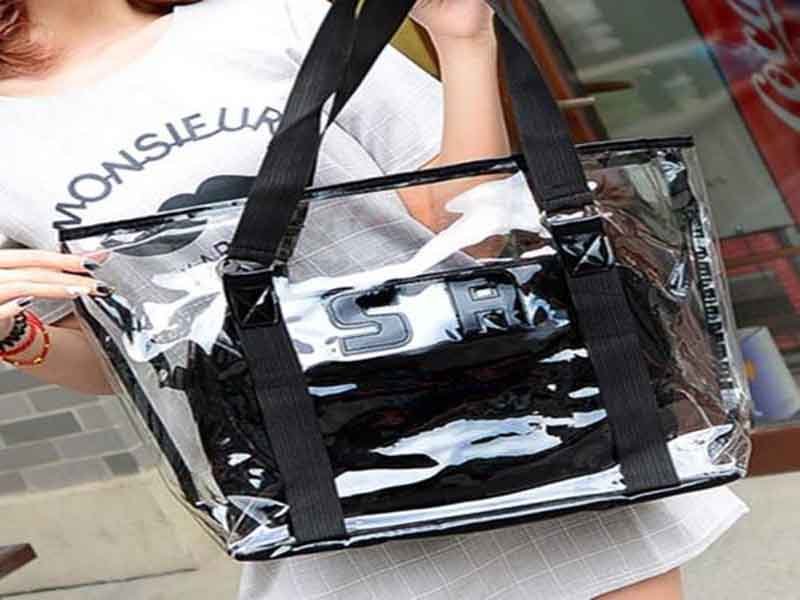
Clear stadium bags can be durable when they use suitable material thickness, reinforced handles, controlled seam construction, quality zippers, strong trim, and realistic load testing. They become weak when manufacturers treat them as simple plastic giveaways without understanding event use. Fans may carry phones, wallets, keys, cosmetics, sunscreen, power banks, ponchos, team merchandise, and small personal items. Bags are pulled through crowds, placed under seats, rubbed against concrete, exposed to heat, and sometimes used again and again across a full sports season or concert tour.
Durability matters because a clear stadium bag often becomes part of a fan’s event routine. If it breaks while walking from the parking lot, the user is angry before entering. If the handle tears inside the venue, items spill in a crowd. If the zipper fails at the gate, inspection slows down. If the clear panel cracks, the product looks cheap and unsafe. For brands and distributors, durability affects reviews, returns, reorder rates, and long-term trust.
Do Clear Bags Tear Easily?
Clear bags can tear easily if the material is too thin, the seams are poorly designed, or the handles are attached without reinforcement. Clear PVC and TPU do not behave like woven fabrics. When needle holes are too close together, seam lines can become tear lines. When the handle pulls against a small area, the clear film can rip around the stitch point. When the bottom corner is sharp, pressure can concentrate and cause cracking or splitting.
A properly engineered clear stadium bag should not tear easily under normal event use. The material thickness should match the bag size. The handle anchors should spread force. The edges should be bound. The zipper area should not pull against thin film. The pattern should avoid sharp stress points. The factory should test the bag with realistic contents, not only inspect it empty.
Tearing risk is highest in handles, seams, bottom corners, zipper ends, and pocket edges. For clear totes, handle anchor points are usually the biggest concern. For crossbody bags, side strap loops and hardware connection points need attention. For fanny packs, the curved body and waist strap anchors must handle repeated bending.
| Tear Area | Why It Tears | Better Construction |
|---|---|---|
| Handle anchor | Weight pulls on small stitch area | Reinforcement patch and box stitching |
| Side strap loop | Crossbody movement creates repeated pull | Strong D-ring loop and layered support |
| Bottom corner | Items push down and outward | Rounded corner and reinforced edge |
| Zipper end | Pulling force concentrates at closure end | Extra stitch and tape reinforcement |
| Pocket opening | Small items stretch pocket edge | Binding or folded clear edge |
| Side seam | Bag expands when filled | Wider seam allowance and controlled stitch spacing |
For Szoneier, durability can be developed through material comparison and sample testing. A client can request different film thicknesses, handle webbing widths, stitch structures, and reinforcement methods before bulk production.
How Are Seams Reinforced?
Seams are reinforced by using wider seam allowance, binding tape, reinforcement patches, webbing support, correct thread, proper stitch spacing, and stress-distribution patterns. Clear materials need careful sewing because every stitch creates a hole. If the stitch density is too high, the seam may perforate the material like a tear strip. If the stitch density is too low, the seam may open. If the seam allowance is too narrow, the panel can rip from the edge.
Binding tape is very useful for clear bags because it protects the edges and gives the bag a cleaner finish. Reinforcement patches can be used at handles, strap anchors, bottom corners, and zipper ends. For strict event bags, reinforcement should be compact and functional so it does not block the clear viewing area. In some cases, double-layer clear material can strengthen a stress point without adding an opaque patch.
Thread selection also matters. Strong polyester thread is commonly used. The needle size and sewing speed must match the material to avoid tearing, puckering, or heat damage. Clear film can show stitch mistakes easily, so production workers need good handling control.
| Reinforcement Method | Benefit | Visibility Impact | Best Use |
|---|---|---|---|
| Edge binding | Protects edges and improves appearance | Low | Most clear totes and crossbody bags |
| Box stitching | Spreads handle force | Low to medium | Handle anchors |
| Bar-tack stitching | Strong stress-point support | Low | Strap ends and handle bases |
| Clear patch reinforcement | Adds strength while staying visible | Low | Strict clear policies |
| Oxford patch | Strong support | Medium | Functional zones only |
| Wider seam allowance | Reduces tear risk | Low | Side seams and bottom |
| Double stitching | Adds security | Low to medium | Stronger retail bags |
The best seam design depends on bag type. A lightweight giveaway tote may use simpler binding and handle stitching. A premium crossbody bag should use stronger side anchors, zipper reinforcement, and higher-grade hardware.
Are Handles the Weak Point?
Handles are often the weak point in clear stadium bags because they carry most of the load and are attached to a non-woven clear panel. Even if the bag body is strong, a weak handle joint can fail quickly. Fans may hold a tote by one strap, swing it while walking, hang it from a seat, or pull it through a crowd. Those movements create dynamic stress, not just static weight.
A strong handle system uses durable webbing, enough width for comfort, secure stitching, and reinforcement where it meets the bag body. For tote bags, the handle should attach deep enough into the panel or trim to spread force. For crossbody bags, the side loops should be strong because the bag moves constantly against the body. For fanny packs, the waist strap anchors must resist repeated pulling and twisting.
Handle comfort also affects perceived quality. A thin plastic handle may reduce cost but can feel cheap and uncomfortable. Polyester or nylon webbing usually performs better. For premium bags, adjustable straps, padded sections, or branded webbing can raise the product level, but the design must not block visibility or add unnecessary weight.
| Handle / Strap Issue | Cause | Fix |
|---|---|---|
| Handle tears from panel | Small stitch area and no reinforcement | Add patch, box stitch, and stronger webbing |
| Strap feels uncomfortable | Narrow or rough webbing | Use wider, smoother webbing |
| Strap slips | Poor adjuster quality | Use stable slider and suitable webbing thickness |
| Hardware breaks | Low-grade D-rings or clips | Use tested metal or strong plastic hardware |
| Handle twists | Poor attachment angle | Adjust pattern and stitch direction |
| Trim pulls loose | Weak binding connection | Improve seam allowance and sewing control |
A reliable factory should test handle strength before bulk production. This can include static load hanging, repeated lifting, side pulling, and visual inspection after stress. For stadium bags, handle testing is one of the most important QC points.
How Can Factories Test Quality?
Factories can test clear stadium bag quality through material inspection, transparency review, thickness measurement, seam inspection, handle pull testing, zipper cycle testing, load testing, odor review, surface scratch inspection, packing pressure checks, and final size measurement. Clear bags show defects easily, so quality control must be more visual and detail-oriented than with many opaque fabric bags.
The first inspection starts with incoming material. Clear film should be checked for thickness, clarity, haze, odor, bubbles, scratches, and color consistency. During cutting, panels should be protected from dust and surface damage. During sewing, stitch lines should be neat and tension controlled. During final inspection, the bag should be measured, filled lightly, checked for shape, and reviewed under good lighting.
Size measurement is especially important for stadium bags. If the product is marketed for common 12″ x 6″ x 12″ policies, bulk production must stay within approved tolerance. A small measurement error can create entry complaints and returns.
| QC Test | What It Checks | Why It Matters |
|---|---|---|
| Thickness check | Confirms material specification | Prevents weaker bulk material |
| Transparency review | Checks clarity, tint, haze, scratches | Supports event policy use |
| Size measurement | Confirms dimensions | Prevents oversized bag complaints |
| Handle pull test | Tests strap strength | Reduces handle failure |
| Seam inspection | Reviews stitch quality | Prevents tearing |
| Zipper cycle test | Tests repeated opening | Reduces closure complaints |
| Load test | Simulates real contents | Checks full structure |
| Odor review | Checks plastic smell | Improves user experience |
| Packing inspection | Checks wrinkles and pressure marks | Protects retail appearance |
| Carton review | Confirms packing quantity and shape | Prevents shipping damage |
For custom clear bag orders, clients should ask what QC points will be used before shipment. A clear QC plan creates confidence and reduces misunderstandings.
Durability by Bag Type
Different clear stadium bag styles fail in different ways. A tote usually fails at handles. A crossbody bag may fail at side anchors or zipper ends. A fanny pack may fail at waist strap loops or curved seams. A clutch may fail at zipper stitching or panel edges. Understanding these failure patterns helps create better products.
| Bag Type | Main Stress Area | Common Failure | Better Design Direction |
|---|---|---|---|
| Clear tote | Handle anchors | Handles tear out | Reinforced webbing and patch support |
| Clear crossbody | Side strap loops | D-ring loop pulls loose | Layered side reinforcement |
| Clear fanny pack | Waist strap anchors | Strap twisting and seam stress | Flexible material and strong anchors |
| Clear clutch | Zipper and corners | Zipper seam splits | Smooth zipper path and bound edges |
| Clear drawstring | Top channel and cords | Cord holes tear | Reinforced top channel |
| Clear pouch | Zipper ends | Puller strain | Extra stitching at ends |
This is why one construction method cannot be used blindly across all styles. Each bag shape needs its own stress-point engineering.
Real-Use Scenarios That Damage Clear Bags
Clear stadium bags are used in messy, active environments. Fans may place them under seats with spilled drinks. They may rub against concrete stairs. They may carry them in hot weather. They may fold them into luggage for travel. They may use them repeatedly for different venues. They may overload them with merchandise after the game.
A strong bag should be designed with these behaviors in mind. The clear panel should not scratch too easily. The handle should not tear when the bag is swung. The zipper should not jam when dust or small debris gets near the teeth. The binding should not peel after being rubbed against seat edges. The bag should be easy to wipe clean after food or drink contact.
| Real Use Situation | Product Stress | Design Response |
|---|---|---|
| Walking from parking lot | Strap and handle load | Comfortable webbing and strong anchors |
| Waiting in security line | Quick handling and inspection | Clear body and easy-open structure |
| Sitting in stadium seat | Bag squeezed under chair | Flexible material and protected edges |
| Outdoor rain | Surface moisture | Wipeable material and secure closure |
| Hot weather | Material softening and odor | Better-grade material and packing control |
| Cold weather | Stiffness and cracking | TPU or flexible PVC option |
| Buying merchandise | Extra load inside bag | Reinforced handles and bottom |
| Repeated event use | Wear over time | Strong seams and quality trim |
When a product is designed for real use, it earns better reviews. Fans may not mention “reinforced handle anchors” in a review, but they will say the bag held up all season.
Durability and Cost Balance
Durability costs money, but poor durability costs more. A weak clear bag can create returns, negative reviews, event-day frustration, and lost trust. A stronger bag may have a slightly higher unit price but deliver better customer satisfaction. The right balance depends on channel.
A sponsor giveaway may not need premium construction, but it should still avoid embarrassing failures. A team store clear tote should last repeated games. A premium clear crossbody bag should feel good enough for concerts, travel, and daily use. A low-cost product should be honest about its use level.
| Product Channel | Durability Need | Recommended Build |
|---|---|---|
| One-time sponsor giveaway | Basic but not fragile | Standard PVC, simple webbing, clean sewing |
| Online retail stadium bag | Medium | Balanced PVC thickness, reinforced handles |
| Team store product | Medium to high | Better PVC/TPU option, quality trim, zipper |
| Concert merchandise | Medium to high | Stylish shape, stronger strap, clean finish |
| Premium private label | High | TPU or high-grade PVC, custom hardware |
| Venue staff bag | High | Durable material, easy access, strong handles |
Szoneier can support this balance by offering multiple quotation options. A client can compare standard, reinforced, and premium versions instead of trying to force one construction into every sales channel.
Durability Checklist for Custom Orders
Before confirming a clear stadium bag order, brands should review the following durability points.
| Checklist Item | Why It Matters | Suggested Direction |
|---|---|---|
| Material type | Affects flexibility and lifespan | PVC for standard, TPU for premium |
| Panel thickness | Affects strength and feel | Match thickness to bag type |
| Handle width | Affects comfort and strength | Use suitable polyester or nylon webbing |
| Handle reinforcement | Prevents tearing | Add patches, box stitch, or bar-tack |
| Seam allowance | Reduces tear risk | Avoid stitches too close to edge |
| Zipper quality | Affects daily use | Use proper size and smooth pullers |
| Hardware | Affects crossbody and fanny pack life | Test D-rings, sliders, and clips |
| Edge binding | Protects clear panels | Use clean binding on exposed edges |
| Size tolerance | Affects entry confidence | Measure bulk production carefully |
| Packing | Protects clarity and shape | Avoid tight folds and heavy compression |
A durable clear stadium bag does not need to be heavy or overbuilt. It needs to be intelligently built. The best construction adds strength where stress happens and keeps the rest of the bag clean, visible, and comfortable.
What Do Fans and Buyers Care About?
Fans and buyers care about whether a clear stadium bag will pass entry, feel comfortable, protect essentials, look good in public, and last beyond one event. The bag is not only a security item. It is also part of an outfit, a travel accessory, a team merchandise product, a concert memory, and sometimes a repeated-use everyday bag. A fan may buy a clear bag because a venue requires it, but they will only reuse it if it feels convenient, clean, strong, and not embarrassing to carry.
For brands, distributors, team stores, event merch companies, and promotional product clients, the lesson is clear: compliance gets the first sale, but user experience creates repeat value. A clear bag that meets common stadium rules but looks cheap, smells strong, scratches easily, or breaks at the handle will not build loyalty. A clear bag with good proportions, smooth trim, reliable zipper, comfortable strap, small tasteful branding, and clear product information feels more useful and more premium. The best clear stadium bags solve a gate problem while still feeling like something fans actually want to carry.
Are Clear Bags Comfortable?
Clear bags can be comfortable when the strap system, handle width, bag size, edge finishing, and material flexibility are designed properly. Comfort depends heavily on how the bag is carried. A clear tote with short handles may be fine for walking from the parking lot to a seat, but less comfortable for a full-day festival. A clear crossbody bag is usually easier for concerts and crowded standing areas because it keeps hands free. A clear fanny pack is comfortable for movement, but some venues interpret waist bags differently, so product positioning must stay careful.
The most common comfort problem is strap pressure. Thin webbing can dig into the hand or shoulder, especially when the bag carries a phone, wallet, keys, cosmetics, sunscreen, charger, and small merchandise. A wider polyester or nylon strap distributes weight better. Adjustable crossbody straps help fit different body sizes. Smooth edge binding prevents clear plastic from scratching hands or arms. A zipper puller that is easy to grip also improves the daily feel of the bag.
Material flexibility also matters. A stiff clear PVC tote may be acceptable for short stadium use, but a crossbody bag that rests against the body should feel softer. TPU or better-grade flexible PVC can improve comfort for premium products. If the bag is too rigid, it may bounce awkwardly when walking or press into the hip when sitting.
| Comfort Factor | Fan Experience Impact | Design Recommendation |
|---|---|---|
| Strap width | Reduces hand and shoulder pressure | Use wider webbing for retail and repeated-use bags |
| Adjustable strap | Fits different body sizes | Best for crossbody and fanny pack styles |
| Edge binding | Prevents sharp plastic contact | Bind exposed panel edges cleanly |
| Material flexibility | Affects body comfort | Use TPU or flexible PVC for premium wearable styles |
| Bag size | Affects crowd movement | Use compact crossbody for concerts, tote for stadium capacity |
| Zipper smoothness | Reduces daily frustration | Choose a suitable zipper and puller size |
| Weight balance | Prevents swinging and pulling | Keep structure proportionate and avoid over-deep designs |
A fan may not describe comfort in technical terms, but they feel it immediately. If the strap twists, the zipper sticks, or the plastic edge scratches the wrist, the bag feels cheap. If the bag sits nicely, opens easily, and carries essentials without drama, the user trusts it.
Do Fans Want Privacy?
Fans do want some privacy, even when they understand the clear bag rule. Clear stadium bags are designed for visibility, but people still carry personal items: medication, feminine hygiene products, cash, IDs, keys, makeup, receipts, and sometimes small family items. A fully transparent bag can make fans feel exposed, especially at crowded gates and public transit stations.
The challenge is that privacy features can conflict with entry rules. Large opaque pouches, hidden pockets, or non-clear liners may reduce visibility and create rejection risk. A better approach is controlled, policy-aware organization. Small clutches may be allowed under specific venue rules. Clear pouches can organize smaller items while keeping them visible. A small non-clear clutch can be sold as a separate accessory, but the product description should remind users to check venue size limits.
Privacy can also be improved through layout. A clear front pocket for tickets or cards, a small clear zipper pouch for cosmetics, and a main compartment for larger items can make the bag look neat. Neatness matters because people feel less exposed when their belongings are organized rather than floating loosely inside a transparent tote.
| Privacy Solution | Visibility Level | Entry Risk | Best Use |
|---|---|---|---|
| Clear zipper pouch | High | Low | Organizing small items while staying visible |
| Small non-clear clutch | Low | Depends on venue size rules | Where clutch exceptions are allowed |
| Oversized opaque pouch | Low | High | Avoid for stadium-compliance positioning |
| Clear inner pocket | High | Low | Phone, cards, small cosmetics |
| Frosted pouch | Medium | Medium | Risky for strict no-tint venues |
| Packaging advice card | No physical privacy | Low | Helps fans understand allowed accessories |
For brands, privacy should be treated as a product education issue, not only a design issue. A clear stadium bag can include an insert explaining common small-clutch rules and reminding fans to confirm the venue policy. That makes the product feel thoughtful and responsible.
Are Clear Bags Easy to Clean?
Clear stadium bags are usually easy to clean because PVC, vinyl, and TPU panels can be wiped with a damp cloth. That is one reason they work well for events. Stadium and festival environments are not exactly spotless. Bags may touch concrete floors, seat bottoms, spilled drinks, food wrappers, grass, dust, rain, and sunscreen residue. A wipeable surface gives clear bags a practical advantage over many fabric purses.
However, cleaning performance depends on material quality and surface finish. Low-grade clear film may scratch easily, become cloudy, or hold stains from cosmetics and colored liquids. Some printed or dyed items inside the bag may transfer color to clear panels under heat or pressure. Strong cleaners can damage the material or leave haze. A care label or product insert should give simple cleaning instructions.
A good cleaning recommendation might say: wipe with a soft damp cloth, use mild soap if needed, dry before storage, avoid harsh chemicals, avoid long exposure to heat, and keep sharp or colored items away from direct pressure against clear panels. These small details can reduce after-sale complaints.
| Cleaning Issue | Cause | Prevention or Care Tip |
|---|---|---|
| Surface dust | Stadium floors, outdoor use | Wipe with soft damp cloth |
| Food or drink residue | Spills during event | Use mild soap and dry fully |
| Sunscreen marks | Lotion contact | Clean soon after use |
| Scratches | Keys, rough surfaces, packing damage | Use pouches for sharp items and protective packing |
| Color transfer | Dyed items pressed against clear panel | Avoid long heat contact with colored materials |
| Cloudiness | Harsh cleaners or low-grade material | Avoid alcohol-heavy or abrasive cleaners |
| Odor after storage | Closed bag stored damp | Dry fully and store open if needed |
Easy cleaning can become a selling point for reusable event bags. A product description can mention “wipe-clean clear panels” as long as the material has been checked and the claim is realistic.
What Makes a Bag Look Premium?
A clear stadium bag looks premium when the material is clean and low-haze, the stitching is neat, the trim is balanced, the zipper moves smoothly, the strap feels strong, and the branding is controlled. Premium does not mean adding more decoration. In this category, too much decoration can hurt compliance. Premium usually comes from restraint, proportion, and better finishing.
Material clarity is the first signal. A bag with cloudy, wrinkled, or scratched panels looks cheap. A bag with clear panels, smooth edges, and stable shape looks better immediately. Trim quality is the second signal. Clean binding, color-matched straps, and strong hardware give the bag structure. Logo placement is the third signal. A small woven label, custom zipper puller, or branded strap detail feels more refined than a huge opaque print across the front.
Premium also shows in packaging. A clear bag folded roughly into a thin polybag may arrive with creases and pressure marks. A better retail package can protect shape and display size details, care instructions, and policy reminders. For online sales, good packaging reduces deformation and improves first impression after unboxing.
| Premium Feature | Why It Works | Compliance Impact |
|---|---|---|
| Low-haze clear material | Looks cleaner and easier to inspect | Positive |
| Smooth edge binding | Feels safer and more finished | Positive |
| Reinforced handles | Improves trust and durability | Positive |
| Quality zipper puller | Adds detail without blocking view | Positive |
| Small woven label | Keeps branding controlled | Low risk |
| Adjustable strap | Improves fit and value | Low risk |
| Clean packaging insert | Educates users and improves presentation | No entry risk |
| Balanced trim color | Adds style without tinting clear panels | Low risk |
A premium clear stadium bag does not need to shout. It should look like a bag designed by people who understand both event rules and fan behavior.
How Can Design Reduce Complaints?
Design can reduce complaints by solving the most common user problems before production. Fans complain when bags are rejected at the gate, handles break, zippers fail, panels smell bad, clear material scratches, bags feel uncomfortable, or product listings mislead them. Most of these problems can be reduced through better specification, sampling, testing, and product communication.
The biggest complaint is entry uncertainty. Clear dimensions and honest wording help. The second complaint is durability. Reinforced handles, proper thickness, and QC testing help. The third complaint is appearance. Better material handling, packaging, and low-haze panels help. The fourth complaint is privacy. Clear pouches and small-clutch guidance help. The fifth complaint is comfort. Better straps and smooth edge binding help.
| Complaint | Root Cause | Design or Communication Fix |
|---|---|---|
| “The venue rejected my bag.” | Size, tint, logo, backpack restriction, or unclear claim | Use strict common sizing and honest policy reminder |
| “The handle broke.” | Weak handle attachment | Reinforced webbing, patch, box stitch, pull test |
| “The bag smells bad.” | Low-grade material or rushed packing | Low-odor material and airing before packing |
| “The zipper sticks.” | Poor zipper quality or tight curve | Better zipper and smoother opening path |
| “It scratched too easily.” | Surface handling or sharp contents | Better packing and user care instructions |
| “It looks cheap.” | Cloudy material, rough sewing, weak trim | Better material grade and finishing |
| “Everyone sees my private items.” | No organization solution | Small clear pouch or venue-compliant clutch guidance |
| “It is uncomfortable.” | Narrow strap or stiff material | Wider strap, flexible material, smooth binding |
For Szoneier, complaint reduction starts in sampling. A client can request sample review for handle strength, zipper smoothness, surface clarity, odor, material flexibility, logo position, and packaging. Fixing these details early costs far less than dealing with complaints after bulk shipment.
Buyer Decision Table: What to Prioritize by Channel
Different buyers care about different things. A team store needs retail appearance and durability. A sponsor needs cost control and logo exposure. A concert merch company needs style and comfort. A venue operations team needs quick inspection and staff utility. A private label brand needs repeatable quality and packaging.
| Buyer Type | Main Concern | Best Product Direction |
|---|---|---|
| Team store | Repeat use, fan identity, retail look | Reinforced clear tote with team-color trim |
| Concert merchandise | Style, comfort, compact carry | Clear crossbody with quality strap and zipper |
| Sponsor giveaway | Cost, logo visibility, event volume | Simple clear tote with small logo and clean packaging |
| Venue operations | Fast inspection, staff use | Durable clear tote or utility pouch |
| Online retailer | Reviews, returns, search visibility | Accurate size, good photos, policy reminder |
| Private label brand | Brand consistency, product line expansion | Tote, crossbody, pouch set with controlled branding |
| College bookstore | School colors, compliance, durability | Clear tote with school-color straps and small label |
| Festival vendor | Hands-free carry, lightweight design | Clear fanny pack or compact crossbody |
The clear stadium bag market is not one single product. It is a group of use cases. Brands that understand the difference can build stronger collections and avoid selling the wrong bag to the wrong user.
How to Source Custom Clear Stadium Bags?

To source custom clear stadium bags successfully, brands should prepare a clear product brief covering target event rules, bag type, size, material, thickness, trim color, logo method, pocket layout, closure, packaging, expected order quantity, quality requirements, and delivery schedule. A vague request such as “clear stadium approved bag with logo” can lead to the wrong size, wrong material, wrong entry claim, or weak construction. A strong sourcing brief helps the factory recommend the right structure and produce samples that are closer to the final product.
Custom clear stadium bags require policy awareness, material knowledge, sewing control, and brand customization. The process should start with the event or venue requirement, then move into product style, material comparison, sample development, logo placement, durability testing, packaging, and bulk production. Szoneier can support this process through more than 18 years of experience in fabric R&D, finished product manufacturing, custom logo production, low MOQ customization, fast sampling, free design guidance, and quality-focused production for overseas brands, distributors, event suppliers, and private label programs.
What Should Brands Prepare?
Brands should prepare a product brief that explains where the bag will be used and what rules it needs to follow. If the target market is stadium entry, include the desired size rule, such as 12″ x 6″ x 12″ or a safer slightly smaller dimension. If the target is concerts, festivals, college sports, or promotional events, explain the channel and user scenario. If the bag is for a specific venue, share the venue’s official bag policy. This helps avoid design mistakes such as tinted material, large opaque logos, excessive pockets, or backpack shapes that may be restricted.
A complete brief should include reference photos, target dimensions, material preference, panel thickness, trim color, logo file, pocket needs, closure type, strap type, packaging style, and quantity. Logo artwork should ideally be provided in vector formats such as AI, EPS, PDF, or SVG. If the client does not have a technical file, Szoneier can help turn reference images and market requirements into a practical sample plan.
| Brief Item | What to Provide | Why It Matters |
|---|---|---|
| Target event type | Stadium, concert, festival, college sports, sponsor event | Determines style and compliance direction |
| Size requirement | 12″ x 6″ x 12″ or custom size | Prevents entry and return problems |
| Bag style | Tote, crossbody, fanny pack, clutch, pouch | Determines pattern and hardware |
| Material | PVC, vinyl, TPU, mesh, trims | Affects cost, clarity, flexibility, and durability |
| Thickness | Target mm or desired product level | Controls structure and hand feel |
| Trim color | Black, clear, team color, brand color | Supports branding without tinting panels |
| Logo file | AI, EPS, PDF, SVG, or high-resolution artwork | Supports accurate private label production |
| Logo method | Label, print, zipper puller, strap logo, hang tag | Affects visibility and policy risk |
| Pockets | None, clear front pocket, clear inner pouch | Affects inspection speed |
| Closure | Open top, zipper, snap, wristlet, drawstring | Affects use and cost |
| Packaging | Polybag, hang tag, insert, retail box, carton mark | Affects retail presentation |
| Quantity | Trial order or bulk order | Affects quotation and production planning |
| Delivery schedule | Sample date and launch date | Helps plan material and shipping |
A good sourcing brief does not need to be complicated, but it needs to be specific. The more clearly a client describes the use case, the more accurately the factory can quote and sample.
How Does OEM Sampling Work?
OEM sampling for clear stadium bags usually starts with requirement confirmation, material selection, pattern development, logo review, first sample production, sample testing, revision, pre-production sample approval, and bulk production preparation. Sampling is the stage where policy fit, material clarity, strap strength, zipper quality, and logo placement should be checked carefully.
A first sample should be reviewed like a real event product. Does it stay within the target dimensions? Can contents be seen clearly? Is the material non-tinted and low-haze? Does the logo block visibility? Are the handles strong? Does the zipper open smoothly? Does the bag smell acceptable after unpacking? Does the strap feel comfortable? Does the packaging protect the clear panels from scratches and creases?
For premium private label programs, clients may request two or three material versions. One may use standard PVC for cost efficiency. Another may use upgraded PVC for better clarity and odor control. Another may use TPU for softer feel and better flexibility. Seeing the samples side by side helps brands choose the best balance of price and value.
| Sampling Stage | Main Work | Key Review Point |
|---|---|---|
| Requirement review | Confirm event rule, size, style, quantity | Avoid wrong product direction |
| Material selection | Compare PVC, TPU, trims, webbing | Check clarity, smell, feel, thickness |
| Pattern development | Build shape and structure | Control size and capacity |
| Logo method test | Check label, print, puller, packaging | Avoid visibility blockage |
| First sample | Produce physical sample | Review appearance and function |
| Functional test | Load, handle, zipper, seam, comfort | Find weak points |
| Revision sample | Adjust construction and details | Confirm improvement |
| Pre-production sample | Final approval before bulk | Set production standard |
| Bulk planning | Material booking, QC plan, packing | Prepare consistent production |
Fast sampling is useful for seasonal event products, especially before sports seasons or concert tours. But the sample should still be tested properly. A fast but untested sample can lead to bulk quality issues.
What MOQ Is Suitable?
MOQ depends on material availability, bag style, logo method, trim color, packaging, hardware, and order complexity. Standard clear PVC totes with available materials and simple logo methods can often support lower MOQ than custom TPU crossbody bags with special hardware and retail packaging. Custom color webbing, custom zipper pullers, special printing, and new packaging designs can increase MOQ because material and accessory suppliers have their own minimums.
For small and medium overseas clients, low MOQ customization is valuable because it allows market testing before large inventory commitment. A brand can begin with one core style, such as a clear stadium tote, then expand into crossbody bags, pouches, or fanny packs after sales data is clear. For event sponsors or team programs, quantities may be larger and timeline-driven.
| Order Type | Product Direction | MOQ Consideration | Suggested Strategy |
|—|—|—|
| Trial retail order | Standard clear tote with small logo | Lower MOQ possible with stocked material | Test one size and one trim color |
| Team store line | Tote plus crossbody | MOQ by SKU and trim color | Start with core team colors |
| Concert merchandise | Compact crossbody or clear purse | Custom packaging and strap may affect MOQ | Focus on one strong style |
| Sponsor giveaway | Simple clear tote | Larger quantity improves unit cost | Keep structure simple |
| Premium private label | TPU clear bag with custom hardware | Higher MOQ possible | Reduce SKU count at launch |
| Event kit | Clear tote plus pouch | MOQ by item | Use shared material and trim |
The best MOQ decision depends on sales channel. A low-MOQ trial is smart for new product testing. A larger order is better when the client has confirmed event demand or retail distribution.
How Long Does Production Take?
Production time depends on design complexity, material readiness, sample approval speed, logo process, packaging, order quantity, QC requirements, and shipping method. Standard clear stadium bags using available PVC and simple labels can move faster than fully customized TPU bags with special hardware, custom straps, printed retail packaging, and multiple accessories.
Timing is critical because clear stadium bags are often seasonal. Sports seasons, playoff games, concerts, festivals, and school athletics all create fixed deadlines. A bag arriving after the event has little value. Brands should plan backward from the event date, allowing time for sampling, revision, bulk production, inspection, packing, shipping, customs, and final delivery.
| Project Stage | Common Time Direction | Delay Risk | How to Reduce Delay |
|---|---|---|---|
| Requirement confirmation | 1–3 days | Unclear size or policy | Share venue rule and reference photos |
| Material selection | 1–5 days | Special material not in stock | Use available PVC/TPU options |
| First sample | 5–10 days for many standard styles | Complex pattern or logo method | Confirm design before sampling |
| Sample revision | 3–7 days per revision | Vague feedback | Mark photos and give exact comments |
| Packaging approval | 3–10 days | Artwork delay | Prepare files early |
| Bulk production | 15–35 days depending on quantity and style | Material, labor, QC workload | Approve pre-production sample early |
| Inspection and packing | 2–5 days | Defects or carton issues | Set QC requirements before production |
| Shipping | Express, air, sea, or DDP timing varies | Peak-season freight delays | Choose freight based on event deadline |
For urgent projects, clients can ask Szoneier about available material, existing bag patterns, fast sample options, and simple logo methods. Using a proven structure with customized trim and packaging can shorten development time.
Why Choose Szoneier?
Szoneier is a strong manufacturing partner for custom clear stadium bags because it combines material development, finished product manufacturing, customization, quality control, and export support. With more than 18 years of experience, Szoneier can work across cotton, canvas, polyester, nylon, neoprene, jute, linen, Oxford fabric, clear materials, webbing, trims, and various after-treatment processes. Clear stadium bags often need this mixed-material thinking because the final product may combine transparent panels with textile straps, binding, zippers, labels, hardware, and packaging.
Szoneier can help clients develop clear stadium totes, clear crossbody bags, clear fanny packs, clear clutch bags, clear pouches, clear event merchandise bags, and private label clear bag collections. Custom options can include size, material thickness, PVC or TPU selection, trim color, zipper type, handle structure, logo method, pocket layout, packaging, and accessory sets. The company supports free design guidance, low MOQ customization, fast sampling, free sample support depending on project details, short delivery schedules, and a 100% quality assurance mindset.
| Szoneier Support Area | How It Helps Clear Stadium Bag Projects |
|---|---|
| Material R&D | Compare PVC, TPU, mesh, polyester, nylon, Oxford, and webbing options |
| Custom Design | Adjust size, shape, strap, pocket, closure, and logo placement |
| OEM/ODM Production | Manufacture private label and custom event bag programs |
| Low MOQ Customization | Support market tests and smaller brand launches |
| Fast Sampling | Help clients review policy fit and durability before bulk |
| Logo Solutions | Woven label, zipper puller, printing, strap logo, hang tag, packaging |
| Quality Control | Check size, transparency, seam strength, handle pull, zipper, odor, packing |
| Packaging Support | Develop polybags, hang tags, inserts, cartons, and retail packaging |
| Export Experience | Support overseas clients with production and shipping planning |
The biggest advantage is flexibility. A client can develop a budget PVC event tote, a standard retail stadium bag, a premium TPU crossbody, or a full event accessory set under one brand style. This makes product line planning easier.
Custom Options for Clear Stadium Bags
Custom clear stadium bags can be simple or highly refined depending on the target channel. For strict stadium use, customization should support compliance rather than fight it. Color should usually come from trims, straps, zippers, and packaging, not from tinted clear panels. Logos should stay small and policy-aware. Pockets should remain visible. Dimensions should be controlled carefully.
| Custom Option | Available Direction | Best Practice |
|---|---|---|
| Bag style | Tote, crossbody, fanny pack, clutch, pouch | Choose based on event and channel |
| Material | PVC, TPU, vinyl, mesh, mixed material | Use clear non-tinted panels for broad venue use |
| Thickness | Light, standard, reinforced | Match to product level |
| Trim color | Black, white, team color, brand color | Add identity without reducing clarity |
| Logo method | Label, print, puller, strap, hang tag | Keep visible panels open |
| Pocket layout | No pocket, clear front pocket, inner clear pouch | Avoid hidden compartments |
| Closure | Open top, zipper, snap, wristlet | Balance cost and fan security |
| Strap | Short handle, shoulder strap, crossbody strap | Match comfort to use case |
| Packaging | Polybag, hang tag, insert, retail display | Include dimensions and policy reminder |
| Accessory set | Clear pouch, wristlet, card pouch | Keep accessories policy-aware |
A clear stadium bag line can be built around a core compliant design and then expanded with style, trim, and packaging variations. This keeps production efficient while offering enough choice for different customers.
Cost Factors in Custom Clear Stadium Bags
Clear stadium bag cost is affected by material type, thickness, size, trim, handle width, zipper, hardware, pocket layout, logo method, packaging, order quantity, and inspection requirements. A basic open-top PVC tote is much cheaper than a TPU crossbody bag with custom hardware and retail packaging. A simple woven label costs less than custom molded zipper pullers. Wider webbing improves comfort but adds cost. Stronger packaging protects clarity but increases unit expense.
Brands should compare cost against product use. A one-time sponsor giveaway should not be overbuilt. A retail product should not be so weak that reviews suffer. A premium private label bag must justify its price through feel, finish, durability, and packaging.
| Cost Factor | Lower-Cost Direction | Higher-Grade Direction | Business Impact |
|---|---|---|---|
| Clear material | Standard PVC | TPU or upgraded PVC | Affects feel, flexibility, and durability |
| Thickness | Thinner panels | Reinforced panels | Affects structure and lifespan |
| Closure | Open top | Zipper closure | Affects security and perceived value |
| Strap | Basic webbing | Wider adjustable strap | Affects comfort |
| Hardware | Minimal | Metal D-rings, sliders, custom pullers | Affects style and cost |
| Logo | Simple label | Custom puller, printed packaging | Affects brand image |
| Packaging | Basic polybag | Retail hang tag and insert | Affects shelf and online presentation |
| QC level | Basic inspection | Added handle, zipper, size, odor checks | Affects returns and trust |
A smart quotation request asks for multiple versions: economy, standard, and premium. That gives buyers a clear view of trade-offs instead of forcing everything into one price.
Final Sourcing Checklist
Before placing a custom clear stadium bag order, confirm the details below.
| Checklist Item | Details to Confirm |
|---|---|
| Target rule | Common 12″ x 6″ x 12″ policy, venue-specific rule, or custom event rule |
| Bag type | Tote, crossbody, fanny pack, clutch, pouch |
| Final size | Exact width, depth, height, and tolerance |
| Material | PVC, TPU, vinyl, mesh, trim fabrics |
| Thickness | Main panel and reinforcement thickness |
| Trim color | Brand color, team color, neutral color |
| Handle / strap | Width, length, adjustability, reinforcement |
| Closure | Open top, zipper, snap, wristlet, drawstring |
| Pocket layout | None, clear pocket, pouch, inner pocket |
| Logo | File format, placement, size, method |
| Packaging | Polybag, hang tag, insert, carton mark |
| QC standard | Transparency, size, seam, handle pull, zipper, odor, scratches |
| Quantity | Trial order or bulk production |
| Timeline | Sample deadline, bulk delivery, event date |
| Shipping method | Express, air, sea, FOB, DDP, or other arrangement |
This checklist helps avoid the most common mistakes: wrong size, blocked visibility, weak handles, unclear logo placement, rushed packaging, and poor communication around event rules.
Request Custom Clear Stadium Bags from Szoneier
Clear stadium bags and event entry regulations are now part of the modern fan experience. A good bag helps fans pass the gate with less stress, helps venues inspect belongings faster, and helps brands create useful merchandise that people carry again. The strongest products are not just transparent. They are policy-aware, durable, comfortable, clearly sized, easy to clean, and carefully branded.
Szoneier can help develop custom clear stadium bags for sports venues, concert merchandise, festival programs, college athletics, sponsor giveaways, retail stores, online brands, and private label collections. Options can include clear PVC stadium totes, TPU clear crossbody bags, clear fanny packs, clear clutch bags, clear zipper pouches, event merchandise bags, branded strap designs, custom logo labels, retail packaging, and complete clear event accessory sets.
If you are preparing a clear bag product line for stadiums, concerts, festivals, or event entry programs, send Szoneier your target bag style, size requirement, event rule, logo file, material preference, expected quantity, packaging idea, and delivery schedule. The Szoneier team can help turn your concept into a sample-ready plan and provide a custom quotation based on your market, product level, and launch timeline.