Skip to content
A tactical bag rarely fails because it lacks enough pockets. It usually fails because the wrong pocket is placed in the wrong location, the load pulls too far away from the body, a zipper cannot be reached under pressure, or the bag becomes awkward inside a patrol vehicle. Those problems do not always appear in product photographs. They appear at the end of a long shift, during repeated vehicle entry and exit, or when a responder needs one specific item immediately and finds three layers of equipment in the way.
That is what makes military and law-enforcement bag development so different from ordinary backpack design. The bag is not merely carrying personal belongings. It may be supporting medical response, communications, protective equipment, documentation, hydration, electronics, field clothing, tools, or supplies needed during an extended incident. The layout has to make sense while standing, moving, kneeling, wearing body armor, working beside a vehicle, or operating in poor light.
The right tactical bag is the one that matches the mission, equipment list, carrying duration, vehicle environment, body-worn gear, and required access speed. Patrol bags should organize equipment for quick retrieval from a vehicle. Go bags should support rapid movement with essential supplies. Field packs need stable load transfer and weather protection. Medic bags require visible, controlled access to categorized supplies. A practical design uses durable fabric, reinforced load points, reliable closures, and modular organization without adding features that create unnecessary weight or bulk.
Choosing correctly is therefore less about finding the toughest-looking pack and more about understanding how people actually work. A heavily reinforced 45-liter backpack may be excellent for extended field use but frustrating inside a patrol car. A compact sling may provide fast access but become uncomfortable when overloaded. A clamshell medic pack may display supplies clearly but require enough working space to open fully.
Picture an officer arriving at a roadside incident in heavy rain. The vehicle door is open, traffic noise is high, gloves are already wet, and visibility is poor. The needed equipment is in the bag—but the bag is wedged behind the seat, its main zipper faces the wrong direction, and a loose shoulder strap has wrapped around another case. Nothing is technically missing. The failure began much earlier, when the product was designed around a feature list instead of the moment in which it would be used.
What Is a Tactical Duty Bag?
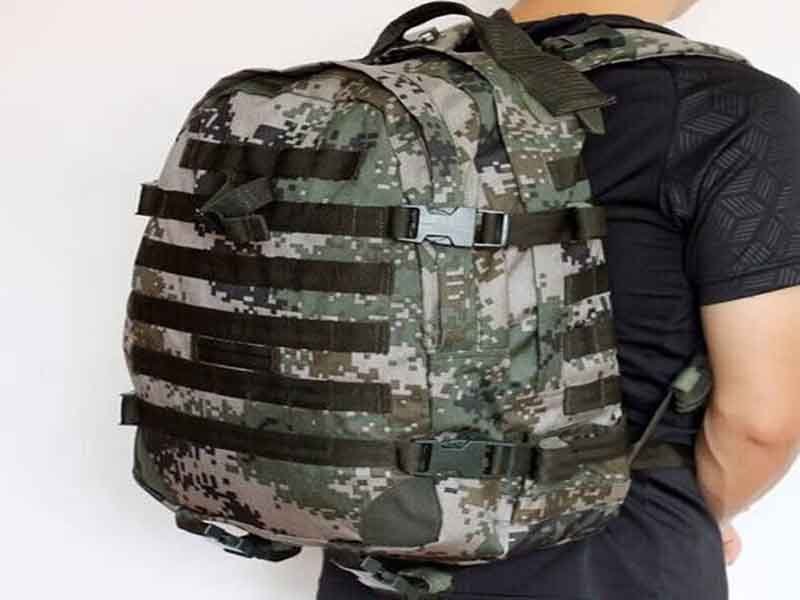
A tactical duty bag is a purpose-built carrying system used to organize, protect, and transport equipment required during military, police, security, medical-response, field-support, and emergency operations. Unlike a conventional backpack or travel bag, it is normally designed around controlled access, reinforced construction, modular attachment, repeat handling, and compatibility with uniforms, vehicles, protective equipment, or mission-specific tools.
The term does not describe one fixed shape. A tactical duty bag may be a structured patrol case, an assault-style backpack, a medical pack, a compact go bag, a sling, a duffel, or a modular pouch system. What makes it tactical is not camouflage fabric or rows of webbing alone. It is the way the material, carrying structure, compartments, closures, and attachment points support a defined operational task.
A useful tactical bag should answer four questions clearly:
What equipment does it carry?
How quickly must that equipment be reached?
How will the user transport the load?
Where will the bag be stored or opened?
When those questions remain vague, manufacturers often compensate by adding more pockets, more webbing, and heavier fabric. The result may look capable while becoming less efficient.
What Makes a Bag Tactical?
A bag becomes tactical when its structure supports mission-based organization, rapid access, load stability, and repeated use under demanding conditions. These functions are usually created through a combination of modular webbing, reinforced attachment points, strong closures, durable shell fabric, compression systems, and internal layouts designed for equipment rather than casual personal items.
MOLLE-compatible webbing is one of the most recognizable elements. It allows pouches and accessories to be attached in different positions. However, webbing is only useful when the spacing is consistent, the stitching is reinforced, and the base panel can support the expected load. Poorly installed webbing may hold an empty pouch during product photography but distort or tear when the pouch contains dense equipment.
Reinforcement is equally important. Shoulder strap anchors, grab handles, compression straps, hip belts, zipper ends, and external attachment zones experience concentrated force. These areas may need multiple fabric layers, internal backing, box-and-cross stitching, bar tacks, or webbing extensions that distribute tension across a wider panel.
A tactical bag should also remain stable when partly full. A half-loaded bag without compression allows equipment to move during running, climbing, vehicle travel, or sudden changes in direction. Side and front compression straps help draw the load toward the body and reduce internal movement.
Access design is another defining feature. Tactical packs often use panel-loading or clamshell openings because they expose more of the interior. Patrol bags frequently use a wide top opening so equipment can be reached from a seat, trunk, or cargo area. Medic packs may use removable panels or color-coded pouches so categories can be identified quickly.
| Tactical Element | Practical Function | Common Design Failure | What Should Be Checked |
|---|---|---|---|
| MOLLE webbing | Adds removable mission pouches | Inconsistent spacing or weak base panel | Stitch pattern, spacing and backing |
| Reinforced handle | Supports frequent lifting | Handle sewn only to shell layer | Internal webbing extension and load spread |
| Compression straps | Stabilize changing loads | Decorative straps with limited range | Buckle strength and useful adjustment |
| Panel opening | Improves visibility and retrieval | Zipper distorts when bag is full | Track support, corner radius and seam strength |
| Internal dividers | Separate tools and equipment | Fixed spaces do not fit real items | Actual equipment dimensions |
| Quick-access pocket | Holds urgent items | Pocket becomes buried under straps | Opening direction and reach position |
| Hook-and-loop panel | Supports removable modules | Small area with weak holding force | Surface area and attachment strength |
| Identification field | Supports unit or role marking | Patch placed where it snags | Visibility, durability and removability |
One useful test is to imagine the bag without camouflage, tactical colors, or visible webbing. Would the opening still be practical? Would the harness control the load? Would the internal compartments still help the user work faster? If the answer is yes, the tactical function is probably genuine.
A bag should not be called tactical merely because it looks military. Functional tactical design is a system, not a costume.
How Is It Different From a Regular Bag?
A regular backpack is generally designed for clothing, books, personal electronics, or travel items. A tactical duty bag is designed for more varied loads, including hard tools, radios, medical kits, batteries, protective items, documents, hydration systems, and removable equipment modules.
The difference begins with load behavior. Personal items are often soft and relatively predictable. Duty equipment may be dense, irregular, sharp-edged, heat-sensitive, moisture-sensitive, or frequently removed. The bag must stop those items from shifting, damaging one another, or pressing against the user.
Regular bags may rely on a lightweight shell and simple seam construction. Tactical bags often need reinforced stress zones, heavier thread, stronger zipper tracks, and hardware sized according to load. This does not mean every tactical bag should be built from the heaviest available material. It means the construction should reflect the risk of failure.
Access expectations are also different. A commuter may open a backpack after arriving at a desk. A police officer may need equipment while standing beside a vehicle. A military user may need to remove a pack quickly while wearing protective gear. A medic may need to identify supplies without searching through loose contents.
| Design Question | Regular Backpack | Tactical Duty Bag |
|---|---|---|
| What is carried? | Clothing, books and personal items | Mission equipment, tools and categorized modules |
| How often is it handled? | Moderate daily use | Repeated lifting, moving and opening |
| How fast is access needed? | Usually non-urgent | Often time-sensitive |
| Is external attachment needed? | Limited | Frequently required |
| Does it work with protective gear? | Rarely considered | Often essential |
| Is the bag used in vehicles? | Sometimes | Common for patrol and response use |
| Are individual parts replaceable? | Not always | Often valuable for service life |
| Is load distribution critical? | Moderate | High when weight or duration increases |
Vehicle compatibility deserves special attention. A conventional backpack can be uncomfortable when worn against a seat because the load and padding push the body forward. A large external pouch may interfere with a door frame or seat belt. A patrol bag may be better because it can remain in a fixed vehicle position and provide top access.
Research involving 974 law-enforcement officers found that 88 percent reported discomfort or pain at the end of a shift, with the lower back and hips among the most affected areas. The study linked equipment configuration and vehicle adjustment to these problems, and 41 percent of participants identified inadequate seat adjustment. This does not mean a bag alone causes or solves discomfort. It shows why equipment cannot be designed independently from the environment in which officers sit, move, and work.
A law-enforcement bag should therefore be evaluated inside representative vehicles. The designer should check whether it fits behind or beside the seat, whether the handle can be reached, whether zippers face the user, and whether loose straps interfere with other gear.
The regular-bag question is usually, “Does everything fit?”
The tactical-bag question is, “Can the user carry, store, identify, retrieve, and replace everything efficiently under realistic conditions?”
Who Uses Tactical Duty Bags?
Tactical duty bags are used by military personnel, patrol officers, special-response teams, emergency medical personnel, search-and-rescue teams, security staff, field technicians, corrections personnel, disaster-response teams, and other professionals who transport organized equipment.
The title of the user is less important than the task. Two officers within the same department may require completely different bags. A traffic officer working primarily from a vehicle may need a structured patrol organizer. A rural officer covering large areas may need a go bag with clothing, hydration, food, and emergency equipment. A tactical medic may require a compact pack that opens widely and displays medical modules.
Military use also varies considerably. An assault pack is not the same as a sustainment rucksack. A communications specialist may carry batteries, cables, and protected electronics. A medic carries equipment that must remain categorized and accessible. A vehicle crew may prioritize compact storage and grab handles rather than long-distance suspension.
| User Group | Typical Bag Format | Main Design Priority |
|---|---|---|
| Patrol officer | Structured patrol bag | Vehicle access and daily organization |
| Tactical response officer | Compact backpack or go bag | Mobility and rapid access |
| Military field user | Assault pack or rucksack | Load transfer and modularity |
| Tactical medic | Clamshell medical pack | Visible categorized access |
| Search-and-rescue team | Technical backpack | Comfort, weather protection and tool carriage |
| Security team | Low-profile duty bag | Discreet organization |
| Field technician | Modular equipment case | Protection for tools and electronics |
| Command staff | Document and communications bag | Organized files, power and identification |
The same basic bag platform can be adapted for several users, but only if the modular system is carefully planned. A removable interior can transform a patrol organizer into a medical or communications bag. A detachable panel can allow equipment to move between a vehicle and a backpack.
However, universal designs often become too complicated. Trying to serve patrol, military field, medical, travel, and technical use in one product usually adds excess compartments and compromises the opening system.
A better approach is to identify a primary user and two secondary use cases. The primary use controls the structure. Secondary uses influence removable modules rather than forcing permanent features into the bag.
Are Military and Police Bags Different?
Military and police bags share many construction principles, but their operating environments often create different priorities.
Military packs are more likely to be designed around extended movement, field sustainment, modular load carriage, harsh terrain, weather exposure, and integration with other issued equipment. Police bags are more likely to move between buildings and vehicles, support shift-based organization, and provide quick access to documentation, protective equipment, traffic tools, medical items, electronics, or incident-response supplies.
A military assault pack may be worn for long periods and must remain stable while moving over uneven terrain. A police patrol bag may be carried only short distances but opened dozens of times during a shift. One prioritizes body-borne load transfer; the other may prioritize structure, visibility, and vehicle access.
| Requirement | Military Bag Priority | Police Bag Priority |
|---|---|---|
| Long-distance carrying | Often high | Usually moderate |
| Vehicle access | Depends on role | Frequently critical |
| MOLLE expansion | Common | Useful but not always necessary |
| Document storage | Limited in field packs | Often important |
| Body-armor compatibility | Essential in many roles | Important for response equipment |
| Structured interior | Mission-dependent | Valuable for patrol organization |
| Weather resistance | Often high | Depends on duty environment |
| Discreet appearance | Less common in issued field gear | Important for some units |
| High-visibility identification | Role-specific | Useful for medical or traffic response |
| Removable dividers | Useful for specialist equipment | Common in patrol bags |
Police patrol products may also need to prevent loose items from becoming hazards in a vehicle. Rigid or semi-rigid dividers, covered compartments, and secured lids reduce movement. The bag should remain upright during braking and turning.
Military packs generally need stronger attention to harness geometry. Army load-carriage research shows that keeping weight close to the body affects energy use and body mechanics. Frames and wide hip belts can substantially reduce shoulder pressure and redistribute part of the load toward the pelvis. These principles matter when a pack is carried for hours rather than lifted briefly from a vehicle.
The distinction is not absolute. Law-enforcement teams may conduct extended rural operations, and military police may work in vehicle-centered environments. The correct specification should follow the mission rather than the label on the department.
Which Bag Type Fits the Mission?
The right tactical bag type is determined by access speed, carrying duration, equipment volume, transportation method, and working environment. Patrol bags are best for structured vehicle-based storage. Go bags support quick departure with essential equipment. Field backpacks provide balanced hands-free carriage. Medic packs organize time-sensitive supplies. Sling bags serve compact rapid-access loads, while duffels handle bulky equipment that does not need to remain on the body.
Selecting the format before defining the equipment is a common mistake. The better process begins by laying out the complete load, grouping items according to urgency and task, and identifying how the user moves with them. Only then should capacity, opening type, and carrying system be selected.
The following comparison provides a practical starting point.
| Bag Type | Common Capacity | Best Use | Main Advantage | Main Limitation |
|---|---|---|---|---|
| Patrol bag | 25–50L | Vehicle-based daily duty | Structured top access | Poor for long-distance carrying |
| Compact go bag | 15–30L | Rapid response | Fast and mobile | Limited sustainment capacity |
| Assault-style pack | 20–40L | Short field operations | Stable hands-free load | Can interfere with vehicle seating |
| Field rucksack | 40–80L | Extended operations | Strong load transfer | Large and slower to access |
| Medic pack | 15–35L | Organized emergency care | Clear supply visibility | Layout must match medical protocol |
| Sling bag | 5–15L | Compact rapid-access equipment | Rotates to front quickly | Uneven shoulder load |
| Tactical duffel | 30–100L | Bulky equipment transport | Large opening and easy packing | Weak mobility when heavily loaded |
These ranges are not fixed rules. A 30-liter pack filled with batteries and hardware can weigh more than a 50-liter bag containing clothing and protective layers. Volume must always be evaluated together with weight.
Which Bag Works for Patrol Duty?
A structured patrol bag generally works best for routine vehicle-based duty because it provides broad access, stable organization, and a defined location for daily equipment. It may use a reinforced base, removable dividers, top-opening lid, document sleeves, exterior pockets, and grab handles designed for repeated lifting.
The opening should face the officer when the bag is placed in its intended vehicle location. This sounds obvious, yet many products are developed without testing different seat and cargo configurations. A lid that opens toward the seatback may be difficult to use. A zipper hidden against the door panel may become inaccessible.
A patrol bag should remain upright. Internal dividers, foam walls, plastic sheets, or reinforced binding can create structure. However, the bag should not become so rigid that it wastes space or becomes difficult to carry.
Frequently accessed items belong in the top or exterior sections. Less frequently used supplies can remain in lower compartments. Paperwork and electronic devices should be protected from wet traffic equipment or leaking bottles.
| Patrol Equipment Group | Recommended Location | Design Reason |
|---|---|---|
| Gloves and visibility items | Top or exterior pocket | Frequent roadside access |
| Documents and forms | Flat protected sleeve | Prevents bending and moisture |
| First-aid module | Marked quick-access area | Reduces retrieval time |
| Lighting and batteries | Small divided pocket | Prevents loose movement |
| Weather gear | Expandable end compartment | Keeps bulky layers separate |
| Electronics and cables | Padded organizer | Protects connectors and screens |
| Spare clothing | Main lower compartment | Lower access priority |
| Water bottle | Secured exterior holder | Reduces leak risk inside |
Long shoulder straps can become entangled in seat hardware or other cases. Removable straps or strap retainers improve vehicle use. Grab handles should be positioned so the bag lifts evenly when fully loaded.
The base may need a wipe-clean or abrasion-resistant panel because patrol bags are often placed on pavement, vehicle floors, wet ground, or building entrances. Protective feet can reduce contact, although they may catch on vehicle surfaces and are not always necessary.
Reflective markings may help during traffic or emergency response, but they may be inappropriate for all units. Removable reflective panels allow the same bag to switch between visible and low-profile use.
What Is a Tactical Go Bag?
A tactical go bag is a pre-organized pack containing equipment needed for rapid departure or an unexpected operational extension. It is normally smaller and more mobile than a sustainment rucksack but more complete than a basic patrol organizer.
The purpose of a go bag is readiness, not maximum storage. It should hold the essentials required to move, communicate, manage short-term exposure, address basic medical needs, and support the assigned role.
A typical go-bag design may include water, compact food, weather protection, a basic medical module, lighting, power, gloves, documentation, communication accessories, and role-specific tools. The exact contents should be defined by policy and mission rather than copied from a generic checklist.
The pack should be easy to identify, grab, and wear. It should not require the user to reconnect multiple straps before leaving. Loose webbing should be controlled. Zippers should be easy to operate with gloves.
A practical go bag generally falls between 15 and 30 liters. Smaller bags support short response periods and lighter equipment. Larger versions accommodate clothing, water, and additional medical or communications supplies.
A go bag should remain prepared between uses. Removable internal modules make inspection easier. Expiring items, batteries, documents, and consumables can be checked without dismantling the complete pack.
The main risk is uncontrolled growth. A bag begins as a rapid-response kit, then gradually accumulates spare tools, duplicate clothing, extra food, large batteries, and personal items. Eventually it becomes too heavy to move quickly.
A useful rule is that every item must justify its space and weight according to a defined scenario. Preparedness improves through relevance, not accumulation.
Which Pack Suits Field Operations?
A backpack with a supportive frame, shaped shoulder straps, useful hip belt, compression system, and balanced internal volume is generally the best choice for field operations.
The pack should keep dense items close to the user’s back. Army load-carriage research has long emphasized that load position affects energy cost, posture, and stability. Loads placed close to the body are generally more efficient than loads positioned far behind it.
Terrain changes the ideal vertical position. On smooth roads or graded paths, heavier items can sit somewhat higher to support a more upright posture. On uneven ground, distributing weight more evenly and slightly lower can improve stability.
A field pack should not be selected from liters alone. The intended load weight determines whether a frame and hip belt are necessary. A 25-liter communications pack containing batteries may require a stronger suspension than a 40-liter pack holding clothing.
| Field Load | Recommended Structure | Main Design Need |
|---|---|---|
| Under 8 kg | Light frame sheet or padded panel | Mobility and low empty weight |
| 8–15 kg | Semi-rigid frame and supportive belt | Stable load transfer |
| 15–25 kg | Strong internal or external frame | Hip support and compression |
| Above 25 kg | Specialized load system | Training, fit and mission justification |
These figures are design ranges rather than universal personal limits. Fitness, body dimensions, climate, terrain, duration, and protective equipment all influence what can be carried safely.
Compatibility with body armor must be tested. Thick lumbar pads may push the pack away from armor. Wide shoulder straps may overlap existing straps or interfere with equipment mounted on the vest. Quick-release hardware may be valuable, but it must remain secure during normal movement.
The pack should also be tested while kneeling, climbing, entering vehicles, and removing the load. A bag that carries well during straight walking may become restrictive during other tasks.
When Is a Medic Bag Needed?
A medic bag is needed when medical supplies must be categorized, identified, and accessed more quickly than a general-purpose pack allows. Its value comes from layout clarity, not simply from a medical color or patch.
A strong medic pack often uses a clamshell opening, removable pouches, elastic retention, high-visibility lining, and clear labeling. Supply groups may be organized by treatment category, protocol, or level of urgency.
The layout should match the users’ training and approved procedures. A generic organizer with dozens of identical loops may look professional but slow access if the loop sizes do not match actual supplies.
| Medic-Bag Element | Functional Purpose |
|---|---|
| Clamshell opening | Exposes the complete interior |
| Removable modules | Moves selected supplies to the patient |
| High-contrast lining | Makes small items easier to see |
| Clear or mesh covers | Shows contents without opening |
| Color coding | Identifies categories under stress |
| External identification | Helps other team members locate the kit |
| Wipe-clean surfaces | Supports cleaning after use |
| Secondary retention | Prevents supplies from spilling |
Opening orientation is critical. A panel should not release its contents when the bag is held vertically. Elastic loops, covered pouches, and zippered mesh prevent supplies from falling out.
A medic bag also needs enough external structure to protect contents without becoming excessively rigid. The pack may be placed on wet ground, vehicle floors, or uneven surfaces. Reinforced and cleanable base materials are useful.
Medical packs should be tested with gloved hands and under poor lighting. Zipper pulls need enough size and texture to distinguish them. Interior labels should remain readable when the bag is fully opened.
Are Sling Bags or Duffels Practical?
Sling bags and duffels are practical when their strengths match the mission. Neither is a universal replacement for a backpack.
A sling bag provides fast access because it can rotate from the back to the chest without being removed. It works well for light communications equipment, compact medical supplies, documents, camera systems, or a small response kit.
Its limitation is asymmetric loading. As weight and carrying duration increase, one shoulder and the opposite side of the torso absorb more stress. For that reason, sling bags are generally best kept within a compact capacity range.
A stabilizer strap can control movement during running or climbing. The main strap should be broad enough to distribute pressure and positioned so that it does not interfere with body-worn equipment.
A duffel is effective for helmets, clothing, protective gear, footwear, training equipment, or bulky supplies. Its large opening simplifies packing, and a reinforced base protects against repeated floor contact.
The weakness of a duffel appears when it becomes heavy. Hand and shoulder carry concentrate the load, and the bag may swing while walking. Convertible backpack straps improve mobility, but the soft structure may still allow equipment to shift.
| Format | Best Use | Main Benefit | Main Risk |
|---|---|---|---|
| Sling bag | Compact rapid-access load | One-motion front access | Uneven shoulder pressure |
| Small duffel | Daily equipment or training kit | Wide opening | Limited organization |
| Large duffel | Bulky protective equipment | High capacity | Difficult heavy carry |
| Convertible duffel | Vehicle-to-field movement | Multiple carrying options | Strap complexity |
| Backpack | Sustained hands-free movement | Balanced load | May be awkward in vehicles |
A department may need several bag formats rather than one. Patrol equipment can remain in a structured vehicle bag, while a compact go bag supports movement away from the vehicle. Bulky protective items can travel in a duffel.
The most effective system is not the bag with the most features. It is a coordinated set of containers that prevents duplication, keeps equipment visible, and supports the way the team actually deploys.
Which Materials Perform Best?

The best material for military and law-enforcement tactical bags is the one that balances abrasion resistance, tear strength, weather protection, weight, flexibility, cleanability, and cost for the intended mission. High-tenacity nylon is often selected for demanding field packs because it offers strong abrasion performance and a favorable strength-to-weight ratio. Polyester Oxford is widely used for patrol bags, equipment cases, duty organizers, and general tactical products because it provides good dimensional stability, colorfastness, broad availability, and controlled production cost.
No single fabric is ideal for every part of a tactical bag. A well-engineered product normally combines several materials. The main shell may use a medium-weight woven fabric, while the bottom and tool-contact areas use heavier reinforcement. Internal dividers may use lightweight polyester, medical compartments may need wipe-clean coated surfaces, and shoulder straps may combine shell fabric, spacer mesh, foam, binding tape, and structural webbing.
Material selection should begin with the equipment and operating environment. A patrol organizer stored in a vehicle has different requirements from a field pack carried for eight hours. A medic bag exposed to blood, dirt, and frequent cleaning needs different finishes from a low-profile administrative bag. A communications pack carrying batteries and hard electronics needs strong internal protection even when its outer capacity is relatively small.
Is Nylon Better Than Polyester?
Nylon is often better for severe abrasion, repeated flexing, and demanding field loads, while polyester is often better for prolonged sunlight exposure, color stability, moisture control, and cost-sensitive high-volume production. Both materials can perform well when the yarn, weave, coating, and sewing construction are properly specified.
High-tenacity nylon is frequently used in military packs because it resists scraping and tearing while remaining relatively flexible. It performs well when bags contact rough vehicle surfaces, concrete, rock, timber, metal edges, and equipment racks. Nylon also tends to recover well from repeated folding and compression.
Polyester absorbs less moisture than nylon and generally offers better resistance to ultraviolet-related color change. It can be produced in stable, structured Oxford constructions that work well for patrol bags, tactical duffels, medical organizers, and equipment cases. Polyester also supports many printing and branding methods, including screen printing, heat transfer, and selected sublimation processes.
The base fiber name does not tell the whole story. A tightly woven 600D polyester Oxford with a strong coating can outperform a loosely woven, low-grade nylon fabric. A 500D high-tenacity nylon may outperform a heavier but less efficient 900D fabric in both abrasion and weight.
| Selection Factor | Nylon | Polyester | Practical Impact |
|---|---|---|---|
| Abrasion resistance | Usually excellent in high-tenacity grades | Good to very strong | Nylon often suits harsh field contact |
| Tear resistance | Strong with quality yarn and weave | Stable but highly specification-dependent | Construction matters more than fiber name |
| UV stability | Moderate without suitable treatment | Generally stronger | Polyester suits prolonged sun exposure |
| Moisture absorption | Higher than polyester | Very low | Polyester may dry faster |
| Flexibility | Often softer and more pliable | Often more structured | Affects pack shape and compression |
| Color consistency | Good with controlled dyeing | Commonly excellent | Important for uniform programs |
| Cost | Often higher in premium grades | Frequently more economical | Polyester supports broader price ranges |
| Printing options | Good with compatible systems | Broad, especially for selected prints | Useful for agency branding |
For an assault-style field pack, premium nylon may justify its higher price. For a structured patrol bag that spends most of its time in a vehicle, polyester Oxford may provide better value and sufficient durability.
The correct comparison should be made through approved physical samples rather than catalog descriptions. Fabric should be checked for surface abrasion, seam slippage, tear behavior, coating adhesion, colorfastness, dimensional stability, and compatibility with thread and branding processes.
A product developer should also consider whether the fabric is solution dyed or piece dyed. Solution-dyed yarns can offer strong colorfastness and consistency for long-term programs. Piece dyeing allows greater color flexibility but requires strict shade control between production batches.
The question is not whether nylon is universally better. The question is whether the chosen fabric performs reliably in the actual environment without adding unnecessary cost or weight.
Which Denier Is Strong Enough?
Denier describes yarn linear density. One denier equals one gram per 9,000 meters of yarn. A higher number usually indicates a thicker yarn, but it does not directly measure finished fabric strength.
A 1000D fabric is not automatically twice as strong as a 500D fabric. Strength also depends on fiber quality, yarn tenacity, weave density, fabric weight, coating, finishing, and seam construction.
For military and law-enforcement bags, 500D, 600D, 900D, and 1000D fabrics are common reference points. Lighter fabrics may be used for internal panels, low-profile packs, or weight-sensitive products. Heavier constructions are suitable for bottoms, drag zones, tool compartments, and severe-duty equipment cases.
| Denier Range | Common Use | Main Advantage | Main Limitation |
|---|---|---|---|
| 200D–300D | Linings and internal dividers | Low weight | Limited exposed abrasion resistance |
| 400D–500D | Lightweight field packs and premium tactical bags | Strong weight-to-performance ratio | Requires reinforcement at high-load points |
| 600D | Patrol bags and general tactical products | Cost-effective and structured | Quality varies widely |
| 800D–900D | Equipment bags and reinforced panels | Increased stiffness and abrasion resistance | Added weight |
| 1000D | Heavy field packs and high-wear zones | Strong durability | Can be excessive for mobile products |
| 1200D and above | Specialized industrial or transport bags | Very rugged shell | Heavy and difficult to sew cleanly |
A 500D nylon field pack may provide sufficient durability when the bottom, strap anchors, and MOLLE zones are reinforced. A 600D polyester patrol bag may perform well when it is designed for vehicle storage and short carrying distances. A 1000D shell may be appropriate for a drag bag or heavy equipment case, but using it throughout a compact response pack can make the product unnecessarily stiff and heavy.
Material mapping is usually more efficient than using one heavy fabric everywhere. The bottom may use 900D or 1000D material, while the upper body uses 500D or 600D. Internal pockets can use lighter ripstop fabric. Tool sleeves can receive localized reinforcement.
Higher denier also affects manufacturing. Thick fabrics require appropriate needles, thread, presser-foot pressure, seam allowance, and machine capability. Multiple layers can become difficult to sew around corners, zipper ends, and webbing intersections.
Excessively short stitch length can weaken coated fabric by creating a perforation line. Oversized needles can damage coatings and create unnecessary water-entry points. Material selection must therefore be coordinated with the complete sewing process.
The approved specification should include more than denier. It should identify fiber type, yarn quality, weave, fabric weight, coating, finish, color standard, test requirements, and approved sample reference.
What Is Tactical Oxford Fabric?
Tactical Oxford fabric is a durable woven material, usually made from polyester or nylon, with a visible basket-style weave and a coating or finish selected for bags, uniforms, covers, pouches, and protective equipment.
Oxford describes a weave or commercial fabric category rather than one exact material. A product described as 600D Oxford may vary significantly in yarn strength, weave density, coating weight, colorfastness, and abrasion performance.
Polyester Oxford is widely used in tactical bags because it can be produced in many deniers, colors, finishes, and cost levels. Nylon Oxford is commonly selected for products requiring higher abrasion resistance, flexibility, or premium technical performance.
The weave offers a useful balance between structure and flexibility. It supports panel construction, pocket sewing, webbing attachment, and many branding methods. It can also receive PU, PVC, TPU, acrylic, water-repellent, flame-retardant, anti-mildew, or other treatments.
| Oxford Type | Main Character | Suitable Products | Main Caution |
|---|---|---|---|
| Lightweight polyester Oxford | Flexible and economical | Linings and organizers | Limited external durability |
| 420D nylon Oxford | Light and strong | Compact field packs | Needs suitable reinforcement |
| 500D nylon Oxford | Strong weight efficiency | Assault packs and MOLLE gear | Premium cost |
| 600D polyester Oxford | Structured and widely available | Patrol bags and duty cases | Specification quality varies |
| 900D polyester Oxford | Heavier and more abrasion resistant | Equipment bags and reinforced zones | Increased weight |
| 1000D nylon Oxford | Severe-duty performance | Heavy field packs and transport gear | May be too rigid for small products |
Oxford fabric must resist seam slippage. If the weave is too loose, the yarns may pull apart around stitches even when the yarn itself does not break. This is especially important at handles, shoulder anchors, and webbing platforms.
The surface also needs to match the intended logo method. Embroidery provides durable branding but creates needle holes and may require backing. Screen printing works well when the ink bonds properly to the coating. Rubber patches and woven labels can be sewn to reinforced panels. Heat transfer needs controlled temperature and pressure to avoid coating damage.
Tactical Oxford can also be laminated with foam, tricot, nonwoven backing, or other layers. Lamination can create structure, padding, or moisture resistance, but it can also increase stiffness and delamination risk if materials are poorly matched.
The term Oxford should therefore never be accepted as a complete material specification. Buyers should request physical samples, test data, coating details, and approved color standards.
Are Coated Fabrics Waterproof?
Coated tactical fabrics can resist substantial water exposure, but a sewn bag made from coated fabric is not automatically waterproof. Water can enter through needle holes, zipper tracks, seam intersections, hose ports, drainage holes, and damaged coating areas.
PU coating is common because it can create a flexible water barrier without making the fabric excessively rigid. A light PU coating may be suitable for brief rain exposure. A heavier coating can improve resistance but may increase stiffness and reduce breathability.
PVC coating creates a durable, structured barrier and is often used in equipment bags, covers, tool cases, and products requiring easy cleaning. It adds weight and may become stiff in cold conditions depending on the formulation.
TPU lamination can support high-performance waterproof designs and flexible sealed structures. It is often more expensive and requires controlled material bonding and production.
A surface water-repellent treatment serves another purpose. It helps water bead and roll away from the fabric face, reducing saturation. It does not seal the weave or seams.
| Water-Control Method | Main Function | Limitation |
|---|---|---|
| Water-repellent finish | Reduces surface wetting | Performance decreases with wear |
| PU coating | Creates flexible moisture barrier | Does not seal sewing holes |
| PVC coating | Provides strong barrier and structure | Adds weight and stiffness |
| TPU lamination | Supports high water resistance | Higher material and process cost |
| Seam tape | Covers selected seam lines | Difficult on thick or complex seams |
| Welded construction | Removes many needle holes | Limits material and design choices |
| Rain cover | Reduces direct exposure | Does not protect every surface |
| Internal dry liner | Protects critical contents | Outer bag may still become wet |
Military and law-enforcement bags often need weather resistance rather than full submersion protection. A patrol bag may need to withstand rain during vehicle transfer. A field pack may need hours of exposure. A medical bag may require contents to remain dry even when the shell is placed on wet ground.
Water-resistant zippers can reduce entry through openings. These usually use coated tape and reversed-coil construction. They are not equivalent to airtight or submersible zippers.
Storm flaps protect conventional zippers and may be easier to repair. However, flaps can slow access and become stiff when contaminated with mud or ice.
The strongest design uses layered protection. The shell slows water entry. Critical equipment is placed in waterproof pouches. A rain cover protects the pack during prolonged exposure. Drainage holes prevent water from collecting in external pockets.
The required test should reflect the real use scenario. A spray test, short-duration rain exposure, pressure test, and immersion test measure different performance levels. The word waterproof should not be used without a defined test condition.
Do Special Finishes Matter?
Special finishes matter when they address a specific operational risk. They should not be added only because they sound technical.
Water-repellent finishes help reduce surface wetting. Anti-mildew treatment can be useful in humid storage conditions. Flame-retardant treatment may be required for particular industrial or military applications. Antibacterial or easy-clean finishes can support medical and hygiene-sensitive products.
UV-resistant finishing helps fabrics retain color and strength during prolonged sunlight exposure. Oil- and soil-repellent treatments can make patrol and equipment bags easier to clean. Infrared-related treatments may be relevant for specialized military requirements, but they require controlled specifications and testing.
Each treatment changes the material. It may affect softness, coating adhesion, printability, color, odor, abrasion resistance, and environmental compliance.
| Finish | Potential Benefit | Design Consideration |
|---|---|---|
| Water repellent | Reduces surface saturation | Requires maintenance over time |
| Anti-mildew | Supports humid storage | Must comply with market requirements |
| Flame retardant | Reduces flame spread | May affect hand feel and strength |
| UV resistant | Improves sunlight durability | Requires color and exposure testing |
| Easy-clean | Helps remove dirt and oil | Surface performance may wear |
| Antibacterial | Supports hygiene-sensitive use | Claims require proper substantiation |
| Anti-static | Useful around selected electronics | Must match final application |
| Infrared-related finish | Supports specialized field requirements | Requires defined technical standard |
A medical response bag may benefit from wipe-clean lining more than from an exotic outer-shell treatment. A patrol bag stored in a hot vehicle may need strong coating stability and colorfastness. A field pack used in wet forests may need water repellency, anti-mildew performance, and fast drying.
Finish selection should be based on a risk matrix. What is likely to happen? How severe would the failure be? Can the problem be solved through design instead of chemistry?
For example, wet-equipment separation may be better achieved with a removable coated pouch than by treating the entire bag with a heavy waterproof coating. A replaceable high-visibility panel may be more practical than producing the entire pack in a bright color.
Special finishes are most valuable when they solve a defined problem without compromising the core bag performance.
What Features Matter Most?
The most important features in a military or law-enforcement tactical bag are stable load carriage, mission-based access, reinforced stress points, reliable closures, controlled modularity, body-armor compatibility, hydration planning, and internal organization that matches real equipment. Features should reduce retrieval time, prevent load movement, and support the user’s physical working environment.
The best tactical bag is not the one with the longest specification sheet. Every added pocket, buckle, loop, zipper, and panel increases weight, manufacturing complexity, and potential failure points. A useful feature must have a clear purpose and remain functional under realistic load, movement, weather, and contamination.
How Does MOLLE Webbing Work?
MOLLE stands for Modular Lightweight Load-carrying Equipment. The attachment platform commonly uses PALS-style horizontal webbing rows stitched at regular intervals. Compatible pouch straps are woven through alternating rows on the bag and pouch, creating a stable connection.
Correct weaving is essential. A pouch attached through only one row may swing, sag, or pull away from the base panel. Interlaced attachment spreads the load and holds the pouch close to the bag.
Traditional MOLLE uses sewn webbing. Laser-cut systems use slots in laminated fabric. Sewn webbing is familiar, durable, and field repairable. Laser-cut panels create a cleaner appearance and may reduce weight, but their performance depends on laminate strength, slot geometry, and resistance to delamination.
| MOLLE Format | Main Advantage | Main Limitation | Best Use |
|---|---|---|---|
| Sewn webbing | Durable and repairable | Adds weight and bulk | Heavy-duty field equipment |
| Laser-cut panel | Clean and lightweight | Quality depends on laminate | Modern tactical packs |
| Partial MOLLE zone | Limits weight | Fewer attachment positions | Patrol and general duty bags |
| Internal MOLLE panel | Keeps modules protected | Uses interior space | Medical and communications bags |
| Removable MOLLE panel | Allows mission changes | Adds attachment complexity | Multi-role systems |
MOLLE rows should be located where attached equipment will not destabilize the load. Lightweight pouches can sit on the front. Dense equipment should stay closer to the back and centerline.
Side MOLLE panels are useful for bottle carriers, radio pouches, or narrow utility modules. Oversized pouches can widen the bag and interfere with arm movement, doorways, vehicle seats, and dense terrain.
External modules should not block compression straps, main zippers, quick-release systems, or grab handles.
MOLLE attachment zones require strong base support. A pouch filled with batteries or medical supplies can place concentrated tension on one row. Lightweight shell fabric may need internal backing or integration with structural seams.
The system should be tested with the exact intended pouches. Standard spacing alone does not guarantee compatibility when pouch straps, buckles, or attachment tabs differ.
Which Compartments Improve Access?
Compartments improve access when they reflect equipment categories, urgency, security, contamination risk, and user movement. They reduce access when they divide the bag into spaces that are too small, too deep, or difficult to reach.
A practical tactical bag usually needs one main load area, one secondary organization area, and one or two rapid-access zones. Specialist bags may require removable modules, padded electronics sections, or controlled medical compartments.
The opening style determines how useful those compartments become.
A top-opening patrol bag is easy to use from a vehicle. A clamshell backpack displays the complete interior. A panel-loading pack provides broad access while retaining structure. A roll-top opening provides good weather protection but slower retrieval.
| Compartment Type | Best Function | Main Risk |
|---|---|---|
| Wide top compartment | Vehicle-based access | Lower items may be buried |
| Full clamshell opening | Complete interior visibility | Contents may spill vertically |
| Front admin section | Documents and small tools | Can become front-heavy |
| Padded electronics bay | Radios, tablets and batteries | Uses significant volume |
| Removable divider system | Flexible equipment layout | Dividers may collapse under load |
| Clear medical pouch | Fast content identification | Plastic can scratch or become cloudy |
| Hidden document sleeve | Secure flat storage | Slower access |
| Wet-equipment compartment | Separates contaminated gear | Needs drainage and cleaning |
Compartment geometry should be based on real equipment. A radio pocket must account for the device body, antenna, connector, microphone cable, and battery. A document sleeve must fit actual form sizes. A medical pouch must allow gloved fingers to remove supplies.
Dark interiors make small dark items difficult to find. Gray, tan, red, orange, or other contrasting linings improve visibility. A high-visibility lining does not make the exterior conspicuous.
Removable modules simplify inventory and maintenance. A communications module can be transferred between bags. A first-aid module can be removed for replenishment. A wet-gear pouch can be cleaned separately.
Compartments should remain useful when the bag is partly full. Loose dividers that collapse or shift under vibration create frustration. Hook-and-loop panels need sufficient surface area and strong backing.
A bag should be packed and unpacked repeatedly during development. If users naturally return items to the same locations, the layout is working. If equipment constantly migrates between pockets, the design needs revision.
Are Hydration Systems Necessary?
Hydration systems are necessary when personnel must drink while moving, operate away from vehicles, or carry water for extended periods. They are less important for short patrol activity where bottles are easier to refill, monitor, and share.
A hydration-compatible pack normally includes a reservoir sleeve, hanging loop, hose outlet, and shoulder routing. The reservoir should remain close to the back so the water weight does not swing.
Water weighs approximately one kilogram per liter. A three-liter reservoir adds roughly three kilograms before the pack load is counted. The sleeve and harness must control that weight.
The reservoir compartment should be easy to clean and separated from electronics, documents, and medical supplies. A leaking bladder can damage critical equipment.
| Hydration Method | Main Benefit | Main Limitation |
|---|---|---|
| Internal reservoir | Hands-free drinking | Leak risk and difficult inspection |
| Rigid bottle | Easy refill and visible volume | Requires hand access |
| Soft flask | Lightweight and compressible | Less protected |
| External bottle pouch | Quick replacement | Can affect pack balance |
| Combined system | Redundancy and flexibility | Adds weight and complexity |
Hose routing should work on the left or right shoulder when possible. Retainers should prevent the tube from flapping or snagging.
Hydration compatibility must also be checked with body armor. The hose should not interfere with radio cables, weapon slings, or vest-mounted equipment.
For many users, a hybrid arrangement is best. A reservoir supports movement, while a rigid bottle provides backup and easier water-treatment use.
The sleeve should not be added as a marketing feature if the bag will never be worn for sustained movement. In a patrol organizer, a secure bottle compartment may be more useful.
How Should Bags Work With Body Armor?
A tactical bag should work with body armor without forcing the load too far away from the body, overlapping critical straps, blocking emergency releases, or restricting shoulder and head movement.
Body armor changes the user’s shape. Thick rear plates, vest padding, shoulder hardware, cables, pouches, and belts all affect how a backpack sits.
A conventional padded back panel may create too much separation when placed over armor. Thick lumbar pads can push the bottom of the bag outward. Shoulder straps may overlap vest straps and create pressure points.
The pack should be tested with representative armor, not only on a person wearing a shirt.
| Compatibility Issue | Possible Result | Design Response |
|---|---|---|
| Thick back padding | Pack sits too far from body | Use lower-profile contact zones |
| Wide shoulder straps | Overlap with vest straps | Shape straps for shared space |
| High pack position | Restricts helmet movement | Control upper profile |
| Low pack position | Interferes with duty belt | Adjust torso length and bottom shape |
| Side pouches | Block arm movement | Limit width and place carefully |
| Quick-release hardware | Conflicts with armor release | Separate and identify systems |
| Hose and cables | Snag or cross equipment | Provide controlled routing |
The top of the pack should not prevent the wearer from looking upward while wearing a helmet. The lower edge should not collide with a duty belt or rear-mounted equipment.
Quick-release systems require careful design. A shoulder buckle that releases too easily creates risk. A release that cannot be found with gloves is equally problematic. The release direction should be intuitive and distinct from other buckles.
Some packs use removable shoulder straps or direct attachment to armor. Direct attachment can reduce strap overlap but makes the bag more dependent on a specific vest platform. It may also make removal more difficult.
The best solution depends on whether the pack will be worn independently, over armor, or attached to armor. Trying to support all three without a clear priority can make the harness complicated.
Which Zippers and Buckles Last?
Zippers and buckles last when they are correctly sized, made from suitable materials, installed in low-stress geometry, and tested under repeated operation, contamination, temperature change, and loaded movement.
Coil zippers are common because they flex around curves and tolerate some deformation. Molded-tooth zippers provide a robust appearance and resist certain contaminants but are less flexible.
Water-resistant reversed-coil zippers reduce rain entry. They usually require more pulling force and should use glove-friendly zipper pulls.
Main compartments require larger zipper gauges than internal pockets. Two-way sliders improve access. Locking sliders can reduce accidental opening.
Sharp zipper curves should be avoided. They increase friction and stress. Thick seam intersections can distort the track.
Buckles are commonly made from acetal or nylon-based engineering plastics. Material choice affects impact resistance, flexibility, heat behavior, and cold performance.
| Component | Suitable Design | Common Failure Cause |
|---|---|---|
| Main zipper | Large gauge and supported path | Overpacking and sharp curves |
| Internal zipper | Lighter coil | Excessive load |
| Side-release buckle | Correct size for webbing | Brittle material or poor molding |
| Strap adjuster | Matched to webbing thickness | Slippage under load |
| Sternum buckle | Low-profile shape | Impact or incorrect placement |
| Compression buckle | Protected from ground contact | Side impact |
| Hook-and-loop | Sufficient surface area | Dirt and fiber contamination |
| Snap fastener | Reinforced base | Pull-through from thin fabric |
Hardware should be replaceable where practical. Split-bar buckles allow replacement without opening the seam. Standard zipper sliders and removable pull cords also extend service life.
Webbing and buckle compatibility must be checked. Smooth thin webbing may slip in an adjuster designed for thicker material. Thick webbing may be difficult to pull through a compact buckle.
Testing should include repeated opening and closing, loaded strap slippage, cold exposure, heat exposure, dust, mud, and salt where relevant.
A premium zipper brand does not guarantee a durable bag. Installation quality, seam support, load compression, and user behavior remain critical.
Szoneier can develop tactical bags using nylon, polyester, Oxford, coated, laminated, and reinforced fabric systems matched to patrol, military field, medical, communications, or response applications. Material weight, MOLLE layout, armor compatibility, hydration routing, zipper selection, buckle size, internal modules, and branding can be adjusted around real equipment rather than generic tactical styling.
How Should Duty Gear Be Organized?

Duty gear should be organized according to access speed, task, weight, security, contamination risk, and frequency of use. Equipment needed within seconds belongs in a clearly identified quick-access zone. Heavy items should remain close to the user’s back or near the center of a vehicle bag. Medical supplies, electronics, documents, wet equipment, and personal items should be separated rather than mixed in one large compartment.
The goal is not to fill every pocket. The goal is to reduce decision time. Under pressure, the user should not need to remember which of twelve identical black pouches contains a charger, a pressure dressing, or spare gloves. A strong organization system makes the location of important equipment obvious even when visibility is poor, the user is wearing gloves, or another team member must open the bag.
Good organization also improves inspection. Batteries can be checked without disturbing clothing. Medical supplies can be replenished as a complete module. Documents remain dry and flat. Damaged tools can be identified before a shift rather than discovered during use.
A practical organization plan usually divides gear into four access levels.
| Access Level | Expected Retrieval Time | Typical Equipment | Recommended Location |
|---|---|---|---|
| Immediate | A few seconds | Gloves, light, identification, basic medical supplies | Exterior or upper quick-access zone |
| Frequent | Under one minute | Radio accessories, documents, water, notebook, weather gear | Top, side or front compartment |
| Task-specific | Several minutes | Medical module, repair kit, electronics, traffic equipment | Labeled removable pouch |
| Extended-use | After stopping | Spare clothing, food, shelter, backup supplies | Main or lower compartment |
This system is simple enough to remember and flexible enough to support different departments. It also prevents high-priority equipment from becoming buried under low-priority supplies.
What Gear Needs Immediate Access?
Immediate-access gear includes equipment that may be required before the user has time or space to open the main compartment. The exact list depends on the role, but it often includes gloves, lighting, identification, a small medical module, communication accessories, weather protection, and task-specific emergency items.
Immediate access does not mean everything should be mounted on the outside. Externally carried equipment is more vulnerable to rain, impact, loss, and unauthorized access. The design needs to balance speed with retention and protection.
For a patrol bag stored in a vehicle, immediate-access equipment may sit under a top lid or inside a front-facing pocket. For a backpack, it may be stored in the upper front compartment, shoulder-strap pouch, hip-belt pocket, or a marked external module.
The opening direction matters. A zipper that moves away from the user may require an extra hand movement. A flap that falls closed every time the user reaches inside slows retrieval. A pocket blocked by a compression strap is not truly quick access.
| Equipment | Access Need | Suitable Storage Method | Main Design Risk |
|---|---|---|---|
| Protective gloves | Frequent and fast | Small exterior or upper pocket | Loose gloves fall out |
| Compact flashlight | Immediate | Retained loop or shallow zip pocket | Deep pocket hides the light |
| Identification | Fast but secure | Protected flat sleeve | Exposure to moisture |
| Basic first aid | Immediate | Marked external or top module | Poor retention or unclear marking |
| Radio earpiece or cable | Frequent | Dedicated organizer | Tangling with other cords |
| Rain shell | Fast in changing weather | Expandable front compartment | Buried under heavier gear |
| Notebook and pen | Frequent | Flat admin section | Small pockets become overcrowded |
| High-visibility item | Situation-specific | Top or end compartment | Large item blocks smaller equipment |
The design should also account for one-handed use. Some users may need to keep one hand occupied while opening the bag. Large zipper pulls, stable bag structure, and controlled flap movement help.
Gloved access changes pocket requirements. Openings need more clearance. Small elastic loops may become difficult to use. Hook-and-loop can be easy to open but noisy and vulnerable to dirt. Magnetic closures are convenient in some consumer products but may be unsuitable around sensitive equipment or under heavy movement.
Immediate-access equipment should be consistent across a team when possible. If every bag stores first aid or lighting in a different location, another team member loses time. Standardized pouch color, position, or labeling improves shared use.
A useful test is to ask a user unfamiliar with the bag to locate three named items. If the user must open multiple compartments or guess, the layout is too complicated.
How Should Medical Gear Be Stored?
Medical gear should be separated by treatment function, urgency, and contamination risk. Supplies should remain visible, protected, retained, and easy to replace after use. A general-purpose pocket filled with loose medical items is not an effective medical system.
The most common organization methods include removable zip pouches, elastic retention panels, transparent compartments, mesh-covered sections, and color-coded modules. The chosen method should match the size and shape of the actual supplies.
A clamshell opening is useful because it exposes the entire interior. However, the internal modules must retain their contents when the bag is opened vertically or on uneven ground. Open elastic loops without covers may release supplies during rapid movement.
Color coding helps, but color alone should not be the only identification method. Low light, color-vision differences, dirt, and fading can reduce its value. Printed or woven labels provide a second layer of identification.
| Medical Category | Suggested Identification | Storage Approach |
|---|---|---|
| Basic wound care | White or clearly labeled module | Flat removable pouch |
| Bleeding control | Red marked section | Immediate-access retained panel |
| Airway supplies | Blue or labeled module | Protected shaped compartment |
| Personal protective equipment | Yellow or marked pocket | Easy-open exterior or upper pouch |
| Medication | Labeled secure pouch | Protected from heat and unauthorized access |
| Diagnostic tools | Black or gray padded module | Elastic retention and impact protection |
| Documentation | Clear waterproof sleeve | Flat protected location |
Medical supplies may have expiration dates, temperature limits, and packaging that can be damaged by compression. The bag should not force rigid or sterile packages into tight curves. A protective internal frame or divider may be needed.
Heat is an important issue in vehicle-stored medical bags. A dark bag left in a closed vehicle can experience high internal temperatures. Material selection, bag color, storage location, and equipment rotation should therefore be considered together.
A wipe-clean lining is useful, but it should not be assumed to provide infection control by itself. Cleaning procedures depend on the contamination type and institutional requirements. Removable modules are easier to isolate and clean than a permanently sewn interior.
Medical modules should be packed according to protocol, not visual symmetry. A beautiful arrangement that slows care is a poor design. The user should be able to remove one category without disturbing the others.
The bag should also support inventory control. Clear windows, printed labels, removable checklists, or numbered modules make it easier to identify missing supplies before deployment.
Where Do Radios and Electronics Go?
Radios and electronics should be placed in protected compartments close to the center of the bag, away from water, impact, and excessive compression. Cables, antennas, chargers, batteries, and accessories should be organized separately so they do not become tangled or damaged.
Electronics are often dense. Placing them in an outer front pocket pulls the bag away from the body and increases impact risk. For backpacks, the preferred location is usually close to the back panel. For patrol bags, electronics can sit near the center in a padded divider system.
A radio compartment must accommodate more than the device body. The antenna, side controls, microphone connector, battery shape, and charging interface all affect fit. A pocket designed only from the radio’s width and height may be unusable once accessories are attached.
| Electronic Item | Main Risk | Suitable Protection |
|---|---|---|
| Handheld radio | Impact and antenna stress | Shaped padded compartment |
| Spare batteries | Short circuit and heat | Individual insulated retention |
| Tablet | Screen damage and bending | Rigid or semi-rigid padded sleeve |
| Power bank | Impact and cable stress | Small padded zip pouch |
| Charging cables | Tangling and connector damage | Elastic loops or divided organizer |
| Camera or optics | Shock and lens damage | Configurable padded divider |
| GPS unit | Screen abrasion and moisture | Soft-lined protected pocket |
| Body-worn device accessories | Loss and mixing | Labeled compact module |
Battery storage needs particular care. Loose batteries should not move against metal tools or each other. Contacts may need individual covers or insulated storage. Batteries should be protected from crushing and temperature extremes.
Cable routing should be controlled. Internal pass-through openings can connect a power bank to a device, but they also create snag points. Elastic loops and short channels work better than deep pockets filled with coiled cables.
Padding should not be added without considering heat. Thick closed-cell foam protects against impact but may trap heat around batteries and electronics. Ventilation and separation may be necessary for equipment that generates heat during operation.
Water bottles and hydration reservoirs should not share an unprotected compartment with electronics. Even high-quality reservoirs can leak through user error, cap damage, or hose disconnection.
For communications bags, the manufacturer may need full equipment samples or accurate three-dimensional measurements. Custom foam, molded dividers, cable ports, antenna clearance, and ventilation panels are difficult to develop from a product name alone.
How Do Dividers Improve Organization?
Dividers improve organization by creating stable equipment zones, preventing movement, and allowing one bag body to support different load configurations. They are especially useful in patrol bags, medical bags, camera packs, communications cases, and technical equipment bags.
Fixed dividers provide the greatest stability but limit future changes. Removable hook-and-loop dividers offer flexibility, although they need strong attachment surfaces and sufficient stiffness. Soft pouches provide excellent modularity but may not protect heavy equipment from impact.
| Divider Type | Main Advantage | Main Limitation | Suitable Application |
|---|---|---|---|
| Fixed sewn divider | Stable and lightweight | Cannot be changed | Standardized equipment sets |
| Hook-and-loop divider | Adjustable | Can collapse under heavy load | Patrol and camera bags |
| Padded removable panel | Protects equipment | Adds weight and volume | Electronics and optics |
| Rigid sheet divider | Maintains structure | Less flexible | Vehicle duty bags |
| Removable pouch system | Easy transfer and labeling | May shift without attachment | Medical and emergency kits |
| Elastic retention panel | Clear tool visibility | Fits limited item shapes | Radios, cables and small tools |
A divider should extend high enough to stop equipment from moving over it. Short dividers often look neat when the bag is open but fail during vehicle movement.
The divider base also matters. A panel attached only to the side walls may fold under a dense tool. Connecting it to the bottom or a structural frame improves stability.
Hook-and-loop divider systems require adequate loop coverage. Narrow strips limit possible positions. The hook material should not contact delicate fabric, cables, or sterile packaging.
Removable systems make cleaning easier. A patrol bag may be emptied and wiped down, while individual pouches remain organized. A medic bag can replace a complete used module instead of restocking at the scene.
The bag should be tested under vibration and sudden movement. Place it in a vehicle, brake, turn, lift, and set it down repeatedly. If dividers shift, equipment rattles, or the bag changes shape, the structure is insufficient.
Dividers should not divide for the sake of appearance. Each section should correspond to a real equipment group or shape. Open space is not wasted when it allows flexible packing.
How Should Weight Be Balanced?
Weight should be balanced from left to right and kept close to the user’s back or near the center of a patrol bag. Dense items should not be concentrated in an outer front pocket or on one side. Good balance reduces fatigue, improves movement, and protects the bag structure.
For a backpack, heavy equipment such as water, batteries, electronics, and dense tools usually belongs in the middle zone close to the spine. Light bulky items can fill the bottom and outer areas.
For a vehicle bag, dense equipment should sit low and near the center so the bag remains upright during braking and turning. Heavy items placed in one end compartment can make the bag tip or rotate.
| Bag Zone | Recommended Contents | Reason |
|---|---|---|
| Close to back | Water, batteries, radios and dense tools | Keeps center of gravity close |
| Bottom | Clothing and light bulky items | Forms soft stable base |
| Upper section | Frequently used moderate-weight gear | Improves access |
| Outer front | Lightweight quick-access items | Limits backward pull |
| Side pockets | Balanced bottles or narrow tools | Maintains left-right balance |
| Hip-belt area | Small light items | Avoids excessive belt bulk |
External pouches should be loaded carefully. A small medical pouch may be appropriate on the front. A large pouch filled with batteries can make the pack feel significantly heavier because of leverage.
The bag’s own construction affects balance. A heavy front admin compartment, thick outer panel, or large external webbing platform adds weight before equipment is loaded.
Compression straps help control partially filled packs. They pull contents inward and reduce movement. Internal compression can secure dense modules without crushing the main zipper.
Users should perform a movement test after packing. Walk quickly, climb stairs, kneel, rotate, and enter a vehicle. A balanced load should remain controlled without obvious swinging or side pull.
A bag that feels unbalanced should first be repacked before additional padding or support is added. Many comfort problems are actually loading problems.
How Much Capacity Is Needed?
The right capacity is the smallest volume that carries the required equipment without crushing contents, overloading closures, or forcing important items onto the outside. Quick-response bags commonly fall between 12 and 24 liters. Patrol bags often range from 25 to 50 liters. Go bags usually work well between 25 and 40 liters, while 40- to 60-liter packs suit longer field operations, additional clothing, specialized equipment, or sustainment supplies.
Capacity should never be selected from duration alone. Equipment density, user role, climate, vehicle support, and resupply access matter just as much. A 20-liter communications bag filled with batteries may be heavier than a 45-liter pack carrying clothing and shelter.
Liters also do not describe the entire user experience. Thick padding, curved panels, dividers, rigid inserts, and external pockets can reduce usable capacity. Two bags advertised at 30 liters may hold very different equipment.
The most reliable process is to define the complete load, remove unnecessary items, group the contents, and test them inside a prototype. Capacity should follow the equipment rather than the other way around.
Is 12–24L Enough for Quick Response?
A 12- to 24-liter bag is often enough for short-duration response when the user needs medical supplies, communications equipment, water, protective items, lighting, documentation, and a limited set of role-specific tools.
A 12-liter bag is suitable for a highly focused load. It may function as a compact medical kit, communications pouch, vehicle emergency bag, or rapid-response sling. It should not be expected to carry clothing, food, water, and specialist equipment simultaneously.
An 18-liter pack offers more flexibility while remaining compact. It can hold a small medical module, radio accessories, rain layer, water, and selected tools.
A 24-liter bag can support a broader response load and may include a light jacket, food, additional batteries, or protective equipment. At this size, the carrying system becomes more important because users are likely to fill the available space.
| Capacity | Practical Role | Typical Contents | Main Risk |
|---|---|---|---|
| 8–12L | Focused response module | Medical, communications or documents | Too limited for mixed roles |
| 12–18L | Compact quick-response bag | Water, light, medical and electronics | Dense load can become uncomfortable |
| 18–24L | Expanded response pack | Clothing layer, food and role-specific gear | Overpacking begins easily |
| 24–30L | Short operational pack | Broader equipment and weather support | Can become too bulky for vehicles |
A small bag should not be filled with tiny permanent pockets. Compact packs need flexible usable space. Removable organizers often work better because they can be adjusted to the equipment.
Quick-response bags should also have a narrow profile. Wide side pouches can interfere with doorways, arm movement, and vehicle access. Equipment that increases width should be attached only when it has a clear function.
The empty bag weight should remain proportionate. A 12-liter pack built from heavy fabric, full lining, thick foam, and oversized hardware may weigh nearly as much as a larger pack.
Small bags are often most effective when their mission is tightly defined. A quick-response bag that tries to support medical, patrol, field sustainment, communications, and administration will become overcrowded.
Which Size Fits Patrol Duty?
A patrol duty bag commonly works best between 25 and 50 liters, depending on whether it holds only daily equipment or also carries clothing, protective items, food, traffic gear, and emergency supplies.
A 25- to 35-liter patrol bag suits compact vehicle interiors and disciplined equipment lists. It can organize paperwork, lighting, gloves, first aid, electronics, water, and selected weather gear.
A 35- to 45-liter bag supports broader daily equipment and gives room for a jacket, spare clothing, larger medical module, or additional traffic supplies.
A 45- to 50-liter bag may be appropriate when personnel carry bulky protective equipment or work long shifts in remote areas. However, large patrol bags are harder to fit behind seats and easier to overload.
| Patrol Capacity | Best Application | Vehicle Consideration |
|---|---|---|
| 20–30L | Compact daily organizer | Fits small seat or footwell areas |
| 30–40L | General patrol use | Balanced capacity and access |
| 40–50L | Extended or equipment-heavy duty | Requires defined storage location |
| Above 50L | Bulky specialist equipment | Often better divided into two bags |
One large bag is not always the best answer. A structured patrol organizer plus a separate go bag can provide better access and mobility. The patrol bag remains in the vehicle, while the go bag can be carried away quickly.
The footprint matters as much as volume. A tall narrow bag may not fit under a vehicle shelf. A wide low bag may occupy an entire seat. Product development should begin with the available storage dimensions.
The opening should remain usable in the stored position. A 40-liter bag that must be removed and placed on the ground before opening may be less useful than a smaller bag with correct top access.
Vehicle bags also need secure placement. Handles, tie-down points, or compatible mounting panels can prevent movement during sudden braking.
Is 25–40L Right for a Go Bag?
A 25- to 40-liter range is appropriate for most go bags that need to support several hours to one day of operational independence. This capacity can hold water, food, weather protection, medical supplies, electronics, lighting, documents, and role-specific equipment without becoming a full sustainment pack.
A 25-liter go bag favors mobility. It works well for urban response, short deployments, and users who remain close to vehicles or facilities.
A 30- to 35-liter pack provides enough room for additional clothing, power, food, and medical equipment. It remains manageable in most vehicles and buildings.
A 40-liter pack begins to overlap with field and overnight use. It may be necessary in cold weather or when the user carries specialized equipment, but the load must be controlled.
| Go-Bag Capacity | Suitable Duration | Main Advantage | Main Limitation |
|---|---|---|---|
| 20–25L | Short response | Compact and fast | Limited clothing and food |
| 25–30L | Several hours | Good mobility | Requires disciplined packing |
| 30–35L | Extended shift | Balanced capacity | Harness quality becomes important |
| 35–40L | Long shift or cold weather | More flexibility | Easy to overload |
| Above 40L | Field or sustainment role | Additional equipment | Reduced vehicle convenience |
A go bag should not be packed to full capacity during normal storage. Some open space allows the user to add temporary equipment, evidence-protection materials, documents, or clothing.
Compression straps are useful because the bag may carry different loads on different days. They also prevent equipment from shifting when the pack is not full.
The bag’s organization should support inspection. Expiring food, batteries, documents, and medical supplies need routine review. Removable modules make this faster.
A go bag should also have an obvious grab point. The top handle must support the full load, and shoulder straps should remain ready rather than tangled under the bag.
When Is a 40–60L Pack Needed?
A 40- to 60-liter pack is needed when the mission includes extended field time, cold-weather clothing, shelter, food, water, medical supplies, communications equipment, or specialist tools that cannot fit safely in a smaller pack.
This size range requires a real load-carrying system. A simple padded back panel and narrow waist strap are not enough when the load reaches 15 kilograms or more.
A frame sheet, internal stay, supportive hip belt, shaped shoulder straps, load lifters, and effective compression become important. The bag should transfer part of the load to the pelvis rather than placing everything on the shoulders.
Large packs should use material mapping. Heavy fabric belongs in abrasion and load zones, while lighter fabric can reduce weight in upper panels and internal sections.
| Operational Need | Likely Capacity | Design Priority |
|---|---|---|
| Cold-weather clothing | 40–50L | Bulky insulation storage |
| Extended medical support | 35–50L | Organized modules and access |
| Communications equipment | 35–50L | Dense load support |
| Rural field response | 40–55L | Water, food and weather protection |
| Multi-day sustainment | 50–70L | Frame, belt and compression |
| Heavy technical equipment | Volume varies | Load rating more important than liters |
A 60-liter pack should not be selected just because it provides room for every possible item. Larger volume encourages unnecessary packing and can create a load that exceeds the user’s realistic capacity.
The pack must also work with helmets, armor, belts, and vehicle interiors. A tall pack can restrict head movement. A deep pack pulls backward. A wide pack interferes with arms and narrow spaces.
External attachment should remain controlled. Large packs already have significant leverage. Heavy external pouches make the load feel even heavier.
How Much Weight Can Officers Carry?
There is no single safe load for every officer. Carrying ability depends on body size, fitness, age, injury history, climate, terrain, distance, protective equipment, and the duration of the task.
The weight of body armor, duty belts, footwear, communication equipment, and protective gear must be counted before adding a backpack. A person may already be carrying a substantial load before the bag is worn.
General pack-planning percentages can provide a starting point, but they are not universal rules.
| Total Additional Pack Load | General Interpretation | Main Concern |
|---|---|---|
| Under 5 kg | Light response load | Usually manageable for short periods |
| 5–10 kg | Moderate duty load | Fit and balance become important |
| 10–15 kg | Heavy operational load | Fatigue increases quickly |
| 15–20 kg | Extended field load | Requires strong harness and conditioning |
| Above 20 kg | Specialized heavy load | Mission necessity and user capacity must be reviewed |
The bag should be designed around a target load. A pack intended for 8 kilograms does not require the same frame, foam, webbing, thread, or buckle size as one intended for 20 kilograms.
Weight distribution matters as much as total weight. A 10-kilogram balanced load can feel easier than an 8-kilogram load hanging far behind the body.
Users should test the intended load over realistic movement. Walking on a level floor for five minutes is not enough. Tests should include stairs, rapid turns, kneeling, entering vehicles, bending, and wearing the complete duty system.
Signs of poor fit include numbness, shoulder pressure, lower-back strain, hip-belt slipping, restricted head movement, and excessive pack sway.
The first solution should not always be more padding. Removing unnecessary equipment or changing its position may solve the problem more effectively.
For custom military, police, medical, patrol, and response bags, Szoneier can build the capacity and internal layout around a verified equipment list. Compartment dimensions, divider systems, quick-access locations, radio protection, medical modules, vehicle footprint, carrying structure, and target load can be tested during sampling before production.
How Should Duty Gear Be Organized?
Duty gear should be organized according to access speed, task, weight, security, contamination risk, and frequency of use. Equipment needed within seconds belongs in a clearly identified quick-access zone. Heavy items should remain close to the user’s back or near the center of a vehicle bag. Medical supplies, electronics, documents, wet equipment, and personal items should be separated rather than mixed in one large compartment.
The goal is not to fill every pocket. The goal is to reduce decision time. Under pressure, the user should not need to remember which of twelve identical black pouches contains a charger, a pressure dressing, or spare gloves. A strong organization system makes the location of important equipment obvious even when visibility is poor, the user is wearing gloves, or another team member must open the bag.
Good organization also improves inspection. Batteries can be checked without disturbing clothing. Medical supplies can be replenished as a complete module. Documents remain dry and flat. Damaged tools can be identified before a shift rather than discovered during use.
A practical organization plan usually divides gear into four access levels.
| Access Level | Expected Retrieval Time | Typical Equipment | Recommended Location |
|---|---|---|---|
| Immediate | A few seconds | Gloves, light, identification, basic medical supplies | Exterior or upper quick-access zone |
| Frequent | Under one minute | Radio accessories, documents, water, notebook, weather gear | Top, side or front compartment |
| Task-specific | Several minutes | Medical module, repair kit, electronics, traffic equipment | Labeled removable pouch |
| Extended-use | After stopping | Spare clothing, food, shelter, backup supplies | Main or lower compartment |
This system is simple enough to remember and flexible enough to support different departments. It also prevents high-priority equipment from becoming buried under low-priority supplies.
What Gear Needs Immediate Access?
Immediate-access gear includes equipment that may be required before the user has time or space to open the main compartment. The exact list depends on the role, but it often includes gloves, lighting, identification, a small medical module, communication accessories, weather protection, and task-specific emergency items.
Immediate access does not mean everything should be mounted on the outside. Externally carried equipment is more vulnerable to rain, impact, loss, and unauthorized access. The design needs to balance speed with retention and protection.
For a patrol bag stored in a vehicle, immediate-access equipment may sit under a top lid or inside a front-facing pocket. For a backpack, it may be stored in the upper front compartment, shoulder-strap pouch, hip-belt pocket, or a marked external module.
The opening direction matters. A zipper that moves away from the user may require an extra hand movement. A flap that falls closed every time the user reaches inside slows retrieval. A pocket blocked by a compression strap is not truly quick access.
| Equipment | Access Need | Suitable Storage Method | Main Design Risk |
|---|---|---|---|
| Protective gloves | Frequent and fast | Small exterior or upper pocket | Loose gloves fall out |
| Compact flashlight | Immediate | Retained loop or shallow zip pocket | Deep pocket hides the light |
| Identification | Fast but secure | Protected flat sleeve | Exposure to moisture |
| Basic first aid | Immediate | Marked external or top module | Poor retention or unclear marking |
| Radio earpiece or cable | Frequent | Dedicated organizer | Tangling with other cords |
| Rain shell | Fast in changing weather | Expandable front compartment | Buried under heavier gear |
| Notebook and pen | Frequent | Flat admin section | Small pockets become overcrowded |
| High-visibility item | Situation-specific | Top or end compartment | Large item blocks smaller equipment |
The design should also account for one-handed use. Some users may need to keep one hand occupied while opening the bag. Large zipper pulls, stable bag structure, and controlled flap movement help.
Gloved access changes pocket requirements. Openings need more clearance. Small elastic loops may become difficult to use. Hook-and-loop can be easy to open but noisy and vulnerable to dirt. Magnetic closures are convenient in some consumer products but may be unsuitable around sensitive equipment or under heavy movement.
Immediate-access equipment should be consistent across a team when possible. If every bag stores first aid or lighting in a different location, another team member loses time. Standardized pouch color, position, or labeling improves shared use.
A useful test is to ask a user unfamiliar with the bag to locate three named items. If the user must open multiple compartments or guess, the layout is too complicated.
How Should Medical Gear Be Stored?
Medical gear should be separated by treatment function, urgency, and contamination risk. Supplies should remain visible, protected, retained, and easy to replace after use. A general-purpose pocket filled with loose medical items is not an effective medical system.
The most common organization methods include removable zip pouches, elastic retention panels, transparent compartments, mesh-covered sections, and color-coded modules. The chosen method should match the size and shape of the actual supplies.
A clamshell opening is useful because it exposes the entire interior. However, the internal modules must retain their contents when the bag is opened vertically or on uneven ground. Open elastic loops without covers may release supplies during rapid movement.
Color coding helps, but color alone should not be the only identification method. Low light, color-vision differences, dirt, and fading can reduce its value. Printed or woven labels provide a second layer of identification.
| Medical Category | Suggested Identification | Storage Approach |
|---|---|---|
| Basic wound care | White or clearly labeled module | Flat removable pouch |
| Bleeding control | Red marked section | Immediate-access retained panel |
| Airway supplies | Blue or labeled module | Protected shaped compartment |
| Personal protective equipment | Yellow or marked pocket | Easy-open exterior or upper pouch |
| Medication | Labeled secure pouch | Protected from heat and unauthorized access |
| Diagnostic tools | Black or gray padded module | Elastic retention and impact protection |
| Documentation | Clear waterproof sleeve | Flat protected location |
Medical supplies may have expiration dates, temperature limits, and packaging that can be damaged by compression. The bag should not force rigid or sterile packages into tight curves. A protective internal frame or divider may be needed.
Heat is an important issue in vehicle-stored medical bags. A dark bag left in a closed vehicle can experience high internal temperatures. Material selection, bag color, storage location, and equipment rotation should therefore be considered together.
A wipe-clean lining is useful, but it should not be assumed to provide infection control by itself. Cleaning procedures depend on the contamination type and institutional requirements. Removable modules are easier to isolate and clean than a permanently sewn interior.
Medical modules should be packed according to protocol, not visual symmetry. A beautiful arrangement that slows care is a poor design. The user should be able to remove one category without disturbing the others.
The bag should also support inventory control. Clear windows, printed labels, removable checklists, or numbered modules make it easier to identify missing supplies before deployment.
Where Do Radios and Electronics Go?
Radios and electronics should be placed in protected compartments close to the center of the bag, away from water, impact, and excessive compression. Cables, antennas, chargers, batteries, and accessories should be organized separately so they do not become tangled or damaged.
Electronics are often dense. Placing them in an outer front pocket pulls the bag away from the body and increases impact risk. For backpacks, the preferred location is usually close to the back panel. For patrol bags, electronics can sit near the center in a padded divider system.
A radio compartment must accommodate more than the device body. The antenna, side controls, microphone connector, battery shape, and charging interface all affect fit. A pocket designed only from the radio’s width and height may be unusable once accessories are attached.
| Electronic Item | Main Risk | Suitable Protection |
|---|---|---|
| Handheld radio | Impact and antenna stress | Shaped padded compartment |
| Spare batteries | Short circuit and heat | Individual insulated retention |
| Tablet | Screen damage and bending | Rigid or semi-rigid padded sleeve |
| Power bank | Impact and cable stress | Small padded zip pouch |
| Charging cables | Tangling and connector damage | Elastic loops or divided organizer |
| Camera or optics | Shock and lens damage | Configurable padded divider |
| GPS unit | Screen abrasion and moisture | Soft-lined protected pocket |
| Body-worn device accessories | Loss and mixing | Labeled compact module |
Battery storage needs particular care. Loose batteries should not move against metal tools or each other. Contacts may need individual covers or insulated storage. Batteries should be protected from crushing and temperature extremes.
Cable routing should be controlled. Internal pass-through openings can connect a power bank to a device, but they also create snag points. Elastic loops and short channels work better than deep pockets filled with coiled cables.
Padding should not be added without considering heat. Thick closed-cell foam protects against impact but may trap heat around batteries and electronics. Ventilation and separation may be necessary for equipment that generates heat during operation.
Water bottles and hydration reservoirs should not share an unprotected compartment with electronics. Even high-quality reservoirs can leak through user error, cap damage, or hose disconnection.
For communications bags, the manufacturer may need full equipment samples or accurate three-dimensional measurements. Custom foam, molded dividers, cable ports, antenna clearance, and ventilation panels are difficult to develop from a product name alone.
How Do Dividers Improve Organization?
Dividers improve organization by creating stable equipment zones, preventing movement, and allowing one bag body to support different load configurations. They are especially useful in patrol bags, medical bags, camera packs, communications cases, and technical equipment bags.
Fixed dividers provide the greatest stability but limit future changes. Removable hook-and-loop dividers offer flexibility, although they need strong attachment surfaces and sufficient stiffness. Soft pouches provide excellent modularity but may not protect heavy equipment from impact.
| Divider Type | Main Advantage | Main Limitation | Suitable Application |
|---|---|---|---|
| Fixed sewn divider | Stable and lightweight | Cannot be changed | Standardized equipment sets |
| Hook-and-loop divider | Adjustable | Can collapse under heavy load | Patrol and camera bags |
| Padded removable panel | Protects equipment | Adds weight and volume | Electronics and optics |
| Rigid sheet divider | Maintains structure | Less flexible | Vehicle duty bags |
| Removable pouch system | Easy transfer and labeling | May shift without attachment | Medical and emergency kits |
| Elastic retention panel | Clear tool visibility | Fits limited item shapes | Radios, cables and small tools |
A divider should extend high enough to stop equipment from moving over it. Short dividers often look neat when the bag is open but fail during vehicle movement.
The divider base also matters. A panel attached only to the side walls may fold under a dense tool. Connecting it to the bottom or a structural frame improves stability.
Hook-and-loop divider systems require adequate loop coverage. Narrow strips limit possible positions. The hook material should not contact delicate fabric, cables, or sterile packaging.
Removable systems make cleaning easier. A patrol bag may be emptied and wiped down, while individual pouches remain organized. A medic bag can replace a complete used module instead of restocking at the scene.
The bag should be tested under vibration and sudden movement. Place it in a vehicle, brake, turn, lift, and set it down repeatedly. If dividers shift, equipment rattles, or the bag changes shape, the structure is insufficient.
Dividers should not divide for the sake of appearance. Each section should correspond to a real equipment group or shape. Open space is not wasted when it allows flexible packing.
How Should Weight Be Balanced?
Weight should be balanced from left to right and kept close to the user’s back or near the center of a patrol bag. Dense items should not be concentrated in an outer front pocket or on one side. Good balance reduces fatigue, improves movement, and protects the bag structure.
For a backpack, heavy equipment such as water, batteries, electronics, and dense tools usually belongs in the middle zone close to the spine. Light bulky items can fill the bottom and outer areas.
For a vehicle bag, dense equipment should sit low and near the center so the bag remains upright during braking and turning. Heavy items placed in one end compartment can make the bag tip or rotate.
| Bag Zone | Recommended Contents | Reason |
|---|---|---|
| Close to back | Water, batteries, radios and dense tools | Keeps center of gravity close |
| Bottom | Clothing and light bulky items | Forms soft stable base |
| Upper section | Frequently used moderate-weight gear | Improves access |
| Outer front | Lightweight quick-access items | Limits backward pull |
| Side pockets | Balanced bottles or narrow tools | Maintains left-right balance |
| Hip-belt area | Small light items | Avoids excessive belt bulk |
External pouches should be loaded carefully. A small medical pouch may be appropriate on the front. A large pouch filled with batteries can make the pack feel significantly heavier because of leverage.
The bag’s own construction affects balance. A heavy front admin compartment, thick outer panel, or large external webbing platform adds weight before equipment is loaded.
Compression straps help control partially filled packs. They pull contents inward and reduce movement. Internal compression can secure dense modules without crushing the main zipper.
Users should perform a movement test after packing. Walk quickly, climb stairs, kneel, rotate, and enter a vehicle. A balanced load should remain controlled without obvious swinging or side pull.
A bag that feels unbalanced should first be repacked before additional padding or support is added. Many comfort problems are actually loading problems.
How Much Capacity Is Needed?

The right capacity is the smallest volume that carries the required equipment without crushing contents, overloading closures, or forcing important items onto the outside. Quick-response bags commonly fall between 12 and 24 liters. Patrol bags often range from 25 to 50 liters. Go bags usually work well between 25 and 40 liters, while 40- to 60-liter packs suit longer field operations, additional clothing, specialized equipment, or sustainment supplies.
Capacity should never be selected from duration alone. Equipment density, user role, climate, vehicle support, and resupply access matter just as much. A 20-liter communications bag filled with batteries may be heavier than a 45-liter pack carrying clothing and shelter.
Liters also do not describe the entire user experience. Thick padding, curved panels, dividers, rigid inserts, and external pockets can reduce usable capacity. Two bags advertised at 30 liters may hold very different equipment.
The most reliable process is to define the complete load, remove unnecessary items, group the contents, and test them inside a prototype. Capacity should follow the equipment rather than the other way around.
Is 12–24L Enough for Quick Response?
A 12- to 24-liter bag is often enough for short-duration response when the user needs medical supplies, communications equipment, water, protective items, lighting, documentation, and a limited set of role-specific tools.
A 12-liter bag is suitable for a highly focused load. It may function as a compact medical kit, communications pouch, vehicle emergency bag, or rapid-response sling. It should not be expected to carry clothing, food, water, and specialist equipment simultaneously.
An 18-liter pack offers more flexibility while remaining compact. It can hold a small medical module, radio accessories, rain layer, water, and selected tools.
A 24-liter bag can support a broader response load and may include a light jacket, food, additional batteries, or protective equipment. At this size, the carrying system becomes more important because users are likely to fill the available space.
| Capacity | Practical Role | Typical Contents | Main Risk |
|---|---|---|---|
| 8–12L | Focused response module | Medical, communications or documents | Too limited for mixed roles |
| 12–18L | Compact quick-response bag | Water, light, medical and electronics | Dense load can become uncomfortable |
| 18–24L | Expanded response pack | Clothing layer, food and role-specific gear | Overpacking begins easily |
| 24–30L | Short operational pack | Broader equipment and weather support | Can become too bulky for vehicles |
A small bag should not be filled with tiny permanent pockets. Compact packs need flexible usable space. Removable organizers often work better because they can be adjusted to the equipment.
Quick-response bags should also have a narrow profile. Wide side pouches can interfere with doorways, arm movement, and vehicle access. Equipment that increases width should be attached only when it has a clear function.
The empty bag weight should remain proportionate. A 12-liter pack built from heavy fabric, full lining, thick foam, and oversized hardware may weigh nearly as much as a larger pack.
Small bags are often most effective when their mission is tightly defined. A quick-response bag that tries to support medical, patrol, field sustainment, communications, and administration will become overcrowded.
Which Size Fits Patrol Duty?
A patrol duty bag commonly works best between 25 and 50 liters, depending on whether it holds only daily equipment or also carries clothing, protective items, food, traffic gear, and emergency supplies.
A 25- to 35-liter patrol bag suits compact vehicle interiors and disciplined equipment lists. It can organize paperwork, lighting, gloves, first aid, electronics, water, and selected weather gear.
A 35- to 45-liter bag supports broader daily equipment and gives room for a jacket, spare clothing, larger medical module, or additional traffic supplies.
A 45- to 50-liter bag may be appropriate when personnel carry bulky protective equipment or work long shifts in remote areas. However, large patrol bags are harder to fit behind seats and easier to overload.
| Patrol Capacity | Best Application | Vehicle Consideration |
|---|---|---|
| 20–30L | Compact daily organizer | Fits small seat or footwell areas |
| 30–40L | General patrol use | Balanced capacity and access |
| 40–50L | Extended or equipment-heavy duty | Requires defined storage location |
| Above 50L | Bulky specialist equipment | Often better divided into two bags |
One large bag is not always the best answer. A structured patrol organizer plus a separate go bag can provide better access and mobility. The patrol bag remains in the vehicle, while the go bag can be carried away quickly.
The footprint matters as much as volume. A tall narrow bag may not fit under a vehicle shelf. A wide low bag may occupy an entire seat. Product development should begin with the available storage dimensions.
The opening should remain usable in the stored position. A 40-liter bag that must be removed and placed on the ground before opening may be less useful than a smaller bag with correct top access.
Vehicle bags also need secure placement. Handles, tie-down points, or compatible mounting panels can prevent movement during sudden braking.
Is 25–40L Right for a Go Bag?
A 25- to 40-liter range is appropriate for most go bags that need to support several hours to one day of operational independence. This capacity can hold water, food, weather protection, medical supplies, electronics, lighting, documents, and role-specific equipment without becoming a full sustainment pack.
A 25-liter go bag favors mobility. It works well for urban response, short deployments, and users who remain close to vehicles or facilities.
A 30- to 35-liter pack provides enough room for additional clothing, power, food, and medical equipment. It remains manageable in most vehicles and buildings.
A 40-liter pack begins to overlap with field and overnight use. It may be necessary in cold weather or when the user carries specialized equipment, but the load must be controlled.
| Go-Bag Capacity | Suitable Duration | Main Advantage | Main Limitation |
|---|---|---|---|
| 20–25L | Short response | Compact and fast | Limited clothing and food |
| 25–30L | Several hours | Good mobility | Requires disciplined packing |
| 30–35L | Extended shift | Balanced capacity | Harness quality becomes important |
| 35–40L | Long shift or cold weather | More flexibility | Easy to overload |
| Above 40L | Field or sustainment role | Additional equipment | Reduced vehicle convenience |
A go bag should not be packed to full capacity during normal storage. Some open space allows the user to add temporary equipment, evidence-protection materials, documents, or clothing.
Compression straps are useful because the bag may carry different loads on different days. They also prevent equipment from shifting when the pack is not full.
The bag’s organization should support inspection. Expiring food, batteries, documents, and medical supplies need routine review. Removable modules make this faster.
A go bag should also have an obvious grab point. The top handle must support the full load, and shoulder straps should remain ready rather than tangled under the bag.
When Is a 40–60L Pack Needed?
A 40- to 60-liter pack is needed when the mission includes extended field time, cold-weather clothing, shelter, food, water, medical supplies, communications equipment, or specialist tools that cannot fit safely in a smaller pack.
This size range requires a real load-carrying system. A simple padded back panel and narrow waist strap are not enough when the load reaches 15 kilograms or more.
A frame sheet, internal stay, supportive hip belt, shaped shoulder straps, load lifters, and effective compression become important. The bag should transfer part of the load to the pelvis rather than placing everything on the shoulders.
Large packs should use material mapping. Heavy fabric belongs in abrasion and load zones, while lighter fabric can reduce weight in upper panels and internal sections.
| Operational Need | Likely Capacity | Design Priority |
|---|---|---|
| Cold-weather clothing | 40–50L | Bulky insulation storage |
| Extended medical support | 35–50L | Organized modules and access |
| Communications equipment | 35–50L | Dense load support |
| Rural field response | 40–55L | Water, food and weather protection |
| Multi-day sustainment | 50–70L | Frame, belt and compression |
| Heavy technical equipment | Volume varies | Load rating more important than liters |
A 60-liter pack should not be selected just because it provides room for every possible item. Larger volume encourages unnecessary packing and can create a load that exceeds the user’s realistic capacity.
The pack must also work with helmets, armor, belts, and vehicle interiors. A tall pack can restrict head movement. A deep pack pulls backward. A wide pack interferes with arms and narrow spaces.
External attachment should remain controlled. Large packs already have significant leverage. Heavy external pouches make the load feel even heavier.
How Much Weight Can Officers Carry?
There is no single safe load for every officer. Carrying ability depends on body size, fitness, age, injury history, climate, terrain, distance, protective equipment, and the duration of the task.
The weight of body armor, duty belts, footwear, communication equipment, and protective gear must be counted before adding a backpack. A person may already be carrying a substantial load before the bag is worn.
General pack-planning percentages can provide a starting point, but they are not universal rules.
| Total Additional Pack Load | General Interpretation | Main Concern |
|---|---|---|
| Under 5 kg | Light response load | Usually manageable for short periods |
| 5–10 kg | Moderate duty load | Fit and balance become important |
| 10–15 kg | Heavy operational load | Fatigue increases quickly |
| 15–20 kg | Extended field load | Requires strong harness and conditioning |
| Above 20 kg | Specialized heavy load | Mission necessity and user capacity must be reviewed |
The bag should be designed around a target load. A pack intended for 8 kilograms does not require the same frame, foam, webbing, thread, or buckle size as one intended for 20 kilograms.
Weight distribution matters as much as total weight. A 10-kilogram balanced load can feel easier than an 8-kilogram load hanging far behind the body.
Users should test the intended load over realistic movement. Walking on a level floor for five minutes is not enough. Tests should include stairs, rapid turns, kneeling, entering vehicles, bending, and wearing the complete duty system.
Signs of poor fit include numbness, shoulder pressure, lower-back strain, hip-belt slipping, restricted head movement, and excessive pack sway.
The first solution should not always be more padding. Removing unnecessary equipment or changing its position may solve the problem more effectively.
For custom military, police, medical, patrol, and response bags, Szoneier can build the capacity and internal layout around a verified equipment list. Compartment dimensions, divider systems, quick-access locations, radio protection, medical modules, vehicle footprint, carrying structure, and target load can be tested during sampling before production.