Skip to content

Any parent who has juggled a wiggly toddler, a folding stroller, and a bulky shoulder diaper bag in one hand knows the frustration all too well. You set the bag on the ground, and it gets covered in dirt, wet grass, or sidewalk grit. You sling it over one shoulder, and it pulls you sideways as you walk. You drape it over the stroller handle with loose carabiners, and you hold your breath every time you turn a corner, worried the whole stack will tip backward. Diaper bags built with integrated stroller attachment straps solve this everyday pain point by locking the bag securely onto stroller frames, removing the constant balancing act that makes family outings stressful. To put it simply, diaper bags with stroller attachment straps are purpose-built baby carryalls fitted with reinforced, adjustable webbing loops or buckle straps that fasten directly to stroller handlebars or side frames, distributing weight evenly instead of concentrating load on a single point; when engineered correctly, they free up parent hands, keep supplies off dirty ground, and reduce tipping risk far better than generic clips or after-market hooks. This small design upgrade sounds simple on the surface, but it changes the rhythm of trips to the park, grocery runs, doctor visits, and travel days for caregivers. I spoke with a small baby gear brand founder last year who told me this exact feature was the top request from their customer survey, outranking insulated bottle pockets and stylish color options. Parents do not just want a pretty diaper bag; they want one that works with their stroller, not against it. If you are building a baby gear line, understanding how these straps function, which materials hold up, and how to refine the design can turn a basic diaper bag into the product your customers rave about and recommend to every other new parent they meet.
What Are Diaper Bags with Stroller Attachment Straps?
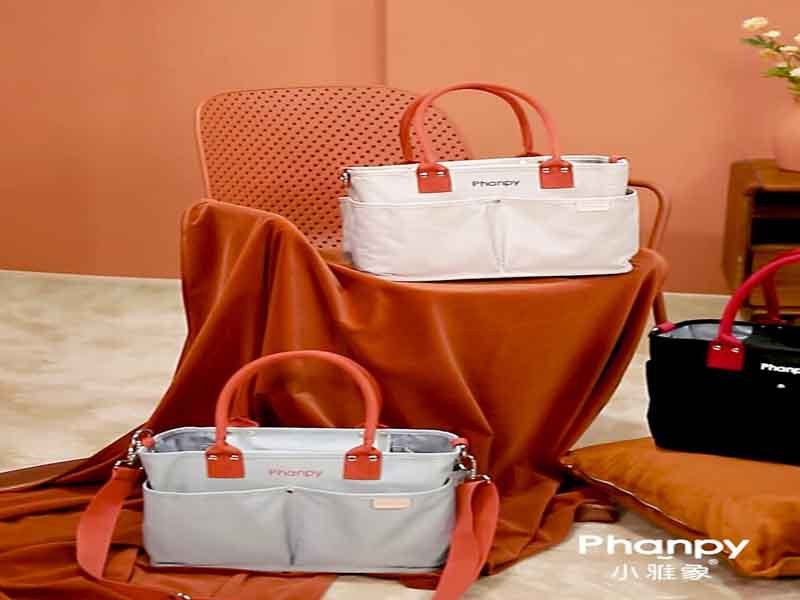
Diaper bags with stroller attachment straps are not just regular diaper bags with a few extra loops stitched onto the side. The core difference lies in structural engineering: the straps are anchored into the bag’s load-bearing seams and reinforced panel points, so weight transfers into the stroller frame rather than pulling only at a flimsy exterior patch. Many cheap retail bags add thin ribbon straps that tear after a handful of outings, but well-made versions use heavy woven webbing, bar-tack stitching, and stress panels designed for repeated daily use. This distinction matters enormously for end users and for brands, because durability and safety are the two non-negotiable pillars of baby gear. A lot of shoppers mistakenly confuse built-in stroller straps with separate stroller hooks, and that confusion often leads to returns and poor reviews. When you design these bags for sale, you have to communicate the functional difference clearly so buyers understand the added value before they purchase.
What makes them different from regular diaper bags?
A standard diaper bag is designed to be carried by hand, worn as a crossbody, or slung over a shoulder. Its stitching, panel support, and weight distribution are built around human carry, not stroller mounting. If you hang a regular diaper bag over stroller handles, all the downward pull sits on the top edge of the bag, which was never meant to support that load. Over weeks of use, seams split, fabric stretches, zipper tracks warp, and the bag sags out of shape. Diaper bags with dedicated stroller attachment straps shift that burden. The anchor points sit low on the bag’s back panel, near the base, so the bag hangs upright instead of flopping forward. Regular bags rely on the customer buying extra accessories to hang them; stroller-compatible diaper bags include that hardware and webbing as part of the core design. For a brand, this means you are selling a complete solution instead of a bag that requires add-ons. Parents do not want to shop for clips separately. They want to pull the bag out of the car, clip it straight to the stroller, and go. This usability gap is why premium baby lines separate this style into its own product category, rather than listing it alongside ordinary tote-style diaper bags. Even subtle details set them apart: the back panel is usually flat and rigid enough to rest cleanly against stroller fabric, while regular diaper bags often have rounded backs that slip and twist.
How do built-in stroller attachment straps work?
Most attachment systems rely on pairs of adjustable webbing straps that run across the back panel of the diaper bag. Each strap passes around the stroller handlebar, then fastens back to the bag using plastic side-release buckles or hook-and-loop closures. High-quality designs use two independent strap sets: one set higher up near the top of the bag, and a second set closer to the bottom. This two-point system stops side-to-side swinging when the stroller rolls over curbs or uneven pavement. Some designs use loop-style straps without buckles, where you slide the stroller bar through sewn fabric tunnels. Tunnel loops are quieter and have fewer small plastic parts that can break, but they are less flexible if your customers own strollers with very wide or unusually shaped handles. The best engineered versions balance adjustability and simplicity. The strap length can be shortened for narrow compact strollers and lengthened for oversized jogging stroller bars. All load-bearing stitches use bar tacking, a dense reinforced stitch pattern common on backpacks and outdoor gear. Bar tacking creates dozens of tiny stitch overlaps at each anchor point, preventing pull-out even when the bag is fully packed with bottles, snacks, wipes, spare clothing, a portable changing mat, and first-aid supplies. It is easy to overlook stitching details during sampling, but this is exactly the detail that separates products with 5-star long-term reviews from items that get returned after one month.
Are they suitable for daily family outings?
For nearly all routine family activities, stroller attachment diaper bags perform extremely well, though they are not universally perfect for every single scenario. Daily trips to the supermarket, neighborhood walks, playground visits, pediatrician appointments, and day trips all benefit the most. On these outings, caregivers want quick access to wipes, pacifiers, snacks, and bottles without bending down to the ground or taking the whole bag off the stroller. There are limits to keep in mind. They are less convenient if the parent frequently lifts the bag off the stroller and carries it for long distances, because the extra straps add minor bulk and weight compared to a slim crossbody diaper bag. They also become less practical when customers use ultra-compact umbrella strollers with very thin, low handlebars, where hanging any bag changes the center of gravity dramatically. Many brands solve this by listing clear weight guidance in product descriptions and packaging. We worked with one baby gear brand that tested their prototype bags with 22 different popular stroller models before launch, documenting which stroller styles worked best. That testing gave them real data they could put on their product page, reducing customer confusion and cutting return rates significantly.
| Design Feature | Regular Shoulder Diaper Bag | Diaper Bag with Integrated Stroller Attachment Straps | Real-World User Impact |
|---|---|---|---|
| Primary load anchors | Top edge and shoulder strap points | Dual reinforced back panel anchor points (top + bottom) | Resists tearing when hung on stroller frame |
| Mounting method | Requires aftermarket hooks or carabiners | Built-in buckled webbing or tunnel loops | No extra accessories required for stroller use |
| Back panel structure | Soft, curved, padded for shoulder comfort | Semi-rigid flat back panel | Hangs upright, reduces twisting and sliding |
| Stitch reinforcement | Standard straight stitching | Bar-tack stitching at all strap anchors | Far higher pull resistance under repeated loading |
| Carry modes | Shoulder, crossbody, hand carry | Shoulder, crossbody, hand carry + stroller mount | More versatile for parents who switch between carrying and hanging |
| Best use case | Short walks where parent holds the bag | All-day outings where the bag stays mounted on stroller | Fewer dirty bags, faster access to baby supplies |
| Limitation | Unstable when hung, high failure risk | Slight added bulk from integrated webbing | Minor tradeoff for stroller functionality |
This table is useful when you build product copy, when you run user testing, and when you work through samples with your manufacturer. Many new brands only test how the bag looks, not how it behaves loaded up on different stroller frames. Small, controlled tests like this catch weak points before thousands of units go into production.
Which Fabrics Are Best for Stroller-Compatible Diaper Bags?
Fabric selection is the foundation of every successful custom diaper bag project, and stroller-mounted styles have unique fabric requirements compared to regular baby bags. Because these bags hang exposed on the stroller, they face more consistent abrasion: they rub against stroller metal frames, bump against curbs, brush against playground fences, and get splashed by rain, puddles, and spilled drinks. The fabric must stand up to this wear, while also feeling safe around babies, wiping clean easily, and resisting stains from milk, pureed food, juice, and sunscreen. The right fabric choice also impacts weight, production cost, branding compatibility, and the finish you can apply. Many new baby gear founders pick fabric based only on color or texture, without thinking about how the fabric interacts with the stroller attachment system. Thin stretchy fabrics look soft but cannot support the pull force from loaded straps, while overly stiff fabrics can feel heavy and create sharp edges that irritate parents’ hands when they do carry the bag off the stroller. Balancing these priorities is where a manufacturer with deep fabric expertise adds the most value.
What fabric options are available for custom diaper bags?
When you work with a full-service manufacturer, your fabric menu extends well beyond basic polyester. Cotton and cotton canvas remain popular for brands leaning into natural, cozy aesthetics. Canvas comes in different weights; lighter canvas feels soft, while heavier 12oz to 16oz canvas delivers excellent tear resistance. Polyester and Oxford fabric are workhorse options for performance-focused lines. 600D and 900D Oxford polyester are widely used in baby gear because they hold printed logos well, accept water-repellent treatments, and clean with a simple damp cloth. Nylon, especially ripstop nylon, is prized for lightweight strength; it resists tearing even when scraped against metal stroller tubing. Neoprene offers a plush, cushioned hand feel and excellent insulation, which works beautifully for bottle sleeves and side pockets, though full neoprene bags are less common because neoprene stretches more under heavy load. Linen and jute fit brands targeting eco-conscious buyers who want textured, natural fiber looks. Linen breathes well and has a premium soft matte finish, while jute delivers a rustic aesthetic, though both absorb liquid quickly unless coated with a protective post-treatment. Every one of these fabrics can be dyed to custom colors, printed, embroidered, or treated with functional coatings during production. You can even mix fabrics in a single diaper bag design: Oxford for the main shell, neoprene for insulated bottle pockets, canvas for decorative front panels, and heavy nylon webbing for the stroller attachment straps. Fabric mixing gives you huge creative flexibility to hit your brand vision without sacrificing function.
Which fabrics resist water, stains and abrasion?
Not all fabrics respond equally to spills and scuffs, and post-treatment changes performance dramatically. Raw cotton canvas soaks up liquid quickly, but once finished with wax coating or durable water repellent treatment, it sheds light rain and spills. Polyester Oxford inherently repels liquid better than natural fibers, and adding a PU coating boosts stain resistance to an outstanding level. Ripstop nylon has excellent abrasion resistance straight out of the roll, and silicone-based DWR treatments further boost water shedding. Natural fabrics like linen and jute are the weakest in stain resistance unless treated, which is a critical detail to communicate to your customers. A jute diaper bag without coating will permanently stain if baby food spills on it, which leads to disappointed buyers. The treatment process happens at fabric roll stage before cutting, which creates uniform coverage across the entire bag. Treating finished sewn bags is less reliable, because seams and stitching block the coating. This is one advantage of working with a factory that develops and treats fabric in-house, rather than buying pre-cut components from multiple separate suppliers.
| Fabric Type | Abrasion Resistance | Natural Water Resistance | Compatible Post-Treatments | Best Brand Vibe | Key Weakness for Stroller Bags |
|---|---|---|---|---|---|
| Cotton Canvas (12oz–16oz) | High | Low | Wax coating, DWR, stain repellent | Neutral, cozy, timeless natural style | Heavy when wet, untreated canvas absorbs spills |
| 600D / 900D Oxford Polyester | Very High | Moderate | PU coating, antimicrobial finish, DTF printing | Practical, family-focused everyday gear | Can feel slightly synthetic to touch |
| Ripstop Nylon | Very High | Moderate | Silicone DWR, anti-abrasion coating | Lightweight, travel, jogging stroller lines | Prints can fade under constant heavy friction |
| Neoprene | Moderate | High | Lamination, soft-touch coating | Premium insulated bottle-focused designs | Stretches under heavy load, not ideal for full shell |
| Linen | Low | Very Low | Light DWR, stain guard | Minimalist, eco-luxury, clean aesthetic | Wrinkles easily, absorbs food and milk spills |
| Jute | Moderate | Very Low | Clear sealant coating | Boho, sustainable natural product lines | Coating can alter the original textured look |
This comparison helps you make intentional tradeoffs. If your target customers are busy parents who prioritize wipeable, low-maintenance gear for messy toddlers, 900D Oxford polyester with PU coating is almost always the safest pick. If your brand sells high-end lifestyle baby products where texture and natural material storytelling are your main selling point, heavy waxed canvas can work, but you need to educate buyers on care instructions.
Do different fabrics affect strap durability?
The stroller attachment straps themselves are almost always made from thick woven nylon webbing, separate from the main bag shell fabric. But the shell fabric where the webbing anchors absolutely impacts long-term durability. If you stitch heavy load-bearing webbing onto thin linen or lightweight cotton without reinforcing the panel, the fabric will tear around the stitch holes over time, even with bar tacking. Manufacturers solve this by adding a reinforcement patch: a square of heavy Oxford or canvas sewn behind the anchor point, spreading pull force across a wider surface area. This reinforcement patch is non-negotiable for stroller diaper bags, and it is a detail you should verify during sample review. Oxford and heavy canvas shells naturally support strap anchors with less extra reinforcement, while linen, jute, and thin cotton require larger, sturdier backing patches. Nylon ripstop is tear-resistant enough that small reinforcement patches are sufficient. Neoprene is tricky here because it stretches; even with backing, repeated pulling can create ripples around anchor points, so neoprene is rarely used as the main shell for stroller-mounted diaper bags. When you run your sample test, you can perform a simple pull test on each anchor point. The factory’s QC team can document how much pull each anchor withstands before fabric deformation, giving you objective data you can rely on instead of just visual inspection.
Are eco-friendly fabric choices available?
Many baby gear shoppers actively search for sustainable fabric options, and custom diaper bag lines can meet that demand without sacrificing stroller strap functionality. Recycled polyester Oxford, made from post-consumer plastic bottles, is one of the most popular eco options. It performs identically to virgin polyester for stain resistance and strap anchoring, and it gives you a clear sustainability story for product listings. Organic cotton canvas is another strong option for natural-focused brands. It skips harsh chemical dyes and treatments, though it still needs protective coatings if you want stain resistance. Linen and jute are plant-based and biodegradable, though as noted before, they require careful treatment and reinforcement. The important thing to understand is that “eco-friendly fabric” does not automatically equal low maintenance. You cannot promise stain-proof performance on untreated organic linen. Successful sustainable baby brands are transparent about this: they highlight the natural texture and low-impact materials, while clearly stating care guidance. Many brands also pair natural fabrics with recycled nylon webbing for the stroller straps, creating a fully circular supply chain narrative. Working with a factory that can source these specialty fabric lots means you do not have to compromise between your brand’s environmental messaging and the functional stroller features your customers need.
How To Choose the Right Stroller Attachment Design
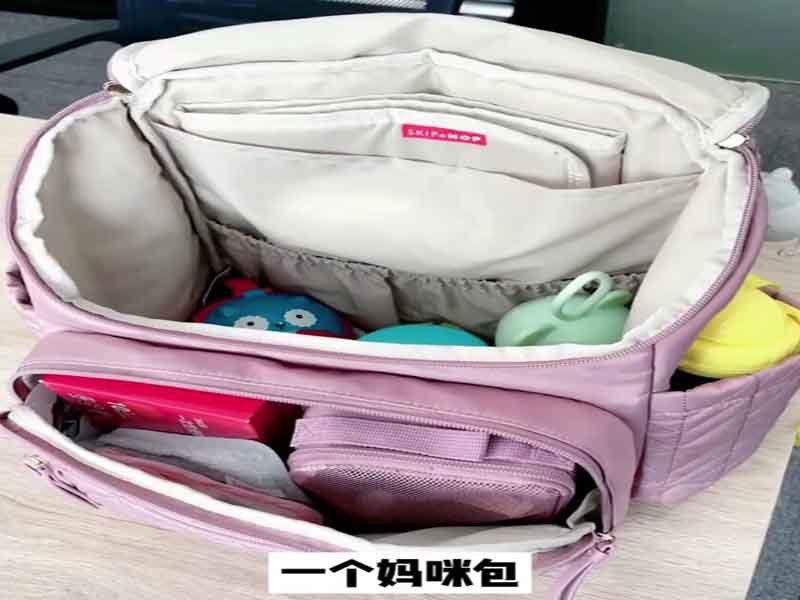
The attachment design is the soul of a stroller-compatible diaper bag — it decides whether the bag hangs steady for years or flops, slides and tips from day one. When most people compare diaper bags, they look at fabric color, pocket count and price, and completely miss the engineering that makes a stroller-hung bag actually work. There is no single attachment style that suits every stroller on the market, which is why thoughtful brands treat attachment design as a feature to plan carefully rather than an afterthought. The honest answer to how to choose: match the attachment system to the stroller types your customers actually own, prioritize two-point stability over one-point convenience, and always design for the heaviest realistic load your bag will carry, because parents will stuff it fuller than your product photos ever show. A baby gear brand we worked with learned this through user testing. Their first prototype used a single wide strap across the top of the back panel, which looked clean and simple in renders. But when parents mounted the fully packed bag on a standard full-size stroller, the weight swung side to side every time the front wheel lifted over a curb. After two weeks of field testing, they switched to a two-point buckle system with a low anchor near the bag base. The revised prototype stayed level, and the feedback from their test group shifted from “it looks nice” to “I never worry about it tipping.” That change cost almost nothing at sampling stage — and would have been very expensive to fix after bulk production.
What Attachment Styles Are Common?
The market uses a handful of attachment styles, each with real tradeoffs in stability, convenience, noise, durability and production cost. Understanding them helps you pick the right one for your product line, and helps you communicate honestly with buyers about how each style behaves. Buckled webbing straps are the most common premium style: pairs of nylon webbing straps with side-release buckles, anchored at two heights on the back panel. They wrap around stroller bars, snap shut, and can be adjusted for handlebar width. They are stable, removable, and easy for parents to understand, and they add a rugged, technical look that fits outdoor and travel-focused baby brands. Tunnel loops are sewn fabric sleeves you slide over the stroller bar. They are quiet, have no plastic parts to break, and look integrated and clean. The tradeoff: they only fit handlebars you can slide into the tunnel, which rules out very thick padded bars, and removal is slightly slower. Hook and carabiner systems attach via metal or plastic hooks to stroller D-rings, handlebars or frame tubing. They are fast to attach and remove, but they swing more freely, and hard hooks can scratch stroller frames if the bag swings into them. Magnetic attachment systems are an emerging premium trend; strong magnets snap the bag onto magnetic receivers fixed to the stroller. They feel almost magical for quick release, but they add receiver hardware that must be installed on the stroller, which some parents find intrusive.
The table below lays out the common styles side by side so you can judge them against your target customer’s needs:
| Attachment Style | Stability | Ease of Mounting | Noise & Hardware | Stroller Compatibility | Best Brand Fit |
|---|---|---|---|---|---|
| Two-point buckled webbing | Excellent — level hang | Moderate; wrap and buckle | Low noise; plastic buckles | Wide range, adjustable | Outdoor, travel, all-purpose baby lines |
| Tunnel loop sleeves | Very good | Easy; slide over bar | Silent; no extra parts | Medium round bars only | Minimalist, sleek lifestyle brands |
| Hook / carabiner system | Fair — swings freely | Fast; clip on and off | Can clink and scratch frames | D-rings and frame tubing | Budget lines, quick-grab urban parents |
| Magnetic receiver system | Very good | Fastest; snap on and off | Silent; needs stroller receiver | Specific receiver hardware | Premium, tech-forward baby brands |
| One-point top strap | Poor — sways and tips | Very easy | Low | Most bars | Avoid; unstable for loaded bags |
The critical-thinking angle here: “easiest to attach” and “safest to carry” are not the same thing. Magnetic and hook systems win on speed, but they sacrifice the level, locked-in hang that parents with fully loaded bags actually need. Most high-review products combine a stable two-point buckle system with a quick-release feature, so parents get both security and convenience. If you are launching your first diaper bag line, the two-point buckle system is the safest engineering choice; it is the style most widely validated by user testing and it adapts to the broadest range of strollers.
Do Stroller Straps Fit All Stroller Handle Types?
No attachment system fits every stroller perfectly, and pretending otherwise on your product page creates returns and bad reviews. Stroller handlebars vary wildly in thickness, height, padding and shape. Ultra-compact umbrella strollers have thin, low handles close to the ground; full-size strollers have taller, thicker bars; jogging strollers use wide, heavy tubular bars; some models add a second adult handle or a bumper bar; and twin or double strollers can be extra wide. A strap that is too short cannot reach around a chunky padded handlebar, and a tunnel loop that is too narrow will not slide over it at all. The good news is that adjustable webbing straps solve most of this: with a 15 to 30 centimeter adjustment range, one strap design covers compact, standard and jogger bars. The table below shows how common stroller handle types interact with attachment designs:
| Stroller Type | Handlebar Traits | Attachment That Works | Common Problem to Design Around |
|---|---|---|---|
| Umbrella / compact stroller | Thin, low, close to ground | Adjustable webbing straps, short tunnel loops | Low handle raises bag weight; watch tipping balance |
| Full-size standard stroller | Medium thickness, mid height | Two-point buckled webbing | Bag can rub on rear wheel guards if anchored too low |
| Jogging stroller | Wide, heavy tubular bar | Long adjustable webbing straps | Wide bar needs longer strap reach; bag must not block knee stride |
| Travel system stroller | Varied, often padded bar | Adjustable straps with foam grip pads | Padded bars can compress; keep straps snug but not crushing |
| Double / twin stroller | Extra wide frame | Longer straps or frame-point hooks | Wider hang adds leverage; reinforce anchor stitching |
| Bassinet-style pram | Horizontal tray or basket bar | Bracket mounts or basket placement | Not all prams accept hanging bags; suggest alternative carry |
Real-world guidance for your product line: list compatible stroller categories clearly, include a simple sizing note in your packaging, and encourage parents to test the fit once before they load the bag. A diaper bag that “sort of fits” every stroller is less valuable than one that fits most strollers securely. In our sample testing with baby brands, we always recommend they test prototypes on at least three different stroller styles before approving production, because handlebar differences that seem small in photos are significant in daily use.
How Much Weight Can These Attachment Straps Support?
Weight capacity is the least talked about but most important specification in stroller diaper bag design, because parents reliably fill diaper bags past what designers expect. A standard loaded diaper bag with two bottles, a changing pad, a pack of wipes, spare clothes, snacks and a small first-aid kit weighs roughly 3 to 5 kilograms, or about 7 to 11 pounds. Add a bulky diaper stack and a tablet, and you quickly cross 5 kilograms. The attachment straps and their anchor points must handle not just that static weight, but dynamic loads: bumps, curbs, turning, and the extra pull when the parent grabs the bag handle while it is still attached. Engineering guidance for infant gear hanging systems generally treats dynamic force as several times the static weight, so a bag rated for 5 kilograms of cargo should be built to withstand sudden pulls far above that at its anchor points. The table below gives practical load planning numbers based on typical webbing strength and reinforced stitching:
| Bag Load Scenario | Typical Cargo Weight | Minimum Anchor Rating Needed | Recommended Strap Width |
|---|---|---|---|
| Light daily outing (diapers, wipes, one bottle) | 2–3 kg (4.5–7 lb) | 10 kg rated anchor | 20–25 mm webbing |
| Standard family day out (two bottles, pad, clothes, snacks) | 3–5 kg (7–11 lb) | 15 kg rated anchor | 25–30 mm webbing |
| Heavy travel or multiple-kid day (extra gear, tablet, bottles) | 5–7 kg (11–15 lb) | 20 kg rated anchor | 30–40 mm webbing |
| Fully stuffed weekend bag | 7+ kg (15+ lb) | 25 kg rated anchor, reinforced base | 40 mm webbing + base panel reinforcement |
Two things matter more than the raw webbing number: the stitching that connects the strap to the bag, and the fabric panel behind the anchor. Heavy 40mm webbing sewn with ordinary stitches onto thin cotton will tear the shell long before the webbing itself fails. That is why reinforcement patches and bar-tack stitching are non-negotiable in stroller diaper bag production. When you review a sample, do a simple pull test: load the bag to 1.5 times your rated capacity, mount it, and shake it side to side the way a stroller ride does. If the anchors hold without visible strain, your rating is honest. That test takes ten minutes and can save your brand from a costly recall or a wave of returns.
What Features Prevent Slipping or Tipping?
Tipping is the safety concern parents mention most, and it deserves careful design attention. A diaper bag hung too high, or anchored at only one point, acts like a lever: the weight behind the stroller handle pushes the front wheels up, and on lightweight strollers the whole thing can tip backward when the child climbs out. Design features that prevent this work by lowering the bag’s center of gravity, spreading the load across two anchor points, and adding friction where the bag meets the stroller. The table below breaks down the most effective anti-slip and anti-tip features:
| Feature | How It Prevents Slip / Tip | Implementation Notes |
|---|---|---|
| Low anchor positioning | Keeps bag weight near handlebar base, reducing leverage | Second strap set anchored near the bag’s bottom edge |
| Two-point attachment | Prevents side-to-side swinging and rotation | High + low strap pair, both adjustable |
| Non-slip backing on back panel | Stops bag sliding along smooth stroller bars | Silicone or rubberized grip strips on the contact area |
| Center-of-gravity balancing | Keeps heavy items (bottles, pad) low in the bag | Internal layout guidance; structured base panel |
| Handlebar grip wraps | Adds friction exactly where straps meet the bar | Soft foam or webbing wraps on strap inner faces |
| Counterweight warning in packaging | Tells parents not to overload or use on ultra-light strollers | Printed safety card + product page note |
There is also a behavioral side to tipping that good brands address with clear communication. Parents should be reminded to keep heavy items in the lower compartments, not in the top flap pockets, and to remove the bag before folding the stroller. A well-designed bag makes these good habits easy: structured lower pockets, visible weight guidance, and packaging cards that explain safe mounting in simple language. When we develop stroller diaper bags with baby brands, the safety documentation is treated as part of the product, not an afterthought. A small printed card can prevent a whole category of negative reviews, and it signals to parents that your brand thinks like a parent, not just like a seller.
What Core Features Should You Prioritize?
After the attachment system, the internal design of the diaper bag decides how parents feel about it ten minutes into a real outing. Parents do not organize their lives into the neat pockets they see in studio photos; they stuff, grab, re-stuff and grab again, often one-handed while holding a toddler. Features that support that reality are the ones that earn repeat recommendations. The priority list for a stroller-mounted diaper bag is clear: a semi-rigid flat back panel so the bag hangs cleanly, wipeable interior and exterior surfaces for inevitable spills, insulated bottle pockets positioned low and outward for easy reach, a built-in changing pad that actually stays put, quick one-handed closures on the pockets parents touch most, and an honest, well-labeled pocket layout that keeps dirty and clean items separate. A designer brand we consulted learned the pocket lesson the hard way. Their first diaper bag had fourteen pockets, which looked impressive in marketing photos. In user testing, parents could not remember where anything was, and the deep main compartment became a “black hole” where bottles slid under spare clothing. The revised design cut the pocket count to eight, added a clear changing-pad compartment on the outside, and moved the bottle pockets to the front face of the bag where they were reachable while the bag hung on the stroller. Test-group satisfaction jumped, and the brand sold out their first production run within two months.
What Pocket Layouts Work Best for Stroller-Mounted Use?
A diaper bag that hangs on a stroller has a different anatomy than one carried on a shoulder: the front face faces the parent, and the back face touches the stroller seat or canopy. That geometry determines which pockets get used constantly and which are dead space. Pockets on the front face and side panels are the high-traffic zones — wipes, pacifiers, snacks and the parent’s phone live there. Deep top flap pockets are harder to reach when the bag is mounted, because the parent must reach over the stroller bar. The best layouts treat the bag as three zones: a front “quick-grab zone,” a middle “organized main zone,” and a rear “stroller-contact zone” that stays flat and minimal. The table below summarizes a recommended layout approach:
| Zone | Pocket Types | What Belongs There | Design Guidance |
|---|---|---|---|
| Front quick-grab zone | 2–3 shallow open or zipped pockets | Wipes, pacifier, phone, snack | Keep shallow so items do not bury; use bright lining for visibility |
| Side panels | Insulated bottle pockets (left/right) | Bottles, sippy cups, small sunscreen | Insulate, add drainage mesh, position low for balance |
| Main compartment | One large space + 2–3 divider pockets | Diapers, spare clothes, changing pad, pouch kit | Use a structured base so contents do not slosh to one side |
| Rear stroller-contact panel | Flat slim pocket or none | Flat documents, thin bibs | Keep it smooth to avoid rubbing against stroller fabric |
| Interior dirty-separator | Sealed or zippered pouch | Wet bibs, used wipes, soiled clothes | Waterproof lining so smells and wetness stay contained |
The critical-thinking point: more pockets are not automatically better. Every extra pocket adds weight, sewing cost and decision fatigue for parents. The best-reviewed diaper bags tend to have a small number of highly intuitive pockets with strong visual cues: colored linings, contrasting zipper pulls, and clear labels or icon prints. If you are designing a custom line, test the layout with real parents holding a baby doll or a bag of groceries in one hand. The pocket layout that works one-handed in a test will win in the market.
Are Insulated Bottle Pockets Worth Including?
Insulated bottle pockets are one of the highest-value features you can add, and parents treat them as a near-necessity rather than a luxury. Keeping a milk bottle at the right temperature during an outing matters for both safety and convenience; warm bottles cool down, cold water warms up, and parents do not want to stop mid-park to dig through the main compartment. Insulated pockets work with a simple principle: a layer of insulating material — closed-cell foam, neoprene, or aluminum-foil backed insulation — wrapped around the bottle sleeve slows temperature transfer. Neoprene is the most popular choice because it is soft, durable, machine-washable and naturally insulating. The table below gives practical guidance on insulation types and their tradeoffs:
| Insulation Type | Temperature Retention | Feel & Weight | Durability | Best Use |
|---|---|---|---|---|
| Neoprene sleeve (2–3 mm) | Good for a few hours | Soft, flexible, medium weight | Excellent; resists water and rubbing | Standard bottle pockets |
| Closed-cell foam pocket | Good for a few hours | Light, cushioned | Good; can compress over time | Lightweight travel bags |
| Foil-backed insulation pocket | Excellent for 4+ hours | Slightly stiff, crinkly | Good; lining can tear if overloaded | Long-day outing bags |
| Uninsulated mesh pocket | None | Light, breathable | Very good | Budget lines or bottle-free usage |
Insulation alone is only half the story. The pocket opening matters: an angled, easy-to-open insulated pocket that stands upright works far better than a deep vertical sleeve where a bottle slides down and becomes hard to grab. Adding a small drainage mesh at the bottom lets condensation escape instead of pooling, which prevents mildew smells. If your brand targets parents of infants who bottle-feed, insulated pockets are the single feature most likely to be mentioned in positive reviews. If your brand targets toddlers who drink from cups, the feature is still valuable but less critical, and you can skip the higher-cost foil insulation to protect your price point.
Do You Need a Built-in Changing Pad?
A built-in changing pad is one of the most-used components of any diaper bag, and nearly every parent expects one. The question is not whether to include it, but how to design it so it actually gets used instead of abandoned in a corner. Disposable changing tables in public restrooms are often dirty, cold and poorly maintained, so parents rely on their own pad for hygiene and comfort. The pad also protects the baby’s head and body from hard surfaces when no changing table exists at all — on a picnic blanket, a car seat, or a public bench. The table below shows common changing pad configurations and their tradeoffs:
| Changing Pad Configuration | Hygiene | Usability | Weight & Bulk | Best Fit |
|---|---|---|---|---|
| Flat foldable pad in a dedicated sleeve | Good; wipeable surface | Fast to pull out, folds flat | Minimal | Most all-purpose diaper bags |
| Roll-up pad with buckle strap | Very good; self-contained | Medium; unroll and lay flat | Slight bulk | Travel-focused lines |
| Integrated pad on changing mat flap | Very good; stays attached | Excellent; one motion, no separate pad | Adds structured back panel weight | Premium stroller-mounted bags |
| Detachable pad with clip | Good; replaceable | Fast | Minimal | Budget and modular lines |
The material of the pad matters as much as the configuration. The wipeable surface should be waterproof-backed (often PVC-free TPU or coated nylon) so that messes wipe clean and never soak through to the bag. The cushion layer should be thick enough to protect the baby’s head on a hard floor, roughly 5 to 8 millimeters of foam, but not so thick that it bulges the bag. A critical design detail parents appreciate: the pad should stay attached to the bag when in use, or have its own storage pocket, so it does not get left behind at the playground. When we develop custom diaper bags, we always recommend the integrated or dedicated-sleeve design, because it guarantees the pad is always with the bag, and it makes the product feel complete right out of the box.
Which Closure Types Are Easiest for One-Handed Access?
One-handed access is the defining usability test for a parent carrying a toddler in the other arm, and the closure hardware determines whether a pocket is actually “quick access” or a frustration. Magnetic closures are the fastest for frequently used pockets: a strong magnet snaps shut and opens with a gentle pull, no fumbling with buckles or zippers. They are popular on premium diaper bags for exactly this reason. Zippers are more secure — nothing falls out, and they keep contents fully sealed — but they take two hands or a practiced one-hand pull, and they slow down the exact moments parents need speed. Flap-and-buckle closures look classic and keep the main compartment very secure, but buckles add a two-step open (release buckle, lift flap), which is fine for the main compartment and bad for quick-grab pockets. Hook-and-loop closures are extremely fast and silent, though they wear out over time and collect lint. The table below matches closure types to pocket roles:
| Closure Type | Speed of Access | Security | Noise | Best Pocket Role | Watch-Out |
|---|---|---|---|---|---|
| Magnetic snap | Very fast, one hand | Moderate | Silent | Front quick-grab pockets | Keep magnets strong but not child-hard-to-open |
| Zipper | Moderate | Very high | Moderate | Main compartment, sealed wet pouch | Choose smooth, wide-tooth zippers for one-hand pull |
| Flap + buckle | Slow, two steps | Very high | Buckle click | Main compartment, travel mode | Not for high-frequency pockets |
| Hook-and-loop | Fast, one hand | Moderate | Silent | Interior organizers, pad closure | Avoid on exterior where lint and sand gather |
| Push-button buckle | Fast, one hand | High | Click | Bottle pockets, side panels | Test button force so small hands cannot easily open |
The design rule that wins reviews: use the fastest closure for the most frequently touched pocket and the most secure closure for the most precious contents. A magnetic front pocket for wipes and phone, a zippered main compartment, and a buckle-secured changing pad cover this balance. Every closure choice also affects production cost and sample testing; buckles and magnets add per-unit cost and parts to validate, while hook-and-loop is cheapest but least premium. Working through this tradeoff during sampling, with real one-handed tests, prevents a bag that looks great in photos but frustrates parents in daily life.
Are There Safety Risks for Stroller-Hung Diaper Bags?
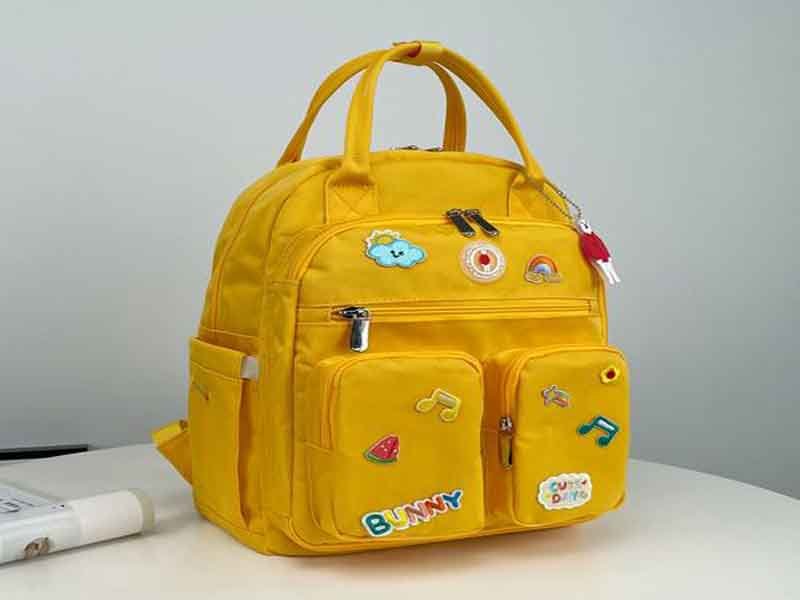
Safety is the non-negotiable foundation of any baby gear product, and diaper bags with stroller attachment straps carry unique hazards that many casual shoppers and new brand owners overlook until an incident or a negative product review surfaces. It is easy to assume that a bag simply hanging on a stroller is harmless, but the physics of leverage, loose webbing, hardware pinch points, and overloading create real risks for babies, caregivers, and the stroller itself. At its core, the safest stroller-mounted diaper bag design keeps load low, restricts loose dangling material, uses hardware that resists accidental release by tiny fingers, and sets clear limits on total carried weight. One of our long-term baby brand partners shared a cautionary story with us after their first launch. They launched a stylish, lightweight diaper bag with decorative long strap tails, and within the first month of sales, they received three customer reports of loose strap ends tangling around toddlers’ wrists when the child leaned out of the stroller. The issue was not the main attachment buckle itself; it was the excess, unmanaged webbing tail that was left hanging free. They quickly revised the sample to add strap keepers to tuck excess length away, updated all product safety copy, and the hazard was eliminated before it escalated into a more serious problem. This example illustrates a critical truth: safety is not just about passing a single lab test. It is built into every small design decision, from strap length management to the placement of plastic hardware and the wording of warning labels.
What stroller tipping hazards should you watch for?
Backward tipping is the most widely recognized and highest-risk hazard for any bag hung from a stroller handle. When you hang a weighted object above and behind the rear axle of a lightweight stroller, it creates a lever that lifts the front wheels off the ground. This risk spikes dramatically with compact umbrella strollers, which already have a narrow wheelbase and low inherent stability. Even a well-engineered attachment system cannot make an unstable stroller safe if it is overloaded. Designers and brands often make the mistake of focusing only on strap strength, while ignoring how weight distribution changes the stroller’s center of gravity. The safest design choices work to reduce leverage rather than just make straps stronger. Anchoring the lower attachment point near the base of the bag keeps the bulk of the load as close to the stroller frame as possible, cutting down the tipping force significantly. Placing heavy items such as full milk bottles, water containers, and weighted toy sets in the lowest internal pockets also helps counterbalance the pull upward on the stroller’s front wheels.
The table below breaks down tipping risk levels by stroller category and typical loaded bag weight, so you can build accurate warnings and product guidance for your listing and packaging:
| Stroller Category | Default Stability Rating | Safe Max Hanging Bag Weight | Tipping Risk Notes |
|---|---|---|---|
| Compact umbrella stroller | Low | 2 kg / 4.4 lbs | Very high tipping risk; not recommended for heavy packing |
| Lightweight travel stroller | Medium-Low | 3 kg / 6.6 lbs | Avoid hanging if child is climbing out or shifting backward |
| Standard full-size everyday stroller | Medium | 4.5 kg / 9.9 lbs | Balanced option for most families; still do not exceed rated load |
| Heavy-duty jogging stroller | High | 6 kg / 13.2 lbs | Wider wheelbase provides excellent resistance to backward tip |
| Double / twin side-by-side stroller | Medium-High | 5 kg / 11 lbs | Wide frame helps, but total weight for two children adds extra variable |
It is important to communicate these limits transparently instead of marketing the bag as “fits all strollers, carry everything.” Some brands hide these warnings or bury them deep in fine print, which leads to disappointed and frightened customers. The best practice is to print a concise warning on the back panel of the bag itself, as well as on the hang tag and instruction insert. Simple, direct messaging such as “Do not overload. Remove bag before folding stroller. Not for use on ultra-light umbrella strollers” helps caregivers form safe habits every time they use the product. Even with clear warnings, you still need to build the bag geometry to minimize leverage: avoid tall, vertical bag shapes where most of the cargo sits high above the handlebar. Shorter, wider profiles always create less tipping torque than tall, narrow bags.
How to avoid strap tangling risks?
Tangling hazards come from loose webbing tails, unconfined adjustable straps, long drawcords, and hardware loops that can catch tiny fingers, wrists, or clothing. Babies and curious toddlers have a natural tendency to grab, pull, and wrap any loose fabric around their hands or arms, and moving strollers turn a loose strap into a moving entanglement risk. This risk is separate from strap breaking; a perfectly strong strap can still become dangerous if there is excess slack left loose after adjustment. There are multiple simple, low-cost construction features that solve this issue. Integrated elastic strap keepers, fabric loops, or Velcro tabs hold leftover webbing neatly against the main strap after the caregiver adjusts the length. All adjustable tail ends should be limited to a maximum short length so even if they slip free, there is not enough material to wrap around a limb. Buckle placement is another factor: keep buckles positioned on the outer side of the straps, away from where the child’s arms and head rest inside the stroller seat.
The following table outlines common entanglement risks and corresponding design fixes you can specify during sampling:
| Risk Source | Hazard Description | Design Solution | Cost Impact |
|---|---|---|---|
| Long loose strap tails | Can wrap around wrists, fingers, neck | Add elastic strap keepers, limit raw tail length | Minimal; small fabric or elastic tab |
| Excess adjuster webbing | Slips loose after repeated pulling | Bar tack the webbing at maximum extended length stop | Minimal; extra stitch operation |
| Open carabiner / hook loops | Catch small fingers or clothing | Replace solid open hooks with enclosed webbing loops or covered hardware | Moderate; hardware upgrade |
| Floating secondary straps | Swing freely as stroller rolls | Anchor both ends of every functional strap, no free-hanging loose ends | Minimal; pattern adjustment |
| Thin drawstrings on pockets | Strangulation risk for young kids | Replace drawcords with magnetic snaps or wide fabric flaps | Low to moderate; closure redesign |
A common mistake we see in early prototypes is prioritizing adjustability range without planning for tail management. Designers want straps to fit every handlebar width, so they cut very long webbing strips, and forget to add keepers. During sample review, you should simulate real child interaction: pull on the straps from the seat side of the stroller, test whether loose ends can be pulled toward the child easily, and verify that all keepers stay secured after dozens of adjustment cycles. Elastic keepers can wear out over time, so a double-stitch attachment for each keeper tab is essential. If your brand targets newborns and younger infants under one year old, entanglement testing deserves extra attention, as this age group is the most vulnerable to cord and strap hazards.
Do safety standards apply to baby gear bags?
Yes, baby gear including custom diaper bags falls under a range of product safety expectations, depending on which markets your brand sells into. While diaper bags are not always regulated as strict infant sleep hardware or car seats, they are classified as children’s and baby accessories, so they must meet general requirements for small parts, hardware strength, fabric safety, heavy metal content, and labeling. Many new custom brand owners underestimate how these rules affect their design choices and documentation. For example, plastic buckles must not break into small, swallowable pieces under impact or pulling force. Fabric dyes and coatings must be free of restricted heavy metals and harmful azo dyes, which are commonly controlled in many consumer product markets.
The table summarizes key compliance categories and what you should request from your manufacturer during sampling and bulk production:
| Compliance Area | What it covers | What you should request |
|---|---|---|
| Small parts testing | Hardware that can detach and fit inside a small parts cylinder | Pull test reports for buckles, snaps, rivets; avoid fragile lightweight plastic hardware |
| Textile chemical safety | Dyes, coatings, PU lamination, waterproof treatments | Fabric test reports for restricted substances, heavy metals, harmful dyes |
| Mechanical strength of webbing | Strap anchors and stitching failure risk | Pull test certificates for each attachment anchor point |
| Label and warning requirements | Printed safety instructions, age guidance, hazard statements | Permanently sewn woven warning label, not just a temporary paper hang tag |
| Flammability | Fabric burning speed for products near children | Flammability test reports for main shell fabrics where required |
A key point for brands working with a custom manufacturer: compliance is far easier to build in at the fabric selection and sampling phase than to fix after bulk production. If you select a cheap untested fabric or unknown hardware supplier, you may find out late that your product cannot pass testing for your target sales region. The factory can source pre-tested fabric and hardware batches and provide the corresponding test documentation when you request it. Keep in mind that safety standards evolve, and what is acceptable in one country may not be allowed in another. Clearly communicate to your manufacturer which markets you plan to sell into, so the team selects hardware, treatments, and labeling aligned with those requirements. Safety compliance is not just a box to check for certification; it is a selling point you can share on your product page to build trust with parents, who actively seek out brands that take child safety seriously.
How To Customize Diaper Bags With Stroller Straps?
Customization is where your brand vision turns a generic diaper bag into a unique product that resonates with your target audience. Many first-time brand owners mistakenly believe customization only means printing a logo on a ready-made bag. True custom work covers fabric selection, pattern geometry, attachment strap engineering, pocket layout, hardware color, branding technique, internal lining, packaging, and safety labeling. When approached well, customization lets you solve specific pain points your audience complains about, instead of competing with thousands of identical mass-market diaper bags sold on large retail platforms. The straightforward way to approach customization is to start with your target customer’s biggest frustrations, build the core functional structure first, then layer branding and aesthetic details. One small baby gear brand we supported built their entire custom diaper bag line around feedback from parents of twins. Their customers complained that standard stroller diaper bags did not have enough bottle slots, and the straps were too short for wide double stroller bars. The brand worked through three sample revisions, added four insulated bottle pockets, extended the adjustable webbing range, reinforced the lower anchor patches, and created a twin-focused bag that quickly earned glowing reviews and steady repeat orders. This example shows how customization solves real customer pain points instead of only changing colors and logos.
What custom modifications can you request?
The range of modifications available is broad, and nearly every component of the stroller-compatible diaper bag can be adjusted to match your product roadmap. You can modify the overall dimensions to create a compact everyday version or a large travel-focused version. The stroller attachment system itself is fully customizable: switch from two-point buckled webbing to tunnel loops, adjust strap width, change buckle material from plastic to metal, add foam grip padding on the strap inner surface, or reposition anchor points higher or lower on the back panel. Internal customization options include rearranging pocket layouts, adding wet pouch compartments, changing insulation thickness for bottle sleeves, upgrading the changing pad material, adding hidden zippered security pockets for phones and wallets, and swapping lining fabric for a high-contrast wipeable TPU lining. Exterior customizations cover shell fabric mixes, custom dye colors, hardware finishes, strap keeper design, and reflective strips for families who walk strollers after sunset.
The table below organizes common custom modifications, their use cases, and the relative impact on unit cost and sampling timeline:
| Custom Modification | Target Customer Benefit | Cost Change | Sample Lead Impact |
|---|---|---|---|
| Reposition stroller strap anchor points | Adjust balance, reduce tipping leverage | Low | Minor pattern edit, fast revision |
| Upgrade webbing width or hardware | Higher load rating, premium feel | Moderate | New hardware sourcing, extra QC pull test |
| Rearrange pocket layout, add wet pouch | Separate clean and soiled baby items | Moderate | New internal pattern pieces |
| Upgrade changing pad to TPU waterproof surface | Easier cleanup, better hygiene | Low-Moderate | Material swap only |
| Mixed fabric construction (Oxford shell + neoprene pockets) | Visual differentiation + insulation performance | Moderate | Multiple fabric cutting runs |
| Add reflective piping / webbing | Safety for evening stroller walks | Low | Extra trim operation |
| Custom internal contrast lining | Faster visibility of small supplies | Low | Different lining fabric |
| Modify overall bag dimensions | Compact city use or extended travel use | Moderate | Full pattern resize |
A useful critical thinking rule for customization: avoid adding modifications just because they sound impressive. Every extra feature adds sewing steps, material cost, and potential failure points. Before approving a modification, ask whether your target buyer will notice and value it enough to justify the higher retail price. Many successful niche brands keep the core attachment structure proven and stable, and only customize one or two standout features that set their bag apart, rather than over-engineering every detail.
How does private labeling work for diaper bags?
Private labeling is the most popular starting point for new baby gear brands that want their own branded product without designing everything from scratch. With private label, you select a base proven pattern of a stroller diaper bag from the manufacturer’s existing library of styles. The base pattern already has tested attachment straps, validated pocket layouts, and safety-tested hardware, which cuts sampling risk and speeds up your timeline. You then customize the branding elements: your logo, woven neck label, hang tag, care label, custom exterior print or embroidery, and packaging. You can also pick fabric colors and hardware finishes from the factory’s available stock color options, without rewriting the full pattern. Private label sits between ready-made wholesale goods and full original design work. It is perfect for brands testing a new market, launching their first baby accessory line, or running limited seasonal batches.
This table contrasts private label against full custom original pattern development so you can select the right path:
| Project Type | Starting Base | Customization Scope | MOQ Expectation | Timeline | Best For |
|---|---|---|---|---|---|
| Private Label | Existing validated bag pattern | Logo, labels, colors, branding, minor pocket tweaks | Lower MOQ | Faster sampling, shorter bulk lead | First launch, test batches, seasonal drops |
| Full Custom ODM / Original Pattern | Blank sheet, new pattern build | Every dimension, strap design, pocket layout, fabric mix | Higher MOQ | Longer sampling, multiple revision rounds | Established brands with clear unique product vision |
When you move forward with private label, you supply your vector logo file, label artwork, and brand style guidance. The factory team creates mockups showing logo placement, size, and color matching before cutting samples. Common branding techniques for private label diaper bags include embroidery, DTF heat transfer print, screen printing, embossed woven patches, and debossed PU leather labels. Each branding method has different durability and texture characteristics, and the factory team can advise which works best on your chosen shell fabric. Embroidery delivers a premium, long-lasting finish that holds up well on canvas and Oxford fabric, while DTF printing supports full-color detailed logos at a lower cost for smaller runs.
What is the OEM and ODM process?
OEM and ODM are two distinct workflows for custom manufacturing, and understanding the difference helps you set realistic expectations for your project. In an OEM arrangement, you supply the complete technical package: final patterns, technical spec sheets, BOM (bill of materials), logo files, and your own tested sample reference. The manufacturer’s role is strictly to follow your specifications exactly, source the listed materials, and produce the product to your requirements. This is ideal if you already have a finished, validated design and only need a reliable production partner. ODM means you share your concept, customer pain points, and functional goals, and the manufacturer’s internal design and pattern team develops the pattern, selects compatible fabrics and hardware, builds prototypes, and iterates the sample with you until it meets your vision. For stroller diaper bags, ODM is very common, because the factory already has deep knowledge of strap engineering, safety testing, and fabric compatibility that new brand founders often lack.
The table breaks down the sequential steps in a typical ODM custom diaper bag project:
| Step | Activity | Key Deliverable |
|---|---|---|
| Project briefing | Share target user, feature list, budget, sales markets, quantity | Project brief, initial quotation |
| Design & pattern development | Draft 2D pattern for bag, attachment straps, pockets | Digital mockups, technical drawing |
| Material sourcing | Source fabric, webbing, buckles, lining, insulation matching specs | Fabric swatches, hardware samples |
| First prototype sampling | Cut and sew first physical sample | First prototype for your evaluation |
| Sample revision cycle | Adjust strap position, pocket size, hardware, fabric mix based on feedback | Revised samples until approval |
| Testing & documentation | Pull testing, fabric compliance testing, safety label review | Test reports, approved final sample, locked BOM |
| Bulk production | Cutting, sewing, branding, quality inspection | Finished bulk goods |
| Final inspection & shipment | Pre-shipment QC, packing, export paperwork | Packing list, commercial invoice, tracking |
One of the biggest advantages of working with an integrated manufacturer like Szoneier for ODM work is that fabric development, pattern making, sampling, branding, and QC all happen in-house. If you need to adjust a fabric post-treatment or reinforce a strap anchor after testing, the team can make changes quickly instead of coordinating with separate fabric suppliers and pattern studios. This cuts down miscommunication and reduces the risk that the final bulk product deviates from your approved sample.
Can you add your own logo and branding?
Nearly every custom stroller diaper bag project includes unique logo and branding elements, and there are multiple application methods suited for different fabrics, price points, and aesthetic goals. Embroidery creates a textured, high-end logo that resists repeated rubbing and washing, which makes it a favorite for premium canvas and Oxford diaper bags. Screen printing works well for simple one-color logos on flat fabric panels and keeps unit branding cost low for larger orders. DTF heat transfer printing supports complex multi-color artwork, gradients, and fine details, and it adheres reliably to nylon, polyester, and blended fabrics. Woven patches and leather debossed labels add a luxury tactile element and can be sewn onto the front flap or side panel as a focal branding point.
The table compares the most common branding options for custom diaper bags:
| Branding Method | Texture | Wash & Wear Durability | Fabric Compatibility | Relative Cost |
|---|---|---|---|---|
| Embroidery | Raised, textured | Excellent | Canvas, Oxford, thick polyester | Higher |
| DTF Heat Transfer | Smooth, flat | Good | Most woven fabrics, nylon, polyester | Moderate |
| Screen Print | Flat ink layer | Moderate | Smooth cotton, canvas | Low for large runs |
| Woven Patch | Tight woven texture | Excellent | All bag shells, sewn on | Moderate |
| Debossed PU Label | Smooth, premium leather-like | Very good | Attached as patch | Moderate-High |
Important practical guidance: logo placement matters for stroller diaper bags. Avoid placing large printed logos on the back panel that presses against the stroller frame, because repeated friction from the stroller handle can wear the print prematurely. The front flap, upper side panel, or a woven label sewn near the top edge are the most durable logo positions. During mockup review, the factory design team will flag risky placement and suggest alternatives. You can also add secondary branding elements: custom woven size and composition labels, branded hang tags, printed inner lining artwork, or custom poly bags printed with your logo for retail packaging. These small touches create a cohesive unboxing experience for your customers and help your brand stand out on crowded retail shelves and social media feeds.
What Are Szoneier’s Advantages for Diaper Bag Production

Finding a dependable manufacturer for stroller-compatible diaper bags can feel overwhelming for new and growing baby gear creators. Many factories only handle simple sewing work, buying pre-made fabric rolls and off-the-shelf hardware from outside vendors, which leaves them with limited control over material quality, functional coatings, lead times, and safety consistency. The core benefit of partnering with Szoneier is the fully integrated workflow: 18 years of in-house fabric research, material processing, pattern development, sample making, finished bag production, and quality verification under one roof. This unified setup removes communication gaps that often happen when fabric suppliers, hardware vendors, sewing workshops, and inspection teams operate separately. Unlike many suppliers who only offer ready stock items with minor logo printing, Szoneier can adjust fabric composition, apply custom functional post-treatments, redesign strap anchoring structures, and tune pocket layouts specifically for stroller-mounted diaper bags, all while keeping flexible order terms for small emerging brands and premium label lines alike. A baby gear founder we supported shared that before working with Szoneier, they went through three different suppliers over eight months. One vendor could not add durable water repellent coating consistently to their Oxford shell; another struggled to reinforce the stroller strap anchor points without distorting the bag shape; a third had rigid minimums that locked them into huge inventory commitments before they knew if the product would sell. Once they switched, they were able to iterate four samples with mixed fabric panels, pull-test every attachment point, and launch their stroller diaper bag line with a manageable first production batch. This real example highlights how vertical integration directly solves the most common pain points custom baby gear brands run into.
What MOQ and sampling terms are offered?
Low minimum order quantities are one of the most frequently requested benefits by independent baby gear creators, boutique store owners, and emerging online brands. Many factories reserve custom pattern development and full customization only for large bulk orders, forcing smaller creators to either buy generic ready goods or take on financial risk with thousands of units they may not be able to sell. Szoneier is built to support both small-batch custom runs and high-volume brand production, which means the minimums shift based on how much customization you need for your diaper bag design. If you select from the existing base diaper bag patterns and only add your logo, custom labels, and choose from stocked fabric colors, the minimum quantity stays very accessible. If you need a fully original pattern, unique mixed fabric construction, custom hardware molds, or special custom dyed fabric rolls, the MOQ will rise accordingly because new pattern cutting, fabric dyeing runs, and custom tooling carry fixed setup costs. Sampling terms are structured to let you validate safety, fit, stitching quality, and stroller strap performance before committing to bulk production.
The following table clarifies the different project tiers, their MOQ expectations, sampling rules, and what you receive at each stage:
| Project Type | Typical MOQ | Sampling Policy | Sample Timeline | Customization Scope Included |
|---|---|---|---|---|
| Private label on existing stroller diaper bag patterns | Low MOQ | Free design service, fabric sample swatches provided free | 3–5 working days for pre-production sample | Logo application, woven labels, hardware color selection, stocked fabric options |
| Minor modification of proven base pattern | Medium low | Revisions allowed on sample; fabric samples free | 5–8 working days | Reposition straps, adjust pocket sizes, swap lining or insulation material |
| Full original ODM custom pattern design | Moderate MOQ | Multiple sample revision rounds included in project quote | 8–14 working days | New dimensions, unique attachment system, custom fabric blend, custom post-treatment |
| Large-scale recurring brand bulk production | Higher volume | Pre-production sign-off sample required before bulk release | 10–18 working days bulk lead after sample approval | Consistent repeat runs, dedicated QC line, full compliance documentation |
It is important to think critically about MOQ as a balance, not just a number to chase. A very low MOQ sounds attractive, but if the factory cannot reinforce the stroller attachment anchors correctly or cannot apply stain-resistant coating evenly, the low order size does you no good. Szoneier’s low-MOQ custom service is paired with the same fabric testing and pull-test verification that applies to large brand orders, so small batches still meet the same durability and safety standards. This is a meaningful difference from many low-MOQ workshops that skip load testing and compliance checks for small orders. You can also request fabric swatch packs ahead of sampling, so you can feel the texture, check color, and inspect how coatings perform before the factory cuts a physical diaper bag prototype.
Do you get free design and fabric samples?
Design support and sample access are two of the biggest bottlenecks for brands without in-house graphic or pattern designers. Many creators have a clear mental picture of their perfect stroller diaper bag but lack the technical drawings, pattern files, or color references needed to communicate it clearly to a sewing team. Szoneier’s free design service removes that barrier. The internal design team translates your reference photos, feature lists, sketch notes, and brand mood boards into technical sketches, 2D pattern layouts, and mockups showing logo placement, strap positioning, pocket arrangement, and fabric combinations. This service comes at no extra cost during your project discussion and sampling phase, whether you want a simple logo mockup on an existing bag or a completely new layout with dual stroller straps, wet storage pockets, and insulated bottle sleeves. Fabric samples are also available for free. You can request swatches of canvas, Oxford polyester, ripstop nylon, neoprene, linen, jute, and cotton fabric, including versions with DWR, PU coating, antimicrobial, or stain-resistant post-treatment applied. These swatches help you evaluate hand feel, color fastness, wipe performance, and thickness before sampling begins.
The table outlines what is included within the free sample and design offering, and what falls outside the complimentary scope:
| Free Service Item | What you receive | Notes for your baby gear project |
|---|---|---|
| Graphic & structural mockup design | Digital renderings of your diaper bag, logo placement drafts, color matching proposals | Multiple rounds of minor mockup edits included |
| Fabric swatch samples | Cut fabric swatches of your selected materials, with finish and color matching | Shipping cost for swatch packs may apply depending on destination |
| Standard hardware sample reference | Buckle, webbing, zipper, snap and slider samples matching your selection | Hardware samples grouped with fabric swatches |
| Pattern adjustment guidance | Expert feedback on strap anchor placement, tipping risk, pocket usability | The team draws on past stroller diaper bag testing data |
| Pre-production physical prototype | One initial sample of your selected design | Physical prototype sample cost may apply for fully custom ODM designs |
A point worth considering: free digital design does not equal unlimited physical prototype samples. While fabric swatches and design mockups are complimentary, fully sewn physical prototypes consume fabric, webbing, buckles, labor and QC time. For private label projects using existing patterns, many initial samples can be arranged at a very low cost or waived; for completely original designs requiring new pattern cutting, prototype fees may apply, often refundable once bulk production reaches the agreed order quantity. This structure is fair and sustainable, and it lets you test materials risk-free before investing in physical bag samples. The ability to hold and test fabric swatches is especially valuable for stroller diaper bags, since surface texture, abrasion resistance, and how easily spills wipe away directly shape customer reviews.
What post-treatment processes are supported?
Post-treatment is what turns plain base fabric into a high-performance material built for the messy reality of parenthood and stroller-mounted use. Many suppliers only work with pre-finished fabric rolls they purchase externally, limiting which functional treatments you can add. Because Szoneier handles fabric development and finishing in-house, a broad menu of post-treatment options can be applied at the fabric roll stage before cutting the diaper bag shells. This roll-stage treatment delivers far more consistent coverage than spraying or coating finished sewn bags after assembly. For stroller diaper bags, the most popular finishes are water repellent coating, stain guard, and antimicrobial treatment, but many other specialized treatments are available to match your brand positioning. If you are building an eco-focused line, you can select low-impact, Azo-free dyeing and non-toxic coating formulas. If you are designing a travel-focused, all-weather diaper bag, silicone DWR or PU lamination can be added to shed rain, juice, and milk spills.
This table maps common fabric post-treatments to the use case for stroller diaper bags, plus compatibility notes:
| Post-Treatment | Function | Best For | Compatible Fabrics | Things to consider |
|---|---|---|---|---|
| PU coating | Waterproof backing, blocks liquid penetration | Wet pouch lining, main shell for all-weather use | Oxford, polyester, nylon | Can slightly stiffen fabric hand feel |
| Silicone DWR treatment | Water beading, light stain resistance | Main exterior shell for everyday messy use | Canvas, nylon, polyester | Does not make fabric fully waterproof |
| Antimicrobial / antibacterial finish | Inhibits mold, mildew and bacteria growth | Wet pockets, changing pad surfaces | Polyester, Oxford, blended fabrics | Must specify compliance requirements for baby contact |
| Wax coating | Water resistance + vintage textured look | Natural canvas lifestyle diaper bags | Cotton canvas | Wax will wear over time and develop unique patina |
| Anti-abrasion coating | Reduces scuff marks from stroller frame rubbing | Back panel where bag contacts stroller tubing | Nylon, Oxford | Adds thin protective surface layer |
| Flame retardant finish | Meets flammability requirements for baby textile goods | Regions with strict textile flammability rules | Polyester, cotton blends | Extra documentation required for compliance |
| Soft-touch finishing | Reduces synthetic plastic feel of polyester fabric | Premium lifestyle baby gear lines | Polyester, Oxford | Does not impact stain resistance |
The critical design insight here is that you can mix treatments across different fabric panels of the same diaper bag. For example: the outer Oxford shell gets silicone DWR stain resistance; the internal wet pouch lining receives PU waterproof coating; the changing pad surface is treated with an antimicrobial finish. This targeted approach gives you the best performance on each component without over-treating fabric that does not need it. The factory team will also advise you on how each finish impacts printing, embroidery, and color fastness, so your branding stays sharp after treatment.
Is 100% quality inspection provided before shipment?
Quality control is especially important for stroller diaper bags because a single failure point, such as a poorly bar-tacked strap anchor or a weak buckle, creates functional and safety concerns for end users. Szoneier implements full quality checks at multiple stages of production, not just a quick visual scan after sewing is complete. Inspection starts when raw fabric and hardware arrive: every batch is checked against your approved swatch and hardware sample for color, thickness, coating consistency, and hardware strength. During cutting, workers verify fabric alignment and avoid flawed sections of the roll. Mid-production QC checks sample sewn bags from the production line, examining strap anchoring stitching, bar tack density, buckle function, zipper smoothness, pocket alignment, and changing pad construction. Once all units are finished, a final pre-shipment inspection is completed, following structured checklists tailored specifically for stroller diaper bags. The inspection includes physical pull testing on randomly selected finished units to confirm the attachment straps and anchor panels hold their rated load.
The inspection checklist for stroller diaper bags covers these core categories:
| Inspection Stage | Items Verified | Why it matters for stroller diaper bags |
|---|---|---|
| Incoming material QC | Fabric color, coating, hardware specs, webbing width | Catches wrong or defective material before cutting thousands of bags |
| Mid-line sewing QC | Bar tack stitching at strap anchors, seam strength, pocket alignment | Fixes stitching errors early instead of completing defective units |
| Finished unit functional test | Buckle release, strap adjustability, zipper function, changing pad fit | Confirms the bag works as designed in daily use |
| Random load pull test | Strap anchor pull resistance, no fabric tear at reinforcement patch | Validates the core safety feature of the stroller attachment system |
| Final cosmetic & packaging QC | Logo placement, print quality, label warnings, packing completeness | Ensures the product matches your approved sample and ships with correct safety labels |
This multi-step inspection model is a major advantage over factories that only inspect finished goods visually. Visual inspection cannot tell you if a strap anchor will fail under load. Pull testing random units from the bulk order gives objective proof that the safety-critical attachment system meets your specification. You can also request inspection photos or a full inspection report before shipment, so you have full visibility into the quality status of your order before it leaves the factory. This level of oversight protects your brand reputation, reduces return rates, and builds trust with parents who rely on your diaper bag to keep their baby supplies secure on family outings.
How To Start Your Custom Diaper Bag Inquiry
Once you understand stroller attachment design, fabric choices, safety rules, customization options, and manufacturing capabilities, the final step is turning your concept into a tangible custom diaper bag project. Many new brand owners stall at this point because they are unsure what information to share with the manufacturer, how long the whole process will take, and what supporting documentation they can receive to support their product listings and customer safety communications. The simplest way to launch your project is to gather your core requirements clearly and send them over for a quotation. A strong inquiry tells the manufacturing team your target buyer group, the key features you must include, fabric preferences, branding method, target order volume, and the countries where you plan to sell the finished diaper bags. This information helps the team create an accurate quote, recommend the most suitable fabric and attachment design, and prepare the correct compliance documentation from the start. A boutique baby brand that recently reached out to Szoneier only shared a vague request for “stroller diaper bags” in their first message. Without target market details, the initial quote was generic. After they followed up to explain they sold primarily to eco-conscious parents in Europe and needed OEKO-TEX compliant recycled polyester, low-impact dyes, and clear tipping safety labels, the team revised the recommendation, adjusted fabric selection, and mapped out the required test reports for their market. This example shows how the clarity of your initial inquiry directly shapes how useful the manufacturer’s response will be.
What details do you need for a quotation?
A complete inquiry does not need professional technical drawings, but it should cover a few key categories so the quotation is accurate and avoids unexpected cost changes later. You will want to outline the core feature set of your diaper bag, such as the style of stroller attachment straps, number of insulated bottle pockets, whether a built-in changing pad is required, wet storage pouch needs, and preferred closure hardware. You should also state your fabric preferences, whether you lean toward recycled polyester Oxford, canvas, ripstop nylon, neoprene accents, or natural linen and jute. Include your branding plan: whether you want embroidery, DTF print, woven labels, leather patches, or a mix of branding techniques. Your target order quantity and whether this is a test private label run or a full original ODM design also matters greatly, as this determines MOQ, sampling cost, and unit pricing. Finally, share which markets you intend to sell into, so the factory can include the right fabric safety testing and warning label requirements.
The table below is a simple reference you can use to prepare your inquiry:
| Information Category | Examples you can share in your message | Impact on quotation |
|---|---|---|
| Core functional requirements | Two-point adjustable stroller buckled straps, 2 insulated bottle pockets, waterproof wet pouch, integrated changing pad | Defines pattern complexity, material list, labor time |
| Fabric and finish preference | Recycled 900D Oxford with DWR stain treatment, neoprene bottle sleeves | Determines fabric cost, post-treatment steps |
| Branding style | Embroidery logo on front flap, woven care and warning labels | Sets branding operation cost |
| Order scope | First test batch of private label bags / fully custom ODM original design | Determines MOQ and sampling charges |
| Target sales regions | North America, EU, UK, Australia | Triggers required compliance test documentation |
| Target timeline | Need samples in 2 weeks, bulk shipment ready in 6 weeks | Lets the team confirm feasible lead times |
Even if you do not have every detail finalized, sharing what you know gives the design and sales team a foundation to provide recommendations. If you are unsure which attachment style or fabric fits your audience best, you can simply describe your ideal customer, and the team will propose suitable options based on past stroller diaper bag projects.
How long are sample and bulk lead times?
Lead times depend on the complexity of your design, whether you are using an existing pattern or building an original one, fabric stock availability, and how many rounds of sample revisions you require. Private label orders that use pre-approved base patterns and stocked fabrics move fastest, because the pattern, strap structure, and safety testing are already completed. Fully original ODM projects take longer because they involve pattern drafting, new material sourcing, multiple prototype revisions, and load testing for the stroller attachment system. Fabric that needs custom dyeing or special post-treatment will also add time to the schedule. It is smart to build buffer time into your product launch plan, especially if you are launching for a seasonal sales window.
This table breaks down typical timelines for different project types:
| Project Type | Sample Development Lead Time | Bulk Production Lead Time (after sample approval) | Notes |
|---|---|---|---|
| Private label, existing stroller diaper bag design | 3–5 working days | 10–15 working days | Fastest route for first launch or restock |
| Minor modified base pattern | 5–8 working days | 12–18 working days | Adjust straps, pockets, lining, hardware only |
| Full custom ODM new pattern | 8–14 working days | 18–25 working days | Includes pull testing, compliance sample validation |
| Special custom dyed fabric or rare post-treatment | 10–16 working days | 22–30 working days | Fabric finishing adds extra production time |
Remember that these timelines start once all artwork, specifications, and deposit are confirmed. Delays most often come from slow feedback on sample revisions, last-minute design changes after pattern lock, or artwork adjustments. Setting clear internal deadlines for your own sample feedback keeps your project moving smoothly. The team will share a schedule with you once your project is confirmed, so you know exactly when to expect photos, sample shipments, QC updates, and bulk completion.
What supporting documents and test reports are available?
Selling baby gear online or in retail stores requires supporting documentation to satisfy marketplace rules, buyer confidence, and regional consumer safety standards. When you produce your custom stroller diaper bag, you can request relevant test reports for the fabrics, coatings, webbing, and hardware used in production. Common documents include textile heavy metal and restricted substance test reports, color fastness certificates, pull-test records for the stroller attachment anchor points, flammability documentation, and material composition statements. These reports serve two purposes: they help you meet legal obligations in your sales regions, and you can share summarized highlights on your product page to reassure parents that safety has been verified. Many baby shoppers actively look for proof that a diaper bag’s fabric is non-toxic and that the straps have been load tested, so these documents become a trust-building sales asset.
The table lists typical available documentation and their use cases:
| Document Type | What it covers | How you can use it |
|---|---|---|
| Fabric restricted substance test report | Dyes, coatings, heavy metals, harmful azo compounds | Marketplace compliance, EU and North America sales requirements |
| Webbing & anchor pull test record | Load capacity of stroller attachment straps and bar-tack anchors | Product page safety claims, internal brand quality control |
| Material composition certificate | Fiber content of shell, lining, webbing, insulation | Care label accuracy, retail buyer requirements |
| Flammability test report | Fabric burn speed and flame resistance | Required for certain textile safety regulations |
| Pre-shipment QC inspection report | Final inspection results of your bulk order | Verify order quality before shipment |
It is important to request the specific reports you need at the beginning of your inquiry. If you wait until bulk production is finished to ask for testing, it may not be possible to generate the exact documentation you need without extra sampling and lab fees. Communicating your compliance requirements upfront lets the factory source appropriate materials and schedule testing alongside production.
Where can you submit your custom baby gear project?
All custom diaper bag inquiries can be sent directly through Szoneier’s official website, szoneierfabrics.com. On the site, you can browse fabric introductions, learn more about the factory’s manufacturing background, view examples of finished custom bags across baby gear, medical, outdoor, and luggage categories, and fill out the inquiry form to share your project details. When submitting your request, attaching reference images, mood boards, sketches, logo files, or screenshots of competing products you like helps the team grasp your vision faster. Once your message arrives, a dedicated project coordinator will review your requirements and follow up with a tailored quotation, fabric recommendations, and a sample roadmap. Whether you are a small creator launching your first baby accessory, a boutique retailer building an exclusive private label collection, or an established brand expanding your stroller diaper bag lineup, the team can adapt the workflow to match your goals. If you are ready to turn your stroller-compatible diaper bag concept into a sellable product, reach out through szoneierfabrics.com today to start your custom inquiry, get fabric swatches, and explore the design possibilities for your next baby gear collection.