Skip to content

Fashion Fabric Trends: The Future of Sustainable and Eco-Friendly Materials
In a world of fast-changing fashion cycles and growing climate urgency, textiles are no longer just about aesthetics — they’re about accountability. The global fashion industry is responsible for nearly 10% of total carbon emissions and 20% of wastewater, according to the United Nations. Today, consumers and brands alike are demanding more transparency, traceability, and environmental stewardship from the fabrics they choose. The future of sustainable fabrics lies in biodegradable, recycled, and tech-enhanced textiles that reduce environmental impact, improve circularity, and respond to evolving consumer values.
From pineapple leaf fiber to lab-grown spider silk, this is not just a trend — it’s a transformation. In this article, we’ll explore the materials reshaping our wardrobes, the innovations behind them, and the sourcing strategies helping B2B buyers stay ahead in the eco-textile movement.
Let’s start by understanding what’s driving this fabric revolution — and why it’s reshaping global supply chains.
What Are the Key Drivers Behind the Shift to Sustainable Fashion Fabrics?
The rapid pivot toward sustainable fabrics is being fueled by a blend of consumer pressure, regulatory shifts, brand strategy realignment, and raw material limitations. These forces are pushing the industry to reimagine what’s possible — and what’s no longer acceptable — in textile sourcing.
Sustainable fabric adoption is driven by stricter regulations, changing consumer values, environmental urgency, and the fashion industry’s push for circularity and transparency.
📊Key Drivers of Change
1. Consumer Demand for Ethical Fashion
- In 2023, 68% of global consumers said they actively seek out brands with sustainable practices (Statista).
- Gen Z and Millennials are leading the shift, particularly in North America and Europe.
2. Government Regulation and ESG Compliance
- EU’s Strategy for Sustainable and Circular Textiles is mandating recyclable fabrics and carbon footprint reporting.
- California’s SB 62 Garment Worker Protection Act has inspired global transparency legislation.
3. Resource Scarcity and Environmental Pressures
- Cotton farming consumes 2,700 liters of water per t-shirt.
- Polyester emits microplastics that contaminate oceans and enter the food chain.
4. Brand Commitments and Supply Chain Targets
- Over 150 fashion brands have signed the UN Fashion Charter for Climate Action, including H\&M and Burberry.
- Brands are pushing suppliers for materials with lower carbon, water, and toxicity footprints.
In 2022, Adidas committed to using only recycled polyester in all its products by 2024. This has created ripple effects across its supply chain, requiring fabric mills to adjust sourcing, invest in equipment upgrades, and pass compliance audits — a clear example of how top-down brand pressure accelerates sustainable fabric adoption.
Which Eco-Friendly Materials Are Gaining Momentum in the Textile Industry?
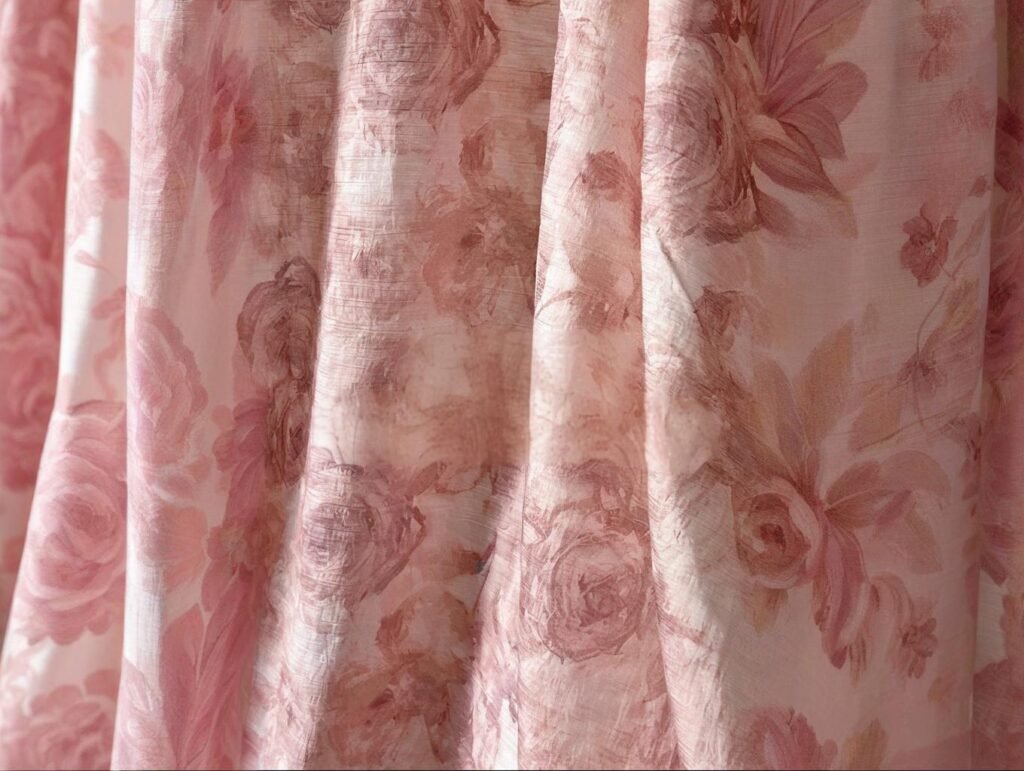
Several eco-friendly textiles are gaining traction due to their biodegradability, low energy consumption, recyclability, or renewable sourcing. These materials are being used across luxury, activewear, streetwear, and even industrial fashion sectors.
Materials like organic cotton, TENCEL™, hemp, Piñatex®, recycled polyester, and bio-based synthetics are leading the shift toward sustainable fashion fabrics.
🌱 Top Eco-Fabrics Redefining the Market
1. Organic Cotton
- Grown without synthetic fertilizers or pesticides.
- Uses 91% less water than conventional cotton (Textile Exchange).
- GOTS and OEKO-TEX certified varieties are becoming standard.
2. TENCEL™ (Lyocell & Modal)
- Made from sustainably harvested wood pulp.
- 100% biodegradable and produced in closed-loop systems.
3. Hemp
- Requires no pesticides, regenerates soil, and needs minimal water.
- Strong, breathable, and UV-resistant — ideal for both fashion and technical use.
4. Recycled Polyester (rPET)
- Made from post-consumer PET bottles.
- Cuts CO₂ emissions by 32% vs. virgin polyester (Quantis report).
- Not biodegradable, but helps reduce landfill volume.
5. Piñatex® and Apple Leather
- Made from pineapple leaves or apple waste.
- Used in handbags, shoes, and accessories as an alternative to animal leather.
6. Bamboo (Closed-Loop Viscose)
- Only eco-friendly if processed in closed-loop systems to avoid chemical discharge.
- Naturally antibacterial and soft.
📋 Material Comparison Table
| Fabric Type | Biodegradable | Water Use | Emissions | Cost Range (USD/yard) |
|---|---|---|---|---|
| Organic Cotton | ✅ Yes | Medium | Low | \$4 – \$9 |
| Hemp | ✅ Yes | Low | Very Low | \$6 – \$12 |
| Recycled Polyester | ❌ No | Very Low | Medium | \$2.5 – \$6 |
| TENCEL™ | ✅ Yes | Low | Low | \$5 – \$10 |
| Piñatex® | ✅ Yes | Low | Low | \$9 – \$18 |
A Canadian yoga brand switched from conventional polyester to a bamboo-TENCEL™ blend. Their fabric partner, SzoneierFabrics, supported this transition with small-MOQ custom development, resulting in a 25% increase in online conversions due to sustainability messaging.
How Do Biodegradable Fabrics Compare to Recycled Synthetics in Performance and Sustainability?
Biodegradable fabrics and recycled synthetics are two major pillars of sustainable fashion — but they serve different goals. While biodegradables (like organic cotton, hemp, and TENCEL™) focus on end-of-life decomposition, recycled synthetics (like rPET) focus on waste reduction and circularity.
Biodegradable fabrics decompose naturally, reducing landfill impact, while recycled synthetics reuse waste but often lack biodegradability and can shed microplastics.
♻Performance vs. Sustainability Trade-offs
1. End-of-Life Management
- Biodegradable fibers break down into natural elements under composting conditions, leaving no toxic residue.
- Recycled synthetics don’t biodegrade and may remain in landfills for centuries if not reprocessed.
2. Durability & Stretch
- Recycled polyester offers better elasticity and moisture wicking, making it ideal for activewear and sportswear.
- Natural fibers like hemp and TENCEL™ are less elastic but breathe better and feel softer over time.
3. Microfiber Pollution
- Synthetic fabrics — even recycled ones — shed microplastics during washing, contributing to marine pollution.
- Biodegradable fabrics do not pose this risk.
4. Production Impact
- Producing biodegradable fabrics may require more land and water (e.g., cotton farming).
- Recycled synthetics typically have a lower carbon footprint per kg of fabric.
📊 Performance Comparison Table
| Feature | Biodegradable Fabrics (e.g. TENCEL™, Hemp) | Recycled Synthetics (e.g. rPET) |
|---|---|---|
| Decomposition | Yes (compostable) | No |
| Water Retention/Breathability | High | Medium |
| Elasticity | Low–Medium | High |
| Microfiber Shedding | None | Yes |
| Production CO₂ Emissions | Medium | Low |
Patagonia has famously championed recycled polyester fleece. However, in 2023, they also began testing biodegradable insulation options for cold-weather gear — acknowledging that performance must be balanced with waste and pollution reduction.
Is Organic Certification Enough to Guarantee a Truly Sustainable Fabric?
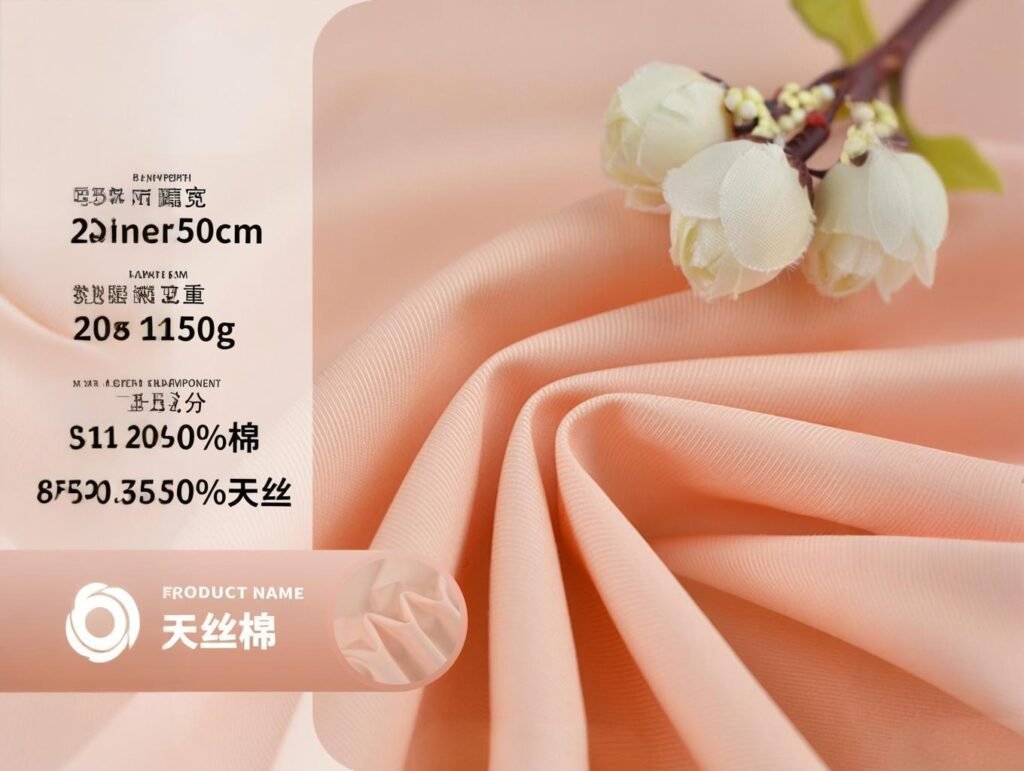
Not always. While organic certifications like GOTS (Global Organic Textile Standard) ensure that a fabric is grown without synthetic pesticides or GMOs, they do not always account for total lifecycle impact, such as water use, labor ethics, dyeing chemicals, or carbon emissions.
Organic certification ensures cleaner raw material cultivation, but it doesn’t guarantee total sustainability unless paired with lifecycle data and ethical production practices.
Beyond the “Organic” Label
1. Farming vs. Manufacturing
- GOTS ensures farming is pesticide-free, but processing steps (dyeing, finishing) may still involve pollutants unless factories are also certified.
2. Social Compliance
- Certifications like SA8000 and Fair Trade are required to ensure ethical labor — GOTS alone doesn’t address this in depth.
3. Water & Energy Usage
- Some organic cotton farms still use flood irrigation, wasting water.
- In contrast, some non-organic alternatives (e.g., regenerated fibers) use closed-loop water systems.
4. Blending Risks
- “Organic fabric” can be misleading if blended with non-certified or synthetic fibers.
- Example: A 60/40 organic cotton/polyester blend cannot claim full organic integrity.
🧾 Certification Comparison Table
| Certification | Covers Raw Material | Covers Labor Ethics | Chemical Management | End-of-Life Impact |
|---|---|---|---|---|
| GOTS | ✅ Yes | ⚠️ Partial | ✅ Yes | ❌ No |
| OEKO-TEX | ❌ No | ❌ No | ✅ Yes | ❌ No |
| Fair Trade | ✅ Yes | ✅ Yes | ⚠️ Partial | ❌ No |
| Cradle to Cradle | ✅ Yes | ✅ Yes | ✅ Yes | ✅ Yes |
A European fashion label was fined in 2023 for misleading claims around “100% organic” tees — which were later discovered to be 30% conventional cotton. This highlights why verification beyond farming is vital for true sustainability.
What Role Does Technology Play in Developing Next-Generation Sustainable Materials?
Technology is not just enabling sustainable fabrics — it’s redefining the very idea of textiles. From lab-grown leather to blockchain-verified supply chains, innovations are emerging at every stage of the material lifecycle to minimize waste, energy, and environmental toxicity.
Technology enables sustainable material innovation through lab-grown fibers, AI-driven fabric design, and traceable supply chains, reducing waste and environmental harm.
How Tech Is Reinventing Fabrics
1. Biofabrication
- Spinnova (Finland) produces fiber from wood pulp using zero harmful chemicals.
- Modern Meadow (USA) creates lab-grown bio-leather from yeast cells.
- Bolt Threads develops spider silk-like fibers from mycelium, a fungus root system.
2. Chemical Recycling
- Technologies like Carbios (France) use enzymes to break down polyester into reusable monomers.
- Chemical recycling allows fabrics to be regenerated infinitely, preserving performance without extracting virgin materials.
3. Digital Product Passports & Blockchain
- Technologies like TextileGenesis™ offer tamper-proof supply chain tracking.
- Increasingly adopted in EU due to 2026 Digital Product Passport regulations.
4. AI and Machine Learning
- Used to simulate wear, climate impact, and production waste before a fabric is ever woven.
- Helps optimize dye formulas and reduce water or chemical waste.
Zara’s parent company, Inditext, invested in Infinited Fiber Company, which turns used clothing into new cotton-like fibers. The result? A fully circular, tech-powered fiber with zero need for virgin crops or fossil fuels — rolled out in capsule collections in 2023.
How Are Fashion Brands Integrating Sustainable Fabrics Into Commercial Collections?
More fashion brands are embedding sustainability not just in capsule collections but in mainstream product lines, turning eco-friendly fabrics from niche to norm. Whether it’s Patagonia’s recycled nylon or Stella McCartney’s Mylo™ bags, the future of high-impact fashion is quietly being stitched today.
Fashion brands are integrating sustainable fabrics into core product lines using recycled, organic, and bio-based textiles while aligning with ESG and circularity goals.
Brand Strategies for Real Integration
1. Capsule to Core Transition
- Brands like Eileen Fisher started with eco-capsule collections, now apply sustainable sourcing across 80%+ of items.
- Reformation uses eco-scorecards for every garment on its website, measuring water, carbon, and waste.
2. Brand-Factory Collaboration
- Sourcing partnerships with certified mills (like SzoneierFabrics) allow custom development of low-MOQ, high-integrity fabrics.
- Many brands co-develop custom dyes, fiber blends, and weaving structures to meet aesthetic + ESG goals.
3. ESG-Driven Reporting
- Large retailers like H\&M, VF Corporation, and ASOS now release annual Sustainability Reports with breakdowns of fabric usage:
- e.g., ASOS 2023: 52% of own-label materials came from “preferred sustainable sources.”
4. Consumer Engagement
- QR codes on clothing tags link to blockchain-verified sourcing info.
- Brand storytelling (video, blog, influencer campaigns) is used to explain the “why” behind eco-fabric choices.
🧾 Brand Integration Examples
| Brand | Sustainable Fabric Focus | % Collection Covered | Unique Strategy |
|---|---|---|---|
| Stella McCartney | Mylo™, Organic Cotton | \~90% | Bio-based R\&D, no animal leather |
| Patagonia | Recycled Polyester & Nylon | \~98% | “Don’t Buy This Jacket” minimalism messaging |
| Reformation | TENCEL™, Linen, Recycled Fibers | \~75% | Eco-reporting tools on each product page |
| Levi’s | Water\<Less™, Hemp Blend Denim | \~70% | Public lifecycle analysis of each item |
At SzoneierFabrics, we’ve collaborated with boutique and high-volume fashion labels to develop custom cotton-silk blends and biodegradable jersey knits. One UK-based client saw a 2.3x lift in online engagement after marketing their fabric switch.
Which Regions and Markets Are Leading the Demand for Eco-Friendly Fabrics?
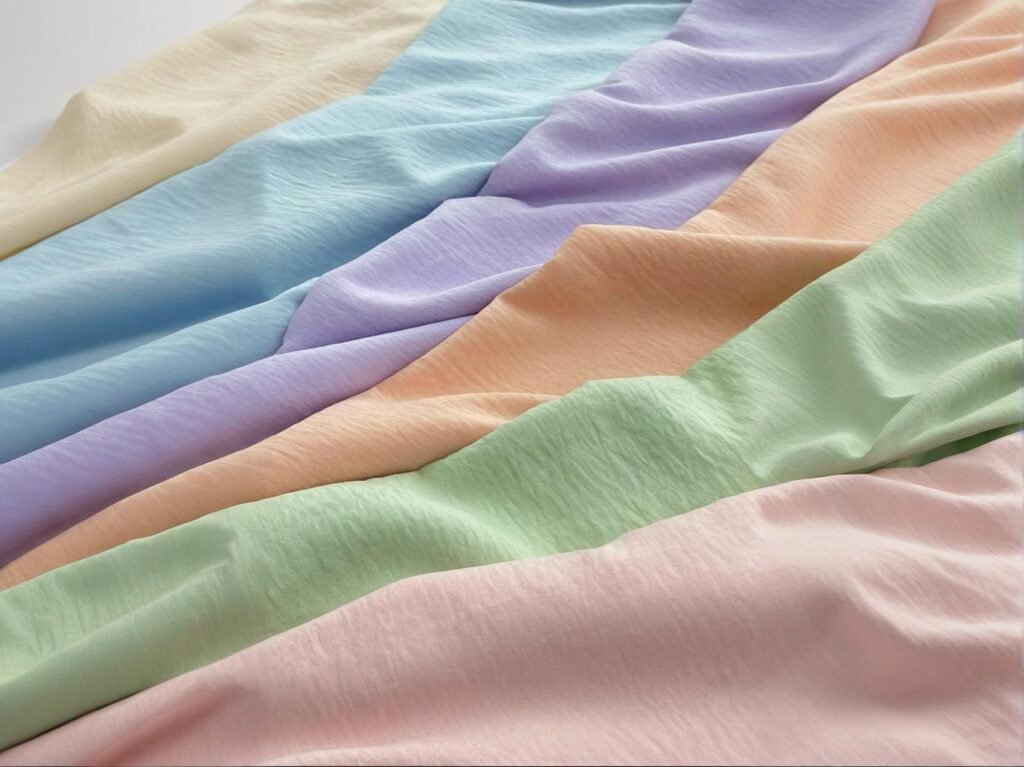
While sustainable fabrics are a global trend, certain markets are moving faster than others — driven by government regulation, consumer awareness, and corporate ESG mandates. Europe, North America, and parts of Asia-Pacific are leading, but the reasons differ.
Europe, North America, and select Asia-Pacific countries are leading sustainable fabric adoption due to stricter regulations, eco-conscious consumers, and ESG-focused brands.
Geographic Breakdown of Demand
1. Europe
- EU Green Deal and 2025/2030 circularity goals are pushing brands to reduce waste.
- France mandates QR-based Product Environmental Labels on textiles from 2024.
- Nordic countries lead in biodegradable fashion experiments and local fiber initiatives.
2. North America
- US brands like Patagonia, Levi’s, and Everlane have pushed mass-market sustainable fabric integration.
- B2B buyers favor certified suppliers and traceable supply chains.
- California’s SB-62 Garment Worker Protection Act is driving transparency.
3. Asia-Pacific
- Japan and South Korea prioritize R\&D-driven innovation (e.g., bio-based synthetics).
- China is growing as both supplier and consumer of sustainable fabrics, especially in export-led factories like SzoneierFabrics, where ESG standards are baked into the manufacturing process.
- Australia’s APCO initiative mandates textile waste reporting and circular goals.
4. Middle East & Latin America
- Emerging interest, driven by export client requirements.
- Still early-stage, but organic cotton and hemp trials are underway.
🌐 Regional Demand Table
| Region | Key Drivers | Leading Fabric Types | Notes |
|---|---|---|---|
| Europe | Regulation, recycling laws | Biodegradable, organic fibers | Highest certification demand (GOTS, EU Ecolabel) |
| North America | Brand pressure, ESG investments | Recycled polyester, blends | Strong B2B compliance requirements |
| Asia-Pacific | R\&D, tech-led innovation | Bamboo, modal, smart synthetics | Rising domestic demand + export compliance |
| Middle East & LATAM | Export market pressure | Organic cotton, hemp | High potential, infrastructure developing |
How Can B2B Buyers Source Sustainable Fabrics Responsibly and Cost-Effectively?
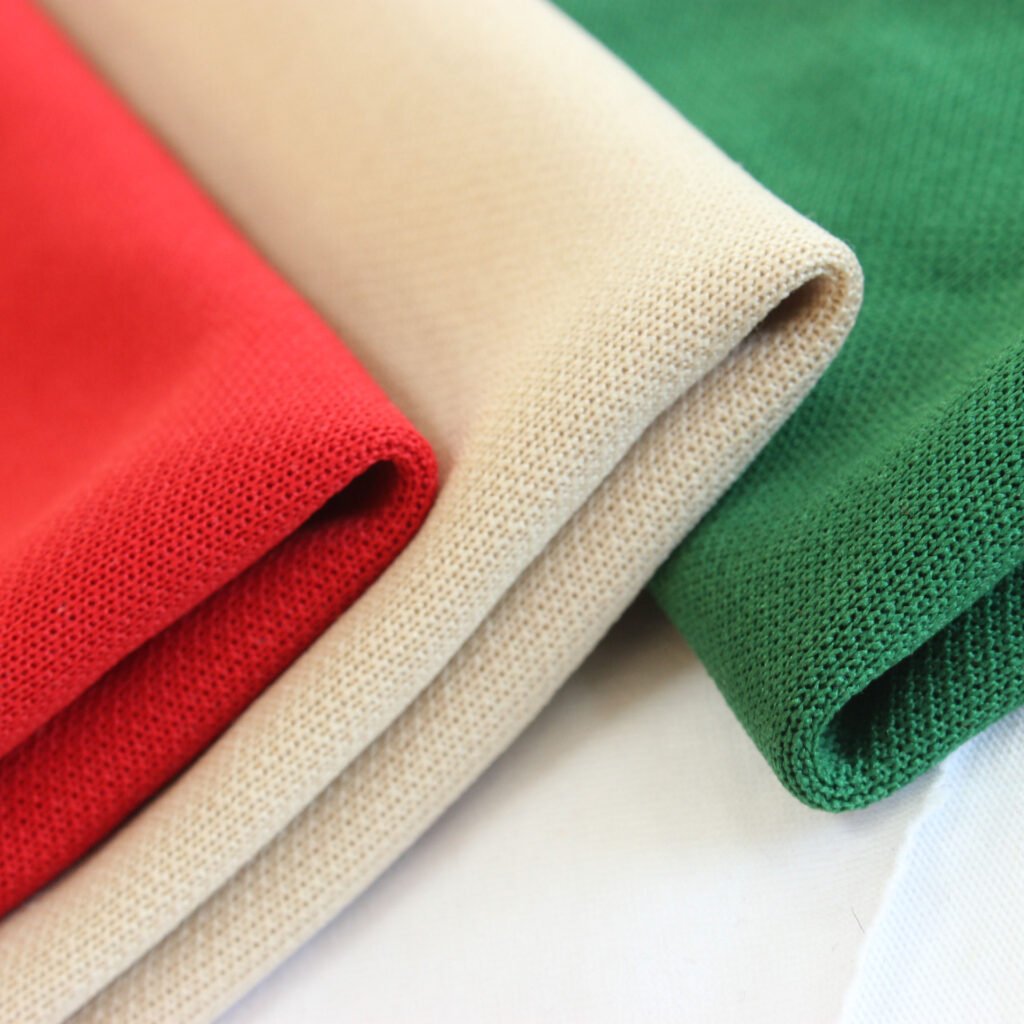
B2B sourcing of sustainable fabrics requires a smart mix of certification due diligence, supplier collaboration, and volume forecasting. Buyers who plan strategically can meet both budget and sustainability targets — especially by partnering with versatile manufacturers like SzoneierFabrics.
B2B buyers can source sustainable fabrics cost-effectively by working with certified factories, optimizing MOQs, and leveraging recycled or blended options to reduce costs.
Practical Sourcing Advice for Buyers
1. Work With Certified Manufacturers
- Choose suppliers with GOTS, OEKO-TEX, or ISO 14001 credentials.
- Ask for audit reports, water usage data, and factory compliance records.
2. Negotiate Low MOQ Customization
- At SzoneierFabrics, MOQs can start at 50 meters depending on the fiber.
- This flexibility allows boutique brands and B2B clients to test before scaling.
3. Blend to Reduce Costs
- Instead of pure organic silk, consider cotton-silk blends or modal-TENCEL™ hybrids for performance at a better price.
- Fabric blends allow for sustainability without extreme pricing spikes.
4. Batch Forecasting & Pre-booking
- Plan quarterly or seasonal demand with your factory.
- Many mills offer discounted rates for early bookings and standing contracts.
5. Request Free Samples & Rapid Prototyping
- Reliable partners should offer free samples, CADs, or swatches to evaluate material properties.
- Fast sampling (within 3–7 days) helps brands speed up time-to-market.
📦 Why Sourcing with SzoneierFabrics Makes Business Sense
- ✔ Free swatches and custom design support
- ✔ MOQs from just 50 meters
- ✔ GOTS, OEKO-TEX, and ISO certified materials
- ✔ Fast sampling and on-time global delivery
- ✔ Experience with boutique and premium B2B clients in the U.S., Europe, Australia, and Japan
Partner with the Future of Fabric
The fabric of the future isn’t just green — it’s smart, traceable, customizable, and performance-driven. Whether you’re a startup label or an established brand, your fabric choice tells a story — one that today’s consumers care about.
With years of experience and thousands of successful collaborations, SzoneierFabrics is your trusted partner in this transformation. Let’s co-create something extraordinary — responsibly and beautifully.