 Skip to content
How To Turn Hemp Into Fabric?
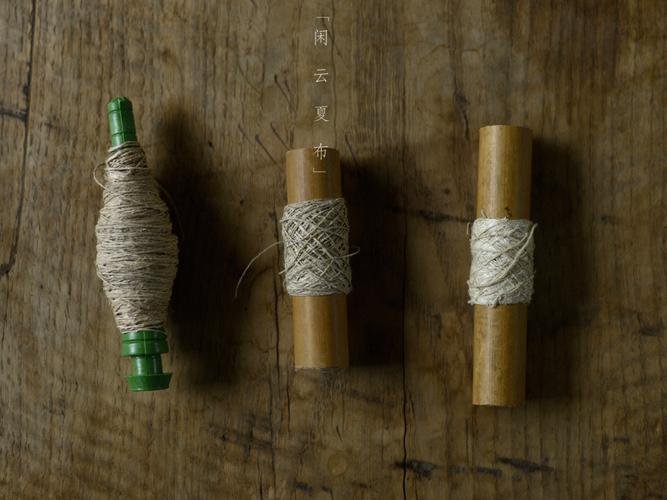
In the age of sustainable fashion and eco-conscious sourcing, few materials have generated as much interest—and confusion—as hemp. Long overshadowed by cotton and synthetic blends, hemp is reemerging as a powerhouse textile, offering superior durability, minimal environmental impact, and impressive versatility. But behind its growing popularity lies a complex question that many buyers still ask: How exactly is hemp turned into usable fabric?
Turning hemp into fabric involves a multi-step process including harvesting, retting, fiber extraction, spinning, weaving, and finishing—each of which affects the texture, strength, sustainability, and cost of the final material.
Whether you’re a sourcing agent, brand founder, or eco-friendly entrepreneur, understanding the production journey of hemp fabric empowers you to make smarter decisions on quality, lead time, and supply chain ethics. In this article, we break down the process from plant to fabric, while exploring how each step can be customized to meet your brand’s performance or aesthetic goals.
Let’s begin at the root—literally—with what part of the hemp plant we use.
1. What Part of the Hemp Plant Is Used to Make Fabric?
The fabric-grade fiber in hemp comes from the bast fibers, which are located in the outer layer (phloem) of the hemp stalk. These long, strong fibers are extracted through mechanical and chemical processes to create threads that can be spun into yarn.
Hemp fabric is made from the stalk’s outer bast fibers—not the leaves or seeds—offering strength, breathability, and eco-friendly properties ideal for sustainable textiles.
Hemp Plant Anatomy for Textile Use
a. Anatomical Breakdown
| Plant Part | Use in Fabric Production | Notes |
|---|---|---|
| Stalk (Bast fiber) | ✅ Yes | Main fiber source for fabric |
| Stalk (Hurd/Core) | ❌ No (used for paper/insulation) | Inner woody portion, not textile-grade |
| Leaves | ❌ No | Used in medicine or compost |
| Seeds | ❌ No | Used for oil and protein, not textiles |
| Flowers | ❌ No | Used in CBD/pharma, not textile use |
b. Fiber Length and Yield
- Bast fibers can be up to 3 meters long, providing natural strength
- A typical hemp plant yields 20–25% fiber from total stalk weight
SzoneierFabrics sources fiber from hemp plants grown in Heilongjiang and Yunnan (China), which are bred specifically for stalk length and fiber purity—perfect for apparel and home textile applications.
c. Why the Bast Fiber Matters
- Naturally antimicrobial
- High tensile strength
- Breathable and moisture-wicking
- 100% biodegradable
- Minimal need for pesticides or irrigation
2. How Is Hemp Harvested and Prepared for Fiber Extraction?
Hemp is typically harvested 90–110 days after planting, when the stalks reach maturity. The stalks are cut using traditional sickles or mechanical harvesters and laid in the field for retting—a process that loosens the bast fiber from the woody core. After retting, the dried stalks are bundled and sent for decortication and fiber separation.
Hemp is harvested after 3–4 months of growth, cut near the base, and laid out for retting to loosen the outer fibers before further processing.
Harvesting & Pre-Processing Methods
a. Harvesting Techniques
| Method | Description | Suitability for Fabric Use |
|---|---|---|
| Manual Cutting | Done with sickles or knives | Common in artisan markets |
| Mechanical Harvesting | Tractor-mounted cutters | Used for large-scale production |
b. Field Handling Practices
- Stalks are laid in rows for retting to naturally break down pectins
- Best fiber yield comes from non-flowering male plants (more stalk, less seed)
c. Moisture & Timing Considerations
- Harvesting should occur before seed maturation to avoid woody stems
- If cut too early: low fiber volume
- If cut too late: coarse, brittle fibers
d. B2B Logistics Tip
At SzoneierFabrics, harvested hemp is bundled and shade-dried before processing to preserve fiber color and prevent mold—critical for maintaining dye uniformity in finished textiles.
3. What Are the Main Methods of Retting Hemp Stalks, and How Do They Impact Fiber Quality?
Retting is a crucial step in hemp fabric production. It refers to the controlled breakdown of pectins that bind the bast fibers to the woody core (hurd). The method used determines not only the ease of fiber separation but also the color, softness, and tensile strength of the final fabric.
The main retting methods—dew, water, enzymatic, and chemical—each impact fiber quality differently. Enzymatic and water retting produce finer, softer fibers, while dew retting is lower cost but results in coarser threads.
Comparing Hemp Retting Methods
a. Retting Method Comparison Table
| Method | Process Description | Fiber Quality | Environmental Impact | Cost |
|---|---|---|---|---|
| Dew Retting | Natural decomposition by dew, sun, and microbes on the field | Coarse, rustic | Low (natural process) | Low |
| Water Retting | Stalks submerged in ponds or tanks for microbial softening | Soft, fine | Medium (can pollute water if untreated) | Moderate |
| Enzymatic Retting | Controlled use of enzymes to degrade pectins | Very soft, uniform | Low (eco-friendly) | High |
| Chemical Retting | Use of alkaline/acid chemicals to accelerate separation | Fast, harsh feel | High (may require waste treatment) | Moderate–High |
b. Impact on Final Fabric
- Dew-retted hemp is ideal for bags and upholstery due to its rougher texture
- Water- or enzyme-retted hemp is preferred for apparel, offering finer hand feel
- Enzyme retting is often used in GOTS-certified processes
c. Case Study: European vs Chinese Retting
- European hemp (e.g., from France) often uses dew retting with mild enzyme finish
- High-end Chinese mills are increasingly using bio-enzyme retting, supported by AI-controlled fermentation tanks
SzoneierFabrics uses dew-retted fiber for rugged canvas orders, while enzyme-retted fiber is reserved for soft, garment-grade woven hemp.
d. Challenges in Scaling Retting
- Retting is climate-sensitive (dew retting doesn’t work in arid zones)
- Retting inconsistencies can lead to color variation or fiber breakage
- Buyers should confirm retting method to align with product performance needs
4. How Is Hemp Fiber Separated, Combed, and Softened for Textile Use?
After retting, the stalks undergo decortication—a mechanical process that separates bast fiber from the inner core. These fibers are then scutched to remove impurities, combed to align and clean the fibers, and finally softened using steam, enzymes, or softeners to prepare for spinning.
Hemp fiber is separated from the stalk by decortication, then refined through scutching and combing. Softening is done with mechanical and chemical treatments to achieve textile-grade feel.
Fiber Refinement Stages
a. Key Processes Explained
| Step | Function | Machinery/Method Used |
|---|---|---|
| Decortication | Breaks stalks, separates core from bast fibers | Hammer mills, roller crushers |
| Scutching | Removes broken hurd from fibers | Beaters, brushing systems |
| Combing/Carding | Aligns fibers, removes short debris | Carding drums, metal combs |
| Softening | Enhances flexibility & texture | Steam, enzymes, silicone finishes |
b. Softening Techniques Compared
| Method | Results | Notes |
|---|---|---|
| Steam Softening | Moderate softness | Eco-friendly, but may not be enough alone |
| Enzyme Softening | High softness, clean fiber | GOTS-compliant, slower but efficient |
| Chemical Softening | Ultra-soft finish | Requires washing to remove residue |
| Mechanical Beating | Flattens, breaks stiffness | Can damage fiber if overused |
c. Softness and Texture Range Chart
| Treatment Style | Fabric Use Case | Resulting Feel |
|---|---|---|
| Enzyme-washed hemp | Shirts, scarves | Soft, breathable |
| Unfinished hemp | Backpacks, totes | Crisp, sturdy |
| Softener-treated | Casualwear, innerwear | Almost cotton-like |
For a German eco-fashion label, SzoneierFabrics developed an enzyme-softened 180GSM hemp twill. It passed consumer touch tests with a higher comfort score than standard linen.
d. Buyer Checklist: Fiber Prep
- Ask supplier: What softening method do you use?
- Confirm: Are the fibers combed or carded?
- Inspect: Any visible hurd fragments or roughness?
- Request: Pre-finished hand samples for feel assessment
5. Which Spinning Techniques Are Used to Turn Hemp Fiber into Yarn?
Once the hemp fibers are cleaned and softened, the next stage is spinning—transforming aligned fibers into yarns that can be woven or knitted. The choice of spinning technique depends on the fiber length, blend composition, and end-use application. Long-staple hemp fibers are often wet spun for finer threads, while shorter or blended fibers are dry spun or rotor spun.
Hemp fibers are spun into yarn using wet spinning, dry spinning, or rotor spinning, with wet spinning producing the smoothest, finest yarns for apparel and dry spinning suited for heavier, coarse fabrics.
Hemp Spinning Methods Compared
a. Spinning Techniques Table
| Method | Description | Yarn Quality | Common Use Cases |
|---|---|---|---|
| Wet Spinning | Fibers are soaked to soften and drawn through spinnerets | Smooth, fine yarn | Apparel, shirting, blends |
| Dry Spinning | Fibers are spun without water treatment | Textured, rustic yarn | Bags, upholstery, accessories |
| Rotor Spinning | Fibers are spun in a high-speed rotor | Coarser, faster yarn | Towels, industrial applications |
| Ring Spinning | Continuous spinning with twist and winding | Strong, consistent yarn | Lightweight wovens, mixed blends |
b. Spinning Process Overview
- Drawing – Aligns and elongates fiber bundles
- Twisting – Adds strength and cohesion
- Winding – Prepares yarn for cones or spools
At SzoneierFabrics, 100% hemp yarns are wet spun for garment softness, while hemp-cotton blends are ring spun to balance durability and drape.
c. Yarn Blending Options
| Blend Type | Advantages | Common Ratios |
|---|---|---|
| Hemp + Cotton | Softer hand feel, better dye uptake | 55/45, 70/30 |
| Hemp + Tencel/Modal | Drapey, breathable, semi-luxurious | 60/40, 50/50 |
| Hemp + Recycled Poly | Enhanced strength, eco branding | 70/30, 80/20 |
d. Impact on Yarn Strength and Texture
| Attribute | 100% Hemp Yarn | Blended Hemp Yarn |
|---|---|---|
| Strength | Very High | Moderate to High |
| Softness | Medium | High (with viscose/Tencel) |
| Elasticity | Low | Higher with synthetic |
| Cost | Higher | Lower per kilo |
6. How Is Hemp Yarn Woven or Knitted into Usable Fabric?
Once spun, hemp yarns are either woven or knitted into fabric using modern looms or knitting machines. The structure—whether plain weave, twill, canvas, or jersey—determines the fabric’s weight, breathability, stretch, and application.
Hemp yarn is woven into fabric using looms (for structured textiles) or knitted for stretch applications, with weaves like plain, twill, and canvas dominating in bags, garments, and upholstery.
Hemp Fabric Structures Explained
a. Common Hemp Weaves
| Weave Type | Description | Use Cases |
|---|---|---|
| Plain Weave | Over-under structure, firm | Shirts, curtains, packaging |
| Twill Weave | Diagonal lines, more drape | Pants, aprons, blazers |
| Canvas Weave | Thick, tight weave | Bags, upholstery, tents |
| Herringbone | Zig-zag pattern, stylish finish | Jackets, suits |
SzoneierFabrics supplies 280GSM plain-woven hemp canvas to eco-bag startups, while 180GSM enzyme-washed twill is favored by sustainable fashion brands.
b. Knitting Hemp Yarn
Knitting is less common with 100% hemp but feasible with hemp blends that include elastic or cellulosic fibers. Circular knitting machines produce jersey, interlock, and rib knits used for casualwear and loungewear.
| Knit Type | Description | Best For |
|---|---|---|
| Single Jersey | Lightweight, slight stretch | T-shirts, base layers |
| Rib Knit | Textured, high stretch | Cuffs, necklines |
| Interlock Knit | Double-faced, soft | Babywear, yoga wear |
c. Fabric Weight Range by Application
| GSM Range | Structure | Ideal Products |
|---|---|---|
| 120–180 GSM | Light, breathable | Shirts, dresses, casualwear |
| 200–280 GSM | Mid-weight | Pants, aprons, curtains |
| 300–400+ GSM | Heavy-duty | Bags, upholstery, outerwear |
7. What Types of Finishes Are Applied to Hemp Fabric for Softness and Durability?
Finishing is the final crucial stage in hemp fabric production, transforming coarse, stiff fibers into textiles suitable for consumer use. Finishes can enhance softness, improve moisture management, add UV resistance, or provide antimicrobial properties. The choice of finishing process directly impacts the fabric’s hand feel, longevity, and market value.
Common hemp fabric finishes include enzyme washes, silicon softeners, UV protection coatings, and antimicrobial treatments—each tailored to enhance comfort, durability, and fabric performance.
Hemp Finishing Techniques
| Finish Type | Purpose | Effect on Fabric | Sustainability Considerations |
|---|---|---|---|
| Enzyme Wash | Softens fibers, reduces stiffness | Softer hand, lighter weight | Eco-friendly if controlled |
| Silicon Softener | Adds smoothness, water repellency | Slick feel, improved moisture resistance | Synthetic chemicals; check certifications |
| UV-Resistant Coating | Protects fabric from sun damage | Slows color fading, fiber degradation | May involve eco-friendly mineral-based finishes |
| Antimicrobial Finish | Prevents odor and microbial growth | Enhances hygiene, extends wear time | Natural options include silver ion treatments |
a. Enzyme Washing: The Go-To Softener
- Targets pectin and lignin residues
- Can improve drape without weakening fibers
- Preferred by GOTS-certified mills
b. Trade-Offs
- Excessive chemical softening can reduce tensile strength
- Some finishes may affect dye uptake or breathability
- Choosing certified eco-friendly finishes is critical for sustainable branding
SzoneierFabrics applies enzyme washing combined with natural softeners on our hemp shirting fabrics, achieving a balance of softness and durability prized by European fashion brands.
8. How Do Different Processing Choices Affect the Final Cost and Performance of Hemp Fabric?
Processing steps—retting method, fiber preparation, spinning, weaving, and finishing—directly influence the price and quality of hemp fabric. More labor-intensive, eco-certified, or specialty treatments increase cost but also improve fabric properties such as softness, strength, and market appeal.
Choosing between cost and quality is key: eco-friendly enzymatic processes and fine spinning raise prices but yield premium textiles, while simpler mechanical methods produce more affordable but coarser fabrics.
Cost vs. Performance Matrix
| Processing Choice | Cost Impact | Quality Impact | Typical End Products |
|---|---|---|---|
| Dew Retting + Mechanical Prep | Low | Coarser, rustic | Bags, canvas, upholstery |
| Enzyme Retting + Softening | Medium–High | Softer, uniform fiber | Apparel, scarves, soft linens |
| Wet Spinning + Fine Weaves | High | Smooth, strong yarns | Luxury garments, shirting |
| Chemical Softening | Medium | Very soft but possibly weaker | Mass-market clothing |
| Organic Certified Processes | +20-40% premium | Certified eco claims, better traceability | Sustainable fashion & home textiles |
b. Impact on Supply Chain
- Longer lead times for enzymatic and organic-certified fabrics
- Higher MOQ for specialty blends and finishes
- Greater transparency and documentation needed for B2B buyers
c. Real Buyer Consideration
- Budget vs branding: If your brand demands certified organic or sustainable claims, invest in premium processing.
- Product use case: Durable tote bags can use dew-retted hemp for cost savings, while fashion items require enzyme retting and soft finishing.
- MOQ and lead time: Ask your supplier about minimum quantities and sample turnaround when selecting finishing processes.
Turning Hemp Into Fabric Is Both Art and Science
From stalk to soft fabric, hemp production is a journey of careful botanical harvesting, scientific retting, precise fiber processing, and tailored finishing. Understanding each step lets you select the right balance of quality, sustainability, and cost for your products.
Ready to source high-quality hemp fabric tailored to your needs?SzoneierFabrics offers full-service custom hemp textile production—from enzyme-softened shirting to rugged canvas—supporting your sustainable brand with low MOQ and quick sampling.
Contact us today to get your free sample and detailed quote!
Can't find the answers?
No worries, please contact us and we will answer all the questions you have during the whole process of bag customization.
Make A Sample First?
If you have your own artwork, logo design files, or just an idea,please provide details about your project requirements, including preferred fabric, color, and customization options,we’re excited to assist you in bringing your bespoke bag designs to life through our sample production process.