Skip to content
In a world where polished perfection once defined high fashion, the rise of raw, unfiltered elegance is reshaping design language. For 2024, raw silk—a fabric long valued in traditional markets—is now finding its way into the most exclusive runways and showrooms. The question is no longer whether it belongs, but why luxury brands are embracing it with such conviction. Raw silk is gaining popularity in 2024 luxury collections due to its natural texture, sustainability, and artisan appeal. It offers brands a way to combine understated beauty with eco-conscious storytelling.
From Paris ateliers to Tokyo boutiques, raw silk is being celebrated not for its gloss, but for its honesty. It tells stories of craftsmanship, touch, and environmental responsibility. One Milanese creative director described it as “the quiet fabric with loud meaning.”
Let’s unpack the details—starting with the basics.
What Is Raw Silk Fabric and How Does It Differ from Processed Silk?
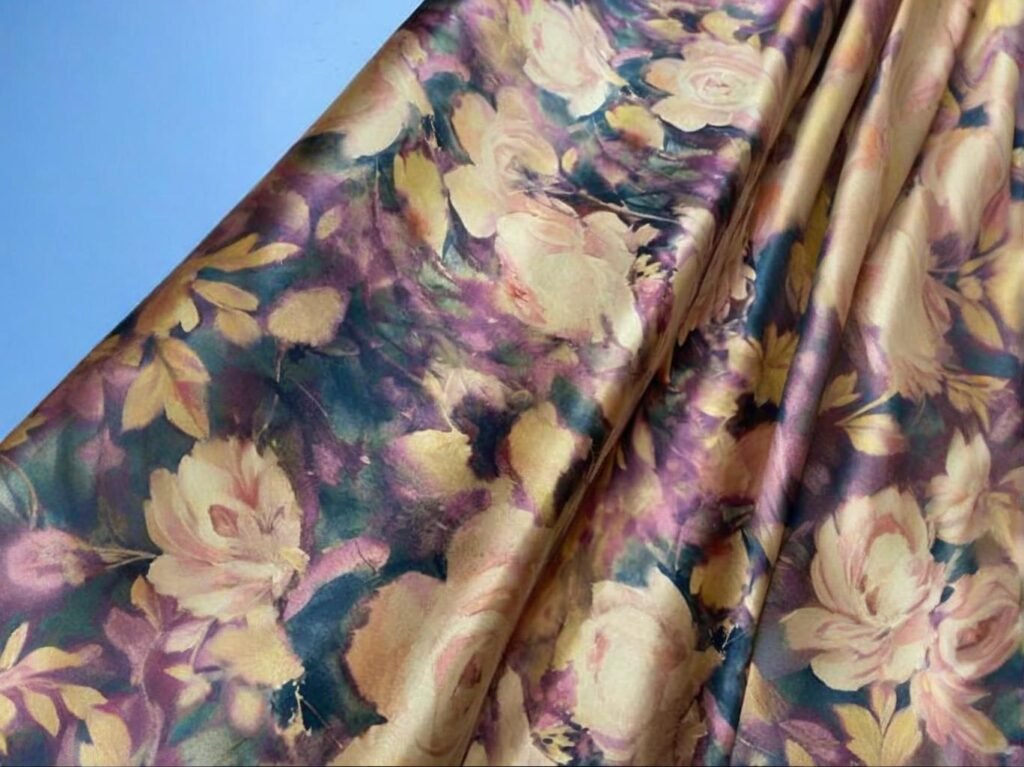
Raw silk is the unrefined version of silk, containing natural sericin (a sticky protein) that coats the fibroin fibers extracted from silkworm cocoons. Unlike processed silk, which undergoes degumming and multiple finishing treatments, raw silk retains its textural irregularities, giving it a matte, slubby, and organic appearance. Raw silk is a minimally processed fabric that retains sericin, giving it a more textured, matte finish compared to the smooth, glossy surface of processed silk.
While both fabrics share the same biological source, their appearance, behavior, and environmental footprint diverge significantly.
Core Differences Between Raw and Processed Silk
Technical Comparison Table
| Property | Raw Silk | Processed Silk |
|---|---|---|
| Surface Feel | Slubby, dry, matte | Smooth, soft, glossy |
| Processing Level | Minimal (no degumming) | Full (degumming + finishing) |
| Drape | Structured, slightly stiff | Fluid, flowing |
| Dyeing Uniformity | Slightly irregular | Even and vivid |
| Environmental Impact | Low (fewer chemicals) | Higher due to treatment process |
| Texture Preference | Earthy, artisan-friendly | Refined, luxury-traditional |
Design Implications
- Raw silk’s texture creates volume and structure, ideal for sculptural silhouettes.
- Processed silk’s smoothness works best for flowing gowns and soft-touch pieces.
Real-World Brand Insight
Maison Emilie, a luxury ready-to-wear label based in Lyon, introduced raw silk wrap coats in its 2024 fall line, citing the fabric’s ability to “look expensive without trying too hard.” Their campaign focused on natural elegance and zero-waste finishing—a perfect match for raw silk’s values.
Why Are Luxury Designers Choosing Raw Silk Over Traditional Finishes in 2024?
Luxury designers are shifting toward raw silk because it aligns with three intersecting demands: authenticity, tactility, and conscious luxury. In 2024, visual perfection is being replaced by emotional connection—raw silk brings storytelling, sensory richness, and a sense of grounded sophistication. Designers in 2024 favor raw silk for its authenticity, texture, and alignment with slower fashion values—moving away from over-processed, uniform materials.
Rather than choosing shine for shine’s sake, fashion houses are exploring textural honesty, creating garments that feel personal, alive, and rooted in tradition.
Drivers Behind the Raw Silk Revival
Trend Drivers and Designer Motivations
| Factor | Why It Matters in 2024 | Impact on Fabric Choice |
|---|---|---|
| Post-pandemic sensory fashion | Consumers crave touchable, rich textures | Raw silk delivers tactile depth |
| Quiet luxury movement | Minimalism with richness in material | Raw silk feels luxurious but understated |
| Craftsmanship storytelling | Brands want to show process, not hide it | Raw silk showcases weave and fiber integrity |
| Sustainable transparency | Materials with low impact are in demand | Raw silk uses fewer resources |
| Vintage + imperfection trend | Visible “realness” adds uniqueness | Slubs and matte finishes are assets |
At Paris Fashion Week 2024, the celebrated house of Sylvain J. sent down the runway a series of cream-colored raw silk trench dresses. The brand’s press release noted, “We wanted silk that whispered, not shouted—rawness became our luxury.”
Additional Designer Use Cases
- Sculptural tailoring: Raw silk holds shape well for voluminous jackets.
- Texture contrast: Used alongside glossy fabrics for layered storytelling.
- Genderless fashion: Its matte, neutral quality suits unisex and minimalist pieces.
How Does Raw Silk Align with the 2024 Luxury Sustainability Trends?
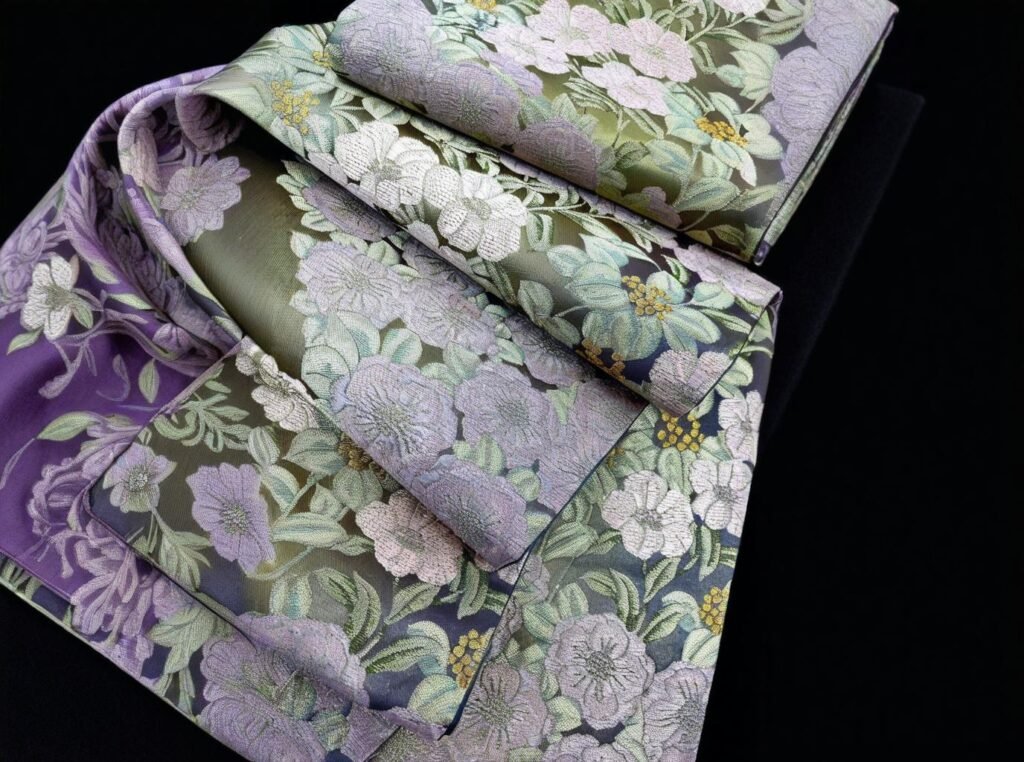
Raw silk’s resurgence is closely tied to the luxury industry’s evolving sustainability priorities. In 2024, brands are under growing pressure to reduce chemical usage, improve supply chain traceability, and prioritize natural biodegradability—three areas where raw silk excels. Its minimal processing and compatibility with low-impact dyeing make it a material of choice for designers committed to authenticity and environmental responsibility. Raw silk supports luxury sustainability trends in 2024 by reducing chemical use, lowering emissions, and promoting biodegradable, traceable textile production.
The move toward slower fashion is not just about slowing down collections—it’s about choosing fabrics that age beautifully, require fewer resources, and leave less behind.
Sustainability Dimensions of Raw Silk
Eco Impact Metrics: Raw Silk vs Processed Silk (per meter)
| Metric | Raw Silk | Processed Silk |
|---|---|---|
| Chemical Finishing Required | None or minimal | Multiple (softeners, anti-wrinkle) |
| Water Consumption (liters) | \~380 | \~700 |
| CO₂ Emissions (kg CO₂e) | \~3.5 | \~6.2 |
| Energy Use (kWh) | Low (room temp) | High (hot degumming, calendaring) |
| Biodegradability | Excellent | Excellent (but slower with treatments) |
| Circularity Compatibility | Strong (natural dye ready) | Moderate (some finishes are not recyclable) |
Sustainability Certifications
- Raw silk is easier to certify under GOTS (Global Organic Textile Standard) and OEKO-TEX Standard 100 when untreated.
- Many luxury brands use undyed raw silk to meet EU Ecolabel criteria and reduce dye bath waste.
Example from the Industry
A German heritage brand known for silk scarves launched a limited raw silk collection dyed only with plant-based indigo and turmeric. The campaign—“Unrefined, Uncompromising”—drew significant press and resulted in sell-outs across European flagship stores. The product required 25% less water and emitted 40% less CO₂ than their traditional silk line.
Which Global Brands Have Adopted Raw Silk in Their Recent Collections?
Several globally recognized fashion houses have integrated raw silk into their 2024 lines, often highlighting it in editorials, press notes, and runway looks. These brands are using raw silk not just as a textile, but as a design statement—a material that reflects clarity of intention, artisanal integrity, and environmental consciousness. Top brands like Stella McCartney, The Row, and Loro Piana have incorporated raw silk into their 2024 collections, showcasing its luxury potential through tactile storytelling and minimalism.
From eco-luxury to ultra-minimalist, raw silk serves as a versatile canvas for multiple aesthetics while aligning with deeper brand narratives.
Brand Examples and Use Cases
Notable Brands Using Raw Silk in 2024
| Brand Name | Product Category | Description of Use |
|---|---|---|
| Stella McCartney | Womenswear Tops & Blazers | GOTS-certified raw silk in neutral tones |
| Loro Piana | Home Textiles & Soft Tailoring | Structured raw silk blend for summer suits |
| The Row | Luxury Minimalism | Undyed raw silk shirting and drawstring trousers |
| Mara Hoffman | Resortwear | Raw silk maxi dresses with hand-dyeing |
| COS Atelier | Capsule Collection | Raw silk utility jackets with boxy silhouettes |
Key Themes Among Brands
- Neutral colorways emphasize texture.
- No lining needed: Raw silk is stable enough for unlined construction, highlighting garment architecture.
- Local sourcing: Some labels use Ahimsa or peace silk to add ethical dimension to raw silk.
Press Coverage Highlights
- Vogue’s February 2024 issue described raw silk as “the fabric of intentional fashion.”
- WWD featured raw silk as a “tactile rebellion against high-sheen mass luxury.”
Is Raw Silk Fabric Suitable for High-End Garments Like Gowns and Tailoring?

Yes—raw silk is increasingly being used for high-end garments, including tailored suits, structured dresses, and bridalwear. While traditionally seen as more rustic than refined, raw silk’s natural slubs and crisp body are now being reinterpreted as textural elegance, particularly in collections that prioritize craftsmanship and minimalism. Raw silk is suitable for high-end garments, especially structured pieces like tailored jackets, dresses, and gowns where its texture and stiffness add design value.
Designers are embracing raw silk’s subtle irregularities as markers of authenticity. When paired with clean cuts, architectural lines, or hand-sewn finishes, it delivers a couture-level appeal without high-luster excess.
Garment Construction and Raw Silk
Performance Profile of Raw Silk in Luxury Garments
| Property | Impact on Garment Use |
|---|---|
| Stiffness/Drape | Excellent for structured silhouettes |
| Texture | Adds visual interest without embellishment |
| Breathability | Ideal for multi-season wear |
| Seam Behavior | Strong and clean—holds stitches well |
| Lining Requirement | Optional—can stand alone in heavier weights |
| Weight Range Flexibility | Available in 50–120 gsm (light blouses to coats) |
Best Garment Matches
- Tailored coats and trenches
- High-waisted trousers with boxy fits
- Bridal jumpsuits with minimal ornamentation
- Minimalist gowns with belt gathers or folds
Designer Testimony
Clément Roche, creative director of a luxury label in Belgium, used raw silk for a capsule of day-to-evening dresses: “The structure of raw silk helped us define shape without hardware or complex underlining—it held its integrity and added quiet richness.”
How Do Texture, Drape, and Color of Raw Silk Influence Design Aesthetics?
Raw silk’s slubbed surface, dry hand feel, and semi-crisp drape encourage design that leans into tactility and construction over embellishment. Its matte finish diffuses light, making colors appear more grounded and organic—an ideal characteristic for brands leaning into neutral, natural, or earth-tone palettes in 2024. Raw silk’s unique texture, earthy drape, and matte color response support minimalist, sculptural, and nature-inspired design aesthetics that define many 2024 luxury collections.
Where processed silk tends to feel fluid and opulent, raw silk evokes warmth, depth, and honest structure—particularly relevant for modern luxury focused on quiet confidence.
Visual and Tactile Design Influence
Aesthetic Characteristics Table
| Design Element | Raw Silk Impact |
|---|---|
| Color Interpretation | Slightly muted, warm-toned hues |
| Light Reflection | Matte, soft shadow play rather than sharp sheen |
| Texture Highlighting | Surface irregularities create visual rhythm |
| Drape | Moderate stiffness ideal for boxy cuts |
| Layering Potential | Excellent for layering due to dry surface |
How Designers Use These Qualities
- Tone-on-tone looks: Raw silk brings depth without changing color family.
- Contrast blocking: Combines beautifully with smoother silk or cotton for hybrid textural stories.
- Monochrome minimalism: Uses texture, not color, to differentiate layers.
Brand Example
A Japanese label focused on Zen-inspired design developed a raw silk tunic line in muted grays and sand tones. Instead of prints, they relied on the shadow texture of the weave to provide visual interest. The collection was praised in The Business of Fashion for “proving that surface irregularity can be its own form of refinement.”
What Are the Supply Chain Advantages of Using Raw Silk for Premium Labels?

Raw silk offers distinct supply chain advantages for premium fashion labels, especially in an era where agility, traceability, and responsible sourcing are as important as aesthetics. Because raw silk requires fewer processing stages, it moves through the supply chain faster and with fewer ecological and regulatory constraints than highly finished silk fabrics. Raw silk offers faster production, lower environmental regulation hurdles, and better traceability, making it a smart supply chain choice for premium and emerging luxury brands.
This can shorten the path from loom to runway while aligning with the values of both modern consumers and global compliance requirements.
Supply Chain Benefits of Raw Silk
Logistics and Operations Advantages
| Supply Chain Factor | Raw Silk Benefit |
|---|---|
| Lead Time | Shorter (no degumming or high-temp finishing) |
| Processing Requirements | Minimal, fewer chemicals, easier audit |
| Dyeing Flexibility | Can be used undyed or plant-dyed |
| Customs & Compliance | Fewer chemical-based regulations |
| Artisan Partnerships | Easier to source from small or local mills |
| Sampling Turnaround | Faster (less pre-treatment needed) |
Traceability & Ethical Sourcing
- Raw silk sourced from Ahimsa or “peace silk” producers often comes with farm-level transparency, helping brands meet traceability benchmarks in Europe and North America.
- As there’s less processing, the opportunity to partner with regional or vertical suppliers increases.
Brand Strategy Insight
A Scandinavian brand specializing in “slow luxury” used raw silk from a regional Indian mill that offered both loom-side customization and direct storytelling content—photos, farmer interviews, and traceable GPS-sourced packaging. This created both marketing material and consumer trust without additional branding investment.
How Can Emerging Designers Leverage Raw Silk to Elevate Brand Perception?
Emerging designers can use raw silk as a strategic differentiator—it’s a material that instantly communicates thoughtfulness, taste, and eco-intent. In a crowded market where storytelling matters as much as product design, raw silk provides a tactile and ethical narrative that elevates perceived value, even without luxury pricing. Raw silk helps emerging designers build a premium brand image through storytelling, sustainable appeal, and tactile uniqueness—without the high cost of processed silk.
It creates a sense of artistry and intention, allowing small labels to look refined while maintaining manageable production budgets.
Raw Silk as a Brand-Building Asset
How Raw Silk Adds to Brand Perception
| Brand Value Leveraged | Raw Silk Advantage |
|---|---|
| Sustainability | Supports eco-positioning authentically |
| Artisan Narrative | Encourages handcrafted, slow-process story |
| Tactile Premium Feel | Textured surface implies high-quality weave |
| Visual Differentiation | Matte, slubbed finish stands out from mass market |
| Versatility | Suitable for both apparel and accessories |
Real Designer Example
An independent label in Melbourne used raw silk across an entire debut capsule: natural-tone tops, drawstring trousers, and scrunch bags. Despite minimalist cuts, the texture and matte finish allowed them to position the collection as “handmade luxury,” commanding retail prices that doubled their target—without high embellishment or branding costs.
Design Tip for Startups
Use raw silk’s authenticity as a foundation for brand copy, photoshoots, and values. Highlight imperfection as luxury, especially in sustainability-aware markets like Japan, Germany, and Scandinavia.
Interested in Custom Raw Silk Fabric for Your Next Collection?
At SzoneierFabrics, we help forward-thinking fashion labels bring their ideas to life with custom-developed raw silk fabrics that combine:
- ✅ Organic, unprocessed elegance
- ✅ Fast production and low minimums
- ✅ Artisan weaves and regional sourcing
- ✅ Natural dye compatibility
- ✅ OEKO-TEX and GOTS-compliant options
- ✅ Free samples, fast lab dips, and expert sourcing support
Contact us today to request your free swatches or discuss your next concept. Whether you’re designing for a capsule collection or a global launch, our team will help you find the raw silk that speaks your brand’s truth—naturally.