Skip to content
The healthcare world is changing fast—and so is the fabric that outfits its professionals. Gone are the days when cotton-polyester blends were the go-to solution for medical scrubs. In 2025, linen has stepped into the spotlight, offering a naturally breathable, eco-friendly, and surprisingly durable alternative for hospital and clinical uniforms. But there’s a twist: not just any linen will do. In a sector where hygiene is non-negotiable, antimicrobial treatment standards are becoming the new benchmark for medical-grade textiles.
To answer the core question—yes, linen can be an excellent fabric for medical scrubs when it is treated with certified antimicrobial finishes, offering both comfort and infection control compliance.
As hospitals, dental offices, and wellness clinics push toward more sustainable and safe fabric solutions, linen’s antimicrobial potential is catching global attention. But how does it compare to traditional options? What certifications matter most? And is it cost-effective for uniform suppliers and healthcare brands to make the switch?
Let’s dive into the science, the sourcing, and the real-world standards behind linen medical fabrics—starting with the fundamentals.
What Makes Linen a Viable Fabric for Medical Scrubs?
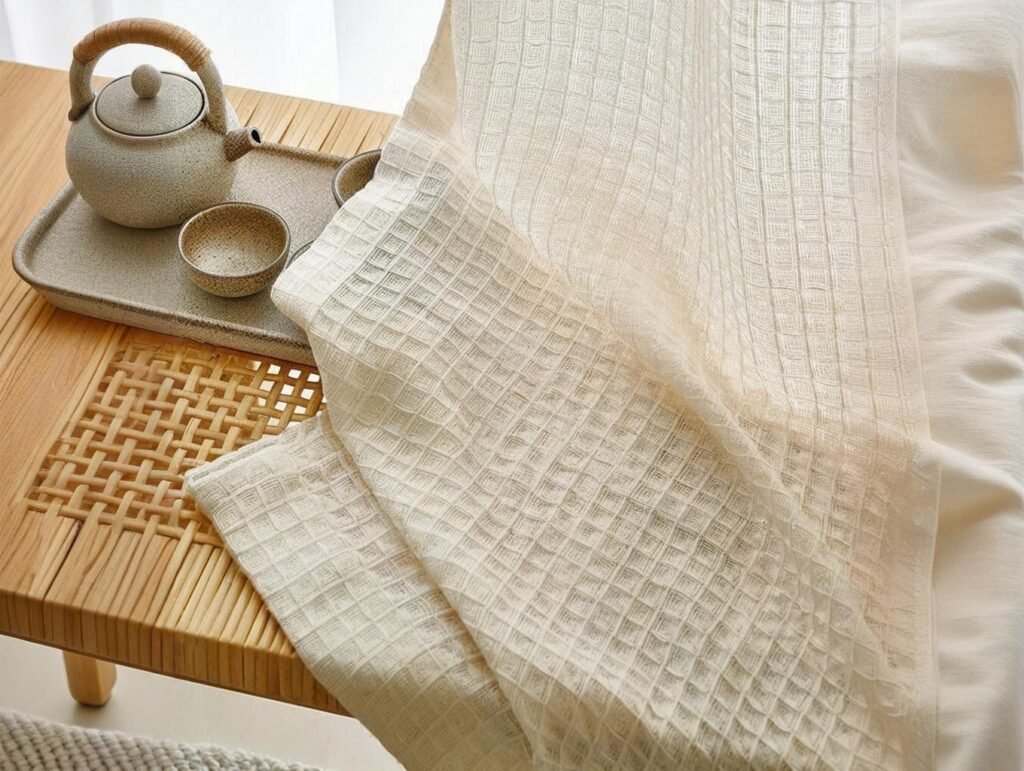
Linen is a plant-based fabric made from the flax plant, renowned for its strength, thermoregulation, and natural antimicrobial properties. In the context of healthcare uniforms, linen’s breathability and moisture-wicking ability offer comfort for long shifts—especially in high-stress environments like surgery rooms or intensive care wards.
Linen becomes especially viable for medical scrubs when combined with antimicrobial treatments that enhance its natural hygiene defense, making it a strong competitor to traditional cotton and polyester fabrics.
Advantages of Linen in Healthcare Settings
Natural Antibacterial Resistance Even untreated, linen contains natural compounds like pectin and lignin that offer mild resistance to bacterial growth—an attribute cotton lacks.
Superior Moisture Management Compared to cotton, linen absorbs moisture faster and dries 25–30% more quickly, reducing odor and dampness during long work hours.
Temperature Regulation Linen adapts well to different climates—keeping healthcare workers cool in summer and warm in cooler settings like surgical units.
Environmental Sustainability Flax requires significantly less water and pesticide input than cotton, making linen a sustainable material for health-conscious institutions.
| Fabric Property | Linen | Cotton | Polyester |
|---|---|---|---|
| Breathability | High | Moderate | Low |
| Natural Antimicrobial | Yes (mild) | No | No |
| Sustainability | High | Moderate (if organic) | Low |
| Wash Durability | Improves over time | Degrades with washes | Holds form but retains odor |
| Comfort for long wear | Excellent (especially blended) | Moderate | Poor |
Real-World Insight: A wellness spa in California replaced its poly-cotton staff uniforms with linen-viscose scrubs in 2023. Not only did staff report feeling cooler and more comfortable during 10-hour shifts, but linen also reduced laundry cycles by 15% due to quicker drying.
Still, raw linen isn’t enough. To meet infection control protocols, antimicrobial treatment is essential—so let’s explore that next.
Which Antimicrobial Treatments Are Used on Linen Medical Textiles?
Antimicrobial treatments are chemical or biobased finishes applied to textiles to inhibit the growth of bacteria, fungi, and even viruses. For linen fabrics used in medical apparel, these treatments are essential for meeting hygiene standards without compromising breathability or softness.
Common antimicrobial treatments used on linen medical textiles in 2025 include silver ion, zinc pyrithione, quaternary ammonium compounds (quats), and newer plant-based technologies—each with varying durability and certification requirements.
Types of Antimicrobial Finishes & Their Suitability
1. Silver Ion-Based Treatments (e.g., Agion, Silvadur)
- Mechanism: Disrupts bacterial cell membranes
- Longevity: Up to 50 washes
- Certification: OEKO-TEX® Standard 100, EPA-approved
- Best For: High-use linen scrubs in hospitals
2. Zinc Pyrithione Finishes
- Mechanism: Inhibits microbial enzyme activity
- Longevity: 30–40 washes
- Eco Status: Generally recognized as safe (GRAS), limited residue
- Ideal For: Spa, dental, or wellness environments
3. Quaternary Ammonium Compounds (QUATs)
- Mechanism: Destroys bacteria on contact
- Cost: Lower
- Drawback: Less durable under high heat washing; some environmental concerns
4. Plant-Based Finishes (e.g., Chitosan, Citric Acid Derivatives)
- Mechanism: Natural antimicrobial activity through biopolymer coating
- Appeal: Biodegradable and non-toxic
- Limitations: Wash durability may be lower (15–20 washes)
- Best Use: Boutique wellness clinics or eco-focused hospitals
Treatment Comparison Table
| Treatment Type | Durability (Wash Cycles) | Skin Safety | Eco-Friendly | Certification Potential |
|---|---|---|---|---|
| Silver Ion | 40–50 | High | Moderate | OEKO-TEX, EPA, REACH |
| Zinc Pyrithione | 30–40 | Moderate | Moderate | GOTS-compliant options |
| QUATs | 20–30 | Moderate | Low | Limited |
| Plant-Based | 15–25 | High | High | Natural product labels |
Case Study: A German hospital group piloted silver-ion-treated linen uniforms for nursing staff in 2024. After six months, bacterial swab counts on garments dropped by 68%, and staff reported no skin irritation or discomfort—even in high-contact ICU areas.
Certification Watch: In 2025, antimicrobial linen intended for clinical environments should ideally meet at least one of the following:
- OEKO-TEX® Standard 100 (for human-ecological safety)
- ISO 20743 (antibacterial activity on textile products)
- AATCC TM100 (quantitative assessment of antimicrobial efficacy)
How Does Treated Linen Compare to Cotton and Synthetics in Healthcare?
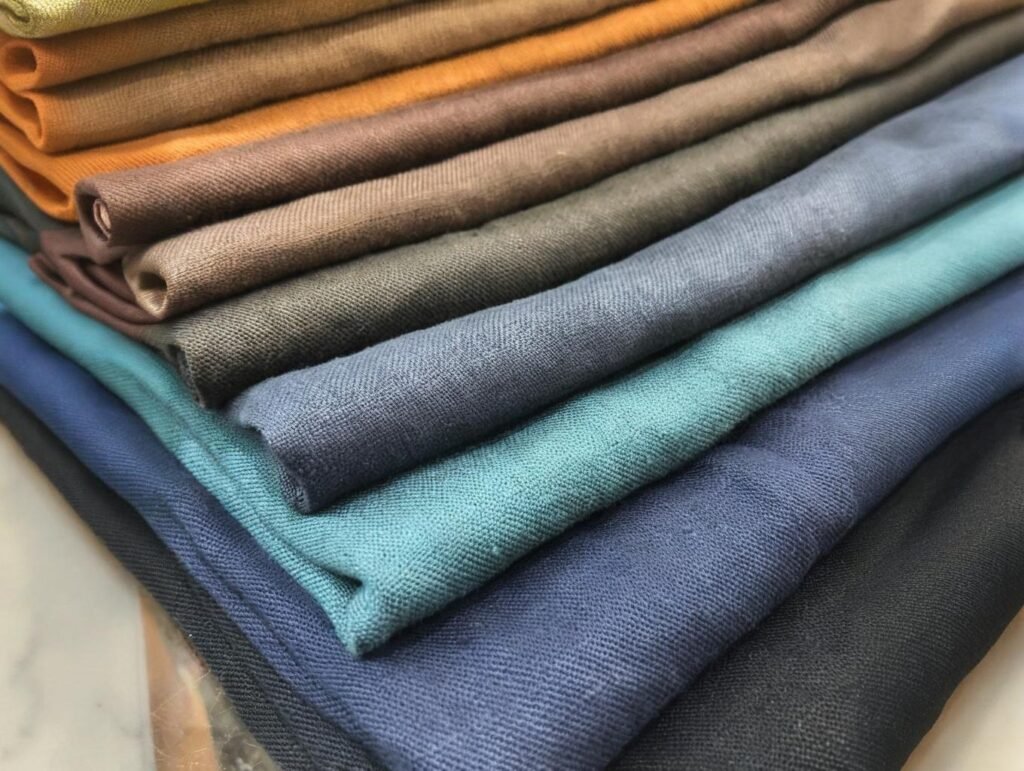
When antimicrobial finishes are applied, linen emerges as a strong competitor to cotton and synthetic materials—especially in healthcare environments where comfort, hygiene, and long-term wearability are crucial. Linen’s combination of breathability, durability, and moisture-wicking is difficult to replicate with cotton or polyester alone.
In healthcare applications, treated linen outperforms cotton in moisture control and breathability, while offering superior sustainability and biodegradability compared to synthetic fabrics like polyester.
Linen vs Cotton vs Synthetic—Healthcare Fabric Benchmarking
1. Hygiene Performance (Post-Treatment)
- Linen: When treated with silver or plant-based finishes, linen can achieve up to 99.9% bacterial reduction, meeting the same standards as antimicrobial polyester.
- Cotton: Has no inherent antimicrobial resistance and depends entirely on chemical finishes, which may wear off faster in aggressive wash environments.
- Polyester: Often used in antimicrobial scrubs due to its synthetic structure, but it retains odors and is not breathable.
| Feature | Linen (Treated) | Cotton (Treated) | Polyester (Treated) |
|---|---|---|---|
| Antimicrobial Efficacy | 95–99.9% | 90–95% | 95–99.9% |
| Breathability | Excellent | Good | Poor |
| Moisture Management | Fast drying | Absorbs but slower | Poor, traps moisture |
| Comfort in Warm Environments | High | Moderate | Low |
| Static Build-Up | Low | Moderate | High |
| Skin Sensitivity | Hypoallergenic | Hypoallergenic | May cause irritation |
2. Wear Resistance and Maintenance
- Linen’s durability improves over time and can handle repeated high-heat washes common in hospital-grade laundering. It also resists lint and pilling better than cotton.
- Cotton is soft and familiar but tends to wear down quicker, especially in elbow and knee zones of scrubs.
- Polyester is mechanically strong but tends to hold stains and odors, especially from antiseptic chemicals.
3. Eco and End-of-Life Impact
- Linen: Biodegradable within months under industrial composting; low water and pesticide input.
- Cotton: Biodegradable, but water- and chemical-intensive (unless organic).
- Polyester: Non-biodegradable; microplastic pollution risk.
Use Case Insight: In 2024, a surgical team at a Scandinavian hospital reported lower heat stress and better movement flexibility after switching from polyester scrubs to a linen-cotton blend treated with silver-ion antimicrobial technology. Staff satisfaction increased by 27% within the first quarter of adoption.
Conclusion: While all three materials can meet antimicrobial thresholds when treated, linen leads the way in holistic comfort, environmental safety, and overall textile health—making it ideal for hospitals, clinics, and wellness environments that prioritize patient and staff wellbeing.
What Are the Certification Standards for Antimicrobial Medical Fabrics?
Not all antimicrobial claims are created equal. In regulated industries like healthcare, fabrics must meet specific global testing standards to verify their effectiveness and safety. For linen fabrics treated for medical use, buyers should look for recognized certifications that ensure the fabric’s antimicrobial function, human safety, and ecological compliance.
In 2025, the most trusted antimicrobial certifications for medical-grade linen include ISO 20743, AATCC TM100, OEKO-TEX® Standard 100, and GOTS (for organic natural fibers with antimicrobial additives).
Critical Certifications & What They Guarantee
1. ISO 20743: Textiles — Determination of Antibacterial Activity
- Scope: Measures reduction of bacterial colony-forming units (CFUs) on treated textiles.
- Required Standard: Log reduction ≥ 3 (equivalent to ≥99.9% bacterial reduction)
- Applicable For: Hospital-grade linen scrubs, gowns, and bed sheets
2. AATCC TM100: Antibacterial Finishes on Textile Materials
- U.S.-based test measuring the quantitative effect of antimicrobial agents.
- Validates antimicrobial performance over time and multiple wash cycles.
3. OEKO-TEX® Standard 100
- Ensures that textile chemicals, including antimicrobial treatments, are safe for human skin.
- Class I–IV categories (Class II or III typically apply to scrubs)
4. GOTS (Global Organic Textile Standard)
- For linen fabrics made from organically grown flax.
- Ensures ecological and social criteria throughout production, including safe use of antimicrobial treatments.
- Especially relevant for wellness clinics and green-certified hospitals.
5. REACH (EU Regulation)
- Ensures that chemical treatments used in the EU market meet safety and traceability requirements.
- Especially critical for sourcing antimicrobial-treated linen from European mills.
| Certification | Focus Area | Required For | Coverage Notes |
|---|---|---|---|
| ISO 20743 | Antibacterial performance | Medical fabrics | Global standard, microbiology-based |
| AATCC TM100 | Antimicrobial durability | Hospital uniforms | Common in North America |
| OEKO-TEX® 100 | Chemical safety | Skin-contact textiles | Confirms skin-friendly antimicrobial use |
| GOTS | Organic + additives | Sustainable sourcing | Optional but highly recommended |
| REACH | Chemical registration | EU imports | Ensures legal compliance |
Real-World Tip: If you’re sourcing linen scrubs for regulated markets like the EU, having dual certification (e.g., ISO 20743 + OEKO-TEX) can accelerate product approval for use in hospitals, reduce liability risks, and boost buyer confidence.
Pro Insight: Buyers should request both lab test reports and certification documents when sourcing antimicrobial linen fabrics. Reputable manufacturers will be able to show these on demand—ensuring your brand is protected and your products are compliant.
How Durable Is Antimicrobial Linen After Repeated Washing?
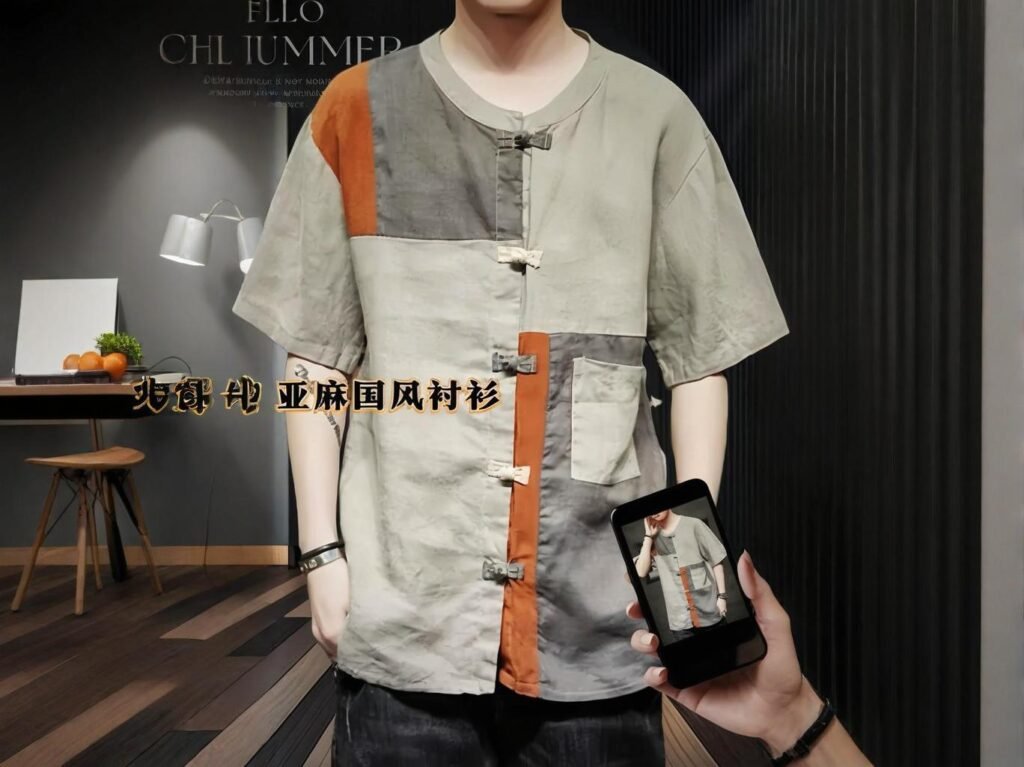
In medical environments, scrubs and uniforms are subjected to industrial laundering cycles that include high temperatures, strong detergents, and frequent friction. Therefore, fabric durability—particularly the retention of antimicrobial function—is a key concern for hospitals and healthcare apparel buyers.
Antimicrobial-treated linen fabric holds up well under repeated industrial washes, especially when treated with high-performance agents like silver ions or zinc pyrithione, retaining up to 90% efficacy after 40–50 wash cycles.
Wash Durability Factors for Treated Linen
1. Type of Antimicrobial Agent Used
- Silver Ion Finishes (e.g., Agion, Silvadur): Maintain up to 99% antibacterial effectiveness after 50 washes at 60°C.
- Zinc-Based Finishes: Slightly lower longevity, maintaining above 85% effectiveness after 30–40 washes.
- QUATs and Plant-Based Agents: Tend to break down faster, especially under high heat, retaining about 70–80% effectiveness after 20–30 washes.
2. Application Method
- Pad-Dry-Cure (Exhaustion): The most common and effective method, creating a bond between the antimicrobial agent and fiber.
- Microencapsulation: Releases agents over time, providing longer performance but higher cost.
- Topical Sprays (low-end): Least durable and often fade after fewer than 10 washes.
3. Fabric Construction and Fiber Type
- 100% Linen: More rigid and less elastic, prone to wrinkles but highly resistant to pilling and fiber degradation.
- Linen Blends (e.g., with viscose or cotton): Better drape and wrinkle resistance, slightly reduced mechanical durability.
| Factor | Effect on Durability |
|---|---|
| Antimicrobial treatment type | High-impact factor |
| Wash temperature | Higher heat may shorten lifespan |
| Detergent pH level | Alkaline soaps can strip finishes |
| Fiber structure | Tight weaves retain finishes better |
| Laundering method | Industrial washes require stronger bonding agents |
Hospital Use Case: In a controlled six-month trial at a hospital in Singapore, linen-blend scrubs treated with silver ion technology retained 92% antibacterial effectiveness after 40 washes. The laundry process included 70°C washes and mechanical drying. Additionally, staff reported no deterioration in comfort or fit.
Best Practice: Buyers should always request wash durability test reports—typically performed under ISO 6330 conditions (domestic washing) or ISO 15797 (industrial washing)—to ensure that treated linen will retain functionality throughout the garment’s lifecycle.
Is Linen Fabric Comfortable and Breathable Enough for Long Shifts?
Comfort is a non-negotiable in the medical field. Professionals spend 8 to 12 hours or more on their feet, often under physical and emotional stress. Uniforms must not only be functional and hygienic—but must also support physical well-being. This is where linen shines.
Linen is widely considered one of the most breathable and thermoregulating natural fibers, making it highly suitable for long shifts in healthcare environments, particularly when blended with softer fibers to enhance flexibility and reduce stiffness.
Comfort Factors of Linen for Medical Uniforms
1. Thermoregulation and Airflow
- Linen’s hollow fibers allow for maximum airflow, keeping skin cool and reducing heat stress—especially in warm or high-exertion settings like ERs or surgical suites.
- In colder climates, layering linen uniforms with cotton base layers provides a comfortable thermal buffer.
2. Moisture Management
- Linen can absorb up to 20% of its weight in moisture before feeling damp.
- It dries 25–30% faster than cotton, minimizing the risk of chafing and bacterial buildup during high-activity work.
3. Fit, Drape, and Softness
- Pure linen can feel coarse initially, but it softens over time with each wash.
- Most healthcare-grade linen scrubs are blended with viscose, modal, or organic cotton to achieve a softer hand-feel while preserving breathability.
4. Skin Sensitivity and Allergen Risk
- Linen is naturally hypoallergenic and free of chemical residues when finished to OEKO-TEX® standards.
- Unlike polyester, which can trap body oils and heat, linen resists skin irritation—even for those with sensitivities.
Comfort Test Results (User Feedback Study – 2024)
| Fabric Type | Comfort Rating (1–10) | Key Comments |
|---|---|---|
| 100% Polyester Scrubs | 5.8 | Hot, itchy, retains odor |
| 100% Cotton Scrubs | 7.4 | Soft but got damp quickly |
| Linen-Viscose Blend Scrubs | 8.9 | “Cool all day,” “No sweat marks,” “Very light” |
Clinical Feedback Insight: A team of ER nurses at a Toronto hospital trialed linen-cotton blend scrubs during summer months. 86% of participants reported improved airflow and less sweating compared to their standard poly-cotton uniforms. The linen scrubs were especially well-received in overnight shifts when temperature fluctuations made comfort harder to maintain.
Buyer Tip: For maximum comfort without sacrificing structure, a 60% linen / 40% viscose or modal blend with a medium-weight weave (~180–200 GSM) is optimal for scrubs.
What Are the Best Linen Blends for Medical Uniforms?
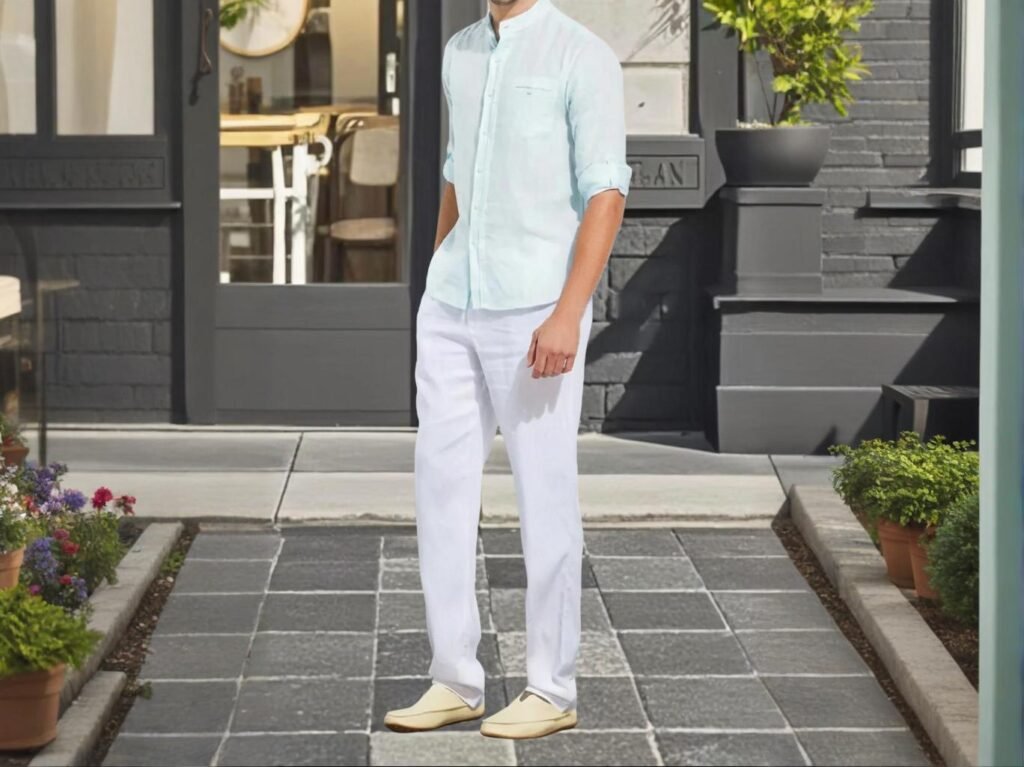
While 100% linen is naturally antimicrobial and breathable, its rigid texture and tendency to wrinkle make it less than ideal for all-day medical use—especially in environments that demand a polished, professional appearance. The solution lies in blending.
The best linen blends for medical uniforms combine the antibacterial and moisture-regulating strengths of linen with the softness, flexibility, and wrinkle resistance of fibers like cotton, viscose, or TENCEL™.
Popular and Practical Linen Blends for Healthcare Apparel
1. Linen-Cotton Blends (60/40 or 50/50)
- Pros: Adds softness and familiarity, easier to press, breathable
- Cons: Slightly less antimicrobial than 100% linen
- Use Case: Primary care uniforms, nurse wear, dental scrubs
2. Linen-Viscose Blends (60/40 or 70/30)
- Pros: Enhances drape, reduces stiffness, smooth to touch
- Cons: Slightly more delicate; needs gentle laundering
- Use Case: High-end medical spas, wellness clinics, luxury healthcare uniforms
3. Linen-TENCEL™ Lyocell Blends
- Pros: Highly sustainable, silky feel, exceptional moisture control
- Cons: Higher material cost
- Use Case: Premium uniforms, boutique medical environments
4. Linen-Polyester Performance Blends (40–50% polyester)
- Pros: Resists wrinkles and shrinkage, durable under industrial washing
- Cons: May reduce breathability; polyester increases microplastic risk
- Use Case: Back-of-house hospital operations, maintenance staff uniforms
| Blend Type | Key Benefit | Ideal Application |
|---|---|---|
| Linen/Cotton | Balanced feel and comfort | Day-to-day scrubs in general clinics |
| Linen/Viscose | Superior drape, breathable | Spa uniforms, dental wear |
| Linen/TENCEL™ | Premium, biodegradable, soft | Luxury healthcare settings |
| Linen/Polyester | Rugged, easy-care, budget-friendly | Support and operations teams |
Designer Tip: Targeting a 180–220 GSM fabric weight in blends ensures that the garment is lightweight enough for breathability but structured enough to maintain professional presentation in healthcare environments.
Case Insight: A chain of dermatology clinics in South Korea shifted to linen-TENCEL™ uniforms in 2024. Staff satisfaction with comfort and appearance rose by 35%, and patient feedback noted a more “relaxed and natural” look that aligned with wellness branding.
How Should Medical Garment Buyers Source Treated Linen Fabric in 2025?
Choosing the right linen for medical use in 2025 isn’t just about finding a fabric that feels good—it’s about aligning with safety standards, supply chain reliability, and product performance over time. With antimicrobial treatments now a must-have, sourcing strategy matters more than ever.
Medical garment buyers in 2025 should focus on sourcing linen that is pre-treated with certified antimicrobial finishes, tested for industrial wash durability, and backed by traceable documentation—including ISO, OEKO-TEX®, and/or GOTS certifications.
trategic Steps for Linen Fabric Sourcing
1. Identify the Use Case and Required Certifications
- Hospital & Clinical Scrubs: Require ISO 20743 or AATCC TM100 antimicrobial verification.
- Wellness & Spa Settings: May prioritize OEKO-TEX® and sustainable material claims.
- EU or U.S. Markets: Require REACH or EPA-compliant chemical safety.
2. Confirm Fabric Treatment Durability
- Request lab reports showing antimicrobial retention after 30–50 industrial wash cycles.
- Ask for data under ISO 15797 for industrial laundering simulation.
3. Request Sample Swatches
- Test for feel, drape, breathability, and wrinkle resistance.
- Evaluate different blends (linen-viscose, linen-cotton) under real-life use conditions.
4. Prioritize Mills or Manufacturers with In-House Finishing
- Fabric finishing in-house allows for better quality control, shorter lead times, and easier repeat ordering.
5. Consider MOQ and Lead Time
- For customized antimicrobial-treated linen fabrics, a low MOQ (100–300 meters) and lead time under 30 days is ideal for agile healthcare buyers.
- Sourcing from manufacturers with integrated design and lab testing teams (like SzoneierFabrics) reduces turnaround delays and minimizes the risk of batch inconsistency.
| Sourcing Checklist | Recommended Standard |
|---|---|
| ISO or AATCC Antimicrobial Test | Log reduction ≥ 3 (99.9%) |
| Certification | OEKO-TEX®, REACH, GOTS |
| Wash Durability | 30–50 cycles at 60–70°C |
| Fabric Weight (GSM) | 180–220 GSM |
| MOQ | ≤ 300 meters |
| Lead Time | ≤ 30 days |
Buyer Scenario: A UK-based medical uniform brand sourcing antimicrobial linen from an OEKO-TEX® certified Chinese mill saw a 20% reduction in quality complaints and a 15% increase in reorders within six months, thanks to consistent treatment performance and faster delivery times.
Linen is no longer just for summer shirts or beachy interiors—it’s carving out a serious role in medical textiles. With its blend of comfort, sustainability, and antimicrobial adaptability, treated linen is rapidly becoming a preferred fabric for forward-thinking healthcare uniforms. Whether you’re designing hospital scrubs, wellness spa outfits, or private clinic apparel, choosing the right linen fabric can improve performance, safety, and customer satisfaction.
Partner with SzoneierFabrics to Source Certified Antimicrobial Linen
At SzoneierFabrics, we specialize in developing and manufacturing custom linen textiles for medical and wellness industries. We offer:
- Certified antimicrobial treatments (silver-ion, zinc-based, and plant-derived options)
- Custom linen blends with cotton, viscose, or TENCEL™
- In-house lab testing and compliance documentation
- Free design assistance, low MOQ, fast lead times
Let us help you create hygienic, breathable, and sustainable medical uniforms your team will love.
Contact SzoneierFabrics today to request free samples or a customized quote.