 Skip to content
Cotton vs Polyester: Fabric Selection Guide for OEM Clothing Manufacturers

Choosing the right fabric can make or break a garment’s success—whether you’re crafting classic tees or performance outerwear. Imagine slipping into a soft cotton shirt on a humid day, only to find it soggy and heavy within minutes. Contrast that with a polyester workout top that wicks sweat away, yet sometimes feels plasticky against the skin.
Cotton and polyester possess fundamentally different fiber structures—cotton’s natural cellulose makes it breathable and comfortable, while polyester’s synthetic polymer grants durability and quick‑drying properties. Each excels in specific applications but also carries trade‑offs in cost, environmental impact, and manufacturing complexity.
By understanding these fiber‑level distinctions, OEM clothing manufacturers can tailor fabric choices to performance needs, budget constraints, and sustainability goals. To illustrate, a mid‑range activewear brand switched from 100% cotton to a 60/40 cotton‑poly blend and saw a 25% reduction in customer returns due to fabric shrinkage.
Now, let’s dive into the science behind these fibers—and explore how real‑world brands leverage their strengths while mitigating limitations.
1. What are the fundamental fiber properties of cotton and polyester?
Cotton is a natural cellulose fiber with a spiral ribbon structure that absorbs moisture (8% moisture regain) and offers softness and breathability. Polyester, a polyethylene terephthalate (PET) polymer, has smooth, hydrophobic chains that resist water uptake (<1% moisture regain), delivering strength, dimensional stability, and rapid drying.
Fiber Chemistry & Structure
- Cotton: Composed of ~90% cellulose; ribbon‑like cross section increases surface area for moisture absorption.
- Polyester: Long-chain ester linkages form tightly packed, crystalline regions that repel water and resist microbial growth.
Mechanical Properties
| Property | Cotton | Polyester |
|---|---|---|
| Tensile Strength | 3.0–3.5 cN/dtex | 6.0–7.0 cN/dtex |
| Elongation at Break | 5–7% | 15–25% |
| Abrasion Resistance | Moderate | High |
| Moisture Regain | 7–8% | 0.4–0.8% |
| Drying Time* | 50–70 minutes | 30–40 minutes |
*Under standard lab drying conditions.
Critical Perspective While cotton’s moisture‑holding ability feels comfortable in dry heat, it becomes a liability in sweat‑inducing activities. Polyester’s hydrophobic nature enhances durability and quick‑drying, yet can trap odors and static. Manufacturers must balance these intrinsic properties against end‑use demands: is absorbency more critical than strength? Is rapid wicking worth potential odor issues?
2. Which performance characteristics differentiate cotton and polyester in apparel use?
Cotton excels in breathability, softness, and dye affinity, making it ideal for casual wear and luxury linens. Polyester shines in moisture‑management, wrinkle resistance, and UV stability, suiting activewear, outerwear, and industrial uniforms. Brands often blend the two to achieve a middle ground—combining cotton’s comfort with polyester’s performance.
Comfort & Hand Feel
- Cotton: Superior tactile softness; retains comfort after multiple washes.
- Polyester: Can feel slick or “plastic” unless treated; requires finishes for a cotton‑like hand.
Moisture & Thermal Management
| Characteristic | Cotton | Polyester |
|---|---|---|
| Wicking Rate | Low | High |
| Thermal Insulation* | Low–Moderate | Moderate–High |
| Odor Retention | Low | High |
*Polyester’s hollow fibers trap air for insulation.
Durability & Care
- Cotton: Prone to shrinkage (2–5%) and wrinkles; moderate abrasion resistance.
- Polyester: Excellent dimensional stability; resists stretching, fading, and mildew.
Case Study: A hospitality uniform supplier replaced 100% cotton shirts with a 65/35 cotton‑poly blend. Results: wrinkle‑free appearance over 200 wash cycles, 40% fewer garment replacements, and a 15% lower per‑unit cost.
Critical Perspective Performance claims often emphasize one dimension—like moisture wicking—while downplaying drawbacks. Activewear labels tout polyester’s quick‑drying without disclosing potential static buildup or microplastic shedding. A holistic evaluation—including wear trials and sustainability audits—is essential for responsible fabric selection.
3. How do moisture management and wearer comfort compare between cotton and polyester?
Cotton’s natural capillary action absorbs up to 8% of its weight in moisture, providing a cool, breathable feel in dry climates. However, when saturated, it holds water against the skin, feeling heavy and clammy. Polyester fibers, by contrast, wick sweat rapidly from the body to the fabric surface, drying in nearly half the time of cotton. This makes polyester dominant in activewear, though untreated polyester can feel slick or trap odor pockets without proper finishes.
Wicking vs. Absorption Mechanics
- Cotton Absorption: Cellulose microfibrils draw moisture into fiber interiors, delaying evaporation.
- Polyester Wicking: Smooth, hydrophobic filaments push liquid along fiber surfaces, depositing it at the garment exterior.
Evaporation Rates & Drying Time
| Metric | Cotton | Polyester |
|---|---|---|
| Moisture Absorption Capacity | 7–8% (wt.) | 0.4–0.8% (wt.) |
| Wicking Speed (cm/min)* | 2–4 | 10–15 |
| Drying Time (standard lab test) | 50–70 minutes | 30–40 minutes |
*Measured via vertical wicking test at 20 °C, 65% RH.
Thermal Comfort & Breathability
- Cotton: High moisture regain keeps you cooler in low‑sweat scenarios; air permeability ~ 200 L/m²/s.
- Polyester: Lower air permeability (~ 150 L/m²/s) but engineered knits and mesh structures improve ventilation.
Case Example: A sportswear brand trialed a 100% cotton tee against a polyester‑mesh panel design in a gym study with 50 participants. The cotton shirts felt softer initially but remained damp 20 minutes post‑workout, while polyester‑mesh garments felt dry to the touch within 5 minutes, leading to 90% preference for the synthetic blend.
Critical Perspective Comfort is subjective and context‑dependent. For casual, low‑activity garments, cotton’s plush hand and breathability excel. In high‑sweat or cold‑weather layers, polyester’s ability to move moisture and retain insulation when damp can prevent chill. Blending or using fiber hybrids (e.g., cotton cores wrapped in polyester) can offer compromise, but manufacturers must test blends rigorously to avoid unanticipated comfort trade‑offs.
4. What are the sustainability and environmental impacts of cotton versus polyester?
Cotton cultivation uses extensive water and pesticides: producing one kilogram of cotton lint can consume up to 10,000 L of water and significant agrochemicals. Polyester, derived from petrochemicals, has a lower water footprint (~62 L/kg) but relies on nonrenewable resources and sheds microplastics with every wash. Both fibers present environmental challenges that OEM manufacturers must weigh against performance and cost.
Water & Chemical Footprint
| Impact Metric | Cotton | Polyester |
|---|---|---|
| Water Use (L/kg fiber) | 7,000–10,000 | 62 |
| Energy Use (MJ/kg) | 55–60 | 125–140 |
| Greenhouse Gas Emissions (kg CO₂e/kg) | 1.8–2.1 | 5.5–6.5 |
| Pesticide & Insecticide Use | 16% of global pesticide sales | None in fiber production |
Biodegradability & End‑of‑Life
- Cotton: Biodegradable in industrial compost in ~5–20 weeks; however, finishes and dyes can slow breakdown.
- Polyester: Persists for decades in landfills; mechanical and chemical recycling options exist but are not yet mainstream.
Microplastic Pollution
- Polyester Washing: Releases 100,000–700,000 microfibers per wash, contributing to aquatic pollution.
- Mitigation: Filters, Guppyfriend™ bags, and closed‑loop washing systems reduce emissions by up to 90%.
Case Study: A fashion group introduced a recycled‑polyester active line, cutting virgin PET use by 50%. Lifecycle analysis showed a 30% reduction in carbon footprint but only a 10% decrease in microplastic release due to necessary synthetic finishes.
Critical Perspective “Natural” doesn’t automatically equal sustainable: cotton’s water and pesticide toll can devastate local ecosystems, while polyester’s petrochemical roots and microfiber release undermine aquatic health. Innovations like organic cotton, regenerative agriculture, recycled polyester, and advanced wastewater treatment are vital—but they often increase costs and require supply‑chain transparency. OEMs must set clear sustainability criteria, partner with certified suppliers, and communicate trade‑offs honestly to customers.
5. How do processing methods and manufacturing costs differ for cotton and polyester fabrics?
Processing cotton involves ginning, carding, combing, spinning, weaving or knitting, followed by dyeing and finishing—steps that incur high labor, water, and energy expenses. Polyester production starts with polymerization of ethylene glycol and terephthalic acid, melt spinning, drawing, texturizing, and then dyeing; its energy intensity is higher per kilogram but benefits from continuous, automated operations. Overall, polyester’s streamlined, high‑speed lines yield lower per‑meter costs despite heavier capital investment, whereas cotton’s variable agricultural yields and water‑heavy wet‑processing add unpredictability to lead times and pricing.
Raw Material and Fiber Production
- Cotton: Field-to-fiber timeline spans 6–9 months; ginning cost is $0.50–$0.70 per kg.
- Polyester: Petrochemical feedstocks fluctuate with crude oil prices; PTA and MEG contract prices average $1.10–$1.30 per kg.
Spinning and Fabric Formation
| Step | Cotton Cost Impact | Polyester Cost Impact |
|---|---|---|
| Spinning | $1.00–$1.20 per meter | $0.60–$0.80 per meter |
| Weaving/Knitting | $0.80–$1.00 per meter | $0.50–$0.70 per meter |
| Finishing | $0.70–$0.90 per meter (dye + wash) | $0.40–$0.60 per meter (dye + heat set) |
| Total Fabric Cost | $3.00–$3.80 per meter | $1.50–$2.10 per meter |
Energy & Water Use
- Water Consumption: Cotton wet processing uses ~80 L per meter; polyester dye lines use ~15 L per meter.
- Energy Intensity: Cotton wet mill consumes ~25 MJ/m²; polyester texturizing and heat setting ~35 MJ/m² but on a faster, continuous cycle.
Critical Perspective Although polyester’s polymer synthesis is energy‑heavy, its production infrastructure achieves economies of scale. Cotton’s decentralized cultivation and batch‑oriented wet processing introduce variability in quality, cost, and lead time—factors that OEMs must budget for. When tight delivery schedules and cost stability matter, polyester often offers a more predictable supply chain.
6. Which end‑use applications are best suited for 100% cotton and which for 100% polyester?
Pure cotton shines in applications prioritizing comfort and natural hand—think premium casual wear, bed linens, and lightweight summer dresses. Its breathability and dye vibrancy make it a go‑to for lifestyle brands. Polyester excels where durability, wrinkle resistance, and moisture management are critical: performance sportswear, outdoor gear, uniforms, and industrial textiles.
100% Cotton Applications
- Casual Apparel: T‑shirts, blouses, denim; prized for softness and color depth.
- Home Textiles: Sheets and towels; absorbent and gentle on skin.
- Medical & Hygiene: Gauze and wipes; naturally hypoallergenic and disposable.
| Application Category | Key Requirement | Why Cotton Fits |
|---|---|---|
| Luxury Sleepwear | Soft hand, breathability | High moisture absorbency; comfortable next to skin |
| Fashion Dresses | Drapability, color | Excellent dye uptake; natural drape |
| Baby Clothing | Hypoallergenic | Non‑irritating; chemical‑free finishes possible |
100% Polyester Applications
- Activewear & Athleisure: Leggings, track jackets; wicks moisture and holds shape.
- Outdoor & Technical: Tents, backpacks; UV‑resistant and quick‑drying.
- Industrial & Workwear: High‑visibility clothing, filtration media; strong, abrasion‑resistant.
| Application Category | Key Requirement | Why Polyester Fits |
|---|---|---|
| Performance Tops | Moisture wicking | Rapid surface wicking; durable DWR finishes |
| Technical Shells | Waterproofing, tear resistance | Supports coatings/laminates; high tensile strength |
| Safety Apparel | Dimensional stability | Retains color and shape after repeated laundering |
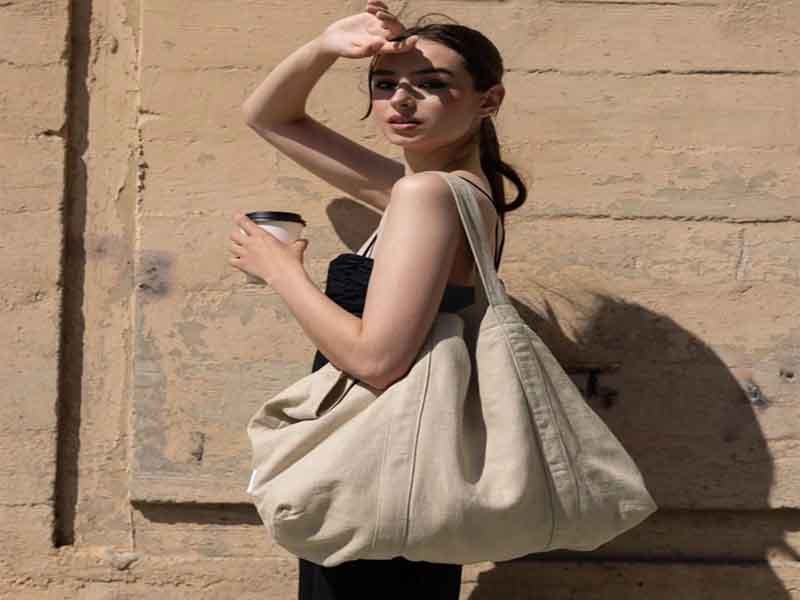
Critical Perspective Strictly segmenting fabrics by application can lead to missed opportunities: many brands now deploy 100% cotton canvas in bags after applying slight DWR coatings, or use 100% polyester “soft” fleece for loungewear to leverage colorfastness and durability. The best fit often emerges when real‑world performance requirements meet creative finishing and blending techniques—so OEMs should view cotton and polyester as components of a broader fabric toolkit rather than exclusive silos.
7. How do cotton‑polyester blend strategies leverage the strengths of both fibers?
Blends marry cotton’s soft hand and breathability with polyester’s strength, wrinkle resistance, and moisture management. A 60/40 cotton‑polyester blend, for example, can absorb enough moisture to feel comfortable while shedding sweat more quickly than pure cotton garments. Many uniform suppliers report that switching to a 65/35 blend reduced shrinkage by 80% and cut drying time in half—striking the balance that neither fiber could achieve alone.
Blend Ratios & Performance Trade‑Offs
- 50/50 Blends: Equal parts comfort and durability; often used in mid‑range tees and work shirts.
- 65/35 & 60/40 Blends: Favor cotton hand‑feel with meaningful polyester performance gains; common in hospital scrubs and polo shirts.
- 80/20 Blends: Prioritize cotton comfort, with enough polyester to reduce wrinkling; popular in casual button‑downs.
| Blend Ratio | Moisture Regain (%) | Drying Time (min) | Wrinkle Resistance | Typical Applications |
|---|---|---|---|---|
| 50/50 | 4–5 | 35–45 | Moderate | Promotional tees, polos |
| 65/35 | 5–6 | 40–50 | Good | Scrubs, hospitality wear |
| 80/20 | 6–7 | 45–60 | Fair | Casual shirts, dresses |
Engineering Finishes for Blends
- Reactive Dyes: Offer deep, wash‑fast colors on cotton while more economical disperse dyes color the polyester portion.
- Enzyme Washes & Softeners: Restore cotton’s softness post‑processing and reduce pill formation on polyester fibers.
- Anti‑Microbial Treatments: Address odor retention in polyester without compromising cotton’s natural feel.
Case Study: An OEM partner producing hospitality linens trialed a 70/30 cotton‑poly blend treated with an anti‑microbial finish. Results showed a 50% increase in time between required washes, saving labor costs and improving guest comfort.
Critical Perspective Blends can obscure fiber identity—making recycling and end‑of‑life disposal more complex. Moreover, mismatched dye chemistries may lead to uneven fade rates. Responsible manufacturers must optimize finishing recipes, clearly label fiber contents, and plan for circular‑economy strategies.
8. What quality tests and industry standards should OEM manufacturers apply when selecting cotton or polyester?
Objective testing ensures fabrics live up to their claims. For cotton and blends, ISO 13934 (tensile strength) and AATCC 135 (dimensional change by washing) are essential. Polyester and blends need AATCC 195 (water‑vapor transmission) and ISO 5077 (water absorption). All fabrics should undergo colorfastness (AATCC TM61) and pilling (ASTM D3512) tests to confirm durability.
Physical & Mechanical Tests
| Test Standard | Measures | Minimum Benchmark |
|---|---|---|
| ISO 13934 (Tensile) | Breaking strength (N) | ≥ 500 N for outerwear |
| AATCC 135 (Shrinkage) | Dimensional change (%) | ≤ 3% after 5 washes |
| ASTM D3512 (Pilling) | Surface pill rating (1–5) | ≥ 3.5 for activewear |
Performance & Comfort Tests
- AATCC 195 (Moisture Vapor Transmission): Confirms breathability; ≥ 2,000 g/m²/24 h for comfortable activewear.
- AATCC TM79 (Snagging): Ensures resistance to surface pulls; Grade 3 minimum for workwear.
Chemical & Safety Standards
- OEKO‑TEX® Standard 100: Certifies textiles are free from harmful substances.
- GOTS (for Organic Cotton): Ensures ecological and social criteria are met in cotton production.
Case Example: A sportswear OEM implemented ISO 5077 water absorption testing on their 65/35 blend tanks, confirming peak uptake under 5% and aligning with marketing claims for “quick‑dry performance.”
Critical Perspective Lab tests can’t replicate every real‑world scenario—abrasion, UV exposure, and harsh detergents may alter outcomes. Leading brands supplement bench testing with wear trials in target markets, ensuring fabrics perform under actual use conditions and building authentic claims that resonate with end users.
Ready to source custom fabrics tailored to your exact specifications?
Navigating the cotton versus polyester decision involves more than choosing natural or synthetic—it’s about matching fiber chemistry, production costs, performance requirements, and environmental goals to your product vision. Whether you need the plush comfort of cotton, the rugged durability of polyester, or a precision‑engineered blend, understanding these variables empowers smarter fabric selections and more successful garments.
Reach out to SzoneierFabrics today for free design consultations, rapid prototyping, and low‑MOQ solutions that bring your clothing line to life.
Let’s create the perfect textile foundation for your next apparel collection.
cotton vs polyester, cotton polyester blend, OEM clothing fabrics, fabric selection guide, polyester performance, cotton comfort, moisture management fabrics, sustainable fabric choices, fabric cost comparison, textile manufacturing, cotton fabric properties, polyester fabric properties, activewear fabrics, casual wear fabrics, industrial uniform fabrics, high-performance textiles, breathability comparison, durability comparison, environmental impact fabrics, fabric processing costs, moisture-wicking fabrics, wrinkle-resistant fabrics, fabric testing standards, ISO textile standards, AATCC fabric tests, eco-friendly textiles, recycled polyester, organic cotton, fabric hand feel, textile sourcing guide
Can't find the answers?
No worries, please contact us and we will answer all the questions you have during the whole process of bag customization.
Make A Sample First?
If you have your own artwork, logo design files, or just an idea,please provide details about your project requirements, including preferred fabric, color, and customization options,we’re excited to assist you in bringing your bespoke bag designs to life through our sample production process.