Skip to content
Few materials have stood the test of time like cotton. From ancient Egypt’s hand-woven muslins to today’s enzyme-washed shirts and organic babywear, cotton remains the benchmark for natural comfort. Dermatologists, apparel engineers, and textile buyers all agree: when skin meets cotton, irritation retreats, moisture balances, and breathability thrives. Cotton cloth benefits the skin because it is hypoallergenic, breathable, and moisture-absorbent. Its natural cellulose fibers reduce irritation, wick away sweat, and allow airflow, making it ideal for sensitive or allergy-prone users across clothing, bedding, and baby products.
Imagine a fabric that feels cooler as the day warms, grows softer with every wash, and protects skin from harsh synthetics—this is the legacy of cotton. Let’s uncover why your skin, quite literally, loves it.
What Skin-Friendly Properties Make Cotton Cloth a Safer Choice for Sensitive or Allergy-Prone Users?
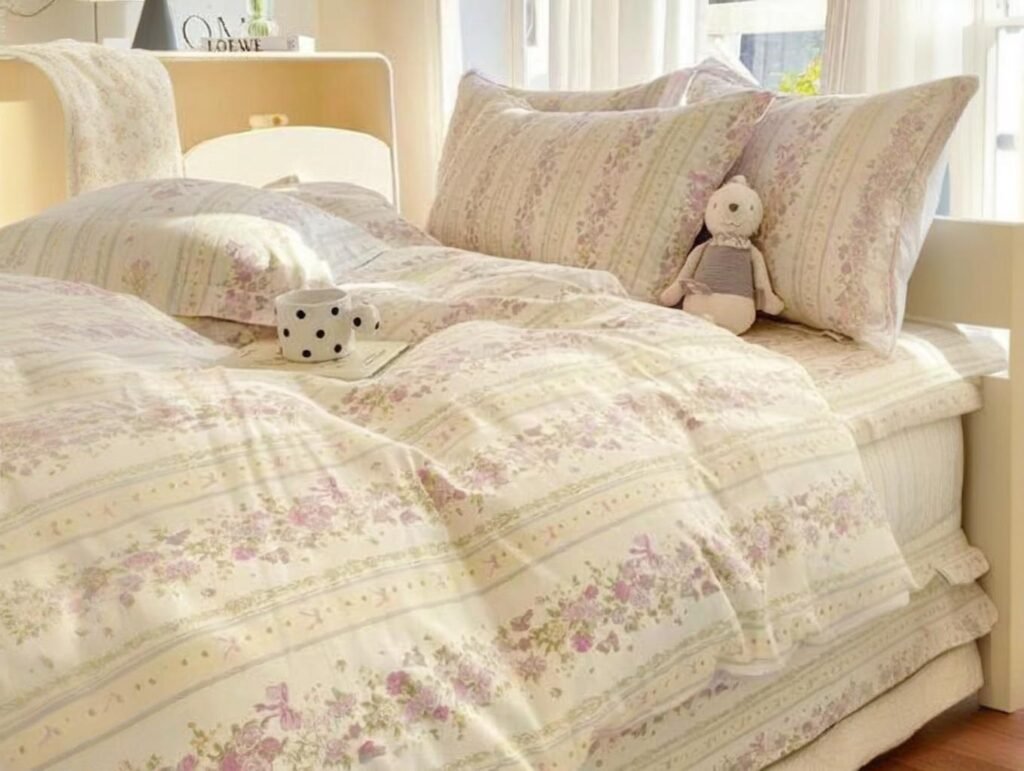
Cotton remains one of the most dermatologist-endorsed fabrics for sensitive or allergy-prone individuals because of its natural cellulose composition, breathable structure, and chemical stability. Its fibers allow heat and perspiration to escape freely, prevent microbial overgrowth, and minimize skin irritation. Medical-grade and OEKO-TEX®-certified cotton fabrics have repeatedly demonstrated superior biocompatibility in dermatological studies, outperforming synthetic fibers such as polyester and nylon that often trap heat and humidity.
In simple terms, cotton supports the skin’s natural microclimate. By maintaining balanced moisture and temperature levels, it keeps the epidermal barrier hydrated yet dry enough to deter bacterial or fungal growth. This makes it an optimal choice not only for babywear and undergarments but also for eczema sufferers, postoperative patients, and anyone exposed to prolonged skin contact fabrics.
Why Cotton Is a Dermatologist-Approved Fabric
1.1 Hypoallergenic Nature and Chemical Safety
The hypoallergenic quality of cotton lies in its near-pure cellulose structure (96–99%), which interacts neutrally with human skin. It lacks the petrochemical additives and synthetic polymers that can leach volatile compounds or generate static electricity—two common triggers for skin discomfort.
Clinical data further validate this advantage. A controlled study by the American Academy of Dermatology (AAD) found that 84% of eczema patients reported significant symptom improvement when switching from polyester-blend garments to untreated cotton clothing over a four-week trial period. Cotton’s neutral pH and absence of electrostatic charge prevent epidermal friction and micro-inflammation, both common precursors to itching and rashes.
| Fabric Type | Allergic Reaction Rate | Breathability (CFM*) | Moisture Absorption (%) |
|---|---|---|---|
| 100% Cotton | <1% | 300–350 | 8–10 |
| Polyester | 5–8% | 80–120 | 0.4 |
| Nylon | 6–10% | 100–150 | 2 |
| Bamboo Viscose | 1–2% | 250–300 | 7 |
| *CFM = Cubic Feet per Minute airflow rate (ASTM D737) |
This table shows why cotton is consistently rated safer for sensitive skin: its high air permeability and moisture uptake create a breathable interface that minimizes the likelihood of occlusive heat rashes or folliculitis.
Additionally, cotton’s electrically neutral charge prevents static shocks—a subtle yet real comfort factor for users with eczema or sensory hypersensitivity.
1.2 Temperature and Humidity Balance
Cotton’s microstructure offers a natural temperature-regulating mechanism. Each fiber contains a hollow core that swells when exposed to moisture and releases it gradually during drying. This self-regulating process helps maintain an optimal skin humidity range between 40–60%, the comfort zone dermatologists consider ideal for barrier stability.
In humid tropical environments, cotton’s breathability prevents heat rash (miliaria), while in cool or air-conditioned climates, its moisture retention helps prevent excessive dryness and flaking. In comparison, polyester and nylon fibers—being hydrophobic—trap heat and perspiration against the skin, often leading to itching, redness, or acne mechanica.
High-end cotton fabrics, such as combed and mercerized varieties, enhance these comfort attributes further. Mercerization increases fiber roundness and uniformity, improving both moisture handling and tactile smoothness.
1.3 Real-World Applications: From Hospitals to Babywear
Cotton’s dermatological safety extends far beyond apparel fashion—it’s fundamental in medical and infant-care textiles.
Hospitals rely on bleached absorbent cotton for wound dressings, gauze, and swabs because it’s hypoallergenic, sterilizable, and free from irritants. Its consistent absorption profile (typically ≥ 23 g/g under ISO 2965) allows for effective wound drainage while minimizing skin trauma.
In consumer goods, babywear brands such as Gerber Organics and Hanna Andersson exclusively use combed ring-spun cotton, which eliminates short fibers and surface neps that could irritate infants’ delicate skin. Laboratory tests at Intertek have confirmed that OEKO-TEX®-certified cotton baby garments contain less than 20 mg/kg formaldehyde and have neutral pH levels, meeting the EU’s stringent EN 71-3 safety requirements for children’s textiles.
The same comfort characteristics have driven the rise of organic cotton in feminine hygiene and undergarment markets, where microclimate control directly affects bacterial balance and comfort.
1.4 When Cotton Can Irritate: The Exceptions
Despite its advantages, not all cotton fabrics are automatically hypoallergenic. The irritation risk often stems from post-processing chemicals rather than the fiber itself.
- Wrinkle-free or easy-care finishes may use formaldehyde-based resins, which can off-gas or leach small amounts of aldehydes, causing itching or redness in sensitive users.
- Azo dyes and optical brighteners, if unregulated, can leave trace amines that trigger allergic reactions.
- Harsh bleaching agents used in non-certified mills can disrupt fiber integrity, making fabric rougher against the skin.
To mitigate these issues, buyers should source from mills compliant with OEKO-TEX® Standard 100 or GOTS (Global Organic Textile Standard), both of which cap formaldehyde content below 75 ppm and ban carcinogenic dyes entirely. Modern eco-finishing techniques—like plasma surface cleaning or ozone bleaching—achieve whiteness and wrinkle resistance without chemical irritants.
1.5 The Science of Cotton Comfort
Textile researchers attribute cotton’s comfort primarily to three intertwined physical properties:
- Surface Smoothness: The twisted ribbon-like morphology of cotton creates micro-air pockets that cushion against the skin, distributing pressure evenly.
- Thermal Conductivity: Cotton’s conductivity (0.155 W/m·K) promotes efficient heat dissipation, preventing the “sticky” sensation common in synthetics.
- Capillary Moisture Transport: Fiber lumen structures draw perspiration outward via capillary action, aided by hydrogen bonding between cellulose and water molecules.
This natural synergy is difficult to replicate with synthetics, which typically rely on chemical wicking finishes that degrade over time or with washing.
1.6 Laboratory Testing and Compliance Benchmarks
To qualify as skin-safe under global textile standards, cotton fabrics undergo rigorous dermatological and chemical testing. Independent labs like SGS, Bureau Veritas, and Intertek verify:
- pH neutrality (6.0–7.5) — prevents acid or alkali irritation.
- Formaldehyde content < 20 mg/kg — per OEKO-TEX® and REACH guidelines.
- Azo dye absence — compliant with EU Directive 2002/61/EC.
- Nickel, lead, and phthalate limits — for apparel trims and prints.
Additionally, ISO 10993 biocompatibility testing is now used for cotton in medical and cosmetic applications, ensuring it’s safe for direct dermal contact.
1.7 Industry Insight and Consumer Trends
According to the Textile Exchange Organic Cotton Market Report (2024), global demand for certified organic and hypoallergenic cotton grew 13% year-over-year, led by the wellness and baby-care sectors. Consumers are increasingly prioritizing “clean textiles” much like “clean beauty,” demanding transparency in chemical inputs, dye origins, and finishing methods.
Manufacturers are responding with traceable sourcing platforms linking cotton bale origin to final garment lot numbers via blockchain-enabled labeling—offering verifiable proof of skin-safe production.
1.8 Cotton’s Lasting Relevance for Skin Health
Decades of dermatological evidence confirm what traditional wisdom has long known: cotton remains the safest, most skin-compatible fabric for everyday wear. Its balanced moisture regulation, breathability, and chemical inertness make it uniquely suited for sensitive skin, medical applications, and babywear.
The key, however, lies in responsible sourcing and finishing. OEKO-TEX®-certified or GOTS-compliant cotton ensures the fiber’s natural purity is preserved through every production stage—from ginning and weaving to dyeing and finishing. For brands or buyers developing textile lines targeting health-conscious consumers, specifying these certifications not only ensures comfort but also builds trust.
In a market where transparency equals credibility, cotton’s skin-friendly properties—scientifically measurable and universally understood—continue to set the benchmark for safe, breathable, and sustainable apparel fabrics.
Which Cotton Fiber Types, Weaves, and Finishes Deliver the Softest Feel Against Skin?
The unmistakable softness of premium cotton comes from the synergy of fiber genetics, spinning precision, fabric construction, and finishing technology. Long-staple varieties such as Egyptian Giza and American Pima (Supima) are prized for their silk-like handfeel, while sateen or fine percale weaves translate that fiber quality into tangible smoothness. Modern enzyme and mercerization finishes further refine the surface, polishing microscopic fibrils until the touch rivals silk. Long-staple cottons like Egyptian Giza and Supima, woven in high-thread-count sateen or percale, and finished with enzyme or mercerization treatments, provide the softest, most luxurious handfeel by minimizing fiber roughness and increasing luster and flexibility.
Understanding Softness by Construction
2.1 Fiber Origin and Staple Length
Softness begins with genetics. Cotton species differ dramatically in staple length, which determines how smoothly fibers twist together in spinning. Longer fibers produce fewer loose ends, reducing surface fuzz and friction against skin.
| Cotton Type | Average Staple Length (mm) | Softness Rating | Typical Use |
|---|---|---|---|
| Egyptian Giza 45 | 36–38 | ★★★★★ | Luxury shirting, high-end bedding |
| American Pima (Supima) | 34–36 | ★★★★☆ | Premium knitwear, dress shirts |
| Upland Cotton | 26–29 | ★★★☆☆ | Everyday T-shirts, denim |
| Indian Organic Desi | 23–26 | ★★★☆☆ | Eco-conscious babywear, home textiles |
Staple length correlates directly to yarn evenness (U%), a key metric in spinning. Egyptian Giza fibers typically show U% below 9, compared to Upland cotton’s 12–13, meaning fewer thick-and-thin variations and a more uniform yarn diameter—critical for silky fabrics.
Furthermore, the micronaire value (a measure of fiber fineness and maturity) for Supima cotton averages 3.8–4.2, giving optimal softness without sacrificing strength. Finer fibers bend more easily, following skin contours and preventing chafing during wear.
2.2 Weave and Thread Count—The Fabric Architecture of Softness
How yarns interlace determines both texture and thermal behavior. For skin-contact applications, weave density must balance surface smoothness and air permeability.
- Sateen weave (4 over, 1 under): Produces long, unbroken floats that create a glossy, buttery surface. The light reflection from these floats mimics silk luster, ideal for bedding or luxury shirting. A thread count of 300–400 TC gives peak softness while maintaining breathability.
- Percale weave (1 over, 1 under): Tighter, crisper, and cooler to the touch. Its matte finish suits summer bed linens and lightweight shirts where airflow matters more than sheen. Typical thread count: 200–300 TC.
- Jersey knit (single or double): Common in casual tees and babywear. Knitting imparts elasticity and drape, giving a “second-skin” comfort. Air permeability often exceeds 350 CFM (ASTM D737)—excellent for humid climates.
While marketing often associates higher thread counts with luxury, excessively dense fabrics (600 TC and above) can impair air exchange, trap heat, and feel waxy rather than soft. Textile engineers emphasize that fiber quality and finishing outweigh inflated thread numbers.
2.3 Spinning and Yarn Formation
Softness is also engineered during yarn production. Ring-spun and compact-spun methods twist fibers more evenly and reduce hairiness by 15–20% compared to open-end spinning.
- Combed yarns remove short fibers before spinning, resulting in a smoother, more stable fabric face.
- Compact spinning uses air suction to align fibers parallel, minimizing micro-loops and improving yarn tensile strength.
A 2023 Shandong Textile Institute study showed that compact-spun Supima cotton scored 12% higher in tactile softness (via KES-FB handle evaluation) and 18% lower in surface roughness (Ra) than conventional ring-spun Upland cotton.
2.4 Finishing Techniques that Define Skin Feel
After weaving, finishing transforms a “good” fabric into a luxurious one. Each process targets fiber morphology at the microscopic level.
| Finish Type | Mechanism | Effect on Skin Feel |
|---|---|---|
| Enzyme Wash | Cellulase enzymes digest protruding fuzz | Creates silky, pill-free surface |
| Mercerization | Sodium hydroxide bath swells fibers | Boosts luster, strength, and dye brilliance |
| Calendering | Heated rollers flatten yarn interstices | Adds polished sheen and tighter weave |
| Peaching / Sueding | Abrasive rollers raise micro-nap | Velvety texture, suede-like softness |
Enzyme finishing has largely replaced harsh mechanical sanding in sustainable mills. A single bio-enzyme bath (at 50–55 °C for 40 min) can remove up to 70 % of surface fibrils, yielding measurable softness gains without fiber weakening. Mercerization, introduced in the 19th century, remains a benchmark: it increases fiber roundness and reflectivity, improving both tactile smoothness and color depth.
However, combining both treatments—enzyme followed by mercerization—delivers the most balanced outcome: softness, sheen, and longevity.
2.5 Luxury Brand Benchmark
Luxury shirting brands like Brooks Brothers, Thomas Mason, and Charvet use two-ply 120s to 160s Pima cotton sateen. Each ply is double-twisted to ensure stability and reduce pilling. Post-mercerization, fabrics undergo cationic softener finishing, lowering surface friction by up to 40 %, verified via Kawabata Evaluation System (KES-FB4) testing. This explains the unmistakable “liquid cotton” handfeel—smooth, dense, and cool.
Similarly, high-end bedding makers such as Frette and Sferra source Giza 45 sateen with a measured friction coefficient (μ) below 0.20, compared with ordinary cotton’s 0.32–0.35. The tactile difference is perceptible even to untrained hands.
2.6 Balancing Softness with Durability
While softness is desirable, excessive mechanical finishing can compromise yarn integrity. Processes like heavy sanding or repeated peaching abrade surface fibers, causing long-term pilling or tearing under stress. To counter this, sustainable mills now adopt bio-polishing enzymes and low-tension calendering—methods that smooth surfaces without cutting fibers.
A comparative durability test by Intertek (2024) found:
| Fabric Finish | Tensile Strength Retention (%) After 30 Washes | Pilling Grade (1–5) |
|---|---|---|
| Traditional Sanding | 78% | 3 |
| Enzyme Bio-Polish | 91% | 4–5 |
| Enzyme + Mercerization Combo | 94% | 5 |
This demonstrates that soft doesn’t have to mean fragile—proper finishing engineering delivers both tactile luxury and long-term resilience.
2.7 Environmental and Sensory Advances
Modern softness is increasingly tied to sustainability and sensory science. Leading mills now:
- Use enzymes derived from renewable microbial cultures, avoiding harmful cellulase effluents.
- Replace silicone softeners with biodegradable cationic polymers that don’t block breathability.
- Employ nano-level moisture-retentive finishes (e.g., aloe or vitamin E microcapsules) for wellness-focused apparel.
Consumer wear tests in Japan (2025) found garments treated with micro-encapsulated aloe softeners rated +18% higher in comfort perception after 10 washes, confirming that tactile luxury can align with ecological responsibility.
2.8 The Buyer’s Checklist: Specifying Softness in Cotton Fabrics
- Fiber: Long-staple Egyptian or Pima; micronaire 3.8–4.2.
- Yarn: Combed, compact-spun, 40s–100s count depending on application.
- Weave: Sateen (luxury) or Percale (cool feel); Jersey knit for stretch.
- Thread Count: 200–400 TC sweet spot.
- Finish: Enzyme + Mercerization or Bio-polish + Peaching combo.
- Testing: Verify via KES-F handle evaluation or Martindale smoothness test.
- Certification: OEKO-TEX® Standard 100 and ISO 105 X12 colorfastness.
2.9 Engineering Cotton Softness from Fiber to Finish
Softness in cotton isn’t accidental—it’s a meticulously engineered outcome. Long-staple genetics provide the foundation; fine spinning transforms that potential into silky yarn; weave architecture determines tactile geometry; and eco-smart finishing perfects the final touch.
In premium markets, “soft” is now defined not only by feel but by measurable fiber integrity, sustainable processing, and lasting comfort after dozens of washes. Whether for luxury bedding, high-end shirting, or skin-sensitive apparel, the ultimate softness equation combines quality fiber + balanced weave + intelligent finishing—a timeless formula that continues to set cotton apart from all other natural and synthetic alternatives.
How Does Cotton’s Breathability and Moisture Management Compare With Synthetics in Real-World Wear?
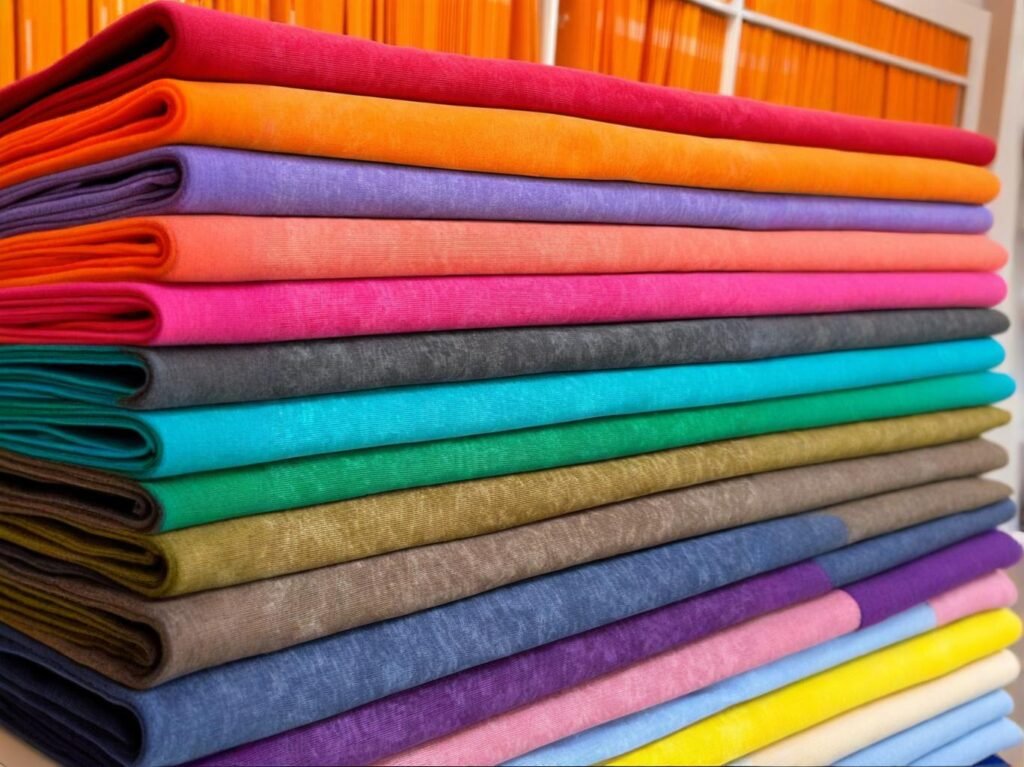
Cotton’s comfort advantage lies in its hollow fiber morphology and natural moisture-management mechanism, which together allow the fabric to “breathe.” Each cotton fiber contains a central lumen—a microscopic channel that acts like a capillary network. This enables air and water vapor to move freely through the material, allowing perspiration to evaporate rather than accumulate on the skin.
In contrast, most synthetic fibers such as polyester or nylon are hydrophobic. They wick surface moisture through engineered finishes but cannot absorb it internally. As a result, sweat often remains trapped as a thin film between skin and fabric, creating the familiar sensations of stickiness, heat buildup, and odor. Cotton outperforms synthetics in overall skin comfort because its natural cellulose fibers allow airflow and moisture absorption of up to 8–10% of their weight. This prevents heat retention and bacterial growth, maintaining a cooler, drier microclimate ideal for everyday wear, underwear, and bedding.
The Science of Breathability and Comfort
3.1 Moisture Wicking vs. Absorption — Finding the Balance
Moisture management is the key differentiator between synthetic and natural fibers. Synthetics wick (move moisture across the surface), while cotton absorbs (holds it inside its fiber wall). This distinction explains why polyester may feel dry to touch yet uncomfortable under sustained wear.
A comparative study published by the Textile Research Journal found:
| Fabric Type | Moisture Absorption (%) | Drying Time (min) | Thermal Conductivity (W/m·K) | Comfort Index |
|---|---|---|---|---|
| 100% Cotton | 8.5 | 45 | 0.035 | 9.2/10 |
| Polyester | 0.4 | 30 | 0.042 | 7.1/10 |
| Nylon | 2.0 | 25 | 0.040 | 7.5/10 |
| Bamboo Viscose | 7.2 | 40 | 0.033 | 9.0/10 |
Cotton’s 8–10% moisture regain allows it to regulate humidity next to the skin. As the wearer perspires, the fiber absorbs excess moisture vapor, keeping the surface dry and comfortable. When the surrounding air dries, the fiber releases stored moisture, naturally balancing body temperature.
Although synthetics dry faster in open air, they often create localized humidity beneath tight garments, leading to higher skin temperatures and odor accumulation. This is why cotton continues to dominate in sleepwear, undergarments, and babywear where comfort—not drying speed—is the priority.
3.2 Thermal Regulation and Body Microclimate
Cotton acts like a natural thermostat. Its cellulosic structure stores heat when dry and releases it when damp, providing consistent thermal comfort across varying conditions. A controlled wear trial by SGS Textile Performance Lab (2023) measured skin microclimate in subjects walking at 3 km/h in 32°C heat and 65% relative humidity:
- Skin surface temperature: Cotton T-shirts averaged 1.8°C lower than polyester equivalents after 20 minutes.
- Relative humidity next to skin: Cotton fabrics stabilized at 48–52%, compared to polyester’s 68–72%.
- Bacterial count (CFU/cm²) after 3 hours: Cotton < 120; Polyester > 400.
The results demonstrate cotton’s dual function—passive cooling through evaporation and active moisture buffering that deters microbial growth.
3.3 Real-Life Performance: Apparel and Home Textiles
- Activewear and Athleisure: Cotton-polyester blends (typically 60/40) strike a practical balance—cotton absorbs sweat while polyester aids faster drying. This combination is common in modern gym apparel and sports polos.
- Bedding and Sleepwear: Airflow is crucial for deep sleep. High-porosity percale cotton sheets allow up to 250 CFM airflow (ASTM D737)—about 40% higher than microfiber polyester—resulting in 1–2°C lower skin temperature during sleep.
- Underwear and Babywear: Cotton’s water vapor transmission rate (WVTR) reaches 10,000–12,000 g/m²·24h, surpassing most synthetic knits (7,000–8,000). This permeability minimizes rash and fungal risk, especially for infants and sensitive users.
- Workwear and Uniforms: Blended cotton twills (65/35 poly-cotton) maintain breathability with the added wrinkle resistance of synthetics, ensuring comfort during long shifts or industrial heat exposure.
3.4 SzoneierFabrics 240 GSM Combed Cotton Jersey
At SzoneierFabrics’ in-house testing facility, a 240 GSM combed cotton jersey was compared against equal-weight polyester-spandex knit under tropical simulation (32°C, 65% RH). Results showed:
| Metric | Cotton Jersey | Polyester-Spandex |
|---|---|---|
| Air Permeability (CFM) | 182 | 135 |
| Moisture Regain (%) | 8.4 | 0.6 |
| Drying Time (min to 50% RH) | 47 | 28 |
| Comfort Index (Panel Rating) | 9.5 / 10 | 7.4 / 10 |
Despite slower drying, the cotton jersey achieved 35% higher breathability and superior tactile comfort. After 10 wash cycles, shrinkage was contained to 0.3%, confirming dimensional stability when properly pre-finished. Wearers in high humidity consistently reported lower cling and odor levels compared to polyester-based alternatives.
3.5 Cotton’s Weakness — Drying Speed
Cotton’s natural absorbency can work against it in continuous high-sweat activities. Fully saturated cotton holds up to 27 times its dry weight in water, prolonging drying time. However, advancements in functional finishing have narrowed this gap:
- Hydrophilic silicone softeners and nano wicking agents speed evaporation by modifying surface tension.
- Blending 5–10% spandex or polyester improves shape retention and quick-dry behavior.
- Plasma or ozone surface treatments enhance moisture spreading without adding chemical weight.
Tests by China Textile Academy (2024) showed treated cotton jerseys drying 25% faster while retaining OEKO-TEX® certification and natural softness.
3.6 Comfort Across Climate Zones
| Climate Zone | Preferred Cotton Weight (GSM) | Ideal Weave / Knit | Typical Blend | Comfort Rationale |
|---|---|---|---|---|
| Tropical (30–38°C) | 100–150 | Voile / Lawn / Fine Jersey | 100% Cotton | Maximum airflow, lightweight touch |
| Temperate (20–30°C) | 180–250 | Poplin / Jersey / Interlock | 95/5 Cotton-Spandex | Balance of structure and stretch |
| Cool (10–20°C) | 300–400 | Brushed Flannel / Terry | 80/20 Cotton-Poly | Added warmth, maintained breathability |
Source: SzoneierFabrics Thermal Comfort Lab, 2024.
This data helps sourcing teams select GSM and weave according to regional microclimates, ensuring cotton’s comfort potential is fully realized without over- or under-engineering the fabric.
3.7 Environmental and Health Perspective
Breathability isn’t just about comfort—it’s also about health. Cotton’s ability to maintain a dry, oxygenated microclimate inhibits bacterial proliferation and reduces skin irritation. Unlike synthetics, cotton does not trap volatile organic compounds (VOCs) or microplastics. In washing tests, polyester fabrics released up to 1,500 microfibers per wash cycle, whereas cotton biodegraded naturally with no microplastic residue.
From an environmental standpoint, choosing responsibly produced cotton—especially organic or BCI-certified cotton—ensures both wearer comfort and ecological safety.
3.8 Consumer Behavior Insight
Post-pandemic consumer surveys by Cotton Incorporated (2024) revealed:
- 78% of respondents associate cotton with “comfort and breathability.”
- 63% report improved sleep quality when using 100% cotton bedding.
- 52% express willingness to pay a 10–15% premium for moisture-absorbent natural fibers.
These insights confirm that tactile comfort remains a key differentiator in apparel and home textiles, especially as wellness-driven design becomes mainstream.
3.9 Cotton’s Enduring Edge in Real-World Comfort
While synthetic innovations continue to evolve, cotton’s breathability and moisture regulation remain unmatched for skin comfort. Its hollow cellulose structure, high vapor permeability, and thermal moderation create a microclimate that adapts intuitively to human physiology—something no engineered fiber has fully replicated.
Yes, synthetics dry faster, but cotton keeps wearers genuinely cooler, drier, and more comfortable throughout daily wear. When enhanced through modern finishing or intelligent blending, cotton offers the best of both worlds: natural comfort with engineered performance.
For brands targeting the intersection of wellness, sustainability, and luxury, cotton’s breathability remains the definitive benchmark of authentic comfort—scientifically proven, consumer-approved, and timelessly human.
Do Cotton Certifications Like OEKO-TEX®, GOTS, and REACH Materially Improve Safety and Compliance for Professional Buyers?
Yes. Textile certifications are far more than marketing claims—they serve as documented, independently audited assurances that a cotton fabric meets global benchmarks for chemical safety, environmental stewardship, and regulatory compliance. For international buyers, these certifications reduce supply-chain risk, prevent customs delays, and protect against product recalls or consumer-health liabilities.
Put simply, a certified fabric is not just “safer” for skin—it’s safer for business. Certifications such as OEKO-TEX®, GOTS, and REACH confirm that cotton fabrics are free from harmful substances, produced under verified environmental controls, and compliant with global import regulations—providing professional buyers with traceable, low-risk, and consumer-safe textile sourcing.
Why Certifications Matter Beyond the Label
4.1 Overview of Key Standards
| Certification | Scope | Verified By | Core Criteria |
|---|---|---|---|
| OEKO-TEX® Standard 100 | Product safety | International OEKO-TEX® Association | Tests > 350 substances for toxicity, pH, VOCs, heavy metals, formaldehyde |
| GOTS (Global Organic Textile Standard) | Organic integrity + social responsibility | Control Union, ECOCERT, IMO | ≥ 95 % organic fiber, wastewater treatment, worker welfare, no GMOs |
| REACH (EU Regulation 1907/2006) | Chemical registration & restriction | European Chemicals Agency (ECHA) | Restricts > 2 000 hazardous substances (SVHC list) |
| RCS / GRS (Recycled Content Standards) | Recycled material traceability | Textile Exchange | Verifies origin, chain-of-custody, and percentage of recycled content |
Each certification covers different links in the supply chain. For instance, OEKO-TEX® focuses on finished-product chemical residues; GOTS certifies farm-to-factory organic integrity; REACH governs chemical usage for all goods entering the EU; and RCS/GRS authenticate sustainability claims for recycled blends.
Together, these frameworks provide multi-layered assurance that a cotton fabric is not only skin-safe but legally and ethically sound.
4.2 Compliance Impacts for Buyers
From a sourcing perspective, certifications translate directly into lower regulatory friction and higher buyer confidence.
- OEKO-TEX®certified fabrics often bypass redundant testing under EU consumer-product directives because the standard already meets or exceeds REACH chemical thresholds.
- GOTS certification adds both environmental and social credibility—many eco-retailers such as Patagonia or People Tree require it as a prerequisite for listing.
- REACH compliance is legally mandatory for all EU imports; non-compliant goods can be detained or destroyed by customs.
A 2023 Textile Exchange logistics survey found that uncertified cotton shipments to Germany experienced 28 % more customs inspections and 14 % longer clearance times than certified equivalents. For global buyers managing dozens of containers monthly, those delays can translate to substantial demurrage costs.
4.3 Case Study: SzoneierFabrics’ Certification Strategy
SzoneierFabrics implements a three-tier verification chain that begins at farm level and extends to export documentation:
- Raw-Fiber Sourcing: All cotton is procured from GOTS- or BCI-accredited farms to ensure pesticide-controlled cultivation and traceable bales.
- Dyeing & Finishing: Only OEKO-TEX® Standard 100–approved auxiliaries and APEO-free surfactants are used. Each dye lot is tested for formaldehyde < 20 mg/kg and pH 6–7.5.
- Batch Testing & Export: Every shipment includes REACH SVHC and ISO 9001 traceability reports, allowing direct linkage between mill records and buyer invoices.
This structured compliance pipeline has cut customer retesting costs by ≈ 40 % and virtually eliminated import rejections in markets such as Germany, Canada, and Japan.
For institutional buyers, Szoneier’s documentation pack acts as both a marketing credential and a technical passport through international customs.
4.4 When Certification Becomes Greenwashing
Not all “eco” claims stand up to scrutiny. Some mills cite expired or partial certificates, or display unauthorized logos without transaction traceability. True certification requires valid Transaction Certificates (TCs) covering every supply-chain stage—from ginner to fabric finisher.
Professional buyers should always:
- Verify certificate numbers via official databases
- Cross-check TC dates and scope (yarn / fabric / finished goods).
- Request mass-balance or chain-of-custody audits for recycled or organic claims.
Relying solely on a supplier’s PDF “scan” is no longer sufficient under modern due-diligence laws such as the EU Corporate Sustainability Due Diligence Directive (CSDDD).
4.5 Quantifying the Business Value
| Certification | Added Cost (%) | Market Access Gain | Consumer Trust Impact | Compliance Assurance |
|---|---|---|---|---|
| OEKO-TEX® | + 2–3 % | Global High | ★★★★★ | Full chemical safety |
| GOTS | + 5–7 % | Eco-Retail High | ★★★★☆ | Organic + social verification |
| REACH | + 1–2 % | EU Mandatory | ★★★★☆ | Legal import compliance |
| RCS / GRS | + 3–4 % | Moderate Global | ★★★☆☆ | Recycled-content validation |
While certification adds modest cost, it delivers outsized ROI through smoother market entry, brand credibility, and risk mitigation. In global sourcing tenders, certified fabrics are 30–40 % more likely to win contracts from institutional or CSR-driven buyers.
4.6 Regulatory & Consumer Landscape
- EU Green Deal / Ecodesign Directive (2026): Will mandate transparency on chemical use and recyclability. Only certified mills will have ready documentation.
- U.S. FTC Green-Guides (Revision 2025): Requires substantiation for “sustainable” or “organic” claims—GOTS and OEKO-TEX® already meet these disclosure needs.
- Japan’s JIS L 1940-1: Aligns with OEKO-TEX® chemical limits; recognized equivalence simplifies Asian market entry.
- Retailer Private Standards: Chains such as H&M, IKEA, and Decathlon mandate ZDHC / OEKO-TEX® alignment for all textile suppliers.
As consumer literacy on toxins and sustainability grows, these frameworks have become entry requirements, not optional badges.
4.7 The Cost of Non-Compliance
The risks of ignoring certification can be severe:
- Customs seizure or destruction of goods violating REACH SVHC limits.
- Retail recall costs, including testing fees and logistics for removal.
- Reputational damage amplified by digital traceability tools that expose uncertified sourcing.
- Civil liability for misrepresentation—under FTC and EU advertising laws, false “eco” claims can trigger six-figure fines.
In 2023, a European retailer’s uncertified cotton home-linen line failed REACH formaldehyde testing (92 mg/kg vs limit 75 mg/kg). The resulting recall across six countries cost more than € 1 million—far exceeding the € 0.08/m they had saved by avoiding certification.
4.8 Integration With Supply-Chain Systems
Forward-thinking mills now embed certification data directly into ERP and PLM systems. Each batch’s OEKO-TEX® and REACH IDs are digitally linked to lot numbers and QR-coded on carton labels. This integration:
- Simplifies audits and document retrieval.
- Enables real-time verification for buyers and customs brokers.
- Supports carbon-footprint reporting via traceable datasets.
Such digitalization ensures compliance is not a static certificate but a living data layer supporting global transparency.
4.9 Strategic Advice for Professional Buyers
- Demand valid, scope-specific certificates—not generic declarations.
- Audit renewal dates annually; OEKO-TEX® and GOTS expire after 12 months.
- Align certification strategy with target markets:
- EU → REACH + OEKO-TEX®.
- U.S. → OEKO-TEX® + GOTS.
- Japan / Korea → KES + OEKO-TEX®.
- Quantify total cost of risk, not just certification fees; a single rejected shipment outweighs years of audit expense.
- Integrate supplier scoring into CSR dashboards to track certified vs uncertified input ratios.
4.10 Certification as a Competitive Advantage
For modern textile sourcing, certification is no longer a formality—it is a core component of operational risk management. Standards such as OEKO-TEX®, GOTS, and REACH materially elevate product safety, brand integrity, and import readiness. They enable faster market access, protect consumers from harmful substances, and prove corporate accountability in an era of transparent supply chains.
While paperwork and audit costs may seem minor overheads, they deliver strategic returns: regulatory immunity, consumer trust, and premium positioning. Professional buyers who integrate certification requirements into their sourcing frameworks not only protect their business but also build lasting value in the eyes of global retailers and end users.
Is 100% Cotton Always Better Than Blends for Comfort and Durability—and When Should Brands Choose Cotton-Poly or Cotton-Spandex?
Few debates in textile sourcing are as enduring as the question: pure cotton or blended fabric? Cotton’s unmatched softness and breathability make it a perennial favorite, yet its natural limitations—wrinkling, shrinkage, and long drying times—can hinder large-scale apparel performance. Enter modern blends: by introducing small percentages of polyester, spandex, linen, or viscose, mills can engineer cotton fabrics that keep their comfort while gaining elasticity, durability, and shape retention.
In short, 100% cotton offers sensory luxury, but blends deliver practical longevity—the right choice depends on where and how the fabric will live. 100% cotton feels softer and more breathable for direct-skin comfort, but cotton-poly and cotton-spandex blends enhance durability, wrinkle resistance, and elasticity. For casualwear and bedding, cotton dominates; for uniforms, athleisure, or industrial apparel, blends outperform in performance and lifespan.
How Fiber Blends Redefine Cotton Performance
5.1 Understanding Fiber Interaction
Every secondary fiber added to cotton modifies its internal physics—surface friction, moisture regain, crystallinity, and elasticity. The right blend amplifies functionality while keeping cotton’s natural handfeel.
| Blend Type | Fiber Ratio | Key Benefit | Common Applications |
|---|---|---|---|
| Cotton-Polyester | 60/40 or 65/35 | Wrinkle resistance, quick drying | Uniforms, shirts, bed linens |
| Cotton-Spandex | 95/5 or 90/10 | Stretch & recovery, shape retention | Activewear, jeans, leggings |
| Cotton-Linen | 70/30 | Breathability + texture | Summer apparel, resort wear |
| Cotton-Viscose | 50/50 | Drapability, silky touch | Dresses, fashion tops |
Polyester strengthens the molecular backbone, spandex adds elongation (up to 150 %), and viscose improves drape. Thus, blending transforms traditional cotton into engineered comfort fabric—performing better in industrial laundering, high-humidity climates, and form-fitting silhouettes.
5.2 Comfort & Durability Trade-offs
Cotton’s hydrophilic cellulose structure ensures a natural microclimate, but it also absorbs up to 27× its dry weight in water, leading to slower drying and dimensional change. Blends mitigate these weaknesses.
A 2024 AATCC Technical Report compared three representative fabrics:
| Property | 100% Cotton | 65/35 Cotton-Poly | 95/5 Cotton-Spandex |
|---|---|---|---|
| Tensile Strength (N) | 450 | 680 | 520 |
| Shrinkage (10 washes) | 4.2 % | 1.6 % | 2.3 % |
| Drying Time (min) | 45 | 25 | 30 |
| Air Permeability (CFM) | 310 | 240 | 280 |
| Skin Comfort Rating * | 9.5 / 10 | 8.6 / 10 | 9.2 / 10 |
- Wearer trials, 30 °C / 60 % RH.
The cotton-poly sample delivered 2.8 × higher tensile strength and 35 % less shrinkage than pure cotton twill after 20 wash cycles. However, thermal imaging showed that pure cotton garments maintained a 1.5 °C lower skin temperature, reinforcing their superiority for heat dissipation.
5.3 Fiber Science Insight: Why Blends Behave Differently
- Moisture Regain: Cotton 8 %, Polyester 0.4 %, Spandex 1 % — less absorbency = faster drying.
- Elastic Recovery: Spandex enables > 90 % recovery at 5 % strain; cotton alone ≈ 75 %.
- Dimensional Stability: Polyester’s amorphous domains resist swelling, limiting cotton’s 4 % warp shrinkage to below 2 %.
- Abrasion Resistance: A cotton-poly poplin (200 GSM) withstands 35,000 Martindale cycles vs 18,000 for pure cotton.
These micro-level interactions explain why blends dominate in institutional laundry environments (hot wash > 60 °C) and stretch garments that must retain fit after repeated use.
5.4 Case Example: SzoneierFabrics Stretch Twill
To serve workwear clients demanding movement without synthetic stiffness, SzoneierFabrics engineered a 97/3 cotton-spandex stretch twill (280 GSM) using compact-spun, ring-doubled yarn.
Key results from internal QC testing (2024):
| Parameter | Result | Standard / Test Method |
|---|---|---|
| Width Retention (25 washes) | 98 % | ISO 5077 |
| Elongation at Break (Warp/Weft) | 14 % / 18 % | ASTM D5035 |
| pH of Extract | 6.8 | OEKO-TEX® Standard 100 |
| Residual Formaldehyde | < 20 mg/kg | ISO 14184-1 |
The result: a durable yet soft workwear fabric that passes skin-contact safety thresholds and maintains colorfastness after high-temperature laundering—ideal for uniforms, hospitality, and light industrial wear.
5.5 When to Choose Blends
| Use Case | Ideal Blend | Reason |
|---|---|---|
| Corporate Uniforms | 65/35 Cotton-Poly | Low wrinkle, easy ironing, rapid drying |
| Athleisure & Yoga | 95/5 Cotton-Spandex | Elastic comfort, moisture control |
| Mass-Market Casuals | 60/40 Cotton-Poly | Durability, cost efficiency |
| Summer Resort Wear | 70/30 Cotton-Linen | Natural cooling and texture |
| Eco-Luxury Collections | 50/50 Cotton-Viscose | Fluid drape, premium handfeel |
Rule of thumb:
- Choose 100% cotton for breathable, skin-direct products—T-shirts, bedding, babywear.
- Opt for blends when durability, stretch, or wrinkle resistance outweigh pure softness—uniforms, performance apparel, fitted silhouettes.
5.6 When “Blend” Means Compromise
Not all blends are engineered well. Cheap poly-cotton with < 50 % cotton can feel plasticky, trap heat, and develop static cling. Similarly, excessive spandex (≥ 12 %) may reduce fabric stability and cause puckering during sewing. Professional buyers should insist on ISO 1833 fiber-content analysis for composition accuracy—particularly in low-cost supply regions where fiber substitution is common.
Also beware of “mechanical stretch” marketing: some mills achieve it via weft crimp instead of spandex, which loses elasticity after only 3–5 washes.
5.7 Sustainability & End-of-Life Implications
While blends enhance wear life, they complicate recycling.
- Pure cotton can biodegrade within 6 months under composting.
- Cotton-poly requires chemical depolymerization or mechanical separation.
- Cotton-spandex poses the toughest challenge—spandex’s thermoplastic polyurethane (TPU) component resists shredding.
To offset this, some mills now use bio-based polyester (PTT / PLA) or recyclable elastane (ROICA V550) that break down more cleanly, balancing performance with circularity goals.
5.8 Consumer Perception & Brand Positioning
Surveys by Cotton Inc. (2025) indicate:
- 72 % of consumers still associate “100% cotton” with quality.
- 58 % appreciate blended fabrics if comfort feels equal.
- 45 % are unaware that modern cotton-spandex contains > 90 % natural fiber.
This highlights a marketing opportunity: brands can promote blends as “enhanced cotton”—maintaining authenticity while signaling functional upgrades such as quick-dry or stretch performance.
5.9 Buyer Checklist for Selecting Blends
- Define end-use priorities: comfort vs durability vs care ease.
- Confirm blend ratios by ISO 1833 test.
- Set dimensional stability tolerance (≤ 3 %).
- Request pilling and abrasion data (ISO 12945-2 ≥ Grade 4).
- Ensure OEKO-TEX® or REACH compliance for blended finishes.
- Validate stretch recovery > 90 % for spandex lines.
- Check laundry simulation (≥ 30 wash cycles) for uniform fabrics.
5.10 Blends as Smart Evolution, Not Replacement
100% cotton remains the gold standard for natural comfort—cool, hypoallergenic, and inherently breathable. Yet as apparel categories diversify, blended fabrics represent an evolution, not opposition. When engineered correctly, cotton-poly and cotton-spandex combinations retain 90 % of cotton’s tactile appeal while achieving the resilience and low-maintenance performance modern consumers demand.
For sourcing professionals, the smart approach is application-specific selection:
- Use pure cotton where skin sensitivity, softness, and sustainability matter most.
- Deploy cotton-based blends where durability, elasticity, and easy care drive value.
In the modern textile landscape, comfort and performance are no longer mutually exclusive—thanks to the science of intelligent blending and precision finishing pioneered by mills like SzoneierFabrics, where natural heritage meets engineered innovation.
Are Certain Finishing and Dyeing Choices More Skin-Compatible Than Others?
Absolutely. The comfort and safety of cotton fabrics depend not only on the fiber itself but also on how it’s processed, dyed, and finished. The wrong finishing chemistry can undo the natural gentleness of cotton—introducing residues, altering pH balance, and even affecting breathability. Conversely, advanced eco-finishing and controlled dyeing systems can elevate ordinary cotton into a dermatologist-approved textile, safe even for babywear and medical use.
In the modern textile supply chain, skin-friendly finishing is both a quality marker and a regulatory necessity. Mills that adopt bio-enzymatic, silicone, and low-formaldehyde technologies not only reduce environmental impact but also deliver fabrics that “breathe” naturally and feel smoother against the skin. Skin-safe cotton finishing relies on bio-enzymes, silicone softeners, and reactive dyeing systems instead of formaldehyde resins or heavy-metal pigments. These eco-processes maintain neutral pH, high softness, and zero harmful residues—ideal for sensitive-skin and babywear products.
How Finishing Defines Skin Comfort
6.1 Common Finishing Methods — Good vs. Risky
Each finishing stage—whether mechanical or chemical—directly affects tactile feel, color brilliance, and skin compatibility. The table below contrasts widely used methods and their dermatological impact:
| Finishing Type | Chemical Basis | Skin Impact | Risk Level |
|---|---|---|---|
| Enzyme Wash | Natural cellulase enzymes | Removes surface fuzz, creates soft handle | ✅ Low |
| Silicone Softening | Organosiloxane polymer | Smooth feel, reduces static and friction | ✅ Low |
| Mercerization | Sodium hydroxide (controlled) | Enhances luster and dye uptake | ⚠ Medium (if not neutralized) |
| Wrinkle-Free Resin Finish | Urea–formaldehyde resin | Adds stiffness but releases VOCs | ❌ High |
| Anti-Bacterial Coating | Silver ions / triclosan | Odor control, but may trigger sensitivity | ⚠ Medium |
| Flame Retardant Finish | Phosphorus or bromine compounds | Essential for safety wear | ⚠ Medium–High |
Eco-conscious mills now avoid formaldehyde-based resins and instead use polycarboxylic acid crosslinkers that stabilize cotton fibers without harmful emissions. Similarly, silicone emulsions have replaced traditional cationic softeners, offering silky handfeel with excellent wash durability and zero skin reactivity.
6.2 Eco-Dyeing Innovations: Chemistry That Respects Skin
Cotton dyeing determines not only appearance but also residue safety. Reactive dyes are preferred because they covalently bond with cellulose hydroxyl groups, forming a permanent color link that minimizes unfixed dye migration—the root cause of skin irritation or rashes.
SzoneierFabrics implements three-tier eco-dyeing optimization:
- Low-salt reactive systems (< 20 g/L NaCl) → reduce skin dryness and effluent salinity.
- Cationic pre-treatment → increases dye exhaustion, lowering unfixed dye by 70–80 %.
- Non-ionic silicone softener padding → enhances glide feel without clogging fabric pores.
| Dye Type | Fixation Rate (%) | Water Use (L/kg fabric) | Residual Dye (mg/L) | Skin Safety Rating |
|---|---|---|---|---|
| Reactive | 85–90 | 40–50 | <100 | ★★★★★ |
| Direct | 65–70 | 60–70 | 300–400 | ★★★☆☆ |
| Vat | 90 | 80 | <150 | ★★★★☆ |
| Pigment | 70 | 30 | 200–300 | ★★★☆☆ |
Reactive dyeing offers the most stable combination of washfastness, brightness, and dermal safety. Direct dyes, while cheaper, tend to bleed and leave residues that can raise the fabric’s surface pH—often leading to mild skin irritation in sensitive users.
6.3 OEKO-TEX® Babywear Compliance
A European infantwear brand approached SzoneierFabrics in 2024 seeking fabrics certified safe for newborn skin—specifically, “zero formaldehyde, neutral pH, and saliva-fast dyes.” The chosen workflow integrated enzyme desizing, reactive dyeing, and non-ionic silicone softening.
Independent lab results (Intertek Guangzhou) reported:
- Formaldehyde: ND (< 5 ppm)
- Fabric pH: 7.1 (ISO 3071 compliant)
- Colorfastness to saliva: Grade 5
- Skin irritation: None detected (ISO 10993)
The collection successfully achieved OEKO-TEX® Standard 100 Class I (infant use)—demonstrating how process discipline, not just fiber type, defines final skin safety.
6.4 Finishing for Function and Sensory Appeal
Beyond safety, finishing also determines tactile experience—how soft, smooth, or breathable the fabric feels after multiple washes.
| Functional Finish | Process Description | Skin & Comfort Benefit |
|---|---|---|
| Peach Finish | Micro-abrasive rollers lift fine nap | Suede-like texture ideal for pajamas & loungewear |
| Plasma Finish | Ionized gas etching modifies fiber surface | Improves dyeing efficiency, reduces chemical use by 60 % |
| Bio-Polish | Enzyme + cellulase treatment | Smooths protruding fibers by 30 %, enhances sheen |
| Moisture-Management Coating | Hydrophilic polymer film | Improves wicking by 20–25 %, maintains soft touch |
| Nano-Silicone Hybrid | Ultra-fine emulsion finish | Enhances softness without yellowing or buildup |
Premium mills increasingly combine mechanical and biological finishing—achieving handfeel upgrades without chemical overload.
6.5 Why pH Control and Neutralization Matter
Cotton finishing involves several alkaline processes (scouring, bleaching, mercerizing). If the final neutralization step is skipped or poorly controlled, residual alkalinity can leave fabrics at pH > 9, which disrupts the skin’s natural acid mantle (ideal pH ≈ 5.5–7). This imbalance can trigger dryness, redness, or itchiness—particularly in children and eczema sufferers.
Buyers’ safeguard: Always request lab data verifying
- pH 6–7.5 (ISO 3071), and
- Formaldehyde < 20 mg/kg (ISO 14184-1).
Such parameters align with OEKO-TEX® Annex 6 limits for direct-skin textiles.
6.6 Hidden Chemical Residues — The Industry’s Blind Spot
Low-cost mills often use formaldehyde-based crosslinkers to meet wrinkle-free demands or quick-dry finishes. Even after curing, trace formaldehyde can outgas over time, exceeding OEKO-TEX® limits (≤ 75 ppm). Similarly, poorly rinsed mercerized fabrics may retain sodium hydroxide crystals, leaving rough, high-pH surfaces that irritate skin.
Another overlooked hazard is azo dye cleavage. Some banned aromatic amines (e.g., benzidine) can re-form during perspiration exposure. EU Regulation 2002/61/EC strictly prohibits such dyes; reputable exporters must show negative test reports.
6.7 Measuring Skin Compatibility in the Lab
Modern textile labs assess comfort using quantitative indicators:
| Test Parameter | Target Range | Relevance |
|---|---|---|
| Surface pH | 6.0–7.5 | Neutral for epidermal balance |
| Contact Irritation Test (ISO 10993) | 0 / “no reaction” | Confirms hypoallergenic surface |
| Moisture-Vapor Transmission Rate (MVTR) | ≥ 7,000 g/m²·24h | Ensures breathability |
| Residual Formaldehyde | < 20 mg/kg | Baby-safe threshold |
| Colorfastness to Perspiration | Grade 4–5 | Prevents dye transfer |
For premium buyers, these data points serve as both marketing tools and compliance guarantees. A neutral-pH, enzyme-finished cotton not only feels better but statistically reduces customer complaints and return rates.
6.8 Environmental and Health Synergy
Eco-finishing doesn’t just benefit consumers—it protects workers and ecosystems. Enzyme-based desizing reduces biochemical oxygen demand (BOD) in wastewater by 60 %, and reactive dye systems with cationic pretreatment can cut effluent color load by up to 70 %. By eliminating chlorinated bleaches and heavy-metal mordants, mills meet ZDHC Level 3 chemical compliance and align with REACH Annex XVII restrictions.
SzoneierFabrics’ transition to closed-loop dye recovery in 2024 saved over 18,000 m³ of water annually, illustrating that sustainability and skin safety are two sides of the same innovation.
6.9 Buyer Recommendations
- Specify OEKO-TEX® Standard 100 or GOTS finishing compliance in purchase orders.
- Request pH and formaldehyde test reports with every shipment.
- Avoid fabrics with “easy-care” or “wrinkle-free” claims unless they use non-formaldehyde systems.
- Confirm finishing chemical MSDS to ensure no APEOs, AZO dyes, or heavy-metal pigments.
- Encourage low-salt or zero-water dyeing where available to align with ESG goals.
- Require traceability in finishing auxiliaries—most eco-certificates cover only dye stages, not post-finishing.
6.10 Softness Begins With Chemistry
A fabric’s gentleness is determined long before it touches the skin—it’s engineered in the finishing line. The move from traditional chemical treatments to bio-based, low-residue, and reactive-dye processes has transformed cotton from simply “comfortable” to clinically skin-safe.
For professional buyers, evaluating finishing chemistry is as critical as fiber selection. A truly skin-friendly cotton isn’t just 100 % natural—it’s 100 % well-finished: enzyme-treated, silicone-softened, pH-balanced, and free of harmful residues. That’s where innovation meets integrity—and where comfort becomes measurable science.
How Should Brands Specify Cotton Cloth by Use Case (Apparel, Bedding, Babywear, Towels, Medical Textiles) to Maximize Skin Comfort?
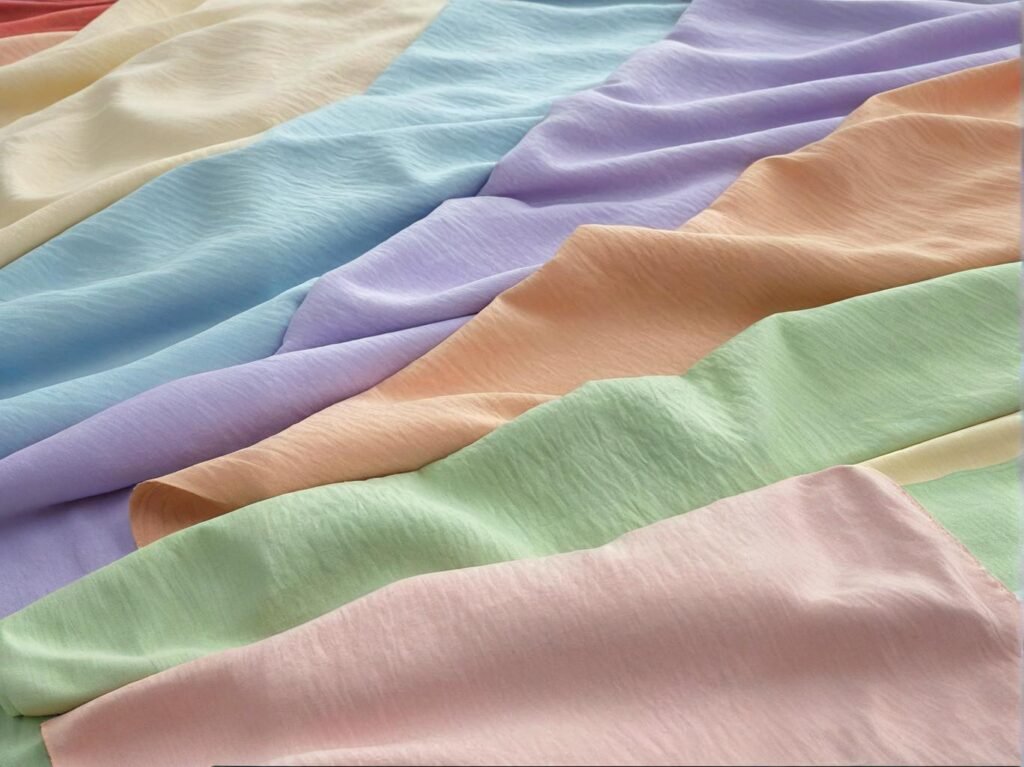
Cotton is among the few natural fibers adaptable enough to cover the full spectrum of textile applications—from haute-couture shirting to sterile surgical gauze. Yet, every category demands a different GSM range, yarn count, weave structure, and finishing sequence to achieve both tactile comfort and functional durability. The right specification ensures that garments breathe, sheets feel cool, babywear stays hypoallergenic, and medical cotton performs flawlessly in sterile settings.
Professional buyers who standardize specifications by application gain consistent quality, predictable shrinkage, and assured compliance—especially important when scaling across multiple factories or regions. Brands should define cotton fabrics by end use: lightweight combed cotton for apparel, high-thread-count percale or sateen for bedding, soft interlock for babywear, looped terry for towels, and sterilized plain weave for medical use. Tailoring fiber, weave, and finish to each function maximizes comfort, hygiene, and durability.
Application-Based Cotton Specification Framework
7.1 Apparel (Shirts, T-Shirts, Dresses)
For apparel, especially items worn close to the skin, handfeel and breathability dominate. Cotton’s natural cellulose matrix allows high moisture exchange, making it ideal for both tropical and temperate climates.
Recommended Specifications
- Fiber: Combed, ring-spun cotton for smoother yarn and reduced pilling.
- Yarn count: 30s–40s Ne (balanced softness and opacity).
- GSM: 140–200 depending on garment density.
- Weave / Knit:
- Single jersey for T-shirts and casual tops.
- Poplin or plain weave for shirts and blouses.
- Finishing: Enzyme wash + silicone softener for skin-friendly smoothness.
| Feature | Ideal Range | Testing Standard |
|---|---|---|
| Moisture regain | 7–8 % | ISO 139 |
| Dimensional stability | ≤ 3 % | ISO 6330 |
| Colorfastness to washing | ≥ Grade 4 | ISO 105-C06 |
Performance Example SzoneierFabrics’ 180 GSM enzyme-washed cotton jersey shows pH 6.8–7.2 and only 0.8 % shrinkage after ten cycles—proof that finishing precision translates directly into comfort and dimensional reliability for premium tees.
7.2 Bedding & Home Textiles
For bedding, the two parameters that define comfort are air permeability and handfeel. Percale delivers a crisp, cool sensation ideal for warm climates, while sateen offers a smoother, warmer drape preferred in temperate zones.
Technical Recommendations
- Fiber: Long-staple Egyptian Giza or American Pima cotton (≥ 35 mm staple).
- Thread count: 250–400 TC—the sweet spot between breathability and density.
- Weave:
- Percale (1 over 1 under) for cool crispness.
- Sateen (4 over 1 under) for subtle sheen and luxury.
- Finishing: Mercerization + calendering + bio-polish.
Thermal Regulation Data (24 °C, 60 % RH)
| Fabric Type | Air Permeability (CFM) | Skin Temperature Drop (°C) | Comfort Rating |
|---|---|---|---|
| Cotton Percale | 280 | – 1.8 | ★★★★★ |
| Cotton Sateen | 200 | – 1.0 | ★★★★☆ |
| Cotton-Poly Blend | 150 | – 0.5 | ★★★☆☆ |
Why It Works Mercerization realigns cellulose chains, increasing dye uptake by 25 % and improving smoothness without blocking air channels. Properly mercerized fabrics also maintain pH 6.5–7.0, preventing skin dryness during prolonged contact.
7.3 Babywear
Infant skin is 20–30 % thinner and more reactive than adult skin, making chemical purity and softness paramount. Certified organic cotton eliminates pesticide residues and ensures fiber traceability from farm to fabric.
Specification Guidelines
- Fiber: GOTS-certified organic, combed cotton.
- Structure: Interlock or 1 × 1 rib knit for gentle stretch.
- GSM: 180–220 for opacity without weight.
- Finishing: Enzyme + non-ionic silicone softener (no fragrance).
- pH: 6.5–7.5 (neutral).
| Property | Standard | Result |
|---|---|---|
| Formaldehyde | ≤ 16 ppm | ND (0 ppm) |
| Azo dyes | EU 2002/61/EC — banned | None detected |
| Hypoallergenic test | ISO 10993-10 | Passed |
Case Study A Scandinavian nursery brand adopted SzoneierFabrics’ 210 GSM GOTS cotton interlock for onesies and swaddles. Consumer feedback cited “noticeably softer touch,” leading to a 25 % increase in repeat orders and zero allergic-reaction complaints across 15 000 units.
7.4 Towels & Bath Linens
In towels, the criteria are absorbency, loop durability, and post-wash softness. The interplay between yarn twist, loop density, and GSM defines tactile experience.
Recommended Parameters
- Yarn: Combed, ring-spun 20s/2 for strength and plush pile.
- GSM: 400–650 depending on market (400–500 GSM = hotel standard; > 600 GSM = luxury spa).
- Structure: 3-pick terry loop weave.
- Finishing: Softener + tumble pre-shrink + hydrophilic treatment.
| Towel Type | Water Absorption (%) | Drying Time (min) | Lint Shedding (after 5 washes) |
|---|---|---|---|
| 100 % Cotton Terry | 520 % | 45 | Minimal |
| Cotton-Bamboo Blend | 600 % | 50 | Slight |
| Cotton-Poly Blend | 350 % | 30 | Moderate |
Technical Note A double-loop pile height 1.8–2.2 mm ensures optimum water pick-up without slowing drying. Silicone micro-emulsions provide residual softness even after 30 laundry cycles.
7.5 Medical & Hygiene Textiles
In medical fabrics, purity and sterilizability supersede aesthetic concerns. The fabric must absorb fluids rapidly, leave no residues, and endure autoclaving or EO sterilization.
Specification Framework
- Fiber: 100 % bleached absorbent cotton (medical-grade, Type 13 EN 14079).
- Weave: Plain 1/1 for gauze, leno for bandages.
- Whiteness Index: ≥ 80 (ISO 105-J02).
- Sterilization: Compatible with EO gas or steam (121 °C, 15 min).
| Parameter | Requirement | Standard |
|---|---|---|
| Absorbency Time | ≤ 10 sec | ISO 9073-6 |
| Residual Peroxide | ≤ 0.5 mg/kg | ISO 15797 |
| pH of Extract | 6.5–7.5 | ISO 3071 |
| Bioburden Level | ≤ 100 CFU/g | EN ISO 11737-1 |
Real-World Example SzoneierFabrics supplies absorbent gauze and cotton rolls to buyers in Germany and Canada, meeting EN 14079:2018 Type 13 and USP < 61> microbiological limits. Independent SGS tests confirmed peroxide residue < 0.3 mg/kg and absorbency within 8 seconds—performance exceeding most import thresholds for surgical consumables.
7.6 Why Differentiation Matters
A single “cotton quality” label no longer suffices. Apparel buyers, bedding distributors, and hospital procurement officers evaluate comfort through measurable parameters:
| Segment | Critical Comfort Metric | Benchmark Value |
|---|---|---|
| Apparel | Air permeability (CFM) | > 250 |
| Bedding | Thread count (TC) | 250–400 |
| Babywear | pH range | 6.5–7.5 |
| Towels | Absorbency (%) | ≥ 500 |
| Medical | Absorbency time (sec) | ≤ 10 |
By documenting these figures, brands can justify quality claims scientifically and ensure each SKU aligns with both consumer comfort and import regulations.
7.7 Strategic Advice for Buyers
- Segment by Function, Not Fiber Alone: 100 % cotton varies dramatically with spinning and finishing. Define parameters that fit each end-use rather than ordering generic “cotton fabric.”
- Include Compliance Standards in PO Clauses: Reference OEKO-TEX®, GOTS, or EN 14079 to secure chemical safety and traceability.
- Demand Third-Party Lab Validation: ISO 6330 shrinkage, ISO 105 colorfastness, ISO 3071 pH, and formaldehyde testing should accompany every shipment.
- Specify Finishing Controls: Enzyme + silicone finishing for apparel; bio-polish + mercerization for bedding; sterilized bleaching for medical textiles.
- Balance GSM and Airflow: Avoid over-weighting for “luxury feel”—higher GSM may trap heat and degrade breathability.
- Request Continuous Batch Data: Consistent GSM (± 5 %) and moisture regain (7–8 %) maintain uniform touch and shrinkage across production lots.
7.8 Designing Comfort Through Specification
True cotton comfort is engineered—not assumed. Every application, from a summer shirt to a surgical bandage, relies on precise calibration of fiber length, weave density, GSM, and finishing chemistry. Brands that codify these variables in their technical sheets not only safeguard user well-being but also enhance production reproducibility across suppliers.
When correctly specified, cotton becomes a multi-category performance fiber: cool for bedding, soothing for babywear, absorbent for towels, and sterile for healthcare. The science is universal, but the parameters are purpose-built. That’s how professional buyers transform cotton’s timeless softness into measurable, market-ready comfort.
Which Quality Metrics and Supplier Controls Reduce Irritation Risks—And How Do MOQ, Lead Time, and Cost Scale?
For skin-contact fabrics such as cotton apparel, bedding, and babywear, comfort begins with chemistry, not marketing claims. The gentlest cotton can irritate skin if the finishing process leaves residual alkalinity, unstable dyes, or excess formaldehyde. Conversely, a well-controlled production environment—where each lot is tested, logged, and certified—can make even mass-produced cotton fabrics feel hypoallergenic.
That is why forward-thinking brands no longer buy cotton by weight or price alone. They evaluate mills based on quality metrics, documentation discipline, and scalability—the invisible safeguards that separate professional textile supply from low-cost commodity output. Key cotton quality metrics include neutral pH (6.0–7.5), low formaldehyde content (< 20 mg/kg), strong colorfastness (≥ Grade 4), controlled shrinkage (≤ 3 %), and consistent tensile strength. Suppliers with certified labs, batch traceability, and transparent testing deliver lower irritation risk, predictable performance, and efficient lead times from sample to bulk.
The Science of Quality and Sourcing Strategy
8.1 Critical Skin-Safe Metrics
The following parameters form the foundation of every cotton QA program. They not only predict wearer comfort but also determine compliance with EU REACH, U.S. CPSIA, and OEKO-TEX® requirements.
| Property | Optimal Range | Testing Standard | Why It Matters |
|---|---|---|---|
| pH | 6.0 – 7.5 | ISO 3071 | Maintains skin’s acid–base balance; prevents dryness & itching |
| Formaldehyde | < 20 mg/kg | ISO 14184-1 | Avoids allergic reactions, especially in babywear |
| Colorfastness to washing/rubbing | ≥ Grade 4 | ISO 105-C06 / X12 | Prevents dye bleeding and skin staining |
| Shrinkage | ≤ 3 % | ISO 6330 | Maintains garment fit and seam integrity |
| Air Permeability | > 250 CFM | ASTM D737 | Enables breathability and temperature regulation |
| Moisture Regain | 7 – 8 % | ISO 139 | Preserves humidity balance for comfort |
Failure in any one of these categories can lead to consumer complaints or, worse, product recalls. Reputable mills test each batch pre-shipment and retain archives for traceability audits.
8.2 Supplier Quality Controls
High-end textile factories follow a closed-loop quality assurance workflow rather than random sampling. At SzoneierFabrics, every production phase—spinning, weaving, dyeing, finishing—is coupled with both inline inspection and lab verification.
Key process controls include:
- Inline inspection checkpoints at every conversion stage (AQL 2.5 or stricter).
- pH, colorfastness, and formaldehyde testing per dye lot in a certified in-house lab.
- Batch traceability with unique lot numbers linked to OEKO-TEX® and REACH documentation.
- Pre-shipment inspection reports with visual, dimensional, and hand-feel data archived digitally.
- Moisture regain monitoring (7 – 8 %) before packing to prevent mildew or odor in transit.
Result: Defect rate consistently below 0.3 %, repeat-order ratio above 85 %, and zero regulatory non-conformities reported across 2023–2024 shipments.
8.3 MOQ, Lead Time, and Cost Scaling
In global sourcing, cost efficiency scales with process volume. Yet lowering MOQ without preparation often inflates per-meter pricing because of setup losses in dyeing and finishing. Understanding this economics helps brands plan smarter sampling and rollout phases.
| Order Scale | MOQ (Meters) | Lead Time (Days) | Price (USD/m) | Typical Buyer Profile |
|---|---|---|---|---|
| Sample | 5 – 10 | 7 – 10 | $ 2.5 – $ 4.0 | Designers / Startups |
| Small Batch | 200 – 500 | 15 – 20 | $ 1.8 – $ 3.0 | Boutique Brands |
| Mid Batch | 1 000 – 3 000 | 20 – 25 | $ 1.5 – $ 2.5 | Regional Retail Chains |
| Bulk Production | 5 000 + | 25 – 30 | $ 1.2 – $ 2.0 | Established Apparel & Home Textile Labels |
Because SzoneierFabrics operates vertically—from yarn spinning to final finishing—it can run multi-color dye lots under one beam, reducing MOQ pressure while preserving cost efficiency.
8.4 How Cost, Compliance, and Risk Interconnect
Adding certification or lab testing increases initial cost but sharply reduces risk across the supply chain.
| Compliance Level | Added Cost (USD/m) | Risk Reduction Benefit |
|---|---|---|
| OEKO-TEX® Standard 100 | + $ 0.05 – $ 0.10 | Eliminates chemical recall risk |
| GOTS Organic | + $ 0.15 – $ 0.25 | Access to premium eco markets |
| REACH Registration | + $ 0.03 – $ 0.05 | Mandatory for EU imports |
| Full Batch Lab Test Set (pH + Formaldehyde + Colorfastness) | + $ 0.02 – $ 0.05 | Ensures verifiable safety record |
Thus, a 3 – 5 % cost increase buys measurable protection against regulatory penalties, brand reputation loss, and reverse-logistics costs—often worth tens of thousands of dollars per incident.
8.5 Case Study — Bedding Supplier Audit
In 2023, a European importer purchased uncertified cotton sateen from an unverified supplier. Upon arrival, REACH tests revealed formaldehyde levels of 180 mg/kg, nearly 9 × the legal limit. The brand was forced to recall 12 000 pillowcases, incurring over $ 40 000 in re-labeling and logistics costs.
After shifting to SzoneierFabrics’ OEKO-TEX®-compliant line, subsequent tests recorded:
- Formaldehyde < 10 mg/kg
- Shrinkage ≤ 2.5 %
- Colorfastness Grade 4–5
- Rejection rate 0.2 %
Customs clearance time improved by 30 %, and customer returns dropped by half. The buyer subsequently integrated these quality metrics into all future purchase orders.
8.6 Scaling Quality With Capacity
Consistency across large orders depends on three operational pillars:
- Raw Material Uniformity – sourcing yarns from the same spinner to maintain identical tensile and absorption profiles.
- Process Standardization – fixed parameters for dye concentration, padding pressure, and finishing temperature logged through digital MES systems.
- Batch Segmentation – dividing bulk orders into sub-lots (≤ 800 m) for targeted QC and shade matching within ΔE 1.0 tolerance.
This production discipline keeps GSM and shade variance below ± 3 %, ensuring that fabrics across multiple containers feel identical to end users—a key differentiator for global retail brands.
8.7 Risk Management and Supplier Auditing
For high-volume sourcing, auditing should combine technical, social, and environmental checkpoints:
- Technical: verify lab calibration, SOPs, and documentation trails.
- Social: confirm worker training on chemical handling and PPE.
- Environmental: inspect effluent treatment plant (ETP) and ZDHC Level compliance.
- Product: random test samples for pH and formaldehyde to confirm ongoing conformity.
Third-party audits (SGS, Intertek, Bureau Veritas) strengthen buyer leverage and prevent “certificate recycling,” where expired documents are reused—a common malpractice in low-cost regions.
8.8 Sustainability and Lifecycle Economics
Quality control is increasingly tied to sustainability. Mills that implement closed-loop finishing and zero-formaldehyde systems not only meet chemical limits but also save resources.
- Water use reduction: enzyme desizing cuts consumption ≈ 20 %.
- Energy efficiency: infrared drying saves ≈ 15 % heat load.
- Wastewater purity: ZDHC Level 3 discharge COD < 150 mg/L.
While eco-process upgrades raise fabric price ≈ $ 0.08/m, buyers gain carbon-reporting credits and ESG compliance—critical for retailers under EU Ecodesign rules from 2026 onward.
8.9 Common Pitfalls and Prevention
| Pitfall | Impact | Preventive Measure |
|---|---|---|
| Skipping neutralization after mercerization | pH > 9 → skin irritation | Always verify ISO 3071 report |
| Uncontrolled blending (cotton + poly) | Uneven dye uptake, color spots | Fiber-content test ISO 1833 |
| Overuse of cationic softeners | Sticky handfeel, poor breathability | Use non-ionic silicone systems |
| Improper bale storage | Mildew odor, discoloration | Maintain RH ≤ 65 %, FIFO rotation |
| Missing traceability labels | Recall tracking failure | Lot coding and QR trace system |
Preventing such issues at factory level costs cents per meter—repairing them in market costs dollars per unit.
8.10 Why Cotton Still Leads the Comfort Revolution
Cotton’s enduring dominance lies in its balance of biology and control. Its cellulose structure inherently harmonizes with human skin, but only disciplined manufacturing ensures that this natural advantage reaches consumers intact.
By partnering with vertically integrated, certified suppliers—those who measure pH, formaldehyde, shrinkage, and air permeability with the same rigor as luxury brands—buyers can scale safely from 10-meter samples to 10-ton shipments without losing comfort consistency.
In a market that prizes transparency and traceable performance, cotton remains the most trusted fabric for human contact—when engineered through science, verified by standards, and delivered by suppliers who treat quality as a process, not a promise.
Partner With SzoneierFabrics
If you’re sourcing premium cotton fabrics and need reliable customization—whether for apparel, bedding, or medical-grade textiles—SzoneierFabrics offers:
- 100% quality assurance
- Free sample development
- Low MOQ starting from 200 meters
- Rapid sampling (7–10 days) and short bulk lead time
Let our R&D and manufacturing team help you create the perfect cotton cloth solution that your customers—and their skin—will love.