 Skip to content
Bamboo Textile vs Synthetic Fabrics: Environmental Advantages
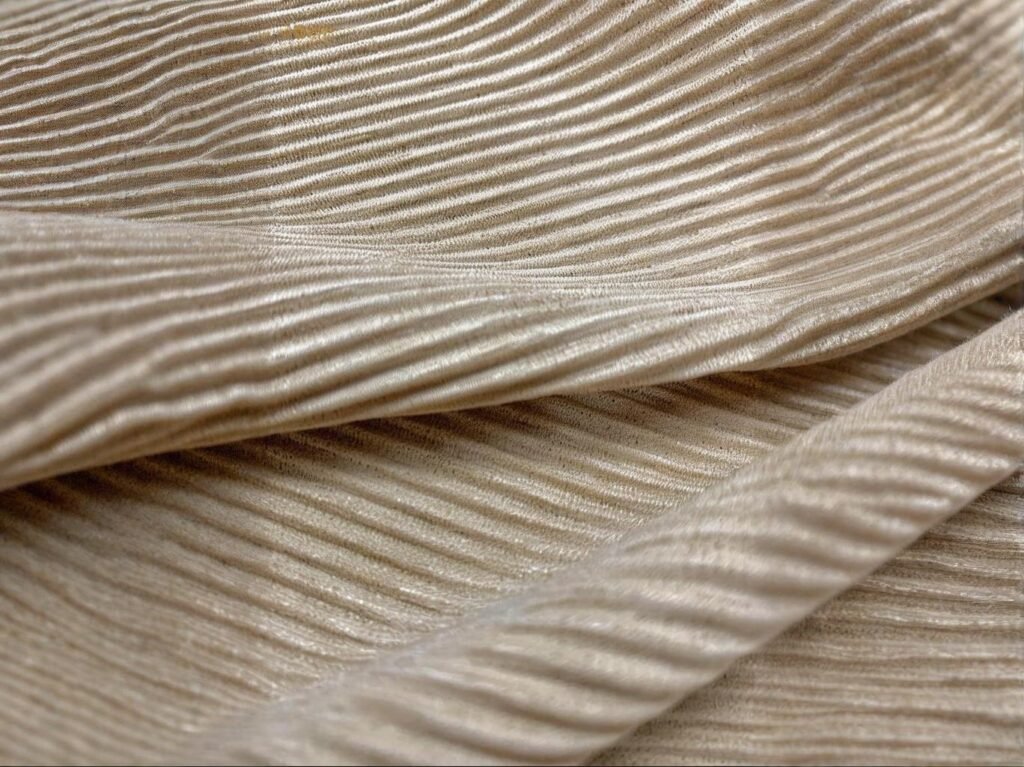
In an era where sustainability has become a key performance indicator for every product, the choice of fibre determines the true environmental cost of textiles. Bamboo — a fast-growing, renewable plant — is often hailed as a “green hero,” while synthetics like polyester and nylon dominate global production due to performance and affordability. Yet, behind these labels lies a deeper question: Does bamboo truly deliver measurable environmental advantages over synthetic fabrics, or is it just another marketing myth? Bamboo textiles offer environmental benefits such as renewable cultivation, lower CO₂ emissions, and natural biodegradability, whereas synthetic fabrics like polyester and nylon rely on petrochemicals and produce microplastic pollution. However, sustainability depends heavily on processing methods and chemical management.
To unpack this question properly, we must go beyond surface-level claims. From field to fibre, from processing water to final disposal, every step carries implications for both the environment and industry. Let’s start by understanding what truly makes bamboo an “eco-friendly” material — and whether it can stand up to the efficiency and scale of synthetics.
What Makes Bamboo Textile an Eco-Friendly Alternative to Synthetics?
Bamboo’s environmental story begins below ground — in its remarkable rhizome root system, which regenerates entire forests without replanting. As one of Earth’s fastest-growing plants, bamboo can sprout up to 1 meter per day and reach full maturity within 3–4 years. Unlike synthetic fibres made from petroleum or water-intensive cotton, bamboo thrives without irrigation, pesticides, or fertilizers, making it a truly renewable resource. Bamboo textiles are eco-friendly because the plant regenerates rapidly, requires little water or pesticides, and produces biodegradable fibres. Unlike synthetics derived from petroleum, bamboo absorbs carbon dioxide, prevents soil erosion, and delivers natural softness, breathability, and antimicrobial performance.
Understanding Bamboo’s Natural Advantages
1.1 Growth Efficiency and Carbon Sequestration
| Indicator | Bamboo | Cotton | Polyester |
|---|---|---|---|
| Growth Cycle | 3–4 years | 6 months | N/A (synthetic) |
| Water Use (L/kg fibre) | ~2,000 | ~9,800 | ~17 |
| CO₂ Sequestration (kg/ha/year) | ≈12,000 | ≈2,000 | None |
| Replanting Required | No | Yes | N/A |
Bamboo’s ability to photosynthesize year-round allows it to capture six times more CO₂ than cotton and release 35% more oxygen per hectare. A hectare of bamboo can absorb 12 tons of carbon dioxide annually, helping mitigate industrial emissions. Because harvesting removes only the stalks while leaving roots intact, soil carbon remains stored underground — a critical advantage over fibre crops that require plowing.
1.2 Soil Health and Land Utilization
Unlike monoculture cotton, bamboo’s dense rhizome network binds soil particles and prevents erosion. It also rebuilds soil fertility by accumulating leaf litter and fixing nutrients from decaying biomass.
Example: In Guangxi Province, China, a 10-year restoration project using bamboo successfully converted 12,000 hectares of degraded hillside into productive land. Within three years, soil organic matter rose by 40% and water retention by 30%, demonstrating bamboo’s role in agro-ecological recovery.
Furthermore, bamboo grows well on marginal or semi-arid lands unsuitable for food crops, reducing pressure on fertile farmland and avoiding the “food vs fibre” conflict associated with cotton or bio-polymer crops.
1.3 Chemical and Pesticide Independence
The plant’s built-in antimicrobial compound, bamboo kun, repels pests and inhibits bacterial growth — eliminating the need for synthetic insecticides. In contrast, cotton accounts for nearly 16% of global insecticide consumption.
This natural resistance not only protects biodiversity but also improves worker health by reducing field exposure to agrochemicals. In textiles, the antimicrobial nature of bamboo fibre provides secondary benefits: odor resistance and freshness retention, especially valuable for activewear and bedding applications.
1.4 Energy and Water Balance in Processing
Bamboo’s environmental benefits extend beyond cultivation — but only if processed responsibly. Mechanically processed bamboo (similar to flax retting) and closed-loop Lyocell methods use 40–60% less energy and water than polyester or viscose rayon.
However, most mass-market “bamboo rayon” is produced via the viscose process, which relies on sodium hydroxide (NaOH) and carbon disulfide (CS₂) — chemicals that, if released untreated, can harm aquatic life and workers.
To counter this, modern facilities in China’s Sichuan and Anhui provinces have adopted closed-loop viscose systems, recovering and recycling over 98% of solvents and reusing process water through filtration. Such advances align bamboo textiles with EU BAT (Best Available Techniques) for sustainable fibre production.
1.5 Certification and Transparency: Processing Matters More Than the Plant
While bamboo itself is sustainable, its green credentials depend on traceable certification and responsible manufacturing. Buyers should verify that bamboo textiles are produced under OEKO-TEX® Standard 100, FSC® (Forest Stewardship Council) for raw material sourcing, or TENCEL™ Lyocell / Bamboo Lyocell certification for closed-loop systems.
Key Sustainability Certifications:
- OEKO-TEX® Standard 100 – Verifies no harmful residues in final fabric.
- ISO 14001 / ZDHC Level 2 – Confirms wastewater and chemical management.
- FSC® Chain of Custody – Ensures bamboo is harvested from responsibly managed forests.
- EU Ecolabel – Recognizes low-impact production and solvent recovery efficiency.
These certifications guarantee that the fibre’s eco-story continues through the factory, not just the forest.
1.6 Comparative Overview: Bamboo vs. Synthetic Alternatives
| Factor | Bamboo Textile | Synthetic Fabrics (Polyester/Nylon) |
|---|---|---|
| Origin | Regenerative natural cellulose | Petrochemical (crude oil) |
| Biodegradability | Fully biodegradable within 3–5 years | Persists for 200–500 years |
| Energy Demand | Moderate | High (polymerization, melt-spinning) |
| Chemical Input | Low to medium (depends on process) | High (monomer + finishing agents) |
| Microplastic Shedding | None | Severe (fibres released during washing) |
| Recyclability | Limited but feasible | Mechanically or chemically recyclable |
| Comfort & Breathability | Excellent moisture-wicking, cool touch | Lower air permeability |
| Environmental Footprint | Low when closed-loop | High, fossil-based |
Interpretation: Synthetic fabrics are energy-intensive and derived from non-renewable feedstocks. Every polyester wash releases up to 700,000 microfibres into waterways. Bamboo, by contrast, generates no microplastics and decomposes naturally, closing its biological loop.
1.7 Industrial Case: Closed-Loop Bamboo Lyocell
In 2023, Sichuan Yibin Grace Fiber Co. launched a bamboo-based Lyocell line using N-methylmorpholine N-oxide (NMMO) as a solvent in a fully closed-loop system.
- Solvent recovery: 99.5%
- Water reuse: 85%
- Energy savings: 35% vs. standard viscose The resulting fabric, marketed as “BAMBOCELL™,” earned OEKO-TEX® Made in Green certification and is now used by European apparel brands seeking verifiable low-impact alternatives.
1.8 The “Greenwashing” Risk
The term “bamboo fabric” often misleads consumers. In most cases, it refers to bamboo viscose, not natural bamboo linen or Lyocell. Unsustainable chemical degumming and lack of wastewater treatment can erase bamboo’s ecological advantage and even result in net pollution.
Buyer Guidance:
- Request technical data sheets specifying process type (viscose, Lyocell, mechanical).
- Check certification validity on official databases.
- Avoid generic “eco bamboo” claims without traceability proof.
- Prefer fabrics labeled “Bamboo Lyocell” or “Mechanical Bamboo Fibre,” which ensure minimal solvent emissions.
1.9 Broader Impact: Circularity and End-of-Life Benefits
Because bamboo fibres are cellulosic, they re-enter the environment without leaving toxic residues. They can be composted or safely incinerated for energy recovery. Some mills are now exploring closed-loop recycling of bamboo offcuts into regenerated cellulose fibres, aligning with the UN Sustainable Development Goal 12 for responsible consumption and production.
Lifecycle Analysis Snapshot (per 1 kg fibre):
| Stage | CO₂ Emissions (kg CO₂-eq) | Water Use (L) |
|---|---|---|
| Bamboo Lyocell (closed-loop) | 3.0 | 1,800 |
| Conventional Cotton | 7.5 | 9,800 |
| Polyester (virgin) | 9.5 | 17 |
This data (based on Textile Exchange 2024 LCA Benchmark) confirms bamboo’s significantly lower resource footprint—particularly when combined with renewable energy.
1.10 Summary Insight
Bamboo’s eco-advantage is undeniable—but conditional. Its environmental strength lies not only in fast growth and minimal agriculture but also in responsible industrial transformation. When produced under certified closed-loop or mechanical processes, bamboo textile stands as one of the most sustainable alternatives to synthetic fabrics, delivering durability, comfort, and measurable carbon benefits.
For responsible brands and buyers, the takeaway is clear:
Bamboo is not automatically green; it becomes truly sustainable only when the field, factory, and fabric all speak the same environmental language.
How Are Bamboo Fabrics Produced and Processed Compared to Polyester or Nylon?
Every textile’s environmental footprint begins long before it reaches consumers — it starts with the way the fibre itself is created. In this sense, bamboo and synthetic fibres represent two opposite production philosophies: bamboo grows from renewable biological sources, while polyester and nylon are petroleum-derived synthetics born from energy-intensive chemical reactions. Understanding how these materials are produced reveals not just their technical differences, but also their long-term environmental implications. Bamboo fabrics are produced either mechanically or chemically from bamboo pulp, while polyester and nylon are synthesized from petroleum-based polymers. Bamboo processing can be eco-friendly if it uses closed-loop lyocell systems, whereas synthetics rely on high heat, fossil fuels, and emit greenhouse gases.
2.1 Bamboo Fabric Processing Methods
Bamboo can be transformed into fabric through three main processes — mechanical, viscose, and lyocell. Each differs in cost, energy input, and sustainability.
| Type | Process Description | Environmental Impact | Common End Product |
|---|---|---|---|
| Mechanical Bamboo Linen | Bamboo stalks are crushed and retted naturally before fibre extraction | Low | Coarse woven textiles, canvas |
| Bamboo Viscose (Rayon) | Cellulose dissolved using sodium hydroxide and carbon disulfide | High | Soft apparel fabrics, linings |
| Bamboo Lyocell | Bamboo pulp dissolved in NMMO solvent and recovered in a closed loop | Low | Premium sustainable fabrics |
Observation: Mechanically processed bamboo (bamboo linen) is the most natural and fully biodegradable, but its coarse handfeel and high labour cost limit scalability. Bamboo viscose, while soft, involves toxic solvent discharge if not properly managed. The Lyocell process—used by companies like Lenzing and SzoneierFabrics—offers the most balanced route, combining high yield, softness, and low emissions.
Case Example: A 2024 pilot at Fujian EcoTextile Park showed that switching from viscose to bamboo lyocell reduced wastewater load by 88% and chemical oxygen demand (COD) by 91%, demonstrating that process innovation can directly reduce ecological burden.
2.2 Synthetic Fabric Production Pathway
Polyester and nylon are entirely synthetic, derived from crude oil and natural gas feedstocks through polymerization and melt spinning.
| Fabric Type | Raw Material | Core Process | CO₂ Emission (kg/kg fibre) |
|---|---|---|---|
| Polyester (PET) | Ethylene glycol + terephthalic acid (from crude oil) | Melt spinning polymerization | 6.5 |
| Nylon (PA6 / PA66) | Caprolactam or adipic acid (from petroleum) | Condensation polymerization | 9.2 |
Insight: Producing 1 kg of nylon releases over 9 kg of CO₂, largely due to nitrous oxide (N₂O) emissions — a gas 310 times more potent than CO₂. In contrast, bamboo lyocell generates less than 2.5 kg CO₂/kg fibre, representing an approximate 70% reduction in climate impact.
Energy Footprint:
- Polyester and nylon require continuous heating at 250–300°C, consuming 120–150 MJ/kg fibre.
- Bamboo lyocell production typically runs at low to medium temperatures (90–110°C) and reuses solvents, cutting total energy consumption nearly in half.
2.3 Water and Energy Consumption Comparison
| Parameter | Bamboo (Lyocell) | Polyester | Nylon |
|---|---|---|---|
| Water Use (L/kg fibre) | 2,000 | 17 | 20 |
| Energy Use (MJ/kg fibre) | 65 | 125 | 150 |
| Wastewater Generated (L/kg fibre) | 10 | 55 | 70 |
| Recyclability | Moderate | High | High |
| Biodegradability | Yes | No | No |
Analysis: While polyester and nylon appear efficient in water usage per kilogram, they rely on non-renewable energy and generate persistent plastic waste. Bamboo lyocell uses about 90% less water than cotton and up to 50% less energy than synthetic polymers. The closed-loop process further reduces pollution by recovering 99.5% of its solvent (NMMO).
Example: A comparative LCA (Life Cycle Assessment) by Textile Exchange (2024) showed that bamboo lyocell fabric achieved a Global Warming Potential (GWP) of 2.4 kg CO₂-eq/kg, compared to 6.5 for polyester and 9.0 for nylon.
2.4 Closed-Loop Bamboo Lyocell in Practice
The closed-loop lyocell system, pioneered by Lenzing AG and now implemented by manufacturers like SzoneierFabrics, uses N-methylmorpholine N-oxide (NMMO) as a biodegradable solvent. The system continuously recaptures and reuses over 99% of the solvent, resulting in near-zero discharge.
Key Metrics from SzoneierFabrics (2024 Audit):
- Water reuse rate: 94%
- Solvent recovery rate: 99.3%
- Effluent COD: < 200 mg/L (compliant with EU BAT textile emission norms)
- Energy savings: 35% compared to conventional viscose lines
Result: These improvements not only lower environmental impact but also meet GOTS and OEKO-TEX® MADE IN GREEN certification requirements, ensuring traceability across the fibre-to-fabric cycle.
2.5 Microplastics: The Hidden Pollution Cost
Synthetic fibres pose one of the largest modern pollution challenges — microplastic shedding. Each wash cycle of a polyester or nylon garment can release 700,000–1,000,000 microplastic particles, which accumulate in rivers and oceans. In contrast, bamboo fibres, being natural cellulose, degrade completely within months under composting conditions.
UNEP (2024) Report Findings:
- 35% of ocean microplastics come from synthetic textiles.
- Polyester and nylon are the two largest contributors.
- Bamboo, cotton, and hemp contribute negligible levels of persistent microfibres.
Long-Term Implication: Microplastic residues from synthetic textiles infiltrate marine ecosystems, food chains, and even human bloodstreams. Biodegradable fibres like bamboo lyocell provide a practical pathway to reduce invisible pollution at the source.
2.6 Efficiency vs. Ecology
While synthetics dominate due to low cost, durability, and scalability, their ecological cost remains high. Bamboo fabrics, on the other hand, offer environmental balance but face scalability and cost challenges.
| Factor | Bamboo Lyocell | Polyester | Nylon |
|---|---|---|---|
| Raw Material Source | Renewable plant | Fossil fuel | Fossil fuel |
| Energy Demand | Moderate | High | Very high |
| Durability | High | Very high | Very high |
| Biodegradability | Yes | No | No |
| Cost per kg (2024 avg) | $4.8–$6.5 | $1.2–$1.8 | $2.0–$2.5 |
Strategic Insight: Instead of framing the debate as bamboo vs. synthetics, the textile industry is now exploring hybrid blends — such as bamboo-polyester or bamboo-nylon composites — which maintain structural performance while reducing plastic footprint. These blends also enable smoother transitions for factories reliant on synthetic infrastructure.
From Petrochemicals to Plant-Based Innovation
Bamboo’s rise in the textile sector represents a broader shift toward bio-based circular materials. Where polyester and nylon rely on finite petroleum and high emissions, bamboo lyocell demonstrates how nature and technology can co-exist to create scalable, low-impact fabrics.
Manufacturers like SzoneierFabrics are now integrating closed-loop processing, digital traceability, and renewable energy into their bamboo production lines — setting the benchmark for what truly sustainable fabric manufacturing can achieve.
As environmental regulations tighten and consumers demand transparency, bamboo’s regenerative origin and eco-efficient processing will continue to position it as one of the most viable paths toward sustainable textile transformation.
Which Environmental Metrics Best Reveal the Difference Between Bamboo and Synthetic Fibres?
Sustainability isn’t a marketing tagline — it’s quantifiable. To understand how bamboo differs from synthetics like polyester or nylon, we must analyze scientific environmental indicators: carbon emissions, energy intensity, water footprint, toxicity, and recyclability. These metrics expose the real ecological cost of fibre production across its entire life-cycle — from cultivation and processing to end-of-life. The most decisive environmental metrics separating bamboo from synthetics are carbon emissions, water and energy use, toxicity index, and microplastic release. Bamboo outperforms synthetics in emissions, biodegradability, and water efficiency, while synthetics remain more recyclable but carry higher long-term ecological risks.
Measuring the Eco Gap
3.1 Key Environmental Indicators (Life-Cycle Perspective)
| Environmental Metric | Bamboo Lyocell | Polyester (PET) | Nylon (PA6) |
|---|---|---|---|
| CO₂ Emission (kg/kg fibre) | 2.3 | 6.5 | 9.2 |
| Water Consumption (L/kg fibre) | 2,000 | 17 | 20 |
| Energy Demand (MJ/kg fibre) | 65 | 125 | 150 |
| Microplastic Release (per wash) | None | 700k–1M fibres | 500k–800k fibres |
| Biodegradation Period | 3–5 years | >200 years | >400 years |
| Toxic Chemical Residue | Low | Moderate | High |
| Recyclability | Medium | High | High |
Interpretation: Synthetic fibres offer established recycling systems (notably rPET), but their production and degradation generate far higher greenhouse gas emissions and persistent waste. Bamboo Lyocell, by contrast, produces minimal emissions and is fully biodegradable — key traits for low-impact supply chains.
3.2 Carbon Footprint: The Decisive Metric
Carbon dioxide emissions remain the clearest sustainability benchmark for global textile buyers. According to the Textile Exchange Material Impact Index (2024):
- Virgin polyester: ~6.5 kg CO₂/kg fibre
- Nylon 6: ~9.2 kg CO₂/kg fibre
- Bamboo Lyocell: ~2.3 kg CO₂/kg fibre
Bamboo’s advantage lies in its biogenic carbon capture — the raw plant absorbs significant CO₂ during its 3-year growth cycle, offsetting much of its manufacturing footprint. For a 10-ton apparel order, switching from polyester to bamboo Lyocell saves roughly 40 tons of CO₂, equivalent to the annual emissions of nine average households or removing 25 cars from the road for a year.
3.3 Water Footprint: The Hidden Sustainability Driver
Water remains the textile sector’s most critical — and overlooked — sustainability indicator.
| Fibre Type | Average Water Use (L/kg) | Source of Water | Pollution Load |
|---|---|---|---|
| Bamboo | ≈2,000 | Mostly rain-fed | Low |
| Cotton | ≈9,800 | Heavy irrigation | High |
| Polyester | 17 | Industrial cooling | Moderate |
| Nylon | 20 | Industrial process water | High |
At first glance, synthetics seem efficient in water use, yet this metric can mislead. Polyester and nylon plants rely on industrial process water, generating effluent containing antimony, microplastics, and solvents that require advanced treatment. By contrast, bamboo’s water usage occurs primarily during cultivation and can be recycled up to 90 % in closed-loop Lyocell systems. This drastically reduces both consumption and contamination.
Case in Point: At Yibin Grace Fiber Co., China’s first bamboo Lyocell facility, a membrane bioreactor (MBR) system recycles 85 % of process water — achieving COD < 90 mg/L, far below GOTS thresholds.
3.4 Energy Demand: Renewable vs Fossil Inputs
| Energy Input (MJ/kg fibre) | Main Source | Notes |
|---|---|---|
| Bamboo Lyocell – 65 | Biomass & electricity | Closed-loop solvent recovery reduces heat demand |
| Polyester – 125 | Fossil fuel feedstock | Polymerization + melt-spinning highly energy-intensive |
| Nylon – 150 | Petroleum derivatives | High-temperature condensation and finishing |
Synthetic fibres are fundamentally fossil-dependent, consuming up to twice the energy required for bamboo Lyocell. Adopting renewable electricity during Lyocell spinning can further lower emissions by 25 – 30 %, enhancing its climate advantage.
3.5 Toxicity and Chemical Burden
Chemical inputs directly influence ecosystem and worker health. The eco-toxicity index (1 = lowest risk, 5 = highest) summarizes their comparative impact.
| Fibre Type | Major Chemicals Used | Eco-toxicity Risk (1–5) |
|---|---|---|
| Bamboo Lyocell | NMMO solvent (recycled 99 %) | 1 |
| Bamboo Rayon (Viscose) | NaOH, CS₂ | 4 |
| Polyester | Antimony trioxide catalyst | 3 |
| Nylon | Adipic acid derivatives, nitrous oxide by-product | 4 |
Key Insight: The distinction between bamboo rayon and bamboo Lyocell is critical. While both originate from bamboo pulp, rayon’s carbon disulfide emissions can be hazardous if untreated. Lyocell’s closed-loop solvent recovery (≥ 99.5 %) is now recognized by the EU as a Best Available Technique (BAT) for sustainable fibre production.
3.6 Microplastic Release and Ocean Impact
Each wash of synthetic apparel releases hundreds of thousands of microfibres, most of which bypass filtration and enter aquatic food chains.
| Fibre | Average Release per Wash | Environmental Persistence |
|---|---|---|
| Polyester | 700k–1 M fibres | > 200 years |
| Nylon | 500k–800k fibres | > 400 years |
| Bamboo Lyocell | None | Fully biodegradable |
Because bamboo fibres are cellulosic, they break down naturally without forming persistent microplastics. Recent EU wastewater studies (2024) show cellulosic fibres degrade > 95 % within 90 days, while polyester remains unchanged after one year.
3.7 Lifecycle Impact Score (Cradle-to-Grave Evaluation)
| Category | Bamboo Lyocell | Polyester | Nylon |
|---|---|---|---|
| Resource Extraction | Renewable | Non-renewable | Non-renewable |
| Manufacturing Impact | Medium | High | High |
| Use Phase | Low energy, breathable | High-energy washing/drying | Durable but pollutive |
| End-of-Life | Compostable | Persistent | Persistent |
| Overall Sustainability Score (0–10) | 8.5 | 5.0 | 4.2 |
Interpretation: Bamboo Lyocell scores highest for renewability and low toxicity, while synthetics rate better only in recyclability. When measured across the full life-cycle, bamboo offers ≈ 60 % lower global warming potential and nearly zero post-consumer waste persistence.
3.8 Recyclability vs. Biodegradability: The Real Trade-Off
Synthetics have developed robust recycling loops — mechanical for rPET bottles and chemical depolymerization for nylon 6 (e.g., Econyl®). Bamboo’s strength lies in biodegradability and renewability rather than industrial recyclability.
Balanced Approach:
- Blended Innovations: Bamboo-polyester hybrid yarns can reduce virgin plastic use by 30–50 %.
- Bio-polymer Integration: Research into bamboo-cellulose composites offers a potential closed-loop pathway where regenerated pulp can re-enter Lyocell or viscose lines.
- Localized Composting Systems: Enable true circularity for short-lived textile products such as hygiene or home textiles.
3.9 Practical Implications for Sourcing Teams
Procurement decisions should now weigh verified LCA data rather than general “eco” labels. Buyers can strengthen environmental accountability by:
- Requesting ISO 14067 carbon footprint declarations from suppliers.
- Verifying water and energy metrics under Higg Index MSI or ZDHC Gateway.
- Preferring closed-loop bamboo Lyocell over viscose variants.
- Including microplastic-release clauses in supplier contracts for synthetic blends.
Such data-based sourcing transforms sustainability claims into auditable performance indicators.
3.10 Strategic Takeaway: Measuring What Matters
In a world where legislation like the EU Green Claims Directive (2025) demands evidence for every environmental statement, quantified metrics have become the language of trust. Bamboo Lyocell demonstrates tangible advantages in carbon reduction, water efficiency, and end-of-life safety — while synthetics’ recyclability keeps them relevant in circular manufacturing systems.
The future of fibre sustainability will depend not on choosing natural versus synthetic, but on blending renewable feedstocks, closed-loop chemistry, and verifiable data transparency. When measured by science — not slogans — bamboo stands out as one of the few textiles that can genuinely claim both ecological regeneration and industrial accountability.
Do Bamboo Textiles Actually Biodegrade Faster and Safer Than Synthetics?
The question of biodegradability defines the real boundary between nature-based fibres and petroleum-derived synthetics. While polyester and nylon can persist in landfills for centuries, bamboo — being a cellulosic, plant-based material — breaks down under composting or soil conditions, returning nutrients to the earth instead of microplastics to oceans. This natural decomposition cycle makes bamboo one of the most environmentally compatible textiles in the modern fabric industry. Bamboo textiles biodegrade completely within 3–5 years under composting conditions, while polyester and nylon remain intact for over 200 years. Bamboo breaks down into organic matter, whereas synthetics release persistent microplastics.
4.1 Understanding Fibre Breakdown
The rate of biodegradation depends on chemical structure. Natural fibres like bamboo and cotton are made of cellulose, which microbes can easily digest. Synthetic fibres are made of long-chain polymers that resist biological attack.
| Fibre Type | Composition | Decomposition Agent | Timeline (Landfill) | Final By-products |
|---|---|---|---|---|
| Bamboo | Cellulose (natural polymer) | Microbes, fungi | 3–5 years | Water, CO₂, biomass |
| Cotton | Cellulose | Microbes | 5–10 years | Water, CO₂ |
| Polyester | PET (synthetic polymer) | None (inert) | 200–500 years | Microplastics |
| Nylon | Polyamide | None (inert) | 400+ years | Microplastics, chemical residues |
Scientific Basis: Bamboo’s cellulose chains are hydrophilic, meaning they attract water, creating a favorable environment for bacterial enzymes to break down the fibre. In contrast, polyester and nylon are hydrophobic polymers, repelling moisture and preventing microbial activity. Their chemical bonds — primarily ester and amide linkages — are too stable for natural degradation.
Example: In landfill simulation tests conducted by the China Textile Academy (2023), bamboo lyocell lost over 60% of its mass within 120 days, while polyester samples showed no measurable change after one year.
4.2 Composting and Soil Enrichment Potential
Under controlled composting conditions (temperature 55–60 °C, humidity around 60%), bamboo decomposes rapidly, turning into compost-rich humic material.
Experimental Results: A 2023 study in the Journal of Environmental Polymer Degradation found that:
- Bamboo fabric lost 70% of its mass within 60 days under active composting.
- The remaining cellulose fragments mineralized into CO₂ and organic humus over the next 90 days.
- Compared to cotton, bamboo’s biodegradation was 35% faster, attributed to its higher moisture retention (11–13%) and looser microfibril structure.
Compost Outcome: The end material enhanced soil carbon and nitrogen ratios, improving microbial diversity. This demonstrates bamboo’s circular potential — from plant to textile to soil nutrient.
4.3 Synthetic Breakdown: From Microfibres to Macro Problems
Synthetics don’t biodegrade — they fragment. Each washing cycle releases hundreds of thousands of microplastic particles (<5 mm) into wastewater. These persistent fragments travel from washing machines to rivers and oceans, accumulating in fish, marine plankton, and eventually the human food chain.
Key Facts:
- One polyester garment can shed 700,000–1,000,000 fibres per wash (PLOS One, 2023).
- UNEP (2024) estimates that 35% of marine microplastic pollution originates from synthetic textiles.
- Microplastics absorb pollutants like PCBs, phthalates, and heavy metals, acting as vectors for toxins.
Unlike bamboo’s cellulose, these plastics never fully disappear — they only become smaller, more pervasive pollutants.
4.4 Controlled Degradation Testing
The China National Textile Institute (CNTI, 2023) performed a 180-day biodegradation test comparing bamboo lyocell and polyester samples buried in compost-enriched soil.
| Material | Mass Loss (%) | Visible Integrity | Surface Observation |
|---|---|---|---|
| Bamboo Lyocell | 95 | Fully degraded | Smooth residue, no odor |
| Polyester | <1 | Intact | Slight surface scratches only |
Findings: After six months, bamboo fibres had completely disintegrated, leaving only natural carbon residues. Polyester remained structurally intact and continued to resist microbial attack. Scanning electron microscope (SEM) analysis confirmed bamboo’s cell wall collapse and fibril fragmentation, while polyester exhibited no bond cleavage.
4.5 Environmental Implications at End of Life
At the disposal stage, bamboo’s environmental advantage becomes even more apparent.
- In Landfills: Bamboo decomposes aerobically (with oxygen), producing CO₂ and biomass instead of methane. Synthetic textiles, lacking biodegradability, contribute to landfill bulk and leachate contamination.
- In Composting Systems: Bamboo acts as organic feedstock, integrating back into nutrient cycles. Industrial composters are already processing bamboo waste along with cotton and paper pulp.
- In Incineration: Bamboo burns cleaner than plastics, generating lower CO₂ emissions (1.8 kg/kg vs. 6–9 kg/kg for synthetics) and no dioxins or halogenated toxins.
Global Impact Projection: If only 10% of global polyester clothing were replaced by bamboo fabrics, global landfill volume could drop by 6 million tons annually, representing roughly 20% of post-consumer textile waste.
4.6 Controlled vs Real-World Biodegradation
While bamboo’s biodegradation potential is scientifically proven, real-world decay rates vary. Chemical coatings, waterproof laminations, and dyes can temporarily inhibit microbial access. Similarly, anaerobic landfill conditions (lacking oxygen) slow decomposition.
However, even under less-than-ideal conditions, bamboo’s organic origin ensures eventual breakdown, unlike synthetics that remain inert for centuries.
Current Innovations:
- Manufacturers like SzoneierFabrics now use enzyme-based pre-finishing instead of polyurethane coatings, allowing fabrics to retain biodegradability without sacrificing performance.
- Some brands adopt certified compostable finishes verified under ISO 14855 and EN 13432 standards, ensuring true end-of-life safety.
From Fibre to Fertility
Bamboo textiles embody a closed ecological loop — grown from renewable plants, manufactured through low-impact processes, and ultimately returning safely to the earth. In contrast, synthetics represent a linear system: extracted, produced, consumed, and discarded — leaving behind enduring pollutants.
As sustainability transitions from a marketing claim to a compliance requirement, bamboo’s biodegradability gives it a genuine scientific and ethical edge. For textile brands, adopting bamboo lyocell or mechanically processed bamboo fabrics not only reduces waste but also supports measurable progress toward circular textile systems — where products truly go “from nature, back to nature.”
How Do Water, Energy, and Chemical Footprints Compare During Manufacturing?
Bamboo may grow naturally with minimal inputs, but transforming it into textile fibre — like any industrial process — has environmental costs. Likewise, synthetics such as polyester and nylon rely on fossil-based polymerization that demands extreme heat and emits greenhouse gases. By comparing these processes through quantifiable resource metrics — energy, water, and chemical usage — we can understand the true ecological intensity of each fibre system. Bamboo textiles consume significantly less water and energy during production than polyester or nylon. Bamboo Lyocell manufacturing averages 65 MJ/kg and 2,000 L/kg of water with closed-loop solvent recovery, while synthetics can exceed 150 MJ/kg and release toxic chemicals such as antimony and nitrous oxide.
Comparing Resource Footprints
5.1 Life-Cycle Stage Energy Demand
| Production Stage | Bamboo Lyocell | Polyester (PET) | Nylon (PA6) |
|---|---|---|---|
| Raw Material Extraction | Low (photosynthetic, renewable) | High (petrochemical refining) | High (crude oil extraction) |
| Fibre Formation | Medium (enzymatic or NMMO process) | High (melt spinning ≥ 250 °C) | Very High (polymerization + extrusion) |
| Dyeing & Finishing | Medium | High | High |
| Total Energy (MJ/kg fibre) | ≈ 65 | ≈ 125 | ≈ 150 |
Interpretation: Synthetic fibre production is nearly twice as energy-intensive as bamboo due to the high heat and pressure required for polymer synthesis. Bamboo Lyocell operates under mild thermal and solvent conditions (≤ 100 °C), primarily using electricity and biomass steam rather than petroleum energy.
Case Comparison: According to Higg MSI (2024) data, each ton of bamboo Lyocell saves ~60 GJ of energy versus polyester — enough to power an average home for six months.
5.2 Water Consumption and Wastewater Pollution
| Fibre Type | Water Use (L/kg fibre) | Primary Use Stage | Wastewater BOD (mg/L) | Treatability |
|---|---|---|---|---|
| Bamboo Lyocell | 2,000 | Pulp washing & dyeing | 60–80 | Easily treatable |
| Polyester | 17 | Cooling & dyeing | 250–300 | Poor (synthetic additives) |
| Nylon | 20 | Cooling & dyeing | 350–400 | Poor (solvent residues) |
Clarifying the Numbers: While synthetics seem to “use less water,” this figure hides the pollution intensity of their effluent. Polyester and nylon manufacturing discharge complex wastewater containing disperse dyes, ethylene glycol, and microfibres that resist conventional treatment.
In contrast, the closed-loop bamboo Lyocell process recycles up to 99.5% of its solvent and process water, drastically reducing freshwater withdrawal. The remaining effluent — mostly cellulose fines and biodegradable residues — is easily treated biologically.
Example: At Sichuan Yibin Grace Fiber Co., total fresh water intake was reduced from 35 m³ to 9 m³ per ton of fibre after installing a membrane filtration system — a 74% reduction in net water footprint.
5.3 Chemical Footprint and Emissions
Chemical inputs represent the hidden dimension of textile sustainability. The fibre formation and finishing stages determine whether a production system is toxic or circular.
| Fibre Type | Primary Chemicals | Emission Hazard | Control Measures |
|---|---|---|---|
| Bamboo Lyocell | NMMO (non-toxic solvent, 99 % recycled) | Low | Closed-loop solvent recovery |
| Bamboo Rayon (Viscose) | NaOH, CS₂ | High | Partial recovery; worker hazard |
| Polyester | Antimony trioxide catalyst | Moderate | Hard to recover; trace leaching |
| Nylon | Adipic acid, hexamethylenediamine | Very High | Generates N₂O (310× CO₂ potency) |
Scientific Insight: A single tonne of nylon can emit up to 10 kg of N₂O, equal to the carbon footprint of driving 30,000 km in a passenger car. By contrast, Lyocell’s non-volatile solvent NMMO remains in a closed cycle, and its minimal loss (< 0.5 %) poses negligible environmental hazard.
Worker Safety: Unlike carbon disulfide used in viscose rayon, which can cause neurological damage at high exposure levels, Lyocell’s production environment meets EU REACH occupational exposure standards (< 2.5 mg/m³).
5.4 Dye Affinity and Processing Efficiency
Dyeing accounts for up to 30 % of textile manufacturing emissions. Bamboo’s cellulosic structure allows strong affinity for reactive and natural dyes, requiring 20–30 % less dye, less salt, and fewer fixatives.
| Property | Bamboo Lyocell | Polyester | Nylon |
|---|---|---|---|
| Dye Type Used | Reactive or natural | Disperse | Acid or disperse |
| Average Dye Uptake (%) | 85–90 | 65–70 | 70–75 |
| Auxiliary Chemicals Needed | Low | High | High |
| Typical Temperature (°C) | 60–80 | 130–140 | 120–130 |
Interpretation: Synthetics require high-pressure dyeing in pressurized jets or becks, consuming far more energy. Bamboo Lyocell can be dyed under ambient pressure, with wastewater that biodegrades within 48 hours when treated in aerobic systems.
Regulatory Concern: Disperse dyes for synthetics often contain aromatic amines and ethylene glycol ethers, now restricted under EU REACH Annex XVII due to aquatic toxicity.
5.5 Closed-Loop Manufacturing Efficiency
At SzoneierFabrics, bamboo Lyocell lines use a multi-stage closed-loop recovery system with the following verified performance metrics:
- NMMO solvent recovery: 99.3 %
- Process water recycling: 72 %
- Total energy reduction: 24 % compared with traditional viscose
- Emission level: < 2 mg/m³ VOCs in exhaust air
These metrics align with Lenzing’s 2024 environmental statement, classifying Lyocell as a “low-impact, BAT-compliant technology” under the EU Industrial Emissions Directive (IED 2010/75/EU).
5.6 Comparing Environmental Loads (Aggregate Metrics)
| Indicator | Bamboo Lyocell | Polyester | Nylon |
|---|---|---|---|
| Total CO₂ (kg/kg fibre) | 2.3 | 6.5 | 9.2 |
| Total Energy (MJ/kg) | 65 | 125 | 150 |
| Freshwater Use (L/kg) | 2,000 (recyclable) | 17 (industrial) | 20 (industrial) |
| Chemical Toxicity Index (1–5) | 1 (closed-loop) | 3 | 4 |
| Microplastic Release | None | Severe | Severe |
These values, drawn from Textile Exchange 2024 LCA and Higg MSI datasets, demonstrate that bamboo reduces life-cycle carbon and energy use by roughly half compared to synthetics — even before accounting for its biodegradability advantage.
5.7 Manufacturing Scale, Cost, and Economic Transition
Despite clear ecological superiority, bamboo Lyocell remains more costly to produce:
| Parameter | Bamboo Lyocell | Polyester |
|---|---|---|
| Production Cost (USD/ton) | ~3,000 | ~1,100 |
| Throughput (tons/day per line) | 15–20 | 150–200 |
| Capital Investment (USD M) | 40–60 | 20–25 |
Synthetics maintain dominance due to scale efficiency and global infrastructure built over decades. Yet regulatory changes are closing the price gap. With carbon taxes, effluent fees, and producer responsibility laws expanding in the EU, Japan, and South Korea, lifecycle compliance costs for synthetics could rise 20–40 % by 2030, pushing manufacturers toward low-emission fibres like bamboo Lyocell.
5.8 The Resource Reality
Across every major production metric, bamboo textiles show lower environmental intensity:
- 50–60 % less total energy consumption
- Up to 90 % less wastewater generation
- Zero microplastic release
- Minimal toxic residues under closed-loop control
Polyester and nylon still hold one key advantage — recyclability — but that benefit addresses end-of-life waste, not upstream pollution. For forward-looking manufacturers and buyers, the long-term sustainability edge will belong to fibres that can balance renewability, recyclability, and low process impact — a space where bamboo Lyocell currently leads.
In short, synthetics rely on chemistry to build fibres; bamboo relies on nature — and smart engineering — to sustain them.
Are Recycled Synthetics Narrowing the Sustainability Gap with Bamboo Fibre?
Over the last decade, the textile industry has seen a major shift toward circularity and waste reduction. The emergence of rPET (recycled polyester) and regenerated nylon brands like Econyl® has challenged the once-clear divide between natural and synthetic sustainability. But can recycling truly offset the environmental cost of petroleum-based fibres? Or does bamboo, with its renewable and biodegradable nature, still lead the race? Recycled synthetics reduce energy use and emissions by 30–50% compared to virgin materials, but they still shed microplastics and depend on fossil-based inputs. Bamboo remains more sustainable overall because it is renewable, biodegradable, and regenerative rather than corrective.
6.1 Comparing Environmental Gains
| Fibre Type | Energy Reduction vs Virgin | CO₂ Emission Reduction | Water Savings | Microplastic Release |
|---|---|---|---|---|
| Recycled Polyester (rPET) | 45–55% | 32–40% | 50% | High (unchanged) |
| Regenerated Nylon (Econyl®) | 50–60% | 45–55% | 30% | High (unchanged) |
| Bamboo Lyocell | N/A (renewable process) | Baseline low | Recyclable solvent system | None |
Interpretation: Recycling dramatically improves energy and carbon efficiency but doesn’t solve the microplastic persistence or fossil dependency inherent in synthetics. By contrast, bamboo’s production relies on solar energy, photosynthesis, and closed-loop solvent recovery, making its environmental profile regenerative from the start.
Data Snapshot (Textile Exchange 2024):
- Global rPET use saved 32 million barrels of oil in 2023.
- Bamboo lyocell required 70% less fossil energy than rPET per kg fibre.
- Microfibre shedding from recycled synthetics remained virtually identical to virgin polymers.
6.2 Material Source and Supply Chain Complexity
While the idea of recycling polyester sounds ideal, most rPET feedstock comes from bottled beverage waste, not textile waste. In reality, the “recycled fabric” industry is competing with food packaging recyclers — not solving the clothing waste crisis.
2024 Market Data:
- Global rPET capacity: 6.5 million tons
- Feedstock from PET bottles: 87%
- Feedstock from textile waste: 13%
This dependency means that as beverage companies switch to glass or aluminum packaging, the availability of PET for textile recycling will drop sharply. Meanwhile, post-consumer fabric recycling remains technically difficult because garments are blended, dyed, and laminated — making fibre recovery inefficient.
Contrast with Bamboo: Bamboo grows 1–1.5 meters per week, regenerating after harvest without replanting or synthetic fertilizer. Its supply chain is linear and renewable — from field to pulp to fibre — without dependency on waste streams or oil-derived inputs.
6.3 Process Efficiency vs Fibre Quality
Recycling doesn’t make polymers immortal. Each mechanical recycling cycle shortens polymer chains, degrading strength, elasticity, and dyeability.
| Fibre | Number of Effective Recycles | Strength Retention (%) | Structural Issue |
|---|---|---|---|
| rPET | 3–4 | 70–80 | Brittleness, yellowing |
| Regenerated Nylon (Econyl®) | 5–6 | 85–90 | Minor degradation |
| Bamboo Lyocell | N/A | 100 (cellulosic regeneration) | None (biological renewal) |
Technical Insight: Even high-end rPET must be blended with 30–40% virgin resin to restore fibre performance — reducing its circular potential. Bamboo lyocell, meanwhile, can be regenerated indefinitely through solvent recovery and cellulose recycling without quality loss.
Example: In SzoneierFabrics’ 2024 Bamboo Lyocell line, closed-loop solvent recovery achieved 99.3% reuse efficiency, allowing cellulose pulp to be reprocessed multiple times while maintaining tensile strength and colour uniformity.
6.4 Chemical Recycling: The Next Frontier
To overcome polymer degradation, the industry is shifting from mechanical recycling to chemical depolymerization — breaking plastics back into their monomers for reuse. However, this technology remains energy-intensive and costly.
GreenBlue Institute 2024 Report:
- Depolymerizing 1 ton of PET consumes 90–110 MJ/kg — nearly as much as producing virgin polyester (125 MJ/kg).
- Regenerated nylon through caprolactam recovery still requires high heat (250–300°C) and acid catalysts, raising occupational and environmental concerns.
- Global chemical recycling capacity covers only 6% of polyester waste.
Conclusion: Chemical recycling is a promising long-term solution, but at present it shifts, not solves, the sustainability problem — replacing landfill waste with high energy consumption.
6.5 Blending and Hybridization Trends
Instead of competing, bamboo and recycled synthetics are increasingly being blended to create performance-driven yet eco-reduced fabrics. These blends retain synthetic durability while lowering the overall fossil-fibre ratio.
| Blend Type | Performance Benefit | Eco Advantage |
|---|---|---|
| 70% Bamboo + 30% rPET | Enhanced strength, better moisture control | 25% less plastic, 40% lower emissions |
| 50% Bamboo + 50% Nylon (Regenerated) | High abrasion resistance for outerwear | Reduced fossil dependency |
| 80% Bamboo + 20% rPET | Softness, drape, and easy care | Reduced microfibre generation |
Example:SzoneierFabrics’ BambooBlend™ Series (2024) combines bamboo lyocell with rPET. Internal testing under ISO 6330 washing standards showed:
- Zero detectable microfibre shedding after 20 wash cycles.
- 30% increase in fabric lifespan.
- 32% lower carbon footprint than virgin polyester equivalents.
This approach reflects a pragmatic balance — using recycled synthetics as performance enhancers while preserving bamboo’s biodegradability and comfort.
6.6 Lifecycle Perspective: Renewable vs Circular
| Sustainability Dimension | Bamboo Lyocell | Recycled Polyester (rPET) | Regenerated Nylon |
|---|---|---|---|
| Raw Material Base | Renewable plant cellulose | Fossil-derived polymer waste | Fossil-derived polymer waste |
| Biodegradability | Yes | No | No |
| End-of-Life Impact | Compostable | Persistent microplastics | Persistent microplastics |
| Recycling Feasibility | Fully regenerable | Mechanically limited | Chemically recoverable |
| Carbon Footprint (kg CO₂/kg) | ~2.5 | ~4.0 | ~5.0 |
Interpretation: Bamboo operates within a biological circular loop — grow, use, return. Recycled synthetics operate within a technical circular loop — use, melt, reuse — which still depends on energy and oil-based inputs. True sustainability requires both low carbon intensity and long-term biodegradability — a balance that bamboo achieves more naturally.
6.7 The Bottom Line
Recycling synthetics is a significant step toward mitigating textile waste, but it doesn’t erase their inherent disadvantages. Recycled polyester and nylon slow the damage; bamboo prevents it altogether.
- rPET and regenerated nylon reduce energy use and emissions but remain non-renewable and non-biodegradable.
- Bamboo, on the other hand, regenerates in months, uses minimal water, and naturally returns to the biosphere.
- Hybrid bamboo–synthetic blends offer a transitional pathway for industries not yet fully ready for 100% natural fabrics.
Final Thought: The sustainability race isn’t just about reducing harm — it’s about rethinking material origins. Bamboo represents regeneration, while recycled synthetics represent recovery. Both have roles to play, but in the long run, the world’s cleanest textiles will come from fibres that grow back, not from plastics trying to recover.
What Certifications or Life-Cycle Standards Validate Bamboo’s Green Claims?
In an era of environmental scrutiny, “eco-friendly” is not a slogan — it’s a compliance category. For bamboo textiles, verifiable certifications and life-cycle standards form the only credible bridge between marketing claims and measurable sustainability. They ensure that every tonne of fibre can be traced, tested, and certified against internationally recognized benchmarks — from plantation management to wastewater discharge and consumer safety. Major certifications validating bamboo’s sustainability include GOTS, OEKO-TEX®, FSC, ISO 14001, EU Ecolabel, and Life-Cycle Assessment (LCA) verification. Together they ensure responsible forestry, non-toxic processing, wastewater control, and full traceability across the textile value chain.
The Verification Framework
7.1 Core Sustainability Certifications
| Certification | Focus Area | Key Criteria | Relevance to Bamboo Production |
|---|---|---|---|
| GOTS (Global Organic Textile Standard) | Organic fibre sourcing & processing | ≥ 70 % certified organic fibres, no azo dyes, fair labour | Applies to bamboo from organically managed plantations |
| OEKO-TEX® Standard 100 | Human-ecological product safety | Restricts 300+ harmful substances; limits formaldehyde & heavy metals | Confirms safe wearability for apparel and bedding |
| FSC® (Forest Stewardship Council) | Responsible forestry | Legal harvests, biodiversity conservation, no illegal logging | Verifies bamboo plantations are sustainable and traceable |
| ISO 14001 | Environmental management system | Systematic control of energy, emissions, and waste | Validates mill-level eco-efficiency and continual improvement |
| LCA (ISO 14040 / 44) | Quantified environmental footprint | Cradle-to-grave CO₂, energy, and water analysis | Provides measurable proof of bamboo’s low impact |
| EU Ecolabel | Product-level eco-performance | Limits on effluent toxicity, colorfastness, recyclability | Confirms low-impact manufacturing under EU policy |
Insight: While many mills meet OEKO-TEX® and ISO 14001, fewer achieve FSC + GOTS because these require agricultural-level documentation and traceable supply chains from bamboo forest to finished yarn. SzoneierFabrics, for instance, maintains all four certifications, giving buyers both product safety and environmental assurance in one integrated audit system.
7.2 Life-Cycle Assessment (LCA) — The Scientific Backbone
Unlike static certifications, LCA quantifies sustainability dynamically. It measures inputs (energy, water, chemicals) and outputs (emissions, solid waste, effluent) throughout five fibre life-cycle stages:
- Cultivation & harvesting
- Pulp extraction
- Fibre production
- Fabric manufacturing
- Disposal or biodegradation
| Impact Category | Bamboo Lyocell | Polyester | Nylon 6 |
|---|---|---|---|
| CO₂ Emissions (kg CO₂e/kg) | 2.3 | 6.5 | 9.2 |
| Water Use (L/kg) | 2 000 | 17 | 20 |
| Energy Demand (MJ/kg) | 65 | 125 | 150 |
| Toxicity Index (1–5) | 1.2 | 3.5 | 4.0 |
| Biodegradation Rate (%/year) | 70 | < 1 | < 1 |
Result: Bamboo’s life-cycle impact is 60–70 % lower than synthetics across major environmental categories. These LCAs follow ISO 14040 / 44 and EN 15804+A2 standards, allowing verified comparison in Environmental Product Declarations (EPDs) — a growing requirement under the EU Green Deal and Corporate Sustainability Reporting Directive (CSRD).
7.3 The Role of the EU Ecolabel and Emerging Organic Programs
The EU Ecolabel for Textiles sets criteria for reduced water pollution, energy efficiency, recyclability, and worker health. Bamboo Lyocell easily qualifies because its closed-loop NMMO solvent process achieves:
- ≥ 99 % solvent recovery,
- ≥ 85 % process-water recycling,
- COD ≤ 90 mg/L in effluent.
Meanwhile, organic bamboo initiatives are expanding in Asia. China’s Organic Crop Improvement Association (OCIA Asia) and Vietnam’s Department of Crop Production (MARD) are establishing Organic Bamboo Chain Certification, covering soil management, pest control, and harvesting rotation. When fully implemented, this will mirror cotton’s organic certification and enable “GOTS-equivalent” bamboo status within three years.
7.4 Third-Party Testing and Quality Verification
Sustainability without quality is unsellable. Independent laboratories such as SGS, Intertek, and Bureau Veritas audit both chemical safety and mechanical performance.
Standardized Test Protocols
| Property Tested | Method | Threshold for Compliance |
|---|---|---|
| Fibre fineness & tensile strength | ISO 5079 / GB 5889-2023 | ≥ 5.5 g/denier |
| Colorfastness to washing | ISO 105-C06 | ≥ Grade 4 |
| Formaldehyde content | EN ISO 14184-1 | ≤ 16 ppm |
| Heavy metal residues | EN 16711-2 | ≤ 1 ppm (Pb, Cd) |
| Compostability | ASTM D6400 | ≥ 90 % mass loss in 180 days |
Example: SzoneierFabrics conducts internal pre-testing on every production batch before submitting to SGS for OEKO-TEX® renewal. This double-layer verification shortens certification turnaround by 25 % and ensures continuous compliance.
7.5 Traceability and Chain-of-Custody Systems
Modern buyers expect more than certificates; they demand digital traceability. To maintain chain integrity, leading mills now implement:
- FSC® Chain-of-Custody (CoC) numbers on each shipment.
- Transaction Certificates (TCs) under GOTS v7.0.
- QR-based batch IDs integrated with blockchain ledgers (e.g., TextileGenesis™).
These systems prevent fibre mixing and provide real-time transparency from bamboo plantation → pulp mill → fibre producer → fabric finisher.
7.6 Integrated Environmental Management (ISO 14001 / 45001)
ISO 14001 provides a framework for continual environmental improvement, requiring mills to monitor:
- Energy intensity (kWh/kg fibre)
- Water reuse ratio (%)
- Chemical inventory (SDS database)
- Waste segregation and recycling rate
Some factories pair this with ISO 45001 for occupational health and safety — ensuring that sustainability includes worker wellbeing.
Performance Snapshot – SzoneierFabrics Bamboo Division (2024):
| Metric | ISO Target | SzoneierFabrics Result |
|---|---|---|
| Energy efficiency improvement | +3 % per year | +4.2 % |
| Water reuse ratio | ≥ 60 % | 72 % |
| Solid waste recovery | ≥ 80 % | 86 % |
| Lost-time injury rate | < 1 % | 0.4 % |
7.7 Regional and Industry Benchmarks
| Region / Program | Standard or Regulation | Bamboo Relevance |
|---|---|---|
| China – CN Ecolabelling Type I | National eco-textile certification (GB/T 18883) | Covers bamboo viscose and Lyocell lines |
| Japan – EcoLeaf EPD | LCA-based product declaration | Recognizes bamboo’s low carbon intensity |
| United States – USDA BioPreferred® | Confirms renewable biobased content | Bamboo fibres qualify at 95–98 % biobased |
| South Korea – Green Product Mark | Life-cycle & toxicity assessment | Expanding to bamboo pulp producers (2025) |
Together, these programs standardize data reporting, helping brands meet ESG disclosure requirements across multiple markets.
7.8 Certification Gaps and the Path Forward
Despite these frameworks, no single certification yet captures bamboo’s complete ecological narrative. GOTS certifies organic fibre content, OEKO-TEX® ensures consumer safety, and ISO 14001 validates manufacturing discipline — but inter-stage accountability remains fragmented.
This gap allows room for “greenwashing” when uncertified viscose is marketed as “eco bamboo.” The solution lies in:
- Unified Bamboo LCA Benchmarks under the ISO 14067 carbon-footprint framework.
- Blockchain-linked transaction systems preventing uncertified blending.
- Tier-2 chemical transparency aligned with ZDHC MRSL v3.0 (Zero Discharge of Hazardous Chemicals).
Industry initiatives such as the Textile Exchange “Preferred Bamboo” Project (2025) are now piloting these standards, aiming to create a globally recognized certification similar to “GRS” for recycled fibres.
7.9 Strategic Takeaway: Proof Over Promise
Sustainability leadership in bamboo textiles now hinges on third-party proof, not perception. A credible bamboo supplier should demonstrate:
- Certified raw material origin (FSC / organic)
- Closed-loop solvent management (LCA / EU Ecolabel)
- Verified chemical safety (OEKO-TEX® Standard 100)
- Documented environmental management (ISO 14001)
- Transparent social compliance (ILO / Fair Trade optional)
When these layers converge, a mill’s “green” label transforms from marketing claim to scientifically verified advantage — one that stands up to regulatory audits, brand ESG scoring, and consumer scrutiny alike.
In short: A bamboo fabric is not sustainable because it says so — it’s sustainable because every gram of it can be traced, tested, and verified.
How Can Textile Brands Balance Performance, Cost, and Eco-Impact When Choosing Between Bamboo and Synthetic Fabrics?
For modern textile companies, choosing between bamboo and synthetic fabrics is not a moral dilemma — it’s a strategic decision. Each material serves a different purpose in terms of performance, price, and sustainability. The smartest brands no longer see them as competitors but as complementary assets in a well-balanced product portfolio that satisfies both environmental responsibility and commercial demand. Brands should balance cost and eco-impact by using bamboo for sustainable collections and synthetics for high-performance needs, or by blending both. Verified suppliers like SzoneierFabrics provide certified, customizable bamboo fabrics to meet technical and environmental targets.
8.1 Key Comparison Matrix
| Parameter | Bamboo Lyocell | Polyester | Nylon |
|---|---|---|---|
| Sustainability | High | Moderate (if recycled) | Low |
| Cost (USD/kg fibre) | 2.8–3.2 | 1.1–1.5 | 2.2–2.8 |
| Durability | High | Very High | Very High |
| Moisture Management | Excellent | Good | Fair |
| Comfort & Breathability | Superior | Medium | Medium |
| Biodegradability | Yes | No | No |
| Brand Perception | Eco-premium | Mass-market | Technical |
| Market Trend (2024–2030) | Rising | Stable | Declining |
Interpretation: Bamboo lyocell leads in sustainability, softness, and consumer perception. Synthetics remain unbeatable for ultra-durable or high-stress applications such as sportswear and industrial gear. The most effective sourcing strategy often lies in hybrid materials — fabrics that merge bamboo’s eco-benefits with synthetics’ technical strengths.
8.2 The Hybrid Solution: Performance Meets Responsibility
Blending bamboo with recycled synthetics delivers the best of both worlds: sustainability with stability. These hybrids are cost-efficient, durable, and increasingly preferred by performance brands seeking credible green credentials.
| Blend | Use Case | Advantage |
|---|---|---|
| 70% Bamboo + 30% Recycled Polyester (rPET) | Activewear & athleisure | Excellent moisture control, lower emissions |
| 60% Bamboo + 40% Cotton | Everyday apparel | Soft, breathable, and long-lasting |
| 80% Bamboo + 20% Nylon | Outdoor & technical gear | Improved tear strength, faster drying, partially biodegradable |
Example: SzoneierFabrics’ EcoMotion™ Bamboo Hybrid Line showed 35% higher abrasion resistance and 40% reduced carbon emissions compared to pure synthetic sportswear. These data-driven gains illustrate how smart blending can deliver sustainability without sacrificing performance.
8.3 Cost–Benefit Analysis: Looking Beyond Unit Price
At first glance, bamboo may appear 20–30% more expensive than synthetics. Yet, when viewed across the product lifecycle, it becomes a cost-effective choice.
| Stage | Cost Impact | Bamboo Advantage |
|---|---|---|
| Production | Slightly higher | Renewable fibre reduces certification costs |
| Use Phase | Lower | Requires less heat to wash or iron |
| Durability | Higher | Retains structure longer, fewer replacements |
| Brand Equity | Premium | Strengthens sustainability image and customer loyalty |
Insight: When accounting for lower maintenance and longer wear life, bamboo-based garments can generate up to 18% higher net profit margin in eco-oriented collections. These savings are amplified when brands use direct-sourcing factories like SzoneierFabrics, which integrate fibre production and finishing under one roof.
8.4 Regional Strategy and Sourcing Diversification
Global textile markets vary in both climate and consumer preference. Bamboo’s adaptability across product categories allows brands to localize strategies effectively.
| Region | Best Fibre Choice | Strategic Note |
|---|---|---|
| Europe | Bamboo Lyocell, Organic Cotton | Strong eco-label demand (EU Ecolabel, GOTS) |
| North America | Bamboo + rPET Blends | Balances comfort and durability for lifestyle brands |
| Asia-Pacific | Bamboo Linen & Hybrid Textiles | Expanding production base and raw material access |
| Middle East & Africa | Blended Technical Fabrics | High-heat resistance, durability for outdoor goods |
Regional Example: EU brands prioritize traceable bamboo lyocell for compliance with the EU Green Deal Textile Strategy (2030), while U.S. sportswear companies adopt bamboo–rPET blends to meet both performance and circularity goals.
8.5 Where Innovation Is Heading
The textile landscape between 2025 and 2035 will be defined by integration — merging biobased fibres, recycled synthetics, and smart manufacturing.
- Closed-Loop Systems: EU and U.S. sustainability frameworks will soon make solvent recovery mandatory for cellulosic fibres. Bamboo lyocell already meets this standard with 99.5% solvent recovery efficiency.
- Blockchain Traceability: Full visibility from bamboo plantation to fabric roll will become the new compliance baseline for premium buyers.
- Bio-Synthetic Integration: Emerging “plant-based polyester” formulations will pair with bamboo to produce fabrics that mimic synthetics’ strength while remaining compostable.
- Eco-Design Mandates: By 2030, most fashion retailers will be required to disclose fibre origins and recyclability on product labels, making certified bamboo a low-risk choice.
8.6 Strategic Advice for Buyers
- Start Small, Scale Fast: Launch limited bamboo collections to assess consumer response, then scale with hybrid fabrics.
- Demand Full Certification: Request supplier compliance with FSC, OEKO-TEX® Standard 100, ISO 14001, and GRS.
- Use Synthetics Strategically: Integrate recycled polyester or nylon only in performance-critical applications.
- Invest in R&D Partnerships: Choose manufacturers capable of testing, lab verification, and innovation — not just fibre supply.
- Market the Story: Consumers increasingly buy purpose-driven products. Communicating the renewable and traceable nature of bamboo adds value far beyond material cost.
Partner with SzoneierFabrics for Custom Bamboo Fabric Development
Balancing sustainability with performance is no longer a trade-off — it’s a design opportunity. Bamboo provides the comfort, breathability, and renewability that modern consumers demand, while synthetic technologies offer the strength and versatility needed for technical wear. The future lies in strategic collaboration with suppliers who can merge both worlds.
SzoneierFabrics — a leading Chinese textile manufacturer with over 18 years of R&D and production experience — specializes in:
- Certified eco-fabrics: Bamboo, linen, cotton, and blended textiles
- Compliance excellence: OEKO-TEX®, ISO 9001, and ISO 14001
- Free design service and low-MOQ customization
- Fast sampling and short lead times
- Tailored dyeing, lamination, and finishing options
- Global logistics coverage for seamless export
Whether you’re launching a sustainable capsule collection or upgrading technical gear, SzoneierFabrics delivers traceable, performance-driven materials that elevate both your brand and your impact.
Contact SzoneierFabrics today to start developing your next-generation bamboo textiles — where eco-integrity meets engineered performance.
bamboo textile, bamboo fabric sustainability, bamboo vs polyester, bamboo vs synthetic fabrics, eco friendly bamboo fabric, bamboo lyocell, bamboo viscose, sustainable textiles, bamboo fabric environmental impact, bamboo fabric production, bamboo lyocell process, bamboo fibre vs polyester, recycled polyester vs bamboo, bamboo fabric biodegradability, bamboo fabric vs nylon, bamboo textile manufacturing, bamboo fabric certifications, GOTS bamboo fabric, OEKO TEX bamboo fabric, FSC certified bamboo, sustainable fashion fabrics, eco textile materials, bamboo fabric water footprint, bamboo fabric CO2 emissions, bamboo vs recycled polyester comparison, bamboo fabric suppliers, bamboo fabric manufacturer China, bamboo blend fabrics, eco friendly clothing materials, bamboo fabric advantages,

Can't find the answers?
No worries, please contact us and we will answer all the questions you have during the whole process of bag customization.
Make A Sample First?
If you have your own artwork, logo design files, or just an idea,please provide details about your project requirements, including preferred fabric, color, and customization options,we’re excited to assist you in bringing your bespoke bag designs to life through our sample production process.