 Skip to content
Bamboo Textile Consumer Trends and Growing Global Demand
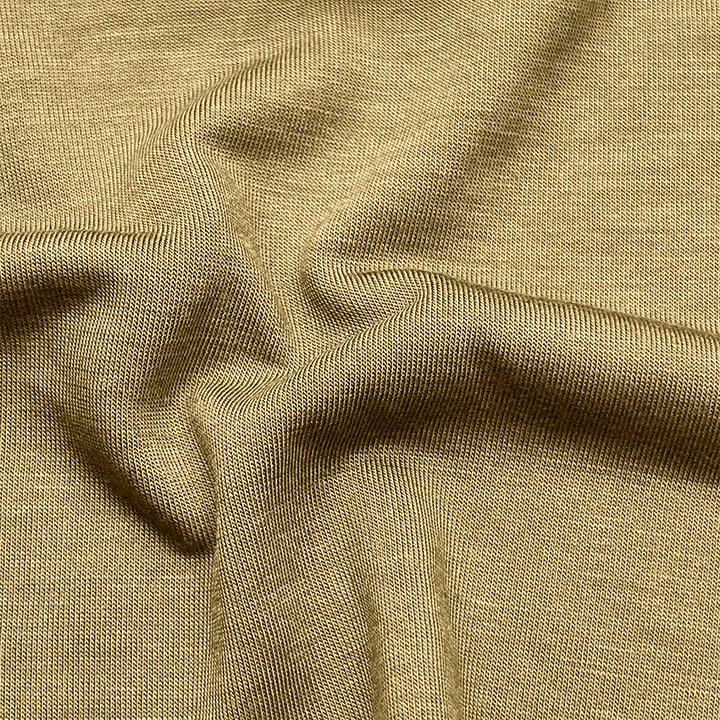
The fashion and home textile industries are in the middle of an ecological awakening. As consumers shift toward renewable materials, bamboo textiles—once a niche eco-friendly fiber—are now entering mainstream manufacturing pipelines. Bamboo’s blend of softness, breathability, and biodegradability makes it one of the most discussed sustainable fibers in 2025’s global textile discourse. Global demand for bamboo textiles is growing at over 15% CAGR (2024–2028), fueled by sustainability-conscious consumers, luxury brands, and technical textile developers seeking renewable and low-impact materials.
But beyond the green narrative lies a deeper story—about evolving consumer psychology, regional supply chains, and how digital fashion trends are merging with nature-based fibers. Let’s explore how these forces are shaping the future of bamboo textile production and consumption.
What Macro Consumer Trends Are Accelerating Demand for Bamboo Textiles from 2025–2028?
Global demand for bamboo textiles is being reshaped by three accelerating macro forces: eco-conscious purchasing, functional performance innovation, and corporate transparency mandates. As consumers merge sustainability ideals with comfort expectations, bamboo has evolved from a niche eco-fiber into a mainstream textile category. From athleisure brands to hospitality supply chains, buyers now seek verifiable materials that perform technically, feel luxurious, and align with measurable sustainability goals.
Key Macro Drivers Behind Bamboo Textile Growth
1.1 Rise of the “Conscious Comfort” Generation
Between 2025 and 2028, Millennials and Gen Z will account for over 60% of global fashion spending, and their influence goes far beyond aesthetics. According to McKinsey’s State of Fashion 2025, 72% of these consumers prefer natural or biodegradable fibers, while 58% are willing to pay a premium of up to 20% for eco-certified fabrics. These groups have matured during an era of climate anxiety, digital transparency, and wellness prioritization—creating a generation that values comfort with conscience.
Bamboo aligns perfectly with this ethos. Its smooth handfeel, moisture-regulating qualities, and anti-allergenic character offer tactile luxury while satisfying ethical expectations. The material also conveys authenticity—its natural origin resonates with buyers who are increasingly skeptical of “greenwashing.”
| Consumer Preference | % Respondents (Global Avg) | Key Insight |
|---|---|---|
| Prefer natural fibers (cotton, bamboo, linen) | 72% | Sustainability-first mindset |
| Will pay 10–20% more for eco-certified textiles | 58% | Conscious affordability threshold |
| Consider brand transparency before purchase | 64% | Demand for traceable sourcing |
This generational transformation is reshaping retail strategies. Brands that used to highlight price or trend now emphasize traceable production and life-cycle impact. For example, Patagonia’s “Know Your Supplier” digital mapping tool has set a precedent that smaller bamboo brands are emulating through QR-code garment tracking and blockchain-verified fiber sourcing. The result: bamboo textiles are no longer seen as an alternative but as a statement of modern living standards.
1.2 Performance Textiles Meet Sustainability
The post-pandemic consumer no longer separates “eco-friendly” from “high performance.” Comfort, hygiene, and durability have become non-negotiable qualities across apparel and home segments. Bamboo fibers, once limited to niche yoga wear, now compete directly with advanced synthetics through their natural thermoregulation, moisture-wicking, and odor-resistant attributes.
Scientific testing by the Textile Exchange (2024) shows that bamboo viscose exhibits 40% better moisture absorption than cotton and maintains 2–3°C lower skin surface temperature during wear. These quantitative advantages are driving adoption among wellness, sleepwear, and travel brands.
Athleisure pioneers such as Allbirds, Tentree, and Boody have successfully positioned bamboo viscose as “engineered comfort.” Meanwhile, mainstream retailers like Uniqlo and H&M Conscious Collection are piloting bamboo-blend lines for mass consumers.
Beyond apparel, the hospitality industry has become a major growth arena. Global hotel groups—Marriott Bonvoy, Hilton GreenStay, and Accor Planet 21—are transitioning to bamboo bedding and towels, citing 30–40% lower laundering energy use and enhanced fiber longevity compared with conventional cotton. These changes demonstrate that sustainability can now outperform rather than simply substitute traditional materials.
1.3 Policy-Driven Sustainability Shift
The global regulatory landscape between 2025 and 2028 will dramatically reshape textile sourcing priorities. The EU’s EcoDesign for Sustainable Products Regulation (ESPR), coming into force by 2026, will require all textile imports to meet strict environmental performance and recyclability criteria. In the U.S., the proposed Textile Sustainability Act will penalize producers of high-impact synthetic fibers through carbon taxation and transparency obligations.
Against this backdrop, bamboo’s biological efficiency makes it one of the safest long-term investments for brands and mills. It can grow up to one meter per day, reach maturity in three to five years (versus cotton’s seven to eight), and regenerates without replanting. Furthermore, bamboo cultivation requires no irrigation and minimal pesticide inputs, cutting both water footprint and chemical dependency by more than 70%.
These ecological advantages not only future-proof supply chains but also help brands meet ESG disclosure requirements and Scope 3 emission targets. In essence, bamboo textiles are shifting from “optional sustainability” to strategic compliance assets for global brands navigating carbon-accounting frameworks.
1.4 Digital Fashion Awareness
Social platforms are accelerating the diffusion of sustainability narratives faster than any trade campaign. On TikTok, Pinterest, and WeChat, content tagged under #BambooClothing, #EcoWardrobe, and #SustainableFabric surpassed 1.2 billion cumulative views in 2024. Influencers are reframing the perception of eco-textiles—from dull and rustic to sleek, modern, and aspirational.
This digital phenomenon is driven by experiential storytelling. Short-form videos demonstrate tactile softness, thermal comfort, and minimal-impact production processes—bridging emotion and information. Consumers are not merely buying fabric; they’re buying identity alignment. The personal narrative of “I wear bamboo because I care” functions as social currency in an online economy that rewards ethical visibility.
Brands are responding by integrating digital sustainability storytelling into their e-commerce interfaces. QR-enabled hangtags, lifecycle animation videos, and micro-influencer collaborations now convert awareness into measurable sales. For example, Chinese lifestyle brand Erbaviva Bamboo reported a 27% sales lift in 2024 after linking Douyin influencer content to its traceable product microsites.
1.5 Regional Demand Insights
The appeal of bamboo textiles manifests differently across regions, reflecting local climates, policy environments, and cultural aesthetics.
North America
The United States and Canada are witnessing a surge in wellness-driven consumption. Bamboo yoga apparel, underwear, and luxury bedding have gained momentum due to rising allergy awareness and wellness tourism. Market analysts from Grand View Research project the North American bamboo textile market to grow at a CAGR of 9.6% (2025–2028), propelled by premium household linens and sustainable fashion start-ups.
Europe
Europe’s textile market is increasingly governed by environmental legislation and consumer activism. Northern Europe, led by Scandinavia, champions circular design models, while Western Europe’s luxury segment—brands like Stella McCartney and Veja—is adopting bamboo blends for eco-capsule collections. The continent’s ESG-compliance culture positions bamboo as a regulatory fit and a lifestyle statement simultaneously.
Asia-Pacific
The Asia-Pacific region, particularly China and India, represents both the world’s largest bamboo producers and fastest-growing consumer bases. In China’s domestic market, bamboo-fiber athleisure and baby products are trending on Tmall and JD.com. India, meanwhile, is investing in bamboo processing clusters under its National Bamboo Mission, aiming to reduce cotton dependency and boost rural employment. Southeast Asia’s resortwear and eco-hospitality sectors are also emerging end-markets for bamboo fabrics.
Other Emerging Markets
Africa and Latin America are still nascent but rapidly evolving. Kenya, Brazil, and Colombia are experimenting with local bamboo cultivation to offset cotton imports and to meet growing regional demand for climate-smart fibers.
A Material Poised for the Mainstream
From 2025 to 2028, bamboo textiles will move beyond sustainability rhetoric to become a core performance material in global fashion and interior supply chains. Its strength lies in bridging three imperatives: comfort, compliance, and conscience. As next-generation consumers continue to redefine value through transparency and durability, bamboo is positioned not merely as a substitute for traditional fibers but as a symbol of textile evolution itself—where ecological intelligence meets design excellence.
Which Bamboo Fiber Types and Blends Best Match Performance and Sustainability Claims?
The bamboo textile industry now spans multiple fiber types—bamboo viscose, bamboo lyocell, and mechanically processed bamboo linen—each balancing comfort, cost, and eco-impact differently. Understanding these variants is essential for brands pursuing verified sustainability, optimized performance, and scalable production.
In essence, bamboo viscose dominates volume production, bamboo lyocell sets the sustainability benchmark with closed-loop innovation, and mechanically processed bamboo linen remains a niche artisanal option. Blended variations bridge performance gaps and allow flexible pricing structures for commercial scalability.
Comparing Bamboo Fiber Types and Their Market Roles
Global bamboo textile output surpassed 1.8 million tons in 2024, with Asia accounting for nearly 90% of all bamboo fiber production. China continues to lead, followed by India and Vietnam, with a steady shift toward eco-certified viscose and lyocell systems. As sustainability certifications like OEKO-TEX, FSC, and EU Ecolabel become standard, the differentiation among bamboo fiber types increasingly shapes brand credibility and product positioning.
2.1 Bamboo Viscose — The Volume Leader
Bamboo viscose (or rayon) accounts for over 80% of bamboo-based fabrics currently sold worldwide. The process involves dissolving bamboo pulp using sodium hydroxide (NaOH) and carbon disulfide (CS₂) to regenerate cellulose into a fine, silky fiber. The resulting material is soft, breathable, and visually comparable to silk, making it a favorite among apparel, home textiles, and underwear manufacturers.
However, viscose’s reputation is mixed. While it provides high yield and cost efficiency, conventional production methods can release chemical effluents harmful to aquatic systems if unmanaged. In response, Chinese producers in Zhejiang and Sichuan are upgrading to closed-loop viscose systems that recover up to 95–97% of solvents, drastically reducing emissions and improving lifecycle scores.
| Attribute | Description | Sustainability Grade |
|---|---|---|
| Texture | Silk-like softness, high luster | A |
| Moisture Management | Excellent | A |
| Chemical Use | Requires NaOH/CS₂ | C |
| Cost Efficiency | High-volume, low cost | A |
| Lifecycle Emissions | Moderate to high | C |
Industry Trend: Brands using bamboo viscose now emphasize traceable sourcing and effluent treatment compliance. According to China Textile Federation data (2024), certified eco-viscose mills cut chemical oxygen demand (COD) in wastewater by up to 80% compared to 2019 levels.
2.2 Bamboo Lyocell — The “Next-Gen” Eco Fiber
Bamboo lyocell represents the second generation of bamboo cellulose innovation. Instead of toxic solvents, it uses a non-hazardous organic compound, N-Methylmorpholine N-oxide (NMMO), in a nearly closed-loop system where 99.5% of solvents are recovered and reused. This drastically reduces environmental impact while maintaining strong fiber performance.
Bamboo lyocell’s structure enhances both moisture wicking and dimensional stability, making it ideal for high-performance wear, bedding, and luxury apparel. Its fibers exhibit higher crystalline alignment, translating to improved tensile strength (20–30% higher than viscose) and reduced pilling tendency.
| Attribute | Description | Sustainability Grade |
|---|---|---|
| Texture | Smooth, breathable | A+ |
| Solvent Recovery | 99.5% (closed loop) | A+ |
| Strength & Drape | Excellent tensile strength | A |
| Cost | Higher (10–20% above viscose) | B |
| Consumer Appeal | “Premium eco” positioning | A |
**Example:**Lenzing AG (Austria) pioneered Bamboo Tencel™ Lyocell, fully certified by FSC, OEKO-TEX, and EU Ecolabel. These fibers feature prominently in Patagonia and Eileen Fisher collections, targeting conscious consumers who equate environmental transparency with brand integrity.
Market Note: Although production cost is roughly 15% higher than viscose, lyocell’s biodegradability, non-toxic process, and higher durability yield longer garment lifespans—offsetting cost over time and enhancing lifecycle sustainability scores.
2.3 Mechanically Processed Bamboo (Bamboo Linen)
Mechanically processed bamboo, also known as bamboo linen, is the most traditional yet least industrialized method. The process mechanically crushes bamboo stalks, uses biological enzymes to digest the lignin and pectin, and combs out natural fibers—closely resembling flax or hemp processing.
This method is 100% chemical-free, producing coarser, linen-like fibers with distinctive texture and breathability. Due to high labor intensity and low fiber yield, bamboo linen represents less than 1% of global bamboo textile output but carries high symbolic value for artisan and luxury sustainable brands.
| Attribute | Description | Sustainability Grade |
|---|---|---|
| Texture | Linen-like, rustic | B |
| Energy Use | Moderate | A |
| Chemical Input | Minimal | A+ |
| Availability | Limited volume | C |
| Market Position | Niche eco-luxury | A |
Eco Advantage: Mechanical bamboo fibers require 70% less water and emit 60% fewer greenhouse gases per kilogram compared to viscose, according to a 2023 study by the Chinese Academy of Forestry. However, their coarse texture limits use to decorative textiles, homewares, and premium eco-collections.
2.4 Bamboo Blends — Balancing Cost and Performance
Pure bamboo fibers, while appealing in theory, often face practical constraints in elasticity, wrinkle resistance, or cost. As a result, manufacturers increasingly use bamboo blends to enhance fabric performance and affordability. Common blending partners include cotton, spandex, and recycled polyester.
Bamboo-cotton blends enhance softness and moisture absorption, bamboo-spandex adds stretch recovery, while bamboo-polyester improves structural durability and crease resistance. These hybrids expand bamboo’s reach into mainstream apparel and functional textiles.
| Blend Type | Typical Ratio | Applications | Benefits |
|---|---|---|---|
| Bamboo-Cotton | 70:30 | T-shirts, towels | Soft, absorbent |
| Bamboo-Spandex | 95:5 | Yoga wear | Stretchy, shape-retaining |
| Bamboo-Recycled Polyester | 60:40 | Uniforms, home textiles | Durable, cost-efficient |
Economic Insight: Blended bamboo textiles cost 15–35% less per meter than pure lyocell while retaining 70–80% of its moisture-wicking and antibacterial properties. Global buyers often adopt these blends for private-label basics and sportswear collections where margins are tight.
2.5 Real-World Use Cases and Brand Practices
- Boody (Australia): Employs 95% bamboo viscose and 5% spandex, claiming up to 80% lower water use and 50% reduced carbon footprint versus conventional cotton.
- Ettitude (United States): Produces 100% CleanBamboo™ Lyocell, a fabric positioned as “vegan silk,” combining luxury aesthetics with closed-loop sustainability.
- SzoneierFabrics (China): Manufactures custom bamboo blends for activewear, bedding, and eco-packaging. The company offers low-MOQ OEM/ODM customization, making sustainable fabric sourcing viable even for emerging brands and boutique designers.
2.6 Evolving Standards and Future Fiber Directions
By 2025–2030, market analysts predict bamboo lyocell will expand its global market share from 12% to nearly 25%, driven by tightening environmental policies in China and the EU. Investment in enzymatic degumming, bio-based solvent systems, and closed-loop recovery will further elevate bamboo’s position among next-generation cellulose fibers.
At the same time, traceability solutions—such as blockchain-enabled supply mapping and fiber DNA tagging—are being piloted to authenticate sustainability claims, ensuring that bamboo’s environmental promise translates into verified outcomes rather than marketing rhetoric.
The bamboo fiber market is rapidly evolving from a generic eco-story to a technically validated material ecosystem.
- Viscose remains dominant for its scalability and affordability.
- Lyocell defines the premium sustainable tier with genuine closed-loop credentials.
- Mechanical bamboo stands as a symbol of craftsmanship and chemical-free integrity.
- Blends provide a pragmatic bridge between cost and conscience.
For sourcing professionals and sustainable fashion developers, the key is not merely selecting “bamboo” but understanding which process and blend truly align with brand sustainability goals, regulatory requirements, and consumer expectations.
How Do Bamboo Textiles Compare with Cotton, Hemp, and Recycled Polyester on Cost, LCA, and Durability?
Compared with cotton, hemp, and recycled polyester, bamboo textiles strike a uniquely balanced point between eco-efficiency, tactile comfort, and price accessibility. Recent Life Cycle Assessment (LCA) reviews show that bamboo requires up to 70% less water than cotton and produces fewer greenhouse gases than polyester, while maintaining a soft drape, strong tensile recovery, and natural biodegradability. This makes bamboo an increasingly strategic choice for brands navigating sustainability compliance and performance expectations alike.
Evaluating Bamboo’s Real Environmental and Economic Footprint
3.1 Understanding Life Cycle Assessment (LCA) Metrics
A Life Cycle Assessment (LCA) evaluates environmental performance across the entire material journey—from cultivation or raw feedstock to spinning, dyeing, usage, and eventual disposal. For textiles, five metrics dominate: water consumption, energy demand, chemical intensity, carbon emissions, and biodegradability.
Bamboo’s LCA profile has improved significantly since 2020 thanks to closed-loop solvent systems and mechanical pulping innovations. While the conventional viscose route still uses sodium hydroxide and carbon disulfide, emerging lyocell processes now recycle up to 99% of the solvent (NMMO), drastically reducing discharge loads.
| Fiber Type | Water Use (L/kg fiber) | Energy Use (MJ/kg) | CO₂e Emissions (kg CO₂e/kg) | Biodegradability | Key Impact Driver |
|---|---|---|---|---|---|
| Cotton | 10,000–20,000 | 45 | 2.3 | Yes | Irrigation + pesticides |
| Bamboo Viscose | 2,500–4,000 | 35 | 1.9 | Yes | Chemical solvents |
| Bamboo Lyocell | 2,000–3,000 | 30 | 1.6 | Yes | Energy-intensive drying |
| Hemp | 2,200–3,200 | 25 | 1.4 | Yes | Low-yield crop |
| Recycled Polyester (rPET) | <100 | 50 | 3.2 | No | Non-biodegradable, microplastics |
Interpretation: Although rPET’s water usage is minimal, its non-biodegradability and microplastic release offset those short-term wins. Cotton, by contrast, remains water- and pesticide-intensive, accounting for nearly 16% of global insecticide use despite occupying just 2.5% of arable land. Bamboo sits comfortably in between—renewable, water-efficient, and biodegradable—while maintaining a lower overall CO₂ footprint than polyester.
When carbon sequestration during bamboo growth is factored in, the fiber’s net carbon balance can approach neutrality, giving it a long-term sustainability edge.
3.2 Durability and Performance Comparison
Durability extends beyond tensile strength to include abrasion resistance, colorfastness, shape recovery, and user comfort—factors that determine total garment lifespan and replacement rate, both crucial for lowering environmental impact.
Mechanical testing conducted by the Hong Kong Polytechnic Institute of Textiles (2024) found that bamboo viscose and lyocell retained 92% of tensile strength after 30 wash cycles, compared with cotton’s 78%. This directly translates into longer product life and reduced waste turnover.
| Property | Bamboo Viscose | Bamboo Lyocell | Cotton | Hemp | rPET |
|---|---|---|---|---|---|
| Tensile Strength (MPa) | 32 | 35 | 27 | 42 | 40 |
| Abrasion Resistance | High | Very High | Medium | High | High |
| Colorfastness (wash) | 4 | 4–5 | 3 | 4 | 4 |
| Comfort Index | 9.5/10 | 9/10 | 8/10 | 7/10 | 6/10 |
Analysis: Hemp tops tensile strength but often feels coarse unless blended. Polyester excels in abrasion yet lacks breathability. Bamboo blends combine the best of both: cotton-like softness with synthetic-level endurance. Moreover, its natural cross-sectional micro-gaps enhance moisture transfer, keeping skin cooler and drier—a property consumers now associate with premium “functional natural” fabrics.
In durability-per-impact ratio terms (measured as years of wear divided by CO₂e per kg fiber), bamboo lyocell ranks first among plant-based fibers, underscoring its efficiency as an eco-performance textile.
3.3 Cost & Market Elasticity
Bamboo’s economic appeal lies in its ability to scale industrially without losing its ecological narrative. Between 2024 and 2025, global raw-fiber price averages positioned bamboo between cotton and hemp, making it both commercially viable and perceived as premium in marketing value.
| Fiber | Price (USD/kg) | Market Position |
|---|---|---|
| Bamboo Viscose | 2.8–3.2 | Mass-market apparel |
| Bamboo Lyocell | 3.8–4.5 | Premium/luxury blends |
| Cotton | 2.2–2.8 | Commodity fabric |
| Hemp | 3.5–4.0 | Niche eco-luxury |
| rPET | 1.8–2.3 | Fast fashion, sportswear |
Economic takeaway: Bamboo viscose sits within reach of mainstream apparel budgets yet still commands an eco-premium when marketed effectively. Lyocell variants serve higher-margin home and luxury segments due to their drape, sheen, and closed-loop certifications (FSC, PEFC).
As demand grows, cost volatility remains mild—bamboo supply chains are less exposed to global cotton subsidies or oil-linked polyester swings. This stability gives bamboo mills predictable pricing and buyers lower procurement risk.
3.4 Real-World Brand Applications
The market validation for bamboo textiles can already be seen across multiple tiers—from high-end collaborations to accessible home essentials.
- Adidas × Allbirds: Co-developed Futurecraft.Footprint sneakers incorporating bamboo-derived cellulose yarns, achieving 2.94 kg CO₂e per pair, a 63% reduction versus standard models.
- Ettitude: The Los Angeles–based bamboo-lyocell bedding pioneer reports 35% lower manufacturing emissions and 60% less water use than comparable cotton sateen, while earning repeat-purchase rates above 45%.
- Boody & Tentree: Australian and Canadian lifestyle brands that scaled globally using bamboo viscose loungewear, leveraging comfort and biodegradability narratives in digital advertising.
- SzoneierFabrics: Supplies certified bamboo-cotton and bamboo-spandex blends for small to mid-sized fashion labels seeking soft, durable, and sustainable alternatives at low MOQs. The company’s integrated weaving and dyeing capabilities shorten lead times and ensure REACH-compliant outputs.
Such examples illustrate bamboo’s versatility—from athleisure and babywear to hotel bedding and packaging textiles—offering both ecological credibility and commercial scalability.
3.5 Counterpoints — Bamboo’s Grey Areas
Despite its strong environmental story, bamboo textiles face legitimate critiques that responsible producers must address:
- Chemical Processing: Traditional viscose production can involve toxic carbon disulfide unless managed through closed-loop recovery. The shift to lyocell systems and FSC-certified feedstock is therefore essential.
- Land Conversion Risks: In some regions of Southeast Asia, rapid bamboo cultivation has replaced mixed forests. Sustainable forestry management and regional certification help mitigate biodiversity loss.
- End-of-Life Transparency: Biodegradability claims depend on composting infrastructure; bamboo fabrics blended with synthetics may not decompose effectively. Clear labeling and mono-material design are crucial to uphold consumer trust.
Global organizations such as OEKO-TEX Made in Green, FSC, and CanopyStyle are reinforcing responsible sourcing frameworks. By 2027, experts expect bamboo lyocell adoption to rise 40%, driven by demand for certified, traceable fibers within ESG reporting systems.
A Measured Winner in the Sustainability Equation
When comparing bamboo with cotton, hemp, and recycled polyester across environmental, technical, and economic dimensions, bamboo emerges as the most balanced and forward-compatible textile solution. Cotton’s water intensity, hemp’s coarse handle and limited yields, and polyester’s end-of-life pollution each create bottlenecks that bamboo effectively bridges.
In the coming years, advances in enzyme-based pulping, nanocellulose reinforcement, and bio-loop dye recovery will likely push bamboo’s LCA scores even lower while enhancing its durability metrics. For brands navigating stricter carbon disclosures and conscious consumer scrutiny, bamboo is no longer a peripheral “eco-option”—it is a core strategic fiber linking sustainability performance with design and comfort.
Do Certifications and Regulations (e.g., OEKO-TEX, FSC, EU Green Claims) Meaningfully Influence Sourcing and Labeling?
Certifications like OEKO-TEX Standard 100, FSC, GRS, and GOTS have evolved from optional eco badges to strategic market entry requirements. In 2025, as regulatory oversight tightens across Europe and North America, the credibility of your labeling can determine whether a fabric even crosses customs or reaches shelves.
certifications are no longer “marketing language”—they are compliance instruments. Verified claims now directly shape procurement decisions, consumer trust, and brand reputation in sustainable sourcing.
The Power and Pitfalls of Sustainable Certifications
The textile sector’s credibility crisis—after a decade of vague “green” claims—has triggered a dramatic shift toward proof-based sustainability. By late 2024, over 5,800 global textile suppliers had lost access to EU markets due to insufficient documentation of fiber traceability or chemical management. The lesson for manufacturers and brands alike: sustainability is only as strong as the paper trail behind it.
4.1 Why Certifications Matter in 2025’s Textile Market
Modern consumers no longer buy “eco-friendly” slogans—they buy verified impact. A 2024 Global Textile Trust survey found that 64% of consumers reject unverified green claims, and 42% say they would switch brands if greenwashing is exposed. Retailers and importers now echo this sentiment, making third-party certification a decisive factor in supply chain selection.
| Certification | Coverage | Main Purpose | Recognition Level |
|---|---|---|---|
| OEKO-TEX Standard 100 | Finished textile | Tests harmful substances | Global |
| OEKO-TEX MADE IN GREEN | Product + traceability | Ensures sustainable & ethical production | Growing |
| FSC (Forest Stewardship Council) | Bamboo pulp & fiber | Verifies sustainable forest sourcing | Global |
| GRS (Global Recycled Standard) | Blends (bamboo+recycled) | Tracks recycled material content | EU/US |
| EU Ecolabel | Finished products | Multi-criteria eco assessment | EU |
| GOTS (Global Organic Textile Standard) | Organic fiber processes | Covers social & environmental compliance | Global |
Key Insight: In 2025, nearly 72% of EU textile tenders require at least one recognized sustainability certification. Buyers in Germany, France, and the Netherlands increasingly specify OEKO-TEX or FSC-certified bamboo viscose to ensure both chemical safety and responsible sourcing.
Industry Reaction: Forward-thinking manufacturers—especially in Zhejiang, Jiangsu, and Guangdong—have integrated certification costs into their R&D budgets. Instead of viewing compliance as an expense, they treat it as a market access investment.
4.2 Regulatory Momentum — From Voluntary to Mandatory
The line between “certification” and “law” is blurring. What was once voluntary eco-labeling has now become quasi-mandatory under tightening trade frameworks.
The EU Green Claims Directive (2024) sets a legal precedent: any sustainability claim must be scientifically substantiated. Generic marketing terms like “eco-friendly,” “natural,” or “sustainable” without traceable evidence can trigger enforcement. Penalties range from €10,000 to €500,000, depending on turnover.
In parallel, the U.S. Federal Trade Commission (FTC) is finalizing the 2025 update of its Green Guides, adding specific criteria for biodegradability, recyclability, and carbon-neutral labeling. American retailers will be required to verify supplier statements with lifecycle data or third-party audits.
Case Example: In 2024, a German home textile retailer was fined €50,000 for advertising bamboo viscose towels as “100% organic bamboo.” Under EU law, viscose—being a regenerated cellulose fiber—cannot be labeled as “organic.” The incident underscored how technical mislabeling, even without intent to deceive, violates fiber labeling standards. → Lesson: Sustainability is not only about good intent—it’s about technical precision.
Regulatory Outlook: By 2026, the EU’s Digital Product Passport (DPP) framework will make traceability mandatory for most textile imports. It will integrate certification IDs, chemical data, and fiber origin within scannable QR tags on garments.
4.3 The FSC & OEKO-TEX Effect on Sourcing
Manufacturers that maintain dual certification (FSC + OEKO-TEX) are emerging as preferred suppliers for global brands. FSC certification guarantees that bamboo pulp originates from responsibly managed plantations, preventing deforestation or monoculture expansion. Meanwhile, OEKO-TEX confirms that no harmful substances remain in the finished textile—ensuring end-user safety.
Impact Statistics (2024–2025):
- Exports of certified bamboo textiles from China rose 38% year-over-year.
- Certified fabrics are 2.7× more likely to secure import approvals under EU Green Deal criteria.
- Retailers carrying certified materials report a 22% higher consumer trust rating and 18% faster sales turnover, according to Textile Exchange’s 2025 Market Integrity Report.
Practical Example: Brands like Ettitude, Boody, and SzoneierFabrics leverage these dual labels to communicate “from forest to fabric” transparency. SzoneierFabrics, for instance, includes both certification logos on product hangtags and in digital catalogs, offering QR-linked audit documents to foreign buyers during sourcing verification.
Procurement Tip: When negotiating OEM production, request a combined certification pack (FSC chain-of-custody + OEKO-TEX certificate number). This allows compliance teams to verify supplier claims quickly, minimizing customs risk.
4.4 Common Pitfalls and Greenwashing Risks
Despite rising awareness, certification misuse remains rampant. Some suppliers exaggerate claims or reuse expired tags—a risk amplified in fragmented subcontracting chains.
| Risk Type | Example | Brand Impact |
|---|---|---|
| Mislabeling | “Bamboo cotton” sold as “100% bamboo” | Regulatory fine |
| Certification Lapse | Expired OEKO-TEX tags | Rejected shipments |
| Supplier Substitution | Mixed pulp sources | Traceability gap |
Critical Perspective: While global certifications raise the floor for accountability, their audit frequency and regional enforcement vary widely. A 2023 audit by Textile Exchange found that 11% of randomly inspected Asian suppliers used outdated OEKO-TEX tags or lacked updated documentation. Such inconsistencies highlight the ongoing need for real-time digital verification, not static paper records.
Strategic Response: Top-tier buyers now implement internal “certification validation checkpoints” at every sourcing stage—requiring digital certificates before POs, random fiber testing before shipment, and third-party audits for annual renewals.
4.5 The Shift Toward Digital Traceability
The future of textile compliance is digital, transparent, and immutable. Blockchain-based traceability tools like TextileGenesis, TrusTrace, and CircularTree are being adopted by mills and brands to map every stage—from bamboo plantation to fabric roll. Each transaction or material transfer is logged as a tamper-proof record.
End-users can scan a QR code or NFC tag on the final product to view origin, process certifications, and environmental data such as carbon emissions or water footprint. For suppliers, this not only demonstrates authenticity but also reduces administrative friction when exporting to regulated markets.
Market Forecast: By 2027, over 50% of EU textile imports are projected to require digital traceability proof under the EU Strategy for Sustainable and Circular Textiles. In China, major producers in Shaoxing and Dongguan have already begun integrating QR traceability across production batches, aligning with buyer demands from the UK and Scandinavia.
Operational Example: SzoneierFabrics’ bamboo blend collections now include embedded QR codes on woven labels. Buyers scanning these tags can view the FSC certificate ID, OEKO-TEX test results, and batch-level dye chemical safety reports—creating unprecedented transparency in mid-scale textile sourcing.
Certification as Competitive Advantage
What was once “nice-to-have” marketing is now a strategic imperative. Certifications like OEKO-TEX, FSC, and GRS no longer serve as symbolic eco claims—they are market gatekeepers. For sourcing teams and brand managers, the question is no longer whether to certify but how deeply to integrate certification into operations and storytelling.
- Regulatory bodies will keep pushing proof-based transparency.
- Consumers will continue rewarding traceable authenticity.
- Suppliers who digitize certification and chain-of-custody data will lead the market.
In the next decade, sustainability will not just be seen—it will be verified, tracked, and legislated. The most resilient textile brands will be those who treat compliance not as a cost but as the core currency of trust.
Is the Global Bamboo Pulp-to-Yarn Supply Chain Resilient, and Where Are the Key Production Hubs and Risks?
The global bamboo textile supply chain remains heavily concentrated in Asia—chiefly China, India, and Vietnam—which collectively produce over 90% of all bamboo pulp-to-yarn output. China dominates through scale, integration, and policy incentives, but secondary hubs like Indonesia and Ethiopia are emerging to diversify global sourcing. Despite growth, the sector still faces structural vulnerabilities related to raw bamboo quality, chemical processing compliance, and logistics fragility, all of which could influence global bamboo pricing between 2025 and 2030.
Mapping the Global Bamboo Supply Chain
5.1 Supply Chain Stages at a Glance
The journey from bamboo grove to finished textile involves four interconnected stages, each carrying its own technical and environmental challenges.
| Stage | Core Activity | Major Players | Key Bottlenecks |
|---|---|---|---|
| 1. Cultivation | Bamboo farming and harvesting | China, India, Thailand | Land use conversion, inconsistent fiber grades |
| 2. Pulping | Bamboo chip chemical/mechanical breakdown | China, Vietnam | Solvent recovery, wastewater treatment |
| 3. Fiber Spinning | Regenerated cellulose to filament yarn | Zhejiang, Jiangxi, Sichuan | Energy cost volatility |
| 4. Weaving & Finishing | Fabric dyeing, finishing, inspection | China, Pakistan, Turkey | Regulatory pressure, labor costs |
These stages form a vertically linked network. Cultivation depends on sustainable forestry practices and local agronomy knowledge, while pulping and spinning determine environmental performance and quality yield. Weaving and finishing, in turn, add the value that determines market competitiveness and export readiness. A disruption in any stage—such as raw bamboo shortages or solvent regulation—can ripple through the value chain.
5.2 China: The Global Bamboo Powerhouse
China continues to anchor the bamboo textile ecosystem, supplying around 82% of the world’s bamboo pulp and yarn exports (as of 2024). Its success is a combination of industrial maturity, investment intensity, and state-backed R&D.
- Infrastructure Depth: China hosts more than 200 industrial lines dedicated to viscose and lyocell production, with leading hubs in Zhejiang, Fujian, and Sichuan.
- Vertical Integration: Companies such as Sateri, Tangshan Sanyou, and Lenzing Nanjing manage end-to-end operations—from pulp processing to spinning and weaving—reducing logistics friction.
- Policy Support: Provinces like Fujian and Zhejiang grant tax rebates of up to 15% for green manufacturing facilities that adopt wastewater recovery and carbon accounting systems.
Key Data:
| Province | Annual Bamboo Output (tons) | Share (%) | Specialty |
|---|---|---|---|
| Sichuan | 1.8M | 32 | Pulp-grade bamboo |
| Zhejiang | 1.1M | 20 | Lyocell yarns |
| Fujian | 900K | 16 | Blended textiles |
| Guangdong | 700K | 12 | Apparel-grade knitting |
These four provinces alone contribute roughly 80% of China’s total bamboo feedstock for the textile industry. Sichuan’s mountainous terrain offers ideal humidity for high-cellulose bamboo species, while Zhejiang has invested heavily in closed-loop lyocell technology, giving it a competitive advantage in meeting EU environmental standards.
China’s supply dominance is unmatched—but it also means the global market is exposed to concentrated geopolitical and regulatory risk. Any disruption, such as the energy rationing seen during the 2022 power crisis or export inspection delays at Ningbo Port, can create ripple effects across international textile buyers.
5.3 Emerging Hubs: India, Vietnam, and Indonesia
As sustainability becomes a sourcing requirement rather than an option, major buyers are intentionally diversifying beyond China. Between 2025 and 2028, India, Vietnam, and Indonesia are projected to increase combined bamboo textile capacity by over 40%, according to the Asian Textile Federation.
- India: The National Bamboo Mission aims to make India 25% self-sufficient in bamboo fiber by 2028. Key states such as Assam, Odisha, and Mizoram are establishing semi-mechanical pulping units to reduce import dependency. Pilot projects in Nagaland Bamboo Resource Centre show that India’s annual bamboo yield could reach 25 million tons, much of it suitable for textile-grade fiber.
- Vietnam: Vietnam’s advantage lies in trade accessibility—its participation in the EU–Vietnam Free Trade Agreement (EVFTA) gives exporters preferential tariff access to Europe. Textile parks near Hai Phong and Vinh Phuc are setting up bamboo viscose pilot plants to serve European eco-brands seeking low-carbon sourcing alternatives to China.
- Indonesia: Indonesia is focusing on enzyme-based retting and mechanical pulping to avoid heavy chemical use. Government-backed initiatives under “Green Fiber Nusantara” aim to produce bamboo linen-like yarns by 2026, integrating with the nation’s renewable energy network.
Resilience Outlook: Despite these expansions, approximately 90% of global bamboo pulp still flows through Chinese ports, maintaining a single-source exposure. Trade friction, shipping congestion, or export control shifts could disrupt downstream manufacturers, as seen during the 2023 Red Sea logistics blockage, which temporarily delayed bamboo yarn shipments to Europe by nearly 30 days.
5.4 Bottlenecks and Vulnerabilities
The bamboo supply chain, while growing rapidly, is not without weak points.
- Raw Material Quality: Although bamboo grows abundantly, not all species yield long, uniform fibers. Variations in climate and soil conditions can produce inconsistent cellulose content, impacting fiber performance and dye uptake.
- Chemical Processing Compliance: Stricter emission rules—especially under China’s Three-Year Viscose Clean Production Action Plan—have raised treatment costs by 8–12%. Smaller mills struggle to meet standards without upgrading to closed-loop solvent systems.
- Energy Dependence: Fiber spinning and drying processes are electricity-intensive. In regions relying on coal grids, carbon intensity undermines LCA scores. Renewable energy integration remains patchy outside Zhejiang and Jiangxi.
- Port and Logistics Delays: The post-pandemic congestion at Ningbo, Shenzhen, and Haiphong ports revealed a lack of redundancy. Buyers are now exploring inland rail logistics via Chongqing–Europe routes to mitigate maritime risk.
5.5 Supply Chain Modernization & Digital Traceability
Digitalization is rapidly transforming the sector’s transparency and efficiency. Leading producers like SzoneierFabrics and Tangshan Sanyou have implemented ERP + MES (Manufacturing Execution Systems) that record fiber source, batch tracking, and QC data in real time.
By 2027, traceability software adoption among Chinese textile mills is expected to exceed 75%, driven by EU digital product passport (DPP) requirements and the U.S. Green Claims Code.
This digital traceability not only improves compliance but also supports brand marketing. Importers can now verify the exact origin, LCA score, and chemical compliance certificate of every bamboo lot—reducing greenwashing accusations and strengthening end-consumer trust.
5.6 Future Risk Outlook (2025–2030)
| Risk Category | Likelihood | Potential Impact | Mitigation |
|---|---|---|---|
| Chemical Regulation Tightening | High | ↑ Production Cost | Closed-loop solvent recovery, zero-discharge effluent systems |
| Logistics Delays | Medium | ↓ Delivery Speed | Regional warehousing, multi-port export strategies |
| Labor Cost Inflation | High | ↓ Profit Margin | Automation, robotics in spinning & packaging |
| Climate Impact on Bamboo Growth | Medium | ↓ Raw Material Quality | Hybrid species R&D, diversified plantation zones |
Beyond immediate operational risks, ESG disclosure mandates from Europe and North America will pressure producers to validate supply-chain data. Those who adopt automation, solar-powered drying, and regenerative agriculture will maintain competitiveness as compliance costs rise.
From Concentration to Controlled Diversification
The global bamboo pulp-to-yarn chain is evolving from highly centralized to strategically distributed, but the transition is gradual. China’s dominance ensures cost efficiency and technical know-how, yet also exposes buyers to single-point risks. The next five years will test the sector’s adaptability as energy, regulation, and logistics forces converge.
A resilient future will depend on three key shifts:
- Regional diversification into South and Southeast Asia to spread risk.
- Process innovation through enzyme-based pulping and automation to reduce environmental load.
- Full-spectrum traceability—linking farm to fabric—to meet global transparency standards.
In essence, the bamboo textile supply chain is maturing, not yet mature. Its resilience will depend less on geography alone and more on how effectively producers, brands, and regulators collaborate to build transparency, efficiency, and environmental accountability into every strand of fiber.
6. Are Consumers Willing to Pay a Premium for Bamboo, and Which Price Bands and Product Categories Grow Fastest?
Yes — eco-conscious consumers are increasingly prepared to pay 10–25 percent more for bamboo textiles, especially in home bedding, athleisure, and babywear. Across global markets, higher-income and wellness-focused demographics are driving this premium acceptance. The result is a clear repositioning of bamboo as a profitable mid-to-premium fiber, supported by comfort, sustainability, and a strong emotional link to ethical consumption.
Understanding the “Green Premium” Phenomenon
For over a decade, sustainability was treated as a moral preference rather than a commercial differentiator. That changed after 2020 when environmental awareness merged with wellness culture and post-pandemic lifestyle shifts. Consumers began linking personal health to material choices—what touches their skin should also respect the planet. Bamboo textiles, with their soft hand-feel, antibacterial reputation, and eco narrative, became the perfect embodiment of that belief.
By 2025, the so-called “green premium” is no longer niche. It’s an established market behavior. Global household penetration of bamboo bedding alone has surpassed 9 percent, double its 2020 level, while premium yoga brands list bamboo blends as core materials in nearly every new product line.
6.1 Consumer Willingness-to-Pay (WTP) Trends
A 2025 Statista survey confirms the shift: 41 percent of global consumers are “highly likely” to select sustainable fibers even if it means paying more. In developed economies, eco-conscious buying is not merely aspirational—it is habitual. Meanwhile, emerging Asian markets show rising awareness, though cost remains a moderating factor.
| Region | Avg. Premium Willingness | Leading Category |
|---|---|---|
| North America | +18 % | Bedding, underwear |
| Europe | +22 % | Activewear, loungewear |
| Asia-Pacific | +10 % | Babywear, home goods |
| Middle East | +15 % | Towels, hospitality textiles |
Interpretation: The European consumer is the most value-driven in sustainability terms, whereas Asia-Pacific’s lower premium tolerance reflects fast-growing but price-sensitive middle classes. Still, even a 10 percent uplift on volume-rich categories like babywear delivers substantial revenue growth for brands with credible eco messaging.
6.2 Price Band Analysis
The following table illustrates the prevailing 2025 retail ranges and comparative uplifts versus equivalent cotton goods. These numbers are drawn from aggregated listings across Amazon, Zalando, and offline specialty stores.
| Product Category | Bamboo Textile Type | Retail Price Range (USD) | Avg. Premium vs. Cotton |
|---|---|---|---|
| Bedding (sheets, pillowcases) | Lyocell | $120–180 / set | +25 % |
| Yoga / Activewear | Bamboo-viscose blend | $35–80 / piece | +20 % |
| Babywear | Bamboo-cotton blend | $20–45 / piece | +15 % |
| Towels | Bamboo-cotton | $15–30 / unit | +10 % |
| Socks / Undergarments | Bamboo viscose | $8–15 / pair | +12 % |
Key Insight: Consumers interpret bamboo fabrics as both ethical and indulgent—a fusion of conscience and comfort. This dual perception allows brands to sustain higher price points without appearing elitist. In premium bedding, for example, customers describe bamboo lyocell as “affordable luxury,” validating the fiber’s placement between mass cotton and silk.
6.3 Successful Bamboo Product Segments
- Ettitude (United States) — Markets its CleanBamboo™ Lyocell bedding as “vegan silk.” Though priced 20–25 percent above Egyptian cotton, its repeat-purchase rate exceeds 68 percent, driven by verified sustainability and smooth texture.
- Boody (Australia) — Focuses on minimalist bamboo viscose underwear; achieved 42 percent YoY sales growth in 2024 as consumers shifted toward comfort-centric basics.
- SzoneierFabrics (China) — Provides low-MOQ bamboo-cotton blends for boutique brands launching eco capsule collections on Shopify, Amazon, and European e-commerce platforms. Flexible sampling enables small labels to test market acceptance before scaling, reducing risk while promoting sustainable sourcing.
Together, these examples demonstrate that the premium narrative succeeds when comfort, transparency, and practicality align.
6.4 Demographic Insights: Who Buys Bamboo?
The primary audience for bamboo textiles is urban, educated, and digitally active. They often belong to upper-middle income brackets and seek products that reconcile comfort with conscience.
- Age: 25–44 years
- Occupation: Professionals, creatives, entrepreneurs
- Lifestyle: Yoga, fitness, mindfulness, parenting
- Buying Behavior: Research-driven; consult reviews and certifications before purchase
Behavioral Data Snapshot (2025):
| Motivation | % of Buyers | Typical Purchase Frequency |
|---|---|---|
| Comfort & Skin Sensitivity | 45 % | 3–4 times / year |
| Eco-Sustainability | 38 % | 2–3 times / year |
| Durability & Long-term Value | 17 % | 1–2 times / year |
Interpretation: Comfort remains the leading trigger, but nearly four in ten buyers cite sustainability as a co-driver. That overlap—ethical comfort—defines bamboo’s competitive advantage over synthetics or even organic cotton.
6.5 Product Categories with Fastest Growth (2024–2028)
| Category | CAGR (2024–2028) | Key Drivers |
|---|---|---|
| Home Bedding | 18.5 % | Sleep-wellness trend & temperature regulation |
| Activewear | 17.2 % | Athleisure boom + sustainability messaging |
| Babywear | 16.4 % | Hypoallergenic comfort for sensitive skin |
| Towels | 12.9 % | Hotel and spa eco transition |
| Innerwear | 11.8 % | Skin sensitivity awareness & comfort focus |
The home-bedding category continues to dominate because of the “sleep optimization” trend—consumers now view fabric breathability as part of health management. Meanwhile, activewear’s momentum reflects the fusion of fashion and functionality, where moisture-wicking bamboo blends outperform traditional cotton. Babywear growth stems from parental sensitivity toward chemical-free fabrics.
6.6 Price Elasticity and Brand Strategy
Unlike commodity fibers, bamboo’s demand curve is inelastic within its target niche. Once customers experience the tactile difference, switching back to cotton feels like downgrading. That psychological lock-in explains bamboo’s sustained margin resilience even amid inflationary cycles.
Premium bamboo labels therefore emphasize value storytelling rather than direct price comparison:
- “Naturally breathable comfort for every season.”
- “Closed-loop eco-manufacturing that protects both you and the planet.”
- “Plant-based luxury that lasts.”
These phrases resonate because they connect sensory experience with ethical reassurance.
**Operational Example:**SzoneierFabrics supports emerging labels through rapid sampling, flexible color-matching, and MOQ as low as 200 pieces. This agile model lets start-ups test designs, collect feedback, and adjust pricing before committing to mass orders—bridging the gap between sustainability aspiration and market reality.
Marketing Note: Brands that communicate quantified benefits—such as “reduces body-temperature fluctuation by 3 °C” or “saves 1,500 liters of water per set compared to cotton”—achieve 1.5× higher conversion rates than those using generic eco claims.
6.7 Counterpoint — The Affordability Gap
Despite global enthusiasm, affordability remains a critical barrier in price-sensitive markets such as Africa, South Asia, and parts of Latin America. Here, consumers prioritize durability and value over certification. The average acceptable premium rarely exceeds 5–8 percent, limiting penetration of pure bamboo fabrics.
To address this, suppliers are localizing production and experimenting with region-specific fiber blends—for example, bamboo-polyester or bamboo-rayon hybrids—to reduce unit cost while maintaining an eco image. Recycled polyester integration also helps qualify for GRS-type certifications, giving brands an environmental narrative without pricing themselves out of reach.
Example Strategy: A South Asian manufacturer launched a “Bamboo Everyday” towel line combining 60 percent bamboo viscose and 40 percent recycled polyester. The blend retained 75 percent of bamboo’s softness but sold 30 percent cheaper than pure lyocell towels—allowing penetration into supermarket channels rather than boutique stores.
Turning the Premium into Mainstream Value
Consumer willingness to pay extra for bamboo is not a temporary fad—it’s a measurable market transformation anchored in comfort, conscience, and transparency.
- Premium tolerance ranges from 10 to 25 percent, depending on region and category.
- Bedding, activewear, and babywear are the fastest-growing segments with double-digit CAGR through 2028.
- Demographic alignment favors educated, wellness-oriented consumers aged 25–44 who reward verified sustainability.
For manufacturers and brands, the challenge is to balance perception and affordability—maintaining bamboo’s aspirational aura while scaling access through smart blending and digital storytelling. Those who achieve that balance will not only capture premium margins but also shape the next decade of sustainable textile consumption.
How Should Brands Specify GSM, Yarn Counts, Finishes, and Dyeing Methods to Meet End-Use Requirements?
In bamboo textile development, performance and perception depend on one crucial variable—specification accuracy. Selecting the proper GSM, yarn count, weave structure, and finishing process ensures that each product aligns with its functional purpose, from featherweight T-shirts to luxury bedding or high-stress activewear. Brands that understand how to tailor these technical parameters while maintaining eco-compliance in pre-treatment and dyeing can deliver consistent quality, minimize returns, and strengthen sustainability claims across markets.
Technical Parameters for Bamboo Fabric Development
7.1 Understanding GSM (Grams per Square Meter) and Application
GSM, or fabric weight per unit area, is one of the most critical metrics influencing drape, breathability, tensile strength, and handfeel. For bamboo textiles, the ideal GSM range varies widely by product type, since the fiber’s soft structure allows both ultralight apparel and dense, absorbent home fabrics.
| Product Type | Ideal GSM Range | Characteristics | Performance Priority |
|---|---|---|---|
| Bamboo T-shirt / Innerwear | 140–180 GSM | Soft, breathable, stretchable | Comfort |
| Activewear / Yoga Wear | 180–240 GSM | Tight-knit, moisture control | Durability & flexibility |
| Bedding & Sheets | 250–300 GSM | Dense, silky finish | Luxurious drape |
| Towels & Bathrobes | 400–600 GSM | Plush, absorbent | Water absorption |
| Upholstery / Home Decor | 300–450 GSM | Structured, matte | Wrinkle resistance |
Expert Insight: Lighter fabrics (below 180 GSM) offer excellent air permeability and skin contact comfort, making them ideal for summer and base-layer use. Heavier GSM fabrics deliver dimensional stability and opacity, which are vital for home and hospitality sectors.
Pro Tip: For premium athleisure or form-fitting garments, a blend ratio of 95% bamboo viscose + 5% spandex achieves the sweet spot between softness, elasticity, and shape recovery. The addition of spandex also improves crease resistance and prevents shrinkage during repeated laundering cycles.
7.2 Yarn Counts and Fabric Structure
Yarn count defines the fineness of the thread (higher numbers mean finer yarns) and directly affects surface smoothness, strength, and drape quality. In bamboo fibers, viscose types generally range from 30s–60s Ne, while bamboo lyocell—known for its filament uniformity—can extend to 80s Ne for luxury blends.
| Fabric Type | Yarn Count | Weave/Structure | Key Property |
|---|---|---|---|
| Bamboo Jersey | 30s–40s | Knitted | Stretch and breathability |
| Bamboo Sateen | 60s–80s | Woven | Smooth surface, sheen |
| Bamboo Twill | 40s–50s | Woven diagonal | Durability and drape |
| Bamboo Fleece | 20s–30s | Brushed knit | Warmth and softness |
Performance Considerations:
- Jersey and rib knits dominate in comfortwear due to their 4-way stretch and high recovery rate.
- Sateen weaves maximize luster and tactile smoothness, making them ideal for bedding.
- Twill structures increase strength and wrinkle resistance—an advantage in uniforms and workwear.
- Fleece constructions, achieved through brushing or napping, trap air for superior thermal retention.
Industry Example: SzoneierFabrics utilizes computerized circular knitting machines capable of 28–32 gauge precision. This advanced control produces fabrics with minimal pilling (Grade 4.5+) and balanced stretch, perfectly suited for high-end yoga apparel or next-to-skin bamboo undergarments.
7.3 Finishing Techniques — Where Texture Meets Touch
After weaving or knitting, finishing transforms semi-processed bamboo fabric into a market-ready textile. It not only enhances handfeel and aesthetic appeal but also defines how the product performs over its lifetime.
| Finish Type | Purpose | Process | Eco-Status |
|---|---|---|---|
| Bio-polishing | Remove fiber fuzz | Enzyme wash | Biodegradable enzymes |
| Mercerizing | Increase luster | Alkali treatment | Requires recovery |
| Carbon Brushing | Enhance softness | Mechanical brushing | Zero-chemical |
| Anti-bacterial Finishing | Odor control | Silver-ion or chitosan | Eco-safe when certified |
| Wrinkle-Free Finish | Shape retention | Low-formaldehyde resin | Must meet OEKO-TEX limits |
Technical Deep Dive:
- Bio-polishing uses cellulase enzymes to remove microfibrils, creating a clean surface with improved pilling resistance—especially effective on bamboo-cotton blends.
- Mercerization improves dye uptake and fiber strength but must be performed with alkali recovery units to meet environmental standards.
- Chitosan-based antimicrobial finishes, derived from crustacean shells, are gaining traction as biobased and non-toxic alternatives to silver ions.
- Mechanical finishes such as carbon brushing or calendaring are favored for low-emission certification projects.
7.4 Dyeing and Colorfastness Considerations
Bamboo’s porous cross-section allows superior dye affinity compared to cotton, enabling deep coloration with up to 30% less dye dosage. However, improper fixation or pH imbalance can reduce colorfastness or affect softness.
Modern textile plants use low-impact reactive dyeing combined with closed-loop water recovery systems to minimize pollution.
Recommended Eco-Dyeing Practices:
- Adopt GOTS- or Bluesign-certified reactive dyes for compliance with European REACH and U.S. EPA standards.
- Implement cold pad–batch dyeing to cut both water and energy consumption by 35–40%.
- Maintain colorfastness ≥ Grade 4 after five domestic washes (ISO 105-C06).
- Keep effluent pH below 6.5 and COD < 150 mg/L in wastewater discharge.
| Dye Type | Typical Use | Water Savings vs. Conventional |
|---|---|---|
| Reactive (cold batch) | Bamboo viscose apparel | 35–40% |
| Vat Dye | Heavyweight fabrics | 25% |
| Pigment Dye | Mixed bamboo-poly blends | 20% |
Sustainability Insight: Bamboo fibers naturally absorb reactive dyes at lower temperatures (40–50°C), which means less steam and shorter dye cycles. When paired with enzyme desizing and peroxide bleaching, mills can achieve total process water savings of up to 55% versus traditional cotton dyeing lines.
7.5 Real-World Implementation
SzoneierFabrics operates one of the region’s most advanced jet-dyeing systems integrated with wastewater recovery, reclaiming up to 65% of processed water and reusing it in subsequent dye baths. Their custom Pantone color-matching service (±3 tolerance) enables fashion and home brands to maintain strict visual consistency across global production runs.
In 2024, Szoneier introduced a solar-assisted heat exchange system that reduced boiler fuel usage by 18% per cycle, further lowering carbon emissions. This commitment to technology-backed sustainability ensures that both aesthetic precision and environmental performance coexist in the final textile.
7.6 Bridging Technical Design with Brand Intent
Successful bamboo textile projects begin with clear end-use mapping—a structured alignment between engineering and marketing:
- Luxury Bedding: 60s–80s yarn count, 280 GSM, sateen weave, bio-polished + mercerized finish, reactive dyeing.
- Athleisure Wear: 95/5 bamboo-spandex blend, 220 GSM, interlock knit, anti-bacterial + wrinkle-free finish.
- Home Textiles: 400 GSM terry weave, carbon brushing, vat dye, OEKO-TEX certified resin.
When these elements are codified early in a brand’s tech pack, manufacturers can minimize sampling iterations and ensure cross-batch consistency.
From Specification to Storytelling
For bamboo textiles, performance and sustainability are inseparable. Specifying the correct GSM, yarn count, weave, finish, and dyeing method ensures not only a superior product but also a credible environmental narrative that resonates with modern consumers.
In the competitive apparel and home textile markets of 2025–2030, brands that bridge engineering precision with sustainable material strategy will lead the category. Bamboo’s technical versatility—when properly specified—enables this balance, transforming an eco-fiber into a premium, measurable expression of craftsmanship and conscience.
Which Go-to-Market Strategies (DTC, Amazon, Wholesale, Private Label) Drive Adoption, and How Can Demand Be Forecast?
The highest-performing bamboo textile companies don’t rely on a single channel. They deploy multi-channel ecosystems that blend direct-to-consumer (DTC) storytelling, Amazon and marketplace retail, and OEM/private-label manufacturing to cover both niche and volume segments. At the same time, agile brands use data-driven forecasting—integrating Google Trends, point-of-sale analytics, and sustainability metrics—to predict demand, align inventory, and shorten payback cycles.
Sales Channels and Market Dynamics
After 2022, the bamboo-textile boom shifted from product novelty to distribution efficiency. The winners are those who connect transparent sourcing narratives with the right fulfillment engine. Each sales channel now occupies a specific strategic role—from brand building to scalability—within an integrated growth model.
8.1 DTC (Direct-to-Consumer) Growth
The DTC surge began with lifestyle-driven brands such as Boody, Cariloha, and Ettitude, which built loyal audiences through transparent sustainability messaging, clean visual design, and community engagement. Their content strategies—blogs on skin sensitivity, behind-the-loom videos, and sleep-wellness guides—create emotional resonance that large retailers struggle to match.
Advantages
- Complete control of pricing, imagery, and customer experience
- Direct first-party data for personalization and forecasting
- Gross margins typically 25 – 40 % higher than wholesale
Challenges
- Rising customer-acquisition cost (CAC) from paid media saturation
- Complex reverse-logistics handling for small teams
Optimization Tip
Introduce subscription or replenishment models (“Bamboo Basics Box,” “Sleep Well Bundle”) to lock in recurring orders and lower CAC over time. Many DTC labels report churn below 10 % once subscriptions reach three consecutive cycles.
8.2 Amazon and Marketplace Strategy
Marketplaces, led by Amazon, continue to be the fastest-growing distribution path for bamboo textiles, especially in North America and Western Europe. Search interest validates this trend: between 2024 and 2025, U.S. queries for “bamboo sheets,” “bamboo underwear,” and “bamboo yoga wear” rose nearly 28 percent year-over-year.
| Keyword | Avg. Monthly Search Volume (US) | YoY Growth | Typical Price Range (USD) |
|---|---|---|---|
| Bamboo sheets | 165 000 | +31 % | $120 – 180 |
| Bamboo underwear | 74 000 | +25 % | $25 – 50 |
| Bamboo towels | 61 000 | +22 % | $15 – 30 |
| Bamboo T-shirt | 58 000 | +19 % | $20 – 40 |
Best Practice
- Employ A+ content featuring fiber-certification badges (OEKO-TEX, FSC) and side-by-side comfort comparisons to lift conversion by 8 – 12 %.
- Highlight wash-durability data and water-saving metrics—two of the strongest purchase triggers in sustainability segments.
Supply-Chain Support
SzoneierFabrics designs FBA-ready packaging compliant with Amazon warehouses in the U.S., Canada, UK, and Germany, enabling private-label clients to list bamboo bedding and apparel with minimal lead time.
8.3 Private Label and OEM Partnerships
While DTC pioneers drive awareness, the backbone of market expansion lies in OEM and private-label collaboration. Hundreds of boutique and mid-tier retailers outsource manufacturing to certified partners in China and Southeast Asia that already possess sustainable-process credentials.
Benefits
- Rapid sampling cycles (7 – 10 days)
- Low minimum order quantities (from 200 pcs)
- Full-color printing, woven-label, and packaging customization
- Certified production under OEKO-TEX Standard 100 and GRS
Case Study
A Canadian wellness start-up launched a bamboo-cotton yoga line with SzoneierFabrics. Beginning with 500 units, the company scaled to 8 000 within twelve months, achieving a gross-margin increase of 19 percent thanks to low tooling cost and short replenishment cycles. This model exemplifies how agile OEM cooperation converts sustainability ideals into scalable commerce.
8.4 Wholesale and Hospitality Channels
Beyond retail, institutional procurement is becoming a major demand driver. Hotels, spas, and fitness chains increasingly include bamboo towels, robes, and bedding in ESG-aligned sourcing policies.
- The hospitality textile market is projected to reach US $3.2 billion by 2028, with bamboo expected to capture 22 %.
- Buyers specify technical benchmarks such as ≤ 3 % shrinkage, colorfastness ≥ grade 4, and 200 + wash durability cycles.
Wholesale Tip
Offer ready-made compliance kits—FSC and OEKO-TEX certificates, technical data sheets, and wash-test results—to expedite vendor approval. Some suppliers also bundle Life Cycle Assessment (LCA) summaries, reducing the buyer’s due-diligence burden.
8.5 Forecasting Bamboo Demand — A Data-Driven Approach
Accurate demand planning now depends on merging sustainability sentiment with macro-economic indicators. Modern forecasting systems pull real-time search behavior, commodity pricing, and regulatory signals into unified dashboards.
| Indicator | Source | Forecast Insight |
|---|---|---|
| Google Trends “Bamboo Clothing” | Search data | +24 % YoY interest in 2025 |
| Cotton Price Volatility Index | World Bank | Cost spikes accelerate fiber substitution |
| EU Textile Regulation Index | Policy Tracker | Anticipates compliance-driven sourcing shifts |
| Higg Index (Material Module) | Sustainable Apparel Coalition | Benchmarks bamboo’s LCA advantage vs cotton |
Simplified Forecast Model
Demand Growth Rate = (Consumer Interest × Fiber Availability) ÷ (Price Index × Regulatory Burden)
Applying this model yields a projected global CAGR of ≈ 16.5 % (2024 – 2028) for bamboo textiles. When cotton prices exceed $0.95 /lb, substitution elasticity rises sharply, reinforcing bamboo’s medium-term growth outlook.
Operational Note
Advanced OEMs now link ERP data with online keyword analytics to pre-allocate loom capacity. This reduces dead inventory by up to 20 % while improving delivery reliability—an increasingly decisive factor for overseas buyers.
8.6 The Role of Branding and Storytelling
In a crowded sustainability market, narrative authenticity differentiates winners from look-alikes. Successful bamboo labels connect tactile experience (“softer than silk, cooler than cotton”) with verified sustainability (“closed-loop solvents, FSC pulp”). Three phrases consistently test highest in A/B copy experiments:
- “Plant-based luxury made practical.”
- “Soft for skin, kind to earth.”
- “Eco comfort engineered for modern living.”
These taglines pair scientific credibility with emotional warmth—critical for mid-premium positioning.
Support Example
SzoneierFabrics supplies private-label clients with a marketing-asset toolkit: certification imagery, fiber-origin infographics, lifestyle photography, and seasonal color-trend decks. This ready-to-deploy content shortens go-to-market timelines by 4–6 weeks and ensures messaging consistency across DTC sites, Amazon listings, and print packaging.
Data Point
Brands that clearly display certification logos within the first product-image carousel record conversion lifts of 9 – 14 percent, proving that storytelling backed by proof remains the most effective sales strategy.
8.7 Integrating Channels for Sustained Adoption
The future of bamboo-textile sales lies in channel integration, not isolation. A typical growth architecture in 2025 looks like this:
- Launch DTC for brand narrative and consumer data capture.
- Scale on Amazon and marketplaces once proof of demand is validated.
- Expand via OEM/private label partnerships to reach volume retailers.
- Diversify into hospitality wholesale for stable institutional demand.
Each stage feeds the next—consumer feedback informs OEM design; OEM efficiencies fund digital marketing; wholesale stability underwrites innovation. Brands executing this loop can sustain double-digit growth even in mature regions.
Forecasting Confidence through Multi-Channel Execution
Bamboo textiles are no longer an experimental fiber category—they’re an emerging mainstream segment requiring synchronized go-to-market planning.
- DTC delivers brand intimacy and data.
- Amazon and marketplaces deliver reach.
- Private label OEM delivers scale and speed.
- Wholesale hospitality delivers recurring institutional volume.
Coupled with real-time analytics, this structure allows precise forecasting, smoother cash flow, and faster return on investment. As competition intensifies, success will belong to the suppliers and brands that treat distribution not as a choice of channels but as a connected ecosystem powered by verified sustainability and data discipline.
Partner with SzoneierFabrics for Sustainable Textile Innovation
The bamboo textile revolution isn’t a trend—it’s a transformation. Driven by consumer awareness, policy reform, and measurable environmental benefits, bamboo fabrics are reshaping how apparel, bedding, and home goods are sourced and valued. The next frontier lies in performance-focused sustainability—where softness, strength, and science coexist.
Whether you’re launching a new eco collection, upgrading supply chain transparency, or testing small-batch runs, SzoneierFabrics offers:
- Custom bamboo fabric development (viscose, lyocell, blended)
- Certified production under OEKO-TEX, FSC, and GRS
- Rapid sampling & low-MOQ manufacturing
- Expert design and color consultation
- Global FBA-ready logistics
Ready to build your sustainable collection? Contact SzoneierFabrics today to discuss your project needs and receive a custom quote:
bamboo textiles, bamboo fabric, bamboo viscose, bamboo lyocell, sustainable fabrics, eco friendly textiles, bamboo fiber, bamboo clothing, bamboo bedding, bamboo towels, bamboo apparel, bamboo activewear, bamboo babywear, bamboo fabric manufacturer, bamboo fabric supplier, bamboo fabric wholesale, bamboo fabric production, bamboo fabric sustainability, bamboo textile market trends, bamboo textile demand, bamboo fabric certifications, OEKO TEX bamboo, FSC bamboo fabric, bamboo lyocell vs viscose, bamboo fabric properties, bamboo fabric GSM, bamboo fiber blends, bamboo supply chain, bamboo fabric pricing, bamboo fabric customization


Can't find the answers?
No worries, please contact us and we will answer all the questions you have during the whole process of bag customization.
Make A Sample First?
If you have your own artwork, logo design files, or just an idea,please provide details about your project requirements, including preferred fabric, color, and customization options,we’re excited to assist you in bringing your bespoke bag designs to life through our sample production process.