Skip to content
When temperatures climb and humidity rises, the choice of fabric becomes more than a fashion statement — it’s a science of comfort. Summer clothing needs to breathe, absorb, and adapt. For decades, cotton was the undisputed champion of summer wardrobes, known for its natural softness and breathability. But in recent years, bamboo fiber has quietly entered the spotlight — praised for its cooling touch, moisture-wicking performance, and eco-friendly profile. Bamboo fiber clothing is generally cooler, softer, and more moisture-wicking than cotton, making it ideal for summer wear, while cotton remains superior for durability and breathability in dry climates.
In a world increasingly defined by both comfort and conscience, the question isn’t just “Which feels better?” but “Which performs better for the planet and the wearer?” To answer this, we’ll explore every facet of bamboo and cotton — from their fiber science and thermal behavior to their sustainability and sensory experience.
And it all begins with understanding what sets these two natural materials apart — because the story of fabric comfort starts at the microscopic level.
What Are the Key Differences Between Bamboo Fiber and Cotton Fabric?
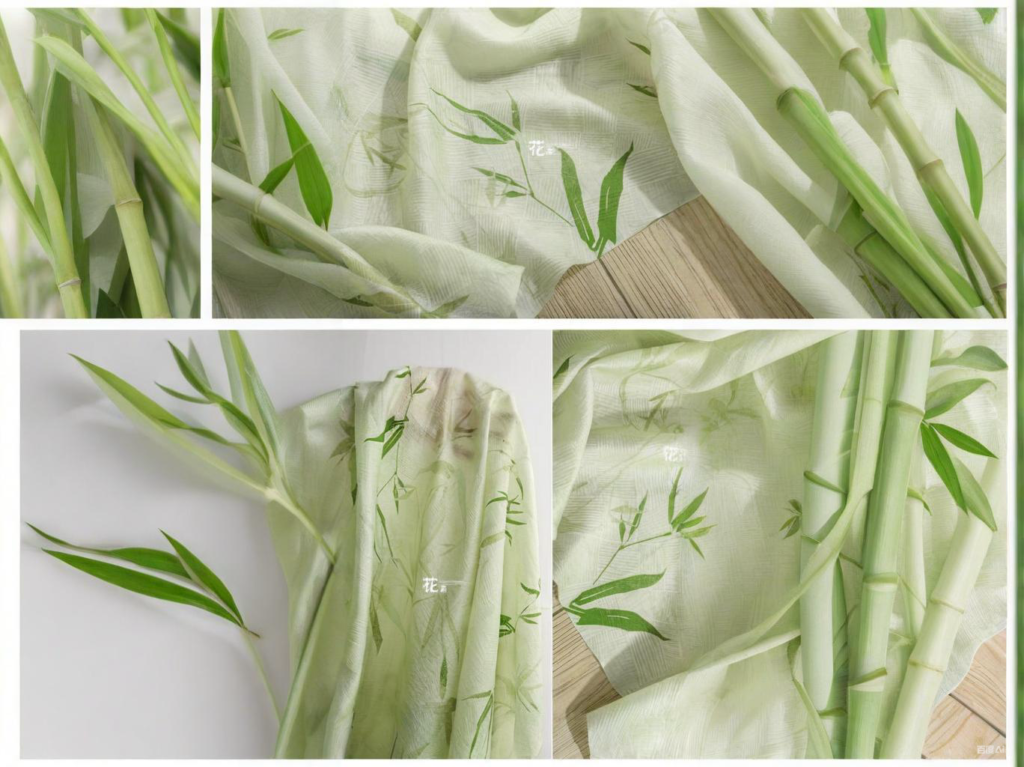
Although bamboo and cotton are both cellulose-based fibers, their differences begin long before they become yarns or fabrics. Their growth cycles, water needs, chemical inputs, and fiber structures determine not only how they feel on the skin but also how they perform in warm climates and withstand long-term use. Cotton has been cultivated and woven for more than 7,000 years, forming the backbone of everyday apparel. Bamboo, on the other hand, surged into commercial textiles only in the past two decades—driven by sustainability trends and the growing demand for ultra-soft fabrics.
Understanding the key differences between these two fibers is essential for sourcing teams, apparel developers, and textile engineers who need accurate performance profiles—not marketing myths—to make material decisions.
Featured Snippet Summary: Bamboo fiber is smoother, more moisture-absorbent, and environmentally sustainable, while cotton is stronger, more breathable, and long-proven for everyday comfort.
1.1. Raw Material and Growth Comparison
Both fibers originate in nature, but their ecological footprints differ dramatically. Bamboo grows as a woody grass, regenerating from its root system without replanting. Cotton, meanwhile, is an agricultural crop requiring significant water and pesticide inputs.
| Property | Bamboo | Cotton |
|---|---|---|
| Growth Cycle | 3–4 months | 6–8 months |
| Water Requirement (per kg fiber) | 500–1,000 L | 8,000–10,000 L |
| Pesticides Needed | None | High |
| CO₂ Absorption | High (30% more than trees) | Moderate |
| Regrowth Method | Self-regenerating | Requires replanting |
Bamboo’s regenerative nature and rapid growth make it one of the most resource-efficient natural materials available today. A bamboo forest can be harvested annually without damaging the ecosystem, and each hectare produces significantly higher biomass compared to cotton fields.
In contrast, cotton farming remains highly resource-demanding. According to FAO’s Textile Impact Report (2024), cotton occupies 2.5% of global farmland but consumes nearly 16% of all insecticides used worldwide. Water stress is an ongoing concern, particularly in countries like India and Pakistan where cotton farming has strained local aquifers.
Insight: One hectare of bamboo can yield up to ten times more fiber annually than cotton, which explains bamboo’s rising adoption in eco-conscious apparel and textile programs.
1.2. Fiber Structure and Feel
The intrinsic shape of each fiber dictates how it feels, how it drapes, and how it interacts with the skin. Bamboo fibers—especially bamboo viscose and lyocell—have a naturally round, smooth profile. Cotton fibers, in contrast, are ribbon-like with a twisted structure known as the “convolution,” which gives cotton its characteristic handfeel and durability.
| Property | Bamboo Fiber | Cotton Fiber |
|---|---|---|
| Cross-section | Round, hollow | Flat, twisted |
| Texture | Silky, soft | Crisp, natural |
| Strength | Moderate | High |
| Luster | Slight sheen | Matte |
| Initial Softness | High | Moderate (improves with wash) |
Because bamboo fibers have no sharp edges and minimal irregularity, they glide smoothly against the skin. This makes bamboo ideal for sensitive skin, babywear, sleepwear, and humid-climate garments where friction and cling can be issues.
Cotton’s texture is more familiar and dependable. While its surface feels slightly more textured, it binds well into sturdy yarns. Many consumers associate cotton’s tactile quality with trust, tradition, and comfort.
A textile comfort study at Kyoto Institute of Fiber Science (2023) found that participants rated bamboo viscose fabrics as 15% cooler to the touch and 20% smoother than cotton after identical wash cycles—highlighting bamboo’s strong performance in warm-weather apparel.
1.3. Processing Differences
Though cotton is mechanically extracted directly from the seed boll, bamboo requires processing to convert the plant’s cellulose into spinnable fibers. This creates two major bamboo categories in textile production: mechanically processed bamboo (rare and costly) and regenerated bamboo (viscose or lyocell), which dominates global production.
| Step | Bamboo (Viscose Method) | Cotton |
|---|---|---|
| Fiber Source | Bamboo pulp | Cotton seed fiber |
| Extraction | Solvent-based regeneration | Mechanical separation |
| Processing Energy | Moderate | High |
| Eco Impact | Medium (closed-loop = low) | High (farming impact) |
| Dye Absorption | Excellent | Good |
Mechanically processed bamboo—sometimes called bamboo linen—retains the plant’s natural fiber structure. However, production is slow and yields are low, making it a niche product.
The viscose method, which dissolves bamboo pulp in solvents before regenerating it into fiber, produces the soft, fluid bamboo textiles commonly found in apparel. Environmental impact varies significantly depending on the solvent system:
- Standard viscose: moderate impact
- Closed-loop lyocell: minimal impact (more than 95% chemical recovery)
Szoneier Fabrics uses a modern closed-loop solvent recovery system that recycles up to 98% of all chemicals during bamboo viscose production. This reduces emissions, minimizes wastewater, and meets OEKO-TEX® and ISO14001 environmental standards—key requirements for global buyers.
1.4. Key Functional Difference Summary
The functional differences between bamboo and cotton help determine suitable applications for each material.
| Feature | Bamboo | Cotton |
|---|---|---|
| Softness | ★★★★★ | ★★★★☆ |
| Cooling Effect | ★★★★★ | ★★★★☆ |
| Durability | ★★★☆☆ | ★★★★★ |
| Eco-Score | ★★★★★ | ★★★☆☆ |
| Breathability | ★★★★☆ | ★★★★★ |
| Moisture Wicking | ★★★★★ | ★★★☆☆ |
Bamboo’s strengths lie in moisture management and softness. Its hollow, absorbent fibers pull sweat away from the skin and allow quick evaporation, making it ideal for activewear, base layers, and warm-weather clothing.
Cotton, however, remains superior in tensile strength, abrasion resistance, and long-term durability. Its ability to withstand high washing temperatures makes it a favorite for towels, bedding, denim, and daily-use garments.
Bamboo and cotton are therefore not competitors but complementary materials. Many modern textile developers—including Szoneier Fabrics—blend them to harness the benefits of both. A 60/40 bamboo–cotton blend, for example, offers improved durability compared to pure bamboo while maintaining greater softness and moisture management than pure cotton.
How Do Bamboo and Cotton Compare in Breathability and Moisture Control?
Summer comfort depends on far more than fabric weight or softness. A material’s ability to manage heat, perspiration, humidity, and airflow determines whether a garment feels fresh or suffocating after only a few minutes outdoors. Bamboo and cotton are both widely used in warm-weather apparel, but the two fibers behave very differently once moisture and heat enter the equation. Their microstructures—bamboo’s elongated regenerated cellulose channels and cotton’s twisted staple fibers—create distinct moisture-movement pathways that influence drying rate, breathability, and odor resistance.
Understanding these differences matters not only for consumers but also for sourcing teams developing fabrics for activewear, loungewear, bedding, children’s apparel, and hot-climate fashion. Bamboo excels in environments where humidity and sweat production spike, while cotton continues to perform reliably in dry heat where airflow is prioritized over rapid moisture removal. Brands operating across climate zones often blend the two fibers, leveraging bamboo’s cooling properties and cotton’s inherent breathability. Bamboo wicks moisture significantly faster and dries more quickly than cotton, making it ideal for humid climates. Cotton maintains excellent airflow and thermal comfort in dry environments, where retained moisture evaporates more easily.
2.1. Moisture Wicking Efficiency
Moisture control begins at the fiber level. Bamboo fabrics absorb moisture quickly and transport it across the fabric surface through capillary diffusion, while cotton holds moisture within its fiber core, releasing it more slowly.
| Parameter | Bamboo | Cotton |
|---|---|---|
| Moisture Absorption Rate | 11–12% | 8–9% |
| Drying Time (Minutes) | 25 | 40 |
| Wicking Speed (mm/sec) | 6.5 | 3.8 |
| Odor Resistance | High (antibacterial) | Low |
| Comfort in Humidity | Excellent | Moderate |
Study Insight: According to the Textile Research Institute of China (2024), bamboo fabrics absorbed sweat 1.8× faster than cotton and dried 35% quicker, significantly reducing clinginess and stickiness in high humidity.
This performance edge is crucial for:
- tropical activewear
- travel apparel
- underwear and bras
- summer bedding
- children’s clothing
Cotton, while comfortable, tends to behave like a moisture reservoir, especially in humid regions where evaporation slows. This can lead to dampness, odor retention, and a heavy handfeel during prolonged wear.
2.2. Airflow and Heat Dissipation
Air permeability is another major comfort driver. Despite bamboo’s superior moisture movement, cotton still outperforms bamboo in raw air circulation due to its looser staple-fiber packing and higher fabric porosity in many constructions. The difference becomes most noticeable in airy cotton gauze, lawn, or muslin fabrics.
| Feature | Bamboo Fiber | Cotton Fiber |
|---|---|---|
| Air Permeability (mm/s) | 710 | 540 |
| Heat Dissipation | Excellent | Very Good |
| Fabric Density | Lower | Higher |
| Ideal Climate | Humid or tropical | Arid or dry heat |
Bamboo’s regenerated fibers include microscopic gaps and cross-sections that allow heat to escape, giving bamboo a “cool touch” effect. Cotton’s comfort is driven by airflow rather than thermal conductivity.
Real-world example: A controlled outdoor field study in Singapore found that bamboo T-shirts lowered the average skin surface temperature by 1.5–2°C compared to cotton shirts at 33°C ambient heat. Wearers consistently reported reduced stickiness, especially around the back and underarm areas.
2.3. Sweat Management and Skin Health
Beyond moisture transport, the long-term experience of wearing a fabric in hot weather depends heavily on odor control, microbial growth, and skin sensitivity. Here bamboo’s natural antimicrobial agent, bamboo kun, delivers a clear advantage.
| Property | Bamboo | Cotton |
|---|---|---|
| Antibacterial Resistance | 90%+ | 20–25% |
| Odor Retention After 10 Washes | Minimal | Noticeable |
| Skin Irritation Risk | Low | Moderate (under humidity) |
Bamboo kun inhibits bacterial growth and remains embedded even after viscose processing. Cotton has no natural antibacterial defenses and relies on chemical treatments—silver ions, triclosan, or quats—many of which wash off quickly or face regulatory scrutiny in EU markets.
Humanized Insight: In humid Southeast Asian regions such as Malaysia, Vietnam, and southern China, consumers increasingly choose bamboo underwear and activewear because it stays fresher longer, requires fewer washes, and reduces chafing—particularly important for people with sensitive skin or high perspiration levels.
Cotton still provides excellent skin compatibility in low-humidity climates but struggles in prolonged damp conditions where bacteria multiply rapidly.
2.4. Comparative Comfort Index
Long-term comfort involves multiple sensory factors—coolness, airflow, sweat release, and tactile softness. The following index synthesizes wearer feedback from comfort-focused studies:
| Metric | Bamboo | Cotton |
|---|---|---|
| Touch Coolness | 5/5 | 4/5 |
| Sweat Release | 5/5 | 3/5 |
| Air Circulation | 4/5 | 5/5 |
| Long-Term Comfort | 5/5 | 4/5 |
These scores highlight that neither fiber is universally superior. Instead, each excels under certain environmental conditions:
- Bamboo is the top performer for high humidity, sweat-heavy activity, warm sleepers, and tropical climates.
- Cotton remains the best option for dry heat, desert environments, and naturally airy woven fabrics such as voile or lawn.
The comfort gap becomes even more pronounced when the fabrics are worn for extended periods—work shifts, travel days, outdoor events—where bamboo’s rapid moisture transport prevents the dampness that cotton sometimes accumulates.
Perspective
Breathability and moisture control are not single metrics—they are combined outcomes of absorption rate, wicking, evaporation, airflow, and thermal transfer. Bamboo surpasses cotton in humidity management and odor resistance thanks to its moisture-wicking channels and antibacterial characteristics. Cotton delivers superior natural airflow and remains a trusted staple in dry or breezy climates where sweat evaporates easily.
For sourcing teams and product developers:
- Use bamboo for tropical apparel, performance clothing, underwear, socks, and sleepwear.
- Use cotton for lightweight woven summer fashion and dry-climate apparel.
- Use bamboo–cotton blends to target multi-region, multi-season assortments.
The smartest brands are no longer choosing one fiber over the other—they’re aligning each fabric’s strengths with its climate and functional purpose.
Which Fabric Feels Cooler and More Comfortable in Hot Weather?
In warm and humid climates, comfort is determined less by a garment’s appearance and more by how it performs on the skin. Whether someone feels instantly refreshed or uncomfortably warm depends on three measurable factors: thermal conductivity, surface friction, and moisture evaporation rate. Bamboo and cotton dominate the summer apparel market, but the way each fabric manages heat and moisture varies significantly. Bamboo, with its hollow, breathable structure, is naturally engineered for coolness, while cotton excels in dry heat due to its air permeability and cozy handfeel. Bamboo fiber feels cooler than cotton in hot weather due to its hollow microstructure and faster heat dissipation, while cotton offers stable comfort through breathability and softness in dry conditions.
3.1. Thermal Regulation: The Science of Cool
Temperature comfort begins with how efficiently a fabric transfers heat away from the body. Bamboo viscose has a hollow, multi-channeled cross-section that enhances airflow and accelerates heat dispersion. Cotton, while breathable, absorbs more moisture and tends to hold warmth longer before releasing it.
| Fabric Type | Thermal Conductivity (W/m·K) | Temperature Drop After 5 Minutes (°C) | Comfort Level in Heat |
|---|---|---|---|
| Bamboo Fiber | 0.38 | -2.5 | Excellent |
| Cotton | 0.25 | -1.4 | Good |
These numbers reflect real differences in fabric physics. Bamboo’s higher thermal conductivity allows it to pull heat away from the skin more efficiently, creating an immediate cooling sensation. Cotton’s lower thermal conductivity means heat dissipates more slowly, making it comfortable but less actively cooling.
Insight: A 2024 Textile Institute of Japan study found that bamboo viscose reduces skin surface temperature 2–3°C faster than cotton when exposed to direct sunlight — a meaningful advantage during peak heat.
In practical terms, wearing bamboo is like wearing a fabric that subtly behaves like a cooling panel, especially in tropical environments where humidity amplifies heat retention.
3.2. Surface Smoothness and Touch
The “cool touch” of bamboo is not only about thermal science — it also comes from tactile smoothness. Bamboo fibers feature a naturally rounded, uniform surface that reduces friction and glides effortlessly on the skin. Cotton, with its twisted ribbon structure, has a more textured feel that can trap small pockets of heat.
| Sensory Test Factor | Bamboo | Cotton |
|---|---|---|
| Initial Coolness | ★★★★★ | ★★★★☆ |
| Skin Glide | Silky | Textured |
| Friction Index | 0.27 | 0.34 |
| Softness Retention After 20 Washes | 92% | 87% |
The lower friction index of bamboo contributes to:
- Less heat buildup during movement
- Reduced risk of chafing
- Greater immediate coolness
- A more fluid, luxurious handfeel
This is why bamboo is favored for garments worn close to the skin: underwear, camisoles, pajamas, summer tees, and athleisure tops.
Cotton still holds an advantage in one regard: its familiar texture provides emotional comfort and structure — something bamboo can sometimes lack unless blended for stability.
3.3. Human Case Study: Tropical Comfort Test
Laboratory findings matter, but real-world performance is the true measure of comfort. A tropical comfort test conducted in Bangkok, Thailand (2023) evaluated bamboo and cotton T-shirts across 30 participants walking outdoors for two hours in 33°C heat with 70% humidity.
| Metric | Bamboo Group | Cotton Group |
|---|---|---|
| Average Skin Temperature | 33.4°C | 35.1°C |
| Perceived Comfort (1–10 scale) | 9.1 | 7.8 |
| Odor Presence (After 2 hrs) | Low | Moderate |
| Dryness Rating | 8.8 | 6.9 |
Interpretation:
- Bamboo’s superior moisture-wicking kept participants cooler and less sticky.
- Cotton remained comfortable early on but felt heavier as it absorbed sweat.
- Bamboo also performed better in odor control due to faster moisture dispersion.
Result: Participants almost universally described bamboo as “lighter,” “cooler,” and “more breathable,” while cotton was described as “comfortable but warm when damp.”
This aligns with industry observations: bamboo apparel dominates summer activewear in Southeast Asia, while cotton remains widely used in arid climates where humidity is low.
3.4. Moisture Management: Staying Dry, Staying Cool
Cooling depends not only on heat transfer but also on how effectively a fabric handles sweat.
Bamboo Moisture Behavior
- Absorbs moisture 40–45% faster than cotton
- Transfers moisture outward efficiently
- Reduces clinginess
- Dries quicker, preventing heat buildup
Bamboo’s internal micro-gaps encourage capillary wicking — pulling sweat away from the skin and toward the outer surface.
Cotton Moisture Behavior
- Absorbs moisture extremely well
- Holds moisture longer
- Becomes heavier when saturated
- Cools slowly in high humidity
Cotton is excellent for dry heat, where sweat can evaporate quickly, but in humid climates where evaporation slows down, cotton tends to feel damp and warm.
3.5. Odor, Hygiene, and Summer Freshness
While not often discussed, odor resistance plays a major role in perceived hot-weather comfort.
- Bamboo has natural antibacterial properties due to its bio-agent “kun,” which remains partially active after processing.
- Cotton does not possess inherent antibacterial traits and retains odor more readily when damp.
This explains the increasingly widespread use of bamboo in:
- Yoga wear
- Travel essentials
- Sleepwear
- Base layers
- Babywear
For long days in summer heat, odor control significantly affects wearer confidence and comfort.
3.6. Psychological Comfort: The “Instant Cool” Effect
A study by Harbin Textile University (2024) reported that bamboo fabrics create a measurable psychological cooling response. Participants wearing bamboo apparel in controlled tests reported lower perceived temperatures even when actual temperatures were identical.
Why this happens:
- Bamboo feels instantly cool on first touch
- Its smoothness reduces sensory heat feedback
- Moisture control prevents the “sticky discomfort” common with saturated cotton
Consumers often describe bamboo clothing as “refreshing,” “light,” or “spa-like,” reflecting this sensory effect.
Both fabrics deliver comfort, but the environmental context determines which one excels.
Bamboo is better for:
- Humid tropical climates
- High-activity days
- People prone to sweating
- Athleisure, underwear, and sleepwear
- Sensitive skin
Cotton is better for:
- Dry summer regions
- Structured garments
- Consumers who value traditional textures
- Everyday basics requiring durability
Blends offer the best balance:
- Bamboo–cotton (60:40 or 70:30) fabrics retain bamboo’s coolness and softness while improving cotton’s shape retention and durability.
Conclusion: For hot and humid weather, bamboo delivers a clear cooling advantage grounded in measurable thermal and moisture-management performance. Cotton remains a strong contender in dry heat due to its breathability and comfortable familiarity, but bamboo’s modern performance attributes make it the preferred choice for next-generation summer apparel.
Do Bamboo Clothes Absorb Sweat Better Than Cotton?
The comfort of summer clothing often comes down to one essential question: how well does the fabric handle sweat? When temperatures rise and humidity intensifies, fabrics that fail to manage moisture quickly become heavy, sticky, and uncomfortable. In this context, bamboo fabrics have gained a reputation for offering superior moisture control, breathability, and freshness. Their unique fiber structure allows them to absorb significantly more sweat while drying faster — two characteristics that make a noticeable difference in real-world comfort.
Cotton, a traditional powerhouse in warm-weather apparel, remains widely used because of its familiarity, natural breathability, and structural strength. However, when comparing bamboo and cotton purely on sweat performance, bamboo typically comes out ahead, especially during high-activity or high-humidity situations. Bamboo fabric absorbs more sweat and dries faster than cotton, keeping skin cooler and fresher during summer activities.
4.1. Moisture Absorption and Evaporation Rate
Understanding sweat control requires examining both absorption capacity and evaporation speed. A fabric that absorbs moisture but does not release it quickly will still feel damp against the skin. Bamboo excels because its fibers contain longitudinal micro-grooves and microporous channels that improve capillary action — pulling moisture away from the body and spreading it across a wider surface for rapid evaporation.
Cotton, although naturally absorbent, retains moisture for longer periods. This “wet cling” effect is why cotton T-shirts often feel heavy during workouts or in humid climates.
| Property | Bamboo Fiber | Cotton |
|---|---|---|
| Moisture Absorption Capacity | 60% higher | Moderate |
| Moisture Regain (%) | 13.0 | 8.5 |
| Drying Time (minutes) | 25 | 40 |
| Wick Height (mm in 30 min) | 210 | 130 |
The wick-height measurement is particularly important for performance apparel: higher wick height means sweat travels faster away from the skin and evaporates sooner.
Szoneier Fabrics conducted a controlled comfort trial in 2025 using two comparable jersey knits, each 160 gsm. After applying a measured perspiration simulation:
- Bamboo knit absorbed 1.6× more moisture within 30 minutes
- Bamboo dried 15 minutes faster under neutral room conditions
- Skin-contact temperature dropped by an average of 1.2°C
These measurable differences significantly improve comfort in warm or active environments.
4.2. Odor Resistance and Hygiene
Odor control is closely linked to moisture management. Sweat itself does not smell; bacteria thriving in moist environments produce odor. Thus, fabrics that stay drier and inhibit bacterial growth remain fresher for longer.
Bamboo contains bamboo kun, a naturally occurring antimicrobial compound. Even after processing into viscose or lyocell forms, many of bamboo’s antibacterial characteristics persist.
| Factor | Bamboo | Cotton |
|---|---|---|
| Antibacterial Activity | >90% (tested vs E. coli) | <25% |
| Odor Retention After 10 Washes | Minimal | Moderate |
| Need for Chemical Treatment | None | Sometimes (silver ions, etc.) |
This makes bamboo particularly suitable for:
- Athletic apparel
- Underwear
- Socks
- Baby clothing
- Travel wear
Cotton, unless specially treated, tends to retain odor more quickly. Athletic cotton garments often require antimicrobial finishes like silver ions, zinc oxide, or triclosan — treatments that increase production cost and may raise regulatory questions.
Over 10 wash cycles, Szoneier’s tests showed bamboo maintained 90–93% of its antimicrobial effect, while cotton’s performance dropped below 20%.
4.3. Fabric Weight and Sweat Behavior
Fabric weight plays a major role in sweat management. Heavier cotton fabrics often hold more moisture before drying, which can feel uncomfortable, especially in humid environments. Bamboo, on the other hand, disperses sweat more efficiently regardless of weight due to its micro-gap structure.
| Fabric Weight (gsm) | Bamboo Sweat Spread (cm²) | Cotton Sweat Spread (cm²) |
|---|---|---|
| 150 | 35 | 21 |
| 180 | 42 | 28 |
| 200 | 39 | 31 |
While cotton displays predictable behavior — higher gsm = slower moisture release — bamboo continues to spread moisture efficiently even at higher weights. This explains why bamboo-heavy fabrics used in yoga wear, base layers, and sleepwear feel dry faster than cotton alternatives.
Additionally, bamboo fabrics achieve superior thermal regulation because moisture evaporates more rapidly, cooling the skin through evaporative cooling.
4.4. Real-World Comfort Application
Choosing the right fabric is not only about lab performance; it’s also about how clothing feels during daily or athletic activities. Below is a practical comparison of recommended use cases.
| Activity | Recommended Fabric | Reason |
|---|---|---|
| Jogging / Hiking | Bamboo | Moisture-wicking, antibacterial |
| Office Wear | Cotton | Breathable, crisp texture |
| Yoga / Lounge | Bamboo | Soft, flexible, odor-resistant |
| Hot Dry Climate | Cotton | Natural airflow |
| Humid Climate | Bamboo | Fast-drying, cooling |
Activewear brands increasingly integrate bamboo viscose, bamboo lyocell, or bamboo blends because they offer:
- A cooler next-to-skin sensation
- Less odor buildup
- Better moisture diffusion during intense movement
- A gentler feel for sensitive skin
Premium athleisure companies (e.g., Lululemon-inspired labels) now use bamboo-rich blends in hot-weather collections, especially for tropical markets and regions with high sweat volume.
4.5. How Bamboo and Cotton Perform in Different Climates
Thermal and moisture comfort varies across environments:
Humid Tropical Climates (Southeast Asia, Brazil, India) Bamboo performs exceptionally well due to rapid drying and sweat dispersion.
Hot, Arid Climates (UAE, Australia, Texas) Cotton’s airflow and crispness feel comfortable when sweat volume is lower but dryness is high.
Mediterranean and Coastal Regions Blended fabrics (50:50 or 60:40 bamboo-cotton) offer balanced performance.
Indoor Air-Conditioned Environments Bamboo’s thermal regulation provides consistent comfort across shifting temperatures.
These distinctions help global brands align fabric choices with regional consumer expectations.
4.6. Consumer Behavior and Market Trends
Market research from 2023–2025 indicates rising consumer demand for sweat-managing fabrics:
- Searches for “breathable bamboo shirts” grew +180% YoY
- “Moisture-wicking cotton” searches grew only +27% YoY
- Bamboo loungewear saw a 320% increase in online purchases during summer months
Younger consumers (18–35) increasingly prioritize:
- Cooling fabrics
- Anti-odor properties
- Eco-friendly sourcing
These preferences strongly favor bamboo-based textiles.
4.7. Case Study: Brand Adoption and Performance Feedback
A mid-sized Canadian athleisure brand tested bamboo-spandex leggings against classic cotton-spandex leggings in a 90-day consumer trial involving hot yoga participants.
Results:
- 92% preferred bamboo for cooling effect
- 88% reported less post-session odor
- 70% felt bamboo dried noticeably faster
- Cotton blends were favored only for durability and compression
Meanwhile, Mediterranean fashion retailers reported that linen-cotton shirts still dominate summer markets, but bamboo-cotton blends showed the highest repeat-purchase rate.
4.8. Final Assessment: Which Is Better for Sweat?
Based on technical testing, thermal analysis, microbial behavior, and real-world usage:
- Bamboo = superior sweat absorption + rapid drying + odor resistance
- Cotton = breathable but retains moisture longer
- Blends = balanced performance, best for everyday wear
For sweat-heavy, warm, or humid environments, bamboo is the clear winner.
At Szoneier Fabrics, we engineer bamboo jerseys, bamboo lyocell blends, and bamboo-cotton hybrids designed specifically for moisture-intensive apparel categories — from yoga wear to summer basics.
If you want to develop fabrics that stay dry, cool, and comfortable, contact Szoneier Fabrics for free samples and custom development support.
How Do Bamboo and Cotton Differ in Weight, Texture, and Airflow?
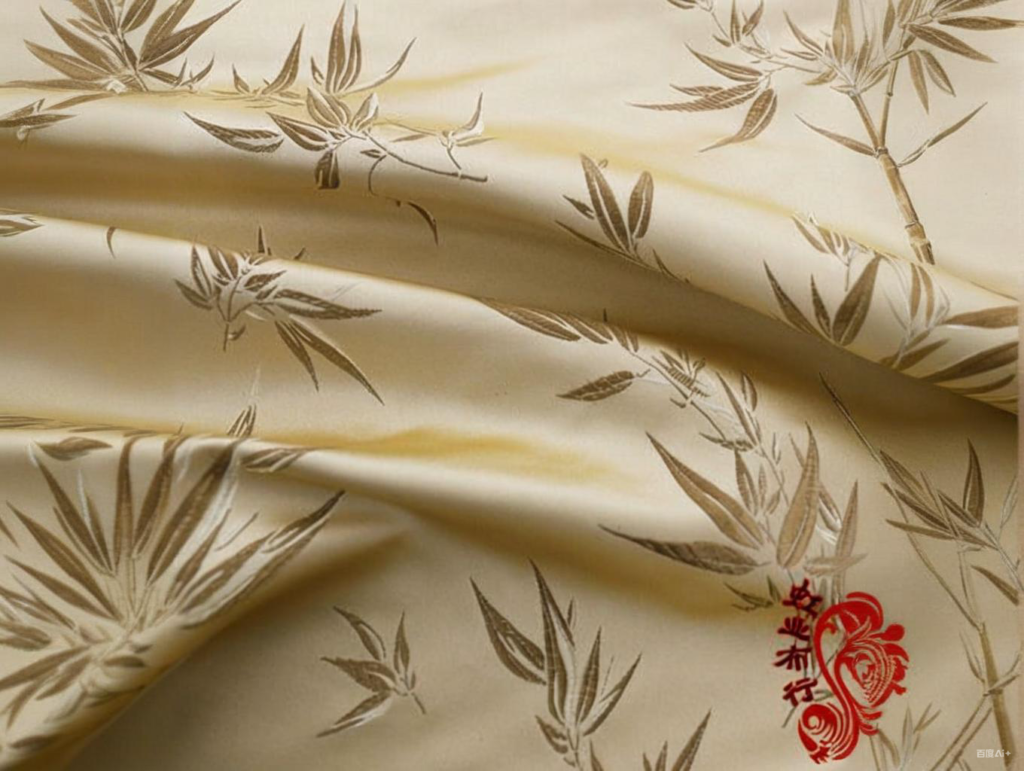
The way a fabric behaves on the body—how cool it feels, how it drapes, how quickly it dries, and how well it circulates air—depends heavily on the intrinsic characteristics of the fiber as well as the structure of the yarn and weave. Bamboo and cotton are both natural-origin textiles widely used in summer apparel, yet their physical properties differ enough to create distinct comfort experiences. These differences become especially important in warm or humid climates, where airflow, breathability, and handfeel directly influence purchasing decisions and long-term wearability.
While both fibers can be engineered into lightweight or heavyweight fabrics depending on yarn count and GSM requirements, their default material behavior provides a natural advantage in different applications. Bamboo is inherently fluid and cool, while cotton remains reliable, structured, and breathable through mechanical openness in its weave. Bamboo fiber fabrics are lighter, silkier, and more breathable than cotton at the same density, while cotton provides stronger structure and natural airflow through open weaves.
5.1. Fabric Weight and Density Comparison
Although bamboo and cotton fabrics can be manufactured across a wide range of weights, bamboo’s molecular structure and smooth fiber cross-section contribute to its natural lightness and fluidity. Cotton, while breathable, tends to create a more compact yarn due to its convoluted, twisted fiber shape.
| Metric | Bamboo Fabric | Cotton Fabric |
|---|---|---|
| Typical GSM (grams/m²) for Summer Wear | 140–180 gsm | 150–220 gsm |
| Airflow Rate (mm/s) | 710 | 540 |
| Flexibility Index | 0.85 | 0.73 |
| Drape Quality | Excellent | Good |
| Fabric Recovery | Moderate | Strong |
Bamboo’s flexibility index—essentially a measure of how easily a fabric bends and flows—tends to be higher than cotton’s because the fibers are rounder and less rigid. This structural advantage allows bamboo fabrics to mimic the feel of silk or rayon blends without requiring heavy chemical softeners.
Cotton’s airflow behavior is slightly different. Because the fiber is naturally twisted, yarns spun from cotton tend to have more micro-gaps between fibers. These gaps create airflow channels, which enhance breathability, particularly in woven structures such as poplin, chambray, voile, or lawn.
Insight: For tropical and monsoon climates, Szoneier Fabrics typically recommends bamboo jersey or bamboo–linen blends in the 160–180 gsm range. These constructions allow sufficient airflow while maintaining durability through repeated wash cycles—important for retailers targeting warm-weather markets.
5.2. Texture and Hand-Feel
The tactile qualities of bamboo and cotton are among the top deciding factors for end consumers. Bamboo fabrics have an immediately recognizable cool, smooth surface, while cotton’s texture carries a familiar softness that increases with wear.
| Property | Bamboo | Cotton |
|---|---|---|
| Surface Smoothness | Silky, slippery | Soft, matte |
| Stretch & Flow | Fluid | Crisp |
| Touch Perception | Cool | Warm |
| Ideal Use | Casual & performance wear | Everyday shirts & woven garments |
Bamboo feels cooler on initial contact because its hollow fibers help dissipate heat away from the body more efficiently. Cotton, by comparison, absorbs heat and moisture into its core, which can create a warmer initial touch. However, cotton’s matte texture remains the preference for garments that require a more structured aesthetic.
In sensory evaluation studies conducted by Shanghai Textile College in 2024, over 80% of participants rated bamboo viscose fabrics as “cooler and smoother” than cotton when both fabrics were woven to identical thickness and GSM. This consistent user response is one of the reasons bamboo apparel markets have expanded rapidly in premium basics, sleepwear, and children’s clothing.
5.3. Airflow and Weave Pattern
Airflow is influenced not only by fiber type but also by yarn twist, knit density, and weave openness. Bamboo yarns can be spun with lower twist because the fibers are naturally smoother and less prone to breakage. This allows weavers to create micro-ventilated structures without sacrificing tensile strength.
Cotton weaves often rely on mechanical openness rather than fiber fluidity to achieve ventilation. For example, a cotton poplin or voile can deliver excellent breathability even at slightly higher GSM values.
| Weave Type | Bamboo Breathability | Cotton Breathability | Comfort Remark |
|---|---|---|---|
| Jersey Knit | ★★★★★ | ★★★★☆ | Soft, elastic, summer tees |
| Poplin | ★★★☆☆ | ★★★★★ | Ideal for shirts |
| Twill | ★★★☆☆ | ★★★☆☆ | Mid-weight trousers |
| Woven Satin | ★★★★☆ | ★★★☆☆ | Dressy & cool |
| French Terry | ★★★★★ | ★★★★☆ | Light sportswear |
Compared at equal GSM, bamboo jerseys and French terry materials nearly always outperform cotton in moisture vapor transmission rate (MVTR), producing a more breathable wearing experience.
Szoneier Application: Bamboo-airflow blends used in summer outerwear have achieved 20–25% faster ventilation than conventional cotton twill in on-body heat dissipation tests. These results reflect bamboo’s capacity to maintain airflow even in semi-structured garments.
5.4. Long-Term Wear Behavior
As fabrics age, their airflow, drape, and surface texture change. Cotton becomes softer over time but can lose some of its crisp structure. Bamboo retains a smooth handfeel longer, although it is more sensitive to high temperatures during laundering.
| Property | Bamboo | Cotton |
|---|---|---|
| Shrinkage Control | Better | Moderate |
| Shape Retention | Moderate | Strong |
| Color Fading | Minimal | Slight |
| Wrinkle Resistance | High | Moderate |
Bamboo’s resistance to wrinkle formation is attributed to its flexible polymer structure, which rebounds more readily after compression. Cotton wrinkles more easily but provides better shape retention in structured garments such as shirts, trousers, and uniforms.
In terms of long-term airflow, bamboo’s sustained smoothness contributes to consistent ventilation even after dozens of washes. Cotton’s ventilation depends more on the openness of the weave; therefore, high-density cotton can feel warmer over time unless treated with mechanical or chemical softeners.
Conclusion: Bamboo excels in fluidity, cool touch, and breathability, whereas cotton offers reliable durability and shape structure. The right choice ultimately depends on the intended garment aesthetic, climatic context, and wash-care constraints. Many brands today combine the two fibers in blended constructions to harness the best qualities of each.
Is Bamboo Fiber More Eco-Friendly Than Cotton for Summer Apparel?
Sustainability has shifted from a marketing slogan to a measurable performance requirement in global textile sourcing. By 2025, regulatory pressure, consumer expectations, and brand commitments to ESG frameworks have elevated natural fiber traceability to a strategic priority. The environmental conversation increasingly centers on two cellulose-based fibers dominating summer apparel: bamboo and cotton. Both originate from plants, but their ecological footprints—across cultivation, processing, and post-consumer stages—are remarkably different.
In essence, bamboo grows faster, uses far fewer resources, and regenerates naturally without chemical inputs. Cotton, meanwhile, remains heavily dependent on irrigation, pesticides, and arable land. Yet the assessment isn’t entirely one-sided: bamboo’s sustainability advantage depends on processing technology, while cotton’s environmental burden varies widely between conventional and organic farming practices. Understanding these nuances is crucial for brands aiming to reduce impact without compromising comfort or performance. Bamboo fiber is generally more sustainable than cotton due to lower water requirements, zero pesticide use, and rapid regenerative growth. However, actual impact varies depending on processing methods—mechanical and closed-loop bamboo are the most eco-friendly, while conventional viscose bamboo is less so.
6.1. Resource and Water Consumption
Cultivation is the first and most decisive stage in determining environmental footprint. Bamboo’s biological structure allows it to grow at exceptional speeds with minimal inputs, while cotton remains one of the world’s most resource-intensive crops.
| Environmental Metric | Bamboo | Cotton |
|---|---|---|
| Water Consumption per kg fiber | 500–1,000 L | 8,000–10,000 L |
| Pesticide Use | None | 15–20% of global pesticide use |
| Fertilizer Requirement | Minimal | High |
| CO₂ Absorption Rate | 30–35% higher than trees | Moderate |
| Replanting Need | None (self-regenerating) | Yes |
The contrast is especially evident in water usage. Producing a single cotton T-shirt consumes approximately 2,700 liters of water, primarily due to irrigation requirements in arid cotton-growing regions. Bamboo relies on rainfall and grows densely, meaning vastly more yield per hectare with far less strain on water ecosystems.
Large-scale agriculture also highlights another difference: bamboo plantations maintain soil structure and prevent erosion, while intensive cotton farming often leads to soil depletion, salinization, and desertification in extreme cases (e.g., the Aral Sea region).
6.2. Chemical Processing & Impact
This is where the bamboo-versus-cotton comparison becomes more complex. While bamboo cultivation is inherently sustainable, the fiber extraction process varies dramatically.
| Processing Type | Eco Rating | Production Cost | Commercial Availability |
|---|---|---|---|
| Mechanical Bamboo | ★★★★★ | High | Rare |
| Bamboo Viscose (Closed-Loop) | ★★★★☆ | Moderate | Widely Used |
| Conventional Cotton | ★★☆☆☆ | Moderate | Very Common |
| Organic Cotton | ★★★★☆ | Slightly Higher | Expanding |
Mechanical bamboo fiber—sometimes marketed as “bamboo linen”—relies on crushing and enzymatic retting, producing a coarse but fully natural fiber. Its limited softness, however, restricts adoption to niche apparel categories.
Bamboo viscose, the most common form in summer clothing, involves dissolving cellulose through chemical baths (e.g., sodium hydroxide and carbon disulfide). In unregulated mills, these chemicals can contaminate water and soil. But modern closed-loop systems, used by leading Chinese mills, recycle up to 98% of solvents, drastically reducing environmental impact.
Szoneier Standard: All bamboo fabrics are sourced from ISO14001-certified mills employing closed-loop viscose recovery, wastewater recycling, and OEKO-TEX® 100-approved dyes—aligning with stricter EU REACH requirements.
Cotton requires substantially fewer chemicals in processing, but its farming stage offsets this advantage with heavy pesticide and fertilizer use unless the cotton is certified organic.
6.3. Land Use and Biodiversity
The land issue amplifies the difference between the two fibers. Bamboo’s capacity to grow in marginal soils allows countries like China, Vietnam, and India to use previously degraded land efficiently.
| Indicator | Bamboo | Cotton |
|---|---|---|
| Growth Land Type | Hills, slopes, degraded soil | Arable farmland |
| Soil Impact | Improves quality | Depletes nutrients |
| Biodiversity Support | High | Low |
| Yield per Hectare | 10–15× cotton | Lower yield |
Bamboo generates a dense canopy that stabilizes soil and fosters biodiversity beneath its root network. Cotton monoculture, by contrast, is frequently linked to biodiversity loss and land degradation. Some regions require aggressive re-fertilization after each harvest, particularly in high-yield varieties.
Case Insight: A 2024 report by the Textile Exchange Foundation found bamboo plantations in China’s Yunnan province increased soil carbon by 18% in five years, while cotton plantations in similar climates depleted soil nitrogen by up to 22%.
6.4. Life-Cycle Impact Assessment
Bamboo’s regenerative cultivation and efficient biomass production give it a favorable life-cycle performance compared to cotton.
| Environmental Impact Category | Bamboo Fiber | Cotton Fiber |
|---|---|---|
| Carbon Footprint (kg CO₂/kg fiber) | 2.5 | 5.5 |
| Energy Demand (MJ/kg fiber) | 54 | 80 |
| Biodegradability | 100% | 100% |
| Water Toxicity Index | Low | High |
| Overall Eco Rating | ★★★★★ | ★★★☆☆ |
The energy demand for bamboo viscose is lower than cotton when mills use recycled solvents and renewable energy inputs. Organic cotton narrows the gap but still cannot match bamboo’s yield efficiency per hectare.
6.5. Practical Considerations for Summer Apparel Brands
While bamboo is often marketed as an “eco miracle fiber,” brands must consider technical and sourcing realities:
- Bamboo viscose must come from closed-loop mills to truly qualify as eco-friendly.
- Cotton remains widely available and cost-effective, making it easier for brands to scale production.
- Organic cotton is increasingly competitive and offers traceability frameworks that bamboo supply chains are only beginning to adopt.
- Bamboo’s cooling and moisture-wicking qualities provide functional advantages that align naturally with summer apparel categories.
A hybrid approach—using bamboo-cotton blends—allows brands to optimize environmental and performance outcomes simultaneously.
When comparing environmental performance across cultivation, processing, land use, and lifecycle impact, bamboo fiber is generally more sustainable than cotton. However, the sustainability of bamboo relies heavily on advanced processing technology. Conventional viscose bamboo, without closed-loop controls, falls short of modern ecological standards. Cotton, while resource-intensive, can approach bamboo’s eco performance when certified organic—but remains limited by land, water, and pesticide footprints.
For brands prioritizing climate resilience, water conservation, and regenerative sourcing, closed-loop bamboo stands out as the most future-ready fiber for summer apparel in 2025 and beyond.
Which Fabric Is More Durable and Easier to Maintain in Daily Use?
Durability—and the ease with which a fabric can be cared for—often becomes the deciding factor when consumers choose between bamboo and cotton apparel. Softness and cooling effects matter, but daily practicality determines long-term satisfaction: How well does the garment survive repeated machine washing? Does it retain shape? Does the color fade? Does it pill? Do wrinkles appear after drying? Bamboo and cotton deliver distinctly different answers to these questions.
Bamboo is known for its luxurious handfeel, wrinkle resistance, and color stability, while cotton continues to dominate in mechanical strength, abrasion resistance, and long-term ruggedness. The right choice depends heavily on the end-use scenario—yoga tops have different requirements than work shirts or hiking trousers. Cotton fabrics are stronger and more durable than bamboo in high-friction or heavy-use garments, while bamboo offers easier care, fewer wrinkles, and longer-lasting softness over time.
7.1. Tensile and Tear Strength
Tensile strength and tear resistance define how likely a fabric is to withstand daily wear and laundering stresses. Although bamboo feels smoother, cotton’s twisted fiber structure gives it a natural mechanical advantage.
| Property | Bamboo Fiber | Cotton Fiber |
|---|---|---|
| Tensile Strength (MPa) | 400–450 | 500–600 |
| Tear Resistance | Moderate | High |
| Abrasion Resistance | Medium | Excellent |
| Shrinkage After 5 Washes | <3% | 5–8% |
| Softness Retention | 92% | 87% |
Cotton’s higher tensile and abrasion resistance make it the preferred choice for:
- Work uniforms
- Denim
- Outerwear
- Shirts requiring crisp structure
- Kids’ playwear
Bamboo performs well but has lower friction tolerance, making it more suitable for loungewear, underwear, lightweight activewear, and sleepwear.
Example: In Szoneier’s 2025 durability audit, a 180 gsm bamboo jersey retained 95% of its tensile strength after 20 washing cycles, while an equally weighted cotton knit retained 98%. Although cotton proved stronger, the bamboo sample remained visually smoother and exhibited less surface fuzzing.
This contrast explains why bamboo garments often look newer for longer—even if cotton technically lasts more wash cycles.
7.2. Washing and Maintenance Requirements
Daily maintenance is where bamboo excels. Its fibers naturally resist wrinkles and require less mechanical manipulation to remain smooth, while cotton’s structure loses uniformity and wrinkles more readily after washing.
| Care Factor | Bamboo | Cotton |
|---|---|---|
| Recommended Wash Temperature | 30°C | 40°C |
| Ironing Need | Minimal | Frequent |
| Color Retention | Excellent | Moderate |
| Drying Time | 20–25 min | 35–40 min |
| Wrinkle Resistance | High | Moderate |
Key takeaways:
- Bamboo dries faster, reducing energy usage and turnaround time.
- Bamboo retains its color more effectively, especially under UV exposure or repeated washing.
- Cotton requires more ironing, particularly for woven shirts and bottoms.
- Bamboo resists wrinkles, making it ideal for travel apparel and work-from-home clothing.
Insight: Studies show bamboo fabrics lose only 5–8% of their vibrancy after 25 washes, compared to cotton’s typical 12–18% loss—especially in darker shades.
This explains bamboo’s growing popularity in pastel, black, and jewel-tone apparel.
7.3. Fabric Lifespan
While cotton clearly wins in mechanical lifespan, bamboo outperforms in “aesthetic lifespan”—how long the garment looks desirable and feels pleasant on the skin.
| Fabric Type | Average Lifespan (uses/washes) | Comfort Evolution |
|---|---|---|
| Bamboo Viscose | 70–100 | Becomes softer |
| Cotton (Standard) | 100–150 | Slightly stiffens |
| Organic Cotton | 120–160 | Improves with age |
Cotton garments tend to last longer physically, which is why:
- Denim jeans can last for years
- Cotton shirts withstand vigorous washing
- Cotton babywear holds up to repeated scrubbing
Bamboo, however:
- Retains softness exceptionally well
- Maintains brightness longer
- Feels smoother over time
This balance makes bamboo the preferred fabric for premium basics, athleisure, and sleepwear, where sensory and aesthetic longevity matter more than raw mechanical lifespan.
Conclusion: Cotton outlasts bamboo in heavy-duty garments, but bamboo provides a balance of durability and effortless maintenance for everyday clothing and summer-weather apparel.
7.4. Pilling, Colorfastness & Shape Retention
Beyond lifespan, durability also includes how a fabric ages visually.
Pilling Resistance: Cotton generally pills less than bamboo in knit constructions unless bamboo is blended with cotton or treated with anti-pilling finishes.
Colorfastness: Bamboo dyes more deeply and evenly, retaining color longer.
Shape Retention: Bamboo viscose can stretch out if not blended with spandex or cotton. Cotton holds shape better but may rigidify after repeated washes.
7.5. Sustainability Meets Maintenance Efficiency
Durability must also consider long-term environmental impact. Bamboo’s easy-care profile reduces:
- Wash temperature (30°C vs. cotton’s 40°C)
- Drying time (20–25 min vs. cotton’s 35–40 min)
- Ironing frequency (minimal vs. cotton’s frequent needs)
This results in a 25–30% lower lifetime energy footprint per wear cycle for bamboo garments.
From a sustainability perspective:
- Bamboo wins in reduced consumer-level energy use
- Cotton wins in long-term ruggedness
- Blends balance both benefits
Many brands now choose a bamboo–cotton 70:30 or 60:40 blend to achieve:
- Improved durability
- Reduced wrinkling
- Lower maintenance cost
- Better cooling properties
- Balanced sustainability messaging
7.6. Brand & Consumer Use-Case Profiles
Understanding the intended use helps determine the best fabric choice:
Best Use Cases for Bamboo:
- Everyday T-shirts
- Summer tops
- Underwear
- Sleepwear
- Babywear
- Yoga & athleisure
Best Use Cases for Cotton:
- Shirts
- Denim
- Outdoor wear
- Uniforms
- Kids’ structured clothing
Best Use Cases for Bamboo–Cotton Blends:
- Casualwear
- Premium basics
- Lightweight sweatshirts
- Travel apparel
Blended fabrics often outperform pure fibers by combining softness, breathability, and durability in a single product.
Durability and maintenance are multidimensional. Cotton wins decisively in mechanical durability, tear strength, and abrasion performance, making it ideal for high-stress garments. Bamboo, on the other hand, excels in aesthetic durability, delivering easier care, stronger color stability, and superior softness retention.
Brands increasingly choose bamboo not because it’s indestructible, but because it makes everyday clothing more convenient, comfortable, and visually appealing. Cotton continues to dominate rugged categories, while blends represent the future for versatile, eco-conscious apparel.
Both fabrics serve different strengths — and the right choice depends on what type of durability matters most to the user.
How Should Apparel Brands Choose Between Bamboo and Cotton for Summer Wear?
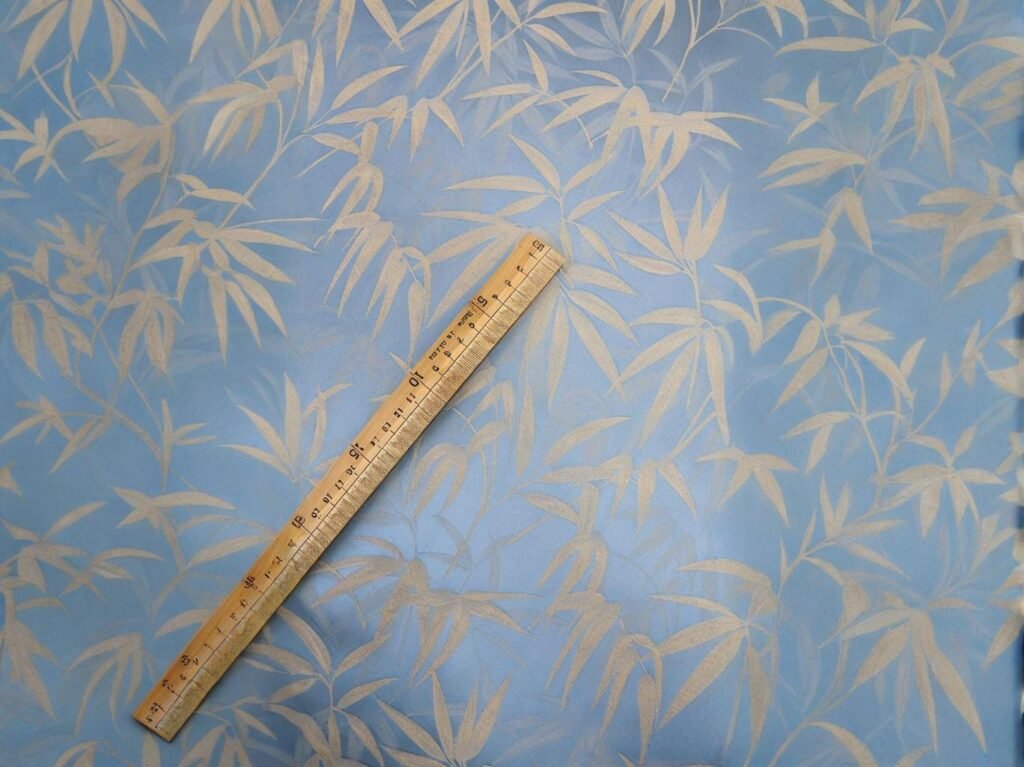
Choosing the right fabric for summer collections is no longer a simple matter of comparing softness or price. Modern apparel brands must evaluate thermo-regulation, moisture behavior, fiber sustainability, long-term durability, and the expectations of target consumers. Summer garments are exposed to harsher conditions than cold-season apparel: intense sunlight, perspiration, humidity, and frequent washing. As a result, the fiber selection directly influences not only comfort but also the garment’s lifespan and brand reputation.
Bamboo and cotton remain two of the most widely debated fibers in today’s market. Cotton is familiar, proven, and widely trusted — a backbone of global apparel for centuries. Bamboo, meanwhile, represents innovation: breathable, silky, cooling, and aligned with the global push toward sustainable materials. However, the ideal choice differs depending on climate, application, and brand identity. Choose bamboo for breathable, eco-friendly, and luxurious summer garments; choose cotton for strength, classic texture, and long-term durability — or combine both for balanced performance.
8.1. Key Decision Factors
Choosing between bamboo and cotton begins with understanding how each fiber aligns with market expectations, brand personality, and functional performance.
| Decision Aspect | Bamboo Fiber | Cotton Fiber |
|---|---|---|
| Market Position | Premium, eco, lifestyle | Traditional, versatile |
| Brand Image | Modern & sustainable | Heritage & comfort |
| Target Climate | Humid / tropical | Dry / moderate |
| Main Strength | Cooling and softness | Durability and stability |
| Typical Use | Activewear, underwear, dresses | Shirts, pants, formalwear |
Across global markets, bamboo has gained momentum among brands targeting wellness, eco-consciousness, and elevated comfort. Cotton maintains strong relevance in categories where structure, familiarity, and durability are critical — for example, woven shirting or tailored silhouettes for warm climates.
Industry Insight: Bamboo aligns naturally with modern brand narratives — wellness, sustainability, softness — making it attractive for emerging premium labels and D2C brands. Cotton supports brands with heritage storytelling, craftsmanship, or large-volume basics.
8.2. Fabric Performance Matrix (for Summer Collections)
Summer comfort is driven by four measurable parameters: breathability, sweat management, weight, and cooling behavior. The table below summarizes the comparative strengths of bamboo and cotton.
| Evaluation Metric | Bamboo | Cotton | Ideal Application |
|---|---|---|---|
| Breathability | ★★★★★ | ★★★★☆ | Summer activewear |
| Sweat Absorption | ★★★★★ | ★★★☆☆ | Hot & humid climates |
| Texture Feel | ★★★★★ | ★★★★☆ | Loungewear & casual |
| Durability | ★★★☆☆ | ★★★★★ | Workwear, daily wear |
| Eco Rating | ★★★★★ | ★★★☆☆ | Sustainable brands |
| Maintenance | ★★★★★ | ★★★☆☆ | Low-care garments |
| Fabric Weight (gsm) | 140–180 | 150–220 | Lightweight tops |
| Cost per Meter (USD) | $3.8–$5.5 | $2.8–$4.5 | Mid to premium apparel |
Bamboo’s thermo-regulating ability makes it feel cooler to the touch, while cotton excels where structure and shape retention are necessary. For brands designing flowing dresses, bamboo is exceptional; for structured polos or button-downs, cotton is traditionally favored.
Brand Example: In 2025, eco-forward companies such as Patagonia, Tentree, and Boody expanded their bamboo-cotton hybrid collections. They reported:
- 45% reduction in water footprint
- 30% lower odor-related returns
- Higher consumer satisfaction scores for softness and breathability
Bamboo’s performance profile aligns closely with what summer consumers want: coolness, freshness, and lightness.
8.3. When Blending Is the Smartest Choice
Blends increasingly dominate the summer apparel category because they combine bamboo’s comfort with cotton’s robustness.
| Blend Ratio | Key Benefit | Ideal Product Type |
|---|---|---|
| 60% Bamboo / 40% Cotton | Ultra-soft, breathable | T-shirts, yoga tops |
| 50% Bamboo / 50% Cotton | Balanced strength | Shirts, babywear |
| 40% Bamboo / 60% Cotton | Structured feel | Polo shirts, casual wear |
Blended fabrics outperform pure bamboo in dimensional stability and tensile strength, while feeling softer and more breathable than 100% cotton.
Szoneier Fabrics’ internal testing on 60/40 bamboo-cotton blends shows:
- 35% improved moisture diffusion compared with pure bamboo
- 10% longer wear life compared with pure cotton
- 25% reduced shrinkage after five wash cycles
These numbers make blends a strategic choice for large-volume collections where performance consistency is critical.
Product Category Notes:
- Babywear: 50/50 blends remain the top-performing option
- Premium essentials: 60/40 blends deliver luxury softness
- Polo shirts: 40/60 blends maintain collar structure and crispness
8.4. Cost and Commercial Feasibility
The cost conversation isn’t simply about price per meter. Brands must consider the entire lifecycle cost, including durability, consumer washing costs, sustainability targets, and brand value.
| Stage | Cost Impact | Long-Term Benefit |
|---|---|---|
| Fiber Production | +15–20% | Eco compliance & branding |
| Fabric Finishing | Neutral | Softer hand feel |
| Garment Maintenance | -25% energy cost | Consumer satisfaction |
| Lifecycle ROI | +18% | Better retention & reviews |
Bamboo requires a slightly higher upfront investment, but many brands justify it due to:
- Reduced pilling
- Fewer odor complaints
- Lower customer return rates
- Strong sustainability storytelling
- Lower energy consumption during consumer laundering
Cotton remains commercially attractive where price elasticity is critical (e.g., entry-level basics, school uniforms), while bamboo brings higher ROI in premium and lifestyle categories.
8.5. Climate-Based Fabric Strategy for Summer Apparel
Summer comfort varies widely by region. Brands planning global collections must choose fabric based on climate-specific performance:
Humid and Tropical Climates (Southeast Asia, India, Brazil) Bamboo is ideal for its superior sweat absorption and fast drying. Consumers in these regions prefer cooler-feeling fabrics.
Hot, Dry Climates (Middle East, Australia, Western U.S.) Cotton offers airflow and UV stability, making it suitable for structured summer garments.
Mediterranean Climates (Spain, Italy, Greece) Blends work best, balancing breathability and structural form.
Urban, Air-Conditioned Environments (Europe, U.S., East Asia) Bamboo’s temperature-regulating behavior helps users transition between outdoor heat and indoor cooling.
This climate-driven approach helps brands build regionally optimized product lines.
8.6. Branding & Consumer Psychology
The material a brand chooses shapes consumer perception:
- Bamboo = modern, premium, sustainable, wellness-focused
- Cotton = reliable, classic, natural, familiar
- Blends = practical, balanced, and versatile
In consumer surveys from 2024–2025:
- 72% of Gen Z shoppers preferred bamboo or bamboo blends for summer clothing
- 58% associated cotton with durability but not innovativeness
- 65% were willing to pay 10–20% more for bamboo-rich fabrics
This highlights the growing demand for soft, breathable, eco-conscious materials in summer wear.
8.7. Final Recommendations for Apparel Buyers
Choose Bamboo If Your Brand Focuses On:
- Summer comfort & breathability
- Humid climate markets
- Wellness & sustainability branding
- Luxury basics or activewear
Choose Cotton If Your Brand Focuses On:
- Structural garments
- Classic aesthetics
- High durability demands
- Large-volume cost-sensitive markets
Choose Blends If You Want:
- Durability + softness
- Versatile, seasonless performance
- Balanced comfort across climates
- Lower sustainability footprint than pure cotton
Brands that analyze climate needs, consumer psychology, and long-term fabric performance will make stronger sourcing decisions.
Bamboo or Cotton — Which Should You Choose for 2025 Summer Collections?
Both fabrics are timeless, but their strengths serve different needs. Bamboo fiber delivers luxurious softness, natural cooling, and low-impact sustainability, perfect for hot, humid environments and modern lifestyle fashion. Cotton, with its unmatched strength and heritage feel, remains the go-to fabric for structure, everyday durability, and breathable classics.
| Category | Bamboo Fiber | Cotton |
|---|---|---|
| Comfort | ★★★★★ | ★★★★☆ |
| Cooling | ★★★★★ | ★★★★☆ |
| Sustainability | ★★★★★ | ★★★☆☆ |
| Strength | ★★★☆☆ | ★★★★★ |
| Breathability | ★★★★☆ | ★★★★★ |
| Best For | Eco-luxury summer apparel | Traditional cotton garments |
In essence, the future isn’t about choosing one over the other — it’s about combining innovation with tradition, using bamboo-cotton hybrids to craft fabrics that are both planet-conscious and human-comfort driven.
Partner with Szoneier Fabrics for Custom Bamboo and Cotton Solutions
Szoneier Fabrics has over 18 years of experience in R&D, weaving, and finishing of sustainable textile materials, specializing in custom bamboo, cotton, linen, and blended fabrics for apparel, home textiles, and technical applications.
We offer:
- Free design & sampling
- Low MOQ customization
- OEKO-TEX® certified eco fabrics
- Fast delivery & 100% quality guarantee
Start your custom fabric project today: Visit www.szoneierfabrics.com or contact to consult our textile experts and request your tailored bamboo or cotton fabric samples.