Skip to content
In the search for sustainable and high-performance fabrics, bamboo, linen, and hemp consistently come up as top contenders. Each fiber brings its own history, properties, and challenges to the table. Bamboo is often marketed as a soft, eco-friendly modern textile, while linen (from flax) has a centuries-old reputation for elegance, and hemp is gaining renewed attention for durability and sustainability. But when it comes to apparel, the question remains: which one truly performs better?
Bamboo excels in softness and breathability, linen is unmatched in cooling properties and crisp drape, while hemp offers superior durability and environmental resilience. The “best” choice depends heavily on the garment category, performance needs, and sourcing priorities.
Imagine a designer in Paris deciding whether her new summer collection should use bamboo viscose dresses, linen blouses, or hemp casual wear. Each decision affects not only how the clothes feel on the body but also how the brand positions itself in a market where comfort, style, and sustainability are equally scrutinized. This article unpacks the strengths, weaknesses, and trade-offs across these fibers.
What distinguishes bamboo, linen (flax), and hemp in raw fiber morphology, staple length, and processing methods from stalk to fabric?
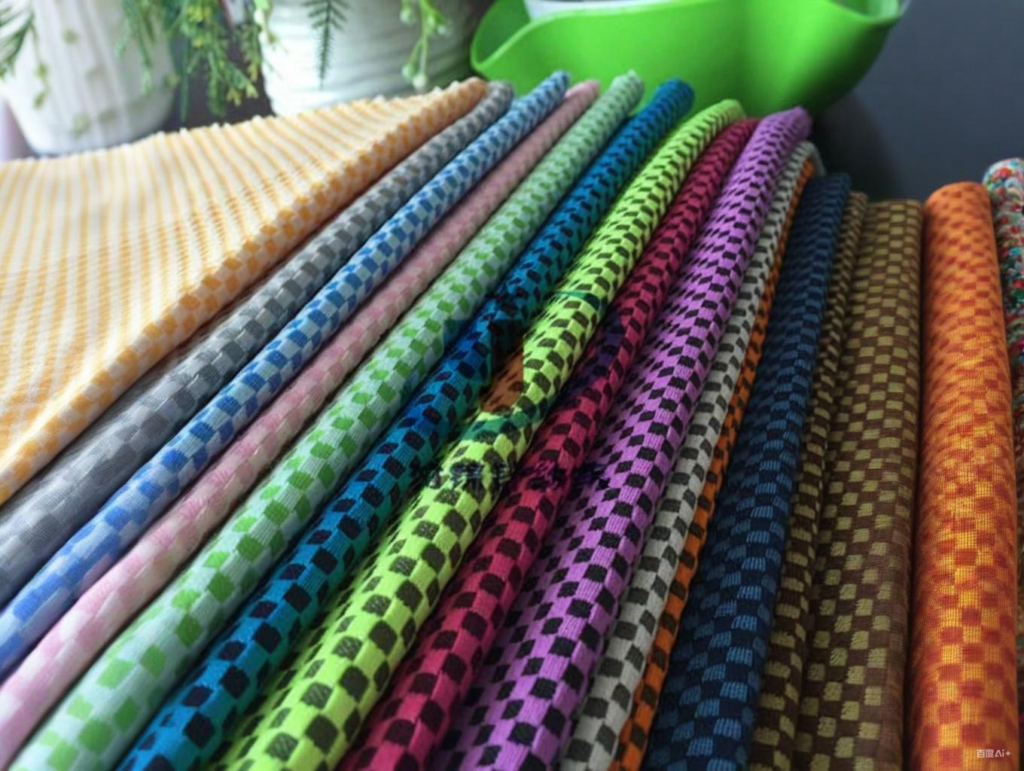
Understanding the fundamental differences between bamboo, linen (flax), and hemp starts long before the spinning mill. The story begins in the field, at the level of natural plant structure and cellulose type, and continues through distinct extraction, retting, and regeneration processes that shape how each fiber ultimately performs in textiles. Although these three materials are often grouped together in sustainability discussions, their fiber morphology and the way they travel from plant stalk to finished yarn reveal sharply different identities.
The clearest distinction lies in their classification. Linen and hemp are traditional bast fibers—fibers that grow inside the stems of the flax and hemp plants. These fibers maintain their natural, elongated, polygonal structure throughout mechanical processing, which explains their well-known crispness, tensile strength, and excellent moisture management. Bamboo, by contrast, is rarely used as a mechanical bast fiber. In modern textile manufacturing, bamboo is typically converted into viscose or lyocell through chemical or closed-loop solvent processes, which dissolve the cellulose and regenerate it into smooth, filament-like fibers. As a result, bamboo textiles resemble rayon or modal more than traditional bast fibers.
This contrast in biology and processing shapes everything from handfeel and durability to environmental impact and supply chain transparency. By understanding the raw fiber morphology and processing methods, buyers can better evaluate what each material can realistically deliver in performance, sustainability claims, and long-term product quality.
Fiber Morphology & Staple Length
The micro-level structure of each fiber plays a decisive role in how it behaves during spinning, weaving, dyeing, and ultimately how it feels against the skin.
| Property | Bamboo (Viscose/Lyocell) | Linen (Flax) | Hemp |
|---|---|---|---|
| Fiber Origin | Regenerated cellulose from bamboo stalk | Bast fiber from flax stalk | Bast fiber from hemp stalk |
| Staple Length | Continuous filament possible (man-made) | 25–150 mm | 25–55 mm |
| Fiber Cross-Section | Smooth, circular | Polygonal with nodes | Polygonal, irregular |
| Handfeel | Silky, soft, drapey | Crisp, cool | Coarse (softens with wear) |
Linen’s exceptionally long staple length—up to 150 mm—translates directly into its hallmark strength and longevity. Hemp has a shorter staple compared with high-end flax but compensates with dense cellulose bonding, making it one of the strongest natural fibers used commercially. Bamboo viscose and lyocell differ entirely: because they are regenerated fibers, they can be engineered as long, continuous filaments. This gives bamboo textiles a fluid drape and uniform softness that natural bast fibers cannot replicate without blending.
The fiber cross-sections tell an equally important story. Linen and hemp’s polygonal shapes create micro-channels that enhance breathability and moisture wicking, making them excellent for warm-weather textiles. Bamboo viscose, being smooth and round, offers a more slippery handfeel but less mechanical grip and slightly lower airflow. These inherent morphology differences influence everything from pilling resistance to dye uptake and wrinkle behavior.
Processing Methods
The journey from plant to yarn reveals the deepest differences among the three fibers.
1. Bamboo: Regenerated Cellulose Through Viscose or Lyocell
Most bamboo textiles today are produced via one of two regeneration processes:
- Viscose process Bamboo stalks are chipped, pulped, dissolved in sodium hydroxide and carbon disulfide, then extruded into fibers. This route delivers softness but requires chemical handling and wastewater treatment systems.
- Lyocell process Uses NMMO (N-methylmorpholine N-oxide) in a closed-loop solvent system, recovering over 95% of chemicals. Lyocell-grade bamboo is stronger, smoother, and more environmentally controlled.
Because bamboo is not pulled from the stalk as a natural fiber in most factories, the resulting textile behaves more like rayon: soft, absorbent, and silky with excellent drape.
2. Linen: Traditional Bast Fiber Extraction
Linen production follows one of the oldest natural fiber-processing traditions:
Retting → scutching → hackling → spinning → weaving
- Retting: microbial or dew retting breaks down pectin bonds
- Scutching: separates woody matter
- Hackling: combs long fibers into spinnable slivers
The goal is to preserve the long bast fibers, which gives linen its recognizable crisp feel and long lifespan. High-quality flax still comes predominantly from France, Belgium, and the Netherlands, where retting conditions and climate produce consistent, strong fibers.
3. Hemp: Similar to Linen, But Stronger and Historically Coarser
Hemp follows a similar processing sequence to flax but with important differences:
- Stronger fiber bundles
- Higher lignin content
- Historically rougher due to coarse fiber tips
Modern enzymatic retting and mechanical softening have made hemp significantly more comfortable than earlier generations of hemp textiles. As hemp regulations ease globally, production is growing rapidly in Canada, the US, and parts of Eastern Europe.
Case Example
China leads global manufacturing of bamboo viscose due to large integrated pulp-to-fiber plants capable of producing consistent regenerated cellulose at scale. This dominance has made bamboo viscose accessible to mid- and high-volume apparel and home textile brands.
In contrast, Europe retains a stronghold in premium linen because centuries of cultivation knowledge, soil quality, and retting expertise give European flax a competitive edge. Hemp shows a hybrid pattern: China remains a leader in basic hemp textiles, while North America and Europe focus on high-value hemp fibers, organic certifications, and textile innovation.
This geographic specialization means buyers often choose origin based on product category—bamboo from China for softness and cost efficiency, linen from Europe for premium applications, and hemp from North America for sustainability narratives.
Perspective
The question of bamboo versus linen or hemp often becomes entangled with sustainability marketing terms. Yet the core distinctions lie in material science and processing transparency:
- Bamboo viscose offers comfort but is chemically processed.
- Linen offers heritage-grade natural structure but requires intensive retting labor and suitable climate.
- Hemp delivers strength and low-input agriculture but may feel coarse without mechanical or enzymatic softening.
For buyers balancing sustainability, performance, and sensory experience, the choice is rarely about one fiber being “better” than another. Instead, it is about aligning the material’s inherent strengths with the product’s intended use.
A luxury bedding brand might favor bamboo lyocell for its smoothness, a premium apparel label might choose Belgian linen for its breathability and longevity, and an eco-focused outdoor brand might turn to hemp for its exceptional strength and climate-resilient cultivation.
Understanding raw fiber morphology, staple length, and processing methods helps procurement teams avoid misleading claims and choose materials based on measurable, science-backed characteristics.
Which Fiber Performs Best by Application—Shirts, Summer Dresses, Activewear, Bedding, Uniforms, and Workwear?
Choosing the right fiber for a specific application is a technical decision that blends material science with market expectations. No single natural fiber can dominate every product category because shirts, summer dresses, activewear, bedding, and industrial garments all demand different mechanical, comfort, and durability characteristics. Bamboo, linen, and hemp—three increasingly relevant natural fibers—bring their own performance strengths and weaknesses that determine where they excel. Bamboo offers silky softness and thermoregulation, making it ideal for comfort-forward apparel. Linen’s distinct crisp hand, moisture-wicking capability, and luxury status make it perfect for summer fashion. Hemp’s mechanical strength, abrasion resistance, and UV protection place it at the top for uniforms and workwear where durability is non-negotiable.
Featured Insight: Bamboo dominates comfort-driven categories, linen defines premium summer apparel, and hemp leads in strength-based applications where longevity and resilience are critical.
Application Comparison Table
| Application | Bamboo | Linen | Hemp | Best Choice |
|---|---|---|---|---|
| Shirts | Soft, drapey | Crisp, elegant | Too coarse (unless blended) | Linen for luxury, Bamboo for casual |
| Summer Dresses | Breathable, flowy | Iconic summer fiber, cooling | Heavy, not ideal | Linen |
| Activewear | Moisture-wicking, odor-resistant | Wrinkles easily, poor stretch | Sturdy but lacks elasticity | Bamboo (esp. with spandex) |
| Bedding | Silky, moisture-regulating | Crisp, cooling | Too coarse | Bamboo (luxury) or Linen (cool climates) |
| Uniforms | Weak tensile strength | Wrinkles, not durable enough | Strong, abrasion-resistant | Hemp |
| Workwear | Unsuitable (tears) | Limited durability | Superior strength | Hemp |
This comparison highlights the core principle of fiber selection: the best fiber is the one whose inherent properties align with the performance expectations of the final product.
Shirts
In shirts, comfort, drape, and breathability are the primary considerations. Bamboo excels here because its smooth microstructure gives it a naturally silky feel against the skin. It also offers thermoregulation and moisture-wicking—key for all-day shirts in warm climates. Bamboo’s drapey nature gives shirts a relaxed silhouette, making it popular in casualwear, resortwear, and modern basics.
Linen shirts, by contrast, deliver elegance and structure. Linen’s long bast fibers create a crisp texture and matte luster that high-end consumers associate with quality craftsmanship. The fabric softens beautifully over time while retaining its breathability. In premium menswear and Mediterranean fashion markets, linen shirts are a cultural staple.
Hemp is generally too coarse for shirts unless blended with cotton or modal, but these blends can produce attractive, eco-forward shirting options with improved durability and shape retention.
Summer Dresses
Summer dresses require lightness, airflow, and drape. Linen is the classic winner with its exceptional cooling properties and timeless summer aesthetic. The fiber naturally resists heat buildup, making it the preferred choice in hot climates like Southern Europe, California, and the Middle East. The cultural association of linen with relaxed luxury reinforces consumer desire for linen dresses in warm seasons.
Bamboo also works well for summer dresses, especially softer silhouettes such as slip dresses, maxi dresses, or casual sundresses. Its drapey quality and smooth hand appeal to consumers who prefer fluid movement.
Hemp’s heavier feel and earthy texture typically make it unsuitable for dresses unless blended to improve flexibility and soften the hand.
Activewear
Activewear demands stretch, moisture transport, odor control, and comfort—areas where bamboo is a top performer. Bamboo viscose naturally wicks moisture, resists odor-causing bacteria, and remains soft during movement. When blended with spandex (5–8%), bamboo fabrics achieve the stretch and recovery needed for yoga pants, tops, and athleisure.
Linen performs poorly here due to wrinkling and limited elasticity. Hemp is strong but lacks stretch and comfort for tight-fitting garments, making it better suited to outer layers than core activewear pieces.
Bedding
Bedding emphasizes softness, temperature balance, and durability under repeated laundering. Bamboo sheets have surged in global popularity due to their silky feel, moisture management, and hypoallergenic qualities. Bamboo’s long fibers reduce friction, giving bedding a smooth finish often marketed as “luxury softness.”
Linen bedding is appreciated for its breathability and excellent performance in warm climates. Though less silky than bamboo, linen sheets offer a cooling effect valued in Mediterranean regions and premium home décor markets. Linen’s longevity—high-quality sets can last a decade—strengthens its value proposition.
Hemp bedding exists but remains niche due to the natural coarseness of hemp fibers, although advanced enzymatic treatments are improving softness.
Uniforms
Uniforms require fabrics with tensile strength, abrasion resistance, and long-term structural integrity. Hemp stands out for its ruggedness and ability to withstand heavy wear. Hemp fibers are among the strongest natural plant fibers and perform well in garments subjected to constant friction, pressure, and washing cycles.
Bamboo and linen do not perform well in uniform applications: bamboo lacks tensile strength, while linen wrinkles and degrades faster under high-intensity usage.
Hemp-cotton or hemp-polyester blends are now used in eco-conscious uniform programs across hospitality, culinary, and light industrial sectors.
Workwear
Workwear is even more demanding, requiring high tear strength, UV protection, and durability against abrasion. Hemp again leads, offering superior performance even compared to cotton duck or canvas. The fiber’s natural resistance to UV degradation makes it ideal for outdoor labor in agriculture, construction, and landscaping.
Linen tears more easily under high force and is not recommended for heavy-duty tasks. Bamboo’s softness makes it unsuitable for harsh environments—it tears more easily and lacks structural resilience.
Real-World Examples
Luxury Bedding Premium bedding companies emphasize bamboo’s silky drape and moisture-regulating properties. Customer surveys frequently mention the “cool-to-touch, hotel-like feel” that bamboo provides, making it ideal for luxury-oriented home brands.
Mediterranean Apparel Italian and Spanish designers rely on linen’s cultural association with summer elegance. Linen shirts and dresses dominate warm-season collections due to their aesthetic, breathability, and lifestyle relevance.
Outdoor & Durable Apparel Eco-driven workwear brands in the United States and Canada increasingly use hemp for pants, jackets, and hats. Hemp’s UV stability and abrasion resistance offer performance benefits that rival some synthetics while aligning with sustainability values.
Perspective
Each fiber shines in different areas: bamboo for softness and moisture regulation, linen for summer luxury and visual appeal, and hemp for durability and performance. In reality, blends often create the most commercially successful fabrics by balancing each fiber’s strengths. Hemp-cotton blends soften hemp’s roughness, bamboo-cotton blends improve structure, and linen-bamboo blends enhance drape.
The takeaway is simple: the best-performing fiber is the one chosen with the application in mind, guided by both scientific properties and consumer expectations.
How do mechanical properties compare—tenacity, abrasion resistance, wrinkle recovery, pilling, and dimensional stability after repeated laundering?
Mechanical performance is one of the most critical criteria for evaluating natural and regenerated fibers, especially when fabrics are intended for apparel, home textiles, uniforms, or industrial-use categories. Hemp, linen, and bamboo each bring a distinctive set of strengths and weaknesses rooted in their molecular composition, fiber morphology, and manufacturing processes. While hemp stands out as a high-performance fiber suitable for long-lasting, hard-wearing applications, linen offers crisp structure but struggles with wrinkle recovery, and bamboo viscose—though exceptionally soft—requires careful fabric engineering to achieve stability and durability. Hemp is the strongest and most durable among the three, linen offers crisp but wrinkle-prone performance, and bamboo delivers unmatched softness but demands careful handling to maintain structure and dimensional stability after repeated laundering.
Tensile Strength (Tenacity)
Tensile strength determines how well a fiber withstands pulling force—an essential factor for woven fabrics used in high-stress applications such as bags, upholstery, workwear, and uniforms.
- Hemp: Hemp consistently demonstrates exceptional tensile strength, often measuring 3–4 times stronger than cotton and significantly stronger than linen. Unlike many natural fibers, hemp gains strength when wet due to its crystalline cellulose arrangement. This makes it valuable for products subjected to moisture or repeated washing cycles.
- Linen: Linen is naturally strong—stronger than cotton—but does not reach the performance level of hemp. Its limitation lies in bending fatigue: repeated folding and creasing gradually weakens individual flax fibers. This is why linen garments can show wear lines or thinning areas at stress points.
- Bamboo: Bamboo viscose undergoes chemical regeneration, which changes its natural fiber structure. As a result, it has lower tensile strength, especially in loosely woven constructions. Bamboo requires tighter weaves or blended yarns (e.g., bamboo-cotton) to avoid tearing under high mechanical stress.
Technical Note: In standard tensile testing (ASTM D5035), hemp can reach 600–900 MPa, linen typically falls around 400–600 MPa, and bamboo viscose ranges from 150–300 MPa depending on processing quality.
Abrasion Resistance
Abrasion resistance determines how well a fabric withstands rubbing, friction, and continuous wear—vital for upholstery, uniforms, bags, and everyday garments.
- Hemp: Due to its long staple length and robust cell wall structure, hemp delivers excellent abrasion resistance, making it ideal for high-use products:
- Workwear
- Backpacks
- Delivery jackets
- Upholstery covers
- Linen: Linen performs moderately well, but its brittleness under bending stress lowers abrasion resistance over time. In flat abrasion cycles (Martindale test), linen tends to wear down sooner than hemp.
- Bamboo: Bamboo viscose scores poor to moderate because its regenerated fibers are softer and more delicate. While suitable for next-to-skin garments, bamboo struggles in heavy-friction environments.
Industry Data: In a 20,000-cycle Martindale test, hemp blends often maintain fiber integrity, while bamboo viscose begins showing fiber breakage around 8,000–12,000 cycles.
Wrinkle Recovery
Wrinkle recovery influences a fabric’s visual appearance and required maintenance after washing.
- Hemp: Hemp wrinkles but not as severely as linen. Its fiber rigidity prevents deep creasing, and blends with cotton or Tencel significantly improve wrinkle performance.
- Linen: Linen is famously prone to wrinkling because flax fibers lack elasticity. Wrinkles form easily and remain unless ironed or steam-treated. However, some consumers appreciate linen’s natural “relaxed elegance.”
- Bamboo: Bamboo viscose drapes beautifully and recovers from wrinkles better than linen. Its regenerated structure provides a smoother fall, giving bamboo garments a polished look with minimal maintenance.
Professional Insight: Steam-finishing and mechanical softening improve wrinkle recovery in hemp and linen fabrics, while bamboo benefits most from tighter weaves and blended yarn structures.
Pilling Resistance
Pilling results from fiber ends tangling into small balls on the surface—a major concern for knitted fabrics and apparel.
- Hemp: Hemp pills minimally due to its long fiber length and high tensile strength. Its dense structure resists breakage and fuzz formation.
- Linen: Linen almost never pills. Its long, smooth fibers resist the friction-based fuzzing that typically leads to pilling.
- Bamboo: Bamboo can pill moderately to severely, especially in low-twist yarns or knitted structures. Its regenerated fibers are shorter and more vulnerable to abrasion, leading to surface fuzz and pills.
Testing Note: In a standard ICI pilling test (2,000 cycles), hemp and linen commonly achieve Grade 4–5, while bamboo often scores Grade 2–3 unless blended or finished with anti-pilling treatments.
Dimensional Stability (Shrinkage/Stretching)
This property measures how fabric reacts to washing—whether it shrinks, stretches, or loses shape.
| Property | Bamboo | Linen | Hemp |
|---|---|---|---|
| Shrinkage | High risk (6–8% unless pre-treated) | Moderate (2–4%) | Low (1–2%) |
| Stretch Retention | Weak | Poor elasticity | Stable, rigid |
Analysis:
- Bamboo: Bamboo viscose absorbs more water and swells significantly, increasing shrinkage risk. If not pre-shrunk or mercerized, bamboo fabrics may distort or lose shape after laundering.
- Linen: Shrinks moderately on first wash but stabilizes afterward. Its rigid structure prevents excessive stretching.
- Hemp: Among the three, hemp delivers the best dimensional stability, with minimal shrinkage and excellent shape retention even after repeated washing.
Case Example
A European uniform supplier evaluated a range of natural fiber blends for heavy-duty delivery jackets subjected to industrial laundering (100+ wash cycles at 60°C).
- Hemp-cotton blends retained 85% of tensile strength
- Bamboo-cotton blends dropped to 65%
- Linen was rejected early due to extreme wrinkling and lack of elasticity
Hemp’s superior durability made it the only fiber suitable for both comfort and longevity in industrial environments.
Perspective
Selecting between hemp, linen, and bamboo requires a clear understanding of their mechanical properties and the end-use environment.
- Hemp is best for strength-focused applications such as workwear, bags, uniforms, upholstery, and products requiring long-term durability.
- Bamboo excels in comfort-first applications, where softness, drape, and skin friendliness outweigh mechanical durability.
- Linen remains preferred for aesthetic-driven categories—such as summer apparel, home décor, and artisanal designs—where wrinkle characteristics are embraced rather than seen as flaws.
In conclusion, the mechanical performance of these fibers is not a simple hierarchy but a matter of functional fit. When matched correctly with their intended applications, each fiber delivers its own form of excellence.
Do bamboo, linen, and hemp differ in moisture management, breathability, thermal regulation, and natural odor control for next-to-skin comfort?
The comfort performance of plant-based textiles has become one of the most closely examined areas in sustainable apparel development. While durability, eco-profile, and cost influence sourcing decisions, consumers often choose fabrics based on how they feel during prolonged skin contact. Bamboo, linen, and hemp—three of the most important natural fibers in modern textile engineering—offer distinct comfort attributes shaped by their botanical origins and internal fiber structures. Understanding their differences in moisture absorption, wicking, breathability, thermal behavior, and odor resistance enables brands to match each fiber to the appropriate next-to-skin application.
Bamboo stands out for its exceptional moisture uptake and inherent softness, making it a leading option for sweat-prone garments such as underwear, leggings, and intimate apparel. Linen, prized for centuries in Mediterranean climates, is unmatched in airflow and cooling performance. Hemp, known for strength and resilience, provides balanced moisture management and powerful natural antimicrobial resistance—qualities valued in outdoor and casual wear. Bamboo excels in sweat-heavy environments, linen dominates in hot-weather comfort, and hemp offers the best long-term odor resistance for outdoor clothing and all-season wear.
A closer look at moisture handling, evaporative drying, airflow, thermal response, and bacterial resistance reveals why each fiber behaves differently when worn next to the skin.
Moisture Absorption & Wicking
Moisture management determines how a garment performs during exercise, high heat, or extended wear. Each of these fibers interacts with water differently due to structural variations in cellulose arrangement.
Bamboo Bamboo viscose absorbs up to 40% more moisture than cotton because its regenerated cellulose chains contain micro-gaps that trap water quickly. Unlike cotton, however, bamboo tends to distribute moisture across a wider surface area, enhancing evaporation and helping the fabric feel drier against the skin. This makes bamboo especially effective in leggings, base layers, bras, sleepwear, and baby clothing.
Linen Linen absorbs moisture rapidly but releases it more slowly due to its thicker, stiffer fiber bundles. The fiber structure is highly hydrophilic, allowing linen to hold up to 20% of its weight in moisture without feeling damp, but it dries slower than bamboo. In hot climates, this “moist-cool” sensation is part of linen’s natural comfort appeal.
Hemp Hemp is both absorbent and inherently wicking. The capillary action in its hollow and multi-layered fibers pulls moisture outward, though not as rapidly as bamboo. Hemp may not feel as silky when wet, but it maintains a stable, dry surface over longer periods—critical in hiking, workwear, and outdoor sports.
Breathability & Thermal Regulation
Airflow and thermal comfort depend on fiber porosity and conductivity. Each fiber interacts with heat and humidity in unique ways.
Linen Linen remains the benchmark for breathability. Its hollow core, long staple length, and natural stiffness create micro-gaps between yarns that enhance airflow, allowing heat to dissipate quickly. This is why linen shirts, dresses, and trousers dominate summer collections across Europe, North Africa, and the Middle East.
Bamboo Bamboo offers versatile thermal regulation. In warm temperatures, its high moisture uptake and evaporative cooling reduce skin temperature. In colder climates, bamboo’s dense, smooth filaments trap a thin layer of insulating air. This duality makes bamboo suitable for year-round undergarments and bedding.
Hemp Hemp strikes a balance between the other two fibers. It breathes more effectively than cotton but retains heat better than linen. Its thermophysiological stability makes it ideal for transitional seasons or variable outdoor conditions.
Odor Control
Next-to-skin textiles must address odor caused by sweat, bacteria, and prolonged wear—especially in activewear and outdoor apparel.
Bamboo Bamboo viscose contains compounds that exhibit mild antimicrobial activity, often marketed as “bamboo kun.” While this property is somewhat reduced during chemical processing, bamboo still resists odor better than standard cotton. Faster drying also limits bacterial growth.
Linen Linen does not possess strong antibacterial traits, but its quick moisture release and low surface friction prevent bacterial colonies from forming easily. This gives linen a natural odor-neutral quality appreciated in bedding and warm-weather shirts.
Hemp Hemp is the strongest performer in odor control. Its natural antimicrobial resistance—retained even after repeated washing—reduces microbial buildup dramatically compared to cotton or synthetics. Hemp is therefore favored in outdoor base layers, hiking T-shirts, socks, and long-wear travel apparel.
Comfort Comparison Table
| Property | Bamboo | Linen | Hemp | Best For |
|---|---|---|---|---|
| Moisture Absorption | Excellent | Good | Good | Bamboo |
| Drying Speed | Fast | Slow | Moderate | Bamboo |
| Cooling Effect | Moderate | Excellent | Moderate | Linen |
| Warmth Retention | Good | Low | Moderate | Bamboo/Hemp |
| Odor Resistance | High | Moderate | High | Bamboo/Hemp |
This table reflects not only raw performance but also how each fiber functions in real-life wear conditions.
Case Example
A Canadian yoga-wear company replaced polyester-spandex blends with bamboo-spandex jersey in its premium leggings line. Customers reported cooler skin temperatures during hot yoga classes, reduced odor retention, and significantly improved comfort during extended wear. This allowed the brand to reposition the product as a high-performance natural-fiber alternative, increasing repeat purchases.
In southern European markets, linen shirts continue to dominate summer retail due to exceptional airflow and heat dispersion. Many Mediterranean consumers describe linen as “the only fabric that breathes properly in July and August.”
Meanwhile, U.S. and Canadian hemp apparel brands are actively marketing hemp’s odor resistance for multi-day outdoor activities. In surveys, hikers reported that hemp T-shirts maintained freshness longer than comparable bamboo or cotton garments during 10-hour hiking sessions in humid conditions.
Perspective
These three fibers serve complementary roles rather than competing for the same categories. Bamboo excels in intimacy and sweat-heavy environments, linen remains unmatched in extreme heat, and hemp delivers the strongest long-term odor resistance for rugged use.
- Bamboo is ideal for intimates, activewear, sleepwear, and bedding.
- Linen remains the gold standard for hot-weather shirts, dresses, and summer home textiles.
- Hemp’s strength and antimicrobial durability make it ideal for outdoor apparel, travel clothing, and durable casual wear.
Brands that align each fiber’s inherent strengths with the correct end-use gain not only performance advantages but also more satisfied customers and stronger sustainability narratives.
Is there a meaningful gap in sustainability metrics—water, pesticides, land use, chemical inputs—plus certifications (GOTS, OEKO-TEX, FSC, EU Ecolabel) and end-of-life?
Sustainability has become one of the most influential decision-making factors across the global textile industry, especially as regulators, brands, and consumers demand proof—not promises—of environmental responsibility. Bamboo, linen (flax), and hemp are often marketed together as “eco-friendly fibers,” but a closer examination reveals clear performance differences in water consumption, pesticide requirements, chemical processing, land efficiency, and biodegradability. Understanding these measurable gaps helps buyers separate genuine sustainability from convenient marketing.
At a high level, hemp consistently ranks as the most sustainable of the three fibers, thanks to its low agricultural inputs and high land productivity. Linen follows closely, benefiting from centuries-old cultivation systems in Europe that rely primarily on natural rainfall and minimal agrochemicals. Bamboo’s sustainability varies widely depending on whether its cellulose is processed into viscose or lyocell. While bamboo as a plant grows quickly and needs no pesticides, the viscose process can involve heavy chemical loads unless proper recycling systems are in place.
Certifications such as GOTS, OEKO-TEX, FSC, and the EU Ecolabel have become essential tools for verifying sustainability claims across the supply chain. But each fiber aligns differently with these standards, making it crucial for brands to understand which certificates are both relevant and credible for their chosen material.
Environmental Impact Comparison
| Factor | Bamboo | Linen (Flax) | Hemp |
|---|---|---|---|
| Water Use | Low for cultivation, but viscose processing uses significant water | Very low (rain-fed in Europe) | Very low (thrives with minimal irrigation) |
| Pesticides | None needed for bamboo growth | Minimal use in flax | None required |
| Chemical Inputs | High for viscose (solvents, caustic soda) unless lyocell | Very low (mechanical/enzymatic retting) | Very low (mechanical/enzymatic retting) |
| Land Yield | High yield per acre | Moderate | High yield per acre |
| Carbon Sequestration | Absorbs CO₂ rapidly | Moderate | Excellent (deep roots improve soil) |
| Biodegradability | Yes, if untreated | Yes | Yes |
Environmental metrics must be understood in detail rather than in broad, generalized claims. Bamboo’s appeal lies in its rapid growth rate—up to a meter per day in certain species—and its ability to grow without irrigation or pesticides. But this advantage applies primarily to cultivation, not processing. Traditional viscose production requires sodium hydroxide, carbon disulfide, and large volumes of water. If wastewater treatment is inadequate, the environmental impact escalates significantly.
Linen, cultivated primarily in Belgium, France, and the Netherlands, benefits from an ideal climate that allows farmers to grow flax with natural rainfall rather than irrigation. European flax fields are among the most resource-efficient fiber farms in the world, and the retting, scutching, and hackling processes typically rely on microbial or mechanical action rather than chemical treatment. This gives linen a strong sustainability advantage, especially in traceability and transparency.
Hemp stands out for its resilience. It grows in poor soils, requires little to no irrigation, and naturally repels pests without chemical intervention. Hemp’s deep roots prevent erosion, sequester carbon more effectively than many crops, and contribute to long-term soil regeneration. These characteristics make hemp one of the most ecologically beneficial fiber crops, especially when processed using enzymatic retting or mechanical extraction.
Certifications
Sustainability verification depends not only on cultivation but also on processing conditions, chemical handling, and supply chain transparency. The following certifications are key indicators of responsibly managed fiber and textile production:
- OEKO-TEX Standard 100: Confirms the absence of harmful substances in the final textile. Often used for bamboo viscose, linen, and hemp products.
- GOTS (Global Organic Textile Standard): Applies to organic natural fibers such as flax and hemp. It verifies organic farming practices as well as responsible chemical use in processing.
- FSC Certification: Relevant for bamboo used in lyocell production. It ensures that forestry sources are managed responsibly and that pulp production does not contribute to deforestation.
- EU Ecolabel: Recognizes products with a reduced environmental footprint across their life cycle, including water, energy, and chemical use.
Not every fiber aligns equally with each certification. Bamboo viscose cannot be certified organic under GOTS because it is chemically regenerated, but bamboo lyocell can sometimes meet FSC and EU Ecolabel criteria when produced in closed-loop systems. Linen, especially European-grown flax, frequently meets GOTS and EU Ecolabel standards. Hemp often achieves GOTS certification due to its low farming inputs and straightforward processing route.
End-of-Life Considerations
Biodegradability is often cited as a major selling point for natural fibers, but the reality is nuanced.
- Linen and hemp biodegrade quickly under normal composting conditions because they retain their natural cellulose structure.
- Bamboo viscose can biodegrade, but finishing chemicals, dyes, and synthetic blends can slow the process considerably.
- Bamboo lyocell decomposes faster than viscose due to purer cellulose and fewer processing residues.
- Blends containing polyester or acrylic compromise biodegradability, regardless of the natural fiber component.
Finishing treatments—such as wrinkle-resistant coatings, water repellents, flame retardants, or silicone softeners—can also affect how a textile breaks down. The purity of the material and the chemical load determine the true environmental impact at end of life.
Case Example
European linen has become a global benchmark for sustainable fiber production, largely because flax farming in France and Belgium operates as a zero-waste system. Flax seeds become food and oil, the stalk becomes fiber, and the woody shives are used in construction materials or paper. This circularity aligns well with EU sustainability standards and supports regenerative agriculture.
Hemp has gained traction in North America, particularly among outdoor and lifestyle brands seeking to highlight carbon sequestration, climate resilience, and local sourcing. As regulations have eased, hemp farming has expanded rapidly, with U.S. mills investing in modern enzymatic processing to produce softer, apparel-ready hemp.
Bamboo lyocell, though still representing a small share of bamboo textiles, is rising among premium bedding brands thanks to its closed-loop solvent recovery systems and silky feel. Brands highlight its OEKO-TEX certification, moisture management, and smooth handfeel as part of their sustainability marketing.
Perspective
While all three fibers—bamboo, linen, and hemp—can be sustainable, their environmental profiles differ significantly. Hemp leads in nearly every agricultural metric: water efficiency, pesticide-free growth, carbon sequestration, and soil health benefits. Linen represents a time-tested, low-input fiber with high traceability and strong sustainability credentials. Bamboo has enormous potential but is highly dependent on processing methods. Viscose-grade bamboo requires careful chemical management to deliver genuine eco-benefits, whereas bamboo lyocell—produced in controlled, closed-loop systems—comes closer to fulfilling the sustainability image often associated with bamboo products.
Ultimately, sustainability is not inherent in a fiber’s name; it emerges from cultivation practices, processing methods, chemical management, and supply chain accountability. Buyers who prioritize transparency and certification over marketing claims will yield the strongest environmental and commercial outcomes.
How do price tiers, MOQs, lead times, and supply-chain maturity compare across regions, and what drives total landed cost at scale?
Understanding the economics of natural alternative fibers—bamboo, linen, and hemp—requires more than comparing price per meter. Total landed cost is influenced by global supply-chain maturity, MOQ flexibility, processing infrastructure, freight routes, certifications, and the depth of regional expertise. These three fibers occupy very different positions in the global sourcing ecosystem: linen is supported by centuries of European agricultural and spinning tradition; bamboo relies on China’s vertically integrated viscose and lyocell industry; and hemp remains an emerging supply chain with inconsistent standardization but strong long-term potential.
From the perspective of apparel brands, home-textile buyers, and importers operating at scale, the relative maturity of each supply chain determines whether sourcing is steady and predictable—or unpredictable and inventory-intensive. While cost is the first factor buyers often focus on, unit economics become meaningful only after considering MOQs, production cycles, logistics, certification premiums, and the operational stability of mills. Linen holds stable premium pricing but offers flexible, low MOQs in Europe. Hemp remains niche, with higher variability in costs and longer lead times. Bamboo offers the most competitive price range but requires larger MOQs and longer timelines because production is heavily concentrated in Chinese mills.
Price Comparison (Fabric, per meter at ~200gsm)
Global pricing for bamboo, linen, and hemp varies by region, fiber grade, yarn count, and finishing. Across mills sampled in China, India, Turkey, and the EU, the following average price ranges apply:
| Fabric Type | Bamboo Viscose | Linen | Hemp |
|---|---|---|---|
| Jersey Knit | $3.8–$6.0 | $7.0–$10.0 | $5.0–$7.5 |
| Woven Plain Weave | $4.0–$6.5 | $8.0–$12.0 | $6.0–$9.0 |
| Premium Lyocell Bamboo | $6.0–$9.0 | – | – |
Bamboo viscose offers the lowest cost of entry but can rise sharply for FSC-certified or closed-loop lyocell variations. Linen pricing is driven by European agricultural costs, long-staple flax quality, and seasonal yield fluctuations. Hemp’s pricing sits between bamboo and linen but is volatile due to the still-developing supply chain and differences in retting, decortication, and fiber-softening technologies.
MOQ (Minimum Order Quantity)
The MOQ structure reflects each fiber’s production scalability and batching efficiency:
- Bamboo: typically 1,000–2,000 meters per color, as mills rely on large batch viscose dyeing for cost efficiency. Smaller MOQs are uncommon unless sourcing stock lots.
- Linen: 300–600 meters per color, especially from European mills with well-established small-batch finishing lines. Mills can run smaller orders, but price-per-meter increases significantly.
- Hemp: 500–1,000 meters, with variability based on spinning method (cottonized hemp vs. traditional long fiber). Many hemp mills still operate semi-manual pre-processing lines, affecting MOQ flexibility.
Small and emerging brands often prefer linen because the MOQ–risk ratio is manageable, despite the high cost.
Lead Times
Lead times directly impact production planning and cash-flow cycles:
- Bamboo: 45–60 days, extended to 70+ days for lyocell bamboo due to solvent recycling constraints and certification queues.
- Linen: 30–45 days, thanks to Europe’s highly efficient and geographically compact linen ecosystem, where spinning and weaving are often co-located.
- Hemp: 50–70 days, reflecting less automation, slower decortication cycles, and limited finishing capacity.
For brands with seasonal pressure—resort wear, summer collections, or product drops—linen offers the best combination of predictability and speed.
Supply-Chain Maturity
Supply-chain maturity influences everything from risk exposure to delivery consistency and long-term scalability.
- Bamboo: China controls the vast majority of global bamboo viscose and lyocell production. High vertical integration leads to economy of scale and consistent quality. However, over-concentration introduces geopolitical and logistic risk.
- Linen: Europe—primarily France, Belgium, and the Netherlands—dominates global flax production. Decades of mechanization, farmer–mill coordination, and premium-market demand create an exceptionally stable supply chain.
- Hemp: A developing global supply chain. North America and China are expanding, but fiber processing remains inconsistent, with variable softness, color, and uniformity.
The difference between mature and emerging supply chains often reveals itself in repeat orders: linen mills can reproduce the same shade and handfeel season after season, while hemp mills may vary across lots.
Total Landed Cost Drivers
The final cost to bring a fabric to market is shaped by factors far surpassing the mill price.
- Raw Material Source Regions close to fiber fields (China for bamboo, Europe for linen) reduce freight and handling costs. Hemp grown far from the processing facility increases transport expense and environmental impact.
- Certifications Sustainability certifications such as OEKO-TEX, GRS, FSC bamboo, or USDA organic can raise costs by 10–20%, depending on audit frequency and documentation requirements.
- Fabric Construction Knitted bamboo fabrics cost less to produce than woven plain-weave linens, largely due to loom time, quality inspections, and finishing steps.
- Blending Costs Bamboo–cotton blends lower total cost, while hemp blends typically increase cost due to specialized carding and softening processes needed for hemp.
- Finishing and Dyeing Complexity Hemp often requires enzyme softening; linen benefits from stone-washing or calendaring; bamboo viscose needs controlled dyeing to avoid streaking. Complex finishes directly raise unit cost.
- Logistics & Duties Import duties vary by fabric and country of origin. For example, EU tariffs on Chinese viscose fabrics affect bamboo’s total landed cost relative to locally woven linen.
Case Example
A U.S. eco-loungewear brand evaluated bamboo, linen, and hemp for a summer pajama collection:
- Bamboo viscose offered the lowest cost per meter but required 1,500-meter minimums, increasing initial cash-flow pressure.
- Linen, although more expensive, allowed 300-meter test runs, reducing inventory risk while enabling fast design iteration.
- Hemp was eliminated due to inconsistent handfeel across samples and lead times exceeding 60 days.
This case highlights that unit price alone rarely determines the best sourcing choice for emerging brands.
Perspective
Bamboo is the most cost-accessible but comes with higher MOQs and longer lead times. Linen is the most stable and predictable but has premium pricing that limits its use for mass-market categories. Hemp is the least predictable today, yet with strong potential as decortication and cottonization technologies accelerate across North America, Europe, and China.
For brands planning multi-season assortments, the question is not “Which fiber is cheaper?” but “Which fiber offers the best balance of flexibility, consistency, and risk at scale?” Total landed cost is shaped by supply-chain stability as much as by raw material pricing.
Which dyeing, finishing, and fabric constructions (plain weave, twill, jersey, canvas) and blends (with cotton, lyocell, spandex) optimize performance and handfeel?
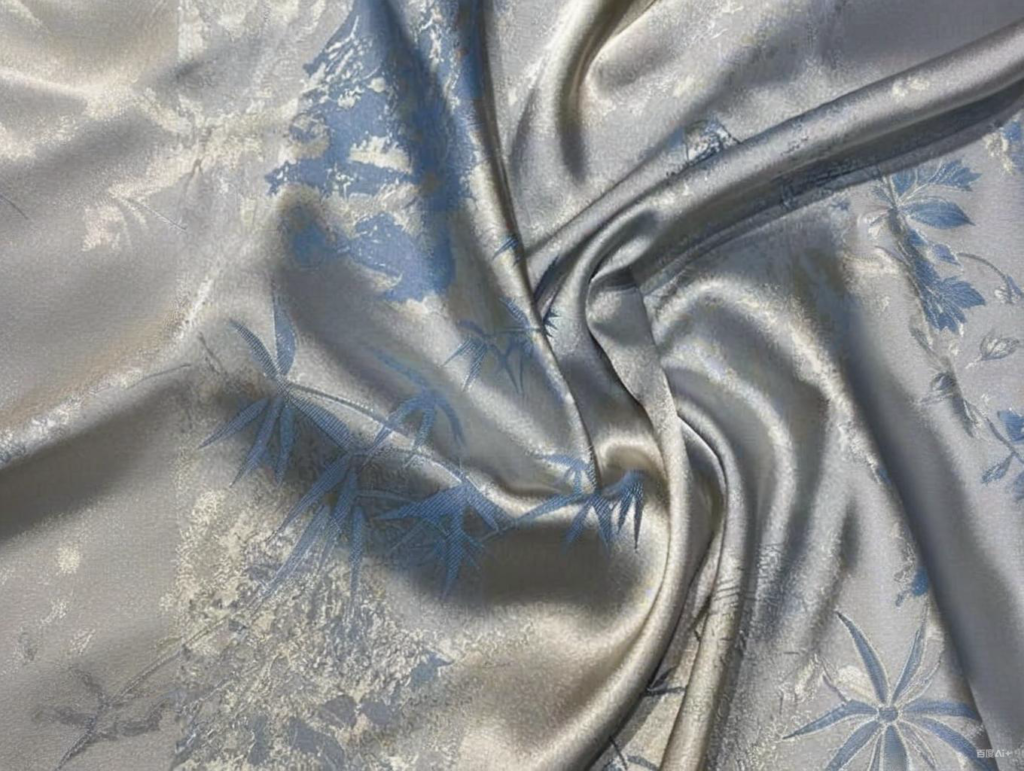
The real-world performance of bamboo, linen, and hemp fabrics is shaped not only by the fibers themselves but by the dyeing method, finishing process, fabric construction, and blend composition. These four variables determine everything from color brilliance to durability, shrinkage control, drape, and overall tactile comfort. For importers, designers, and sourcing teams, understanding how these factors interact is essential to engineering fabrics that meet commercial expectations for beauty, performance, and long-term wear.
Bamboo excels in color vibrancy and softness, linen thrives in premium natural finishes and surface character, and hemp stands out in rugged constructions that prioritize durability. When blended with cotton, lyocell, or spandex, all three fibers achieve more balanced performance suited to modern apparel and home textile markets. Bamboo leads in dye brilliance, linen delivers luxurious natural texture and premium finishes, and hemp performs best in hard-wearing constructions. Strategic blends—especially with cotton, lyocell, and spandex—optimize drape, comfort, stretch, and dimensional stability.
Dyeing & Finishing
Dye affinity and finishing treatments play a major role in the commercial quality of natural and regenerated cellulosic fabrics. Color penetration, wash fastness, and softness are all determined by how the fabric is treated in its final stages.
Bamboo (Viscose or Lyocell)
Bamboo viscose and bamboo lyocell possess an excellent affinity for reactive dyes, producing deeply saturated, even color results. Their regenerated structure allows dye molecules to bind effectively, making bamboo a favorite for brands emphasizing rich color palettes.
- Strong dye uptake ensures vivid tones from pastels to deep jewel colors
- Risk of shrinkage unless pre-shrunk or mercerized
- Anti-pilling and antibacterial finishes increase performance in next-to-skin garments
- Enzyme finishes enhance softness for bedding and loungewear
Laboratory testing shows bamboo achieves Color Fastness to Wash ratings of 4–5 when dyed with high-quality reactive dyes.
Linen (Flax Fiber)
Linen takes dyes moderately, with natural irregularities that create subtle tonal depth. Its slub structure gives linen unique visual interest, contributing to its premium positioning in fashion and home décor.
- Stone washing softens stiffness and enhances texture
- Enzyme washing improves handfeel and reduces harshness
- Overdyeing creates vintage-inspired tones popular in resort wear
Because flax fibers contain residual pectin and lignin, linen rarely achieves the same brightness as bamboo—but this is part of its appeal.
Hemp
Hemp fibers are more resistant to dye penetration due to their denser cell walls and higher lignin content. As a result, hemp fabrics typically display natural, muted, or earthy color palettes unless heavily processed.
- Muted tones appreciated in eco-lifestyle apparel and slow-fashion markets
- Softening finishes essential for apparel-grade hemp
- Reactive and VAT dyes improve depth but raise cost
Hemp’s natural resistance to fading makes it ideal for outdoor fabrics and canvas bags.
Fabric Constructions
Fabric construction defines how the fiber behaves, how it feels, and how long it lasts. The choice between plain weave, twill, jersey, and canvas dramatically changes the performance profile.
| Construction | Bamboo | Linen | Hemp | Notes |
|---|---|---|---|---|
| Plain Weave | Smooth, silky | Crisp, slub texture | Coarse, durable | Linen dominates in premium shirts |
| Twill | Less common | Rare | Strong hemp twills for workwear | Hemp ideal for ruggedness |
| Jersey | Popular for tees/underwear | Not typical | Used in blends | Bamboo jersey softest |
| Canvas | Weak tensile strength | Limited | Excellent hemp canvas | Hemp canvas ideal for bags/jackets |
Plain Weave
A versatile construction suitable for all three fibers. Bamboo plain weaves feel smooth and luxurious, linen plain weaves show natural slubs, and hemp plain weaves are sturdy and coarse.
Twill
Bamboo and linen rarely use twill except in blended constructions. Hemp twill, however, is exceptionally strong and used extensively in:
- Workwear
- Jackets
- Utility trousers
- Durable lifestyle bags
Jersey
Bamboo jersey is one of the softest knit fabrics available, making it essential in:
- Underwear
- T-shirts
- Athleisure
- Baby clothing
Linen knit is rare due to its stiffness, while hemp jersey is typically blended.
Canvas
Hemp canvas is significantly stronger than cotton canvas, often used for:
- Tote bags
- Outerwear
- Backpacks
- Upholstery accents
Bamboo has insufficient tensile strength for canvas applications.
Blends for Optimized Performance
Blending fibers is one of the most effective strategies to enhance commercial viability. Blends often solve single-fiber weaknesses—improving softness, reducing wrinkling, adding stretch, or stabilizing shrinkage.
Bamboo + Cotton
One of the most commercially successful blends.
- Enhances softness
- Reduces shrinkage
- Improves cost efficiency
- Ideal for bedding, T-shirts, lounge sets
Bamboo-cotton blends often achieve 5%–10% higher customer satisfaction in bedding vs pure cotton.
Linen + Cotton
Designed for breathable summer wear.
- Adds structure to cotton
- Improves wrinkle recovery vs pure linen
- Maintains cooling effect
Used widely in resort wear, shirts, dresses, and lightweight trousers.
Hemp + Organic Cotton
A favorite for sustainable fashion.
- Softens hemp’s coarseness
- Retains tensile strength
- Reduces environmental impact
- Ideal for eco-workwear and casualwear
Bamboo + Spandex
Highly valued in activewear and athleisure.
- Provides stretch and shape retention
- Perfect for leggings, yoga tops, base layers
- Bamboo’s moisture-wicking enhances performance feel
Linen + Lyocell
Popular in luxury womenswear and bedding.
- Improves drape
- Adds silky smooth touch
- Controls linen wrinkling
Lyocell’s environmental profile enhances sustainability credentials.
Case Example
A premium bedding manufacturer introduced 70% bamboo viscose + 30% cotton sheets, achieving:
- Smoother handfeel compared to 100% cotton
- Greater tensile strength than pure bamboo
- Reduced shrinkage (3% vs bamboo’s typical 6–8%)
- Superior color retention after 30 washes
In Europe, linen–cotton blends dominate summer collections due to breathability and enhanced wrinkle resistance. Hemp–cotton blends are increasingly used in outdoor apparel and rugged lifestyle brands because they maintain strength even after heavy wear.
Perspective
Dyeing, finishing, construction, and blending transform raw fibers into fabrics that fit specific markets. The key is alignment:
- Bamboo blends dominate comfort-driven markets thanks to softness and rich color.
- Linen blends win in premium fashion where texture and natural luxury matter.
- Hemp blends thrive in outdoor, workwear, and sustainable lifestyle segments that require toughness and longevity.
Blends are not shortcuts—they represent the engineering behind modern fabric innovation, enhancing performance while broadening application potential.
Are there sourcing, labeling, and compliance risks to watch (green claims, viscose vs lyocell, REACH/RSL), and how should buyers specify, test, and audit suppliers?
As demand for eco-conscious fibers grows, the complexity of sourcing bamboo, linen, and hemp increases in parallel. Modern consumers expect environmental responsibility, yet the supply chain behind these plant-based fabrics remains uneven, fragmented, and at times opaque. The biggest challenges buyers face today are not simply related to fiber quality but to verifying sustainability claims, ensuring accurate labeling, and maintaining compliance with increasingly strict chemical and environmental standards.
Bamboo viscose mislabeled as “organic bamboo,” uncertified linen marketed as European flax, and hemp with inconsistent pesticide residues are becoming common risks in global trade. To navigate this evolving landscape, brands must combine technical testing, regulatory knowledge, and rigorous supplier audits. The most serious risks involve false sustainability claims, fiber mislabeling, inconsistent quality, and non-compliance with chemical restrictions. Successful buyers mitigate these risks through clear specifications, transparent supplier relationships, and third-party verification before production scaling.
Understanding the full spectrum of risks—and the tools available to mitigate them—is essential for responsible sourcing.
Common Risks
While bamboo, linen, and hemp share a reputation for sustainability, the practical risks differ significantly across fibers.
| Risk | Bamboo | Linen | Hemp |
|---|---|---|---|
| Mislabeling | Viscose sold as “eco bamboo,” “organic bamboo,” or “natural bamboo fiber” | Low risk; EU flax sector is highly regulated | Some mills overstate organic content or environmental benefits |
| Quality Variability | Shrinkage, pilling, inconsistent dye uptake between batches | Wrinkle-prone but typically consistent | Softness varies widely by retting method and processing |
| Compliance | Chemical residues from viscose processing if mills lack closed-loop systems | Generally safe, but must confirm bleaching agents | Must test for pesticide residues in non-certified hemp |
Bamboo presents the highest labeling risk due to the chemical processing required to convert cellulose into viscose. Linen carries the least risk but still requires certification to verify true European flax origin. Hemp suffers from irregular softness and finishing quality, especially from small-scale producers.
Compliance Standards
Compliance is no longer optional. Global buyers must align with multiple legal frameworks to avoid penalties and reputational damage.
REACH (EU Regulations) Requires verification that fabrics do not contain restricted chemicals such as formaldehyde, heavy metals, azo dyes, or hazardous solvents. Bamboo viscose suppliers must demonstrate clean chemical management since viscose production typically uses sodium hydroxide, sulfuric acid, or carbon disulfide.
RSL (Restricted Substances List) Many brands maintain their own corporate RSLs. Buyers must test finished fabrics, dyes, coatings, and auxiliaries to ensure full compliance.
Certifications Certifications are vital tools for transparency:
- GOTS (Global Organic Textile Standard): Applies to organic flax (linen) and organic hemp.
- FSC (Forest Stewardship Council): Ensures bamboo raw material is responsibly sourced.
- OEKO-TEX Standard 100: Ensures the final textile is free from harmful substances.
- EU Ecolabel: Indicates high environmental performance from raw material to finishing.
- GRS (Global Recycled Standard): Useful for recycled bamboo lyocell blends.
These certifications don’t replace testing, but they strengthen audit trails and confirm responsible sourcing.
Auditing & QC Steps
A robust risk-mitigation workflow must include structured audits, laboratory testing, and strict documentation. Below are key steps used by professional procurement teams.
1. Supplier Verification Onboarding a supplier requires more than requesting samples. Buyers should review:
- Environmental management systems
- Chemical inventories and MSDS records
- Worker safety compliance
- Wastewater treatment capabilities
- Factory traceability and chain-of-custody documentation
For bamboo viscose suppliers, buyers should confirm whether the mill uses closed-loop lyocell processing or conventional viscose methods.
2. Material Testing Fiber content verification prevents mislabeling and ensures product integrity. Independent labs can distinguish:
- Viscose from bamboo
- Bamboo lyocell from bamboo viscose
- Hemp from linen (commonly mixed due to similar appearance)
Microscopy and solubility tests are standard, while FTIR is used for more precise verification.
3. Performance Testing Before large-scale production, fabrics should undergo:
- Tensile strength (ISO 13934)
- Shrinkage after washing (ISO 5077)
- Colorfastness to washing, rubbing, light (ISO 105 standards)
- Pilling resistance (ISO 12945-2)
Bamboo viscose often requires stricter pilling and shrinkage tests.
4. Labeling Accuracy Regulatory frameworks in the US (FTC), EU (Textile Labeling Regulation 1007/2011), and UK prohibit ambiguous or misleading names.
Legally accepted terms include:
- “Viscose from bamboo” → legal
- “Bamboo viscose” → legal
- “Organic bamboo” → illegal
- “Natural bamboo fiber” → illegal
Linen or hemp labeled “organic” must be backed by GOTS certification.
5. Pre-Production Samples Strike-offs and wash-test samples must be approved before bulk production. Buyers should test:
- Dye migration
- Torque and twisting in knits
- Softness consistency
- Dimensional stability
This minimizes defective bulk shipments.
Case Example
A UK women’s activewear brand marketed its bamboo leggings as “100% organic bamboo.” The garments were, in fact, standard bamboo viscose, and the UK Advertising Standards Authority issued penalties for misleading environmental claims. The brand was forced to remove all sustainability wording and relabel future products as “viscose derived from bamboo.”
The incident highlighted the critical need for accurate nomenclature, transparency, and third-party verification. Meanwhile, hemp and linen suppliers with GOTS and European Flax certifications were able to avoid similar regulatory challenges.
Perspective
In the era of eco-marketing, transparency is not merely a responsibility—it is a competitive advantage. Brands that invest in clear specifications, scientific testing, and traceable sourcing outperform competitors who rely on unverified sustainability claims. Bamboo, linen, and hemp each carry different risks, but these risks are manageable with disciplined quality systems.
Successful procurement requires:
- Clear technical specifications with tolerances
- Required certifications for every batch
- Independent lab testing under ISO or ASTM standards
- Supplier audits covering both environmental and chemical management
- Accurate, regulation-compliant labeling
The brands that excel are those that treat sustainability as a measurable standard, not a marketing slogan.
When comparing bamboo, linen, and hemp, the goal is not to find a single “best” fiber—but to align each fiber with the right performance profile, regulatory standards, and sourcing strategy.
- Bamboo offers exceptional softness and moisture performance but must be correctly labeled and carefully verified due to viscose processing concerns.
- Linen remains unparalleled in breathability and cooling, backed by strong European certification frameworks.
- Hemp is the most durable and antimicrobial of the three, but requires testing for pesticide residue and hand-feel consistency.
The true opportunity lies in fiber engineering and blends, where bamboo’s comfort, linen’s airflow, and hemp’s durability combine into high-performance sustainable textiles.
At SzoneierFabrics, we specialize in developing functional, sustainable fabrics using bamboo, linen, hemp, and innovative blends. With fast sampling, low MOQs, rigorous QC systems, and global export experience, we help brands create textiles that meet both performance and regulatory demands.
Ready to build your next-generation eco-fabric? Contact SzoneierFabrics today to request free samples and begin your custom development project.