 Skip to content
Best Bag Manufacturer for Shopify DTC Brands
Helping Direct-to-Consumer Brands Build Unique Bag Products
Direct-to-consumer brands built on Shopify often compete through product design, brand identity, and customer experience. Unlike traditional retail businesses that focus mainly on large wholesale quantities, DTC brands typically launch products in smaller batches, test new designs frequently, and rely heavily on product differentiation.
Szoneier production network includes fabric suppliers, leather material partners, neoprene facilities, and TPU/EVA material manufacturers, we are able to support a wide range of bag categories and design concepts.
Materials Available for Custom Bag Manufacturing
Material selection is one of the most important factors in developing a bag product. The right material can improve durability, product appearance, and long-term performance.
Szoneier works with multiple material suppliers and production partners, allowing us to source a wide variety of fabrics and materials used in bag manufacturing.
Polyester Fabrics
Polyester fabrics are widely used because they provide a good balance between durability and cost.
Common polyester fabric densities include:
| Fabric Density | Application |
|---|---|
| 210D polyester | lightweight bags |
| 420D polyester | backpacks |
| 600D polyester | travel bags |
| 900D polyester | heavy-duty bags |
Polyester fabrics are known for:
- abrasion resistance
- stable colors
- lightweight construction
Nylon Fabrics
Nylon fabrics provide higher tensile strength compared to polyester and are often used for bags designed for heavier loads.
Common nylon types include:
| Nylon Type | Application |
|---|---|
| 210D nylon | lightweight bags |
| 420D nylon | travel bags |
| 1680D ballistic nylon | heavy-duty bags |
Canvas Fabrics
Canvas fabrics are commonly used for tote bags and eco-style products.
Typical canvas weights include:
| Canvas Weight | Application |
|---|---|
| 8 oz | promotional tote bags |
| 12 oz | everyday tote bags |
| 16 oz | heavy-duty tote bags |
PU Leather
PU leather is commonly used for fashion bags and cosmetic bags.
Key characteristics include:
- smooth appearance
- water resistance
- easy cleaning
Because PU leather provides a premium look at a moderate cost, it is widely used for lifestyle products.
Waterproof Materials
For outdoor or travel bags, waterproof materials are often required.
Common waterproof materials include:
| Material | Application |
|---|---|
| TPU laminated fabrics | dry bags |
| PVC tarpaulin | waterproof gear bags |
These materials provide strong water resistance for outdoor products.
Simply put: Your material choice determines your product’s success.
About Szoneier
An Experienced Bag Manufacturer Supporting Global E-commerce Brands
Szoneier bag factory works with companies operating in various sectors including lifestyle brands, travel product companies, beauty brands, outdoor equipment brands, and many growing e-commerce businesses.
Many of the bag products manufactured by Szoneier are sold through:
- Shopify direct-to-consumer stores
- Amazon marketplaces
- brand-owned e-commerce websites
- retail distribution channels
Through years of cooperation with global brands, our team has developed practical experience in product development, material sourcing, and stable manufacturing processes.
Integrated Manufacturing and Material Supply
One of the strengths of Szoneier is our integrated manufacturing network. Instead of relying on a single factory or supplier, we work with several specialized material production partners that support bag manufacturing.
This supply network includes:
| Facility | Capability |
|---|---|
| Fabric production partners | polyester, nylon, canvas fabrics |
| Leather material suppliers | PU leather and microfiber leather |
| Neoprene production facilities | laminated neoprene materials |
| TPU and EVA material partners | waterproof fabrics and structural foam |
This integrated supply structure allows Szoneier to maintain stable material quality and flexible product development options for different bag categories.
Because materials are sourced through established partners, our production team can also respond quickly when new product designs require specific materials or construction techniques.
Bag Manufacturing Experience Across Multiple Product Categories
Over the past 18 years, Szoneier has produced a wide variety of bag products for international brands.
Common bag categories manufactured by our factory include:
- cosmetic bags
- travel bags
- tote bags
- cooler bags
- backpacks
- waterproof dry bags
- laptop bags
- storage organizers
Each bag category requires different materials, structural reinforcement, and construction techniques.
Our development team evaluates product requirements before production begins to ensure the bag structure, materials, and hardware components are suitable for the intended use.
Product Development and Sampling Support
Product development is an important part of working with growing brands. Many projects begin with only a product idea, reference image, or simple design concept.
Szoneier supports this process through an internal sample development workshop where prototypes are produced before mass production.
Typical development timelines include:
| Development Stage | Timeline |
|---|---|
| product discussion | 1–2 days |
| sample production | 5–7 days |
| complex sample development | 7–15 days |
This rapid development process allows brands to evaluate products quickly before committing to larger production orders.
This type of supplier is not just a small factory— it is a manufacturer engineered to support new brands.

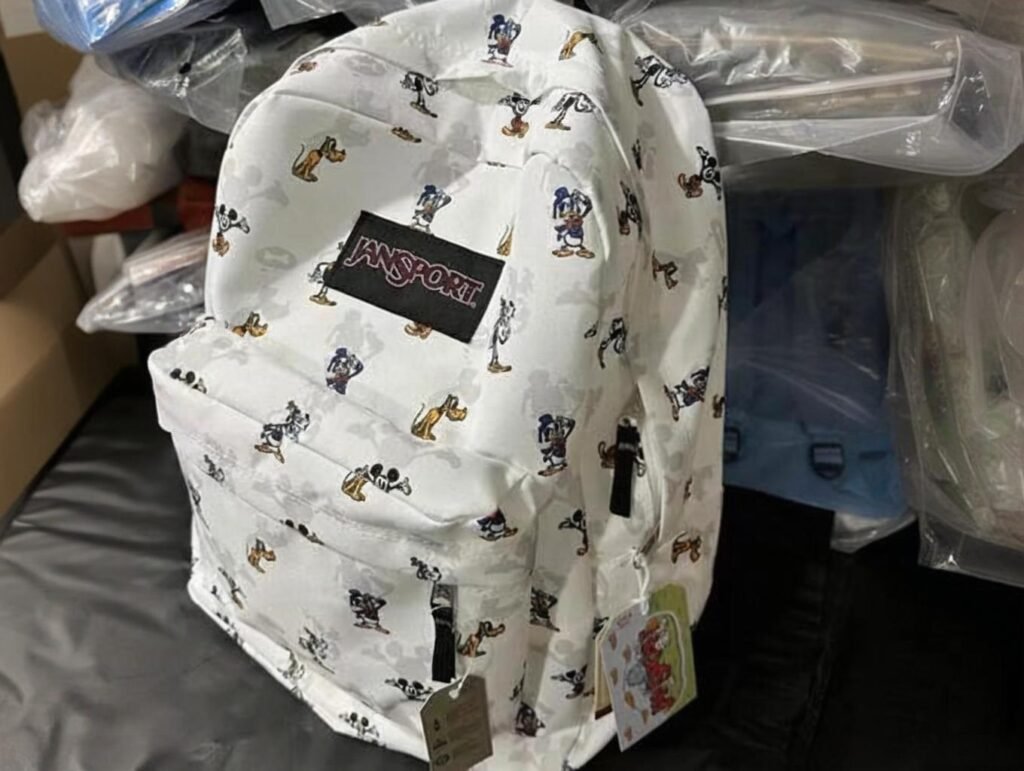
Flexible Production Quantities
Unlike many factories that require large order quantities, Szoneier supports flexible production for smaller product launches.
Minimum order quantities typically start from 50 pieces, depending on bag type and design complexity.
Typical production ranges include:
| Production Stage | Quantity |
|---|---|
| initial product testing | 50–100 pcs |
| early product launch | 200–500 pcs |
| scaling production | 1000+ pcs |
This approach allows brands to introduce new products while managing inventory risk.
Quality Control Throughout Production
Maintaining consistent quality is essential for brands selling products directly to consumers.
Szoneier applies several quality inspection stages during the manufacturing process.
Typical inspection stages include:
| Production Stage | Inspection Focus |
|---|---|
| raw materials | fabric quality and color consistency |
| cutting process | size accuracy |
| sewing assembly | stitching quality |
| hardware installation | zipper and buckle functionality |
| final inspection | overall appearance and measurements |
For most orders, 100% product inspection is conducted before shipment to ensure products meet agreed specifications.
Common Risks for Shopify Brands When Sourcing Bags
Understanding the Most Frequent Challenges in Bag Manufacturing
For many Shopify brands, sourcing bag products from overseas manufacturers offers advantages such as lower production costs and flexible manufacturing options. However, without the right manufacturing partner, several issues may arise during product development and production.
Over the past 18 years, Szoneier has worked with many international brands and e-commerce companies. Through this experience, we have seen several common challenges that often occur when brands source bag products from factories without sufficient experience or quality control systems.
Understanding these risks can help brands avoid costly mistakes and ensure smoother product launches.
Risk 1 — Inconsistent Product Quality Between Production Batches
One of the most common problems when sourcing bags is inconsistency between production runs.
A product may perform well during the first production order but show quality differences in later batches. These issues often include:
- fabric color variations between batches
- stitching density changes
- different hardware components used
- logo placement inconsistencies
These problems often occur when factories change material suppliers or do not maintain detailed production records.
At Szoneier, product specifications are documented for every project. Material types, hardware components, and construction methods are recorded to ensure repeat orders can be produced consistently.
Our factory also performs 100% product inspection before shipment, helping ensure each batch meets the same quality standards.


Risk 2 — Weak Bag Construction and Poor Reinforcement
Bags are everyday products that must withstand repeated use and heavy loads. If structural design is weak, the bag may fail quickly after customers begin using it.
Typical structural problems include:
- handles tearing from the bag body
- seams opening under heavy loads
- zipper ends breaking due to lack of reinforcement
These issues are often caused by:
- insufficient stitching density
- weak thread materials
- missing reinforcement stitching
Szoneier reinforces critical stress points using bar-tack stitching, particularly at:
- handle attachments
- shoulder strap connections
- zipper ends
Typical stitching density used in our factory ranges between 7–9 stitches per inch, depending on bag type.
Risk 3 — Low Quality Zippers and Hardware
Hardware components play an important role in bag durability and user experience.
Poor quality hardware may result in:
- zippers getting stuck or breaking
- plastic buckles cracking under pressure
- metal hardware rusting over time
Many low-cost manufacturers use hardware components that are not tested for durability.
Szoneier works with several long-term hardware suppliers and commonly uses SBS zippers or YKK zippers depending on product requirements.
During final inspection, zipper functionality and hardware installation are carefully checked.


Risk 4 — Incorrect Material Selection
Choosing the wrong material can significantly affect bag durability and performance.
Common examples include:
- lightweight fabrics used for heavy-duty bags
- non-waterproof fabrics used for outdoor bags
- thin lining fabrics that tear easily
Material selection should always match the intended use of the product.
Szoneier works with a wide range of materials including:
- polyester fabrics
- nylon fabrics
- canvas fabrics
- PU leather
- neoprene
- TPU laminated waterproof fabrics
Our product team helps recommend materials based on durability requirements, product positioning, and target price range.
Risk 5 — Lack of Product Testing
Some suppliers skip performance testing before production begins, which may lead to problems that only appear after the product reaches customers.
Important material tests for bag products include:
| Test | Purpose |
|---|---|
| abrasion resistance | evaluate durability |
| tear strength | test fabric strength |
| color fastness | prevent color fading |
| waterproof testing | verify water resistance |
Testing helps ensure that products can withstand real-life usage conditions.


Risk 6 — Unclear Product Specifications
Miscommunication during product development can cause significant production problems.
Common examples include:
- incorrect bag dimensions
- wrong materials used
- misplaced logo designs
To reduce these issues, Szoneier confirms product specifications before production begins, including:
| Specification | Details |
|---|---|
| bag dimensions | height, width, depth |
| material types | fabric and lining |
| hardware components | zipper and buckles |
| logo method | printing, embroidery, patches |
These details are confirmed before sample production begins.
Risk 7 — Production Delays and Unstable Manufacturing Capacity
Some factories accept orders without having sufficient production capacity. This may result in delayed delivery timelines.
Production delays can occur due to:
- insufficient sewing workers
- delayed material delivery
- overloaded production schedules
Szoneier coordinates production planning before confirming delivery timelines.
Typical timelines include:
| Stage | Timeline |
|---|---|
| sample development | 5–7 days |
| complex samples | 7–15 days |
| mass production | 25–30 days |
These timelines help brands plan product launches more accurately.


Risk 8 — Improper Packaging and Shipping Preparation
Packaging is an important part of product delivery, especially for brands selling through e-commerce platforms.
Common packaging problems include:
- damaged products during transportation
- incorrect labeling
- missing barcode labels
Szoneier supports packaging preparation including:
- poly bag packaging
- protective carton packaging
- barcode labels
- branded hang tags
These steps help ensure products arrive ready for distribution.
Bag Types Developed for Shopify DTC Brands
Direct-to-consumer brands operating on Shopify often focus on building unique product lines rather than selling generic products. Many successful Shopify stores develop bag products designed for specific lifestyles, communities, or product ecosystems.
Below are some of the most common bag products developed for Shopify brands.
Cosmetic and Beauty Bags
Cosmetic bags remain one of the most popular product categories for beauty brands selling through Shopify stores.
These bags are designed to store:
- makeup products
- skincare items
- travel toiletries
- beauty tools
Typical cosmetic bag features include:
- waterproof interior lining
- zipper compartments
- brush holders
- compact travel sizes
Common materials used include:
| Material | Characteristics |
|---|---|
| PU leather | smooth appearance, easy cleaning |
| polyester | lightweight and durable |
| nylon | abrasion resistant |
Szoneier produces cosmetic bags in several common sizes:
| Size | Application |
|---|---|
| small pouch | daily makeup storage |
| medium organizer | travel cosmetics |
| large cosmetic case | professional kits |
Travel Bags and Travel Organizers
Travel-related products are widely sold by Shopify brands targeting lifestyle and travel communities.
Typical travel bag products include:
- duffle bags
- travel backpacks
- packing cubes
- toiletry organizers
Common structural features include:
- multiple storage compartments
- reinforced shoulder straps
- luggage strap attachments
- durable zipper systems
Travel bags produced by Szoneier often use 600D polyester or nylon fabrics, which provide durability while keeping product weight relatively low.
Tote Bags and Everyday Carry Bags
Tote bags are widely used by lifestyle brands because of their versatility and simple construction.
Typical use cases include:
- shopping bags
- daily commuting bags
- brand merchandise
Common tote bag materials include:
| Material | Application |
|---|---|
| cotton canvas | eco tote bags |
| polyester fabric | lightweight tote bags |
| PU leather | fashion tote bags |
Typical canvas tote weights produced by Szoneier include:
| Canvas Weight | Application |
|---|---|
| 8 oz | promotional bags |
| 12 oz | everyday tote bags |
| 16 oz | heavy-duty tote bags |
These bags can also include internal pockets and reinforced handles.
Laptop Bags and Work Bags
Many Shopify brands target professionals and digital workers with laptop bags designed for commuting and travel.
Typical laptop bag features include:
- padded laptop compartments
- shock absorbing foam layers
- internal accessory pockets
- reinforced shoulder straps
Laptop compartments usually include 5–10 mm foam padding to protect electronic devices.
Common laptop bag sizes include:
| Size | Device Compatibility |
|---|---|
| 13 inch | compact laptops |
| 15 inch | standard laptops |
| 17 inch | large laptops |
Gym Bags and Sports Bags
Fitness-related products are popular among Shopify brands focusing on active lifestyles.
Typical gym bag features include:
- ventilated shoe compartments
- adjustable shoulder straps
- reinforced bottom panels
Common materials include:
| Material | Density |
|---|---|
| polyester | 600D – 900D |
| nylon | 420D – 1680D |
Many gym bags are designed to carry 10–20 kg loads, so reinforcement stitching is used at key stress points.
Insulated Cooler Bags
Cooler bags are widely used for:
- food delivery
- outdoor picnics
- grocery transport
Typical cooler bag structure includes three layers:
| Layer | Material |
|---|---|
| outer fabric | polyester or nylon |
| insulation layer | EPE foam (5–8 mm) |
| inner lining | PEVA or aluminum foil |
These bags help maintain temperature for several hours.
Waterproof Dry Bags
Outdoor brands often develop waterproof dry bags designed for activities such as:
- kayaking
- camping
- fishing
- boating
Typical materials include:
| Material | Characteristics |
|---|---|
| TPU laminated fabric | flexible waterproof protection |
| PVC tarpaulin | strong waterproof barrier |
Dry bags use roll-top closures that create a watertight seal.
Szoneier produces dry bags in sizes such as 5L, 10L, 20L, and 30L.
Storage Organizer Bags
Storage organizer bags are commonly sold by Shopify brands targeting travel and home organization markets.
These products help customers store items such as:
- electronic accessories
- clothing
- travel gear
Typical features include:
- multiple internal compartments
- lightweight fabrics
- zippered closures
Many organizers are sold as multi-piece travel sets.
Backpack Products
Backpacks are one of the most complex bag structures and require careful engineering to ensure durability and comfort.
Typical backpack features include:
- padded shoulder straps
- breathable back panels
- internal laptop compartments
- adjustable chest straps
Common materials include:
| Material | Application |
|---|---|
| polyester | school backpacks |
| nylon | outdoor backpacks |
| TPU fabrics | waterproof backpacks |
Backpacks produced by Szoneier often include EVA foam padding for structural stability.
Beach Bags
Beach bags are commonly sold by lifestyle brands targeting summer travel, resort vacations, and outdoor leisure activities.
These bags are designed to carry items such as:
- towels
- sunscreen
- water bottles
- personal accessories
Typical beach bag features include:
- large storage capacity
- reinforced handles
- breathable mesh panels
- sand-resistant construction
Common materials used include:
| Material | Characteristics |
|---|---|
| canvas | strong and durable |
| polyester | lightweight and water resistant |
| mesh fabric | prevents sand buildup |
Szoneier frequently produces beach bags with large bottom gussets and reinforced stitching, allowing them to carry loads of 8–12 kg.
Yoga Mat Bags
Yoga mat bags are popular products for wellness brands and fitness communities.
These bags are designed to carry rolled yoga mats and small accessories.
Typical design features include:
- cylindrical bag shape
- adjustable shoulder strap
- drawstring or zipper closure
Common materials include:
| Material | Application |
|---|---|
| cotton canvas | eco-style yoga bags |
| polyester | lightweight sports bags |
| nylon | durable travel bags |
Szoneier commonly produces yoga mat bags designed for standard 6 mm yoga mats.
Camera Bags
Camera bags are designed to protect photography equipment such as cameras, lenses, and accessories.
These bags require protective internal structures to prevent damage during transport.
Typical features include:
- thick foam padding
- removable internal dividers
- water-resistant outer fabric
Common padding materials include:
| Padding Material | Thickness |
|---|---|
| EVA foam | 5–10 mm |
| PE foam | 8–12 mm |
These materials help protect sensitive equipment from shock.
Pet Carrier Bags
Pet carrier bags are used to transport small animals such as cats or small dogs.
Key product features include:
- breathable mesh panels
- reinforced bottom panels
- comfortable shoulder straps
Typical materials include polyester fabrics combined with ventilation mesh panels.
Many designs also include removable base pads for comfort and easy cleaning.
Bike Frame Bags
Bike frame bags are designed to attach directly to bicycle frames and are commonly used by cycling enthusiasts.
Typical features include:
- triangular bag shape
- adjustable mounting straps
- waterproof zippers
Common materials include:
| Material | Characteristics |
|---|---|
| TPU laminated fabric | waterproof |
| nylon | lightweight and durable |
Some designs also include reflective strips for visibility during night cycling.
Shoe Bags
Shoe bags are widely used for travel, sports, and gym activities.
Typical features include:
- separate shoe compartments
- ventilation panels
- water-resistant fabrics
Common materials include polyester fabrics and nylon fabrics.
These bags help protect other items in luggage from dirt and moisture.
Golf Shoe Bags
Golf shoe bags are commonly sold by golf equipment brands.
These bags are designed to protect golf shoes and provide ventilation.
Key features include:
- breathable mesh panels
- reinforced carry handles
- water-resistant materials
Common materials include polyester fabrics and PU leather.
Ventilation holes help prevent moisture buildup.
Fishing Tackle Bags
Fishing tackle bags are designed to store fishing equipment such as lures, tools, and accessories.
These bags require strong materials and multiple storage compartments.
Typical features include:
- multiple gear compartments
- waterproof fabric coatings
- reinforced base panels
Common materials include 600D or 900D polyester fabrics.
Many designs also include plastic tackle box inserts.
Tactical Bags
Tactical bags are designed for outdoor activities such as camping, hiking, and survival gear storage.
These bags are typically constructed using durable fabrics and reinforced stitching.
Typical features include:
- MOLLE webbing systems
- heavy-duty zippers
- reinforced shoulder straps
Common materials include:
| Material | Characteristics |
|---|---|
| 900D polyester | strong and affordable |
| 1000D nylon | high durability |
These bags are designed to carry loads of 15–25 kg.
Packing Cubes and Travel Organizer Sets
Packing cubes help travelers organize clothing and accessories inside luggage.
These products are often sold as multi-piece travel sets.
Typical features include:
- lightweight fabrics
- mesh ventilation panels
- compression zippers
Common materials include 210D or 420D nylon fabrics.
Grocery Shopping Bags
Reusable grocery bags are becoming more popular as environmentally friendly alternatives to disposable plastic bags.
Typical features include:
- reinforced handles
- foldable structure
- washable fabrics
Common materials include:
| Material | Application |
|---|---|
| cotton canvas | durable grocery bags |
| polyester | lightweight shopping bags |
| non-woven fabric | economical bags |
Many brands use grocery bags as promotional merchandise.
International Markets We Serve
Supporting Brands in Global E-commerce Markets
Since its founding in 2007, Szoneier has been manufacturing bags for companies located in many international markets. Our products are exported primarily to North America, Europe, and other regions where quality and durability standards are important.
Many of the brands we work with operate online stores or sell products through digital marketplaces.
North America
North America remains one of the largest markets for bag products.
Many companies in this region operate Shopify stores or sell products through Amazon.
Common bag categories produced for North American brands include:
- cosmetic bags
- cooler bags
- travel bags
- gym bags
- outdoor waterproof bags
Clients in the United States and Canada often prioritize:
| Requirement | Description |
|---|---|
| durable fabrics | strong abrasion resistance |
| reliable zippers | SBS or YKK |
| consistent production | stable repeat orders |
Europe
European markets often emphasize long product lifespan and product quality.
Bag products produced for European companies include:
- canvas tote bags
- fashion handbags
- travel organizers
- outdoor bags
Szoneier has worked with brands located in countries such as:
- Germany
- United Kingdom
- Netherlands
- Sweden
- Denmark
These companies often require consistent stitching quality and well-finished products.
Australia and New Zealand
Outdoor activities are very popular in Australia and New Zealand, creating demand for outdoor and travel-related bag products.
Common products developed for these markets include:
- beach bags
- waterproof dry bags
- cooler bags
- travel bags
These products often require durable materials that can withstand outdoor conditions.
Logistics and International Shipping
Szoneier works with international logistics partners to arrange shipping to global destinations.
Available shipping methods include:
| Shipping Method | Delivery Time |
|---|---|
| express courier | 5–8 days |
| air freight | 7–12 days |
| sea freight | 20–35 days |
Shipping terms supported include:
- EXW
- FOB
- DAP
- DDP
Our logistics team assists with arranging shipments based on delivery timelines and destination requirements.
Packaging Solutions for Shopify DTC Brands
For many Shopify brands, packaging is an important part of the customer experience. When customers receive a product, the packaging presentation often influences their perception of product quality.
Szoneier supports several packaging options that help brands create a professional unboxing experience.
Step 1
Standard Packaging Options
Most bag products are packaged using protective materials during shipping.
Typical packaging options include:
| Packaging Type | Purpose |
|---|---|
| poly bags | protect against dust and moisture |
| carton boxes | protect products during transport |
| tissue wrapping | improve presentation |
These packaging methods ensure that products arrive safely.
Step 2
Branded Packaging
For DTC brands, custom packaging can help strengthen brand identity.
Custom packaging options may include:
- printed packaging boxes
- branded poly bags
- logo hang tags
- product information cards
These packaging elements allow brands to maintain a consistent visual identity.
Step 3
Retail Packaging Preparation
Some Shopify brands also distribute products through retail stores or pop-up events.
Retail-ready packaging may include:
| Packaging Element | Description |
|---|---|
| barcode labels | product identification |
| hang tags | brand and product details |
| care labels | product care instructions |
Szoneier can assist with preparing these packaging elements before shipment.
Step 4
Packaging Protection for International Shipping
International shipping requires proper packaging to prevent product damage.
Common shipping preparation includes:
- poly bag protection
- inner carton packaging
- master carton boxes
These methods help ensure that bag products arrive in good condition after long-distance transportation.
Szoneierfabrics Professional Recommendation
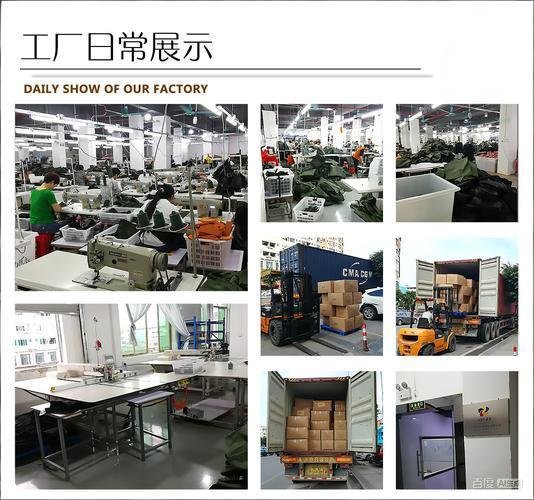
szoneierfabrics provides material sourcing and custom development based on 18+ years of real manufacturing data. Our strengths:
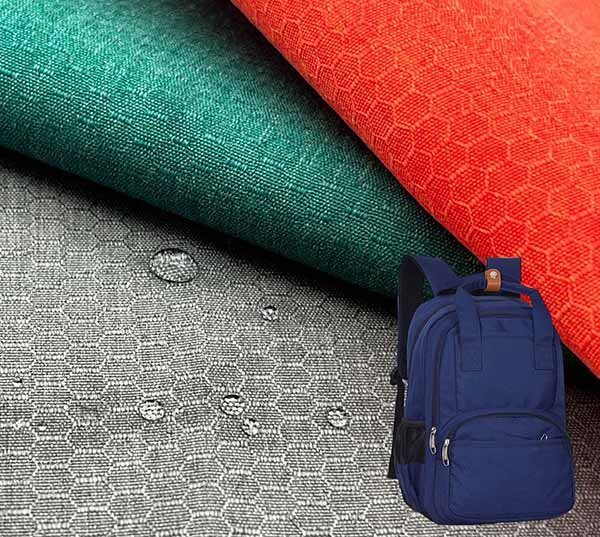
- In-house fabric R&D (polyester, nylon, TPU, PVC, Oxford)
- In-house webbing R&D (nylon/polyester webbing for straps)
- In-house sewing + printing + lamination factories
- Over 25+ fabric/webbing/material engineers
- Over 15+ product designers
- Certified materials (GRS, OEKO-TEX, REACH, ROHS, EN-71)
- We test every fabric for tensile strength, abrasion & waterproofing
- We help global brands select materials based on use-case, cost & durability
Custom Bag Development Workflow
From Product Idea to Finished Bag Production
Developing a bag product requires coordination between design, material sourcing, sampling, and production planning. For Shopify brands launching new products, having a clear development process helps reduce delays and avoid mistakes during manufacturing.
At Szoneier, the bag development workflow has been refined through years of cooperation with international brands and e-commerce companies. This structured process helps ensure that product designs move efficiently from concept to production.
Step 1 — Project Requirement Discussion
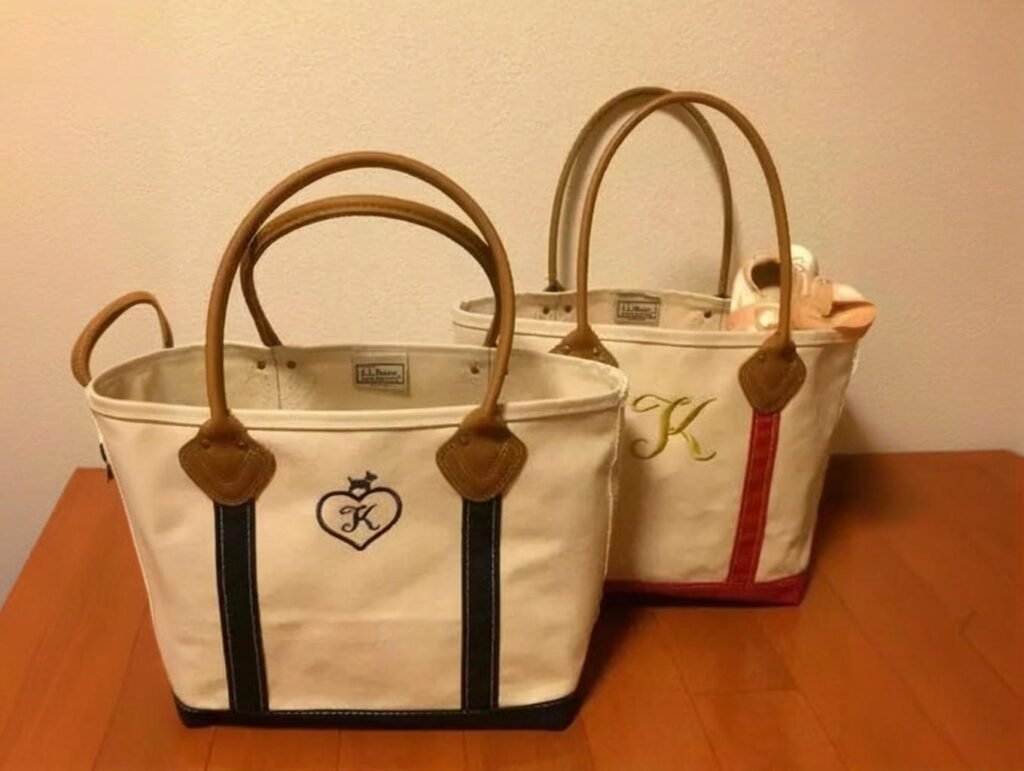
Every project begins with a discussion about the product concept and design requirements.
During this stage, clients usually provide information such as:
- bag type
- approximate size
- target market
- material preference
- logo method
Some projects start with detailed drawings, while others begin with simple product references.
Common reference materials include:
- sketches
- product photos
- competitor product links
- specification sheets
Based on this information, our product team evaluates feasibility and estimates production costs.

Step 2 — Material and Hardware Selection
Once the product concept is confirmed, materials and accessories are selected.
Typical selections include:
| Component | Options |
|---|---|
| Outer fabric | polyester, nylon, canvas, PU leather |
| Lining fabric | polyester lining, waterproof PEVA |
| Zippers | SBS or YKK |
| Webbing straps | nylon or polyester |
| Hardware | buckles, D-rings, adjusters |
Material selection directly affects product durability and cost.

Step 3 — Pattern Development
After materials are confirmed, the product moves to pattern development.
Patterns define the structure of the bag and include:
- panel dimensions
- seam allowances
- pocket placement
- reinforcement areas
Szoneier operates an internal sample workshop where experienced technicians develop patterns for new bag designs.

Step 4 — Sample Production
Once the pattern is finalized, the first prototype is produced.
Typical sampling timelines include:
| Sample Type | Time |
|---|---|
| Standard bag sample | 5–7 days |
| Complex bag design | 7–15 days |
During sample production, technicians evaluate:
- stitching strength
- zipper installation
- hardware placement
- overall appearance
Photos and videos are provided for review before the sample is shipped.

Step 5 — Sample Review and Adjustments
After receiving the sample, clients review the product and provide feedback.
Common adjustments include:
- material color changes
- pocket layout adjustments
- size modifications
- hardware upgrades
If necessary, revised samples can be produced before mass production begins.

Step 6 — Mass Production
Once the sample is approved, production preparation begins.
Mass production at Szoneier typically includes:
| Production Stage | Description |
|---|---|
| fabric cutting | panels cut according to pattern |
| sewing assembly | bag structure assembled |
| hardware installation | zippers and buckles attached |
| finishing | trimming and cleaning |
Mass production normally requires 25–30 days depending on order size and complexity.
Frequently Asked Questions
Q1: What is your minimum order quantity (MOQ) for backpacks?
Our MOQ starts at 30 pcs per design, ideal for new brands testing the market or launching limited collections. Full customization is supported even at low quantities.
Q2: Can you help improve my design if I only have a rough idea?
Yes. Our design and engineering teams work closely with startups. You can provide a sketch, a reference backpack, or even just a description—we will create 3D designs, patterns, and samples.
Q3: Do you offer custom materials, colors, and branding?
Absolutely. You can choose fabrics (polyester, nylon, RPET, Cordura-like), colors (Pantone matching), and branding methods (embroidery, silicone patch, heat transfer, woven labels, metal logo, etc).
Q4: How long does sampling take?
Sampling normally takes 7–12 days, depending on complexity. Revisions take an additional 3–5 days.
Q5: How long does mass production take?
Small-batch production (30–200 pcs) usually takes 18–32 days.
Q6: Do you support Amazon FBA preparation?
Yes. We handle barcode labeling, carton marking, packaging optimization, and direct shipment to Amazon warehouses.
Q7: Can you scale with my company as I grow?
Yes. Our production capacity covers 30 pcs → 300 pcs → 3000+ pcs with the same consistency.
Start Your Custom Bag Project with Szoneier
Work with an Experienced Bag Manufacturing Partner
Launching a bag product requires reliable manufacturing, stable material sourcing, and consistent product quality.
Szoneier has more than 18 years of experience in bag product manufacturing, supporting brands in developing and producing custom bag products for international markets.
Szoneier bag company operates a production network that includes fabric suppliers, leather material partners, and specialized bag production facilities.
Information That Helps Us Prepare a Quotation
To evaluate your project quickly, the following information is helpful:
- bag type
- approximate dimensions
- preferred materials
- logo method
- estimated order quantity
Providing these details allows our product team to prepare accurate production estimates.
If you are planning a new bag product or looking for a manufacturing partner, our team will be happy to assist.
- (+86) 13823134897
- Info@szoneierfabrics.com