Skip to content

When people talk about “cotton fabric,” they often treat it as a single material. In reality, cotton fabrics sourced from different regions can feel, perform, and age very differently—even when they look similar at first glance. Geography, climate, farming practices, spinning technology, and finishing culture all shape how cotton fabric behaves in real use. India, Pakistan, and China are leading global sources of cotton fabrics because they combine large-scale cotton cultivation with strong textile manufacturing ecosystems. Each country specializes in different cotton fabric types—India in fine and traditional weaves, Pakistan in durable and value-driven constructions, and China in technologically enhanced, highly consistent cotton fabrics.
At SzoneierFabrics, cotton sourcing discussions often begin with a simple question: Where should this fabric come from? The answer is rarely about nationality alone. It’s about matching fabric DNA—fiber quality, yarn control, construction style, and finishing philosophy—to the final application.
To make smart cotton sourcing decisions, we need to understand what truly differentiates these three countries, starting with why they dominate the global cotton fabric landscape.


What Makes India, Pakistan, and China Leading Sources for Global Cotton Fabrics?
India, Pakistan, and China lead global cotton fabric sourcing because they combine large-scale cotton cultivation with deeply integrated textile ecosystems, skilled labor pools, and decades—often centuries—of manufacturing experience. Each country has built structural advantages across farming, spinning, weaving, dyeing, and finishing that are difficult for newer sourcing regions to replicate.
Cotton leadership is built over generations, not seasons.
The Structural Reasons Behind Cotton Dominance
When buyers look at cotton fabrics—whether for apparel, home textiles, or industrial uses—they often focus on price or specifications. But behind consistent quality and scalable supply lies a system, not a single factor. India, Pakistan, and China dominate because they control most parts of that system domestically.
Abundant Cotton Cultivation as the Foundation
All three countries rank among the world’s most important cotton producers, but each in a different way.
| Country | Cotton Production Strength |
|---|---|
| India | Largest planted cotton area globally |
| China | High-yield, technology-driven farming |
| Pakistan | Regionally strong long-staple cotton |
- India has the largest cotton acreage in the world, spanning multiple climate zones. This allows production of diverse cotton types—from short staple to extra-long staple—supporting a wide range of fabric applications.
- China focuses on yield and consistency, especially in regions like Xinjiang, where mechanized farming and irrigation deliver uniform fiber quality.
- Pakistan specializes in regional cotton suitable for durable, medium-to-heavy fabrics, widely used in denim, twills, and workwear.
Local access to raw cotton reduces exposure to global price volatility and ensures stable input supply for mills.
Vertically Integrated Textile Ecosystems
Cotton fabric quality depends on far more than fiber alone. The real advantage lies in complete textile ecosystems, where each processing stage feeds efficiently into the next.
| Stage | India | Pakistan | China |
|---|---|---|---|
| Farming | Strong | Strong | Strong |
| Spinning | Mature, diverse | Cost-efficient | Highly automated |
| Weaving | Craft + industrial | Industrial | Industrial + technical |
| Finishing | Traditional + modern | Functional | Advanced |
- India offers the broadest diversity. Small artisanal weaving clusters coexist with large industrial mills, enabling everything from fine shirting poplins to heavy canvas.
- Pakistan is highly focused on spinning and weaving efficiency, producing robust fabrics optimized for durability and repeatability.
- China stands out in finishing—reactive dyeing, mercerization, enzyme washing, and functional coatings are executed at scale with tight tolerances.
This vertical depth allows rapid development, stable quality, and high output volumes.
Spinning Expertise and Yarn Control
Spinning is where cotton quality is either amplified or compromised. All three countries possess decades of accumulated spinning know-how.
- India excels in fine yarn counts (40s–100s), compact spinning, and combed yarns, which are critical for premium apparel.
- Pakistan prioritizes strength and cost efficiency, often producing coarser yarns optimized for heavy constructions.
- China leads in automation and consistency, using advanced ring spinning, rotor spinning, and digital quality monitoring.
Because spinning happens domestically, mills can tightly control yarn specifications rather than relying on imported yarns with variable performance.
Weaving Capacity at Multiple Scales
Another defining factor is weaving flexibility.
India’s weaving sector ranges from handlooms to modern air-jet looms, allowing:
- Small batch development
- Specialty textures
- Fast sampling
Pakistan’s weaving is more standardized, ideal for:
- Large-volume orders
- Uniform constructions
- Industrial and institutional fabrics
China combines:
- High-speed industrial weaving
- Technical fabric capability
- Precision repeatability
This breadth ensures buyers can source everything from boutique fabrics to millions of meters of consistent cloth.
Finishing and Process Control
Finishing often determines whether a cotton fabric feels premium or ordinary.
| Country | Finishing Strength |
|---|---|
| India | Softening, traditional handfeel |
| Pakistan | Functional durability |
| China | Advanced chemical & mechanical finishing |
China’s finishing advantage is especially pronounced:
- Precise dye shade control
- Low batch-to-batch variation
- Capability for functional finishes (wrinkle-resistant, anti-bacterial, easy-care)
India balances modern finishing with traditional methods that emphasize softness and drape, while Pakistan focuses on finishes that enhance wear life and colorfastness.
Skilled Labor Rooted in Textile Culture
Textile skills in these countries are not recent—they are cultural.
| Country | Core Skill Advantage |
|---|---|
| India | Fine handfeel, design diversity |
| Pakistan | Heavy constructions, durability |
| China | Process control, efficiency |
Families and regions often specialize in particular textile processes, passing knowledge across generations. This depth of experience reduces error rates and improves problem-solving during production.
Scale and Infrastructure for Global Supply
Global buyers need more than good fabric—they need reliable scale.
India, Pakistan, and China all offer:
- Large mill clusters
- Established logistics networks
- Export-ready documentation systems
- Experience with international compliance
This infrastructure supports:
- Large MOQ orders
- Stable lead times
- Multi-season continuity
Smaller cotton-producing countries often struggle here, even if raw fiber quality is good.
Cost Structure Without Extreme Compromise
While labor costs have risen—especially in China—overall cost structures remain competitive due to:
- Local raw materials
- High productivity
- Energy and water infrastructure
- Dense supplier networks
China offsets higher wages with automation. India and Pakistan offset lower automation with labor specialization. The result is globally competitive pricing without sacrificing fabric performance.
Compliance and Global Market Experience
Decades of export activity have shaped how these countries work with global brands.
They are familiar with:
- REACH and OEKO-TEX requirements
- Buyer audits and inspections
- Shade continuity standards
- Long-term supply contracts
This experience reduces risk for international buyers sourcing cotton fabrics at scale.
Innovation and Continuous Upgrading
None of these countries rely solely on legacy systems.
- China invests heavily in smart factories, digital QC, and water-saving dyeing.
- India continues upgrading spinning and finishing to serve premium fashion and home textile markets.
- Pakistan modernizes weaving and energy systems to remain competitive in core categories.
This ongoing reinvestment keeps their cotton industries relevant despite global competition.
Why New Cotton Regions Struggle to Compete
Emerging cotton regions may offer:
- Cheap labor
- Access to raw cotton
But they often lack:
- Integrated ecosystems
- Skilled mid-process labor
- Advanced finishing capability
- Export infrastructure
These gaps explain why buyers continue to return to India, Pakistan, and China—even when alternative sourcing options exist.
Strategic Takeaway for Fabric Buyers
India, Pakistan, and China are not interchangeable—but together they form the backbone of global cotton fabric supply.
- Choose India for diversity, fine counts, and flexible development
- Choose Pakistan for durable, cost-efficient constructions
- Choose China for precision, advanced finishing, and large-scale consistency
Their leadership is structural, not temporary.
Cotton fabrics are not commodities in practice—they are engineered materials shaped by farming systems, machinery, people, and process discipline. India, Pakistan, and China dominate because they control that entire chain at scale.
For global buyers, sourcing cotton from these regions is not just a purchasing decision—it is a risk-management strategy built on generations of textile expertise.
Which Cotton Fabric Types from India Are Most Valued for Quality and Craftsmanship?
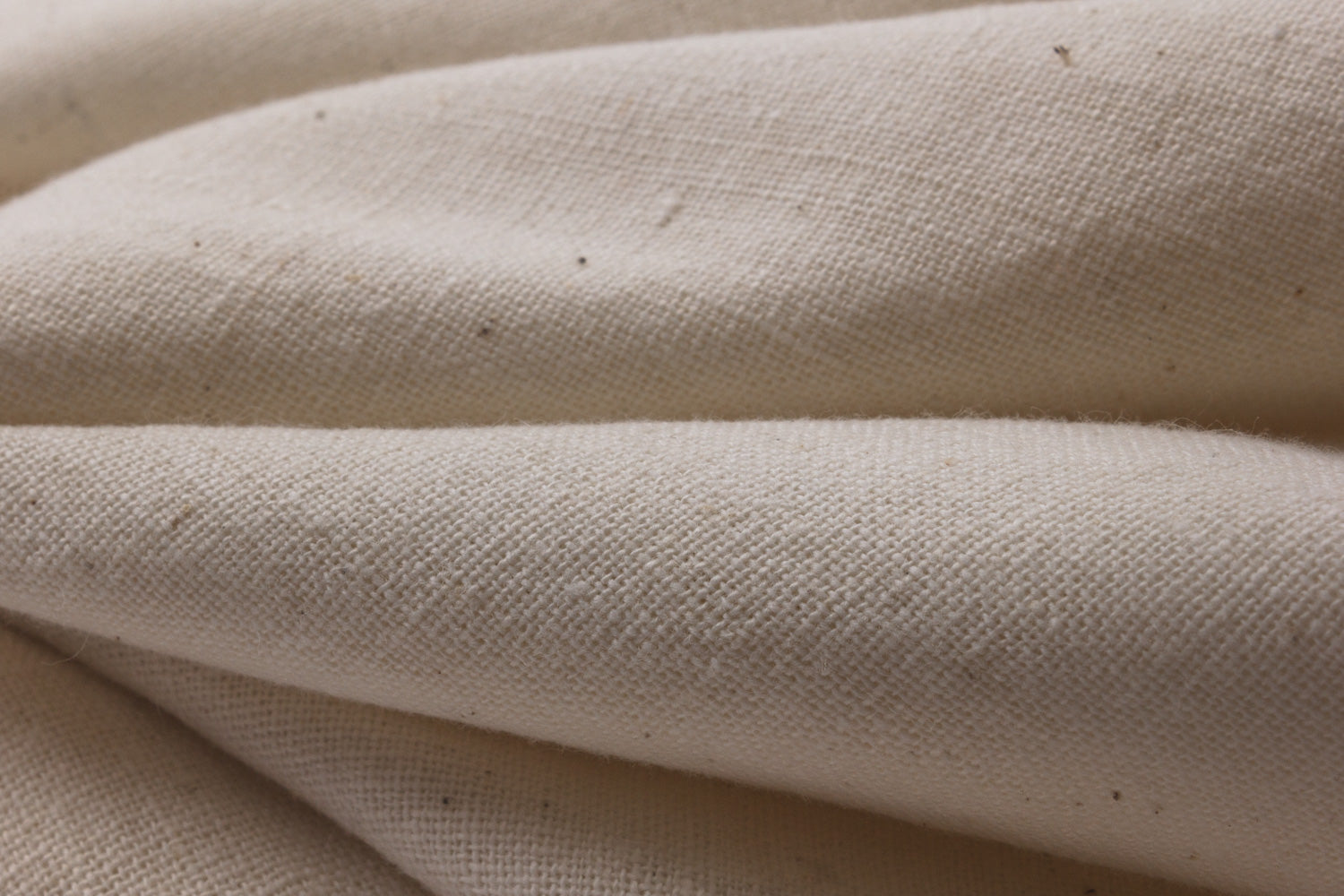
India is most valued for fine to medium-count cotton fabrics that prioritize breathability, softness, and natural texture rather than extreme industrial uniformity. Cotton voile, cambric, poplin, lawn, and traditional handloom cottons (such as khadi) stand out for their comfort, fiber character, and craftsmanship. These fabrics are widely chosen for warm-climate apparel, bedding, and lifestyle products where handfeel and airflow matter more than rigid mechanical consistency.
Indian cotton often feels human—not engineered.
India’s cotton fabric reputation was not built on mass uniformity alone. It grew from centuries of fiber selection, spinning judgment, and weaving intuition, later combined with modern spinning and weaving technology. To understand why Indian cotton fabrics are still preferred by designers, buyers, and product developers worldwide, you need to look beyond thread count or GSM and focus on how these fabrics behave on the body and in real use.
Understanding India’s Cotton Fabric Identity
India is one of the world’s largest cotton producers, but its value in the global textile market comes less from sheer volume and more from fabric personality. While some sourcing countries emphasize ultra-controlled parameters and industrial repeatability, Indian cotton fabrics often balance technical reliability with tactile richness.
This identity is shaped by three forces:
- Long-staple cotton cultivation in diverse regions
- A deep handloom and craft heritage
- Industrial mills that intentionally preserve softness and breathability
The result is a category of cotton fabrics that feel lived-in, adaptable, and comfortable from the first wear.
Strength in Fine and Medium-Count Cotton Fabrics
Indian mills are particularly strong in fine and medium yarn counts, typically ranging from Ne 40s to 80s for woven fabrics. These yarns create lightweight to mid-weight cottons that excel in airflow and drape.
| Fabric Type | Key Characteristics |
|---|---|
| Cotton voile | Very lightweight, highly breathable |
| Cambric | Smooth surface, crisp but soft |
| Poplin | Balanced structure, versatile |
| Lawn | Fine yarns, soft drape |
Why these fabrics matter
- Cotton voile is prized for summer dresses, scarves, linings, and resort wear. With GSM often between 60–90, it allows maximum airflow while maintaining opacity when properly constructed.
- Cambric offers a cleaner surface than voile, often used for shirts, blouses, and premium linings where smoothness matters.
- Poplin from India tends to be softer and more breathable than heavily compacted poplins from some industrial mills, making it popular for everyday shirts and lightweight bedding.
- Lawn cotton uses very fine yarns with higher thread counts, delivering a silky but breathable feel without synthetic finishes.
These fabrics perform exceptionally well in hot and humid climates, which explains their strong adoption in South Asia, the Middle East, Africa, and tropical export markets.
Fiber Character and Handfeel: Where Indian Cotton Stands Apart
One of the most consistent observations from buyers and designers is that Indian cotton fabrics retain more natural fiber character.
| Attribute | Typical Result |
|---|---|
| Moderate yarn twist | Softer touch |
| Less aggressive finishing | Natural surface |
| Breathable weaves | Comfort priority |
What this means in practice
Many Indian mills avoid excessive resin finishes, heavy compacting, or artificial surface leveling. Instead, they rely on:
- Yarn quality and staple length
- Controlled but not over-engineered finishing
- Fabric structures that allow air exchange
Compared to heavily finished cotton fabrics, Indian cotton is often described as:
- Less “plasticized”
- Less stiff out of the box
- More responsive to washing and wear
Over time, these fabrics soften rather than degrade, which is why they are often chosen for garments and home textiles expected to improve with use.
Craft Tradition Meets Industrial Scale
India’s cotton advantage lies in its dual textile system: traditional craft knowledge coexisting with modern industrial infrastructure.
| Feature | Impact |
|---|---|
| Long weaving history | Texture diversity |
| Regional styles | Fabric variety |
| Modern looms | Export scalability |
Regional influence on fabric character
Different regions of India contribute distinct fabric personalities:
- Gujarat & Maharashtra: Fine woven cottons, poplins, cambrics
- Tamil Nadu: Lightweight shirtings, voiles, lawns
- West Bengal: Handloom cottons, muslin-inspired fabrics
- Rajasthan: Textured cottons, block-print-ready bases
Modern mills often integrate these regional strengths into export-ready production, combining:
- Ring-spun yarns
- Air-jet or rapier looms
- OEKO-TEX or REACH-compliant processing
This hybrid model allows Indian cotton fabrics to scale globally without losing their aesthetic soul.
Traditional Handloom Cottons: Khadi and Beyond
Beyond industrial fabrics, India is globally recognized for handloom cottons, especially khadi.
- Hand-spun or semi-hand-spun yarns
- Irregular texture
- High breathability
- Distinct artisanal value
While not suitable for every commercial application, handloom cottons are highly valued in:
- Ethical fashion
- Slow fashion collections
- Cultural and heritage branding
- Premium casualwear
For brands telling a story of authenticity and sustainability, Indian handloom cotton remains unmatched.
Performance Perspective: Comfort Over Control
From a performance standpoint, Indian cotton fabrics are optimized for human comfort rather than machine perfection.
Typical properties:
- Air permeability often 15–25% higher than compacted cottons of similar GSM
- Softer bending rigidity
- Higher moisture absorption rate
- Slightly higher dimensional variation (within acceptable commercial tolerance)
These traits explain why Indian cotton is frequently used in:
- Summer apparel
- Children’s clothing
- Bedding and sheets
- Scarves and accessories
Trade-Offs to Understand Before Sourcing
Indian cotton is not ideal for every application. Understanding its limitations is part of sourcing intelligently.
| Limitation | Why It Matters |
|---|---|
| Slight variation | Less rigid uniformity |
| Softer yarns | Lower abrasion resistance |
| Longer lead times | Craft-heavy processes |
Practical implications
- For high-abrasion industrial use, other sourcing regions may perform better.
- For ultra-tight tolerance products, additional QC steps may be required.
- For comfort-driven products, these trade-offs are often acceptable—or even desirable.
Many buyers intentionally choose Indian cotton because it avoids over-standardization.
Sustainability and Perception
Indian cotton fabrics also benefit from a growing alignment with sustainability expectations:
- Increasing availability of organic cotton
- Reduced reliance on heavy chemical finishes
- Lower energy finishing compared to resin-heavy processes
While sustainability depends heavily on the individual mill, India offers a wide spectrum of responsible sourcing options for brands that prioritize transparency and fiber integrity.
Real-World Sourcing Insight
At SzoneierFabrics, Indian cotton fabrics are frequently selected for projects where:
- Handfeel is a primary decision factor
- Airflow and comfort outweigh extreme durability
- Natural appearance aligns with brand positioning
Typical use cases include:
- Summer bags and linings
- Lightweight apparel components
- Lifestyle textiles with a soft, breathable touch
In these applications, Indian cotton consistently delivers better perceived value than more rigid, heavily engineered alternatives.
Why Indian Cotton Remains Relevant
In a global textile market increasingly driven by automation and uniformity, Indian cotton fabrics offer something different:
- Variability that feels intentional
- Comfort that is immediately noticeable
- Craft heritage that adds emotional value
They remind buyers and designers that quality is not only measured by numbers, but by how a fabric performs on skin, in climate, and over time.
The cotton fabric types most valued from India—voile, cambric, poplin, lawn, and traditional woven cottons—are prized not for perfection, but for balance. They balance softness with structure, tradition with scalability, and natural fiber character with modern reliability.
For products where comfort, breathability, and human experience matter most, Indian cotton remains one of the most compelling choices in global sourcing.

What Cotton Fabric Varieties Is Pakistan Best Known for in International Markets?
Pakistan is best known internationally for durable, medium-to-heavy cotton fabrics such as cotton twills, drills, canvas-weight cotton, and heavy plain-weave sheeting. These fabrics are valued for strength, dimensional stability, wash resistance, and cost efficiency, particularly in applications where long service life and repeated laundering matter more than ultra-soft handfeel.
Pakistan’s cotton reputation is built on reliability under pressure, not surface delicacy.
Pakistan’s Cotton Fabric DNA
To understand why Pakistani cotton fabrics are recognized globally for durability, it helps to look beyond finished cloth and examine the entire system—from fiber characteristics and spinning priorities to weaving density, finishing philosophy, and end-use orientation.
Pakistan does not compete head-to-head with countries known for ultra-fine, lightweight cottons. Instead, it has carved out a strong position in performance-oriented cotton textiles designed to withstand mechanical stress, industrial laundering, and demanding usage environments.
Strength-Oriented Cotton Cultivation
Pakistan’s domestic cotton supply plays a central role in shaping its fabric identity. The country primarily grows medium-to-long staple cotton with characteristics that favor strength and consistency over fineness.
| Fiber Trait | Fabric Outcome |
|---|---|
| Medium-to-long staple length | Good tensile strength |
| Slightly coarser fiber diameter | Higher abrasion resistance |
| Strong fiber maturity | Better yarn stability |
| Large-scale cultivation | Stable supply and pricing |
This fiber profile is not ideal for ultra-light voiles or luxury shirting, but it is excellent for fabrics that must hold up under stress. Yarn breakage rates are lower in heavier constructions, and finished fabrics maintain integrity over long usage cycles.
A Spinning Culture Built for Durability
Pakistani spinning mills are heavily optimized for medium and coarse yarn counts—typically in the Ne 10–40 range—rather than ultra-fine counts.
This has several implications:
- Yarns are stronger and more forgiving
- Evenness is prioritized over fineness
- Hairiness is controlled through conservative processing
- Yarn packages are suitable for dense weaving
As a result, Pakistani yarns feed directly into twill, drill, and heavy plain-weave fabrics with fewer structural weaknesses.
Core Cotton Fabric Categories from Pakistan
Pakistani mills are internationally recognized for a relatively focused but highly reliable fabric portfolio.
| Fabric Type | Typical Use Characteristics |
|---|---|
| Cotton twill | High durability, diagonal strength |
| Cotton drill | Workwear-grade stability |
| Heavy sheeting | Excellent wash resistance |
| Canvas-weight cotton | Load-bearing capability |
| Dense plain weaves | Structural consistency |
These are function-first fabrics. While they may lack the airy softness of fine cottons from other regions, they excel where mechanical performance is non-negotiable.
Cotton Twill: Pakistan’s Flagship Export Fabric
Among all categories, cotton twill is arguably Pakistan’s most internationally recognized fabric.
Key characteristics of Pakistani cotton twill include:
- Pronounced diagonal weave structure
- Higher picks per inch than fashion twills
- Balanced warp-to-weft tension
- Excellent tear propagation resistance
These twills are widely used for:
- Workwear trousers
- Uniforms
- Utility shirts
- Casual bottoms
- Institutional textiles
In repeated wash tests, Pakistani twills often retain fabric body and seam stability better than softer alternatives from other origins.
Drill Fabric: Built for Repetition and Abuse
Cotton drill is another area where Pakistani mills perform exceptionally well. Drill fabrics are similar to twills but woven with heavier yarns and tighter constructions, resulting in:
- High dimensional stability
- Minimal skew after washing
- Strong resistance to seam slippage
- Long service life in rental or uniform programs
Drill fabrics from Pakistan are commonly sourced for:
- Industrial uniforms
- School uniforms
- Security apparel
- Hospitality staff garments
These fabrics are not designed to impress on first touch—they are designed to look acceptable after dozens of wash cycles.
Heavy Cotton Sheeting: Quietly Essential
Pakistan is also a major supplier of heavy cotton sheeting, especially in thread counts and weights suited to institutional use.
| Property | Typical Performance |
|---|---|
| GSM range | 140–200+ |
| Weave | Dense plain weave |
| Shrinkage control | Predictable |
| Wash durability | High |
These sheetings are commonly used in:
- Hospitality bedding
- Hospital linens
- Institutional dormitories
- Export sheeting programs
While they may feel firmer than premium sheeting from other regions, they age more slowly under industrial laundering.
Canvas-Weight Cotton: Structural Applications
At the heavier end of the spectrum, Pakistani mills produce canvas-weight cotton fabrics that emphasize load-bearing performance.
Common features include:
- High yarn linear density
- Tight weave geometry
- Minimal stretch
- Strong edge stability
These fabrics are used for:
- Tote bags
- Tool bags
- Protective covers
- Utility textiles
- Heavy promotional items
In international sourcing comparisons, Pakistani cotton canvas is often chosen when cost control and durability must coexist.
Construction and Density: A Deliberate Strategy
One defining feature of Pakistani cotton fabrics is construction density. Mills deliberately favor tighter constructions rather than chasing lighter weights.
| Construction Feature | Impact |
|---|---|
| Higher picks per inch | Improved shape retention |
| Balanced warp/weft | Reduced distortion |
| Conservative loom speeds | Fewer defects |
| Lower yarn variability | Consistent roll quality |
This conservative approach results in fabrics that may appear visually simple, but perform reliably across large production runs.
Finishing Philosophy: Stability Over Softness
Pakistani cotton fabrics are typically finished with a performance-preserving mindset.
Common finishing characteristics include:
- Limited over-brushing
- Controlled enzyme use
- Conservative singeing
- Focus on shrinkage predictability
Rather than maximizing softness at the mill stage, many fabrics are designed to soften gradually through use and washing, which improves long-term appearance consistency.
Where Pakistani Cotton Performs Best
Pakistani cotton fabrics excel when:
- Abrasion resistance is critical
- Fabric must hold shape over time
- Repeated industrial washing is expected
- Cost predictability matters
- Large-volume sourcing is required
They are less suitable when:
- Ultra-lightweight drape is required
- High-fashion textures are the priority
- Premium softness is the main selling point
Understanding this distinction is key to successful sourcing.
Real Sourcing Insight from Global Buyers
In comparative sourcing trials involving cotton fabrics from multiple countries, buyers frequently observe that:
- Pakistani fabrics feel firmer initially
- Visual differences narrow after several washes
- Pakistani fabrics show less thinning and seam distortion
- Replacement cycles are longer
For uniform programs, hospitality textiles, and workwear, these differences translate directly into lower total cost of ownership, even if the initial handfeel is less luxurious.
Pakistan’s Position in the Global Cotton Landscape
Pakistan does not attempt to compete with countries known for ultra-fine or luxury cottons. Instead, it has established itself as a global specialist in dependable cotton fabrics that perform consistently under real-world stress.
This specialization explains why Pakistani cotton continues to be widely used in:
- Uniform supply chains
- Institutional textiles
- Utility garments
- Cost-sensitive but performance-critical products
What Pakistan Is Really Known For
Pakistan is best known not for cotton that feels exceptional on day one, but for cotton that still works on day one hundred.
If your priority is:
- Strength over softness
- Longevity over novelty
- Reliability over trend
then Pakistani cotton fabrics—especially twills, drills, heavy sheeting, and canvas-weight constructions—remain among the most dependable choices in international markets.
How Does China Differentiate Its Cotton Fabrics Through Technology and Scale?

China differentiates its cotton fabrics through a combination of advanced textile automation, precise digital process control, and unmatched industrial scale. These strengths allow Chinese mills to produce cotton fabrics with exceptional batch-to-batch consistency, highly engineered performance finishes, and the ability to repeat large orders with minimal variation over time.
China’s competitive edge is not just cost or speed—it is repeatability at scale.
Inside China’s Cotton Fabric Advantage
China’s role in the global cotton fabric market has shifted significantly over the past two decades. While it was once viewed primarily as a volume-driven supplier, today China functions more like a textile systems engineer, capable of producing cotton fabrics that are tightly controlled, technically specified, and reliably reproduced across years of production.
This differentiation is built on three pillars: automation, engineering, and scale integration.
High-Level Automation and Process Control
Chinese cotton mills are among the most automated in the world. Investment in modern equipment is not limited to flagship factories—it is widespread across spinning, weaving, dyeing, and finishing operations.
| Technology | Benefit |
|---|---|
| Automated spinning | Uniform yarn count and strength |
| High-speed looms | Consistent fabric construction |
| Digital finishing systems | Precise, repeatable outcomes |
Why this matters: Cotton is a natural fiber, and natural fibers are inherently variable. Differences in staple length, micronaire, and moisture content can all affect yarn and fabric quality. Automation helps reduce the impact of this variability by maintaining tight tolerances throughout production.
- Automated spinning systems continuously monitor yarn evenness, hairiness, and breakage rates, resulting in more uniform yarns.
- High-speed air-jet and rapier looms ensure consistent pick density and fabric geometry, reducing defects such as barre, skew, or uneven tension.
- Digitally controlled finishing lines allow mills to dial in shrinkage, stiffness, and surface hand with far greater accuracy than manual processes.
The result is cotton fabric that behaves predictably—not just in the first shipment, but across repeat orders.
Engineered Cotton Fabrics, Not Traditional Cloth
One of China’s most significant differentiators is its strength in engineered cotton fabrics. Rather than producing cotton based purely on traditional constructions, Chinese mills design fabrics backward from end-use requirements.
| Engineered Feature | Result |
|---|---|
| Pre-shrinking | Dimensional stability |
| Wrinkle control | Easier care |
| Performance coatings | Functional upgrades |
| Blended constructions | Balanced properties |
Key distinction: In many sourcing regions, cotton fabric is still treated as a relatively fixed material: poplin is poplin, twill is twill. In China, cotton is increasingly treated as a platform that can be modified, enhanced, and tuned.
Examples include:
- Controlled sanforization to achieve shrinkage levels below 3%, critical for ready-to-wear apparel and soft goods.
- Wrinkle-resistance and easy-care finishes designed for hospitality, uniforms, and travel products.
- Moisture management or soil-release coatings, especially for cotton used in workwear or repeated-wash environments.
- Cotton blends engineered at the yarn or fabric level, rather than blended as an afterthought.
This approach allows buyers to specify performance outcomes rather than simply fabric types.
Digital Dyeing and Color Consistency
Color consistency is one of the most common pain points in cotton sourcing, particularly for brands that require repeat production over multiple seasons.
Chinese mills differentiate themselves through:
- Computer-controlled dye dosing
- Automated color matching systems
- In-line color monitoring
This enables:
- Lower ΔE variation between lots
- Better reproduction of custom shades
- More predictable aging and wash-down behavior
For brands running multi-year programs—such as uniforms, promotional products, or private-label basics—this consistency is often more valuable than initial cost savings.
Scale as a Technical Advantage, Not Just Volume
China’s scale is often discussed in terms of capacity, but its more important impact is system-level efficiency.
| Capability | Practical Advantage |
|---|---|
| Large capacity | Volume stability |
| Integrated supply chains | Shorter lead times |
| Sampling infrastructure | Faster iteration |
Integrated ecosystems: In major textile clusters, spinning mills, weaving mills, dye houses, finishing plants, and cut-and-sew factories often operate within the same industrial zone or supply network. This proximity reduces:
- Transit time between processes
- Communication gaps between suppliers
- Risk of specification drift
For buyers, this translates into:
- Faster sampling cycles
- Easier technical adjustments
- More reliable scale-up from sample to bulk
Repeatability Across Production Cycles
One of the most underappreciated advantages of Chinese cotton fabrics is repeatability.
Many buyers discover that:
- The first order looks good from almost any region
- The second or third repeat is where problems appear
Chinese mills are structured to support program-based production, where fabrics are reordered multiple times per year with minimal variation in:
- Hand feel
- Weight
- Shrinkage
- Color
This is especially important for:
- Hospitality programs
- Uniform contracts
- Long-running consumer SKUs
- OEM/private-label manufacturing
In these scenarios, predictability reduces downstream costs far more than marginal fabric price differences.
Sampling Speed and Development Infrastructure
China’s cotton fabric industry places heavy emphasis on development speed.
Most large mills maintain:
- Dedicated sampling lines
- In-house testing labs
- Development teams that work directly with buyers
This enables:
- Faster turnaround on lab dips
- Quicker adjustments to fabric weight or finish
- Parallel development of multiple options
For brands operating on tight calendars or frequent product refresh cycles, this responsiveness can determine whether a product launches on time.
Trade-Offs Buyers Should Understand
China’s strengths are real—but they are not universal advantages for every project.
| Limitation | Context |
|---|---|
| More processed hand feel | Less raw or artisanal texture |
| Higher setup costs | Less ideal for very small runs |
| Standardized aesthetics | Reduced handcrafted variation |
Key consideration: Automation and control often smooth out the irregularities that give some cotton fabrics their “personality.” Buyers seeking highly textured, irregular, or heritage-style fabrics may find other regions better aligned with those goals.
Additionally, while China excels at scaling programs, very small or experimental runs may face higher minimums or setup costs compared to smaller artisanal producers.
Cost Structure: Where China Still Wins—and Where It Doesn’t
China’s cotton fabrics are not always the cheapest on a per-meter basis. However, when total cost is evaluated—including:
- Rejection rates
- Rework
- Delays
- Inconsistent repeats
China often delivers a lower total cost of ownership, particularly for structured programs.
This is why many professional buyers separate:
- “Development sourcing” (where flexibility matters)
- “Program sourcing” (where consistency matters)
China tends to dominate the latter.
Real-World Application Insight
In real sourcing programs, Chinese cotton fabrics are frequently selected when:
- Tight tolerances are required
- Functional finishing is critical
- Repeat orders are planned
- Multiple SKUs must match across seasons
At factories like SzoneierFabrics, Chinese cotton fabrics are often chosen for projects where precision, stability, and long-term repeatability outweigh the need for artisanal variation or purely traditional aesthetics.
Strategic Takeaway
China differentiates its cotton fabrics not through tradition, but through systematic control.
- Automation reduces natural fiber variability
- Engineering transforms cotton into a performance material
- Scale enables reliable repetition, not just volume
For buyers who value predictability, customization, and scalable consistency, China’s cotton fabric ecosystem remains one of the most technically capable in the world.
The real question is not whether Chinese cotton is “better,” but whether your product strategy values precision over personality.


Which Performance Characteristics Vary Between Indian, Pakistani, and Chinese Cotton Fabrics?
Cotton fabrics produced in India, Pakistan, and China show clear differences in breathability, softness, durability, dimensional stability, and batch-to-batch consistency. These variations are not caused simply by geography, but by differences in fiber selection, yarn engineering, fabric construction density, and finishing philosophy developed over decades.
Cotton performance is shaped long before the fabric reaches a loom.
Side-by-Side Performance Reality
Although all three countries are major cotton fabric exporters, their products behave differently in real-world use. These differences become especially noticeable after repeated washing, extended wear, and large-scale production runs.
Breathability and Moisture Comfort
Breathability is often the first performance characteristic end users notice, particularly in warm or humid environments.
| Origin | Breathability Level | Why It Feels That Way |
|---|---|---|
| India | Excellent | Softer yarns, lower twist, more open constructions |
| Pakistan | Moderate | Higher fabric density, heavier yarn counts |
| China | Controlled | Engineered airflow via construction and finishing |
- Indian cotton fabrics are frequently woven with lower yarn twist and more relaxed constructions. This creates higher air permeability and faster moisture evaporation, making them feel cooler on the skin.
- Pakistani cotton fabrics tend to prioritize durability and weight. Higher pick density reduces airflow but improves strength.
- Chinese cotton fabrics are often engineered to hit specific airflow targets, balancing breathability with stability rather than maximizing one extreme.
For garments worn directly against the skin in hot climates, Indian cotton often feels the most breathable.
Handfeel and Surface Character
Handfeel is subjective, but consistent patterns emerge across origins.
| Origin | Handfeel Profile | Typical Market Perception |
|---|---|---|
| India | Soft, natural, organic | Comfortable, premium casual |
| Pakistan | Firm, solid, dry | Durable, workwear-ready |
| China | Smooth, refined, consistent | Polished, commercial |
- India emphasizes fiber softness and yarn comfort, often using combed cotton and softer finishing.
- Pakistan favors firmer handfeel, which signals durability and longevity, especially for uniforms and heavy-use textiles.
- China focuses on surface uniformity and smoothness, achieved through precise finishing and process control.
None of these handfeel profiles is inherently better—they align with different product positioning strategies.
Durability and Wash Resistance
Repeated laundering reveals structural differences that are not obvious at first glance.
| Origin | Wash Durability | Technical Reason |
|---|---|---|
| Pakistan | Very high | Dense construction, stronger yarns |
| China | High | Pre-shrinking and stabilization |
| India | Medium–high | Softer yarn priority |
- Pakistani cotton often leads in abrasion resistance and tear strength, particularly in heavier fabrics such as twills, drill, and canvas.
- Chinese cotton performs consistently across wash cycles due to mechanical and chemical stabilization processes.
- Indian cotton sacrifices some ultimate durability in favor of softness, which can reduce lifespan slightly in high-stress applications.
In lab testing, Pakistani fabrics frequently outperform others in Martindale abrasion and tear resistance tests.
Dimensional Stability (Shrinkage and Shape Retention)
Shrinkage control is critical for apparel brands and institutional buyers.
| Origin | Typical Stability Strategy | Real-World Outcome |
|---|---|---|
| India | Natural relaxation | Softer feel, moderate shrinkage |
| Pakistan | Construction-based control | Stable but fabric-dependent |
| China | Mechanical & chemical finishing | Tight post-wash tolerances |
- Indian mills often rely on relaxation finishing, allowing fabrics to settle naturally. This enhances comfort but can lead to slightly higher shrinkage.
- Pakistani mills control shrinkage primarily through yarn choice and fabric density rather than aggressive finishing.
- Chinese mills invest heavily in sanforizing, compacting, and resin-based stabilization, resulting in the most predictable sizing after washing.
For buyers with strict dimensional tolerances, Chinese cotton fabrics are often preferred.
Consistency Across Batches and Reorders
Consistency becomes critical when scaling production or repeating styles.
| Origin | Batch Consistency | Implication for Buyers |
|---|---|---|
| India | Moderate | More variation between lots |
| Pakistan | Moderate–high | Stable for core constructions |
| China | Very high | Excellent repeatability |
- China leads in batch consistency due to automation, digital QC systems, and standardized processes.
- Pakistan offers good consistency in staple products but may vary more in specialty fabrics.
- India shows greater variability, especially when sourcing from different regions or smaller mills, though this also enables flexibility and customization.
For large global programs requiring identical fabric across seasons, China often presents the lowest risk.
Yarn Engineering and Construction Philosophy
Much of the performance difference comes down to how yarns are engineered.
- India favors lower twist yarns for softness and comfort.
- Pakistan favors stronger, higher-twist yarns for durability.
- China optimizes twist, count, and blend parameters to meet predefined performance targets.
These yarn strategies directly influence pilling behavior, fabric recovery, and wear life.
Finishing Approach and Chemical Strategy
Finishing philosophies vary widely.
- Indian finishing emphasizes softeners, enzyme treatments, and handfeel enhancement.
- Pakistani finishing focuses on colorfastness and structural integrity.
- Chinese finishing integrates mechanical finishing, chemical stabilization, and functional treatments (wrinkle resistance, easy-care).
This explains why Chinese cotton fabrics often feel more “engineered,” while Indian fabrics feel more “natural.”
Suitability by End Use
| Application | Best-Fit Origin | Reason |
|---|---|---|
| Lightweight summer apparel | India | Breathability and softness |
| Workwear & uniforms | Pakistan | Durability and strength |
| Large-scale branded programs | China | Consistency and stability |
| Home textiles (sheets, covers) | China / India | Finish control vs comfort |
| Heavy casualwear | Pakistan | Fabric weight and toughness |
Choosing the right origin depends on use case, not just price.
Why These Differences Persist
These performance patterns persist because they are rooted in:
- Agricultural practices
- Machinery investment cycles
- Labor specialization
- Domestic market demand
They are not short-term trends that disappear in a single season.
Strategic Takeaway
Indian, Pakistani, and Chinese cotton fabrics all meet global quality standards—but they do not behave the same in wear, washing, or scale production.
- India delivers comfort-driven performance
- Pakistan delivers durability-driven performance
- China delivers control-driven performance
Understanding these differences allows buyers and product teams to select cotton fabrics based on performance reality, not assumptions tied to origin labels.
Cotton fabric is not a uniform commodity. Its real performance is shaped by decisions made at every stage—from fiber selection to finishing chemistry. India, Pakistan, and China each represent a distinct cotton engineering philosophy.
For global sourcing teams, recognizing these performance differences is not academic—it is the difference between a product that merely looks right and one that performs as intended throughout its lifecycle.
How Do Spinning, Weaving, and Finishing Capabilities Differ Across India, Pakistan, and China?
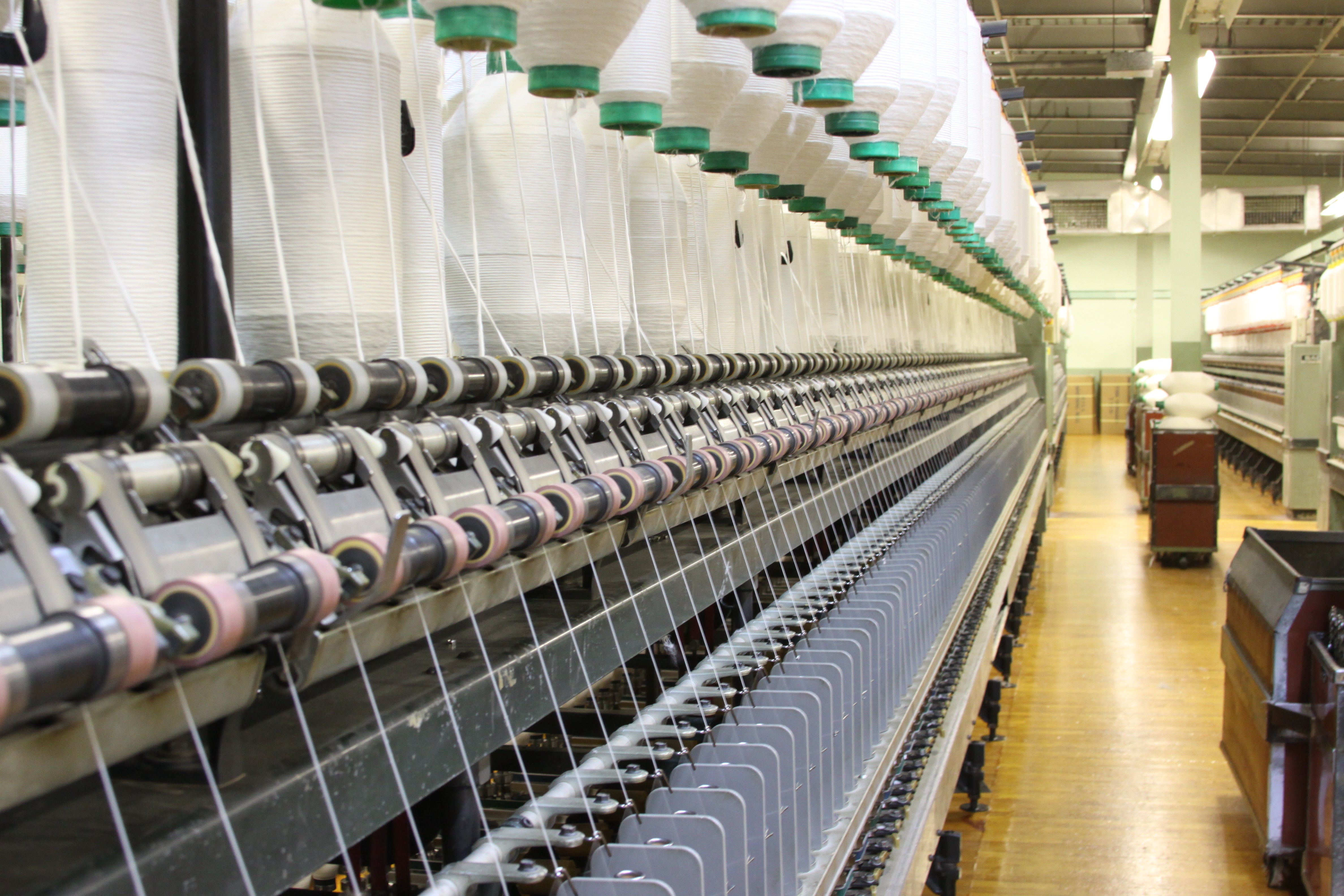
India, Pakistan, and China differ fundamentally in how they approach spinning, weaving, and finishing. India emphasizes fiber character, yarn softness, and breathable fabric feel. Pakistan prioritizes structural strength, durability, and cost-efficient constructions. China focuses on precision, automation, and highly engineered, repeatable outcomes. These differences are rooted in industrial history, technology investment, and market focus—and they directly shape fabric performance and sourcing decisions.
Process philosophy defines fabric personality.
Global cotton sourcing is often discussed in terms of price or capacity, but for experienced buyers and product developers, the real differentiation lies deeper—inside the mill. The way cotton is spun into yarn, woven into fabric, and finished for end use determines not only performance metrics, but also how a fabric feels, ages, and behaves in real products.
Understanding these three countries through the lens of process capability explains why the same cotton specification can produce very different results depending on origin.
Breaking Down the Manufacturing Stages
Cotton fabric quality is the cumulative result of three core stages:
- Spinning – defines yarn strength, smoothness, hairiness, and consistency
- Weaving – defines fabric density, balance, texture, and dimensional stability
- Finishing – defines handfeel, breathability, durability, and predictability
Each sourcing country has developed a distinct approach to all three.
Spinning Capabilities: Where Fabric Identity Begins
Spinning determines how raw cotton fiber is transformed into usable yarn. Differences at this stage often explain why fabrics from different countries feel fundamentally different—even when GSM and weave look identical.
| Country | Spinning Strength |
|---|---|
| India | Fine & medium ring-spun yarns |
| Pakistan | Cost-efficient medium yarns |
| China | Automated, highly uniform yarns |
India: Yarn Feel and Fiber Character
India’s spinning sector is dominated by ring spinning, particularly for fine and medium counts (Ne 30s–80s). Many mills intentionally use moderate twist levels, preserving softness and airflow.
Key characteristics:
- Softer yarn handfeel
- Slightly higher hairiness
- Better moisture absorption
- More “natural” fiber expression
This approach favors comfort-driven fabrics such as voile, cambric, lawn, and breathable poplins. While yarn variability may be marginally higher, the payoff is superior tactile quality.
Pakistan: Strength-Focused Spinning
Pakistan’s spinning industry is built around medium yarn counts (Ne 16s–40s), optimized for durability and cost control.
Key characteristics:
- Higher yarn twist
- Stronger tensile performance
- Lower breakage in weaving
- Reduced yarn cost per kg
These yarns are well-suited for:
- Twills
- Drills
- Canvas
- Denim and workwear fabrics
The emphasis is less on softness and more on structural reliability, which aligns with Pakistan’s strong presence in bedding, institutional textiles, and heavy apparel.
China: Precision and Uniformity
China leads globally in automation and process control. Its spinning mills rely heavily on:
- Compact spinning
- Rotor spinning
- Real-time monitoring systems
Key characteristics:
- Extremely consistent yarn diameter
- Minimal hairiness
- Tight tolerance control
- High suitability for automated weaving
This precision is critical for:
- High-speed looms
- Technical textiles
- Fabrics requiring strict repeatability
The trade-off is that yarns can feel more engineered and less organic to the touch.
Weaving Approaches: Structure vs Texture
Weaving determines how yarns interact to form fabric. The same yarn can behave very differently depending on loom type, speed, and weaving philosophy.
| Country | Weaving Style |
|---|---|
| India | Diverse, texture-rich |
| Pakistan | Tight, conservative constructions |
| China | High-speed, high-precision |
India: Diversity and Texture
India’s weaving landscape is exceptionally diverse, spanning:
- Traditional shuttle looms
- Modern rapier looms
- Air-jet looms
This diversity allows Indian mills to produce:
- Breathable plain weaves
- Texture-rich cottons
- Slightly irregular but visually appealing surfaces
Indian weaving often tolerates small variations that add aesthetic depth, making fabrics feel less flat and more artisanal—an advantage in fashion, lifestyle, and premium casual applications.
Pakistan: Density and Stability
Pakistan’s weaving focuses on tight, conservative constructions designed for durability.
Characteristics include:
- Higher pick density
- Balanced warp-weft tension
- Lower defect tolerance
This results in fabrics that:
- Resist deformation
- Hold shape under stress
- Perform well in repeated washing
Such weaves are ideal for institutional sheets, uniforms, and products where longevity outweighs softness.
China: Speed and Precision
China dominates in high-speed weaving, particularly with air-jet looms.
Key outcomes:
- Extremely uniform fabric density
- Tight GSM tolerances
- Excellent repeatability
These fabrics are ideal for:
- Large-scale programs
- Brands requiring identical reorders
- Automated downstream processing
The downside is reduced flexibility for texture variation or small-batch experimentation.
Finishing Philosophy: Where Fabric Personality Is Revealed
Finishing is where fabric is transformed from a greige structure into a market-ready material. It is also where the biggest philosophical differences appear.
| Country | Finishing Style | Result |
|---|---|---|
| India | Light, natural | Breathable feel |
| Pakistan | Functional, minimal | Longevity |
| China | Technical, controlled | Predictability |
India: Breathability and Natural Handfeel
Indian finishing tends to be lighter and less aggressive.
Common traits:
- Minimal resin use
- Enzyme softening
- Focus on airflow
This preserves:
- Natural drape
- Moisture absorption
- Soft surface texture
The result is fabric that feels comfortable immediately and improves with washing—but with slightly higher dimensional variability.
Pakistan: Function First
Pakistan applies finishing with performance longevity in mind.
Common traits:
- Pre-shrinking
- Strength-preserving treatments
- Conservative chemical use
These fabrics:
- Withstand repeated laundering
- Maintain structure over time
- Sacrifice some softness for durability
This approach aligns with commercial and institutional use cases.
China: Engineered Control
China invests heavily in finishing technology, including:
- Automated stenter frames
- Digital chemical dosing
- Advanced coating and compacting
Outcomes include:
- Excellent shrinkage control
- Predictable handfeel
- High compliance consistency
This makes Chinese fabrics ideal for spec-driven programs, but sometimes less forgiving in comfort-first applications.
Flexibility vs Standardization
One of the most overlooked differences is how easily fabrics can be adjusted during development.
| Country | Custom Flexibility | Standard Repeatability |
|---|---|---|
| India | High | Medium |
| Pakistan | Medium | Medium–high |
| China | Medium | Very high |
- India allows easier mid-development adjustments to yarn twist, weave balance, or finishing.
- Pakistan supports controlled changes but favors established constructions.
- China excels in repeatability but is less flexible once specs are locked.
This directly affects sampling speed, development cost, and iteration cycles.
Practical Sourcing Takeaways
From a sourcing and product-development perspective:
- Choose India when fabric feel, breathability, and natural appearance matter most.
- Choose Pakistan when strength, durability, and value are critical.
- Choose China when precision, scalability, and repeatability are required.
There is no universally “better” option—only a better match for your application.
Real-World Sourcing Insight
At SzoneierFabrics, many successful programs intentionally blend regional strengths:
- Yarn from India for softness
- Greige weaving in Pakistan for strength
- Final finishing in China for consistency
This hybrid sourcing model often delivers the best balance of comfort, performance, and predictability, especially for global brands serving multiple markets.
Spinning, weaving, and finishing are not just technical steps—they are expressions of industrial philosophy. India, Pakistan, and China each embody a different approach to cotton manufacturing, shaped by history, technology, and market demand.
Understanding these differences allows buyers to move beyond country stereotypes and source fabrics strategically, aligning process capability with product intent.
In cotton sourcing, how a fabric is made matters just as much as where it comes from.

Are There Cost, Consistency, and Lead-Time Differences When Sourcing Cotton Fabrics from India, Pakistan, and China?
Yes. India, Pakistan, and China show clear and predictable differences in cotton fabric sourcing. India typically offers competitive pricing for softer, comfort-oriented cottons but with longer and less predictable timelines. Pakistan delivers strong cost-efficiency for durable, medium-to-heavy constructions with relatively stable pricing. China provides the highest batch consistency and fastest lead times, often at a slightly higher base cost.
In practice, total sourcing success is determined less by FOB price and more by reliability, repeatability, and timing.
Cost is only one line item. Consistency and lead time determine whether a sourcing plan actually works.
Understanding the Real Sourcing Trade-Offs
Sourcing cotton fabric is not a simple comparison of price lists. Each origin reflects a different industrial structure, from farming and spinning to finishing, logistics, and compliance systems. These differences show up most clearly after the first order, when repeatability, responsiveness, and risk control begin to matter.
Below, we break down how India, Pakistan, and China differ across cost structure, consistency, lead time, and risk profile, and why many experienced buyers deliberately split sourcing across all three.
Cost Structure: Where the Money Actually Goes
Cotton fabric pricing is shaped by more than labor cost. Energy prices, finishing depth, automation level, and defect control all influence the final number.
| Origin | Typical Cost Position | Why |
|---|---|---|
| India | Low–medium | Lower labor cost, lighter finishing, wide fiber range |
| Pakistan | Low | Dense constructions, simpler finishes, durable yarn focus |
| China | Medium | Automation, technical processing, higher compliance overhead |
India: Competitive Entry Pricing, Especially for Soft Cottons
India’s cost advantage comes from low labor costs, a massive spinning base, and strong availability of cotton fiber. Mills can offer attractive pricing for:
- Lightweight and mid-weight cottons
- Softer handfeel fabrics
- Large-volume basic programs
However, lighter finishing and higher variability can shift costs downstream if additional inspection, reprocessing, or rejections occur.
Pakistan: Low Cost Per Wear, Not Just Low FOB
Pakistan often delivers the lowest cost per wear, especially for:
- Twills
- Drills
- Heavy sheeting
- Canvas-weight cotton
These fabrics may not feel premium initially, but their durability reduces replacement frequency. Over long programs (uniforms, hospitality, workwear), Pakistan frequently outperforms cheaper alternatives in lifecycle cost.
China: Higher Baseline, Lower Hidden Costs
China’s FOB prices are often higher, but this reflects:
- Automated weaving and finishing
- Advanced process control
- Higher compliance and testing standards
For buyers running tight timelines or large repeat programs, these factors often reduce indirect costs such as delays, rework, and inconsistent shipments.
Consistency Across Repeat Orders: Where Origins Truly Diverge
Initial samples rarely reveal consistency issues. Problems usually appear on the second, third, or fifth order.
| Origin | Repeat Consistency | Practical Impact |
|---|---|---|
| India | Moderate | Requires tighter QC and clear specs |
| Pakistan | Moderate–high | Stable constructions, predictable performance |
| China | Very high | Minimal batch-to-batch variation |
India: Wide Capability, Variable Output
India’s strength—its diversity of mills—is also its weakness. Fabric results can vary due to:
- Mixed cotton sources
- Different spinning standards
- Variable finishing depth
Consistency is achievable, but it requires:
- Strong spec discipline
- Lab-dip and pre-production approvals
- Active quality monitoring
Pakistan: Construction Stability Over Cosmetic Precision
Pakistani mills emphasize structural stability. As a result:
- Weight and density stay consistent
- Shrinkage behavior is predictable
- Visual handfeel may vary slightly
For performance-driven products, this trade-off is often acceptable.
China: Process Control as a Competitive Advantage
China’s edge lies in repeatability. Integrated mills control:
- Yarn sourcing
- Weaving parameters
- Finishing recipes
This results in high consistency, especially valuable for:
- Long-running SKUs
- Branded programs
- Multi-season collections
Lead Time and Responsiveness: Speed vs Flexibility
Lead time affects not just delivery, but design agility and inventory risk.
| Origin | Sampling Speed | Bulk Lead Time |
|---|---|---|
| India | Medium | Medium–long |
| Pakistan | Medium | Medium |
| China | Fast | Short |
China: Fastest Development-to-Delivery Cycle
China’s vertically integrated supply chains allow:
- Rapid sampling
- Quick color adjustments
- Short bulk lead times
This is critical for:
- Trend-driven products
- Replenishment programs
- Compressed retail calendars
Pakistan: Predictable but Less Agile
Pakistan’s lead times are steady but less flexible. Development cycles are reliable, though changes mid-process are harder to absorb quickly.
India: Longest Timelines, Especially at Scale
India’s timelines can extend due to:
- Mill scheduling congestion
- Export logistics
- Seasonal disruptions
For cost-driven programs with stable demand, this is manageable. For fast fashion or rapid replenishment, it can be restrictive.
Infrastructure, Logistics, and Risk Profile
Risk is not just about quality—it includes delivery reliability, scalability, and disruption exposure.
| Risk Type | India | Pakistan | China |
|---|---|---|---|
| Seasonal variation | Medium | Medium | Low |
| Infrastructure disruption | Medium | Medium | Low |
| Scalability risk | Low | Low | Very low |
| Compliance stability | Medium | Medium | High |
China’s infrastructure advantage—ports, roads, power stability—directly translates into lower execution risk. India and Pakistan remain competitive but require buffer time and contingency planning.
Compliance, Testing, and Documentation
For regulated markets, compliance capability affects both lead time and acceptance.
- China: Strongest in test documentation, traceability, and rapid retesting
- India: Capable, but documentation speed varies by mill
- Pakistan: Solid for standard requirements, less flexible for frequent spec changes
This becomes critical for:
- Hospitality
- Institutional textiles
- Export programs requiring recurring audits
Sourcing Strategy Insight: Why Experienced Buyers Diversify
Rather than choosing one origin, many global buyers deliberately split sourcing:
- China for:
- Core repeat styles
- Tight timelines
- High consistency needs
- Pakistan for:
- Durable workwear fabrics
- Cost-sensitive volume programs
- Long lifecycle products
- India for:
- Soft cottons
- Lighter constructions
- Price-driven collections with longer timelines
This diversification balances cost, risk, and responsiveness.
Real-World Buyer Perspective
In multi-country sourcing comparisons, buyers often report:
- China: “More expensive, but fewer surprises”
- Pakistan: “Feels firm, lasts forever”
- India: “Great handfeel, needs closer management”
None of these are flaws—they are structural characteristics.
Choosing the Right Origin Is About Fit, Not Ranking
There is no universal “best” country for cotton fabric sourcing.
- Choose India when softness, price flexibility, and fiber variety matter more than speed
- Choose Pakistan when durability, stability, and cost-per-wear are priorities
- Choose China when consistency, speed, and risk control are non-negotiable
The most effective sourcing strategies recognize these differences and use them intentionally, rather than chasing the lowest price on paper.
In cotton sourcing, predictability is often more valuable than cheapness—and understanding these regional trade-offs is what separates short-term wins from long-term success.
How Should Buyers Choose the Right Cotton Fabric Origin Based on Application and Sourcing Goals?

The right cotton fabric origin should be chosen based on application-driven priorities such as comfort, durability, consistency, scalability, and delivery timelines—not reputation alone. India, Pakistan, and China each excel in different dimensions of cotton fabric production. The optimal choice is the origin whose strengths align most closely with how the fabric will actually be used, reordered, and managed over time.
Smart sourcing starts with use—not geography.
A Practical Decision Framework
Global cotton sourcing often fails not because the fabric is “bad,” but because it is misaligned with application realities. A fabric that performs beautifully in a showroom may fail under industrial washing. A low-cost fabric may become expensive after rejections, delays, or inconsistency in repeat orders.
Choosing the right origin is less about which country is best and more about which country is best for this specific job.
Step 1: Match Origin to Application Needs
Different cotton-producing regions have evolved distinct strengths due to differences in cotton varieties, mill infrastructure, labor focus, and production philosophy.
| Application Priority | Best-Fit Origin |
|---|---|
| Soft handfeel & breathability | India |
| High durability & wash resistance | Pakistan |
| Tight tolerances & repeatability | China |
| Fast development cycles | China |
| Value-focused volume | Pakistan |
| Texture & natural aesthetics | India |
This table is not theoretical—it reflects how cotton behaves after weaving, finishing, and repeated use.
India: Comfort, Breathability, and Textile Character
Indian cotton fabrics are often selected for:
- Apparel worn close to the skin
- Products where softness and airflow matter
- Designs that benefit from natural texture and variation
India’s strength lies in fiber feel and yarn character. Many mills work extensively with fine and medium yarn counts, producing fabrics that feel light, breathable, and “human” rather than industrial. This makes Indian cotton particularly well-suited for:
- Shirts and dresses
- Casual lifestyle apparel
- Home textiles where comfort is prioritized
The trade-off is that variability can be slightly higher, especially across large repeat programs, unless finishing and quality control are tightly managed.
Pakistan: Durability, Structure, and Cost Efficiency
Pakistan is often the preferred origin for:
- Products exposed to frequent washing
- Heavy-use environments
- Cost-sensitive volume programs
Pakistani cotton fabrics tend to emphasize structural strength. Heavier yarns, denser constructions, and a focus on robustness make these fabrics ideal for:
- Towels and bedding
- Workwear and uniforms
- Institutional and hospitality textiles
While the handfeel may not be as refined as Indian cotton out of the loom, Pakistan excels in value durability—how long a fabric lasts relative to its cost. For buyers measuring performance in wash cycles rather than first-touch softness, this is a decisive advantage.
China: Precision, Speed, and Repeatability
China differentiates itself through process control and scale integration. It is often chosen when:
- Specifications must be met tightly
- Repeat orders must match previous lots
- Lead times are critical
- Functional finishing is required
Chinese cotton fabrics are particularly strong in:
- Uniform programs
- OEM/private-label manufacturing
- Hospitality and promotional textiles
- Products with long life cycles and multiple reorders
The fabric may feel slightly more “engineered” and less organic, but what buyers gain is predictability. For many commercial programs, predictability reduces total cost more than lower initial pricing.
Step 2: Consider Hybrid Sourcing Strategies
Experienced buyers rarely rely on a single origin for everything. Instead, they combine strengths through hybrid sourcing.
| Strategy | Benefit |
|---|---|
| Yarn from India + finishing in China | Softness + dimensional stability |
| Greige from Pakistan + custom finishing | Durability + functional tuning |
| Multi-origin sampling | Faster optimization |
Hybrid sourcing recognizes that cotton fabric quality is not determined at one stage alone. Yarn selection, weaving quality, and finishing precision each contribute differently.
For example:
- Indian yarn provides softness and breathability
- Chinese finishing adds shrinkage control, wrinkle resistance, and consistency
- Pakistani greige offers strong base fabrics that can be upgraded through finishing
This approach requires coordination, but it often delivers the best balance of comfort, durability, and control.
Step 3: Think Beyond the First Order
One of the most common sourcing mistakes is choosing fabric based only on the first shipment.
Buyers should ask:
- Will this fabric be reordered frequently?
- How sensitive is the product to batch variation?
- How many wash cycles must it survive?
- How tight are delivery windows during peak seasons?
- What happens if a lot is delayed or rejected?
A fabric that is perfect for a one-time order may become problematic in a program-based supply chain. Origins with stronger repeatability and process control often outperform cheaper alternatives over time.
This is why many professional buyers differentiate between:
- Development sourcing (where experimentation and feel matter most)
- Program sourcing (where consistency and reliability dominate)
Step 4: Align Origin With Operational Reality
Sourcing goals are not only technical—they are operational.
Consider:
- Do you need rapid sampling and iteration?
- Are you managing multiple SKUs that must match?
- Is your internal QC strong or limited?
- Are delays more costly than higher unit prices?
China often performs well when speed, coordination, and system-level reliability are critical. Pakistan often excels when cost control and durability are paramount. India shines when fabric feel and brand storytelling matter most.
None of these is universally superior—they are context-dependent advantages.
Step 5: Build Fabric Knowledge, Not Assumptions
Country reputation is a useful starting point, but it is not a guarantee.
Real fabric performance depends on:
- Mill capability
- Yarn selection
- Construction specs
- Finishing processes
- Quality control discipline
Two mills in the same country can produce dramatically different results.
At SzoneierFabrics, cotton fabrics are evaluated by measurable performance first—shrinkage, strength, handfeel, consistency—before origin is finalized. Geography supports the decision; it does not define it.
Common Buyer Mistakes to Avoid
- Choosing origin based only on price This often leads to higher rejection rates and hidden costs.
- Ignoring repeatability A great first batch does not guarantee future consistency.
- Overlooking finishing capability Finishing often matters more than fiber origin.
- Assuming all mills within a country are equal Capability varies widely.
- Designing fabric specs without usage context Fabric should be specified based on how it will live, not how it looks on a hanger.
Strategic Comparison Summary
| Origin | Core Strength | Best For | Key Trade-Off |
|---|---|---|---|
| India | Comfort & breathability | Apparel, lifestyle textiles | Slightly higher variability |
| Pakistan | Durability & value | Towels, bedding, uniforms | Less refined handfeel |
| China | Precision & scale | OEM programs, repeats | Less artisanal texture |
There Is No “Best” Cotton Origin—Only the Right Fit
India, Pakistan, and China all produce excellent cotton fabrics—but for different reasons.
- India excels in comfort, airflow, and textile character
- Pakistan delivers durability, value, and structural strength
- China offers precision, speed, and consistency at scale
The best cotton fabric is not defined by its passport. It is defined by how well its origin’s strengths align with your application, operational reality, and long-term sourcing goals.
When buyers choose origin strategically—rather than habitually—they reduce compromises, control risk, and achieve better real-world performance from cotton fabrics.
Develop the Right Cotton Fabric with SzoneierFabrics
SzoneierFabrics is a China-based fabric R&D and manufacturing factory with years of experience sourcing, developing, and customizing cotton fabrics from India, Pakistan, China, and hybrid supply chains.
We support you with:
- Cotton fabric comparison and sourcing strategy
- Free fabric design and technical consultation
- Low-MOQ customization and fast sampling
- Performance-driven fabric optimization
- Stable lead times and 100% quality assurance
If you’re looking to source or customize the best cotton fabric for your specific application, contact SzoneierFabrics to request samples or start a tailored cotton fabric development project today.
best cotton fabric types, cotton fabric sourcing India Pakistan China, Indian cotton fabric types, Pakistani cotton fabric varieties, Chinese cotton fabric manufacturers, cotton fabric comparison by country, cotton fabric performance comparison, cotton fabric breathability durability, cotton fabric sourcing guide, cotton fabric origin differences, cotton fabric manufacturing India, cotton fabric production Pakistan, cotton fabric technology China, cotton fabric cost comparison Asia, cotton fabric lead time comparison, cotton fabric consistency quality, cotton fabric spinning weaving finishing, cotton fabric for garments and bags, high quality cotton fabric sourcing, cotton fabric supplier Asia, cotton fabric customization factory, cotton fabric low MOQ sourcing, cotton fabric sampling and development, cotton fabric performance testing, cotton fabric durability wash resistance, cotton fabric breathability analysis, cotton fabric supply chain Asia, cotton fabric sourcing strategy, custom cotton fabric development, cotton fabric quality control,