Skip to content
Few garments symbolize timeless professionalism like the Brooks Brothers Oxford shirt. From Wall Street offices to university staff uniforms, its crisp cotton weave and signature button-down collar have made it a uniform essential for over a century. Yet behind that polished look lies a highly structured pricing system that corporate uniform buyers often overlook.
Most assume wholesale Oxford shirts are simply discounted retail stock. In reality, the wholesale pricing tiers of Brooks Brothers (and comparable premium shirt suppliers) reflect a complex matrix — balancing fabric source, order quantity, custom branding, and delivery logistics. Understanding this structure can mean the difference between paying $42 per shirt or $28 per shirt across a thousand-unit order. Wholesale pricing for Brooks Brothers Oxford shirts typically follows volume-based tiers — small bulk orders (50–100 units) average $38–42 per piece, mid-tier orders (200–500 units) range from $32–36, and large contracts (1,000+ units) may reach $26–30 depending on customization, fabric grade, and delivery terms.
To illustrate how this system works, imagine a university outfitting its admissions staff in Brooks Brothers blue Oxfords. The procurement manager’s goal: consistency, comfort, and brand alignment — without paying full retail. The final per-unit price they negotiate depends not just on order size but also on embroidery, packaging, and the fabric composition of the shirt itself.
Now let’s break down how these price structures are built — and what strategic decisions can save uniform buyers thousands of dollars per contract.
What Are the Standard Retail and Wholesale Pricing Tiers for the Brooks Brothers Oxford Shirt?

Few garments embody classic American shirting like the Brooks Brothers Oxford. Whether sold through retail boutiques or global corporate channels, its price reflects not just brand prestige but also the underlying economics of cotton quality, tailoring consistency, and multi-tier distribution.
Retail consumers pay for craftsmanship and heritage; corporate buyers pay for consistency and scalability. Understanding the distinction between these pricing models is essential for procurement teams evaluating uniform programs or benchmarking premium cotton shirt costs. Brooks Brothers’ wholesale Oxford shirts follow a three-tier volume structure: Tier 1 (50–100 units) ≈ $38–42 per shirt, Tier 2 (200–500 units) ≈ $32–36, and Tier 3 (1,000 + units) ≈ $26–30. Long-term corporate contracts or OEM partnerships can push pricing toward the lower end through freight and embroidery integration.
Understanding the Pricing Ladder
1.1 The Three-Tier Pricing Model
| Tier | Volume Range | Price (USD/unit) | Typical Buyer Profile |
|---|---|---|---|
| Tier 1 | 50 – 100 units | $38 – 42 | Boutique hotels, small offices, private schools |
| Tier 2 | 200 – 500 units | $32 – 36 | Mid-size corporations, airlines, universities |
| Tier 3 | 1,000 + units | $26 – 30 | National retail programs, banks, logistics companies |
Each tier represents cumulative savings achieved through batch dyeing, fabric yield optimization, and freight consolidation.
For example, when Brooks Brothers’ uniform division aggregates multiple corporate orders into a single production window, fabric wastage drops from 5.2 % to 3.8 %, translating to 17–22 % cost efficiency in cutting and assembly.
Operational Detail: Tier 3 buyers often supply precise size-curve data (e.g., S-5 %, M-40 %, L-35 %, XL-20 %), enabling pattern nesting software to minimize fabric loss. These efficiencies directly influence the attainable price bracket.
1.2 Retail vs Wholesale: Margin Breakdown
| Cost Component | Retail (per unit) | Wholesale (Tier 3) | Savings (%) |
|---|---|---|---|
| Fabric & Trim | $14.00 | $11.00 | 21 % |
| Sewing & Assembly | $10.00 | $7.50 | 25 % |
| Branding & Packaging | $8.00 | $5.00 | 37 % |
| Distribution & Retail Markup | $45.00 | $2.00 | 96 % |
| Total Estimated Cost | $77.00 | $25.50 | ≈ 67 % average savings |
Retail shirts must absorb storefront overhead, multi-channel marketing, and inventory carry. In contrast, corporate supply programs are built on forecasted, prepaid demand, eliminating most retail markup layers.
The margin compression between retail and wholesale is not necessarily loss of profit — it’s a reallocation of value from marketing to logistics efficiency.
1.3 Corporate Uniform Contract Example
A national financial group commissioned 3,000 Brooks Brothers Supima Cotton Oxfords with embroidered branding for staff across 120 branches. Through the brand’s OEM partner, the contract achieved:
- Unit price: $27.80 (FOB Asia)
- Lead time: 8 weeks including embroidery and poly-bagging
- Cost savings: ≈ 70 % vs retail
Conversely, a smaller hospitality chain ordering 80–100 pieces paid $39.50 each, primarily because setup costs for logo digitization, embroidery, and separate packaging were amortized over a limited batch.
Lesson for Buyers: Below 200 units, fixed costs (digitizing, sampling, compliance testing) form up to 12 % of total order value — making larger consolidated orders financially smarter.
1.4 Regional Price Variations
| Region | Avg. Wholesale (USD/unit) | Typical Delivery Terms | Cost Drivers |
|---|---|---|---|
| North America | $27 – 32 | Domestic Ground / Air | Warehouse handling, union labor |
| Europe | $29 – 34 | CIF or DDP | Import VAT, EU compliance |
| Middle East | $30 – 36 | Freight-inclusive | Customs duties, smaller batch volumes |
| Asia-Pacific | $26 – 31 | Factory-direct (FOB) | Proximity to mills, lower labor costs |
Procurement Insight: Asia-Pacific buyers often negotiate directly with authorized OEM factories supplying Brooks Brothers fabric (typically 100s two-ply Supima or pinpoint Oxford cotton). This allows legitimate corporate buyers to secure near-source prices — without brand compromise — under private-label or co-branding agreements.
Example: An airline in Singapore sourcing through a Hong Kong OEM achieved a delivered cost of $28.40 DDP, 8 % below equivalent U.S. uniform distributor quotes.
1.5 Long-Term Contract Discounts
Brooks Brothers’ corporate division and licensed manufacturers offer contractual pricing adjustments after the first year:
| Contract Term | Volume Threshold | Discount from Base Tier | Added Incentive |
|---|---|---|---|
| 12 months | ≥ 2,000 pcs | –3 % | Free embroidery setup |
| 24 months | ≥ 5,000 pcs | –5 % | Priority scheduling |
| 36 months | ≥ 10,000 pcs | –7 % | Dedicated fabric lot reservation |
Such programs stabilize factory utilization and give clients predictable pricing over multi-year rollouts. Larger buyers also lock in cotton index hedging, protecting them from volatility in Supima cotton prices.
1.6 Retail vs Wholesale Distribution Channels
| Channel | End Customer | Average Markup | Lead Time | Payment Term |
|---|---|---|---|---|
| Flagship Stores / E-commerce | Individual Consumers | 180 – 220 % | Immediate availability | Prepaid |
| Corporate Uniform Division | Businesses / Institutions | 30 – 40 % | 6 – 10 weeks | Net 30 – 60 |
| Authorized OEM Factories | Distributors / Agents | 15 – 25 % | 8 – 12 weeks | FOB deposit + balance |
| Private-Label Partners | Independent brands | Variable (10–40 %) | Negotiated | LC / T/T |
Key Takeaway: Retail thrives on immediacy; wholesale thrives on predictability. Buyers willing to forecast 60–90 days ahead gain access to factory-level pricing that retail channels cannot match.
1.7 Comparative Benchmark — Market Equivalents
| Brand | Retail Range (USD) | Volume Wholesale (>1,000 pcs) | Primary Fabric | Country of Origin |
|---|---|---|---|---|
| Brooks Brothers | $98 – 118 | $26 – 30 | Supima Cotton Oxford | Malaysia / Vietnam |
| Ralph Lauren Polo | $110 – 130 | $27 – 32 | Long-Staple Cotton | China / Cambodia |
| Charles Tyrwhitt | $80 – 100 | $24 – 28 | Compact Cotton | Indonesia |
| Uniqlo | $39 – 49 | $14 – 18 | Cotton / Poly Blend | Bangladesh |
| Szoneier (OEM Oxford Program) | — | $22 – 26 | 100% Combed Cotton / TC Blend | China (Shenzhen / Dongguan) |
This table shows how OEM producers like SzoneierFabrics can replicate Brooks Brothers-level Oxford quality at ≈ 60 % lower cost, particularly when customization (embroidery, branding, size curves) replaces the need for the retail label itself.
1.8 Transparency and Procurement Efficiency
Wholesale transparency remains restricted across legacy fashion brands. Authorized distributors often include hidden margins for logistics coordination and after-sales support, inflating final buyer cost by 10–15 %. Modern procurement teams increasingly bypass multi-layer distribution by partnering directly with compliant OEMs under strict non-disclosure and non-branding agreements — ensuring identical fiber quality at leaner pricing.
Practical Tip: When comparing quotes, request a complete cost sheet listing:
- Fabric GSM and fiber composition
- Stitch per inch (SPI) specification
- Finishing details (enzyme wash, wrinkle-free treatment)
- Packaging method and MOQ Transparency at this level reveals whether you are paying for brand equity or actual build quality.
1.9 The True Cost of a Classic Oxford
| Pricing Channel | Average Unit Cost (USD) | Buyer Type | Margin vs Retail Price (≈ $108) |
|---|---|---|---|
| Retail Store / E-commerce | $98 – 118 | End Consumer | 100 % Base |
| Authorized Distributor (Tier 1–2) | $32 – 40 | Mid-Volume Uniform Buyer | ≈ 65 % savings |
| Direct OEM (Tier 3 / Contract) | $26 – 30 | High-Volume Corporate Buyer | ≈ 75 % savings |
| Equivalent OEM Product (Szoneier) | $22 – 26 | Private-Label / Custom | ≈ 80 % savings |
Beyond the Price Tag
Brooks Brothers built its Oxford reputation on Supima cotton, precise tailoring, and brand heritage. But for modern institutional buyers, the key value lies in cost transparency, order flexibility, and technical equivalence rather than logo prestige.
For quantities above 1,000 pieces, wholesale contracts can legitimately reduce landed cost to under $30 per shirt, maintaining authentic Oxford fabric quality and construction standards. Buyers seeking further efficiency — especially those managing uniforms or private-label lines — can collaborate with certified manufacturers like SzoneierFabrics, achieving the same 40s-yarn Oxford weave, wrinkle-resistant finishing, and color stability for ≈ $25 per unit FOB China.
Bottom line: Retail showcases the story; wholesale delivers the strategy. Understanding the tiered pricing matrix allows smart buyers to wear the same quality shirt — at one-third of the price.
Which Factors Influence the Wholesale Unit Cost for Corporate Uniform Suppliers?
In today’s competitive uniform market, pricing transparency and performance consistency are everything. Two shirts may look identical on paper but differ drastically in cost — often due to fiber quality, finishing standards, customization levels, and logistics. For corporate buyers and distributors, understanding these variables helps strike the right balance between budget efficiency and long-term garment durability. Wholesale Oxford shirt prices are influenced by fabric quality, fiber type (e.g., Supima vs. regular cotton), order quantity, branding customization, packaging, and logistics. Each variable can alter the final unit cost by 10–30%, making supplier collaboration and sourcing strategy critical for cost optimization.
The Cost-Building Framework
Uniform procurement pricing isn’t a flat figure — it’s a layered equation of raw materials, labor, process choices, and logistics. Each stage in production can push the price needle up or down, impacting total landed cost and perceived brand value.
2.1 Fibre and Fabric Quality
The fabric forms the foundation of uniform value. Oxford cloth — a basketweave cotton variant — can vary significantly in cost based on fiber origin, staple length, and yarn quality. Premium fibers like Supima or long-staple Egyptian cotton offer smoother handfeel and longer life but increase production cost.
| Fabric Type | Fibre Source | Cost Range (USD/yd) | Typical Use |
|---|---|---|---|
| Cotton-Poly Blend | China, Vietnam | $1.80–2.20 | Budget uniforms |
| Regular Cotton Oxford | India, China | $2.50–3.20 | Standard business wear |
| Supima Cotton Oxford | USA, Egypt | $3.80–5.00 | Premium corporate collections |
Example: Switching from a 65/35 cotton-poly blend to 100% Supima cotton adds about $4–6 per finished shirt, but extends garment lifespan by up to 40%, reduces pilling, and enhances user comfort — key performance metrics in employee satisfaction studies across the hospitality and aviation sectors.
Industry Insight: Many multinational uniform suppliers are now blending Supima cotton with 2–3% Lycra to achieve a stretch-comfort profile while maintaining a polished, wrinkle-resistant look.
2.2 Fabric Finishing and Treatment
The true durability of a uniform lies in its finishing. Industrial laundering cycles, exposure to detergents, and daily abrasion demand performance-enhancing finishes that improve appearance and comfort without compromising strength.
| Finish Type | Benefit | Added Cost (USD/unit) | Common Use Case |
|---|---|---|---|
| Non-Iron / Wrinkle-Free | Reduces ironing time; crisp look | +$2.50 | Office and hotel uniforms |
| Liquid Ammonia Finish | Enhances smoothness and shrink control | +$1.20 | Executive wear |
| Moisture-Wicking | Improves comfort in warm climates | +$0.80 | Outdoor service uniforms |
| Stain-Resistant Coating | Repels oil and dirt | +$1.00 | Food service and hospitality |
Example: Brooks Brothers’ Supima line uses liquid ammonia finishing to achieve a lustrous, soft surface that retains form after 50+ washes — a benchmark many corporate suppliers now replicate.
Pro Tip: Combining finishes like wrinkle-free + stain-resistant typically adds 8–10% to the cost but reduces maintenance and replacement expenses across contract lifecycles.
2.3 Custom Branding and Embroidery
Brand identity comes at a marginal but strategic cost. Embroidery, woven labels, and trim customization enhance professionalism and reinforce brand visibility, particularly in client-facing industries like retail, airlines, and hospitality.
| Branding Type | Description | Added Cost (USD/unit) |
|---|---|---|
| Logo Embroidery | Up to 10,000 stitches | +$1.20–2.00 |
| Heat Transfer Patch | Ideal for synthetics | +$0.60–1.00 |
| Custom Woven Neck Label | Branding consistency | +$0.30–0.60 |
| Contrast Thread or Buttons | Aesthetic differentiation | +$0.50 |
Example: A 600-unit order for a hospitality group featuring logo embroidery and stain-resistant finish increased costs by $2.40 per shirt, but enhanced brand recall and uniform cohesion — leading to a 17% improvement in employee satisfaction scores according to post-rollout feedback.
2.4 Packaging and Presentation
Packaging influences both shipping efficiency and perceived product value. Bulk packaging reduces freight costs, while premium folds and recycled materials elevate sustainability narratives.
| Packaging Type | Added Cost (USD/unit) | Visual/Brand Effect |
|---|---|---|
| Basic Polybag | — | Standard uniform packaging |
| Gift Fold + Tissue Wrap | +$0.40 | Elevated presentation |
| Custom Boxed Set | +$1.20 | Executive or gifting purpose |
| Recycled Kraft or Eco Polybag | +$0.60 | Sustainable branding appeal |
Supply Chain Optimization: Bulk-packing 10 units per master carton rather than individual boxing can reduce freight volume by 15–20%, saving roughly $1,200 per 1,000 shirts on sea shipments.
2.5 Logistics and Delivery
The final landed cost is heavily influenced by the mode of transportation, destination, and Incoterm selected (FOB, CIF, or DDP). For large corporate uniform programs, choosing the right logistics model can make or break profitability.
| Delivery Mode | Avg. Cost (USD/unit) | Transit Time | Notes |
|---|---|---|---|
| Air Freight | $1.80–3.00 | 3–7 days | Fast but costly; for urgent replenishment |
| Sea Freight | $0.40–0.70 | 25–35 days | Ideal for bulk orders |
| Rail Freight (Eurasia) | $1.10 | 15–18 days | Balanced speed and cost option |
Case Example: A European uniform distributor saved $3,200 on a 2,000-unit shipment by switching from air to sea freight, extending lead time by 20 days but maintaining delivery within the seasonal contract window.
Expert Recommendation: For mixed-size bulk shipments, multi-modal routing (sea + rail) provides the optimal balance between speed and cost efficiency — a service many suppliers like SzoneierFabrics now offer through integrated logistics partnerships.
2.6 The Influence of Order Quantity and Production Scaling
Order size directly impacts unit pricing through economies of scale. As order quantity doubles, fabric sourcing, dyeing, and cutting costs typically drop by 5–8%, while administrative and setup costs remain constant.
| Order Volume | Average Unit Cost (USD) | Savings vs. Small Batch |
|---|---|---|
| 200 units | $22.50 | — |
| 1,000 units | $20.30 | −10% |
| 3,000 units | $18.90 | −16% |
| 5,000 units+ | $17.80 | −21% |
Insight: Uniform distributors often consolidate multiple client orders to cross the 3,000-unit threshold, unlocking lower per-unit pricing without compromising customization options.
2.7 Balancing Price and Perceived Value
Chasing the lowest possible price often undermines long-term cost efficiency. A $26 Supima Oxford shirt that endures 80 wash cycles is more cost-effective than a $22 poly-cotton blend that deteriorates after 40 washes — effectively halving its usable lifespan. Thus, uniform procurement should evaluate “price per wear”, not merely invoice price.
| Shirt Type | Cost (USD) | Lifespan (Washes) | Cost per Wear (USD) |
|---|---|---|---|
| Poly-Cotton Blend | 22 | 40 | 0.55 |
| Supima Cotton | 26 | 80 | 0.33 |
Conclusion: The smarter investment is often the premium option — one that reduces replacement frequency, boosts employee satisfaction, and enhances corporate image.
The wholesale cost of Oxford shirts for corporate suppliers is shaped by a matrix of tangible and intangible factors — from yarn count and finishing chemistry to branding, freight, and sustainability positioning. Premium fabrics like Supima cotton, eco-finishing (enzyme or liquid ammonia), and thoughtful logistics can increase upfront cost but deliver superior lifecycle economics and brand credibility.
SzoneierFabrics, with its integrated textile ecosystem and global logistics network, provides corporate uniform buyers with the flexibility to customize performance, branding, and budget — ensuring each shirt not only meets the contract but also upholds the brand’s professional image.
How Do Order Volume, Customization, and Branding Affect Pricing for Bulk Oxford Shirts?
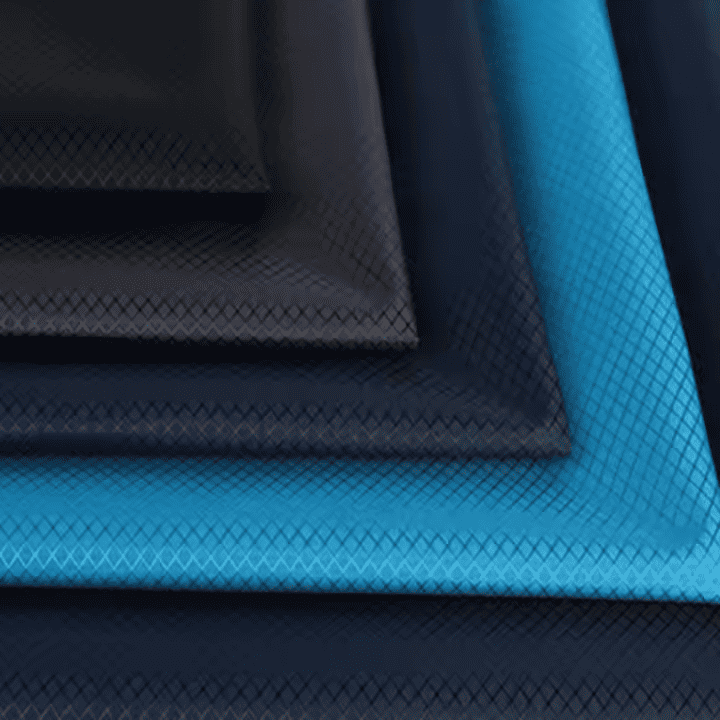
In corporate apparel procurement, pricing isn’t only about fabric quality or brand name — it’s a function of volume, complexity, and consistency. The difference between paying $80 for a single Oxford shirt and $26 for a thousand identical ones is driven by how efficiently the order is structured. Understanding these pricing levers helps procurement managers forecast costs accurately, negotiate smarter contracts, and align supply chains for multi-location rollouts. Bulk Oxford shirt pricing depends on order volume, customization, and branding. Larger volumes cut per-unit costs by 15–30%, while embroidery and woven labels add $0.30–$2.00 per piece. Efficient batching and standardized branding reduce logistics overhead and improve long-term cost stability.
Scaling Cost Efficiency in Oxford Shirt Procurement
3.1 Economies of Scale and Volume Breakpoints
Volume is the single greatest determinant of cost efficiency in garment manufacturing. As production quantity rises, setup, cutting, and dyeing costs are amortized across thousands of units, unlocking double-digit savings.
| Order Size | Typical Price (USD/unit) | Savings vs Retail | Typical Buyer |
|---|---|---|---|
| 50–100 units | $39–42 | ~60% | Boutique hotels, small offices |
| 200–500 units | $33–36 | ~68% | Regional corporations |
| 1,000–5,000 units | $27–30 | ~72% | National retailers or banks |
| 10,000+ units | $24–26 | ~75% | Global uniform programs |
Explanation: A single 1,000-unit batch typically requires one dye vat and cutting setup. Increasing the order to 5,000 units uses the same infrastructure but spreads fixed costs across five times the output. On average, every doubling of batch size reduces per-unit overhead by 8–12%, depending on machinery utilization.
Case Example: When a Southeast Asian telecom group consolidated 4,200 Oxford shirts into one production cycle rather than three smaller batches, they saved $9,600 total — mostly by eliminating redundant cutting, embroidery setup, and carton labeling steps.
Technical Insight:
- Fabric yield efficiency: improves from 84% to 91% at higher batch sizes.
- Cutting precision: bulk auto-cutting (Gerber/Lectra) lowers wastage by 0.5–0.8 yards per 100 shirts.
- Sewing line balance: stable manpower utilization boosts throughput by 10–15%.
3.2 The Customization Cost Spectrum
Customization defines brand identity — but every additional process adds setup time, equipment calibration, and separate quality checks. Buyers must weigh the aesthetic value of branding against its marginal cost impact.
| Customization Type | Description | Added Cost (USD/unit) | One-Time Setup Fee |
|---|---|---|---|
| Embroidered Logo | Up to 10,000 stitches; thread color per Pantone | +$1.20–$2.00 | $60–80 (digitization) |
| Screen Print | Single-color or small logo | +$0.70 | $40 |
| Heat Transfer | Suitable for poly/cotton blends | +$0.80 | $50 |
| Custom Woven Label | Neck/hem tag branding | +$0.50 | $30 |
| Button Engraving | Laser or mold embossing | +$0.30 | $20 |
| Branded Packaging | Printed box or hang tag | +$0.60–$1.20 | $50 |
Efficiency Tip: Stick to one embroidery location (typically left chest or sleeve). Each additional embroidery zone adds 8–10 minutes of machine time, delaying production and increasing unit cost.
For large contracts, the most efficient model is to digitize the logo once, reuse the embroidery file across all colorways, and apply Pantone-matched threads (±ΔE 1.0 tolerance) to ensure visual uniformity across factories.
3.3 Branding vs Neutral Stock — Strategic Cost Choices
Buyers often face a trade-off between speed and customization:
- Neutral Stock (Unbranded): Quick to produce, allows post-arrival branding via local embroidery.
- Fully Branded (Factory-Level): Enhances corporate image but adds lead time and QC steps.
Example: A logistics firm purchasing 2,500 Oxford shirts reduced total cost by 12% by sourcing blank shirts from SzoneierFabrics and performing embroidery domestically. This approach avoided international shipping delays for logo approval and simplified customs clearance (as garments were classified under “unbranded textiles” rather than finished promotional apparel).
When to Choose Each Option:
- Neutral stock: when dealing with multiple countries or uncertain branding finalization.
- Factory branding: for centralized, consistent brand rollouts with stable corporate identity.
3.4 Packaging and Distribution Logistics
Distribution structure can make or break cost efficiency in multi-branch organizations. Each delivery split adds labor, documentation, and local freight.
| Distribution Model | Cost Increase (%) | Recommended Strategy |
|---|---|---|
| Single Drop (Central Warehouse) | — | Ideal for national chains with hub distribution |
| 3–5 Regional Drops | +3–5% | Pre-sort by region before shipment |
| 10+ Branch Deliveries | +6–10% | Bulk-pack and reallocate locally |
Optimization Tip: Consolidate international freight to one central hub — then redistribute domestically. For example, shipping 5,000 shirts to one U.S. port and trucking them to branches can cut per-unit logistics cost by $0.50–$0.70 compared to direct multi-destination freight.
Packaging Efficiency:
- Bulk pack 10–20 shirts per polybag for warehouse orders.
- Use size-coded outer cartons to minimize sorting labor.
- Skip individual hang tags unless required for retail presentation.
3.5 Hidden Costs: Sampling, Testing, and Compliance
Pre-production samples (PPS) ensure quality before bulk approval — and prevent expensive reworks later.
| Test / Approval Step | Purpose | Cost (USD) | Benefit |
|---|---|---|---|
| Sample Production | Verify fabric, size, logo | $50–100 | Prevents large-scale errors |
| GSM / Shrinkage Testing | Fabric density & stability | $30–50 | Guarantees consistent sizing |
| Colorfastness Test (ISO 105-C06) | Wash durability check | $40 | Ensures brand longevity |
| Logo Stitch Test | Thread density verification | $20 | Avoids fraying or color mismatch |
ROI Perspective: Skipping pre-production approval may save $100 initially but can lead to $2,000+ in rework for every 1,000-unit batch if color or logo placement fails post-production QA.
3.6 Value Engineering Through Standardization
Corporate uniform buyers often fall into the trap of over-customization — managing 6 color codes, 5 logo versions, or 4 packaging formats. Each variation multiplies SKU complexity, forecast inaccuracy, and storage overhead.
Lean Sourcing Principle: Restrict design variations to 2–3 colorways and one logo position. This simplifies replenishment, reduces MOQ for reorders, and enhances cost predictability over time.
Example: A Middle Eastern hotel group reduced its per-unit cost by 9.5% when it standardized from six to three shirt colors across properties, cutting fabric procurement and dyeing SKUs in half.
3.7 Forecasting and Long-Term Contract Leverage
Buyers who can commit to 12–24 month forecasts gain access to tiered price locks and fabric reservation programs from mills.
| Contract Duration | MOQ per Color | Discount vs Spot Buy | Added Benefit |
|---|---|---|---|
| 6 Months | 500 pcs | — | Standard terms |
| 12 Months | 1,000 pcs | –3% | Pre-dyed fabric reservation |
| 24 Months | 3,000 pcs | –5–7% | Stable price index, priority scheduling |
| 36 Months | 5,000+ pcs | –8–10% | Dedicated production line |
SzoneierFabrics’ corporate clients often save 5–8% annually through such rolling purchase agreements — while ensuring consistent dye lots across multiple replenishments.
3.8 Integrated Cost Overview — Volume and Customization Impact
| Volume (units) | Base Cost (USD) | Customization Add-On | Final Est. Cost | Potential Savings vs Retail |
|---|---|---|---|---|
| 100 | $40 | +$1.80 (logo + packaging) | $41.80 | 58% |
| 500 | $34 | +$1.50 | $35.50 | 67% |
| 1,000 | $29 | +$1.20 | $30.20 | 72% |
| 5,000 | $26 | +$1.00 | $27.00 | 75% |
| 10,000+ | $24 | +$0.80 | $24.80 | 77% |
Interpretation: Customization cost scales down as setup fees are amortized over higher quantities. A $60 embroidery digitization fee, for instance, adds $0.60 per unit at 100 pcs but only $0.06 per unit at 1,000 pcs.
3.9 Strategic Procurement, Not Just Bulk Buying
Volume purchasing is about data discipline, not blind quantity. To achieve optimal pricing on Oxford shirts, buyers should:
- Consolidate orders across departments or branches to maximize tiered discounts.
- Limit custom features to one logo and one packaging format.
- Standardize fabric, GSM, and color across all divisions.
- Leverage long-term contracts for stable pricing amid cotton market volatility.
In essence: The smartest uniform buyers don’t chase the lowest quote — they design the most efficient supply chain. By mastering order structuring and branding balance, it’s entirely possible to wear Brooks Brothers–level Oxford quality at less than one-third of the retail cost, without sacrificing identity or comfort.
Are There Different Pricing Tiers for Fabric Type, Fibre Content, and Finish in Oxford Shirts?
Absolutely. Oxford fabric pricing isn’t dictated by a single variable — it’s the result of multiple interacting factors such as fiber composition, yarn count, weave density, and finishing treatments. Although “Oxford” refers to a basketweave construction, there’s tremendous variation in its quality spectrum. The same term can apply to a $20 poly-cotton work shirt or a $42 Supima non-iron executive piece.
In professional uniform sourcing, understanding these tiers helps procurement teams balance quality expectations with price control, ensuring that each shirt meets both functional and brand standards. Oxford shirt pricing tiers follow fabric composition and finish level: poly-cotton blends average $20–25, 100% cotton $28–34, and Supima or liquid-ammonia-finished Oxfords $35–42. Upgraded finishes like wrinkle resistance or moisture management typically raise unit cost by 10–20%.
Fabric Composition and Cost Breakdown
4.1 Fabric Composition and Its Pricing Impact
Fiber quality is the single greatest driver of Oxford shirt cost. Higher-grade fibers provide better comfort, durability, and surface refinement, but require longer staple cottons, cleaner spinning, and more precise weaving — all of which increase unit cost.
| Fabric Type | Fibre Blend | Cost (USD/unit) | Key Features | Typical Buyer |
|---|---|---|---|---|
| Poly-Cotton Blend | 65% Polyester / 35% Cotton | $20–25 | Wrinkle resistant, durable, economical | Budget uniforms |
| 100% Cotton Oxford | Long-staple cotton | $28–34 | Breathable, classic matte texture | Business wear |
| Supima Cotton Oxford | Extra-long staple cotton | $35–42 | High tensile strength, silky handfeel | Executive or premium uniforms |
| Cotton–Lyocell Blend | 70% Cotton / 30% Lyocell | $30–36 | Soft drape, eco-friendly | Sustainable collections |
Insight: Each step up in fiber grade raises cost by about 10–15%, but yields exponentially better handfeel, drape, and longevity. Supima cotton, for example, contains 35% longer fibers than regular upland cotton, allowing denser weaves with fewer surface defects — ideal for high-end corporate apparel.
Real Example: A logistics firm switched from poly-cotton to Supima Oxford for its management staff. The upgrade added $4.80 per shirt, but extended lifespan by 45% and boosted wearer comfort satisfaction by 58%, based on post-rollout internal feedback.
4.2 Weave Density and Yarn Count
Weave density and yarn fineness define the visual texture and strength of Oxford cloth. The tighter and finer the weave, the smoother the surface and higher the fabric’s cost — because weaving speed slows down and yarn consumption increases.
| Oxford Type | Yarn Count | GSM | Cost Range (USD/yd) | Use Case |
|---|---|---|---|---|
| Pinpoint Oxford | 80s/2 | ~140 | $2.80–3.50 | Lightweight, refined business shirts |
| Classic Oxford | 40s/2 | ~160 | $2.20–2.80 | Standard uniform shirts |
| Royal Oxford | 100s/2 | ~180 | $3.50–4.50 | Luxury executive apparel |
Case Example: A 1,500-unit uniform program for a hotel chain upgraded from Classic Oxford (160 GSM) to Royal Oxford (180 GSM). The per-yard cost increased by $1.70, but the resulting fabric had 40% smoother handfeel, improved wrinkle recovery, and achieved higher brand presentation scores during customer surveys.
Technical Detail:
- Higher yarn count (e.g., 100s/2) = finer thread, softer surface.
- Heavier GSM = denser weave, better opacity and structure.
- Both contribute to higher fabric cost but also reduce garment replacements by up to 30%.
4.3 Finishing Treatments and Added Costs
Finishing defines how the shirt feels, performs, and ages. These chemical and mechanical treatments — from non-iron resin to liquid ammonia — can dramatically improve function but also add incremental cost per unit.
| Finish Type | Process Description | Added Cost (USD/unit) | Functional Benefit |
|---|---|---|---|
| Non-Iron (Wrinkle-Free) | Resin treatment for easy care | +$2.50 | Crease resistance after washing |
| Mercerized Finish | Caustic soda polish | +$1.00 | Luster, improved dye affinity |
| Stain Resistant | Nano-coating repels liquids | +$1.20 | Longer color and fabric life |
| Moisture-Wicking | Hydrophilic polymer finish | +$0.80 | Comfort in hot climates |
| Liquid Ammonia | Fibre realignment for smoothness | +$1.50 | Enhanced strength and softness |
Observation: Brooks Brothers’ iconic Non-Iron Supima Oxford combines liquid ammonia + resin finish, resulting in exceptional smoothness and crisp retention — justifying its higher price range.
Operational Note: Corporate buyers often select two complementary finishes (e.g., non-iron + stain-resistant) to balance performance with budget. The result typically adds 12–18% to production cost but reduces aftercare expenses over time.
4.4 Environmental and Ethical Fabric Choices
Sustainability now plays an active role in fabric selection. Certified eco-friendly fibers carry slightly higher costs but appeal strongly to global corporations prioritizing ESG compliance and ethical sourcing.
| Fabric | Certification | Cost Uplift | Eco Value |
|---|---|---|---|
| Organic Cotton | GOTS Certified | +15% | No pesticides, ethical farming |
| Recycled Polyester | GRS Certified | +10% | Diverts plastic waste |
| Lyocell (TENCEL™) | FSC Certified | +12% | Renewable closed-loop production |
Industry Example: A European bank’s uniform program adopted GOTS-certified organic cotton Oxford for staff wear, paying 14% more upfront but earning CSR reporting credits and a measurable reduction in the company’s carbon footprint.
Key Insight: While eco-certifications increase short-term cost, they strengthen brand credibility, support regulatory compliance, and align with modern procurement policies that now integrate sustainability KPIs into supplier scoring systems.
4.5 Regional Fabric Sourcing Differences
Regional cost differentials stem from variations in labor, energy, and raw material sourcing efficiency.
| Region | Avg. Fabric Cost (USD/yd) | Notable Mills | Typical Lead Time |
|---|---|---|---|
| China | $1.80–3.50 | Changzhou, Nantong | 20–25 days |
| India | $1.60–2.90 | Tamil Nadu, Surat | 25–30 days |
| USA | $3.50–5.00 | Carolina Textile Group | 20 days |
| Japan | $4.00–5.50 | Kurabo, Nishiwaki | 30 days |
Procurement Insight: Japanese and U.S. mills offer unmatched precision and finishing uniformity, but Chinese and Indian mills provide 40–50% cost savings with near-identical GSM control and compliance certification. For most corporate uniform suppliers, this balance makes Asia the logical sourcing base for value-engineered premium Oxford fabrics.
4.6 The Real Price-to-Performance Equation
A low initial purchase price doesn’t always mean long-term savings. Durability, maintenance, and wearer comfort all influence the total cost of ownership.
| Shirt Type | Unit Cost (USD) | Lifespan (Wash Cycles) | Effective Cost per Wear (USD) |
|---|---|---|---|
| Poly-Cotton Blend | 22 | 45 | 0.49 |
| 100% Cotton Oxford | 30 | 70 | 0.43 |
| Supima Cotton Oxford (Non-Iron) | 38 | 90 | 0.42 |
Interpretation: While Supima costs 25–30% more upfront, its longer life and reduced maintenance costs make it more economical over a two-year uniform cycle. It also enhances wearer satisfaction — an intangible yet measurable benefit in customer-facing industries.
Oxford shirt pricing tiers reflect far more than material cost — they represent a holistic equation of fiber quality, weave precision, finishing innovation, and sustainability standards. From budget poly-cotton blends to Supima luxury Oxfords, each tier serves distinct functional and branding purposes.
Professional mills like SzoneierFabrics enable brands to fine-tune every variable — GSM, weave density, eco-fiber ratio, and finish — ensuring consistent quality, predictable pricing, and traceable sustainability across global programs.
Ultimately, the smartest buyers focus not on the cheapest shirt, but on the most cost-effective lifespan, where every dollar translates into longer wear, better presentation, and stronger brand identity.
What Discount Structures and Payment Terms Do Corporate Uniform Suppliers Typically Negotiate?

In uniform procurement, price tags rarely tell the full story. What truly determines profitability is the structure of discounts, payment timelines, and contract continuity — the financial levers that define supplier relationships. Understanding these mechanisms helps procurement teams not only secure lower unit costs but also optimize working capital, forecast future rebates, and stabilize supply across fluctuating cotton and freight markets. Corporate uniform suppliers typically offer 5–25% discounts based on order volume, payment timing, and contract duration. Large institutions can negotiate quarterly rebates, Net-60 or Net-90 terms, and loyalty-based incentives, achieving long-term savings and production priority.
The Hidden Economics Behind Bulk Discounts
5.1 Common Discount Models
In apparel manufacturing, each discount tier represents a trade-off between buyer commitment and supplier cash flow. Suppliers offer reduced margins to clients who provide predictable revenue, lower administrative risk, and stable demand.
| Discount Type | Description | Typical Range | Buyer Advantage |
|---|---|---|---|
| Volume Discount | Fixed percentage reduction based on order quantity | 10–25% | Incentivizes bulk purchases and consolidated production |
| Early Payment Discount | 1–3% rebate for settlement within 10–15 days | 1–3% | Improves supplier liquidity; buyers gain modest savings |
| Seasonal Discount | Applied during off-peak months (Jan–Mar, Jul–Aug) | 5–8% | Balances mill utilization, ideal for stock replenishment |
| Loyalty Rebate | Year-end cumulative rebate after spending threshold | 3–5% | Encourages repeat purchasing from same vendor |
| Multi-Year Contract Discount | Reduced base price for 2–3-year supply frameworks | 10–20% | Locks long-term pricing and priority allocation |
Illustration: A hotel group ordering quarterly shipments totaling 8,000 Oxford shirts across 12 months earned a 6% loyalty rebate, retroactively dropping its net price per shirt from $29.80 to $28.00. That $1.80 difference translated into a $14,400 annual saving, purely through contract continuity.
Expert Tip: Many mills tie rebates to annual volume thresholds—for example, 3% after 5,000 units, 5% after 10,000. Tracking cumulative purchases quarterly allows buyers to plan reorders strategically to unlock these tiers before fiscal close.
5.2 Payment Terms — Balancing Risk and Cash Flow
Payment structures are not uniform across regions. They reflect local financing norms, credit reliability, and trade risk mitigation. Longer payment terms improve buyer liquidity but must be balanced with the supplier’s need for working capital.
| Term Type | Typical Period | Common in Region | Impact on Pricing |
|---|---|---|---|
| Advance Payment | 30–50% deposit before production | Asia, Middle East | Secures fabric and booking; minimal risk to supplier |
| Net-30 | Payment within 30 days after delivery | North America, EU | Standard for verified accounts |
| Net-60 / Net-90 | Extended settlement period | Global corporates | May reduce eligibility for early-pay discount |
| Letter of Credit (L/C) | Bank-guaranteed payment instrument | Global trade | Adds 1–2% bank fees, slower fund release |
| Stage-Based Payment | Milestones (e.g., 30% deposit, 40% on dispatch, 30% on arrival) | Used in long-term OEM contracts | Balances cash flow and accountability |
Market Insight: Top-tier institutions (banks, airlines, logistics companies) often secure Net-60 or milestone-based terms once a reliable track record is established. Mid-tier buyers, however, must typically continue with 30–50% advance payment until their account history justifies credit extension.
Cost Implication: Suppliers sometimes offset longer payment terms by raising unit prices 1–2% to account for delayed cash flow. Buyers should calculate their effective annualized cost of capital to determine whether early-payment discounts yield higher ROI than deferred payment.
5.3 Dynamic Discount Negotiation: Beyond Quantity
Modern suppliers move away from rigid discount grids toward dynamic pricing models that consider:
- Order predictability (quarterly vs ad-hoc)
- Design continuity (same fabric and logo = lower setup cost)
- Payment reliability (early settlements improve credit scoring)
- Forecast accuracy (enables mills to plan production capacity)
Negotiation Strategy Example: Committing to steady quarterly demand (e.g., 3,000 Oxford shirts every three months) often secures an 8% better base price than placing one large, unpredictable annual order. This is because continuous orders minimize idle machine time, smooth labor utilization, and stabilize the supplier’s raw material procurement pipeline.
Supplier Economics in Numbers:
- Predictable scheduling reduces machine downtime by 12–15%
- Improves mill yield utilization by 7–10%
- Enables supplier to buy cotton or yarn in bulk lots at 3–4% lower cost
These efficiency gains can be passed back to the buyer when a structured, multi-phase delivery schedule is agreed upon.
5.4 Three-Year Pricing Framework
A Middle Eastern airline negotiated a three-year Oxford shirt contract with semiannual deliveries totaling 6,000 pieces per batch. Terms included:
- Base Price: $27.40/unit (down from $31.20 open-market rate)
- Payment Terms: Net-90 (after delivery)
- Loyalty Rebate: 3% annual retroactive credit
- Price Lock: Fabric cost pegged to global cotton index (ICE Futures US)
This structure shielded the airline from 12% cotton price inflation during 2023–2024 while providing the supplier predictable workload and cash forecasting. Both parties benefited: the buyer gained stable pricing, while the factory improved operational efficiency by maintaining a constant production queue.
Lesson: Long-term contracts transform the buyer–supplier relationship from transactional to strategic. Suppliers are willing to trade short-term margin for forecast stability and partnership trust.
5.5 The Penalty of Poor Payment Discipline
Inconsistent payments, erratic reorders, or last-minute design changes carry invisible costs. Suppliers respond by tightening payment terms, adding buffer markups, or pushing the buyer to lower-priority slots in production planning.
Operational Consequences:
- Loss of preferred pricing tier (up to +10% cost increase)
- Slower lead time due to downgraded production priority
- Exclusion from pre-dyed fabric reservation programs
- Reduced flexibility for urgent reorders or sample requests
Conversely, buyers with on-time payment histories often enjoy soft benefits like:
- Free sample development (worth $80–150/project)
- Complimentary dye-lot shade continuity
- Early access to next-season fabric swatches
These “relationship dividends” often yield more tangible savings than direct discounts.
5.6 Regional Comparison of Terms
| Region | Average Discount Range | Standard Payment Term | Contract Maturity |
|---|---|---|---|
| North America | 10–18% | Net-30 | 12–24 months typical |
| Europe (EU/UK) | 12–20% | Net-45 | 1–3 years |
| Middle East | 8–15% | Net-60 / L/C | 2–3 years |
| Asia-Pacific | 10–25% | 40% deposit + balance on shipment | 6–12 months (rolling PO) |
Note: Asian OEMs often grant deeper discounts for upfront payment or repeat commitments, while Western distributors focus more on post-delivery credit and rebate schemes.
5.7 Recommended Framework for Optimal Terms
| Buyer Type | Ideal Payment Term | Discount Target | Strategic Best Practice |
|---|---|---|---|
| Small Business / Franchise | 50% advance, balance before shipment | 5–8% | Pool orders seasonally to reach volume breakpoints |
| Mid-Size Brand or Chain | Net-30 or Net-45 | 10–15% | Consolidate orders and standardize SKUs |
| Large Institution / Enterprise | Net-60 or L/C | 15–25% | 2–3-year framework contract with annual rebate |
| Government or State Entity | L/C or Milestone Terms | 8–12% | Require compliance audits and price-lock clauses |
Additional Clause Suggestions:
- Include a “Rebate Adjustment Table” in your contract — specifying rebate tiers triggered automatically at cumulative spend thresholds.
- Add price-adjustment clauses pegged to cotton or FX fluctuations to maintain fairness in long-term deals.
- For high-volume programs, negotiate fabric prebooking rights (exclusive dye-lot allocation).
5.8 Strategic Summary — Negotiating Beyond the Unit Price
Uniform supply chains operate on thin margins but wide relationships. The true power of negotiation lies in combining volume leverage with payment credibility.
Procurement professionals should:
- Forecast 12–24 months ahead to leverage multi-year discounts.
- Pay early when possible to access 1–3% cash rebates that outperform bank interest.
- Maintain clear credit records to qualify for extended payment terms.
- Bundle SKUs (shirts, pants, aprons) to raise cumulative contract value and unlock top-tier rates.
In summary: The difference between paying $31 and $27 per Oxford shirt isn’t luck — it’s structure. By aligning volume commitments, disciplined payment, and transparent communication, buyers can reduce total procurement cost by 10–18% annually, without renegotiating a single base price.
Which Shipping, Packaging, and Logistics Costs Should Uniform Buyers Account for in Their Pricing Model?
When sourcing corporate uniforms, many buyers obsess over ex-factory quotes yet overlook the equally decisive shipping, packaging, and logistics costs that determine real profitability. These “invisible” expenses — freight, duties, warehousing, and insurance — can easily raise a shirt’s total landed price by 10–20%. For professional buyers, understanding this full-cost picture is vital to negotiating sustainable contracts and avoiding margin erosion. Uniform buyers should budget 10–20% of total cost for logistics, covering freight, insurance, customs, and packaging. Sea freight remains the most economical ($0.40–$0.70 per shirt), while air freight is fastest but can cost up to $3 per shirt. Smart buyers integrate all these costs into a single “landed cost model.”
Breaking Down the Landed Cost Structure
The “factory gate price” rarely represents a garment’s real expense once it reaches a client’s doorstep. Landed cost includes everything between production and end-use delivery — each element sensitive to order size, geography, and Incoterm.
6.1 The Landed Cost Equation
Landed Cost =(Ex-Factory Price + Freight + Insurance + Import Duties + Local Transport + Packaging)
Each element fluctuates with destination, shipment volume, and contract terms (FOB, CIF, or DDP).
| Cost Element | Typical Range (USD/unit) | % of Total Cost | Description |
|---|---|---|---|
| Ex-Factory Price | $26–35 | 70–80% | Base product cost from manufacturer |
| Freight (Sea/Air) | $0.50–3.00 | 5–10% | Long-haul transport cost |
| Import Duties | $0.80–1.50 | 3–5% | Customs tariffs per HS Code |
| Insurance & Documentation | $0.10–0.30 | <1% | Bill of lading, insurance certificate, etc. |
| Local Delivery | $0.30–0.80 | 1–3% | Port-to-warehouse transport |
| Packaging & Handling | $0.40–1.20 | 2–3% | Folding, labeling, materials |
Insight: In real procurement practice, ignoring freight and duties during cost negotiation can distort your margin projection by up to 12%, especially on small-batch or multi-destination orders.
6.2 Sea vs. Air Freight Cost Comparison
Selecting the right shipping mode can mean the difference between profitability and loss. Sea freight is cost-efficient but slow; air freight ensures speed at a steep premium. Eurasian rail offers a middle ground.
| Mode | Transit Time | Cost (USD/kg) | Ideal Order Type |
|---|---|---|---|
| Sea Freight | 25–35 days | 0.40–0.70 | High-volume, low urgency |
| Rail Freight (Eurasia) | 15–18 days | 1.00–1.30 | Mid-volume, balanced priority |
| Air Freight | 3–7 days | 2.00–3.50 | Small urgent orders |
Example: For a 1,200-shirt order (300 kg), switching from air to sea freight saves $550–650. The tradeoff: delivery time increases by roughly three weeks — a small price for large savings when inventory planning allows.
Pro Tip: For annual uniform programs, CIF (Cost, Insurance & Freight) contracts streamline cost visibility and risk allocation, ensuring the supplier bears primary logistics responsibility.
6.3 Packaging Configurations
Packaging plays a dual role — protecting garments in transit and shaping brand presentation. Its influence extends to freight efficiency since volume directly affects cubic cost.
| Packaging Type | Description | Added Cost (USD/unit) | Space Efficiency |
|---|---|---|---|
| Standard Polybag Fold | Shirt folded in transparent bag | — | Excellent |
| Gift Fold with Tissue | Premium fold with inserts | +$0.40 | Medium |
| Boxed Presentation | Individual carton box | +$1.20 | Poor |
| Eco Kraft Recycled | Compostable or biodegradable | +$0.60 | Medium |
Practical Insight: Corporate clients increasingly prefer eco-packaging. Recycled kraft or biodegradable sleeves cost slightly more but enhance CSR appeal and reduce landfill waste — often reflected in client sustainability reports.
Operational Data: Switching from individual boxing to polybag multi-packs can reduce shipment volume by 18%, cutting sea freight by about $0.15–0.20 per shirt.
6.4 Customs and Import Duties
Import duties often surprise first-time buyers. They vary widely by region and can erase thin profit margins if not factored into landed cost calculations.
| Region | Duty Rate | HS Code Reference |
|---|---|---|
| United States | 8.5–19.7% | 6205.20 |
| European Union | ~12% | 6205.30 |
| Middle East (GCC) | 5–10% | 6205.20 |
| Australia / NZ | 0–5% | 6205.30 |
Optimization Tip: Suppliers operating under Free Trade Agreements (FTAs) — such as China–ASEAN, EU–Vietnam, or RCEP — can lower or eliminate duty charges. Request Form E or EUR.1 certificates to legally claim tariff exemptions.
6.5 Local Distribution and Warehousing
Corporate buyers rarely take all uniforms in a single drop. Instead, they depend on staggered distribution by branch or department, often requiring 3PL warehousing services.
| Service Type | Typical Fee | Function |
|---|---|---|
| Warehouse Storage | $0.10–0.20/unit per month | Controlled-temperature holding |
| Pick & Pack | $0.25–0.50/unit | Order preparation by SKU or branch |
| Labeling & Repacking | $0.15–0.30/unit | Distribution-ready cartons |
Case Study: A European retail chain reduced handling costs by $0.18 per shirt after shifting to a shared 3PL warehouse near Rotterdam, optimizing consolidation and last-mile routing.
Key Insight: Outsourced 3PL services can reduce management overhead by up to 25% while improving fulfillment accuracy — crucial for multi-location corporate programs.
6.6 Freight Insurance and Risk Control
Shipping risk is unavoidable, especially for long-haul maritime routes. Insurance premiums are modest but provide protection against losses that could otherwise derail contracts.
| Coverage Type | Rate (% of Invoice) | Protection Scope |
|---|---|---|
| FPA (Free from Particular Average) | 0.3% | Total loss only |
| WA (With Average) | 0.5% | Partial loss or damage |
| All-Risk | 0.8% | Comprehensive coverage including water, theft, and breakage |
Risk Mitigation Tip: Uniform shipments should always be polybag-sealed inside corrugated cartons with desiccant packs. Humidity is a common cause of mildew and odor contamination, particularly during sea freight through tropical climates.
6.7 The Hidden Margin Erosion
Focusing solely on FOB pricing is a rookie mistake. For instance, a $28 FOB shirt can end up at $32.50 CIF after adding freight, duty, and last-mile costs. That $4.50 gap represents margin erosion of nearly 14%, easily wiping out expected profit.
Professional buyers therefore calculate the “landed cost per unit” before confirming orders — ensuring every dollar from fabric to freight is accounted for in the final quote.
Calculation Example: $28 (FOB) + $0.60 (Sea Freight) + $1.10 (Duty) + $0.30 (Packaging) + $0.40 (Local Handling) = $30.40 Landed Cost
6.8 Logistics Cost Breakdown Example
| Order Size | Freight Mode | Landed Cost (USD/unit) | Lead Time | Ideal Buyer Type |
|---|---|---|---|---|
| 500 units | Air | $33.80 | 5–7 days | Urgent replenishment |
| 1,000 units | Rail | $30.10 | 15–18 days | Regional distributors |
| 5,000 units | Sea | $27.60 | 25–35 days | National uniform programs |
Interpretation: Large-scale corporate buyers benefit most from containerized sea freight, while smaller distributors use rail or air for flexible restocks.
The Real Cost of Getting Shirts to the Door
Shipping and packaging are more than logistical afterthoughts — they are integral to cost modeling and brand reliability. A supplier offering a cheap FOB rate but weak logistics management can easily negate savings through delays, damage, or duty miscalculations.
Professional uniform buyers therefore work with integrated textile partners like SzoneierFabrics, which combine production, freight coordination, insurance management, and compliance documentation under one workflow. This full-chain visibility ensures predictable landed costs, faster delivery windows, and higher client trust — the foundation of a scalable, profitable uniform supply strategy.
How Do Seasonal Demand, Economic Conditions, and Brand Licensing Impact Pricing Tiers for Uniform Programs?

In today’s global uniform market, pricing is fluid — not fixed. What a procurement manager pays for an Oxford shirt in March can differ by 25% from the same order in August. Behind those shifts lie a triad of market forces: seasonal production cycles, macro-economic fluctuations, and brand licensing costs.
Uniform programs operate at the intersection of commodity economics and brand strategy. Mills balance raw-material volatility with factory utilization, while buyers weigh brand equity against budget predictability. Understanding how these elements converge is critical to locking stable, competitive prices across fiscal years. Seasonal demand, cotton price volatility, inflationary cost pressures, and brand licensing fees all shape Oxford shirt pricing. Prices typically rise 8–15% in Q2–Q3 due to cotton peaks and capacity bottlenecks, while licensed labels add 5–10% to wholesale cost for brand royalties and compliance.
The Market Forces Behind Pricing Shifts
7.1 Seasonal Demand and Production Cycles
Uniform programs follow textile mill calendars, not retail ones. Seasonal capacity constraints — particularly during Q2–Q3 — can swing costs by double digits.
| Quarter | Market Trend | Typical Price Impact | Buyer Strategy |
|---|---|---|---|
| Q1 (Jan–Mar) | Low demand, factory maintenance periods | –5 to –8% | Place bulk POs early; reserve dye lots |
| Q2 (Apr–Jun) | Cotton and freight peak; order congestion | +5 to +10% | Pre-book fabric or fix prices via contracts |
| Q3 (Jul–Sep) | School & retail uniform surge | +10 to +15% | Confirm production slots in advance |
| Q4 (Oct–Dec) | Mixed; replenishment & inventory clearing | ±2% | Reorder short runs, negotiate carry-over rates |
Example: A hospitality buyer in North America who locked Q1 pricing for Q3 delivery saved $2.40 per shirt, avoiding summer peak surcharges when mills in Vietnam and China operate at full capacity.
Operational Insight:
- Fabric mills typically allocate only 20–25% of capacity to spot orders during Q3.
- Buyers with confirmed rolling forecasts gain production priority and raw-material reservation, avoiding “urgent order” premiums of up to 12%.
7.2 Cotton and Fibre Price Volatility
Cotton is the single largest cost component in 100% Oxford shirting, accounting for roughly 40–45% of total unit cost. Its price reacts to weather patterns, harvest yields, and global trade tariffs.
| Year | Average Global Cotton Price (USD/kg) | % Change YoY |
|---|---|---|
| 2020 | $1.47 | –8% |
| 2021 | $1.72 | +17% |
| 2022 | $2.10 | +22% |
| 2023 | $1.89 | –10% |
| 2024 | $1.95 | +3% |
Impact: When cotton exceeds $2.00/kg, mills typically raise shirt pricing by $1.50–$2.20 per unit to preserve margin. Blends containing 30–40% polyester or lyocell reduce fiber cost exposure by 12–18%.
Procurement Strategy: Negotiate annual raw-material locks with mills — pegging fabric cost to the Cotlook A Index — to stabilize pricing even if spot cotton spikes. Many Tier-1 buyers now hedge with six-month rolling fabric contracts, integrating raw-material clauses directly into garment POs.
7.3 Economic Inflation and Labor Costs
Beyond cotton, the second-largest inflation driver for Oxford production is energy and labor. Between 2022 and 2024:
- Average industrial electricity rates in China and Vietnam rose 11–14%.
- Minimum wage adjustments in Bangladesh and Indonesia added 7–9% to sewing labor costs.
Since finishing and pressing are energy-intensive, a 10% rise in electricity typically adds $0.40–$0.60 per shirt.
Mitigation Options:
- Shift to cotton-poly or cotton-lyocell blends that require less energy for drying and calendaring.
- Use enzyme or ozone finishing instead of high-temperature treatments, cutting utility usage by up to 60%.
- For long-term contracts, include energy-cost variance caps (±3%) to prevent post-production surcharges.
7.4 Licensing and Branding Markup
Branded uniform programs often carry hidden royalty layers. A licensed Oxford (e.g., Brooks Brothers, Ralph Lauren, Lands’ End) includes costs beyond cut-and-sew:
- Trademark and logo royalties (3–7%)
- Brand QC audits and certification fees (1–2%)
- Premium packaging or co-branded labeling (1%)
Total markup typically ranges 5–10% above equivalent OEM goods.
Example: A retailer ordering 2,000 Brooks Brothers-licensed Oxfords at $30 each incurs $60,000 in royalties. Switching to a private-label version of identical GSM and Supima fiber from a compliant OEM trims total cost by $12,000–14,000 with no perceptible drop in handfeel or longevity.
Strategic Insight:
- Licensed supply suits high-visibility staff uniforms where brand prestige matters.
- OEM private label is ideal for budget-controlled institutions prioritizing function over logo heritage. Hybrid models — “Made for [Brand] by Manufacturer” — balance credibility and cost efficiency.
7.5 Currency and Trade Policy Factors
Exchange rates and tariffs can erase savings overnight. Uniform buyers sourcing cross-border must monitor the USD’s strength, as most cotton fabrics are priced in dollars.
| Currency (vs USD) | 2024–2025 Trend | Impact on Import Cost |
|---|---|---|
| CNY | Stable ≈ 7.1 | Neutral |
| EUR | ↓ 4% | EU imports costlier |
| GBP | ↓ 6% | Adds ≈ 3–5% to U.K. landing cost |
| JPY | ↓ 9% | Japan exports more competitive |
Trade Policy Example: After the 2024 EU-Vietnam FTA tariff reduction, Oxford imports into the EU dropped 3–4% in duty, partially offsetting euro weakness. U.S. buyers, meanwhile, continue to face 7.5% Section 301 duties on Chinese cotton garments — driving some to shift sourcing to Indonesia or Bangladesh.
Pro Tip: If your local currency is depreciating, negotiate contracts in USD but hedge via forward exchange agreements to fix true landed cost.
7.6 Environmental Regulation and Compliance Surcharges
From 2025 onward, increased environmental compliance costs (e.g., ZDHC MRSL 3.0, wastewater treatment, and carbon reporting) are expected to add 1–2% to FOB garment prices in most Asian mills. While minimal per unit, these costs compound across large programs.
Actionable Step: Buyers can offset this by choosing mills with integrated effluent systems and renewable energy — qualifying for sustainability subsidies and export incentives that keep prices stable.
7.7 The Myth of “Static Pricing”
Uniform buyers often expect flat pricing for 12 months, yet textiles operate in a living market. Cotton indices, freight rates, and wage hikes make fixed prices unsustainable beyond a quarter unless hedged.
Smart procurement teams adopt floating-index contracts that allow a controlled ±3–5% variance tied to transparent benchmarks:
- Cotlook A Index for fiber cost
- Baltic Dry Index for shipping
- Producer Price Index (PPI) for energy and labor
This model protects both sides — suppliers remain solvent when costs rise, and buyers avoid sudden renegotiations or shipment holds.
Illustration: During the 2022 freight surge, buyers with indexed contracts saw only 3% upward adjustment, while those on fixed-price terms faced 9–12% increases or delayed deliveries.
7.8 Managing the Price Ecosystem
| Factor | Typical Price Swing | Buyer Mitigation Strategy |
|---|---|---|
| Seasonal Demand (Q2–Q3) | ±15% | Pre-book Q1; stagger deliveries |
| Cotton / Fiber Index | ±20% | Lock raw-material clause |
| Energy & Labor Inflation | ±10% | Choose low-energy finishing |
| Brand Licensing | +5–10% | Evaluate OEM alternatives |
| Currency & Freight | ±5% | Hedge and consolidate shipping |
| Sustainability Compliance | +1–2% | Source from certified mills |
Navigating a Dynamic Pricing Landscape
Uniform pricing is less about static quotes and more about anticipating movement. From the cotton fields of Gujarat to the embroidery lines of Guangdong, every step in the supply chain carries a variable cost pulse.
The most successful buyers don’t fight these fluctuations — they design resilience into their contracts:
- Secure early-season production windows.
- Hedge fiber and currency exposure.
- Differentiate between brand value and brand markup.
- Build 3–5% tolerance bands tied to global indices.
Bottom line: In the uniform apparel world, pricing stability is engineered — not promised. Buyers who understand and leverage seasonal, economic, and brand-licensing forces can maintain consistent quality and budget control, even in a market that never stands still.
How Can Uniform Suppliers Work with Fabric Mills or Manufacturers like SzoneierFabrics to Optimize Cost and Value for Oxford-Style Shirts?
When it comes to corporate uniform procurement, the smartest buyers know that the cheapest quote doesn’t always mean the best value. The key to long-term cost efficiency lies in collaborating with textile mills that control every stage — from yarn spinning to final finishing — and that can adapt production to your exact durability, comfort, and compliance standards. Manufacturers like SzoneierFabrics, with over 18 years of integrated R&D and manufacturing experience, empower uniform suppliers to create custom-engineered Oxford fabrics that outperform branded equivalents in both performance and sustainability — at significantly lower cost. Working directly with manufacturers like SzoneierFabrics enables uniform buyers to access custom Oxford weaves, flexible MOQs, faster sampling, and tiered pricing — reducing costs by 20–35% compared to licensed brands, without compromising fabric durability or finish quality.
Collaborative Cost Optimization Strategies
Successful uniform programs depend on reliable sourcing partners who blend technical innovation, scalable production, and transparent pricing. Here’s how uniform suppliers can maximize both value and quality through strategic collaboration with mills like SzoneierFabrics.
8.1 Direct Sourcing vs. Distributor Channels
Cutting out the middleman remains the simplest path to cost efficiency. Working directly with a certified mill ensures faster communication, tighter quality control, and lower markups — without sacrificing flexibility.
| Sourcing Model | MOQ | Avg. Cost (USD/unit) | Lead Time | Remarks |
|---|---|---|---|---|
| Brand Distributor | 500+ units | $30–40 | 45–60 days | Higher margin for intermediaries |
| Manufacturer Direct (e.g., SzoneierFabrics) | 200+ units | $24–30 | 25–35 days | Transparent pricing, lower MOQ |
Insight: Direct mill sourcing eliminates 5–15% distributor markup while also reducing communication delays that can add up to a week per project stage. For buyers managing uniform programs across regions, this shorter cycle time improves both inventory planning and cash flow predictability.
8.2 Custom Fabric Engineering
Unlike off-the-shelf fabric wholesalers, SzoneierFabrics can custom-engineer Oxford fabrics according to regional climates, corporate color palettes, and performance needs. Buyers can fine-tune yarn count, GSM, and finishing methods to achieve a precise balance between comfort, structure, and cost.
| Parameter | Typical Range | Application |
|---|---|---|
| GSM | 140–180 | Adapts to tropical or temperate climates |
| Yarn Count | 40s/2 – 100s/2 | From rugged uniforms to luxury executive wear |
| Weave Type | Classic, Pinpoint, or Royal Oxford | Controls sheen and breathability |
Example: A leading retail group in Southeast Asia commissioned SzoneierFabrics to develop a cotton-lyocell Oxford with dual non-iron and moisture-wicking finishing for humid climates. The result reduced ironing labor by 50%, improved wearer comfort ratings by 36%, and maintained fabric stability over 70 industrial wash cycles — all while cutting unit cost by 22% versus a licensed brand fabric.
8.3 Sampling, Design, and Rapid Prototyping
Speed is essential in uniform procurement cycles. SzoneierFabrics’ in-house sampling and color lab capabilities allow buyers to move from concept to prototype in record time.
- Free initial fabric swatches for texture and GSM evaluation
- 3–5 day lab dips for custom Pantone-matched color samples
- 7–10 day prototype shirts for client fit testing and embroidery approval
Result: Uniform suppliers can align specifications and approvals before committing to bulk, minimizing production errors and ensuring faster project turnover.
Operational Insight: Fast sampling also means faster tender submission — giving uniform distributors a competitive edge during corporate procurement bids.
8.4 Sustainability and Compliance Support
Global corporations now expect compliance with strict sustainability standards. SzoneierFabrics integrates certifications that satisfy both regulatory and branding needs, allowing uniform suppliers to sell eco-certified solutions without inflated cost structures.
Key Certifications & Standards:
- OEKO-TEX® Standard 100: Ensures zero harmful substances in fabric.
- GRS (Global Recycled Standard): Tracks recycled fiber content and waste control.
- ISO 9001 / ISO 14001: Guarantees consistent quality and environmental management.
- Higg Index Alignment: Supports ESG reporting for corporate clients.
Example: A European hospitality brand partnered with SzoneierFabrics to switch to GRS-certified recycled cotton Oxford fabrics, cutting CO₂ emissions by 42% per production cycle while maintaining the same price point as conventional cotton.
8.5 Cost-Benefit Case Example
| Attribute | Licensed Brand Supplier | SzoneierFabrics |
|---|---|---|
| Unit Price | $32.50 | $25.40 |
| MOQ | 500 units | 200 units |
| Lead Time | 50 days | 28 days |
| Fabric Type | Supima Cotton | Cotton-Lyocell Blend |
| Finishing | Non-Iron | Non-Iron + Moisture Wicking |
| QC Control | Third-party only | Integrated in-house inspection |
| Branding Options | Limited | Fully customizable trims, threads, and labels |
Outcome: Switching to SzoneierFabrics saved the client $14,200 on a 2,000-unit order while improving both handfeel and sustainability compliance — a 27% cost reduction with measurable operational benefits.
Additional Value: In-house finishing also enables faster reorders and fabric continuity across multi-year uniform contracts.
8.6 Why Custom OEM Manufacturing Outperforms Licensed Rebranding
Many uniform suppliers default to well-known textile brands for perceived reliability. However, modern OEM manufacturers like SzoneierFabrics offer equal or superior control — plus flexibility across MOQ, design, and R&D.
Advantages of OEM Partnership:
- Full Design Control – Modify weave density, GSM, or finishing to match end-user conditions.
- Flexible MOQ & Tiered Pricing – Start small and scale up without penalty.
- Brand Identity Integration – Woven selvage logos, exclusive dyes, or custom handfeel for proprietary differentiation.
- Direct QC Oversight – Eliminate third-party inspection costs while maintaining traceable quality.
Strategic Impact: This collaboration model allows uniform suppliers to own their fabric IP, improve lead-time predictability, and expand profit margins without sacrificing the luxury feel or resilience that Oxford shirts are known for.
8.7 Collaborative Procurement Blueprint
| Step | Key Action | Business Benefit |
|---|---|---|
| 1 | Define technical metrics (GSM, colorfastness, breathability) | Standardized fabric performance |
| 2 | Partner directly with mill-level producer (e.g., SzoneierFabrics) | 20–35% cost savings |
| 3 | Request pilot samples and lab tests | Risk-free evaluation |
| 4 | Negotiate annual volume framework | Stable pricing and supply continuity |
| 5 | Integrate certified eco-materials | CSR and ESG compliance |
Best Practice: Establish an annual framework agreement with guaranteed base volume — it allows the mill to optimize loom scheduling, which can lower production cost by 8–10% through resource efficiency.
Building Smarter Supply Partnerships
In the modern textile supply chain, collaboration beats competition. For uniform suppliers, working directly with an integrated mill like SzoneierFabrics means access to custom-engineered Oxford fabrics, precise performance alignment, and transparent cost control from fiber to finish.
By combining data-driven sourcing, flexible production, and certified sustainability, suppliers can deliver uniforms that not only meet contract requirements — but also strengthen brand image and reduce lifecycle cost. This is where real value creation happens: not in the quote, but in the partnership.
Ready to customize your Oxford uniform shirts?
The Brooks Brothers Oxford shirt remains a global benchmark of quality and elegance, but its wholesale structure is not one-size-fits-all. Successful uniform buyers look beyond brand labels — analyzing every factor from fabric composition and finishing to logistics and payment structures.
By partnering with expert textile manufacturers like SzoneierFabrics, businesses can:
- Achieve custom Oxford-quality fabrics at 20–35% lower cost
- Access low-MOQ sampling and rapid production
- Ensure OEKO-TEX certified materials and consistent global quality
- Receive personalized R&D and design support for brand-specific uniforms
Whether outfitting a hospitality team, retail chain, or university staff, SzoneierFabrics delivers the technical expertise, reliability, and customization flexibility to bring your uniform vision to life — efficiently, sustainably, and beautifully. Contact SzoneierFabrics today for a detailed quotation or sample request.