 Skip to content
Camera Bags for Professional Photographers
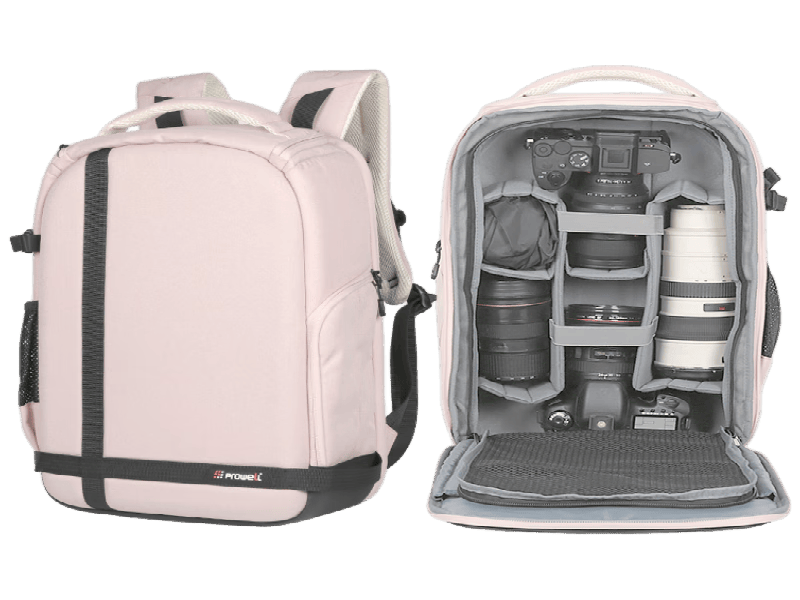
A professional photographer’s camera bag is never just a bag. It is a mobile studio, a safety vault, a workflow tool, a travel companion, and sometimes the only thing standing between a paid shoot and a very expensive disaster. A hobby photographer may carry one camera body and one extra lens. A professional may carry two camera bodies, several lenses, flash units, batteries, memory cards, laptop, cables, tripod plates, filters, microphones, and backup accessories. When that much gear is moving through airports, wedding venues, studios, mountain trails, hotels, cars, client offices, and crowded streets, the bag has to do much more than look good.
A professional camera bag should protect expensive gear, keep equipment organized, support fast access, resist water and abrasion, distribute weight comfortably, and match the photographer’s working style. The best professional camera bag is not always the biggest one. It is the one that fits the real job: wedding photography, commercial shooting, travel photography, outdoor work, studio production, documentary projects, or daily client assignments. Fabric, padding, dividers, zippers, handles, tripod straps, laptop storage, and compartment structure all decide whether the bag feels reliable after one shoot or after two years of use.
For brands, retailers, photography accessory companies, and private label product teams, professional camera bags are also a serious product opportunity. Photographers are willing to pay for bags that protect gear, reduce stress, and make work smoother. They notice weak stitching. They feel bad straps. They complain when dividers collapse. They remember when a bag saves their camera in rain. That is why camera bag development should begin with real use scenarios, not only exterior styling. Szoneier, with more than 18 years of experience in fabric R&D, finished product manufacturing, and custom production, can help turn professional camera bag ideas into finished products through material selection, structure development, sampling, logo customization, packaging, and OEM or ODM manufacturing.
What Is a Professional Camera Bag?
A professional camera bag is a protective carry system designed for photographers who depend on their equipment for paid work, serious projects, or demanding field use. It should hold camera bodies, lenses, lights, batteries, memory cards, cables, laptop, tripod accessories, and personal items in a secure and organized way. Unlike casual camera bags, professional camera bags must handle heavier loads, faster access, repeated travel, stronger impact risks, and more complex gear layouts.
The key difference is reliability. A regular camera bag may only need to protect one camera during a weekend trip. A professional camera bag may need to protect several thousand dollars of equipment during a wedding, commercial shoot, outdoor assignment, or international travel day. A pro bag cannot depend only on thick padding. It needs a complete structure: durable outer fabric, shock-absorbing padding, reinforced base, adjustable dividers, soft lining, strong zippers, reliable handles, stable straps, smart pockets, and weather-aware construction.
Professional photographers also work under pressure. They cannot spend five minutes searching for a battery while a client waits. They cannot remove every lens just to reach one camera body. They cannot accept a shoulder strap that causes pain halfway through a full-day shoot. A professional camera bag should protect gear and support workflow at the same time.
What Makes It Professional?
A camera bag becomes professional when its design supports real working conditions, not only storage. Professional use means heavier gear, longer hours, more movement, more weather exposure, more responsibility, and less room for failure. The bag must handle both protection and speed.
A professional photographer may shoot eight hours at a wedding, move between indoor and outdoor locations, carry flash gear, change lenses quickly, store used and fresh batteries separately, protect memory cards, and keep a laptop safe for backup. In commercial photography, the bag may move between studio, client office, warehouse, showroom, and outdoor scene. In travel photography, the bag must pass airport checks, fit cabin restrictions, handle sudden rain, and stay comfortable during long walking days.
That means a professional camera bag should not be judged only by capacity. A large bag with poor layout is still a bad professional bag. The internal design must make sense. Heavy lenses should sit low and stable. Camera bodies should be protected from pressure. Dividers should hold shape. Small accessories should have fixed pockets. Laptop storage should be separated from camera gear. The shoulder and back structure should spread load evenly.
The following table shows how professional needs differ from casual use.
| Design Area | Casual Camera Bag | Professional Camera Bag | Why It Matters |
|---|---|---|---|
| Gear capacity | 1 camera, 1–2 lenses | Multiple bodies, lenses, lights, laptop | Paid shoots require backup gear |
| Padding | Basic foam | Zoned foam, EVA, reinforced base | Gear value and impact risk are higher |
| Dividers | Simple fixed layout | Adjustable, stable, removable | Different jobs need different layouts |
| Fabric | Basic polyester or canvas | Nylon, Oxford, coated fabric, canvas, reinforced panels | Better abrasion and weather resistance |
| Access | General opening | Fast access, side access, full access | Missed moments cost money |
| Comfort | Light carry | Long-hour weight support | Professional gear becomes heavy |
| Weather protection | Light water resistance | Coating, zipper cover, rain cover, reinforced base | Outdoor and travel work needs more security |
| Organization | Few pockets | Battery slots, card pockets, cable zones, laptop sleeve | Workflow speed improves |
| Durability | Occasional use | Repeated travel and daily work | Long-term reliability matters |
Professional design also depends on the photography niche. A wedding photographer may prefer fast access and quiet operation. A landscape photographer may prefer weather protection and tripod carry. A studio photographer may prefer modular inserts and equipment organization. A sports photographer may need long lens support and strong harness comfort. A product photographer may need laptop, tethering accessories, and small tool pockets.
For custom camera bag development, the first question should not be “What style do you want?” The better question is “What work does this bag need to survive?” Once that is clear, material, layout, padding, and features become easier to define.
Is It Different from a Regular Bag?
A professional camera bag is very different from a regular bag because camera equipment needs controlled protection. A normal backpack may carry weight, but it does not stop lenses from hitting each other. A regular tote may look stylish, but it does not protect a camera body from side pressure. A travel duffel may hold many things, but it does not organize batteries, memory cards, filters, cables, and fragile glass safely.
The difference is not always visible from the outside. A good professional camera bag may look clean and simple, but the inside should be engineered. The inner compartment should control movement. The lining should prevent scratches. The bottom should absorb impact. The zipper should not rub the camera body. The seams should handle load. The handle should be reinforced. The straps should stay comfortable when the bag is fully loaded.
A regular bag also lacks the workflow logic photographers need. Professional photographers often pack gear in the same order every time. Camera body on one side. Main lens attached. Wide lens in one divider. Telephoto lens upright. Batteries in one pocket. Fresh cards in one pouch. Used cards in another. Laptop in a separate sleeve. Cleaning tools in a small pocket. This system saves time and reduces mistakes.
A regular bag allows everything to become loose. That may be fine for clothes or books. It is not fine for lenses and camera bodies. A single camera lens can cost more than the bag itself. That is why professional camera bags need dedicated compartments.
| Regular Bag Problem | Professional Camera Bag Solution | User Benefit |
|---|---|---|
| Gear moves freely | Adjustable padded dividers | Reduces collision and rubbing |
| No lens protection | Soft lining and separate lens zones | Protects glass and body surfaces |
| Weak bottom | Reinforced base with foam or EVA | Reduces impact when placed down |
| No small item control | Battery, card, cable, and filter pockets | Faster work during shoots |
| Poor rain resistance | Coated fabric, zipper cover, rain cover | Better outdoor confidence |
| Weak straps | Load-bearing webbing and padded support | More comfortable long carry |
| No laptop separation | Padded laptop compartment | Protects editing and backup tools |
| Random access | Side, top, rear, or clamshell access | Faster camera reach |
Professional camera bags also need better repeat-use durability. A regular bag may look fine during the first few weeks. The real test comes after repeated opening, loading, shoulder carrying, airport handling, wet floors, outdoor dust, and heavy gear. Fabrics may fray. Zippers may fail. Stitching may loosen. Dividers may deform. Handles may tear. A professional bag must be designed against these failure points.
This is where manufacturing experience matters. Szoneier can combine fabric R&D with finished product production, helping clients select outer fabric, lining, padding, EVA panels, webbing, zippers, buckle systems, logo methods, and packaging based on target product quality. A professional camera bag should not be copied blindly from a regular backpack. It should be developed around camera gear behavior.
Do Pros Need More Protection?
Professional photographers usually need more protection than casual users because their gear is more valuable, heavier, and used in higher-risk situations. Protection should cover impact, compression, vibration, abrasion, moisture, dust, and internal movement. The bag should protect equipment not only from accidents, but also from daily wear.
A wedding photographer may place a camera bag under a reception table, in a car trunk, beside a ceremony chair, or on a hotel floor. A travel photographer may push the bag under an airplane seat. A studio photographer may move gear between carts, shelves, vans, and shooting areas. An outdoor photographer may place the bag on rocks, grass, dirt, snow, or wet ground. Every situation creates different protection risks.
More protection does not always mean more thickness everywhere. The best approach is strategic protection. Stronger protection is needed at the bottom, corners, side walls, divider zones, lens storage areas, laptop compartment, and strap anchors. Lighter protection may be enough in low-risk pockets. Overpadding every part of the bag makes it heavy and bulky. Underpadding makes it unsafe. Professional camera bags need balance.
| Risk Type | Real Professional Scenario | Protection Needed | Material or Structure |
|---|---|---|---|
| Bottom impact | Bag placed on concrete, stage floor, airport tray | Strong base panel | EVA, PE board, high-density foam |
| Side compression | Bag squeezed in car or luggage area | Structured side walls | Foam-laminated nylon or Oxford fabric |
| Lens collision | Gear moves while walking | Stable dividers | High-density foam dividers |
| Abrasion | Bag rubs against ground, wall, equipment cart | Durable shell fabric | Nylon, Oxford, coated polyester, reinforced base |
| Rain exposure | Outdoor shoot or travel day | Weather protection | Coated fabric, zipper flap, rain cover |
| Strap stress | Heavy gear carried for hours | Reinforced anchor points | Webbing, bar-tack stitching |
| Laptop damage | Bag dropped or pressed | Raised laptop sleeve | Foam, PE board, soft lining |
| Small item loss | Batteries and cards mixed | Organized pockets | Mesh, elastic, zip pockets |
Professional protection should also include backup logic. A paid photographer often carries duplicate items: extra body, extra battery, extra memory cards, second lens option, backup flash trigger. The bag should separate backup items clearly. If everything is in one messy pocket, protection may exist physically but workflow protection is missing.
For brands designing camera bags for professionals, protection should be communicated with specific details, not vague claims. Instead of only saying “shockproof,” explain the padded base, EVA reinforcement, high-density dividers, soft lining, reinforced corners, and water-resistant fabric. Specifics build trust.
Are Custom Compartments Necessary?
Custom compartments are necessary for many professional camera bags because professional gear layouts vary widely. A wedding photographer, commercial photographer, sports photographer, travel photographer, studio photographer, and outdoor photographer do not carry the same kit. A fixed layout may work for one group and fail another.
Adjustable dividers are the most common solution. They let users create spaces for camera bodies, lenses, flashes, drones, microphones, filters, chargers, and personal items. Removable camera cubes are another useful option. They allow a backpack to switch between camera mode and daily travel mode. Foldable dividers can support stacked lenses or lens-body setups. Dedicated pockets can organize batteries, memory cards, SSDs, cables, lens caps, and cleaning tools.
Custom compartments are especially important for professional photographers because gear changes by job. A portrait shoot may require different lenses from an event shoot. A video project may need microphone, gimbal accessories, lights, and power banks. A travel assignment may need camera gear plus clothing and laptop. A modular compartment system makes the bag more useful across different jobs.
| Compartment Type | Best For | Professional Benefit | Design Watchpoint |
|---|---|---|---|
| Adjustable dividers | Lenses and camera bodies | Flexible gear layout | Dividers must hold shape |
| Foldable dividers | Stacked equipment | More efficient capacity | More complex sewing |
| Removable camera cube | Hybrid travel bags | Bag can convert to normal use | Needs secure fit |
| Laptop sleeve | Editing and backup | Protects work device | Should be raised from bottom |
| Battery slots | Power management | Faster battery changes | Need size accuracy |
| Memory card pocket | Card safety | Separates used and fresh cards | Should be easy to identify |
| Flash compartment | Event photography | Protects lighting gear | Needs enough height |
| Cable and tool pocket | Studio and commercial use | Keeps accessories organized | Avoid overstuffing |
Custom compartments also increase perceived value. When users open a bag and see a thoughtful interior, they understand that the product was made for real photography work. That feeling is powerful. It can justify a higher price, improve reviews, and create repeat purchases.
For Szoneier custom production, compartment design can be developed from reference gear lists. A client can request a camera backpack for two bodies, four lenses, one flash, one 15-inch laptop, one tripod, and accessory pockets. Szoneier can help turn that into an internal structure with suitable padding, divider thickness, fabric lining, zipper position, and reinforced stress points.
Professional Camera Bags Should Protect Income, Not Only Gear
A professional camera bag protects more than cameras. It protects a photographer’s income, reputation, schedule, and confidence. If a lens breaks before a wedding ceremony, the problem is not only repair cost. The photographer may miss important shots. If a memory card gets lost in a messy pocket, the damage may be bigger than the price of the card. If a bag becomes painful after three hours, the photographer’s performance suffers. Professional camera bags are part of work reliability.
This is why professional users often care deeply about details that casual buyers ignore. They notice whether the bag stands upright. They notice whether the divider bends under lens weight. They notice whether the zipper pull can be used with one hand. They notice whether the tripod holder swings. They notice whether the rain cover has its own pocket. They notice whether the laptop sleeve touches the bottom. These details decide whether the bag becomes a trusted tool or a product returned after one shoot.
A more critical way to evaluate a professional camera bag is to ask: what failure would hurt the user most?
| Possible Failure | Result for Professional Photographer | Better Design Response |
|---|---|---|
| Lens hits another lens | Repair cost, missed job readiness | Stable divider layout |
| Bag leaks in rain | Equipment damage, lost trust | Coated fabric, zipper cover, rain cover |
| Strap anchor tears | Gear drop risk | Reinforced webbing and bar-tack stitching |
| Battery pocket is messy | Slow work, missed shot | Elastic battery slots |
| Laptop sleeve lacks padding | Editing device damage | Raised padded laptop zone |
| Bag is too heavy empty | Fatigue before gear is loaded | Material and structure balance |
| Bag looks too technical | Draws unwanted attention | Low-profile exterior design |
| Dividers collapse | Poor internal protection | High-density foam divider system |
For custom camera bag projects, this risk-based thinking helps define the product clearly. A bag for wedding photographers may prioritize access speed, silent operation, battery organization, and polished appearance. A bag for outdoor photographers may prioritize waterproof fabric, reinforced base, tripod support, and breathable carrying. A bag for studio teams may prioritize modular cubes, cable pockets, and wide opening. A bag for travel photographers may prioritize carry-on size, laptop storage, hidden pockets, and low-profile exterior.
The professional camera bag market is not one product category. It is a group of working scenarios. A strong brand can build products for specific users instead of producing a generic “large camera backpack.” That is where custom manufacturing has real value.
| Photographer Type | Main Work Risk | Bag Design Priority | Suitable Product Direction |
|---|---|---|---|
| Wedding photographer | Fast moments and long hours | Quick access, quiet zippers, battery pockets | Professional shoulder bag or backpack |
| Commercial photographer | Gear organization and client site work | Modular compartments, laptop sleeve | Camera backpack or equipment roller |
| Travel photographer | Security, comfort, carry-on limits | Hidden pockets, weather resistance, laptop storage | Travel camera backpack |
| Outdoor photographer | Rain, dirt, rough ground | Waterproof fabric, reinforced base, tripod carry | Outdoor camera backpack |
| Sports photographer | Long lenses and fast movement | Deep compartments, strong harness | Large backpack or roller |
| Studio photographer | Accessories, cables, lights | Wide opening and organized pockets | Modular equipment bag |
| Video creator | Camera plus audio and support gear | Mic pockets, tripod/gimbal storage | Creator backpack or sling |
| News photographer | Speed and durability | Fast access, rugged fabric | Sling, shoulder bag, or backpack |
Szoneier’s material and product development capabilities allow camera bag projects to be built around these scenarios. A client does not need to accept one standard structure. Fabric, padding, lining, compartment layout, strap system, logo method, color, and packaging can be adjusted around the intended user. That flexibility is especially useful for brands building private label professional camera bags for niche markets.
Which Camera Bag Type Is Best?
The best camera bag type for professional photographers depends on the job, gear load, shooting speed, travel distance, and comfort requirement. Backpacks are best for balanced weight and heavy gear. Roller bags are best for airports, studio gear, and large equipment sets. Sling bags are useful for fast access with lighter professional kits. Shoulder bags work well for events and city assignments. Hard cases are best for transport, fragile gear, and harsh conditions. No single bag type is best for every professional. The right choice depends on how the photographer works.
Professional photographers often own more than one camera bag because one bag cannot handle every assignment equally well. A wedding photographer may use a rolling case for transport and a shoulder bag during the event. A landscape photographer may use a backpack for hiking and a hard case for vehicle storage. A studio photographer may use modular equipment bags. A travel photographer may need a carry-on backpack that fits camera gear, laptop, documents, and personal items.
For brands developing camera bags, choosing bag type is a positioning decision. A backpack says mobility and all-day carry. A roller says professional transport and equipment volume. A shoulder bag says fast access and event workflow. A hard case says maximum protection. A sling says speed and compact movement. The bag type should match the target photographer’s problem.
Which Is Better, Backpack or Roller?
A backpack is better when the photographer needs mobility, stairs, outdoor walking, uneven ground, or hands-free carry. A roller bag is better when the photographer carries heavy equipment through airports, hotels, studios, convention centers, and smooth indoor locations. The choice is not about which one is more professional. It is about terrain and gear weight.
Camera backpacks distribute weight across both shoulders and often include padded back panels, sternum straps, waist belts, laptop sleeves, tripod holders, and side-access openings. They work well for travel photographers, outdoor photographers, documentary photographers, and creators who move often. A good backpack can carry a heavy kit while leaving both hands free.
The weakness is fatigue. Even with good straps, a fully loaded professional camera backpack can become tiring during long days. Backpacks also require careful access design. A bag with only rear full opening may protect gear but slow down shooting. Side access, top access, or removable camera cubes can improve usability.
Roller camera bags reduce body strain because the wheels carry the weight. They are useful for wedding photographers, studio photographers, commercial photographers, and traveling professionals with multiple lenses, bodies, flashes, and laptop gear. A roller can also keep equipment organized in a tidy case-like layout.
The weakness is terrain. Rollers struggle on stairs, gravel, grass, snow, sand, and crowded outdoor locations. Wheels and handles also add weight and take space. A roller bag may be perfect in an airport and annoying on a mountain path.
| Bag Type | Best Strength | Main Weakness | Best User Scenario | Key Development Focus |
|---|---|---|---|---|
| Backpack | Mobility and weight distribution | Still heavy on long days | Outdoor, travel, event mobility | Harness comfort, side access, breathable back |
| Roller | Heavy gear transport | Poor on rough ground | Airport, studio, wedding transport | Wheels, handle, hard base, compartments |
| Backpack roller hybrid | Flexible carry options | Heavier structure | Travel professionals | Wheel strength and strap comfort |
| Modular backpack | Flexible layout | More complex interior | Mixed jobs | Removable camera cubes |
| Large gear backpack | High capacity | Can become bulky | Outdoor pros, sports photographers | Load support and frame structure |
For custom development, the decision between backpack and roller should start from user route. Will the photographer walk outside often? Use a backpack. Will the photographer move heavy gear mostly through smooth venues? Use a roller. Will the product target travel photographers who need both? Consider a hybrid, but watch total weight carefully.
Szoneier can support backpack-style camera bags with fabric selection, reinforced straps, breathable back panels, padded laptop compartments, custom dividers, and outdoor-ready materials. For roller-style projects, development should pay extra attention to base strength, handle attachment, wheel quality, inner structure, and shell support.
Are Sling Bags Good for Pros?
Sling bags can be good for professional photographers when the gear load is compact and fast access matters. They are useful for street photography, documentary work, travel scouting, second-shooter setups, video creators, event detail shooting, and lightweight mirrorless kits. However, sling bags are not ideal for heavy full-day professional gear loads because all weight sits on one shoulder.
A professional sling bag should be more structured than a casual sling. It needs stable dividers, strong strap anchors, quick-access opening, soft lining, reinforced base, weather-resistant fabric, and smart small-item pockets. It should rotate smoothly to the front and open in the correct direction. If the opening angle is wrong, the user feels it immediately.
Sling bags are especially relevant as mirrorless camera systems become more common. Many professionals now use lighter setups for travel, behind-the-scenes work, social content, client previews, and quick assignments. A compact professional sling may hold one body, two lenses, batteries, cards, small microphone, and personal items. For the right user, that can be enough.
The problem comes when brands try to make one sling bag do too much. A 12L or 15L sling loaded with heavy gear may become uncomfortable quickly. If the target user needs several lenses, laptop, flashes, and tripod, a backpack or roller is safer. A sling should be designed for speed, not maximum capacity.
| Sling Bag Size | Professional Use | Typical Gear | Best Feature Focus |
|---|---|---|---|
| 3L–5L | Minimal pro carry | 1 body, 1 lens, batteries, cards | Low profile, quick access |
| 6L–8L | Travel creator or event detail kit | 1 body, 2 lenses, small mic | Divider layout, strap comfort |
| 9L–10L | Compact professional kit | 1 body, 2–3 lenses, accessories | Reinforced base, tripod strap |
| 10L+ | Heavy sling direction | Larger kit, personal items | Needs strong strap, may become tiring |
| Modular sling | Flexible light pro work | Camera cube or divider system | Removable interior |
For private label brands, professional sling bags are attractive because they are easier to position around modern creators, mirrorless users, and urban photographers. They can be made from matte nylon, PU-coated Oxford fabric, canvas, neoprene-panel combinations, or technical coated fabrics. Logo branding can be subtle, which professional users often prefer.
Szoneier can help develop camera slings with custom capacity, strap design, zipper direction, divider system, outer fabric, lining, logo patch, and packaging. For professional users, sample testing should include full loaded weight and front-rotation access.
Do Shoulder Bags Still Work?
Shoulder bags still work for professional photographers, especially for events, weddings, street assignments, portrait sessions, and city-based work where fast top access is more important than long-distance carrying comfort. A shoulder bag lets the photographer see and reach gear quickly. It can sit near the hip and support frequent lens changes. For many event photographers, this old-school format still makes sense.
Professional shoulder bags often look less technical than backpacks. They can be made in canvas, nylon, polyester, Oxford fabric, or mixed materials. A clean canvas shoulder bag can feel premium and discreet. A nylon shoulder bag can feel more technical and weather-ready. A structured shoulder bag with padded dividers can work well for one or two bodies, several lenses, flash, batteries, and cards.
The weakness is load distribution. A heavy shoulder bag can create neck and shoulder fatigue. It may swing while walking. It may not be ideal for long outdoor routes. For this reason, professional shoulder bags should include a wide padded strap, stable shape, reinforced attachment points, strong handle, and possibly a trolley sleeve for travel use.
| Shoulder Bag Feature | Why It Matters | Professional Benefit |
|---|---|---|
| Wide top opening | Easy gear visibility | Faster lens changes |
| Padded divider system | Gear separation | Better protection |
| Wide strap pad | Reduces pressure | Longer comfort |
| Reinforced bottom | Protects gear when placed down | Safer event use |
| Quiet closure | Useful during ceremonies | Less distraction |
| Hidden pocket | Travel and client documents | Better organization |
| Low-profile look | Avoids attention | Good for city work |
| Weather flap | Protects opening | Better outdoor reliability |
Shoulder bags are also strong for lifestyle positioning. Professional photographers are not always working in rugged outdoor conditions. Many work in hotels, studios, offices, boutiques, weddings, and urban environments. A well-designed shoulder bag can look polished while still protecting equipment.
For Szoneier custom production, shoulder camera bags can be developed with canvas, cotton canvas, waxed canvas, polyester Oxford, nylon, PU-coated fabric, and custom trims. Options include leather patches, woven labels, embroidery, metal buckles, magnetic closures, zipper closures, soft lining, and custom divider layouts.
Is a Hard Case Worth It?
A hard case is worth it when professional gear needs maximum protection during transport, storage, shipping, vehicle travel, air travel, or harsh work conditions. Hard cases protect against crushing, heavy impact, stacking pressure, and rough handling better than most soft bags. They are especially useful for expensive lenses, drone kits, lighting tools, cinema accessories, underwater housings, or fragile equipment.
Hard cases can use molded plastic shells, EVA shells, aluminum frames, or semi-rigid structures. The interior may include foam cavities, adjustable dividers, or custom compartments. A hard case is not always comfortable for daily shooting, but it is excellent for moving gear safely between locations.
For professional photographers, hard cases often work as transport systems rather than active shooting bags. A photographer may transport gear in a hard case, then use a shoulder bag or sling during the shoot. Commercial studios may use hard cases to organize equipment by category. Outdoor teams may use waterproof hard cases for weather-sensitive gear.
The limitation is weight and flexibility. Hard cases are usually heavier and less wearable. They may not fit every carry-on space. They may also feel too industrial for lifestyle-focused users. Semi-rigid EVA camera cases offer a softer middle ground. They protect better than soft bags while remaining lighter and more fabric-friendly.
| Case Type | Protection Level | Mobility | Best Use |
|---|---|---|---|
| Soft padded bag | Medium | High | Active shooting |
| Semi-rigid EVA case | High | Medium | Travel accessories, drone kits |
| Hard plastic case | Very high | Medium-low | Transport and storage |
| Roller hard case | Very high | Medium | Airport and studio movement |
| Modular soft case | Medium-high | High | Hybrid professional use |
| Custom foam case | Very high | Low-medium | Specific equipment protection |
A hard case should be chosen when protection is more important than quick access or soft carry. For a working photographer, the smartest setup may be a combination: hard case for transport, backpack for travel, sling or shoulder bag for active shooting.
Szoneier can support semi-rigid EVA cases, fabric-covered protective cases, padded inserts, and structured camera bags. For full hard-shell systems, development requires careful discussion around shell material, inner layout, handle strength, zipper type, and equipment dimensions.
Which Bag Fits Travel Shoots?
The best camera bag for travel shoots depends on whether the photographer is traveling by plane, car, train, or foot. For air travel, a carry-on camera backpack or roller bag is usually best. For city travel, a low-profile backpack, sling, or shoulder bag may be better. For outdoor travel, a waterproof backpack with tripod support and breathable carrying structure is more practical. For destination weddings or commercial shoots, many photographers use more than one bag.
Travel photographers need a balance of protection, security, comfort, and airline practicality. The bag should fit gear safely, avoid unnecessary weight, protect laptop and documents, and reduce theft risk. It should also be comfortable enough for long walking days. If the bag is too large, it becomes stressful during travel. If it is too small, gear organization fails.
Travel bags should also consider carry-on restrictions, though requirements vary by airline and region. Brands should avoid designing bags that are unnecessarily oversized. A professional travel camera bag should use space efficiently. Dividers should not waste volume. Laptop storage should be close to the back. Heavy lenses should sit low. Passport and wallet pockets should be hidden. External tripod carry should not make the bag too wide.
| Travel Scenario | Best Bag Type | Key Features | Material Direction |
|---|---|---|---|
| Airport travel | Backpack or roller | Carry-on size, laptop sleeve, lockable zipper | Nylon, Oxford fabric |
| City photography | Sling or shoulder bag | Low profile, quick access, hidden pocket | Canvas, matte nylon |
| Destination wedding | Roller + shoulder bag | Transport plus active shooting carry | Oxford, nylon, structured fabric |
| Outdoor travel | Technical backpack | Rain cover, tripod holder, breathable back | TPU-coated nylon, ripstop fabric |
| Train or bus travel | Compact backpack | Security pockets, stable compartments | PU-coated polyester or nylon |
| International assignment | Modular backpack | Laptop, documents, camera cube | Coated Oxford, high-density nylon |
A travel camera bag should also protect the photographer from fatigue. Smooth straps, balanced compartments, padded handles, luggage pass-through, and breathable back panels all matter. A full professional kit can easily become heavy. Poor comfort becomes a serious problem after airports, walking streets, and long shoot days.
For Szoneier custom projects, travel camera bags can be developed with water-resistant nylon, Oxford fabric, reinforced base panels, hidden pockets, laptop sleeves, luggage straps, rain covers, and private label packaging. For overseas brands, travel camera bags are strong products because they appeal to photographers, creators, students, and working professionals at the same time.
One Professional Camera Bag Rarely Solves Every Job
A common mistake in camera bag design is trying to make one bag perfect for every professional. The result is usually a bag that is too big for light work, too small for large shoots, too technical for lifestyle users, and not rugged enough for outdoor photographers. Professional users do not all work the same way, so bag type should be chosen with sharper positioning.
A wedding photographer may need fast access and a polished look. A sports photographer may need long lens support. A travel photographer may need airline-friendly size and anti-theft pockets. A landscape photographer may need weather protection and tripod carry. A studio photographer may need modular compartments and equipment organization. A filmmaker may need camera, audio, cables, power, and rig accessories. Each use case deserves its own design logic.
| Professional Segment | Best Bag Type | Main Reason | Feature Priority |
|---|---|---|---|
| Wedding photographer | Shoulder bag, roller, backpack | Fast access and multiple gear setups | Quiet access, battery organization |
| Landscape photographer | Outdoor backpack | Rough terrain and weather | Tripod carry, rain protection |
| Travel photographer | Carry-on backpack | Mobility and security | Laptop sleeve, hidden pockets |
| Commercial photographer | Roller or modular backpack | Larger kit and client site movement | Organized compartments |
| Sports photographer | Large backpack or roller | Long lenses and heavy gear | Deep compartments, strong harness |
| Studio photographer | Equipment bag or case | Controlled transport | Wide opening, cable storage |
| Video creator | Backpack or sling | Mixed camera and audio gear | Accessory pockets, tripod/gimbal support |
| Documentary photographer | Sling or backpack | Speed and low profile | Quick access, durability |
For brands, this creates product line opportunities. Instead of selling one “professional camera bag,” a brand can develop a focused collection: pro travel backpack, event shoulder bag, outdoor camera backpack, compact creator sling, modular camera insert, and protective lens sleeve set. Each product can target a clearer search intent and a clearer customer need.
| Product Line Idea | Target Search Intent | Core Product Benefit | Szoneier Custom Focus |
|---|---|---|---|
| Professional camera backpack | Camera bag for professional photographers | Full gear carry and comfort | Nylon/Oxford fabric, dividers, laptop sleeve |
| Wedding camera shoulder bag | Camera bag for wedding photographers | Fast access and quiet use | Canvas/nylon, top opening, organized pockets |
| Outdoor camera backpack | Waterproof camera backpack | Weather and terrain protection | TPU-coated fabric, rain cover, reinforced base |
| Camera roller bag | Camera bag for travel shoots | Heavy gear transport | Structured base, dividers, durable shell |
| Camera sling bag | Camera bag for mirrorless pros | Fast light carry | Quick access, compact dividers, strap comfort |
| Camera insert system | Camera insert for backpack | Flexible protection | Foam, neoprene, Oxford fabric |
| Lens sleeve set | Lens protection pouch | Accessory protection | Neoprene, soft lining, logo print |
The deeper point is that bag type should be chosen from the photographer’s workflow, not from the factory’s existing pattern. If a product is built for outdoor photographers, it should not pretend to be a polished city shoulder bag. If it is built for wedding shooters, it should not become a bulky hiking backpack. Specificity creates stronger products.
Szoneier can help clients develop camera bag types around target users, price points, and material preferences. A client may begin with a reference sample or only a product idea. The development team can support fabric selection, structure planning, sample making, logo customization, low MOQ production, and packaging. For professional camera bags, that support matters because small structural choices can change the entire user experience.
How Much Gear Should It Carry?
A professional camera bag should carry the gear needed for a real assignment without becoming so large that it slows the photographer down. The ideal capacity depends on the job type, camera system, lens count, lighting accessories, laptop needs, and travel conditions. A wedding photographer may need two camera bodies, three to five lenses, flashes, batteries, cards, and personal items. A commercial photographer may need camera gear plus tethering cables, laptop, SSDs, color cards, small tools, and backup accessories. An outdoor photographer may need fewer studio accessories but more weather gear, tripod support, water bottle storage, and load comfort.
The best professional camera bag is not simply the largest one. A large bag can become heavy, slow, and hard to manage. A small bag can force the photographer to leave important backup gear behind. The right size should match the photographer’s working rhythm. Gear should fit securely, stay easy to reach, and remain organized when the bag is fully loaded. Empty space should be controlled by dividers so equipment does not slide around.
For brands developing professional camera bags, capacity planning should begin with target equipment lists. Instead of using vague size labels such as small, medium, or large, a better method is to define what the bag must hold: two full-frame camera bodies, four lenses, one flash, one 15-inch laptop, tripod straps, battery pockets, and a rain cover. This kind of product planning makes sampling more accurate and helps customers understand the value clearly.
What Camera Bodies Fit Inside?
Professional camera bags should be designed around real camera body dimensions, not generic “camera space.” Camera bodies differ in height, grip size, viewfinder shape, lens mount position, battery grip use, cage setup, and attached accessories. A mirrorless full-frame camera, a DSLR body, a medium format camera, and a cinema-style compact rig do not occupy the same space. Even cameras within the same category can feel very different inside a bag.
Professional photographers often carry more than one body because backup matters. A wedding photographer may carry two full-frame bodies during the ceremony. A sports photographer may carry one body with a telephoto lens and another with a wide lens. A commercial photographer may carry a main body and a backup body for client reliability. When two bodies are packed together, the bag needs stable separation and enough height to prevent pressure on screens, buttons, grips, or hot shoe areas.
A camera body with an attached lens needs a different layout from a body-only compartment. Many professionals prefer carrying a camera ready to shoot, with a main lens already mounted. That saves time. However, it requires a longer and deeper compartment. If the bag only fits the camera body without lens attached, it may be safe for transport but inconvenient during active work.
| Camera Setup | Typical Bag Requirement | Best Compartment Style | Design Risk If Ignored |
|---|---|---|---|
| 1 mirrorless body only | Compact padded bay | Small divider cell | Body may move if space is too large |
| 1 DSLR body only | Deeper padded bay | Wider divider cell | Grip or viewfinder may press against wall |
| Body with prime lens attached | Medium-length bay | Horizontal ready-to-shoot slot | Lens may hit zipper or side panel |
| Body with zoom lens attached | Longer compartment | Deep main bay with reinforced base | Lens mount may receive pressure |
| 2 camera bodies | Separated padded zones | Dual-body layout | Bodies may rub or collide |
| Body with battery grip | Taller compartment | Adjustable height planning | Bag may not close properly |
| Camera with cage | Wider, more angular space | Custom layout | Metal cage may scratch lining or press dividers |
A professional camera bag should also consider how the user removes the camera. A camera may technically fit, but if the opening is narrow, the photographer has to twist the body out. That wastes time and creates friction. Side-access backpacks, sling openings, and shoulder bags should be tested with an actual camera body and attached lens.
For Szoneier custom projects, clients can provide camera models, gear dimensions, reference photos, or target use cases. The sample team can build compartments based on real gear instead of guessing. This matters for professional camera bags because small fit differences can change the whole user experience.
How Many Lenses Are Needed?
Lens count is one of the biggest factors in professional camera bag capacity. A photographer carrying one camera body and two small prime lenses may need only a compact sling or shoulder bag. A wedding photographer carrying wide, standard, telephoto, macro, and portrait lenses may need a larger backpack or roller. A sports photographer with long lenses needs deep compartments and stronger support. Lens size and weight often matter more than body count.
Lenses are fragile, heavy, and awkwardly shaped. A small 35mm prime lens is easy to store. A 70–200mm zoom lens changes the bag design completely. A lens hood can add extra length or width. Filters and caps need separate storage. Lens glass should not touch other objects. A heavy lens can deform weak dividers. That is why professional camera bags need stable lens zones.
Professional users also think in terms of lens workflow. Some lenses must be easy to reach. Others are backup lenses and can be stored deeper. A wedding photographer may need a fast lens change during a ceremony. A commercial photographer may have more time but needs careful organization. A travel photographer may carry fewer lenses but needs better space efficiency.
| Lens Load | Typical Professional Use | Suggested Bag Type | Key Structure Need |
|---|---|---|---|
| 1 lens attached | Minimal pro work, quick shooting | Sling or shoulder bag | Long ready-to-shoot bay |
| 2 lenses | Event detail, street, travel | Sling, shoulder bag, compact backpack | Adjustable divider system |
| 3–4 lenses | Wedding, portrait, commercial | Backpack or shoulder bag | Strong lens compartments |
| 5+ lenses | Full professional kit | Backpack, roller, modular case | Organized layout and weight support |
| Long telephoto lens | Sports, wildlife, outdoor | Large backpack or hard case | Deep vertical compartment |
| Lens and flash mix | Wedding and event work | Shoulder bag or roller | Separate flash and lens zones |
A good lens layout protects both the glass and the workflow. If every lens is stored in the same deep compartment, the photographer wastes time searching. If lenses are packed too tightly, glass and barrels may rub. If dividers are too soft, heavy lenses lean into each other. A professional bag should make the lens map easy to understand at a glance.
For private label camera bags, brands can build size versions around lens count. A three-lens event bag. A five-lens professional backpack. A long-lens outdoor model. A compact mirrorless creator sling. Each version can serve a clearer user group and rank for more specific search intent.
Szoneier can customize divider thickness, compartment height, lens sleeve options, foam density, lining texture, and internal label design. For lens-heavy products, sample testing should include dummy weights or actual lens dimensions to ensure the dividers do not collapse.
Do Lights and Drones Fit?
Lights and drones can fit inside professional camera bags, but they require different compartment planning from cameras and lenses. Small LED lights, flash units, triggers, microphones, drone batteries, drone controllers, cables, and charging hubs are often carried by modern photographers and creators. These accessories are not always fragile in the same way as lenses, but they still need controlled storage.
Professional photography has become more hybrid. Many photographers now shoot both photo and video. A commercial photographer may need a small LED panel. A wedding photographer may carry flash triggers and compact lighting. A travel creator may carry a drone, microphone, action camera, and charging accessories. The camera bag must evolve with this mixed gear reality.
Drone storage is especially tricky. A drone body, controller, propellers, filters, batteries, and charger all have different shapes. Drone batteries should be stored securely and separated from sharp objects. Propellers can bend if pressed. Controllers need protection around joysticks. A generic camera divider system may not fit drone gear well unless it is adjustable.
Lighting gear also needs thought. Flash units can be stored in padded vertical slots. LED lights may need flat compartments. Cables should be separated from lenses to avoid scratching. Triggers and batteries need smaller pockets.
| Accessory Type | Storage Need | Best Compartment Style | Design Concern |
|---|---|---|---|
| Flash unit | Medium padded pocket | Vertical padded slot | Prevent head pressure |
| Flash trigger | Small secure pocket | Zip mesh or elastic pocket | Easy to lose |
| LED panel | Flat protection | Padded sleeve | Avoid screen or surface scratches |
| Microphone | Soft pocket | Small padded pouch | Protect mount and foam cover |
| Drone body | Shaped compartment | Adjustable divider bay | Prevent pressure on arms |
| Drone batteries | Separate battery slots | Elastic or padded pocket | Avoid loose movement |
| Drone controller | Padded compartment | Custom shape or foam area | Protect control sticks |
| Cables and chargers | Organized pocket | Mesh zip area | Avoid tangling with lenses |
A bag designed for both photography and drone gear should not simply be made larger. It should be made smarter. Drone compartments may need different shapes from camera compartments. Accessories should not steal the main camera access area. If the user must remove half the bag contents to reach a battery, the design is not professional.
For Szoneier custom production, accessory compartments can be added based on the target user. A travel creator backpack can include a drone bay, camera bay, laptop sleeve, battery pockets, cable organizer, and tripod holder. A wedding camera bag can include flash slots, memory card pockets, lens compartments, and quiet-access design. A product photography bag can include laptop storage, SSD pockets, tethering cable zones, and small tool pockets.
Is Laptop Storage Important?
Laptop storage is important for many professional photographers because editing, tethering, backup, file delivery, and client preview often happen on location. A camera bag with laptop storage becomes more than a gear bag. It becomes a mobile work system. However, not every professional camera bag needs a laptop sleeve. The decision depends on the use case.
Travel photographers, commercial photographers, studio photographers, destination wedding photographers, and content creators often need laptop storage. A laptop may be used for file backup, Lightroom editing, tethered shooting, client review, invoice handling, or social media delivery. A 13-inch laptop sleeve may suit compact backpacks. A 15-inch or 16-inch laptop sleeve usually requires a larger backpack or roller.
Laptop storage should be separated from camera gear. A laptop edge should not press against lenses. The sleeve should be padded and raised from the bottom so the laptop does not hit the ground when the bag is placed down. A rear laptop compartment often improves weight balance because the laptop sits close to the back. For travel, the laptop area should be easy to open during airport checks.
| Laptop Need | Best Bag Type | Sleeve Design | Professional Benefit |
|---|---|---|---|
| No laptop | Sling, shoulder bag, insert | More camera space | Lighter and faster carry |
| Tablet only | Sling, shoulder bag, backpack | Thin padded sleeve | Good for previews |
| 13-inch laptop | Compact backpack | Rear padded sleeve | Travel and editing support |
| 15-inch laptop | Larger backpack or roller | Raised padded compartment | Professional workflow |
| 16-inch laptop | Pro backpack or roller | Full rear compartment | Commercial and video work |
| Laptop + SSDs | Backpack or equipment bag | Laptop sleeve + small pockets | Backup and file management |
Laptop storage affects bag weight and structure. A professional backpack with camera gear and laptop can become heavy quickly. The shoulder straps, back panel, and handle must be strong enough. If the laptop sleeve is added to a weak bag, the product may look functional but fail under real load.
For Szoneier, laptop sleeves can be customized by size, padding thickness, opening direction, rear compartment structure, lining material, and bottom lift. Clients targeting professional photographers should decide early whether laptop storage is required, because it changes the bag pattern and weight distribution.
How Much Space Is Too Much?
Too much space becomes a problem when gear moves, the bag feels bulky, weight increases, or the photographer carries items that are not needed for the job. Professional camera bags should have controlled capacity, not empty volume. A bag that is too large can encourage overpacking, slow access, and create fatigue.
Some photographers buy large bags to be safe, then discover they rarely use the extra space. Others buy compact bags and constantly struggle with capacity. The sweet spot is based on the most common workday, not the rare largest shoot. If a photographer needs a huge gear load only twice a year, a separate roller or hard case may be better than carrying an oversized backpack every week.
Empty space also reduces protection. If compartments are not filled or adjusted, gear can shift. Adjustable dividers can reduce this problem, but the bag should still match the typical load. A 30L professional backpack may be excellent for outdoor work but excessive for one camera body and two lenses. A 6L sling may be perfect for light assignments but unrealistic for full wedding coverage.
| Capacity Level | Best Use | Risk If Misused | Better Planning Method |
|---|---|---|---|
| 3L–5L | Minimal pro carry | Not enough backup gear | Use for quick assignments |
| 6L–10L | Compact professional kit | Can become heavy as sling | Limit to essential gear |
| 12L–18L | Daily professional backpack | May need better organization | Add dividers and laptop zone |
| 20L–30L | Travel and outdoor professional work | Can become heavy | Add load support and waist strap |
| 30L+ | Large equipment transport | Too bulky for daily use | Use roller or modular case |
| Roller capacity | Heavy professional kit | Poor on rough ground | Use for transport, not walking |
For brands, capacity should be described honestly. A product page that says “fits all professional gear” is less helpful than one that says “fits two camera bodies, four lenses, one 15-inch laptop, one flash, and accessories.” Specific capacity helps buyers trust the product.
Szoneier can help create accurate size descriptions during development by testing bag samples with target gear layouts. This is useful for product listings, SEO content, sales materials, and customer communication.
Capacity Is About Workflow, Not Liters Alone
Many camera bags are marketed by liters, but liters do not tell the full story. A 20L hiking backpack and a 20L camera backpack may feel completely different. Padding, dividers, laptop sleeve, back panel, rounded corners, pockets, and opening shape all reduce usable space. Professional photographers care about usable organized volume, not theoretical volume.
A good professional camera bag should be evaluated by five capacity questions. What gear fits? How fast can it be accessed? How stable does it stay while moving? How heavy does the bag feel when loaded? How clearly can users find small accessories? If a bag scores well only on the first question, it is not enough.
| Capacity Question | Why It Matters | Strong Design Answer |
|---|---|---|
| What fits inside? | Determines gear compatibility | Real camera and lens dimension planning |
| How fast is access? | Affects shooting workflow | Side/top/rear opening options |
| Does gear stay stable? | Prevents damage | Adjustable dividers and tight layout |
| How heavy does it feel? | Affects long-day comfort | Harness system and balanced load |
| Can small items be found? | Reduces work stress | Organized pocket map |
For professional photography, capacity should also be divided by active carry and transport carry. Active carry means the gear needed during shooting. Transport carry means everything needed to move between locations. These are not always the same. A photographer may transport six lenses but shoot with three. A roller may carry the full kit, while a shoulder bag carries active lenses. Brands can build product lines around this two-stage workflow.
| Workflow Stage | User Need | Best Bag Direction |
|---|---|---|
| Transport to location | Carry larger gear safely | Roller, large backpack, hard case |
| Active shooting | Fast access to selected gear | Shoulder bag, sling, smaller backpack |
| Backup storage | Keep extra gear secure | Insert, case, roller |
| Editing and delivery | Carry laptop and drives | Backpack with laptop sleeve |
| Outdoor movement | Balance gear and terrain | Technical camera backpack |
This workflow thinking helps brands develop better products. Instead of one oversized bag, a brand can offer a professional system: travel roller, active shoulder bag, camera backpack, lens sleeves, battery pouch, and camera insert. Customers who trust one product may later buy more.
For Szoneier, this is a strong custom opportunity. The company can manufacture different fabric-based products across one professional camera carry line. A client can choose matching fabrics, colors, logo details, lining, packaging, and structural design across bags and accessories. This creates stronger brand consistency and more repeat-order potential.
What Fabrics Work Best?
The best fabrics for professional camera bags are durable, abrasion-resistant, water-resistant, shape-stable, and suitable for padding construction. Nylon, polyester, Oxford fabric, canvas, TPU-coated fabrics, neoprene, and laminated materials are among the most useful choices. The right fabric depends on the bag type and professional use. A rugged outdoor backpack may need coated nylon or TPU-coated fabric. A practical work backpack may use high-density Oxford fabric. A premium event shoulder bag may use canvas. A camera insert or lens sleeve may use neoprene or foam-laminated polyester.
Fabric choice directly affects protection, weight, price, appearance, water resistance, cleaning, sewing strength, and brand positioning. Professional photographers expect the bag to survive frequent handling, travel, venue floors, outdoor surfaces, and heavy equipment. A weak fabric may tear, stain, wrinkle, fade, absorb water, or lose shape. A suitable fabric gives the bag a reliable foundation.
Szoneier’s advantage is material-driven manufacturing. With more than 18 years of experience in fabric R&D and finished product production, Szoneier can customize camera bags using cotton fabric, canvas fabric, polyester fabric, nylon fabric, neoprene fabric, jute fabric, linen fabric, Oxford fabric, and various post-treatment processes. For professional camera bags, fabric selection can be combined with coating, lamination, foam padding, EVA reinforcement, printing, embroidery, waterproof finishing, logo patches, and custom packaging.
Is Nylon Strong Enough?
Nylon is strong enough for professional camera bags when the correct specification, density, coating, and construction are chosen. It is one of the most common performance fabrics for camera backpacks, travel camera bags, outdoor bags, and technical slings because it offers good abrasion resistance, tear strength, flexibility, and a relatively light weight. Nylon can also be paired with PU coating, TPU coating, DWR finishing, ripstop weaving, and reinforced panels for better weather and durability performance.
Professional photographers often need bags that rub against walls, car interiors, airport seats, tripods, rocks, studio floors, and equipment carts. Nylon performs well in these conditions when compared with many lighter casual fabrics. High-density nylon can create a premium technical feel. Ripstop nylon helps control tearing. Coated nylon improves rain resistance. Ballistic-style nylon creates a rugged appearance and stronger abrasion feel.
However, nylon is not automatically waterproof or professional-grade. Low-quality nylon may feel thin or weak. Poor coating may peel. Poor stitching can fail even if the fabric is strong. A bag made from good nylon but weak zippers, weak webbing, or soft dividers will still disappoint professional users. Fabric is the foundation, not the whole product.
| Nylon Type | Strength | Best Use | Professional Consideration |
|---|---|---|---|
| Standard nylon | Light and flexible | Daily camera bags | Needs good lining and padding |
| High-density nylon | Stronger hand feel | Premium backpacks and slings | Higher material value |
| Ripstop nylon | Tear resistance | Outdoor camera bags | Grid texture affects appearance |
| PU-coated nylon | Water-resistant performance | Travel camera bags | Coating quality matters |
| TPU-coated nylon | Strong waterproof direction | Outdoor and wet-condition bags | Stiffer and more technical |
| Ballistic-style nylon | High abrasion resistance | Pro transport bags | Heavier but rugged |
Nylon is especially suitable for professional backpacks because it balances strength and weight. A bag that already carries heavy equipment cannot use unnecessarily heavy fabric everywhere. Strategic reinforcement is better than overbuilding the whole shell. For example, high-density nylon can be used on the main body, while stronger coated fabric can be used at the bottom.
Szoneier can help clients select nylon by denier, weave, coating, hand feel, color, and post-treatment. For professional camera bag projects, nylon is often a strong choice for travel, outdoor, and modern technical positioning.
Is Polyester a Good Choice?
Polyester is a good choice for many professional camera bags when cost control, color stability, customization, and practical durability are important. It may not always match premium nylon in tear strength, but high-density polyester and polyester Oxford can perform very well in daily professional bags, camera inserts, shoulder bags, equipment organizers, and mid-range camera backpacks.
Polyester has several advantages. It holds color well, resists shrinking, supports printing, works with coatings, and is widely available in many specifications. This makes it useful for private label production where consistent color and scalable manufacturing matter. Polyester can be laminated with foam for padded panels, used as lining, or woven into Oxford structures for stronger bag shells.
The biggest mistake is treating all polyester as the same. Thin promotional polyester is not suitable for professional camera bags. Higher-density polyester, 600D Oxford polyester, 900D polyester, coated polyester, and foam-laminated polyester can support better products. The performance depends on fabric weight, weave, coating, lamination, stitching, and reinforcement.
| Polyester Direction | Best Use | Advantage | Limitation |
|---|---|---|---|
| 300D polyester | Lightweight accessory pouches | Lower weight and cost | Not rugged enough for heavy pro use |
| 600D polyester | Daily camera bags | Good cost-performance balance | Needs coating and reinforcement |
| 900D polyester | Stronger backpacks | Better abrasion resistance | Heavier than lighter fabrics |
| Polyester Oxford | Structured camera bags | Stable shape and broad use | Appearance may look common |
| PU-coated polyester | Water-resistant bags | Useful for travel and daily work | Coating durability must be checked |
| Recycled polyester | Eco-focused products | Sustainability story | Certification should be prepared |
| Foam-laminated polyester | Inserts and padded panels | Easy structure building | Outer feel may be less premium |
Polyester is especially useful for product lines with multiple SKUs. A brand may choose polyester Oxford for entry-level professional inserts, accessory pouches, and mid-range backpacks, then use nylon or canvas for premium models. This creates a balanced product range.
For Szoneier clients, polyester can be customized by color, coating, lining, print, logo, lamination, and structure. It is a practical choice when the product needs reliable performance at a more controlled cost.
Does Canvas Look Premium?
Canvas can look premium when used for professional camera bags targeting lifestyle, event, wedding, boutique, street, and city photographers. A canvas camera bag feels warmer and more personal than a technical nylon backpack. It can match photographers who want a polished look at weddings, cafés, client meetings, urban shoots, or travel settings. Canvas also pairs well with leather patches, metal buckles, woven labels, embroidery, and custom packaging.
Cotton canvas and heavy canvas can create a natural, textured surface. Waxed canvas can add weather resistance and a heritage-style appearance. Canvas blends can improve durability and reduce some natural fabric weaknesses. For professional shoulder bags and messenger-style camera bags, canvas is one of the strongest visual materials.
However, canvas requires careful engineering. Untreated cotton canvas can absorb water and stains. Heavy canvas can add weight. Waxed canvas may need maintenance and quality control. Natural fabric can shrink or change feel depending on treatment. A canvas professional camera bag still needs internal protection: foam, dividers, soft lining, reinforced bottom, strong stitching, and weather-aware opening design.
| Canvas Type | Visual Style | Best Product Use | Needed Support |
|---|---|---|---|
| Cotton canvas | Natural and casual | Lifestyle shoulder bags | Water-resistant treatment |
| Heavy canvas | Rugged and premium | Messenger camera bags | Reinforced seams and strap points |
| Waxed canvas | Heritage and weather-ready | Premium travel shoulder bags | Wax consistency control |
| Canvas blend | Balanced performance | Urban camera bags | Fabric testing |
| Canvas with leather trim | High perceived value | Boutique collections | Hardware and trim QC |
| Canvas with foam lamination | Protected structure | Padded camera bags | Shape and thickness testing |
Canvas is not the best choice for every professional. Outdoor photographers working in heavy rain may prefer coated nylon or TPU-coated fabric. Sports photographers carrying heavy long-lens kits may prefer technical backpacks. But for event photographers, wedding photographers, portrait photographers, and lifestyle-focused brands, canvas can create emotional value.
Szoneier can customize canvas camera bags through dyeing, waxing, coating, embroidery, printing, leather patching, woven labels, lining selection, and custom divider design. A canvas camera bag can look soft from the outside while still carrying a serious protective interior.
Are Oxford Fabrics Durable?
Oxford fabrics are durable and highly suitable for many professional camera bags because they provide structure, abrasion resistance, broad availability, and good compatibility with coatings. Oxford fabric is widely used in backpacks, tool bags, outdoor bags, luggage products, medical bags, and camera bags because it can be engineered in different yarn weights and surface finishes.
For professional camera bags, Oxford fabric is a strong option when the product needs a stable shape and dependable cost-performance balance. Polyester Oxford can work well for mid-range camera backpacks and inserts. Nylon Oxford can offer stronger performance and a more premium feel. PU-coated Oxford can improve water resistance. Higher-denier Oxford can support heavier-duty bags.
Oxford fabric is especially useful when combined with padding and reinforcement. It holds structure better than many soft fabrics, which helps camera compartments stay organized. It can support EVA base panels, foam-laminated walls, mesh pockets, reinforced webbing, and zipper systems.
| Oxford Fabric Type | Best Use | Strength | Watchpoint |
|---|---|---|---|
| 300D Oxford | Lightweight pouches and inserts | Lower weight | Less suitable for heavy gear |
| 600D Oxford | Daily camera backpacks | Good balance | Common market appearance |
| 900D Oxford | Stronger professional bags | Better durability | Higher weight |
| PU-coated Oxford | Travel and weather-ready bags | Water resistance | Coating quality matters |
| Nylon Oxford | Premium camera backpacks | Stronger and smoother | Higher cost |
| Foam-laminated Oxford | Structured panels | Better shape support | Needs accurate cutting |
Oxford fabric is a practical choice for private label professional camera bags because it supports different price levels. A brand can use 600D Oxford for an entry professional backpack, 900D Oxford for a rugged version, and nylon Oxford for a premium version. The same design language can be maintained while adjusting cost and performance.
Szoneier can support Oxford fabric customization through color selection, coating, lamination, print, lining, reinforcement, and logo process. For many professional camera bag projects, Oxford is one of the safest and most flexible base materials.
Do Coated Fabrics Block Rain?
Coated fabrics can block rain better than untreated fabrics, but the final water protection depends on the entire bag construction. PU-coated nylon, PU-coated polyester, TPU-coated fabric, coated Oxford, laminated fabrics, and tarpaulin-style materials can all improve rain resistance. However, water can still enter through zippers, seams, needle holes, openings, and poorly protected pockets.
Professional photographers often work in unpredictable conditions. A wedding may move from indoor ceremony to outdoor portraits. A travel photographer may face sudden rain. An outdoor photographer may place the bag on wet grass or rocks. A commercial photographer may move equipment through loading zones or rainy streets. Coated fabrics reduce risk, but they must be combined with correct design.
TPU-coated fabrics provide a stronger waterproof direction and are useful for outdoor or rugged camera bags. PU-coated fabrics are more common and suitable for travel and daily water resistance. Waxed canvas offers a premium lifestyle look with moderate weather resistance. Coated Oxford can balance structure and rain protection.
| Coated Fabric | Rain Protection | Hand Feel | Best Camera Bag Use |
|---|---|---|---|
| PU-coated polyester | Medium | Flexible | Daily water-resistant bags |
| PU-coated nylon | Medium-high | Smooth, technical | Travel backpacks and slings |
| PU-coated Oxford | Medium-high | Structured | Practical professional bags |
| TPU-coated nylon | High | Stiffer, technical | Outdoor waterproof-oriented bags |
| Laminated fabric | Medium-high | Depends on base fabric | Premium custom designs |
| Waxed canvas | Medium | Natural, textured | Lifestyle and event bags |
| Tarpaulin-style fabric | High | Rugged | Waterproof gear bags |
The claim should match the construction. A bag made with coated fabric and standard zippers should be described as water-resistant or weather-resistant. A bag with TPU-coated fabric, protected zippers, seam treatment, and waterproof-oriented structure can make stronger claims. Honest language protects the brand and builds customer trust.
For Szoneier, coated fabric development can be combined with sample testing, zipper choice, rain cover design, reinforced base construction, and waterproof packaging ideas. Clients can choose different weather-protection levels depending on target price and market.
Fabric Choice Should Match Brand Position and Use Case
Fabric choice is a strategic decision. It decides not only how the bag performs, but also how the product feels in the customer’s mind. A nylon professional camera backpack says technical and modern. An Oxford fabric bag says practical and reliable. A canvas shoulder bag says premium and lifestyle. A TPU-coated bag says outdoor and waterproof. A neoprene insert says flexible protection. A cotton dust bag or linen pouch says premium packaging. A jute accessory pouch can support natural or eco-style branding.
Professional photographers may choose bags based on trust first, but trust can look different for different users. An outdoor photographer may trust coated nylon because it looks weather-ready. A wedding photographer may trust canvas because it looks polished and quiet. A studio photographer may trust Oxford fabric because it feels organized and durable. A travel photographer may trust a low-profile nylon backpack because it does not attract too much attention.
| Fabric | User Perception | Performance Strength | Best Product Direction |
|---|---|---|---|
| Nylon | Technical, modern, strong | Abrasion resistance and light weight | Travel and outdoor camera backpacks |
| Polyester | Practical, scalable, cost-efficient | Color stability and broad customization | Mid-range camera bags and inserts |
| Oxford fabric | Structured and reliable | Shape support and durability | Professional backpacks and gear bags |
| Canvas | Premium, natural, lifestyle | Strong visual identity | Wedding and event shoulder bags |
| Neoprene | Soft and protective | Cushioning and flexibility | Lens sleeves, wraps, inserts |
| TPU-coated fabric | Rugged and waterproof-oriented | Strong rain and dirt resistance | Outdoor camera bags |
| Cotton fabric | Soft and natural | Packaging and inner accessories | Dust bags and accessory pouches |
| Linen fabric | Elegant and textured | Boutique presentation | Premium packaging or pouches |
| Jute fabric | Eco and rustic | Natural retail look | Promotional or gift packaging |
A professional camera bag may use several materials at once. The outer shell may be nylon. The bottom may use stronger coated fabric. The inside may use brushed polyester lining. The dividers may use foam-wrapped fabric. The base may include EVA. The back panel may use air mesh. The strap may use nylon webbing. The packaging may include a cotton dust bag. These combinations create the final product experience.
| Product Concept | Outer Material | Inner Material | Protection Layer | Best Market Fit |
|---|---|---|---|---|
| Professional travel backpack | High-density nylon | Soft polyester lining | Foam, EVA base, PE board | Travel photographers |
| Wedding camera shoulder bag | Waxed canvas | Brushed lining | High-density foam dividers | Event and portrait photographers |
| Outdoor camera backpack | TPU-coated nylon | Waterproof lining | EVA and reinforced base | Landscape and outdoor users |
| Mid-range pro backpack | 600D or 900D Oxford | Polyester lining | Foam-laminated panels | Practical professional gear |
| Camera insert system | Polyester Oxford | Soft lining | Foam dividers | Accessory brands |
| Lens sleeve set | Neoprene | Neoprene or soft lining | Neoprene cushion | Add-on accessories |
| Premium packaging set | Cotton, linen, jute | Optional print lining | None or light padding | Private label presentation |
For brands developing professional camera bags, the fabric should match the customer’s environment, product price, visual style, and expected lifespan. A bag made for outdoor photographers should not use a delicate untreated fabric. A boutique wedding bag should not look like a military utility pack unless that is the intended style. A travel backpack should avoid unnecessary bulk while still offering protection.
Szoneier can help clients build material systems around their brand. The company can support fabric sourcing, development, coating, lamination, sample making, finished bag production, logo customization, and packaging. That matters because camera bags are multi-material products. They require a factory that understands fabric behavior, sewing structure, padding, and final use.
A strong professional camera bag begins with the right fabric decision. It should look like it belongs to the target user, feel reliable in the hand, protect gear during real work, and remain manufacturable at the required cost and quantity. That is where Szoneier’s fabric R&D and finished product manufacturing experience can give custom camera bag projects a stronger foundation.
How Should Protection Be Built?
Protection in a professional camera bag should be built as a full system, not as one thick layer of foam. A reliable bag uses durable outer fabric, shock-absorbing padding, EVA or PE reinforcement, soft lining, stable dividers, reinforced base panels, strong corners, load-bearing stitching, and secure closures. The goal is to stop camera bodies, lenses, laptops, flashes, batteries, and small accessories from being damaged by impact, pressure, vibration, abrasion, moisture, and repeated handling.
Professional photographers use their bags differently from casual users. They load heavier gear. They place bags on hard floors. They work in crowded venues. They travel through airports. They shoot outdoors. They move quickly under client pressure. A professional camera bag must protect gear while still allowing fast access. Too little protection creates risk. Too much protection creates weight and slows the photographer down. The best structure protects high-risk zones first: bottom, corners, side walls, dividers, laptop sleeve, strap anchors, and zipper areas.
For custom camera bag development, protection should be planned around the equipment value and work environment. A wedding shoulder bag needs fast, quiet, padded access. An outdoor camera backpack needs reinforced base protection and weather-ready construction. A commercial gear bag needs organized compartments and crush resistance. A travel roller needs strong structure, wheels, handle reinforcement, and dividers that hold heavy gear securely. Protection is not a decorative feature. It is the reason professionals trust the bag.
What Padding Thickness Works?
Padding thickness should be selected by bag type, gear weight, user movement, and protection level. For professional camera bags, padding is often used in different zones rather than the same thickness everywhere. Side walls may use medium foam. Dividers may need firmer high-density foam. The bottom panel may require thicker foam plus EVA or PE board. Laptop sleeves need soft but structured padding. Shoulder straps need comfort foam rather than impact foam. Each area has a different job.
A common mistake is making the whole bag feel soft and thick. That may look protective in photos, but it can waste internal space and create a bulky product. Another mistake is using thin foam everywhere to reduce cost. That may keep the bag light, but it will not inspire confidence when carrying expensive lenses. Professional users usually prefer controlled structure: firm where impact happens, flexible where access matters, soft where gear touches lining, and breathable where the body carries the load.
Padding should also match the gear profile. A bag for small mirrorless kits can use lighter foam than a bag for full-frame bodies and large zoom lenses. A professional backpack carrying long lenses may need stronger dividers and base structure. A camera roller may need thicker internal panels because equipment can shift during transport. A shoulder bag for event photographers may need good side padding but should avoid becoming too rigid and uncomfortable.
| Bag Area | Padding Purpose | Suggested Structure Direction | Professional Benefit |
|---|---|---|---|
| Bottom panel | Absorb impact when placed down | High-density foam plus EVA or PE board | Reduces shock from floors, vehicles, airport trays |
| Side walls | Protect gear from bumps and compression | Foam-laminated fabric or structured panels | Keeps lenses and bodies safer in crowded spaces |
| Front panel | Reduce pressure from outside | Medium foam or EVA in premium bags | Helps protect camera compartment during travel |
| Back panel | Support comfort and structure | Foam, PE board, air mesh | Improves load comfort and shape retention |
| Inner dividers | Stop gear collision | Firm foam wrapped in soft lining | Prevents lenses and bodies from hitting each other |
| Laptop sleeve | Protect computer and files | Raised padded pocket | Reduces bottom impact risk |
| Shoulder straps | Reduce body pressure | Comfort foam and breathable mesh | Helps long-day carrying |
| Handles | Support lifting stress | Padded wrap with reinforced webbing | Improves durability when fully loaded |
Padding quality is also important. Low-density foam may feel soft at first but collapse over time. High-density foam holds shape better but may feel stiff if overused. EVA provides stronger structure, but too much EVA can make the bag rigid. A professional product usually combines materials rather than relying on one padding type.
| Padding Material | Strength | Weakness | Best Use |
|---|---|---|---|
| Standard sponge foam | Light and flexible | Can compress over time | Entry and mid-range panels |
| High-density foam | Better support | Slightly heavier | Dividers and side walls |
| EVA foam | Strong shape and impact support | Less flexible | Base panels, semi-rigid cases |
| PE board | Structural support | Not shock-absorbing alone | Back panel and base support |
| Neoprene | Soft and flexible | Limited crush protection | Lens sleeves, wraps, small inserts |
| Air mesh with foam | Comfort-focused | Not enough for gear impact | Straps and back panels |
For Szoneier camera bag projects, padding can be customized by density, thickness, placement, lamination, and lining fabric. During sampling, the client can test how the bag feels when loaded with real gear. If the bag feels too soft, stronger divider foam or EVA support can be added. If the bag feels too heavy, low-risk padding areas can be reduced. This sample-stage adjustment is important for professional products because the final user will judge the bag by both protection and comfort.
Do EVA Panels Help?
EVA panels help professional camera bags by adding shape retention, impact resistance, and semi-rigid protection in key areas. EVA is especially useful in bottom panels, front shells, divider systems, laptop zones, and protective cases. Compared with ordinary sponge foam, EVA holds shape better and resists compression more effectively. This makes it valuable when the bag carries expensive gear or faces frequent travel.
EVA works best when used strategically. A full EVA shell can create a protective case, but it may be too rigid for a daily shoulder bag. An EVA base can improve almost any camera bag because the bottom receives repeated impact. EVA corner inserts can protect high-wear areas. EVA panels can help a backpack hold shape when partially loaded. EVA dividers can support heavier lenses, though they may reduce layout flexibility if too thick.
For professional camera bags, EVA also improves perceived quality. A bag that stands upright, keeps its shape, and feels stable when loaded tends to feel more premium. Professional users often judge protection by touch. If the bag collapses when pressed, they may not trust it. EVA can solve that problem when correctly placed.
| EVA Placement | Main Function | Best Bag Type | Design Watchpoint |
|---|---|---|---|
| Bottom panel | Impact and shape support | Backpacks, slings, shoulder bags | Avoid making base too stiff for packing |
| Front panel | Crush resistance | Travel bags, semi-rigid cases | May affect soft lifestyle look |
| Side wall | Compression protection | Professional backpacks | Adds weight if overused |
| Divider panel | Holds heavy lenses | Pro gear bags and rollers | Reduces flexibility |
| Laptop sleeve support | Protects computer | Travel backpacks | Needs soft lining layer |
| Hard EVA shell | High protection | Drone cases, lens cases, equipment cases | More development complexity |
EVA is also useful for private label camera accessory products. Lens cases, drone controller cases, filter cases, memory card cases, and camera inserts can use EVA to create a more protective structure. A brand may begin with a professional camera backpack and later add EVA accessory pouches as a matching product line.
For Szoneier clients, EVA can be combined with polyester, nylon, Oxford fabric, canvas, neoprene, or coated fabrics. A premium canvas shoulder bag may hide EVA inside the base so the exterior still looks soft. A technical nylon backpack may use visible structure and reinforced panels. A waterproof-oriented outdoor bag may combine TPU-coated fabric with EVA base reinforcement. The design should match the market position.
Are Dividers Shockproof?
Dividers are not truly shockproof by themselves, but they are essential for shock reduction because they stop gear from moving, colliding, rubbing, and pressing into hard surfaces. A professional camera bag needs dividers that are firm enough to hold camera bodies and lenses in place, but flexible enough to adjust for different equipment setups. The divider system is one of the most important protection layers inside the bag.
The word “shockproof” is often overused in camera bag marketing. A divider cannot magically cancel all impact. If a bag is dropped hard enough, force still travels through the structure. But a good divider reduces internal movement and spreads pressure across padded surfaces. That can prevent lens-to-lens contact, camera body scratches, mount pressure, and accessory damage.
Professional divider systems usually need higher quality than casual camera bags. Heavy lenses can bend weak dividers. Repeated hook-and-loop adjustment can wear out low-quality surfaces. Thin dividers may save space but fail with larger gear. Thick dividers protect better but reduce usable capacity. The best divider design balances protection, flexibility, and interior efficiency.
| Divider Type | Protection Value | Flexibility | Best Use |
|---|---|---|---|
| Basic foam divider | Medium | High | Entry camera bags and light kits |
| High-density foam divider | High | Medium | Professional backpacks and shoulder bags |
| Foldable divider | Medium-high | High | Stacked lens layouts and modular interiors |
| EVA-reinforced divider | High | Low-medium | Heavy lenses and transport cases |
| Hook-and-loop divider | Depends on foam quality | High | Adjustable camera compartments |
| Removable camera cube | High when fitted well | High | Travel backpacks and hybrid bags |
| Custom molded insert | Very high | Low | Specific equipment kits |
Divider shape also matters. Straight dividers are simple. Foldable dividers allow stacked layouts. Short dividers create battery or accessory zones. Tall dividers protect long lenses. Removable cubes make the bag more flexible. Professional users often prefer modular systems because every job changes the gear layout.
The lining around dividers should be soft and durable. Rough fabric may scratch cameras or lenses. Poor stitching may split at edges. Weak hook-and-loop may detach under gear pressure. Small details decide whether the divider system feels professional.
| Divider Problem | User Experience | Better Design Response |
|---|---|---|
| Divider bends under lens weight | Gear leans and collides | Use firmer foam or EVA support |
| Hook-and-loop weakens | Layout shifts during movement | Use stronger surface and larger contact area |
| Divider too thick | Interior space feels smaller | Use zoned thickness |
| Divider too thin | Poor protection | Upgrade foam density |
| Rough divider fabric | Camera surface may scratch | Use soft lining wrap |
| Fixed layout | Limited gear compatibility | Add adjustable or removable dividers |
For Szoneier custom development, divider systems can be tested using target gear dimensions. The client can request layouts for wedding kits, travel kits, studio kits, mirrorless kits, DSLR kits, drone kits, or mixed photo-video kits. Dividers can be revised during sampling to improve fit and protection.
How Strong Should the Base Be?
The base should be one of the strongest areas of a professional camera bag because it receives the most repeated impact. Photographers place bags on concrete floors, studio floors, airport trays, car trunks, hotel lobbies, outdoor rocks, grass, dirt, and wet ground. A weak base allows shock and moisture to reach the camera compartment. A strong base protects gear, helps the bag hold shape, and improves long-term durability.
A professional camera bag base usually needs more than fabric alone. It may include high-density foam, EVA, PE board, rubberized fabric, double-layer Oxford, coated nylon, TPU-coated fabric, or molded structure. The right choice depends on bag type. A travel backpack may use EVA and coated bottom fabric. A canvas shoulder bag may use hidden reinforcement. A roller bag needs a stronger bottom frame. A sling may use a lighter but still reinforced base.
The base should also be easy to clean. Camera bags are often placed on dirty surfaces. A waterproof or coated bottom panel can prevent moisture and stains from entering. For outdoor photographers, a reinforced waterproof bottom can be one of the most valuable features.
| Base Structure | Protection Level | Best Use | Notes |
|---|---|---|---|
| Single fabric base | Low | Light casual bags | Not enough for professional gear |
| Double-layer fabric base | Medium | Daily camera bags | Better abrasion resistance |
| Foam-padded base | Medium | Slings and shoulder bags | Good basic protection |
| EVA-reinforced base | High | Professional backpacks and travel bags | Strong shape and impact support |
| PE board plus foam | High | Laptop and gear backpacks | Adds structure |
| TPU-coated bottom | Medium-high weather protection | Outdoor and travel bags | Helps resist wet ground |
| Molded base | Very high | Rollers and hard cases | Strong but more complex |
Base strength also affects whether the bag stands upright. A camera bag that tips over can be frustrating and risky. Upright stability matters in studios, weddings, airports, and outdoor settings. A structured base with a balanced internal layout can help the bag stay stable when placed down.
For Szoneier camera bag projects, base construction can be customized by product tier. Entry products may use foam and double-layer fabric. Mid-range professional bags may use EVA base support. Outdoor models may use coated or TPU bottom panels. Premium products may combine structure and clean appearance.
Do Corners Need Reinforcement?
Corners need reinforcement because they are high-impact and high-abrasion areas. When a bag is placed down, dragged slightly, squeezed, or bumped, corners often take the first hit. Once corners collapse or wear through, the entire bag looks weaker and provides less protection. Professional users notice corner quality because they handle bags often.
Corner reinforcement can be subtle or visible. A canvas shoulder bag may use hidden layered panels and strong binding. A technical backpack may use reinforced Oxford or coated nylon at the corners. An outdoor camera bag may use rubberized or TPU-coated corner panels. A roller may use molded corner guards. The right method depends on the product style.
| Corner Reinforcement | Visual Style | Protection Level | Best Product Fit |
|---|---|---|---|
| Hidden extra fabric layer | Clean and simple | Medium | Canvas and lifestyle bags |
| Edge binding tape | Functional | Medium | Inserts and backpacks |
| EVA corner insert | Mostly hidden | High | Professional backpacks |
| Coated corner panel | Technical | High | Travel and outdoor bags |
| Rubberized corner | Rugged | High | Outdoor and heavy-use products |
| Molded corner guard | Industrial | Very high | Rollers and hard cases |
Reinforcement should be designed during the pattern stage. If added later, it may look awkward or interfere with seams. Corner structure must also work with lining, padding, zipper path, and base construction. A camera bag is a layered product, so every reinforcement affects nearby parts.
For brands, reinforced corners are a strong selling detail because they show practical durability. Instead of using generic quality claims, a product page can mention reinforced base, bar-tack stitching, abrasion-resistant corners, and high-density padding. These details sound real because they are real.
Szoneier can customize corner reinforcement through fabric layering, stitching methods, coated panels, EVA pieces, and edge binding. For professional camera bags, these choices can improve both product performance and perceived value.
Protection Should Be Tested Against Real Failure Points
A professional camera bag should not be evaluated only by appearance or material name. It should be evaluated by possible failure points. Where could the bag break? Where could water enter? Where could gear collide? Where could stitching fail? Where could a photographer feel pain? Where could the product lose shape? These questions create better products.
Many camera bags look protective when empty because the outer shell appears thick. The real test happens when the bag is fully loaded. A weak divider bends. A bottom panel sinks. A shoulder strap pulls at the seam. A zipper strains around a curved opening. A laptop sleeve presses into the camera bay. A tripod strap twists. A pocket becomes too tight after gear is packed. Professional protection should be tested under load.
| Failure Point | What Happens in Real Use | Better Product Response |
|---|---|---|
| Soft base | Camera receives impact when bag is placed down | EVA or PE reinforced base |
| Weak divider | Heavy lens leans into another lens | High-density divider foam |
| Poor zipper path | Camera scratches or opening jams | Smooth zipper curve and soft guard |
| Thin outer fabric | Abrasion and tearing | Nylon, Oxford, coated fabric, reinforced panels |
| Weak strap anchor | Risk of tearing under heavy load | Bar-tack stitching and reinforced webbing |
| Poor corner design | Bag collapses or wears early | Layered or EVA-reinforced corners |
| Laptop sleeve too low | Laptop hits ground when bag is set down | Raised padded sleeve |
| Overpadding | Bag becomes heavy and bulky | Zoned protection strategy |
| Underpadding | Gear feels unsafe | Better foam density and base structure |
Professional camera bag protection should also reflect job value. A photographer’s gear may be worth thousands or tens of thousands of dollars. But more importantly, that gear supports income. If the bag fails during a paid assignment, the loss can include repair costs, missed photos, client dissatisfaction, and reputational damage. A strong bag reduces these risks.
A useful development method is to create a protection map before sampling. Mark the high-risk areas: base, corners, camera body bay, lens compartments, laptop sleeve, zipper opening, strap anchors, tripod straps, and front compression zone. Then choose the material and structure for each area.
| Protection Zone | Risk Level | Recommended Development Focus |
|---|---|---|
| Bottom panel | Very high | EVA, PE board, coated fabric, strong stitching |
| Camera body bay | High | Soft lining, padded walls, stable dividers |
| Lens zones | High | Firm dividers, proper depth, anti-rub lining |
| Laptop compartment | High | Raised sleeve, foam, rear structure |
| Corners | High | Reinforced panels or hidden EVA |
| Zipper openings | Medium-high | Smooth path, zipper guard, rain cover if needed |
| Shoulder straps | High | Webbing reinforcement, comfort foam |
| Tripod holder | Medium-high | Strong anchor points and balanced placement |
| Front pockets | Medium | Avoid pressure on camera compartment |
| Accessory pockets | Medium | Prevent small item loss and scratching |
For Szoneier clients, this protection map can be turned into a clear sample instruction. The project can specify outer fabric, inner lining, padding thickness, EVA locations, divider density, reinforced base, corner construction, zipper type, strap stitching, and packaging. This makes development more efficient and reduces misunderstandings.
Professional camera bags should feel trustworthy before the first shoot and still feel trustworthy after repeated use. That trust is built through engineering details. Good protection is quiet. Users may not think about it every day, but they feel it when they set the bag down, pull out a lens, walk through rain, or carry equipment for hours. That feeling is what separates a serious professional bag from a simple padded backpack.
Are Waterproof Bags Necessary?
Waterproof or weather-resistant camera bags are necessary for many professional photographers because work rarely happens in perfect conditions. Rain, snow, wet grass, beach sand, muddy ground, spilled drinks, airport floors, and outdoor dust can all threaten camera gear. A fully waterproof bag is not required for every photographer, but every professional camera bag should consider moisture protection. At minimum, the bag should resist light rain and protect gear from wet surfaces. For outdoor, travel, landscape, documentary, and event photographers, stronger weather protection becomes more important.
The key point is that waterproof performance depends on the whole bag, not only the fabric. A coated fabric can block water, but a standard zipper can leak. A waterproof front panel does not help if seams are exposed. A rain cover can protect the bag, but it may slow access. A professional camera bag should use the right level of water protection for the target user, then describe that level honestly.
Moisture is especially dangerous for camera gear because damage is not always immediate. Water can affect electronics, create corrosion, cause lens fogging, damage batteries, and encourage mold in lenses or fabric if equipment is stored damp. Professional photographers may not get a second chance during an assignment. Weather protection gives them confidence.
Is Water-Resistant Enough?
Water-resistant construction is enough for many professional camera bags used in city work, weddings, studio travel, commercial shoots, and short outdoor sessions. It protects against light rain, splashes, and wet surfaces. However, water-resistant does not mean the bag can handle heavy rain, long exposure, standing water, or extreme outdoor conditions. The claim must match the design.
A water-resistant bag may use PU-coated nylon, PU-coated Oxford fabric, coated polyester, waxed canvas, reverse zippers, rain flaps, and reinforced base panels. This is suitable for many photographers because they need practical weather protection without carrying a stiff, heavy waterproof shell every day.
A waterproof-oriented bag goes further. It may use TPU-coated fabric, waterproof zippers, seam treatment, roll-top structure, welded areas, or full rain cover systems. These designs are more suitable for outdoor photographers, landscape shooters, field workers, marine environments, snow travel, or long rainy assignments.
| Protection Level | Suitable Use | Common Structure | Honest Product Claim |
|---|---|---|---|
| Basic moisture resistance | Indoor work, short city use | Standard fabric with light coating | Water-resistant |
| Strong water resistance | Travel, weddings, daily professional use | PU-coated fabric, protected zipper | Weather-resistant |
| Weather-ready design | Outdoor casual shoots | Coated fabric, rain flap, reinforced base | Weather-ready |
| Waterproof-oriented design | Hiking, field work, wet climates | TPU-coated fabric, sealed details, rain cover | Waterproof-oriented |
| Fully waterproof construction | Extreme wet use | Welded seams, roll-top, waterproof zipper | Waterproof under defined conditions |
Professional users usually understand nuance. They do not always need a fully waterproof bag, but they do need honest protection. A wedding photographer may only need weather-resistant fabric and a rain cover. A landscape photographer may need stronger waterproof-oriented construction. A studio photographer may prioritize dust and transport protection over rain.
For Szoneier custom production, water protection can be adjusted by material selection and structure. Clients can choose daily water-resistant fabrics, stronger coated materials, TPU-coated options, rain covers, protected zippers, reinforced bottom panels, or more advanced waterproof structures depending on the target market.
Which Zippers Stop Rain?
Zippers stop rain only when they are designed for weather protection and supported by proper bag structure. Standard zippers are one of the most common water entry points. Rain can pass through zipper teeth, zipper ends, puller gaps, and curved openings. For professional camera bags, zipper design should be chosen according to the expected weather exposure.
Reverse coil zippers offer better protection than standard exposed zippers because the coil faces inward. PU-coated zippers provide stronger water resistance but may feel stiffer. Waterproof zippers can improve protection further, but they often cost more and may be less smooth. A fabric rain flap over the zipper can be very effective and cost-friendly. Zipper garages protect the puller end, where water can collect.
The challenge is balancing rain protection and access speed. Professional photographers need fast access. A zipper that is too stiff or hidden under heavy flaps may slow down shooting. A zipper that opens quickly but leaks in rain may fail outdoor work. The best solution depends on use case.
| Zipper Type | Rain Protection | Access Feel | Best Use |
|---|---|---|---|
| Standard zipper | Low | Smooth and fast | Indoor or basic bags |
| Reverse coil zipper | Medium | Smooth | Daily and travel bags |
| PU-coated zipper | Medium-high | Slightly stiffer | Weather-resistant bags |
| Waterproof zipper | High | Stiffer | Outdoor and technical bags |
| Zipper with rain flap | Medium-high | Medium | Backpacks and shoulder bags |
| Zipper garage | Medium | Good | Slings and quick-access pockets |
| Covered clamshell zipper | Medium-high | Medium | Travel camera backpacks |
Zipper placement also matters. A top-facing zipper collects rain more easily than a side or covered zipper. A large curved zipper may expose more entry points. A zipper around the bottom area may be vulnerable when the bag is placed on wet ground. Water follows gravity, so the opening design should help shed water rather than hold it.
For Szoneier projects, zipper type, zipper direction, puller design, rain flap, zipper garage, and logo pullers can be customized. For private label camera bags, zipper quality is also part of customer experience. A smooth, reliable zipper can make the bag feel far more premium.
Do Seams Need Taping?
Seams need taping or sealing when the bag is expected to offer stronger waterproof performance. Stitching creates needle holes, and needle holes can allow water to enter. Even if the fabric itself blocks water, sewn seams may become weak points. For daily water-resistant bags, seam taping may not be necessary. For waterproof-oriented outdoor bags, seam treatment should be discussed early in product development.
Seam taping uses a waterproof tape applied over the seam, usually with heat and pressure. It can improve water resistance but adds cost, process complexity, and production requirements. Not all fabrics are suitable for seam taping. Some bag structures are difficult to tape because seams curve, overlap, or sit in tight areas. Welded construction can reduce stitching in some products, but it requires different equipment and design planning.
Professional camera bags often do not need every seam taped. Critical seams matter most: top openings, base seams, front panel seams, laptop compartment seams, and seams near rain exposure areas. A bag can also use design methods that reduce exposed seams, such as covered openings, flap structures, reinforced panels, or rain covers.
| Seam Method | Water Protection | Cost/Complexity | Best Use |
|---|---|---|---|
| Standard stitching | Low-medium | Low | Basic water-resistant bags |
| Hidden seam design | Medium | Medium | Lifestyle and travel bags |
| Seam binding | Medium | Low-medium | Inserts and structured panels |
| Critical seam taping | Medium-high | Medium-high | Weather-ready camera backpacks |
| Full seam taping | High | High | Waterproof-oriented outdoor bags |
| Welded seams | Very high | High | Dry-bag style products |
A brand should decide whether seam taping is worth the cost based on product claim. If the bag is sold as water-resistant, coated fabric and zipper covers may be enough. If it is sold as waterproof-oriented for outdoor photographers, seam treatment becomes more important.
Szoneier can help clients evaluate seam design, fabric suitability, coating, and water protection goals. The final construction should be realistic and manufacturable. Strong waterproof claims require stronger development discipline.
Are Rain Covers Useful?
Rain covers are useful for professional camera backpacks, travel bags, and outdoor bags because they provide an extra protective layer during sudden rain. A rain cover can protect zippers, seams, pockets, and fabric panels at the same time. It is often lighter and more cost-effective than building every part of the bag as fully waterproof.
Rain covers are especially helpful for photographers who work in mixed conditions. A travel photographer may not need a waterproof bag every day, but when rain starts, a stored rain cover becomes valuable. A wedding photographer may use it during outdoor portraits. A landscape photographer may use it when waiting in changing weather. A backpack with a built-in rain cover pocket feels more complete.
However, rain covers have limitations. They can slow access to gear. They may blow loose in strong wind. They may not protect the back panel while the bag is being worn. They can be lost if not attached. They also need to fit the bag shape well. A loose cover looks cheap and performs poorly.
| Rain Cover Feature | Benefit | Design Note |
|---|---|---|
| Built-in storage pocket | Always available | Usually placed at bottom or side |
| Elastic edge | Fast coverage | Needs accurate fit |
| Tether strap | Prevents loss | Useful for travel and outdoor use |
| Waterproof coating | Improves rain blocking | Coating quality matters |
| Reflective detail | Adds visibility | Good for outdoor or cycling users |
| Logo print | Adds branding | Should not affect coating |
| Color matching | Better product appearance | Good for premium collections |
For professional camera bags, a rain cover can support honest product messaging. Instead of claiming full waterproof protection, a brand can say the bag uses water-resistant coated fabric and includes a rain cover for added weather protection. That sounds believable and useful.
Szoneier can customize rain covers by fabric, coating, color, logo, pouch design, elastic edge, buckle, and packaging. A rain cover can be included in premium models or offered as an accessory in a camera bag collection.
How to Protect Wet Gear?
Wet gear should be separated from dry camera equipment to reduce moisture transfer. A professional camera bag can support this through separate pockets, waterproof accessory compartments, removable wet pouches, rain cover storage, and easy-clean fabric zones. Photographers often deal with damp rain covers, wet straps, dirty tripods, water bottles, jackets, or outdoor accessories. These should not touch lenses, camera bodies, batteries, or memory cards.
A common problem is tripod storage. Tripods often touch wet grass, mud, sand, or concrete. If the tripod is strapped directly against a soft fabric panel, dirt and moisture can transfer to the bag. A dedicated tripod pocket, coated side panel, or easy-clean bottom strap area can help. Wet rain covers also need a place to dry or stay separated.
Water bottles are another risk. Many professional backpacks include side pockets for bottles, but the pocket should be outside the camera compartment. Internal bottle storage near camera gear is risky unless the pocket is waterproof and separated.
| Wet Item | Storage Risk | Better Bag Solution |
|---|---|---|
| Wet rain cover | Moisture spreads inside bag | Separate bottom pocket or mesh drying pouch |
| Damp tripod | Dirt and water stain fabric | External tripod holder with coated panel |
| Water bottle | Leak risk | Outside side pocket away from camera bay |
| Rain jacket | Moisture against gear | Separate expandable pocket |
| Wet lens cloth | Mold or odor risk | Small breathable pocket |
| Muddy straps | Dirt transfer | Easy-clean fabric zones |
| Snow or sand exposure | Abrasion and moisture | Coated bottom and reinforced exterior |
For outdoor and travel camera bags, wet/dry separation can become a strong feature. It shows that the product was designed for real use, not only studio photos. Professional photographers appreciate details that reduce cleanup and protect expensive gear.
Szoneier can develop wet/dry pocket layouts, coated side panels, tripod zones, waterproof pouches, and easy-clean bottom structures. These features are especially useful for outdoor camera backpacks, travel bags, and professional field gear products.
Waterproof Design Should Match the Photographer’s Real Weather Risk
Waterproof design should not be treated as a simple yes-or-no feature. Professional photographers face different weather risks. A studio photographer may only need protection from spills and transport moisture. A wedding photographer may need quick rain protection during outdoor portraits. A travel photographer may need water-resistant fabric and hidden document pockets. A landscape photographer may need stronger weather protection and tripod storage. A marine or adventure photographer may need a waterproof-oriented or dry-bag-style product.
The biggest mistake is overbuilding the wrong product. A fully waterproof roll-top camera bag may protect well but slow access and feel too technical for wedding photographers. A soft canvas shoulder bag may look beautiful but disappoint outdoor users in heavy rain unless treated properly. A travel backpack may need water resistance and a rain cover more than full seam welding. The design should fit the real risk.
| Photographer Type | Weather Risk | Recommended Protection Level | Best Design Direction |
|---|---|---|---|
| Studio photographer | Low | Basic water resistance | Durable fabric and easy-clean base |
| Wedding photographer | Medium | Weather-resistant | Coated fabric, rain cover, quiet access |
| Travel photographer | Medium-high | Strong water resistance | PU-coated nylon/Oxford, hidden pockets |
| Landscape photographer | High | Waterproof-oriented | TPU-coated fabric, rain cover, reinforced base |
| Documentary photographer | Medium-high | Weather-ready | Low-profile coated fabric, quick access |
| Outdoor adventure photographer | Very high | Advanced waterproof structure | Roll-top, seam treatment, waterproof zipper |
| Sports photographer | Medium | Weather-resistant | Long-lens protection and rain cover |
| Video creator | Medium | Weather-resistant | Accessory pocket protection |
A useful product development method is to define the weather promise before choosing materials. Is the product for daily water resistance, travel weather resistance, outdoor waterproof direction, or extreme wet use? Each promise requires different construction.
| Weather Promise | Fabric Choice | Zipper Choice | Seam Choice | Extra Feature |
|---|---|---|---|---|
| Daily water-resistant | Polyester or nylon with light coating | Standard or reverse zipper | Standard stitching | Basic protected pockets |
| Travel weather-resistant | PU-coated nylon or Oxford | Reverse zipper with flap | Hidden or bound seams | Rain cover |
| Outdoor waterproof-oriented | TPU-coated fabric | PU-coated or waterproof zipper | Critical seam treatment | Reinforced base and rain cover |
| Extreme wet-use design | Tarpaulin or TPU laminate | Waterproof zipper or roll-top | Welded or taped seams | Dry-bag-style closure |
For brands, waterproof claims should always be careful and specific. Customers trust details more than buzzwords. Instead of saying “100% waterproof professional camera bag” without proof, a better product description can mention TPU-coated fabric, protected zipper line, reinforced waterproof base, built-in rain cover, and separated wet/dry storage. Specific features are more credible.
Waterproof design also affects cost. TPU-coated fabric, seam taping, waterproof zippers, and welded construction increase development complexity. If the target price does not support these features, a weather-resistant design may be better. A good product should balance claim, cost, and user need.
For Szoneier clients, the factory can help develop different weather-protection levels. A brand may launch a daily professional backpack with PU-coated Oxford fabric, then create a premium outdoor version with TPU-coated nylon and stronger rain protection. This tiered product strategy helps serve different users without forcing one bag to do everything.
A professional camera bag should give photographers confidence when the weather changes. It does not always need to survive a river crossing. But it should protect gear from the real weather risk promised to the customer. That honesty is what builds long-term trust.
What Features Do Pros Need?
Professional photographers need camera bag features that support speed, safety, comfort, organization, and long working hours. The most important features include quick-access openings, strong tripod holders, planned pocket systems, anti-theft details, comfortable carrying structure, laptop storage, weather protection, reinforced handles, and modular dividers. A professional camera bag should not feel like a storage box with straps. It should feel like a working tool that helps photographers move faster, protect gear better, and stay focused during real assignments.
A professional camera bag is used under pressure. A wedding photographer may need to change batteries during a ceremony without making noise. A travel photographer may need to pull out a camera while walking through a crowded market. A commercial photographer may need to find a cable, SSD, color card, or lens cloth while a client waits. A landscape photographer may need to secure a tripod, rain cover, and filter pouch while standing in wind. In these moments, small features become big decisions.
The best camera bag features are not random add-ons. Each feature should answer a real problem. Quick access helps capture moments. Tripod holders support outdoor and video work. Battery pockets prevent confusion. Hidden pockets protect valuables. Breathable back panels reduce fatigue. Rain covers protect expensive gear when weather changes. Modular dividers allow the same bag to work across different assignments. For brands developing professional camera bags, useful features create higher customer trust than decorative details.
Do Quick-Access Openings Help?
Quick-access openings help professional photographers because they reduce the time between seeing a shot and taking it. A professional may miss a moment if the camera is buried under other gear or if the bag needs to be fully removed and opened flat. Quick access is especially important for weddings, events, documentary work, travel photography, street photography, sports sidelines, and fast-moving commercial shoots.
Quick access can be created through side openings, top openings, rear openings, sling rotation openings, magnetic flap systems, clamshell openings, or removable camera cubes. Each style has a different purpose. A side opening works well on backpacks because the user can swing the bag slightly and reach the camera. A top opening works well for shoulder bags and event bags. A rear clamshell opening is safer for travel and gives full gear visibility, but it is slower during active shooting. A sling opening works well when the bag rotates to the front.
The opening should match the way the bag is worn. A side-access zipper on the wrong side can make the bag frustrating. A sling zipper should open naturally when the bag rotates across the chest. A shoulder bag opening should be wide enough to see lenses clearly. A backpack opening should not force the camera body to twist out at an awkward angle. Quick access is not only about having a zipper. It is about the full movement.
| Access Type | Best Bag Style | Main Benefit | Professional Risk If Poorly Designed |
|---|---|---|---|
| Side access | Backpack | Fast camera reach without full unpacking | Camera may be hard to remove if opening is narrow |
| Top access | Shoulder bag, messenger bag | Clear view and fast lens change | Rain may enter if not protected |
| Rear access | Travel backpack | Better security and full layout view | Slower during active shooting |
| Sling rotation access | Sling bag | Fast front access while standing | Strap angle must be correct |
| Clamshell opening | Backpack, roller, insert | Full gear organization | Not ideal for fast moments |
| Magnetic flap with zipper | Lifestyle shoulder bag | Quiet and convenient | Must still protect against theft and rain |
| Removable cube access | Hybrid backpack | Flexible camera/daily use | Cube must fit tightly |
Professional photographers also need quiet access in some situations. Wedding ceremonies, interviews, theater work, and documentary shoots may require discreet opening. Loud hook-and-loop panels, noisy buckles, and stiff zippers can be annoying. A professional event bag may need quieter zipper pulls, magnetic closures backed by secure zippers, or smoother pocket design.
Access also affects safety. A very open design may be fast but risky in crowded locations. A secure design may protect better but slow down shooting. Good camera bag design balances both. For example, a backpack may use rear access for full gear security and side access for the main camera. A shoulder bag may use a flap for rain protection and an inner zipper for security. A sling may place the quick-access opening against the body when worn.
For Szoneier custom camera bag projects, quick-access design can be tested during sample review. Clients can test whether the main camera fits through the opening with lens attached, whether the zipper path is smooth, whether the bag rotates correctly, and whether the dividers support fast removal. These details should be checked with realistic gear, not only empty compartments.
Are Tripod Holders Important?
Tripod holders are important for many professional camera bags because tripods are essential for landscape photography, architecture photography, video work, product shooting, long exposure, real estate photography, studio lighting support, and travel content creation. Not every professional needs a tripod holder every day, but for outdoor, travel, commercial, and video users, a strong tripod system can decide whether the bag is useful.
A tripod holder is not just a strap sewn onto the side. It must hold weight securely, control movement, and protect the bag fabric. A tripod can be long, heavy, wet, dirty, or uneven. If it swings while walking, it affects comfort. If it pulls to one side, the backpack becomes unbalanced. If the webbing is weak, it can tear. If the tripod rubs against delicate fabric, the bag may wear quickly. A professional tripod holder needs reinforced anchor points and stable placement.
Tripod carry can be placed on the side, front, bottom, or under the bag. Side carry is common on backpacks and works well when balanced with a water bottle pocket or compression strap. Front carry can keep weight centered but may make the bag look technical. Bottom carry can work for slings or compact bags but may swing if straps are loose. A hidden or removable tripod system is useful for lifestyle camera bags because it keeps the exterior clean when not in use.
| Tripod Holder Style | Best Use | Advantage | Design Watchpoint |
|---|---|---|---|
| Side pocket plus strap | Camera backpack | Stable and familiar | Can create side imbalance |
| Front compression straps | Outdoor backpack | Holds larger tripods | More technical appearance |
| Bottom strap system | Sling or backpack | Keeps side panels clean | May swing during walking |
| Hidden tripod loops | Lifestyle camera bags | Clean look when unused | Less support for heavy tripods |
| Removable tripod holder | Modular professional bags | Flexible use | More parts and cost |
| Coated tripod panel | Outdoor bags | Resists dirt and moisture | Needs durable coating |
| Elastic mini-tripod loops | Creator sling | Good for small tripods | Not suitable for heavy tripods |
Tripod holders should also consider wet and dirty gear. A tripod used outdoors may touch mud, sand, wet grass, or snow. If the tripod sits against untreated canvas or soft lining, the bag may stain. A coated panel, reinforced side pocket, or easy-clean bottom strap area can improve durability. For outdoor camera backpacks, this small detail can become a strong selling point.
For Szoneier clients, tripod systems can be customized by webbing width, buckle type, elastic pocket, coated fabric reinforcement, strap placement, stitching pattern, and removable design. If a camera bag is meant for professional outdoor photographers or video creators, tripod carry should be planned from the first pattern, not added after the sample is finished.
How Should Pockets Be Planned?
Pockets in a professional camera bag should be planned around specific objects and real shooting workflow. A good pocket system separates camera bodies, lenses, laptop, batteries, memory cards, cables, filters, chargers, SSDs, flash triggers, microphones, keys, phone, passport, water bottle, rain cover, and wet accessories. A bad pocket system simply adds many small compartments without purpose.
Professional photographers often work fast. They need to know where every item is. Fresh batteries should not mix with dead batteries. Used memory cards should not mix with empty cards. Cables should not scratch lenses. Keys should not sit near camera screens. Water bottles should not be inside the camera bay. Filters should stay flat. Lens cloths should be clean. Good pocket planning reduces stress and helps photographers avoid mistakes.
Pocket placement matters as much as pocket count. Frequently used items should be easy to reach. Valuable items should sit near the back or inside hidden pockets. Wet items should stay away from electronics. Heavy accessories should sit low for balance. Laptop pockets should be near the back panel. Small pockets should not become so tight that users cannot remove items quickly.
| Item | Best Pocket Style | Best Placement | Why It Matters |
|---|---|---|---|
| Camera batteries | Elastic slots or small padded sleeves | Inner side panel or top pocket | Keeps fresh batteries organized |
| Memory cards | Small zip pocket or labeled sleeve | Inside lid or secure pocket | Reduces loss risk |
| Used memory cards | Separate marked pocket | Different area from fresh cards | Avoids file confusion |
| Filters | Flat padded pocket | Inner front or lid area | Prevents scratches and bending |
| Cables | Mesh zip pocket | Front admin area | Keeps cables from tangling |
| SSDs | Padded small pocket | Laptop zone or inner pocket | Protects backup files |
| Lens caps | Small quick pocket | Near camera access opening | Easy to find during lens changes |
| Flash trigger | Small zip pocket | Top or inner panel | Prevents loss |
| Microphone | Soft padded pouch | Creator accessory zone | Protects mount and foam cover |
| Keys | Hook pocket | Front pocket away from lenses | Avoids scratches |
| Passport and wallet | Hidden rear pocket | Body-facing panel | Improves travel security |
| Rain cover | Dedicated bottom pocket | Base or side area | Fast weather response |
| Water bottle | External side pocket | Outside camera bay | Reduces leak risk |
A professional pocket system should not overcomplicate the bag. Too many pockets can confuse users and increase production cost. The goal is not maximum pocket count. The goal is useful organization. A wedding camera bag may need battery pockets, memory card separation, flash slots, and quiet access. A travel camera backpack may need passport pocket, laptop sleeve, cable storage, rain cover pocket, and hidden valuables pocket. A video creator bag may need mic pocket, power bank pocket, cable pass-through, SSD pocket, and tripod strap.
| Photographer Type | Pocket Priorities | Useful Add-On |
|---|---|---|
| Wedding photographer | Batteries, cards, flash triggers, lens caps | Quiet pocket closures |
| Travel photographer | Passport, laptop, SSDs, cables, hidden valuables | Anti-theft rear pocket |
| Outdoor photographer | Rain cover, filters, tripod, wet/dry storage | Coated side pocket |
| Studio photographer | Cables, tools, tethering accessories, SSDs | Large mesh organizer |
| Video creator | Microphone, batteries, power bank, cables | Cable pass-through |
| Sports photographer | Long-lens support, cards, batteries | Quick-access top pocket |
| Commercial photographer | Laptop, color card, tethering cable, SSDs | Flat document pocket |
For Szoneier custom projects, pocket planning can be developed around the target user. Clients can provide a list of items the bag should hold, and Szoneier can turn the list into a pocket map. During sample review, pocket size can be adjusted for real accessories. This is especially important for professional camera bags because small storage problems can become daily frustration.
Do Anti-Theft Details Matter?
Anti-theft details matter for professional camera bags because camera equipment is valuable and often carried in airports, hotels, streets, public transport, wedding venues, and crowded tourist areas. Anti-theft design does not need to make the bag look aggressive or complicated. It should quietly reduce easy access, protect valuables, and avoid drawing unnecessary attention.
Many professional photographers prefer camera bags that do not obviously look like expensive gear bags. A low-profile exterior can be one of the best anti-theft strategies. Matte nylon, clean canvas, simple branding, hidden zipper lines, and discreet logo placement can make the bag less attention-grabbing. For travel, rear hidden pockets, lockable zipper pullers, body-facing openings, and luggage pass-through security can add confidence.
Anti-theft features should not slow the photographer too much. A camera bag must still support quick access. The design challenge is to protect valuable zones while keeping working zones efficient. A travel backpack may use rear access for the main camera compartment and a quick side pocket for the active camera. A sling may position the zipper against the body when worn. A shoulder bag may use a flap plus zipper combination.
| Anti-Theft Feature | Benefit | Best Bag Type | Trade-Off |
|---|---|---|---|
| Rear hidden pocket | Protects passport and wallet | Backpacks and travel bags | Limited storage size |
| Lockable zipper pullers | Slows unwanted opening | Travel backpacks and rollers | Adds hardware cost |
| Body-facing zipper | Reduces public access | Slings and backpacks | Must match wearing direction |
| Low-profile exterior | Attracts less attention | City and travel bags | Less technical branding visibility |
| Covered zipper garage | Hides zipper pull | Slings and backpacks | Slightly slower access |
| Rear camera access | Better theft resistance | Travel backpacks | Slower full access |
| Cut-resistant strap layer | Extra security | Premium travel bags | Higher material cost |
| RFID pocket | Card and passport protection | Travel bags | Needs clear positioning |
Security claims should be specific. Instead of saying “anti-theft camera bag” too broadly, a product can describe hidden rear pocket, lockable zippers, body-facing access, discreet exterior, and travel-safe layout. Specific features feel more credible to professional users.
For Szoneier camera bag customization, security details can be added through zipper placement, hidden pockets, zipper puller design, pocket direction, logo placement, exterior styling, and hardware choice. This is especially useful for travel camera bags and professional backpacks.
Is Comfort Critical for Long Shoots?
Comfort is critical for professional camera bags because photographers often carry heavy gear for hours. A bag that protects well but hurts the shoulder, neck, back, or waist will not be used regularly. Comfort affects performance, energy, posture, and mood during long shoots. It is not a soft feature. It is a professional requirement.
Comfort comes from load distribution, strap design, back panel structure, padding quality, breathable materials, handle placement, and weight balance. A professional backpack should spread weight across both shoulders and keep heavy items close to the back. A shoulder bag should use a wide padded strap and stable shape. A sling should have a curved strap angle that works when the bag rotates to the front. A roller should have a comfortable handle and smooth wheels.
A camera bag may feel comfortable when empty but uncomfortable when loaded. Sample testing should include realistic gear weight. A backpack carrying two bodies, four lenses, flash, laptop, tripod, and water bottle can become heavy quickly. If the shoulder straps are too narrow or the back panel is too flat, fatigue builds fast.
| Comfort Area | Design Goal | Material or Structure | User Benefit |
|---|---|---|---|
| Shoulder straps | Reduce pressure | Foam, air mesh, reinforced webbing | Better long-hour carry |
| Back panel | Support and airflow | Air mesh, foam channels, PE board | Less heat and better stability |
| Sternum strap | Stabilize load | Adjustable webbing and buckle | Useful for backpacks |
| Waist strap | Transfer weight | Padded waist wings | Important for heavy outdoor kits |
| Sling strap | Balance one-shoulder load | Curved strap and strap pad | Reduces shoulder fatigue |
| Handle | Support short lifting | Padded webbing, reinforced stitching | Easier car and studio handling |
| Load placement | Keep heavy gear close to body | Rear camera bay and low lens zones | Better balance |
| Breathable contact areas | Reduce sweat | Mesh and airflow channels | More comfort in warm weather |
Comfort also depends on bag size. A 10L sling can be comfortable with a compact kit but painful with too much gear. A 25L backpack can carry more gear comfortably if the harness is good, but it may feel oversized for daily city work. A roller can reduce body strain but fails on stairs or rough terrain. The bag type should match the expected carrying time and surface.
For Szoneier clients, comfort can be customized through shoulder strap width, foam density, air mesh type, webbing angle, handle reinforcement, back panel shape, sternum strap, waist strap, and load-bearing stitch positions. For professional products, these details should be tested before bulk production.
Professional Features Should Follow the Workday
The smartest way to design professional camera bag features is to follow the photographer’s workday. A photographer packs gear at home, travels to location, passes through security or parking, reaches the shooting area, opens the bag, changes lenses, swaps batteries, stores cards, protects gear from rain, carries the bag for hours, returns home, and backs up files. Every stage creates a design requirement.
A feature becomes valuable when it reduces friction in that workday. A laptop sleeve helps with file backup. A hidden pocket helps during travel. A rain cover helps during sudden weather. Battery slots help during fast shoots. A tripod holder helps outdoors. A breathable back panel helps during long walking. A wide top opening helps when changing lenses. A reinforced handle helps when lifting a full bag out of a car.
| Workday Moment | User Problem | Feature Solution | Product Value |
|---|---|---|---|
| Packing before shoot | Gear layout changes by job | Adjustable dividers | Flexible preparation |
| Traveling to location | Valuables need security | Hidden rear pocket and lockable zippers | Better confidence |
| Arriving at venue | Bag is lifted often | Reinforced handles | Better durability |
| Active shooting | Camera must be reached fast | Quick-access opening | Faster response |
| Lens changes | Lenses need clear positions | Stable divider map | Less confusion |
| Battery change | Fresh and used batteries mix | Elastic slots and marked pockets | Cleaner workflow |
| Memory card handling | File loss risk | Separate card pockets | Better data safety |
| Weather changes | Gear may get wet | Coated fabric and rain cover | Protection in rain |
| Long walking | Bag feels heavy | Breathable straps and back panel | Less fatigue |
| Returning home | Gear needs unpacking | Wide opening and organized pockets | Faster reset |
This workday thinking helps avoid feature overload. A bag does not need every feature in the world. It needs the right features for the intended photographer. A wedding bag needs quiet, fast, organized access. An outdoor backpack needs weather protection, tripod carry, and comfort. A travel backpack needs security, laptop storage, carry-on size, and balanced load. A studio equipment bag needs modular space and cable organization.
| Product Type | Core Features | Features to Avoid |
|---|---|---|
| Wedding shoulder bag | Quiet access, battery pockets, lens dividers, polished look | Excessive exterior straps |
| Outdoor camera backpack | Rain cover, tripod holder, breathable back, reinforced base | Delicate untreated fabrics |
| Travel camera backpack | Hidden pockets, laptop sleeve, side access, lockable zippers | Oversized bulky shape |
| Professional sling | Fast access, compact dividers, strap comfort | Overloading large capacity |
| Studio equipment bag | Wide opening, modular pockets, cable zones | Too many tiny inaccessible pockets |
| Camera roller | Strong base, wheels, dividers, laptop storage | Weak handle attachment |
| Canvas lifestyle bag | Premium trim, soft lining, discreet branding | Loud tactical details |
Professional features should also support product storytelling. A brand can explain why a feature exists. “The raised laptop sleeve helps reduce bottom impact.” “The coated tripod panel separates wet tripod legs from the main camera compartment.” “The body-facing zipper improves travel security.” “The adjustable divider map supports two camera bodies and four lenses.” These descriptions are better for search engines, AI recommendation tools, and real buyers because they are specific and useful.
For Szoneier custom development, feature planning can be built into the sample brief. Clients can define target photographer type, required gear list, carry style, weather level, logo style, and packaging need. Szoneier can then help design the feature set around real use instead of adding random details. This approach creates more professional camera bags and fewer product mistakes.
How Can Brands Customize Them?
Brands can customize professional camera bags through materials, size, capacity, structure, padding, dividers, compartments, logo method, color, hardware, zippers, lining, packaging, labels, and OEM or ODM production. Customization allows a brand to create camera bags for specific professional users, such as wedding photographers, travel photographers, outdoor photographers, studio teams, commercial shooters, video creators, and photography retailers. A strong custom camera bag is not just a standard bag with a logo. It is a product built around a clear user, a clear gear load, and a clear work environment.
Professional photographers care about details. They want a bag that fits their actual equipment, protects expensive gear, stays comfortable, and survives repeated use. This creates a strong opportunity for brands that want to build private label camera bag collections. Instead of competing with generic products, a brand can develop camera bags with its own fabric story, layout logic, logo identity, packaging style, and user-specific features.
Szoneier is well positioned for custom camera bag projects because the company combines fabric R&D, finished product manufacturing, and export customization experience. With more than 18 years of experience, Szoneier can work with cotton fabric, canvas fabric, polyester fabric, nylon fabric, neoprene fabric, jute fabric, linen fabric, Oxford fabric, coated fabrics, laminated materials, padding structures, post-treatment processes, private label branding, free design support, low MOQ customization, fast sampling, free sample options, quality control, and short lead times.
What Materials Can Be Customized?
Almost every material used in a professional camera bag can be customized. This includes the outer fabric, inner lining, padding, divider material, bottom reinforcement, zipper, mesh pocket, webbing, buckle, handle wrap, logo patch, label, hangtag, dust bag, and packaging. Material customization controls performance, appearance, price, and brand identity.
The outer shell is usually the first choice. Nylon can create a modern technical look. Polyester can support scalable production and cost control. Oxford fabric offers structure and durability. Canvas creates a premium lifestyle feel. TPU-coated fabric supports waterproof-oriented products. Neoprene works well for lens sleeves, inserts, wraps, and protective accessory pouches. Cotton, linen, and jute can be used for dust bags, gift pouches, packaging, and eco-style presentation.
The inner materials are just as important. Soft polyester lining protects camera bodies from scratches. Foam provides shock absorption. EVA creates stronger structure. PE board supports the back panel and base. Air mesh improves comfort. Elastic mesh helps organize accessories. Nylon webbing supports straps and tripod systems. A professional camera bag is a material system, not one fabric.
| Material Area | Custom Options | Main Purpose | Product Impact |
|---|---|---|---|
| Outer shell | Nylon, polyester, Oxford, canvas, TPU-coated fabric | Durability and appearance | Defines product positioning |
| Lining | Soft polyester, brushed lining, smooth lining | Scratch prevention | Improves gear protection |
| Padding | Foam, high-density foam, EVA, PE board | Impact and structure | Builds user trust |
| Dividers | Foam-wrapped fabric, hook-and-loop panels, EVA dividers | Gear separation | Supports flexible layouts |
| Bottom panel | Coated fabric, EVA, PE board, rubberized fabric | Impact and wet surface protection | Improves durability |
| Webbing | Nylon or polyester webbing | Straps, handles, tripod carry | Supports load-bearing strength |
| Zippers | Standard, reverse, PU-coated, waterproof | Access and weather resistance | Affects usability and protection |
| Mesh | Elastic mesh, zip mesh, breathable mesh | Pockets and back panels | Improves organization and comfort |
| Logo materials | Woven label, rubber patch, leather patch, metal badge | Branding | Creates private label identity |
| Packaging | Polybag, dust bag, box, hangtag, carton | Protection and presentation | Supports retail and online sales |
A brand should choose materials by target user rather than personal preference only. Outdoor photographers may value coated nylon and reinforced base panels. Wedding photographers may prefer canvas with quiet access and premium trim. Travel photographers may prefer low-profile nylon with hidden pockets. Studio teams may prefer Oxford fabric because it is structured and practical.
Szoneier can help clients compare fabric options by durability, weight, coating, hand feel, cost, color, and production feasibility. This is helpful when a client has a design concept but needs support turning it into a manufacturable camera bag.
Which Logo Methods Work Best?
The best logo method depends on the fabric, style, target price, order quantity, and brand positioning. Professional camera bags often look better with subtle branding because photographers may not want a loud logo on a bag carrying expensive gear. Common logo methods include woven labels, rubber patches, embroidery, heat transfer, screen printing, leather patches, metal plates, embossed patches, zipper pull branding, and custom lining prints.
A technical nylon camera backpack may use a rubber patch or heat-transfer logo. A canvas wedding shoulder bag may use a leather patch, woven label, or embroidery. A premium professional roller may use a metal badge. A camera insert may use a simple woven label. A neoprene lens sleeve may use screen printing or heat transfer. The logo should match the product material and the customer’s expected taste.
Logo placement is also important. A logo on the front panel creates visibility. A small logo on the side creates a discreet premium look. A woven label inside the bag adds brand detail without drawing attention. A custom zipper pull creates a subtle high-value touch. A large logo may work for promotional products, but many professional photographers prefer low-profile designs.
| Logo Method | Best Fabric Match | Visual Style | Best Use |
|---|---|---|---|
| Woven label | Canvas, polyester, nylon, Oxford | Clean and flexible | Most private label camera bags |
| Rubber patch | Nylon, Oxford, TPU-coated fabric | Technical and durable | Outdoor and travel bags |
| Embroidery | Canvas, cotton, polyester | Premium and textured | Lifestyle and event bags |
| Heat transfer | Smooth nylon or polyester | Modern and clean | Minimalist camera bags |
| Screen printing | Polyester, cotton, neoprene | Cost-effective | Inserts, pouches, lens sleeves |
| Leather patch | Canvas and waxed canvas | Heritage and premium | Boutique camera bags |
| Metal badge | Structured bags | High-end and polished | Premium backpacks or rollers |
| Embossed patch | Leather-like trims or rubber | Subtle and premium | Premium private label lines |
| Custom zipper pull | Any zipper bag | Small detail branding | Professional product upgrade |
| Custom lining print | Interior fabric | Hidden brand identity | Premium collections |
Logo method affects MOQ, setup cost, lead time, and repeat production. Rubber patches and metal plates may require molds. Woven labels are usually easier and flexible. Embroidery is strong but may affect waterproofing if placed in exposed coated areas. Heat transfer requires fabric compatibility. Leather patches need consistent trim quality.
For Szoneier clients, logo customization can be reviewed during sample development. The team can suggest suitable methods based on fabric and product style. Clients can provide AI, PDF, EPS, SVG, or high-resolution logo files. Logo samples can be checked before final production to ensure size, placement, color, and texture are correct.
Can Interior Layouts Be Changed?
Interior layouts can be changed and should be changed when the bag targets a specific professional user. Professional camera bags need flexible compartments because gear varies widely. A wedding kit, outdoor kit, studio kit, travel kit, video kit, drone kit, and sports photography kit all require different layouts. Adjustable dividers, removable inserts, foldable panels, laptop sleeves, battery slots, lens zones, flash compartments, and accessory pockets can all be customized.
The best interior layout starts with a gear list. How many bodies? How many lenses? Any long lens? Flash units? Drone? Laptop? Tripod? Filters? Cables? SSDs? Power bank? Rain cover? Once the gear list is clear, the compartment design can be planned more accurately.
A professional interior should also support packing logic. Heavy lenses should sit low. Frequently used gear should be easy to reach. Backup items can sit deeper. Wet or dirty accessories should be separate. Memory cards should be secure. Cables should not scratch gear. Laptop storage should not press into the camera compartment.
| Interior Area | Custom Option | Best For | Design Benefit |
|---|---|---|---|
| Main camera bay | Body-only or body-with-lens layout | Different shooting styles | Improves access and fit |
| Lens slots | Vertical, horizontal, stacked | Multiple lens setups | Better space use |
| Divider system | Fixed, adjustable, foldable, removable | Mixed professional jobs | More flexibility |
| Camera cube | Removable padded insert | Travel backpacks | Converts bag use |
| Laptop sleeve | 13-inch, 15-inch, 16-inch, tablet | Editing and backup | Supports mobile workflow |
| Battery pockets | Elastic slots or zip pockets | Wedding and video work | Faster power management |
| Memory card pockets | Small labeled sleeves | All professional users | Reduces file loss risk |
| Flash compartments | Taller padded zones | Event photography | Protects lighting gear |
| Drone bay | Shaped compartment | Travel creators | Supports hybrid photo-video kits |
| Wet/dry zone | Coated pocket or separate pouch | Outdoor work | Protects camera gear from moisture |
Interior customization should not become too complicated. Overly complex interiors can increase cost, slow production, and confuse users. The best layout is clear, repeatable, and easy to understand. A professional should open the bag and immediately know where everything goes.
For Szoneier custom production, clients can request interior revisions during sampling. If the camera bay is too tight, the pattern can be adjusted. If dividers bend, foam density can be improved. If laptop storage presses against gear, the compartment can be repositioned. If pockets are too small, dimensions can be revised. This is why sample review is critical for professional camera bags.
Do Private Label Bags Need Packaging?
Private label professional camera bags need packaging because packaging protects the product, communicates brand value, supports logistics, and improves the customer’s first impression. A strong camera bag can feel less valuable if it arrives in poor packaging. Good packaging does not need to be excessive, but it should match the product tier and sales channel.
Basic packaging may include a polybag, hangtag, care label, and export carton. Premium packaging may include a cotton dust bag, branded kraft box, printed sleeve, instruction card, warranty card, product feature card, or customized inner packaging. E-commerce packaging may need barcode labels, SKU stickers, FNSKU labels, carton marks, and protective packing. Retail packaging may need hangtags, product information cards, and display-friendly presentation.
Professional camera bag packaging should also explain useful features. A hangtag can mention water-resistant fabric, padded dividers, laptop sleeve, tripod holder, reinforced base, or custom material. A care card can explain cleaning and storage. A warranty card can build trust. A dust bag can make a canvas or premium camera bag feel more giftable.
| Packaging Type | Best Use | Brand Value | Cost Level |
|---|---|---|---|
| Standard polybag | Basic shipping protection | Low | Low |
| Branded polybag | Online private label orders | Medium | Low-medium |
| Hangtag | Feature communication | Medium | Low |
| Care card | Premium user experience | Medium | Low |
| Warranty card | Trust building | Medium-high | Low |
| Cotton dust bag | Premium canvas or lifestyle bags | High | Medium |
| Linen pouch | Boutique presentation | High | Medium |
| Jute pouch | Natural or eco-style branding | Medium-high | Medium |
| Printed kraft box | Retail and gift presentation | High | Medium-high |
| Carton label | Warehouse and logistics | Operational value | Low |
| Barcode or FNSKU label | E-commerce platforms | Sales channel requirement | Low |
Packaging should also consider shipment cost. A large rigid box may look premium but increase freight volume. A dust bag and strong carton may be enough for many soft camera bags. A hard case may need more protective packing. International shipping should consider carton strength, moisture protection, weight, and warehouse handling.
Szoneier can support private label packaging with customized polybags, labels, hangtags, dust bags, cartons, barcode stickers, care cards, and retail packaging. For brands selling professional camera bags online or through distributors, packaging should be planned together with the product, not added at the last minute.
How Does OEM Production Work?
OEM production for professional camera bags usually begins with a client’s design, reference sample, tech pack, product sketch, target user, or gear list. The factory then helps turn the idea into a manufacturable product through material selection, pattern development, sample making, function testing, revision, logo confirmation, packaging planning, bulk production, quality inspection, and shipment. ODM production can go further by helping the client develop product concepts, structure suggestions, fabric options, and collection planning.
Professional camera bag development should be more detailed than simple bag production because the product must protect expensive equipment and support real workflows. The development team needs to understand the bag type, gear load, access method, padding requirement, water protection level, comfort structure, logo style, and packaging need.
| Production Step | What Happens | Client Should Provide | Szoneier Support |
|---|---|---|---|
| Product brief | Define bag type and target user | Idea, reference images, market direction | Product structure discussion |
| Gear layout planning | Confirm what the bag must hold | Camera bodies, lens count, laptop size, accessories | Compartment and divider suggestions |
| Material selection | Choose fabric, lining, padding, hardware | Style, budget, weather requirement | Fabric R&D and material matching |
| Pattern development | Build size and structure | Approved dimensions or gear reference | Pattern and sample planning |
| Sample making | Create first sample | Logo file, color, feature requirements | Fast sampling support |
| Sample testing | Check fit, access, comfort, protection | Feedback and revision notes | Structure and material revisions |
| Logo and packaging confirmation | Finalize private label details | Logo files, labels, packaging needs | Logo method and packaging support |
| Pre-production sample | Confirm final version | Final approval | Production standard setup |
| Bulk production | Cutting, sewing, assembly | Order quantity and delivery schedule | Manufacturing and process control |
| Quality inspection | Check function, size, stitching, packing | Inspection requirements if any | 100% quality assurance support |
| Shipment support | Prepare cartons and export packing | Destination and shipping method | Logistics coordination |
For professional camera bags, sample testing should include real gear fit, loaded weight, zipper operation, divider stability, tripod holder strength, strap comfort, laptop sleeve protection, and rain protection direction. A sample that looks good empty may still fail when loaded. Szoneier can help clients refine samples before bulk production, reducing the risk of after-sales complaints.
Szoneier supports free design, low MOQ customization, fast sampling, free sample options, short lead times, 100% quality assurance, custom logo production, private label development, and OEM or ODM manufacturing. For camera bag projects, clients can start with a simple concept and gradually develop a complete professional camera bag line.
Custom Camera Bags Should Be Built Around a Clear Market Position
A successful custom professional camera bag should begin with a clear market position. It is not enough to say, “We want a camera bag.” The better starting point is: “We want a waterproof camera backpack for outdoor photographers,” or “We want a premium canvas shoulder bag for wedding photographers,” or “We want a compact sling for professional mirrorless creators,” or “We want a roller bag for commercial studio photographers.” Specific positioning leads to better material choices, stronger features, clearer product pages, and higher buyer confidence.
A generic professional camera bag often competes only on price. A focused camera bag competes on value. The more clearly the product solves a user problem, the easier it is to market. A waterproof outdoor camera backpack can highlight TPU-coated fabric, reinforced base, tripod holder, rain cover, breathable back panel, and wet/dry storage. A wedding shoulder bag can highlight quiet access, premium canvas, fast lens changes, battery pockets, and polished appearance. A travel backpack can highlight hidden pockets, laptop sleeve, carry-on-friendly structure, weather-resistant fabric, and modular dividers.
| Product Position | Target User | Material Direction | Feature Direction | Brand Story |
|---|---|---|---|---|
| Outdoor pro backpack | Landscape and adventure photographers | TPU-coated nylon, ripstop fabric, reinforced base | Rain cover, tripod holder, breathable back | Built for weather and terrain |
| Wedding shoulder bag | Wedding and event photographers | Waxed canvas, nylon, soft lining | Quiet access, battery pockets, lens dividers | Fast access with polished style |
| Travel camera backpack | Travel photographers and creators | Coated nylon or Oxford fabric | Laptop sleeve, hidden pocket, carry-on layout | Secure gear for travel work |
| Studio equipment bag | Commercial and studio teams | Oxford fabric, structured panels | Wide opening, cable pockets, modular storage | Organized gear for client shoots |
| Professional sling | Mirrorless pros and creators | Matte nylon, polyester Oxford, EVA base | Quick access, compact dividers, strap comfort | Fast carry for active shooting |
| Camera roller | Commercial, wedding, and transport use | Structured fabric, EVA, hard base | Wheels, handle, large dividers | Heavy gear moved safely |
| Insert and pouch line | Camera accessory buyers | Neoprene, polyester, Oxford fabric | Lens sleeves, camera cubes, battery pouches | Flexible protection system |
Custom camera bags can also become a full product system. A brand may start with one professional camera backpack, then add a shoulder bag, sling, camera insert, lens sleeve, battery pouch, rain cover, tripod bag, and accessory organizer. Matching materials, colors, logo methods, lining, and packaging can make the product line feel more premium and memorable.
| Collection Item | Purpose | Suggested Material | Custom Detail |
|---|---|---|---|
| Pro camera backpack | Main gear carry | Nylon, Oxford, coated fabric | Laptop sleeve, dividers, tripod holder |
| Camera shoulder bag | Active event shooting | Canvas, nylon, polyester | Quiet opening, lens layout |
| Camera sling | Fast compact carry | Matte nylon, Oxford, EVA base | Quick-access zipper |
| Camera insert | Flexible protection | Polyester Oxford, foam | Removable divider system |
| Lens sleeve | Lens protection | Neoprene | Logo print or woven label |
| Battery pouch | Small accessory control | Polyester, nylon | Elastic slots |
| Rain cover | Weather backup | Coated polyester | Logo print and storage pouch |
| Tripod bag | Tripod transport | Oxford, nylon | Reinforced bottom |
| Cable organizer | Studio and travel use | Polyester, mesh | Zip pockets |
For SEO and AI search recommendation, custom camera bag content should answer real questions directly. What bag do professional photographers use? Which fabric is best for camera bags? How much padding is enough? Are waterproof camera bags necessary? What is the best camera bag for wedding photographers? Can camera bags be customized with a logo? How does OEM camera bag production work? These questions help search engines and AI tools understand the page clearly.
For conversion, the content should reduce uncertainty. Potential clients want to know whether the factory can handle fabric selection, custom structure, low MOQ, quick samples, logo customization, quality control, packaging, and delivery. Szoneier should be presented not only as a sewing factory, but as a material-driven development partner that understands fabric, structure, protection, and finished goods.
| Client Concern | What They Need to Know | Szoneier Response |
|---|---|---|
| Material choice | Which fabric fits the camera bag use? | Nylon, polyester, Oxford, canvas, neoprene, coated fabrics available |
| Protection | Will the bag protect expensive gear? | Foam, EVA, dividers, reinforced base, lining options |
| Customization | Can the product carry their logo? | Woven label, rubber patch, embroidery, heat transfer, packaging |
| MOQ | Can smaller brands start? | Low MOQ customization support |
| Sampling | Can a sample be made quickly? | Fast sampling and free sample options |
| Design support | Can the factory help improve ideas? | Free design and OEM/ODM support |
| Quality | Can production be controlled? | 100% quality assurance |
| Delivery | Can timelines be managed? | Short lead time and export support |
| Product range | Can one collection include multiple items? | Bags, inserts, sleeves, pouches, packaging products |
A professional camera bag should feel like it was made for a real photographer, not a generic storage category. The best custom products begin with clear answers: Who is the photographer? What gear do they carry? Where do they work? What weather do they face? How fast do they need access? What brand style do they expect? What price level should the product reach?
Once those answers are clear, Szoneier can help turn the idea into a custom camera bag project. Clients can share target bag type, reference photos, dimensions, camera gear list, material preference, logo file, packaging needs, and estimated order quantity. Szoneier can support fabric recommendations, structure planning, sample development, private label branding, OEM or ODM production, quality control, and shipment preparation.
For brands looking to develop professional camera bags, camera backpacks, camera shoulder bags, camera slings, camera inserts, lens sleeves, tripod bags, or full photography carry collections, Szoneier can provide material-driven customization from concept to finished product.
Contact Szoneier to start your custom professional camera bag project, request fabric options, develop a private label sample, or discuss OEM and ODM production for professional photography bags and related fabric-based camera accessories.
Can't find the answers?
No worries, please contact us and we will answer all the questions you have during the whole process of bag customization.
Make A Sample First?
If you have your own artwork, logo design files, or just an idea,please provide details about your project requirements, including preferred fabric, color, and customization options,we’re excited to assist you in bringing your bespoke bag designs to life through our sample production process.