 Skip to content
Can canvas fabric be printed?
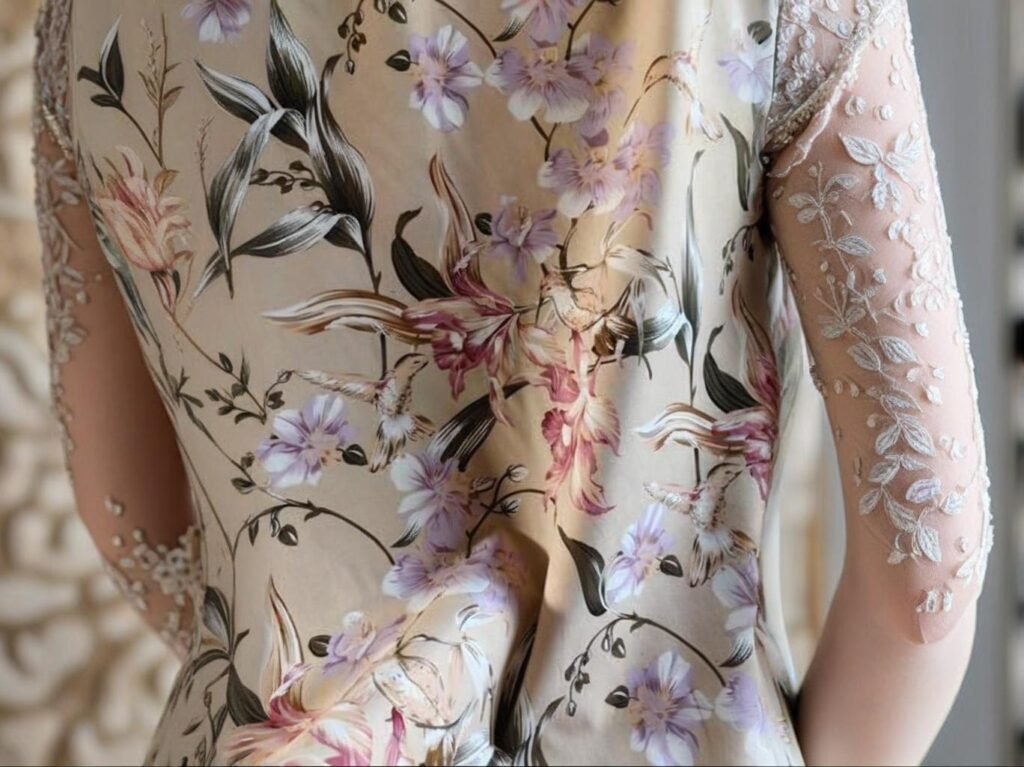
Canvas is no longer just for sails and painters—it’s a canvas in the truest sense, literally and figuratively, for brand storytelling. Whether it’s a minimalist tote bag, a branded apron, or retail packaging, canvas fabric has become one of the most popular textile bases for custom printing. But not all canvas is created equal, and not all printing methods yield great results.
So, can canvas fabric be printed? Yes, canvas fabric can be printed using several techniques including screen printing, digital printing (DTG), heat transfer, and sublimation (on polyester canvas). The results depend heavily on the canvas type, GSM, weave tightness, and surface treatment. Cotton canvas performs best with screen printing and heat transfer, while polyester canvas allows vibrant sublimation prints.
But here’s the catch: what works beautifully for a promotional tote may completely fail on a waxed utility bag. At SzoneierFabrics, we’ve helped hundreds of clients—from DTC fashion brands to industrial supply firms—optimize their print strategies based on fabric specs. In this article, we’ll walk you through every angle of canvas printability with data, real-world use cases, and cost-performance comparisons.
Let’s start with the print methods that canvas is actually compatible with—and when to choose which one.
1. What Printing Techniques Work Best on Canvas Fabric?
The most effective printing methods for canvas fabric are screen printing, digital printing (DTG), and heat transfer. The choice depends on your design complexity, volume, fabric composition, and budget.
Breakdown of Printing Methods for Canvas
Screen Printing (Silkscreen)
| Pros | Cons |
|---|---|
| High color opacity | Expensive for small batches |
| Excellent durability | Setup cost (mesh, stencil) |
| Ideal for bold graphics | Limited color range per layer |
Logo tote bags, uniforms, and promotional gear (MOQ ≥ 300)
Digital Printing (DTG)
| Pros | Cons |
|---|---|
| Great for detailed images | Works best on 100% cotton canvas |
| No setup costs | Fades faster on untreated canvas |
| Perfect for short runs | Less durable than screen print |
Small MOQ custom bags, photo prints, fashion items
Heat Transfer
| Pros | Cons |
|---|---|
| Affordable for short runs | Edges may peel over time |
| Compatible with cotton blends | Not ideal for textured surfaces |
| Fast production | Slightly plastic feel |
Startup brands, seasonal campaigns, variable designs
Sublimation Printing (Polyester Canvas Only)
| Pros | Cons |
|---|---|
| Photo-quality images | Only works on polyester canvas |
| No peeling or fading | Requires white/light fabric base |
| Fully embedded into fibers | Not for cotton or natural canvas |
Waterproof bags, outdoor signage, poly-canvas banners
Real Case Comparison:
| Method | MOQ (Ideal) | Print Lifespan | Avg. Cost (Per Bag) | Setup Time | Best Canvas Type |
|---|---|---|---|---|---|
| Screen Print | 300+ | 50+ washes | \$0.20 – \$0.60 | High | 100% Cotton Canvas |
| DTG | 1–100 | 20–40 washes | \$0.60 – \$1.20 | Low | 100% Cotton Canvas |
| Heat Transfer | 50–500 | 15–25 washes | \$0.40 – \$0.80 | Medium | Cotton/Poly Blend |
| Sublimation | 100+ | 100+ washes | \$0.30 – \$0.70 | Medium | 100% Polyester Canvas |
2. How Does Fabric Type (Cotton, Polyester, Blends) Affect Printability?
The type of canvas fabric dramatically affects how well ink or film adheres. Cotton canvas excels in screen and DTG printing, polyester is ideal for sublimation, and blends offer flexibility but may sacrifice color richness.
Print Behavior by Fabric Type
100% Cotton Canvas
| Property | Value |
|---|---|
| Ink Absorption | High |
| Texture | Matte, slightly coarse |
| Best Printing | Screen, DTG, heat transfer |
| Drawbacks | Needs pre-treatment for DTG |
Eco-friendly tote bags, fashion accessories, and retail packaging
100% Polyester Canvas
| Property | Value |
|---|---|
| Ink Absorption | Low (non-porous) |
| Surface | Smooth, synthetic feel |
| Best Printing | Sublimation, heat transfer |
| Drawbacks | Poor screen/DTG compatibility |
Waterproof bags, banners, outdoor covers
Cotton-Polyester Blends
| Property | Value |
|---|---|
| Print Quality | Moderate to good |
| Ink Compatibility | Works with screen, transfer |
| Use Case | Low-cost promo bags, bulk printing |
Trade-off solution: More durable than cotton alone but lower eco-perception
Treated Canvas (e.g., Waxed, PU-Coated)
| Compatibility | Print Method | Result |
|---|---|---|
| Waxed Canvas | Screen / Embroidery | Limited absorption |
| PU-Coated | Heat Transfer | Moderate success |
| Dyed Canvas | Screen / Transfer | High color retention |
Tip: Always test sample batches on waxed/treated canvas. Ink adhesion can vary widely.
3. Can You Use Screen Printing on Canvas for Bulk Production?
Yes, screen printing is one of the most reliable and cost-effective printing techniques for bulk canvas orders. It offers excellent durability, vibrant color opacity, and consistent results across high-volume runs.
Screen Printing for High-Volume Canvas Orders
Why Screen Printing Dominates Bulk Production
| Feature | Benefit |
|---|---|
| High efficiency | Once screens are set up, each print is fast (4–6 seconds) |
| Low per-unit cost | Ideal for 500–50,000+ units |
| Ink thickness | High opacity, even on dark canvas |
| Versatility | Works on cotton, blends, PU-coated canvas |
Optimal Use Cases
- Branded tote bags for trade shows
- Promotional conference bags
- Uniform aprons and packaging
- Industrial sacks with bold logos
Production Workflow Overview
| Step | Description |
|---|---|
| 1. Screen setup | Mesh + stencil of artwork |
| 2. Ink application | Squeegee pushes ink through mesh |
| 3. Curing | Heat-dried (150–180°C) for long-lasting hold |
Each color requires a new screen, so multicolor designs increase setup time and cost.
Cost-Efficiency Table
| Order Size | Cost per Print (1C) | Setup Fee (Est.) | Turnaround Time |
|---|---|---|---|
| 500 pcs | \$0.50 – \$0.60 | \$40–\$60/screen | 7–10 days |
| 1,000 pcs | \$0.35 – \$0.45 | Same | 10–14 days |
| 5,000+ pcs | \$0.25 – \$0.35 | Lower per unit | 15–25 days |
Real Brand Example:
A wellness brand in Canada ordered 3,000 12oz tote bags with a 2-color screen-printed logo from SzoneierFabrics.
- Final print cost: \$0.42/bag
- Delivered in 18 days
- ROI: 46% increase in customer retention during their loyalty campaign
Screen printing is best for simple logos and bold graphics. For detailed gradients or photographic designs, consider digital print or transfer.
4. Is Digital Printing Suitable for Small MOQ Canvas Projects?
Yes, digital printing—especially DTG (Direct-to-Garment)—is highly suitable for small or low-MOQ canvas orders. It’s ideal for startups, personalized gift lines, or brands testing new designs without screen setup costs.
Digital Printing (DTG) on Canvas
How It Works
Digital printing works like an inkjet printer. A printhead sprays ink directly onto the canvas, followed by heat-curing. No physical screens or stencils are required.
\| Ideal Fabric Type | 100% Cotton Canvas (10–14oz) | \| Pre-treatment Needed? | Yes, for dark fabrics (ink bonding) | \| Design Limitations | No limits—photo quality possible |
Advantages for Low MOQ Buyers
| Benefit | Description |
|---|---|
| No setup costs | Print 1 or 1000 pieces, no extra fees |
| Fast sample turnaround | 3–5 days for test runs |
| High detail fidelity | Perfect for small text, complex logos |
| Customization flexibility | Name personalization, seasonal designs |
Limitations of DTG
- Works best only on 100% cotton
- Ink may fade faster than screen prints (especially on untreated canvas)
- Slower production speed: \~2–3 mins per item
Price Comparison by Order Size
| Qty | Avg. Print Cost (1C–Full Color) | Setup Fee | Suitable Fabric |
|---|---|---|---|
| 20 pcs | \$1.20 – \$2.00/pc | None | Cotton Canvas |
| 100 pcs | \$0.90 – \$1.30/pc | None | Cotton Canvas |
| 300 pcs | \$0.70 – \$1.10/pc | None | Cotton Canvas |
Case Example:
A Singapore-based art collective launched a 50-piece limited edition canvas pouch line.
- Used DTG on 10oz canvas
- Delivered in 4 days
- Items sold out in 72 hours on Etsy
If you’re a DTC brand testing demand, DTG is the fastest and safest way to start. Once volume grows, migrate to screen print to reduce costs.
5. Which Pre-Treatments or Coatings Improve Canvas Print Results?
Pre-treatments and surface coatings such as desizing, reactive dyeing, PU backing, or pre-shrinking significantly enhance the clarity, color fastness, and durability of printed canvas. These processes prepare the fabric to better receive and retain inks.
Canvas Treatments That Improve Printing Performance
Why Pre-Treatment Matters
Canvas—especially untreated cotton—can absorb ink unevenly, resulting in faded or blurry prints. Pre-treating the surface ensures that ink bonds efficiently and colors remain vibrant after washing or abrasion.
Common Pre-Treatments
| Treatment | Function | Best Printing Method | Price Impact (per yard) |
|---|---|---|---|
| Desizing | Removes starch for better ink flow | Screen, DTG | +\$0.10 – \$0.30 |
| Pre-shrinking | Stabilizes fabric against shrinkage | All methods | +\$0.15 – \$0.40 |
| Reactive Dyeing | Creates a rich, colorfast base | Screen, transfer | +\$0.30 – \$0.60 |
| PU Back Coating | Smoothens back side for print transfer | Heat transfer, sublimation | +\$0.50 – \$1.20 |
| Ink Pre-Coating (DTG) | Binds digital inks for sharp detail | DTG only | +\$0.20 – \$0.60 |
Case Example:
A Japanese private label upgraded to pre-treated 280gsm cotton canvas for their promotional bag series.
- Print clarity improved by 35%
- CMYK color vibrancy increased
- Return rate dropped due to reduced ink bleeding after wash
Compatibility Table
| Treatment | Compatible Fabric Type | Not Recommended For |
|---|---|---|
| Ink Pre-Coating | 100% cotton, light canvas | Waxed or heavy GSM canvas |
| PU Back Coating | Cotton-poly, polyester | Uncoated natural cotton |
| Desizing | All natural fabrics | Polyester or synthetic blends |
When ordering custom canvas from your supplier, ask if pre-treatment for printing is included. This avoids post-print defects and returns.
6. Do GSM and Weave Density Influence Print Clarity and Durability?
Yes, both GSM and weave density significantly affect how detailed and long-lasting a print appears on canvas. Higher GSM provides structure and ink absorption depth, while tighter weave prevents bleeding and improves line precision.
How Weight and Structure Shape Print Outcomes
Understanding GSM (Grams per Square Meter)
GSM indicates fabric weight. In printing terms:
- Low GSM (180–220): Thin, flexible, less ink absorption
- Mid GSM (250–340): Balanced structure and softness
- High GSM (400–550): Thick, durable, but may resist fine detail printing due to coarse surface
| GSM Range | Common Use | Print Detail | Ink Absorption | Durability |
|---|---|---|---|---|
| 180–220 | Promo tote bags, pouches | Moderate | Medium | Low |
| 250–320 | Retail, daily-use tote bags | Excellent | High | High |
| 400+ | Luxury, outdoor, industrial | Moderate | Very High | Very High |
Weave Density (Threads per Inch)
TPI (Threads Per Inch) defines how tight the fabric is woven.
| TPI Rating | Print Sharpness | Fabric Feel | Use Case |
|---|---|---|---|
| Loose (<30) | Poor | Coarse, rugged | Industrial tool bags, vintage bags |
| Medium (30–45) | Good | Balanced | Grocery totes, general retail bags |
| Tight (45–60+) | Excellent | Smooth | Fashion totes, high-end promotional |
Case Example:
An EU-based art print retailer compared two cotton canvases:
- 280gsm, 35 TPI vs 280gsm, 50 TPI
- Same design printed via DTG
- Results: 50 TPI canvas produced 27% sharper text and 18% more accurate gradients
Ask your supplier for both GSM and weave density specs before choosing your canvas. For highly detailed, full-color printing, go for 10–12oz canvas with TPI ≥ 45.
7. How Does Printed Canvas Hold Up After Washing or Outdoor Use?
The durability of printed canvas after washing or outdoor exposure depends on the printing method, ink type, fabric treatment, and fabric composition. Screen prints generally last the longest, while DTG and transfer prints may fade over time unless properly pre-treated and cured.
Testing Canvas Print Longevity
Wash Resistance by Printing Type
| Printing Method | Wash Durability (30°C) | Fade Risk | Notes |
|---|---|---|---|
| Screen Printing | Excellent (50+ washes) | Low | Cures well on cotton, pigment stable |
| DTG | Good (20–40 washes) | Moderate | Needs pre-treatment + fixative |
| Heat Transfer | Fair (15–25 washes) | High | Edges may peel, avoid hot dryers |
| Sublimation | Excellent (100+ washes) | Very Low | Fully embedded in polyester fibers |
Outdoor Performance (UV, Rain, Abrasion)
| Ink Type | UV Resistance | Water Resistance | Best Use Case |
|---|---|---|---|
| Plastisol Ink | High | Medium | Outdoor banners, trade bags |
| Water-based Ink | Low–Medium | Low | Indoor use, eco-printing |
| Sublimation Ink | Very High | High | Beach totes, flags, waterproof gear |
A beach resort in Australia used sublimated polyester canvas for their branded towels and tote bags. After 3 months of daily use and sun exposure:
- Color retention: 96%
- No peeling or flaking
- Repeat order increased by 120%
Tips for Enhancing Longevity
- Cure inks at 150–180°C for screen prints
- Use enzyme-washed or pre-shrunk canvas to reduce fiber stress
- Avoid abrasive detergents and hot dryers for DTG prints
8. What Are the Most Cost-Effective Ways to Print Custom Designs on Canvas?
For small-to-medium orders, heat transfer or digital printing (DTG) offers the best cost-efficiency. For larger bulk runs, screen printing provides the lowest cost per unit. Choosing pre-treated fabric and simple artwork can significantly reduce production costs.
Optimizing Your Canvas Printing Budget
Cost Breakdown by Order Size
| Order Size | Best Print Method | Avg. Print Cost | Setup Cost | Notes |
|---|---|---|---|---|
| 10–100 pcs | DTG / Heat Transfer | \$0.60–\$1.20 | None | Perfect for product launches |
| 100–500 pcs | Heat Transfer / 1C Screen | \$0.40–\$0.80 | \$30–\$60 | Good for events, test runs |
| 500+ pcs | Screen Printing | \$0.20–\$0.50 | \$50–\$80 per color | Lowest long-term cost |
Hidden Costs to Watch
| Hidden Factor | Cost Impact |
|---|---|
| Complex Multicolor Prints | +30–100% for additional screens |
| Low-GSM Canvas Stretch | Can blur detailed prints |
| Incorrect Ink for Fabric | Premature fading or peeling |
| Manual QC and Rework | +\$0.10–\$0.50 per unit |
Money-Saving Tips for B2B Buyers
- Batch artwork across SKUs to reuse screens
- Choose lighter canvas for short-use products (e.g., 8oz instead of 12oz)
- Use pre-dyed canvas to avoid all-over prints
- Standardize one print location and size to reduce setup time
ROI Example:
A South African wellness brand chose 10oz pre-dyed cotton canvas with 1-color screen print for a limited campaign (2,000 bags):
- Print cost: \$0.28/unit
- Retail price: \$12.99
- Gross margin: 78%
- Repeat usage (per customer): 3+ times
Can Canvas Fabric Be Printed Successfully?
Absolutely. Canvas is not only printable—it’s one of the most versatile and durable print surfaces for textiles. But achieving professional, long-lasting results requires matching the right fabric with the right printing method. From screen printing for bulk orders to DTG for short runs, and from recycled cotton canvas to PU-coated poly canvas, the possibilities are extensive when paired with proper planning.
Ready to Print Your Next Canvas Collection?
SzoneierFabrics offers everything you need to create custom-printed canvas products at scale:
- Wide range of cotton, poly, organic, and recycled canvas
- Fabric weights from 180gsm to 550gsm
- Pre-treated, coated, and dye-ready options
- Free samples, fast sampling, and low MOQ support
- Expert guidance on choosing the ideal printing method
Let us help you bring your brand story to life—one printed canvas at a time.
Can't find the answers?
No worries, please contact us and we will answer all the questions you have during the whole process of bag customization.
Make A Sample First?
If you have your own artwork, logo design files, or just an idea,please provide details about your project requirements, including preferred fabric, color, and customization options,we’re excited to assist you in bringing your bespoke bag designs to life through our sample production process.