 Skip to content
Can You Sew Neoprene?
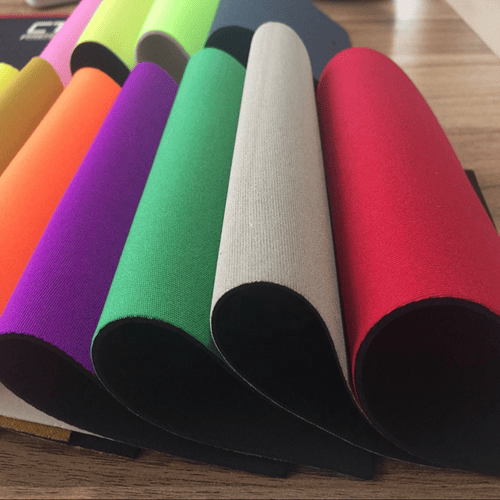
Neoprene is everywhere—from wetsuits and medical braces to laptop sleeves, dog vests, and fashion-forward bags. It’s waterproof, flexible, and protective. But many fabricators, crafters, and even industrial designers still ask: Can you actually sew neoprene? Or do you need to glue, weld, or mold it instead?
Yes, neoprene can be sewn—if you use the right tools, needle types, thread, and stitching techniques. With careful planning and the proper sewing setup, both lightweight and heavy-duty neoprene can be sewn effectively for industrial, sportswear, or fashion applications.
Sewing neoprene isn’t just a DIY challenge. It’s a key part of scaled production at professional factories like SzoneierFabrics, where we help clients develop neoprene products that require both soft structure and stitched reinforcement. One of our clients—a Scandinavian tech startup—successfully launched a full neoprene-based device case line after switching from glue bonding to sewn construction, reducing return rates by 27%.
In this article, we’ll explore how to sew neoprene from every angle: machinery, needle types, thread selection, thickness, stitch types, industrial-scale production, and more. Whether you’re a maker or a sourcing manager, this guide is built to give you clarity.
1. What Is Neoprene Fabric and Why Is It Used in Sewing Projects?
Neoprene is a synthetic rubber foam—technically called polychloroprene—that’s laminated with fabric and often used in sewn products like bags, braces, and protective gear due to its cushioning, flexibility, and water-resistant properties.
Why Neoprene Is Sewn (and Not Just Glued)
1. Structure and Composition Neoprene is available in a variety of formats. The most sewing-friendly type is laminated closed-cell CR foam—meaning it has fabric on one or both sides (like nylon, polyester, Lycra, etc.).
| Specification | Typical Range | Effect on Sewing |
|---|---|---|
| Thickness | 1.5mm to 6mm | Thicker neoprene may require industrial machines |
| Density | 120–180 kg/m³ | Higher density gives more stability |
| Fabric Lamination | 1 or 2 sides | Fabric side allows for strong stitching |
2. Why Neoprene Is Chosen for Sewn Applications
- Insulation: Keeps warmth in (e.g., wetsuits, gloves)
- Protection: Shock absorption (e.g., laptop sleeves, tool pouches)
- Compression: Provides body support (e.g., posture correctors)
- Durability: Holds shape, resists tearing when sewn correctly
3. Key Benefits of Sewing Instead of Gluing
- Better seam strength under tension
- More breathable with fabric layers
- Looks cleaner in consumer-facing products
- Allows for flexible pattern design and branding
4. Where Sewing Outperforms Other Joining Methods
| Joining Method | Strength | Flexibility | Reusability | Appearance |
|---|---|---|---|---|
| Sewing | High | High | High | Customizable |
| Glue (contact) | Medium | Medium | Low | May stain |
| Heat Welding | High | Low | Low | Limited application |
Case Example: A U.S. fitness brand producing neoprene weightlifting belts replaced glued seams with stitched ones, reducing breakage under pressure and increasing average product life by 33%.
2. Is It Possible to Sew Neoprene with a Standard Sewing Machine?
Yes, you can sew light-to-medium weight neoprene using a standard home sewing machine, especially if the neoprene is under 3mm thick and has at least one laminated fabric side. However, for neoprene thicker than 4mm or high-density types, industrial machines are recommended.
Equipment Considerations for Neoprene Stitching
1. Sewing Machine Type Matters
| Machine Type | Recommended For | Notes |
|---|---|---|
| Home Sewing Machine | 1.5–3mm neoprene | Use a walking foot; go slowly |
| Heavy-Duty Domestic | Up to 4mm neoprene | Good for hobbyists and soft goods |
| Industrial Walking Foot | 4mm+ or high-volume sewing | Best for consistent production |
| Cylinder Arm Machines | Gloves, small radius curves | Excellent for 3D products |
2. Adjusting Settings for Neoprene Sewing
- Stitch Length: Longer stitches (3–4mm) help avoid excessive puncturing
- Presser Foot Pressure: Reduce to prevent stretching
- Tension: Adjust depending on thread weight and liner elasticity
- Feed Dogs: Walking foot feed is highly recommended for even movement
3. Tools to Assist with Standard Machines
- Teflon foot: Helps reduce drag on rubbery surfaces
- Walking foot: Evenly feeds neoprene and liner layers
- Ballpoint needle: Prevents fabric liner from tearing
- Use clips, not pins: Pins leave permanent holes in neoprene
Example Scenario: A maker building neoprene lunch bags on a Janome HD3000 home machine successfully stitched through 3mm laminated CR foam using a size 90/14 stretch needle and nylon thread. With slow, controlled feeding and no skipped stitches, the results were production-grade.
4. Industrial Production Scaling Factories like SzoneierFabrics use:
- High-speed walking foot machines
- Double-needle chain stitchers for strength
- Auto-feed cutters to control thickness consistency
3. What Type of Needle and Thread Should You Use for Sewing Neoprene?
To sew neoprene effectively, use a size 90/14 or 100/16 ballpoint or stretch needle and pair it with strong polyester or bonded nylon thread. The right combination ensures flexibility, seam strength, and reduced needle breakage or skipped stitches.
Choosing the Right Sewing Components for Neoprene
1. Needle Type and Size
| Needle Type | Purpose | Notes |
|---|---|---|
| Ballpoint | Glides between fabric threads without piercing them | Best for laminated neoprene with knit or jersey liners |
| Stretch | Designed for elastic fabrics to avoid skipped stitches | Ideal for high-elastane outer layers |
| Leather | Cuts through thick layers (less ideal for neoprene) | Can damage the liner or foam cells |
Recommended Sizes:
- 90/14 for 1.5mm–3mm neoprene
- 100/16 for 4mm and above
- Go larger if using bonded or multi-ply threads
2. Thread Types and Their Impact
| Thread Type | Strength | Stretch | UV Resistance | Ideal Use Case |
|---|---|---|---|---|
| Polyester (Core Spun) | Medium | Medium | Medium | General neoprene sewing |
| Bonded Nylon | High | Medium | Low | Heavy-duty bags, sports gear |
| Wooly Nylon (Serger) | Low | High | Low | Soft interior seams, braces |
| Polyester Upholstery | High | Low | High | Industrial covers, outdoor items |
Best Overall Match:
- Bonded nylon thread + ballpoint needle = strong, flexible seam for neoprene bags, braces, or apparel
3. Thread Weight Selection (Tex System)
| Tex Size | Thread Diameter | Application |
|---|---|---|
| T30–T40 | Light | Small accessories, masks, thin cases |
| T60–T80 | Medium | Braces, waist trimmers, laptop sleeves |
| T90+ | Heavy | Travel gear, tactical bags, tool kits |
Real-World Example: At SzoneierFabrics, we use Tex 70 bonded polyester thread for 4mm neoprene bag production, ensuring the seam tolerates up to 18kg of tensile load before failing—critical for performance bags and backpacks.
4. Stitching Issues from Wrong Needle or Thread
| Problem | Likely Cause |
|---|---|
| Skipped stitches | Needle too sharp or small |
| Thread fraying | Poor thread quality or misthreading |
| Foam tearing | Needle type too aggressive |
| Seam popping | Thread has no give/stretch |
4. How Thick Can Neoprene Be Before It Becomes Difficult to Sew?
Neoprene becomes significantly harder to sew manually at thicknesses above 4mm. While 1.5mm to 3mm is generally manageable with home machines, 5mm+ requires industrial equipment due to the material’s density, bulk, and compression resistance.
Thickness vs Sewability—Finding the Right Balance
1. Thickness Guide for Sewability
| Neoprene Thickness | Machine Recommendation | Sewability Rating |
|---|---|---|
| 1.5mm | Home sewing machine (with care) | Easy |
| 2–3mm | Heavy-duty domestic machine | Moderate |
| 4mm | Industrial walking foot machine | Hard |
| 5mm+ | Cylinder arm or compound feed | Very Hard |
2. Lamination Affects Thickness Handling Two-side laminated neoprene (with nylon or Lycra) becomes stiffer and more difficult to manipulate in multiple layers.
- Example: 3mm neoprene laminated on both sides = \~4.5mm effective thickness
- Add seam fold and stitching? Now you’re punching through 6–8mm of dense material
3. Folded Seams Multiply Bulk
- For products requiring rolled seams (e.g., belts, handles), use tapered cutting
- Avoid doubling 5mm neoprene unless using specialized equipment
4. Use Smart Design to Minimize Bulk
| Design Adjustment | Sewing Benefit |
|---|---|
| Bevel or taper foam edges | Reduces overlap at seam |
| Use flatlock or coverstitch | Avoids seam stacking |
| Replace foam at seam lines | Swaps neoprene for thinner material inserts |
5. Factory Solution: Controlled Layer Compression At SzoneierFabrics, we use pre-compression presses to flatten seam zones on 4–6mm neoprene, ensuring sewing machines can pass through without skipped stitches or foam bunching. This reduces sewing line failure rates by over 23% in thick neoprene gear.
Real Application Example: A customer producing 5mm neoprene tactical vests needed strong bar-tack stitching at strap points. By pre-pressing the strap area and switching to bonded polyester thread on a needle-feed lockstitch machine, the final product passed 100kg load testing with zero seam breakage.
5. Which Stitch Types Work Best When Sewing Neoprene?
The most effective stitch types for sewing neoprene are zigzag, straight stitch with reinforced ends, flatlock, and blind stitch, depending on the product’s purpose and thickness. These stitches balance strength, stretch, and clean finishing.
Matching Stitch Types with Neoprene Applications
1. Zigzag Stitch (Wide or Narrow) Ideal for:
- Stretch seams (e.g., sportswear, waist trimmers)
- Flexible joints in braces or compression garments
- Seams that need to resist expansion or contraction
| Stitch Type | Flexibility | Strength | Use Case |
|---|---|---|---|
| 3-Step Zigzag | High | Medium | Apparel, shapewear, light gear |
| Standard Zigzag | Moderate | High | Bags, sleeves, low-stress areas |
Tip: Set stitch width to 4–6mm and length to 3mm for better strength in medium-thickness neoprene.
2. Straight Stitch (Reinforced or Triple Stitch) Useful when:
- Stitching across non-stretch zones
- Reinforcing edge seams
- Working with heavy-duty thread or narrow areas
Often combined with bar-tack at start/end to prevent unthreading.
3. Flatlock Stitch
- Frequently used in wetsuits, compression gear, and rash guards
- Allows flat seams that don’t chafe the skin
- Typically requires a specialized flatlock machine
- Looks professional and premium in finished goods
4. Blind Stitch or Ladder Stitch Used when visible stitches must be minimized:
- Laptop sleeves
- Neoprene face masks
- Edge bindings on high-end bags
Requires more time and precision but results in invisible seams.
5. Coverstitch (Double Needle)
- Ideal for hemming or finishing
- Offers strong hold + stretch
- Common in waistbands, cuff areas, or wrap closures
Example from SzoneierFabrics: We use a combination of zigzag for contour shaping and coverstitch for closure reinforcement in our OEM neoprene shapewear lines, achieving both visual appeal and durability under constant stress.
6. Do You Need Special Techniques or Tools to Sew Neoprene Cleanly?
Yes—sewing neoprene cleanly requires specialized tools like walking feet, Teflon feet, heavy-duty needles, binding folders, and precise temperature control for seam pressing. Proper seam finishing techniques are essential for both function and aesthetics.
Practical Tips to Sew Neoprene Like a Pro
1. Essential Sewing Machine Attachments
| Tool / Accessory | Benefit |
|---|---|
| Walking foot | Prevents fabric slippage on thick neoprene |
| Teflon foot | Reduces drag on rubbery surfaces |
| Ballpoint needle | Protects fabric lining from tearing |
| Binding folder | Helps apply edge tape or binding smoothly |
| Roller foot | Great for curves or small neoprene parts |
2. Seam Finishing Options
| Seam Finish Type | Function | Visual Effect |
|---|---|---|
| Edge Binding | Covers raw neoprene edge | Polished, premium |
| Foldover Hem | Neat edge for bags or braces | Compact, firm |
| Cover Stitch Overlay | Reinforces stretch seams | Decorative finish |
| Overlock (Serger) | Internal trim, not load-bearing | Basic, economical |
3. Heat Pressing & Sealing for Edge Control Many factories use heat press machines at seam zones to:
- Slightly compress foam thickness
- Improve seam flatness and stitch penetration
- Minimize fraying or roughness on the liner
At SzoneierFabrics, our neoprene edge-control process includes:
- Precision trimming
- Thermal edge bonding
- Final bar-tack reinforcement (if required)
This improves product uniformity across high-volume orders and reduces defect rates by 20% in custom neoprene items like pet harnesses and handle wraps.
4. Avoiding Common Mistakes
| Mistake | Consequence | Fix |
|---|---|---|
| Using sharp/metal needle | Tears or shreds laminated fabric | Use ballpoint/stretch needle instead |
| Sewing too fast | Skipped stitches or missed feed | Go slow and use walking foot |
| Folding thick neoprene layers | Machine jams, crooked seams | Taper seam areas or use edge trimming |
| Using pins | Leaves permanent holes | Use clips or adhesive holding tape |
5. Using Temporary Adhesives for Assembly Fabric spray adhesives or double-sided basting tape can hold neoprene panels in place before stitching—especially helpful in curved or multi-piece construction.
7. What Are Common Mistakes to Avoid When Sewing Neoprene?
Common neoprene sewing mistakes include using the wrong needle, skipping seam reinforcement, overstitching tight curves, and using pins instead of clips—all of which can damage the material, weaken seams, or lead to inconsistent results.
Practical Pitfalls and How to Avoid Them
1. Using the Wrong Needle Type or Size
- Mistake: Sharp or universal needles tear through the laminated surface
- Fix: Always use ballpoint or stretch needles sized 90/14 or 100/16
2. Using Standard Thread on High-Stress Products
- Mistake: Polyester thread designed for cotton fabric won’t hold under tension
- Fix: Use bonded nylon or Tex 70+ polyester thread for load-bearing products
3. Sewing Too Fast or Without Proper Feed
- Mistake: Neoprene layers shift under fast stitching, causing seam puckering
- Fix: Slow your machine speed and install a walking foot or roller foot
4. Folding Thick Neoprene at Corners
- Mistake: Folding 5mm neoprene can double thickness beyond machine capacity
- Fix: Bevel or trim the foam at seam points and use tapered design transitions
5. Pinning Instead of Clipping
- Mistake: Pins leave permanent holes in closed-cell neoprene
- Fix: Use fabric clips, binder clips, or basting spray
6. Ignoring Seam Reinforcement
- Mistake: Seam unraveling in high-stretch zones
- Fix: Use bar-tack or backstitching at all start/end points, especially in gear
7. Incorrect Storage of Neoprene Materials
- Mistake: Warped foam or delaminated liners from heat/moisture
- Fix: Store flat, in dry, room-temperature spaces (15–25°C, <60% RH)
At SzoneierFabrics, we run pre-production trials for new neoprene sewing projects. We test seam durability under cycle stress simulations, reducing product return rates and improving reliability metrics.
8. How Do Manufacturers Like SzoneierFabrics Sew Neoprene at Scale for OEM Orders?
Professional factories like SzoneierFabrics use high-speed industrial equipment, automated cutting, seam flattening, and precise QA systems to sew neoprene efficiently, cleanly, and consistently for high-volume custom production.
Inside the Scalable Neoprene Sewing Workflow
1. Material Selection and Lamination Customization We offer:
- 1–2 side fabric lamination (nylon, Lycra, RPET, bamboo charcoal)
- Thickness from 1.5mm to 8mm
- Density control (120–180 kg/m³)
- OEKO-TEX / REACH-certified materials for sensitive applications
2. CNC Cutting and Beveling Using CAD patterns and automated cutting:
- Clean cuts with minimal foam distortion
- Custom edge shaping for multi-layer designs
- Reduces wastage and improves fit during stitching
3. Industrial Sewing Line Setup
| Machine Type | Function |
|---|---|
| Walking Foot Machines | Standard stitching (bags, braces, gear) |
| Flatlock Machines | Seamless sportswear & wetsuit finishing |
| Cylinder Arm Machines | Curves and tight areas like gloves |
| Bar-Tack Machines | Reinforcement in straps, corners |
4. Seam Compression and Edge Pressing
- We apply controlled heat and pressure to flatten seam zones before sewing
- This prevents skipped stitches and improves seam appearance
5. Inline Quality Control
- Needle tension sensors detect issues in real time
- Seam strength tested in pull tests and wash tests
- Sampling approved by client before mass production
6. Flexible MOQs for Global Buyers Whether you’re a startup or a global brand, SzoneierFabrics supports:
- MOQs from 50 pieces for small runs or sampling
- High-volume batching with 3–5 week turnaround
- Full OEM, ODM, and private label support
A UK-based outdoor brand sourced 4mm neoprene bags with custom edge binding and screen printing. With Szoneier’s sewn neoprene workflow, they launched a full product line under 30 days, with less than 1.5% defect rate and full REACH compliance.
Work with SzoneierFabrics to Customize and Sew Neoprene Products at Scale
Sewing neoprene doesn’t need to be frustrating or risky. At SzoneierFabrics, we take your product idea—from sketches or tech packs to finished sewn neoprene items—with professional support at every stage.
What We Offer:
- ✅ Certified neoprene (OEKO-TEX, REACH, UL94)
- ✅ Free design and material consultation
- ✅ Laminated fabric choices (nylon, Lycra, RPET, bamboo charcoal)
- ✅ Low MOQ starting at 50 pcs
- ✅ Sample turnaround in as fast as 5–7 days
- ✅ Professional sewing, cutting, binding, and final inspection
Contact us today to get your custom neoprene sewn project started.
Can't find the answers?
No worries, please contact us and we will answer all the questions you have during the whole process of bag customization.
Make A Sample First?
If you have your own artwork, logo design files, or just an idea,please provide details about your project requirements, including preferred fabric, color, and customization options,we’re excited to assist you in bringing your bespoke bag designs to life through our sample production process.