Skip to content

Canvas bags are often treated as “simple products.” In reality, they are one of the easiest places for quality problems, brand inconsistency, and hidden costs to surface. Anyone who has sourced canvas bags at scale knows this: two fabrics both labeled “14oz canvas” can behave completely differently once cutting, printing, washing, and daily use begin.
Some wrinkle permanently. Some fade after the first wash. Some tear along seams that looked fine in sampling.
14oz colored canvas has become the preferred fabric for OEM bag programs because it offers the best balance between strength, print stability, hand-feel, and cost control. At this weight, canvas is thick enough to hold shape and support logo printing without distortion, yet flexible enough for sewing efficiency, folding, and shipping. When dyed and finished correctly, 14oz canvas delivers consistent color, long-term durability, and predictable performance across production batches—key factors for private label bag programs.
A sourcing manager once said something that stuck: “Light canvas looks good on the first shipment. Heavy canvas saves you on the third reorder.” That mindset is exactly why understanding canvas fabric—not just bag design—determines whether an OEM program scales smoothly or becomes a recurring problem.
What Makes 14oz Colored Canvas the Preferred Fabric Choice for OEM Bag Programs?
14oz colored canvas has emerged as one of the most dependable fabric choices for original equipment manufacturer (OEM) bag programs across wholesale, private label, and retail supply chains. What might appear at first glance as a simple weight designation is, in reality, a convergence point where structural performance, production efficiency, visual quality, cost practicality, and user experience all find harmony. For sourcing professionals, product developers, and production planners, choosing 14oz canvas is less about arbitrary preference and more about engineering consistency into the bag program from material selection through end-use.
In this detailed analysis, we will unpack why 14oz colored canvas is preferred in real production environments—not just on specification sheets—and how it delivers balanced performance across durability, handling, printing, sewing, and consumer perception.
Why 14oz Canvas Works Better in Real Production, Not Just on Paper
Canvas fabrics are typically identified by their weight in ounces per square yard (oz/sq yd) or grams per square meter (GSM). In practical OEM bag programs, fabric weight directly affects how easily panels are cut, how accurately printing achieves its registration, how smoothly seams sew, and how well finished bags perform in daily use. Being too light invites flexibility problems, while being too heavy slows production and introduces quality risks. Fourteen-ounce colored canvas finds the sweet spot.
1. Durability vs Usability: Finding the True Balance
One of the most common misconceptions in sourcing is equating heavier canvas with “better” quality. In real high-volume production, weight is only one part of the story. Heavy canvas (above 16oz) has higher material mass but often suffers from handling difficulties—especially when incorporating large printed panels, complex shapes, or reinforcement details.
Similarly, fabrics below 10oz may seem appealing due to lower material cost and softer hand feel, but they fail to hold structural integrity under load. Too-light canvas can easily collapse, stretch excessively, or deform in everyday use.
The table below illustrates how different canvas weights behave in real-world bag applications:
| Canvas Weight | Real-World Performance | Common Issues |
|---|---|---|
| 8–10oz | Lightweight, flexible | Bag loses shape, print bleeding |
| 12oz | Entry-level durability | Edge curling, moderate wear |
| 14oz | Balanced strength & flexibility | Low defect rate |
| 16–18oz | Very rigid | Slow sewing, cracked prints |
What stands out is that 14oz canvas strikes a balance where fabric density supports daily load without fighting the production process. It resists distortion, holds flat on cutting tables, and presents a stable surface for printing. At the same time, it preserves enough flexibility to feed through industrial sewing machines smoothly, reducing handling stress on operators and lowering rejection rates.
2. Hand-Feel and Consumer Perception
While professional buyers and manufacturers focus on performance metrics, end users react first to hand-feel, body, and perceived quality. Most consumers don’t consciously know that a bag is “14oz canvas,” but they do feel the difference between a flimsy tote and a substantial one that holds its shape and feels reassuring in hand.
Fourteen-ounce canvas typically delivers:
- A firm but not cardboard-like touch
- Enough body to stand upright when empty
- A natural textile feel rather than industrial stiffness
These tactile attributes matter across product categories:
- Branded retail totes: Consumers equate heft and body with quality, especially when the canvas appears rich in color and uniformly textured.
- Lifestyle and eco-focused bags: Many buyers seek materials that feel authentic and substantial without appearing “engineered” or plasticky.
- Private label merchandise programs: Consistency in feel across seasonal runs strengthens brand trust and reduces complaints.
A bag that feels “solid” earns trust even before its logo is noticed. In this context, 14oz canvas supports brand positioning by delivering a sensory experience aligned with mid- to premium value perception without requiring heavy finishing or costly treatments.
3. Logo Printing Stability at 14oz
Printing performance is one of the less visible but more costly aspects of canvas bag production. Misregistration, ink bleeding, surface cracking, and uneven coverage are all symptoms of fabric and print system mismatch. These issues escalate returns, waste, and rework.
On 14oz colored canvas:
- Screen prints sit evenly on the surface because the weave is dense and compact.
- Ink penetration is controlled, not excessive—meaning prints don’t soak through or feather.
- Registration remains stable across large panels because the fabric holds tension consistently during printing and drying.
Lighter canvases are more absorbent and difficult to control; ink tends to spread unpredictably. Heavier canvases create surface cracking because the fibers can’t flex adequately once the ink layer dries. Fourteen-ounce canvas avoids both extremes, allowing colorants to lay cleanly and stay intact through folding, packing, and customer use.
This stability translates into fewer reprints, higher first-pass yield, and less material waste. For OEM programs that print thousands of units per order, these advantages compound into significant cost savings and schedule reliability.
4. Sewing and Structural Integrity
Fabric weight isn’t just about durability—it also directly affects the sewing process. Very heavy canvas increases needle deflection, thread tension imbalance, and machine wear. Operators slow down to manage material handling, increasing labor costs. Very light canvas lacks structural body, leading to loose seams, edge waves, and inconsistent stitch quality.
Fourteen-ounce canvas excels by supporting:
- Clean seam formation without excessive thread tension adjustment
- Reliable reinforcement stitching at stress points such as straps and pockets
- Stable edge behavior that reduces curling and misalignment
This is especially important in bags that incorporate reinforcements like bartacks, boxed corners, binding, or webbing attachments. Because 14oz canvas holds its shape, stitching lands exactly where programmed, and reinforcement efficacy is predictably achieved.
5. Structural Reliability in Use
Beyond production, structural reliability is what keeps customers satisfied. A bag must not only look good off the rack but withstand daily use—carrying weight, resisting abrasion, and maintaining shape.
In side-by-side comparisons:
- 14oz canvas bags show less bottom sag under load than 10–12oz canvases.
- They resist sidewall deformation better in backpacks and tote bags.
- Strap attachment points maintain dimensional stability longer under repeated strain.
These mechanical behaviors originate from 14oz canvas’s balanced yarn density and fiber cohesion. It does not stretch excessively under load, nor does it resist movement so rigidly that fibers fatigue prematurely.
6. Long-Term Cost Control
While 14oz canvas is not the cheapest fabric per meter, it often becomes the lowest total cost per usable bag when all lifecycle factors are considered. Purchasing fabric is only one line item; total cost includes reprints, sewing rejection rates, customer returns, and reorder consistency.
Reasons 14oz canvas delivers total cost efficiency include:
- Fewer reprints due to stable printing surfaces
- Lower sewing rejection rates because panels hold shape
- Fewer customer complaints after distribution
- Better reorder consistency because fabric performance is predictable
In OEM programs, material stability and consistency often outweigh nominal material savings. A slightly higher per-meter cost that leads to predictable outcomes is more valuable than a cheaper fabric that creates hidden quality risks.
7. Cross-Category Versatility
Another advantage of 14oz canvas is its versatility. It serves well across multiple bag categories without needing separate fabric programs:
- Tote bags: Provides stand-up body and print clarity
- Backpacks: Holds panels without excessive stiffness
- Tool bags: Withstands abrasion and load without distortion
- Promotional carry items: Streets the balance between cost and quality
This cross-category applicability simplifies inventory planning and supplier management for brands and OEM partners.
8. Fabric Architecture that Supports Print and Structure
At the yarn level, 14oz canvas typically uses medium-density yarns with consistent twist and fiber quality. This architecture contributes to:
- Even surface tension across the panel
- Controlled dimensional change during processing
- Reliable compatibility with post-print finishing
For programs that incorporate both high-quality screen prints and sewn structural solutions, this architectural consistency reduces surprises during production ramp-up and bulk runs.
9. Why Over-Weight Isn’t Always Better
It can be tempting to assume that pushing canvas weight higher will automatically improve performance. In reality, heavier canvas introduces:
- Increased machine wear at sewing stations
- More frequent needle breakage due to thickness
- Reduced print surface flexibility
- Higher fabric cost per linear meter
These factors ultimately slow production and increase operational expense. Fourteen-ounce canvas avoids these penalties while providing enough substance for structural reliability.
Balanced Performance Wins
In OEM bag programs, selecting the right canvas is not a question of extremes—neither the lightest nor the heaviest canvas universally wins. Instead, the fabric that consistently delivers balanced strength, print performance, sewing efficiency, and end-user satisfaction becomes the preferred choice.
Fourteen-ounce colored canvas sits in this “safe zone,” where material density, yarn architecture, and real-world usability align. It supports production stability, reduces hidden costs, and delivers a tactile experience that resonates with consumers. For brands and manufacturers seeking both efficiency and quality, 14oz colored canvas remains a compelling and practical foundation for successful bag programs.
Which Canvas Constructions Work Best for Bags?
For bag manufacturing, tightly woven cotton duck canvas with controlled yarn count and density consistently outperforms loose plain weave canvas. Although both fabrics may be labeled as “plain weave,” their internal structure, mechanical behavior, and production reliability differ significantly. Duck canvas delivers higher tensile strength, superior tear resistance, and a more uniform surface for printing and dyeing, making it the preferred construction for 14oz bag applications across OEM and private label programs.
Not all canvas is created equal—even at the same weight. Fabric construction determines whether a bag holds its shape, survives repeated loading, and performs consistently from sampling through bulk production.
Understanding Canvas Structure Beyond “Plain Weave”
Many sourcing decisions stop at surface descriptors such as weight, color, or weave type. However, for bags that must endure load, abrasion, stitching stress, and repeated use, internal structure matters far more than appearance alone. Two fabrics can share the same weave classification and weight yet behave very differently in production and in the field.
1. Plain Weave vs Duck Canvas: What Actually Changes?
Technically, both standard canvas and duck canvas use a plain weave structure. The difference lies in how that weave is engineered. Duck canvas is built with finer yarns packed at higher density, creating a compact, load-bearing fabric rather than a loose textile surface.
Duck canvas typically uses:
- finer, more uniform yarns
- higher ends per inch and picks per inch
- tighter construction with controlled tolerances
| Construction Type | Yarn Density | Tear Resistance | Print Surface |
|---|---|---|---|
| Basic plain canvas | Low–medium | Moderate | Uneven |
| Duck canvas | High | Strong | Smooth & stable |
For bags that carry weight, duck canvas consistently outperforms. Higher yarn density means that load is distributed across more fibers, reducing stress concentration and delaying fabric failure at seams, corners, and strap attachments.
Basic plain canvas, while often softer and cheaper, relies on bulk rather than structure. Its looser weave allows yarns to shift under load, leading to distortion, seam creep, and early wear.
2. Yarn Count and Why Buyers Overlook It
Yarn count is one of the most underappreciated variables in canvas sourcing. Buyers often assume that a heavier canvas automatically uses thicker yarns and therefore must be stronger. In reality, strength depends on how yarn size and density are balanced.
Two 14oz canvases can differ dramatically because of yarn count and construction strategy:
- Finer yarns combined with more ends per inch create a strong, flexible fabric
- Coarse yarns with fewer ends produce bulk but weaker structural integrity
A properly engineered 14oz duck canvas often exhibits:
- higher tensile strength than poorly made 16oz canvas
- superior resistance to seam tearing
- more even load distribution across panels
This is why fabric specifications matter more than weight labels alone. Without yarn count data, a “14oz canvas” description provides little insight into real performance.
3. Density Control and Sewing Performance
From a factory perspective, weave density is one of the strongest predictors of sewing yield and quality consistency. Dense, controlled canvas behaves predictably under industrial sewing conditions.
High-density canvas:
- resists needle distortion during high-speed sewing
- maintains seam alignment across long stitch runs
- reduces skipped stitches and thread imbalance
Low-density canvas introduces multiple risks:
- uneven stretching as panels feed through machines
- puckering near printed logos or reinforcement areas
- seam deformation after washing or loading
When fabric density is inconsistent, operators compensate manually by slowing speed or adjusting tension, which increases labor cost and variability. Duck canvas minimizes these adjustments by behaving consistently from roll to roll.
4. Printing and Surface Uniformity
Canvas bags often carry logos, slogans, or decorative graphics. The quality of these prints depends heavily on surface uniformity and dimensional stability.
Duck canvas provides:
- a flatter, more even surface for screen printing
- controlled ink penetration without excessive absorption
- stable registration across large panels
Loose plain weave canvas absorbs ink unevenly, leading to blurred edges and color inconsistency. Under tension, its surface shifts, causing misalignment during printing and drying. These defects increase rework rates and undermine brand presentation.
For OEM programs producing thousands of units, even small improvements in print consistency translate into measurable cost savings and delivery reliability.
5. Structural Behavior Under Load
Bags experience stress differently from garments. Load is concentrated at strap anchors, corners, and base panels. Fabric construction determines how well these forces are absorbed and redistributed.
Duck canvas resists:
- bottom sagging in tote bags
- sidewall collapse in backpacks
- elongation around reinforcement stitches
Because yarns are densely packed, movement is limited and controlled. Stress spreads across multiple yarn intersections rather than concentrating at a single point. This behavior extends service life and preserves bag shape even after prolonged use.
Loose canvas lacks this internal reinforcement. Yarns slide under load, gradually elongating seams and distorting panel geometry.
6. Dimensional Stability After Dyeing and Washing
Fabric construction also influences how canvas behaves during dyeing, washing, and finishing. Loosely constructed fabrics relax more dramatically, leading to unpredictable shrinkage and skew.
Duck canvas, with its tighter structure:
- shrinks more evenly
- maintains panel geometry
- responds predictably to washing
This stability is critical for OEM programs that rely on consistent panel dimensions for automated cutting and standardized sewing jigs. Variability at the fabric stage compounds into production inefficiencies downstream.
7. Real OEM Mistake: Choosing by Sample Feel Only
One of the most common sourcing errors is approving canvas based solely on sample feel, color appearance, or a single prototype bag. These factors are important but insufficient.
Without confirming construction parameters, bulk production often reveals problems:
- fabric loosens after dyeing
- printing absorbs differently than samples
- bag panels shrink inconsistently across batches
Professional OEM programs lock construction specifications, not just visual appearance. Density, yarn count, and tolerance ranges are defined and monitored to ensure that bulk fabric behaves like approved samples.
8. Construction Consistency Across Batches
Another advantage of duck canvas is its reproducibility. Because it relies on controlled yarn systems and density targets, it is easier to produce consistently across multiple dye lots and production runs.
This consistency supports:
- repeat orders without requalification
- stable costing across seasons
- predictable production timelines
Loose plain weave canvas is more sensitive to minor process variations, increasing the risk of batch-to-batch inconsistency.
9. Cost Versus Value in Canvas Construction
Duck canvas may carry a slightly higher raw material cost than basic plain weave alternatives, but its value emerges in total program cost. Fewer defects, higher sewing yield, and lower return rates offset marginal fabric price differences.
For bags expected to carry weight and represent a brand visually, construction quality delivers better long-term economics than short-term material savings.
Key Canvas Construction Specs OEM Buyers Should Confirm
When sourcing 14oz canvas for bag programs, experienced buyers verify construction details rather than relying on generic labels.
| Specification | Recommended for 14oz Bags |
|---|---|
| Construction | Cotton duck canvas |
| Weave density | High, controlled |
| Yarn consistency | Tight tolerance |
| Surface uniformity | Suitable for printing |
| Shrinkage | ≤ 3% after wash |
These specifications provide a technical foundation for consistent performance from sampling through mass production.
Why Construction Choice Defines Bag Performance
Canvas construction determines far more than how a bag looks on a shelf. It governs how the bag is cut, sewn, printed, loaded, washed, and ultimately judged by the user. Duck canvas succeeds because it aligns mechanical performance with production efficiency and visual reliability.
For OEM bag programs seeking durability, consistency, and scalable quality, tightly woven cotton duck canvas remains the construction that delivers results—not just in theory, but in daily manufacturing reality.
How Do You Convert 14oz Canvas to GSM and What Fabric Specs Should an OEM Buyer Confirm?
Fourteen-ounce canvas is one of the most frequently specified materials in OEM bag programs, yet it is also one of the most misunderstood. Many sourcing discussions stop at weight conversion, treating GSM as the final confirmation of fabric suitability. In real manufacturing, that assumption leads to avoidable defects, cost overruns, and performance complaints that surface months after production.
Fourteen-ounce canvas typically converts to approximately 475–500 GSM, but that number alone does not define how the fabric will behave during cutting, printing, sewing, or long-term use. Width loss, yarn density, finishing intensity, and thickness all influence how that weight is expressed in production. When these factors are not controlled, problems labeled as “manufacturing issues” often trace back to incomplete fabric specifications rather than factory execution.
This section explains how to convert 14oz canvas correctly, why GSM is only a starting point, and which technical parameters OEM buyers should confirm to ensure predictable performance at scale.
Why GSM Conversion Is Only the Starting Point, Not the Decision
GSM is a convenient metric because it standardizes fabric weight across regions and suppliers. However, GSM describes mass, not structure. Two canvases with identical GSM can differ significantly in strength, sewing behavior, and durability depending on how that mass is distributed within the fabric.
In bag manufacturing, structure matters more than raw weight. Load-bearing ability, print stability, and seam reliability depend on yarn count, density, and thickness—not just grams per square meter.
1. Understanding oz vs GSM Without Confusion
Canvas weight is traditionally quoted in ounces per square yard (oz/yd²), while many laboratories and factories work in grams per square meter (GSM). The conversion itself is straightforward, but interpretation requires caution.
| Canvas Weight (oz) | Approx. GSM Range |
|---|---|
| 12oz | 400–430 GSM |
| 14oz | 475–500 GSM |
| 16oz | 540–560 GSM |
This range exists because finishing processes, loom settings, and fiber moisture content all influence final weight. A finished 14oz canvas may fall anywhere within the 475–500 GSM band.
The critical detail is that two fabrics with the same GSM can behave very differently if yarn count and density differ. One may feel compact and stable, while the other feels bulky yet weak. GSM confirms mass, not engineering quality.
2. Why Width Affects Real Fabric Weight
Canvas is woven on wide looms and later reduced to working width through dyeing, washing, and finishing. Each stage introduces width loss, which directly affects GSM.
| Fabric Stage | Typical Width |
|---|---|
| Loom greige | 63–65 inches |
| After dyeing | 58–60 inches |
| After washing | 56–58 inches |
When width shrinks, the same amount of fiber occupies a smaller surface area. GSM increases even though yarn strength and construction remain unchanged. This can create the illusion of a heavier, “stronger” fabric when in reality only density per area has increased.
If width loss is not controlled or documented, bulk fabric may arrive denser than samples. Sewing becomes slower, folds bulk up, and printing behaves differently. OEM buyers should always confirm finished usable width, not just greige width or nominal specifications.
3. Thickness Matters More Than Weight in Sewing
Thickness is one of the most overlooked canvas parameters, yet it has a direct impact on sewing efficiency and bag construction quality.
Typical 14oz canvas thickness after finishing falls within:
- 0.55 – 0.75 mm
Thickness influences:
- needle penetration consistency
- stitch tension balance
- folded seam bulk and edge finishing
Fabric that is too thin may meet GSM targets but collapses at stress points, leading to seam distortion and reduced load capacity. Fabric that is too thick creates hard folds, bulky seams, increased needle wear, and a higher risk of cracked prints at fold lines.
Weight alone cannot predict these behaviors. Two 14oz canvases with identical GSM but different thickness profiles will sew very differently on the same production line.
4. Shrinkage: The Silent Cost Driver
Shrinkage is one of the most expensive hidden variables in canvas bag programs. It affects not only finished bag dimensions but also printing alignment, panel matching, and reinforcement accuracy.
Uncontrolled shrinkage causes:
- panel size mismatch during cutting
- logo misalignment after washing or steaming
- deformation in finished bags during use
Professional canvas programs typically target:
- ≤ 3% shrinkage in both warp and weft directions
Shrinkage beyond this range multiplies errors across production. Even a one-percent increase can compound into visible distortion when multiple panels are assembled.
Shrinkage control should be verified on finished fabric, not greige samples. Buyers should confirm test conditions, including wash temperature and drying method, to ensure results reflect real production handling.
5. Key Physical Performance Specs to Confirm
Beyond weight conversion, OEM buyers should rely on a practical performance checklist. These specifications protect production efficiency and product reliability, not just lab compliance.
| Specification | Recommended Range for 14oz Bags |
|---|---|
| GSM | 475–500 |
| Thickness | 0.55–0.75 mm |
| Width tolerance | ±1.5 cm |
| Shrinkage | ≤ 3% |
| Tensile strength (warp) | ≥ 900 N |
| Tensile strength (weft) | ≥ 700 N |
| Tear strength | Balanced, no edge tearing |
Tensile strength ensures the fabric resists pulling forces at straps and seams. Tear strength indicates resistance to progressive ripping once damage begins. Balanced performance in both warp and weft directions prevents asymmetric failure, which is common in poorly engineered canvas.
These values are what protect bag programs at scale—not marketing descriptions or generic fabric names.
6. Why Density and Yarn Distribution Still Matter
Even when GSM, thickness, and shrinkage fall within acceptable ranges, internal yarn distribution determines real-world performance. A canvas made with coarse yarns at low density may hit weight targets but lacks structural cohesion. Conversely, a fabric using finer yarns at higher density distributes stress more evenly and performs better under load.
This distinction explains why some 14oz canvases outperform poorly made 16oz alternatives. Strength is a function of structure, not mass alone.
OEM buyers should request information on yarn count consistency and weave density whenever possible, especially for programs involving heavy loads or reinforced stitching.
7. Printing and GSM Misinterpretation
Printing behavior often reveals hidden fabric issues. Canvas that appears heavier due to width loss or finishing compression may resist ink penetration differently from the approved sample. This leads to color variation, cracking, or uneven coverage.
When GSM is confirmed without thickness and density context, printing problems are often misattributed to ink or process settings. In reality, the fabric surface has changed.
Stable printing performance requires consistency across GSM, thickness, and surface uniformity—not weight alone.
8. Real Sourcing Mistake Seen in Canvas OEM
A common scenario illustrates the risk of incomplete specifications. A sample bag is approved based on feel, appearance, and stated GSM. Bulk fabric arrives slightly denser due to additional width loss during finishing. Sewing speed drops, needle breakage increases, and labor costs rise. Delivery timelines slip.
The root cause is not factory inefficiency. GSM was confirmed, but density and thickness were not.
This pattern repeats across many OEM programs and is preventable through clearer fabric specification control.
9. Predictability Is the Real Goal of Fabric Sourcing
Good canvas sourcing is not about finding the heaviest or cheapest fabric. It is about predictability. Predictable cutting behavior, predictable printing results, predictable sewing efficiency, and predictable performance in use.
Weight conversion provides a shared language, but specifications create control. When GSM is combined with width tolerance, thickness range, shrinkage limits, and strength benchmarks, fabric behavior becomes manageable rather than reactive.
Convert Weight, Specify Performance
Converting 14oz canvas to GSM is a necessary step, but it is never sufficient on its own. Fourteen-ounce canvas typically falls between 475 and 500 GSM, yet that number must be supported by structural and performance specifications to be meaningful.
OEM buyers who confirm width, thickness, shrinkage, tensile strength, and tear resistance protect their programs from hidden variability. Those who rely on weight alone often discover problems only after production is underway.
In canvas bag manufacturing, clarity at the fabric stage determines stability everywhere else. When specifications are complete, production becomes predictable, costs stabilize, and finished bags perform as intended—not just in samples, but throughout their service life.
What Are the Best Ways to Achieve Consistent Color on Dyed Canvas?

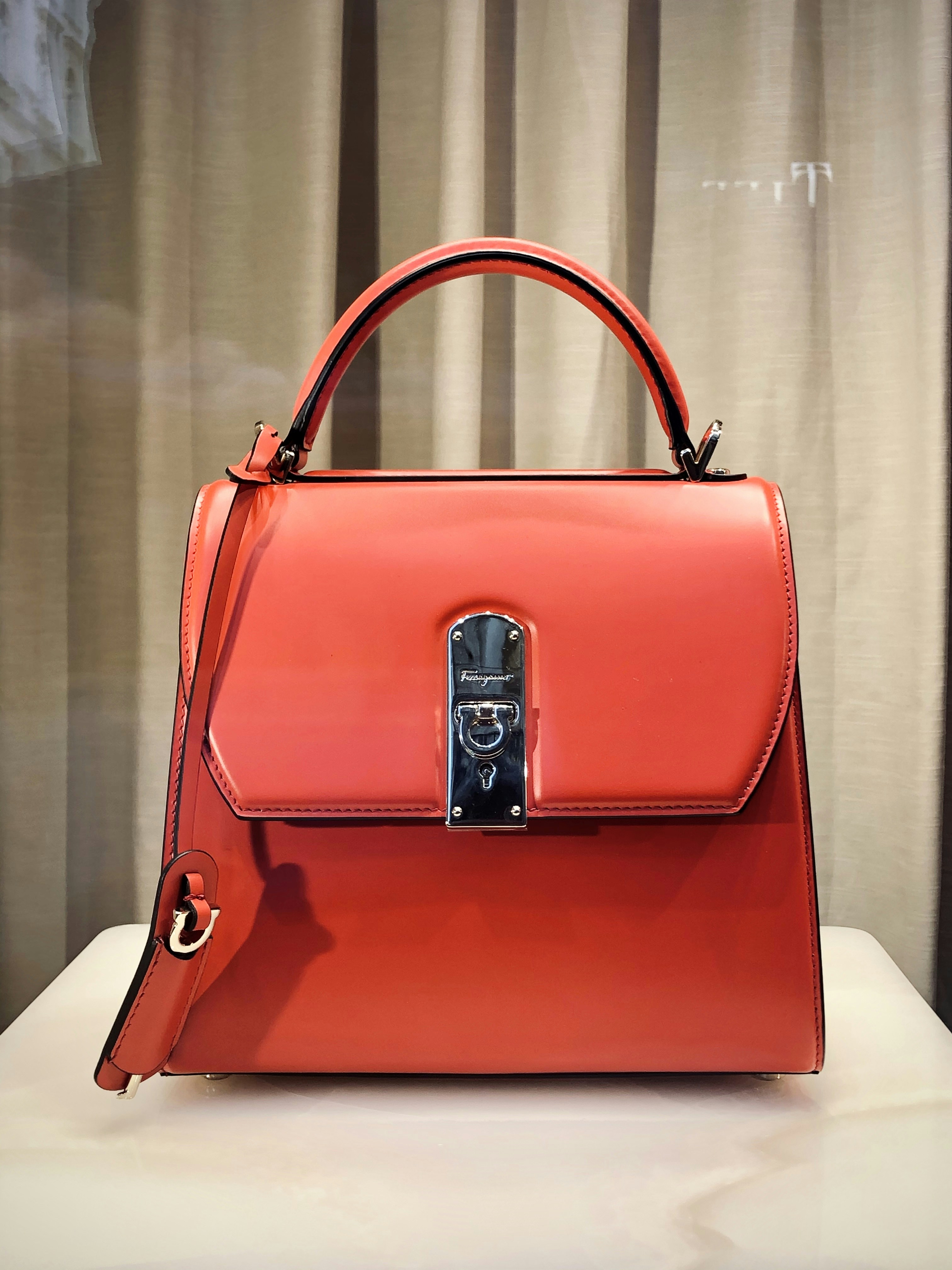
Achieving consistent color on dyed canvas—especially 14oz cotton canvas used for OEM bag programs—is one of the most technically demanding aspects of fabric production. Color inconsistency rarely stems from a single mistake. It is almost always the result of small variations across yarn quality, fabric density, dye chemistry, process control, and post-dye handling.
Consistent color on 14oz canvas is best achieved through controlled reactive dyeing or stabilized pigment dyeing, combined with strict lot control and meaningful colorfastness testing. Reactive dyes provide deep, fiber-level color that survives washing and wear, while pigment dyes offer surface richness and cost efficiency when applied within controlled systems.
Color consistency is not just a dye choice—it is a system decision.
Why Canvas Color Inconsistency Happens So Often
Canvas bags are often expected to look identical across thousands of units, multiple production runs, and long reorder cycles. Unlike lightweight fabrics, canvas exaggerates even minor inconsistencies. What looks acceptable in a lab dip can appear uneven once scaled to full-width, bulk-dyed fabric.
Understanding why canvas is difficult to dye is the first step toward controlling it.
1. Why Canvas Is Harder to Dye Than Lighter Fabrics
Canvas behaves differently from poplin, twill, or lightweight woven fabrics because of its physical structure. A typical 14oz canvas uses thicker yarns, higher yarn density, and tighter construction. These features give canvas strength—but they complicate dye penetration.
Canvas typically exhibits:
- thicker yarn bundles that resist uniform dye flow
- higher fabric density that slows liquor penetration
- uneven absorption zones between yarn intersections
As a result, canvas is prone to:
- shade variation across fabric width
- center-to-edge color drift during dyeing
- batch-to-batch inconsistency even with the same formula
Without tight process control, even an approved Pantone shade can look noticeably different under daylight, store lighting, and outdoor use. These shifts are not always dramatic—but they are highly visible on solid-color bags.
2. Reactive Dye vs Pigment Dye: Choosing the Right System
The two most common dye systems for colored canvas are reactive dyeing and pigment dyeing. Both can produce acceptable results, but they behave very differently in durability, hand-feel, and long-term consistency.
| Dye Method | Color Depth | Wash Fastness | Hand-feel | Best Use |
|---|---|---|---|---|
| Reactive dye | Excellent | Very high | Natural | Premium, long-life bags |
| Pigment dye | Good | Medium–high | Slightly coated | Cost-sensitive programs |
Reactive dyes chemically bond with cellulose fibers. Once fixed, the dye becomes part of the fiber structure. This produces deep, even color that resists washing, rubbing, and long-term fading. Reactive-dyed canvas tends to age gracefully and maintain color integrity over extended use.
Pigment dyes, by contrast, sit on the fabric surface and rely on binders to hold color in place. When well-formulated, pigment dyeing can achieve rich surface color at lower cost. However, improper fixation leads to rubbing issues, stiffness, or gradual color loss.
For OEM bag programs, the choice depends on expected product lifespan, brand positioning, and reorder stability—not just initial appearance.
3. Colorfastness Standards That Actually Matter for Bags
Many color disputes arise because inappropriate or incomplete tests are used to approve dyed canvas. Apparel-focused tests do not always reflect how bags are used.
For canvas bags, the most relevant performance indicators are:
| Test Type | Recommended Grade |
|---|---|
| Wash fastness | ≥ Grade 4 |
| Dry rubbing | ≥ Grade 4 |
| Wet rubbing | ≥ Grade 3–4 |
| Light fastness | ≥ Grade 4 |
Wash fastness confirms that color remains stable after laundering or water exposure. Rubbing fastness is critical because canvas bags frequently rub against clothing, furniture, and skin. Light fastness matters for bags used outdoors or displayed in store windows.
Skipping or downplaying these tests often leads to:
- color transfer onto clothing
- premature fading complaints
- long-term damage to brand credibility
For OEM buyers, insisting on relevant colorfastness benchmarks protects downstream customer experience far more effectively than visual inspection alone.
4. Lot Control: The Most Overlooked Safeguard
Even with a perfect dye formula, color inconsistency can occur if lot control is weak. Canvas is especially sensitive to upstream variation.
Differences arise when:
- greige fabric batches vary in yarn or density
- dye liquor ratios fluctuate between runs
- drying tension or temperature changes slightly
Professional OEM programs mitigate these risks by treating color as a controlled variable rather than a one-time approval.
Best practices include:
- locking the greige fabric source for each program
- limiting dye lot size to manageable volumes
- tagging fabric rolls clearly by dye lot number
This approach reduces visible shade jumps between production runs and makes future reorders predictable rather than risky.
5. Pantone Matching in Real Production
Pantone codes are a shared language—but they are not a guarantee of identical color across fabrics, processes, and time.
Canvas absorbs and reflects light differently than coated paper or plastic chips. Relying on digital Pantone charts or screen displays introduces error before production even begins.
Best practice for canvas programs includes:
- approving physical dyed swatches, not digital references
- reviewing color under D65 daylight and warm indoor lighting
- defining acceptable tolerance levels, typically ΔE ≤ 1.0–1.5
Allowing controlled tolerance prevents unnecessary disputes while preserving visual consistency that consumers actually perceive.
6. Reactive Dyeing: Strengths and Limitations
Reactive dyeing is the gold standard for long-term color stability, but it demands discipline. Poorly controlled reactive processes can still produce uneven shades.
Key control points include:
- consistent fabric pre-treatment to remove impurities
- stable dye bath temperature and pH
- controlled fixation and thorough washing
When executed correctly, reactive-dyed canvas delivers excellent color depth and durability without compromising hand-feel. When shortcuts are taken, results degrade quickly.
7. Pigment Dyeing: When It Works Best
Pigment dyeing is not inherently inferior—it is simply different. For promotional bags, seasonal items, or cost-sensitive programs, pigment dyeing can be effective if binders are chosen carefully and curing is properly controlled.
Successful pigment dye programs focus on:
- optimized binder systems that remain flexible
- even surface application to avoid patchiness
- controlled curing temperatures to prevent brittleness
When these factors are ignored, pigment-dyed canvas feels stiff, rubs off color, and ages poorly.
8. The Role of Fabric Preparation
Color consistency starts before dyeing. Variations in desizing, scouring, or bleaching affect how canvas absorbs dye. Uneven preparation amplifies shade variation, especially on dense fabrics like 14oz canvas.
OEM programs that prioritize color reliability often standardize fabric preparation steps and audit them regularly. This upstream discipline reduces the burden on dye correction later.
9. Real-World Lesson From Private Label Programs
A common pattern emerges across private label bag programs. Brands that demand “exact Pantone matches” without enforcing lot control often encounter shade drift within a few reorders. Each production run becomes a negotiation rather than a repeatable process.
By contrast, brands that accept controlled tolerance combined with stable process control achieve long-term consistency. Their products look uniform on shelves and across seasons, even if minor numerical differences exist on paper.
Color reliability is built, not promised.
Summary Table: Choosing a Color Strategy for 14oz Canvas
| Program Type | Recommended Dye Method |
|---|---|
| Retail private label | Reactive dye |
| Promotional bags | Pigment dye |
| Eco-focused collections | Low-impact reactive dye |
| Long reorder cycles | Reactive + lot control |
Consistent Color Is a System Outcome
Consistent color on dyed canvas is never the result of a single decision. It emerges from aligned choices across fabric construction, dye chemistry, process control, testing discipline, and lot management.
Reactive dyeing and stabilized pigment dyeing both have a place in OEM bag programs—but only when supported by realistic tolerances and controlled production systems. When color is treated as a system outcome rather than a visual checkbox, canvas bags maintain their appearance not just at delivery, but throughout real-world use.
For brands and OEM buyers alike, that consistency becomes part of the product’s perceived quality—and ultimately, part of the brand itself.
Which Logo Printing Methods Perform Best on 14oz Canvas for Private Label Bags?
Selecting the right logo application method for 14oz canvas bags is not simply a branding or aesthetic choice. It is a technical decision that directly affects product durability, visual aging, customer satisfaction, and long-term reorder stability. Canvas at this weight behaves very differently from lighter cotton fabrics, and logo methods that perform well on apparel often fail when transferred directly to dense bag materials.
Screen printing and embroidery consistently deliver the best long-term performance on 14oz canvas, balancing durability, visual clarity, and production reliability. Other methods such as heat transfer and digital printing can be used selectively, but they require stricter process control and realistic expectations about wear life.
Choosing a logo method is not a design decision alone—it defines how the bag will age in real use.
How Different Logo Methods Behave on Dense Canvas
Before comparing printing techniques, it is important to understand why canvas at this weight presents unique challenges. Fourteen-ounce canvas is engineered for structure and load-bearing, not surface decoration. Its density protects the bag but resists many decorative processes.
1. Why 14oz Canvas Reacts Differently to Logos
Dense canvas behaves differently from thin cotton or polyester blends because of its physical structure. The fabric’s tight weave and thicker yarn bundles limit how inks, adhesives, and threads interact with the surface.
Key characteristics of 14oz canvas include:
- limited ink penetration due to compact yarn structure
- higher surface friction that stresses coatings and films
- thicker folds at seams that introduce bending stress
Logo methods that rely on deep penetration or flexible films often struggle. On lighter fabrics, these methods appear stable. On canvas, they are exposed to higher mechanical stress from folding, abrasion, and load transfer.
Understanding these constraints allows brands to select logo applications that age at the same pace as the fabric itself.
2. Screen Printing: The Industry Workhorse
Screen printing remains the most reliable and widely adopted logo method for 14oz canvas bags across private label and OEM programs. Its success lies in its compatibility with dense woven surfaces.
Screen printing works by depositing a controlled layer of ink onto the fabric surface. On canvas, this layer sits evenly without soaking excessively into the yarn structure.
Advantages of screen printing on 14oz canvas include:
- precise control over ink thickness
- strong adhesion when properly cured
- excellent color saturation on solid backgrounds
Because the ink layer flexes with the fabric rather than sitting as a rigid film, it resists cracking and peeling under normal use. Screen-printed logos tend to fade gradually rather than fail suddenly, which aligns well with how canvas itself ages.
| Criteria | Performance on 14oz Canvas |
|---|---|
| Durability | Excellent |
| Cost efficiency | High (medium–large runs) |
| Color consistency | Very stable |
| Repair risk | Low |
Limitations do exist. Screen printing is not ideal for photographic gradients or highly complex artwork, and setup costs increase with each additional color. However, for logos, text, and bold graphic marks, it offers unmatched reliability at scale.
3. Embroidery: Premium but Structural
Embroidery is often perceived as the most premium logo option for canvas bags. It delivers a tactile, dimensional appearance that communicates durability and craftsmanship.
On 14oz canvas, embroidery performs exceptionally well in terms of longevity. Thread does not fade or peel, and when executed correctly, the logo can outlast the bag itself.
Pros of embroidery include:
- high-end, professional appearance
- zero risk of color transfer or peeling
- excellent resistance to abrasion and washing
However, embroidery changes the structural behavior of the fabric. Dense stitch patterns introduce localized stiffness, which can alter how the canvas flexes under load.
Cons to consider:
- high stitch density can stiffen fabric panels
- not suitable near fold lines or seams
- excessive stitching may concentrate stress
Best practice is to use embroidery for small to medium logos placed away from high-bend zones. Chest-height tote placements or upper-front backpack panels work well. Large embroidered areas or placements near corners increase the risk of distortion.
4. Heat Transfer Printing: Handle With Caution
Heat transfer printing is attractive because it delivers sharp edges, fine detail, and low setup cost for small runs. On dense canvas, however, this method carries elevated risk.
Heat transfer graphics rely on adhesive films bonded to the fabric surface through heat and pressure. Canvas density amplifies the weaknesses of this approach.
Common failure modes on 14oz canvas include:
- edge lifting after repeated folding
- cracking when bags are packed flat
- peeling under abrasion or washing
Canvas does not compress evenly under heat press conditions, especially around seams. This leads to inconsistent bonding across the logo surface.
Heat transfer printing is best suited for:
- low-volume or short-term promotional runs
- products with minimal washing or heavy use
- designs where other methods are impractical
For long-life private label bags, heat transfers should be used only with full awareness of their durability limitations.
5. Digital Printing: Flexibility Over Longevity
Digital printing allows for photographic detail, gradients, and complex color transitions that are impossible with traditional screen printing. On canvas, however, durability depends heavily on ink formulation and curing quality.
Digital inks often sit closer to the surface than screen printing inks. On dense canvas, this can reduce penetration and increase sensitivity to abrasion.
| Printing Method | Visual Detail | Longevity | Risk Level |
|---|---|---|---|
| Screen print | Medium–high | Long-term | Low |
| Embroidery | Medium | Very long | Low |
| Heat transfer | High | Medium | Medium–high |
| Digital print | Very high | Medium | Medium |
Digital printing can perform adequately for decorative or display-oriented bags, but it is not the first choice for high-wear products. Without strict curing control, prints may fade or scuff noticeably faster than the canvas itself.
6. How Logo Methods Interact With Bag Use
Canvas bags experience stress patterns that apparel does not. Logos are subjected to:
- repeated folding during packing and shipping
- abrasion against clothing and furniture
- localized tension near handles and seams
Logo methods must tolerate these forces without degrading faster than the base fabric. When logos fail before the canvas shows wear, customers perceive the product as low quality—even if the bag structure remains intact.
The most successful logo applications age with the fabric rather than against it.
7. Cost Efficiency and Production Reality
Logo selection also affects production efficiency. Screen printing and embroidery integrate well into established bag manufacturing workflows. Their failure rates are predictable, and rework is minimal when processes are standardized.
Heat transfer and digital printing introduce variability. Adhesion issues, curing inconsistency, and sensitivity to fabric variation increase inspection and rejection rates. These hidden costs often outweigh their apparent advantages in design flexibility.
For OEM programs targeting repeat orders, predictability is more valuable than novelty.
8. Placement Matters as Much as Method
Even the best logo method can fail if placed poorly. On canvas bags, high-risk zones include:
- bottom corners
- areas directly adjacent to seams
- fold lines created during packaging
Best-performing logos are placed on flat, low-stress panels where the fabric moves minimally. This applies equally to screen printing and embroidery.
Thoughtful placement extends logo life without changing materials or processes.
9. Real OEM Lesson: Logo Choice Affects Reorder Rates
A common lesson emerges from private label bag programs. Many brands discover too late that:
- logos crack or peel before fabric shows wear
- customer returns spike due to visual degradation
- reorders decline despite structurally sound products
In these cases, the bag did not fail—the logo did. The disconnect between fabric durability and logo lifespan undermines perceived quality.
The most successful brands align logo durability with fabric durability. When both age at the same pace, products retain their value throughout their lifecycle.
10. Matching Logo Method to Brand Intent
Not every bag requires the same logo solution. Premium retail bags benefit from embroidery or high-quality screen printing. Promotional items may accept the limitations of heat transfer. Design-heavy collections may justify digital printing with controlled expectations.
Problems arise when high-wear bags use short-life logo methods. Matching logo strategy to use case prevents disappointment and protects brand credibility.
Let the Canvas Set the Standard
Fourteen-ounce canvas is chosen for its strength, structure, and long service life. Logo application methods must respect those properties rather than fight them. Screen printing and embroidery remain the most reliable choices because they integrate naturally with dense canvas behavior and age predictably.
Heat transfer and digital printing have their place, but only when their limitations are understood and accepted. The best logo method is not the most visually impressive on day one—it is the one that still looks intentional after months of use.
In private label bag programs, logos should never be the weakest component. When logo durability matches canvas durability, the product tells a consistent story of quality from first impression to final wear.
How Do You Design an OEM Order for Private Label Canvas Bags?
Designing a successful OEM order for private label canvas bags is less about negotiation and more about system design. Brands that struggle with delays, rework, or inconsistent reorders rarely fail because of factories or pricing. They fail because decisions were made too late, too loosely, or in isolation.
A strong private label canvas bag program starts by locking fabric specifications, logo application methods, and packaging standards before sampling even begins. When Pantone colors, labels, hangtags, packaging format, and carton marking rules are clearly defined upfront, production becomes repeatable instead of reactive.
OEM success is built in preparation, not negotiation.
This section breaks down how professional buyers turn a single fabric choice into a scalable, repeatable product system that survives multiple reorders without quality drift.
Turning a Fabric Choice Into a Repeatable Product System
Canvas bags appear simple, but private label programs introduce layers of complexity. Each bag must look identical across thousands of units, ship efficiently, comply with branding rules, and remain consistent across seasons. Achieving this requires early alignment across materials, branding, and logistics—not piecemeal decisions.
1. Fabric Decisions That Must Be Frozen Early
Fabric is the foundation of every canvas bag program. Once sampling begins, fabric variables should already be locked. Any change afterward cascades into size drift, color mismatch, and inconsistent hand-feel.
Before sampling, the following fabric parameters must be confirmed:
| Item | Why It Matters |
|---|---|
| Canvas weight & GSM | Affects bag structure |
| Dye method | Controls color stability |
| Shrinkage tolerance | Prevents size drift |
| Roll width | Impacts cutting efficiency |
Canvas weight and GSM determine how the bag holds its shape. Dye method defines long-term color behavior. Shrinkage tolerance affects finished dimensions after washing or steaming. Roll width directly impacts cutting layout efficiency and material utilization.
Changing fabric mid-project almost always leads to mismatch between samples and bulk goods. Even small adjustments in density or finishing can alter sewing behavior and logo performance.
Professional OEM programs treat fabric approval as a point of no return, not a flexible preference.
2. Pantone Color Workflow That Works in Practice
Color is one of the most common sources of dispute in private label programs. The issue is rarely color choice itself—it is the approval workflow.
A practical Pantone workflow follows a disciplined sequence:
- Select Pantone reference
- Approve physical dyed fabric swatch
- Lock dye lot for sampling
- Use the same reference for bulk production
Pantone chips and digital references are starting points, not final approvals. Canvas reflects and absorbs light differently than paper or screens. Without physical swatch approval, bulk production becomes a guessing exercise.
Skipping physical approval is a common mistake. Brands approve color visually on screen, only to discover later that the same Pantone appears darker, flatter, or warmer on dense canvas. Once bulk dyeing begins, correction is expensive and often impossible without reprocessing.
Allowing controlled tolerance and approving real fabric samples prevents disputes and stabilizes reorders.
3. Label, Hangtag, and Branding Placement
Brand elements define perceived professionalism. When labels, tags, and markings are designed separately, the final product often looks inconsistent—even if each element is well-made.
Branding elements should be planned together as a system.
Common branding components include:
- woven labels
- printed labels
- hangtags
- care labels
Typical placement conventions are summarized below:
| Branding Element | Typical Placement |
|---|---|
| Woven label | Inner side seam |
| Printed label | Inner panel |
| Hangtag | Handle or side loop |
Placement decisions affect more than appearance. They influence sewing sequence, production speed, and durability. For example, placing a woven label too close to a stress seam increases the risk of tearing. Oversized hangtags can crease bags during packing.
Consistency in branding placement improves visual alignment across SKUs and reinforces brand identity at first glance.
4. Logo Method Must Match Fabric and Use Case
Logo application should be finalized before sampling. Changing logo method mid-project often requires re-sampling because it affects fabric behavior.
Screen printing, embroidery, heat transfer, and digital printing each interact differently with canvas. The selected method influences:
- sampling timeline
- sewing order
- packaging protection requirements
For private label programs focused on repeatability, the most important factor is not visual novelty but aging behavior. Logos should age at the same pace as the canvas itself. When logos fail before the bag structure shows wear, customer perception shifts quickly.
Locking logo method early ensures samples reflect real bulk performance rather than an idealized prototype.
5. Packaging Choices Affect Logistics Cost
Canvas bags are inherently bulky. Packaging decisions directly influence shipping cost, storage efficiency, and warehouse handling.
Key packaging variables include:
- bag folding method
- use of inserts or tissue
- individual or bulk packing
Common options include:
- flat packed
- folded with paper insert
- individual polybag
Flat packing reduces carton volume but may introduce crease lines. Folding with inserts improves presentation but increases labor and material cost. Individual polybags protect surfaces but add plastic and increase carton size.
Packaging must align with sales channel expectations. Retail-ready bags prioritize presentation, while wholesale or promotional programs often prioritize freight efficiency.
Packaging decisions should be documented clearly to avoid inconsistent packing across production runs.
6. Carton Marking and Traceability
Outer carton marking is often treated as an afterthought, yet it plays a critical role in private label logistics and quality control.
For OEM programs, cartons should clearly display:
- style code
- color code
- quantity per carton
- lot or batch number
These details support:
- accurate inventory tracking
- fast warehouse sorting
- isolation of quality issues by lot
Without proper carton marking, brands lose traceability. When issues arise, entire shipments may be questioned instead of isolated batches. Clear marking reduces risk and improves operational confidence.
7. Why Documentation Matters More Than Verbal Alignment
Many OEM issues originate not from production errors but from undocumented assumptions. Verbal agreements fade across time zones, staff changes, and reorder cycles.
Professional programs convert decisions into written specifications:
- fabric spec sheets
- logo placement diagrams
- packaging instructions
- carton marking standards
These documents protect both buyer and manufacturer. They reduce interpretation and ensure that future reorders replicate original approvals without renegotiation.
8. Sampling as Validation, Not Exploration
Sampling should validate locked decisions—not explore open ones. When samples are used to test unresolved choices, timelines stretch and clarity erodes.
Effective sampling confirms:
- fabric behavior
- color accuracy
- logo execution
- construction quality
Ineffective sampling debates choices that should have been finalized earlier. This often leads to multiple sample rounds with diminishing returns.
9. Real-World OEM Insight
Programs that invest time in pre-production alignment consistently outperform those that rush into sampling.
They tend to:
- sample faster
- reorder more smoothly
- experience fewer disputes
In contrast, rushed programs often face late-stage corrections, emergency approvals, and inconsistent bulk results. Most production issues are documentation problems, not factory problems.
10. Scaling From First Order to Repeat Orders
Private label success is measured not by the first shipment, but by the second and third. A well-designed OEM order allows future reorders to proceed with minimal friction.
When fabric specs, color references, logo methods, packaging, and carton standards are locked, reorders become mechanical rather than emotional. Pricing stabilizes, lead times shorten, and quality becomes predictable.
OEM Order Setup Checklist (Copy-Friendly)
| Category | Confirmed |
|---|---|
| Fabric spec locked | ☐ |
| Color swatch approved | ☐ |
| Logo method finalized | ☐ |
| Label & packaging defined | ☐ |
| Carton marking standard | ☐ |
Design the System, Not Just the Bag
Designing an OEM order for private label canvas bags is an exercise in systems thinking. The bag itself is only one component. Fabric behavior, color consistency, logo durability, packaging efficiency, and traceability all interact to determine success.
Brands that treat OEM orders as one-off projects often struggle with inconsistency. Brands that treat them as repeatable systems build momentum, trust, and long-term efficiency.
In canvas bag manufacturing, clarity at the beginning determines stability at the end. When decisions are locked early and documented clearly, OEM programs scale smoothly—not because factories work harder, but because the system works better.
What Quality Tests and Compliance Checks Should You Require for Canvas Fabric Used in Bags?
Quality control for canvas bags is often misunderstood. Some brands demand dozens of test reports without knowing what they mean. Others rely on visual inspection alone and assume problems can be fixed later. Both approaches create risk.
Canvas fabric used for bags should pass targeted physical performance tests, relevant colorfastness tests, and market-specific chemical compliance checks. The goal is not to over-test, but to confirm that the fabric behaves predictably in real use, maintains its appearance over time, and meets regulatory expectations in the destination market.
Quality control is not about paperwork volume. It is about testing the right things.
Separating “Useful Tests” From Unnecessary Paperwork
Canvas bags fail in predictable ways. Handles tear, seams split, corners wear through, colors transfer, or dimensions drift after washing. Very few failures originate from abstract lab metrics that are never linked to use conditions.
Effective quality programs start by identifying how bags are actually used, then selecting tests that simulate or predict those stresses. Tests that do not correlate with real failure modes add cost without reducing risk.
1. Physical Performance Tests That Actually Matter
For canvas bags, physical performance determines whether the product survives daily use. These tests focus on load-bearing ability, structural stability, and consistency during production.
| Test Item | Why It Matters |
|---|---|
| Tensile strength | Prevents handle & seam failure |
| Tear strength | Protects corners and stress points |
| Thickness consistency | Ensures uniform sewing |
| Shrinkage rate | Maintains bag dimensions |
Tensile strength measures how much pulling force the fabric can withstand before breaking. For bags, this directly relates to handle attachments, strap seams, and reinforced stress areas. Insufficient tensile strength leads to sudden failure under load.
Tear strength evaluates resistance once damage begins. Corners, pocket edges, and base seams are common tear initiation points. Low tear resistance allows small defects to propagate quickly into visible holes.
Thickness consistency is often overlooked but critical in sewing. Uneven thickness causes stitch imbalance, skipped stitches, and seam distortion. Consistent thickness supports stable sewing speed and reduces rejection rates.
Shrinkage rate affects finished bag size, logo alignment, and panel matching. Even modest shrinkage can compound across multiple panels, resulting in visible deformation after washing or steaming.
Skipping these tests frequently leads to complaints after distribution, when correction is no longer possible.
2. Why Weight Alone Is Not a Quality Indicator
Many buyers assume that heavier canvas automatically means stronger canvas. In practice, weight without structural data is unreliable. Two fabrics with the same GSM can have very different tensile and tear performance depending on yarn count, density, and finishing.
Physical testing validates whether fabric weight translates into usable strength. Without these results, weight specifications become assumptions rather than guarantees.
3. Colorfastness Tests That Protect Brand Image
Canvas bags are worn, carried, rubbed, and exposed to moisture. Color failure is highly visible and often interpreted by consumers as poor quality, even when fabric structure remains intact.
Canvas bags frequently come into contact with:
- clothing
- skin
- rain or condensation
Relevant colorfastness tests focus on transfer and fading under realistic conditions.
| Test Type | Target Grade |
|---|---|
| Wash fastness | ≥ Grade 4 |
| Dry rubbing | ≥ Grade 4 |
| Wet rubbing | ≥ Grade 3–4 |
| Light fastness | ≥ Grade 4 |
Wash fastness confirms that dye remains stable during laundering or exposure to water. Dry and wet rubbing tests simulate friction against clothing and skin, which is a common source of complaints. Light fastness predicts color stability for bags used outdoors or displayed under store lighting.
Poor colorfastness is one of the fastest ways to lose repeat orders. Customers may accept gradual wear, but visible color transfer or patchy fading damages trust immediately.
4. Matching Color Tests to Use Conditions
Not every canvas bag requires extreme testing. A promotional tote used briefly has different requirements than a daily-use retail bag. The mistake is applying either too little or too much testing without context.
Effective programs align colorfastness requirements with expected product lifespan and exposure. This prevents unnecessary cost while still protecting brand image.
5. Chemical Compliance: Market-Dependent, Not Optional
Chemical compliance is not a “nice to have.” It is dictated by the destination market and end-use category. Requirements vary significantly by region and application.
Depending on destination and product type, the following may be required:
- Azo-free dyes
- REACH compliance
- CPSIA (for children-related products)
Azo-free requirements restrict certain aromatic amines that can be released from dyes. REACH addresses a broad range of chemical substances for products entering the EU. CPSIA applies to products intended for children, with strict limits on heavy metals and other substances.
Professional suppliers pre-screen raw materials and dye systems to avoid last-minute test failures. Waiting until finished goods testing to address chemical compliance often leads to delays, rework, or shipment rejection.
6. Why Chemical Testing Should Be Targeted
Chemical testing should reflect actual regulatory exposure, not generic checklists. Testing everything “just in case” increases cost and complexity without improving compliance confidence.
Clear identification of target markets allows suppliers to apply the correct standards from the start, reducing risk and lead time.
7. AQL Inspection and Realistic Expectations
Fabric testing alone does not guarantee finished bag quality. Final inspection remains essential, but it must be applied realistically.
Most canvas bag programs use AQL (Acceptable Quality Level) standards, commonly:
- Inspection Level II
- AQL 2.5 for major defects / 4.0 for minor defects
This approach balances:
- inspection efficiency
- acceptable defect tolerance
- cost control
Overly aggressive AQL levels increase rejection rates without meaningfully improving user experience. Minor cosmetic variations that do not affect function are inevitable in textile products.
AQL should be aligned with product positioning. Premium retail bags may justify tighter standards, while promotional programs require more flexibility.
8. Common Misunderstandings About Inspections
Inspection failures often stem from undefined expectations rather than true quality issues. When defect definitions are vague, inspectors apply subjective judgment, leading to disputes.
Clear defect criteria, supported by reference samples, reduce friction and speed up approvals.
9. Traceability: The Hidden Safeguard
Traceability is one of the most powerful but least visible quality tools. When issues arise, the ability to trace problems back to a specific batch prevents widespread disruption.
Well-managed OEM programs can trace:
- fabric lot
- dye batch
- production date
This allows targeted corrective action instead of broad assumptions. If a color issue appears, only affected lots are isolated. If a strength issue emerges, upstream fabric data can be reviewed quickly.
Without traceability, brands are forced to question entire shipments, increasing cost and uncertainty.
10. Documentation Turns Tests Into Control
Test reports alone do not create quality. Control comes from linking results to decisions. Fabric that passes testing must be clearly identified and segregated from unapproved material.
Documentation should connect:
- fabric lot numbers
- test results
- production orders
This ensures that approved fabric is actually used in approved products.
11. Real-World Lesson From Canvas OEM Programs
Many disputes arise not because quality was poor, but because quality standards were never clearly defined. Buyers assume suppliers understand expectations. Suppliers assume buyers accept industry norms.
When problems surface, both sides refer to different assumptions rather than shared standards.
Programs that define required tests, target grades, and inspection levels upfront experience fewer disputes—even when minor issues occur—because expectations are aligned.
Clear expectations reduce friction more effectively than extra inspections.
12. Avoiding the “Over-Testing Trap”
Over-testing creates three problems:
- increased cost without proportional risk reduction
- longer lead times due to unnecessary reports
- confusion about which results actually matter
A focused test plan protects performance, appearance, and compliance without drowning the project in data.
Test for Use, Not for Comfort
Quality testing for canvas fabric used in bags should be purposeful. The most effective programs focus on physical performance, relevant colorfastness, and market-driven chemical compliance. These tests address how bags are actually used, not how fabrics look in isolation.
When testing is aligned with real failure modes, quality becomes predictable rather than reactive. When standards are defined clearly, inspections become smoother and disputes diminish.
In canvas bag manufacturing, confidence does not come from having the most reports. It comes from knowing that the right tests were applied—and that their results are meaningful for the product’s real life.
How Does SzoneierFabrics Support a Fast OEM Workflow for 14oz Colored Canvas With Logo Print?
Speed in OEM canvas bag production is often misunderstood. Many programs move quickly at the beginning—approving samples, placing deposits, rushing timelines—only to slow down dramatically once bulk production begins. Delays surface through color mismatch, fabric inconsistency, logo failures, or repeated re-sampling. The issue is rarely urgency. It is lack of control.
SzoneierFabrics supports fast OEM workflows for 14oz colored canvas with logo print by owning fabric development, dyeing systems, sampling logic, and production coordination internally. This approach compresses timelines without sacrificing consistency, ensuring that speed does not come at the cost of reliability.
Speed is valuable—but controlled speed is what protects brands.
What “Factory Support” Actually Means in Practice
In many OEM programs, “factory support” is treated as a promise rather than a system. Fabric comes from one supplier, dyeing from another, printing from a third, and assembly from a fourth. Each handoff introduces variability. When problems arise, responsibility fragments and timelines stretch.
SzoneierFabrics operates differently. By managing core steps in-house and standardizing decision points early, the workflow becomes predictable rather than reactive.
1. In-House Fabric Development and Control
Fabric instability is one of the most common causes of OEM delays. When canvas is sourced from multiple mills, small differences in yarn, density, or finishing accumulate into visible inconsistency during printing and sewing.
SzoneierFabrics develops and produces canvas fabrics internally, allowing:
- tighter GSM and density control
- consistent dye penetration across fabric width
- repeatable behavior from sample to bulk
By controlling loom settings, yarn selection, and finishing parameters, 14oz canvas maintains stable thickness, hand-feel, and surface uniformity. This stability is especially important for logo printing, where uneven density can cause ink absorption differences and registration drift.
Internal fabric control avoids the instability that comes from switching greige suppliers between orders. For private label programs with repeat cycles, this consistency becomes a major time saver.
2. Low MOQ Without Compromising Fabric Integrity
Many small and mid-sized brands struggle to access high-quality 14oz canvas because mills prefer large minimums. Low-volume orders are often pushed onto leftover stock or experimental runs, increasing risk.
SzoneierFabrics supports low MOQ programs while maintaining fabric integrity by:
- batching similar canvas constructions across clients
- grouping compatible Pantone colors into shared dye runs
- controlling cutting layouts to reduce waste
This approach allows smaller brands to access the same fabric systems used for larger programs. Importantly, low MOQ does not mean experimental quality. Fabric specifications remain fixed, and dyeing parameters are not relaxed simply to meet volume constraints.
For brands testing new markets or launching limited collections, this flexibility shortens time to market without introducing instability.
3. Rapid Sampling That Mirrors Bulk Production
Sampling speed is meaningless if samples do not reflect bulk reality. One of the most common OEM failures occurs when samples are made with substitute fabrics, simplified dyeing, or temporary logo methods to save time.
At SzoneierFabrics, sampling is treated as a validation step, not a shortcut.
Sampling uses:
- the same 14oz canvas construction planned for bulk
- the same dye method and color control process
- the same logo application method and curing parameters
This alignment ensures that approved samples behave the same way during bulk production. Sewing tension, print adhesion, and fabric shrinkage are already represented in the sample stage.
As a result, clients experience fewer re-samples and fewer surprises once bulk orders begin.
4. Integrated Logo and Finishing Coordination
Logo printing is often treated as an isolated step, executed after fabric and bag construction decisions are finalized. This separation increases failure risk, especially on dense canvas.
SzoneierFabrics integrates logo planning into the fabric workflow by aligning:
- fabric surface preparation
- ink or thread selection
- curing and fixation parameters
For screen printing, this means adjusting ink viscosity and deposit thickness based on canvas density. For embroidery, stitch density and backing are calibrated to avoid excessive stiffening. Heat and curing parameters are tested against the actual fabric used, not generic standards.
This integration significantly reduces long-term logo failures such as cracking, peeling, or distortion. Logos are designed to age at the same pace as the canvas itself.
5. Lead Time Control Through Process Ownership
OEM lead times often slip because key steps depend on external vendors with their own schedules. When dyeing or finishing is outsourced, small delays cascade into missed shipping windows.
SzoneierFabrics maintains lead time control by owning critical stages internally.
A typical workflow includes:
- fabric development and controlled dyeing
- sample production and approval
- scheduled bulk production with reserved capacity
Because fabric and dyeing are not outsourced, schedules are more predictable. Adjustments can be made quickly when approvals are finalized or quantities change. This reduces idle time between stages and minimizes rushed decisions late in production.
6. Testing and Quality Checks Embedded in the Workflow
Fast workflows fail when testing is treated as an afterthought. Discovering issues after bulk production begins is costly and time-consuming.
SzoneierFabrics embeds key quality checks early in the process:
- fabric shrinkage verification before cutting
- colorfastness testing aligned with bag use
- print adhesion and abrasion checks on real samples
By validating performance before scale-up, rework is minimized. Problems are corrected upstream, where changes are faster and less expensive.
This proactive testing approach supports speed by preventing downstream delays rather than reacting to them.
7. Documentation That Enables Repeatability
Speed is not only about the first order. The true test of an OEM workflow is how smoothly reorders run.
SzoneierFabrics supports repeatability by documenting:
- fabric specifications and tolerances
- approved dye formulas and lot references
- logo placement, method, and parameters
This documentation allows reorders to proceed without re-negotiation or reinterpretation. New production runs replicate previous approvals rather than reinventing them.
For private label brands, this continuity protects brand consistency across seasons.
8. Communication Structured Around Decisions, Not Messages
Fast OEM programs fail when communication revolves around messages rather than decisions. Endless back-and-forth emails delay progress.
SzoneierFabrics structures communication around clear checkpoints:
- fabric spec confirmation
- color swatch approval
- logo method lock
- sample sign-off
Each checkpoint closes a decision before the next begins. This prevents overlapping changes and keeps timelines intact.
Clients know exactly what is required at each stage, reducing uncertainty and accelerating approvals.
9. Real Client Outcomes
Brands working within stable fabric systems consistently report:
- fewer sample revisions
- smoother bulk transitions
- predictable reorders
Over time, these advantages compound. Launch timelines shorten. Quality disputes decrease. Brand presentation remains consistent even as volumes scale.
Consistency is the quiet advantage that builds long-term partnerships. It does not draw attention in the first shipment—but it defines whether a program survives its third or fourth reorder.
10. Why Canvas Bag Programs Succeed or Fail
Canvas bags appear simple. But that simplicity exposes every mistake. When fabric density shifts, logos fail visibly. When color drifts, inconsistency is obvious. When shrinkage is unmanaged, shape distortion is immediate.
Programs succeed when fabric specs, color systems, and production processes are aligned from the beginning. They fail when decisions are postponed or fragmented.
That difference is rarely about design talent or pricing leverage. It is about fabric decisions made early and supported by a controlled workflow.
Speed Comes From Control, Not Pressure
SzoneierFabrics enables fast OEM workflows for 14oz colored canvas with logo print by removing uncertainty from the process. Internal fabric development, controlled dyeing, realistic sampling, and integrated logo coordination turn speed into a reliable outcome rather than a gamble.
When speed is built on control, brands move faster without sacrificing consistency. When speed is driven by pressure alone, problems simply arrive sooner.
In canvas bag manufacturing, the fastest programs are not those that rush decisions. They are the ones that make the right decisions early—and then execute them without friction.
Ready to develop your 14oz canvas bag program?
If you are planning private label canvas bags, exploring 14oz colored canvas, or refining logo printing and quality standards, SzoneierFabrics can support your project from fabric development through bulk production.
Share your intended use, color reference, logo method, and target quantity. With clear inputs, the sampling process moves quickly—and production follows with consistency.
Reach out to SzoneierFabrics to start your canvas bag customization today.
canvas fabric for bags, 14oz canvas fabric, colored canvas fabric, canvas bag fabric supplier, canvas fabric OEM, private label canvas bags, cotton canvas fabric for bags, heavy weight canvas fabric, 14oz cotton canvas, canvas fabric with logo print, printed canvas fabric, screen printing on canvas, canvas fabric manufacturer China, custom canvas fabric, dyed canvas fabric, canvas tote bag fabric, canvas fabric GSM, duck canvas fabric, eco friendly canvas fabric, canvas fabric wholesale, logo printing on canvas bags, canvas fabric for tote bags, durable canvas fabric, canvas fabric for backpacks, private label bag fabric, canvas fabric quality standards, OEM canvas bag material, canvas fabric colorfastness, custom printed canvas bags, bulk canvas fabric supplier