 Skip to content
Canvas Fabric Weight Guide (GSM Explained)
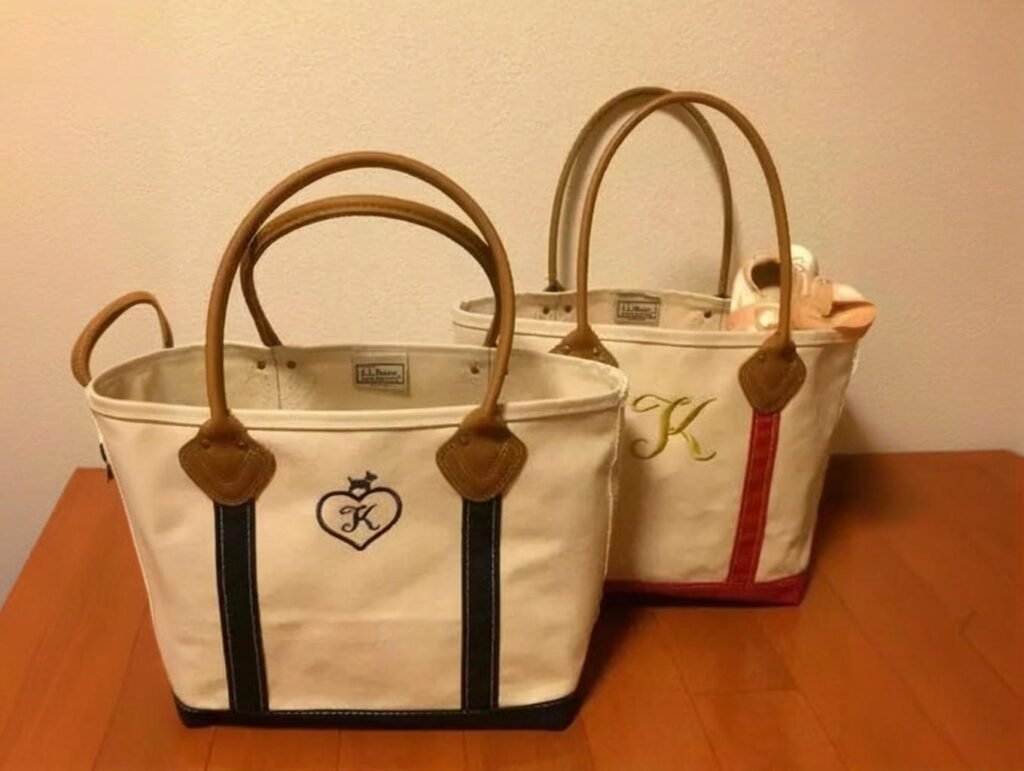
In the world of fabrics, few details are as overlooked—and as critical—as weight. At first glance, canvas may seem simple: thick, durable, and reliable. But behind every canvas product—whether it’s a tote bag, tool bag, or industrial cover—there’s a precise number that defines how it performs: GSM. This single metric quietly determines strength, flexibility, durability, and even the overall user experience.
Canvas fabric weight, measured in GSM (grams per square meter), indicates how dense and heavy the material is. A higher GSM means thicker, stronger fabric, while a lower GSM offers more flexibility and lighter handling. Choosing the right GSM depends on how the fabric will be used—lightweight canvas (200–300 GSM) works for daily bags, while heavy duty canvas (400–700+ GSM) is ideal for industrial or load-bearing applications.
A brand once launched a stylish tote bag using 250 GSM canvas. It looked great—but within months, customers complained about tearing under moderate loads. The next production run switched to 16 oz (~540 GSM) reinforced canvas, and the same design suddenly became a bestseller. The difference wasn’t design—it was understanding GSM. And once you understand it, everything about canvas starts to make sense.
What Is Canvas Fabric Weight (GSM)?
Canvas fabric weight, commonly measured in GSM (grams per square meter), is a fundamental specification that determines how thick, dense, and durable a canvas material is. In practical terms, GSM quantifies how “heavy” a fabric feels, how much load it can bear, and how well it resists wear and tear. Higher GSM fabrics are thicker, stronger, and more durable, while lower GSM fabrics are lighter, more flexible, and easier to handle for casual or fashion-focused products.
For canvas bags, fabric weight directly influences performance. A 300 GSM canvas may be ideal for daily-use tote bags, providing adequate strength without being too stiff. Conversely, a 600 GSM canvas is suitable for industrial or heavy-duty bags, where maximum durability and structural integrity are required. However, heavier fabrics can also compromise flexibility, comfort, and cost efficiency, so selecting the appropriate GSM is a balance between performance, usability, and price.
What does GSM mean in fabric?
GSM stands for grams per square meter. It measures how many grams of fabric occupy one square meter of area. This standardized measurement allows manufacturers and buyers worldwide to communicate fabric specifications accurately, avoiding ambiguity associated with subjective terms like “lightweight” or “heavy.”
| GSM Value | Fabric Feel | Typical Use |
|---|---|---|
| 100–200 GSM | Very light | Linings, apparel |
| 200–300 GSM | Light | Tote bags, fashion accessories |
| 300–400 GSM | Medium | Backpacks, daily-use bags |
| 400–600 GSM | Heavy | Tool bags, workwear |
| 600+ GSM | Extra heavy | Industrial applications |
This classification ensures that the chosen fabric matches both the functional requirements and the user experience expected from the final product.
How is GSM different from ounces (oz)?
In some regions, particularly in the United States, canvas weight is often expressed in ounces per square yard (oz/yd²) rather than GSM. This can create confusion if the two systems are not properly correlated.
| Measurement | Region | Meaning |
|---|---|---|
| GSM | Global standard | Grams per square meter |
| oz/yd² | US standard | Ounces per square yard |
The conversion between the two is:
1 oz/yd² ≈ 33.9 GSM
This allows manufacturers and buyers to translate fabric specifications consistently across global markets.
| oz | GSM (approx.) |
|---|---|
| 8 oz | 270 GSM |
| 10 oz | 340 GSM |
| 12 oz | 407 GSM |
| 16 oz | 542 GSM |
| 20 oz | 678 GSM |
Understanding this conversion is essential for sourcing, particularly when dealing with international suppliers that may use different measurement standards.
Why fabric weight matters for canvas
Fabric weight is not merely a number; it influences key performance attributes of a canvas bag:
- Load-bearing capacity: Heavier fabrics can support more weight without stretching or tearing.
- Durability under stress: Higher GSM fabrics resist wear and abrasion more effectively.
- Resistance to tearing and abrasion: Thicker, denser canvas provides greater longevity in high-use scenarios.
- Product lifespan: Correct GSM selection ensures the bag remains functional over the intended lifecycle.
It is important to note that higher GSM does not automatically equate to “better.” While heavier fabrics increase strength and durability, they also add weight, reduce flexibility, and increase material cost. The key is optimization: selecting a fabric weight that balances usability, durability, and cost for the intended application.
For example, a lightweight 250–300 GSM cotton canvas may be perfect for an eco-friendly tote bag used for daily shopping, providing comfort and ease of carrying. A 600 GSM polyester canvas would be ideal for an industrial tool bag that must carry heavy equipment, resist abrasion, and endure harsh environmental conditions.
In conclusion, understanding canvas fabric weight is essential for product designers, manufacturers, and buyers. Correctly specifying GSM ensures that each bag meets functional requirements, aligns with user expectations, and performs reliably over its intended lifespan, all while optimizing cost and usability.
How Is Canvas Fabric Weight Measured?
Canvas fabric weight is measured by calculating the mass of a fabric sample over a defined area, most commonly one square meter. This measurement, expressed as GSM (grams per square meter), provides a standardized and reliable indicator of fabric density, thickness, and potential performance in bag manufacturing. Accurately assessing fabric weight is critical because even minor deviations can significantly influence load capacity, durability, and overall product quality.
Professional manufacturers and textile laboratories follow precise procedures, using calibrated scales and controlled conditions to minimize errors. This ensures consistency across production runs and between suppliers, enabling designers and buyers to make informed decisions when specifying materials.
How is GSM calculated in textiles?
The calculation of GSM is straightforward in principle but requires careful execution for accuracy:
Formula: GSM = Fabric weight in grams ÷ Area in square meters
Practical steps:
- A fabric sample is cut to a known, precise size, typically 10 cm × 10 cm or another standard dimension.
- The sample is weighed using a precision scale, often accurate to 0.01 g.
- The measured weight is then scaled to reflect the weight per square meter, giving the GSM value.
| Sample Size | Measured Weight | Calculated GSM |
|---|---|---|
| 10×10 cm | 5.4 g | 540 GSM |
| 10×10 cm | 3.0 g | 300 GSM |
This method ensures that the measurement is repeatable, allowing manufacturers to maintain quality control across different batches and suppliers.
How do you convert GSM to ounces?
In some markets, particularly the United States, canvas weight is expressed in ounces per square yard (oz/yd²). To convert GSM to ounces, the following formula is used:
Conversion: oz = GSM ÷ 33.9
| GSM | oz (approx.) |
|---|---|
| 300 GSM | 8.8 oz |
| 400 GSM | 11.8 oz |
| 500 GSM | 14.7 oz |
| 600 GSM | 17.7 oz |
Understanding this conversion is essential for international sourcing and comparing fabric specifications across different regions.
Are GSM values standardized globally?
Yes, GSM is globally recognized as the standard measurement for fabric weight. However, slight variations may occur depending on:
- Fiber type: Natural fibers like cotton can retain moisture, slightly altering measured weight.
- Weave density: Tighter weaves increase GSM without necessarily changing thickness proportionally.
- Moisture content during measurement: Environmental humidity can affect weight readings.
These factors highlight the importance of controlled measurement conditions in professional production settings.
Real-world insight
Two fabrics labeled with the same GSM may feel different in practice. Differences can arise from:
- Weave structure: One fabric may be tightly woven, resulting in a stiffer feel.
- Yarn thickness: Thicker yarns can increase density and hand feel without changing GSM.
Experienced manufacturers evaluate both GSM and structural characteristics to ensure the material meets the intended application requirements. This approach prevents relying solely on numeric weight, which could be misleading.
Why GSM alone is not enough
While GSM is a useful indicator, other factors significantly influence fabric performance and suitability for bag production:
| Factor | Why It Matters |
|---|---|
| Weave type | Determines strength, flexibility, and resistance to wear |
| Yarn quality | Affects durability and overall fabric integrity |
| Finishing | Alters functional properties such as stiffness, water resistance, and abrasion resistance |
For example, a 400 GSM cotton canvas bag made with coarse, loosely spun yarn may be less durable than a 350 GSM canvas produced with high-quality, tightly twisted yarn and proper finishing. Similarly, coatings such as PU or wax can dramatically enhance water resistance and lifespan without significantly altering GSM.
By combining GSM data with information about weave, yarn, and finishing, manufacturers like Szoneier ensure that the canvas fabric chosen for each bag meets both functional and aesthetic requirements, leading to reliable performance and long-term user satisfaction.
What GSM Range Is Considered Lightweight, Medium, and Heavy Canvas?
Canvas fabrics are categorized into lightweight, medium, and heavy-duty ranges based on GSM (grams per square meter), and each range is suited to distinct applications. Selecting the correct GSM is crucial: the wrong choice is one of the most common causes of product failure in real-world use. The fabric’s weight determines how much load it can handle, how durable it will be over time, and how comfortable or flexible it feels for end users.
Lightweight canvas, typically 200–300 GSM, is soft, pliable, and easy to fold, making it ideal for fashion and promotional bags where portability and comfort are prioritized over maximum strength. Medium-weight canvas, 300–450 GSM, balances durability and usability, making it suitable for daily-use backpacks, school bags, and general-purpose carry items. Heavy-duty canvas, starting from 450 GSM and extending to 700+ GSM, is engineered for high-stress applications such as industrial transport, tool bags, and military storage, where maximum strength and abrasion resistance are essential.
Lightweight canvas GSM
Lightweight canvas usually ranges from 200–300 GSM. This type of fabric is favored in applications where ease of handling, foldability, and comfort are critical.
| GSM Range | Characteristics | Typical Applications |
|---|---|---|
| 200–250 GSM | Soft, thin, breathable | Promotional bags, linings |
| 250–300 GSM | Slightly stronger, flexible | Tote bags, fashion items |
While lightweight canvas provides comfort and aesthetic appeal, it has limitations:
- Lower tear resistance
- Limited load capacity (typically under 10–15 kg)
- Reduced lifespan under repeated stress
A common industry issue arises when brands use 250 GSM canvas for tote bags expecting long-term durability, only to encounter returns due to handle tearing or fabric wear.
Medium-weight canvas GSM
Medium-weight canvas, in the range of 300–450 GSM, offers a compromise between strength and usability. It is commonly used for daily-use bags, backpacks, and fashion-oriented bags that must carry moderate loads while remaining flexible and user-friendly.
| GSM Range | Characteristics | Typical Applications |
|---|---|---|
| 300–350 GSM | Balanced strength and flexibility | Everyday tote bags, casual backpacks |
| 350–450 GSM | Stronger, moderate flexibility | School bags, commuter bags |
Medium-weight canvas is durable enough to handle 15–25 kg loads with proper reinforcement and is often selected for products that will experience frequent use without needing the extreme strength of heavy-duty fabrics.
Heavy-duty canvas GSM
Heavy-duty canvas generally starts at 450 GSM and can go up to 700 GSM or more. These fabrics are designed for high-stress applications where durability and structural integrity are critical.
| GSM Range | Strength Level | Typical Use |
|---|---|---|
| 450–550 GSM | High | Backpacks, work bags |
| 550–650 GSM | Very High | Tool bags, transport carriers |
| 650–800 GSM | Extreme | Military gear, industrial storage |
Characteristics of heavy-duty canvas include:
- High abrasion resistance
- Load-bearing capacity up to 30–60 kg
- Reduced flexibility but excellent longevity
Such fabrics are used where failure is not an option, including logistics, construction, and military applications.
GSM for industrial use
There is no single “best” GSM for industrial applications; it depends on the specific operational requirements. However, most industrial canvas bags fall within the 500–700 GSM range to ensure a balance between durability and usability.
| Industry | Recommended GSM | Reason |
|---|---|---|
| Logistics | 500–600 GSM | Strength and moderate flexibility |
| Construction | 550–700 GSM | High abrasion resistance and load support |
| Agriculture | 400–550 GSM | Breathability with adequate durability |
| Military | 600–800 GSM | Maximum reliability in extreme conditions |
Choosing a fabric weight above the required range can lead to over-engineering, which increases cost and weight without providing proportional performance benefits.
The “over-engineering” problem
A common misconception is that higher GSM automatically means “better.” Over-specifying fabric weight can have drawbacks:
- Increased material and production costs (10–30% higher)
- Reduced flexibility and usability, making bags harder to carry
- Heavier final products, which may not suit casual or lifestyle users
Selecting the optimal GSM requires balancing durability, intended load, user comfort, and cost-effectiveness.
Balanced GSM selection table
| Requirement | Ideal GSM Range |
|---|---|
| Lightweight portability | 200–300 GSM |
| Daily durability | 300–450 GSM |
| Heavy-duty use | 450–600 GSM |
| Extreme conditions | 600+ GSM |
In conclusion, understanding canvas fabric weight and its appropriate applications ensures that bags perform reliably, meet user expectations, and maintain cost efficiency. Manufacturers and brands must evaluate GSM alongside material type, weave structure, and intended usage to select the most suitable fabric for each product.
How Does GSM Affect Canvas Performance?
GSM (grams per square meter) is more than a technical specification—it is a key factor that directly impacts how canvas performs in real-world applications. From strength and durability to flexibility and user comfort, the GSM of a canvas fabric influences every aspect of a bag’s functionality and user experience. Selecting the right GSM ensures that a product is strong enough to carry intended loads, durable enough to last over time, and comfortable enough for everyday use.
Higher GSM generally correlates with increased strength and resistance to wear. More fibers per square meter improve tear resistance, abrasion tolerance, and structural stability. However, higher GSM also adds weight and stiffness, which can compromise portability and comfort. Conversely, lower GSM fabrics are lighter and more flexible but offer lower load capacity and reduced lifespan. Balancing these trade-offs is essential for designing functional, market-ready products.
How GSM impacts durability and strength
Durability is one of the primary considerations in canvas bag performance. A higher GSM indicates a denser weave and more fiber content per unit area, which translates into superior tear resistance and abrasion resistance. These properties are crucial for bags that are exposed to frequent use, heavy loads, or rough surfaces.
| GSM | Tear Resistance | Abrasion Resistance | Lifespan |
|---|---|---|---|
| 250 GSM | Low | Low | 3–6 months |
| 350 GSM | Medium | Medium | 6–12 months |
| 500 GSM | High | High | 1–2 years |
| 700 GSM | Very High | Very High | 2+ years |
For example, a logistics company that upgraded from 300 GSM to 500 GSM canvas observed a doubling of product lifespan, demonstrating how GSM directly affects durability in industrial applications. This improvement reduced replacements, minimized operational costs, and enhanced overall reliability.
Does higher GSM always mean better quality?
Not necessarily. GSM measures the weight of the fabric per square meter but does not inherently indicate overall quality. Two fabrics with identical GSM can perform differently depending on:
- Yarn quality: High-strength yarns increase durability even at lower GSM.
- Weave density: Tighter weaves improve tear and abrasion resistance.
- Finishing treatments: Coatings and treatments, such as PU or wax, can enhance water resistance, stiffness, or abrasion tolerance.
| Factor | Impact |
|---|---|
| Yarn strength | Determines overall durability and load capacity |
| Weave tightness | Affects tear resistance and structural stability |
| Coating | Adds additional functionality (waterproofing, stiffness) |
Therefore, GSM should be considered alongside these factors to evaluate true fabric performance.
How GSM affects flexibility and user experience
While higher GSM fabrics are stronger, they also become stiffer and less flexible. This can affect folding, portability, and ergonomic comfort.
| GSM | Flexibility | User Experience |
|---|---|---|
| 250 GSM | Very flexible | Comfortable |
| 400 GSM | Balanced | Moderate stiffness |
| 600 GSM | Stiff | Less ergonomic |
Heavy-duty canvas with extremely high GSM is rarely used for products requiring frequent folding or comfortable hand-carry, such as tote bags or gym bags. User comfort must be balanced against structural strength to create a product that functions well in everyday life.
Performance trade-offs
Choosing GSM involves balancing multiple properties. Higher GSM improves strength but reduces flexibility and adds weight, which can impact both usability and cost.
| Property | Low GSM | High GSM |
|---|---|---|
| Strength | Low | High |
| Flexibility | High | Low |
| Weight | Light | Heavy |
| Cost | Lower | Higher |
Designers must consider these trade-offs to ensure that the final product performs as intended and meets user expectations.
Real-world example
A gym bag brand initially selected 600 GSM canvas to maximize durability. However, customers found the bags too stiff and heavy, leading to negative feedback and increased returns. After switching to 420 GSM canvas with reinforced stitching, the brand observed:
- Increased user satisfaction
- Reduced return rates
- Improved sales and repeat purchases
This example illustrates that higher GSM is not always better; performance must be balanced with usability and comfort.
Key takeaway
GSM should never be selected in isolation. Optimal canvas performance requires consideration of:
- Product function: Does the bag need to carry heavy loads, or is comfort more important?
- User experience: Will users carry it daily, fold it, or use it outdoors?
- Cost expectations: Higher GSM increases material and production costs, which must align with pricing strategy.
By evaluating GSM in the context of these factors, designers and manufacturers can produce canvas bags that are strong, durable, comfortable, and well-suited to their intended applications.
Which Canvas GSM Is Best for Different Applications?
Selecting the ideal canvas GSM is not about finding a single “perfect” weight—it is about matching fabric density to the specific application, usage requirements, and expected load. GSM directly affects durability, flexibility, user experience, and cost. Choosing the wrong GSM can compromise product performance, reduce lifespan, and increase replacement rates, ultimately affecting both customer satisfaction and brand reputation.
In real-world production, everyday bags such as totes, lightweight promotional items, or retail reusable bags often perform well with 250–350 GSM canvas. Structured products such as backpacks or travel bags require more substantial GSM in the 350–500 range to provide shape retention and durability. Industrial and heavy-duty applications, including tool bags, logistics carriers, and military equipment, often use 500–700+ GSM canvas to withstand harsh conditions, heavy loads, and repeated wear.
Ideal GSM for tote bags and daily use
Tote bags prioritize comfort, flexibility, and portability over extreme durability. Using overly heavy canvas in these applications can make the bag cumbersome, stiff, and difficult to carry.
| Application | Recommended GSM | Key Reason |
|---|---|---|
| Promotional tote bags | 200–280 GSM | Lightweight, cost-effective |
| Retail reusable bags | 250–320 GSM | Balance of strength and flexibility |
| Premium tote bags | 300–400 GSM | Improved durability and structural integrity |
Over-specifying GSM in tote bags (e.g., 500+ GSM) can negatively affect user experience by increasing weight and stiffness, even though the fabric is technically stronger.
GSM for tool bags and heavy-duty use
Tool bags must withstand sharp edges, heavy loads, and frequent handling, making GSM selection critical for safety and longevity. Reinforcement through double stitching, base panels, and edge bindings complements the fabric weight, ensuring structural reliability.
| Application | Recommended GSM | Key Requirement |
|---|---|---|
| Light tool bags | 400–500 GSM | Moderate durability |
| Professional tool bags | 500–650 GSM | High strength and abrasion resistance |
| Industrial tool bags | 650–800 GSM | Extreme durability under heavy load |
In these applications, GSM works in tandem with reinforcement design to prevent tearing, deformation, or premature failure under repetitive stress.
GSM for military and industrial products
Military and industrial bags are exposed to extreme conditions, including heavy loads, rough surfaces, moisture, and temperature variations. High GSM fabrics are essential to maintain structural integrity and load-bearing capability.
| Application | Recommended GSM | Key Feature |
|---|---|---|
| Military gear bags | 600–800 GSM | Maximum durability and reliability |
| Logistics transport bags | 500–700 GSM | Load stability and repeated-use endurance |
| Agricultural sacks | 400–550 GSM | Breathability with adequate strength |
These fabrics are designed to resist abrasion, deformation, and environmental degradation while providing long-term service under demanding conditions.
Application matching table
The table below provides a concise overview of recommended GSM ranges for various use cases:
| Use Case | Ideal GSM | Why It Works |
|---|---|---|
| Fashion bags | 200–300 GSM | Lightweight and flexible for daily use |
| Daily backpacks | 300–450 GSM | Balanced performance between strength and comfort |
| Travel bags | 400–550 GSM | Structured design and moderate durability |
| Tool bags | 500–700 GSM | High load capacity and abrasion resistance |
| Industrial use | 600+ GSM | Extreme strength for demanding environments |
Selecting GSM appropriately ensures that bags perform reliably in their intended context while minimizing unnecessary material costs and weight.
Critical insight: Misalignment costs money
Choosing the wrong GSM can have multiple consequences:
- Increased product returns due to premature wear or breakage
- Reduced product lifespan, necessitating more frequent replacements
- Higher cumulative material and production costs
- Damage to brand reputation from perceived poor quality
Even a seemingly small difference—such as selecting 350 GSM instead of 450 GSM—can double the durability of a bag in heavy-duty applications. For manufacturers and brands, carefully evaluating GSM relative to application ensures optimal product performance, cost efficiency, and customer satisfaction.
How Do You Choose the Right Canvas Weight for Your Project?
Selecting the appropriate canvas weight (GSM) is a critical step in ensuring that a bag or textile product performs optimally for its intended purpose. Choosing too light a fabric may result in premature wear, sagging, or tearing, while selecting excessively heavy canvas can lead to stiffness, reduced flexibility, and higher production costs. The optimal choice depends on evaluating multiple factors, including load requirements, environmental exposure, usage frequency, and user experience. Proper GSM selection not only improves durability but also enhances customer satisfaction and overall cost efficiency across the product lifecycle.
Experienced manufacturers and brands approach GSM selection systematically, considering both functional and experiential requirements. By aligning fabric weight with the real-world conditions the product will face, designers ensure that the canvas meets strength, abrasion resistance, water exposure, and comfort requirements without unnecessary over-engineering.
Key factors to consider before choosing GSM
When determining the right canvas weight, four primary factors guide the decision:
| Factor | Question to Ask | Impact |
|---|---|---|
| Load capacity | How much weight will the bag carry? | Determines minimum GSM to avoid stretching or tearing |
| Usage frequency | How often will it be used? | Influences required durability and lifespan |
| Environment | Will it face moisture, UV exposure, or abrasion? | Higher GSM or treated fabrics may be required |
| User experience | Should the bag be flexible and comfortable? | Sets maximum GSM for ergonomics and portability |
Neglecting any of these factors often results in poor product performance, dissatisfied users, and higher replacement costs. For example, selecting a low GSM for a tool bag used daily can lead to tearing, while using extremely heavy canvas for a casual tote reduces portability and usability.
How environment and usage affect GSM selection
Environmental exposure plays a pivotal role in determining the optimal GSM. Outdoor, humid, or high-abrasion environments demand heavier or treated fabrics to ensure durability.
| Environment | Recommended GSM | Additional Treatment |
|---|---|---|
| Dry indoor | 300–450 GSM | None |
| Outdoor | 400–600 GSM | Wax or PU coating for water resistance |
| Humid | 350–550 GSM | Anti-mold or anti-mildew treatment |
| Heavy abrasion | 500–700 GSM | Reinforced structure (double-layer base, bar-tack stitching) |
For instance, outdoor lifestyle brands often select waxed or PU-coated canvas to combine structural durability with water repellency, ensuring the bag performs in rain or snow without compromising appearance.
Common mistakes to avoid when choosing GSM
Selecting canvas weight without thorough evaluation can lead to costly errors. Typical mistakes include:
- Prioritizing initial cost over long-term performance
- Assuming heavier GSM automatically equals better quality
- Ignoring reinforcement design (handles, base panels)
- Not testing functional samples before committing to production
Avoiding these errors ensures that the product will perform reliably under real-world conditions and meets consumer expectations.
Decision-making framework for GSM selection
Experienced manufacturers often use a stepwise framework to determine the appropriate canvas weight:
| Step | Key Question | Outcome |
|---|---|---|
| Step 1 | What is the load requirement? | Defines the base GSM range for structural integrity |
| Step 2 | What is the environment? | Determines coatings or treatments required for water or abrasion resistance |
| Step 3 | How often will it be used? | Adjusts durability requirements and possible reinforcement |
| Step 4 | What is the target user experience? | Balances flexibility, weight, and comfort |
This structured approach ensures that the final choice is technically sound and optimized for both performance and user satisfaction.
Real-world example
A European retailer initially selected 300 GSM cotton canvas for travel bags to reduce cost. Customers reported durability issues after moderate use, leading to complaints and returns. The manufacturer upgraded the fabric to 420 GSM and added reinforced stitching at stress points. The result:
- Product lifespan increased by 70%
- Customer satisfaction improved significantly
- Repeat purchase rate increased due to enhanced reliability
This example highlights how selecting the correct GSM and reinforcing key areas improves both product longevity and brand reputation.
Cost versus value
While higher GSM often correlates with longer lifespan, it also increases production costs and material weight. Evaluating GSM as part of total lifecycle value ensures a balance between performance and cost-effectiveness.
| Option | Initial Cost | Lifespan | Total Value |
|---|---|---|---|
| Low GSM (cheap) | Low | Short | Low |
| Medium GSM | Moderate | Medium | Balanced |
| High GSM (optimized) | Higher | Long | Highest |
This illustrates that the “best” canvas weight is not necessarily the heaviest; rather, it is the one optimized for the intended use, ensuring durability, usability, and cost efficiency.
Key takeaway
Choosing the right canvas weight is a multi-factor decision. The ideal GSM aligns with:
- Product function and expected load
- Environmental conditions (moisture, abrasion, UV exposure)
- Frequency and intensity of use
- User comfort and portability
- Cost and brand positioning
By evaluating all these factors together, manufacturers and brands can select the canvas weight that delivers optimal performance, maximizes lifecycle value, and enhances user satisfaction.
What Are the Differences Between Cotton, Blended, and Treated Canvas in GSM?
Canvas fabric weight (GSM) provides a quantitative measure of mass per square meter, but it does not fully define how the fabric performs in real-world applications. Fiber composition, weave density, and finishing treatments all significantly influence performance, even when fabrics share the same GSM. For example, a 500 GSM pure cotton canvas and a 500 GSM poly-cotton blend may have similar weights on paper, but their durability, flexibility, water resistance, and lifespan can differ dramatically.
Understanding these differences is crucial when designing canvas bags for specific applications. Cotton canvas emphasizes natural softness and breathability, blended canvas improves structural strength and stability, and treated canvas enhances functionality such as water repellency, mildew resistance, or abrasion protection. Selecting the right type depends on usage conditions, environmental exposure, and the intended user experience.
How fiber type affects GSM performance
Fiber composition directly impacts how a given GSM translates into real-world performance. Synthetic fibers in blends or polyester fabrics often increase tensile strength, improve load-bearing capacity, and reduce stretching, whereas natural cotton excels in comfort and breathability but may be less durable under stress.
| Fabric Type | GSM Behavior | Strength | Flexibility | Best Use |
|---|---|---|---|---|
| 100% Cotton Canvas | Natural density | Moderate–High | High | Tote bags, eco-friendly products |
| Poly-Cotton Blend | Denser structure | High | Medium | Backpacks, logistics bags |
| Polyester Canvas | Lightweight strength | High | Medium–High | Outdoor, water-resistant use |
Even at identical GSM, blended or synthetic fabrics generally outperform pure cotton in tensile strength due to the contribution of synthetic fibers that resist stretching, tearing, and deformation.
How coatings influence fabric weight and function
Coatings enhance canvas performance but also increase the effective GSM and may alter hand feel and flexibility. Coated fabrics provide additional water resistance, abrasion protection, and mildew prevention.
| Treatment Type | GSM Impact | Function Improvement | Trade-Off |
|---|---|---|---|
| PU Coating | +20–50 GSM | Adds water resistance | Slight increase in stiffness |
| PVC Coating | +50–100 GSM | Waterproof and abrasion-resistant | Reduced breathability |
| Wax Finish | +10–30 GSM | Water repellency and outdoor durability | Requires maintenance |
| Anti-mold Treatment | Minimal | Prevents mildew growth | Slight additional cost |
For example, a 450 GSM canvas with a PVC coating can perform like a 550 GSM untreated fabric in terms of durability, yet it may feel heavier and slightly less flexible. This demonstrates that GSM alone does not capture functional enhancements introduced by coatings.
Why higher GSM does not always mean thicker or denser
While GSM indicates weight, it does not directly measure thickness or fabric density. Two fabrics with identical GSM can differ in strength and structure depending on yarn diameter, weave type, and fiber content.
| Factor | Effect on Fabric |
|---|---|
| Thick yarn + loose weave | Bulkier feel, less dense, may be weaker |
| Thin yarn + tight weave | Denser, stronger, more durable |
| Coating applied | Heavier weight but not necessarily thicker |
Consequently, a tightly woven 500 GSM canvas may outperform a loosely woven 600 GSM fabric in durability and abrasion resistance.
GSM vs. real performance
Experienced manufacturers evaluate multiple parameters in addition to GSM, including:
- Weave structure
- Yarn quality and tensile strength
- Finishing processes and coatings
This holistic assessment ensures the fabric meets functional requirements rather than relying on numeric GSM values alone.
Comparative performance table
The table below summarizes differences in durability, water resistance, breathability, and cost between cotton, blended, and treated canvas:
| Fabric Type | Durability | Water Resistance | Breathability | Cost |
|---|---|---|---|---|
| Cotton Canvas | Medium–High | Low | High | Moderate |
| Blended Canvas | High | Medium | Medium | Moderate |
| Treated Canvas | Very High | High | Low–Medium | Higher |
Cotton canvas remains a strong choice for lifestyle and eco-conscious products due to its comfort and natural appearance. Blended fabrics offer enhanced strength for backpacks, industrial carriers, and daily-use bags, while treated canvas is ideal for outdoor, water-exposed, or industrial applications requiring maximum durability.
Selecting the appropriate fiber type, combined with the right GSM and finishing, ensures that the canvas bag delivers reliable performance, long-term durability, and an optimal user experience.
Are Higher GSM Canvas Fabrics Always Better?
While higher GSM canvas fabrics are inherently stronger, thicker, and more durable, they are not always the ideal choice for every application. Selecting a heavier fabric without considering the intended use can negatively affect usability, portability, flexibility, and overall user experience. The goal is to choose the most appropriate GSM for the product’s functional requirements rather than maximizing weight or durability alone.
High GSM fabrics excel in load-bearing and industrial applications, but for lightweight tote bags, fashion accessories, or promotional items, overly heavy canvas can make the bag cumbersome, reduce comfort, and increase production costs unnecessarily. The key is achieving a balance between strength, flexibility, weight, and cost to optimize product performance and customer satisfaction.
Trade-offs of high GSM fabrics
High GSM canvas offers clear advantages but also introduces practical drawbacks. Understanding these trade-offs helps brands and manufacturers make informed decisions.
| Advantage | Benefit |
|---|---|
| Increased strength | Handles heavy loads and reduces deformation |
| Better abrasion resistance | Withstands wear from rough surfaces |
| Improved durability | Extends lifespan, reduces replacements |
| Trade-Off | Impact |
|---|---|
| Heavier weight | Less convenient to carry |
| Reduced flexibility | Harder to fold, store, or transport |
| Higher cost | Increases material and production budget |
This demonstrates that higher GSM is not universally “better”—its suitability depends on the specific application and user needs.
When lower GSM fabrics are preferable
Lower GSM fabrics are often the optimal choice when portability, comfort, and cost-efficiency are priorities. They are lighter, easier to handle, and more flexible, making them suitable for non-load-bearing applications or products where frequent carrying or folding is required.
| Scenario | Recommended GSM |
|---|---|
| Promotional bags | 200–280 GSM |
| Fashion tote bags | 250–350 GSM |
| Lightweight storage bags | 300–400 GSM |
In these cases, lower GSM ensures ease of use and maintains a positive user experience without sacrificing necessary durability for light to moderate loads.
Balancing cost, durability, and usability
Optimizing canvas weight involves aligning GSM with product goals. Overbuilding with excessively high GSM increases cost and weight unnecessarily, while underbuilding risks product failure. The table below outlines a strategy for balancing priorities:
| Priority | Recommended Strategy |
|---|---|
| Maximum durability | High GSM combined with reinforcement in high-stress areas |
| Cost efficiency | Medium GSM with smart design choices to optimize weight and strength |
| User comfort | Lower GSM with structural support for stability |
By tailoring fabric weight to the specific functional requirements, designers can achieve durability without compromising usability or increasing costs excessively.
Real-world comparison
| Product Type | GSM Choice | Result |
|---|---|---|
| Overbuilt tote bag | 600 GSM | Too heavy, poor sales and low usability |
| Optimized tote bag | 320 GSM + reinforcement | High customer satisfaction and usability |
| Industrial tool bag | 650 GSM | Long lifespan, reliable under heavy loads |
This highlights that heavier is not always better; optimized GSM with thoughtful design delivers the best balance of performance, cost, and user experience.
The “Right Weight” mindset
Instead of asking, “Is higher GSM better?” the more productive question is:
“What GSM delivers the best performance for this specific use case?”
Answering this question requires evaluating load requirements, environmental exposure, frequency of use, and user comfort to select a canvas weight that maximizes performance and customer satisfaction.
Smart material selection drives product success
Successful products are not defined by the strongest or heaviest materials—they are defined by selecting the right materials for their intended purpose. Understanding GSM and its practical implications allows manufacturers and brands to:
- Avoid overpaying for unnecessary material weight
- Prevent premature product failure due to under-specification
- Enhance the user experience through appropriate flexibility and comfort
- Build long-term reliability and positive brand perception
By aligning GSM with real-world application, brands can deliver durable, functional, and market-ready canvas products that satisfy both performance and user expectations.
Ready to Customize Your Canvas Fabric or Bags?
If you are developing canvas products and want the right GSM, material structure, and performance balance, working with an experienced manufacturer makes all the difference.
Szoneier, with over 18 years of experience in fabric R&D and product manufacturing, provides:
- Full range of canvas options (200–800+ GSM)
- Multiple fabric types (cotton, polyester, nylon, neoprene, Oxford, etc.)
- Advanced treatments (PU, PVC, waxed, anti-mold)
- Custom sizes, structures, and branding
- Free design support and fast sampling
- Low MOQ and stable production timelines
Whether you are creating tote bags, tool bags, industrial products, or branded collections, Szoneier helps you choose the exact canvas weight and construction that fits your needs.
Contact Szoneier today to get expert guidance, free samples, and a fast quotation for your custom canvas project.
Can't find the answers?
No worries, please contact us and we will answer all the questions you have during the whole process of bag customization.
Make A Sample First?
If you have your own artwork, logo design files, or just an idea,please provide details about your project requirements, including preferred fabric, color, and customization options,we’re excited to assist you in bringing your bespoke bag designs to life through our sample production process.