Skip to content
In a world where fashion brands and textile buyers are under pressure to go sustainable, the question isn’t just which fabric is eco-friendly—it’s which one is economically viable at scale. As hemp gains traction alongside organic cotton, B2B buyers, garment manufacturers, and brand managers want more than green marketing. They need hard data. Are hemp textiles actually more cost-effective than organic cotton when produced at industrial levels? Hemp textiles can be more affordable than organic cotton at scale due to higher fiber yield per acre, lower water usage, and reduced pesticide costs. However, initial processing and infrastructure gaps can offset these benefits. Cost-effectiveness ultimately depends on supply chain maturity, regional farming conditions, and production volume.
A few years ago, most sourcing managers wouldn’t even consider hemp. But that’s changing fast. In 2023, global hemp textile production surged by over 30%, while major brands like Levi’s and Patagonia expanded their hemp lines. The economics are finally catching up with the eco-trend—and this article dives deep to uncover the truth.
1. What Are the Key Cost Drivers in Hemp and Organic Cotton Textile Production?

The primary cost drivers in hemp and organic cotton include raw material yield, water and land use, processing intensity, labor, and logistics. While hemp benefits from high fiber yield and minimal inputs, cotton enjoys a more established supply chain and processing familiarity.
Cost Categories That Matter
1.1 Cultivation Cost per Hectare
| Category | Hemp (avg) | Organic Cotton (avg) |
|---|---|---|
| Seeds | \$80–\$100 | \$50–\$70 |
| Irrigation | Low | Medium to High |
| Fertilizers | Minimal (natural) | Moderate (organic only) |
| Pest Control | Rarely needed | Mandatory in most areas |
| Total Cultivation Cost | \$300–\$400 | \$450–\$700 |
In India, organic cotton often requires 5–6 manual pest treatments per season, while hemp grows almost pest-free in similar conditions.
1.2 Harvesting and Post-Harvest Costs
- Hemp: Requires retting, which adds time and labor (especially for water retting).
- Organic Cotton: Uses ginning, a faster and mechanized process.
1.3 Processing Differences
| Stage | Hemp Cost Factor | Cotton Cost Factor |
|---|---|---|
| Fiber Extraction | Labor-intensive | Mechanized |
| Carding & Spinning | Equipment-specific adaptations | Conventional spinning lines |
| Dyeing | Absorbs dye slower | Familiar dyeing processes |
2. How Does Land, Water, and Energy Use Affect the Long-Term Cost of Hemp vs Organic Cotton?
Hemp requires significantly less water and land per kilogram of usable fiber than organic cotton, making it more resource-efficient. Over time, this translates to lower environmental and operational costs, especially in water-scarce regions.
Resource Efficiency at Scale
2.1 Water Consumption
| Fiber Type | Water Needed per KG |
|---|---|
| Organic Cotton | \~9,100 liters |
| Hemp | \~2,100 liters |
In drought-prone California, shifting 1 hectare of cotton to hemp saved 5.4 million liters of water annually.
2.2 Land Efficiency and Crop Yield
- Hemp: Yields 1,500–2,500 kg of fiber/ha
- Organic Cotton: Yields 400–800 kg of lint/ha
Hemp grows faster too: It can be harvested in 100–120 days, compared to 150–180 days for cotton, allowing for multiple cycles per year in warm regions.
2.3 Energy Use in Processing
- Cotton: Less energy per kg in spinning due to long-standing industrial optimization.
- Hemp: Higher initial energy needs due to decortication and fiber softening, unless blending is used.
3. Which Fabric Offers Higher Fiber Yield and Fabric Output Per Acre?
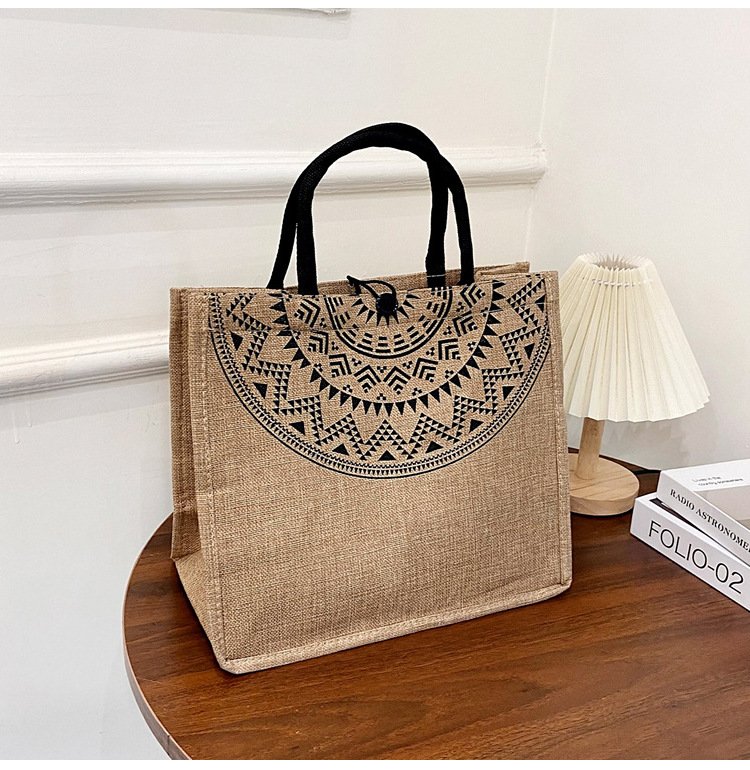
Hemp provides significantly more usable fiber per acre compared to organic cotton, making it more cost-effective for brands focused on bulk garment production. While cotton produces more byproduct (like cottonseed), hemp’s core fiber output is higher and more efficient per square meter.
Fiber Yield Comparison and Usable Output
3.1 Yield Metrics per Hectare
| Fabric Type | Raw Fiber Yield (kg/ha) | Usable Fiber After Processing (kg/ha) |
|---|---|---|
| Hemp | 2,000–2,500 | 1,000–1,600 (after retting) |
| Organic Cotton | 800–1,200 (lint cotton) | 700–1,000 |
- Retting loss in hemp reduces the usable amount, but even with loss, the final fiber output remains higher than cotton.
- Cotton’s yield is more predictable but less intensive per acre.
3.2 Fabric Output from Fiber
| Fiber Type | Avg Fabric Output per 100kg Fiber | Garments per 100kg Fabric (T-Shirts) |
|---|---|---|
| Hemp | 85 kg woven fabric | \~275–300 units |
| Cotton | 90 kg knitted fabric | \~290–320 units |
Hemp fiber is stiffer but more durable, often requiring blending with cotton or modal for softness. However, the output in garments is comparable at scale.
4. How Do Labor and Machinery Costs Differ in Hemp and Cotton Fabric Processing?
Labor and machinery costs are higher in hemp textile production due to its relatively underdeveloped industrial ecosystem and the complexity of retting, decortication, and spinning. Cotton benefits from decades of optimization and automation.
Industrial Readiness and Processing Investment
4.1 Machinery Investment
| Processing Stage | Hemp Equipment (USD) | Organic Cotton Equipment (USD) |
|---|---|---|
| Fiber Preparation | \$40,000–\$80,000 | \$25,000–\$40,000 |
| Spinning Machinery | \$60,000–\$120,000 | \$30,000–\$70,000 |
| Dyeing & Finishing | Similar | Similar |
- Hemp machinery is often custom-built or retrofitted.
- Cotton spinning benefits from global standardization.
4.2 Labor Intensity
- Hemp: Labor-intensive in retting and decortication, often requiring manual intervention in small factories.
- Cotton: Automated ginning, carding, and spinning lines reduce labor overheads.
4.3 Skilled Labor Needs
Hemp requires technically trained operators, especially for fiber separation and blending processes. In contrast, cotton has a wider labor pool with general familiarity.
A hemp startup in Bangladesh reported needing 1.5x more labor hours per ton of fabric output than a neighboring cotton mill, increasing their overall cost by \~12% in the first year.
5. Is Hemp Fabric More Cost-Effective for Large-Scale Garment Manufacturing?
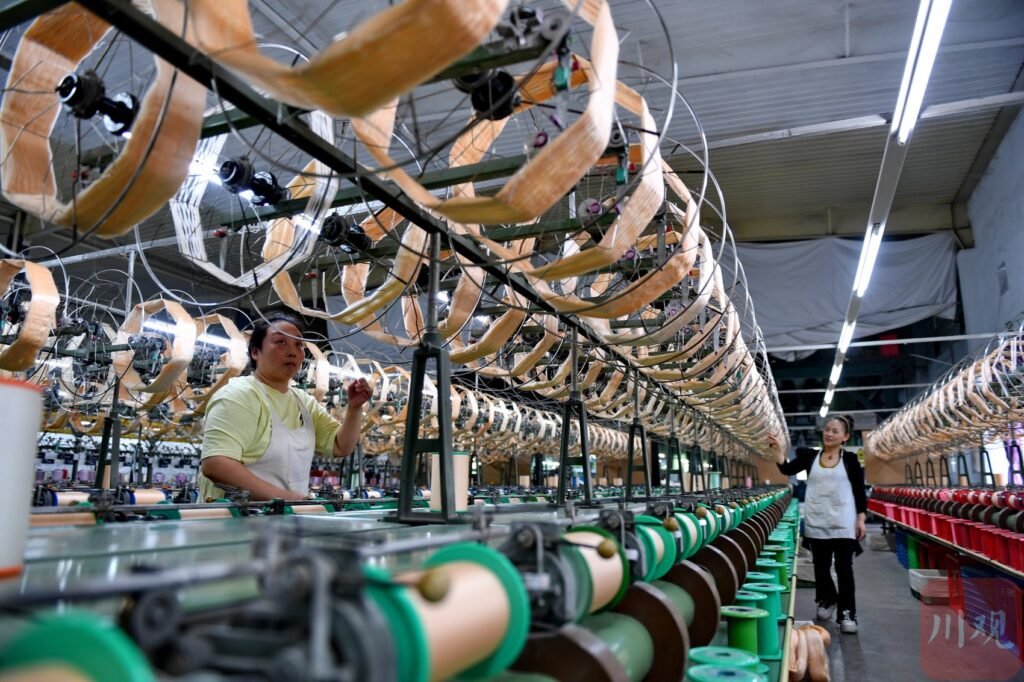
Hemp fabric is not yet cheaper than organic cotton on a per-meter basis at global scale, but the long-term benefits in durability, water use, and yield make it increasingly cost-competitive for sustainable brands scaling up production.
Unit Cost Analysis, Life Cycle Value & Brand Use Cases
5.1 Cost Per Meter Comparison
| Fabric Type | Avg Cost per Meter (Woven) | MOQ (Meters) | Price per Unit (at MOQ) |
|---|---|---|---|
| Hemp (100%) | \$4.50–\$7.50 | 500–1000 m | \$5.90 (avg) |
| Organic Cotton | \$3.00–\$6.00 | 300–500 m | \$4.20 (avg) |
- Hemp prices are higher mainly due to limited supply chains and less automation.
- Organic cotton enjoys volume pricing and stronger supplier networks.
5.2 Lifecycle Value and Fabric Longevity
| Fabric Type | Wash Cycles Before Wear | Shrinkage Rate | UV Resistance | Biodegradability |
|---|---|---|---|---|
| Hemp | 80–100 | Low | High | Excellent |
| Organic Cotton | 50–80 | Medium | Medium | Excellent |
While cotton may be cheaper upfront, hemp lasts longer, making it more cost-effective over time for reusable or high-durability garments like workwear and outdoor apparel.
5.3 Case Study: Outdoor Brands
- Patagonia uses hemp blends in jackets and shirts for enhanced durability.
- Tentree blends hemp with recycled polyester for t-shirts marketed as high-longevity basics.
- Both brands report lower return rates and longer average customer satisfaction periods on hemp-blend products.
6. Do Blended Fabrics (Hemp-Cotton Mix) Offer a Balanced Cost-to-Performance Ratio?
Yes, hemp-cotton blends strike a powerful balance between comfort, durability, and cost, allowing manufacturers to reduce price volatility and improve end-product flexibility.
Blending Strategies & Performance Metrics
6.1 Common Blend Ratios and Their Advantages
| Blend Type | Performance Focus | Cost vs Pure Hemp | Texture Feel |
|---|---|---|---|
| 55% Hemp / 45% Cotton | Balanced feel and price | -18% avg | Soft yet sturdy |
| 70% Hemp / 30% Cotton | Durability-focused | -8% avg | Firmer surface |
| 30% Hemp / 70% Cotton | Comfort-first | -25% avg | Cotton-like |
- Blending reduces hemp content but improves comfort, printability, and cost flexibility.
6.2 Garment Applications of Blends
- T-shirts: 30/70 blend for breathable, soft finish.
- Workwear/Outdoor Jackets: 70/30 blend for strength and weather resistance.
- Athleisure: Often a 50/50 mix for flexibility and natural odor resistance.
6.3 Market Adoption and Volume Trends
| Year | % of Hemp Blends in Global Hemp Garment Sales |
|---|---|
| 2020 | 34% |
| 2022 | 48% |
| 2024 | 56% (projected) |
Blends allow factories to lower MOQ thresholds and offer more accessible product lines to emerging brands.
7. What Should Brands Consider When Choosing Between Hemp and Organic Cotton for Cost-Optimized Sourcing?
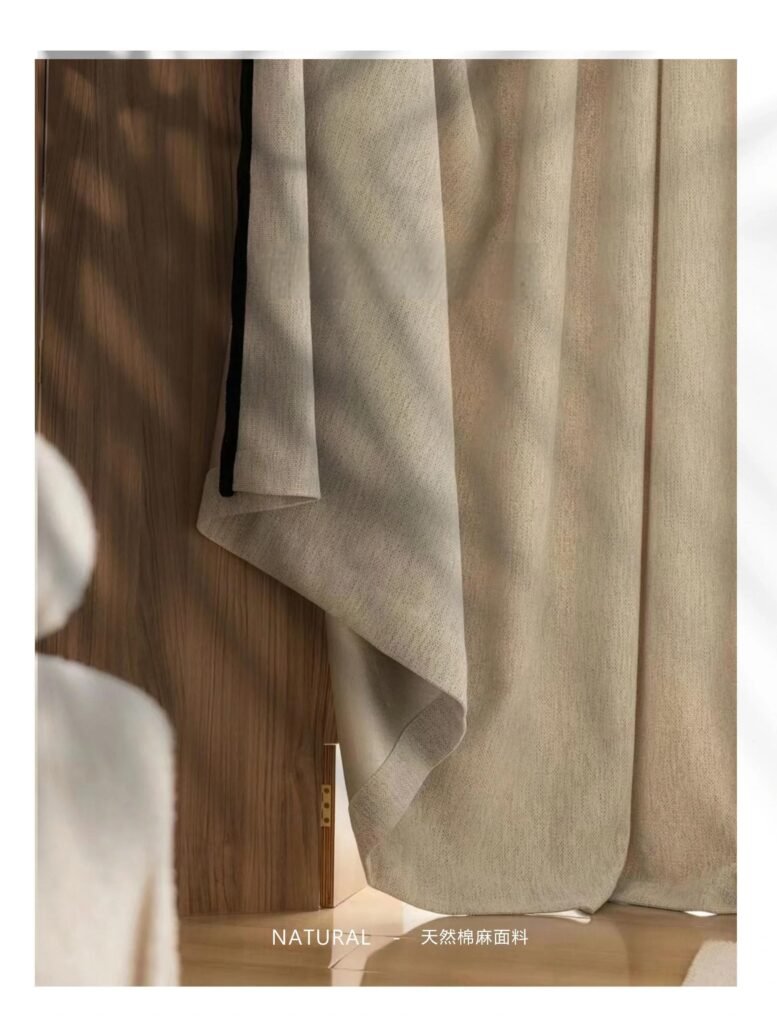
Brands should evaluate fabric choice not just by raw cost but by long-term performance, target customer expectations, sustainability certifications, and supply chain compatibility. Hemp may be pricier upfront but offers better durability, sustainability metrics, and brand storytelling value.
Strategic Sourcing Considerations
7.1 Total Cost of Ownership (TCO)
| Factor | Hemp Fabric | Organic Cotton |
|---|---|---|
| Upfront Material Cost | Higher | Lower |
| Lifecycle Durability | Longer lifespan | Moderate lifespan |
| Rewash/Return Rate | Low | Moderate |
| Customer Perceived Value | High (Eco-luxury) | Moderate (Eco-basic) |
- TCO analysis reveals that hemp often outperforms cotton in long-term value for high-wear or premium market segments.
7.2 Supply Chain Access
- Hemp: Fewer large-scale suppliers globally, slower standardization.
- Organic Cotton: Broadly available with well-defined certifications like GOTS and OEKO-TEX.
7.3 Branding Strategy & Customer Perception
- Hemp is increasingly associated with luxury sustainability (e.g., Stella McCartney, Allbirds).
- Organic cotton is perceived as a basic sustainable choice, suitable for mass-market or affordable ethical collections.
8. How Can You Work With a Hemp Textile Manufacturer Like SzoneierFabrics?
To source hemp fabric affordably without overstocking, work with experienced manufacturers like SzoneierFabrics who offer low MOQs, fabric blending consultation, free samples, and end-to-end support from weaving to delivery.
Partnering With a Smart Supplier
8.1 What to Expect From SzoneierFabrics
| Service Offered | Details |
|---|---|
| Custom Fabric Blends | Hemp/Organic Cotton, Hemp/Polyester, 100% Hemp |
| MOQ Flexibility | As low as 300m for trial orders |
| Free Sampling & Design | 5–10 days turnaround with fiber analysis support |
| Fabric Certification Support | GOTS, OEKO-TEX, and SGS documentation |
| Shipping Optimization | FOB, CIF, and express logistics via air/sea |
8.2 Real Client Use Cases
- Emerging eco-brand in Germany scaled their first line of hemp-cotton tees with just 500m order.
- Premium yoga brand in California launched a limited edition using Szoneier’s custom-dyed hemp blend with built-in anti-odor features.
“We were worried hemp would be too expensive. But with Szoneier’s low MOQ and tailored pricing, we actually saved 14% on total project costs.” — Founder, SustainableWear Co.
Which Fabric Offers Better Value?
Hemp may not yet beat organic cotton on price alone, but when you factor in longevity, consumer appeal, and sustainable positioning, it becomes a smart choice for brands seeking value beyond the price tag. For small to medium businesses, working with a hemp-specialized factory like SzoneierFabrics allows you to tap into this fast-growing material trend without overstocking or compromising on quality.
🔍 Get Started With Hemp Fabric Today
If you’re a brand owner, startup, or textile buyer looking to explore custom hemp textiles with low MOQs, free design support, and guaranteed quality—SzoneierFabrics is your trusted partner.
📧 Email: Info@szoneierfabrics.com 📞 Tel: (+86) 13823134897 🌐 Website: https://szoneierfabrics.com