 Skip to content
Cotton Drawstring Bags for Promotional Use
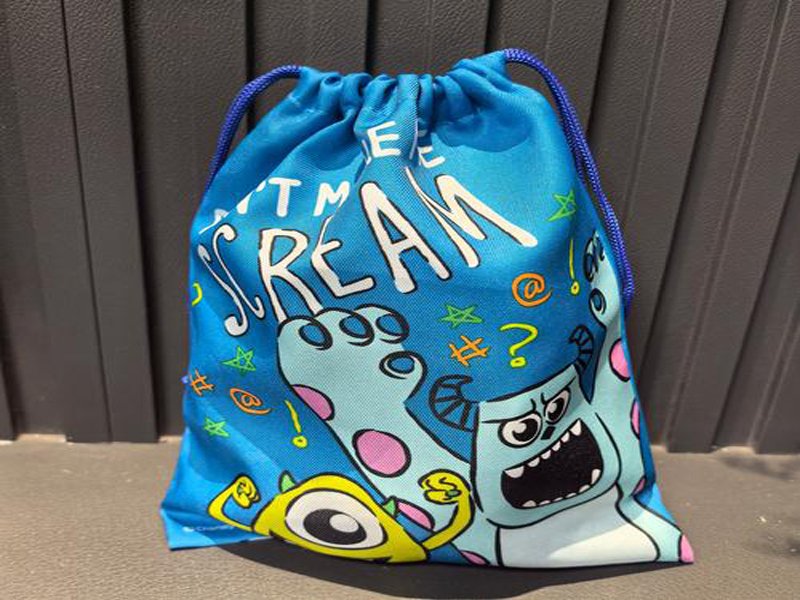
A promotional product does not need to be loud to be remembered. In many cases, the best one is quiet, useful, and carried naturally through daily life. Cotton drawstring bags fit exactly into that space. They are simple enough for event giveaways, soft enough for gift packaging, practical enough for travel and retail use, and customizable enough to carry a brand message without looking like cheap advertising. That is why brands, schools, hotels, cosmetic companies, apparel labels, wellness businesses, and event organizers keep choosing them again and again.
Cotton drawstring bags are reusable fabric bags made with cotton cloth and a cord closure. For promotional use, they work best when the fabric weight, size, stitching, print method, and logo placement match the real use case. A lightweight cotton drawstring bag may be enough for samples, socks, cosmetics, jewelry, or event kits, while a heavier cotton or canvas version is better for retail merchandise, school gifts, travel accessories, or premium brand packaging. The main value is not only the low unit cost, but repeated visibility: a useful branded bag can travel from an event booth to a suitcase, gym locker, dorm room, retail shelf, or customer’s daily routine.
The mistake many brands make is treating a cotton drawstring bag as “just a small fabric bag.” In reality, the difference between a bag that gets reused and one that gets thrown into a drawer can come down to small production decisions: 120 gsm or 180 gsm cotton, single cord or double cord, flat cotton rope or round polyester cord, screen printing or heat transfer, natural cotton color or dyed fabric, single stitching or reinforced seams. A coffee brand may need a rustic natural cotton pouch for gift sets. A university may need a stronger bag for welcome kits. A cosmetic brand may care more about smooth fabric texture and clean logo printing. The product looks simple, but the decisions behind it are very real.
What Are Cotton Drawstring Bags?
Cotton drawstring bags are soft reusable bags made from woven cotton fabric and closed with pulling cords instead of zippers, buttons, or handles. For promotional use, they are popular because they combine packaging, storage, and mobile brand exposure in one product. A good cotton drawstring bag protects small items, presents products neatly, supports logo printing, and gives customers something they can keep using after the first interaction. Cotton is also valued for its natural touch, breathable structure, and familiar everyday feel, which makes the bag feel more personal than plastic or non-woven disposable packaging.
Cotton itself is a natural cellulose-based fiber, known for softness, absorbency, comfort, and wide use across textile products. These qualities explain why cotton drawstring bags often feel more “giftable” than synthetic giveaway bags. However, cotton is not automatically the best choice for every campaign. It performs best when the campaign wants a natural, reusable, lifestyle-friendly, or premium casual impression. For very wet environments, heavy outdoor use, or ultra-low-cost mass distribution, polyester, nylon, or non-woven materials may sometimes be more suitable. The smartest decision begins with the actual use scenario, not only the material name.
What materials are used in cotton drawstring bags?
Most cotton drawstring bags use plain-weave cotton, calico cotton, muslin cotton, cotton canvas, or cotton-blend fabric. The material choice affects softness, durability, print clarity, shrinkage, color appearance, and cost. Lightweight cotton is often used for product packaging and gift pouches. Medium-weight cotton is common for event giveaways and retail packaging. Heavy cotton canvas is better for premium merchandise, travel kits, school packs, and reusable daily bags.
A small jewelry brand, for example, may not need a thick 10 oz canvas bag. A 4 oz or 5 oz cotton pouch can already create a soft, natural, gift-ready impression. But a university welcome kit containing a notebook, bottle, pen set, and small apparel item may need stronger fabric, better seam reinforcement, and a thicker drawcord. The user does not care about technical fabric terms, but they immediately notice whether the bag feels reliable in hand.
| Cotton Bag Material | Common Feel | Better For | Main Advantage | Possible Limitation |
|---|---|---|---|---|
| Muslin cotton | Light, soft, slightly open weave | Jewelry, candles, soaps, cosmetics, small gifts | Natural look, low cost, easy storage | Not ideal for heavy items |
| Plain cotton | Smooth, flexible, everyday feel | Event kits, retail packaging, samples | Good balance of price and printability | May need higher gsm for durability |
| Calico cotton | Natural, slightly rustic texture | Eco campaigns, bookstore gifts, food gift packaging | Organic-looking appearance | Surface may be less smooth for fine logos |
| Cotton canvas | Thicker, stronger, structured | Premium gifts, school kits, travel pouches | Better durability and perceived value | Higher cost and heavier shipping weight |
| Cotton blend | Flexible depending on blend | Promotional campaigns needing cost control | Can improve strength or reduce shrinkage | Less “pure cotton” positioning |
For Szoneier, the advantage is that cotton drawstring bags do not need to be treated as a fixed catalog item. Because the factory has long experience in fabric R&D and finished product manufacturing, projects can be adjusted by cotton type, fabric thickness, weave feel, color, cord type, logo process, lining, stitching, and packaging method. That matters for brands that want the bag to match their product positioning instead of looking like a generic giveaway.
How do drawstring bags differ from other bag types?
Drawstring bags are different because the closure and carrying function are built into one simple structure. A tote bag usually depends on handles and an open top. A zipper pouch gives better closure but costs more and feels less casual. A paper bag looks clean in retail but is less reusable. A non-woven bag is cheap and lightweight but often feels less premium. A drawstring cotton bag sits between packaging and daily-use accessory.
Its strongest value is flexibility. It can be laid flat, packed easily, printed on both sides, folded into cartons, and used across many product categories. It does not require complex hardware, which keeps cost and lead time more manageable. For promotional use, that simplicity is a strength because large orders need consistency.
| Bag Type | User Experience | Brand Impression | Reuse Potential | Best Campaign Use |
|---|---|---|---|---|
| Cotton drawstring bag | Soft, casual, easy to open and close | Natural, useful, friendly | Medium to high when size is practical | Events, gift sets, product packaging |
| Cotton tote bag | Open, easy to carry | Lifestyle, retail-friendly | High if strong enough | Shopping, bookstores, apparel, groceries |
| Zipper pouch | Secure, compact | More refined, product-focused | High for small items | Cosmetics, tech accessories, travel kits |
| Paper bag | Retail-ready, structured | Clean, short-term presentation | Low to medium | Store checkout, gift packaging |
| Non-woven drawstring bag | Lightweight, budget-friendly | Practical but less premium | Medium | Large event giveaways, sports days |
| Polyester drawstring backpack | Sporty, water-resistant | Active, youth-oriented | Medium to high | Schools, gyms, outdoor events |
The real question is not “Is a cotton drawstring bag better than a tote bag?” The better question is “What will the recipient actually do with it?” If the bag holds something specific and remains useful afterward, it has a stronger chance of being kept. A cotton drawstring pouch for a premium candle set may become a travel organizer. A drawstring backpack for a conference may hold brochures for one day and disappear afterward if the fabric feels too thin. Use decides value.
Why are cotton bags eco-friendly?
Cotton bags are often seen as eco-friendly because they are reusable, washable, made from natural fiber, and can reduce dependence on single-use plastic packaging when they are used repeatedly. However, a serious brand should avoid making lazy sustainability claims. Cotton production has an environmental footprint, and research from the UN Environment Programme’s Life Cycle Initiative notes that cotton bags may need many reuses, often cited in the range of 50 to 150 times depending on the assessment conditions, before their climate impact compares favorably with single-use plastic alternatives.
That does not mean cotton bags are a bad choice. It means design quality matters. A cotton promotional bag becomes more responsible when it is durable enough to be reused, sized for real-life needs, printed with a design people are not embarrassed to carry, and made with suitable finishing for the intended lifespan. The “eco” value is not created by cotton alone. It is created by repeated use.
| Sustainability Factor | Weak Execution | Strong Execution | Why It Matters |
|---|---|---|---|
| Fabric weight | Too thin, tears quickly | Matched to product weight and reuse goal | Durability increases actual reuse |
| Design | Large aggressive logo only | Clean logo, useful layout, attractive color | People reuse items they like |
| Size | Too small for daily use | Sized for cosmetics, travel, shoes, gifts, or event kits | Practical size increases retention |
| Printing | Ink cracks or fades early | Proper print method tested on fabric | Better appearance after use |
| End use | One-time giveaway | Packaging plus storage plus travel reuse | More functions improve value |
| Messaging | Vague “green” claim | Clear reusable purpose and care guidance | Builds trust and reduces greenwashing risk |
The Guardian also reported criticism around cotton totes becoming a “green” fashion object without enough actual reuse, which is a useful warning for any promotional campaign: the bag must be useful, not just symbolic.
For Szoneier’s clients, the practical lesson is simple. If you want to position the bag as sustainable, build the project around durability and reuse from the beginning. Choose an appropriate fabric weight, make the logo tasteful, consider natural or low-impact color directions, and design the size around what customers will carry after the campaign ends.
What sizes and shapes are available?
Cotton drawstring bags can be made in many sizes, from small pouches for jewelry and skincare to larger drawstring backpacks for events or school kits. The best size depends on what the bag must hold, how it will be packed, how much weight it will carry, and whether the recipient is expected to reuse it. Oversizing wastes fabric and shipping cost. Undersizing makes the bag frustrating and less likely to be kept.
| Size Range | Common Use | Suggested Fabric Direction | Buyer Concern |
|---|---|---|---|
| 8 × 10 cm to 10 × 15 cm | Jewelry, crystals, small accessories | Light muslin or plain cotton | Logo clarity on small area |
| 13 × 18 cm to 15 × 20 cm | Soap, candles, cosmetics, samples | 100–140 gsm cotton | Clean sewing and neat opening |
| 20 × 30 cm | Gift sets, socks, scarves, beauty kits | 120–180 gsm cotton | Good print area and drawcord quality |
| 30 × 40 cm | Event kits, apparel, shoes, retail items | 140–220 gsm cotton | Strength and shape retention |
| 35 × 45 cm and above | School packs, travel kits, promotional bundles | Heavy cotton or canvas | Seam strength and carrying comfort |
The most common production trap is copying a competitor’s size without checking the actual product volume. A cotton bag for a folded T-shirt may look similar to a bag for a skincare set, but the stress points are different. A skincare set creates concentrated weight at the bottom. A T-shirt creates soft volume. A shoe bag needs length and abrasion resistance. A coffee gift bag may need protection from dust and a rustic look. Each product asks the fabric to do a different job.
How should buyers think beyond the basic definition?
A cotton drawstring bag should be judged as a small textile product, not just a printed pouch. That means buyers should evaluate fabric, stitching, drawcord, printing, colorfastness, shrinkage, packing, carton size, and final use. For promotional projects, the user’s first impression usually happens in three seconds: touch, look, open. If the fabric feels rough in the wrong way, the logo is poorly placed, or the cord feels weak, the entire brand impression becomes cheaper.
| Decision Area | Basic Question | Better Question |
|---|---|---|
| Fabric | Is it cotton? | Which cotton weight and texture match the brand positioning? |
| Logo | Can you print it? | Which print method keeps the logo clean after folding and reuse? |
| Size | What size is available? | What size fits the product and still feels useful later? |
| Cost | What is the cheapest unit price? | What unit price gives enough quality to avoid waste and complaints? |
| Sustainability | Is it eco-friendly? | Will customers realistically reuse it enough times? |
| Supplier | Can you make bags? | Can you control fabric, sewing, printing, sampling, inspection, and export? |
This is where a factory with fabric and finished-product experience becomes valuable. Szoneier can support not only bag sewing, but also fabric selection, material adjustment, logo process testing, sample development, and bulk quality control. For buyers who need custom logo cotton drawstring bags, private label packaging, or OEM/ODM promotional products, that integrated workflow reduces the risk of beautiful mockups turning into disappointing bulk goods.
2. Why Use Cotton Drawstring Bags for Promotion?
Cotton drawstring bags work for promotion because they are useful, visible, customizable, and emotionally softer than many disposable marketing items. A flyer is read once. A plastic bag is often thrown away. A cheap pen may disappear in a drawer. But a well-made cotton drawstring bag can hold daily objects, organize travel items, package products, and keep showing the brand over time. Promotional products research continues to show that useful branded items can generate repeated impressions at a low cost per impression. ASI’s 2026 study reported that a $6 tote bag can generate about 5,000 impressions over time, with a cost per impression around $0.001; the same report also found that usefulness is a major reason consumers keep promotional products.
The value of cotton drawstring bags is not only “advertising exposure.” It is the small positive feeling created when a customer receives something practical. For many brands, especially in cosmetics, apparel, wellness, education, hospitality, food gifts, and lifestyle retail, the bag becomes part of the product experience. It makes the gift feel more complete, the event kit feel more organized, and the brand feel more thoughtful.
What benefits do they offer for branding?
Cotton drawstring bags give brands a physical surface that customers can touch, keep, and carry. Unlike digital ads, which disappear after a scroll, fabric packaging remains in the customer’s personal space. It may sit on a desk, inside a suitcase, in a bathroom cabinet, in a gym locker, or on a retail shelf. That repeated presence makes the logo familiar without shouting.
A promotional cotton bag also helps brands shape their personality. Natural cotton suggests warmth, simplicity, craft, wellness, and sustainability. Dyed cotton can feel playful, premium, seasonal, or campaign-specific. Heavy canvas can feel strong and valuable. A small muslin pouch can feel handmade and boutique. The same product structure can support very different brand stories.
| Brand Goal | Cotton Drawstring Bag Strategy | Design Direction | Example Use |
|---|---|---|---|
| Look natural and eco-conscious | Use natural cotton or calico | Minimal logo, earthy tones | Organic skincare sample set |
| Look premium but casual | Use heavier cotton or canvas | Clean print, thicker cord, custom label | Boutique apparel gift packaging |
| Support event visibility | Use medium-size printed bag | Bold logo, high-contrast color | Conference welcome kit |
| Create retail gift value | Add custom size and branded tag | Soft fabric, neat stitching | Candle, soap, or accessory set |
| Encourage daily reuse | Choose practical size and durable seams | Subtle branding, useful capacity | Travel organizer or shoe bag |
| Support private label identity | Customize fabric, label, packaging | Matching logo, tag, carton mark | Brand-owned promotional merchandise |
Branding is not only about logo size. In fact, a logo that is too large can reduce reuse because people may not want to carry an obvious advertisement. A clean logo, tasteful placement, and practical bag size often create more long-term visibility than a loud design.
Are they sustainable compared to plastic bags?
Cotton drawstring bags can support a more sustainable packaging strategy when they replace disposable packaging and are reused many times. But the comparison with plastic is more complex than many marketing claims suggest. UNEP’s Life Cycle Initiative emphasizes that alternatives are not automatically better simply because they are not plastic; reuse is the key factor.
For promotional use, this creates an important responsibility. If a brand chooses cotton, the bag should be designed for a second, third, and fiftieth use. That means the bag should not be too flimsy, too awkward, too logo-heavy, or too campaign-specific. A bag printed with “Annual Conference 2026 Booth 418” may be less reusable than one with a clean brand mark and a design people can use after the event.
| Packaging Option | Sustainability Strength | Sustainability Weakness | Best Use |
|---|---|---|---|
| Single-use plastic bag | Low material weight, low cost | Often disposable, poor brand value | Short-term basic carrying |
| Paper bag | Recyclable in many systems, retail-friendly | Weak in wet conditions, limited reuse | Store packaging and gifts |
| Non-woven PP bag | Lightweight, reusable, economical | Less natural feel, variable durability | Large-scale events |
| Cotton drawstring bag | Natural feel, reusable, washable | Needs repeated use to justify footprint | Gifts, packaging, lifestyle promotions |
| Recycled polyester bag | Durable, water-resistant, can use recycled material | Synthetic feel, depends on material source | Sports, outdoor, travel promotions |
| Jute bag | Strong natural look | Rougher texture, less suitable for fine prints | Rustic gifts, agriculture, wine, food |
The best promotional sustainability message should be honest: “Reusable cotton bag designed for daily storage and repeated use” is stronger than a vague “100% eco-friendly” claim. Customers are becoming smarter. They can sense when sustainability is real and when it is decoration.
How do they enhance customer perception?
A cotton drawstring bag can make a product feel more valuable because it adds texture, care, and presentation. Think about receiving a jewelry piece in a loose plastic sleeve versus a soft cotton pouch. The product may be the same, but the emotional experience changes. The cotton bag slows the moment down. It feels more intentional.
This is especially important for products that depend on touch and gifting: cosmetics, candles, handmade goods, apparel, hotel amenities, wellness kits, children’s products, and boutique retail items. The bag creates a bridge between packaging and keepsake. Even when the item inside is small, the presentation feels complete.
| Customer Touchpoint | Without Cotton Bag | With Cotton Drawstring Bag | Perception Change |
|---|---|---|---|
| Event giveaway | Loose brochure and sample | Organized kit in branded bag | More professional and complete |
| Online order | Product in plain mailer | Product packed inside reusable pouch | More premium unboxing |
| Retail gift | Item wrapped in paper | Item protected in logo cotton bag | More thoughtful and giftable |
| Hotel amenity | Items placed separately | Amenities grouped in drawstring pouch | Cleaner and more convenient |
| Cosmetic sample | Disposable sachets only | Samples inside soft mini bag | Higher perceived value |
| School welcome pack | Items handed out randomly | Kit packed in student bag | More organized and memorable |
A useful bag can also reduce the “cheap giveaway” feeling. Many promotional items fail because they feel like leftovers from a marketing budget. Cotton drawstring bags, when properly designed, feel closer to packaging, lifestyle merchandise, or a practical accessory. That difference matters.
Do they increase repeat visibility of your brand?
Yes, but only when people keep and reuse them. Promotional bag visibility is one of the strongest arguments for this product category. Older ASI research reported that bags generated more impressions in the U.S. than any other promotional item, with more than 5,700 impressions per bag in that study. More recent ASI data has also highlighted tote bags as low-cost impression generators, with a $6 tote producing about 5,000 impressions over time.
For cotton drawstring bags, repeat visibility depends on use design. A bag used to organize charging cables may be seen by one person many times. A bag used as a shoe pouch may travel through airports and hotels. A bag used at a trade show may be seen by hundreds in one day but forgotten later. A bag used for children’s school supplies may create daily exposure for months.
| Reuse Scenario | Visibility Type | Brand Value | Design Tip |
|---|---|---|---|
| Travel organizer | Private repeated visibility | Strong personal familiarity | Use practical medium size and washable fabric |
| Event carry bag | Public short-term visibility | High same-day exposure | Use bold but clean logo placement |
| Retail product pouch | Unboxing and storage visibility | Premium brand memory | Use soft fabric and refined print |
| Gym or shoe bag | Public and private visibility | Lifestyle association | Use stronger seams and thicker cord |
| School or university kit | Repeated campus visibility | Community identity | Use durable fabric and youthful design |
| Gift packaging | Emotional visibility | Positive memory and retention | Use attractive natural texture |
A common mistake is measuring only unit price. A cheaper bag that gets thrown away after one use may have a worse promotional return than a slightly more expensive bag that stays in use for months. In promotional products, the real cost is not only production cost. It is cost per useful impression.
Which campaigns benefit most from cotton drawstring bags?
Cotton drawstring bags work especially well when the promotional item must carry something, protect something, or improve presentation. They are less suitable when the brand only wants the cheapest possible giveaway with no concern for reuse or tactile experience. In other words, they are best when the bag has a job.
| Campaign Type | Why Cotton Drawstring Bags Work | Recommended Specification Direction |
|---|---|---|
| Trade shows | Holds brochures, samples, badges, small gifts | Medium cotton, visible logo, strong cord |
| Product launches | Creates a branded unboxing moment | Custom size, clean printing, color-matched cord |
| Cosmetic promotions | Groups samples and improves perceived value | Soft cotton, small to medium pouch, fine logo |
| Apparel packaging | Adds reusable storage for garments | Medium/heavy cotton, size matched to folded item |
| University welcome kits | Organizes many small items | Larger size, reinforced seams, durable drawcord |
| Hotel and travel kits | Useful for toiletries and laundry | Washable fabric, neutral branding |
| Food and gift sets | Gives a natural handmade feeling | Calico or muslin cotton, breathable fabric |
| Retail loyalty gifts | Feels useful without being expensive | Better fabric and tasteful logo |
For Szoneier clients, this means the bag can be developed around the campaign instead of forcing the campaign into a standard bag. If the project is for a skincare launch, the fabric handfeel and logo delicacy matter more. If the project is for an outdoor event, drawcord strength and fabric weight matter more. If the project is for private label retail packaging, color consistency and sewing quality matter more.
How should brands avoid wasting money on poor promotional bags?
The cheapest cotton drawstring bag is not always the best promotional choice. Low-cost bags often fail in four ways: the fabric is too thin, the logo print looks rough, the drawcord feels weak, or the size does not match the user’s actual need. Once that happens, the bag becomes clutter rather than brand value.
| Risk | What Happens | How to Prevent It |
|---|---|---|
| Fabric too thin | Bag feels disposable and may tear | Choose gsm based on product weight |
| Poor logo printing | Brand looks unprofessional | Test print method before bulk production |
| Wrong size | Product does not fit well or bag looks empty | Sample with actual product inside |
| Weak cord | Closure fails or feels cheap | Use stronger cotton or polyester cord |
| Overly promotional design | Customer avoids reusing it | Keep design clean and lifestyle-friendly |
| No quality inspection | Bulk order has inconsistent sewing or stains | Use pre-shipment inspection and agreed standards |
A strong promotional cotton drawstring bag is not complicated, but it must be intentional. The best projects usually start with a clear answer to four questions: What goes inside? Who receives it? Where will they use it again? What should the brand feel like when they touch it?
Szoneier can help buyers turn those answers into real specifications: cotton type, gsm, size, drawcord structure, logo process, label, packaging, sample approval, and bulk production. For brands looking for custom cotton drawstring bags for promotional use, that level of control is what turns a simple bag into a reusable brand asset.
Which Industries Use Promotional Cotton Drawstring Bags?
Cotton drawstring bags are used across many industries because they solve a very practical problem: they make products easier to carry, easier to present, and easier to remember. The industries that benefit most are usually those selling physical products, creating customer experiences, running events, or giving away branded items. Retail, cosmetics, apparel, education, hospitality, wellness, food gifts, sports, and corporate promotion all use cotton drawstring bags because the product sits comfortably between packaging and merchandise. It is affordable enough for volume orders, but flexible enough to feel customized.
The deeper reason these bags work across industries is that they do not force one fixed identity. The same cotton drawstring structure can look rustic for a handmade soap brand, clean for a skincare company, sporty for a university event, premium for a boutique apparel label, or practical for a hotel amenity kit. The material stays simple, but the design direction changes the message. For promotional buyers, this is powerful because one product can be adapted to many campaign goals without needing expensive molds, complex hardware, or long development cycles.
Are they popular in retail and events?
Cotton drawstring bags are especially popular in retail and events because both settings depend heavily on first impressions. In retail, packaging affects how customers judge product value before they even use the product. At events, a bag helps organize brochures, samples, gifts, badges, catalogs, and small promotional items. A loose pile of samples may feel random. A branded cotton drawstring bag makes the same items feel like a prepared kit.
Retail brands often use cotton drawstring bags as secondary packaging. Instead of replacing the main product package, the cotton bag adds an extra layer of experience. A jewelry brand may place a bracelet box inside a small cotton pouch. A candle brand may package a glass candle with a printed cotton bag. An apparel brand may use a larger drawstring bag for T-shirts, scarves, socks, or limited-edition merchandise. The bag becomes part of the product story.
For events, cotton drawstring bags are useful because they are lightweight, easy to distribute, and suitable for large-scale customization. They also reduce the awkwardness of attendees carrying many loose items. A well-sized bag encourages people to keep everything together. When attendees walk around with the bag, the logo gains visibility across the venue.
| Industry Use | Common Bag Size | Fabric Direction | Promotion Goal | Key Custom Detail |
|---|---|---|---|---|
| Retail gift packaging | Small to medium | Muslin, plain cotton, cotton canvas | Improve product presentation | Clean logo, neat drawcord, soft handfeel |
| Trade shows | Medium to large | 140–220 gsm cotton | Carry samples and create visibility | Strong seams, large print area |
| Boutique apparel | Medium to large | Cotton canvas or heavier cotton | Add reusable brand packaging | Custom size, woven label, brand color |
| Pop-up stores | Medium | Natural or dyed cotton | Create memorable customer takeaway | Seasonal design, limited-edition print |
| Product launch events | Medium | Smooth cotton | Create a complete launch kit | Logo, slogan, custom inserts |
| Museum or gallery shops | Small to medium | Natural cotton or canvas | Support souvenir value | Elegant artwork print |
| Bookstores | Medium | Cotton canvas | Hold books, gifts, stationery | Reinforced bottom, simple logo |
| Handmade markets | Small to medium | Calico or muslin cotton | Create craft and eco feeling | Natural tone, rustic cord |
The value in retail and events is not just utility. It is emotional sequencing. A customer receives the bag, opens it, discovers what is inside, and may reuse it later. Each step gives the brand another chance to feel thoughtful.
Do corporate giveaways use drawstring bags?
Corporate giveaways often use drawstring bags because they can hold multiple branded items in one organized package. Instead of giving out a notebook, pen, bottle, badge holder, and leaflet separately, companies can place everything into one cotton drawstring kit. This is cleaner, easier to distribute, and more polished. It also helps the recipient understand that the items belong together.
For companies, the bag itself becomes a soft advertising surface. But the best corporate versions avoid looking too stiff or too promotional. A cotton drawstring bag with a small logo, neutral color, and useful size often performs better than a bag covered with slogans. People are more likely to reuse something that fits into their personal life.
Corporate buyers usually care about consistency, delivery time, brand color accuracy, and quality stability. If the order is for a conference, onboarding kit, employee gift, partner event, or annual meeting, delays or inconsistent printing can damage the campaign. This makes supplier capability more important than the bag’s basic structure.
| Corporate Scenario | What Goes Inside | Recommended Bag Style | Main Buyer Concern |
|---|---|---|---|
| Employee welcome kit | Notebook, ID holder, pen, bottle, handbook | Medium cotton drawstring bag | Professional appearance and durability |
| Conference giveaway | Brochure, badge, charger cable, sample gifts | Larger cotton or canvas bag | Print clarity and delivery timing |
| Partner appreciation gift | Premium small products, card, branded item | Soft cotton pouch or canvas bag | Gift value and neat finishing |
| Internal training kit | Documents, stationery, small tools | Medium cotton bag | Strength and repeated use |
| Sustainability campaign | Reusable items, eco product samples | Natural cotton or recycled cotton option | Honest material message |
| Brand anniversary gift | Souvenirs, apparel, collectible items | Custom printed cotton bag | Campaign design and packaging impact |
| Remote employee package | Apparel, snacks, tech accessories | Heavier cotton or canvas | Shipping-ready packing and protection |
A corporate drawstring bag should not feel like an afterthought. It should feel like the container for the experience. If the fabric is too thin or the logo print looks cheap, the whole gift feels less valuable. If the bag is well designed, even simple items can feel organized and intentional.
Which markets prefer eco-friendly promotional products?
Eco-friendly promotional products are strongly preferred in markets where consumers pay attention to sustainability, product reuse, and packaging waste. This is especially common in Europe, North America, Australia, New Zealand, Japan, and parts of the Middle East where lifestyle, wellness, education, and premium retail brands often want packaging that feels reusable and less disposable.
However, “eco-friendly” expectations differ by market. Some buyers focus on natural materials. Some focus on reduced plastic. Some require certifications. Some care about organic cotton or recycled cotton. Others simply want reusable packaging that does not look wasteful. A supplier must understand these differences because the same cotton bag may need different messaging and specifications for different customers.
| Market Type | Buyer Expectation | Cotton Bag Strategy | Important Note |
|---|---|---|---|
| EU retail brands | Reuse, responsible sourcing, cleaner packaging | Natural cotton, organic option, simple print | Avoid exaggerated eco claims |
| US promotional buyers | Cost-effective brand exposure and usability | Medium-weight cotton, clear logo, practical size | Balance price and perceived value |
| Australian and New Zealand brands | Practical sustainability and outdoor lifestyle | Durable cotton or canvas, neutral design | Quality feel matters strongly |
| Japanese lifestyle brands | Minimal design, neat sewing, refined packaging | Smooth cotton, precise stitching, subtle branding | Details and finish are critical |
| Middle East premium retail | Gift-ready presentation and custom branding | Dyed cotton, gold/silver print, luxury cord | Decoration quality matters |
| Wellness and beauty brands | Natural feel, soft texture, gentle visual identity | Muslin or soft cotton pouch | Handfeel affects brand perception |
| Education and nonprofit sectors | Budget control plus reusable value | Medium cotton, simple logo | Durability should match student use |
The strongest sustainability positioning is based on usefulness. A reusable cotton drawstring bag that becomes a travel pouch, shoe bag, cosmetic organizer, or gift storage bag has a more believable story than a bag made only for one campaign day. Brands should design the bag around future use, not just handout value.
How do educational institutions use them?
Schools, universities, training centers, language programs, camps, and student organizations use cotton drawstring bags because they are easy to distribute, easy to customize, and useful for holding welcome materials. Students often receive printed documents, notebooks, pens, campus cards, water bottles, T-shirts, or small tech accessories. A drawstring bag turns these items into a complete welcome kit.
Educational institutions also benefit from the emotional value of belonging. A cotton drawstring bag with a school logo, program name, graduation year, or event identity can make students feel part of a group. This is especially useful for orientation week, summer camps, alumni events, open days, sports events, and academic conferences.
The key is durability. Students do not treat promotional bags gently. They carry books, sportswear, food, cables, and random daily items. If the bag is intended for more than one event day, fabric weight and seam reinforcement matter a lot.
| Education Use Case | Typical Contents | Bag Requirement | Custom Suggestion |
|---|---|---|---|
| University orientation | Handbook, map, stationery, bottle | Medium-large, strong seams | School logo and welcome year |
| Summer camp | T-shirt, cap, activity booklet | Durable cotton or canvas | Name label area or color coding |
| School sports day | Medal, towel, snacks, small gifts | Strong cord, easy carrying | Team color printing |
| Alumni event | Gift items, brochure, souvenir | Premium cotton or canvas | Elegant logo and date |
| Language school welcome pack | Study materials and stationery | Medium cotton | Simple logo, reusable size |
| Student club merchandise | Pins, shirts, stickers, flyers | Custom size | Creative artwork print |
| Academic conference | Program, badge, notebook | Professional appearance | Minimal print and clean layout |
A small design detail can make educational bags much more useful. For example, adding a blank name area can help at camps. Using different cord colors can separate groups. Choosing heavier cotton prevents books from stretching the seams. These decisions are small, but they make the bag feel designed for real student life.
What other industries use cotton drawstring bags?
Beyond retail, events, corporations, and education, many other industries use cotton drawstring bags because they need soft, reusable, brandable packaging. The product is especially strong in categories where touch and presentation influence value.
Cosmetic and skincare brands use cotton pouches for samples, gift sets, facial tools, brushes, and travel-size products. Hotels and resorts use them for slippers, toiletries, laundry kits, welcome gifts, or spa amenities. Food brands use them for coffee, tea, chocolate, nuts, wine accessories, and seasonal gift sets. Fitness and wellness brands use them for yoga accessories, resistance bands, supplements, towels, and event kits.
| Industry | Common Use | Best Fabric Direction | Main Custom Focus |
|---|---|---|---|
| Cosmetics | Sample pouch, brush bag, skincare gift set | Soft cotton, fine weave | Delicate logo and clean sewing |
| Hospitality | Amenity kit, laundry bag, slipper bag | Medium cotton | Washability and neutral style |
| Food gifts | Coffee, tea, snacks, seasonal sets | Natural cotton or calico | Breathable texture and rustic look |
| Wellness | Yoga kit, spa gift, supplement package | Natural or dyed cotton | Calm colors and soft handfeel |
| Travel | Shoe bag, laundry pouch, cable organizer | Medium/heavy cotton | Durability and practical sizing |
| Children’s products | Toy storage, school accessory pouch | Soft cotton | Safety, stitching, washable fabric |
| Pet brands | Treat pouch, toy packaging | Strong cotton | Easy opening and sturdy seams |
| Medical and dental promotions | Care kits, sample packs | Clean white or dyed cotton | Hygiene appearance and reliable packing |
| Art and craft brands | Tool pouch, supply bag | Canvas or plain cotton | Print detail and rugged feel |
| Jewelry | Small protective pouch | Muslin or soft cotton | Fine sewing and drawcord finish |
For Szoneier, this wide application range is important because the company is not limited to cotton alone. If a customer starts with cotton drawstring bags but later needs canvas tote bags, nylon pouches, Oxford fabric tool bags, neoprene bottle holders, jute gift bags, linen packaging, or polyester event bags, the project can stay within one development system. That is valuable for brands that want to build a full promotional product line instead of sourcing every item from a different supplier.
How should each industry choose the right specification?
The best cotton drawstring bag specification should be chosen by use case, not by habit. A cosmetic pouch, school event bag, and coffee gift pouch may all be “cotton drawstring bags,” but their requirements are different. Cosmetic brands may need finer fabric and cleaner printing. Schools need strength. Coffee brands may want natural texture. Hotels may want soft neutral tones and smooth packing.
| Industry | Recommended Size Logic | Fabric Weight Logic | Printing Logic | Risk to Avoid |
|---|---|---|---|---|
| Cosmetics | Fit product set tightly but elegantly | Light to medium | Fine logo, heat transfer, screen print | Bag too rough for premium skincare |
| Apparel | Fit folded product with breathing space | Medium to heavy | Large logo or woven label | Bag too small after folding garment |
| Education | Fit multiple items and daily use | Medium to heavy | Durable print | Seams tearing under weight |
| Events | Fit brochures and samples | Medium | High visibility logo | Too much logo, low reuse value |
| Food gifts | Fit product safely with natural style | Light to medium | Rustic or minimal print | Fabric odor or poor storage condition |
| Hospitality | Fit amenities neatly | Medium | Subtle hotel branding | Poor washability or loose cords |
| Travel | Fit shoes, laundry, accessories | Medium to heavy | Simple and durable | Weak drawcord under repeated use |
| Corporate gifts | Fit curated kit | Medium or premium canvas | Clean brand mark | Cheap feel reducing gift value |
A smart buyer should prepare three things before requesting a quotation: product size, target quantity, and expected use. If possible, they should also share the product weight, logo file, preferred color, and target price range. With these details, Szoneier can recommend a more accurate cotton type, bag size, print method, and sampling direction.
How to Customize Cotton Drawstring Bags
Cotton drawstring bags can be customized in fabric type, size, color, printing, embroidery, labels, drawcord, closure style, lining, stitching, packaging, and full private label presentation. Customization is what turns a basic cotton pouch into a promotional product that actually matches the brand. For most projects, the most important decisions are not fancy. They are practical: how heavy should the fabric be, where should the logo go, which print method will look clean, what size fits the product, and whether the final bag feels good enough for the customer to keep.
The best customization starts with the end user. A bag for luxury skincare should feel soft and refined. A bag for college orientation should be stronger and more casual. A bag for handmade soap should feel natural and simple. A bag for a trade show should be visible, easy to carry, and cost-effective. When customization is based only on appearance, problems appear later. When it is based on use, brand positioning, and production feasibility, the result is much stronger.
What printing methods are available?
The most common printing methods for cotton drawstring bags include screen printing, heat transfer printing, digital printing, embroidery, woven labels, and sometimes foil printing or puff printing for special effects. Each method has different strengths. Screen printing is widely used because it is cost-effective for simple logos and medium to large orders. Digital printing is better for full-color artwork or small-batch designs. Embroidery gives a premium textured feel but costs more and may not suit very small text. Heat transfer can handle detailed graphics but must be tested for fabric feel and wash durability.
| Print Method | Best For | Strength | Limitation | Typical Promotional Use |
|---|---|---|---|---|
| Screen printing | Simple logos, solid colors, bulk orders | Cost-effective and clean | Less ideal for complex gradients | Events, retail bags, corporate gifts |
| Heat transfer | Detailed logos, multicolor designs | Good detail and color range | May feel less natural on soft cotton | Cosmetic bags, fashion campaigns |
| Digital printing | Full-color artwork, lower MOQ | Flexible and detailed | Cost may rise for large coverage | Art brands, small batch launches |
| Embroidery | Premium logo, text, badge effect | Textured and durable | Higher cost, not ideal for tiny detail | Boutique brands, corporate gifts |
| Woven label | Private label identity | Clean and professional | Smaller branding area | Apparel packaging, retail pouches |
| Foil printing | Metallic visual effect | Premium and eye-catching | Needs careful durability testing | Gift packaging, beauty products |
| Puff print | Raised logo effect | Unique texture | Not suitable for every fabric | Youth brands, fashion promotions |
For cotton drawstring bags, print testing is important because fabric texture affects logo sharpness. A very open-weave muslin fabric may look beautiful and natural, but it may not hold tiny text as clearly as smoother cotton. A thick canvas surface may create a more rugged print effect. A buyer should not assume the digital mockup will look exactly the same on fabric. Sampling protects the brand from disappointment.
Which design elements matter most?
The most important design elements are logo size, logo position, fabric color, cord color, bag proportion, print contrast, and the amount of empty space. Promotional bags often fail because the design is overloaded. A cotton drawstring bag is a soft textile item. It usually looks better when the design breathes.
Logo placement should match how the bag is viewed. For small pouches, the logo should sit slightly above center so it remains visible when the bottom is filled. For larger drawstring bags, the logo may need to be centered in the main panel, leaving enough space near the top because the fabric gathers when the cord closes. If the logo is placed too high, it may distort when pulled closed. If it is too low, it may disappear when the bag sits on a table.
| Design Element | Good Choice | Poor Choice | Why It Matters |
|---|---|---|---|
| Logo size | Clear but not oversized | Huge logo covering most fabric | Smaller tasteful branding increases reuse |
| Logo position | Centered on usable flat area | Too close to drawstring channel | Top fabric gathers and distorts print |
| Fabric color | Matches brand mood and use | Random low-cost color | Color affects perceived value immediately |
| Cord color | Matches or contrasts intentionally | Unplanned mismatch | Cord is part of the visible design |
| Empty space | Allows clean premium look | Filled with too much text | Simpler design feels more reusable |
| Text size | Large enough for fabric printing | Tiny slogan or thin letters | Fine text may blur on woven cotton |
| Bag proportion | Fits product naturally | Too tall, too narrow, or too loose | Shape affects both presentation and function |
A useful way to judge design is to ask: would someone use this bag if it did not contain a free item? If the answer is no, the design may be too promotional and not practical enough.
How do colors affect brand messaging?
Color changes the entire feeling of a cotton drawstring bag. Natural cotton feels simple, organic, handmade, and calm. White cotton feels clean but may stain more easily. Black cotton feels modern and premium but needs good print contrast. Pastel colors work well for cosmetics, baby products, wellness, and lifestyle brands. Bright colors work well for schools, sports, youth events, and seasonal campaigns.
The choice between natural cotton and dyed cotton also affects cost, lead time, color consistency, and sustainability messaging. Natural cotton often has tiny flecks and shade variations, which many eco and handmade brands like. Dyed cotton gives stronger brand control but may require color matching, dye testing, and minimum quantity planning.
| Color Direction | Brand Feeling | Best For | Production Note |
|---|---|---|---|
| Natural cotton | Organic, rustic, honest | Food gifts, handmade goods, eco campaigns | Shade may vary slightly by batch |
| White cotton | Clean, simple, fresh | Medical kits, cosmetics, events | More visible stains, needs careful packing |
| Black cotton | Premium, modern, strong | Fashion, tech, luxury gifts | Logo contrast must be tested |
| Pastel colors | Soft, friendly, lifestyle | Beauty, baby, wellness | Color matching matters |
| Earth tones | Natural, calm, mature | Outdoor, coffee, sustainable brands | Works well with simple logos |
| Bright colors | Energetic, youthful, visible | Schools, sports, festivals | May need stronger print contrast |
| Brand-matched colors | Professional and consistent | Private label packaging | Requires Pantone or physical color reference |
A cosmetic brand using soft beige cotton with a small brown logo sends a very different message from the same brand using black cotton with metallic gold print. Both can work, but they attract different emotions. This is why color should be decided together with product category, customer age group, price level, and campaign purpose.
Are logo placement options important?
Logo placement is very important because drawstring bags change shape when filled and closed. Unlike a flat paper card, a fabric bag moves, wrinkles, folds, and gathers. A logo that looks perfect on a flat design file may look distorted after the bag is filled. That is why placement must consider the drawstring channel, bottom seam, side seam, and real product volume.
Common placement options include front center printing, double-sided printing, bottom corner logo, all-over pattern, woven side label, top label, hangtag, or inner label. For promotional bags, front center printing is the most common. For private label retail packaging, combining a small print with a woven label or hangtag can make the bag feel more complete.
| Logo Placement | Best Use | Advantage | Risk |
|---|---|---|---|
| Front center | Most promotional projects | Clear and easy to recognize | Needs correct vertical position |
| Double-sided | Events and high visibility campaigns | More exposure | Higher cost |
| Bottom corner | Premium subtle branding | More lifestyle-friendly | Less visible from distance |
| All-over print | Fashion or creative campaigns | Strong visual identity | Higher cost and more production control |
| Woven side label | Apparel and retail packaging | Professional private label feel | Small logo space |
| Hangtag | Gift sets and product storytelling | Adds product information | Can be removed after purchase |
| Inner label | Private label product line | Clean external appearance | Not useful for public visibility |
For a premium brand, subtle placement often works better. For an event sponsor, larger front visibility may be necessary. For retail packaging, a combination of subtle logo and hangtag can feel more complete. The right choice depends on whether the bag’s main purpose is exposure, packaging, gifting, or long-term reuse.
How can fabric and finishing be customized?
Fabric customization goes beyond choosing cotton. Buyers can adjust weight, weave, texture, color, washing effect, lining, coating, shrinkage control, and finishing. For most promotional cotton drawstring bags, the core fabric decisions are gsm, texture, and color. But for more advanced projects, special finishing may improve appearance, softness, durability, or function.
Szoneier’s fabric background is useful here because promotional bag buyers often need more than a sewing factory. They may need help choosing between plain cotton, canvas, Oxford, polyester, nylon, neoprene, jute, linen, or blended materials depending on product use. For cotton drawstring bags specifically, material testing and sample comparison can prevent costly bulk mistakes.
| Custom Area | Options | Why It Matters |
|---|---|---|
| Fabric weight | Light, medium, heavy cotton | Controls durability, handfeel, and price |
| Fabric texture | Smooth, rustic, canvas-like, washed | Shapes brand personality |
| Color | Natural, dyed, Pantone-matched | Supports campaign identity |
| Cord | Cotton rope, polyester cord, flat tape | Affects closure feel and strength |
| Stitching | Standard, reinforced, double seam | Improves load-bearing and durability |
| Lining | Unlined or lined | Adds protection and premium feel |
| Label | Woven label, printed label, care label | Supports private label branding |
| Packaging | Bulk pack, individual polybag, paper wrap | Affects distribution and retail presentation |
| Finishing | Washed, softened, coated, ironed | Improves final look and touch |
A simple promotional order may only need natural cotton, screen print, and standard cord. A higher-end retail project may need dyed cotton, custom rope, woven label, hangtag, inner care label, individual packaging, and stricter inspection. Customization should match the value of the campaign.
How should buyers prepare artwork and product details?
Good customization depends on clear project information. Buyers should prepare logo files, preferred bag size, product dimensions, estimated weight, quantity, target delivery date, color preferences, and intended use. If the bag must hold a product, photos or samples are extremely helpful. If the color must match brand guidelines, Pantone references or physical samples can reduce misunderstanding.
| Information Needed | Why It Helps | Example |
|---|---|---|
| Logo file | Ensures clean printing | AI, PDF, SVG, EPS preferred |
| Bag size | Controls fit and cost | 20 × 30 cm for skincare set |
| Product size | Helps test real packing | Bottle height, box width, folded garment size |
| Product weight | Determines fabric and stitching | Lightweight samples vs heavy notebook |
| Quantity | Affects price and print method | 500, 1,000, 5,000, 20,000 pcs |
| Target date | Supports production planning | Event date, launch date, shipping deadline |
| Brand color | Helps fabric and print matching | Pantone number or physical reference |
| Use scenario | Guides design and durability | Event giveaway, retail packaging, travel pouch |
The best sampling process is practical. The buyer should place real products inside the sample, close the cord, carry it, look at the logo after filling, and check whether the bag still feels right. A sample that looks nice when empty may behave differently when packed.
What customization mistakes should buyers avoid?
Many cotton drawstring bag problems are preventable. The most common mistakes include choosing fabric too thin for the product, using tiny logo details that cannot print clearly, placing artwork too close to the drawstring area, ignoring shrinkage, choosing a cord that does not match the bag’s weight, or approving a sample without testing the real product inside.
| Mistake | Result | Better Decision |
|---|---|---|
| Choosing only by lowest price | Bag feels cheap and is not reused | Match cost with campaign value |
| Using overly complex artwork | Logo loses detail on fabric | Simplify lines or choose better print method |
| Ignoring drawstring gather | Logo distorts when closed | Keep print in stable flat area |
| Wrong fabric weight | Bag tears, sags, or feels too stiff | Test fabric with actual contents |
| No color reference | Bulk color does not match brand | Provide Pantone or physical swatch |
| Skipping sample test | Bulk order may not fit product | Test sample before mass production |
| Over-branding the bag | Customers avoid reuse | Use tasteful logo and useful design |
| Poor packaging planning | Bags wrinkle or get dirty in transit | Define packing method early |
Customization should not make the product complicated for no reason. The best custom cotton drawstring bags are simple, useful, and well matched to the brand. They feel easy to understand but carefully made. That is the sweet spot.
For brands looking to create promotional cotton drawstring bags with their own logo, size, fabric, and packaging style, Szoneier can support the process from design discussion and material selection to sampling, production, quality inspection, and export delivery. Whether the project needs a small cotton pouch for beauty samples or a larger drawstring bag for event kits, the goal is the same: make the bag useful enough to keep and good enough to represent the brand.
What Features Make a High-Quality Promotional Cotton Bag?
A high-quality promotional cotton drawstring bag is not defined by cotton material alone. It is defined by the balance of fabric weight, sewing strength, print clarity, cord durability, size accuracy, handfeel, and final presentation. For promotional use, the bag must do two jobs at the same time: it must carry or package items properly, and it must make the brand look reliable. A bag that looks attractive in photos but tears easily does not help the campaign. A bag that is strong but rough, poorly printed, or badly sized also fails because customers will not enjoy using it.
The most practical way to judge quality is to imagine the customer receiving the bag, opening it, using it, and deciding whether to keep it. If the cotton feels pleasant, the logo looks clean, the drawstring closes smoothly, the stitching feels secure, and the size is useful, the bag has a much higher chance of becoming part of the customer’s daily routine. That is where promotional value comes from. The better the bag performs after the first moment, the longer the brand stays visible.
Do material weight and fabric density matter?
Material weight matters a lot because it affects durability, handfeel, printing result, packing volume, and perceived value. Cotton bag fabric is often discussed by gsm, which means grams per square meter, or by ounces in some markets. A lighter cotton fabric can work well for small pouches, gift packaging, jewelry, soap, tea, coffee accessories, or lightweight samples. A medium cotton fabric is usually better for event kits, apparel packaging, and daily storage. Heavy cotton or canvas is more suitable for premium gifts, school kits, travel bags, shoe bags, or products that need stronger structure.
The mistake many buyers make is assuming heavier fabric is always better. It is not always true. A 280 gsm cotton canvas bag may feel strong, but it may be too stiff, bulky, or expensive for a small cosmetic sample pouch. A 100 gsm cotton pouch may be affordable and soft, but it may feel too thin for a premium apparel gift. Good specification is not about choosing the highest number. It is about choosing the right fabric for the product, the brand level, and the customer’s expected use.
| Fabric Weight Range | Common Feel | Better Use Cases | Brand Impression | Buyer Notes |
|---|---|---|---|---|
| 80–100 gsm | Very light, soft, flexible | Jewelry, small samples, soap, tea sachets | Simple, low-cost, natural | Best for lightweight items, not heavy kits |
| 110–140 gsm | Light to medium, practical | Cosmetics, candles, small gifts, event samples | Clean and useful | Good for many promotional pouch projects |
| 150–180 gsm | Medium, more stable | Retail packaging, apparel accessories, event bags | More reliable and reusable | Good balance between cost and quality |
| 200–240 gsm | Stronger, more structured | Shoe bags, school kits, travel pouches | Durable and higher-value | Higher unit cost and shipping weight |
| 250–320 gsm | Heavy canvas feel | Premium merchandise, long-term reuse | Strong, retail-quality, giftable | Better for premium projects, less ideal for cheap giveaways |
Fabric density also matters. Two fabrics may have similar gsm but different weaving tightness. A tighter weave usually gives better print clarity and stronger surface stability. A looser weave may look rustic and breathable, but fine logo details may not print as sharply. For a skincare brand with small serif letters, a smoother cotton surface is safer. For a handmade coffee gift pouch, a slightly rustic texture may be part of the charm.
How does stitching affect durability?
Stitching is one of the most overlooked quality factors in cotton drawstring bags. Customers may not inspect seam construction like textile engineers, but they immediately notice when a bag feels weak, twisted, uneven, or poorly finished. Strong stitching keeps the bag from splitting at the side seams, bottom corners, and drawstring channel. These areas experience the most stress when the bag is filled, closed, pulled, or carried.
For lightweight product packaging, standard stitching may be enough. For event bags, school kits, travel pouches, or anything carrying heavier items, reinforced stitching becomes much more important. The side seam, bottom seam, and drawstring channel should be clean and secure. Loose threads, uneven sewing, skipped stitches, and weak seam allowance can make a promotional bag feel cheap even when the fabric itself is acceptable.
| Stitching Area | Common Quality Issue | What It Causes | Better Production Standard |
|---|---|---|---|
| Side seams | Uneven stitch line, weak seam allowance | Bag twists or opens under pressure | Straight stitching with proper seam margin |
| Bottom seam | Weak reinforcement | Heavy items push through the bottom | Stronger seam or double stitching |
| Drawstring channel | Narrow or uneven channel | Cord gets stuck or does not close smoothly | Consistent channel width and smooth finishing |
| Cord opening | Fraying or tearing | Bag looks worn quickly | Reinforced opening or clean edge finishing |
| Corner area | Stress concentration | Corners break after repeated use | Better seam structure and fabric matching |
| Top edge | Loose threads or poor folding | Cheap appearance | Neat folding and trimming |
A good factory should check seam strength during sampling and before shipment. For buyers, the simplest test is practical: fill the sample with the intended product, pull the drawstring several times, carry it for a while, and check whether the seams remain stable. If the bag is for heavier use, the sample should be tested with extra stress, not only displayed on a desk.
Are eco-certifications important?
Eco-certifications can be important, especially for brands selling into markets where sustainability claims, product safety, and material responsibility are closely reviewed. However, certifications should match the real project need. Not every promotional cotton bag needs organic cotton certification, and not every buyer needs the same documentation. A small local event may only need reusable cotton bags with clear material information. A premium wellness brand, European retailer, or private label customer may require more detailed documentation related to cotton source, dyeing, chemical control, or social compliance.
The main point is trust. If a brand wants to market the bag as organic, recycled, low-impact, or responsibly made, the claim should be supported. Empty sustainability wording can hurt credibility. Buyers should ask suppliers what documentation can be provided before placing bulk orders, especially if the bag will be sold as part of a retail product package rather than given away for free.
| Certification or Standard Area | What It May Support | When It Matters Most | Buyer Caution |
|---|---|---|---|
| Organic cotton documentation | Supports organic material claim | Eco retail, baby products, wellness brands | Confirm whether certification applies to fabric or finished product |
| OEKO-TEX related material testing | Supports textile chemical safety confidence | Apparel, beauty, baby, lifestyle packaging | Check exact testing scope |
| Recycled cotton documentation | Supports recycled content claim | Sustainability campaigns, retail packaging | Confirm percentage and traceability |
| AZO-free dye testing | Supports safer dyed fabric | EU and strict retail markets | Useful for colored cotton bags |
| REACH-related awareness | Supports EU chemical compliance direction | European promotional and retail projects | Requirements vary by product and buyer |
| Social compliance audit experience | Supports responsible sourcing confidence | Larger brands and long-term programs | Ask what audit experience exists |
| Quality management process | Supports consistent production | Repeat orders and private label programs | Process matters as much as documents |
Certifications are useful, but they do not replace product quality. A certified fabric can still be badly sewn. A reusable message can still fail if the bag tears. A responsible promotional product needs both material trust and production control.
What closure types are best?
The closure is one of the most important functional parts of a cotton drawstring bag. A drawstring bag looks simple, but the cord type changes how the bag feels in use. Cotton rope gives a natural look and soft handfeel. Polyester cord may be stronger, smoother, and more color-stable. Flat cotton tape can feel more premium or apparel-like. Twisted rope can look rustic. The right cord depends on the product weight, brand style, and expected reuse.
A small jewelry pouch may use thin cotton cord. A medium event bag may need stronger round cord. A premium canvas bag may look better with thick cotton rope. A school or travel pouch may require polyester cord for strength and smoother pulling. Cord length also matters. If the cord is too short, the bag is hard to close. If too long, it looks messy and may get caught during packing or use.
| Closure Option | Look and Feel | Best For | Possible Limitation |
|---|---|---|---|
| Thin cotton cord | Soft, natural, simple | Small pouches, jewelry, soap, samples | Not ideal for heavy bags |
| Thick cotton rope | Premium, natural, stronger | Canvas bags, gift packaging, apparel | Higher cost and bulkier packing |
| Polyester cord | Smooth, durable, color-stable | Events, schools, travel, sports | Less natural feeling than cotton |
| Flat cotton tape | Clean, soft, apparel-like | Fashion packaging, premium gifts | May not slide as smoothly as round cord |
| Twisted jute-style cord | Rustic, craft feeling | Food gifts, handmade products | May feel rough for beauty products |
| Double drawstring | Easier carrying, better closure | Larger bags and backpacks | Higher material and sewing cost |
| Single drawstring | Simple and economical | Small to medium pouches | Less balanced for larger bags |
For promotional use, smooth operation matters. If the cord sticks, frays, or feels uncomfortable, the customer may stop using the bag. This small part has a big impact on repeat use.
How does print quality influence perceived value?
Print quality directly affects brand perception. Customers may not know whether a bag uses 140 gsm cotton or 180 gsm cotton, but they can see a blurry logo, cracked ink, uneven print, or poor color matching immediately. For many promotional bags, the logo is the main message. If the print is weak, the entire product feels weak.
A high-quality print should match the artwork, fabric surface, and use case. Large simple logos usually work well with screen printing. Detailed artwork may need digital printing or heat transfer. Premium logos may use embroidery or woven labels. Metallic effects can work for beauty and gift packaging, but they should be tested carefully because not every fabric texture supports crisp metallic printing.
| Print Quality Factor | What Buyers Should Check | Why It Matters |
|---|---|---|
| Logo sharpness | Edges should be clean and readable | Blurry logos make the brand look careless |
| Color accuracy | Compare with approved artwork or Pantone reference | Brand consistency depends on color |
| Ink coverage | No missing areas or uneven patches | Uneven print looks cheap |
| Position accuracy | Logo should sit consistently across pieces | Important for professional presentation |
| Durability | Print should resist normal handling and folding | Prevents early fading or cracking |
| Fabric compatibility | Print should suit texture and color | Fine details need smoother surfaces |
| Handfeel | Print should not feel too stiff unless intended | Especially important for soft lifestyle products |
A buyer should approve both digital artwork and physical sample. Digital mockups are useful for layout, but they cannot fully show fabric texture, ink absorption, or real color appearance.
What quality standards should be checked before bulk shipment?
Before bulk shipment, cotton drawstring bags should be inspected for size, color, fabric defects, stitching, printing, cord quality, packing, quantity, odor, and cleanliness. A promotional bag may look simple, but bulk orders can still have problems if quality control is weak. Common issues include inconsistent sizes, stains, loose threads, color variation, misprinted logos, broken cords, uneven drawstring channels, and poor folding.
A reliable quality control process should define acceptable tolerance before production. For example, fabric color may have a small acceptable variation, but logo placement should remain consistent within agreed limits. Bag size may have a small sewing tolerance, but it should still fit the intended product. If the bag will be used for retail packaging, visual standards should be stricter than for basic event giveaways.
| Inspection Item | What to Check | Common Defect | Suggested Action |
|---|---|---|---|
| Fabric surface | Stains, holes, slubs, dirt | Visible marks on front panel | Reject or sort defective pieces |
| Size | Width, height, drawstring area | Bag too small for product | Check against approved sample |
| Stitching | Seam straightness and strength | Loose thread, skipped stitches | Repair or reject |
| Printing | Logo clarity, color, position | Misprint or color mismatch | Compare with approved sample |
| Cord | Length, strength, smooth pulling | Cord too short or fraying | Replace or correct |
| Closure function | Opens and closes smoothly | Cord stuck in channel | Adjust channel or cord |
| Odor | Fabric, dye, packing smell | Strong chemical or storage odor | Airing, testing, or rejection |
| Packing | Folding, count, carton mark | Wrinkles, wrong quantity | Repack and verify |
| Quantity | Pieces per carton and total order | Short shipment | Recount before dispatch |
For Szoneier clients, this is where full-process manufacturing control is valuable. Because Szoneier works with fabric selection, product development, customization, sampling, bulk production, and inspection, the quality conversation can happen before problems appear. Buyers can define the standard at sample stage, approve the physical reference, and use that sample as the benchmark for bulk goods.
How should buyers define “high quality” for their own project?
High quality should be defined according to the project’s purpose. A cotton pouch for a one-time soap sample does not need the same specification as a premium canvas drawstring bag for a fashion brand. A conference giveaway bag does not need luxury finishing, but it must be strong enough to hold event materials. A cosmetic pouch must feel soft and clean. A school bag must survive daily rough use.
| Project Type | High Quality Means | Not Necessary |
|---|---|---|
| Small gift pouch | Clean sewing, soft fabric, neat logo | Very heavy fabric |
| Event giveaway | Useful size, clear print, reliable cord | Luxury packaging details |
| Cosmetic packaging | Smooth handfeel, clean appearance, fine logo | Oversized capacity |
| Apparel packaging | Correct size, stronger fabric, brand label | Too many decorative prints |
| School kit | Reinforced seams, durable cord, larger capacity | Delicate premium finishing |
| Food gift bag | Natural texture, breathable feel, clean packing | Glossy synthetic print effect |
| Premium retail bag | Strong fabric, refined logo, custom label, good packing | Lowest-cost fabric |
This kind of thinking saves money. It prevents overbuilding where it is not needed and underbuilding where quality matters. The best promotional cotton drawstring bag is not the most expensive bag. It is the one that fits the product, the customer, the brand, and the campaign.
How to Order Promotional Cotton Drawstring Bags
Ordering promotional cotton drawstring bags becomes much easier when buyers prepare the right information before requesting a quotation. The supplier needs to understand size, material, quantity, logo process, color, packing, delivery destination, and timeline. Without these details, quotations can be inaccurate, samples can miss the target, and bulk production may need avoidable revisions. A clear order process saves time, reduces cost uncertainty, and helps the final bag match the campaign goal.
For custom projects, the best starting point is not “How much is one cotton drawstring bag?” The better starting point is “What do I need the bag to do?” A bag for a cosmetic sample set, apparel gift, university event, hotel amenity kit, or retail product package may all use cotton, but the specifications and price structure will differ. Once the use case is clear, Szoneier can help recommend fabric weight, bag size, printing method, cord option, sample plan, and bulk production schedule.
What is the minimum order quantity?
Minimum order quantity depends on fabric availability, bag size, color, printing method, customization level, and production setup. Standard natural cotton bags with simple logo printing usually allow lower MOQ than fully custom dyed fabric, special size, custom cord, woven labels, and retail packaging. For many promotional projects, the MOQ is not only about sewing the bags. It also relates to printing setup, fabric sourcing, dyeing, cutting efficiency, and packing labor.
A low MOQ can be very helpful for startups, small brands, trial campaigns, product launches, and market testing. However, buyers should also understand that very small orders often have higher unit costs because setup cost is spread across fewer pieces. Larger orders usually reduce unit price, especially when the design is simple and production can be standardized.
| Order Type | Custom Level | Typical MOQ Logic | Cost Behavior |
|---|---|---|---|
| Stock-size natural cotton bag with logo | Low | Easier to support lower MOQ | Lower setup pressure |
| Custom size with simple print | Medium | MOQ depends on cutting and sewing setup | Unit cost improves with quantity |
| Dyed cotton bag | Medium to high | MOQ affected by dyeing batch | Higher setup and color control cost |
| Custom canvas bag | Medium to high | MOQ depends on fabric and sewing complexity | Higher unit price but better perceived value |
| Embroidered logo bag | Medium | MOQ affected by embroidery setup | Good for premium but costlier |
| Full private label packaging | High | MOQ depends on labels, tags, packing material | Best for retail or repeat orders |
| Multi-color printed design | High | MOQ affected by print setup and artwork | More economical at larger volume |
When discussing MOQ with Szoneier, buyers should share whether they are testing a new product, preparing an event, launching a retail line, or planning repeat orders. This allows the factory to suggest a realistic solution. Sometimes a buyer can start with a simpler version for first production, then upgrade fabric, labels, or packaging after the product proves demand.
How do lead times usually work?
Lead time depends on sample development, fabric sourcing, logo approval, printing, cutting, sewing, inspection, packing, and shipping. A basic promotional cotton drawstring bag may be faster than a complex custom project, but buyers should still leave enough time for sample review and revisions. Rushing production can lead to mistakes, especially when the bag must match brand colors, fit specific products, or arrive before an event date.
A good ordering schedule includes sample time, sample shipping time, buyer review time, bulk production time, inspection time, and international shipping time. Many buyers only think about production time, but shipping and approval delays can be just as important. If the bags are needed for a trade show, product launch, school orientation, or seasonal gift campaign, the delivery date should be shared from the beginning.
| Project Stage | What Happens | Buyer Responsibility | Risk if Rushed |
|---|---|---|---|
| Requirement confirmation | Size, material, logo, quantity, packing discussed | Provide clear details and artwork | Wrong quotation or unsuitable spec |
| Sample development | Factory makes sample or pre-production sample | Review fabric, size, print, cord | Bulk product may not match expectations |
| Sample revision | Adjust details if needed | Give specific feedback | Vague feedback causes repeated delays |
| Bulk material preparation | Fabric, cord, labels, packaging prepared | Confirm final approval | Color or material mismatch |
| Cutting and sewing | Bags are produced in quantity | Monitor schedule if event deadline exists | Inconsistent workmanship if rushed |
| Printing or decoration | Logo applied | Approve print standard | Logo defects or placement issues |
| Inspection and packing | Quality checked and packed | Confirm packing requirements | Shipment may include preventable defects |
| Shipping | Goods move by air, sea, courier, or truck | Choose cost/time balance | Late arrival if planned too late |
For urgent promotional events, buyers may need to simplify the specification. Natural cotton, standard size, simple screen printing, and bulk packing are usually faster than dyed fabric, embroidered logo, custom woven labels, and individual retail packaging. Speed and complexity must be balanced carefully.
Can you get samples before bulk production?
Yes, samples are one of the most important steps in custom cotton drawstring bag production. A sample lets the buyer check fabric feel, size, logo placement, print quality, cord function, sewing quality, and product fit before committing to bulk production. For promotional bags, physical sampling is especially useful because the product must be touched and used, not only viewed on a screen.
There are different types of samples. A stock sample can show general fabric and workmanship. A custom sample can show the actual size, fabric, logo, and construction. A pre-production sample is usually the final approved reference before bulk production. The more customized the project, the more important sampling becomes.
| Sample Type | What It Shows | Best For | Limitation |
|---|---|---|---|
| Existing stock sample | General fabric, sewing, bag structure | Early quality evaluation | Does not show custom logo or exact size |
| Fabric swatch | Material color, texture, thickness | Choosing cotton type or color | Does not show finished bag performance |
| Print sample | Logo effect on selected fabric | Checking print clarity and color | May not show full bag construction |
| Custom prototype | Size, fabric, cord, logo, structure | Serious custom projects | Takes more time and setup |
| Pre-production sample | Final approved standard | Bulk order confirmation | Changes after approval may affect schedule |
A buyer should test the sample with real items. Place the product inside. Pull the drawstring. Carry the bag. Check whether the logo remains visible. Look at the seams after use. Fold it the way customers may fold it. These small tests reveal practical problems that are easy to miss in photos.
Is OEM/ODM available for private label needs?
OEM and ODM customization is highly relevant for promotional cotton drawstring bags. OEM usually means the buyer already has a design, size, logo, or technical requirement, and the factory produces according to those specifications. ODM usually means the factory helps develop the product concept, structure, material, and production solution based on the buyer’s goal. For many promotional buyers, the process is a mix of both.
Private label needs may include custom logo printing, woven labels, care labels, hangtags, branded packaging, custom carton marks, special fabric colors, product inserts, and retail-ready presentation. These details matter when the bag is not just a free giveaway but part of a brand’s product packaging system.
| Custom Service | OEM Role | ODM Role | Why It Matters |
|---|---|---|---|
| Bag size | Produce according to buyer’s size | Recommend size based on product | Ensures product fit |
| Fabric choice | Follow buyer’s selected material | Suggest cotton, canvas, linen, jute, Oxford, polyester, nylon, or neoprene | Improves performance and positioning |
| Logo process | Apply provided artwork | Recommend screen print, embroidery, label, or transfer | Improves visual result |
| Drawcord | Use specified cord | Suggest cord based on weight and style | Improves closure and durability |
| Packaging | Follow buyer’s packing request | Recommend retail or shipping packing | Reduces logistics issues |
| Product line development | Produce current bag design | Develop matching pouches, totes, storage bags, or gift bags | Supports brand expansion |
| Quality standard | Follow agreed sample | Help define inspection points | Reduces bulk risk |
Szoneier’s value is especially strong here because the company has experience across fabric R&D and finished product manufacturing. If a buyer begins with cotton drawstring bags but later wants matching tote bags, canvas pouches, Oxford storage bags, nylon travel organizers, neoprene sleeves, or jute gift packaging, the project can develop into a wider custom fabric product system.
What information should buyers provide for a quotation?
A clear quotation request helps the supplier respond faster and more accurately. Buyers should provide the intended bag size, fabric preference, quantity, logo artwork, print method if known, product use, color preference, packing requirement, and destination country. If the buyer does not know the technical details, they can describe the use case and share reference photos. A good factory can then recommend suitable options.
| Information | Example | Why It Matters |
|---|---|---|
| Bag size | 20 × 30 cm, 30 × 40 cm, custom size | Affects fabric consumption and cost |
| Fabric type | Natural cotton, canvas, muslin, dyed cotton | Affects feel, durability, and printing |
| Fabric weight | 120 gsm, 180 gsm, 10 oz canvas | Affects strength and price |
| Quantity | 500, 1,000, 5,000 pcs | Affects unit cost and production plan |
| Logo file | AI, PDF, SVG, EPS | Needed for accurate printing |
| Logo color | One color, two colors, full color | Affects print method and cost |
| Bag color | Natural, black, white, Pantone-dyed | Affects material sourcing |
| Cord type | Cotton rope, polyester cord, flat tape | Affects function and appearance |
| Packing | Bulk pack, individual bag, retail pack | Affects labor and shipping |
| Destination | USA, UK, Germany, Japan, Australia | Affects shipping method and documents |
| Deadline | Event date or launch date | Affects production scheduling |
A buyer who only asks “price for cotton drawstring bag?” may receive a broad estimate. A buyer who shares product size, quantity, fabric direction, logo file, and delivery date can receive a much more useful quotation.
How does pricing usually work?
Pricing for cotton drawstring bags depends on fabric consumption, fabric type, sewing complexity, cord type, printing method, number of print colors, order quantity, packaging, inspection requirements, and shipping. The final unit price is usually not controlled by one factor. A small bag in heavy canvas with embroidery may cost more than a larger simple natural cotton bag with one-color screen print. A low MOQ order may cost more per unit than a larger order because setup costs are spread across fewer pieces.
| Price Factor | Low-Cost Direction | Higher-Cost Direction | Practical Advice |
|---|---|---|---|
| Fabric | Light natural cotton | Heavy canvas or dyed custom fabric | Match weight to use, not ego |
| Size | Small pouch | Large drawstring backpack | Avoid oversized bags unless needed |
| Printing | One-color screen print | Full-color, embroidery, foil, all-over print | Choose based on logo complexity |
| Quantity | Higher unit cost at low volume | Lower unit cost at larger volume | Plan repeat orders if possible |
| Cord | Basic cotton cord | Thick custom rope or special color cord | Cord should match bag value |
| Labels | No label | Woven label, care label, hangtag | Useful for private label projects |
| Packing | Bulk packing | Individual retail packaging | Choose based on distribution method |
| Inspection | Basic internal check | Stricter AQL inspection | Important for retail and brand-sensitive orders |
The cheapest quotation may remove value from the product. If the fabric is too thin, the print is weak, or the stitching is poor, the campaign may lose its impact. A more useful pricing discussion compares options: good, better, and premium. This allows buyers to choose based on budget and brand positioning.
How should buyers manage sample approval?
Sample approval should be specific and written. Buyers should confirm fabric, size, logo color, logo position, cord type, stitching, label, packing, and any tolerance requirements. Photos are helpful, but physical samples are better for important projects. Once a sample is approved, it becomes the production reference.
| Approval Item | What to Confirm | Why It Matters |
|---|---|---|
| Fabric | Weight, texture, color | Controls handfeel and durability |
| Size | Width, height, drawstring position | Ensures product fit |
| Logo | Color, size, position, clarity | Protects brand appearance |
| Cord | Material, length, color, thickness | Affects closure and use |
| Sewing | Seam style and neatness | Affects durability and perceived quality |
| Label | Position and content | Supports private label identity |
| Packing | Folding and packaging method | Affects arrival condition |
| Tolerance | Size and color variation limits | Prevents disputes during inspection |
Good approval avoids emotional feedback like “make it better” or “looks a little off.” Instead, feedback should be direct: increase bag height by 2 cm, move logo 3 cm lower, change cord to natural cotton rope, use thicker fabric, reduce logo size by 15%, or adjust print color closer to Pantone reference. Specific feedback creates better samples.
What shipping and packaging details should be planned?
Shipping and packaging are often discussed too late. Cotton drawstring bags are soft and foldable, but poor packing can still cause wrinkles, dirt, deformation, carton damage, or counting problems. Buyers should decide whether bags will be bulk packed, grouped in dozens, individually polybagged, packed with paper bands, or prepared for retail distribution.
Shipping method depends on deadline and budget. Air shipping is faster but more expensive. Sea shipping is more economical for larger orders but slower. Courier is useful for samples and urgent small shipments. For event campaigns, the delivery date should include buffer time because customs, local delivery, and warehouse handling can create delays.
| Packing Method | Best For | Advantage | Limitation |
|---|---|---|---|
| Bulk packing | Event giveaways and internal use | Lower cost and less packing material | Less retail-ready |
| Dozen packing | Easier counting and distribution | Good for events and schools | Slightly more labor |
| Individual polybag | Retail or clean presentation | Protects each bag | More packaging material |
| Paper band packing | Eco-style retail presentation | Cleaner look than bulk | Less protection than polybag |
| Custom header card | Retail display | Strong brand presentation | Higher cost |
| Carton mark customization | Warehouse and distribution | Easier logistics control | Needs accurate order planning |
For Szoneier projects, buyers can request packing methods based on how the bags will be distributed. A trade show order may need cartons grouped by booth or location. A retail packaging order may need individual packing. A school project may need class or team grouping. These details make the final delivery easier to manage.
How can Szoneier support the ordering process?
Szoneier can support promotional cotton drawstring bag orders from early concept to finished shipment. The process can include free design support, fabric recommendation, size suggestion, logo process selection, sample development, bulk manufacturing, quality inspection, packaging, and export coordination. For buyers who are unsure whether they need cotton, canvas, polyester, nylon, neoprene, jute, linen, or Oxford fabric, Szoneier can compare material options based on product use, price target, and brand positioning.
| Buyer Need | Szoneier Support | Project Benefit |
|---|---|---|
| Not sure which fabric to choose | Recommend cotton type, canvas, jute, linen, polyester, nylon, Oxford, neoprene, or blended material | Better product fit |
| Need custom logo | Support screen print, heat transfer, embroidery, woven label, hangtag, and packaging | Stronger brand identity |
| Need low MOQ | Offer flexible customization direction | Easier trial order |
| Need fast sample | Support quick sample development | Faster project decision |
| Need private label | Provide label, logo, packing, and product development support | More complete brand presentation |
| Need quality consistency | Use sample approval and inspection process | Lower bulk production risk |
| Need multiple fabric products | Develop matching bags, pouches, cases, and packaging | Easier product line expansion |
Ordering cotton drawstring bags should feel clear, not confusing. The buyer brings the idea, product details, and brand goal. The factory turns those inputs into fabric, structure, print, sample, and bulk production. When both sides communicate clearly, a simple cotton drawstring bag can become a reliable promotional product that customers actually use.
Do Cotton Drawstring Bags Affect Marketing ROI?
Cotton drawstring bags can affect marketing ROI because they give a brand repeated exposure while also serving a practical function. A single-use flyer, coupon, or disposable package usually has a short life. A reusable cotton drawstring bag can stay with the customer for weeks, months, or even longer if the size, fabric, and design are useful. The return does not come only from the first impression. It comes from repeated handling, repeated visibility, and the positive feeling customers associate with receiving something they can actually use.
For promotional use, ROI should not be judged only by the unit price of the bag. A very cheap bag that gets thrown away after one day may cost less at purchase but deliver weak long-term value. A slightly better cotton drawstring bag may cost more per piece but create more customer retention, more reuse, stronger product presentation, and more brand visibility. The best promotional ROI happens when the bag is useful enough to be kept, attractive enough to be reused, and customized enough to connect clearly with the brand.
Do customers reuse promotional bags?
Customers reuse promotional bags when the bags solve a real daily problem. A cotton drawstring bag can become a travel pouch, shoe bag, laundry bag, cosmetic organizer, cable pouch, kids’ storage bag, gym accessory bag, gift pouch, or product storage bag. Reuse depends less on the word “cotton” and more on whether the bag feels practical after the original promotion is finished.
A customer may keep a small cotton pouch because it protects jewelry during travel. Another customer may keep a larger drawstring bag because it holds shoes or sportswear. A student may reuse a welcome kit bag for stationery. A skincare buyer may reuse a soft cotton pouch for makeup brushes. The stronger the second use, the stronger the promotional value.
| Reuse Situation | Why Customers Keep It | Best Bag Specification | ROI Value |
|---|---|---|---|
| Travel pouch | Helps organize suitcase items | Medium cotton, smooth cord, washable fabric | Repeated personal exposure |
| Shoe bag | Keeps shoes separate from clothing | Larger size, stronger seams, medium/heavy cotton | High practical value |
| Cosmetic organizer | Holds small beauty items | Soft cotton, clean printing, smaller size | Strong brand connection for beauty products |
| Cable storage | Keeps chargers and cords together | Small/medium size, easy closure | Frequent daily use |
| Gift storage | Feels reusable after opening | Attractive fabric and subtle logo | Extends gift memory |
| School supply bag | Holds pens, notebooks, accessories | Medium size, durable stitching | Repeated student visibility |
| Gym accessory bag | Holds towel, bands, socks, small items | Strong cord and breathable cotton | Lifestyle association |
| Retail product pouch | Protects product after purchase | Custom fit and branded label | Supports premium perception |
The customer does not reuse the bag because the company wants advertising. The customer reuses it because it helps them. That is the key difference between a promotional item that works and one that becomes clutter.
How does reuse expand brand reach?
Reuse expands brand reach by placing the logo in more real-life situations. A cotton drawstring bag may appear at home, in a dorm room, in a gym locker, at an airport, inside a handbag, at a school event, in a hotel room, or during shopping. Every time it appears, the brand becomes more familiar. The exposure may be small, but it is repeated and natural.
Unlike digital advertising, which often interrupts people, a reusable bag appears as part of daily life. This makes the impression softer and more acceptable. A customer carrying a useful branded bag is not being forced to watch an ad. They are using something helpful. That kind of visibility can build trust slowly.
| Reuse Location | Who May See It | Brand Effect | Design Recommendation |
|---|---|---|---|
| Home | Customer, family, guests | Builds personal brand familiarity | Use clean design and useful size |
| School or campus | Students, teachers, parents | Creates group identity | Choose stronger fabric and visible logo |
| Gym | Friends, trainers, other members | Connects brand with active lifestyle | Use durable cord and simple bold logo |
| Travel | Airport staff, hotel staff, travel companions | Adds premium practical exposure | Use neat stitching and neutral color |
| Retail store | Other shoppers and staff | Supports product quality impression | Use attractive print and fabric |
| Office | Colleagues and visitors | Subtle corporate visibility | Use professional color and logo placement |
| Event venue | Attendees and exhibitors | Creates concentrated short-term exposure | Use larger logo but avoid clutter |
| Social media unboxing | Online followers | Extends reach digitally | Make the bag photogenic and brand-aligned |
For brands, the most powerful reuse happens when the bag fits naturally into the customer’s lifestyle. A travel brand should think about shoe and laundry storage. A beauty brand should think about cosmetics and brushes. A school should think about supplies and campus activities. A food gift brand should think about storage and gifting. The bag should not only carry the original product. It should earn a second life.
Are cost comparisons with other promotional items meaningful?
Cost comparisons are useful, but only when they include usefulness, lifespan, brand fit, and customer perception. Comparing cotton drawstring bags only against cheaper items like flyers, stickers, or disposable plastic bags can be misleading. Those items may cost less per unit, but they may also disappear quickly. On the other hand, comparing cotton bags with expensive premium gifts may ignore the bag’s strong balance of function, customization, and cost control.
The better question is not “Which promotional item is cheapest?” It is “Which item gives the best value for this campaign goal?” If the goal is quick mass exposure at the lowest cost, a sticker or flyer may work. If the goal is packaging plus reuse plus brand visibility, a cotton drawstring bag can be stronger. If the goal is premium loyalty gifting, the cotton bag may work as part of a larger set rather than the main gift.
| Promotional Item | Approximate Strength | Weakness | Best Use |
|---|---|---|---|
| Flyer | Very low cost, easy to distribute | Often discarded quickly | Information-heavy campaigns |
| Sticker | Fun, cheap, easy branding | Limited practical use | Youth, events, packaging decoration |
| Pen | Familiar and useful | Common, easy to lose | Office, education, conferences |
| Keychain | Small and durable | May feel generic | Souvenirs, simple giveaways |
| Paper bag | Good retail presentation | Limited reuse | Store packaging and gift wrapping |
| Plastic bag | Very low cost | Poor sustainability perception | Basic short-term carrying |
| Cotton drawstring bag | Reusable, useful, customizable | Higher cost than disposable items | Promotions needing retention and presentation |
| Cotton tote bag | Strong daily reuse potential | Higher fabric and shipping cost | Shopping, lifestyle, retail campaigns |
| Zipper pouch | More secure and premium | Higher production complexity | Tech, cosmetics, travel accessories |
A cotton drawstring bag often performs best when the promotional campaign needs both packaging and continued use. It can hold other promotional items, present products neatly, and remain useful later. That combination gives it a practical advantage over many single-purpose items.
What metrics track promotional success?
Promotional success can be tracked through both direct and indirect metrics. Direct metrics include redemption codes, QR scans, event lead collection, repeat orders, website visits, and sales conversions. Indirect metrics include customer feedback, reuse observation, social media posts, product reviews, unboxing content, and brand recall. Cotton drawstring bags can support all of these if the design includes trackable elements and the campaign has a clear goal.
For example, a brand can print a small QR code inside the bag or on a hangtag rather than making the front design look too commercial. A school can measure how many students use the bag after orientation. A retail brand can track repeat purchase codes included in the pouch. A cosmetic brand can compare gift set conversion rates with and without reusable cotton packaging.
| ROI Metric | How to Track It | What It Reveals | Best Practice |
|---|---|---|---|
| QR code scans | Print QR on hangtag or insert card | Measures digital engagement | Keep QR subtle but easy to find |
| Coupon redemption | Include unique code with bag | Measures sales impact | Use campaign-specific codes |
| Event leads | Give bags after registration or booth visit | Measures lead generation | Connect bag distribution with CRM |
| Social media mentions | Encourage unboxing or hashtag use | Measures organic visibility | Make packaging photo-friendly |
| Repeat purchase | Track customers receiving bag | Measures retention | Use bag for loyalty kits |
| Customer feedback | Survey after event or purchase | Measures perceived value | Ask about reuse intention |
| Product review language | Watch mentions of packaging | Measures packaging impact | Use cotton bag for premium categories |
| Reorder rate | Track repeat buyer demand | Measures product-market fit | Improve specs after first order |
Many brands forget to track promotional products. They order bags, distribute them, and move on. A smarter approach is to connect the bag to a measurable action. It can be as simple as a QR tag, a discount code, a gift message, or a follow-up survey. The bag then becomes part of the marketing system, not just a cost item.
How does bag design influence ROI?
Design has a direct impact on ROI because design affects reuse. A cotton drawstring bag with a tasteful logo, useful size, and pleasant color has a higher chance of being kept. A bag with oversized advertising, rough fabric, poor color contrast, or awkward proportions may be thrown away quickly. The difference can be huge, even if the production cost is only slightly different.
For ROI, the design should balance brand visibility and customer comfort. Brands want exposure, but customers do not want to feel like walking billboards. This is why subtle, lifestyle-friendly designs often deliver better long-term value than aggressive promotional graphics.
| Design Choice | Short-Term Impact | Long-Term Impact | ROI Judgment |
|---|---|---|---|
| Large front logo | High event visibility | May reduce daily reuse | Good for events, weaker for lifestyle reuse |
| Small refined logo | Lower instant visibility | Higher reuse potential | Strong for premium and retail brands |
| Natural cotton color | Eco and craft feeling | Easy to reuse in daily life | Good for organic, wellness, food, handmade products |
| Bright campaign color | Strong attention | May feel seasonal or limited | Good for events and schools |
| Custom useful size | Better product fit | Higher reuse | Strong ROI choice |
| Decorative but impractical size | Looks unique | Low actual use | Weak ROI choice |
| Strong cord and seams | Less noticed at first | Extends lifespan | Strong hidden ROI factor |
| Poor print quality | Negative first impression | Low reuse and weak trust | Damages ROI |
A good promotional bag should make the customer think, “I can use this.” That sentence is more valuable than a logo shouted too loudly.
Can cotton drawstring bags improve product packaging ROI?
Yes. Cotton drawstring bags can improve packaging ROI by increasing perceived product value, reducing the need for extra gift wrapping, improving unboxing experience, and creating reusable packaging. In many categories, packaging influences whether customers feel the product is giftable, premium, thoughtful, or worth the price.
This is especially relevant for cosmetics, jewelry, candles, fashion accessories, wellness products, handmade goods, tea, coffee, chocolate, and small retail gifts. A cotton pouch can make a simple product look more complete. It can also protect items from dust or scratches. For online sellers, it can make the customer opening experience more memorable.
| Product Category | Packaging Problem | Cotton Drawstring Bag Solution | ROI Benefit |
|---|---|---|---|
| Jewelry | Small item may feel low-value | Soft branded pouch | Higher perceived value |
| Cosmetics | Samples may look scattered | Organized sample bag | Better gift-set presentation |
| Candles | Glass product needs careful presentation | Natural cotton pouch | More giftable appearance |
| Apparel accessories | Socks or scarves may look plain | Custom fabric pouch | Adds retail polish |
| Tea and coffee gifts | Needs natural packaging feel | Calico or cotton bag | Stronger craft impression |
| Wellness kits | Multiple small items need grouping | Medium cotton pouch | Better kit organization |
| Hotel amenities | Items need clean presentation | Branded cotton bag | More premium guest experience |
| Event merchandise | Loose items feel random | Complete drawstring kit | Better attendee perception |
The bag can also support repeat purchase. When customers keep the packaging, they keep the brand close. A reusable cotton pouch in a bathroom drawer or suitcase may quietly remind them where the product came from.
How should brands calculate real value?
A practical ROI calculation should include unit cost, reuse potential, customer fit, product presentation value, lead generation, and brand exposure. It should also include avoided waste. If a cheap item is discarded immediately, its real value may be low. If a bag is reused 30 times, the cost per use drops sharply.
| ROI Factor | Question to Ask | Why It Matters |
|---|---|---|
| Unit cost | What is the cost per piece? | Controls campaign budget |
| Cost per use | How often will customers reuse it? | Shows long-term value |
| Product fit | Does it improve packaging or carrying? | Adds functional value |
| Brand fit | Does it match brand positioning? | Protects perception |
| Visibility | Will others see it? | Creates exposure |
| Tracking | Can results be measured? | Connects item to marketing outcome |
| Durability | Will it last beyond the event? | Extends value |
| Customer emotion | Does it feel useful or thoughtful? | Improves retention |
A simple example: if a cotton drawstring bag costs more than a disposable alternative but is reused many times, improves product presentation, and supports a positive unboxing experience, the higher upfront cost may be justified. The cheapest item is not always the highest-return item. In promotional marketing, usefulness is often the real multiplier.
For Szoneier customers, ROI can be improved by choosing specifications that match the campaign instead of overpaying for unnecessary features or underpaying for weak quality. A factory with fabric and finished product experience can recommend where to save money and where not to cut corners.
How to Choose the Best Supplier for Cotton Promotional Bags
The best supplier for cotton promotional bags should understand fabric, printing, sewing, customization, sampling, quality control, packing, and export delivery. A cotton drawstring bag may look simple, but bulk production still requires technical control. The supplier must match fabric weight with product use, keep logo printing consistent, control stitching quality, manage lead time, and deliver the order according to the buyer’s campaign schedule. A weak supplier may offer a low price, but the hidden risks can include poor print quality, delayed delivery, inconsistent size, weak seams, color mismatch, and unreliable communication.
For custom promotional projects, the supplier should not only be able to “make a bag.” They should help the buyer make better decisions. That includes recommending the right cotton weight, choosing a suitable print method, improving bag size, checking whether the logo will print well, offering sample options, and setting realistic production timelines. This is especially important for brands, retailers, event organizers, and private label customers that need the bag to represent their image professionally.
What questions should you ask a factory?
Buyers should ask practical questions that reveal the supplier’s real capability. General claims like “high quality” or “good price” are not enough. A strong supplier should be able to explain material options, MOQ, sample process, print methods, production time, quality inspection, packing options, and previous experience with similar projects.
| Question to Ask | Why It Matters | Strong Supplier Answer |
|---|---|---|
| What cotton weights can you offer? | Shows fabric sourcing ability | Provides several gsm or oz options based on use |
| Can you recommend fabric for my product weight? | Shows technical understanding | Suggests fabric after checking contents |
| Which print method fits my logo? | Protects brand appearance | Explains screen print, transfer, embroidery, labels, and limitations |
| Can you make a sample before bulk production? | Reduces order risk | Offers stock sample, custom sample, or pre-production sample |
| What is your MOQ? | Helps budget planning | Gives flexible options based on customization level |
| How do you control logo placement? | Important for brand consistency | Uses approved sample and production checks |
| What quality checks do you perform? | Prevents defects | Checks fabric, size, stitching, print, cord, packing |
| Can you support private label packaging? | Needed for retail and brand projects | Offers labels, hangtags, custom packing, carton marks |
| What information do you need for a quote? | Shows process maturity | Requests size, quantity, fabric, artwork, packing, deadline |
| Have you made similar promotional bags? | Shows experience | Provides relevant examples or specification suggestions |
These questions help buyers avoid choosing a supplier based only on price. A slightly cheaper supplier may become expensive if samples are wrong, delivery is late, or bulk quality is unstable.
How do quality assurances matter?
Quality assurance matters because promotional bags carry the brand’s image into customers’ hands. If the bag has stains, loose threads, weak seams, misprinted logos, uneven size, broken cords, or bad odor, customers may judge the brand negatively. For retail packaging, quality problems can also lead to returns, complaints, or delayed product launches.
A reliable supplier should control quality at multiple stages, not only at the end. Fabric should be checked before cutting. Print samples should be approved before mass printing. Sewing quality should be monitored during production. Finished bags should be inspected before packing. Cartons should be checked before shipment.
| Quality Stage | What Should Be Checked | Why It Matters |
|---|---|---|
| Fabric incoming check | Color, weight, texture, stains, defects | Prevents poor material entering production |
| Cutting check | Size accuracy and fabric direction | Keeps bulk bags consistent |
| Printing check | Logo clarity, color, position, ink coverage | Protects brand image |
| Sewing check | Seam strength, stitch line, drawstring channel | Ensures durability |
| Cord check | Length, material, color, smooth closure | Affects usability |
| Finished product check | Size, appearance, function, cleanliness | Confirms final quality |
| Packing check | Folding, count, labels, carton marks | Prevents shipping and distribution issues |
| Pre-shipment inspection | Random or full inspection based on order need | Reduces final delivery risk |
Quality assurance also protects timelines. If problems are found too late, correction becomes more expensive and may delay shipping. Early control is always better than last-minute repair.
Which customization services add value?
Customization services add value when they improve brand identity, product fit, customer experience, or reuse. Not every project needs every service. A basic event giveaway may need only one-color logo printing. A premium retail project may need custom fabric color, woven label, hangtag, inner care label, individual packaging, and carton marking. The key is matching customization to the business goal.
| Custom Service | Value Added | Best For |
|---|---|---|
| Custom size | Makes bag fit product properly | Retail packaging, gift sets, kits |
| Custom fabric weight | Controls durability and feel | All serious promotional projects |
| Custom fabric color | Strengthens brand identity | Private label and campaign launches |
| Logo printing | Creates main brand exposure | Events, retail, corporate gifts |
| Embroidery | Adds premium texture | Fashion, boutique, corporate gifts |
| Woven label | Creates private label finish | Apparel and retail brands |
| Hangtag | Adds story, QR code, product details | Gift sets and retail packaging |
| Custom cord | Improves look and function | Premium bags and brand color matching |
| Inner label | Supports product information | Retail and private label orders |
| Individual packing | Improves presentation and cleanliness | Online sales and gift packaging |
| Carton mark | Improves logistics control | Large orders and multi-location delivery |
| Matching product line | Builds brand consistency | Brands needing pouches, totes, cases, and packaging |
A supplier that can only offer standard bags may be enough for basic giveaways. But for brands building long-term packaging or promotional systems, broader customization ability is much more valuable.
How do you evaluate pricing and reliability?
Pricing should be evaluated together with reliability. A low price is attractive, but it should not come from unclear fabric, weak stitching, poor printing, or unstable delivery. Buyers should ask what is included in the price: fabric type, fabric weight, print method, number of colors, sample cost, packing method, inspection, and shipping terms. Without these details, two quotations may look similar but represent very different products.
| Evaluation Area | Low-Risk Supplier | High-Risk Supplier |
|---|---|---|
| Quotation detail | Lists size, fabric, gsm, logo method, packing, quantity | Gives vague unit price only |
| Sample process | Offers sample before bulk order | Pushes bulk order without physical proof |
| Communication | Asks specific product and use questions | Only says “yes” to everything |
| Material advice | Explains pros and cons | Recommends cheapest option without context |
| Print advice | Warns about logo limitations | Promises perfect results without testing |
| Timeline | Gives realistic schedule | Gives unrealistic fast promise |
| Quality control | Explains inspection points | No clear QC process |
| Export experience | Understands packing, documents, shipment | Unclear delivery support |
| Custom ability | Supports different fabrics and structures | Only offers fixed stock options |
Reliability also shows in communication. A good supplier asks questions because they are trying to prevent problems. If a supplier says yes to every request without checking artwork, size, material, or deadline, that can be a warning sign. Good production is not magic. It depends on clear details.
Why does fabric experience matter when choosing a supplier?
Fabric experience matters because the bag’s quality begins with material selection. A sewing factory may know how to stitch a bag, but a fabric-focused manufacturer can better explain how cotton weight, weave, shrinkage, dyeing, texture, and finishing affect the final product. This is important for promotional cotton drawstring bags because many quality problems start before sewing.
For example, a loose-weave cotton may not print small text clearly. A fabric that is too thin may show product outlines or tear at seams. A fabric that is too stiff may not gather neatly at the drawstring top. Dyed cotton may need colorfastness attention. Natural cotton may have shade variation. A supplier with fabric knowledge can help buyers avoid these issues early.
| Fabric Issue | Possible Problem | Supplier With Fabric Knowledge Can Help By |
|---|---|---|
| Fabric too thin | Weak feel, low perceived value | Suggesting better gsm |
| Fabric too thick | Bulky, costly, hard to close | Recommending balanced fabric weight |
| Loose weave | Poor logo detail | Suggesting smoother cotton |
| Dyed fabric | Color variation or fading risk | Managing color references and testing |
| Natural cotton | Shade and speck variation | Setting realistic appearance expectations |
| Shrinkage | Size change after washing | Recommending pre-shrunk or tested fabric |
| Rough handfeel | Poor customer experience | Suggesting softer finishing |
| Wrong material choice | Product does not match use | Comparing cotton, canvas, jute, linen, nylon, polyester, Oxford, or neoprene |
Szoneier’s background in fabric R&D, material development, and finished product manufacturing gives buyers more flexibility. A client may start with cotton drawstring bags but discover that canvas is better for premium pouches, Oxford fabric is better for stronger utility bags, neoprene is better for padded bottle sleeves, or jute is better for rustic gift packaging. Material choice becomes a strategic decision, not a guess.
How should buyers compare samples from different suppliers?
Buyers should compare samples using the same criteria. Looking only at photos is not enough. Physical samples should be checked for fabric feel, thickness, sewing, print quality, cord smoothness, size accuracy, odor, cleanliness, and product fit. If possible, buyers should place the same items inside each sample and test them under similar conditions.
| Sample Check | What to Look For | Why It Matters |
|---|---|---|
| Fabric handfeel | Softness, thickness, texture | Affects customer first impression |
| Fabric stability | Stretching, distortion, transparency | Affects durability and appearance |
| Logo print | Sharpness, color, position | Affects brand professionalism |
| Sewing quality | Straight seams, no loose threads | Affects perceived and real quality |
| Cord function | Smooth pulling and closing | Affects daily use |
| Size accuracy | Product fits properly | Affects packaging success |
| Shape after filling | Logo remains visible, bag looks neat | Affects real presentation |
| Smell | No strong unpleasant odor | Affects customer acceptance |
| Packing | Folded neatly and clean | Affects delivery condition |
| Overall impression | Would you keep and reuse it? | Affects promotional ROI |
A useful sample comparison should include both emotional and technical judgment. Emotional: does the bag feel good enough for your brand? Technical: does it meet size, strength, printing, and packing requirements? Both matter.
What red flags should buyers avoid?
Several red flags can warn buyers before an order goes wrong. The most obvious is an unusually low price with unclear specifications. Another is a supplier unwilling to make samples or unable to explain fabric options. Poor communication, vague timelines, no quality control explanation, and unrealistic promises are also warning signs.
| Red Flag | What It May Mean | Buyer Response |
|---|---|---|
| Price much lower than others | Material may be thinner or quality may be lower | Ask for fabric weight and sample |
| No fabric details | Supplier may not control material well | Request gsm, composition, and swatch |
| No sample option | Higher bulk order risk | Avoid or request sample first |
| Vague logo process | Print result may be uncertain | Ask for print method and test sample |
| Unrealistic lead time | Risk of delay or rushed quality | Ask for stage-by-stage schedule |
| Poor communication | Future problems may be hard to solve | Choose supplier with clear responses |
| No QC explanation | Defects may pass into shipment | Ask for inspection process |
| No export experience | Shipping and documents may be difficult | Confirm shipping support |
| Says yes to everything | Lack of technical review | Ask detailed production questions |
A reliable supplier does not only sell products. They help prevent mistakes. For promotional cotton drawstring bags, that means helping buyers choose the right material, avoid poor artwork decisions, set realistic timelines, and approve samples properly.
Why choose Szoneier for custom cotton drawstring bags?
Szoneier is suitable for custom cotton drawstring bag projects because it combines fabric development, finished product manufacturing, customization support, and export-oriented production experience. With more than 18 years in fabric R&D, product manufacturing, and sales, Szoneier can support different material categories such as cotton, canvas, polyester, nylon, neoprene, jute, linen, Oxford fabric, and more. This gives buyers more options when developing promotional bags, private label packaging, retail pouches, event giveaways, and custom fabric products.
For cotton drawstring bags, Szoneier can help with fabric selection, size development, logo printing, sample making, low MOQ customization, fast sampling, free design support, quality assurance, packaging, and short lead-time production. The company can support customers who need custom products, private label products, or OEM/ODM solutions with their own logo.
| Customer Need | Szoneier Capability | Practical Benefit |
|---|---|---|
| Need the right cotton fabric | Fabric R&D and material sourcing support | Better handfeel, durability, and cost balance |
| Need custom size | Finished product manufacturing experience | Bag fits the product instead of forcing standard size |
| Need logo customization | Printing, labeling, and branding options | Stronger promotional and private label identity |
| Need low MOQ | Flexible customization support | Easier product testing and smaller campaigns |
| Need fast sampling | Quick sample development | Faster approval before bulk production |
| Need quality control | 100% quality assurance mindset and inspection support | Lower risk of bulk defects |
| Need multiple material options | Cotton, canvas, polyester, nylon, neoprene, jute, linen, Oxford and more | Easier product line expansion |
| Need export support | Experience serving overseas buyers and brands | Smoother communication and delivery planning |
The best supplier is not always the one with the lowest price. It is the one that helps the buyer make fewer mistakes, create a better product, and deliver the order on time. For promotional cotton drawstring bags, that means understanding the full journey from fabric to customer experience.
Build Cotton Drawstring Bags That Customers Actually Keep
Cotton drawstring bags are simple, but their value can be surprisingly strong when they are designed with real customer use in mind. They can package products, carry event materials, support gift presentation, improve unboxing, and keep a brand visible long after the first interaction. The difference between a forgettable giveaway and a useful promotional product usually comes down to practical decisions: fabric weight, size, printing method, stitching, cord quality, logo placement, packaging, and supplier reliability.
For brands, retailers, schools, event organizers, wellness companies, cosmetic brands, apparel labels, food gift companies, hotels, and private label businesses, cotton drawstring bags offer a flexible way to create a product that feels useful rather than wasteful. They work best when they are not treated as disposable advertising, but as a reusable item that customers can fold, carry, store, gift, and use again.
Szoneier can help you turn a cotton drawstring bag idea into a finished custom product with the right material, size, logo process, sample development, and bulk production plan. Whether you need lightweight cotton pouches for gift packaging, medium cotton drawstring bags for promotional events, heavy canvas drawstring bags for premium retail use, or a complete custom fabric product line, Szoneier can support your project with free design guidance, flexible MOQ, fast sampling, quality assurance, and OEM/ODM customization.
To start your custom cotton drawstring bag project, send Szoneier your product size, target quantity, logo file, preferred fabric style, expected use, and delivery timeline. The team can help recommend the right cotton material, bag structure, printing method, packaging solution, and quotation plan for your promotional campaign.

Can't find the answers?
No worries, please contact us and we will answer all the questions you have during the whole process of bag customization.
Make A Sample First?
If you have your own artwork, logo design files, or just an idea,please provide details about your project requirements, including preferred fabric, color, and customization options,we’re excited to assist you in bringing your bespoke bag designs to life through our sample production process.