Skip to content
In hot climates, discomfort rarely comes from temperature alone. It comes from trapped heat, slow moisture evaporation, sticky skin contact, and fabrics that simply don’t “let the body breathe.” This is why the debate between cotton and polyester never really goes away. One is natural and familiar. The other is engineered and performance-driven. Yet many fabric choices are still made based on habit rather than how breathability actually works. Cotton generally feels more breathable in hot climates because it absorbs moisture and allows natural airflow, while polyester relies on engineered yarns and fabric structures to manage heat and sweat. Breathability is not determined by fiber type alone—fabric construction, weight, and moisture behavior play equally important roles.
In real product development, SzoneierFabrics often sees projects fail or succeed not because cotton or polyester was chosen—but because breathability was misunderstood. A lightweight polyester knit can outperform heavy cotton in airflow, while a poorly constructed cotton fabric can trap heat just as badly as synthetics. The real story starts with understanding what “breathability” actually means.
Let’s break it down from the foundation.
What is breathability in fabric, and why does it matter in hot climates?

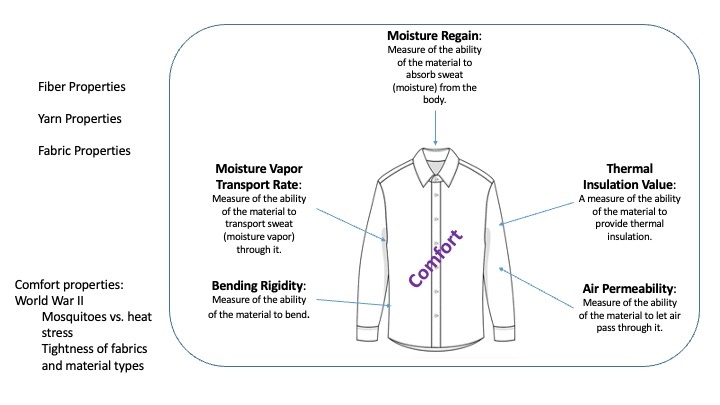
Breathability is a fabric’s ability to allow heat, air, and moisture vapor to move away from the body. In hot climates, high breathability helps regulate body temperature, reduce sweat buildup, and improve overall comfort during prolonged wear.
Breathability is not a single property—it’s a system.
Breaking down breathability into real mechanisms
Air permeability vs moisture vapor transmission
Many people confuse airflow with breathability, but they are not identical.
| Factor | What It Measures | Why It Matters |
|---|---|---|
| Air permeability | How easily air passes through fabric | Cooling effect |
| Moisture vapor transmission (MVTR) | How fast sweat vapor escapes | Dryness & comfort |
| Liquid moisture handling | How sweat spreads or absorbs | Skin feel |
Cotton tends to excel at moisture absorption, while polyester often excels at moisture movement—two very different comfort experiences.
Why breathability matters more in hot climates
In high temperatures, the human body relies on sweat evaporation for cooling. If fabric traps moisture:
- Sweat accumulates
- Skin temperature rises
- Discomfort increases rapidly
This is why breathability directly impacts wear time, user satisfaction, and perceived quality.
Breathability is situational, not absolute
A fabric that feels breathable while walking may feel suffocating when sitting still in humid heat.
| Environment | Breathability Priority |
|---|---|
| Dry heat | Airflow |
| Humid heat | Moisture vapor escape |
| High activity | Moisture management |
| Casual wear | Skin comfort |
Understanding the use scenario is more important than choosing cotton or polyester by default.
Which properties of cotton influence its breathability and moisture behavior?


Cotton’s breathability comes from its natural fiber structure, moisture absorbency, and typically open fabric constructions. It allows air circulation and absorbs sweat quickly, creating an immediate cooling and skin-friendly feel in hot weather.
This is why cotton still dominates hot-climate apparel and casual textiles worldwide.
Why cotton feels breathable to humans
Natural fiber morphology
Cotton fibers have a twisted, hollow structure that naturally traps and releases air.
| Cotton Fiber Trait | Comfort Effect |
|---|---|
| Natural lumen | Improves airflow |
| Hydrophilic surface | Absorbs sweat |
| Soft fiber edges | Reduces skin irritation |
This structure explains cotton’s “cool to the touch” reputation.
Moisture absorption: strength and weakness
Cotton can absorb up to 20–25% of its weight in moisture without feeling immediately wet.
| Advantage | Limitation |
|---|---|
| Immediate sweat absorption | Slow drying |
| Comfortable skin feel | Heavy when soaked |
| Reduced stickiness | Can stay damp |
In dry heat, this is ideal. In humid climates, it can become a drawback.
Fabric construction matters more than fiber alone
Not all cotton fabrics breathe well.
| Cotton Fabric Type | Breathability Level |
|---|---|
| Lightweight plain weave | High |
| Voile / poplin | Very high |
| Heavy canvas | Low |
| Tight sateen | Medium–low |
At SzoneierFabrics, many “cotton breathability complaints” are actually construction issues, not fiber issues.
Real-world example: summer uniforms
In one hot-climate workwear project, switching from 180 GSM cotton twill to 120 GSM plain-weave cotton reduced heat complaints significantly—without changing fiber content at all.
This highlights a key rule: cotton works best for heat when kept light, open, and properly finished.
Which properties of polyester affect breathability, and how does it compare to cotton?


Polyester is naturally hydrophobic and does not absorb sweat like cotton. Instead, it relies on engineered yarn shapes, fabric density, and moisture-wicking finishes to move sweat away from the skin. When designed well, polyester can feel drier than cotton; when designed poorly, it traps heat and feels stuffy.
This explains why people often have very mixed experiences with polyester in hot climates.
Why polyester breathability is often misunderstood
Hydrophobic behavior: the core difference
Unlike cotton, polyester does not absorb moisture into the fiber.
| Fiber Type | Moisture Absorption |
|---|---|
| Cotton | High (hydrophilic) |
| Polyester | Very low (hydrophobic) |
This means polyester stays lightweight when sweating—but sweat must be transported, not absorbed.
Moisture wicking: how polyester compensates
Modern polyester fabrics use capillary action created by:
- Special cross-section yarns
- Micro-filament structures
- Surface finishes
| Design Feature | Effect |
|---|---|
| Multi-channel yarns | Pull sweat outward |
| Fine denier fibers | Increase surface area |
| Wicking finishes | Speed evaporation |
When these elements are present, polyester can feel cooler than cotton during activity, especially in dry heat.
Why polyester often feels “hot” in daily wear
Many polyester fabrics fail in hot climates because:
- Fabric is too dense
- Yarn is too thick
- Finish prioritizes durability over airflow
| Poor Design Choice | Result |
|---|---|
| Tight weave | Trapped heat |
| Heavy filament yarn | Reduced airflow |
| Coatings or laminations | Blocked vapor escape |
This is why low-cost polyester often gets a bad reputation in summer use.
Cotton vs polyester: comfort perception
Comfort is not only physical—it’s psychological.
| Sensation | Cotton | Polyester |
|---|---|---|
| Initial cool touch | Strong | Moderate |
| Sweat feel | Absorbs | Moves |
| Dryness over time | Slower | Faster |
| Skin stickiness | Low | Depends on finish |
At SzoneierFabrics, polyester fabrics intended for hot climates are almost always re-engineered at the yarn and structure level, not selected off the shelf.
How do fabric constructions (woven vs knit) impact breathability in hot climates?
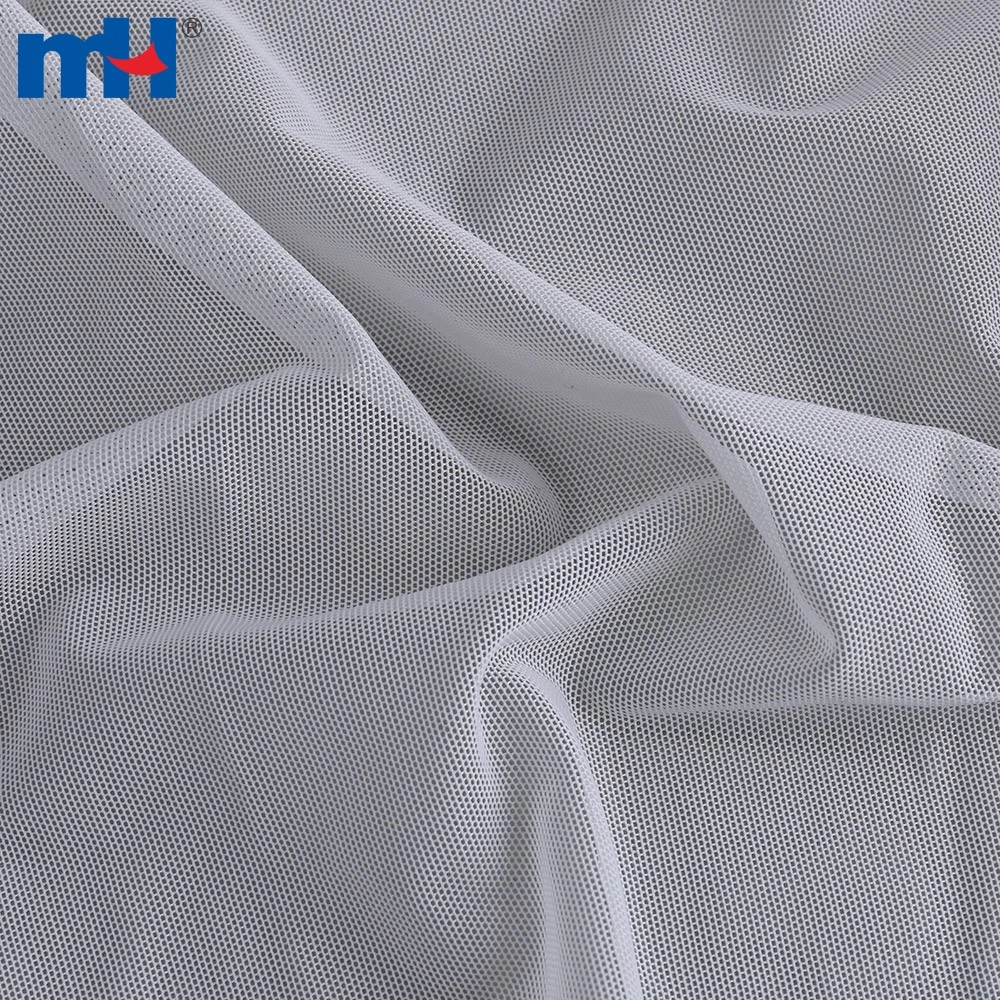

Fabric construction often has a greater impact on breathability than fiber choice. Knitted fabrics generally allow more airflow and flexibility, while woven fabrics offer structure but can restrict ventilation if tightly constructed.
This is why two fabrics made from the same fiber can feel completely different in heat.
Construction determines airflow paths
Woven fabrics: structured but variable
Woven fabrics are created by interlacing warp and weft yarns.
| Woven Type | Breathability |
|---|---|
| Plain weave (lightweight) | High |
| Poplin / voile | Very high |
| Twill | Medium |
| Canvas | Low |
Cotton woven fabrics perform well in hot climates only when yarn spacing is open.
Polyester woven fabrics require even more attention to density to avoid heat buildup.
Knitted fabrics: naturally breathable
Knits are formed by interlooping yarns, creating built-in air channels.
| Knit Type | Hot-Climate Performance |
|---|---|
| Jersey | Good |
| Mesh | Excellent |
| Interlock | Medium |
| Rib knit | Medium–high |
This is why athletic and summer garments often rely on polyester knits rather than wovens.
Stretch and movement matter
Knitted fabrics move with the body, creating micro-ventilation during motion.
| Feature | Comfort Impact |
|---|---|
| Stretch | Reduces skin cling |
| Recovery | Maintains airflow gaps |
| Drape | Improves air circulation |
In hot climates, this dynamic airflow can matter more than fiber absorbency.
Cotton vs polyester by construction
| Construction | Cotton | Polyester |
|---|---|---|
| Lightweight woven | Very breathable | Moderate |
| Knit jersey | Good | Very good |
| Mesh knit | Limited availability | Excellent |
| Heavy woven | Poor | Poor |
This comparison shows why polyester dominates sportswear, while cotton dominates casual summer wear.
Do fabric weight and GSM determine breathability performance in hot weather?
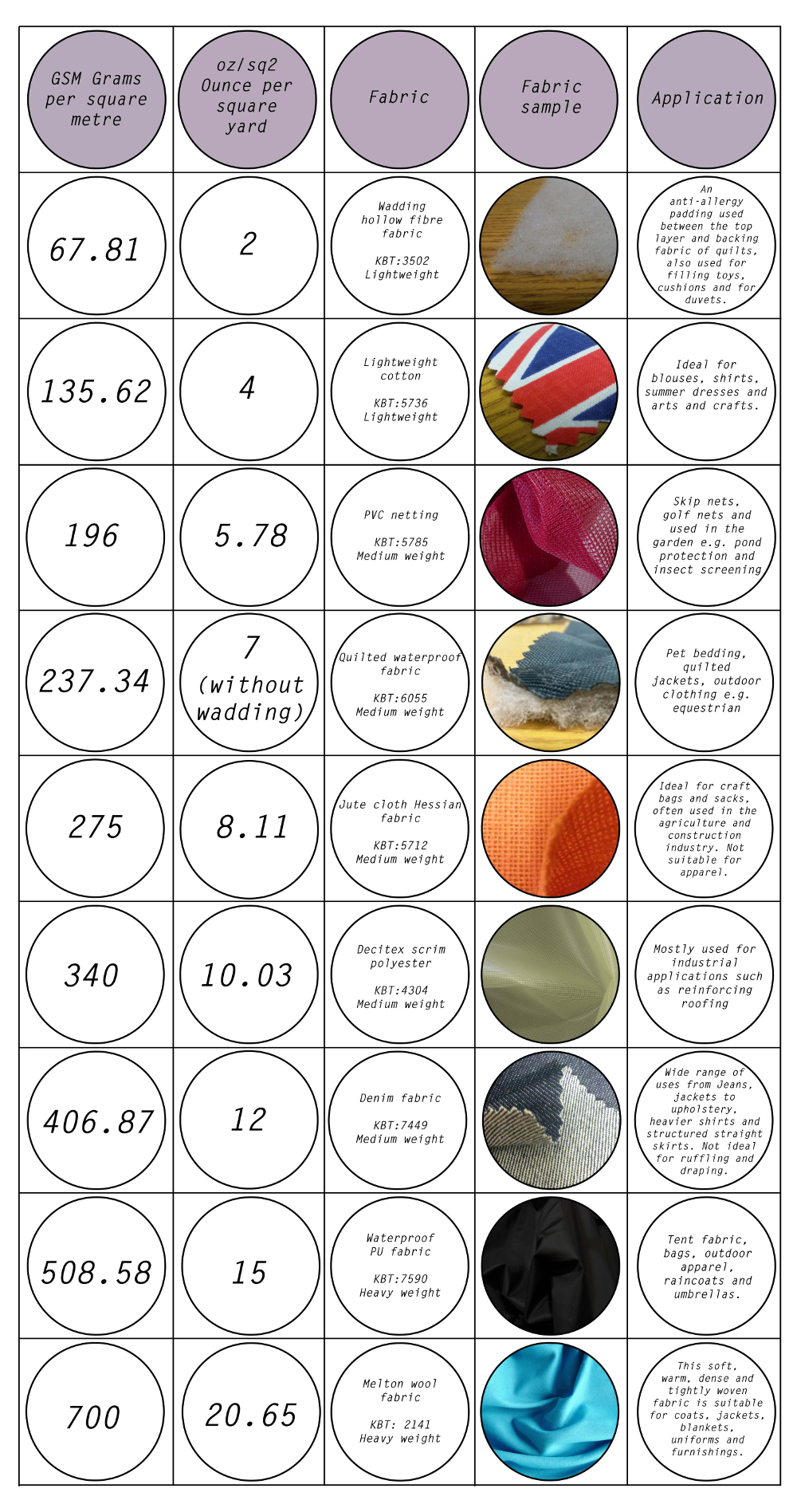
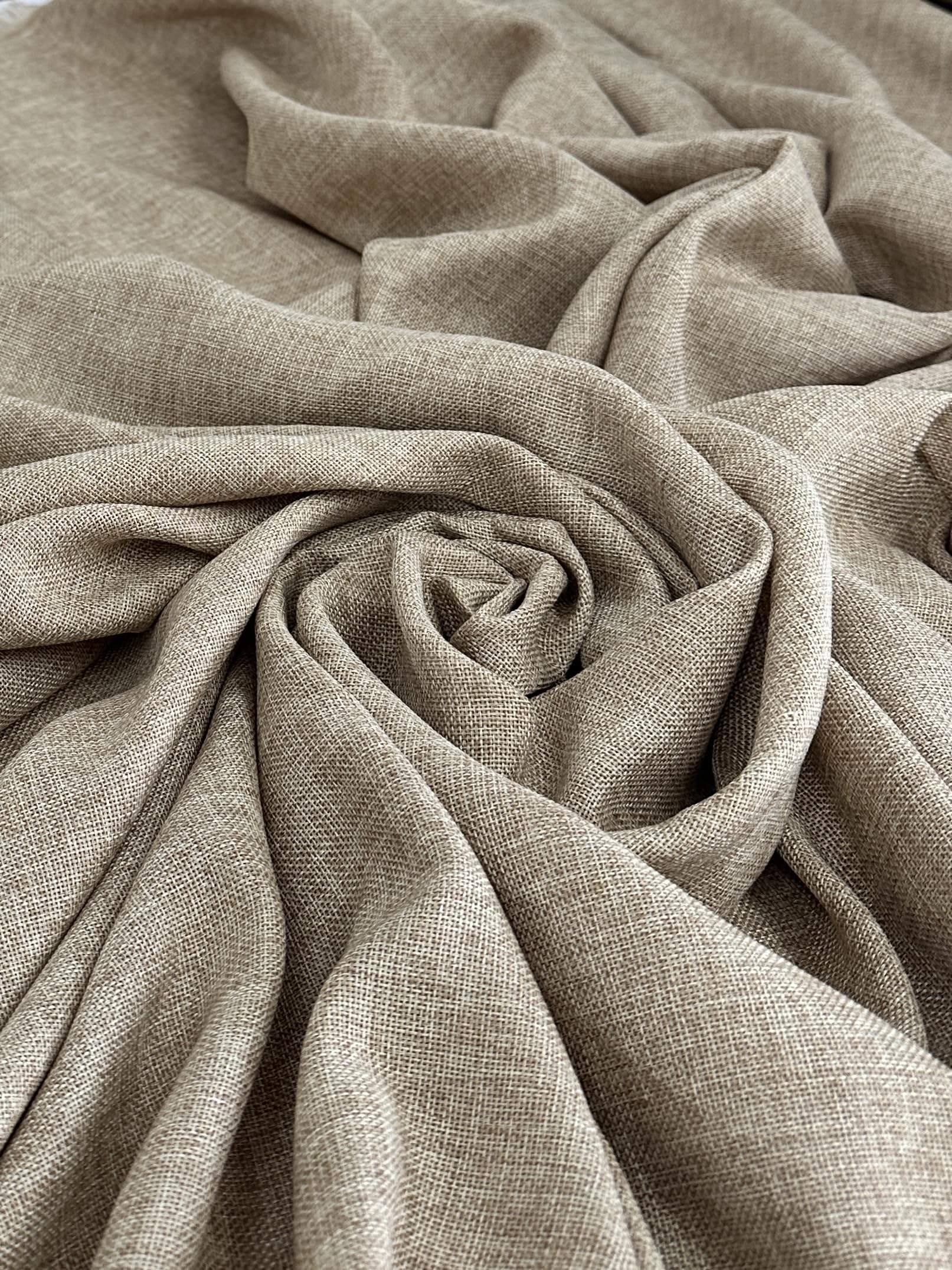

Fabric weight (GSM) strongly influences breathability, but it does not determine it alone. Lower GSM fabrics tend to feel cooler, yet fiber type, yarn thickness, and construction can override GSM entirely.
This is one of the most common sourcing misconceptions.
Why GSM is a guideline—not a rule
What GSM actually measures
GSM measures mass per square meter, not airflow or moisture behavior.
| GSM Indicates | GSM Does NOT Indicate |
|---|---|
| Fabric heaviness | Air permeability |
| Thickness (roughly) | Moisture evaporation speed |
| Material usage | Skin comfort |
Two fabrics with the same GSM can perform very differently in heat.
Low GSM ≠ high breathability (always)
| Example | Outcome |
|---|---|
| Low-GSM tight polyester weave | Poor airflow |
| Mid-GSM open cotton weave | Excellent airflow |
| Low-GSM coated fabric | Trapped heat |
This explains why some “lightweight” summer fabrics still feel hot.
Practical GSM ranges for hot climates
| Fabric Type | Typical GSM Range | Breathability |
|---|---|---|
| Cotton voile / poplin | 80–130 | Very high |
| Cotton jersey | 120–160 | High |
| Polyester mesh knit | 90–150 | Excellent |
| Polyester woven (tight) | 120–180 | Medium–low |
At SzoneierFabrics, hot-climate projects usually start with structure first, then adjust GSM—not the other way around.
Thickness vs density
A dense fabric can weigh less but block airflow.
| Fabric Attribute | Breathability Impact |
|---|---|
| High density | Reduces airflow |
| High loft | Traps heat |
| Open yarn spacing | Improves cooling |
This is why lab airflow tests often reveal surprises.
How do moisture-wicking finishes and technologies change breathability?
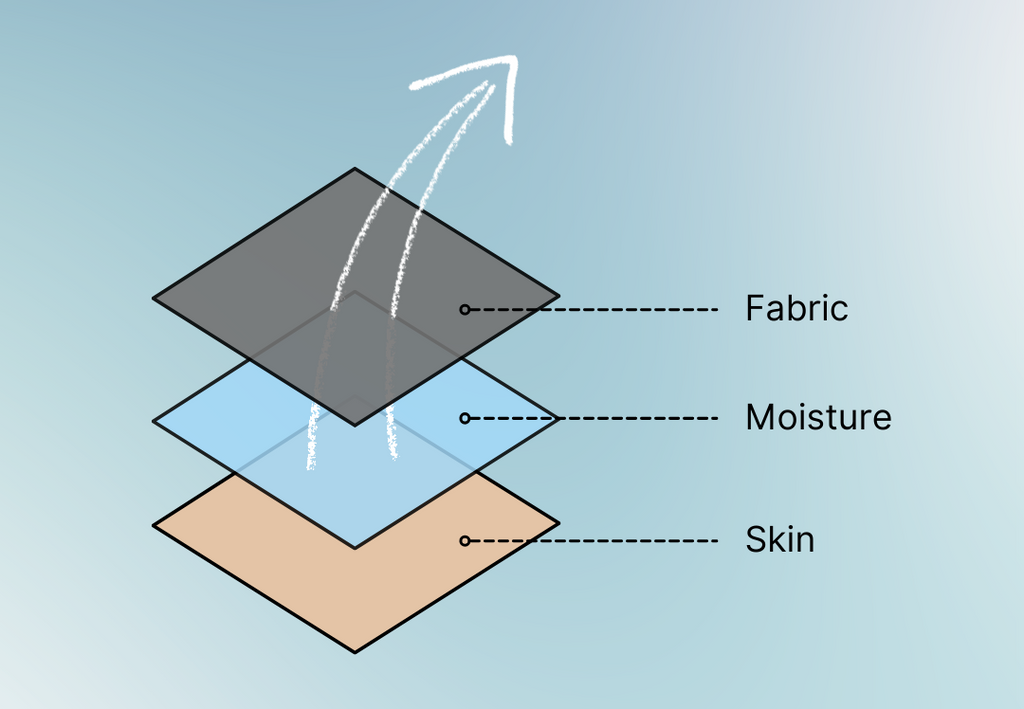

Moisture-wicking technologies can dramatically improve polyester’s hot-climate comfort by accelerating sweat movement and evaporation. However, finishes do not replace poor fabric structure—and their effectiveness depends on durability.
This is where engineering matters more than marketing.
How wicking actually works
Fiber engineering vs surface finishing
There are two main approaches.
| Method | How It Works | Durability |
|---|---|---|
| Engineered yarn shape | Built-in capillary channels | Long-lasting |
| Chemical wicking finish | Alters surface tension | Wash-dependent |
High-quality hot-climate polyester usually combines both.
Why cotton rarely uses wicking finishes
Cotton already absorbs moisture efficiently. Adding wicking finishes often:
- Reduces softness
- Adds cost
- Provides limited benefit
Instead, cotton breathability is optimized through weave openness and fabric weight.
When wicking polyester beats cotton
In high-activity or stop-and-go use:
| Scenario | Better Fabric |
|---|---|
| Outdoor sports | Polyester |
| High humidity + movement | Polyester |
| Long wear with sweating | Polyester |
| Casual daily heat | Cotton |
Polyester dries faster, reducing prolonged dampness.
Durability concerns buyers overlook
Not all wicking finishes last.
| Issue | Risk |
|---|---|
| Finish wash-out | Reduced performance |
| Uneven application | Patchy drying |
| Over-finishing | Stiff handfeel |
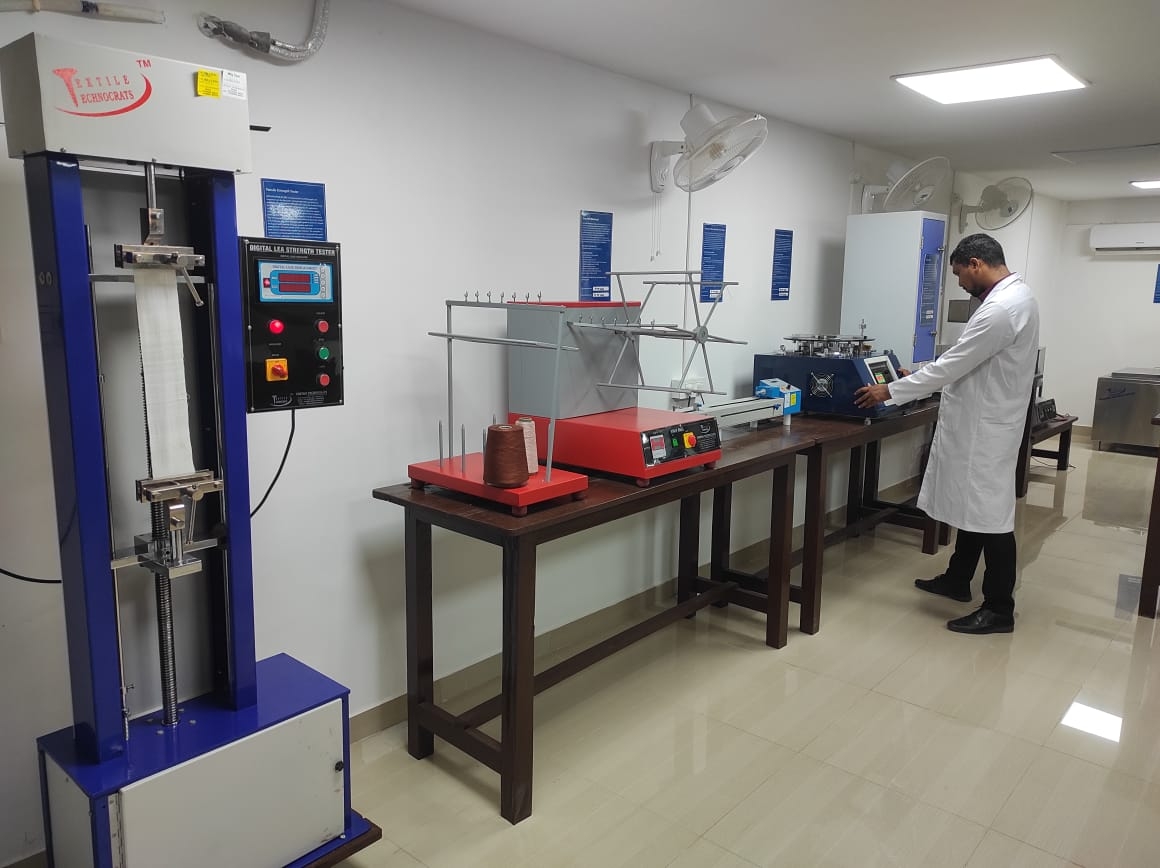
At SzoneierFabrics, hot-climate polyester fabrics are tested before and after wash cycles to confirm real performance—not just initial feel.
Breathability vs “cool touch” confusion
Some finishes create a temporary cool sensation without improving airflow.
| Feature | True Breathability? |
|---|---|
| Cooling additives | No |
| Silicone softeners | No |
| Open structure + wicking | Yes |
Understanding this distinction prevents disappointment in end use.
Are there hybrid or blended cotton–polyester fabrics that balance breathability and durability?

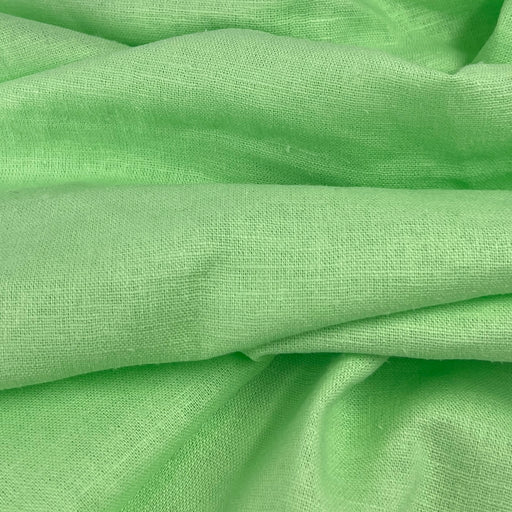
Yes. Cotton–polyester blends are often the most practical solution for hot climates when comfort, durability, and care requirements must coexist. The right blend ratio and construction can deliver breathable comfort close to cotton with faster drying and better shape retention.
Blends are not compromises—they’re engineered balances.
Why blends often outperform pure fibers
How blend ratios change performance
Different ratios shift the comfort–performance balance.
| Blend Ratio | Breathability Feel | Drying Speed | Durability |
|---|---|---|---|
| 80% Cotton / 20% Polyester | Very cotton-like | Moderate | Improved |
| 65% Cotton / 35% Polyester | Balanced | Faster | Good |
| 50% Cotton / 50% Polyester | Moderate | Fast | High |
| 35% Cotton / 65% Polyester | Lower | Very fast | Very high |
For hot climates with daily wear, 65/35 remains one of the most widely used blends globally.
Why blends feel cooler than expected
Blends reduce cotton’s main weakness: slow drying.
| Cotton Issue | Polyester Contribution |
|---|---|
| Holds moisture | Moves moisture |
| Wrinkles easily | Improves recovery |
| Loses shape | Stabilizes structure |
This leads to a fabric that stays drier longer, which often feels cooler overall—even if airflow is slightly reduced.
Construction still matters
A blended fabric can fail breathability if built incorrectly.
| Blend + Construction | Result |
|---|---|
| Open plain weave | Excellent summer comfort |
| Tight twill | Traps heat |
| Knit jersey | Good airflow + softness |
| Dense interlock | Warm feel |
At SzoneierFabrics, blend projects always start with use-case mapping before ratio selection.
Real-world example: travel and workwear
In hot-region uniforms and travel garments, switching from 100% cotton to a 65/35 blend reduced drying time by over 40% while maintaining a familiar cotton handfeel—significantly improving user satisfaction.
What should buyers consider when choosing cotton or polyester for hot-climate applications?

The best fabric choice for hot climates depends on activity level, humidity, wear duration, care expectations, and cost tolerance. Cotton, polyester, and blends each perform best under different conditions.
The smartest choice is situational—not ideological.
A practical decision framework
Start with the environment
| Condition | Priority |
|---|---|
| Dry heat | Airflow |
| Humid heat | Fast drying |
| High movement | Moisture transport |
| Long sitting | Skin comfort |
This alone often narrows options quickly.
Match fabric to activity level
| Use Case | Best Option |
|---|---|
| Casual daily wear | Cotton |
| Outdoor activity | Polyester |
| Travel & uniforms | Cotton–poly blend |
| Sports & performance | Polyester knit |
| Accessories & linings | Lightweight polyester |
Choosing incorrectly often leads to “hot” complaints—regardless of fiber type.
Consider maintenance and lifespan
| Factor | Cotton | Polyester | Blend |
|---|---|---|---|
| Wrinkle resistance | Low | High | Medium |
| Drying speed | Slow | Fast | Medium |
| Shape retention | Medium | High | High |
| Long-term comfort | High | Variable | High |
In many hot regions, ease of washing and drying becomes just as important as breathability.
Avoid common mistakes
- Assuming “natural = cooler”
- Using GSM as the only filter
- Ignoring construction and finish
- Skipping wear testing
At SzoneierFabrics, hot-climate fabrics are evaluated through real-use simulation, not just lab specs.
So, cotton or polyester—what breathes better in hot climates?
Cotton feels more breathable because it absorbs moisture and allows natural airflow. Polyester performs better when engineered to move sweat and dry quickly. Blends often deliver the most reliable balance for everyday hot-climate use.
The real determinant of breathability is not fiber alone—but how fiber, yarn, structure, weight, and finish work together.
Develop Hot-Climate Fabrics with SzoneierFabrics
SzoneierFabrics is a China-based fabric R&D and manufacturing factory with years of experience developing cotton, polyester, and blended fabrics for hot and demanding environments.
We support:
- Free fabric design and technical guidance
- Low-MOQ customization and fast sampling
- Breathability-focused structure engineering
- Multiple GSMs, weaves, and finishes
- Stable quality control and short lead times
If you’re developing fabrics for hot climates and want materials that actually feel cooler in real use, contact SzoneierFabrics to request samples or discuss custom development.