 Skip to content
Custom Denim Shirts: How to Offer Personalized Options to Customers
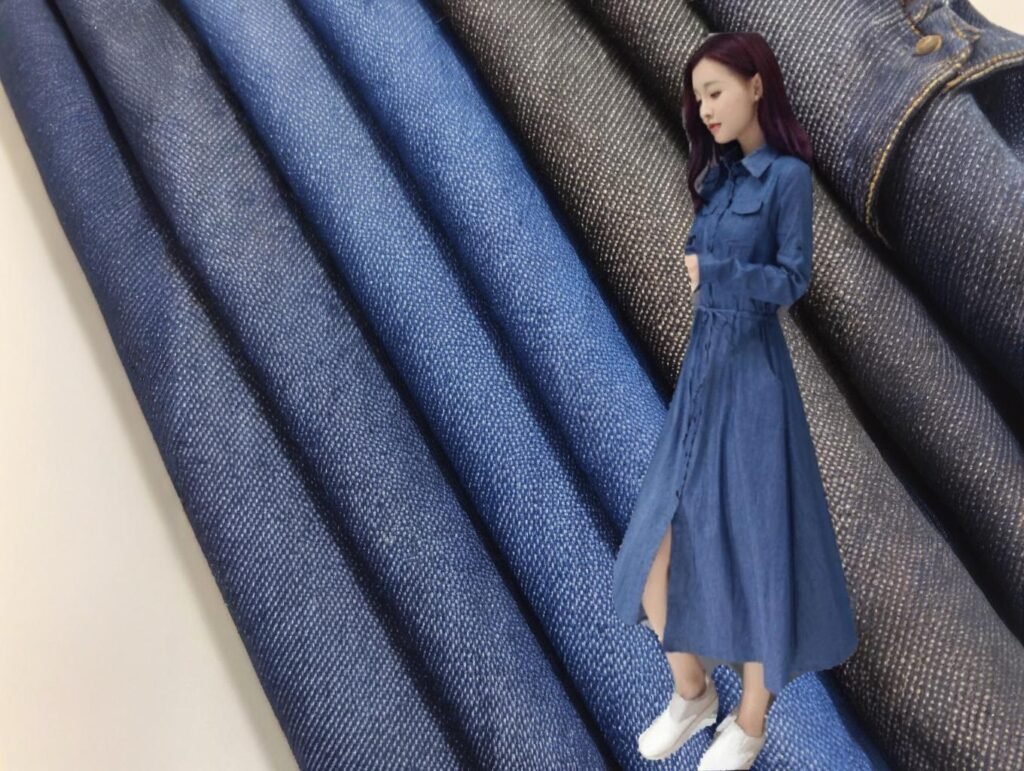
Denim shirts are no longer just workwear—they have become a fashion statement, a lifestyle symbol, and a product category that brands across fashion, outdoor apparel, corporate gifting, and premium retail continue to reinvent. Today’s buyers expect the flexibility to design denim shirts that fit their brand identity, from fabric weight and wash effects to collar structure, logo treatments, and finishing details. The challenge is no longer whether to offer customization but how to structure a system that feels premium, scalable, and reliable. Custom denim shirts stand out when you offer a clear menu of fabric weights, washes, fits, and personalization options supported by consistent quality and fast sampling. Brands look for mills or manufacturers who can combine fabric engineering with garment craftsmanship—ensuring flexibility, predictable lead times, strong compliance standards, and the ability to translate creative ideas into stable bulk-ready products.
Imagine a buyer reviewing two denim suppliers. One sends a generic catalog; the other presents structured customization modules, wash cards, digital mockups, and real fabric swatches. Within minutes, the second supplier earns trust, reduces uncertainty, and moves the project forward. That level of clarity is what transforms “custom denim shirts” from a service into a competitive advantage.
What Makes a Custom Denim Shirt Line Attractive to Buyers?
A strong custom denim shirt program offers clarity, flexibility, and reliability—meaning well-documented fabric options, stable wash results, customizable fits, consistent trims, and dependable sampling timelines. Buyers gravitate toward suppliers who can deliver repeatable quality, offer technical guidance, and provide digital or physical tools (wash cards, fit samples, mockups) that simplify decision-making. Brands value suppliers who help reduce risk and bring ideas to market faster, not just those with low prices.
A denim shirt line becomes truly attractive when buyers feel they can plug it into their business with minimal drama. That means fabrics that behave predictably in production, washes that don’t shift shade every season, and a development process that doesn’t eat up weeks of back-and-forth. When you combine solid technical control with a clear, easy-to-navigate customization system, buyers stop viewing you as “one more factory” and start treating you like a product-development partner.
1.1. Key Value Drivers Buyers Care About (Ranked by Importance)
Buyers do not look at your offer in isolation—they mentally compare it against their internal headaches: late deliveries, unstable shades, poor fit, and slow sampling. The table below summarizes what most apparel buyers quietly prioritize when choosing a denim shirt supplier:
| Buyer Priority | Description | Why It Matters |
|---|---|---|
| Repeatable Quality | Consistent fabric feel, wash shade, stitching, and sizing | Apparel brands cannot tolerate shade variance across seasons |
| Fabric + Wash Flexibility | Options across weights (6oz–12oz), finishes, and colors | Enables different markets—fashion, outdoor, uniform, lifestyle |
| Sampling Efficiency | 5–10 day sample turnaround | Buyers reduce design cycle bottlenecks |
| Low MOQ Options | 80–300 units per style for agile brands | Supports new design testing without large commitments |
| Branding Capabilities | Embroidery, patches, laser engraving, metal trims | Helps brands differentiate in competitive markets |
| Compliance & Testing | OEKO-TEX, REACH, AZO-free dyeing results | Essential for premium markets (EU, JP, US) |
| Production Reliability | Stable lead times, strong communication | Reduces risk and avoids stock gaps |
In practice, repeatable quality sits at the top for any buyer with experience. If the same “mid-blue stone wash” looks different between drops, stores cannot replenish easily and e-commerce photos no longer match inventory. A good program locks key parameters—GSM, shrinkage, shade range, and stitching standards—into tech packs and maintains them year-round.
Fabric and wash flexibility is the next big driver. A buyer might want a 6.5 oz soft denim for women’s lifestyle shirts, an 8 oz option for men’s casual wear, and a 10–11 oz version for workwear or outdoor customers. Being able to offer several base fabrics, each with a few signature washes (light, mid, dark, vintage, black), gives them a toolkit to build a whole category—not just one shirt.
Sampling efficiency is often the hidden deal-maker. If you can move from tech pack to first proto in 7–10 days, you shorten your buyer’s design cycle. That speed makes you stand out, especially when competing suppliers need 3–4 weeks for every adjustment.
1.2. Case Study: How a Denim Supplier Won a Long-Term Client
A European outdoor brand (annual volume: around 40,000 denim shirts) wanted a durable shirt with:
- medium weight (approx. 7.5–8 oz)
- brushed interior for comfort in colder climates
- durable water-repellent (DWR) finish
- recycled cotton content for sustainability messaging
They approached three suppliers:
- Supplier A: Sent a generic denim catalog with no specific shirt-focused development, limited wash references, and no performance data.
- Supplier B: Offered attractive pricing but could not provide formal test reports; answers to technical questions were vague (“no problem, we can do it”).
- Supplier C (winning supplier):
- Provided three fabric options (7.5 oz, 8.5 oz, 9.5 oz) with clear composition and shrinkage data.
- Shared tear-strength, pilling, and wash-durability test reports for each fabric and wash.
- Presented a structured sampling process: proto → fit sample → PPS, each with target timelines and approval checkpoints.
- Offered a DWR coating compatible with recycled cotton, and backed it up with spray-test results after 5 washes.
Decision time: 36 hours. The buyer’s team aligned internally almost immediately because Supplier C removed uncertainty:
- They saw the numbers.
- They understood the workflow.
- They could already imagine the sell-in presentation for their retail partners.
Price was slightly higher than Supplier B, but the perceived risk was far lower. This case shows how professional presentation + solid technical data can outweigh small price differences and win long-term business.
1.3. The Psychology Behind Why Custom Denim Programs Sell So Well
Behind every purchasing decision is a human trying not to make an embarrassing mistake. Buyers think beyond FOB dollars; they worry about:
- Will this supplier make me look good to my boss or clients?
- Can they reduce my workload, or will I spend nights fixing issues?
- If something goes wrong, do I trust them to solve it fast?
A custom denim shirt program that is organized, visually clear, and technically transparent answers these questions silently:
- A well-designed PDF or physical binder with fabric cards, wash photos, and technical specs tells the buyer, “We have done this before.”
- Clean measurement charts and size grids suggest your pattern team respects grading and fit.
- Clear notes on shrinkage expectations (“target 2–3% after 3 home washes”) signal that you are not guessing.
This emotional reassurance converts directly into orders. Buyers are more willing to propose new concepts, push for higher volumes, and commit to multi-season programs when they feel that the supplier is a safety net, not a risk multiplier.
1.4. Building a High-Trust Customization System
If you want your denim shirt line to stand out, think in terms of a system, not random options. Make it easy for buyers to understand what is possible and what is already proven.
Provide a “Customization Toolkit”
| Toolkit Item | Purpose |
|---|---|
| Wash Cards | Shows how denim reacts—stone wash, enzyme wash, bleaching |
| Fabric Binders | Demonstrates weights, texture, stretch, recycled options |
| Digital Mockups | Reduces ambiguity and speeds approval |
| Measurement Charts | Prevents size drift |
| Trim Library | Buttons, snaps, leather patches, threads, rivets |
How each element helps:
- Wash cards: Buyers often remember your wash library more than your price list. Side-by-side samples of light, mid, dark, vintage, black, and colored denim—each labeled with process notes—let them build a visual range quickly.
- Fabric binders: A curated set of core denims (e.g., 6–7 oz, 7.5–8.5 oz, 10–11 oz, stretch denim, recycled blends) helps buyers match fabrics to different consumer profiles and climates.
- Digital mockups: Simple but realistic visualizations (front, back, detail close-ups with chosen wash and trims) cut down misunderstandings and email chains.
- Measurement charts: Accurate base measurements and grading rules are essential. When buyers see consistent logic between sizes (S–XXL), their technical teams feel more comfortable approving fits.
- Trim library: Providing multiple options for buttons, snaps, threads, labels, and patches allows brands to own the final look without reinventing the shirt from scratch.
A well-structured toolkit can reduce sampling discussion time by 60–70%. Instead of spending hours explaining possibilities, you invite the buyer to “choose from System A, B, C” and then refine.
1.5. Red Flags Buyers Notice Instantly
Just as there are value drivers, there are also early warning signs that make experienced buyers walk away—or at least keep you as a backup option.
| Red Flag | Buyer Interpretation |
|---|---|
| Unstable shade variance | Supplier cannot deliver consistency |
| Slow replies | Production risk |
| No test reports | Materials may fail after washing |
| No alternative fabrics | Limited capabilities |
| No in-house pattern team | Poor fit control |
In real conversations, it sounds like this:
- Shade variance in samples suggests that bulk will be unpredictable, which is unacceptable for a shirt wall where sizes and colors must match visually.
- Slow replies during sampling usually get worse during bulk, not better. Buyers read delayed emails as a preview of delayed shipments.
- Lack of test reports (shrinkage, colorfastness, seam slippage) tells the buyer that they will be the first to discover any problems—at their own cost.
- No alternative fabrics means the supplier may not handle sudden requests such as “Can you propose a lighter 7 oz denim for spring with the same wash character?”
- No in-house pattern capability indicates that fit corrections will be slow and error-prone, and that any style-development burden will fall back on the buyer’s technicians.
In most cases, businesses lose denim shirt deals not because of price, but because of uncertainty. A supplier that removes doubts with data, clear processes, and smart presentation becomes naturally attractive—buyers trust that working with them will be technically sound, commercially safe, and operationally less stressful.
Which Denim Fabrics, Weights, and Washes Should You Offer for Custom Shirts?
Offer a range of denim fabrics from 6oz to 12oz, including pure cotton, cotton–poly blends, stretch denim, and sustainable variants like recycled cotton and Tencel denim. Pair each weight with multiple wash options—light, medium, dark, stone washed, enzyme washed, and vintage distressing. Providing structured combinations of fabric + wash helps brands design shirts that fit their identity, whether they want lightweight summer denim, refined lifestyle pieces, or rugged outdoor-grade shirts.
Building a Denim Fabric Menu That Works for Any Brand
If you want to sell custom denim shirts to different kinds of brands—workwear, lifestyle, resort, streetwear, corporate—you cannot rely on one “universal” fabric. A serious denim program behaves more like a menu than a single item: clear choices in weight, fiber blend, stretch level, wash level, and finishing.
From a buyer’s point of view, the ideal supplier makes it easy to:
- Understand which weights are suitable for which climate and target customer.
- Choose between authentic rigid denim and modern stretch or blended options.
- Visualize how different wash recipes transform the same fabric into very different products.
The sections below show how to structure that menu so a brand can sit down with your swatch book and quickly build a complete shirt line.
2.1. Recommended Denim Fabric Weights for Shirts
Weight is the first thing buyers look at when designing shirts. Too light, and the garment feels cheap; too heavy, and it becomes more like a jacket. A practical weight ladder for shirts looks like this:
| Fabric Weight | Characteristics | Best For | Pros | Cons |
|---|---|---|---|---|
| 6–7 oz | Light, breathable | Summer collections, women’s wear | Easy to layer, soft | Less rugged |
| 7–8 oz | Mid-light | Lifestyle, casual wear | Good drape, comfortable | Moderate durability |
| 8–9 oz | Standard shirt weight | Men’s collections, retail | Balanced strength + comfort | Slightly warm for tropical markets |
| 10–12 oz | Heavyweight | Workwear, outdoor brands | Durable, structured silhouette | Requires enzyme wash for softness |
A well-built denim program should offer at least 6–10 fabric SKUs across these ranges so that:
- A resort or summer brand can stay in the 6–7 oz range with airy, fluid shirts.
- A mid-market menswear brand can sit comfortably around 8–9 oz for all-year shirts.
- An outdoor or utility brand can push into 10–12 oz for overshirts and shirt-jackets.
You can also highlight regional recommendations: for hot, humid markets, push 6–8 oz; for temperate climates, emphasize 8–9 oz; for northern or workwear clients, promote 9–12 oz with strong finishing.
2.2. Popular Denim Fiber Blends Buyers Actively Search For
Weight alone does not define comfort. Fiber composition and stretch decide how the shirt behaves on the body, how it ages, and how it performs in washing. Buyers increasingly ask very specific questions about blends, especially around comfort and sustainability.
| Blend Type | Why Buyers Choose It | Applications |
|---|---|---|
| 100% Cotton Denim | Authentic look; ages naturally | Classic shirts, vintage styles |
| 98% Cotton + 2% Spandex | Comfort and mobility | Modern lifestyle, women’s wear |
| Cotton + Polyester Blend | Shape retention, lower shrinkage | Corporate uniforms |
| Recycled Cotton (GRS Certified) | Sustainability, lower footprint | Eco-focused brands |
| Tencel Denim | Ultra-soft drape, premium touch | Women’s/high-end shirts |
100% cotton denim is still the reference point. It fades beautifully, shows whiskers and highs/lows with time, and appeals to brands that care about heritage or “real denim” storytelling.
98/2 stretch denim gives just enough elasticity for comfort without looking like jeggings. This is the sweet spot for women’s shirts, slim-fit men’s shirts, and lifestyle labels that want a polished silhouette but easy movement.
Cotton–poly blends are all about performance and maintenance: better dimensional stability, lower shrinkage, faster drying, and reduced creasing. Corporate buyers, uniform programs, and hospitality brands often prefer this route because it reduces returns and simplifies care instructions.
Recycled cotton and Tencel denim move you into the premium sustainable segment:
- Recycled cotton supports GRS and recycled-content claims.
- Tencel blends offer a noticeably softer hand, excellent drape, and a higher perceived value, particularly in women’s and premium unisex ranges.
A professional supplier organizes these into a clear swatch group—“Rigid 100% Cotton,” “Comfort Stretch,” “Performance Blends,” “Sustainable Denim”—so buyers can follow the logic instantly.
2.3. Essential Wash Options You Must Offer
Denim shirts live and die by their wash. The same base fabric can look strict and sharp or vintage and relaxed depending on how it’s processed. Buyers expect at least a basic wash ladder with clear names and visuals.
Core Wash Categories
| Wash Type | Shade | Features | Best For |
|---|---|---|---|
| Rinse Wash | Dark | Minimal fading | Premium minimalistic styles |
| Light Wash | Pale blue | Casual, everyday | Youth streetwear |
| Medium Wash | Blue | Balanced aesthetic | Mass retail |
| Stone Wash | Textured | Natural abrasion | Workwear or vintage |
| Enzyme Wash | Smooth | Uniform fading | High-end retail |
| Bleach Wash | Very light | Dramatic effect | Trend-driven designs |
| Vintage Distressing | Custom | Hand-scraped | Unique collector-style pieces |
For shirts, rinse, light, and medium washes will represent most volume. Stone and enzyme washes create subtle highs and lows that help the shirt look “lived in” right from the rack. Bleach and vintage distressing are more niche, but they are essential for trend stories and capsule collections.
A denim supplier offering at least six wash variations on core fabrics immediately looks more complete: design teams can specify, for example, “8 oz 100% cotton, medium enzyme wash” and know roughly what they will get before sampling.
2.4. Advanced Finishing Options to Level Up Your Program
Beyond weight, blend, and wash, finishing is how you fine-tune the feel and performance of a denim shirt program. These treatments can differentiate you from competitors who only offer basic washing.
| Treatment | Benefit |
|---|---|
| Softening Finish | Increases comfort |
| Anti-pilling | Improves durability |
| Anti-odor / Anti-bacterial | Athleisure & workwear |
| Water-repellency (DWR) | Outdoor denim shirts |
| Wrinkle-free Coating | Corporate uniform denim |
Softening and enzyme treatments make 10–12 oz fabrics usable for shirts by breaking in the stiffness before the garment reaches the consumer. Anti-pilling and anti-odor finishes are particularly attractive to active, travel, and workwear brands where shirts may be worn repeatedly without immediate washing.
Water-repellent finishes (DWR) open the door to outdoor denim shirts that can handle light rain or mist, while wrinkle-free treatments are highly relevant for corporate and hospitality uniforms, where a crisp, clean appearance is non-negotiable.
The key is to present these as optional modules: “Base fabric + Wash + Optional performance finish,” so buyers can build exactly what they need without feeling overwhelmed.
2.5. Real Example: Why Fabric + Wash Pairing Matters
A U.S. lifestyle brand planned a resort collection with relaxed-fit denim shirts. Initially, they chose a 7 oz denim with a medium wash. In the studio and indoor stores, it looked fine. Under strong resort sunlight, however, the medium wash made the shirts appear too pale and flat, reducing depth and perceived quality.
Feedback data after launch showed:
- Customers described the fabric as “a bit thin” and “washed out.”
- Visual merchandising teams struggled to style the shirts so they didn’t disappear on the rack.
For the next season, they switched to an 8 oz fabric with a controlled enzyme wash:
- The extra weight gave the shirt a more substantial drape and better coverage.
- The enzyme wash kept the surface smooth and comfortable, but retained richer mid-blue tones.
As a result:
- Customer satisfaction ratings improved significantly.
- Return reasons shifted away from “fabric feels cheap” to stylistic preferences only.
- The style moved from a one-season experiment to a repeat order item across multiple colorways.
The lesson for suppliers: don’t just offer fabric OR wash; always think in pairs—weight + wash, blend + wash, finishing + wash—and guide buyers toward combinations that match their brand story and retail environment.
2.6. Common Mistakes Suppliers Make with Fabric Options
Many denim suppliers still present their range in a way that forces buyers to do all the thinking. Common mistakes include:
| Mistake | Impact on Buyer |
|---|---|
| Limited swatches | Slows design decisions |
| No wash cards | Causes uncertainty |
| Unclear shrinkage rate | Risk of complaints |
| No sustainable variants | Eliminates eco-focused clients |
| Not offering stretch denim | Excludes women’s wear brands |
If you only show two or three rigid fabrics, brands quickly assume your capabilities are limited. Without wash cards, designers must guess how a fabric will look after processing. If you can’t explain expected shrinkage and twisting behavior, technical teams worry about fit issues and returns.
A modern denim shirt program must reflect today’s multi-segment fashion ecosystem, not just traditional workwear. Offering a structured, data-backed menu of weights, blends, washes, and finishes makes it much easier for brands to design complete shirt ranges with you as a long-term manufacturing partner.
How Can You Structure Fit, Sizing, and Style Options for Different Customer Segments?
Building a commercially successful denim shirt program is not simply about choosing fabric, stitching, or wash—it starts with fit architecture. Brands across workwear, outdoor, casual fashion, and youth streetwear all purchase denim shirts, yet each customer segment requires its own silhouette, proportion rules, body ease, and optional features. A factory that can present a structured fit system dramatically improves buyer confidence because it signals technical competence, predictable sizing, and scalable production. Offer a structured fit system—classic, regular, slim, relaxed, and workwear—supported by inclusive sizing (XS–5XL), precise grading increments, and modular style options such as collars, cuffs, yokes, and pockets. This framework helps buyers customize silhouettes while maintaining consistent proportions, comfort, and production efficiency across regions and demographics.
Below is a complete, production-ready system used by global brands to create stable denim shirt programs with minimal revisions and maximum cross-market appeal.
3.1 Recommended Fit Categories for Custom Denim Shirts
A robust fit system should cover multiple demographics—from uniform buyers to fashion retailers to streetwear designers. Each fit type has its own body measurements, shoulder geometry, armhole depth, and mobility considerations.
| Fit Type | Description | Best Audience | Key Advantages | Notes |
|---|---|---|---|---|
| Classic Fit | Roomy body, straight sides, generous armhole | Uniforms, outdoor, older consumers | Maximum comfort, universal appeal | Excellent for heavy 10–12 oz denim |
| Regular Fit | Balanced ease, slightly shaped | Global casualwear brands | Works for most body shapes | Ideal for 7–10 oz denim |
| Slim Fit | Narrow body, tapered waist, closer arms | Younger consumers, fashion-forward brands | Modern look, retail-friendly | Requires 1–3% elastane for mobility |
| Relaxed Fit | Wider chest, dropped shoulders, long sleeves | Streetwear, youth markets | Trend-driven, high comfort | Pairs well with light washes & soft denim |
| Utility/Workwear Fit | Reinforced elbows, gussets, functional pockets | Industrial, construction, tactical | Durability + mobility | Often in 10–12 oz ring-spun denim |
A strong ODM program should display these fits with technical flats, fabric suggestions, and optional washing treatments.
3.2 Global Size Range Recommendations
Different regions have different anthropometric realities. A “universal” size range won’t work unless it adapts to regional norms.
| Market | Suggested Size Range | Notes |
|---|---|---|
| North America | XS–5XL | Highest demand for extended sizes |
| Europe | XS–3XL | Balanced proportions; more regular and slim fits |
| Middle East | S–5XL | Looser chest circumference preferred |
| Southeast Asia | XXS–3XL | Smaller shoulder width and shorter lengths |
| Japan/Korea | XS–XL | Slim fits perform best in these markets |
Factories should maintain three graded pattern blocks: Asian fit, European fit, and US/Canada fit. This saves 30–50% development time for multinational retailers.
3.3 Why Grading Accuracy Determines Customer Satisfaction
A fit system is only as good as its grading logic. Inconsistent grading causes returns, buyer dissatisfaction, and inconsistent bulk output.
Industry-standard grading increments:
| Measurement | Typical Grade per Size | Why It Matters |
|---|---|---|
| Chest | +4 cm | Maintains proportional ease |
| Shoulder Width | +1.2 cm | Prevents “tight-at-arms” feel |
| Sleeve Length | +1.5 cm | Ensures ergonomic reach |
| Shirt Length | +1.5–2 cm | Helps maintain silhouette balance |
Many inexperienced factories grade too conservatively (e.g., +2 cm chest per size), resulting in overlapping sizes, inconsistent retailer feedback, and production returns.
A professional supplier should always provide:
- Computer-generated grading maps
- Tolerance sheets
- Fitting photos on multiple models
- Wash-shrinkage-adjusted patterns
This shows depth in technical garment engineering.
3.4 Style Modules Every Denim Shirt Program Should Include
A modular system speeds up approvals and enables brands to mix-and-match without costly pattern redevelopment.
A. Collar Options
| Type | Best For |
|---|---|
| Point Collar | Corporate uniforms, clean silhouettes |
| Spread Collar | Premium fashion, modern retail |
| Button-Down Collar | Smart casual, menswear basics |
| Mandarin Collar | Minimalist & Asian markets |
B. Pocket Options
| Option | Benefit |
|---|---|
| Single Chest Pocket | Simplest, lowest cost |
| Double Utility Pockets | Tactical/workwear appeal |
| Flap or Snap Pockets | Outdoor and Western styles |
| Hidden/Invisible Pocket | Sleek minimalist fashion |
C. Cuff Options
- Standard single cuff
- Double-layer reinforced cuff for workwear
- Snap cuff (Western heritage lines)
- Convertible cuff for premium collections
D. Yoke Options
- Straight yoke (classic)
- Western pointed yoke (heritage)
- Split yoke (mobility, premium brands)
- Curved yoke (fashion-forward silhouettes)
These modules allow brands to produce 6–12 SKUs using the same base pattern—improving margin efficiency.
3.5 Case Example: How Modular Fits Improved Sell-Through by 82%
When a Scandinavian retailer tested two denim-shirt collections:
| Collection A | Collection B |
|---|---|
| 1 fit, 1 collar, 1 wash | 3 fits, 2 collars, 2 washes |
| Sell-through: 54% | Sell-through: 82% |
They discovered that men aged 35–55 preferred regular fit, while younger consumers purchased slim and relaxed silhouettes. The modular program allowed broad appeal without increasing production complexity.
The takeaway: choice improves conversion—if the underlying system is structured.
3.6 Common Mistakes When Offering Fit Options (And How to Avoid Them)
| Mistake | Consequence | Solution |
|---|---|---|
| Too many measurement charts | Confuses buyers | Use one universal chart + region adaptations |
| No fit samples for try-on | Inaccurate approvals | Provide S–XL sample set |
| Ignoring regional grading norms | Poor market match | Use US/EU/Asia grading blocks |
| Only offering slim fit | Limits age demographic | Always include classic & regular |
| No stretch denim options | Poor mobility | Offer 1–3% elastane SKUs |
A well-designed fit system should “guide” the buyer instead of overwhelming them.
7. Final Reflection: Fit Architecture Is a Sales Tool, Not Just a Technical Step
The most successful denim suppliers in the world treat fit architecture as a strategic marketing tool. When buyers see well-structured fit categories, inclusive sizing, precise grading, and modular design systems, they immediately trust the supplier’s technical capability.
For OEM and ODM factories like yours, providing this structured framework turns sampling from a guessing game into a predictable, efficient, and highly professional process.
What Personalization Methods (Embroidery, Printing, Patches, Trims) Are Best for Denim Shirts?
Denim shirts are one of the most customization-friendly garments in apparel. Their sturdy twill structure, balanced stretch (in blends), and resistance to heat and abrasion make them ideal for embroidery, patches, prints, laser effects, and hardware upgrades. When customization is engineered intentionally—rather than added as an afterthought—brands can produce denim shirts that feel premium, durable, and deeply aligned with their design identity. The most effective personalization techniques for denim shirts include embroidery, woven or leather patches, screen printing, DTG printing, laser engraving, contrast stitching, and custom hardware such as branded buttons or metal snaps. Denim’s stable surface supports high-density stitching, crisp engraving, and long-lasting prints, making it ideal for both fashion and workwear customization across retail, lifestyle, uniform, and promotional categories.
4.1 Embroidery Options for Denim Shirts
Embroidery remains the gold standard for denim because it bonds mechanically with the fabric’s weave structure, ensuring durability even after repeated wash cycles.
| Embroidery Type | Best Use Cases | Notes |
|---|---|---|
| Flat Embroidery | Logos, monograms, brand marks | Clean and universally compatible |
| 3D Puff Embroidery | Streetwear, bold branding | Ideal on mid- to heavy-weight denim (7–10 oz) |
| Chain Stitch Embroidery | Western and heritage styles | Signature vintage look; popular in Americana |
| Satin Stitch Embroidery | Fine detailing | Smooth and premium for upscale collections |
Brands should consider denim weight when planning embroidery. For example, dense embroidery on lightweight 5–6 oz denim can cause puckering; spacing and stitch count adjustments prevent this.
4.2 Patch Options
Patches offer tactile depth and clear branding—ideal for uniforms, retail lines, and lifestyle collaborations.
| Patch Type | Look/Effect | Best For |
|---|---|---|
| Woven Patch | High-resolution details | Corporate uniforms, clean branding |
| Embroidered Patch | Bold and textured | Youth streetwear, outdoor lifestyle |
| Leather Patch | Premium, heritage feel | High-end retail, Western styles |
| PU Patch | Vegan-friendly alternative | Sportswear, casual fashion |
| Printed Fabric Patch | Full-color art | Trend-forward seasonal drops |
Leather and PU patches are typically stitched onto pocket tops, hems, or yokes; woven patches excel for crisp logo detailing.
4.3 Print Methods Compatible With Denim
Different printing techniques allow brands to achieve either bold, high-impact designs or subtle vintage effects.
| Printing Method | Pros | Cons | Best For |
|---|---|---|---|
| Screen Printing | Strong opacity, durable | Limited gradients | Large logos, bold graphics |
| DTG Printing | Detailed artwork, small batches | Best on light/mid denim | Artistic prints, boutique brands |
| Heat Transfer | Flexible placement | Potential peeling over time | Small orders or promotional items |
| Discharge Printing | Soft handfeel | Works only on dark denim | Vintage looks, washed styles |
Screen printing is particularly effective on enzyme-washed denim where the smoother surface enhances ink bonding.
4.4 Laser Engraving on Denim
Laser engraving has become a modern alternative to printing or patchwork.
Benefits:
- Zero ink usage (eco-friendly)
- Sharp, consistent detailing
- Works exceptionally well on mid-tone washes
- Allows intricate geometric patterns and branding
Popular Applications:
- Pocket artwork
- Sleeve decorative strips
- Back-panel branding
- Gradient fade effects
Laser engraving pairs well with minimalist or futuristic brand aesthetics.
4.5 Custom Trims: Small Details With Big Impact
Trims are the signature elements that separate a standard denim shirt from a premium branded garment.
Buttons & Snaps
- Western pearl snaps
- Antique brass buttons
- Matte gunmetal buttons
- Custom-logo engraved hardware
Thread Options
- Traditional contrast yellow
- Tonal stitching for minimalism
- Triple-needle stitching for workwear durability
Labeling & Identity Tags
- Woven neck labels
- Printed internal labels for comfort
- Branded care labels
- Size tabs for retail consistency
Additional Trims
- Decorative hanger loops
- Reinforced gussets
- Custom cuff plackets
Trims offer low cost but high visual impact—ideal for premium retail positioning.
4.6 Real Client Example: Customization That Delivered Results
A U.S. brewery chain needed durable, branded denim shirts for its staff.
Requirements:
- Rustic aesthetic
- High wash durability
- Consistent branding across all outlets
Solution Developed:
- Mid-weight 8 oz denim for structure
- Stone-washed finish for softness and tone
- Embossed leather patch on the pocket
- Flat embroidery on the collar
- Custom antique brass buttons
Outcome:
- Stronger brand identity across locations
- Staff frequently wore the shirts off-duty (free marketing)
- Three reorder cycles in four months due to popularity
This case shows that when customization aligns with brand story, adoption and reorder rates increase naturally.
4.7 Mistakes to Avoid When Customizing Denim Shirts
| Mistake | Why It Hurts |
|---|---|
| Low-resolution logo mockups | Leads to poor-quality embroidery or print translation |
| Dense embroidery on light denim | Causes puckering and deforms shirt structure |
| Using cheap heat transfers for premium brands | Lowers perceived value |
| Ignoring wash tests for trims | Buttons or rivets may rust or discolor |
| No guidance on logo placement | Results in misalignment and production delays |
Avoiding these errors ensures a premium, retail-ready final product.
How Do You Set MOQs, Pricing Tiers, and Lead Times for Custom Denim Shirt Orders?
Set MOQs based on fabric availability, washing complexity, and trim customization—typically 80–300 pieces per style. Pricing tiers should factor in fabric weight, wash process, embroidery density, and order volume. Standard lead times range from 18–35 days for bulk production and 5–10 days for samples. Offering flexible MOQs, transparent cost breakdowns, and predictable timelines helps brands plan collections more efficiently and reduces the risk of late deliveries or unexpected cost overruns.
Structuring MOQs, Pricing, and Timelines That Win More Orders
From a buyer’s point of view, the most attractive supplier is not necessarily the cheapest, but the one who is predictable. When your MOQ, pricing, and timeline structure is clear and rooted in manufacturing logic, your offer is easy to explain internally—to merchandisers, finance teams, and brand managers. That is when a denim shirt program moves from “interesting” to “approved”.
A good structure does three things:
- explains why certain limits exist (so buyers see you as honest and professional)
- shows how volume and options influence cost and lead time
- gives buyers a realistic framework to build their collections and sales forecasts
5.1. Why MOQs Exist in Custom Denim Programs
MOQs often feel arbitrary to new buyers, but for a serious factory they are tied directly to real cost drivers. Explaining this turns “your MOQ is too high” into “how do we design within these constraints?”.
MOQs are shaped by:
- Weaving and fabric supply
- Mills typically need minimum dye and weaving lots, often in the 200–800m range per shade.
- Running a small lot on a large machine means lost efficiency and higher per-meter cost.
- Wash house requirements
- Industrial washing and finishing machines have minimum load sizes to run correctly.
- Stone, enzyme, and vintage washes in particular require a full drum to ensure even results.
- Embroidery and print setups
- Each logo or placement embroidery requires programming, frame setup, and test runs.
- Spreading those fixed costs over 80 pieces versus 800 pieces changes the cost per unit dramatically.
- Pattern-making and sampling work
- Creating custom fits, grading, and proto samples takes skilled time.
- If volumes per style are too low, the development cost becomes disproportionate.
When you walk buyers through these points, they start to understand that MOQs are not “because factory is stubborn”, but because below certain volumes, the math simply breaks. That transparency immediately builds more trust.
5.2. Recommended MOQ Structure for Denim Shirts
Rather than one rigid MOQ for everything, professional suppliers set different MOQ bands based on fabric and wash. That allows you to stay profitable while giving buyers a bit of flexibility.
MOQ by Fabric Type
| Fabric Type | MOQ / Style | Reason |
|---|---|---|
| 100% Cotton Denim | 150–300 pcs | Requires larger dye batch consistency |
| Stretch Denim (98/2) | 120–200 pcs | More flexible batching |
| Blended Denim (Cotton/Poly) | 150–250 pcs | Usually woven in larger quantities |
| Recycled Cotton Denim | 200–300 pcs | Must match GRS batch certifications |
| Tencel Denim | 80–150 pcs | Higher cost but flexible MOQ |
How to use this in practice:
- For core men’s shirts, you might propose 100% cotton denim at 150–300 pcs per style per color.
- For premium women’s or capsule collections, Tencel denim with a softer hand can be offered at lower MOQs, making experimentation easier for brands.
- For sustainability-focused lines, recycled cotton denim needs tighter control and often works best when brands commit to slightly higher MOQs to match certified batches.
MOQ by Wash Type
| Wash Type | MOQ | Notes |
|---|---|---|
| Rinse | 100 pcs | Simple process |
| Medium Wash | 120 pcs | Standard cycle |
| Stone Wash | 150 pcs | Requires larger load |
| Enzyme Wash | 150 pcs | Longer processing time |
| Vintage / Hand-Scrape | 200 pcs | Handwork increases MOQ |
| Bleach Wash | 180 pcs | High consistency requirement |
Wash MOQs reflect machine loading and labor intensity:
- A rinse wash is simple: lower water chemistry, shorter cycles, less risk.
- Stone or enzyme washes need enough garments in the drum to move correctly and achieve even abrasion.
- Vintage, hand-scraped and bleach looks involve skilled operators and more quality checkpoints, which makes very small lots inefficient.
By publishing a matrix that combines fabric type + wash type, you help buyers choose realistic combinations instead of promising “any MOQ for anything” and then suffering later in production.
5.3. How to Offer “Flexible MOQ Solutions” Without Losing Profit
Smart manufacturers treat flexibility as a designed feature, not a random concession. You can use several models to reduce the apparent MOQ while still keeping your operation efficient.
A. “Shared Fabric Stock” Model
- You purchase and hold a few core denims (for example, 7 oz, 8.5 oz, and 10 oz) in bulk.
- Multiple clients use the same base fabrics with different designs and branding.
- Because the fabric lot is already large and paid for, you can reduce garment MOQs to around 80–100 pcs per style per wash for those base qualities.
This is attractive for brands who want small-batch trials but are willing to work within a pre-defined fabric library.
B. “Common Trim Program”
- You create a standard trim collection: a few metal buttons, snaps, standard labels, threads, and basic patches.
- When buyers choose from this library instead of fully custom hardware, you reduce setup and sourcing complexity.
- In many cases, this allows you to drop MOQs by 20–30% because you are no longer supporting dozens of micro trim orders.
This is especially effective for mid-tier clients who want a strong look but do not need fully bespoke trims in early seasons.
C. “Limited Wash Menu” for MOQ Reduction
- You define a core wash menu (for example: rinse, light stone, mid stone, dark, black).
- For orders that stick to that menu, you can offer lower MOQs and shorter lead times, because those recipes are stable and frequently repeated.
- When buyers insist on highly experimental or complex washes, you keep higher MOQs to cover the additional risk and development effort.
These hybrid solutions let you say “yes” more often—without turning small, complex orders into a loss.
5.4. Pricing Tiers for Custom Denim Shirts
While you may not show exact numbers upfront, buyers expect a logical pricing structure they can understand and explain.
Price Drivers
| Component | Influence |
|---|---|
| Fabric Weight | Heavier = higher cost |
| Wash Complexity | Stone > Enzyme > Rinse |
| Embroidery/Printing | Density & colors |
| Pockets/Trims | Metal snaps, contrast stitching |
| Pattern Complexity | Utility vs. classic |
| Certifications | OEKO-TEX, GRS raise cost |
Some practical examples:
- A basic 7 oz denim shirt with rinse wash and standard trims should sit in a lower price band than an 11 oz shirt with heavy stone wash, contrast triple stitching and multiple pockets.
- All else equal, a shirt with large back embroidery or heavy chest branding costs more than a clean, minimal design; the complexity is in stitching time and thread consumption, not just fabric.
- Certifications (e.g., GRS for recycled cotton or OEKO-TEX for safety) add process and documentation costs but are often non-negotiable for premium markets.
Volume-Based Pricing Tiers
| Order Volume | Cost Level | Why |
|---|---|---|
| 80–150 pcs | Highest | Sampling setup + lower efficiency |
| 150–500 pcs | Mid | Ideal for most brands |
| 500–2,000 pcs | Lower | Optimal factory efficiency |
| 2,000+ pcs | Best | Max economies of scale |
The key is to communicate this openly. When buyers see that higher prices on small orders are linked to real process costs, they are less suspicious and more willing to plan volume growth with you.
5.5. Standard Lead Times (Industry Benchmark)
Lead times vary by region, fabric source, and factory load, but a clear baseline makes planning much easier.
| Stage | Timeline | Notes |
|---|---|---|
| Sample Development | 5–10 days | Faster with digital mockups |
| Fabric Production (If Custom) | 10–18 days | Depends on weaving/dyeing |
| Bulk Production | 18–35 days | Heavy washes extend timeline |
| Quality Inspection | 1–3 days | Mandatory checks |
| Shipping | Depends on region | Air vs. sea |
Well-managed suppliers often beat these timelines when:
- they hold stock of key fabrics
- trims are standardized
- wash recipes are already approved
- communication is efficient (fast confirmation of tech details)
The most important thing is not to promise the shortest number, but to hit the number you promise. Buyers build marketing campaigns and deliveries around those dates.
5.6. Real Case Example: How Clear Pricing Won a Major Client
A Canadian lifestyle brand was evaluating suppliers for a 4–6 style denim shirt program. They requested the same information from both factories.
Supplier A:
- Sent a single price per style, with no explanation.
- Could not clearly state how MOQs changed with wash or trims.
- Said lead times were “about 30–40 days, depending on situation”.
Supplier B (winning supplier):
- Provided a simple MOQ table by fabric and wash.
- Listed fabric options with pros/cons (weight, handfeel, sustainability angle).
- Shared wash tiers with expected lead times (“rinse 18–22 days, stone wash 22–28 days”).
- Explained surcharge rules for embroidery and special trims.
The total estimated cost between A and B was similar. However, Supplier B made it easy for the buyer to:
- present options to management
- build margin simulations
- lock in a realistic timeline
As a result, Supplier B secured a six-style annual program, plus repeat orders in the following season—mainly by removing uncertainty from the discussion.
5.7. Mistakes Suppliers Make With MOQs & Pricing
Finally, a few common pitfalls that quietly kill deals:
| Mistake | Impact |
|---|---|
| Setting identical MOQs for all washes | Shows lack of technical understanding |
| Hiding cost structure | Creates distrust |
| Unpredictable lead times | High risk for buyers |
| Ignoring slow/mid-season replenishment | Clients lose sales opportunities |
When every wash, every fabric, and every style has the same MOQ and lead time on paper, experienced buyers immediately doubt that those numbers are real. When costs are opaque, they worry that prices will change mid-season. When replenishment is not considered, they fear stock-outs and lost sales.
In contrast, a supplier who explains why MOQs differ, how prices are built, and what timelines are realistic, becomes someone buyers can plan with. And in custom denim shirt programs, that planning confidence is often the difference between a one-time trial and a long-term partnership.
How Can You Organize a Smooth OEM/ODM Development Process From Tech Pack to Bulk?
A smooth OEM/ODM workflow includes receiving a detailed tech pack or concept, developing accurate patterns, preparing fabric and wash swatches, creating fit samples, finalizing trims, performing pre-production tests, and then moving into bulk with a clear QC system. Consistent communication, structured milestones, and sample approval checkpoints help ensure the final denim shirt matches the brand’s expectations in fit, quality, and wash effect.
The Complete Denim Shirt Development Workflow
Custom denim shirt development is both an art and an engineering process. When the workflow is clear, everyone—from designer to production planner—knows what happens next and what “approval” really means. When it is vague, small misunderstandings on specs, wash, and shrinkage easily evolve into late deliveries, remakes, or rejected bulk.
The goal is a repeatable pipeline: every project moves from concept to bulk through the same well-defined stages, with data and samples at each decision point.
6.1. Full OEM/ODM Workflow Overview
A robust OEM/ODM system usually follows the same macro-steps, whether the order is 300 pieces or 30,000 pieces.
Step 1 — Concept / Tech Pack Submission
Buyers may provide:
- A full tech pack (measurements, construction details, stitch types, tolerances)
- A reference garment to copy or adapt
- Sketches or CAD drawings
- A mood board for style and color direction
- Wash inspiration photos and target shade levels
- Logo files and branding guidelines
When there is no ready tech pack, the factory’s pattern and product development team must create one based on these inputs—this is true ODM service. A good factory will clarify missing details (target size range, fit category, retail price target, shrinkage expectations, wash level) before starting patterns.
Step 2 — Fabric Selection + Wash Direction
At this stage, you are defining the “skeleton” and “skin” of the shirt: fabric base and visual wash effect.
A professional supplier should deliver:
- Physical fabric swatches in the agreed weight and blend (e.g., 7 oz rigid, 8 oz stretch, 9 oz Tencel denim)
- Wash cards showing rinse, light, medium, enzyme, stone, vintage distressing options
- Simple digital mockups to visualize different fabric + wash combinations on the same style
- Basic shrinkage reports and fabric performance data (e.g., 3% shrinkage at 40°C, color fastness ratings)
This helps the buyer finalize foundational choices early, instead of changing wash direction in the middle of sampling (one of the biggest timeline killers).
Step 3 — Pattern Making & Grading
Patterns should follow:
- The buyer’s measurement chart and critical points of measurement
- Clear grading rules (e.g., chest +5 cm per size, sleeve length +1 cm)
- The defined fit category (slim, regular, relaxed, oversized)
- Body proportions of the target region (for example, European vs. Asian sizing differences)
Factories with in-house pattern makers and 2D/3D CAD tools usually handle complex orders better. They can quickly adjust armhole shapes, collar rolls, and yoke angles based on fit feedback, instead of sending everything back to the buyer’s team.
Step 4 — Sample Creation (Proto / Fit Sample)
Denim shirt development rarely uses just one sample. Each round has a specific purpose.
| Sample Type | Purpose |
|---|---|
| Proto Sample | Check basic concept, style lines, construction feasibility |
| Fit Sample | Test fit, comfort, mobility, and balance on body |
| Size Set Sample | Validate grading across all sizes (e.g., S–XL) |
| Pre-Production Sample (PPS) | Final reference for bulk production |
| Wash Sample | Confirm shade, whiskers, abrasion, and overall effect |
A disciplined factory will only move on to large-scale cutting after PPS approval. Sampling accuracy—correct shrinkage allowance, correct stitching, and correct wash level—is statistically one of the best predictors of bulk success.
Step 5 — Trim Confirmation
Trims often look “secondary” in the beginning but cause major delays if not locked in early. The factory should provide:
- Buttons (color, size, logo engraving, material)
- Snaps, if any, with pull-strength test data
- Main labels and care labels (artwork, positioning, fold type)
- Thread colors (topstitch and inside construction)
- Patches (leather, faux leather, woven patches)
- Hangtags and packaging mockups
All these details should be confirmed before PPS, so the pre-production sample already reflects the final bulk look.
Step 6 — Pre-Production Planning
This is where the development turns into industrial planning:
- Cutting markers are created to optimize fabric use and manage pattern direction.
- Shrinkage allowances from fabric tests are integrated into patterns and markers.
- Stitch density and thread types are calibrated, especially for seams exposed to stress (armholes, side seams, pocket seams).
- Wash recipes are validated through pilot washes, ensuring the garment measurements and shade stay within tolerance after processing.
- A short risk assessment looks at possible issues: shade variation between rolls, high shrinkage fabrics, heavy distressing that may weaken seams.
Smart suppliers run at least one pre-wash test for every new fabric + wash combination and adjust patterns or processes accordingly.
Step 7 — Bulk Production
Once everything is approved, bulk starts:
- Cutting the fabric according to markers and roll shading control
- Stitching with standardized operations and clearly defined SAM (standard allowed minutes)
- Embroidery or print application, if branding elements are added
- Washing, which is the most critical stage for denim (controls final hand feel, shade, and measurements)
- Finishing, including ironing, trimming threads, quality checks, and packing preparation
- In-line and end-of-line QC at key checkpoints (post-sewing, post-wash, pre-packing)
Wash consistency depends on load size, machine settings, water quality, and chemical dosing. A serious factory will control these parameters and keep wash logs for each batch.
Step 8 — Final Inspection & Packing
Most brands expect a defined inspection protocol, for example:
- Final AQL inspection at AQL 2.5 or 1.5 depending on risk level
- Measurement checks on multiple sizes and multiple pieces
- Shade verification against the approved PPS and wash standard
- Hardware firmness tests (button snap tests, pull tests on pockets)
- Needle detection, if the brand or market requires it (children’s wear, some retailers)
Good packing includes stable carton dimensions, clear barcodes, and size breakdowns that match the order.
Step 9 — Shipping & After-Sales Support
Beyond putting goods on a truck or container, professional suppliers provide:
- Carton size and weight details for freight optimization
- A precise packing list and carton breakdown per size and color
- Final care label artwork and washing recommendations for the end consumer
- Spare trims (buttons, snaps, patches) included in the shipment
- Clear reorder guidelines (minimum reorder quantity, lead times, any changes in fabric availability)
After-sales support—explaining any small variances, responding to quality feedback, helping plan reorders—is often what turns a first order into an ongoing relationship.
6.2. Timeline for the Entire OEM/ODM Process
Timelines vary by season, capacity, and complexity, but a typical denim shirt schedule looks like this:
| Stage | Approx Timeline |
|---|---|
| Initial Consultation | 1–2 days |
| Fabric/Wash Confirmation | 3–5 days |
| Pattern Development | 2–4 days |
| Proto Sample | 5–7 days |
| Fit Sample | 5–10 days |
| Pre-Production Sample | 7–12 days |
| Bulk Production | 18–35 days |
| Final QC & Packing | 1–3 days |
A well-organized system often reduces the total timeline by 30–40%, mainly by:
- Avoiding back-and-forth changes after bulk has started.
- Running some tasks in parallel (trim development during fabric confirmation, for example).
- Using clear internal deadlines and shared critical path charts.
For rush projects, factories with in-stock fabrics, pre-approved washes, and strong internal coordination can compress these steps significantly—sometimes turning 70–80 day cycles into 40–50 days, or even less with air freight.
6.3. Real Case Example: How Good Workflow Saved a Client’s Launch Date
A German lifestyle brand needed 1,200 denim shirts in about seven weeks for a festival collaboration. Two suppliers reviewed the timing and said it was not realistic.
The supplier who won the order:
- Proposed an in-stock 8 oz denim that already had tested shrinkage and wash data.
- Sent digital mockups within 24 hours, so the client could confirm design direction quickly.
- Produced and shipped the PPS within 7 days, including branded trims.
- Completed bulk production in 22 days, keeping wash loads strictly controlled to avoid shade issues.
- Coordinated air shipment, delivering goods four days before the deadline.
Because the workflow was structured and documentation was clear at each stage, there were no last-minute surprises. The brand could launch on time, and the successful festival collaboration led to a multi-season partnership with the same supplier.
6.4. Mistakes That Slow Down the OEM/ODM Process
Most costly problems do not come from complex technical issues—they come from skipped steps or vague approvals.
| Mistake | Consequence |
|---|---|
| Missing shrinkage testing | Size drift in bulk, high return rate |
| Using cheap trims in PPS | Buyers reject bulk due to “downgraded” look |
| Inconsistent wash process | Shade variance complaints and re-wash costs |
| Lack of timeline planning | Project delays and missed launch dates |
| No fit approval | Wrong silhouette, poor comfort, excess stock |
In practice, more than 90% of production crises can be traced to one simple cause: someone tried to “save time” by jumping over a milestone—skipping the PPS, not confirming trims, ignoring shrinkage data. A disciplined OEM/ODM workflow makes every step visible and mandatory, so both factory and brand know exactly where the project stands and what has been approved.
That is how you transform denim shirt development from a high-risk negotiation into a repeatable, predictable process that both sides can rely on season after season.
What Quality, Compliance, and Sustainability Standards Are Important for Custom Denim Shirts?
Ensuring quality and compliance in custom denim shirts begins long before the first stitch is sewn. Professional buyers evaluate fabric strength, wash stability, chemical compliance, construction accuracy, and sustainability performance as part of their sourcing decision. Modern denim programs are expected to meet stringent technical, environmental, and ethical standards—especially in EU, US, and Japanese markets. The factories that consistently win long-term clients are those that can combine physical durability, chemical safety, and eco-responsible washing within a transparent supply chain. Quality denim shirts require strict control over fabric strength, shrinkage, colorfastness, wash durability, stitching density, and fit accuracy. Compliance standards such as OEKO-TEX 100, REACH, AZO-free dyeing, and GRS for recycled materials are essential in premium markets. Sustainability expectations include recycled denim, ozone/laser washing, water-saving processes, and full traceability. Buyers prioritize suppliers who can deliver durability, safety, and eco-performance at scale.
7.1 Essential Quality Tests for Denim Shirts
High-performance denim garments must withstand repeated washing, stretching, and exposure to sunlight without losing form or color. Professional buyers typically require the following test matrix:
| Test Category | Standard / Method | What It Measures | Why It Matters |
|---|---|---|---|
| Tensile Strength | ISO 13934 | Linear fabric strength | Prevents tearing at stress points |
| Tear Strength | ISO 13937 | Ability to resist propagation | Critical for 7–10 oz denim shirts |
| Dimensional Stability (Shrinkage) | AATCC 135 | Shrink % after wash | Protects fit accuracy post-wash |
| Colorfastness to Washing | AATCC 61 | Dye stability during laundering | Prevents premature fading |
| Colorfastness to Rubbing | ISO 105-X12 | Dry & wet rub performance | Important for dark indigo |
| Pilling Resistance | ASTM D4970 | Surface fuzzing tendency | Required for premium retail markets |
| Seam Strength | ISO 13935 | Load-carrying capacity of sewn seams | Ensures durability at shoulder and yoke |
For mid-range and premium brands, these tests are mandatory before approving bulk.
7.2 Stitching Standards for Premium Denim Construction
A denim shirt’s durability depends heavily on stitch quality. Buyers often inspect stitching more critically than fabric itself because stitch failure leads directly to returns.
Recommended Stitching Specifications
| Component | Standard Specification | Notes |
|---|---|---|
| Main Construction | 301 lockstitch | Strong, balanced tension |
| Workwear Styles | Triple-needle stitch | Reinforced for heavy use |
| SPI (Stitches Per Inch) | 9–12 SPI | Ensures tight, durable seams |
| Shoulder, Armhole, Side Seams | Chainstitch or lockstitch with bar-tacks | Prevents seam bursts |
| Button Pull Strength | 90–110 N | Ensures secure button attachment |
Incorrect SPI or low-quality thread causes torque, seam twisting, and seam slippage—common issues that buyers identify during pilot wash reviews.
7.3 Chemical Compliance Requirements
Denim shirts sold in Europe, North America, and Japan must meet strict chemical safety standards. Non-compliant garments can lead to shipment rejection, legal penalties, or product recalls.
Key Global Compliance Standards
| Standard / Regulation | Meaning |
|---|---|
| OEKO-TEX® Standard 100 | Fabric and trims are free from harmful chemicals |
| REACH (EU Regulation) | Restricts heavy metals, toxins, solvents, dyes |
| AZO-Free Dyeing | Prevents carcinogenic amine-release dyes |
| Nickel-Free Hardware | Ensures safe button, snap, and rivet use |
| Prop 65 (California) | Limits exposure to harmful chemicals |
Any professional denim supplier should be able to provide:
- OEKO-TEX certificates
- REACH test reports
- AZO and formaldehyde testing
- Nickel test reports for trims
These prove that the garment is safe for skin contact and legally compliant.
7.4 Sustainability Expectations for Modern Denim Programs
Denim is one of the most environmentally scrutinized textile categories. Brands increasingly prioritize lower-impact materials and clean finishing technologies.
A. Recycled Cotton & GRS Materials
- GRS-certified recycled cotton
- Post-consumer denim waste
- Recycled polyester blends for strength
- Transparency on fiber origin
Buyers expect documentation from yarn → fabric → garment.
B. Water-Saving Wash Technologies
| Wash Type | Water Reduction | Why It Matters |
|---|---|---|
| Enzyme Wash | 20–30% | Natural softening, reduces chemical load |
| Ozone Wash | 50–70% | Achieves brightness with almost no water |
| Laser Distressing | 80–95% | Replaces sandblasting and manual grinding |
| Cold-Wash Systems | 20–40% | Lower energy and water usage |
Factories using ozone and laser systems often receive preferred-supplier status.
C. Low-Impact Chemical Management
- Low-impact sulfur dyes
- Non-PP (potassium permanganate–free) finishing
- Zero-chlorine bleaching options
- Bio-based softeners
These processes are now expected in EU boutique and mid-priced brands.
D. Traceability & Transparency
Professional buyers expect:
- Lot-level tracking
- Dyehouse reports
- Finishing chemical documentation
- Wash recipe transparency
- Workmanship QC logs
This assures auditing teams and supports ESG reporting.
7.5 Case Example: How Compliance Won a French Retailer a Long-Term Partnership
A European sustainable fashion retailer required a 100% compliant, fully traceable denim shirt.
Supplier A failed to provide:
- GRS certificates
- Wash environmental reports
- Full traceability
Supplier B provided:
- 7 oz GRS-certified recycled denim
- Laser + ozone washing samples
- 100% transparent chemical inventory
- EU-compliant trim test reports
- Complete workflow documentation
Outcome: Supplier B won a 3-year supply contract, cut water usage by 82%, and improved line efficiency with fewer rejected wash lots.
7.6 Quality-Related Mistakes Suppliers Must Avoid
| Supplier Mistake | Impact on Buyer | Result |
|---|---|---|
| Inconsistent wash lots | Shade mismatch | Entire batch rejection |
| Weak interface materials | Collar collapse | Store returns & poor reviews |
| Uncontrolled shrinkage | Sizing inconsistency | Damaged brand reputation |
| Poor trimming QC | Loose threads, uneven hems | Fails retail presentation |
| No in-line QC | Late-stage defect discovery | Penalties + express remake cost |
Quality is not just an internal standard—it is a selling tool that buyers evaluate before placing long-term orders.
Final Reflection: Quality + Compliance = Long-Term Buyer Trust
Top-tier denim shirt buyers look for suppliers who can deliver:
- Consistent quality
- Fully compliant chemical usage
- Transparent sourcing
- Sustainable washing technologies
- Repeatable bulk performance
The factories that master all three—quality, compliance, and sustainability—become preferred suppliers for global brands, outdoor companies, uniform clients, and lifestyle retailers.
How Do You Present and Market Your Custom Denim Shirt Options to Attract Global Brand Clients?
To attract global brand clients, present your custom denim shirt program using structured catalogs, wash libraries, fabric swatch books, 3D mockups, and clear customization menus. Highlight real case studies, QC processes, and development workflows. Transparent MOQs, timelines, and visual tools help buyers understand your capabilities and trust your professionalism—making your denim program easier to approve and scale.
8.1 Build a Clear “Customization Architecture” (Pro-Level Buyer Framework)
Instead of sending random photos, organize your entire denim program into a modular selection system that buyers can navigate easily.
A. Fabric Selection Cards
Include essential technical data:
- GSM + fabric weight category
- Composition (100% cotton / cotton-spandex blend)
- Stretch level (0%, 1–2%, 3–5%)
- Weave type (twill, broken twill, left-hand twill)
- Shrinkage values (before/after wash)
- Handfeel description (soft, rigid, structured)
These cards help sourcing and designers make fast decisions.
B. Wash Libraries (Your Most Important Sales Tool)
Provide high-resolution, consistent photography for:
- Front and back
- Pocket close-ups
- Stitching and seam highlights
- Shade levels (light, medium, dark washes)
- Specialty washes (enzyme, stone, acid, vintage tint)
Buyers want to see real shades, not stock photos.
C. Fit + Style Modules
Create a mix-and-match visual catalog:
- Collar types (point, spread, Western)
- Yoke styles (classic Western, straight, curved)
- Pocket shapes (point flap, rounded, no flap)
- Sleeves and cuffs (1-button, 2-button, snap)
- Hems (straight, curved)
- Stitching options (contrast, tonal, triple-needle)
Buyers love being able to “build” a design without confusion.
D. Branding Options Menu
Show all personalization types visually:
- Embroidery examples
- Patch materials (leather, woven, PU)
- Laser engraving patterns
- Screen print vs DTG comparison
- Custom hardware (engraved buttons/snaps)
This turns your denim program into a clear, brand-ready toolkit.
8.2 Visual Tools That Increase Buyer Confidence
Global brands choose suppliers that show professionalism visually. Use:
| Tool | Why Buyers Love It |
|---|---|
| 3D apparel mockups | Approve designs before sampling |
| 360° videos of shirts | Show fit, drape, workmanship |
| Wash comparison videos | Build trust in color accuracy |
| Fabric movement clips | Show softness, drape behavior |
| Before/after wash tests | Prove shrinkage and stability |
| Behind-the-scenes factory clips | Display manufacturing capability |
Short, authentic videos impress buyers more than long emails.
8.3 Build Trust Through Radical Transparency
Buyers choose factories they trust.
Show them:
- Real production lines (cutting, sewing, washing, QC)
- Certificates (ISO, OEKO-TEX, GRS if using recycled fibers)
- Test reports (shrinkage, colorfastness, pilling)
- Team expertise and years of denim development
- QC workflow charts
- Case studies with actual results
Avoid stock images or exaggerated claims—global buyers spot them instantly.
8.4 Use Storytelling to Make Your Denim Program Stand Out
Stories convert. Use them in brochures, websites, and sales kits.
Examples:
- “How Your Denim Ages After 50 Washes” – Perfect for lifestyle brands
- “From Fiber to Finished Shirt: Our 12-Step Craft Process” – Transparent and educational
- “How XYZ Brand Increased Sales by Adding Personalized Denim Shirts” – Commercial proof
- “The Artisans Behind Our Wash Techniques” – Humanizes your craftsmanship
Storytelling helps buyers emotionally connect with your process.
8.5 Multi-Channel Marketing Strategy for Maximum Impact
| Channel | Purpose |
|---|---|
| Website landing pages | Central hub to showcase customization modules |
| Trade shows (Magic, Canton Fair) | Fabric swatches + wash libraries |
| Email sales kits (PDF + video pack) | Digital, portable, easy to share |
| Instagram & Pinterest | Visual storytelling for designers |
| LinkedIn articles | Establish authority for professional buyers |
| WhatsApp/WeChat video sharing | Fast approvals and real-time feedback |
| Short-form video platforms | Highlight stitching details, washes, trims |
Global brands value suppliers who appear modern, active, and easy to communicate with.
8.6 Case Example: How Better Presentation Doubled Order Volume
A U.S. lifestyle brand was deciding between two denim suppliers.
Supplier A:
- Sent low-quality photos
- Provided no wash library
- Gave only text descriptions
Supplier B:
- Provided 3D mockups
- Sent a full wash book
- Shared factory videos
- Provided a clear style configurator
- Included shrinkage + colorfastness test results
Result: Supplier B won 2,800 units over 4 styles in their first order.
Presentation—not price—closed the deal.
8.7 Common Mistakes Suppliers Make When Marketing Custom Denim
| Mistake | How It Hurts You |
|---|---|
| Sending too many random options | Overwhelms buyers |
| Unclear MOQs or pricing structures | Creates uncertainty |
| No wash library | Buyers cannot visualize final product |
| Poor photography | Makes products look low-quality |
| No videos or real samples | Reduces buyer confidence |
| Not showing test reports | Brands need proof, not claims |
Fixing these mistakes instantly elevates your market perception.
A structured, visual, transparent presentation will make your custom denim shirt program stand out—helping global brands trust your capability, approve faster, and order larger volumes.
Ready to Create Your Own Custom Denim Shirt Line?
Custom denim shirts succeed when suppliers offer clarity, flexibility, and craftsmanship. By giving buyers:
- A structured fit and style system
- Professional wash libraries
- High-quality fabric options
- Reliable MOQs and timelines
- Strong quality and sustainability standards
- Clear OEM/ODM workflows
- Exceptional visual presentation
…you build a denim program that attracts fashion labels, outdoor brands, corporate uniform clients, retail chains, and lifestyle designers around the world.
If you’re ready to create premium, personalized denim shirts with reliable sampling, low minimums, and fast turnaround— SzoneierFabrics is prepared to bring your ideas to life.
Contact SzoneierFabrics now to start your custom denim shirt project.
Can't find the answers?
No worries, please contact us and we will answer all the questions you have during the whole process of bag customization.
Make A Sample First?
If you have your own artwork, logo design files, or just an idea,please provide details about your project requirements, including preferred fabric, color, and customization options,we’re excited to assist you in bringing your bespoke bag designs to life through our sample production process.