Skip to content
Ramie is one of those fibers that almost everyone has heard of—but very few people can clearly define. It often appears in fabric descriptions, gets compared to linen, and is sometimes praised as a “forgotten natural fiber.” Yet when asked what ramie actually is, how it’s made, or why it behaves the way it does, the answers are usually vague.
This lack of clarity leads to misunderstandings. Some people assume ramie is just another name for linen. Others think it’s a blended or semi-synthetic material. In reality, ramie is one of the oldest and strongest natural plant fibers ever used by humans, with characteristics that set it apart from both cotton and linen. Ramie is a natural cellulose fiber derived from the stalks of the ramie plant (Boehmeria nivea). It is classified as a bast fiber and is known for its exceptional strength, breathability, fast moisture release, and durability. Ramie has been used for thousands of years and remains valued today for warm-weather textiles, apparel fabrics, and performance-oriented natural materials.
What makes ramie interesting isn’t just its history—it’s how its properties still solve modern problems like heat discomfort, fabric fatigue, and short garment lifespan. Many designers only discover its value after years of working with cotton or linen and hitting their limits.
To truly understand ramie, we need to start with a clear definition—what it is, what it is not, and why it deserves its own category among natural fibers.
What Is Ramie and How Is It Defined as a Natural Fiber?
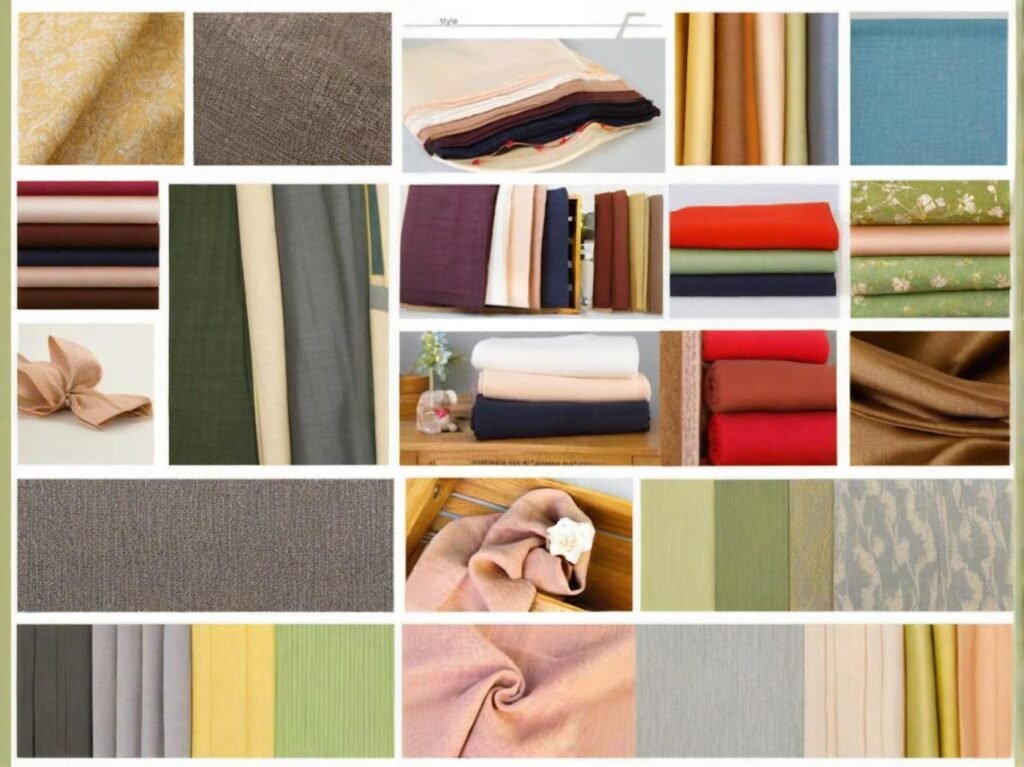
Ramie is a natural bast fiber extracted from the stalks of the ramie plant, scientifically known as Boehmeria nivea. Composed primarily of cellulose, ramie is defined by its high tensile strength, low elasticity, excellent breathability, and resistance to moisture-related degradation. Unlike synthetic fibers, ramie is fully plant-based and biodegradable.
This definition places ramie firmly in the family of natural cellulose fibers, alongside cotton, linen, hemp, and jute—but with unique traits that make it particularly useful in specific textile applications.
What Makes Ramie a Distinct Fiber Category?
Ramie is not a commonly understood fiber in the same way that cotton and linen are, yet it possesses unique properties that make it highly valuable in certain textile applications. Here’s why:
- Bast Fiber Classification: Ramie belongs to the bast fiber group, meaning it is derived from the fibrous stalks of a plant, similar to linen and hemp. This gives ramie unique structural advantages over other natural fibers like cotton, which comes from the plant’s seed.
- High Strength: Unlike cotton or linen, which vary in strength, ramie fibers are renowned for their exceptionally high tensile strength, making them ideal for products that require durability.
Classification of Ramie Among Textile Fibers
| Fiber Type | Source | Category |
|---|---|---|
| Ramie | Ramie plant stalk | Bast fiber |
| Cotton | Cotton boll | Seed fiber |
| Linen | Flax stalk | Bast fiber |
| Wool | Animal hair | Protein fiber |
Ramie and linen share the same bast fiber category, but their chemical composition and fiber structure differ significantly, giving them distinct properties. Cotton, on the other hand, belongs to the seed fiber category and has very different characteristics, particularly in terms of strength and moisture retention.
Chemical Composition
| Component | Approximate Content |
|---|---|
| Cellulose | 68–76% |
| Hemicellulose | Low |
| Lignin | Very low |
| Natural gums/pectins | Moderate (removed in processing) |
Ramie’s high cellulose content is one of its defining features, contributing to both its strength and moisture behavior. Unlike cotton, which contains more waxes and natural oils, ramie is purer, and much of the hemicellulose and lignin are removed during processing, enhancing its durability and breathability.
The low hemicellulose and lignin content allow ramie to maintain its strength without the brittleness often seen in other natural fibers as they age. Its high cellulose content also contributes to excellent moisture absorption and fast drying.
Physical Identity of Ramie Fiber
| Property | Ramie Character |
|---|---|
| Fiber length | Very long |
| Fiber strength | Extremely high |
| Elasticity | Low |
| Surface | Smooth, straight |
| Natural color | Off-white to pale |
Ramie fibers are typically long and straight, contributing to their smooth texture and high strength. These physical characteristics allow ramie fabrics to maintain their structure and resist wear and tear longer than cotton or linen.
However, the low elasticity means that ramie does not stretch like cotton fibers do, which can limit its use in fabrics that require a high degree of flexibility, such as knitwear.
The off-white to pale color of raw ramie fibers makes them ideal for dyeing, though they are often processed to a finer, whiter finish.
What Ramie Is Not
- Not synthetic: Ramie is a true natural fiber, extracted directly from the plant, not made from petroleum or artificial processes like synthetic fibers.
- Not regenerated cellulose (like viscose): Unlike viscose (a form of regenerated cellulose), ramie retains its natural fiber structure and is not chemically dissolved and re-formed.
- Not the same as linen: While both are bast fibers, ramie has much stronger fibers and lower elasticity than linen, giving it a different texture and performance profile.
- Not a default blend: Mislabeling occurs when ramie is blended with fibers like cotton or viscose. In these cases, manufacturers must clearly specify the proportions to avoid confusion.
Ramie should be understood as a distinct natural fiber with properties that distinguish it from cotton, linen, and synthetic fibers.
Real-World Understanding
Many people may not recognize ramie by name, but they often appreciate its benefits once they experience it in wear. Garments made from ramie feel cooler, lighter, and stronger than expected. This practical experience explains ramie’s value more effectively than technical specifications alone.
For example, in hot, humid environments, ramie fabrics often provide better thermal comfort than cotton or linen due to their ability to wick moisture away from the skin and dry quickly.
Key Takeaway
Ramie is a true natural fiber with a unique combination of mechanical strength, moisture management, and breathability. Its superior tensile strength, low elasticity, and high cellulose content set it apart from other natural fibers, especially in performance-based applications where durability and comfort are essential. Understanding ramie’s physical and chemical properties helps clarify why it excels in applications ranging from durable apparel to eco-friendly textiles.
Where Does Ramie Come From and How Is It Harvested?
Ramie comes from the stalks of the ramie plant, a perennial crop primarily grown in East Asia. The plant can be harvested multiple times per year, and the fibers are extracted from the outer bark of the stalks, making ramie one of the most renewable natural textile fibers available.
Its unique agricultural profile plays a major role in its sustainability and consistency, with minimal need for replanting and high fiber yield efficiency.
Ramie as an Agricultural Fiber Crop
The ramie plant is one of the most eco-friendly and sustainable fiber crops. It offers several advantages over other fibers like cotton and flax, including faster growth, lower land-use impact, and fewer resource demands during cultivation.
Geographic Origins and Cultivation Regions
Ramie is primarily grown in regions where tropical or subtropical climates are ideal for fast-growing perennials. Its historical and current cultivation patterns reveal the global supply chains and regions driving its growth.
| Region | Role in Ramie Production |
|---|---|
| China | Largest global producer, with centuries of cultivation and refinement |
| East Asia | Historical origin, where ramie has been used for thousands of years |
| Southeast Asia | Expanding cultivation, increasingly seen in Vietnam, Thailand, and Indonesia |
| South America | Small-scale trials, with efforts to introduce ramie cultivation in countries like Brazil |
China remains the dominant producer and has led the way in refining both farming and processing techniques for ramie, making it the most significant supplier in the global market.
Growth Characteristics of the Ramie Plant
The ramie plant is particularly well-suited for sustainable agricultural practices. Its perennial nature means that it doesn’t need to be replanted every year, unlike annual crops such as flax (linen) or cotton. This provides several agronomic benefits.
| Feature | Ramie Plant |
|---|---|
| Plant type | Perennial |
| Harvests per year | 2–4 |
| Growth speed | Very fast |
| Replanting need | Low |
Ramie can be harvested multiple times per year—2 to 4 cycles—which improves the land efficiency and reduces soil depletion compared to crops that require annual replanting. This perennial nature makes ramie a low-maintenance, high-yield crop.
Harvesting Process
The process of harvesting ramie is highly efficient, contributing to its renewable status. The main steps involved are as follows:
- Stalks are cut at maturity, generally after 60–90 days of growth.
- Leaves are removed to prevent contamination and ensure clean fiber extraction.
- The stalks are bundled and sent for fiber extraction, where the outer bark is separated from the inner woody core.
The stalks are the primary source of the fiber, with the outer bark being stripped away for use. The remaining plant material can either be discarded or repurposed (e.g., used for biomass).
This harvesting technique allows for multiple annual harvests, making the crop highly efficient and sustainable in terms of land use.
Fiber Yield Efficiency
Ramie is known for its high fiber yield, which improves its efficiency compared to other natural fibers. Its fast growth and ability to produce multiple harvests per year contribute to a high fiber yield per hectare.
| Crop | Fiber Yield per Hectare |
|---|---|
| Ramie | High |
| Linen (flax) | Medium |
| Cotton | Medium |
Compared to flax and cotton, which yield moderate amounts of fiber per hectare, ramie’s high yield reduces the pressure on land resources, making it an environmentally sustainable choice.
Environmental Implications
Ramie is environmentally friendly in terms of both agricultural inputs and its natural pest resistance. It requires significantly fewer pesticides compared to other fibers, such as cotton.
| Factor | Ramie |
|---|---|
| Pesticide demand | Low |
| Water needs | Moderate |
| Pest resistance | High |
- Low pesticide demand: Ramie’s natural resistance to pests means it doesn’t require the heavy chemical inputs that are common in conventional cotton farming.
- Moderate water needs: Ramie doesn’t require extensive irrigation like cotton, making it more suited to regions with limited water resources.
- Pest resistance: Ramie naturally resists damage from pests, reducing the need for chemical pest control.
This combination of low environmental impact makes ramie an attractive crop for sustainable agriculture and a key player in eco-friendly textile manufacturing.
Harvesting Takeaway
Ramie’s ability to regrow quickly and yield strong fibers multiple times per year makes it one of the most efficient and sustainable natural fiber crops available. Its perennial nature, high fiber yield efficiency, and minimal resource needs offer distinct advantages over other crops, making it a favored choice for sustainable textile production.
Ramie’s renewability and low environmental impact—especially compared to cotton—further enhance its value as a natural resource for textiles, particularly in eco-conscious manufacturing processes.
How Is Ramie Fiber Processed from Plant to Usable Material?
Ramie fiber is processed through a series of mechanical and chemical steps that include decortication, degumming, washing, drying, and spinning. The most critical step is degumming, which removes natural pectins and resins from the fiber, making ramie flexible, spinnable, and suitable for textile use.
Unlike cotton, ramie cannot be spun directly after harvesting—it must be carefully refined through multiple stages to make it usable in textiles.
The Processing Chain That Defines Ramie Quality
Ramie is known for its strength and durability, but the processing it undergoes from plant to usable fabric is what determines the final quality. Proper handling of each step allows ramie to retain its advantages, such as breathability and moisture wicking, while ensuring its suitability for fabric production.
Step 1: Decortication (Fiber Separation)
After harvesting, the stalks of the ramie plant go through decortication, a process that separates the outer bark fibers from the woody core. This is a mechanical process that yields the raw ramie fibers.
| Output | Characteristics |
|---|---|
| Raw ramie fiber | Very strong, stiff, gummy |
| Woody residue | Discarded or reused |
At this stage, the raw fibers are extremely stiff and gummy, meaning they cannot be directly used for fabric production. They are highly durable but need further refinement to become flexible enough for spinning.
Step 2: Degumming (The Most Important Step)
Degumming is the key process that transforms the stiff, resinous raw fibers into a smooth, usable material for textiles. Ramie fibers naturally contain gums, pectins, and resins that need to be removed for the fibers to be soft, flexible, and spinnable.
| Degumming Method | Impact on Fiber |
|---|---|
| Chemical degumming | Efficiently removes gums and resins, leading to smooth fibers |
| Enzymatic degumming | Improves fiber softness and smoothness |
| Combined processes | Ideal for high-quality, soft yet durable fabric suitable for apparel |
If degumming is poorly executed, the fibers can become brittle, harsh, and difficult to process, resulting in low-quality fabric. However, when properly degummed, ramie fibers are transformed into a soft, flexible material suitable for textiles.
Step 3: Washing and Neutralization
Once degumming is complete, the fibers are thoroughly washed to remove any residual chemicals. This step also includes neutralizing any leftover chemicals from the degumming process to ensure the fibers are clean and safe for use in fabric production.
This step is important for skin safety and dye performance, as impurities left on the fibers can cause irritation or poor dye uptake in the finished fabric.
Step 4: Drying and Fiber Alignment
| Process | Purpose |
|---|---|
| Controlled drying | Prevents damage to fibers during moisture removal |
| Fiber alignment | Enhances spinning consistency and yarn smoothness |
After washing, the fibers are dried carefully to prevent damage. Proper drying ensures that the fibers remain intact and suitable for spinning into yarn. At this stage, fiber alignment is also crucial, as aligned fibers result in smoother yarns that are easier to spin and weave into fabrics with fewer defects.
Step 5: Spinning into Yarn
Ramie fibers are spun into yarn using various methods, depending on the desired final fabric characteristics.
| Yarn Type | Typical Use |
|---|---|
| Pure ramie yarn | Crisp woven fabrics |
| Ramie blends | Softer apparel fabrics (blended with cotton, viscose, etc.) |
Ramie yarns can be spun using ring spinning for finer, stronger yarns, or blended with other fibers like cotton or viscose for softer, more comfortable fabrics. The spinning method will affect the fabric’s final characteristics, such as strength, hand feel, and drapability.
Step 6: Fabric Formation
After spinning the yarn, the fibers are woven or knitted into fabric.
- Woven fabrics are created using different weaves such as plain, twill, or specialty weaves.
- Knitted fabrics are less common for ramie but are used for specific applications.
Fabric construction plays a crucial role in determining breathability, strength, and hand feel. Ramie fabrics tend to be strong and crisp, making them ideal for structured garments like shirts, dresses, and outerwear.
Processing Takeaway
Ramie’s final quality depends more on processing techniques than the raw fiber itself. Skilled processing, particularly degumming, is essential to unlocking the fiber’s natural advantages. When well-processed, ramie becomes a highly versatile fabric known for its strength, breathability, and moisture-wicking properties.
For manufacturers, it is crucial to work with suppliers who have a proven track record of processing ramie to the highest standards. Poor processing will hide ramie’s natural benefits and result in subpar textiles.
Which Physical and Chemical Properties Define Ramie Fiber?
Ramie fiber is defined by its high tensile strength, high cellulose content, low elasticity, excellent moisture absorption with fast release, and resistance to microbial growth. These properties give ramie fabrics their characteristic strength, breathability, and durability, making it ideal for lightweight, durable textiles in warm and humid environments.
These are measurable physical and chemical characteristics, not just marketing claims.
Ramie at the Molecular and Physical Level
Ramie is a cellulose-based fiber, like cotton and linen, but its properties are uniquely suited for strength and performance under stress. Understanding ramie’s physical structure and chemical composition helps explain its superior moisture management and resistance to environmental stressors.
Physical Properties
| Property | Ramie | Practical Effect |
|---|---|---|
| Tensile strength | Very high | Strong lightweight fabrics, resistant to tearing |
| Elasticity | Low | Maintains shape, but doesn’t stretch easily |
| Density | Medium | Breathable structure, not too heavy |
| Fiber length | Long | Smooth yarns, ideal for fine, durable fabrics |
Why it matters: Ramie fibers are strong and resilient due to their high tensile strength, meaning they can withstand tension and stress without breaking or fraying. This makes ramie ideal for lightweight fabrics that require durability, such as summer apparel and tents. The long fiber length gives ramie its ability to produce smooth yarns with minimal pilling, while the low elasticity ensures it retains its shape but lacks stretch, which can be beneficial in structured garments but limits use in stretch fabrics.
Chemical Composition and Behavior
| Component | Effect |
|---|---|
| High cellulose | Contributes to strength, affinity for dyes, and biodegradability |
| Low lignin | Provides flexibility and reduces stiffness |
| Low hemicellulose | Improves stability and resilience |
Why it matters:
- High cellulose content gives ramie its natural strength and durability. This cellulose also makes ramie highly affinitive to dyes, meaning it holds colors well, which is crucial for vibrant, long-lasting textiles.
- Low lignin content allows ramie to maintain a flexible structure without becoming stiff, making it easier to handle during fabric production.
- The low hemicellulose content contributes to greater stability, helping ramie fibers resist degradation from moisture or environmental factors.
This biodegradable composition is a key selling point for environmentally-conscious brands, as it breaks down more easily than synthetic fibers.
Moisture Interaction
| Moisture Metric | Ramie | Result |
|---|---|---|
| Absorption speed | Fast | Quick sweat uptake, keeps the wearer dry |
| Moisture retention | Low | Less dampness or discomfort |
| Drying speed | Fast | Cooler wear as it dries quickly |
Why it matters: Ramie’s moisture absorption capabilities are among the best of natural fibers. It quickly absorbs sweat but doesn’t trap moisture in the fabric, meaning it dries fast. This results in cooler wear in humid climates, making ramie ideal for summer apparel and outdoor gear in regions with high moisture levels. The ability to release moisture quickly and maintain a dry feel is an important comfort feature for hot and humid conditions.
Thermal and Comfort-Related Properties
| Aspect | Ramie Performance |
|---|---|
| Heat retention | Low |
| Thermal conductivity | Moderate–high |
| Cooling sensation | Noticeable |
Why it matters: Ramie is low in heat retention, meaning it doesn’t absorb and trap heat like some other fibers, allowing for a cooling sensation during wear. This makes it particularly popular in warm climates, where garments need to keep the body cool and comfortable throughout the day. Ramie’s moderate thermal conductivity allows it to release heat at a rate that supports comfort in high temperatures.
Resistance to Biological Degradation
Ramie naturally resists:
- Mildew
- Bacteria
- Microbial odor buildup
Why it matters: Ramie’s natural resistance to biological degradation ensures that it performs better in humid environments than many other natural fibers. Unlike cotton, which can develop mold or mildew in high-moisture environments, ramie remains odor-free and retains its freshness for longer periods of time. This resistance contributes to the longevity of garments, especially in outdoor gear, medical uniforms, and summer clothing.
Property Takeaway
Ramie’s defining traits—strength, breathability, and moisture efficiency—are a result of its chemical and physical structure, not surface treatments or finishes.
- High tensile strength ensures that ramie fabrics are durable and resistant to tearing.
- Low elasticity contributes to its ability to hold shape without stretching out.
- Excellent moisture absorption and fast drying make it ideal for use in hot, humid environments.
- Natural resistance to microbial growth enhances its durability and freshness over time.
These properties make ramie an exceptional material choice for a wide range of applications, particularly where comfort, durability, and moisture management are key performance factors.
How Does Ramie Compare with Other Natural Fibers like Cotton and Linen?
Compared with cotton and linen, ramie offers significantly higher strength, faster moisture release, and better dimensional stability, while cotton excels in softness and elasticity, and linen is valued for its relaxed texture and heritage appeal. Ramie combines linen-like breathability with superior durability and a cleaner structure, making it ideal for applications where performance matters without sacrificing a natural aesthetic.
This comparison explains why ramie is often chosen when manufacturers need a fiber that delivers performance and strength while retaining a natural look and feel.
Side-by-Side Fiber Reality
Understanding the key differences between ramie, cotton, and linen helps clarify why each is suited to specific uses. From strength to moisture behavior, each fiber has unique traits that shape how it performs in everyday wear, particularly in hot and humid environments.
Strength and Durability Comparison
| Fiber | Relative Strength | Wet Strength Retention | Long-Term Wear |
|---|---|---|---|
| Ramie | Very high | High | Excellent |
| Linen | High | Medium | Medium |
| Cotton | Medium | Low–medium | Medium |
Ramie outperforms both cotton and linen in terms of strength—particularly wet strength. The high tensile strength of ramie allows fabrics to stay intact and maintain integrity over time, even in lighter weights. Cotton and linen, on the other hand, lose strength when wet and can degrade more easily with wear, especially in humid conditions.
This makes ramie especially valuable for garments that need to endure repeated use and washing, such as outdoor clothing or workwear.
Breathability and Moisture Behavior
| Property | Ramie | Linen | Cotton |
|---|---|---|---|
| Air permeability | Excellent | Excellent | Good |
| Moisture absorption | Fast | Fast | Moderate |
| Moisture release | Very fast | Moderate | Slow |
| Fabric cling in humidity | Minimal | Moderate | High |
Ramie and linen both excel in air permeability and moisture absorption, making them ideal for warm-weather garments. However, ramie outperforms linen and cotton when it comes to moisture release. While linen releases moisture moderately, ramie evaporates moisture much faster, keeping the fabric feeling drier for longer in humid climates.
Cotton, while soft and comfortable initially, retains moisture longer, which can lead to discomfort in hot, sticky conditions. In practical terms, ramie feels fresher and more breathable throughout the day, especially in high humidity.
Texture, Wrinkling, and Visual Character
| Aspect | Ramie | Linen | Cotton |
|---|---|---|---|
| Surface texture | Clean, crisp | Rustic, slubby | Smooth, soft |
| Wrinkle tendency | Moderate | High | Low–moderate |
| Shape retention | Good | Moderate | Good |
While cotton’s smooth texture provides softness, ramie’s clean, crisp surface creates a more structured look. Linen’s rustic, slubby texture gives it a casual, relaxed feel, but its high tendency to wrinkle means it requires careful maintenance.
Ramie, in comparison, wrinkles less than linen and maintains a sharper, cleaner appearance. This makes ramie particularly attractive for structured garments such as summer shirts, lightweight blouses, and dresses that need both comfort and appearance stability.
Comfort and Skin Feel Over Time
| Wear Experience | Ramie | Linen | Cotton |
|---|---|---|---|
| Initial softness | Medium | Medium | High |
| Comfort after hours | High | Medium | Medium |
| End-of-day freshness | High | Medium | Low |
Cotton feels soft and comfortable at first touch but often becomes damp and clingy as moisture accumulates. Rayon feels cooler and smoother on the skin, offering better comfort after extended wear.
While linen may feel fresh initially due to its breathability, it tends to lose its structure and may feel stiff after hours of wear due to moisture retention. Ramie, however, maintains a cooler, lighter feel for a longer time, making it more comfortable as the day progresses.
Practical Use Cases
| Application | Best Fiber | Reason |
|---|---|---|
| Lightweight summer shirts | Ramie | Strength + airflow, dries quickly |
| Casual basics | Cotton | Softness, familiarity |
| Resort / relaxed wear | Linen | Texture, breathability |
| Long-wear warm climates | Ramie | Moisture control, high durability |
Each fiber serves distinct needs depending on the environment and garment requirements. For active wear or workwear in hot, humid conditions, ramie often wins due to its breathability and strength. For casual, everyday clothing, cotton still reigns due to its softness and widespread availability. Linen continues to dominate relaxed, luxury wear due to its unique aesthetic, but it comes with some maintenance drawbacks that make ramie a better option for more active uses.
Comparison Takeaway
- Cotton: Comfortable, soft, and familiar, but becomes less effective in humid environments where moisture retention and cling are issues. Best for casual wear and everyday basics.
- Linen: Textured and breathable, ideal for relaxed summer wear but suffers from wrinkling and reduced wearability in humid conditions.
- Ramie: Performance-driven with superior strength, breathability, and moisture control, making it ideal for long-wear apparel in hot, humid climates. It provides the best balance of comfort, durability, and visual stability.
Ramie sits uniquely between cotton and linen—combining the breathable nature of linen with the strength and moisture performance needed in modern apparel. For manufacturers aiming to deliver functional yet natural-looking textiles, ramie offers an optimal solution without compromising comfort or durability.
What Are the Main Advantages and Limitations of Ramie Fiber?
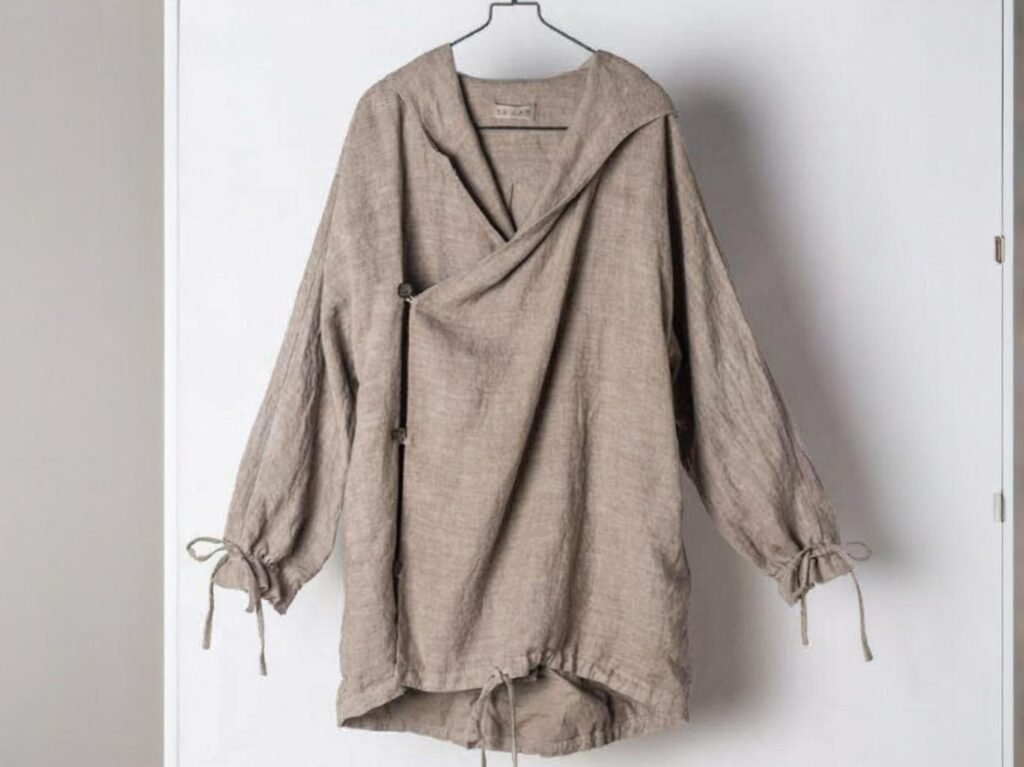
Ramie’s main advantages include exceptional strength, excellent breathability, fast moisture release, and long lifespan. However, it also has limitations such as low elasticity, initial stiffness if poorly finished, and higher processing complexity. Understanding both the advantages and limitations of ramie is crucial to utilizing this fiber effectively in textile manufacturing.
No fiber is perfect—ramie is no exception.
Advantages That Matter in Real Products
Ramie is a highly durable and eco-friendly natural fiber, but like any material, its properties need to be matched with the right applications. Below are the core advantages of ramie fiber that make it valuable for certain types of products.
Key Advantages of Ramie Fiber
| Advantage | Practical Benefit |
|---|---|
| Very high strength | Lightweight but durable fabrics, ideal for long-lasting wear in demanding conditions. |
| Fast moisture release | Keeps wearers cooler and drier, reducing discomfort and odor buildup, especially in hot climates. |
| Low microbial growth | Less prone to bacterial growth, keeping garments fresher for longer periods, especially in humid conditions. |
| Shape stability | Retains its form over time, maintaining a consistent fit in garments and preventing sagging or deformation. |
| Natural origin | Biodegradable and sustainable, making it an eco-friendly alternative to synthetic fibers. |
These strengths make ramie particularly effective for warm-weather apparel, outdoor gear, and activewear. It performs well in situations where moisture management, durability, and freshness are top priorities.
Limitations to Be Aware Of
Despite its impressive attributes, ramie has a few limitations that can impact its performance in certain applications.
| Limitation | Impact |
|---|---|
| Low elasticity | Limited stretch, which can make ramie less suitable for form-fitting garments without blending. |
| Initial stiffness | Ramie fibers can feel stiff when first used, which may make the fabric uncomfortable unless properly processed. |
| Wrinkle formation | More prone to wrinkling than cotton, which can make ramie less forgiving for certain garment designs. |
| Processing sensitivity | Ramie requires skilled handling during production. Poor processing can result in rough or brittle fabric, affecting comfort and durability. |
Many of the perceived problems with ramie, such as stiffness or wrinkles, stem from inadequate processing rather than the inherent qualities of the fiber itself. Proper finishing and careful handling can significantly improve the fabric’s performance.
How Manufacturers Address These Limitations
Skilled manufacturers can address ramie’s limitations by employing various techniques to improve the fabric’s performance and comfort.
| Challenge | Common Solution |
|---|---|
| Stiff hand feel | Enzyme softening or other post-production treatments to soften the fiber and improve comfort. |
| Lack of stretch | Blending with cotton/viscose or stretch fibers (like spandex) to add elasticity and improve fit. |
| Wrinkling | Optimizing fabric structure, such as using looser weaves or integrating finishes that minimize wrinkle formation. |
| Processing complexity | Working with experienced suppliers who understand the nuances of ramie fiber and can provide consistent, high-quality products. |
Blending is particularly effective in balancing comfort, stretch, and durability. For example, blending ramie with cotton combines the best of both fibers—ramie’s strength and cotton’s softness and elasticity—creating a more versatile fabric.
Cost vs. Value Perspective
While ramie may cost more to process than fibers like cotton, its longer garment lifespan, lower failure rates, and superior comfort in warm weather provide better long-term value.
Although the initial investment in ramie fabrics may be higher, the durability and resilience of the material often result in lower replacement costs over time, especially in high-performance apparel.
Advantages & Limitations Takeaway
Ramie is a fiber that rewards intentional use. When its inherent strengths are matched to the right applications and its limitations are addressed through careful processing or blending, it becomes one of the most reliable and sustainable natural fibers available.
Manufacturers who understand how to work with ramie will find it a versatile, high-performing material, particularly for warm-weather apparel, activewear, and outdoor gear. The key to making the most of ramie is ensuring that its properties are paired with the right design and processing techniques.
Which Industries and Products Commonly Use Ramie Today?
Ramie is commonly used in apparel, home textiles, industrial fabrics, and specialty blends where strength, breathability, and durability are required. In modern markets, ramie is most visible in warm-weather clothing, premium casual wear, summer shirts, dresses, linings, and performance-oriented natural fabrics.
Although not as mainstream as cotton, ramie is widely used in applications that prioritize performance over familiarity.
Ramie’s Role Across Industries
Ramie, a naturally strong and breathable fiber, is highly versatile and is increasingly popular in industries where fabric performance and longevity are prioritized. Let’s explore where ramie shines today, from fashion to industrial applications.
Apparel and Fashion Applications
Ramie’s strongest presence today is in apparel designed for heat and longevity, with a focus on natural aesthetics. Due to its strength, breathability, and moisture-wicking properties, ramie is an ideal choice for garments used in hot climates or for long durations.
| Apparel Category | Why Ramie Is Used |
|---|---|
| Summer shirts | Excellent breathability + strength for extended wear in heat |
| Dresses & skirts | Shape retention, keeping garments crisp and structured |
| Lightweight jackets | Structure without weight, ideal for layering in warm weather |
| Casual premium wear | Clean texture that offers a refined look without the stiffness of linen |
| Linings | Moisture control, preventing discomfort from sweat and humidity |
Ramie often appears either alone or blended with other fibers like cotton, viscose, or linen to improve softness and drape while maintaining its natural strength and structure. This makes it an ideal fabric for premium summer collections, resort wear, and other warm-weather clothing.
Home Textiles
Beyond clothing, ramie is valued in home textiles for its durability, strength, and natural texture.
| Product Type | Ramie Benefit |
|---|---|
| Table linens | Strength + crisp look, providing a refined appearance for long-term use |
| Curtains | Shape stability, ensuring the fabric hangs neatly even after washing |
| Decorative fabrics | Natural texture, ideal for creating a rustic or elegant aesthetic |
| Upholstery blends | Durability, especially in humid environments |
Ramie’s resistance to mildew makes it especially suited for use in humid environments like kitchens, bathrooms, and coastal areas. It remains structurally sound and retains its appearance even after extended exposure to moisture and wear.
Industrial and Functional Uses
Ramie’s mechanical strength has long made it valuable in industrial applications, particularly for reinforcement and durability in functional fabrics.
| Industry | Application |
|---|---|
| Industrial textiles | Reinforcement fabrics, providing high tensile strength for industrial uses |
| Packaging | Natural fiber strength, often used for bags and wrapping materials |
| Composite materials | Fiber reinforcement for added durability and structural integrity |
| Specialty cords | Tensile resistance, making ramie ideal for ropes, cables, and other high-stress applications |
Historically, ramie was used in ropes and nets due to its high tensile strength, proving its value in mechanical and functional textiles. Today, its strength continues to serve a variety of industrial and construction-related sectors.
Blended Fabric Applications
Blended fabrics are becoming increasingly popular, allowing manufacturers to combine the performance benefits of ramie with the comfort or drape of other fibers. This broadens ramie’s market appeal and makes it accessible for different types of consumers.
| Blend Type | Purpose |
|---|---|
| Ramie–cotton | Combining softness of cotton with the strength of ramie |
| Ramie–viscose | Drape + breathability, ideal for fashion-forward apparel |
| Ramie–linen | Texture + durability, perfect for premium, high-performance fabrics |
These blends allow ramie to reach broader consumer acceptance while preserving its strength, breathability, and moisture-wicking properties, making it suitable for both everyday wear and performance-driven apparel.
Market Insight
Although many consumers may not realize they’re wearing ramie—since it’s often marketed under terms like “linen-like” or “natural blend”—its performance advantages in warm conditions are undeniable. Feedback from consumers often favors ramie-rich fabrics for long-term wear, particularly in hot climates, due to their breathability and comfort.
Usage Takeaway
Ramie thrives in applications where strength, airflow, and longevity matter more than just softness. While not as widely used as cotton, it remains a strong choice for those who prioritize performance in warm-weather or high-durability textiles. Its strategic use in apparel, home textiles, and industrial applications highlights its unique advantages in situations where performance is key.
Key industries using ramie today include:
- Fashion (for breathable, lightweight, and structured garments)
- Home textiles (for durability and aesthetic appeal in humid environments)
- Industrial textiles (for strength, reinforcement, and durability)
Ramie is not about mass appeal; it’s about strategic use where its qualities truly shine.
How Should Buyers and Manufacturers Evaluate and Source Ramie Fiber?
To evaluate and source ramie fiber effectively, buyers and manufacturers should focus on fiber purity, processing quality, finishing methods, yarn specifications, and supplier expertise. Since ramie is highly sensitive to how it is processed, supplier capability is just as important as raw material quality.
Ramie is not a commodity fiber—it is a process-sensitive material.
A Practical Evaluation Framework
Ramie is a premium natural fiber that offers excellent performance in lightweight, durable fabrics. However, its full potential can only be realized if it is sourced and processed with precision. Below is a practical framework for evaluating and sourcing ramie fiber that ensures optimal performance in the final product.
Step 1: Understand the Intended Application
| Question | Why It Matters |
|---|---|
| Is the fabric worn next to skin? | Determines softening needs and comfort specifications. |
| Is it used in heat or humidity? | Affects finishing methods (e.g., moisture resistance, cooling properties). |
| How often will it be washed? | Impacts yarn and weave choices to ensure durability. |
Why it matters: The intended application guides the fiber choice and processing requirements. For example:
- If the fabric is worn next to the skin (such as shirts or bedding), it may need to be softened through enzymatic treatments or blending with other fibers.
- If the fabric is used in humid or warm climates, special finishes may be required to enhance moisture-wicking properties.
- For items that will undergo frequent washing (like uniforms or towels), stronger yarns and tighter weaves may be needed to withstand the stress of repeated laundering.
Clear use cases prevent mis-specification and help avoid fabric performance issues.
Step 2: Specify Core Technical Parameters
| Parameter | What to Look For |
|---|---|
| Fiber content (%) | Pure vs blended behavior |
| Yarn count | Weight and strength balance |
| Fabric structure | Airflow and drape |
| GSM range | Durability vs comfort |
Why it matters: These technical parameters define how the fabric will perform in its final application:
- Fiber content determines whether the fabric is 100% ramie or blended with other fibers, affecting the final texture, strength, and behavior (e.g., blending ramie with cotton for softness or polyester for durability).
- Yarn count directly impacts the strength and weight of the fabric, influencing its drape and longevity.
- Fabric structure (e.g., plain weave, twill) influences airflow, breathability, and drape. For breathable, lightweight fabrics used in hot climates, a loose weave may be preferable.
- GSM (grams per square meter) indicates the fabric’s weight and durability. Thicker fabrics are more durable but may lose comfort and breathability, so balancing GSM is crucial depending on the intended use.
These parameters define real performance, not just the fabric’s appearance or feel.
Step 3: Evaluate Processing and Finishing Capability
| Process | Importance |
|---|---|
| Degumming quality | Softness and fiber safety |
| Enzyme treatment | Comfort and drape enhancement |
| Pre-shrinking | Size stability and prevent shrinkage |
| Dye fixation | Colorfastness for long-term use |
Why it matters: Ramie’s performance depends heavily on processing quality. The degumming process, which removes the natural gum from the fiber, is particularly important because it affects both softness and strength. Poor degumming leads to rough, uncomfortable fibers.
- Enzyme treatment is used to soften the fibers and improve their feel against the skin. This process is particularly important for wearable fabrics like shirts, dresses, or bed linens.
- Pre-shrinking ensures that the fabric doesn’t lose its shape after washing, which is critical for garments or textiles that need to maintain their size and appearance.
- Dye fixation is crucial to ensure color stability, as poorly fixed dyes can lead to fading and color bleeding, especially in products that will be washed frequently.
Ramie quality issues often stem from poor processing control, not the fiber itself.
Step 4: Request Samples and Test Real Use
Effective evaluation includes:
- Wear testing to evaluate comfort and long-term durability.
- Washing trials to assess how the fabric performs under different laundering conditions.
- Shrinkage measurement to ensure the fabric maintains its size after washing.
- Hand-feel assessment to evaluate the fabric’s softness and comfort.
Why it matters: Testing in real-world conditions ensures that the fabric will meet performance expectations under actual usage. Paper specifications alone are insufficient. Testing provides insights into moisture absorption, strength under wear, and comfort during extended use, which can help avoid costly mistakes after production.
Skipping key testing steps shortens timelines but increases the risk of failure in real-world applications.
Step 5: Choose an Experienced Manufacturer
Ramie requires:
- Controlled fiber handling to preserve fiber integrity.
- Consistent degumming and skilled finishing to optimize softness and durability.
- Precise fabric engineering to meet specific performance standards.
Why it matters: Handling ramie properly is essential for ensuring consistent results. Inexperienced suppliers may deliver stiff, inconsistent results that fail to represent ramie’s full potential. Look for suppliers with a proven track record in ramie processing who can demonstrate their expertise in delivering reliable, high-quality fabric.
Supplier experience is often a more significant determinant of success than simply choosing the cheapest option.
Sourcing Takeaway
Ramie rewards knowledgeable sourcing. When specified clearly and processed correctly, it delivers performance few natural fibers can match. To avoid quality issues, buyers must:
- Work with experienced suppliers who understand ramie’s unique processing needs.
- Define performance goals clearly and ensure the fabric is processed to meet those expectations.
- Test the material in real use conditions to ensure it performs as expected over time.
Final Definition: What Ramie Really Is
Ramie is not just another plant fiber—it is a premium, performance-oriented natural fiber.
Ramie offers:
- Strength—one of the strongest natural cellulose fibers, making it durable for long-lasting use.
- Breathability—naturally allows air to circulate, perfect for warm and humid environments.
- Fast drying—ideal for moisture-wicking applications.
- Sustainability—high yield per hectare, biodegradable, and long lifespan.
When processed and sourced properly, ramie stands as a top choice for sustainable, high-performance textiles. Its strength, comfort, and eco-friendly qualities make it more than just a niche alternative; it’s an advanced natural fiber ready for widespread use in modern textile applications.
Develop Custom Ramie Fabrics with SzoneierFabrics
If you are exploring ramie for apparel, home textiles, or specialized fabric applications and need:
- Custom ramie fabrics or ramie blends
- Low MOQ development support
- Fast sampling and free design assistance
- Stable quality control and short lead times
- A manufacturer experienced in ramie processing and fabric engineering
SzoneierFabrics helps turn ramie’s natural strengths into reliable, production-ready textile solutions.
Share your application requirements and performance goals with our team—and we’ll help you define, engineer, and produce ramie fabrics that truly work.
Contact SzoneierFabrics today to start your custom ramie fabric inquiry.