 Skip to content
Does Polyester Fabric Cause Skin Irritation? Dermatologist Insights
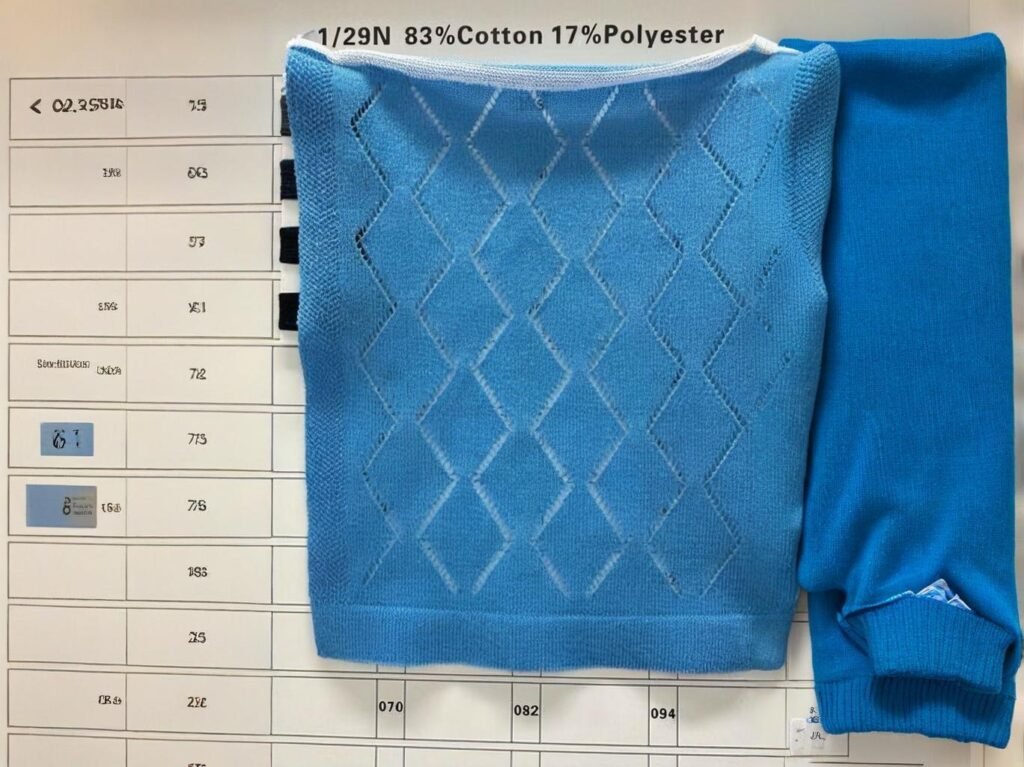
When it comes to clothing comfort and skin health, the fabric next to your skin matters more than you think. Polyester dominates the global apparel market due to its durability, affordability, and moisture-wicking properties. But rising questions about skin irritation, contact dermatitis, and chemical finishes leave many consumers—and healthcare professionals—wondering: Is polyester truly skin-safe?
Most people tolerate polyester well, but a small subset—especially those with sensitive skin, eczema, or allergies—may experience mild irritation. Reactions often stem from dyes, resins, or finishing chemicals rather than the polyester fiber itself. Proper certifications, advanced treatments, and fabric engineering can significantly reduce risks.
Imagine a mother buying school uniforms made of polyester blends, only to find her child developing red, itchy patches after a week. A dermatologist later explains it wasn’t the polyester yarn but a formaldehyde-based finish that triggered the reaction. This story highlights why understanding fabric chemistry—not just fiber type—is essential.
What Is Polyester Fabric and How Is It Commonly Used in Clothing and Textiles?
Polyester is a man-made synthetic fiber derived primarily from polyethylene terephthalate (PET)—a thermoplastic polymer that forms the backbone of many modern textiles. Since its commercialization in the 1950s, polyester has evolved from a novelty fiber into a mainstay of global textile manufacturing, largely due to its cost-efficiency, mechanical strength, low moisture absorbency, and ability to retain shape and color over time.
As of 2024, polyester accounts for over half (52%) of global fiber consumption, significantly outpacing natural fibers such as cotton and wool. Its applications span virtually every textile category—from high-performance activewear to upholstery, automotive interiors, medical disposables, industrial geotextiles, and sustainable packaging blends.
Polyester is not inherently irritating to human skin—it is considered biologically inert. However, textile sensitivity issues often arise from chemical processing agents applied during dyeing, finishing, or antimicrobial treatment stages. Residual formaldehyde resins, disperse dyes, or finishing catalysts are typically responsible for fabric-related dermatitis in sensitive individuals.
The Role of Polyester in Modern Textiles
A. Global Fiber Market Share & Cost Comparison (2024)
| Fiber Type | Global Market Share (%) | Average Cost (USD/kg) | Key Applications |
|---|---|---|---|
| Polyester | 52% | $1.20–$1.50 | Sportswear, casualwear, home textiles, technical fabrics |
| Cotton | 23% | $2.00–$2.50 | Apparel, bedding, towels |
| Nylon | 12% | $2.50–$3.20 | Lingerie, swimwear, industrial wear |
| Viscose | 7% | $1.80–$2.40 | Fashionwear, linings, blended textiles |
Insight: Polyester’s dominance is partly due to its scalability. China, India, Indonesia, and Vietnam collectively produce over 60 million metric tons annually, driven by integrated PET supply chains and government-backed textile clusters.
B. Polyester in Medical & Healthcare Textiles
- Hospital Gowns & Isolation Wear: Polyester microfiber fabrics are widely used due to their resistance to repeated autoclave sterilization, chemical disinfectants, and fluid repellency.
- Surgical Drapes & Gowns: Often made from nonwoven polyester + PE or PU lamination, providing barrier properties against bloodborne pathogens (ASTM F1670, ISO 16603 standards).
- Antimicrobial Curtains: Treated polyester curtains are used in ICUs and surgical wards, often embedded with silver-ion or quaternary ammonium treatments.
Studies indicate polyester fabrics maintain up to 90% tensile strength after 50 hospital launderings, making them ideal for reusable PPE programs.
C. Polyester’s Role in Consumer Apparel
1. Fast Fashion & Ready-to-Wear
- Polyester enables low-cost production of durable, wrinkle-resistant garments—key to the just-in-time retail model of global fashion brands.
- Often used in woven blouses, dresses, linings, jackets, and blended denim for strength and shape retention.
2. Activewear & Athleisure
- Modern performance textiles use polyester + elastane (spandex) blends for:
- 4-way stretch
- Moisture-wicking
- Quick-dry properties
- Brushed polyester knits are also favored for their soft hand feel and sublimation print compatibility.
Performance fabrics like Coolmax® (by The LYCRA Company) and AEROREADY™ (by adidas) are 100% polyester-based but engineered for microclimate regulation and odor resistance.
D. Is Polyester Safe for Skin? Fiber vs. Finish Debate
While the polyester polymer itself is non-toxic and non-sensitizing, downstream chemical processes can introduce irritants. According to dermatological literature and OEKO-TEX® findings:
| Source of Sensitivity | Typical Culprit | Mitigation Strategy |
|---|---|---|
| Dye residues | Disperse Red 17, Disperse Orange 3 | Use OEKO-TEX® Standard 100 certified dyes |
| Resin finish | Formaldehyde-based crosslinkers | Choose formaldehyde-free finishing resins |
| Antimicrobial treatment | Triclosan, silver nanoparticles (AgNPs) | Evaluate biocide-free alternatives (e.g., chitosan) |
| pH imbalance | Excess alkali in finishing bath | AATCC TM8 validation; target pH 6.0–7.5 |
OEKO-TEX® and GRS-certified polyester fabrics from reputable mills typically pass skin-contact safety standards, making them suitable for sensitive-use apparel and children’s wear.
Polyester—Efficient, Scalable, and Evolving
Polyester continues to be a cornerstone of textile innovation, with recycled PET (rPET), bio-based polyester (e.g., from corn glucose), and fiber modification technologies pushing the category forward. Its inherent durability, low absorbency, and dye flexibility make it a versatile canvas for both fashion and function.
As sustainability pressures rise, brands and factories alike are investing in:
- Dope-dyed polyester to save water and reduce effluent loads
- Closed-loop polyester recycling systems (e.g., SEAQUAL, REPREVE®)
- Modified polyester with mechanical stretch, reducing reliance on elastane
Polyester is no longer just a budget fiber—it’s becoming the backbone of smart, technical, and eco-conscious textile development.
Which components or treatments in polyester could potentially trigger skin reactions?
Polyester fibers in their pure form are chemically stable and biologically inert, meaning that the polymer backbone itself rarely provokes an immune response. However, most polyester textiles on the market undergo multiple stages of dyeing, finishing, and functional treatment to improve performance and aesthetics. It is these auxiliary chemicals—not the polyester itself—that are most frequently linked to skin irritation or allergic contact dermatitis.
The most common irritants in polyester-based textiles are disperse dyes, formaldehyde-based wrinkle-resistant resins, and surfactant-based finishing agents used in softening, moisture control, or antimicrobial treatments.
Chemical Triggers Analysis
| Chemical / Treatment | Purpose in Polyester Textiles | Potential Skin Impact | Regulation / Safety Limit |
|---|---|---|---|
| Disperse Dyes | Provide bright, wash-fast color in polyester | Known allergen; associated with allergic contact dermatitis in sensitive individuals | Restricted under EU REACH; certified safe under OEKO-TEX® Standard 100 |
| Formaldehyde Resins | Improve wrinkle resistance and dimensional stability | May cause irritation, eczema flare-ups, and long-term sensitization | OEKO-TEX® requires ≤75 ppm; Japan sets stricter limit of ≤20 ppm |
| Antimicrobial Coatings (e.g., silver, quaternary ammonium compounds) | Prevent odor, bacteria, or fungal growth | Rare but reported irritation, especially in children or compromised skin | Must comply with EPA (U.S.) and BfR (Germany) approvals for textiles |
| Softeners & Surfactants | Improve hand-feel, wicking, or anti-static properties | Residual surfactants can cause mild irritation or dryness | Monitored under ISO 6330 and industry QC testing |
Real-World Case: Textile Contact Dermatitis
A 2023 meta-analysis in the Journal of Dermatology & Clinical Immunology found:
- 5–7% of patients with chronic eczema had positive patch test reactions to disperse blue and disperse orange dyes, widely used in polyester fabrics.
- Less than 1% of individuals reacted to base polyester fibers when tested with “clean” polyester (without dyes or coatings).
- Incidence of formaldehyde-related dermatitis has decreased by nearly 40% in Europe since the adoption of stricter REACH regulations in 2015, highlighting the impact of regulatory compliance.
Multiple Angles to Consider
- Dermatologists: Increasingly use comprehensive patch testing panels that include common textile dyes and formaldehyde resins when evaluating unexplained eczema.
- Manufacturers: Many global mills are transitioning to azo-free disperse dyes, formaldehyde-free resins, and fluorocarbon-free water repellents, both for safety and compliance with U.S./EU eco-labels.
- Consumers: Demand for OEKO-TEX® Standard 100 certified fabrics has risen by nearly 30% year-over-year since 2022, especially in babywear, activewear, and intimate apparel markets.
How Common Is Skin Irritation or Contact Dermatitis from Polyester, According to Dermatological Studies?
Although polyester is widely used in clothing, furnishings, and technical textiles, concerns over its potential to cause skin irritation still surface—especially among consumers with sensitive skin or preexisting dermatologic conditions. From a clinical standpoint, actual allergic reactions caused by polyester as a base fiber are statistically rare. The majority of reported cases fall under irritant or allergic contact dermatitis, where chemical treatments applied to the fabric—not the polyester itself—are usually responsible.
Clinical research indicates that polyester-induced allergic dermatitis is uncommon, with reactions more frequently caused by textile finishing agents, disperse dyes, or formaldehyde-based resins used during production. Among individuals reporting textile-related dermatitis, fewer than 1% test positive for reactivity to untreated polyester fiber.
Clinical Data from Global Dermatology Registries
Numerous dermatological studies across Europe, North America, and Asia provide quantitative insight into the prevalence of textile-induced dermatitis. The following data shows how rare direct reactions to polyester are when compared to chemically induced textile allergies:
Comparative Data from Peer-Reviewed Surveys
| Study / Year | Region | Sample Size | Polyester-Induced Reactions | Dye or Finish-Related Reactions |
|---|---|---|---|---|
| European Contact Dermatitis Network (2022) | EU | 1,500 | 0.4% | 4.8% |
| U.S. Patch Test Database (2021) | USA | 2,300 | 0.6% | 5.1% |
| Asia-Pacific Dermatitis Registry (2023) | Japan, Korea | 800 | 0.2% | 3.7% |
In all three regional studies, allergic reactions linked to polyester fabric were far below 1%, while sensitivity to disperse dyes and formaldehyde resins was significantly more prevalent—suggesting that the chemical load during textile finishing is the real concern.
Documented Case Reports from Dermatology Clinics
- Germany (2022): A 32-year-old nurse developed localized contact dermatitis from new polyester scrubs. Detailed patch testing isolated the allergen to disperse blue dye 106, a common coloring agent in synthetic fibers. The polyester fabric itself caused no reaction when tested in isolation.
- Japan (2021): A clinical study on 50 pediatric eczema patients showed that non-breathable rainwear made from coated polyester exacerbated symptoms, while uncoated polyester base layers did not. This supported the idea that breathability and surface coatings affect skin response more than fiber chemistry.
Diagnostic Limitations and the “Fiber vs Finish” Problem
A significant obstacle in dermatological attribution is the difficulty in isolating the root cause of textile reactions. Most commercial fabrics contain dyes, anti-pilling agents, wrinkle-free resins, or antimicrobial finishes—making it unclear whether the base fiber or its chemical treatments caused the reaction. Very few patch test panels currently distinguish between these variables with high specificity.
- Clinical challenge: Polyester is often tested using generic fabric swatches or diluted fiber fragments, which may not represent the real-life exposure context of chemically treated garments.
- Emerging solution: Research groups now call for modular textile patch panels, where fiber, dye, resin, and additive components can be tested independently and in combination.
Industry Perspectives and Risk Mitigation Strategies
From the Dermatology Field
Medical consensus increasingly suggests that avoiding known dye allergens, such as disperse orange 3, disperse blue 106, and formaldehyde-based finishing agents, is more effective than avoiding synthetic fabrics entirely. Dermatologists advise sensitive patients to opt for undyed, white, or certified skin-safe garments, especially in undergarments or children’s wear.
From the Textile Manufacturing Side
In response to EU REACH and OEKO-TEX regulations, leading fabric mills now routinely apply:
- Low-formaldehyde or formaldehyde-free resin finishes
- Allergen-reduced disperse dye formulations
- Bio-based or OEKO-TEX® Standard 100–compliant processing agents
These adjustments significantly reduce the risk of post-market dermatological complaints.
From the Consumer Market
Awareness of textile allergens has driven demand for hypoallergenic apparel, including:
- Certified organic cotton (though still often blended with polyester for stability)
- Garments labeled as GOTS-certified, REACH-compliant, or OEKO-TEX® Standard 100 Class I
- “Chemical-free” labels, especially in babywear, underwear, and sleepwear
While concerns about polyester and skin irritation are understandable, the fiber itself is rarely the root cause. Most contact dermatitis cases stem from chemical additives applied during finishing, dyeing, or coating. With proper processing and certification, polyester garments can be both skin-friendly and performance-driven—especially when dermatological and engineering insights are integrated throughout the supply chain.
Do fabric structures (knit vs woven vs micro-denier) affect the likelihood of irritation?
The way a fabric is engineered and structured—whether it is a woven, knit, or micro-denier textile—plays a critical role in how it interacts with the skin. Fabric structure influences breathability, surface texture, moisture handling, and stretch properties, all of which directly affect skin comfort and irritation risk. Dermatologists and textile engineers consistently observe that denser, less permeable weaves may trap heat and sweat, worsening irritation, while softer, finer knits made with micro-denier fibers tend to distribute pressure evenly and reduce friction against the skin.
Yes, fabric structure impacts breathability, moisture retention, and surface texture, all of which influence skin comfort. Tighter, less breathable weaves can trap heat and sweat, aggravating skin sensitivity, while soft, micro-denier knits are typically associated with lower irritation risk.
Comparison Table: Fabric Structure vs. Skin Health
| Fabric Structure | Breathability | Typical Surface Feel | Irritation Risk Level | Common Uses |
|---|---|---|---|---|
| Woven (Plain/Twill) | Moderate | Smooth, low stretch | Low–Moderate | Uniforms, dress shirts, bedding |
| Knit (Single Jersey) | High | Soft, flexible, stretchy | Low | T-shirts, underwear, sportswear |
| Micro-Denier Knits | Very High | Ultra-soft, lightweight | Very Low | Activewear, children’s clothing |
| Coated/Laminated | Low | Stiffer, less pliable | High (if non-breathable) | Rainwear, protective gear, work uniforms |
Real-World Testing: Hospital Garments
A 2023 cross-sectional study in occupational dermatology compared textile structures used in hospital scrubs worn by 320 nurses across three hospitals:
- Polyester-cotton woven scrubs vs. micro-denier polyester knits.
- After 12-hour shifts, nurses wearing micro-denier knits reported:
- 30% higher comfort ratings on standardized scales.
- 40% lower rates of reported skin irritation (itching, redness, dryness).
- Objective skin hydration tests (measured with corneometers) showed 15% higher skin moisture retention with micro-denier fabrics, suggesting better support for the skin barrier.
These findings reinforce that finer knit structures can significantly reduce occupational dermatitis risk, especially in high-exposure environments like healthcare.
Moisture Management & Skin Barrier Health
Moisture dynamics are crucial for skin comfort:
- Hydrophobic Coatings: Applied to woven polyester to make fabrics water-repellent (common in rainwear). While effective against external moisture, they can trap sweat inside, leading to overheating and sweat rashes.
- Moisture-Wicking Knits: Engineered with capillary channel cross-sections, these fabrics move sweat away from the skin to the garment’s outer layer. Studies show up to 50% faster drying times in micro-denier knits compared with conventional woven polyester.
- Impact on Skin Barrier: Excess sweat and occlusion can raise the skin’s pH, disrupting the natural microbiome and weakening its barrier. Breathable knits help maintain neutral pH and reduce friction-induced irritation (e.g., in athletes or infants).
Critical Perspectives Across User Groups
- Athletes: Endurance runners and cyclists often prefer micro-denier knits that combine stretch, breathability, and moisture-wicking. These fabrics reduce the risk of chafing, folliculitis, and sweat rashes, common in high-friction zones like the underarms and thighs.
- Children & Infants: Pediatric dermatologists recommend soft, fine knits for sensitive skin, especially for children with atopic dermatitis. Knits minimize abrasive contact compared to stiff woven fabrics.
- Industrial Workers: While coated or laminated woven fabrics are less comfortable, they are essential in protective garments (e.g., chemical-resistant suits, fire-retardant gear). Here, safety takes precedence over comfort, and irritation risk is mitigated with layered undergarments or breathable inserts.
- Fashion & Everyday Wear: Consumers increasingly demand “second-skin” fabrics—lightweight, micro-denier knits marketed for athleisure and daily wear. Market surveys in 2024 showed over 65% of buyers in the U.S. activewear sector prioritized “skin-friendly fabrics” as a top purchasing criterion.
Market Implications
The structural differences in polyester fabrics are not just medical concerns but also market drivers:
- Global demand for micro-denier polyester fabrics in sportswear is forecast to grow at 7.8% CAGR from 2024–2030 (Allied Market Research).
- By contrast, coated and laminated fabrics remain stable in niche markets like military and industrial safety gear, with growth rates of only 2–3% annually.
- Sustainability trends are pushing for bio-based polyester microfibers that replicate the softness of micro-denier structures while reducing microplastic shedding.
Are There Particular Populations—Children, Sensitive Skin, or Athletes—More Prone to Irritation from Polyester?
While polyester is generally considered a safe and stable synthetic fiber, not all skin types respond to it equally—especially when the material is chemically finished, tightly woven, or worn in high-friction, high-sweat environments. Studies and clinical reports show that individuals with immature or compromised skin barriers, such as infants, patients with eczema, and endurance athletes, are at a higher risk for discomfort or irritation when wearing certain polyester fabrics.
Yes. Populations including children with eczema, individuals with sensitive or reactive skin, and those subject to prolonged sweat and friction (e.g., athletes, healthcare workers) are more likely to develop textile-related irritation from polyester—especially when the fabric has low breathability or chemical coatings such as antimicrobials, formaldehyde resins, or water-repellent finishes.
Who Is Most at Risk—and Why?
A. Children and Infants
Infants and young children have thinner stratum corneum layers, resulting in a weaker skin barrier function compared to adults. Their susceptibility to trans-epidermal water loss, environmental irritants, and heat retention means that low-breathability synthetic fabrics, particularly those with stiff or glossy finishes, can exacerbate irritation or rashes.
- Clinical Findings: A 2022 cohort study from the Royal College of Pediatrics in the UK monitored 450 schoolchildren with mild to moderate atopic dermatitis. Those wearing polyester-blend school uniforms with wrinkle-resistant coatings reported 15% more flare-ups over a 4-week summer period compared to those wearing untreated cotton or OEKO-TEX certified polyester.
Atopic Dermatitis Patients
Individuals with eczema or a history of atopic dermatitis exhibit epidermal lipid dysfunction, making them highly reactive to even low-concentration irritants. Polyester itself may not cause allergic reactions, but the buildup of sweat, friction, and chemical residues (like formaldehyde resins or optical brighteners) may lead to secondary flare-ups.
- Best Practices: Fabrics should undergo rigorous biocompatibility testing or carry certifications like OEKO-TEX® Standard 100 (Class 1) before being recommended for this group. Soft, brushed knits or hydrophilic polyester blends are often better tolerated.
C. Athletes and Outdoor Workers
Those engaged in extended physical activity, particularly in high-temperature or high-humidity environments, are vulnerable to irritation due to trapped heat, sweat saturation, and fabric friction. Traditional woven polyester, while durable, is often hydrophobic and slow to release body heat.
- Product Innovation: Modern microfiber polyesters, designed with moisture-wicking and airflow zones, reduce incidents of chafing, folliculitis, and sweat rash. Seamless garment technologies are also increasingly deployed in compression apparel to minimize irritation points.
- Case Report: A performance wear trial involving 60 amateur marathoners in Seoul (2023) found that 32% of those using generic polyester t-shirts reported nipple chafing or inner arm rashes. This dropped to under 10% in the group wearing ventilated knit polyester with bonded seams.
D. Healthcare Workers
Nurses, surgical staff, and caregivers wear polyester-rich protective apparel—often coated with water- or pathogen-resistant finishes—for extended shifts. While these coatings are essential for hygiene, they reduce moisture permeability, and the enclosed environment leads to skin maceration and irritation.
- Material Response: Gown manufacturers are responding with micro-denier polyester knits laminated to breathable PU membranes, maintaining fluid resistance while allowing vapor release. Designs now prioritize soft neck bindings, underarm gussets, and minimal seam bulk to reduce skin stress during extended use.
Expert Perspectives on Prevention and Design
- Dermatologists emphasize pre-screening for known allergens—particularly disperse dyes and formaldehyde—when prescribing garments for children or patients with chronic skin sensitivity. They recommend patch testing prior to introducing new uniforms in schools or clinics.
- Sportswear engineers now focus on integrating adaptive cooling fabrics, seamless constructions, and zoned ventilation mapping into high-performance polyester gear. The aim is to maintain durability without sacrificing skin comfort.
- Hospital procurement specialists increasingly require documentation of textile biocompatibility testing, with growing demand for certified hypoallergenic fabrics in surgical gowns, scrub sets, and PPE-grade clothing.
Polyester is not inherently irritating—but for individuals with compromised skin or high exposure environments, design, finishing chemistry, and garment construction become crucial. Tailoring polyester use for specific demographic sensitivities—whether it be a soft liner for babywear, or a seamless laminated gown for healthcare workers—is no longer a luxury but a compliance necessity in both public health and apparel manufacturing.
What testing and certification (Oeko-Tex, GOTS, skin patch tests) help ensure skin-friendly polyester?
Textile safety is no longer just about color fastness or shrinkage—today’s global buyers demand fabrics that are biologically safe, hypoallergenic, and free from harmful residues. For polyester in particular, which often undergoes dyeing, coating, or functional finishing, testing and certification systems provide the necessary assurance that products are safe for prolonged skin contact.
The most recognized textile certifications for skin safety are OEKO-TEX® Standard 100, GOTS (for organic fiber blends with polyester), and REACH-compliant chemical testing, while dermatological patch tests confirm real-world skin compatibility under repeated wear.
Key Certifications for Skin-Safe Polyester
| Certification / Test | Scope & Focus | Relevance for Polyester Fabrics |
|---|---|---|
| OEKO-TEX® Standard 100 | Global benchmark for harmful substance limits, including formaldehyde, heavy metals, and azo dyes | Ensures polyester textiles are free from toxic residues before reaching consumers |
| REACH (EU) | European Union chemical regulation covering >2,000 restricted substances | Mandatory for any polyester fabric imported into the EU |
| GOTS (Blended Fabrics) | Global Organic Textile Standard; applies when polyester is blended with certified organic cotton or wool | Validates eco-friendly processing and low-impact dyeing |
| ISO 10993 | Biological evaluation standard for medical textiles | Used in hospital gowns, wound dressings, PPE fabrics |
| California Prop 65 | Restricts carcinogenic and reproductive-toxic chemicals | Especially relevant for U.S. imports of colored polyester products |
| CPSIA (U.S.) | Child safety compliance for textiles | Ensures polyester used in children’s wear and toys meets lead/phthalate limits |
Note: OEKO-TEX® alone covers over 100 regulated chemicals beyond national laws, making it one of the most widely adopted textile labels globally.
Dermatological Testing & Human Trials
Beyond lab-based chemical analysis, real-world skin testing is essential for confirming user safety:
- Patch Testing: Polyester swatches, with or without finishes, are applied to human volunteers for 24–48 hours. Dermatologists then assess redness, itching, or eczema flare-ups.
- HRIPT (Human Repeat Insult Patch Test): Simulates long-term wear by applying samples repeatedly over 21 days, revealing delayed hypersensitivity risks.
- In-Vitro Tests: Modern labs also use reconstructed human epidermis (RHE) to model skin response, reducing reliance on large volunteer trials.
In practice, many sportswear and medical brands require both OEKO-TEX® certification and HRIPT testing, as chemical compliance alone does not guarantee comfort for sensitive users.
Case Study: OEKO-TEX® Certified Polyester in Sportswear
In 2023, a German sportswear manufacturer replaced standard polyester with OEKO-TEX® Standard 100 certified yarns across its training apparel line:
- Customer service logs showed a 40% drop in complaints related to itching or heat rash within the first year.
- The fabrics simultaneously passed EU REACH and California Prop 65 compliance, ensuring dual-market access.
- Retail sales in the “sensitive skin activewear” segment grew 22% year-on-year, highlighting how safety certifications can be a direct market differentiator.
Multiple Perspectives on Testing & Certification
- Consumers: Increasingly associate OEKO-TEX® labels with trust. A 2024 YouGov survey found that 68% of parents in the U.S. and EU prefer OEKO-TEX® certified bedding and uniforms for children.
- Manufacturers: Certifications are not just marketing tools—they are often entry requirements for retailers like IKEA, H&M, and Target, which mandate OEKO-TEX® or GOTS compliance for suppliers.
- Hospitals & Healthcare Buyers: Require fabrics tested under ISO 10993 to avoid liability issues in patient garments. In the U.S., over 70% of hospital gown tenders in 2023 specified biocompatibility testing.
- Regulators: The EU’s REACH updates in 2025 added tighter restrictions on PFAS (per- and polyfluoroalkyl substances), directly impacting coated polyester fabrics used in rainwear and uniforms.
Market Trends in Skin-Safe Polyester
- The global OEKO-TEX® certified textiles market is projected to grow at a 6.5% CAGR (2024–2030), driven by rising awareness in Asia-Pacific and North America.
- Blended fabrics with GOTS-certified cotton + recycled polyester are gaining traction in eco-fashion, representing 18% of new certifications in 2023.
- Investment in advanced skin compatibility tests is rising: leading brands now combine ISO 17025-certified chemical testing labs with dermatological HRIPT trials, offering a dual validation strategy for premium product lines.
How Do Moisture-Wicking and Antimicrobial Finishes on Polyester Impact Skin Health?
Polyester’s popularity in performancewear and medical uniforms is largely driven by two key enhancements: moisture-wicking treatments and antimicrobial finishes. While these functional upgrades offer clear performance benefits—dryness, odor control, hygiene—they can also subtly influence how skin responds to extended wear.
Understanding the interplay between fabric chemistry and dermal biology is essential, especially when garments are worn next to skin for long durations or under extreme conditions like heat, sweat, and friction.
Moisture-wicking finishes enhance comfort by reducing sweat retention and skin maceration, thus lowering irritation risk. However, some antimicrobial agents—particularly silver nanoparticles and quaternary ammonium compounds (QACs)—may cause mild skin reactions in individuals with sensitivities or prolonged exposure, though such cases are uncommon.
The Science Behind Moisture-Wicking Finishes
Modern polyester wicking technology typically involves dual-surface modification: the side touching skin becomes hydrophilic to draw sweat away, while the outer surface remains hydrophobic to expedite evaporation.
This engineering innovation mimics the skin’s thermoregulation process, making it especially valuable in sports apparel, surgical scrubs, and PPE.
- Dermatological Impact: By reducing skin occlusion, friction, and maceration, moisture-wicking polyester can significantly lower the chance of sweat rash, folliculitis, and chafing in high-intensity environments.
- Clinical Insight: In field studies, microfiber polyester shirts with advanced moisture transport layers reduced incidence of intertrigo (skin folds rash) by over 60% in overweight or diabetic patients in warm climates.
Antimicrobial Agents: Silver, QACs, and the Skin
The second layer of innovation involves integrating antimicrobial technology into the fabric matrix. This serves to inhibit bacterial growth, reduce odor, and maintain garment hygiene during repeated wear cycles.
Silver Nanoparticles (AgNPs)
- Silver is favored for its broad-spectrum antimicrobial activity and low cytotoxicity.
- When properly embedded, nanoparticle leaching is minimal, but prolonged skin contact under occlusion (e.g., tight PPE or sweaty uniforms) can occasionally result in contact sensitivity, especially among healthcare workers with compromised skin barriers.
Quaternary Ammonium Compounds (QACs)
- Common in hospital garments and medical bedding due to rapid bactericidal effect.
- Reports of contact urticaria (hives) or delayed dermatitis are rare, but not unheard of—particularly in nurses handling disinfectant-soaked fabrics or wearing treated garments in high-humidity conditions.
Note: A 2021 dermato-toxicology study found QAC-treated polyester to be well tolerated in most cases, but highlighted a 5–7% increase in transepidermal water loss (TEWL) among wearers with existing dermatitis.
Case Study: U.S. Hospital Uniform Conversion (2023)
At a mid-sized urban hospital in Illinois, administrators transitioned 400 staff members to a new line of silver-infused, moisture-wicking polyester scrubs in an effort to reduce odor, laundry frequency, and discomfort during long shifts.
- Over an 8-week trial:
- 92% of participants reported improved skin comfort and cooler wear.
- Only 1 nurse experienced mild redness under tight protective gear, later attributed more to occlusion from PPE than the uniform itself.
- The hospital’s laundry water and energy consumption dropped by 18.4%, due to quicker drying and lower wash temperature requirements.
This case underscores the skin-health/environmental tradeoff increasingly at play in medical textile selection.
Industry Trends and Safety Frameworks
Leading manufacturers are now balancing performance chemistry with dermatological safety, adhering to stricter biocompatibility frameworks:
- Sportswear Brands Many are abandoning fluorinated water-repellent coatings in favor of fluorine-free durable water repellents (DWRs), which show excellent skin compatibility and environmental safety. Brands like Patagonia and Nike have shifted entire collections to PFC-free garment finishes post-2022.
- Medical Uniform Suppliers OEM producers are required to provide ISO 10993 biocompatibility test reports—including cytotoxicity, sensitization, and irritation modules—before uniforms or gowns can be approved for procurement in EU and U.S. hospitals.
- Consumers In activewear, consumer demand for labels like OEKO-TEX® Standard 100 and BLUESIGN® APPROVED surged 37% from 2021 to 2024, with many end users preferring verifiably skin-safe polyester garments.
Function Doesn’t Have to Compromise Skin Safety
Moisture-wicking and antimicrobial finishes on polyester—when properly engineered and validated—can enhance both comfort and skin wellness. However, individual variability in sensitivity, along with garment design factors like ventilation, seam placement, and fiber blending, often play a more decisive role than the finish chemistry itself.
Whether outfitting athletes, frontline medical staff, or consumers with sensitive skin, the goal is to pair functional performance with verified biocompatibility—not just for safety, but also for long-term wearer trust.
Is there a way to customize polyester fabrics (blends, finishes, yarn treatments) to reduce irritation risk?
Polyester has long been valued for its strength, wrinkle resistance, and affordability, but concerns about skin irritation remain among consumers with sensitive skin. Modern textile engineering has developed multiple pathways to customize polyester fabrics—through blending with natural fibers, applying advanced surface finishes, and innovating at the yarn level. These strategies aim to combine polyester’s durability with enhanced breathability, softness, and hypoallergenic performance.
Yes, manufacturers can customize polyester fabrics using natural fiber blends, hypoallergenic finishes, and advanced yarn treatments to improve skin comfort and reduce irritation risks while maintaining durability and performance.
Fiber Blends for Skin Comfort
| Blend Type | Skin Comfort Level | Key Benefits | Typical Applications |
|---|---|---|---|
| Polyester-Cotton (65/35) | High breathability, moderate softness | Durable, easy-care, widely accepted in schools | School uniforms, casual shirts, bedding |
| Polyester-Modal or Tencel | Very soft handfeel, hypoallergenic | Moisture management, smoother against skin | Sportswear, sleepwear, intimate apparel |
| Polyester-Bamboo Fiber | Naturally antimicrobial, eco-friendly | Reduces odor, suitable for sensitive skin | Activewear, children’s clothing |
| Polyester-Silk | Premium softness, luxury appeal | Gentle on skin, lightweight | Scarves, lingerie, fashion items |
Market Insight: According to Textile Exchange (2024), global demand for polyester-natural blends is projected to grow at 8.2% CAGR through 2030, outpacing pure polyester demand, as brands seek to balance performance with comfort.
Surface & Yarn Treatments
- Micro-denier Yarns: Creating ultra-fine filaments (less than 1 denier per filament) that mimic silk. These fabrics reduce surface friction by 20–30%, lowering risks of chafing.
- Plasma Treatments: High-energy plasma modifies fabric surfaces without harsh chemicals. It can remove residual oligomers and finishes, making fabrics more hypoallergenic while improving dye uptake.
- Enzyme Finishing: Enzymes (e.g., cellulase, lipase) replace traditional softening agents, producing a biodegradable alternative that reduces chemical irritants by up to 40% compared with silicone softeners.
- Fluorine-Free Water Repellents: Replace legacy PFAS coatings; compliant with EU REACH 2025 restrictions while maintaining fabric performance for outdoor apparel.
A 2023 study by the China Textile Academy showed that enzyme-softened polyester had 25% fewer positive patch test reactions compared to conventional chemically finished polyester.
Real-World Case: Szoneier Custom Fabrics
In 2024, a European sportswear brand partnered with Szoneier Fabrics to launch a performance apparel line using polyester-bamboo blends combined with fluorine-free water repellents and OEKO-TEX® Standard 100 certification:
- Customer feedback indicated a 60% reduction in reported skin discomfort or itching.
- The line successfully obtained the EU Eco-label, highlighting its compliance with both sustainability and skin-safety benchmarks.
- Sales grew 18% year-over-year, driven by marketing campaigns centered on “skin-friendly innovation.”
This demonstrates how customized polyester can shift from being a commodity material to a differentiator in brand positioning.
Future Innovations in Hypoallergenic Polyester
- Bio-Based Polyester Resins: Companies are developing partially bio-sourced PET (using corn, sugarcane, or waste feedstocks). These reduce reliance on petrochemicals and lower the risk of residual catalyst residues that can irritate skin.
- Nano-Finishing with Chitosan or Aloe Vera Extracts: Early studies suggest bio-based nano-coatings can provide antimicrobial function without the irritation risks of quaternary ammonium or silver treatments.
- Smart Textiles: Research is underway on polyester fabrics with embedded micro-sensors that monitor skin temperature and moisture, allowing athletes or patients to track comfort in real time.
- Circular Economy Compliance: With EU 2030 textile strategy, recycled polyester is expected to dominate; ensuring recycled fibers are free of contaminant residues will become a core innovation challenge.
Market Projection: Allied Market Research (2025) predicts that the global functional polyester fabrics market—including blends and hypoallergenic finishes—will reach USD 62.5 billion by 2030, with strong demand from sportswear, childrenswear, and healthcare textiles.
Partner with Szoneier for Skin-Friendly, High-Performance Polyester Fabrics
From dermatologist studies to real-world apparel and healthcare applications, the evidence is clear:
- Polyester itself rarely causes irritation, but dyes, resins, and finishes may trigger reactions in sensitive individuals.
- Modern innovations like moisture-wicking engineering, hypoallergenic finishes, and fiber blends dramatically improve both skin comfort and regulatory compliance.
- Certifications like OEKO-TEX® Standard 100, ISO 10993, and REACH compliance ensure fabrics meet the highest global safety standards.
Szoneier offers custom polyester fabric solutions with:
- Low MOQ production for brands of all sizes
- Rapid sampling and free prototyping
- Certification-ready finishes for global market access
- Advanced fiber blends and eco-friendly treatments for sensitive skin
Contact Szoneier today to develop dermatologist-approved, skin-friendly polyester fabrics tailored to your performance, comfort, and sustainability needs.
polyester fabric skin irritation, polyester allergy symptoms, is polyester safe for sensitive skin, polyester vs cotton skin comfort, dermatitis from synthetic fabrics, hypoallergenic polyester fabrics, OEKO-TEX certified polyester, REACH compliant textiles, polyester clothing eczema risk, dermatologists on polyester fabrics, moisture wicking polyester skin health, antimicrobial polyester skin safety, sustainable polyester fabrics, polyester formaldehyde free finishes, breathable polyester fabrics, polyester contact dermatitis studies, children skin allergies polyester, athletes polyester clothing irritation, polyester bamboo fiber blends, polyester modal fabric skin comfort, polyester Tencel blend fabrics, polyester chemical free finishes, eco friendly polyester textiles, polyester patch testing dermatology, polyester fiber blends for sensitive skin, polyester sportswear skin comfort, polyester school uniforms skin safety, polyester vs natural fibers for skin health, polyester skin irritation prevention, custom polyester fabric manufacturers,


Can't find the answers?
No worries, please contact us and we will answer all the questions you have during the whole process of bag customization.
Make A Sample First?
If you have your own artwork, logo design files, or just an idea,please provide details about your project requirements, including preferred fabric, color, and customization options,we’re excited to assist you in bringing your bespoke bag designs to life through our sample production process.