Skip to content
Ramie is one of those fibers that almost everyone has heard of, yet very few truly understand. It sits quietly behind summer shirts that feel crisp and cool, behind home textiles that resist mildew, and behind premium collections that want a “natural but structured” look. At the same time, ramie has gained a reputation for being difficult—stiff if handled poorly, inconsistent if sourced carelessly, and unpredictable if treated like cotton or linen.
That tension is exactly why ramie matters today. As buyers look for natural fibers that feel different from mass-market cotton and less rustic than linen, ramie offers a distinct identity. But unlike standardized fibers, ramie rewards knowledge and preparation. The same fiber can become a premium fabric or a sourcing headache depending on how well its properties and supply chain are understood. Ramie is a bast fiber textile valued for strength, breathability, and a crisp, linen-like appearance. For global buyers, success with ramie depends on understanding how it differs from other natural fibers, how it is processed, which regions dominate supply, and how fabric specifications and finishing affect performance and consistency.
This guide breaks ramie down from a buyer’s point of view—what it is, why it’s used, where it comes from, and what really determines quality—so you can decide whether ramie is right for your product, and how to source it with confidence.
What is fibre textile ramie, and how does it differ from linen, cotton, and other bast fibers?
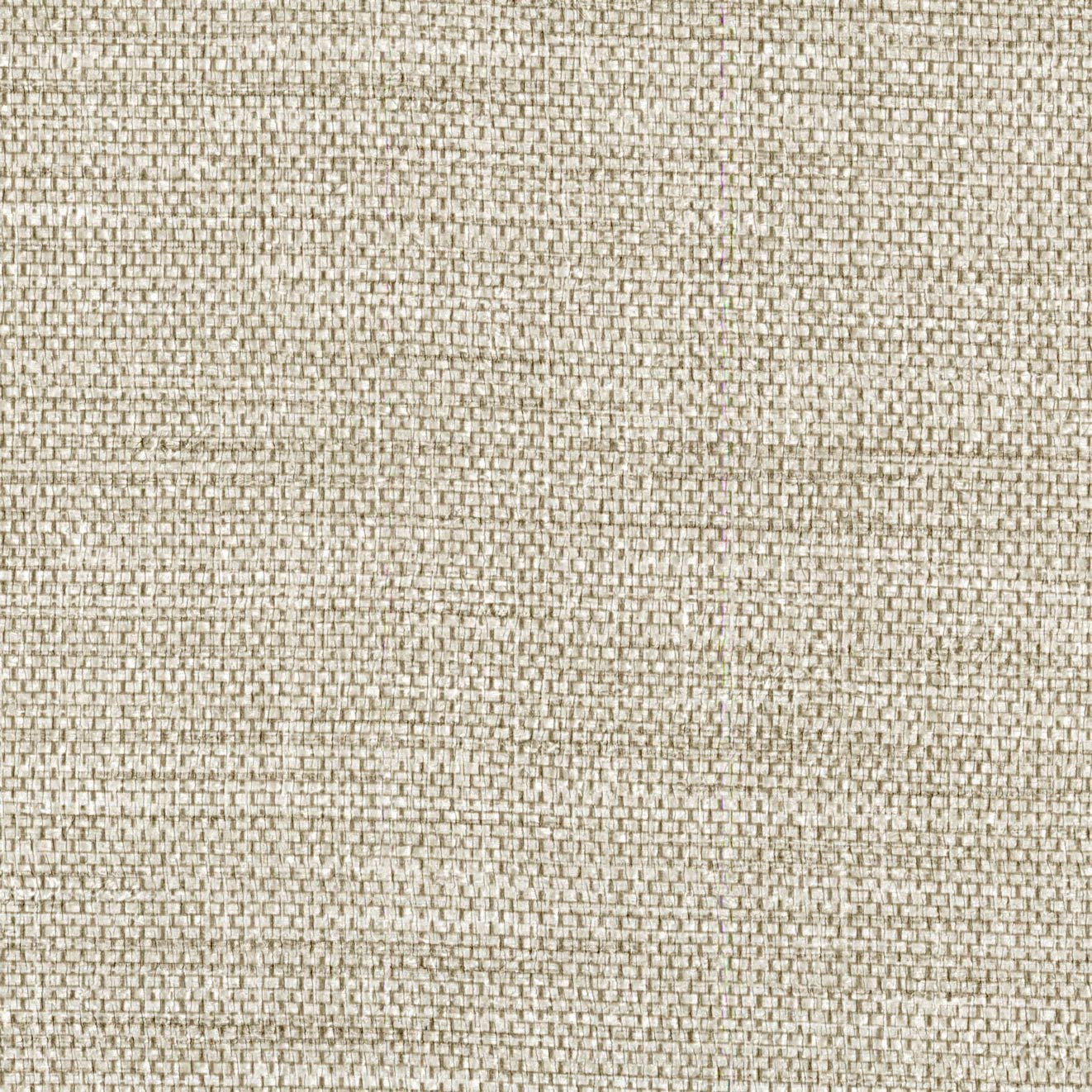
Ramie is a natural bast fiber extracted from the stalks of the ramie plant (Boehmeria nivea), a perennial plant belonging to the nettle family. Like flax (linen) and hemp, ramie fibers are taken from the stem rather than from seeds or bolls. However, once ramie is processed into yarns and fabrics, its behavior diverges sharply from what most designers and buyers expect of “natural fibers.”
In textile terms, ramie is not a comfort-first material. It is a performance-driven bast fiber defined by strength, structure, and environmental stability. Its crisp hand feel, low elasticity, and natural luster give it a distinctive place between linen, hemp, and cotton. Brands that succeed with ramie do so by understanding these differences early, rather than trying to force ramie to behave like softer fibers. Fibre textile ramie is a strong, breathable bast fiber known for its crisp hand feel, low stretch, and natural sheen. Compared with cotton, ramie is significantly stronger and dries faster; compared with linen and hemp, it is smoother and more lustrous but feels stiffer unless properly finished or blended.
How ramie truly compares to common fibers
To understand ramie’s role in modern textiles, it helps to compare it directly with fibers that buyers and designers are more familiar with. These comparisons reveal not only differences in feel, but differences in design intent, processing risk, and long-term performance.
A) Ramie vs cotton
Cotton is often treated as the default natural fiber for apparel because it is soft, elastic, and forgiving during both manufacturing and wear. Ramie operates by a very different logic.
| Property | Cotton | Ramie |
|---|---|---|
| Fiber strength (wet) | Moderate | Very high |
| Elasticity | Moderate | Very low |
| Breathability | Good | Excellent |
| Hand feel (raw) | Soft | Crisp, stiff |
| Drying speed | Moderate | Fast |
Cotton fibers have natural convolutions that allow them to bend, stretch slightly, and recover. This gives cotton garments a forgiving fit and a soft hand feel even with minimal finishing. Ramie fibers are straighter, more crystalline, and far less elastic. As a result, ramie fabrics hold shape extremely well but resist drape and stretch.
From a performance perspective, ramie outperforms cotton in hot and humid conditions. It absorbs moisture quickly and releases it faster, producing a cooling sensation that cotton struggles to match. Ramie is also much stronger when wet, which reduces seam damage and fiber breakage during washing.
From a comfort perspective, however, ramie requires intervention. Without finishing or blending, it feels firm and unyielding next to skin. This is why pure ramie is rarely used in casual basics, but often appears in garments where structure, airflow, and visual clarity matter more than softness.
B) Ramie vs linen (flax)
Linen is the comparison most buyers instinctively make, as both fibers are bast fibers used in warm-weather fabrics. While they share some visual similarities, their behavior differs in important ways.
| Property | Linen | Ramie |
|---|---|---|
| Visual texture | Matte, dry | Cleaner, slight sheen |
| Wrinkle behavior | Heavy wrinkles | Sharp creases |
| Fiber stiffness | Medium | High |
| Processing difficulty | High | Very high |
Linen fibers contain more natural irregularity, which creates a relaxed, matte appearance and softer bending behavior. Wrinkles form easily but tend to look organic and casual. Ramie fibers are more uniform and smoother, giving fabrics a cleaner surface and subtle sheen. When ramie wrinkles, the creases are sharper and more defined.
In processing, ramie is less forgiving than linen. Degumming must be tightly controlled to remove gums without damaging fibers. Over-processing leads to brittleness; under-processing leaves fabrics harsh. Linen processing is challenging as well, but its fiber structure tolerates variation more easily.
Design-wise, linen is often chosen for relaxed silhouettes and casual elegance. Ramie is chosen when designers want a polished natural look with architectural structure, even at the cost of increased processing complexity.
C) Ramie vs hemp
Hemp has gained visibility in recent years due to sustainability narratives, but its textile behavior remains distinct from ramie.
| Property | Hemp | Ramie |
|---|---|---|
| Fiber coarseness | Coarser | Finer (after degumming) |
| Natural sheen | Low | High |
| Yield per hectare | Moderate | High |
| Typical feel | Rustic | Crisp |
Hemp fibers contain more lignin, which makes them tougher but also coarser. This gives hemp fabrics a rustic, rugged character that softens slowly over time. Ramie, once properly degummed, produces finer fibers with higher luster and a cleaner surface.
From an agricultural standpoint, ramie offers high yield per hectare due to its perennial growth and multiple harvests. From a textile standpoint, ramie delivers a more refined appearance, while hemp emphasizes durability and texture.
As a result, hemp is often used in workwear, outer layers, and products that benefit from gradual break-in. Ramie is favored in garments where immediate visual polish and breathability are required.
D) Key behavioral traits buyers should expect
Ramie’s performance profile is consistent once understood, but it can surprise buyers who approach it with cotton or linen expectations.
- Very low stretch leads to excellent shape retention but limited forgiveness in fit
- High strength when wet supports frequent washing and humid use environments
- Natural resistance to mildew makes it suitable for warm, damp climates
- Wrinkles form easily and sharply, requiring thoughtful design and finishing
These traits make ramie best suited for applications where structure, airflow, and longevity matter more than plush softness. Shirts, dresses, summer tailoring, table linens, and interior textiles often benefit from these characteristics when designs are adapted accordingly.
E) Ramie as a structure fiber, not a comfort fiber
A common sourcing mistake is judging ramie based on how it feels off the loom or at first touch. In its raw or minimally finished state, ramie rarely impresses. Its value emerges after proper finishing, washing, and wear.
Enzyme treatments, mechanical softening, and thoughtful blending can significantly improve hand feel without erasing ramie’s natural clarity. Over time, ramie garments often relax and soften while retaining shape, which is why they are sometimes described as fabrics that “age into comfort.”
For buyers and designers, this requires a mindset shift. Ramie should be evaluated the way one evaluates structured wool or tailored linen—not as a substitute for cotton jersey. When used intentionally, ramie provides a balance of natural aesthetics and technical performance that few fibers can match.
Fibre textile ramie occupies a unique position among natural fibers. It is stronger than cotton, cleaner and more lustrous than linen, and more refined than hemp. At the same time, it demands discipline in processing and realism in design expectations.
Brands that succeed with ramie treat it as a structural, performance-oriented fiber, not a softness-driven one. When its low elasticity, high wet strength, and crisp character are embraced rather than fought, ramie becomes a powerful material choice—especially for warm-weather textiles where breathability, durability, and visual precision define quality.
Why is ramie considered a premium natural fiber in modern textile applications?
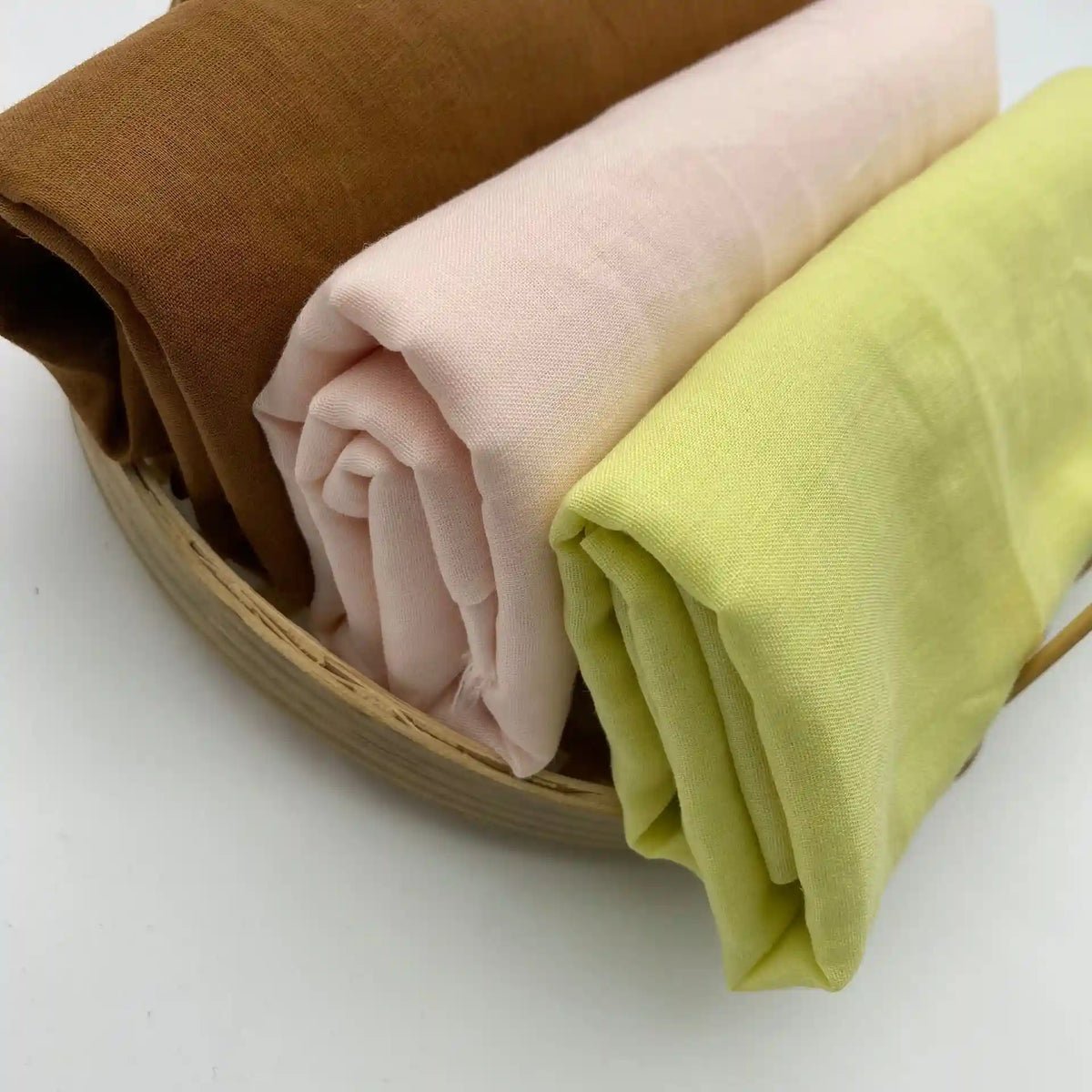
Ramie’s reputation as a premium natural fiber is not built on trend or rarity alone. In commercial textile development, ramie earns its position through a combination of functional performance, visual character, and technical difficulty in processing. Unlike cotton, which benefits from massive global infrastructure, or linen, which has centuries of standardized production, ramie sits in a narrower, more technically demanding niche. When produced and finished correctly, it delivers qualities that are difficult to substitute without synthetic intervention.
What ultimately defines ramie as “premium” is not a single attribute, but the way multiple advantages align in warm-climate applications where appearance, structure, and durability must coexist. At the same time, the fiber’s demanding processing requirements limit who can manufacture it well, reinforcing its value in the supply chain. Ramie is considered a premium natural fiber because it combines exceptional breathability, high tensile strength, natural luster, and a crisp, structured drape that performs well in heat and humidity. Its complex degumming and spinning processes, along with a limited number of skilled processors, further elevate its market positioning.
What actually creates ramie’s premium value
To understand why ramie consistently appears in higher-end collections and specialty textiles, it is necessary to look beyond marketing language and examine how the fiber behaves from yarn formation through finished fabric performance.
A) Performance in heat and humidity
Ramie’s cellular structure is naturally porous, allowing heat and moisture to dissipate quickly. This characteristic is not achieved through finishing additives; it is inherent to the fiber itself.
| Condition | Ramie Behavior |
|---|---|
| Hot weather | Feels cool |
| High humidity | Dries quickly |
| Repeated washing | Maintains strength |
In practical wear tests, ramie fabrics often register lower perceived skin temperature than cotton of comparable weight. Moisture absorption is high, but moisture release is faster, which reduces the clammy sensation common in humid environments. Unlike many cellulosic fibers, ramie retains a large percentage of its tensile strength when wet, which is why repeated laundering has minimal impact on fabric integrity.
For summer apparel, resort wear, shirts, dresses, and lightweight trousers, this balance of cooling sensation and mechanical stability is difficult to replicate without blending in synthetic fibers. In home textiles, especially table linens and curtains, the same properties translate into fabrics that resist sagging and maintain shape even in warm, damp interiors.
B) Visual refinement and surface character
One of ramie’s most recognizable traits is its natural luster. This sheen is not glossy in a synthetic sense; it is subtle, clean, and light-reflective, giving finished fabrics a refined appearance even without complex dyeing or surface treatments.
| Fiber | Natural Look |
|---|---|
| Cotton | Soft, matte |
| Linen | Dry, textured |
| Ramie | Clean, slightly glossy |
This visual clarity makes ramie particularly attractive for designs where silhouette and surface definition matter. Seams, pleats, and panel lines read sharply. Prints appear crisp rather than absorbed. Solid colors maintain brightness over time because the fiber’s surface does not fuzz easily.
Design teams often choose ramie when they want a fabric that communicates structure and intention. In minimalist fashion, where cut and proportion carry the design, ramie’s surface stability supports the aesthetic without additional reinforcement layers.
C) Processing difficulty as a value signal
Ramie’s premium status is reinforced by how challenging it is to process correctly. Unlike cotton, which benefits from standardized global workflows, ramie requires precise control at multiple stages.
| Challenge | Impact |
|---|---|
| Degumming control | Determines softness |
| Spinning difficulty | Limits suppliers |
| Finishing complexity | Raises cost |
Degumming is the most critical step. Insufficient removal of gums leaves the fiber stiff and brittle; excessive treatment weakens the fiber and dulls its luster. Achieving consistency requires experience, stable chemistry control, and wastewater treatment infrastructure. This alone excludes many small or inexperienced mills.
Spinning ramie also presents challenges due to fiber length variability and stiffness. High-quality ramie yarns are typically produced by mills that already specialize in linen or other bast fibers, further narrowing the supplier base.
Finishing adds another layer of complexity. Softening, dyeing, and wrinkle management must be balanced carefully to preserve structure while improving hand feel. Each adjustment affects cost, yield, and quality risk, which is why premium ramie fabrics are rarely inexpensive.
D) Structural behavior and drape control
Beyond comfort and appearance, ramie offers a distinctive mechanical profile. It is stiff compared to cotton but more elastic than linen when processed well. This combination allows fabrics to hold shape without excessive weight.
In garment construction, this translates to:
- garments that resist collapse in heat
- panels that maintain alignment over time
- reduced need for internal linings or interfacings
For product developers, this structural reliability simplifies pattern engineering. Fewer compensatory design elements are required, which can offset some of the higher material cost at the garment level.
In interior applications, such as curtains or wall textiles, ramie’s stiffness helps fabrics hang cleanly, reducing the visual distortion often seen in softer fibers.
E) Role in modern sustainability narratives
Ramie increasingly appears in sustainability-driven collections, but its value here is nuanced. As a perennial crop, ramie does not require annual replanting, reducing soil disturbance. Its yield per hectare is high, particularly in established growing regions, which supports efficient land use.
From an end-product perspective, ramie’s durability contributes to sustainability by extending usable life. Fabrics that maintain strength and appearance through years of use reduce replacement frequency and associated environmental costs.
However, modern buyers are more discerning. They expect transparency around degumming methods, wastewater treatment, and chemical management. Ramie aligns well with sustainability goals only when process-level controls are in place. As a result, mills capable of documenting these practices command higher trust and pricing.
F) Comparison with cotton and linen in real applications
In sourcing decisions, ramie is rarely a direct substitute for cotton or linen; it fills a specific gap between them.
Compared with cotton, ramie offers superior heat performance and structural clarity but less softness. Compared with linen, it provides smoother surfaces and more consistent yarn quality, with slightly less rustic texture.
This positioning explains why ramie is frequently used:
- as a primary fiber in premium summer garments
- as a structural component in blends
- in applications where visual precision matters
Blending ramie with cotton or silk is common, allowing designers to tune softness while preserving breathability and strength.
G) Real-world application insight
Ramie performs best when it is specified for what it does naturally well. It excels in breathable, structured textiles designed for warm climates and frequent use. Problems arise when ramie is expected to behave like cotton jersey or soft knits, where its stiffness becomes a liability rather than an advantage.
Experienced developers approach ramie with intention: selecting appropriate yarn counts, finishes, and end uses that align with its strengths. When used this way, ramie consistently justifies its premium positioning—not as a novelty fiber, but as a technically and aesthetically superior material in the right context.
In modern textile applications, ramie’s value is ultimately defined by execution. When handled by skilled processors and used with clear design intent, it delivers performance and refinement that few other natural fibers can match.
Which countries dominate global ramie fiber and textile production—and how stable is the supply?
Ramie is often described as a niche natural fiber, but behind that label sits a highly concentrated and structurally sensitive supply chain. Unlike cotton or polyester, ramie production cannot be easily relocated or scaled in new regions. It depends on specific climate conditions, accumulated agronomic knowledge, and, most critically, processing know-how that takes decades to mature.
Although ramie garments and fabrics are sold globally, the upstream reality is far from globalized. A limited number of countries control cultivation, fiber extraction, degumming, spinning, and weaving. This concentration has a direct and measurable impact on price volatility, lead time reliability, quality consistency, and development risk for brands and sourcing teams. China dominates global ramie cultivation and textile production because it combines favorable climate conditions, high-yield agricultural systems, and deeply established degumming and textile infrastructure. Smaller-scale production exists in parts of Southeast Asia, while most other regions rely almost entirely on imports. As a result, global ramie supply stability is closely tied to a small number of origin countries, with China acting as the primary anchor of the entire chain.
Understanding who controls each stage of the ramie supply chain is essential for managing sourcing risk, especially as demand for plant-based fibers continues to grow.
Regional realities buyers should understand
A) China: the core of the ramie supply chain
China is not simply the largest producer of ramie; it is the only country with a fully integrated, export-oriented ramie ecosystem. From cultivation to finished fabric, most globally traded ramie products pass through Chinese systems at some point.
| Advantage | Why It Matters |
|---|---|
| Favorable climate | Multiple harvests per year |
| Long cultivation history | Stable agronomy |
| Degumming expertise | Better hand feel |
| Integrated mills | Fiber → yarn → fabric |
Ramie thrives in warm, humid regions with well-managed water access, conditions found in provinces such as Hunan, Hubei, Jiangxi, and Sichuan. These areas support multiple harvest cycles annually, significantly improving yield per hectare compared to experimental cultivation elsewhere.
However, climate alone does not explain China’s dominance. The decisive factor is degumming technology. Raw ramie fibers contain high levels of pectin and gum, which must be removed precisely to avoid brittleness or fiber damage. China has developed both chemical and enzymatic degumming systems optimized over generations, allowing mills to balance cleanliness with fiber strength.
Equally important is vertical integration. Many Chinese suppliers control or closely coordinate:
- Contract farming and fiber procurement
- Degumming and fiber grading
- Ring spinning and blended spinning
- Weaving, dyeing, and finishing
This integration reduces batch-to-batch variation and allows for specification-driven production, which international buyers rely on. As a result, the most consistent-quality ramie fabrics available on the global market originate in China, particularly for apparel-grade and export-certified materials.
From a supply stability perspective, China offers the highest predictability, but also represents a single-point concentration risk when buyers rely on only one mill or region.
B) Southeast Asia: supporting but uneven supply
Several Southeast Asian countries cultivate ramie, including Vietnam, the Philippines, and Indonesia. While these regions contribute to global fiber volume, their role remains supportive rather than central.
| Strength | Limitation |
|---|---|
| Lower labor cost | Limited processing depth |
| Local fiber supply | Inconsistent quality |
| Regional availability | Limited export volumes |
In these countries, ramie is often grown by smallholder farmers as a secondary crop. Agricultural yields can be competitive, but post-harvest handling and processing infrastructure are less standardized. Degumming is frequently done at a basic level, leading to higher fiber variability in fineness, color, and tensile strength.
As a result, much of the ramie fiber produced in Southeast Asia is exported as semi-processed material, then re-degummed, spun, or blended in more advanced facilities, often in China or Japan. This adds cost and time, reducing the price advantage of lower labor inputs.
From a sourcing perspective, Southeast Asian ramie can be viable for:
- Coarser yarns
- Blended fabrics where uniformity is less critical
- Local or regional markets with lower spec sensitivity
However, for brands targeting consistent hand feel, dye uniformity, and repeatable bulk quality, these origins are often used only as supplementary sources, not primary suppliers.
C) Japan and Korea: value-added specialists
Japan and South Korea occupy a unique position in the ramie supply chain. They are not major producers of raw fiber, yet they play a significant role in high-value transformation.
| Role | Impact |
|---|---|
| Advanced finishing | Softer hand feel |
| Blended fabrics | Improved drape |
| Quality control | Premium positioning |
Both countries import raw or semi-processed ramie fibers, primarily from China, and apply advanced spinning, blending, and finishing techniques. Japanese mills, in particular, are known for fine-count ramie yarns and sophisticated blends with cotton, silk, or regenerated fibers.
The result is fabric with noticeably improved drape, reduced harshness, and tighter quality tolerances. These textiles are commonly used in:
- High-end summer shirting
- Traditional-inspired garments
- Premium interior textiles
However, these advantages come with higher costs. Finished fabrics from Japan or Korea can be priced 30–80 percent higher than comparable Chinese-origin materials. Lead times are also longer due to import dependency on raw fiber.
For brands, these regions function best as value-add partners, not volume suppliers. They are ideal for flagship products, limited collections, or markets where consumers are willing to pay for refinement.
D) Europe and the Americas: import-dependent markets
Outside Asia, ramie production is minimal. Europe and the Americas participate mainly at the downstream end of the supply chain.
| Activity | Status |
|---|---|
| Farming | Rare |
| Spinning | Very limited |
| Weaving & finishing | Niche |
Climatic limitations, land costs, and lack of historical expertise make large-scale ramie cultivation impractical in these regions. Small experimental farms exist, but yields are inconsistent and not commercially scalable.
Some European mills weave or finish imported ramie yarns, often positioning products as artisanal or sustainable. While this can add branding value, it does not materially reduce dependence on Asian raw material sources.
This import reliance exposes Western buyers to:
- Currency fluctuations
- Shipping disruptions
- Policy or export control changes at origin
As a result, supply planning for ramie in these markets requires longer forecasting horizons than for more globally distributed fibers.
E) How stable is global ramie supply in practice?
Ramie supply stability is best described as conditionally stable. Under normal conditions, established suppliers deliver reliable output. However, the system has limited shock absorption.
Because production is concentrated, disruptions in one region can ripple quickly. Common risk factors include:
- Extreme weather affecting harvest cycles
- Environmental policy changes impacting degumming chemicals
- Labor shortages during peak processing seasons
- Energy price fluctuations affecting wet processing
When disruptions occur, buyers often discover that switching origin countries is not straightforward. Fiber from different regions can behave differently in spinning and finishing, requiring re-development and re-testing.
For this reason, experienced sourcing teams focus on supplier diversification within the same origin region, rather than attempting to shift origins entirely. Working with multiple mills that share similar agronomic and processing standards offers better continuity than moving to unfamiliar supply bases.
Practical takeaway for sourcing and development teams
Global ramie production is not evenly distributed, and it is unlikely to become so in the near future. China will remain the dominant force due to its unmatched combination of climate suitability, processing expertise, and integrated textile capacity. Other regions play important but specialized roles, either as supplementary fiber sources or as high-end value-add processors.
For brands and manufacturers, supply stability depends less on chasing new origins and more on understanding the structural realities of the existing supply chain. Early engagement with mills, realistic lead-time planning, and origin-aware specification design are the most effective tools for managing risk in ramie sourcing.
When treated with this level of discipline, ramie can be a dependable and differentiated material rather than a fragile one.
How is ramie fiber processed into textile fabric—and where do quality differences emerge?

Ramie is often grouped with cotton and linen in marketing language, but from a processing standpoint it behaves very differently. Unlike cotton, which can be spun relatively directly after ginning, ramie is a highly structured bast fiber that cannot be converted into stable textile fabric without a carefully controlled, multi-stage process. Nearly every quality complaint buyers raise—excessive stiffness, uneven yarn, noisy hand feel, poor dye uptake—can be traced back to how these stages are managed. Ramie fiber is processed through harvesting, decortication, degumming, spinning, weaving, and finishing. The largest quality differences emerge during degumming and spinning, where poor control leads to residual gum, fiber damage, yarn breakage, unevenness, and unstable dyeing performance.
What separates premium ramie fabric from problematic material is not the plant itself, but the consistency and discipline applied during these transformation stages.
Where good ramie becomes great—or problematic
A) Harvesting and decortication
Ramie stalks are harvested multiple times per year and mechanically stripped to separate fiber from the woody core. At this stage, fiber quality is already being defined, even though the material still looks far removed from usable yarn.
| Issue | Effect |
|---|---|
| Over-mature stalks | Coarse fibers |
| Mechanical damage | Short fiber length |
Over-mature stalks produce thicker, less flexible fibers that resist later softening. Once this happens, no amount of finishing can fully recover softness. Mechanical damage during decortication shortens fiber length, which directly reduces spinning stability and increases yarn breakage rates.
In practice, mills that prioritize yield over fiber maturity often create downstream problems that surface much later, during weaving or finishing. Early-stage damage cannot be corrected later, which is why reputable ramie programs tightly control harvest timing and decortication speed rather than pushing maximum throughput.
B) Degumming: the critical control point
Raw ramie fiber contains a high percentage of natural gums, pectins, and hemicellulose. These substances give the plant structural rigidity but must be removed to make the fiber flexible, spinnable, and dyeable.
| Method | Outcome |
|---|---|
| Chemical degumming | Clean fiber, risk of damage |
| Enzymatic degumming | Softer feel, higher cost |
| Incomplete degumming | Stiff, noisy fabric |
Degumming is where the largest quality gap appears between mills. Aggressive chemical degumming removes gums quickly but can weaken fiber strength if temperature, pH, or dwell time are poorly controlled. Enzymatic degumming works more selectively, preserving fiber integrity and improving hand feel, but increases processing cost and cycle time.
Incomplete degumming is the most common failure mode. Residual gum content leads to fabrics that feel stiff, produce friction noise when handled, and resist uniform dye penetration. These issues often appear only after garment washing, making them expensive to resolve.
This step largely determines softness, whiteness, and dyeability. Buyers rarely see degumming parameters quoted, but this is where experienced mills invest the most attention.
C) Spinning challenges
Ramie fibers are naturally strong but have very low elasticity. This combination makes them durable in use but difficult to spin consistently.
| Spinning Issue | Result |
|---|---|
| High breakage | Yarn unevenness |
| Poor tension control | Slubs, weak spots |
| Fiber length variation | Inconsistent fabric |
High breakage rates during spinning lead to yarn unevenness and visible slubs in finished fabric. Poor tension control creates weak spots that later fail during weaving or washing. Variations in fiber length, often caused by earlier mechanical damage, compound these problems.
To manage these risks, many mills blend ramie with cotton or viscose. Even a 20–40% blend can significantly improve spinnability, reduce breakage, and stabilize yarn count without eliminating ramie’s breathability and strength. Pure ramie yarns are possible, but they demand tighter process control and higher rejection rates.
D) Weaving and structure selection
Ramie performs best in woven constructions, where its low elasticity is less problematic and its strength can be fully utilized.
| Fabric Structure | Performance |
|---|---|
| Plain weave | Stable, breathable |
| Twill | Softer drape |
| Knits | Limited stretch, higher risk |
Plain weaves offer maximum dimensional stability and airflow, making them common in summer apparel and home textiles. Twill structures improve drape and reduce surface stiffness but require higher yarn quality to avoid streaking.
Knitted ramie fabrics exist but amplify the fiber’s limitations. Low elasticity increases the risk of deformation, uneven loops, and poor recovery. As a result, knits are typically limited to blends or niche applications where structure is carefully engineered.
Fabric structure choices directly influence how forgiving the material is later in finishing and garment construction.
E) Finishing and softening
Finishing determines whether ramie feels wearable or industrial. Even well-degummed and well-spun fabric can fail at this stage if finishing is rushed or simplified.
| Finish Type | Effect |
|---|---|
| Enzyme wash | Reduces stiffness |
| Mechanical softening | Improves drape |
| Resin finish | Controls wrinkling |
Enzyme washes further reduce surface harshness and residual gum. Mechanical softening physically relaxes the fabric, improving drape and hand feel. Resin finishes help control wrinkling but must be balanced carefully to avoid plasticky touch or reduced breathability.
Skipping or minimizing finishing is the primary reason many buyers describe ramie as “too stiff” or “noisy.” These shortcuts reduce cost on paper but transfer risk to the buyer, especially in apparel or consumer-facing products.
Most quality differences in ramie fabrics are process-driven, not fiber-driven. Two fabrics made from the same raw ramie can perform very differently depending on degumming discipline, spinning control, and finishing strategy.
Buyers who focus only on raw fiber origin or fiber percentage often miss the real quality levers. Asking how degumming is performed, how yarn consistency is controlled, and what finishing steps are included provides far more insight into long-term fabric performance than origin claims alone.
In ramie textiles, quality is engineered step by step. Once a shortcut is taken early, it almost always shows up later—when fixing it is most expensive.
What key ramie fabric specifications should global buyers evaluate?
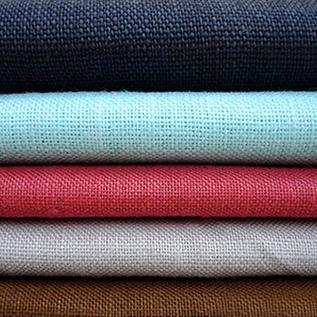
When global buyers run into problems with ramie fabrics, the issue is rarely the fiber itself. Ramie has been used successfully for centuries in apparel, home textiles, and technical applications. The real source of failure is almost always unclear or incomplete specifications. Ramie is not a forgiving fiber. Small deviations in weight, yarn quality, or finishing can lead to noticeable changes in hand feel, drape, dyeing behavior, and garment performance.
Unlike cotton, which can tolerate a wide range of processing variation without obvious defects, ramie amplifies inconsistencies. A difference of 10–15 GSM, a slightly uneven yarn, or insufficient pre-treatment can transform a usable fabric into one that wrinkles excessively, feels harsh, or dyes unevenly. For global buyers managing distance, language barriers, and multi-season programs, specifications are not paperwork—they are risk control tools. Global buyers sourcing ramie textiles should prioritize GSM, yarn count and evenness, weave density, blend ratio, whiteness level, and shrinkage control. These specifications directly determine structure, comfort, dye clarity, and reorder consistency, making them far more important than generic fiber descriptions.
How to read ramie specs beyond marketing terms
Suppliers often describe ramie fabrics using subjective language such as “soft,” “natural,” or “premium.” Experienced buyers look past these terms and focus on measurable parameters that define how the fabric will behave in production and use.
A) GSM (grams per square meter): structure first, softness second
GSM is the single most influential specification for ramie fabrics because it controls structure, airflow, and stiffness.
| GSM Range | Typical Applications | Buyer Notes |
|---|---|---|
| 120–150 | Shirts, blouses | Light, breathable, wrinkles easily |
| 160–190 | Dresses, tops | Balanced hand & stability |
| 200–260 | Pants, home textiles | Structured, less drape |
Low-GSM ramie fabrics emphasize breathability and cooling but also magnify the fiber’s inherent stiffness and wrinkle tendency. If GSM drops too low, the fabric can feel wiry rather than light. Mid-range GSM fabrics offer the best balance for apparel, combining structure with manageable drape. High-GSM ramie becomes architectural and durable but can feel board-like if not carefully softened.
Buyers should specify not only a target GSM, but an acceptable tolerance range. A ±5% tolerance is typical for apparel-grade ramie. Wider variation often results in inconsistent fit and appearance across production lots.
B) Yarn count and yarn evenness
Ramie yarn quality varies significantly depending on fiber preparation and spinning control. Yarn count and evenness directly affect surface appearance and dye uniformity.
| Yarn Count (Ne) | Fabric Character |
|---|---|
| 8–12 | Rustic, textured |
| 16–24 | Apparel-grade |
| 30+ | Premium, smoother |
Coarser yarns create visible texture and suit rustic or casual designs. Finer yarns produce smoother, more refined fabrics suitable for premium apparel. However, yarn count alone is not enough. Evenness matters just as much. Uneven ramie yarn leads to streaky dyeing, visible barre effects, and inconsistent hand feel.
Buyers should request yarn evenness data or visual inspection samples, especially for solid-dyed or light-colored fabrics where defects are more obvious.
C) Weave density and construction
Weave structure determines how ramie’s stiffness and strength translate into fabric behavior.
| Weave Type | Performance |
|---|---|
| Plain weave | Crisp, breathable |
| Twill | Softer, better drape |
| Satin | High sheen, riskier |
Plain weaves highlight ramie’s natural crispness and airflow but wrinkle easily. Twill constructions introduce diagonal structure that improves drape and reduces surface harshness. Satin weaves maximize luster but increase the risk of snagging and uneven wear.
Beyond weave type, ends per inch (EPI) and picks per inch (PPI) matter. Balanced density stabilizes the fabric and controls wrinkle formation. Overly tight constructions reduce breathability and exaggerate stiffness, while loose constructions increase distortion and shrinkage risk.
D) Blend ratios: where ramie works best
Pure ramie fabrics exist, but they are niche and difficult to scale consistently. Blends are far more common in commercial programs because they moderate ramie’s extremes without eliminating its advantages.
| Blend | Benefit |
|---|---|
| Ramie–cotton | Softer hand |
| Ramie–viscose | Improved drape |
| Ramie–linen | Texture depth |
Cotton adds softness and flexibility, viscose improves fluidity and sheen, and linen enhances texture while maintaining a natural aesthetic. Buyers should confirm blend ratios precisely, as even a 5–10% shift can change comfort and cost.
Blends also improve processing yield, reducing rejection rates during dyeing and finishing.
E) Whiteness and pre-treatment
Whiteness is often overlooked until it limits design options. In ramie, pre-treatment quality directly affects color results.
| Whiteness Level | Impact |
|---|---|
| Low | Muted colors |
| Medium | Earth tones |
| High | Pastels, brights |
Insufficient bleaching leaves residual color that dulls dyes and restricts palette choices. Buyers planning pastel or bright shades should specify minimum whiteness standards and request lab dips on the actual base fabric, not generic references.
F) Shrinkage control
Ramie fibers themselves are dimensionally stable, but shrinkage is introduced through weaving tension and finishing processes.
| Shrinkage | Acceptability |
|---|---|
| ≤2% | Excellent |
| 2–4% | Acceptable |
| >4% | Risky |
Pre-washing, controlled drying, and mechanical finishing significantly reduce shrinkage risk. Buyers should define shrinkage targets clearly and test after washing, not just in loom-state condition. Shrinkage surprises are one of the most common causes of fit issues in ramie garments.
G) Buyer checklist (copy-ready)
- GSM matched to end use
- Yarn count and tolerance defined
- Weave type and density specified
- Blend ratio confirmed in writing
- Whiteness level aligned with color plan
- Shrinkage target tested and approved
Specifications protect both cost and reputation. In ramie sourcing, clarity upfront prevents compromise later.
Ramie is not a fiber that tolerates ambiguity. Its strength, breathability, and crisp character reward precision and punish assumptions. Global buyers who treat specifications as strategic tools rather than formalities consistently achieve better outcomes—fewer reworks, more stable reorders, and fabrics that perform as intended across seasons.
When GSM, yarn quality, construction, blending, and finishing are clearly defined, ramie transforms from a perceived niche fiber into a reliable, high-performance textile suitable for demanding global markets.
How does ramie fabric perform in real products?

Ramie often looks outstanding on a specification sheet. High strength, excellent breathability, and natural luster make it attractive during material selection. However, experienced buyers know that fiber performance only becomes meaningful after fabric has gone through cutting, sewing, washing, wearing, storage, and climate exposure. Ramie’s real value—and its limitations—emerge clearly at this stage.
In finished products, ramie behaves differently from cotton, linen, or viscose. It rewards designs that respect its rigidity and airflow properties, while punishing those that expect softness or stretch without engineering support. Understanding how ramie performs over time helps brands avoid misuse, customer dissatisfaction, and unnecessary post-production adjustments. In real products, ramie offers excellent breathability, fast moisture evaporation, and very high wet strength, making it reliable for summer garments and household textiles. However, it wrinkles easily, recovers poorly without finishing, and can feel stiff if used untreated or unblended. Its best performance appears in structured, warm-weather designs rather than soft or elastic constructions.
Real-world behavior buyers should anticipate
A) Breathability and thermal comfort
Ramie’s strongest real-world advantage is thermal performance. Its fiber structure allows air to circulate freely while moving moisture away from the skin.
| Condition | Performance |
|---|---|
| Hot weather | Cool, airy |
| Humid climate | Quick drying |
| Layered wear | Less effective |
In summer garments, wearers consistently report a “cool touch” effect, especially in loose silhouettes. Sweat is absorbed quickly and released faster than in cotton of similar weight, reducing the sticky sensation common in humid environments.
However, ramie is less effective when layered tightly or worn under synthetic outer garments. Airflow becomes restricted, and the fiber’s natural cooling advantage diminishes. For this reason, ramie is most successful in single-layer designs, open weaves, and relaxed fits rather than compact layering systems.
From a product-development standpoint, ramie excels in regions with high temperature and humidity, where comfort complaints are often driven by heat retention rather than insulation.
B) Durability and washing performance
Ramie is one of the few natural fibers that becomes stronger when wet, a characteristic that directly influences product longevity.
| Factor | Result |
|---|---|
| Repeated washing | Maintains strength |
| Abrasion | Moderate resistance |
| Pilling | Low |
In laundering tests, ramie fabrics typically show minimal tensile loss even after dozens of wash cycles. This makes them suitable for items that require frequent cleaning, such as shirts, table linens, and light household textiles.
Abrasion resistance is moderate. Ramie does not break easily, but sharp friction points—such as bag straps or seat edges—can cause surface wear over time. Pilling is generally low due to the fiber’s length and smoothness, which helps fabrics retain a clean appearance longer than many cotton fabrics.
For buyers, this means ramie supports long-term use but should not be positioned as a heavy-duty abrasion fabric unless construction and weave density are optimized.
C) Wrinkling and recovery behavior
Wrinkling is ramie’s most visible limitation in real use.
| Behavior | Buyer Impact |
|---|---|
| Sharp creases | Wrinkle-prone |
| Low recovery | Needs pressing |
| Resin finish | Improves control |
Ramie creases sharply and holds those creases. Unlike wool or certain synthetics, it has very low elastic recovery. Sitting, folding, or packing quickly creates visible wrinkles that do not release on their own.
From a consumer perspective, this can be either a drawback or an aesthetic feature. In casual and resort wear, wrinkles are often accepted as part of a natural, relaxed look. In tailored or formal garments, however, wrinkling can lead to dissatisfaction if not addressed during finishing.
Manufacturers frequently apply resin finishes or mechanical treatments to improve wrinkle resistance. These processes increase cost and may slightly reduce breathability, so they must be chosen carefully depending on the intended market and price point.
D) Comfort and skin feel over time
Untreated ramie is firm and can feel coarse against the skin, especially in finer garments. Comfort is therefore rarely achieved by default.
| Solution | Effect |
|---|---|
| Enzyme finish | Softer touch |
| Blending | Better comfort |
| Garment washing | Improved wear-in |
Enzyme finishing breaks down surface stiffness without significantly compromising strength, producing a noticeably smoother hand feel. Blending ramie with cotton, viscose, or silk is another common strategy, allowing designers to maintain breathability while improving softness.
Garment washing after construction also plays an important role. Pre-washed ramie garments tend to “wear in” faster, reducing initial stiffness and improving customer perception during first use.
In real products, comfort is the result of processing decisions, not the fiber alone. Buyers who skip these steps often experience higher return rates or negative feedback related to hand feel.
E) Shape retention and structural behavior
Ramie holds structure exceptionally well compared with most plant fibers. This trait is often underappreciated until garments are worn repeatedly.
Shirts made from ramie tend to maintain collar shape and seam definition. Dresses retain silhouette without collapsing, even in heat. Curtains and decorative panels hang cleanly, resisting sagging over time.
This structural reliability reduces the need for internal supports such as linings or stiff interfacings. In some designs, the savings in construction complexity partially offsets the higher raw material cost.
However, this same stiffness limits ramie’s suitability for draped or body-hugging styles, where fluidity is expected.
F) Product-category fit in commercial use
Ramie performs differently depending on end use, and successful applications tend to follow consistent patterns.
| Product Type | Suitability |
|---|---|
| Summer shirts | Excellent |
| Dresses | Very good |
| Casual knits | Limited |
| Upholstery | Niche |
In woven summer shirts and blouses, ramie’s airflow and structure create comfort without sacrificing appearance. Dresses benefit from its ability to hold shape while remaining breathable.
Casual knits are generally a poor match unless heavily blended, as ramie lacks natural elasticity. Upholstery applications exist, but only in niche contexts where stiffness and texture are intentional design features rather than comfort-driven requirements.
Understanding these category boundaries helps buyers avoid forcing ramie into roles better suited to other fibers.
G) Aging, storage, and long-term appearance
Over time, ramie fabrics tend to age gracefully when stored and used correctly. They resist yellowing better than some cotton fabrics and maintain surface clarity due to low pilling.
However, prolonged folding can create permanent crease lines if items are stored under pressure. Hanging storage is preferred for garments, while flat storage with minimal compression works better for household textiles.
Exposure to sunlight is generally well tolerated, although prolonged UV exposure can dull dyes if colorfastness standards are not properly specified during dyeing.
H) Buyer insight from real sourcing projects
In real sourcing and production environments, ramie delivers its best results when buyers design with its limitations in mind. Problems arise when it is expected to replace soft cottons or stretch-based fabrics without adjustments.
Successful projects typically share three characteristics:
- realistic expectations about wrinkle behavior
- intentional finishing or blending strategies
- product designs that leverage structure and airflow
When these factors align, ramie consistently performs well and earns strong consumer acceptance. When they do not, dissatisfaction often stems not from the fiber itself, but from mismatched expectations.
Ramie is not a universal solution, but in the right products, it performs reliably, ages well, and delivers comfort where heat and humidity challenge most natural fibers.
What pricing factors and sourcing risks should buyers understand when purchasing ramie textiles?
Ramie pricing rarely follows the logic buyers are familiar with from cotton or synthetic fabrics. Two fabrics with similar weight and appearance can carry very different costs, and reorders may not match the original quotation if upstream variables change. This is not because ramie is unstable by nature, but because it is process-sensitive and highly dependent on how deeply it is treated before it reaches the loom.
For first-time buyers, ramie often feels unpredictable. For experienced sourcing teams, it behaves more like a semi-engineered natural fiber—one where cost, performance, and risk are tightly linked to decisions made far upstream. When those decisions are vague or rushed, pricing surprises and quality disputes follow. When they are controlled, ramie becomes a reliable and differentiating material. Ramie textile prices are primarily driven by fiber grade, degumming depth, finishing complexity, blend ratios, order structure, and seasonal availability. The main sourcing risks—fiber inconsistency, incomplete processing, moisture damage during transit, and specification drift on repeat orders—are rarely random. They can be significantly reduced through clear technical specifications, disciplined sampling, and alignment between agricultural reality and finished fabric expectations.
Understanding how costs form, and where risks quietly enter the chain, is the difference between a stable ramie program and a problematic one.
How costs form—and where risks hide
A) Core pricing drivers
Ramie pricing is cumulative. Each processing decision adds cost, but also removes uncertainty. Buyers who only compare base fabric prices often miss how quickly downstream costs escalate when upstream shortcuts are taken.
| Driver | Why It Matters |
|---|---|
| Fiber grade & length | Determines yarn quality |
| Degumming method | Affects softness & yield |
| Finishing level | Controls wrinkle & hand feel |
| Blend ratio | Stabilizes cost & performance |
| MOQ & color count | Impacts unit economics |
Fiber grade and length form the foundation. Longer, more uniform fibers spin into stronger, finer yarns with fewer breaks. Short or mixed-length fibers reduce yarn efficiency, increase waste, and often require heavier finishing to mask surface defects. While higher-grade fiber raises raw material cost, it frequently lowers total fabric cost by improving yield and reducing reprocessing.
Degumming method is the most underestimated cost driver. Basic chemical degumming is cheaper but can damage fiber integrity, resulting in stiffness or brittleness. Advanced enzymatic or multi-stage degumming increases cost but preserves fiber strength and improves hand feel. For apparel-grade ramie, degumming depth often explains price differences of 15–30 percent between suppliers.
Finishing level further shapes price. Calendering, softening, wrinkle control, and pre-shrinking all add incremental cost. However, insufficient finishing shifts those costs downstream, often appearing later as higher rejection rates or garment sewing issues.
Blend ratio plays a stabilizing role. Blending ramie with cotton, viscose, or lyocell reduces fiber variability, improves spinning efficiency, and lowers overall volatility. From a cost perspective, blends are often more predictable over multiple seasons than 100 percent ramie.
Finally, MOQ and color structure directly affect unit economics. Small runs, multiple colors, or frequent shade changes reduce dye-house efficiency and raise per-meter costs, especially for fibers like ramie that require controlled processing.
Deeper processing raises the quoted price, but it also reduces hidden costs tied to rejection, rework, and delayed approvals.
B) Seasonality and timing
Ramie pricing is tied to agricultural cycles more tightly than many buyers expect. Unlike synthetics, supply cannot be instantly adjusted to demand spikes.
| Timing | Market Effect |
|---|---|
| Post-harvest | Better availability |
| Pre-summer demand | Price pressure |
| Late-season buys | Limited choices |
Immediately after harvest, fiber availability is highest and mills have greater flexibility in fiber selection. Prices during this period tend to be more stable, and buyers have more leverage to specify fiber grade and processing depth.
As pre-summer demand builds—particularly from apparel brands preparing warm-weather collections—competition for higher-grade fiber intensifies. Mills prioritize long-term customers and high-volume programs, while spot buyers often face higher prices or reduced options.
Late-season purchasing carries the highest risk. Fiber inventories narrow, mills rely on mixed lots, and buyers may be forced to compromise on specifications. While unit prices might not always spike dramatically, consistency risk increases, which can be more costly than price itself.
Early planning almost always secures better consistency than last-minute buying, even if headline prices appear similar.
C) Blends vs 100% ramie: cost stability
Choosing between pure ramie and blends is not only a design decision; it is a pricing strategy.
| Fabric Type | Cost Stability |
|---|---|
| 100% ramie | More volatile |
| Ramie blends | More predictable |
Pure ramie fabrics are more exposed to fluctuations in fiber quality and processing yield. Small changes in raw material input can noticeably affect hand feel, dye uptake, and shrinkage behavior. This volatility often shows up during reorders, when the second batch feels slightly different despite matching specs on paper.
Blended fabrics dilute these effects. Cotton, viscose, or regenerated fibers help stabilize yarn formation and reduce sensitivity to minor fiber variations. From a mill’s perspective, blends improve spinning efficiency and reduce waste, which translates into more consistent pricing across production cycles.
Blends also improve wearer comfort and sewing performance, which indirectly reduces cost by lowering garment defect rates. For many commercial programs, the slight loss of “pure fiber” positioning is offset by gains in reliability and scalability.
D) Common sourcing risks—and fixes
Most ramie sourcing problems are not caused by defects, but by misalignment between expectation and process. Recognizing these risks early allows buyers to design them out of the supply chain.
| Risk | Symptom | Prevention |
|---|---|---|
| Incomplete degumming | Stiff fabric | Specify method |
| Mixed fiber lots | Uneven dye | Batch control |
| Moisture exposure | Mildew | Barrier packaging |
| Spec drift on reorder | Inconsistent feel | Locked specs |
Incomplete degumming is one of the most frequent issues. Fabrics may look acceptable but feel harsh or rigid, especially after washing. This usually results from cost-saving shortcuts in degumming. The fix is not subjective language like “soft hand,” but explicit specification of degumming method and target gum content.
Mixed fiber lots cause uneven dyeing and subtle shade variation. This often happens when mills blend fibers from different harvests to meet volume. Buyers can prevent this by requiring single-lot fiber usage or approving controlled blending protocols in advance.
Moisture exposure during transit is a quiet but serious risk. Ramie is hygroscopic, and prolonged exposure to humidity can lead to mildew or odor issues. Proper barrier packaging, desiccants, and moisture limits should be standard, not optional, especially for ocean shipments.
Specification drift on reorders frustrates many buyers. The first batch meets expectations, but later deliveries feel different. This is rarely intentional; it usually reflects undocumented adjustments made during the initial run. Locking specifications—including fiber grade range, degumming parameters, and finishing sequence—greatly improves reorder consistency.
Most “quality issues” attributed to ramie are actually process alignment issues that can be resolved with better documentation and communication.
E) Practical pricing mindset
A common mistake in ramie sourcing is evaluating price purely at the greige or finished-fabric level, without considering how that fabric behaves downstream. Sewing difficulty, garment washing results, and consumer perception all influence total cost.
Lowest unit price rarely equals lowest total cost. A cheaper fabric that requires heavier garment washing, higher sewing rejection, or generates customer complaints quickly becomes expensive. Ramie, more than many fibers, rewards buyers who price finished performance, not raw material.
Experienced buyers approach ramie pricing with a layered mindset:
- Define end-use performance first
- Translate performance into processing requirements
- Price the process, not just the fabric
This approach shifts sourcing conversations from negotiation to collaboration. Mills can quote more accurately, risks are identified earlier, and both sides avoid surprises.
Practical takeaway for buyers and sourcing teams
Ramie is not an unpredictable fiber, but it is an unforgiving one when treated casually. Pricing reflects accumulated decisions about fiber selection, processing depth, and risk tolerance. When those decisions are explicit, costs stabilize. When they are assumed, volatility appears.
Buyers who succeed with ramie do not chase the lowest initial quote. They invest in specification clarity, seasonal planning, and disciplined sampling. In return, they gain access to a material that offers breathability, refinement, and differentiation—without the instability that often gives ramie a false reputation for being difficult.
Handled correctly, ramie pricing becomes understandable, defensible, and repeatable.
How can global buyers select a reliable ramie textile manufacturer for long-term cooperation?
Selecting a reliable ramie textile manufacturer is fundamentally different from sourcing commodity cotton or polyester. Ramie is not forgiving. It rewards discipline and punishes shortcuts. For global buyers planning multi-season programs, the real challenge is not finding a supplier willing to quote, but identifying one capable of delivering repeatable quality over time, across batches, colors, and finishes.
In practice, long-term success with ramie depends less on factory size or marketing materials and more on whether the supplier truly understands where ramie fails when handled casually. Mills that succeed with ramie tend to be process-driven, conservative in claims, and methodical in scaling. Those that struggle often promise aggressively and troubleshoot reactively. Reliable ramie textile manufacturers demonstrate strong control over degumming and finishing, provide clearly defined fabric specifications with measurable tolerances, follow structured and staged sampling processes, and communicate transparently about limitations as well as capabilities. Supplier audits should prioritize process discipline and technical decision-making over catalog breadth or nominal capacity.
A buyer-tested selection framework
A) Capability over scale
In ramie production, scale can be misleading. A large factory with dozens of looms does not automatically translate to consistent ramie output. What matters more is whether the mill has dedicated experience with ramie’s processing risks.
| Capability to Verify | Why |
|---|---|
| Degumming know-how | Determines softness |
| Finishing options | Controls wrinkles |
| Blending experience | Improves comfort |
Degumming expertise is the most critical indicator. Ask how degumming parameters are adjusted for different yarn counts or fabric weights. Mills that treat degumming as a fixed recipe tend to produce inconsistent results, especially when moving between lightweight apparel fabrics and heavier home textile constructions.
Finishing capability is equally revealing. Reliable suppliers can explain the trade-offs between enzyme washing, mechanical softening, and resin finishes, and will recommend different combinations depending on end use. Blending experience, particularly with cotton or viscose, indicates practical problem-solving rather than theoretical knowledge.
The most useful question is not “How much can you produce per month?” but “How do you control hand feel variation between lots?”
B) Sampling discipline tells the truth
Sampling behavior is often the most accurate predictor of bulk performance. Ramie amplifies small process differences, so rushed sampling usually leads to unstable production.
| Sample Stage | What to Evaluate |
|---|---|
| Lab dip | Color response |
| Hand sample | Noise, stiffness |
| Wash test | Shrinkage & recovery |
A proper lab dip reveals how evenly the fabric absorbs dye and whether undertones shift after washing. Hand samples should be evaluated not only visually but physically. Ramie fabrics that squeak, feel brittle, or resist bending at the sample stage rarely improve in bulk.
Wash testing is non-negotiable. Dimensional change after washing often ranges between 2% and 6% depending on finishing. Mills that avoid wash tests or downplay their importance are signaling a lack of process confidence.
Rushed samples often predict rushed production. Mills that insist on completing all sampling steps before bulk are usually protecting both sides from future disputes.
C) Quality systems and tolerances
Professional ramie suppliers are comfortable discussing tolerances. In fact, they prefer it. Clear tolerance ranges allow mills to control rejection rates while maintaining functional performance.
| Question to Ask | What It Reveals |
|---|---|
| Spec tolerances? | Process maturity |
| Batch records? | Reorder stability |
| In-process checks? | Prevention mindset |
Ask for acceptable GSM deviation, shrinkage range, and color variation thresholds. A mill that can immediately answer these questions likely tracks them routinely. One that avoids specifics may be relying on final inspection alone, which is insufficient for ramie.
Batch records are another key indicator. Consistent suppliers maintain detailed records of yarn lots, degumming conditions, finishing sequences, and test results. These records are what make repeat orders predictable rather than experimental.
In-process checks matter more than final inspection. Ramie defects often originate early, and once woven or dyed, they are difficult to correct without degrading fabric quality.
D) Communication and documentation
Clear documentation is not bureaucracy; it is the backbone of repeatability in ramie programs.
| Best Practice | Benefit |
|---|---|
| Written specs | Repeatability |
| Change logs | Predictability |
| Clear timelines | Seasonal planning |
Written specifications should cover not only target values but also acceptable ranges. Change logs documenting adjustments between batches help both sides understand what improved or deteriorated performance.
Clear timelines are especially important for seasonal products. Ramie processing is slower than many buyers expect, particularly when enzymatic degumming or multi-stage softening is involved. Suppliers who communicate lead times conservatively tend to deliver more reliably.
Silence, vague updates, or shifting explanations are warning signs. In ramie production, lack of communication usually precedes quality issues.
E) Long-term cooperation logic
Strong ramie programs rarely start with large orders. They evolve through controlled learning.
Reliable suppliers typically follow a progression that looks like this:
- Start with controlled pilot runs
- Lock core specs before scaling
- Improve finishing step by step
- Scale only after consistency is proven
This approach allows mills to stabilize yarn behavior, finishing response, and shrinkage control before volume pressure increases. Buyers who push for immediate scale often force suppliers to prioritize throughput over precision, which undermines long-term outcomes.
Patience pays dividends with ramie. Once a program is stabilized, repeat orders tend to show lower defect rates and narrower performance variation than many other natural fibers.
Making ramie work—on purpose
Ramie is not a shortcut fiber. It is a deliberate material choice valued for breathability, structure, and a refined natural texture that few other fibers can match. When sourced casually, it frustrates and disappoints. When sourced intentionally, it becomes a reliable, high-performing component in long-term textile programs.
Global buyers who succeed with ramie select partners based on process discipline, transparency, and technical humility rather than promises of scale or speed. The right manufacturer does not claim perfection. They demonstrate control, document decisions, and improve incrementally.
In ramie textiles, reliability is not declared. It is built, step by step, over time.
Ready to develop ramie textiles with confidence?
SzoneierFabrics brings years of experience in ramie fabric R&D and manufacturing, offering:
- Free fabric structure & finishing guidance
- Low-MOQ customization with fast sampling
- Controlled processing and stable quality
- Short lead times and documented specs
- 100% quality assurance
If you’re planning a ramie or ramie-blend fabric, share your target GSM, hand feel, and end use. Contact SzoneierFabrics to request samples or a quotation—and turn ramie into a reliable, high-value textile for your next collection.