Skip to content
Most anglers don’t realize this at first—but the design of a fishing tackle storage bag can completely change how you fish. It’s not just about carrying gear; it’s about how quickly you can react, how efficiently you can organize, and how well your equipment survives harsh environments. A poorly designed bag leads to tangled lines, wasted time, and even damaged gear. A well-designed one feels almost invisible—it works with you, not against you.
At its core, a good fishing tackle storage bag design balances structure, material, accessibility, and durability. It must protect gear, allow fast access, and adapt to different fishing scenarios while remaining comfortable to carry. The best designs are not the most complex—they are the most intentional, where every pocket, seam, and material serves a purpose.
Think about this: you’re standing by the water, the fish are active, and timing matters. One angler is digging through layers of gear, frustrated. Another opens a well-designed bag, reaches in, and switches lures in seconds. Same skill level—but completely different outcomes. That difference often comes down to design.
What Is a Fishing Tackle Storage Bag Design?

A fishing tackle storage bag design is not simply a matter of aesthetics or adding more storage space. It is a functional system where materials, structure, compartments, and usability features are engineered together to support how anglers actually interact with their gear. In real fishing environments, efficiency matters just as much as durability. A bag that slows down access or makes organization difficult can negatively impact the entire fishing experience.
The most effective designs are built around real usage behavior. Anglers rarely operate in controlled conditions—they deal with water, movement, limited visibility, and time-sensitive situations. This means every design decision must contribute to speed, protection, and ease of use. From Szoneier’s long-term collaboration with outdoor brands, the most successful tackle bag designs are those that reduce friction in the fishing process, allowing users to focus on fishing rather than managing their equipment.
A fishing tackle storage bag design refers to how materials, structure, compartments, and usability features are combined to create a system that organizes, protects, and provides quick access to fishing gear. When these elements are aligned correctly, the bag becomes an extension of the user’s workflow rather than just a storage product.
Core Elements of Fishing Bag Design
Understanding the key components of design helps explain how performance is achieved in practical use.
| Design Element | Purpose | Impact on User |
|---|---|---|
| Structure | Defines shape and stability | Affects protection and organization |
| Compartments | Organizes gear | Improves efficiency |
| Materials | Determines durability | Affects lifespan and performance |
| Access Points | Controls usability | Reduces time spent searching |
| Carry System | Supports mobility | Impacts comfort |
Each of these elements interacts with the others. For example, increasing compartment complexity without adjusting structure can lead to instability, while improving materials without optimizing access may not improve usability.
From a manufacturing perspective, these elements are often developed simultaneously rather than sequentially. Changes in one area—such as switching to a heavier material—require adjustments in structure and carry system to maintain balance.
Structure: The Foundation of Design


Structure determines how the bag behaves under load and during use. It directly affects protection, shape retention, and overall usability.
Fishing bags typically fall into three structural categories:
| Structure Type | Characteristics | Use Case |
|---|---|---|
| Soft Structure | Flexible, lightweight | Travel and mobility |
| Semi-Rigid | Balanced support | Multi-purpose use |
| Rigid (EVA/Box) | Strong protection | Heavy gear and precision |
Soft structures are commonly used in lightweight bags designed for mobility. They are easy to carry and compressible, but they offer limited protection for delicate gear.
Rigid structures, often using EVA or molded panels, provide maximum protection and shape stability. These are suitable for heavy or sensitive equipment but can increase weight and reduce flexibility.
Semi-rigid structures have become the preferred solution in many modern designs. By combining flexible fabrics with reinforced panels, they achieve a balance between protection and portability. This approach allows the bag to maintain its shape without becoming overly heavy or rigid.
Layout Logic: How Design Affects Behavior

Layout design is where functionality becomes visible to the user. A well-designed layout guides behavior, making it easier to access and manage gear without conscious effort.
Top-opening compartments are widely used because they allow quick access to frequently used items. In fast-paced fishing situations, this reduces the time spent searching and increases efficiency.
Front panel openings provide better visibility of internal compartments. This design is particularly useful for tackle bags that store multiple trays or small items, as it allows users to see everything at once.
Side pockets are typically reserved for tools and accessories that require immediate access. Items such as pliers or line cutters are often stored here to minimize movement during use.
Poor layout design, on the other hand, creates friction. When users have to reorganize gear frequently or struggle to locate items, the overall experience is negatively affected. Over time, this can lead to dissatisfaction even if the bag is durable.
Material Integration in Design

Fishing bags are rarely constructed from a single material. Instead, designers combine materials strategically to optimize performance across different parts of the bag.
| Area | Material Choice | Reason |
|---|---|---|
| Outer shell | Nylon / Oxford | Durability |
| Base | EVA / PVC | Waterproof and protection |
| Inner lining | Polyester | Lightweight |
| Reinforcement | TPU / PVC coating | Water resistance |
This multi-material approach allows manufacturers to tailor each section of the bag to its specific function. For example, the outer shell must resist abrasion, while the base must handle water exposure and impact.
At Szoneier, material integration is often refined through testing and iteration. Adjustments in fabric type, coating thickness, and reinforcement placement are made to achieve the desired balance between durability, weight, and cost.
Access Points and Functional Efficiency
Access points are a critical but often overlooked aspect of design. They determine how quickly and easily users can interact with their gear.
Wide-opening zippers, often designed in U-shape or clamshell configurations, allow full access to the interior. This reduces the need to remove items sequentially and improves visibility.
Dual-zipper systems provide flexibility in how compartments are opened, allowing partial or full access depending on the situation.
In some advanced designs, magnetic closures are used for quick-access pockets. These allow one-handed operation, which is particularly useful when the user is holding fishing equipment.
Efficient access design reduces unnecessary movement and improves overall workflow, especially in time-sensitive scenarios.
Carry System and Mobility


Mobility is an essential aspect of fishing bag design, especially for users who move between locations or carry gear over long distances.
Carry systems typically include padded shoulder straps, reinforced handles, and adjustable fittings. The goal is to distribute weight evenly and reduce strain on the user.
Backpack-style designs are widely used for their hands-free functionality. They are particularly effective for shore fishing or hiking to remote areas.
Breathable back panels improve comfort in warm conditions by allowing airflow between the bag and the user’s body. Adjustable straps ensure that the bag fits securely, reducing movement during use.
From a design perspective, the carry system must be aligned with the bag’s weight and intended use. A heavy-duty bag without proper support will quickly lead to user fatigue.
Real-World Insight
In one product development project, a fishing brand worked with Szoneier to redesign its tackle bag. Instead of increasing capacity or adding new features, the focus was placed on optimizing compartment orientation and zipper placement.
The result was a measurable improvement in usability. Users reported approximately 25% faster access to their gear, even though the overall size and capacity of the bag remained unchanged. This demonstrates how design improvements can have a significant impact without increasing complexity or cost.
Is More Complexity Better?
There is a common misconception that adding more features automatically improves a product. In reality, excessive complexity often reduces usability.
Over-designed bags can confuse users, making it harder to locate items or understand how compartments are intended to be used. Additional features also increase weight and production cost, which may not align with user expectations.
The most effective designs focus on clarity and efficiency. Every element should have a defined purpose, and unnecessary features should be eliminated. Simplicity, when combined with thoughtful engineering, often results in better performance than feature-heavy designs.
A well-designed fishing tackle storage bag does not require explanation. It feels intuitive from the first use, supporting the user’s workflow naturally and consistently.
Which Core Features Should a Fishing Tackle Bag Include?
A fishing tackle bag is only as effective as the features it delivers in real use. While materials and structure provide the foundation, it is the core features that determine whether the bag actually improves the fishing experience or becomes a source of frustration. In practical scenarios—wet environments, limited time, constant movement—every feature must serve a clear purpose.
Over the years, fishing bags have evolved from simple storage solutions into highly functional systems. However, not all features contribute equally. Some directly impact efficiency and protection, while others add complexity without meaningful benefit. The challenge for manufacturers is to identify which features truly matter and integrate them in a way that feels intuitive.
A well-designed fishing tackle bag should include structured compartments, modular storage compatibility, durable materials, waterproof features, and ergonomic carrying systems to ensure efficiency, protection, and comfort. Based on Szoneier’s product feedback data across multiple markets, the most valued features consistently relate to organization, durability, and ease of use rather than excessive functionality.
Essential Feature Breakdown
To understand what defines a high-performance fishing bag, it is helpful to break down the essential features and their direct impact on users.
| Feature | Why It Matters | User Benefit |
|---|---|---|
| Main compartment | Stores core gear | Central organization |
| Tackle tray compatibility | Standard storage system | Easy organization |
| Side pockets | Tool storage | Quick access |
| Waterproof base | Protects from wet surfaces | Gear safety |
| Reinforced handles | Improves durability | Long-term use |
Each of these features addresses a specific need. The main compartment acts as the central storage area, while compatibility with tackle trays ensures that gear can be organized efficiently using standardized systems.
Side pockets are particularly important for frequently used tools. In real fishing conditions, quick access to pliers or cutters can save time and reduce unnecessary movement.
A waterproof base is one of the most practical features. Bags are often placed on wet ground or boat decks, and without proper base protection, water can easily seep into the interior.
Reinforced handles and stress points ensure that the bag can handle repeated lifting and heavy loads without failure.
Compartment Design Essentials
Compartment design plays a central role in how users interact with their gear. A well-organized bag reduces time spent searching and improves overall efficiency.
| Compartment Type | Function |
|---|---|
| Main compartment | Large gear storage |
| Internal dividers | Organization |
| External pockets | Quick-access items |
| Hidden pockets | Valuables |
The main compartment is designed for larger items such as tackle boxes or bulk gear. Its size and shape must align with standard storage systems to avoid wasted space.
Internal dividers help separate smaller items and prevent tangling or damage. In manufacturing, these dividers are often made from lightweight yet durable materials to maintain structure without adding unnecessary weight.
External pockets are optimized for accessibility. Items stored here should be reachable without opening the main compartment, which is particularly useful during active fishing.
Hidden pockets provide secure storage for valuables such as keys, wallets, or mobile devices. These pockets are typically positioned away from high-traffic areas to reduce the risk of loss.
Modular Storage Systems
Modern fishing bags increasingly rely on modular storage systems to improve flexibility. Instead of fixed layouts, these systems allow users to adapt the bag to different fishing scenarios.
Tackle tray compatibility is a key component of this approach. Standardized trays enable users to organize gear outside the bag and then insert them as needed. This reduces setup time and simplifies gear management.
Removable dividers further enhance flexibility by allowing users to adjust internal layouts. For example, a user may need more space for larger equipment on one trip and more compartments for smaller items on another.
Expandable compartments provide additional capacity when needed. This feature is particularly useful for users who alternate between light and heavy gear setups.
From a design perspective, modular systems must be carefully engineered to maintain stability. Poorly executed designs can lead to shifting contents or inefficient use of space.
Access Efficiency Features

Speed and ease of access are critical in fishing environments. Even small delays caused by inefficient design can disrupt the user’s workflow.
Wide-opening zippers allow the bag to open fully, providing a clear view of the contents. This reduces the need to remove items sequentially and improves accessibility.
Transparent pockets enhance visibility, making it easier to locate smaller items without opening multiple compartments.
Color-coded compartments are a subtle but effective feature. By assigning different colors to different sections, users can quickly identify where specific items are stored.
These features may seem minor individually, but together they significantly improve usability and reduce frustration.
Hardware and Durability Features
Durability is heavily influenced by the quality of hardware and construction techniques used in the bag.
| Component | Recommended Standard |
|---|---|
| Zippers | SBS / YKK level |
| Stitching | Reinforced double stitching |
| Buckles | High-strength plastic or metal |
Zippers are one of the most frequently used components and a common failure point in low-quality products. High-grade zippers ensure smooth operation and long-term reliability.
Reinforced stitching, including double stitching and bar-tack reinforcement, strengthens high-stress areas such as handles and strap connections. This significantly improves load-bearing capacity.
Buckles and clips must be strong enough to handle repeated use and environmental stress. High-strength plastic materials are often preferred for their balance of durability and weight.
Waterproofing Features
Waterproofing is a critical feature for fishing bags, as exposure to water is unavoidable.
| Feature | Effectiveness |
|---|---|
| Coated fabric | Moderate |
| Waterproof base | High |
| Sealed seams | Very high |
Coated fabrics provide the first layer of protection, helping to repel water from the surface. However, they are not sufficient on their own for heavy exposure.
A waterproof base is particularly important because it protects against water entering from below. This is one of the most common points of failure in lower-quality designs.
Sealed seams offer the highest level of protection by preventing water from penetrating through stitching holes. This feature is typically found in higher-end products.
Combining these elements creates a comprehensive waterproofing system rather than relying on a single feature.
Real-World Case
In one product upgrade, a Szoneier client focused on improving two specific features: the base structure and zipper quality. By introducing an EVA waterproof base and upgrading to higher-grade zippers, the product’s performance improved significantly.
Customer complaints related to water damage decreased noticeably, and product reviews showed higher satisfaction levels within a single season. Importantly, these improvements were achieved without major changes to the overall design, demonstrating the impact of focusing on core features.
Do More Features Always Improve Design?
Adding more features does not automatically improve a product. Each additional feature increases weight, cost, and design complexity. If these features do not provide clear value, they can negatively affect usability.
Overloaded designs often confuse users, making it harder to locate items or understand how the bag is intended to be used. In contrast, well-designed products focus on essential features that deliver measurable benefits.
The goal is not to maximize the number of features, but to optimize their effectiveness.
User Insight
Experienced anglers consistently prefer products that are simple, reliable, and efficient. They value features that improve real-world performance rather than those that add unnecessary complexity.
For casual users, ease of use is equally important. A bag that is intuitive from the first use is more likely to meet expectations than one that requires adjustment or learning.
Across both groups, the conclusion is clear: the best fishing tackle bags are those that focus on core features, executed well, and aligned with how users actually interact with their gear.
How Do Compartment Layouts Impact Organization?
Compartment layout is the functional core of any fishing tackle bag. While materials and durability define how long a bag lasts, layout determines how well it performs in actual use. In fishing, efficiency is not optional. Anglers often operate in fast-changing conditions where timing matters, and the ability to access the right gear quickly can directly influence results.
A well-designed compartment layout reduces friction in the user’s workflow. It minimizes unnecessary movement, prevents gear from shifting or tangling, and ensures that every item has a predictable location. In contrast, poor layout design leads to disorganization, wasted time, and frustration—even if the bag itself is made from high-quality materials.
Compartment layout is the core of fishing tackle bag design because it directly determines how efficiently gear can be organized, accessed, and protected during use. From Szoneier’s development experience, optimizing layout often produces more noticeable improvements in user satisfaction than upgrading fabrics or increasing overall capacity.
Layout Types and Their Impact
Different layout structures influence how gear is stored and accessed. Choosing the right layout depends on the intended use scenario and user preference.
| Layout Type | Characteristics | Best Use Case |
|---|---|---|
| Vertical stacking | Trays stacked vertically | Compact storage |
| Horizontal layering | Flat, layered compartments | Easy access |
| Hybrid layout | Combination of both | Multi-purpose use |
Vertical stacking is commonly used in compact tackle bags where maximizing storage within limited space is a priority. By stacking trays, manufacturers can increase capacity without expanding the bag’s footprint. However, this approach requires users to remove upper layers to access lower ones, which can slow down operation.
Horizontal layering prioritizes accessibility. Items are arranged in flat layers, allowing users to view and reach gear more easily. This layout is particularly effective in situations where quick access is critical, such as active lure switching.
Hybrid layouts combine both approaches, offering a balance between capacity and accessibility. For example, a bag may use horizontal compartments for frequently used items and vertical stacking for less frequently accessed gear.
From a design perspective, hybrid systems are increasingly favored because they accommodate a wider range of user behaviors without compromising efficiency.
Tackle Tray Integration


Modern fishing bags are typically designed around standardized tackle trays. These trays act as modular units that simplify organization and improve flexibility.
| Tray Type | Benefit |
|---|---|
| Standard plastic trays | Easy organization |
| Adjustable dividers | Custom layout |
| Transparent lids | Quick identification |
Standard plastic trays allow users to pre-organize their gear outside the bag. This reduces preparation time and makes it easier to switch setups depending on fishing conditions.
Adjustable dividers within trays provide additional flexibility. Users can modify internal layouts to accommodate different types of lures or tools, ensuring that space is used efficiently.
Transparent lids improve visibility, allowing users to identify contents without opening each tray. In real-world scenarios, this small feature can significantly reduce search time.
For manufacturers, precise compartment sizing is critical. If compartments are too loose, trays may shift during movement. If they are too tight, usability is reduced. Achieving the right tolerance is essential for a stable and functional design.
Access Path Design
Access path design refers to how easily users can reach their gear within the bag. It is closely linked to layout but focuses specifically on movement and interaction.
| Design Feature | Impact |
|---|---|
| Wide-opening top | Faster access |
| Front panel opening | Better visibility |
| Side access pockets | Quick tool retrieval |
Wide-opening tops, often designed with U-shaped zippers, allow the bag to open fully. This provides a clear overview of the contents and reduces the need to search blindly.
Front panel openings are particularly useful for layered layouts. They allow users to access multiple compartments simultaneously, improving efficiency.
Side access pockets are designed for high-frequency items. Tools stored here can be retrieved quickly without opening the main compartment, reducing unnecessary steps.
An effective access path minimizes movement and aligns with natural user behavior. Poor access design forces users to adapt, which can lead to frustration over time.
Preventing Gear Tangling

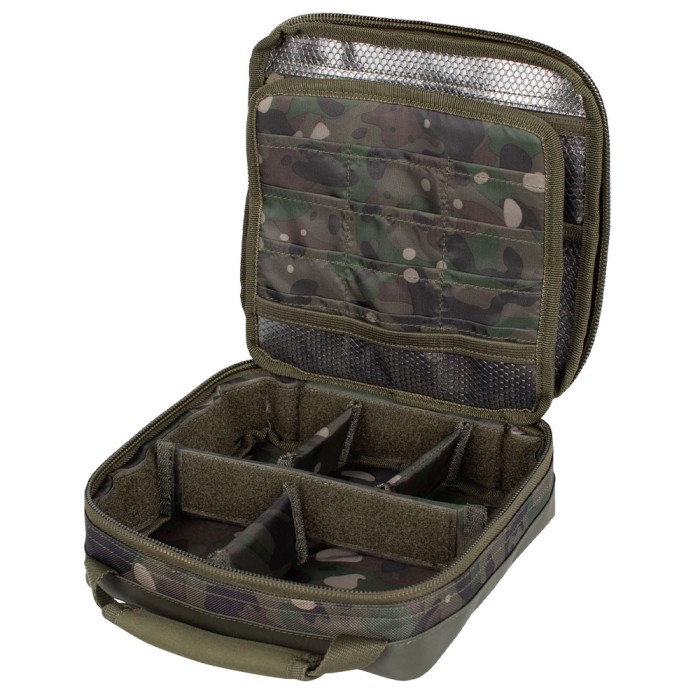
Tangled lines and mixed gear are among the most common issues caused by poor compartment design. Preventing these problems requires deliberate separation and stabilization of items.
| Solution | Design Approach |
|---|---|
| Separate compartments | Isolate items |
| Elastic holders | Secure tools |
| Mesh pockets | Visibility + separation |
Separate compartments ensure that items do not come into contact unnecessarily. This is especially important for hooks and lures, which can easily become entangled.
Elastic holders keep tools in fixed positions, preventing movement during transport. This not only improves organization but also reduces noise and wear.
Mesh pockets provide both separation and visibility. Users can quickly identify items while keeping them contained within specific areas.
From a manufacturing standpoint, these features must be integrated without compromising overall space efficiency. Over-segmentation can reduce usable capacity if not carefully planned.
Space Utilization Efficiency


Efficient use of space is a defining characteristic of good layout design. It ensures that every part of the bag contributes to functionality.
| Factor | Good Design | Poor Design |
|---|---|---|
| Dead space | Minimal | High |
| Compartment fit | Precise | Loose |
| Gear movement | Controlled | Unstable |
Dead space refers to unused or poorly utilized areas within the bag. Minimizing dead space increases effective capacity without increasing size.
Precise compartment fit ensures that items remain stable during movement. Loose compartments allow gear to shift, which can lead to damage or disorganization.
Controlled gear movement is essential for maintaining order. When items stay in place, users can rely on consistent positioning, improving efficiency.
Achieving high space utilization requires careful planning during the design phase, including accurate measurement of components and consideration of how items will be stored.
Real-World Insight
In one development project, Szoneier worked with a fishing brand to redesign its compartment layout. The original design used deep, single compartments that allowed gear to accumulate without structure.
By replacing this with a layered tray system, the new design improved both organization and accessibility. Users reported significantly faster access to their gear and better overall organization, even though the external dimensions of the bag remained unchanged.
This case demonstrates that layout optimization can deliver substantial performance improvements without increasing size or cost.
Is More Compartments Always Better?
Adding more compartments does not necessarily improve functionality. Excessive segmentation can create confusion, making it harder for users to remember where items are stored.
Each compartment should serve a clear purpose. When compartments are added without a defined function, they increase complexity without adding value.
The goal is optimal segmentation—enough compartments to organize gear effectively, but not so many that usability is compromised.
User Behavior Insight
Experienced anglers tend to develop consistent habits in how they organize and access their gear. They rely on muscle memory and expect their equipment to support these patterns.
Designs that align with these habits perform better because they feel intuitive. Users do not need to think about where items are stored or how to access them.
In contrast, designs that force users to adopt new behaviors often lead to frustration, even if they offer theoretical advantages.
For manufacturers, understanding user behavior is just as important as technical design. The most successful compartment layouts are those that adapt to users, not the other way around.
Which Materials Are Best for Fishing Bag Construction?

Material selection is one of the most decisive factors in fishing bag construction because it directly determines how the product performs under real conditions. Unlike everyday bags, fishing bags are exposed to water, abrasion, weight fluctuation, and repeated outdoor use. A material that performs well in a controlled environment may fail quickly when exposed to these variables.
The challenge is not simply choosing the strongest or most waterproof material. Instead, manufacturers must balance durability, water resistance, weight, and cost while ensuring the final product remains practical for the intended user. From Szoneier’s manufacturing experience, the most successful fishing bags are built using a combination of materials, each selected for a specific function.
The best materials for fishing tackle bag construction are those that balance durability, water resistance, weight, and cost—commonly including polyester, nylon, Oxford fabric, EVA, and TPU or PVC coatings. When these materials are integrated correctly, they create a system that performs reliably without unnecessary weight or cost.
Material Performance Comparison
To evaluate material choices, it is important to compare their core properties and how they perform under real use conditions.
| Material | Durability | Water Resistance | Weight | Cost |
|---|---|---|---|---|
| Polyester | Moderate | Moderate | Light | Low |
| Nylon | High | Moderate | Light | Medium |
| Oxford Fabric | High | Moderate | Medium | Medium |
| EVA | Very High | Excellent | Medium | High |
| TPU Coating | High | Excellent | Medium | High |
| PVC Coating | High | High | Heavy | Medium |
This comparison highlights that no single material excels in all categories. Polyester offers cost advantages, nylon provides strength, and EVA delivers structural protection. Coatings such as TPU and PVC enhance waterproofing but introduce additional weight and cost considerations.
Polyester vs Nylon vs Oxford
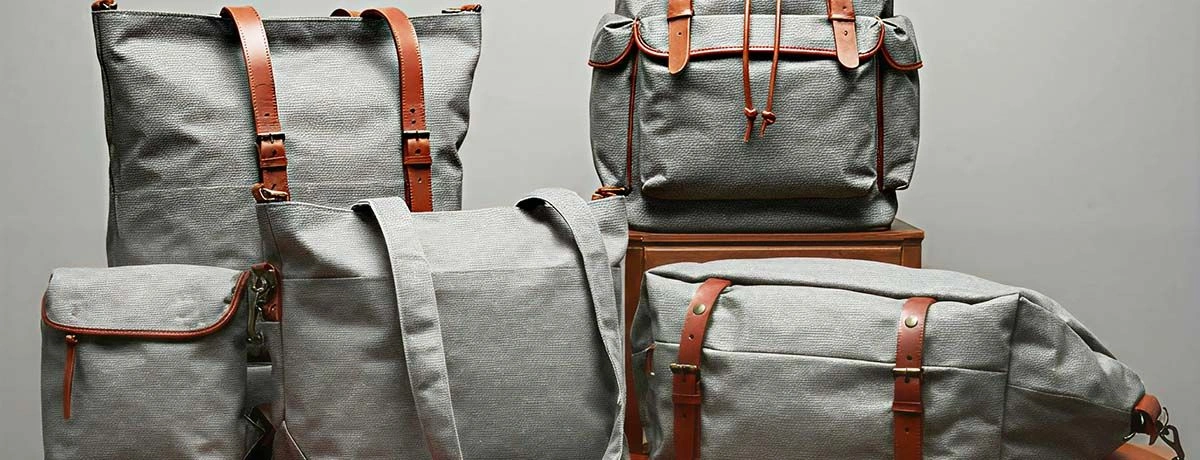
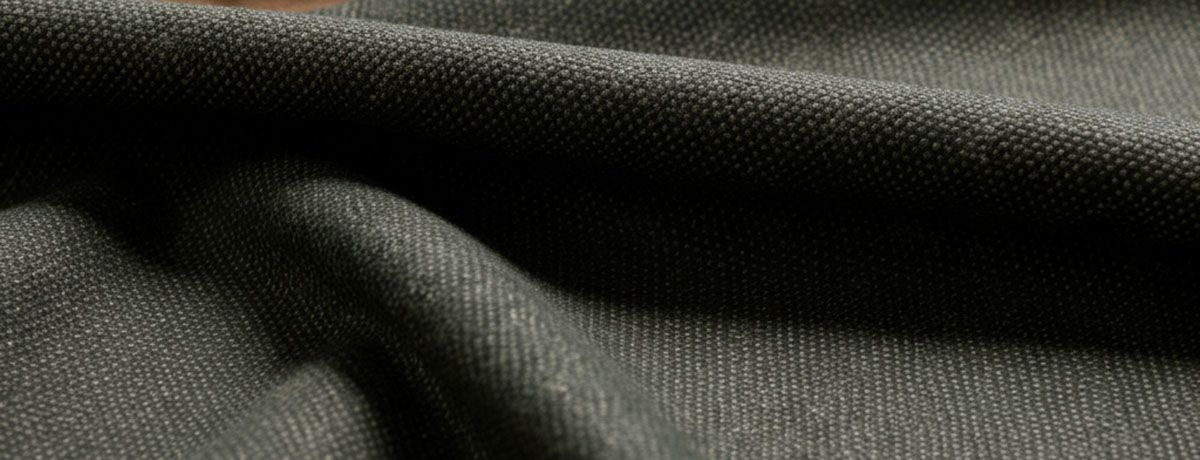
These three materials form the foundation of most fishing bag constructions, but their differences become more apparent in practical use.
Polyester is widely used due to its cost efficiency and stable performance. It resists fading and performs adequately in moderate conditions. For large-scale production, polyester can reduce material costs by approximately 15–25% compared to nylon, making it a common choice for entry-level products.
Nylon offers superior abrasion resistance and tear strength. In testing environments, high-density nylon fabrics can withstand significantly more wear cycles than polyester. This makes nylon suitable for premium fishing bags that are expected to endure rugged use.
Oxford fabric is defined by its weave structure rather than the fiber itself. Its basket weave increases structural stability, helping the bag maintain shape even under uneven loads. This makes it particularly effective for tackle bags that require consistent organization.
In practice, the choice between these materials depends on the intended use. Lightweight and cost-sensitive products often use polyester, while high-performance products favor nylon or Oxford fabric.
Coatings and Waterproof Performance
Base fabrics alone cannot provide sufficient waterproofing for fishing environments. Coatings are essential to enhance water resistance and protect internal gear.
| Coating Type | Function |
|---|---|
| PU Coating | Light water resistance |
| PVC Coating | Strong waterproofing |
| TPU Lamination | Premium waterproofing |
PU coating is commonly used in entry-level products. It provides basic protection against light moisture but may not withstand prolonged exposure to water.
PVC coating offers stronger waterproofing and is often used in heavy-duty applications. It increases resistance to water penetration but adds weight and reduces flexibility, especially in colder conditions.
TPU lamination represents a more advanced solution. It provides high waterproof performance while maintaining flexibility and resistance to cracking. This makes it suitable for premium fishing bags designed for demanding environments.
The choice of coating must align with the product’s intended use. Over-specifying waterproofing can increase cost and weight without delivering proportional benefits.
EVA and Structured Materials
EVA serves a different role compared to woven fabrics. It is primarily used for structure and protection rather than flexibility.
In fishing bag construction, EVA is commonly applied in bottom panels and reinforced sections. These areas are exposed to the highest levels of stress and moisture, making durability and waterproofing essential.
EVA materials typically range in thickness from 2 mm to 8 mm. Thicker EVA provides greater impact resistance and shape retention but increases overall weight. Selecting the appropriate thickness requires balancing protection with portability.
In some designs, full EVA structures are used to create rigid tackle bags. These provide maximum protection for gear but are less flexible and may not suit all users.
Material Combination Strategy
Modern fishing bags are rarely constructed from a single material. Instead, manufacturers use a combination of materials to optimize performance across different areas of the bag.
| Component | Material Choice | Purpose |
|---|---|---|
| Outer shell | Nylon / Oxford | Durability |
| Base | EVA / PVC | Waterproof protection |
| Interior | Polyester | Lightweight |
| Reinforcement | TPU | Extra durability |
This layered approach allows each material to perform its specific function. For example, the outer shell resists abrasion, while the base protects against water and impact.
At Szoneier, hybrid material designs are developed through iterative testing. Adjustments are made to ensure that materials work together effectively without creating unnecessary weight or cost increases.
Weight vs Durability Trade-Off
Material selection always involves trade-offs. Improving one aspect often affects another.
| Priority | Recommended Material |
|---|---|
| Lightweight | Polyester |
| Durability | Nylon / Oxford |
| Waterproofing | EVA / TPU |
| Cost efficiency | Polyester / PVC |
For users who prioritize mobility, lightweight materials are essential. However, reducing weight too much can compromise durability.
For heavy-duty use, stronger materials are required, but they increase weight and may affect comfort during extended use.
The goal is to find a balance that aligns with the intended application rather than maximizing a single performance metric.
Real-World Case
In one project, a Szoneier client upgraded their fishing bag from a standard polyester construction to an Oxford fabric combined with TPU coating. This change increased material costs by approximately 15–20%, but the performance improvements were significant.
Users reported better resistance to wear and improved waterproof performance, particularly in wet environments. Product returns related to material failure decreased, and overall customer satisfaction improved.
This case demonstrates how targeted material upgrades can enhance both product performance and market perception.
Is the Most Durable Material Always Best?
Selecting the most durable material does not automatically result in the best product. Overly heavy or rigid materials can reduce usability, making the bag uncomfortable to carry or difficult to handle.
For example, while PVC-coated fabrics offer strong waterproofing, their weight and stiffness may not be suitable for lightweight backpack designs. Similarly, full EVA constructions provide excellent protection but may be excessive for casual users.
The best material is not the strongest or the most advanced—it is the one that matches the intended use scenario and user expectations.
User Insight
Different users prioritize different aspects of performance, and material selection should reflect these preferences.
Casual users often value lightweight and affordable products. For this group, polyester-based constructions with basic coatings are usually sufficient.
Professional or experienced users prioritize durability and protection. They are more likely to choose nylon or Oxford-based bags with advanced waterproofing and reinforced structures.
Understanding these differences allows brands to develop targeted products that meet specific market needs rather than relying on a single material strategy for all users.
How Do Waterproof and Durability Features Work Together?
Waterproofing and durability are not separate performance features in fishing bag design—they are interdependent. In real fishing environments, exposure to water does not just threaten the contents inside the bag; it also accelerates material fatigue, weakens stitching, and shortens product lifespan. A bag that is durable but not waterproof will degrade quickly, while a bag that is waterproof but poorly constructed will fail structurally.
Fishing conditions amplify these challenges. Bags are placed on wet surfaces, exposed to rain, splashed by water, and often used in humid or saltwater environments. Over time, even small amounts of moisture penetration can lead to material breakdown, corrosion of hardware, and internal damage to stored gear.
Waterproofing and durability are closely linked in fishing tackle bag design because exposure to water, salt, and harsh environments accelerates material wear. The most reliable fishing bags are those that integrate waterproof materials, sealed construction techniques, and reinforced structural components into a unified system. From Szoneier’s product testing data, bags that combine these elements consistently outperform those that rely on coatings alone.
Waterproof vs Durability Performance Matrix
To understand how these features interact, it is useful to examine how different design elements contribute to both waterproofing and long-term durability.
| Feature | Waterproof Function | Durability Impact |
|---|---|---|
| Coated fabric | Prevents water penetration | Moderate |
| EVA base | Blocks water from ground | High |
| Sealed seams | Eliminates leak points | High |
| Reinforced stitching | Improves strength | High |
| Waterproof zippers | Prevents entry points | Moderate |
Coated fabrics provide the first line of defense against water, but their effectiveness depends on how well they are integrated into the overall structure. EVA bases and sealed seams play a more critical role in long-term performance because they address the most common points of failure.
Reinforced stitching, while not directly related to waterproofing, ensures that structural integrity is maintained even under repeated stress. When stitching fails, waterproof performance is compromised regardless of material quality.
Are Fishing Bags Truly Waterproof?

In most cases, fishing bags are water-resistant rather than fully waterproof. This distinction is important because it defines how the product performs under prolonged exposure.
True waterproof performance requires three key elements working together:
Non-porous materials such as EVA or TPU-laminated fabrics that prevent water penetration Heat-sealed seams that eliminate leakage through stitching holes Waterproof zippers that block water entry at closure points
If any of these elements are missing, water can gradually enter the bag, especially under pressure or prolonged exposure. Many mid-range products use coated fabrics without sealed seams, which provides partial protection but does not achieve full waterproof performance.
From a manufacturing perspective, achieving full waterproofing significantly increases production complexity and cost. Therefore, the level of waterproofing must be aligned with the intended use scenario.
Seam and Zipper Weak Points
Even when high-quality materials are used, certain components remain vulnerable to water penetration and structural failure.
| Component | Risk Level | Solution |
|---|---|---|
| Stitching seams | High | Seam sealing |
| Zippers | Moderate | Waterproof zippers |
| Fabric joints | Moderate | Reinforcement |
Stitching seams are the most common entry point for water because needle holes create pathways for moisture. Seam sealing, either through tape or heat application, is essential for preventing leakage.
Zippers, while necessary for access, introduce gaps in the structure. Standard zippers are not fully waterproof, which is why waterproof or coated zippers are used in higher-performance designs.
Fabric joints, where different panels are connected, can also become weak points if not properly reinforced. These areas experience stress during use and must be strengthened to maintain both durability and waterproof integrity.
Saltwater and Environmental Resistance
Saltwater presents additional challenges beyond standard moisture exposure. It accelerates corrosion and can degrade materials over time, particularly if they are not designed for marine environments.
| Material | Saltwater Resistance |
|---|---|
| Polyester | Moderate |
| Nylon | High |
| EVA | Excellent |
| TPU | Excellent |
Nylon performs better than polyester in saltwater conditions due to its higher resistance to abrasion and environmental stress. EVA and TPU offer excellent resistance because they are non-porous and less affected by salt exposure.
For products intended for marine use, material selection becomes even more critical. Hardware components such as zippers and buckles must also be chosen carefully to prevent corrosion.
Base Design Importance

The base of the bag is one of the most exposed areas and often determines overall waterproof performance.
| Base Type | Performance |
|---|---|
| Fabric base | Low protection |
| Reinforced fabric | Moderate |
| EVA molded base | High protection |
Fabric bases can absorb moisture over time, especially when placed on wet surfaces. Even with coatings, prolonged exposure can lead to water penetration.
Reinforced fabric bases improve durability but still rely on coatings for waterproofing. EVA molded bases provide the highest level of protection because they are inherently waterproof and resistant to impact.
At Szoneier, EVA bases are frequently used in mid to high-end products because they address both waterproofing and durability simultaneously.
Real-World Scenario
Consider a fishing bag placed on a wet boat deck during a full day of fishing.
A fabric base will gradually absorb moisture, allowing water to seep into the interior over time. This not only affects stored gear but also weakens the material.
An EVA base, by contrast, acts as a barrier. It prevents water from entering and maintains structural integrity even under continuous exposure. This difference becomes more significant with repeated use.
Long-Term Performance Comparison
| Condition | Standard Bag | Reinforced Waterproof Bag |
|---|---|---|
| Heavy rain | Moisture intrusion | Fully protected |
| Saltwater exposure | Material degradation | Stable performance |
| Frequent use | Faster wear | Extended lifespan |
Over time, the combined effect of waterproofing and durability determines how well a bag maintains its performance. Products that address both aspects consistently show lower failure rates and higher user satisfaction.
Is Full Waterproofing Always Necessary?
Full waterproofing is not always required. It adds cost, increases weight, and may not provide additional value for all users.
For casual fishing or dry environments, water-resistant designs are often sufficient. These products use coated fabrics and basic construction techniques to provide adequate protection without increasing complexity.
For users operating in wet or marine conditions, however, higher levels of waterproofing become essential. In these cases, investing in sealed seams, EVA bases, and advanced coatings provides clear benefits.
The decision should be based on actual usage rather than theoretical performance.
User Insight
User priorities vary depending on experience and environment. Anglers fishing in wet or saltwater conditions place a strong emphasis on waterproof durability because their equipment is constantly exposed to moisture.
Casual users, on the other hand, often prioritize lightweight design and cost efficiency. For them, basic water resistance is usually sufficient.
Understanding these differences allows manufacturers to develop targeted products that meet specific needs. The most successful designs are those that balance waterproofing and durability in a way that aligns with how the bag will actually be used.
How Do Ergonomics and Carry Systems Affect Design?

Ergonomics is often underestimated in fishing bag design, yet it plays a decisive role in how a product is experienced over time. A fishing bag is not something users carry briefly—it often accompanies them for hours, across uneven terrain, in changing weather conditions, and under varying load weights. In these scenarios, even small ergonomic flaws can quickly translate into discomfort, fatigue, and reduced efficiency.
From a design perspective, ergonomics is not just about adding padding or adjusting straps. It involves understanding how weight is distributed, how the bag interacts with the human body during movement, and how different carry systems align with specific fishing styles. A well-designed carry system allows users to move naturally, access gear efficiently, and maintain comfort throughout extended use.
Ergonomics and carry system design directly affect user comfort, fatigue, and usability, making them critical components of fishing tackle bag design, especially for long-duration or mobile fishing scenarios. Based on Szoneier’s customer feedback across multiple markets, comfort and carrying experience consistently rank among the top factors influencing product satisfaction and repeat purchases.
Ergonomic Design Comparison
To evaluate ergonomic effectiveness, it is useful to examine the key features that contribute to comfort and usability.
| Feature | Impact on Comfort |
|---|---|
| Padded straps | Reduces shoulder pressure |
| Breathable back panel | Prevents overheating |
| Adjustable straps | Improves fit |
| Chest/waist straps | Enhances stability |
| Handle design | Improves short-distance carry |
Padded straps are essential for distributing weight across a larger surface area. Without sufficient padding, pressure concentrates on specific نقاط (points), leading to discomfort during extended use.
Breathable back panels address another common issue—heat buildup. Fishing often takes place in warm environments, and poor ventilation can cause discomfort over time. Mesh structures and ventilated padding improve airflow and reduce sweating.
Adjustable straps allow users to customize fit based on body size and load. A poorly fitted bag shifts during movement, increasing strain and reducing stability.
Chest and waist straps play a more advanced role by stabilizing the bag during movement. They help transfer part of the load away from the shoulders, improving balance and reducing fatigue.
Handle design, while simpler, is still important for short-distance carrying. Reinforced and ergonomically shaped handles provide better grip and reduce strain when lifting the bag.
Backpack vs Shoulder Carry Systems

Different carry systems are designed for different usage scenarios. Selecting the appropriate system is essential for optimizing both comfort and functionality.
| Carry Type | Advantages | Limitations |
|---|---|---|
| Backpack | Balanced weight, hands-free | Slightly slower access |
| Shoulder bag | Quick access | Uneven weight |
| Hand carry | Simple | Fatiguing |
Backpack systems distribute weight across both shoulders, making them the most effective option for long-distance movement. They allow users to keep their hands free, which is particularly important when navigating uneven terrain or carrying additional equipment.
Shoulder bags prioritize accessibility. They allow users to quickly swing the bag to the front and access gear without removing it. However, the uneven weight distribution can lead to fatigue over time, especially when carrying heavier loads.
Hand carry systems are straightforward but limited in practicality. They are suitable for short distances but become uncomfortable during extended use due to concentrated load on one hand.
In most modern designs, backpack systems are preferred for mobility-focused users, while shoulder systems are used for quick-access scenarios.
Weight Distribution Mechanics
Weight distribution is the underlying principle that defines ergonomic performance. Even with high-quality materials and padding, poor distribution can result in discomfort.
| Design Factor | Effect |
|---|---|
| Center of gravity | Stability |
| Strap placement | Load balance |
| Bag shape | Movement control |
The center of gravity determines how the bag behaves during movement. A well-balanced bag keeps weight close to the user’s body, reducing strain and improving stability.
Strap placement affects how load is distributed across the shoulders and back. Properly positioned straps prevent uneven pressure and reduce the risk of fatigue.
Bag shape also plays a role. A compact, well-structured shape minimizes shifting during movement, while oversized or poorly designed shapes can lead to instability.
From a manufacturing standpoint, achieving optimal weight distribution requires precise design and testing, particularly for larger or heavier bags.
Carry Duration and Comfort
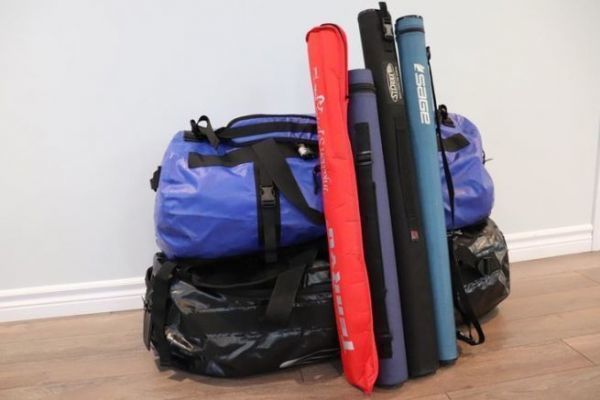

The duration of use significantly influences the choice of carry system and ergonomic features.
| Duration | Recommended Design |
|---|---|
| Short trips | Shoulder or hand carry |
| Medium trips | Hybrid design |
| Long trips | Backpack system |
For short trips, simplicity is often sufficient. Users may prioritize quick access over advanced ergonomic features.
For medium-duration use, hybrid designs that combine multiple carry options provide flexibility. Users can switch between shoulder and backpack modes depending on the situation.
For long trips, backpack systems become essential. The ability to distribute weight evenly and maintain comfort over extended periods is critical.
Understanding usage duration helps manufacturers tailor designs to specific user needs rather than applying a uniform approach.
Breathability and Climate Considerations

Fishing often takes place in warm or humid environments, making breathability an important factor in ergonomic design.
| Feature | Benefit |
|---|---|
| Mesh padding | Air circulation |
| Moisture-wicking fabric | Comfort |
| Ventilated panels | Reduced sweating |
Mesh padding creates space between the bag and the user’s body, allowing air to circulate. This reduces heat buildup and improves comfort during extended use.
Moisture-wicking fabrics help manage sweat, preventing discomfort and maintaining a dry contact surface.
Ventilated panels further enhance airflow, particularly in backpack designs where the bag remains in constant contact with the user’s back.
These features may not directly affect storage performance, but they significantly influence user satisfaction.
Real-World Scenario
Consider an angler hiking for two hours to reach a remote fishing location. With a poorly designed bag, uneven weight distribution and lack of padding lead to shoulder pain and fatigue. This not only reduces comfort but also affects focus and performance during fishing.
With a well-designed ergonomic backpack, the same journey becomes more manageable. Balanced weight distribution, padded straps, and breathable panels reduce strain, allowing the user to arrive with more energy and focus.
This difference illustrates how ergonomic design directly impacts the overall fishing experience.
Hybrid Carry Designs
Modern fishing bags increasingly incorporate hybrid carry systems to accommodate different usage scenarios.
These designs often combine backpack straps with reinforced handles and detachable shoulder straps. This allows users to switch between carrying methods depending on their needs.
For example, a user may carry the bag as a backpack during travel and switch to hand carry or shoulder carry when stationary. This flexibility enhances usability without requiring multiple products.
At Szoneier, multi-carry systems are developed with attention to both functionality and durability, ensuring that additional features do not compromise structural integrity.
Is Maximum Comfort Always the Goal?
While comfort is important, it is not always the primary priority. Highly ergonomic designs can increase cost, weight, and production complexity.
For stationary or short-duration use, simpler carry systems may be sufficient. In these cases, adding advanced ergonomic features may not provide significant benefits.
The key is to align ergonomic design with the intended use scenario rather than maximizing comfort in all cases.
User Insight
User preferences vary based on how the bag is used. Mobile anglers who move frequently prioritize comfort and ergonomic support. For them, features such as padded straps and balanced weight distribution are essential.
Stationary users, such as those fishing from a fixed location, may prioritize accessibility and organization over advanced carry systems.
Understanding these differences allows manufacturers to design products that match specific user needs. The most successful designs are those that balance ergonomics, functionality, and cost in a way that reflects real-world usage patterns.
What Are the Best Design Strategies for Different Fishing Scenarios?

Fishing environments vary significantly, and these differences directly influence how a tackle bag should be designed. A bag that performs well on a stable boat deck may become uncomfortable or inefficient when carried over long distances, while a lightweight travel bag may not withstand the demands of saltwater exposure. This is why experienced manufacturers approach design from a scenario-based perspective rather than trying to create a single universal solution.
In practice, the effectiveness of a fishing bag depends on how well it aligns with three core variables: environment, movement level, and gear complexity. These factors determine the required balance between structure, materials, storage systems, and ergonomics. From Szoneier’s development experience, products designed around clearly defined use scenarios consistently achieve higher user satisfaction and better long-term performance.
The best fishing tackle storage bag design depends on the fishing environment, movement level, and gear complexity. Different scenarios require different combinations of structure, materials, and storage systems to achieve optimal performance. Attempting to design one product for all situations often leads to compromises that reduce usability.
Scenario-Based Design Matrix
A structured comparison helps clarify how design priorities shift across different fishing scenarios.
| Fishing Scenario | Key Design Features | Recommended Structure |
|---|---|---|
| Boat fishing | Waterproof base, rigid structure | EVA + structured bag |
| Shore fishing | Balanced storage, portability | Semi-rigid design |
| Hiking fishing | Lightweight, ergonomic | Backpack design |
| Travel fishing | Compact, flexible | Foldable fabric bag |
| Saltwater fishing | Corrosion resistance, waterproof | EVA + TPU coating |
Each scenario introduces specific constraints that influence material selection, compartment layout, and carry system design.
Boat and Dock Fishing Design
Boat and dock fishing environments are relatively stable in terms of movement but highly demanding in terms of water exposure. Bags are frequently placed on wet surfaces and exposed to splashes or rain, making waterproofing a primary concern.
In these scenarios, rigid or semi-rigid structures perform best. EVA bases are widely used because they prevent water from entering through the bottom and provide stability when the bag is placed on flat surfaces. A stable base ensures that the bag remains upright, allowing users to access gear without repositioning it.
Compartment design also plays an important role. Easy-access layouts, such as wide-opening tops or front panel openings, allow users to quickly retrieve gear without interrupting their workflow. Since mobility is less critical, slightly heavier materials can be used to enhance durability and protection.
Shore and River Fishing Design

Shore and river fishing require a balance between portability and functionality. Users often move between spots but do not carry their gear over long distances continuously.
Semi-rigid designs are particularly effective in these scenarios. They provide enough structure to maintain organization while remaining flexible enough for comfortable carrying. Materials such as Oxford fabric or medium-weight nylon are commonly used to achieve this balance.
Compartment layouts should support both organization and accessibility. Users need to access gear quickly while maintaining a structured system that prevents items from shifting during movement.
Weight becomes a moderate concern. The bag should be light enough for mobility but durable enough to handle outdoor conditions, including contact with rough surfaces.
Hiking and Remote Fishing Design
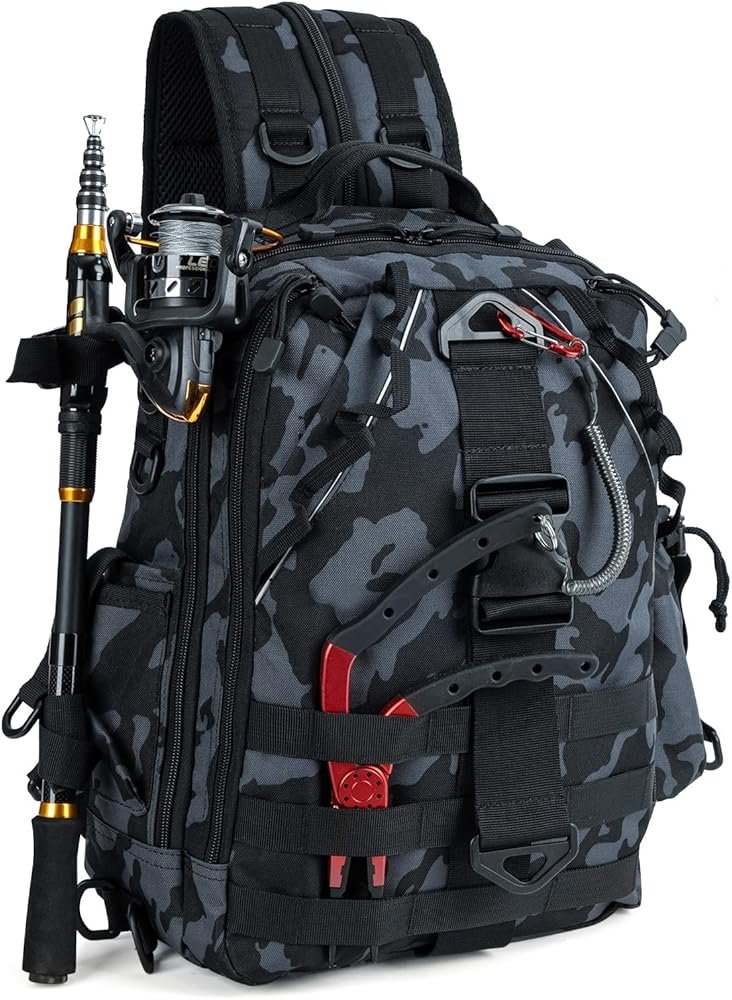
In hiking or remote fishing scenarios, mobility becomes the dominant factor. Users may carry their gear for extended periods over uneven terrain, making weight and ergonomics critical.
Backpack-style designs are the preferred solution. They distribute weight evenly across the shoulders and back, reducing fatigue during long-distance travel. Features such as padded straps, breathable back panels, and adjustable harness systems are essential.
Material selection focuses on lightweight yet durable fabrics, such as polyester or nylon. Excessive weight can significantly impact user comfort, so materials and structure must be optimized to minimize load without compromising performance.
Compartment design should remain simple and efficient. Overly complex layouts can increase weight and make access more difficult. The goal is to provide enough organization without sacrificing mobility.
Travel-Friendly Design

Travel scenarios introduce a different set of requirements. Space efficiency and versatility become more important than maximum durability or capacity.
Foldable structures are commonly used because they allow the bag to be compressed when not in use. This makes it easier to pack the bag into luggage or carry it as part of a larger travel setup.
Materials are typically lightweight and flexible, prioritizing portability over heavy-duty performance. However, basic water resistance is still important to protect gear during travel.
Multi-purpose compartments add value by allowing the bag to be used for different types of storage, such as clothing, accessories, or small equipment. This versatility aligns with the needs of travelers who prefer products that serve multiple functions.
Saltwater and Marine Fishing Design
Saltwater environments are among the most demanding conditions for fishing bags. In addition to moisture, salt accelerates material degradation and corrosion of hardware components.
Designs for these environments prioritize waterproofing and material resistance. TPU-coated fabrics and EVA bases are commonly used because they provide strong protection against water and resist damage from salt exposure.
Hardware components must also be selected carefully. Corrosion-resistant zippers and buckles are essential to ensure long-term reliability.
Structural reinforcement is often increased in these designs to handle heavier loads and harsher conditions. While this may add weight, it is necessary to maintain performance in demanding environments.
Professional vs Casual Design Strategy
Different user groups have different expectations, which influences design priorities.
| User Type | Design Priority |
|---|---|
| Professional | Efficiency, durability |
| Casual | Comfort, flexibility |
Professional users typically operate in demanding environments and require products that deliver consistent performance. They prioritize durability, waterproofing, and efficient organization.
Casual users are more likely to value comfort and ease of use. For this group, lightweight designs and flexible features are often more important than maximum durability.
Understanding these differences allows manufacturers to develop targeted product lines rather than relying on a single design approach.
Real-World Case
In one project, a Szoneier client developed two distinct product lines based on different usage scenarios. The first line focused on heavy-duty waterproof bags designed for marine environments, incorporating EVA bases and TPU-coated materials. The second line targeted travel and hiking users, using lightweight fabrics and ergonomic backpack systems.
This dual-strategy approach allowed the brand to address two separate customer segments effectively. As a result, the product range achieved broader market coverage and higher overall adoption.
Hybrid Design Trend
Modern fishing bag design is increasingly moving toward hybrid solutions that combine features from different scenarios.
Common examples include combining an EVA base with a flexible fabric body or integrating backpack carry systems with tackle box-style storage. These designs aim to provide versatility without fully compromising performance in any single scenario.
Hybrid designs are particularly effective for users who engage in multiple types of fishing or require adaptable products. However, they must be carefully engineered to avoid unnecessary complexity.
Can One Design Fit All Scenarios?
A universal design that performs equally well in all scenarios is not realistic. Each fishing environment introduces specific requirements that cannot be fully addressed by a single solution.
Attempting to create an all-in-one product often leads to compromises. The bag may become too heavy for mobility, too complex for ease of use, or insufficiently durable for demanding conditions.
Scenario-specific design remains the most effective approach because it allows each product to be optimized for its intended use.
User Insight
Users increasingly prefer products that clearly match their specific needs rather than those that attempt to cover all situations. A bag designed for a particular scenario feels more intuitive and performs more reliably.
For manufacturers and brands, this means that defining the target use scenario early in the development process is essential. When design decisions are guided by real usage conditions, the resulting product delivers better performance, stronger user satisfaction, and greater market success.
How Do You Design or Customize a Fishing Tackle Bag for Your Brand?
Designing or customizing a fishing tackle bag is not a single-step decision—it is a structured process that combines product strategy, engineering, and real-world usability. The most successful products are not created by simply modifying existing designs. Instead, they are built from the ground up around specific user behaviors, fishing environments, and brand positioning.
For many brands, the biggest mistake is starting with appearance rather than function. A visually appealing bag may attract attention initially, but if it fails to perform in real conditions, it will not generate repeat purchases or long-term value. From Szoneier’s experience working with global outdoor brands, products that begin with clear usage scenarios consistently outperform those based on assumptions.
Designing or customizing a fishing tackle bag requires balancing functionality, material selection, cost, and user experience. Every decision—from structure to compartments—must support how the product will actually be used. Customization is not just about adding a logo or changing colors; it is about building a complete product system that delivers reliable performance.
Customization Elements Breakdown
A fishing bag can be customized across multiple dimensions, each influencing performance, usability, and market positioning.
| Element | Custom Options |
|---|---|
| Structure | Backpack, shoulder, tackle box |
| Size | Small to large capacity |
| Materials | Polyester, nylon, Oxford, EVA |
| Compartments | Modular, fixed, hybrid |
| Waterproofing | Coating, EVA base, sealed seams |
| Branding | Printing, embroidery, labels |
Each of these elements should be selected based on the intended use scenario rather than treated as independent options. For example, a backpack structure combined with lightweight nylon materials is suitable for mobile fishing, while a rigid tackle box design with EVA components is better suited for boat environments.
From a manufacturing perspective, these elements must be integrated carefully. Changing one parameter—such as increasing size—can affect weight distribution, material requirements, and overall usability.
Design Process Overview

A structured design process ensures that the final product meets both performance and cost expectations. Skipping steps or rushing development often leads to issues during production or after market launch.
| Stage | Description |
|---|---|
| Concept | Define usage scenario |
| Material selection | Choose based on performance |
| Structure design | Layout and compartments |
| Sampling | Prototype development |
| Testing | Performance validation |
| Production | Mass manufacturing |
The concept stage is the foundation. Brands must clearly define where and how the bag will be used—boat fishing, shore fishing, travel, or multi-purpose use. Without this clarity, design decisions become inconsistent.
Material selection follows, focusing on achieving the required balance between durability, waterproofing, weight, and cost. This step often involves trade-offs that must align with the target market.
Structure and layout design translate these decisions into a functional product. This includes compartment arrangement, access points, and carry systems.
Sampling is where ideas become physical products. Reliable manufacturers, such as Szoneier, can deliver samples within 5–7 days, allowing brands to evaluate and refine designs quickly.
Testing ensures that the product performs under real conditions. This includes load testing, waterproof testing, and durability checks.
Finally, production scales the validated design into mass manufacturing while maintaining consistency.
Cost vs Design Complexity
Design complexity has a direct impact on production cost. Understanding this relationship helps brands make informed decisions.
| Design Level | Cost Impact |
|---|---|
| Basic fabric bag | Low |
| Multi-compartment bag | Medium |
| Hybrid EVA + fabric bag | High |
Basic fabric bags use simpler materials and construction techniques, resulting in lower costs. These products are suitable for entry-level markets but may lack advanced performance features.
Multi-compartment designs increase complexity by adding internal structures and additional components. This improves usability but requires more precise manufacturing.
Hybrid designs, which combine materials such as EVA and coated fabrics, offer the highest performance but also involve higher material and production costs. These are typically positioned in premium market segments.
The key is to align design complexity with target pricing and user expectations rather than maximizing features without considering cost implications.
MOQ and Production Flexibility
Production flexibility is an important factor for brands, especially during the early stages of product development.
| Factor | Value |
|---|---|
| MOQ | 50–200 pcs |
| Sampling time | 5–7 days |
| Production time | 25–30 days |
Low minimum order quantities allow brands to test products in the market without significant financial risk. This is particularly valuable for new product launches or niche market segments.
Fast sampling enables rapid iteration, allowing brands to refine designs based on feedback before committing to large-scale production.
Stable production timelines ensure that products can be delivered consistently, which is critical for maintaining supply chain reliability.
Szoneier’s integrated system supports both small-batch testing and large-scale production, allowing brands to scale efficiently as demand grows.
Material Strategy for Custom Design
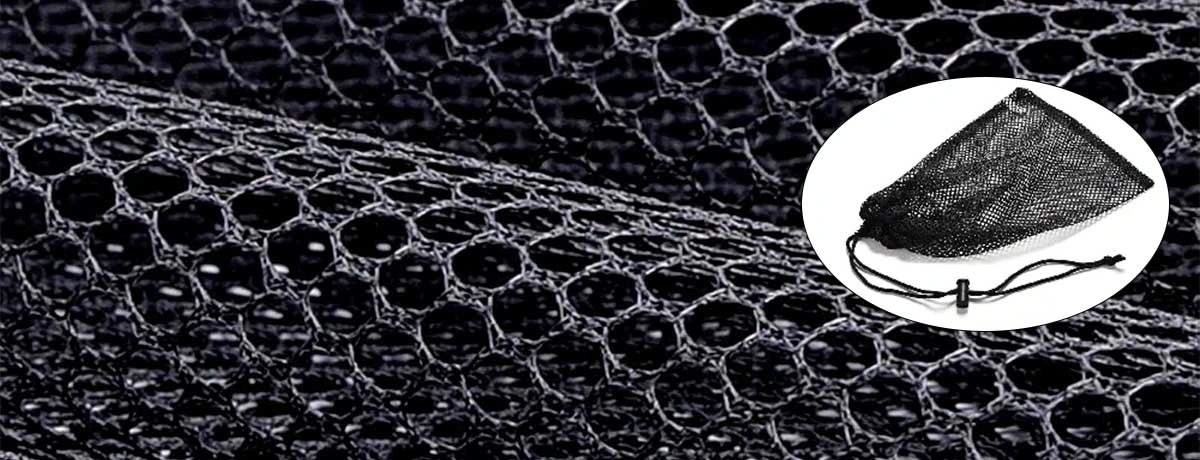
Material selection is one of the most important aspects of customization because it directly affects performance and user experience.
| Goal | Recommended Material |
|---|---|
| Lightweight | Polyester |
| Durability | Nylon / Oxford |
| Waterproofing | EVA / TPU |
| Premium feel | Hybrid materials |
For lightweight designs, polyester is often sufficient and helps reduce cost. For higher durability, nylon or Oxford fabric provides better resistance to wear and abrasion.
Waterproofing is achieved through materials such as EVA and TPU coatings, which protect gear from moisture and improve long-term reliability.
Hybrid material strategies combine these elements to achieve balanced performance. For example, a bag may use a nylon outer shell, EVA base, and TPU reinforcement to deliver durability and waterproofing without excessive weight.
Quality Control Considerations
A well-designed product must be supported by strong quality control processes to ensure consistency.
Key testing areas include:
Load testing to verify that handles and straps can support expected weight Waterproof testing to evaluate resistance to moisture under simulated conditions Stitching strength checks to ensure durability at stress points
Without these processes, even well-designed products may fail during actual use. Szoneier applies structured QC systems throughout production to maintain consistent quality across batches.
Real-World Insight
In one project, a brand collaborated with Szoneier to redesign its fishing tackle bag by introducing hybrid materials and optimizing compartment layouts. The process involved multiple sampling iterations and performance testing.
The final product delivered improved durability, better waterproofing, and more efficient organization. As a result, customer satisfaction increased, and the brand received repeat orders, demonstrating the long-term value of thoughtful customization.
Is Customization Always Necessary?
Customization is not always required for every product. Standard designs can meet the needs of entry-level markets where cost is the primary concern.
However, in competitive or premium segments, customization becomes essential. It allows brands to differentiate their products, address specific user needs, and create a stronger market identity.
The decision to customize should be based on market positioning, target users, and performance requirements rather than being treated as a default approach.
User Insight
Consumer expectations are evolving. Users increasingly look for products that feel tailored to their needs rather than generic solutions. This applies not only to performance but also to usability and overall experience.
Customization enables brands to respond to these expectations by creating products that align with real-world usage patterns. Whether it is improved organization, better waterproofing, or enhanced comfort, these details make a noticeable difference.
A well-designed fishing tackle storage bag is not just a container—it is a system that improves efficiency, protects gear, and enhances the overall fishing experience. The most effective designs are not the most complex; they are the most purposeful, built around how anglers actually fish.
Work With Szoneier to Build Your Custom Fishing Tackle Bags
Szoneier combines material expertise, design capability, and manufacturing experience to support brands from concept to production. With over 18 years of experience in fabric and bag manufacturing, the company provides reliable solutions tailored to real-world performance needs.
Szoneier offers:
Full customization of fishing tackle storage bags across structure, materials, and features Multi-material solutions including polyester, nylon, Oxford, EVA, TPU, and PVC Low MOQ starting from 50 pieces for flexible market testing Fast sampling within 5–7 days for efficient product development Stable quality supported by strict testing and production control
If you are planning to develop or upgrade your fishing tackle bag line, working with an experienced manufacturer ensures that your product performs as intended and stands out in the market.