Skip to content
A gym bag looks simple until a fitness center orders the wrong one. A weak zipper breaks after three weeks. A shoe pocket smells bad after daily use. A logo peels off after several washes. A bag feels too cheap for a premium club, too large for yoga members, or too small for trainers who carry shoes, towels, bottles, resistance bands, and clean clothes. For fitness centers and clubs, gym bags are no longer just storage products. They are part of the member experience, part of the brand image, and often part of how a club stays visible outside its own walls.
Custom gym bags for fitness centers and clubs are branded bags designed for members, trainers, staff, sports teams, wellness programs, and retail merchandise. The best gym bags combine durable fabric, functional compartments, comfortable carrying systems, water-resistant protection, odor-control design, and logo customization. For clubs, the right bag can support member loyalty, improve brand visibility, create merchandise revenue, and turn daily gym routines into a stronger brand connection.
The fitness industry is growing again, and members now expect clubs to offer more than machines and lockers. The Health & Fitness Association reported that global fitness memberships increased 6% year over year, while revenue rose 8%, showing renewed demand for fitness services and related products. Gym bag demand is also supported by athleisure, urban commuting, hybrid work, and wellness culture, with market research estimating steady growth in gym bag categories through the next decade.
What Are Gym Bags for Fitness Centers?
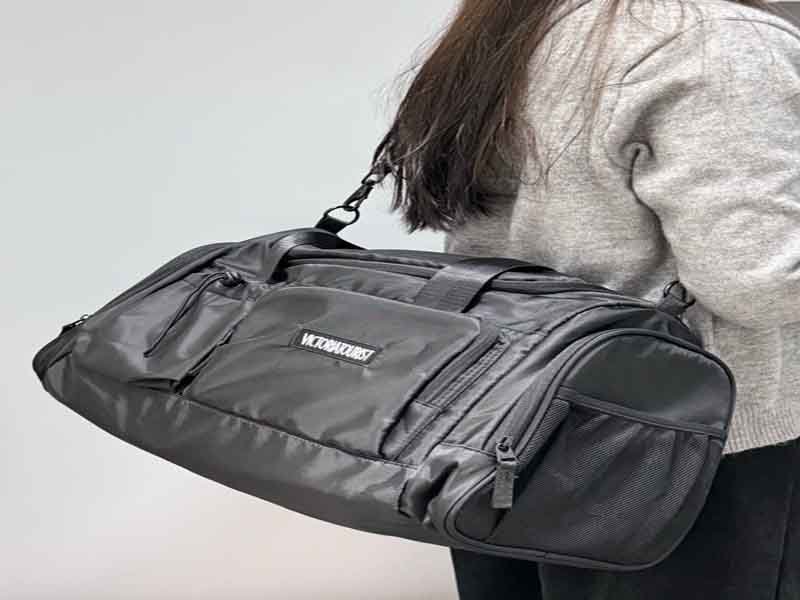
Gym bags for fitness centers are purpose-built bags designed to help members carry workout essentials while helping clubs strengthen their brand identity. A good gym bag is not only a container for shoes and clothing. It solves real daily problems: separating sweaty items, protecting clean clothes, storing water bottles, keeping valuables safe, and making the user feel prepared before and after training.
For clubs, the bag also works as a moving brand asset. When a member carries a club-branded bag to work, school, travel, or public transport, the gym logo gets seen outside the club. That makes gym bags useful for membership campaigns, welcome kits, trainer uniforms, VIP member gifts, retail corners, fitness events, and corporate wellness programs.
Gym Bags Are Practical Tools, Not Just Promotional Items
Many fitness clubs make the mistake of treating gym bags like cheap giveaways. That approach usually leads to low usage. If the bag looks flimsy, feels thin, or has poor organization, members may take it home once and never use it again.
A gym bag should be built around the user’s daily routine. A morning gym member may carry office clothes, a towel, toiletries, shoes, and a water bottle. A personal trainer may need space for gloves, resistance bands, notebooks, supplements, and spare clothes. A boutique yoga member may prefer a soft, lightweight tote with elegant branding. A sports club may need larger duffel bags with reinforced handles and team logo embroidery.
The more closely the bag matches the user’s lifestyle, the more often it is used. The more often it is used, the more value it creates for the club.
Why Fitness Centers Use Custom Gym Bags
Fitness centers and clubs usually order custom gym bags for five main reasons: member acquisition, member retention, brand promotion, merchandise sales, and staff use.
A new member welcome bag can increase the feeling of value at sign-up. A premium club can use custom gym bags to support higher membership pricing. A local fitness studio can sell branded bags as lifestyle merchandise. A sports club can issue matching bags to teams and coaches. A corporate wellness partner can use custom gym bags for employee health programs.
Gym bags are especially useful because they are not single-use marketing products. Unlike flyers, coupons, or event banners, bags can remain visible for months or years if the quality is good.
How Gym Bags Support Club Branding
Branding is not only about printing a logo. A gym bag communicates how the club wants to be seen. A black waterproof nylon duffel with matte rubber patch branding feels strong and performance-driven. A cotton canvas gym tote with minimal embroidery feels relaxed and lifestyle-oriented. A lightweight drawstring bag with bright screen printing feels suitable for youth fitness programs, school sports, or low-cost event giveaways.
The same club logo can feel premium or cheap depending on fabric, shape, color, hardware, zipper quality, and logo application.
For fitness centers, custom gym bag branding usually includes:
Club logo placement
Brand color matching
Custom zipper pullers
Woven labels
Rubber patches
Embroidery
Screen printing
Heat transfer logos
Private label hangtags
Custom inner labels
Retail packaging
Member gift packaging
The strongest designs usually avoid over-branding. A clean logo, good fabric, and useful structure often perform better than oversized promotional graphics.
What Fitness Members Actually Carry
A gym bag should be designed according to real items, not assumptions. Many clubs choose a bag size only by looking at catalog photos, then discover later that the bag cannot hold shoes, towels, or post-workout clothes comfortably.
Common member items include training shoes, towel, water bottle, headphones, phone, wallet, keys, toiletries, shaker bottle, clean T-shirt, shorts, socks, resistance bands, gloves, yoga straps, swimwear, wet clothing, and personal care items.
The bag should create separation between clean and used items. This is where shoe compartments, wet pockets, mesh panels, and inner organizers become important.
Member Needs by Club Type
| Club Type | Common User Behavior | Recommended Bag Type | Key Features | Branding Style |
|---|---|---|---|---|
| Full-service fitness center | Members train before or after work | Medium duffel or backpack | Shoe pocket, wet pocket, bottle holder, inner organizer | Embroidery, rubber patch, woven label |
| Boutique gym | Members value style and community | Compact duffel or tote | Clean shape, premium fabric, soft handle | Minimal logo, tone-on-tone branding |
| Yoga or Pilates studio | Members carry mats, towels, and light clothing | Tote, sling, yoga bag | Long strap, mat holder, soft fabric | Subtle embroidery, natural colors |
| Boxing or martial arts club | Members carry gloves, wraps, shoes, and gear | Large duffel | Ventilation, reinforced seams, durable zipper | Bold logo, high-contrast printing |
| Swimming club | Members carry wet items | Waterproof duffel or dry bag | Wet pocket, coated fabric, drainage design | PVC patch, heat transfer logo |
| Personal training studio | Trainers carry tools and documents | Backpack or hybrid duffel | Laptop sleeve, organizer, durable base | Professional private label look |
| Sports team club | Team identity matters | Large duffel or backpack | Name tag area, shoe storage, strong handles | Team logo, number customization |
| Corporate wellness program | Gift value and daily use matter | Lightweight backpack or duffel | Universal size, neutral color, easy branding | Clean logo, retail-style packaging |
The Hidden Cost of Choosing a Cheap Gym Bag
The cheapest gym bag is often expensive in the long run. If members do not use it, the club loses branding value. If the zipper breaks, the product damages trust. If the fabric smells, fades, or tears, the club’s logo becomes attached to a bad experience.
A poor-quality bag can create these problems:
Members stop using the bag after a short period
Logo cracks or peels
Zippers jam or split
Shoulder straps hurt during commuting
Seams tear under heavy shoes or wet towels
Fabric absorbs odor too quickly
Bag shape collapses and looks cheap
Retail resale becomes impossible
Premium clubs especially need to avoid bags that feel like low-cost giveaways. Members notice small details. A bag may not be the reason someone joins a gym, but it can influence how they feel about the club.
What Makes a Gym Bag “Club-Ready”
A gym bag is club-ready when it can handle repeated weekly use, not just look good in sample photos. For fitness centers, this means the bag should be tested around load weight, zipper movement, handle strength, logo durability, fabric thickness, and moisture exposure.
Important quality details include:
Fabric weight suitable for daily use
Reinforced handle stitching
Smooth zipper operation
Strong zipper tape and puller
Balanced shoulder strap length
Durable bottom panel
Water-resistant coating if needed
Inner lining that is easy to clean
Logo method matched to fabric
Consistent color across bulk production
Clean packaging for member presentation
Practical Quality Benchmarks for Club Orders
| Quality Item | Basic Standard | Better Standard | Premium Standard |
|---|---|---|---|
| Fabric thickness | 210D–300D polyester | 420D–600D polyester or nylon | 900D Oxford, TPU-coated nylon, premium canvas |
| Zipper type | Standard nylon zipper | Smooth resin zipper | Branded or waterproof zipper |
| Handle reinforcement | Single stitching | Cross-stitch reinforcement | Bar-tack reinforcement with padded grip |
| Logo method | Screen print | Heat transfer or embroidery | Rubber patch, woven patch, embroidery |
| Lining | Basic polyester lining | Water-resistant lining | Antibacterial or easy-clean lining |
| Shoe compartment | Optional | Separate ventilated pocket | Structured pocket with mesh airflow |
| Wet pocket | Optional | PVC or PEVA inner pocket | TPU-coated waterproof pocket |
| Expected use level | Light events | Weekly training | Daily commuting and premium retail |
How Szoneier Supports Fitness Center Gym Bag Projects
Szoneier works with cotton, canvas, polyester, nylon, neoprene, jute, linen, Oxford fabric, and other materials, which gives fitness clubs more design freedom. A club does not have to choose only one standard gym bag style. It can develop different bags for different member groups, such as welcome bags, trainer backpacks, retail duffels, yoga totes, event drawstring bags, and premium membership gifts.
For clubs that need private label or OEM/ODM support, Szoneier can help with fabric selection, logo method, sample development, packaging design, low MOQ customization, and fast sampling. This is useful for fitness centers that want a bag matched to their brand image rather than a generic stock product with a simple logo added later.
Which Gym Bag Styles Work Best?
The best gym bag style depends on how members train, how they travel, what they carry, and how the club wants its brand to appear. Duffel bags remain the most universal choice for fitness centers because they offer strong capacity and easy access. Backpacks work better for commuters and trainers. Drawstring bags suit events and low-cost member campaigns. Totes fit yoga, Pilates, wellness studios, and lifestyle fitness brands.
There is no single best gym bag for every club. A serious weightlifting gym, a women’s fitness studio, a swimming club, and a corporate wellness program all need different bag structures. The right choice comes from matching product function with member behavior.
Duffel Gym Bags
Duffel bags are the most common choice for fitness centers because they offer flexible space, wide opening access, and strong branding area. Members can easily pack shoes, towels, clothes, bottles, and accessories. For clubs selling merchandise, duffel bags often feel more valuable than simple drawstring bags.
Duffel bags work well for:
Fitness centers
Sports clubs
Boxing gyms
Personal training studios
Team training programs
Premium member welcome kits
Retail merchandise
A good club duffel should not be too large unless the target user carries sports gear. For daily gym use, medium capacity is often better. Oversized bags can feel inconvenient for lockers, public transport, and office commuting.
Gym Backpacks
Gym backpacks are popular with commuters because they keep both hands free. This matters for people who go from home to gym to office or from work to gym to home. Backpacks also feel more modern and urban than traditional duffels.
A gym backpack can include:
Shoe compartment
Laptop sleeve
Bottle pockets
Wet clothes pocket
Side mesh panels
Padded shoulder straps
Anti-theft pocket
Inner organizer
For trainers, backpacks may be more useful than duffels because they carry documents, tablets, training tools, and daily essentials in a more organized way.
Drawstring Gym Bags
Drawstring gym bags are lightweight, affordable, and easy to produce in bulk. They work well for promotional campaigns, trial memberships, school fitness programs, event giveaways, and youth sports clubs.
However, drawstring bags have limits. They are not ideal for heavy shoes, wet towels, or premium club branding. Thin fabric can tear quickly if loaded with too much weight. If a club wants its bag to feel valuable, drawstring bags should be upgraded with thicker polyester, reinforced corners, better cords, and a front zipper pocket.
Tote Gym Bags
Tote gym bags are a strong option for yoga studios, Pilates clubs, wellness brands, women’s fitness centers, and lifestyle-oriented gyms. A tote can look less aggressive and more everyday-friendly than a duffel. Members may use it for light workouts, shopping, commuting, or weekend activities.
Canvas totes, cotton totes, and polyester totes can all work, but the design should match the club positioning. A natural canvas tote may fit a wellness studio. A coated polyester tote may fit a modern urban fitness club. A neoprene tote may fit a premium boutique studio looking for soft structure and a fashionable look.
Hybrid Gym Bags
Hybrid gym bags combine features from duffels, backpacks, and totes. For example, a duffel can have backpack straps. A backpack can open like a duffel. A tote can include a shoe pocket. These hybrid designs are becoming more attractive because fitness users often move between gym, work, travel, and daily life.
Hybrid bags are especially suitable for clubs that want a more premium custom product instead of a basic promotional bag.
Which Style Fits Which Fitness Scenario?
| Gym Bag Style | Best For | Strengths | Possible Weakness | Recommended Fabric |
|---|---|---|---|---|
| Duffel bag | General fitness clubs, sports teams, trainers | Large space, strong logo area, easy access | Can be bulky if oversized | Polyester, nylon, Oxford, canvas |
| Backpack | Commuters, trainers, urban members | Hands-free, organized, modern | Less open space than duffel | Nylon, Oxford, polyester |
| Drawstring bag | Events, youth programs, low-cost campaigns | Lightweight, low cost, easy bulk order | Limited durability and capacity | Polyester, nylon, cotton |
| Tote bag | Yoga, Pilates, wellness clubs | Stylish, simple, lifestyle-friendly | Limited structure for heavy gear | Canvas, cotton, neoprene, polyester |
| Sling bag | Light workouts, quick training | Compact and easy to carry | Too small for shoes and towel | Nylon, polyester |
| Dry bag | Swimming clubs, outdoor fitness | Waterproof, easy to clean | Less stylish for daily gym use | PVC, TPU-coated nylon |
| Hybrid bag | Premium clubs, retail products | Multi-use, higher perceived value | More complex production | Nylon, Oxford, polyester |
How to Choose Between Duffel and Backpack
The duffel versus backpack decision should be based on user movement. If members mostly drive to the gym and use lockers, duffels work well. If members commute by subway, bike, or walk, backpacks may be more practical.
A duffel gives fast access. A backpack gives carrying comfort. A duffel feels sporty. A backpack feels urban. A duffel has better side logo visibility. A backpack has more daily lifestyle use.
For many clubs, the best solution is not choosing one style for all users. A fitness center can use drawstring bags for events, duffels for member welcome kits, backpacks for trainers, and premium totes for retail sales.
Bag Style Decision Table
| Decision Factor | Choose Duffel | Choose Backpack | Choose Tote | Choose Drawstring |
|---|---|---|---|---|
| Members carry shoes | Yes | Yes, if shoe pocket included | Only for light shoes | Not ideal |
| Members commute daily | Good | Best | Good for light training | Good for short trips |
| Club wants premium retail product | Strong | Strong | Strong for lifestyle clubs | Weak unless upgraded |
| Low budget campaign | Medium | Medium-high cost | Medium | Best |
| Large logo visibility | Best | Good | Good | Good |
| Heavy training gear | Best | Medium | Weak | Weak |
| Yoga or Pilates users | Medium | Medium | Best | Medium |
| Team use | Best | Good | Weak | Medium |
| Corporate wellness gift | Good | Best | Good | Good for budget |
| Long-term daily use | Strong if well made | Strong if well made | Medium | Weak to medium |
Common Mistakes When Selecting Gym Bag Styles
Many clubs choose bag styles based only on price or appearance. That can lead to poor usage after delivery.
A drawstring bag may look affordable, but it may not represent a premium membership. A large duffel may look impressive, but it may not fit lockers. A canvas tote may look fashionable, but it may not handle wet clothing well. A backpack may look modern, but it may feel too small if the shoe compartment is poorly designed.
The most common mistakes include:
Choosing oversized bags without checking locker size
Ignoring shoe storage
Using weak drawstring corners
Selecting fabric that absorbs sweat odor easily
Printing logos too large
Choosing light colors without stain concerns
Forgetting bottle pockets
Ignoring female member preferences
Using low-grade zippers on heavy-use bags
Ordering one design for every user group
Premium Club Style Strategy
Premium clubs should think about the gym bag as part of the membership experience. The bag should feel like something a member would actually buy, not something they received for free and forgot.
For premium fitness centers, suitable design choices include:
Matte black nylon duffel
Oxford fabric backpack with rubber logo patch
Canvas tote with embroidered logo
Neoprene gym tote with smooth touch
Water-resistant duffel with separate shoe area
Minimal color palette
Custom woven inner label
Retail-style hangtag
Branded dust bag or paper packaging
The goal is quiet confidence. Premium gym bags usually do not need loud graphics. Better fabric, better hardware, and better structure say more than oversized branding.
Budget Club Style Strategy
Budget-friendly clubs still need durable products, but the design should focus on cost control and high visibility. Drawstring bags, simple polyester duffels, and lightweight backpacks can work well.
Good budget-friendly choices include:
210D or 300D polyester drawstring bag
Simple 420D polyester duffel
Lightweight backpack with front logo
Basic tote with screen print
One-color logo printing
Standard zipper and webbing
Simple polybag packaging
The key is not to make the cheapest possible product. The key is to remove unnecessary features while protecting the parts members touch most: straps, seams, zipper, and logo.
Boutique Fitness Style Strategy
Boutique studios need bags that match a specific emotional identity. A Pilates studio may want calm, clean, soft colors. A boxing club may want bold, strong, high-contrast colors. A cycling studio may prefer compact bags that fit fast-moving urban users.
Boutique gym bags should focus on:
Brand color accuracy
Fabric texture
Clean shape
Lifestyle use outside the gym
Instagram-friendly appearance
Simple logo placement
Comfortable hand feel
Retail-ready packaging
This is where custom fabric selection becomes important. Szoneier can support different materials, including canvas, cotton, polyester, nylon, neoprene, and Oxford fabric, helping clubs match product style to brand personality.
Style Recommendations by Member Group
| Member Group | Best Bag Style | Recommended Capacity | Must-Have Features | Branding Suggestion |
|---|---|---|---|---|
| New gym members | Medium duffel | 25–35L | Shoe pocket, bottle holder, inner pocket | Large but clean logo |
| VIP members | Premium duffel or backpack | 30–40L | Waterproof fabric, padded strap, refined hardware | Rubber patch or embroidery |
| Personal trainers | Backpack | 25–35L | Laptop sleeve, organizer, durable base | Professional woven label |
| Yoga members | Tote or yoga bag | 15–25L | Mat strap, soft fabric, inner pocket | Minimal embroidery |
| Boxing members | Large duffel | 40–60L | Ventilation, reinforced handles | Bold screen print |
| Swimming members | Waterproof duffel | 25–40L | Wet pocket, coated fabric | Heat transfer or PVC patch |
| Event participants | Drawstring bag | 8–15L | Lightweight, front logo | Screen print |
| Corporate wellness users | Backpack or duffel | 20–30L | Neutral design, daily usability | Subtle logo with custom tag |
How Szoneier Helps Clubs Choose the Right Style
Szoneier can help fitness centers move from a rough idea to a practical custom bag specification. Instead of simply asking “Which bag do you want?”, the better process starts with user scenario, quantity, budget, fabric preference, logo method, packaging, and delivery schedule.
For example, a club may begin by asking for “custom gym bags with logo,” but the real need may be a medium Oxford duffel with a shoe compartment, wet pocket, black lining, reinforced handles, and woven logo patch. Another club may need a low MOQ canvas tote for a boutique Pilates launch. Another may need a lightweight polyester drawstring bag for 2,000 trial members.
With fabric R&D, finished product manufacturing, low MOQ customization, free design support, fast sampling, and OEM/ODM service, Szoneier can help clubs choose a bag style that fits actual use rather than only catalog appearance.
What Materials Should You Choose?

The material of a gym bag affects almost everything the user experiences: weight, durability, water resistance, odor control, comfort, appearance, structure, cleaning difficulty, and even how premium the club feels. Many fitness centers focus heavily on logo design but overlook fabric selection. In reality, members touch the material before they notice the logo. If the fabric feels weak, stiff, sticky, rough, or cheap, the entire perception of the club changes immediately.
The best gym bag material depends on how members train, how often the bag will be used, the club’s positioning, climate conditions, and target budget. A boxing club handling heavy gloves and sweaty towels needs different fabric from a yoga studio focused on aesthetics and softness. A premium urban gym may want sleek waterproof nylon, while a wellness studio may prefer natural canvas or cotton textures.
The biggest mistake fitness centers make is choosing fabric only by price. Cheap materials can create zipper stress, odor retention, fast wear, faded color, weak structure, and poor member satisfaction. A slightly better fabric often creates dramatically higher long-term value because the bag stays in use longer and reflects better on the club brand.
Polyester Gym Bags
Polyester is one of the most common materials used for gym bags because it balances affordability, durability, lightweight performance, and printing compatibility. It works especially well for medium-priced fitness clubs, event bags, membership kits, sports programs, and promotional merchandise.
Polyester is available in many thickness levels, usually measured in denier such as 210D, 300D, 420D, 600D, or higher. Thicker polyester generally improves durability and structure.
Advantages of polyester include:
Lightweight feel
Good color consistency
Easy logo printing
Cost efficiency
Fast production availability
Good wrinkle resistance
Decent water resistance with coating
Easy cleaning
However, low-grade polyester may feel thin, collapse easily, or wear quickly around corners and handles. Clubs targeting premium members should avoid ultra-thin polyester unless the product is meant for short-term promotional use.
Nylon Gym Bags
Nylon is usually stronger, smoother, and more abrasion-resistant than polyester. Premium fitness centers often prefer nylon because it creates a cleaner, more modern appearance while handling daily wear better.
Nylon gym bags are popular for:
Urban fitness clubs
Premium membership programs
Trainer backpacks
Travel-friendly gym bags
Luxury health clubs
Water-resistant sports bags
Nylon also works well with waterproof coatings and structured designs. Ballistic nylon and high-denier nylon fabrics can create extremely durable gym bags suitable for heavy use.
The downside is cost. Nylon is usually more expensive than polyester. Some nylon fabrics can also scratch or show surface marks more easily depending on coating type.
Oxford Fabric Gym Bags
Oxford fabric is widely used in sports and travel products because it combines strength, structure, and good resistance to wear. Oxford gym bags often feel more solid and supportive than lightweight polyester bags.
Oxford fabric is especially suitable for:
Heavy-use fitness centers
Sports clubs
Team training bags
Outdoor fitness programs
Bootcamp equipment bags
Personal trainer bags
Oxford fabric usually performs well in:
Tear resistance
Shape retention
Load capacity
Water resistance when coated
Long-term daily use
The material also supports many customization options including embroidery, patches, screen printing, and rubber logo applications.
Canvas Gym Bags
Canvas gives gym bags a lifestyle-oriented appearance. It feels less technical and more relaxed, making it popular for boutique fitness studios, yoga clubs, wellness brands, and eco-focused fitness businesses.
Canvas gym bags often communicate:
Natural lifestyle
Minimalism
Urban fashion
Wellness culture
Eco-conscious branding
Canvas works especially well for tote bags and premium casual gym bags. Heavy cotton canvas can also feel extremely durable and premium if properly constructed.
However, untreated canvas absorbs moisture more easily than coated synthetics. For gyms handling wet clothing, sweat, or outdoor use, coated canvas or blended materials may perform better.
Neoprene Gym Bags
Neoprene is known for its soft touch, flexibility, and modern appearance. Many premium women’s fitness brands and boutique clubs use neoprene gym bags because the material feels fashionable and comfortable.
Advantages include:
Soft texture
Light cushioning effect
Smooth appearance
Modern retail look
Good flexibility
Comfortable carrying experience
Neoprene tote gym bags are especially popular among yoga, Pilates, and wellness users.
However, neoprene can be heavier than some lightweight synthetic fabrics. Production costs are also higher compared with standard polyester bags.
Cotton Gym Bags
Cotton gym bags are lightweight, breathable, and suitable for casual or eco-oriented projects. Many fitness events and wellness brands use cotton drawstring bags or cotton totes.
Cotton works best when the bag does not need heavy structure or strong water resistance.
Good uses include:
Wellness giveaways
Yoga tote bags
Organic lifestyle branding
Fitness events
Light daily use
Pure cotton may stain more easily and absorb sweat faster than synthetic materials. Clubs should consider member usage carefully before choosing cotton for heavy training environments.
Jute and Linen Gym Bags
Jute and linen are niche materials in the fitness world but can create strong visual identity for wellness-focused or environmentally conscious brands.
These materials work best for:
Spa and wellness clubs
Retreat centers
Eco campaigns
Organic product launches
Lifestyle gift packaging
While visually unique, these materials are usually not ideal for heavy gym equipment or wet storage situations.
Material Comparison Table
| Material | Durability | Water Resistance | Weight | Premium Feel | Cost Level | Best Use Scenario |
|---|---|---|---|---|---|---|
| Polyester | Medium | Medium with coating | Light | Medium | Low-medium | General fitness clubs |
| Nylon | High | High with coating | Light-medium | High | Medium-high | Premium gyms and commuters |
| Oxford Fabric | High | High with coating | Medium | High | Medium | Sports clubs and heavy use |
| Canvas | High if thick | Low unless coated | Medium-heavy | High lifestyle appeal | Medium | Boutique fitness and yoga |
| Neoprene | Medium-high | Medium | Medium | Very high | High | Premium boutique studios |
| Cotton | Medium | Low | Light | Natural casual look | Low-medium | Wellness and event bags |
| Jute | Medium | Low | Medium | Rustic eco style | Medium | Eco campaigns |
| Linen | Medium | Low | Light-medium | Soft premium natural look | Medium-high | Lifestyle wellness bags |
How Fabric Thickness Changes Performance
Many gym bag problems are not caused by wrong material type but by wrong material thickness. A 210D polyester bag and a 900D polyester bag behave completely differently.
Thin fabrics may:
Collapse easily
Wrinkle during use
Tear under heavy load
Stress zippers faster
Reduce product lifespan
Thicker fabrics usually:
Improve shape retention
Increase durability
Feel more premium
Protect contents better
Support embroidery more effectively
However, thicker fabric also increases weight and cost. The best solution is balancing durability with member comfort.
Recommended Fabric Thickness by Product Type
| Bag Type | Recommended Fabric |
|---|---|
| Promotional drawstring bag | 210D–300D polyester |
| Standard club duffel | 420D–600D polyester |
| Premium gym duffel | 600D–1680D nylon or Oxford |
| Boutique fitness tote | Heavy canvas or neoprene |
| Trainer backpack | Oxford or high-density nylon |
| Waterproof swim bag | TPU-coated nylon or PVC |
| Yoga tote | Canvas, cotton, neoprene |
| Event giveaway bag | Lightweight polyester or cotton |
Water Resistance Matters More Than Many Clubs Realize
Gym bags regularly encounter sweat, wet towels, leaking bottles, rainy commutes, locker room floors, and damp shoes. A bag without basic water resistance can quickly develop odor and fabric deterioration.
Water resistance usually comes from:
PU coating
PVC coating
TPU lamination
Wax coating
Dense weaving structure
Waterproof zipper systems
Clubs should not confuse “water-resistant” with “fully waterproof.” Most standard gym bags resist light moisture but are not designed for full submersion.
Waterproof Performance Levels
| Protection Level | Suitable For | Common Materials |
|---|---|---|
| Basic splash resistance | Indoor fitness clubs | Polyester with PU coating |
| Moderate rain resistance | Daily commuting gyms | Nylon, Oxford with coating |
| Heavy moisture protection | Swimming and outdoor clubs | TPU-coated nylon |
| Fully waterproof | Water sports and extreme use | PVC dry bag construction |
Odor Control Is a Growing Concern
Modern fitness users are more aware of hygiene, especially after the pandemic years. Gym bags that trap odor become unpleasant very quickly.
Odor problems usually come from:
Poor ventilation
Absorbent fabric
Wet clothing storage
No separation compartments
Low-quality lining
No airflow around shoes
Clubs increasingly request:
Ventilated shoe pockets
Mesh airflow panels
Easy-clean lining
Waterproof wet pockets
Antibacterial inner materials
Moisture-resistant coating
Which Materials Handle Odor Better?
| Material | Odor Resistance | Cleaning Ease | Best Practice |
|---|---|---|---|
| Polyester | Medium | Easy | Add ventilation panels |
| Nylon | Medium-high | Easy | Use coated lining |
| Oxford | Medium-high | Easy | Combine with wet pockets |
| Canvas | Low-medium | Moderate | Use coated finish |
| Neoprene | Medium | Moderate | Air dry regularly |
| Cotton | Low | Moderate | Best for dry-use situations |
Fabric Feel Changes Brand Perception
A premium club should not ignore hand feel. Members notice texture immediately.
Soft-touch neoprene creates a modern luxury feel.
Smooth nylon creates technical urban energy.
Heavy canvas creates lifestyle authenticity.
Structured Oxford creates durability confidence.
Cheap shiny polyester can make a premium gym feel low-end if used incorrectly.
Material selection is emotional as much as technical.
Sustainability and Eco Materials in Fitness Bags
More fitness centers now ask about sustainable materials because younger consumers increasingly care about environmental impact.
Popular eco-friendly options include:
Recycled polyester (RPET)
Organic cotton
Recycled nylon
Natural canvas
Water-based coatings
Minimal packaging systems
Reusable dust bags
Eco materials can strengthen club identity when aligned with brand values, especially for wellness studios and lifestyle-focused fitness brands.
Eco Material Comparison
| Eco Material | Environmental Benefit | Limitations | Best Application |
|---|---|---|---|
| RPET polyester | Uses recycled plastic bottles | Slightly higher cost | Mainstream gym bags |
| Organic cotton | Reduced chemical use | Lower water resistance | Wellness totes |
| Recycled nylon | Lower waste generation | Higher cost | Premium backpacks |
| Natural canvas | Reusable and durable | Heavy weight | Boutique fitness bags |
Why Material Matching Matters More Than Trends
Some clubs follow trends without considering user behavior. A beautiful canvas tote may fail in a heavy sweat environment. A waterproof tactical nylon bag may feel too aggressive for a yoga studio.
The best material is not the trendiest one. It is the one that fits the club’s members, training style, brand image, and price positioning.
A successful gym bag project usually matches:
Member lifestyle
Training intensity
Climate conditions
Brand identity
Budget expectations
Logo method
Retail goals
Long-term durability
How Szoneier Supports Material Customization
One advantage of working with Szoneier is material flexibility. Many suppliers only offer a few standard fabrics, but Szoneier can customize products using cotton fabric, canvas fabric, polyester fabric, nylon fabric, neoprene fabric, jute fabric, linen fabric, Oxford fabric, and other materials based on the club’s target market.
This flexibility allows fitness centers to develop:
Premium nylon commuter backpacks
Canvas yoga totes
Oxford sports duffels
Neoprene wellness bags
Water-resistant polyester event bags
Eco-inspired cotton fitness totes
Private label retail collections
Because Szoneier integrates fabric development and finished product manufacturing, clubs can better control fabric texture, color matching, coating options, logo performance, durability, and overall member experience.
How Should Gym Bags Be Designed?
Good gym bag design is not about adding as many features as possible. It is about solving real user frustrations without making the bag heavy, awkward, or visually messy. The best gym bags feel easy to use because every compartment, zipper, strap, and panel supports a practical purpose.
A poorly designed gym bag creates daily irritation. Shoes touch clean clothes. Wet towels leak onto electronics. Bottles fall over. Keys disappear into deep pockets. Shoulder straps cut into the skin during commuting. The bag becomes uncomfortable, and eventually the member stops using it.
For fitness centers, gym bag design directly affects how often members carry the product. Better usability means more visibility for the club logo and a stronger long-term brand impression.
The Most Important Gym Bag Compartments
A gym bag should separate clean items from dirty items and dry items from wet items. This sounds simple, but many low-cost bags fail at exactly this point.
The most important compartments usually include:
Main clothing compartment
Separate shoe compartment
Wet pocket
Bottle holder
Quick-access pocket
Inner valuables pocket
Phone and key organizer
Laptop sleeve for commuters
The right combination depends on the target member group.
Why Shoe Compartments Matter
Shoes are often the dirtiest item inside a gym bag. Without separation, shoe odor and dirt transfer onto towels and clean clothing.
A separate shoe compartment improves:
Hygiene
Odor control
Organization
Member convenience
Bag cleanliness
Premium perception
The best shoe compartments include ventilation panels or airflow mesh to reduce trapped moisture.
Shoe Compartment Design Comparison
| Design Type | Advantages | Weakness |
|---|---|---|
| Basic divider | Low cost | Limited odor control |
| Separate side shoe pocket | Better organization | Reduces main storage space |
| Ventilated shoe tunnel | Better airflow | Slightly higher production complexity |
| Bottom shoe compartment | Balanced storage separation | Can increase bag height |
Wet Pockets Have Become Essential
Modern fitness users often shower at the gym or carry sweaty clothing after workouts. Wet pockets help isolate moisture from dry items.
Wet pockets are commonly made using:
PVC lining
TPU-coated fabric
PEVA waterproof lining
Heat-sealed waterproof compartments
The best wet pockets are easy to clean and positioned away from electronics or paper items.
Ventilation Is Often Overlooked
Ventilation dramatically improves user experience, especially for heavy training clubs.
Ventilation systems may include:
Mesh panels
Airflow eyelets
Breathable lining
Perforated sections
Moisture-release channels
Without ventilation, odor builds rapidly, especially in hot climates or high-frequency training environments.
What Size Should a Gym Bag Be?
Oversized gym bags are one of the most common design mistakes. Many clubs assume larger bags feel more valuable, but members often prefer compact efficiency.
A bag should fit comfortably into:
Gym lockers
Car seats
Public transport spaces
Office storage areas
Airport carry-on limits
Most daily gym users do not need huge capacity.
Recommended Gym Bag Sizes
| User Type | Suggested Capacity |
|---|---|
| Light fitness user | 15–20L |
| Daily gym commuter | 25–35L |
| Sports team athlete | 40–60L |
| Yoga and Pilates user | 15–25L |
| Swimming member | 30–45L |
| Personal trainer | 25–40L |
| Weekend travel gym user | 40–50L |
Strap Comfort Is More Important Than Many Brands Expect
Members may carry gym bags for 30–90 minutes daily during commuting. Poor straps quickly become uncomfortable.
Better strap design includes:
Padded shoulder sections
Adjustable length
Wide webbing
Reinforced stitching
Balanced weight distribution
Breathable padding
Cheap thin straps can make even a visually attractive bag feel low quality.
Handle Construction Affects Product Lifespan
Many gym bag failures happen around handles because users overload bags with shoes, water bottles, and gear.
Strong handle construction usually includes:
Cross-stitch reinforcement
Bar-tack reinforcement
Double-layer webbing
Padded grip sections
Extended webbing connection into body panels
Zippers Can Make or Break the Product
Users interact with zippers constantly. Weak zippers immediately damage the perception of quality.
Good gym bag zippers should provide:
Smooth opening
Strong pull strength
Water resistance if needed
Corrosion resistance
Long-term durability
Premium clubs increasingly choose rubber zipper pullers, waterproof zippers, or branded zipper systems for a more refined appearance.
Zipper Quality Levels
| Zipper Level | Typical Use | Performance |
|---|---|---|
| Standard nylon zipper | Promotional bags | Basic daily use |
| Resin zipper | Mid-range gym bags | Better durability |
| Waterproof zipper | Premium or outdoor bags | Better moisture protection |
| Branded zipper system | Luxury fitness products | Premium appearance and function |
Interior Lining Changes the Experience
Many cheap bags ignore lining quality. Thin lining tears quickly and makes the bag feel weak internally.
A good lining should:
Resist moisture
Be easy to clean
Support structure
Protect contents
Maintain color consistency
Some premium gym bags now use antibacterial or odor-resistant lining systems.
Organization Helps Daily Use
Members appreciate organization more than giant empty space.
Useful internal features include:
Elastic bottle holders
Mesh pockets
Hidden zipper pockets
Key clips
Cable pockets
Supplement organizers
Laptop sections
Small-item dividers
The goal is reducing frustration during rushed gym routines.
Design Priorities by User Group
| User Group | Key Design Priorities |
|---|---|
| Office commuters | Laptop sleeve, shoe pocket, clean exterior |
| Heavy training athletes | Ventilation, durability, large opening |
| Yoga users | Lightweight feel, elegant shape |
| Female fitness members | Organization, compact size, soft carry comfort |
| Swimming users | Waterproof separation |
| Trainers | Multi-pocket organization |
| Students | Lightweight and affordable |
| Premium members | Refined appearance and hardware |
Minimalist Design Is Becoming More Popular
Many modern fitness brands are moving away from oversized logos and aggressive styling. Members increasingly prefer gym bags that can also work for commuting, travel, or daily lifestyle use.
Minimalist gym bags usually include:
Neutral colors
Matte fabric
Hidden pockets
Simple branding
Clean silhouettes
Tone-on-tone logos
This increases how often members use the bag outside the gym.
Color Selection Affects Real-World Usage
Light-colored gym bags may look clean in photography but become dirty quickly in real use.
Popular gym bag colors include:
Black
Dark gray
Navy
Olive
Beige
Sand
Muted green
Charcoal
Premium clubs often use restrained palettes because they age better visually.
Design Mistakes Fitness Centers Should Avoid
Common mistakes include:
Too many unnecessary compartments
Cheap shiny hardware
Weak stitching around stress points
Poor zipper placement
No wet separation
Overly large logos
Using white interiors that stain quickly
Ignoring locker compatibility
No bottle storage
Uncomfortable strap geometry
The best design is usually simple, functional, and durable.
Retail-Ready Design Creates Additional Revenue
Some clubs now treat gym bags as merchandise rather than free gifts. Retail-ready design means the bag should look good enough for members to purchase independently.
Retail-focused details include:
Premium hangtags
Clean packaging
High-end lining
Better hardware
Subtle branding
Fashion-oriented shape
Photography-friendly design
Social-media-friendly appearance
Retail vs Promotional Gym Bag Design
| Feature | Promotional Bag | Retail-Ready Bag |
|---|---|---|
| Logo size | Large | Subtle |
| Fabric | Basic polyester | Premium nylon, canvas, Oxford |
| Compartments | Minimal | Advanced organization |
| Hardware | Standard | Premium matte hardware |
| Packaging | Polybag | Custom packaging |
| Strap comfort | Basic | Padded ergonomic system |
| Visual style | Event-focused | Lifestyle-focused |
How Szoneier Supports Gym Bag Design Development
Szoneier can support gym bag customization from concept development to final production. Because the company works across multiple fabric categories including polyester, nylon, canvas, Oxford fabric, neoprene, cotton, linen, and jute, fitness centers can create products matched to different member lifestyles and brand identities.
Szoneier also supports:
Low MOQ customization
OEM/ODM projects
Private label production
Logo customization
Custom packaging
Fast sampling
Free design support
Functional compartment development
Fabric selection guidance
Retail-ready gym bag collections
This helps clubs avoid generic catalog products and instead develop gym bags designed around actual user behavior and long-term brand positioning.
How Can Clubs Customize Gym Bags?

Fitness clubs can customize gym bags through fabric selection, logo placement, color matching, compartment structure, zipper details, labels, packaging, and private label presentation. The strongest custom gym bags do not feel like blank products with a logo added later. They feel like part of the club’s membership experience.
For a fitness center, customization should answer one simple question: “Will members actually want to carry this bag outside the gym?” If the answer is yes, the bag becomes a walking brand touchpoint. If the answer is no, even a low-cost order becomes wasted stock sitting in a storage room.
Logo Customization
Logo customization is usually the first thing fitness centers ask about, but the best logo method depends on fabric, usage level, budget, and desired brand image.
Screen printing works well for large-volume promotional bags. It is cost-effective and suitable for simple graphics. Heat transfer can create cleaner details and colorful designs. Embroidery feels more premium and works well on canvas, cotton, Oxford, and some polyester fabrics. Rubber patches and woven labels are excellent for modern fitness brands that want a retail-style finish.
| Logo Method | Best For | Advantages | Limitations |
|---|---|---|---|
| Screen printing | Event bags, drawstring bags, budget campaigns | Low cost, clear visibility, fast production | May crack or fade if low-grade ink is used |
| Heat transfer | Colorful logos, modern designs | Good detail, smooth finish, suitable for complex graphics | Needs proper heat control and fabric matching |
| Embroidery | Premium clubs, canvas bags, Oxford bags | Durable, textured, high perceived value | Not ideal for very tiny details |
| Woven label | Private label bags, lifestyle clubs | Clean, professional, subtle | Smaller logo display |
| Rubber patch | Premium sports bags, nylon bags, Oxford bags | Modern, durable, retail look | Higher unit cost |
| PVC patch | Waterproof or outdoor gym bags | Strong visual identity, durable | Can feel heavy if oversized |
| Debossed label | Minimal luxury clubs | Elegant and subtle | Works best on selected materials |
Color Matching
Color consistency matters because fitness clubs often have strict brand identity systems. A bag that is “almost the right blue” may look unprofessional next to the club’s signage, uniforms, website, and social media visuals.
Color customization can include:
Main fabric color
Contrast panel color
Zipper tape color
Webbing color
Logo color
Lining color
Puller color
Thread color
Packaging color
For premium fitness centers, tone-on-tone branding often looks more refined than high-contrast printing. For event campaigns, brighter contrast may perform better because visibility matters more than subtlety.
Private Label Customization
Private label gym bags are ideal for fitness clubs that want the product to look like their own merchandise line instead of a supplier-made promotional item.
Private label details may include:
Custom woven neck label or inner label
Custom hangtag
Custom care label
Custom barcode label
Custom product packaging
Custom zipper puller
Custom fabric patch
Custom retail card
Custom size label
Custom washing instruction label
These details are small, but they change how members perceive the product. A bag with branded labels and packaging feels more finished and valuable.
Functional Customization
A gym bag can also be customized by structure, not only appearance. This is where fitness centers can create real user value.
Functional customization may include:
Shoe compartment
Wet pocket
Laptop pocket
Towel section
Mesh ventilation
Water bottle holder
Yoga mat strap
Separate toiletry pocket
Anti-theft pocket
Reflective strip
Adjustable shoulder strap
Detachable strap
Reinforced bottom
Waterproof lining
Each feature should have a reason. Adding too many features can increase cost and make the bag bulky. The best design keeps only the features that match the target users.
Customization by Club Type
| Club Type | Best Custom Features | Suggested Branding Style |
|---|---|---|
| Premium fitness club | Rubber patch, waterproof zipper, custom lining, subtle logo | Minimal, tone-on-tone, retail-style |
| Budget gym chain | Screen print, standard polyester, simple zipper pocket | Large visible logo |
| Yoga studio | Canvas or neoprene, soft handle, inner pocket, mat strap | Embroidery, natural colors |
| Boxing club | Reinforced handles, ventilation, large capacity, bold logo | High-contrast print |
| Swimming club | Waterproof pocket, coated fabric, drainage-friendly lining | Heat transfer or PVC patch |
| Personal training studio | Backpack design, laptop sleeve, organizer pockets | Woven label, professional finish |
| Sports club | Team logo, player name area, shoe compartment | Embroidery or bold patch |
| Corporate wellness program | Neutral colors, clean logo, universal size | Subtle logo and gift packaging |
Packaging Customization
Packaging is often ignored, but it strongly affects first impression. A gym bag handed to a member in a plain polybag feels different from one presented with a custom hangtag, tissue wrap, branded dust bag, or retail-style box.
Packaging options include:
Standard polybag
Recycled polybag
Branded hangtag
Custom paper card
Dust bag
Gift box
Retail display packaging
QR code instruction card
Membership welcome kit packaging
For membership gifts, packaging can make the bag feel more like a benefit rather than a giveaway.
Cost Control in Customization
Customization should not mean unlimited cost. Smart clubs choose visible details where members notice them most.
High-impact customization areas include:
Logo method
Fabric touch
Zipper quality
Handle comfort
Main compartment layout
Packaging presentation
Lower-impact areas may include hidden decorative panels, excessive inner pockets, or complicated trims that users rarely notice.
A practical approach is to choose one premium detail and control the rest. For example, a club can use standard polyester fabric but upgrade the logo to embroidery and add a shoe compartment. Or it can choose nylon fabric with a simple woven label and premium zipper puller.
Customization Cost Impact Table
| Custom Feature | Cost Impact | User Value | Brand Value |
|---|---|---|---|
| Screen print logo | Low | Medium | High |
| Embroidery logo | Medium | High | High |
| Rubber patch | Medium-high | High | Very high |
| Custom zipper puller | Medium | Medium | High |
| Shoe compartment | Medium | Very high | High |
| Wet pocket | Medium | Very high | High |
| Custom lining | Medium | Medium | High |
| Branded hangtag | Low | Medium | High |
| Gift box | High | Medium | Very high |
| Waterproof zipper | High | High | High |
| Reinforced bottom | Medium | High | Medium |
| Multiple color panels | Medium | Medium | High |
How Szoneier Supports Custom Gym Bags
Szoneier supports clubs with full customization across materials, structures, logos, and packaging. For fitness centers that do not yet have a complete technical file, Szoneier can help turn rough ideas into workable product solutions.
Szoneier can support:
Free design assistance
Low MOQ customization
Fast sample development
Custom logo application
Private label production
Fabric selection
Functional structure design
Custom packaging
OEM/ODM manufacturing
Short lead time support
Quality inspection before shipment
This is especially useful for fitness clubs that want a custom gym bag aligned with their brand personality instead of a standard market product.
Which Gym Bags Fit Different Users?
Different fitness users need different gym bags. A personal trainer, a yoga member, a boxing athlete, a swimming club member, and a corporate wellness participant do not carry the same items or move through the same daily routine. The best gym bag strategy begins by understanding who will use the bag and why.
A fitness center serving multiple user groups may need more than one bag style. One universal design can work for basic membership gifts, but clubs that want stronger product value often develop different bags for different programs, such as trainer backpacks, member duffels, yoga totes, event drawstring bags, and premium retail bags.
Gym Bags for Regular Members
Regular fitness members usually need a balanced bag for shoes, towel, water bottle, clean clothes, phone, keys, and toiletries. They value convenience more than technical complexity.
Recommended features include:
Medium capacity
Shoe compartment
Wet pocket
Water bottle holder
Inner valuables pocket
Comfortable shoulder strap
Easy-clean lining
For most clubs, a medium duffel or backpack works best.
Gym Bags for Personal Trainers
Personal trainers carry more than workout clothes. They may bring tablets, notebooks, resistance bands, measuring tools, small equipment, supplements, and client documents.
A trainer bag should feel professional, organized, and durable.
Recommended features include:
Laptop or tablet sleeve
Multiple inner pockets
Durable fabric
Reinforced bottom
Comfortable shoulder straps
Quick-access front pocket
Bottle holder
Private label logo
For trainers, backpacks and hybrid duffel-backpacks usually work better than basic duffels.
Gym Bags for Yoga and Pilates Users
Yoga and Pilates users usually prefer lightweight, stylish, and clean-looking bags. Their equipment may include yoga mats, grip socks, towels, water bottles, straps, and light clothing.
Recommended bag styles include:
Canvas tote
Neoprene tote
Yoga mat bag
Lightweight backpack
Soft duffel
Recommended features include:
Mat strap
Soft hand feel
Inner organizer
Minimal logo
Neutral color
Lightweight structure
For these users, comfort and aesthetics matter as much as storage.
Gym Bags for Boxing and Strength Training
Boxing, martial arts, CrossFit, and strength training users often carry heavier gear. Bags need stronger fabric and better ventilation.
Common items include:
Gloves
Wraps
Lifting belt
Shoes
Towels
Shaker bottle
Training clothes
Protective gear
Recommended features include:
Large capacity
Ventilated compartments
Reinforced handles
Heavy-duty zipper
Abrasion-resistant fabric
Wide opening
Dark lining
Oxford fabric, nylon, and heavy polyester are usually better than cotton or thin canvas for this group.
Gym Bags for Swimming Clubs
Swimming users need moisture separation more than almost any other group. Wet swimwear, towels, goggles, sandals, and toiletries require waterproof or water-resistant organization.
Recommended features include:
Waterproof wet pocket
Coated fabric
Quick-dry lining
Separate dry compartment
Drainage-friendly structure
Anti-slip bottom
Nylon, TPU-coated fabric, PVC, and waterproof polyester are common choices.
Gym Bags for Sports Teams
Sports teams need uniformity, durability, and easy identification. Team bags often carry heavier equipment and may be placed on buses, fields, locker rooms, and courts.
Recommended features include:
Large duffel capacity
Team logo
Name tag area
Number printing
Shoe compartment
Reinforced bottom
Strong webbing handles
Heavy-duty zipper
Sports teams often benefit from consistent sizing and color control across repeat orders.
Gym Bags for Corporate Wellness Programs
Corporate wellness users often need bags that are not too sporty or too loud. A good corporate wellness gym bag should be clean, neutral, and useful beyond the gym.
Recommended styles include:
Simple backpack
Compact duffel
Lifestyle tote
Recommended features include:
Neutral colors
Subtle logo
Laptop-friendly design
Lightweight fabric
Gift packaging
Universal sizing
The goal is daily usability, not aggressive fitness styling.
Gym Bags for Premium Members
Premium members expect better materials, refined branding, and comfortable details. The bag should feel like a membership benefit with real value.
Recommended features include:
Premium nylon or Oxford fabric
Rubber patch or embroidery
Water-resistant coating
Padded straps
Custom lining
High-quality zipper
Clean packaging
Minimal logo
Premium gym bags should feel suitable for gym, travel, office, and weekend use.
User Group Matching Table
| User Group | Best Bag Style | Main User Need | Recommended Material | Key Feature |
|---|---|---|---|---|
| Regular members | Duffel or backpack | Daily workout storage | Polyester, Oxford | Shoe pocket |
| Personal trainers | Backpack | Organization and professional use | Nylon, Oxford | Laptop sleeve |
| Yoga members | Tote or yoga bag | Style and light carry | Canvas, neoprene | Mat strap |
| Boxing users | Large duffel | Heavy gear storage | Oxford, nylon | Ventilation |
| Swimming users | Waterproof duffel | Wet-dry separation | TPU-coated nylon, PVC | Waterproof pocket |
| Sports teams | Large duffel | Uniform team use | Oxford, polyester | Name tag area |
| Corporate wellness users | Backpack or tote | Everyday usability | Polyester, nylon, canvas | Subtle branding |
| Premium members | Premium duffel | Lifestyle and quality | Nylon, Oxford, neoprene | High-end hardware |
Why One Bag Cannot Fit Every User Perfectly
Many clubs try to simplify purchasing with one universal gym bag. This can work if the design is balanced, but it may not satisfy every user group.
A single medium duffel can serve most general members, but it may be too bulky for yoga members, too small for boxing users, too casual for trainers, and not waterproof enough for swimming members.
A better approach is to build a small product system:
Event drawstring bag
Standard member duffel
Premium member backpack
Trainer backpack
Yoga tote
Sports team duffel
This allows the club to match products to real usage while maintaining consistent branding.
Gender and Lifestyle Considerations
Fitness centers should avoid designing bags based on stereotypes, but lifestyle habits do matter. Some users prefer compact, stylish, easy-to-clean bags. Others prefer larger bags with technical compartments. Some need bags that fit office clothing. Others need bags that survive heavy training environments.
Useful questions include:
Will users commute with the bag?
Will users carry shoes daily?
Will users shower at the gym?
Will users carry laptops?
Will users use lockers?
Will users buy the bag as merchandise?
Will users prefer a sporty or lifestyle look?
These questions lead to better product design than guessing based only on age or gender.
Member Journey and Bag Usage
A gym bag often touches multiple points in the member journey.
Before training, it helps the member prepare.
During arrival, it becomes part of the club image.
Inside the locker room, it must organize items efficiently.
After training, it must separate wet and dry items.
Outside the gym, it carries the club logo into daily life.
If each stage feels smooth, the bag becomes part of the member’s routine.
Practical Product Strategy for Clubs
A fitness center can create different gym bag products for different commercial goals.
| Goal | Recommended Bag Product | Reason |
|---|---|---|
| New member welcome gift | Medium duffel | High perceived value |
| Trial membership event | Drawstring bag | Cost-effective and visible |
| Trainer uniform gear | Backpack | Professional and organized |
| Premium membership upgrade | Nylon duffel | Stronger brand perception |
| Yoga studio retail | Canvas or neoprene tote | Lifestyle-friendly |
| Team training program | Large duffel | Practical for gear |
| Swimming program | Waterproof bag | Solves wet storage |
| Corporate wellness gift | Compact backpack | Easy daily use |
How Szoneier Helps Match Bags to Users
Szoneier can help clubs develop gym bags based on specific user groups instead of offering only one generic option. A fitness center can request different bag styles within the same brand system, keeping consistent colors, labels, and logo placement while adjusting size, fabric, and features for each user type.
For example, one club could develop:
Polyester drawstring bags for events
Oxford duffels for regular members
Nylon backpacks for trainers
Canvas totes for yoga users
Waterproof bags for swimming members
Premium neoprene totes for retail sale
This gives the club a more complete product strategy while still maintaining brand consistency. Szoneier’s support in material selection, free design, low MOQ customization, private label production, and fast sampling makes this approach practical for both growing fitness centers and established club chains.
How Do Bulk Gym Bag Orders Work?

Bulk gym bag orders work best when fitness centers define the target user, bag style, fabric, size, logo method, functional compartments, packaging, quantity, sample requirements, and delivery timeline before production begins. A smooth custom order is not only about choosing a design. It is about reducing uncertainty before money, time, and brand reputation are committed.
For fitness clubs, bulk ordering has a practical advantage: the unit cost usually becomes more competitive as quantity increases. But larger orders also create larger risk if product details are unclear. A small mistake in logo size, zipper color, fabric thickness, or shoe pocket structure can affect hundreds or thousands of bags. That is why professional sampling, clear specifications, and quality inspection are essential.
What Should Clubs Confirm Before Ordering?
Before placing a custom gym bag order, clubs should confirm the product’s real purpose. A bag for member welcome kits does not need the same specification as a retail product. A bag for trainers needs better organization. A bag for a short-term event may focus more on cost and logo visibility.
Important order details include:
Target user group
Bag style
Material
Fabric thickness
Bag capacity
Logo method
Logo size and position
Main color and contrast colors
Zipper type
Handle structure
Shoulder strap design
Shoe compartment
Wet pocket
Lining material
Packaging method
MOQ
Sample timeline
Bulk production timeline
Quality inspection standard
Shipping method
Common Bulk Order Process
| Stage | What Happens | Why It Matters |
|---|---|---|
| Requirement confirmation | Club shares usage, quantity, logo, budget, and deadline | Prevents wrong product direction |
| Design proposal | Supplier suggests material, size, structure, and logo method | Turns idea into workable specification |
| Quotation | Cost is calculated based on fabric, features, quantity, and packaging | Helps compare price against value |
| Sample development | A physical sample is made for review | Reduces production risk |
| Sample adjustment | Size, logo, pocket, color, or structure is refined | Improves final user experience |
| Pre-production approval | Club confirms final sample and specifications | Locks key details before bulk production |
| Bulk manufacturing | Cutting, sewing, logo application, assembly, and packaging begin | Produces consistent finished goods |
| Quality inspection | Bags are checked for appearance, function, stitching, logo, and packaging | Protects brand reputation |
| Shipping | Goods are packed and shipped by air, sea, express, or combined logistics | Matches delivery cost and timeline |
What Is MOQ for Custom Gym Bags?
MOQ depends on material, style, logo method, color customization, and production complexity. A simple polyester drawstring bag usually has a lower MOQ than a premium nylon duffel with custom lining, rubber patch, waterproof zipper, and retail packaging.
Low MOQ is useful for boutique clubs, new fitness brands, pilot launches, and seasonal campaigns. Larger quantity orders are better for gym chains, sports clubs, national wellness programs, and merchandise collections.
MOQ Planning Table
| Product Type | Lower MOQ Potential | Higher MOQ Needed When | Best For |
|---|---|---|---|
| Drawstring gym bag | Easier to support | Custom fabric color or complex print | Events, trial members |
| Simple duffel bag | Moderate | Custom mold, special hardware, multiple panels | Member gifts |
| Premium nylon bag | Moderate-high | Custom zipper, lining, patch, structure | Retail and VIP members |
| Canvas tote | Easier to support | Custom dyed fabric or heavy embroidery | Yoga and wellness clubs |
| Neoprene tote | Moderate-high | Special shape or custom thickness | Boutique studios |
| Waterproof gym bag | Moderate-high | TPU lamination or special waterproof structure | Swimming clubs |
| Trainer backpack | Moderate-high | Complex pocket system and laptop section | Staff and trainers |
How Long Does Sampling Take?
Sampling time depends on complexity. A simple gym bag with standard fabric and logo may be sampled faster than a fully customized private label bag. The sample stage should not be rushed because it reveals issues that are hard to fix after bulk production begins.
During sampling, clubs should check:
Overall size
Fabric touch
Color accuracy
Logo quality
Zipper smoothness
Handle strength
Pocket placement
Shoe compartment size
Wet pocket usability
Carrying comfort
Packaging appearance
A sample should be tested like a real gym member would use it. Put shoes inside. Add a towel. Add a water bottle. Carry it on the shoulder. Open and close zippers repeatedly. Check whether wet items are separated properly. A photo review is helpful, but a physical test gives much better insight.
Sample Review Checklist
| Review Item | What to Check | Common Problem |
|---|---|---|
| Size | Does it fit shoes, towel, clothing, bottle? | Bag looks big in photo but small in use |
| Fabric | Does it feel strong enough? | Fabric too thin or too stiff |
| Logo | Is placement correct? | Logo too large, too small, or off-center |
| Zipper | Does it open smoothly? | Zipper catches around corners |
| Handle | Does it feel secure under weight? | Weak stitching or narrow webbing |
| Shoulder strap | Is it comfortable? | Strap too short, thin, or slippery |
| Shoe pocket | Does it fit common shoe sizes? | Compartment reduces main space too much |
| Wet pocket | Does it isolate moisture? | Pocket too small or poorly positioned |
| Lining | Is it easy to clean? | Thin lining tears or stains |
| Packaging | Does it match brand positioning? | Packaging feels too cheap for gift use |
How Should Clubs Control Cost?
Cost control does not mean making the bag as cheap as possible. It means spending money where members notice value and removing features that do not improve use.
Good cost control methods include:
Choose standard fabric colors when possible
Use one main logo method instead of several
Avoid unnecessary custom hardware for low-budget projects
Use shared bag structure with different logo versions
Keep packaging practical unless the bag is for retail
Select one strong functional feature instead of many weak ones
Increase quantity for better unit pricing
Confirm artwork clearly before sampling
Avoid last-minute changes after sample approval
Cost Control vs Value Table
| Decision | Lower-Cost Choice | Higher-Value Choice | Best Recommendation |
|---|---|---|---|
| Fabric | Thin polyester | 600D polyester or Oxford | Choose based on use frequency |
| Logo | Screen print | Embroidery or rubber patch | Use print for events, patch for premium |
| Packaging | Standard polybag | Custom hangtag or gift box | Use hangtag for most club orders |
| Zipper | Basic zipper | Resin or waterproof zipper | Upgrade for daily-use bags |
| Strap | Standard webbing | Padded adjustable strap | Upgrade if bag carries shoes |
| Compartments | One main pocket | Shoe and wet pockets | Add only if members need them |
| Color | Stock color | Custom dyed color | Use stock color for faster delivery |
| Lining | Basic lining | Water-resistant lining | Upgrade for sweat or wet storage |
How Can Clubs Reduce Production Risk?
Production risk usually comes from unclear communication. The more specific the product file, the lower the risk.
A strong order file should include:
Bag dimensions
Fabric type and thickness
Pantone color reference
Logo artwork file
Logo size and position
Stitching requirements
Pocket layout
Zipper type
Webbing width
Lining material
Packaging method
Carton quantity
Inspection standard
Approved sample photos
Written approval record
For repeat orders, this file becomes even more valuable because it helps maintain consistency across future batches.
What Quality Issues Appear in Bulk Orders?
Bulk orders can face issues if specifications are not controlled carefully.
Common issues include:
Color variation between batches
Logo position inconsistency
Weak stitching
Zipper defects
Uneven shape
Fabric wrinkles
Lining tears
Poor packaging
Loose threads
Odor from materials or packaging
Incorrect carton labeling
A professional supplier should check these before shipment, not after the customer receives the goods.
How Szoneier Supports Bulk Gym Bag Orders
Szoneier supports custom gym bag projects from design planning to sample development and bulk production. For fitness centers and clubs, this helps simplify the order process because fabric selection, product construction, logo customization, private label details, packaging, and quality control can be managed together.
Szoneier can support low MOQ customization, free design, fast sampling, OEM/ODM production, private label branding, material selection, and final quality inspection. For clubs ordering gym bags for membership programs, retail shelves, trainers, events, or premium gifts, this creates a more reliable path from idea to finished product.
Why Choose Szoneier for Gym Bags?
Szoneier is a suitable custom gym bag manufacturer for fitness centers and clubs because it combines fabric development, finished product manufacturing, customization support, flexible MOQ, fast sampling, quality control, and private label service. Instead of only offering ready-made bag styles, Szoneier can help clubs build gym bags around real member needs, brand positioning, and target price.
For fitness centers, the value of a supplier is not only the bag itself. It is whether the supplier understands material behavior, logo durability, user scenarios, and production details. A club may know its members well, but it may not know which fabric, coating, zipper, lining, or logo method will perform best. That is where experienced manufacturing support becomes important.
Fabric Options for Different Club Needs
Szoneier can work with many fabric types, including cotton, canvas, polyester, nylon, neoprene, jute, linen, Oxford fabric, and other materials. This gives fitness clubs more room to design products for different user groups.
Material flexibility allows clubs to create:
Polyester drawstring bags for events
Oxford duffels for regular members
Nylon backpacks for commuters
Canvas totes for yoga studios
Neoprene totes for boutique fitness brands
Water-resistant bags for swimming clubs
Cotton bags for wellness campaigns
Premium private label bags for retail sale
Why Fabric R&D Matters
Fabric choice affects cost, durability, comfort, print quality, waterproof performance, and member satisfaction. A supplier with fabric knowledge can help prevent wrong material decisions before production begins.
For example, a club may request canvas because it looks stylish, but if the bag is meant for wet towels and shoes, coated polyester or Oxford fabric may be more practical. Another club may want nylon for a premium look, but a 600D polyester option may achieve the desired appearance at a better price. A yoga studio may choose neoprene because it delivers a soft, fashionable feel that matches its brand image.
This kind of guidance helps clubs avoid expensive trial and error.
OEM and ODM Support
Szoneier can support both OEM and ODM gym bag projects. OEM service is useful when the club already has a clear design, logo, size, and technical file. ODM service is useful when the club has an idea but needs help turning it into a complete product.
OEM support may include:
Producing according to provided design
Matching brand logo requirements
Following material and color specifications
Supporting private label packaging
Maintaining repeat order consistency
ODM support may include:
Recommending bag structures
Developing new samples
Suggesting fabric combinations
Improving compartments
Optimizing cost and function
Creating packaging solutions
For many fitness centers, ODM support is especially helpful because they know the brand goal but may not know the technical details of bag production.
Low MOQ Customization
Low MOQ customization is valuable for clubs that want to test a new product before committing to a large order. This is especially useful for boutique fitness studios, local gyms, yoga centers, and new fitness brands.
Low MOQ can help clubs:
Test member response
Launch seasonal products
Develop limited-edition bags
Create event merchandise
Offer VIP gifts
Reduce inventory pressure
Validate retail demand
For growing clubs, low MOQ makes custom products more accessible.
Fast Sampling
Fast sampling helps clubs move quickly from idea to physical product. This matters when a gym bag is needed for a grand opening, membership campaign, fitness event, retail launch, or seasonal promotion.
A good sample allows the club to check real details before bulk production:
Fabric touch
Logo appearance
Carrying comfort
Bag size
Pocket layout
Zipper quality
Packaging presentation
Member usability
Szoneier’s fast sampling support helps reduce uncertainty and gives clubs something tangible to review.
Free Design Support
Not every fitness center has an in-house product designer. Free design support helps clubs develop a more professional bag without starting from scratch.
Design support may include:
Bag style suggestions
Color combination ideas
Logo placement guidance
Material matching
Pocket layout advice
Packaging concept support
Private label detail planning
This is important because a good custom gym bag should look visually aligned with the club’s brand while still being practical for daily use.
Quality Assurance
Quality control is essential for gym bags because members use them repeatedly and often carry heavy or damp items. A bag failure does not only disappoint the user; it reflects on the fitness club’s brand.
Important quality control points include:
Fabric inspection
Logo inspection
Zipper testing
Stitching review
Handle strength check
Pocket function check
Shape consistency
Lining inspection
Packaging check
Final carton inspection
Szoneier’s 100% quality assurance positioning helps clubs reduce product risk before shipment.
Custom Branding and Private Label Service
Szoneier can help clubs create bags that feel like real branded products instead of generic merchandise.
Private label options may include:
Custom logo printing
Embroidery
Rubber patch
Woven label
Custom zipper puller
Custom hangtag
Custom inner label
Custom packaging
Barcode label
Retail-ready presentation
These details are important for clubs that want to sell gym bags as merchandise or use them as premium membership gifts.
Short Lead Time Support
Short lead time is valuable for fitness centers working around fixed dates such as:
Grand opening
Membership campaign
New year fitness promotion
Summer fitness challenge
Corporate wellness event
Club anniversary
Sports tournament
Holiday gift season
A supplier with organized production can help reduce delays and keep product launches on schedule.
Szoneier Service Advantages Table
| Club Need | How Szoneier Supports It |
|---|---|
| Custom gym bag design | Free design support and structure suggestions |
| Material selection | Cotton, canvas, polyester, nylon, neoprene, jute, linen, Oxford fabric |
| Low order quantity | Flexible MOQ customization |
| Fast product testing | Quick sample development |
| Brand logo application | Printing, embroidery, patch, woven label, private label options |
| Retail presentation | Custom hangtags, labels, and packaging |
| Functional design | Shoe pockets, wet pockets, organizers, waterproof lining, ventilation |
| Quality control | Fabric, stitching, zipper, logo, packaging, and final inspection |
| OEM/ODM orders | Support for both supplied designs and new product development |
| Delivery planning | Short lead time support for club campaigns |
What Information Should Clubs Send for a Quote?
A clear inquiry helps Szoneier provide more accurate recommendations and pricing.
Fitness centers can prepare:
Bag style or reference photo
Target quantity
Logo file
Preferred material
Bag size
Target user group
Required compartments
Color preference
Packaging requirement
Target price range
Delivery deadline
Shipping destination
Any compliance or testing requirements
Even if the club only has a rough idea, Szoneier can help refine the project through material and design suggestions.
Example Gym Bag Project Ideas for Fitness Centers
A fitness center could develop a full product range instead of one single bag.
Possible product ideas include:
A medium Oxford duffel for new members
A nylon backpack for trainers
A canvas tote for yoga members
A waterproof bag for swimming classes
A drawstring bag for fitness events
A premium neoprene tote for retail sale
A team duffel for sports programs
A corporate wellness backpack for company partners
This approach helps clubs serve different users while keeping brand identity consistent.
Gym bags for fitness centers and clubs are no longer simple carry items. A well-designed gym bag can improve member experience, support brand visibility, strengthen loyalty, create retail opportunities, and make a club feel more professional. The right product comes from matching material, structure, style, logo method, and packaging to real member behavior.
For clubs, the smartest choice is not always the cheapest bag or the most complicated bag. It is the bag members actually use. A gym bag that fits shoes, separates wet clothes, feels comfortable, looks good outside the gym, and carries the club logo with confidence can deliver value long after the first membership campaign ends.
If you are planning custom gym bags for a fitness center, health club, yoga studio, sports team, trainer program, or wellness campaign, Szoneier can help develop the right solution from fabric selection to finished production. Send your bag style, logo, quantity, material preference, target users, and customization ideas to Szoneier to start a custom gym bag project with free design support, low MOQ options, fast sampling, private label service, and reliable quality control.